Melancholic
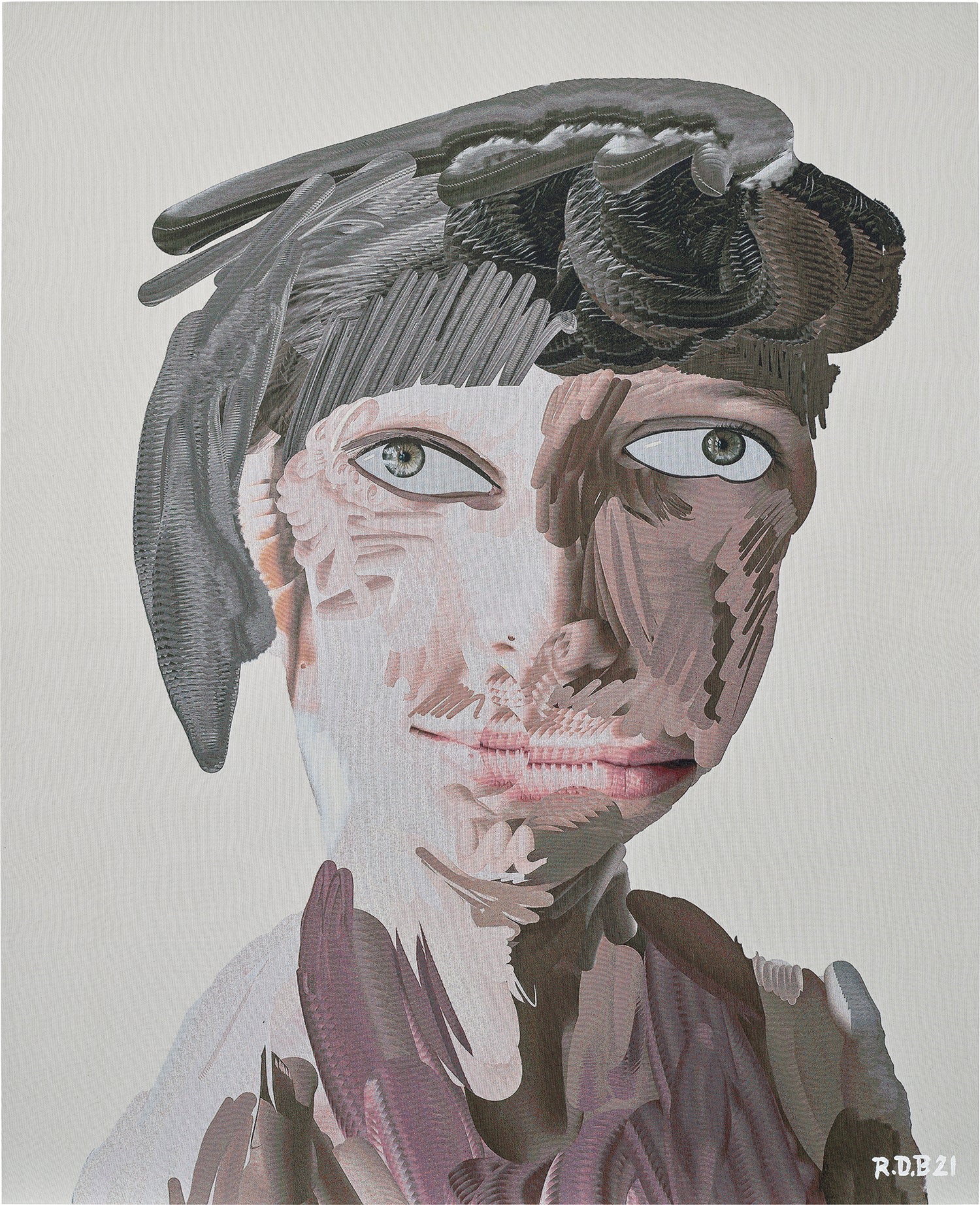
Ry David Bradley
Last Ornament, 2021





The Art of Sorrow Has Never Looked Better
There is a particular quality of light in a melancholic painting. It tends to fall sideways, or not quite reach the corners of the room. It illuminates a figure who is not looking back at you. It lingers, the way grief lingers, the way a Sunday afternoon in winter can feel like a weather system all its own.
Melancholy in art is not simply sadness rendered visible. It is something more philosophically charged than that, a mode of seeing that has shaped Western visual culture since antiquity and continues to produce some of the most psychologically alive work being made today. The roots of melancholy as an artistic preoccupation reach back to Aristotle, who in the fourth century BCE posed a question that resonated across millennia: why do those who excel in philosophy, poetry, and the arts tend toward melancholic temperament? The question planted a seed.
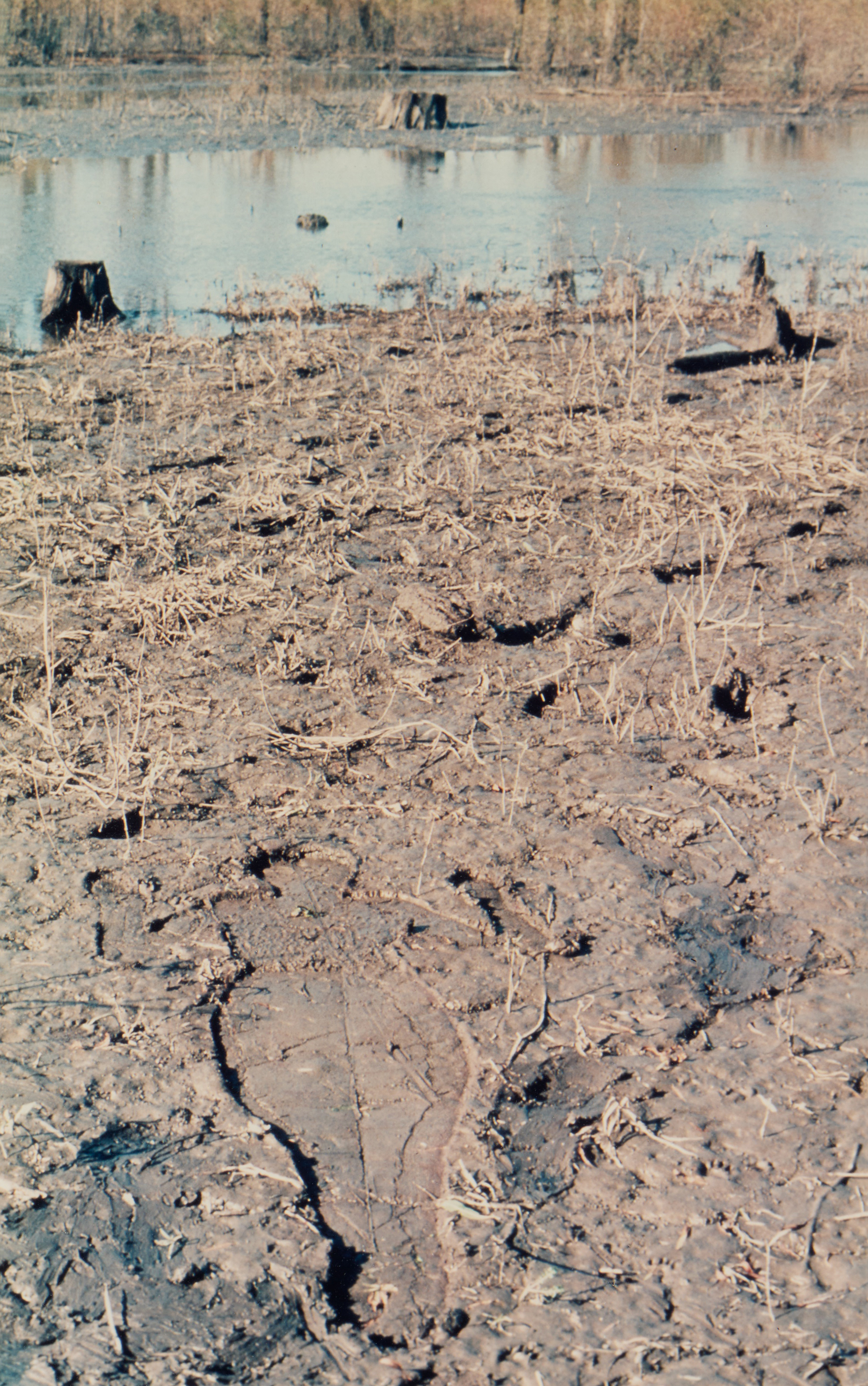
Ana Mendieta
Untitled (Silueta Series, Iowa), 1976
By the Renaissance, melancholy had been aestheticized into something almost glamorous, associated with genius and creative suffering. Albrecht Dürer's engraving Melencolia I from 1514 is perhaps the single most influential image on the subject, a brooding winged figure surrounded by symbolic objects, paralyzed by thought. That image haunted artists for centuries and established a visual grammar that persists in surprising ways right up to the present. The nineteenth century supercharged melancholy as a theme, channeling Romantic ideas about isolation, mortality, and the sublime into a vast body of work.
The printmakers and etchers of that period were particularly attuned to it. Charles Méryon, working in Paris during the 1850s, produced his extraordinary etchings of the city with an atmospheric intensity that feels less like urban documentation and more like a fever dream. His Paris was a place of shadows pressing in at the edges, of ancient stone and indifferent sky. Alphonse Legros, who moved between France and Britain and taught at the Slade School, brought a similarly somber vision to his portraits and etchings, figures absorbed in private worlds, not performing for the viewer but simply enduring.
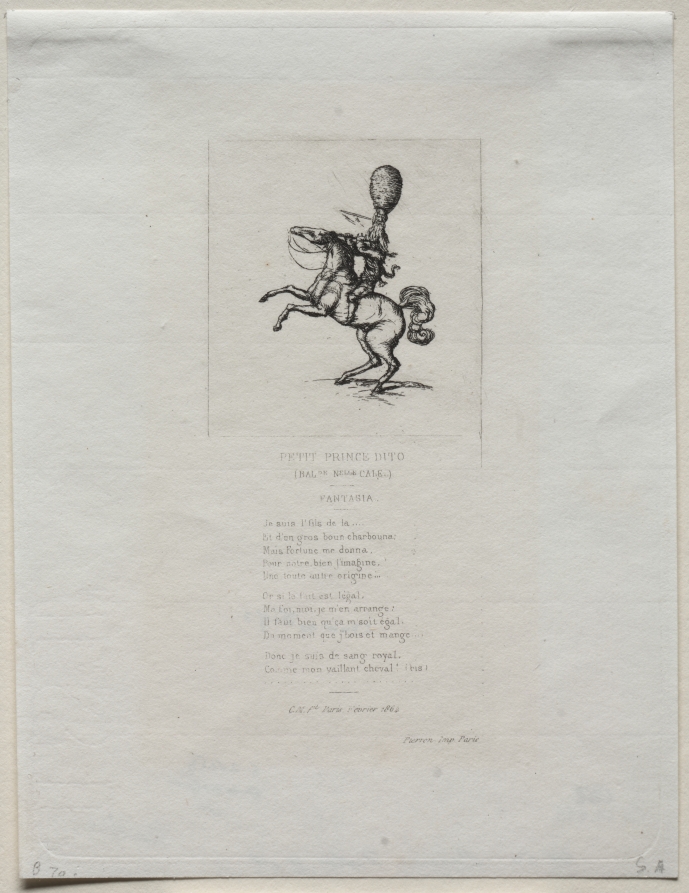
Charles Méryon
Little Prince Dito, 1864
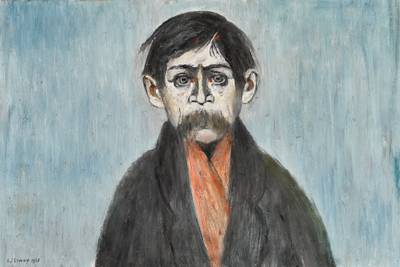
Both artists are well represented on The Collection and reward close looking. Edvard Munch occupies a category of his own in the history of melancholic art. His work from the 1890s onward treated psychological states as landscape, as weather, as the very texture of the visible world. The anxiety and longing in his prints and paintings were not confessional in any simple sense but rather attempts to externalize interior experience so completely that the boundary between self and environment dissolved.
Max Klinger, his German contemporary, pushed symbolism in a similarly dark direction, his print cycles exploring anxiety and desire with an almost theatrical intensity. Both artists understood that melancholy was not a mood to be depicted but a perceptual condition to be inhabited by the viewer. The early twentieth century brought new urgency to the theme. The catastrophes of two world wars transformed melancholy from a philosophical disposition into a historical condition.
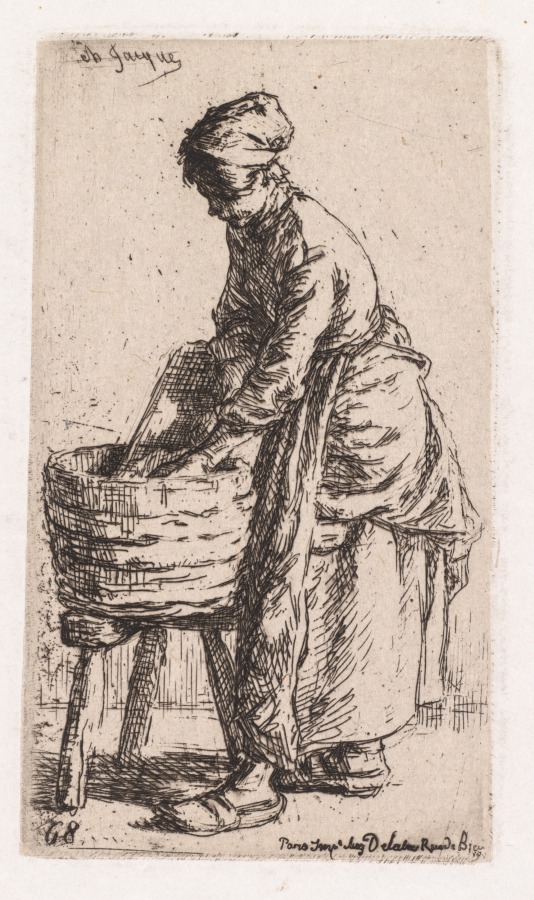
Charles-Émile Jacque
Washerwoman, 1850
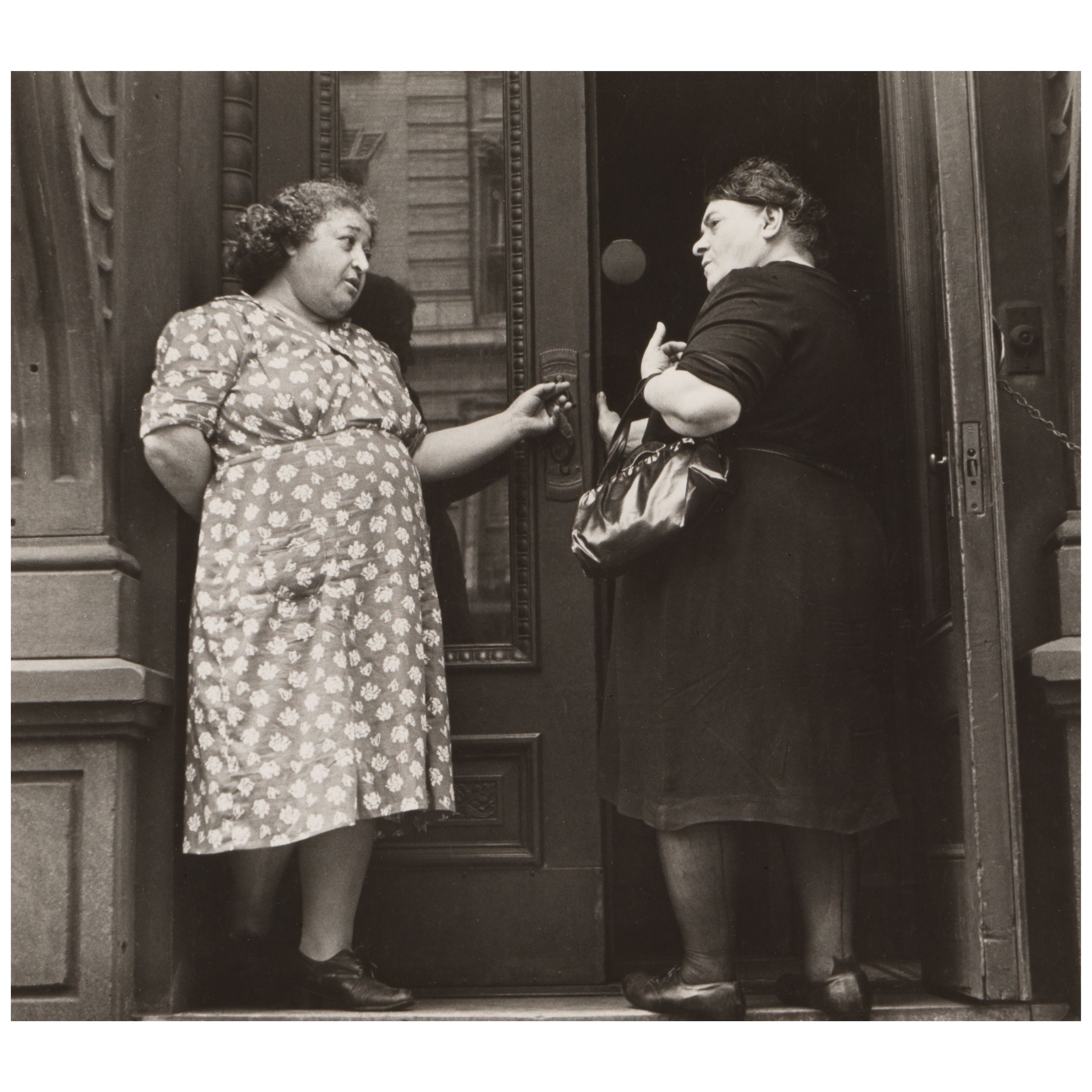
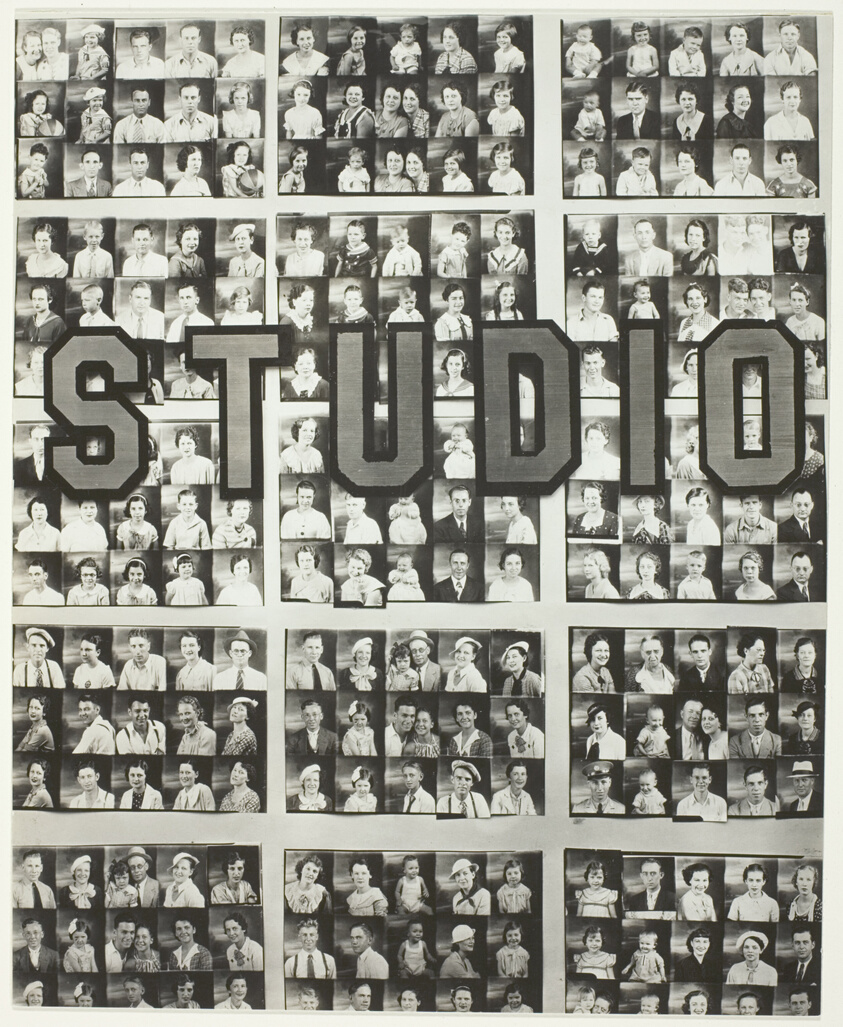
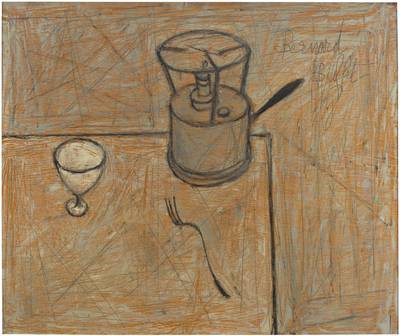
Bernard Buffet emerged in postwar France with a style so spare and attenuated it seemed to embody collective exhaustion, his elongated figures and scratchy black outlines reading as elegies for a damaged world. Around the same time, photographers like Dorothea Lange and Walker Evans were producing work for the Farm Security Administration in America that documented suffering with a formal rigor that elevated documentary into something closer to tragedy. Lange's portraits in particular achieved a quality of melancholic dignity, honoring their subjects without aestheticizing their pain, a difficult balance that very few artists have managed. Lewis Hine had done something similar a generation earlier with his photographs of child laborers and immigrants, images that carry a moral weight inseparable from their visual beauty.
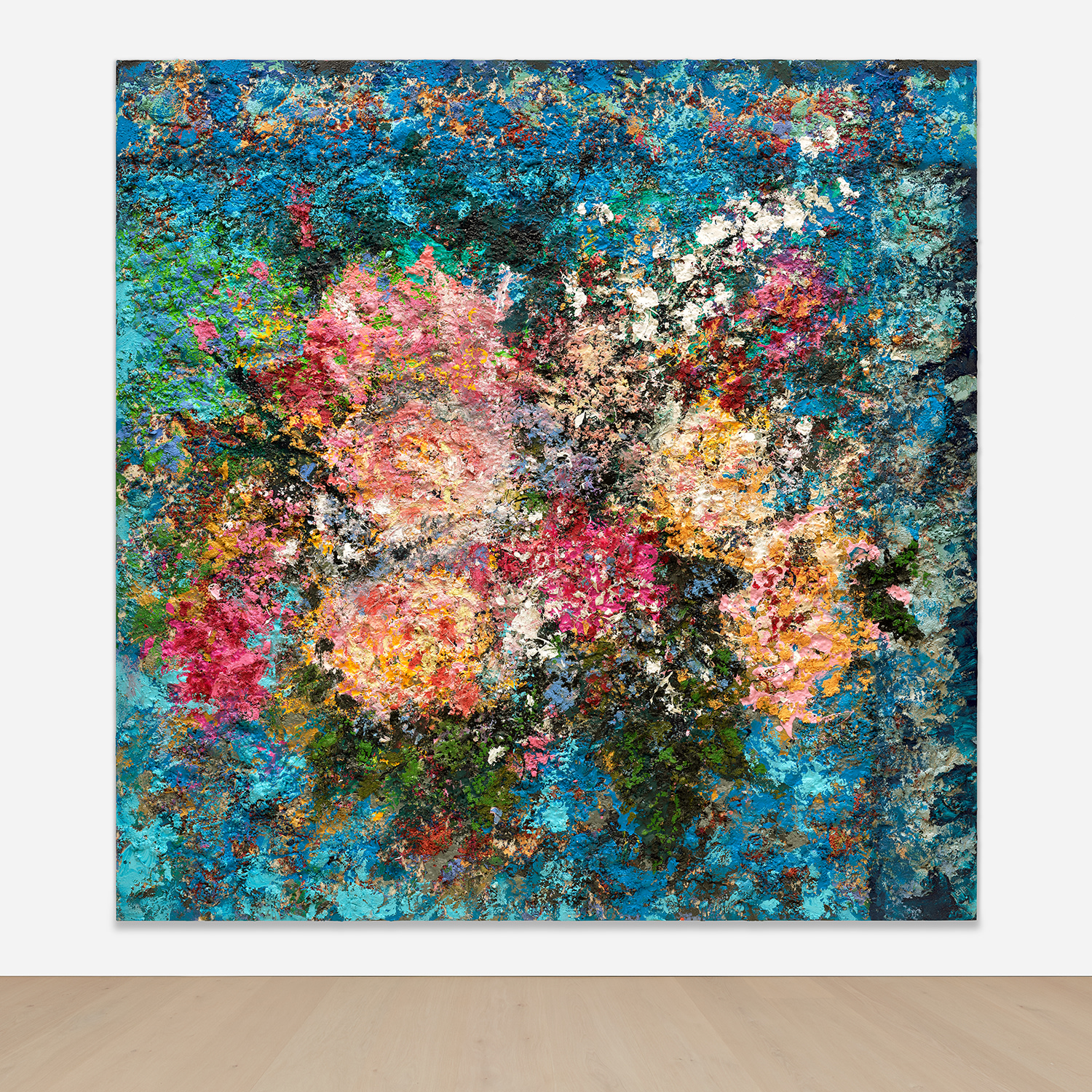
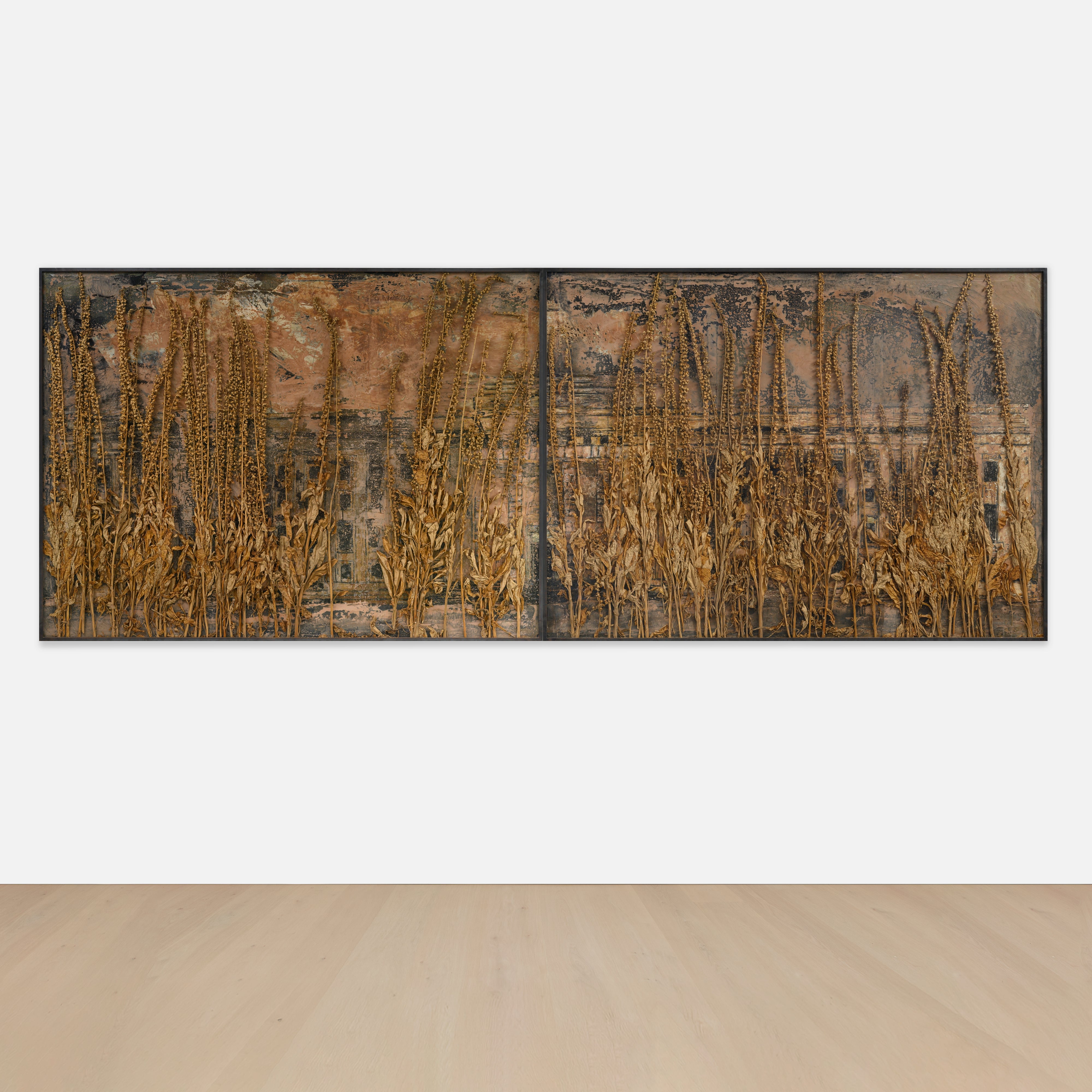
The latter decades of the twentieth century saw melancholy become one of the dominant registers of contemporary art, though it took many different forms. Anselm Kiefer worked at an almost geological scale, incorporating lead, straw, and ash into paintings and sculptures that processed German history as a wound that could not be closed. His work is melancholic in the most serious sense, not nostalgic or sentimental but genuinely grief stricken, located in a landscape of loss that has no easy resolution. Tracey Emin worked in an entirely different register but with comparable emotional directness, her neon texts and intimate drawings treating personal history as raw material for something universal.
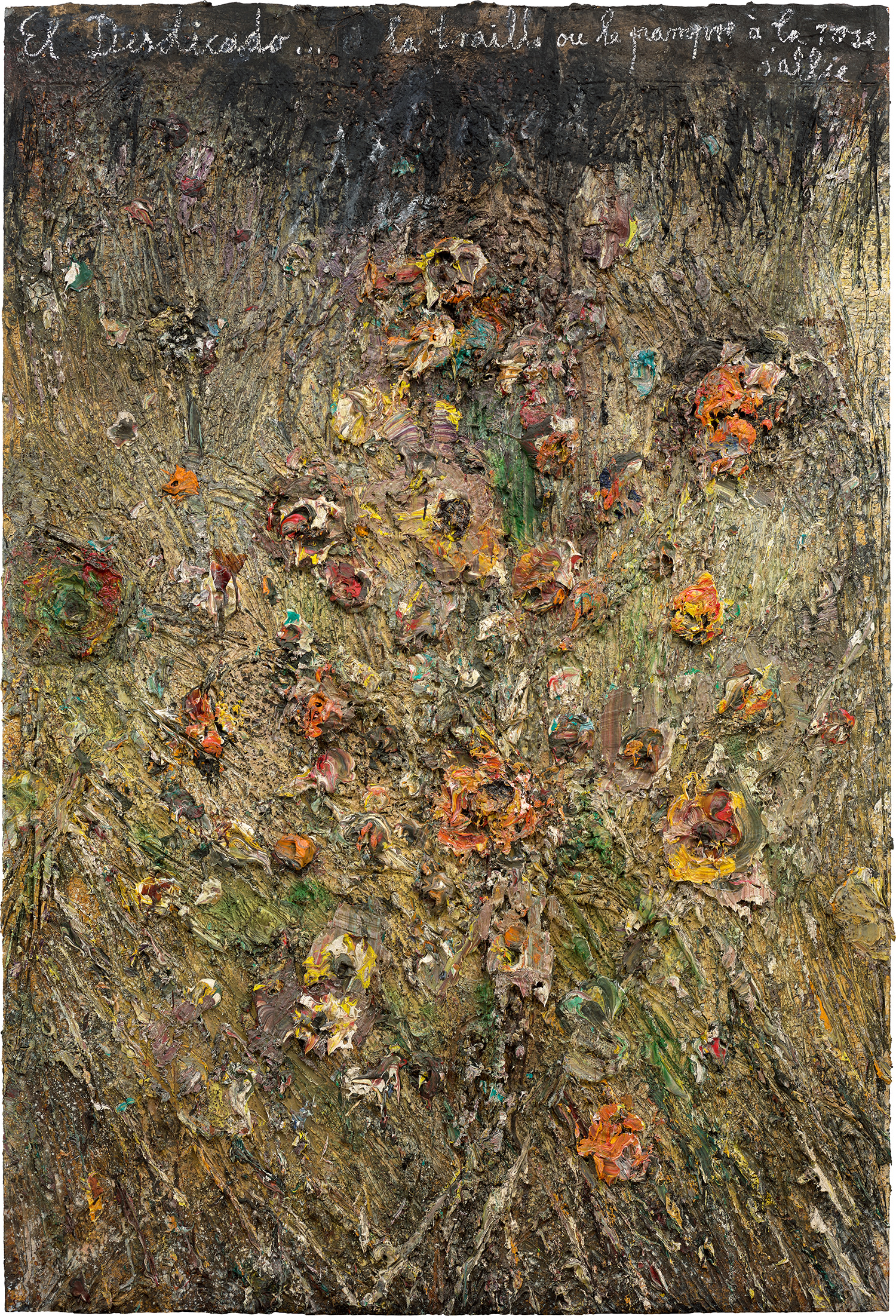
Anselm Kiefer
Für Gérard de Nerval, 2015
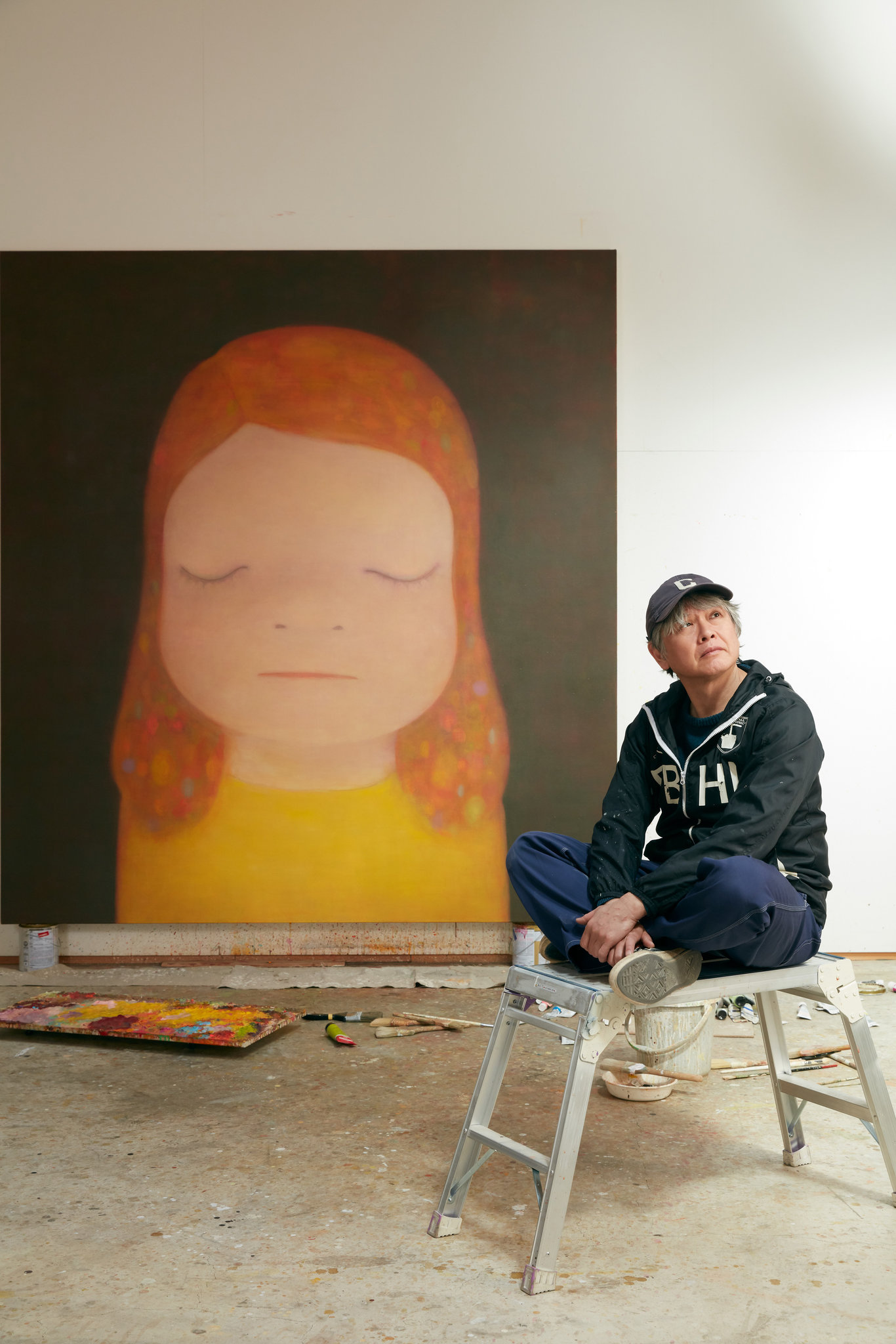
Both artists are significant presences on The Collection. It would be a mistake to think of melancholy in art as exclusively a Western or European preoccupation. Yoshitomo Nara's large eyed children carry a loneliness that reads across cultural borders, the combination of childlike imagery and barely suppressed aggression producing an emotional dissonance that is deeply contemporary. Zhang Xiaogang's painted families, ghostly and disconnected, carry the weight of Chinese history alongside something more personal and elusive.
Matthew Wong, who died in 2019 at just thirty five, painted luminous and isolated figures in landscapes that seem to float between presence and disappearance. His work has taken on an additional layer of melancholy in retrospect, which is not to sentimentalize it but simply to acknowledge that art and biography do sometimes speak to each other in ways that enrich understanding. Marlene Dumas and Nan Goldin, each in very different ways, have extended the tradition of melancholic portraiture into territory that earlier generations could not have imagined. Dumas works from photographs, dissolving likeness into something more unstable and emotionally ambiguous.
Goldin documented her community with a tenderness that was inseparable from awareness of loss. Both are represented on The Collection and both remind us that melancholy is not a style or an aesthetic choice but a way of paying attention to the world, which is ultimately what all the best art asks us to do. What makes melancholy so durable as an artistic mode is probably its honesty. It does not promise resolution.
It sits with difficulty rather than escaping it. In an art world that can sometimes feel saturated with irony or spectacle, work that makes room for genuine sorrow feels almost radical. The tradition stretching from Dürer's brooding angel through Munch's dissolving figures to the quietly devastating canvases of Matthew Wong is not a tradition of defeat. It is a tradition of witness, and it remains one of the most important things art can do.