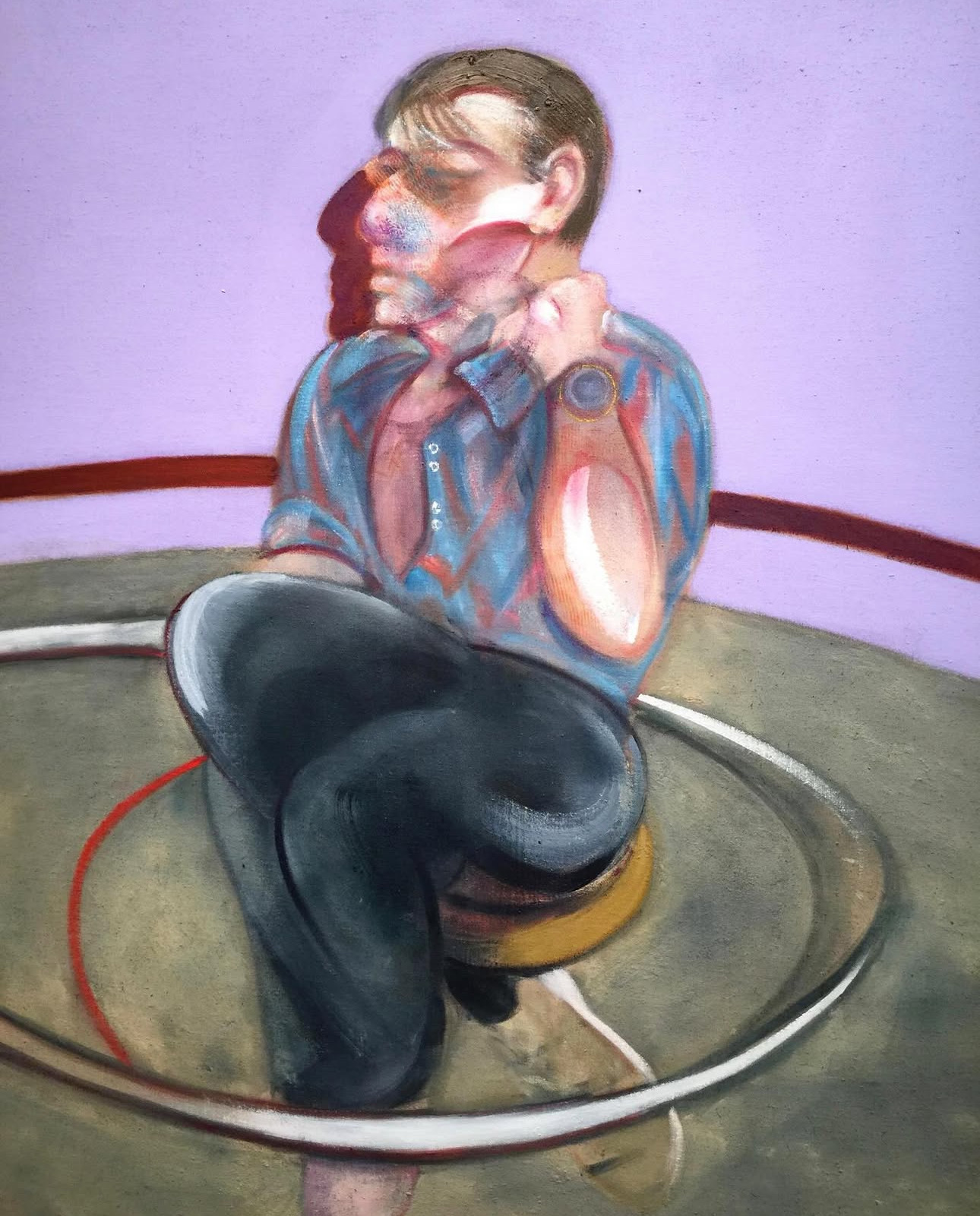
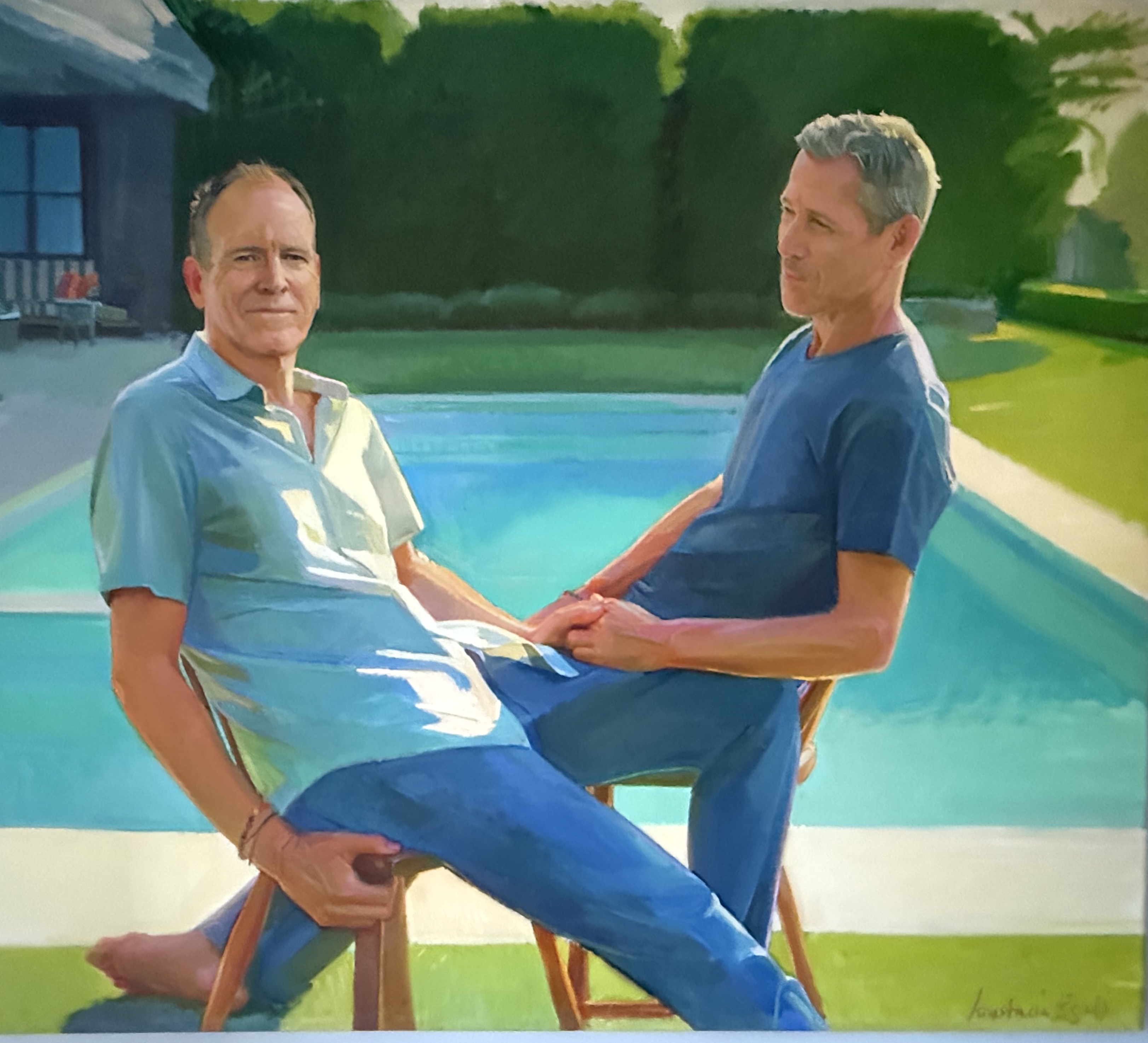
Watercolor And Gouache
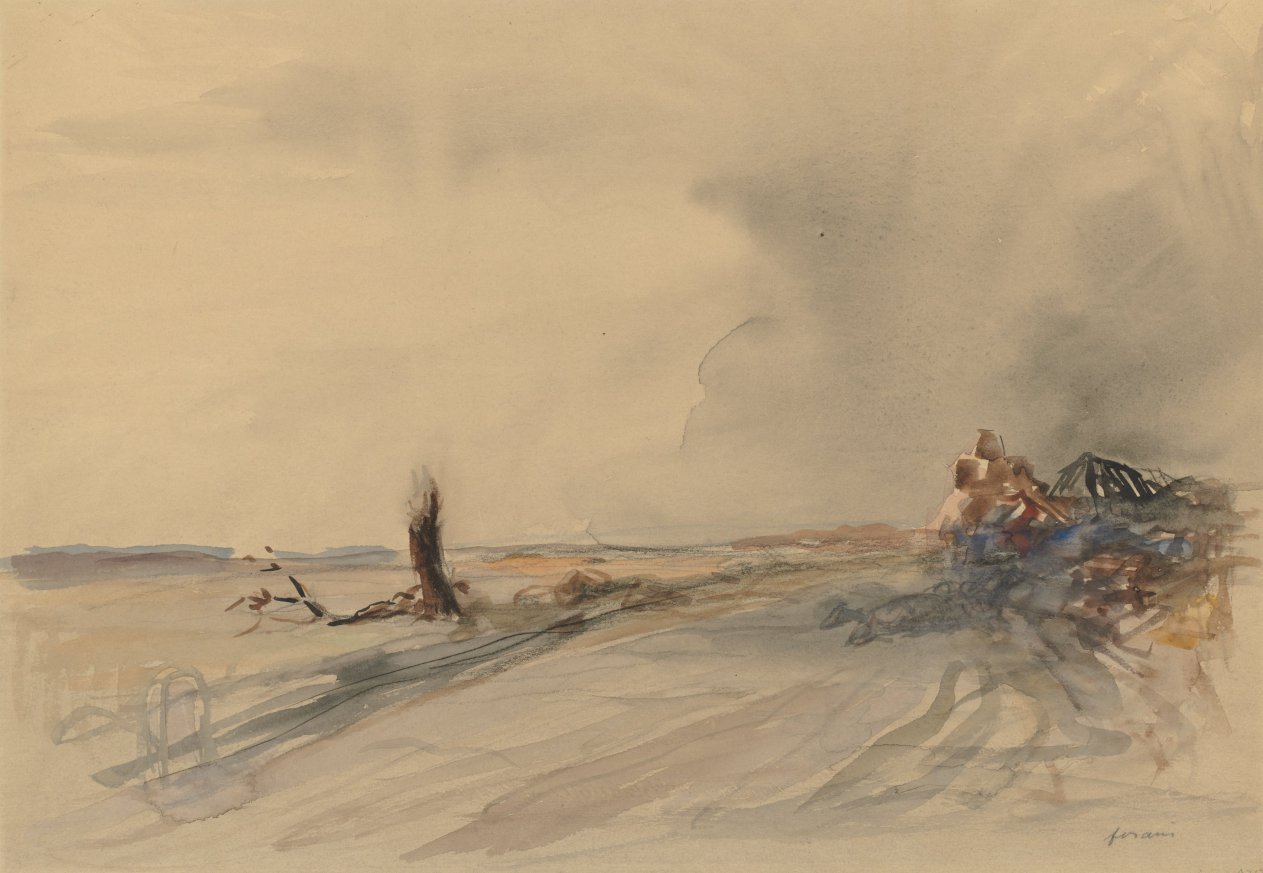
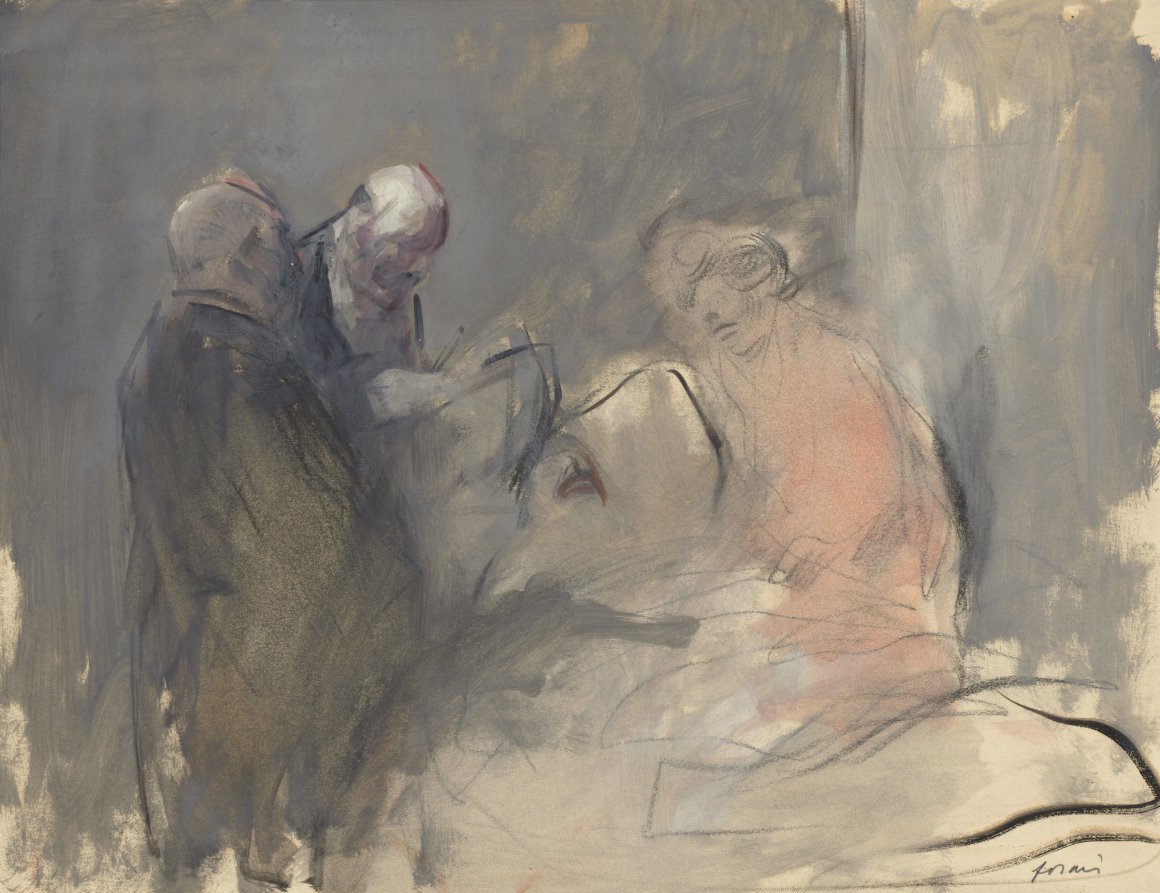
Jean Louis Forain
Devastated Land (recto), 1914


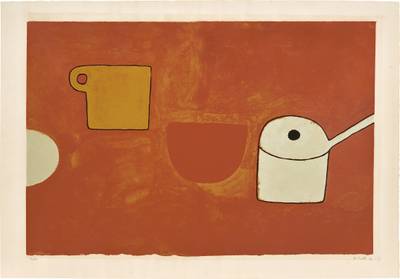

The Medium That Rewards You Every Morning
There is something almost unfair about living with a great watercolor or gouache. Unlike oil paintings, which can feel declarative and permanent, works on paper in these mediums seem to breathe differently depending on the hour and the light. Collectors who have spent time with them will tell you about the way a Prendergast beach scene shifts from luminous to contemplative as afternoon sun moves across a wall, or how a tightly rendered gouache by a Victorian master holds a kind of quiet authority in a hallway that stops you every time you pass. This intimacy is not accidental.
It is built into the physics of the medium, the way pigment sits on the surface, transparent or opaque, always in conversation with the paper beneath. The collecting world has long understood that watercolor and gouache occupy a particular sweet spot. They offer access to the working mind of an artist in a way that finished oil paintings sometimes do not. When you acquire a strong work on paper, you are often acquiring something closer to thought itself, the decision made in real time, without the opportunity for endless revision that a slow drying oil ground permits.
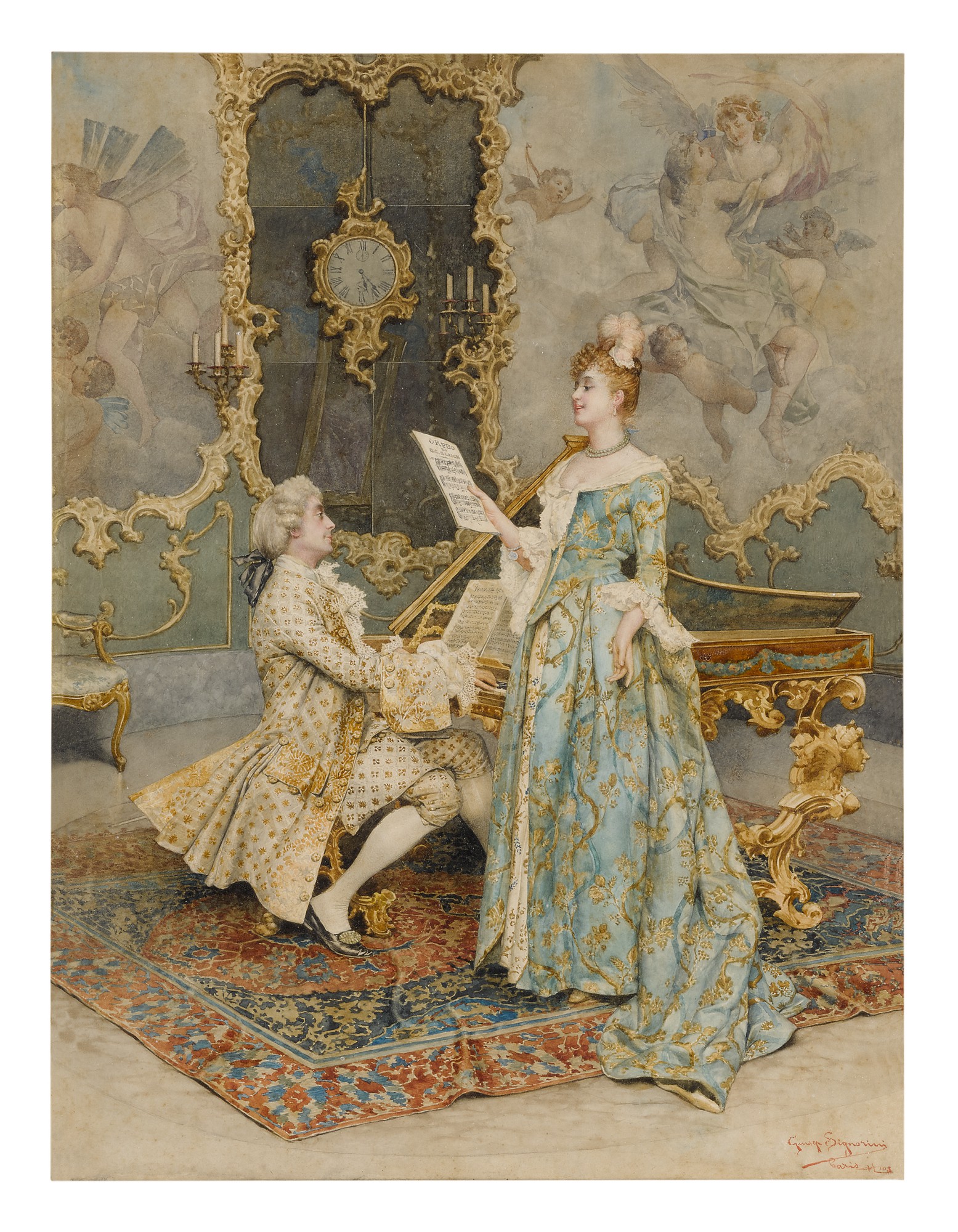
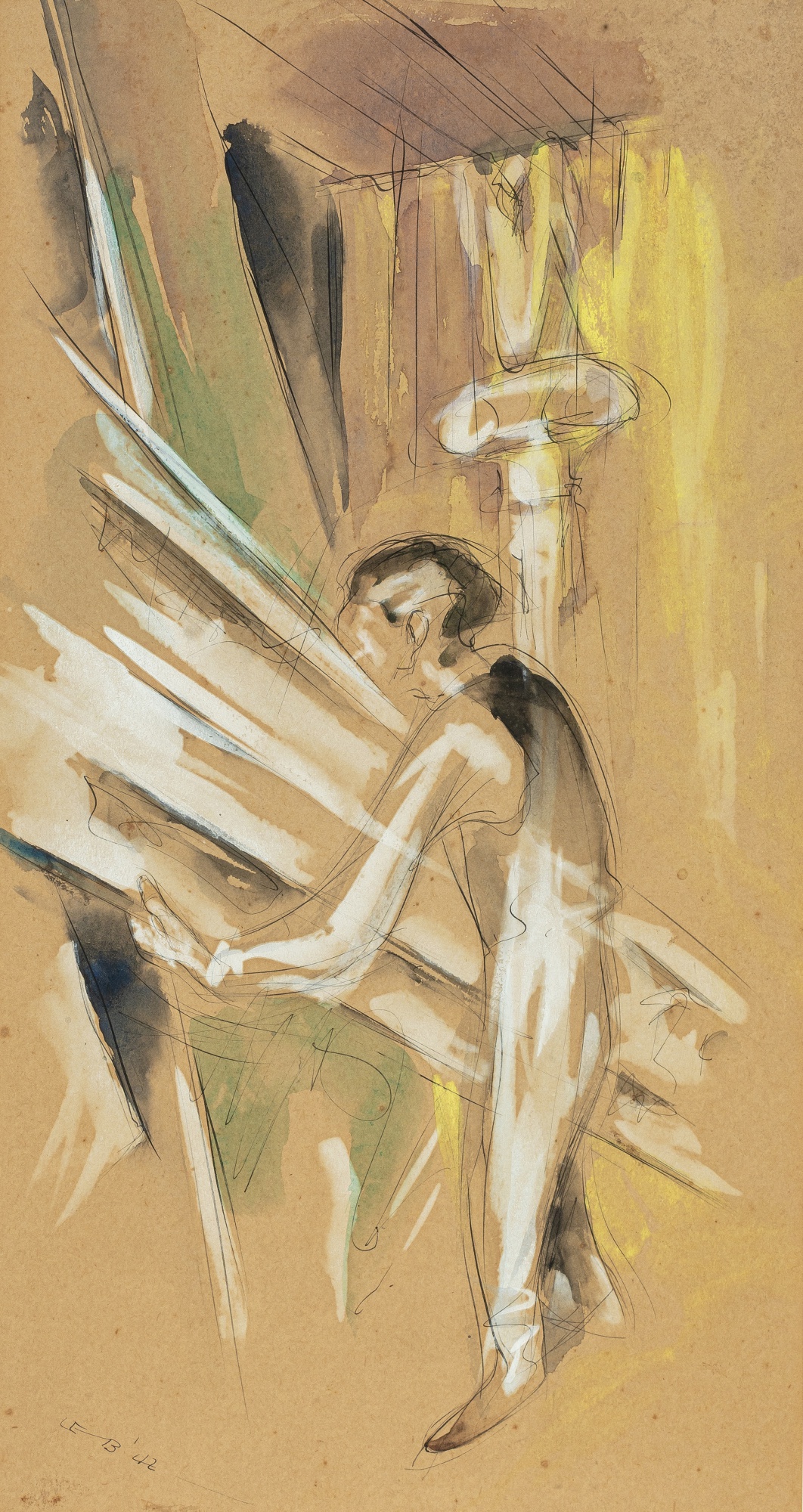
Giuseppe Signorini
The Soloist
This directness is precisely what draws serious collectors who have already built confidence in their eye and want works that feel earned rather than labored. Separating a good work from a great one in this category comes down to a handful of qualities that experienced collectors learn to trust. Luminosity is paramount in watercolor specifically. The best works preserve the white of the paper as an active element rather than simply as background.
Look for artists who understood that restraint is a form of power. Gouache, being opaque, plays by slightly different rules, and here the quality of mark making and the confidence of layering become the telling factors. A hesitant passage in gouache reads immediately as weakness, whereas a sure hand builds forms that feel inevitable. Beyond technique, subject and compositional ambition matter enormously.
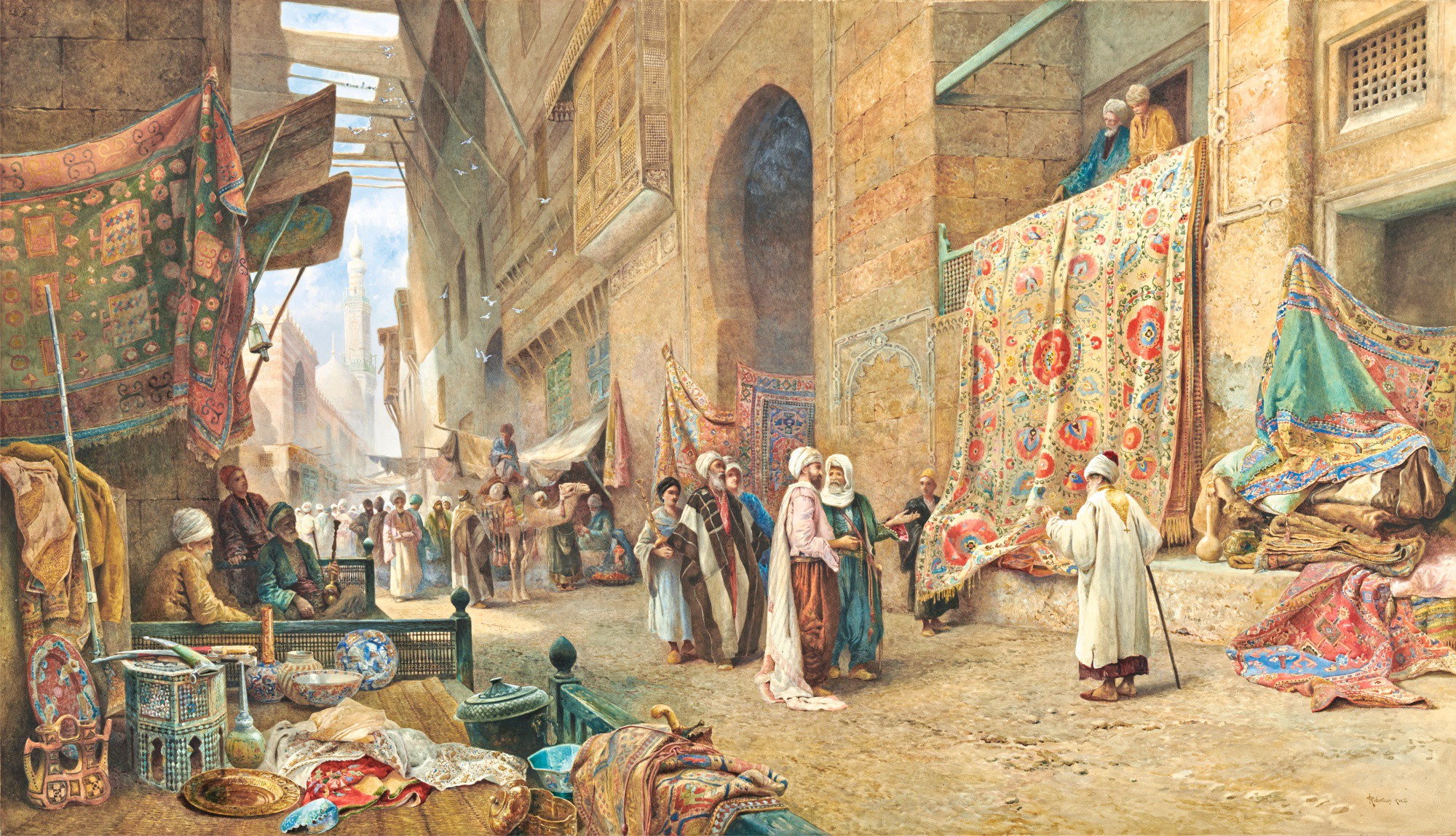
Charles Robertson
A Carpet Seller, Cairo
A technically proficient watercolor of an uninspired subject will always underperform a work that carries genuine pictorial risk. The artists represented on The Collection offer a genuinely instructive cross section of the medium's range. Maurice Prendergast remains one of the most reliably rewarding watercolorists of the early twentieth century, and his works are well represented here. He was among the first American artists to absorb the lessons of Post Impressionism and translate them into a distinctly American visual language, and the best of his beach and park scenes have held their value with remarkable consistency across decades.
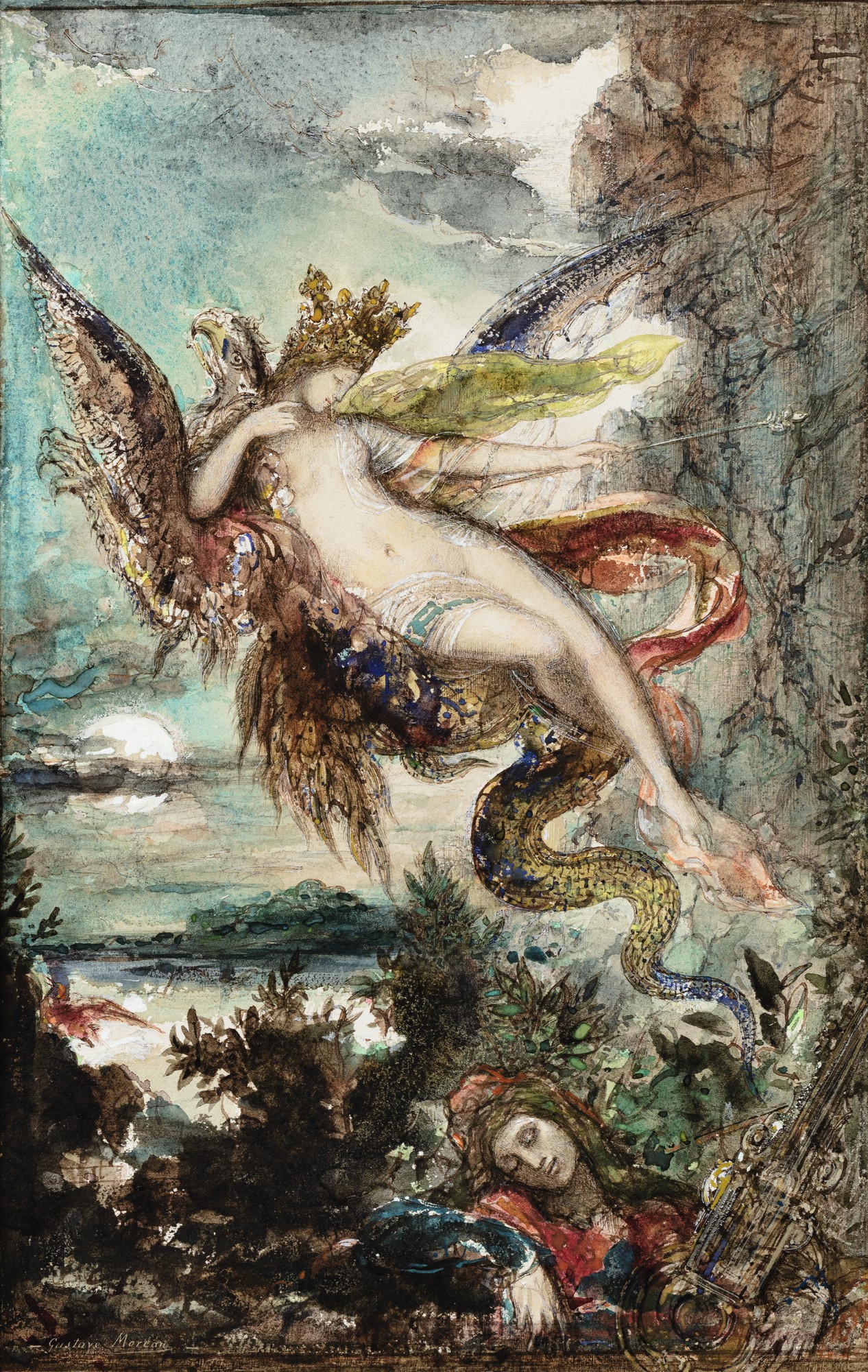
Andrew Wyeth, whose quiet command of the medium is sometimes underestimated by those who know only his most famous tempera works, produced watercolors of astonishing economy that continue to appreciate. Egon Schiele's works on paper occupy a category unto themselves, carrying the full weight of his compressed and extraordinary career. When a Schiele work on paper appears on the market in any condition that is not severely compromised, it commands serious attention and serious prices. Gustave Moreau's use of gouache was deeply personal, often preparatory in nature, and works connected to his major mythological projects carry real scholarly and market significance.
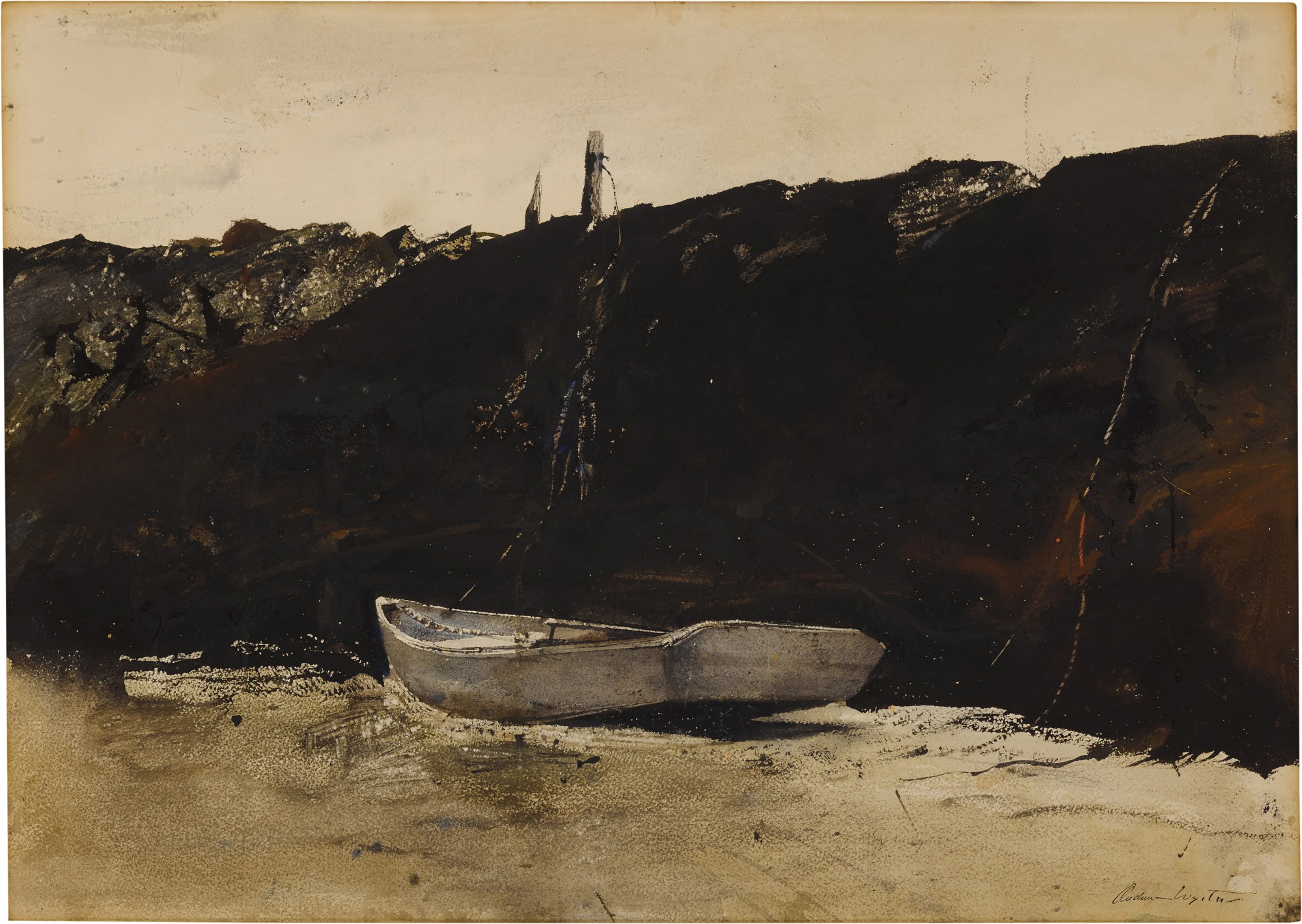
Andrew Wyeth
Teel's Landing, 1953
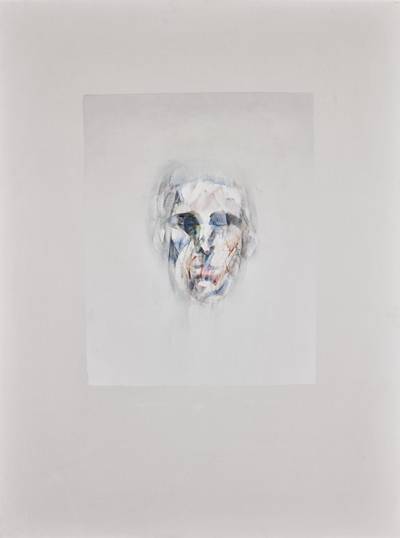
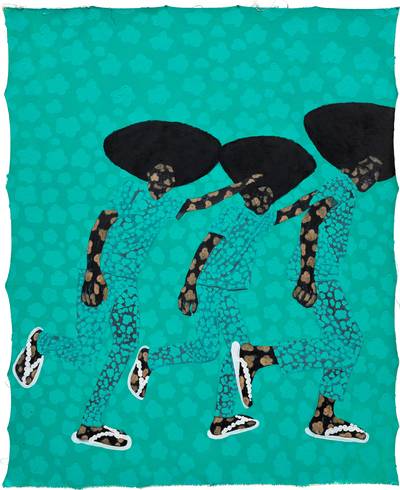
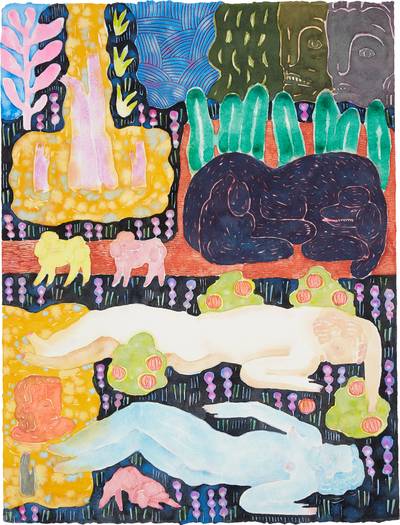
For collectors who want to build intelligently without competing at the very top of the market, the medium offers genuine opportunities among artists whose reputations are still being properly calibrated. Celeste Dupuy Spencer brings a contemporary figurative sensibility to works that feel grounded in both social observation and painterly tradition, and her market is building with real momentum. Gladys Nilsson, a Chicago Imagist whose work has been gaining serious institutional attention in recent years, produced works in watercolor that reward close looking and remain undervalued relative to her historical importance. Michael Borremans is one of the most talked about painters of his generation, and works on paper that enter the secondary market from his practice are increasingly contested.
Walasse Ting, whose vibrant gouaches bridged Eastern and Western traditions with genuine originality, is a name worth knowing for collectors building in the mid market. At auction, watercolor and gouache works perform with more consistency than is sometimes assumed. The prevailing myth that works on paper are inherently less valuable than works on canvas is exactly that, a myth, and one that the last two decades of market data do not support at the upper end of the quality spectrum. What is true is that the spread between strong examples and weak examples is wider in this category than in oil painting.
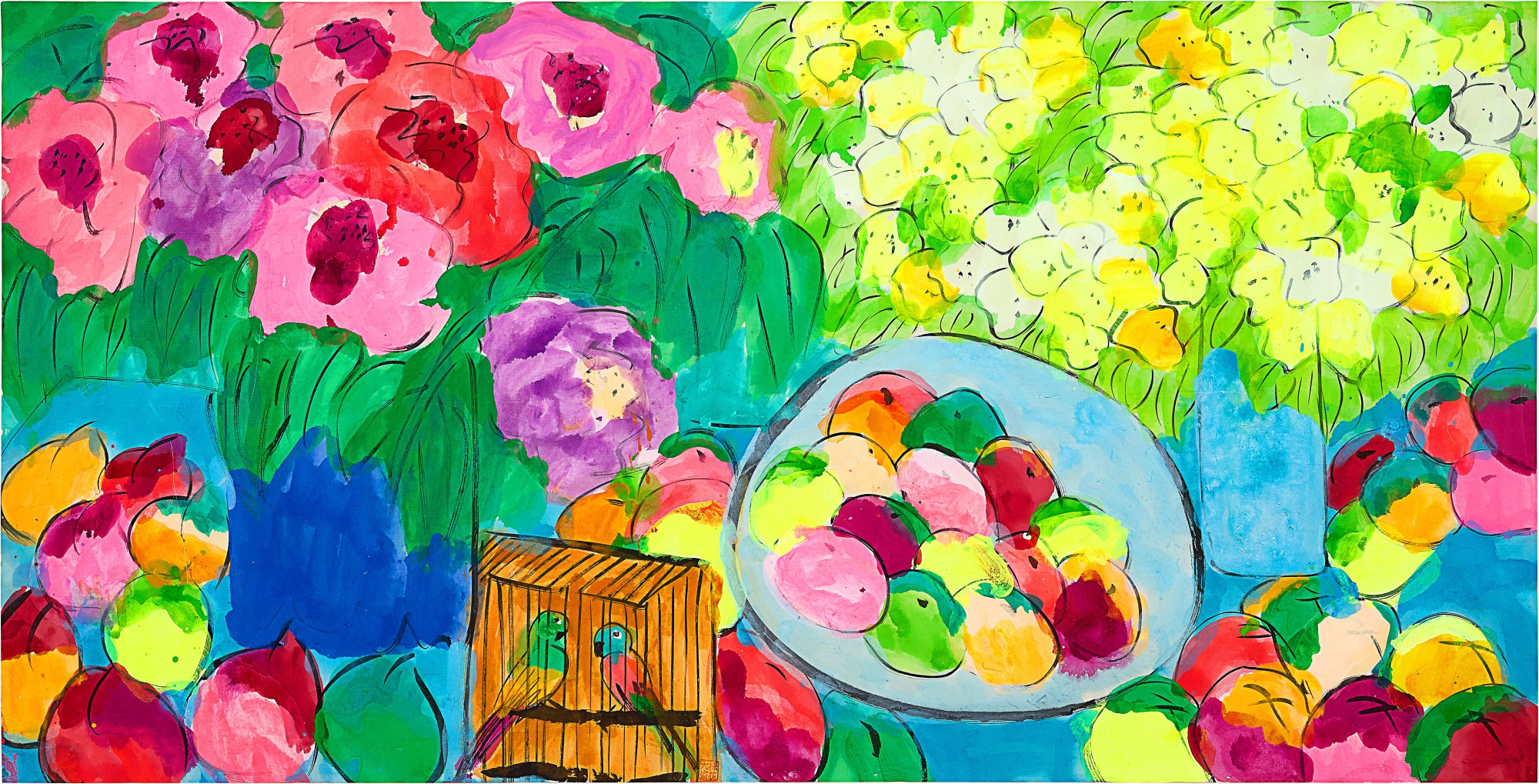
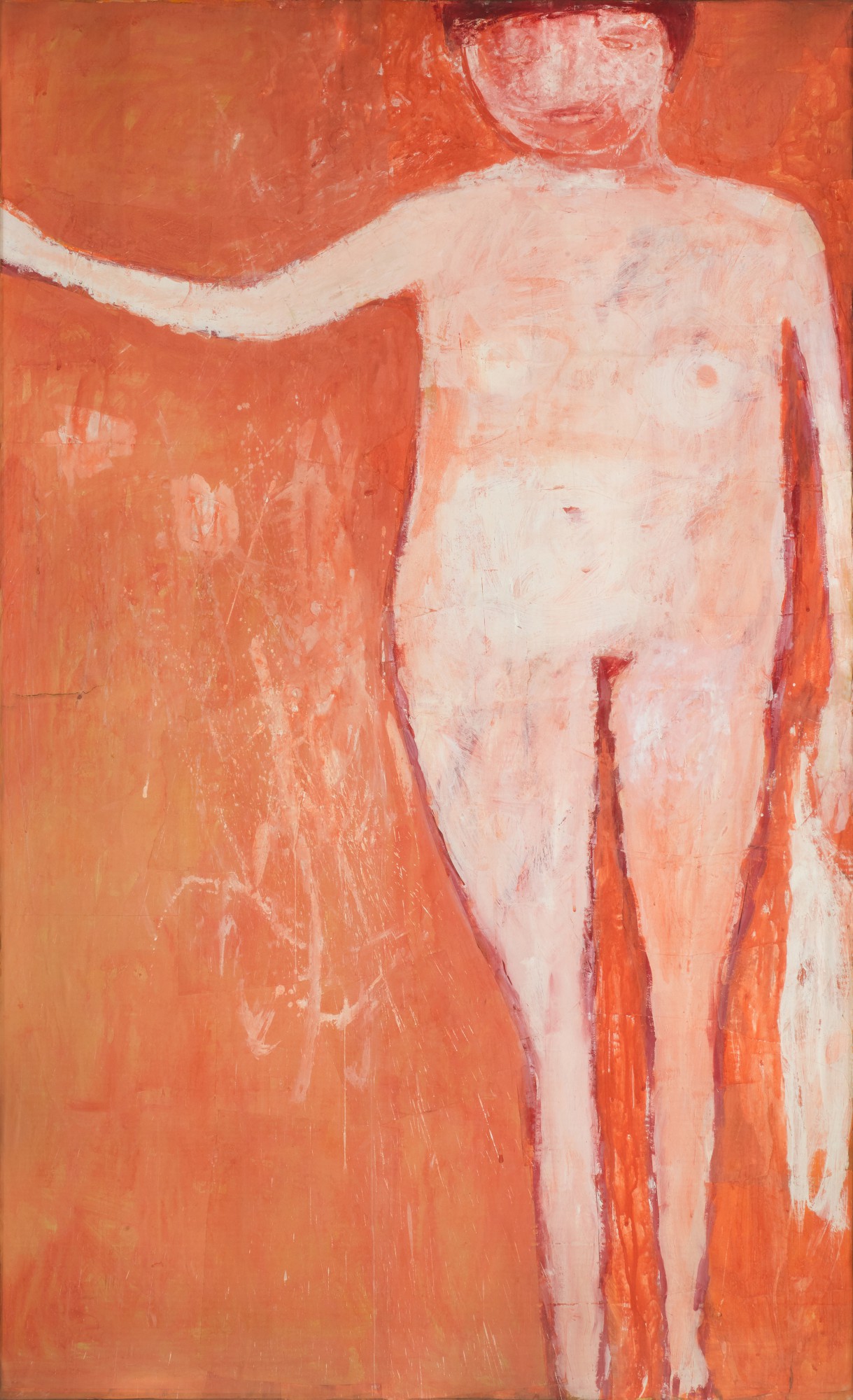
Walasse Ting
Still Life with Fruits and Flowers 花果靜物
A mediocre watercolor by a recognized name will struggle, while an exceptional one will find multiple bidders. Collectors who do their homework on condition, provenance, and exhibition history before bidding will consistently outperform those who rely on name recognition alone. Condition is where collectors in this category need to be especially attentive. Paper is sensitive to light, humidity, and acidic environments in ways that canvas is not.
Fading, foxing, and tide lines from water damage are the most common issues encountered, and while skilled conservators can address some of these problems, prevention is always preferable. Ask galleries and auction houses for condition reports that specifically address light exposure history. When displaying works, use conservation grade glazing that blocks ultraviolet light, and avoid hanging works in direct sunlight or in rooms with significant humidity fluctuation. Unlike prints and editions, watercolors and gouaches are almost always unique works, which is both their greatest appeal and a reason to be rigorous about what you are acquiring.
When speaking with a gallery, ask whether the work has been examined by a conservator, whether it is backed with acid free materials, and whether there is documentation connecting it to the artist's practice through exhibition history or catalogue records. The more of these questions a gallery answers fluently and without hesitation, the more confident you can feel about the acquisition.