Turner Prize Winner
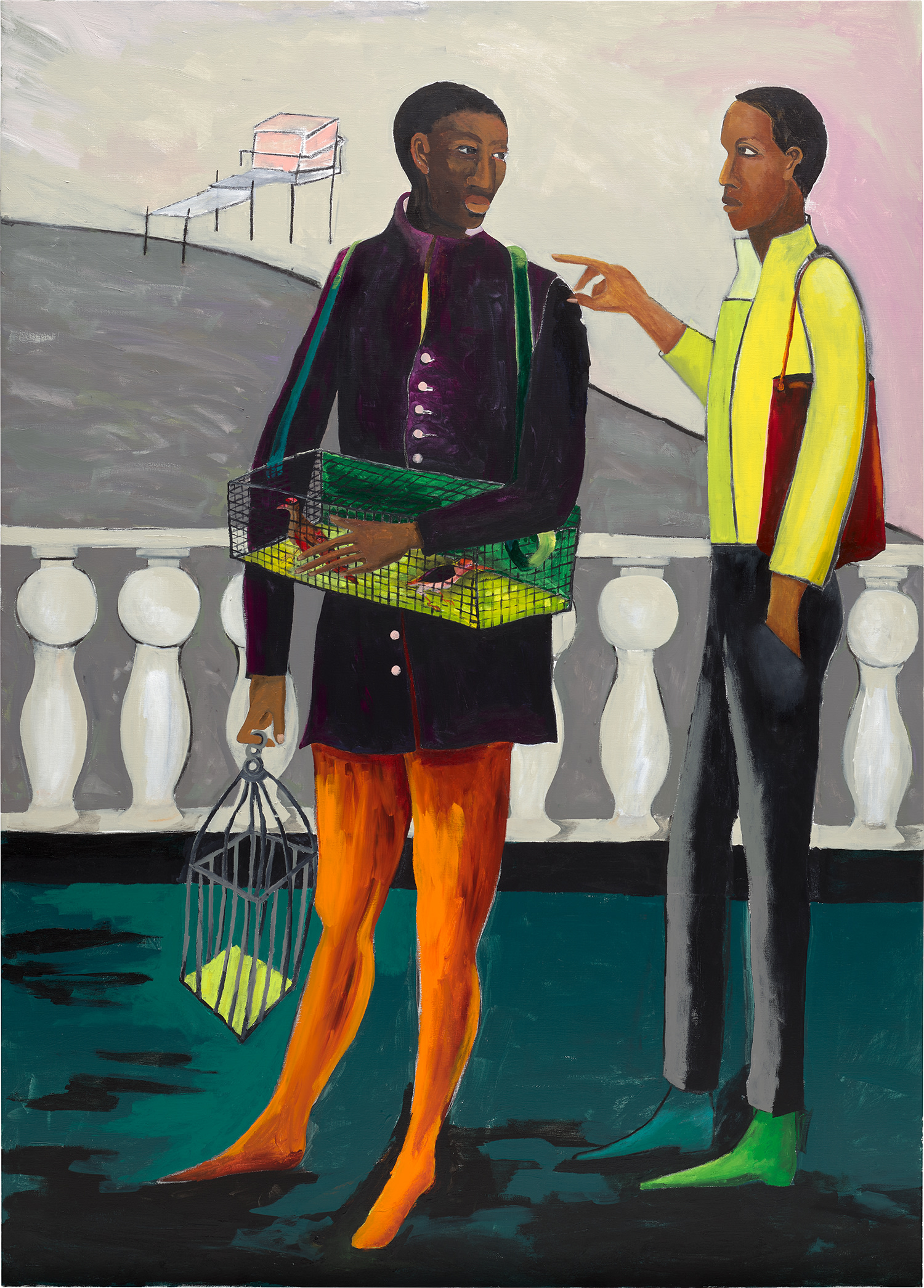
Lubaina Himid
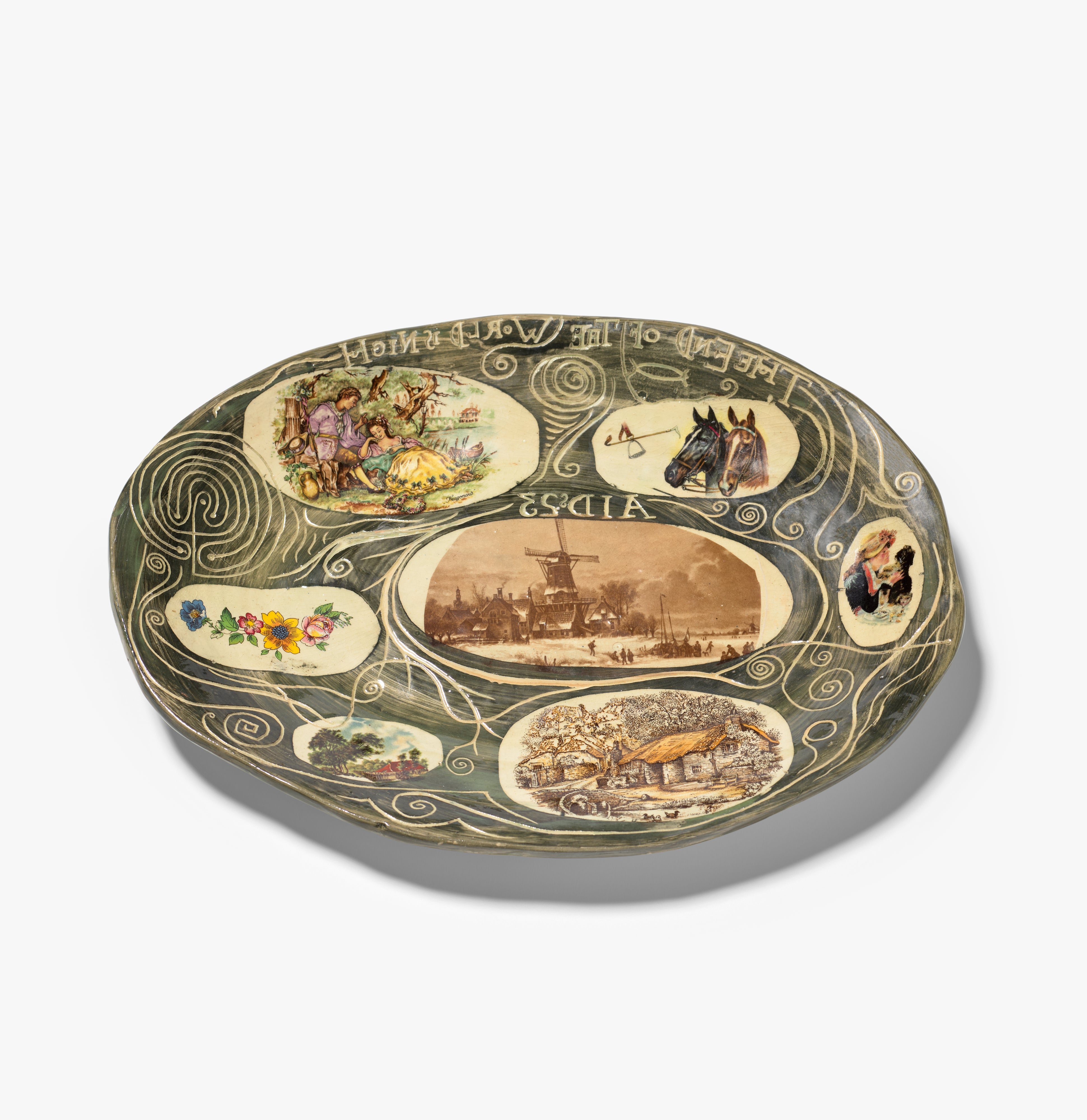
The Bird Seller: Are You Listening, 2021


The Prize That Changed British Art Forever
Few institutions in contemporary art have provoked as much delight, outrage, genuine bewilderment, and ultimately enduring cultural conversation as the Turner Prize. Since its founding in 1984, it has functioned less as a simple award and more as an annual referendum on what British art is, what it wants to be, and who gets to decide. To follow its history is to trace the entire arc of late twentieth and early twenty first century visual culture in Britain, including its ambitions, its anxieties, and its remarkable capacity for reinvention. The prize was established by the Patrons of New Art, a group affiliated with the Tate Gallery, and named after J.
M. W. Turner, the great Romantic painter whose own restless experimentalism felt like an appropriate patron saint for the venture. The early years were relatively sedate by later standards.
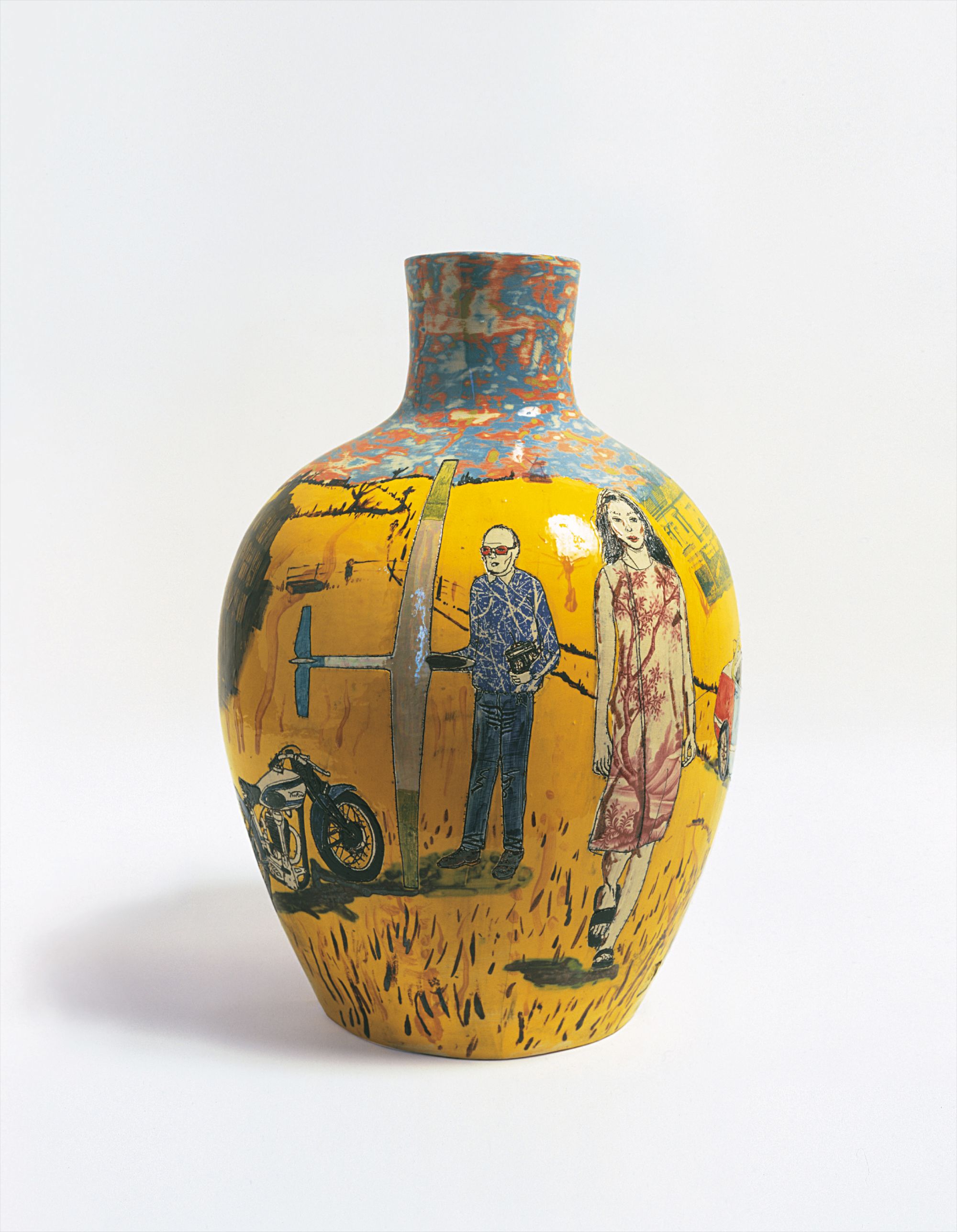
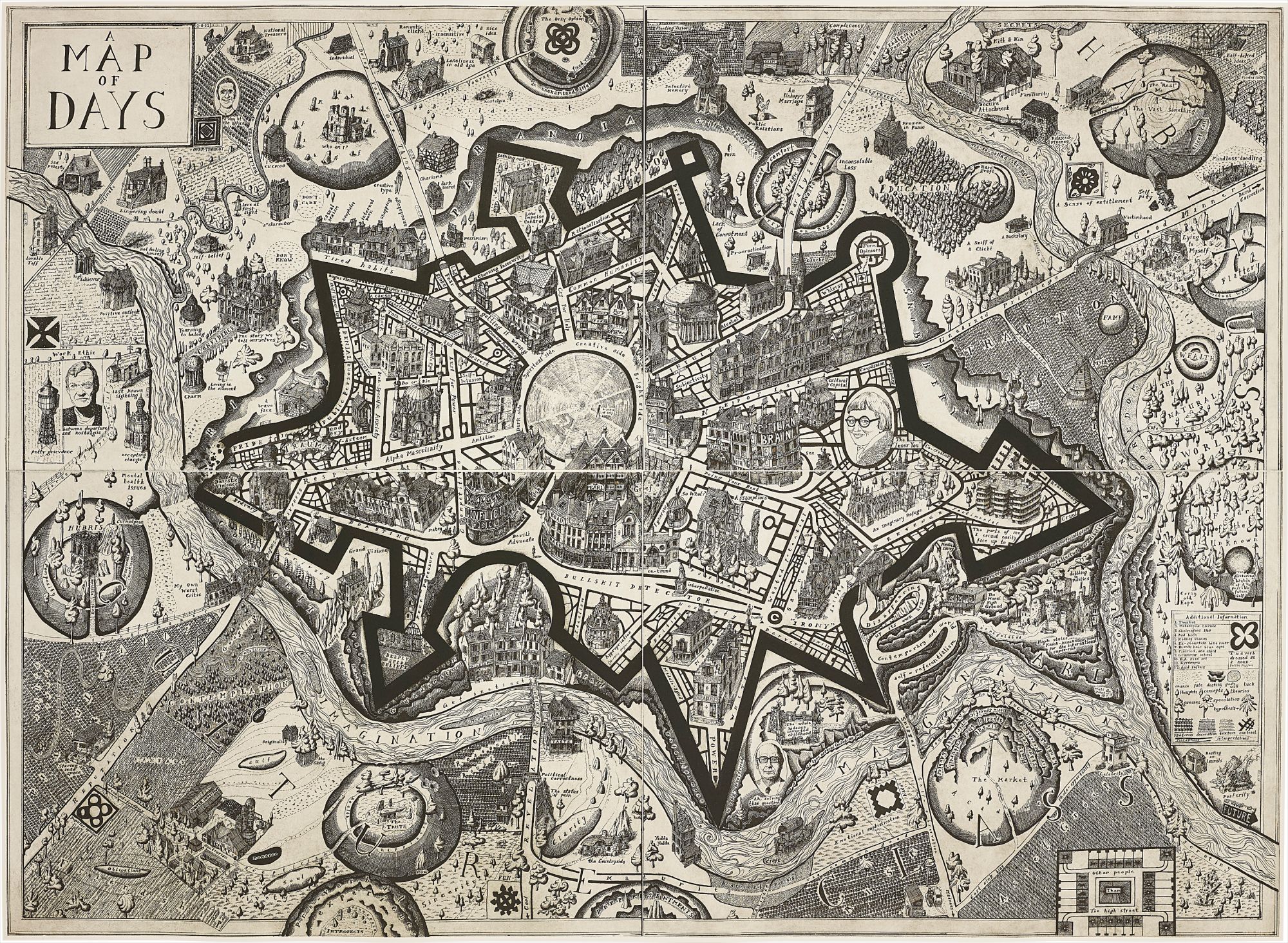
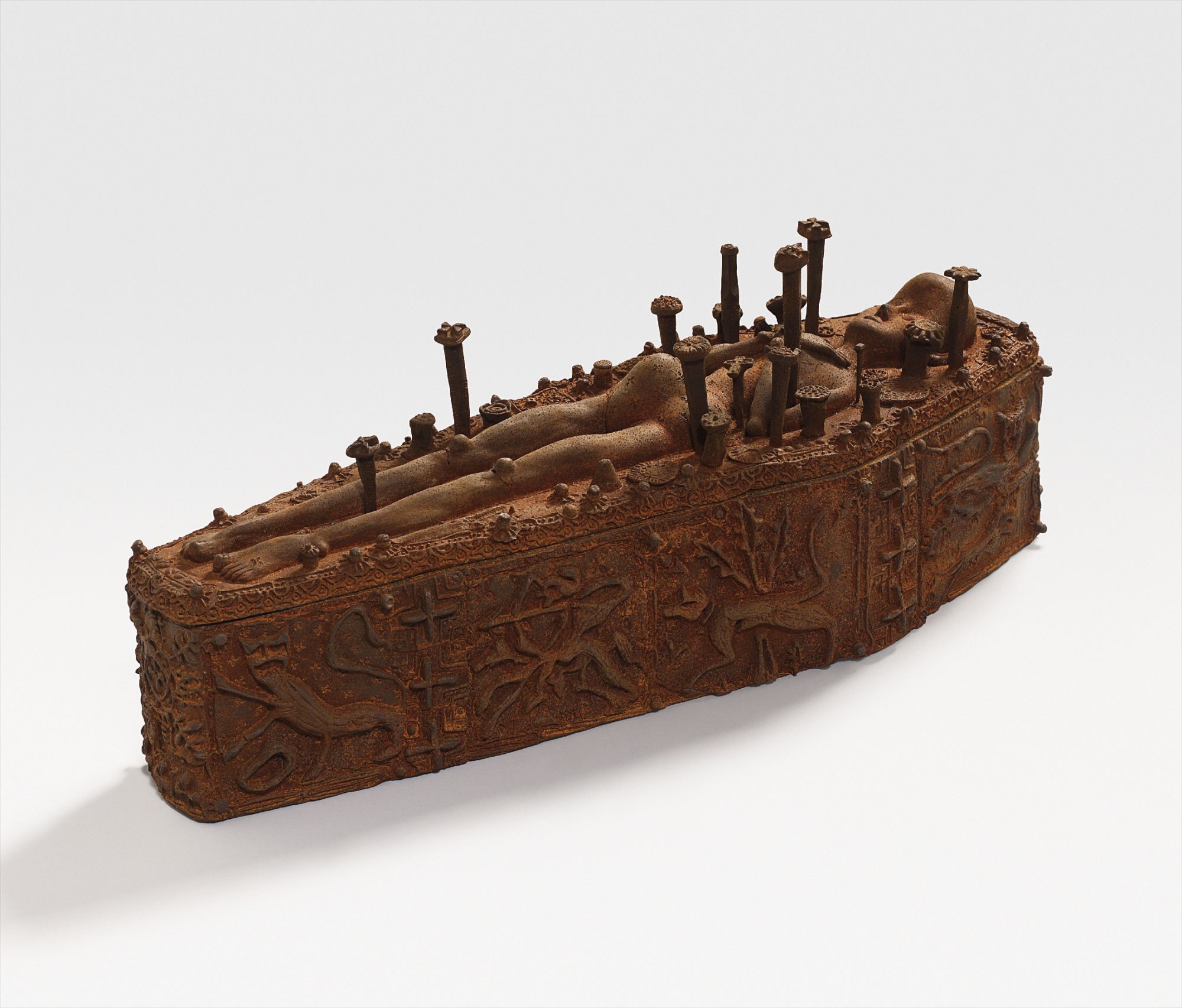
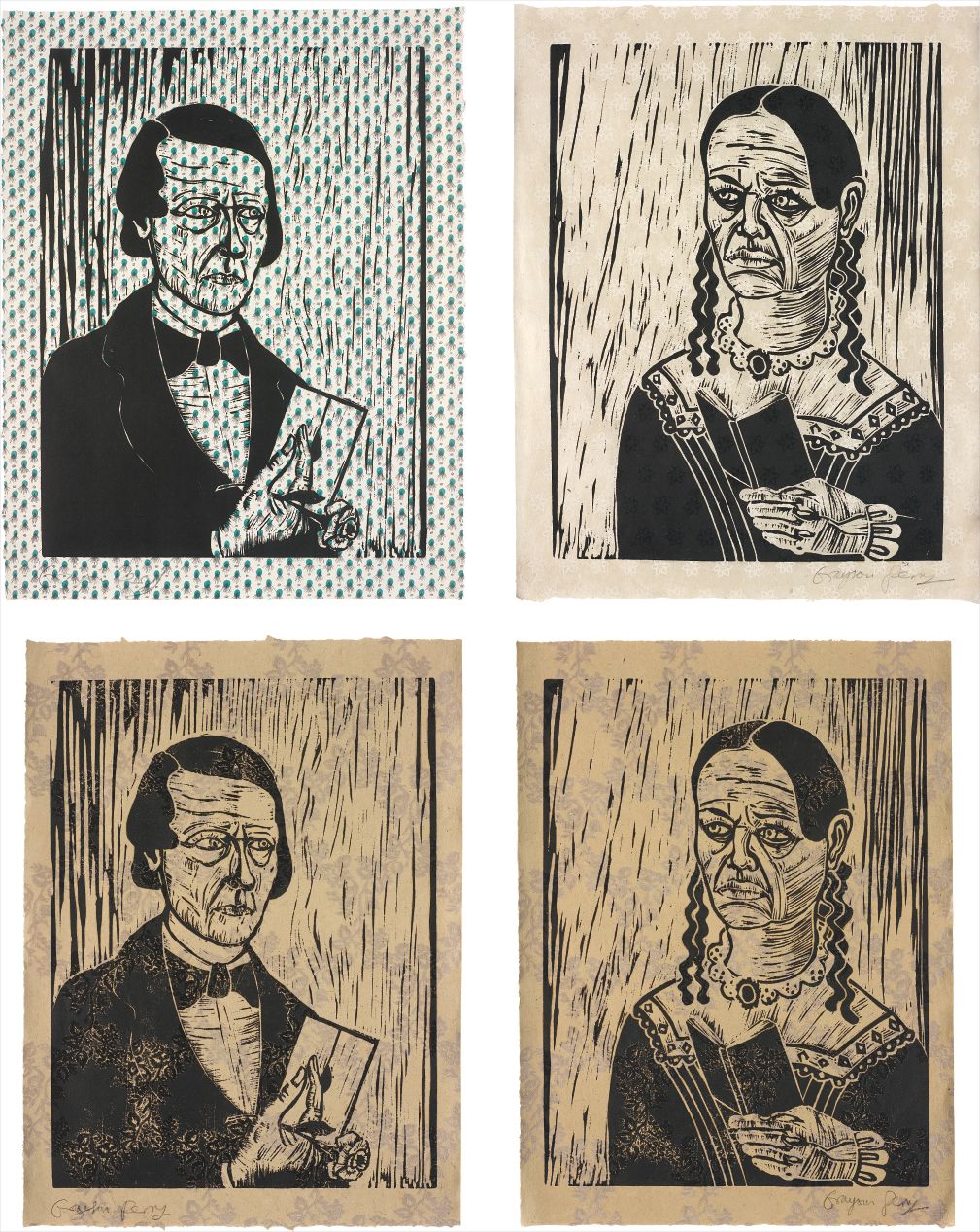
Grayson Perry
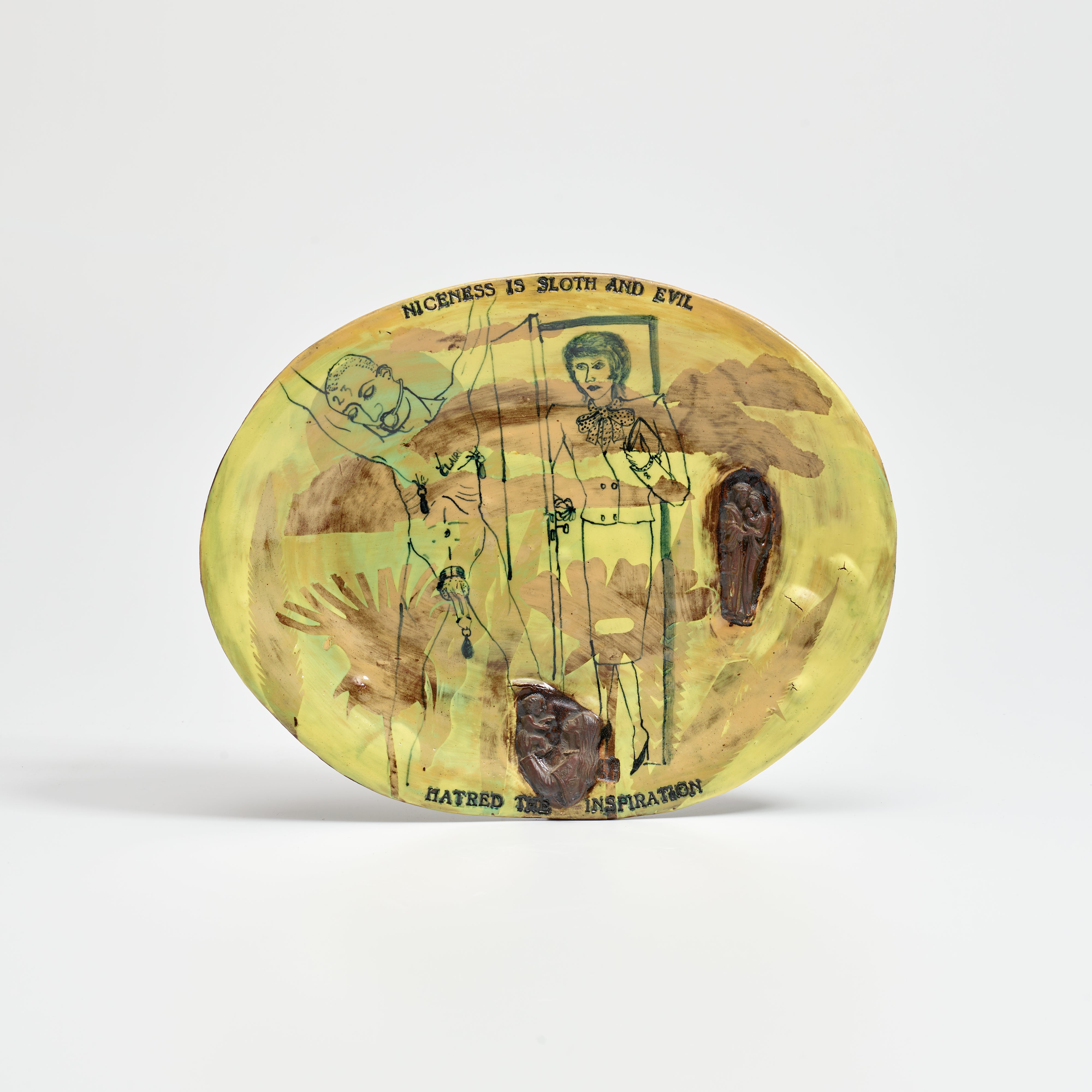
Niceness Is Sloth And Evil, 1980
Malcolm Morales won in 1984, and the prize moved through painters and sculptors with a degree of critical respectability that would have felt unrecognisable by the time the 1990s arrived. It was open at first to artists of any age, then restricted to those under fifty, a change that sharpened its focus on emerging practice and gave it a more urgent, generational character. The real transformation came with the Britart moment of the late 1980s and 1990s, when a generation of artists trained largely at Goldsmiths College began reshaping the terms of contemporary practice. Damien Hirst, Gary Hume, and their peers made the prize synonymous with provocation and spectacle.
Hirst was nominated but never won, a biographical footnote that surprises people even now. The winners of that era, including Gillian Wearing in 1997 and Chris Ofili in 1998, were artists who brought conceptual rigour alongside emotional and political depth, challenging the idea that the prize was purely about shock value. The tabloid coverage was often hysterical and frequently wrong, but it had the unintended effect of making contemporary art a genuinely public conversation in Britain in a way that had no real precedent. Grayson Perry, who won in 2003, represents one of the most significant and genuinely beloved chapters in the prize's history.
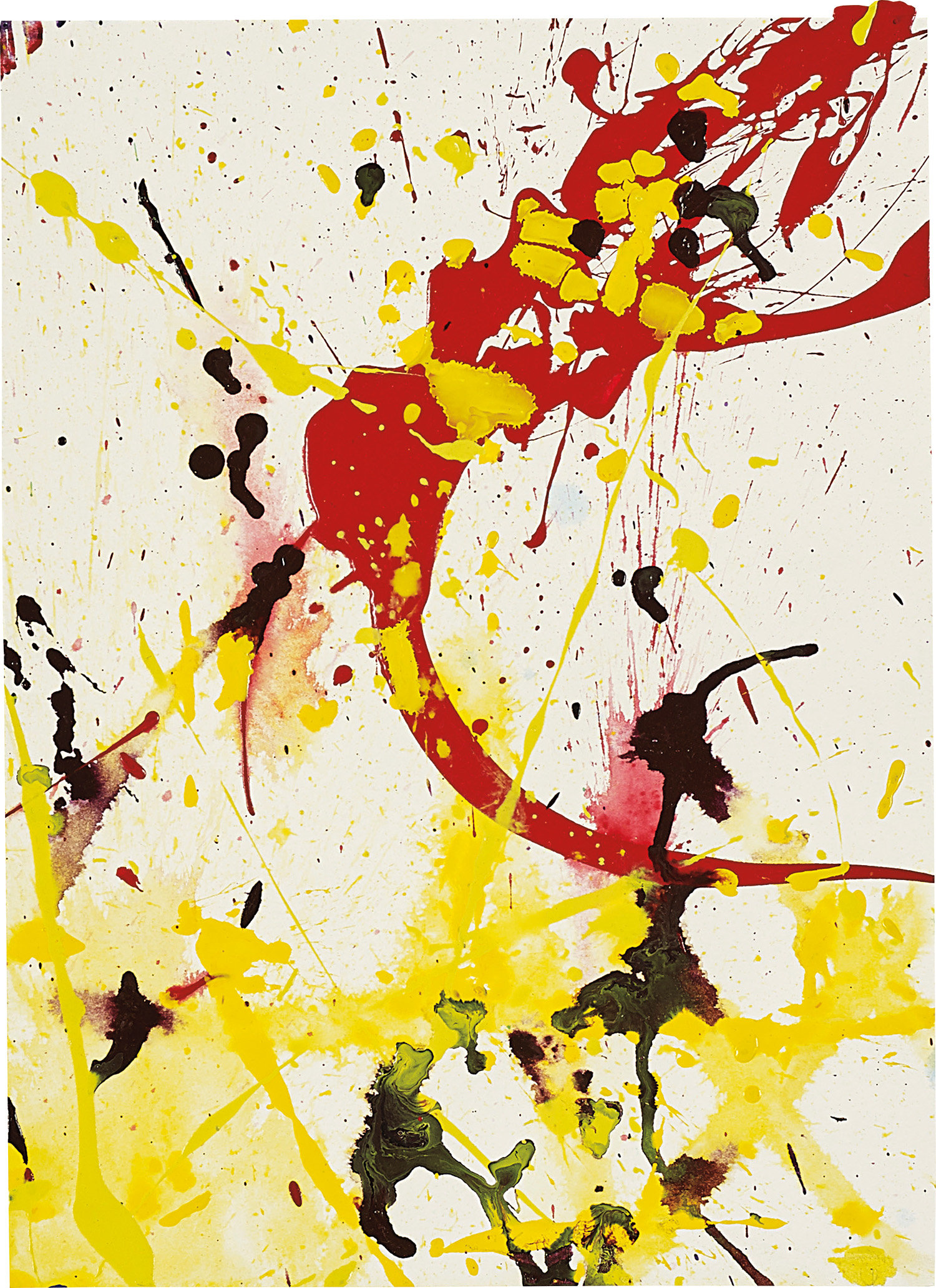
Keith Tyson
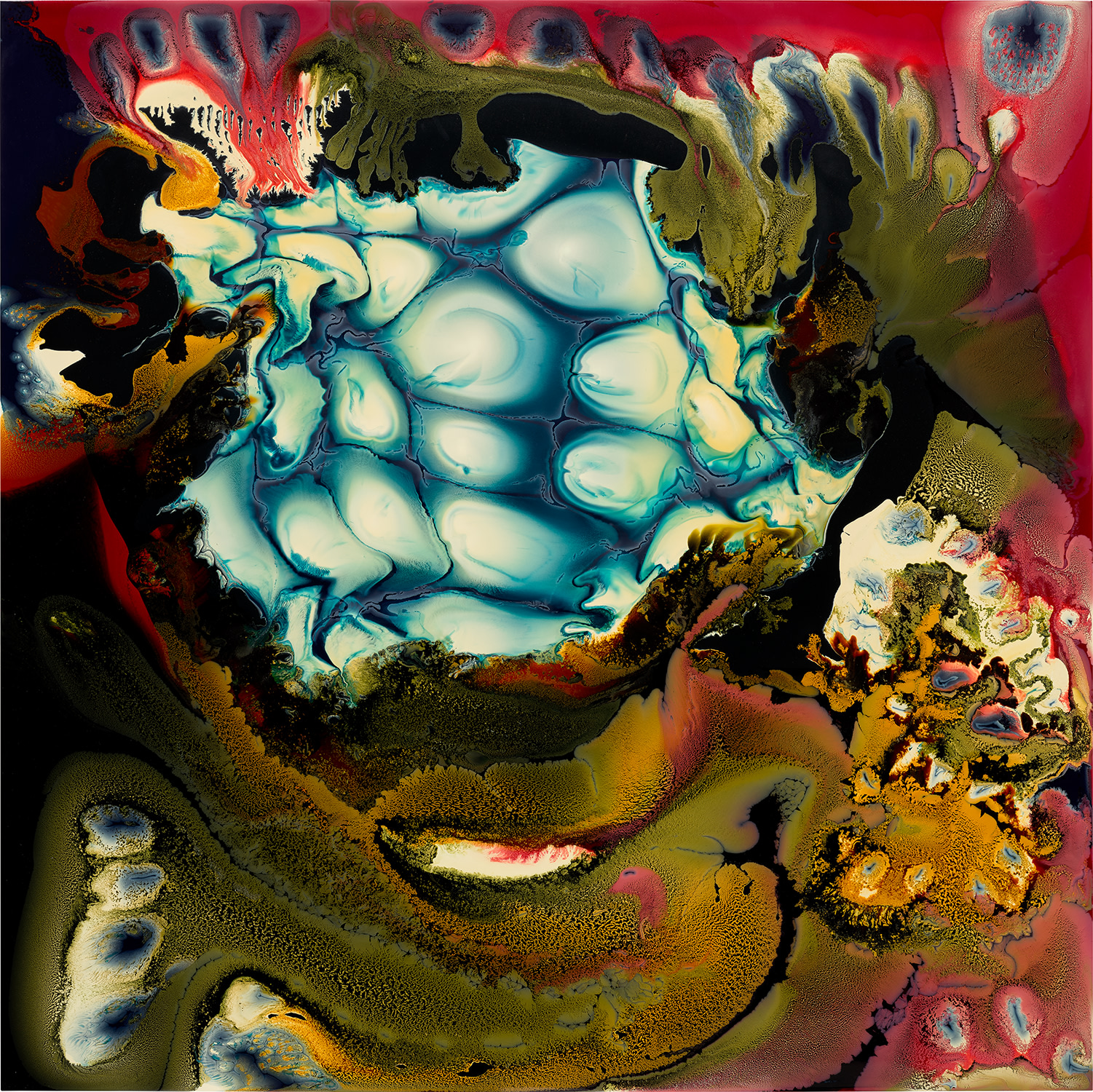
Studio Wall Drawing: MAY 2003/ APR 2004 - Designs for Chicago Hyatt Centre, 2005
His ceramic vessels, intricate and psychologically loaded, arrived at a moment when craft was still somewhat suspect in the contemporary art world, and his win felt like a broadening of the conversation. Perry has always been a singular figure, someone who works with autobiography, class, gender identity, and national mythology in ways that are simultaneously accessible and deeply strange. His presence on The Collection reflects exactly this quality, an artist who rewards close looking across many works and many registers. The warmth and wit he brings to even his most searching subjects have made him one of the most talked about artists in British culture over the past two decades.
Keith Tyson, who won in 2002, brought a different kind of energy: a fascination with systems, chance, and the relationship between science and art that found expression in work of genuine intellectual ambition. His practice resists easy categorisation, which is perhaps the point. Douglas Gordon, who won back in 1996, was part of an earlier wave of artists working with appropriated film and video in ways that felt genuinely new. His slowed down reworking of Alfred Hitchcock's Psycho, the piece known as 24 Hour Psycho, entered art history almost immediately and remains one of the defining works of its era.
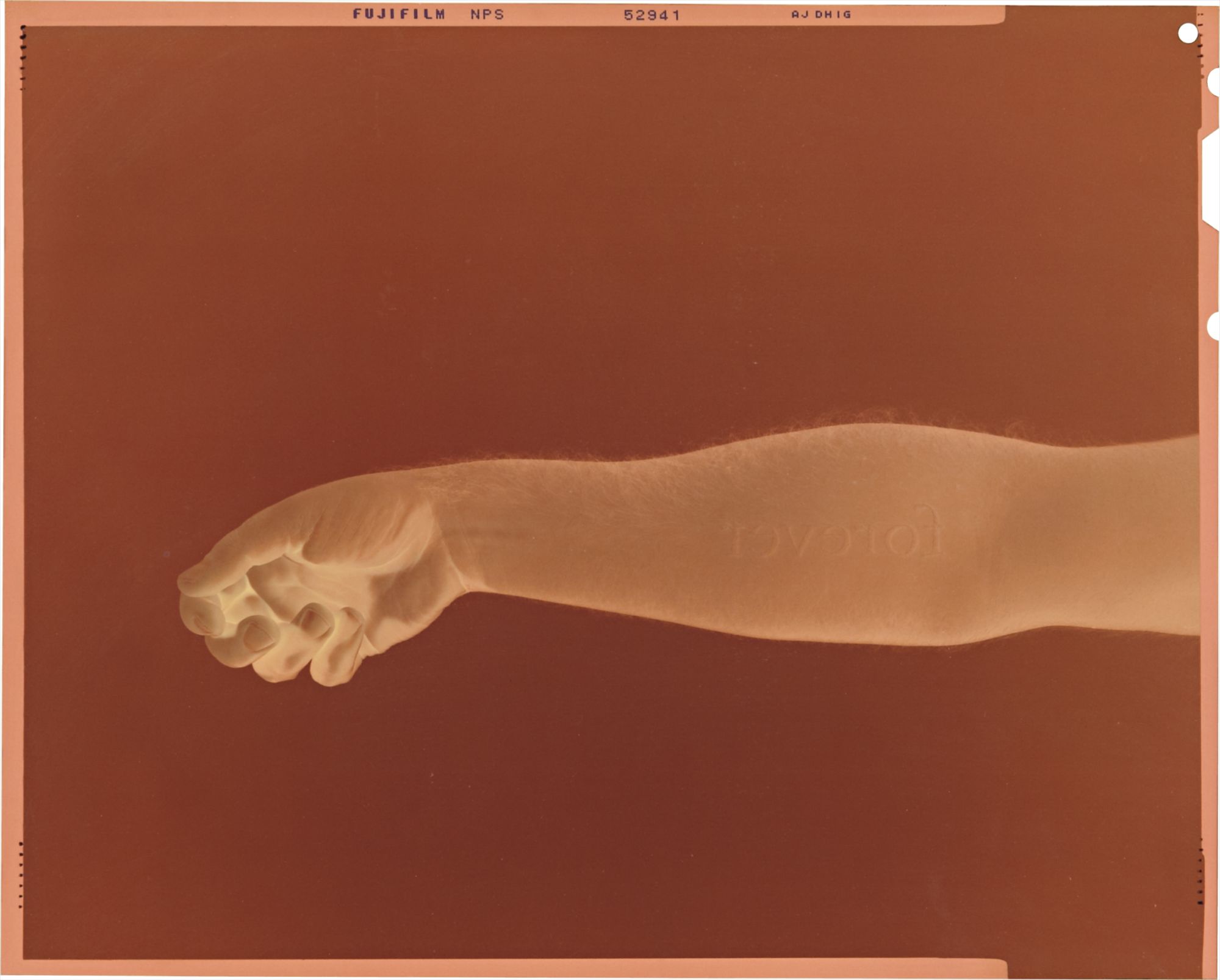
Douglas Gordon
Never, Never (White, negative)
Martin Creed, winner in 2001 for a work that turned the gallery lights on and off, is perhaps the most contentedly philosophical figure to have taken the prize, someone whose practice asks what art is without ever becoming tediously theoretical about it. Lubaina Himid's win in 2017 was historic in several respects. She became the oldest winner since the age restriction was lifted, and her decades of work addressing the erasure of Black histories from mainstream cultural narratives felt suddenly, powerfully recognised. It was a reminder that the prize, for all its association with youthful provocation, has the capacity to honour sustained careers and patient, principled practice.
Rachel Whiteread, who won in 1993, remains one of the most eloquent artists to have come through the prize, her casts of negative spaces including the interior of an entire terraced house speaking to absence, memory, and the weight of domestic life in ways that feel undiminished thirty years later. Conceptually, the works associated with the Turner Prize have returned again and again to a handful of preoccupations: the body, memory, institutional power, national identity, and the question of what an object or a gesture can carry. The prize has always favoured work that makes you think before it makes you feel, though the best of it does both. Installation, video, photography, and sculpture have dominated, though the occasional painter or ceramicist breaking through has always felt like a kind of correction, a reminder that the medium is never the whole story.
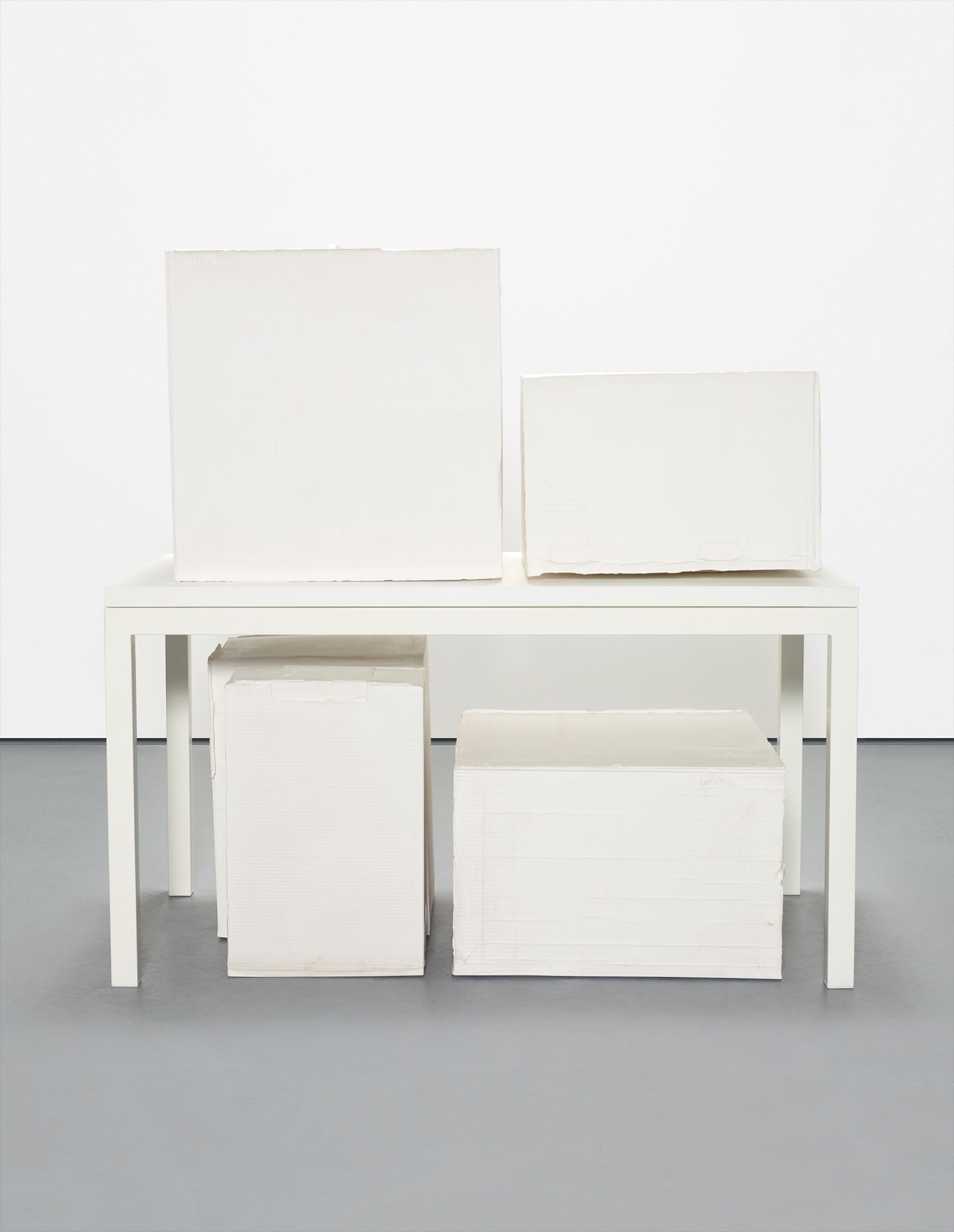
Rachel Whiteread
Block
What the prize has done, above all else, is create a mechanism for the art world to argue with itself in public. The annual shortlist announcement generates more genuine debate about aesthetic value than almost any other event in the British cultural calendar. That argument is productive. It draws in people who might otherwise feel excluded from contemporary art and gives them a legitimate stake in the conversation.
Whether any given year's winner feels deserved or baffling, the prize has consistently demonstrated that art matters enough to fight over. For collectors, the Turner Prize is an invaluable map of the recent past. The works gathered on The Collection from artists including Perry, Himid, Whiteread, Gordon, Tyson, and Creed represent a concentrated encounter with some of the most significant voices to have passed through the prize's orbit. To collect in this space is not simply to acquire objects but to participate in an ongoing conversation about what it means to make and live with art in the contemporary world.
That conversation, turbulent and vital and occasionally maddening, shows no sign of quieting.