Steel
Archived article
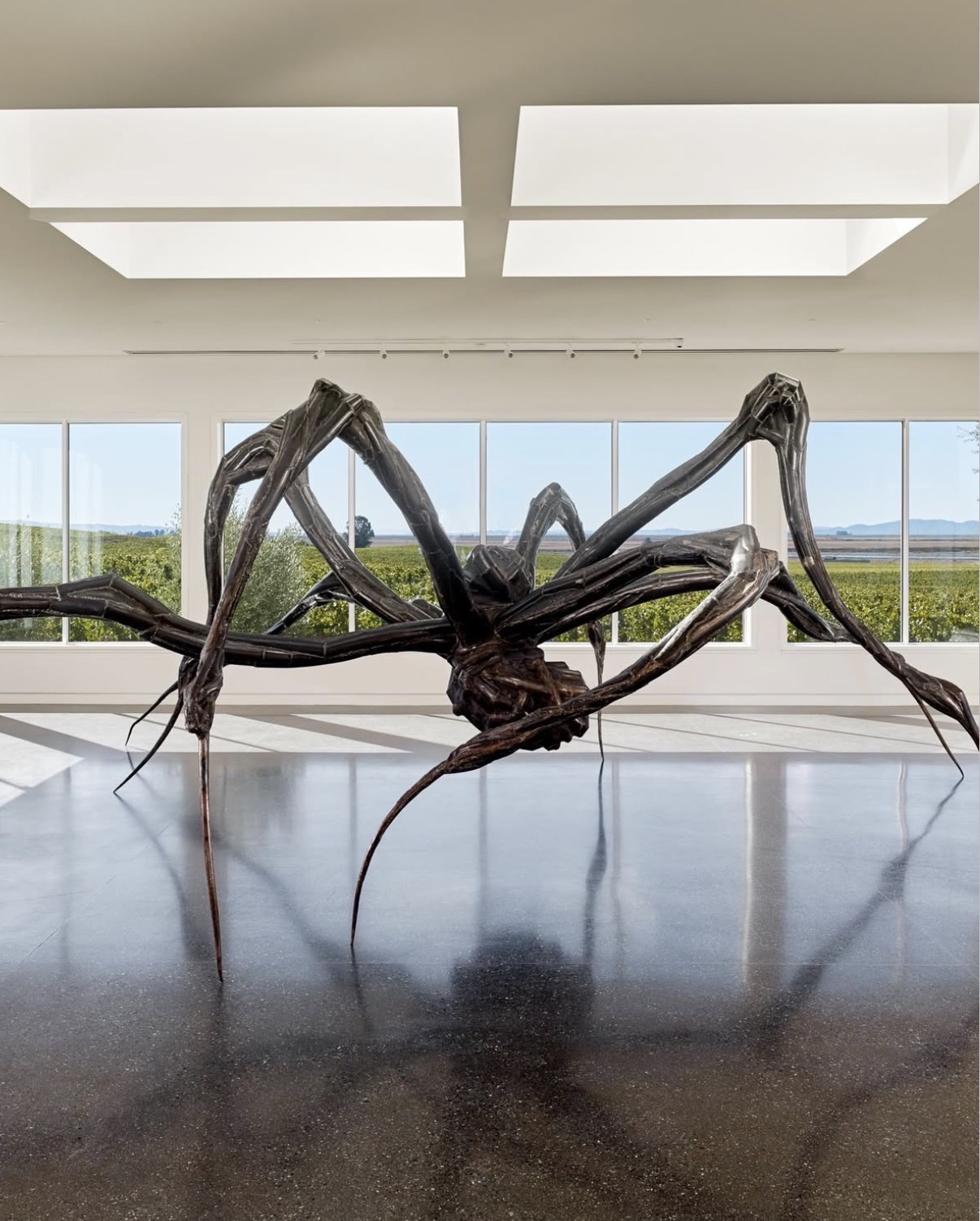
Louise Bourgeois
Crouching Spider
You are reading a previous version of this article.
Read the latest version```json { "headline": "Steel: The Metal That Never Stops Talking", "body": "There is something almost irrational about loving steel. It is cold to the touch, indifferent to sentiment, and entirely unbothered by your feelings. And yet collectors who live with steel sculpture will tell you, almost uniformly, that it is among the most alive material in their homes or gardens. It catches morning light differently than it did at dusk.
It weathers, oxidizes, and acquires a presence that feels earned rather than applied. The draw is partly formal, partly philosophical. Steel demands that you reckon with it on its own terms, and that negotiation, ongoing and never quite resolved, is what makes it so compelling to collect.", "The question of what separates a good steel work from a great one comes down to a handful of things that experienced collectors learn to read quickly.
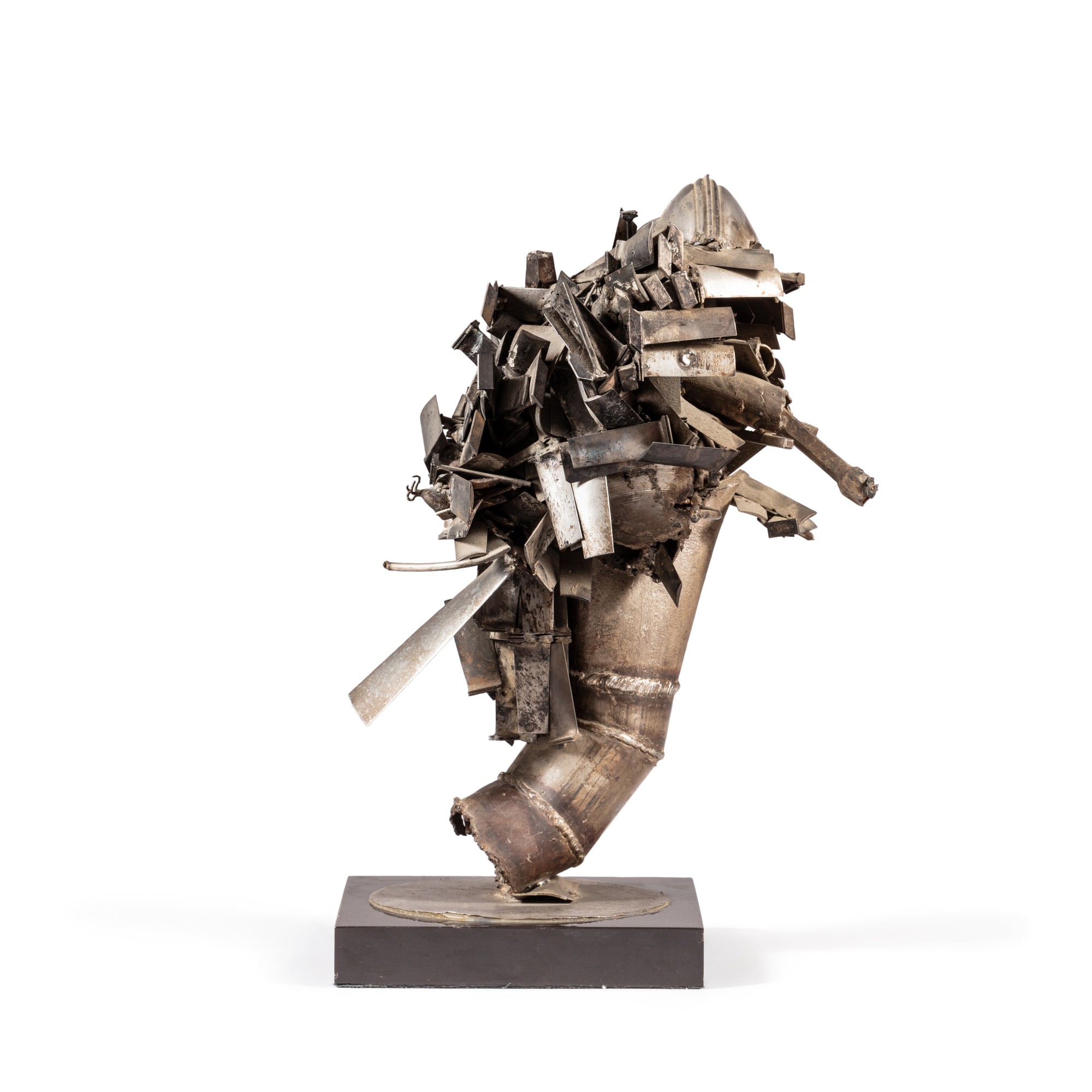
César
Sans titre, 1965
Fabrication quality matters enormously. Whether the surface is raw and rusted, polished to a mirror finish, or painted over welded seams, the evidence of decisions made during making tells you everything about the seriousness of the artist's intention. Scale also operates differently in steel than in almost any other material. A work that feels resolved at one size can feel arbitrary at another.
And then there is the question of weight, both literal and conceptual. The best steel sculpture carries a sense of inevitability, as though the material arrived at this form because no other form would have been honest.", "When thinking about where value is concentrated in this category, a few names stand out as anchoring forces. Richard Serra built a career around making steel do things that seemed structurally impossible, and his works continue to perform with extraordinary consistency at auction and in institutional collections.
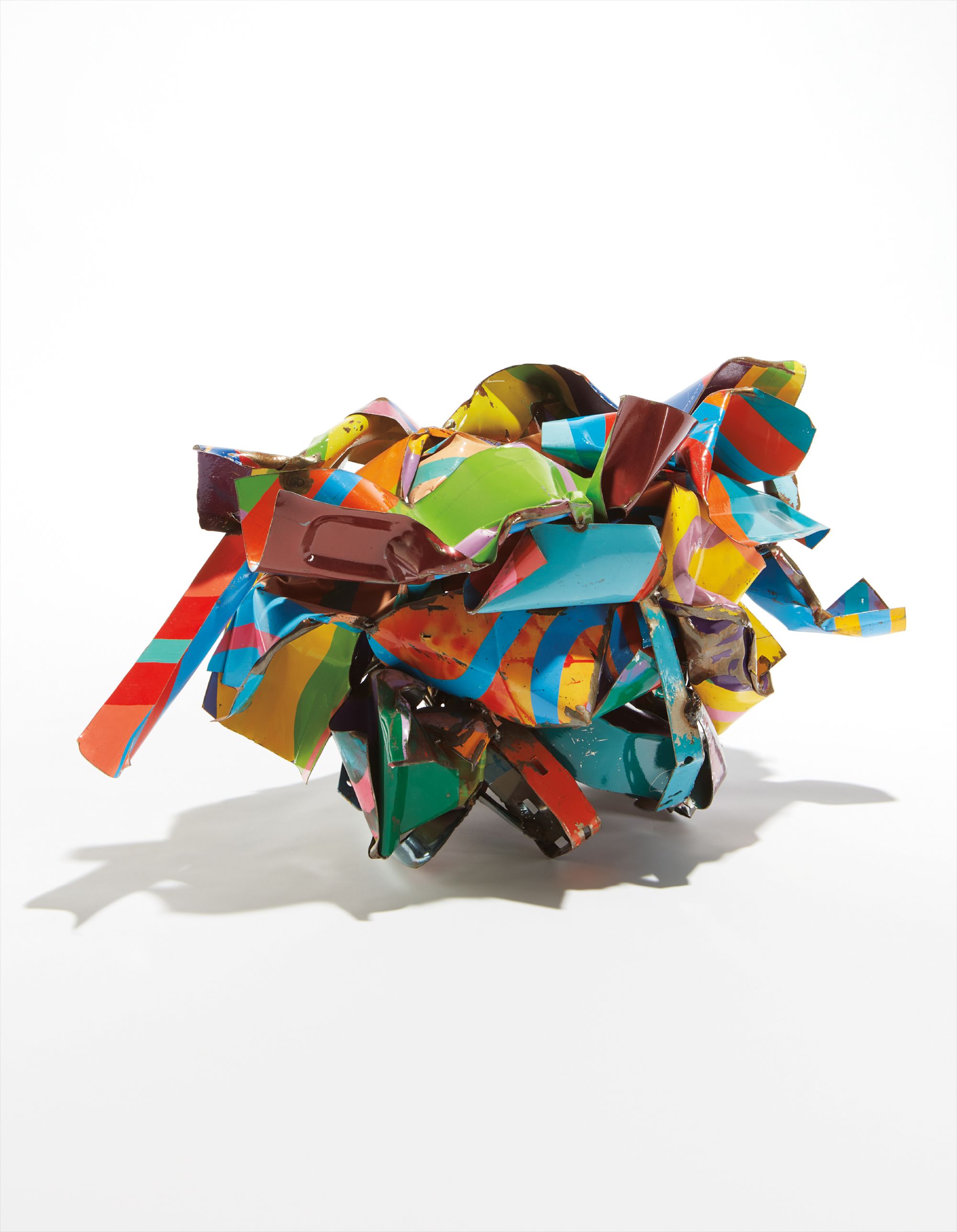
John Chamberlain
Softenedbysnow, 2007
David Smith, working earlier and with a different kind of lyric sensibility, essentially invented the modern vocabulary of welded steel sculpture in America, and his place in that canon is secure enough that even smaller works carry serious weight in the market. John Chamberlain brought a different energy altogether, sourcing crushed automotive steel and finding something both violent and tender in the compression of industrial wreckage. His work is well represented on The Collection and for good reason. The range within his practice is wide enough that collectors at different points in their journey can find an entry point.
", "Anthony Caro and his sometimes alternate attribution as Sir Anthony Caro, both well represented here, offers some of the most formally rigorous steel work to emerge from postwar Britain. His decision in the early 1960s to eliminate the plinth and place sculpture directly on the ground was one of the most consequential moves in twentieth century art, and the works that followed reward sustained looking. Bernar Venet, who has spent decades investigating the aesthetics of mathematical and structural forms in steel, occupies a position in the market that remains somewhat undervalued relative to his critical standing, which makes his work particularly interesting to collectors paying attention. Jean Prouvé, whose genius moved fluidly between architecture, design, and object making, produced steel furniture and structures that now sit confidently at the intersection of design history and art collecting, a category that has seen sustained institutional and market interest over the past two decades.
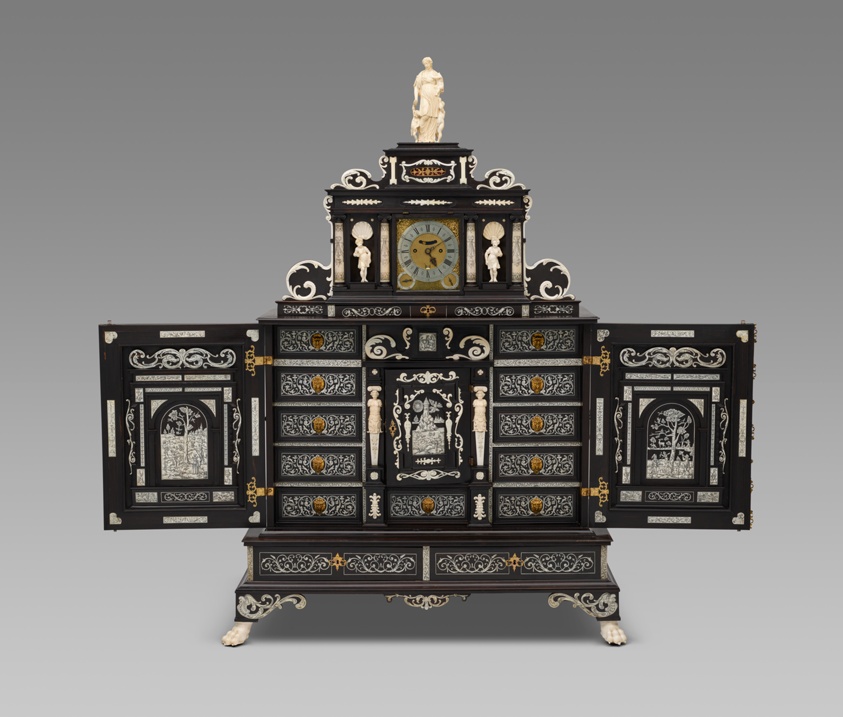
Unknown Artist
Cabinet, 1640
", "For collectors interested in emerging or underrecognized positions, the field is more active than it might appear from the outside. Oscar Tuazon works with steel in ways that feel genuinely confrontational, embedding industrial logic into forms that carry a kind of brutalist poetry. His work has attracted strong curatorial attention and auction results that suggest the market is beginning to catch up with the critical consensus. Chakaia Booker, working primarily with rubber but frequently incorporating steel armatures and industrial material in ways that blur categorical boundaries, represents a practice that engages with questions of labor, race, and the built environment that feel particularly urgent right now.
Ron Arad, crossing as he does between design and sculpture, continues to attract collectors from both disciplines, which creates a dual market dynamic that tends to support prices over time.", "On the secondary market, steel works require a particular kind of patience and literacy. Auction results for major figures like Serra and Smith can swing dramatically based on scale, provenance, and period within the artist's career. A Serra from the 1970s and a Serra from the 2000s are, in market terms, almost different propositions.
Condition is where collectors can be caught off guard. Controlled oxidation, the kind that artists like Serra intended as part of the work's meaning, needs to be distinguished from unintended degradation or structural compromise. When buying at auction, always ask for a full condition report and, if possible, request documentation of any historical treatment or intervention. Institutional provenance matters more in steel than in almost any other category because it tends to confirm that storage and handling were managed correctly.
", "Practically speaking, displaying steel outdoors requires a different conversation than displaying it inside. Works intended for outdoor placement, and many by Caro, Serra, and Venet fall into this category, need to be assessed for their specific site relationship. Drainage, foundation, and seasonal movement in the ground all factor into installation. For interior works, humidity control is less critical than it is for works on paper or canvas, but abrasion and contact with other surfaces should be carefully managed.
On the question of editions versus unique works, steel sits in an interesting middle position. Some artists have worked in editions with careful foundry documentation, and these can offer access to significant practices at lower entry points. Unique works, particularly those with strong exhibition history, will almost always carry a premium and tend to hold value more reliably over time. When approaching a gallery, ask specifically about the relationship between the edition size and any artist proofs, as the total number of extant casts affects long term market dynamics in ways that are not always disclosed upfront.
", "What steel collecting ultimately rewards is a willingness to think about time differently. These works do not ask for your comfort. They ask for your attention, your willingness to return, and your trust that the conversation between you and the object will deepen rather than exhaust itself. The collectors who find the most satisfaction in this category tend to be people who have moved past the idea of art as decoration and arrived somewhere more interesting, where the work pushes back, holds its ground, and occasionally tells you something you did not expect to hear.
Works tagged Steel
César
Sans titre
John Chamberlain
Softenedbysnow
Unknown Artist
Cabinet
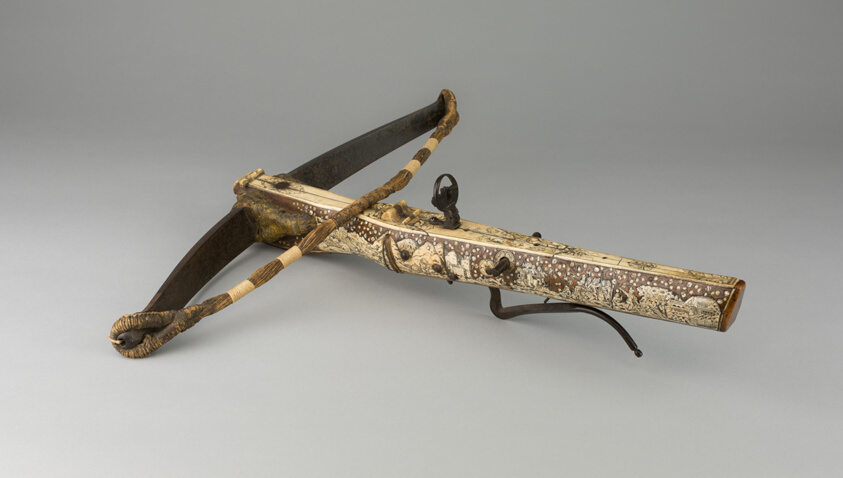
Unknown Artist
Sporting or Target Crossbow for a Youth
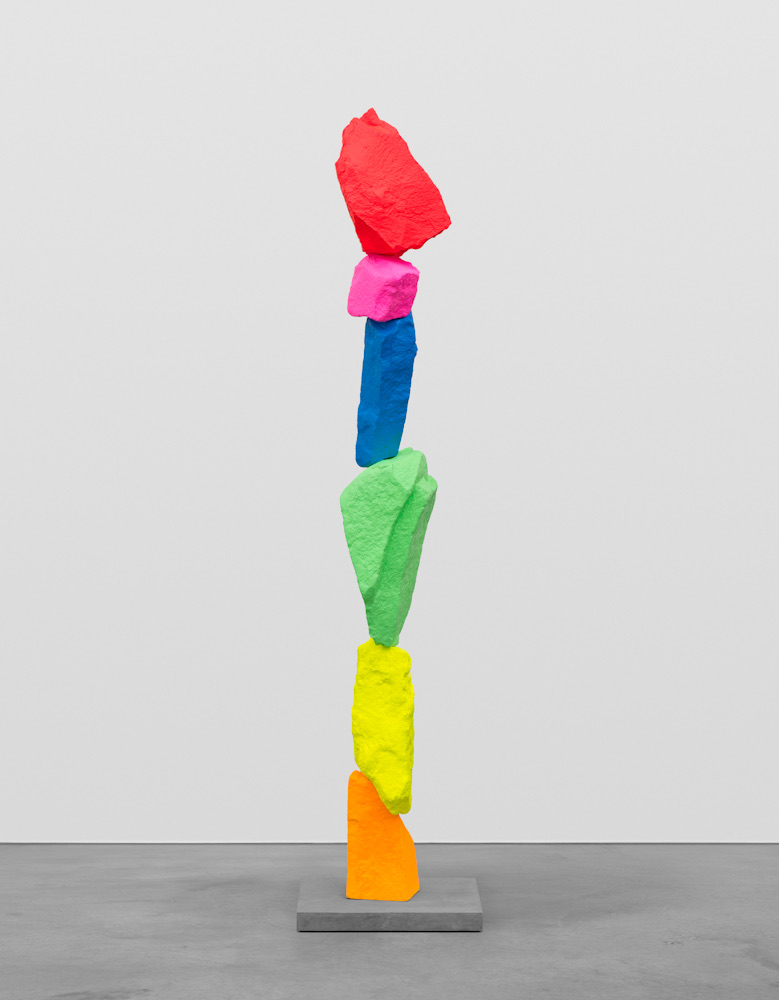
Ugo Rondinone
Large Orange Yellow Blue Red, 2021
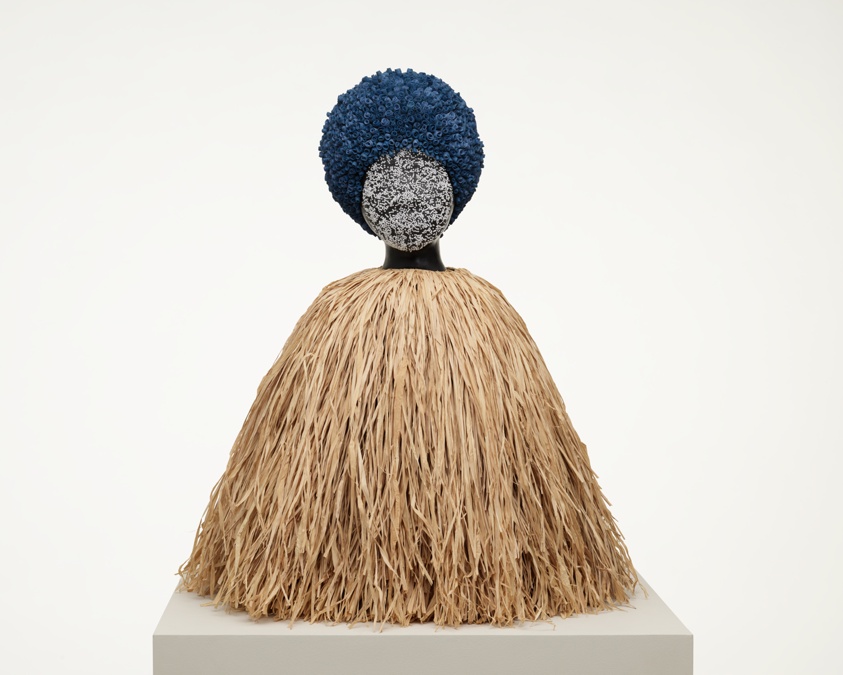
Simone Leigh
Dunham
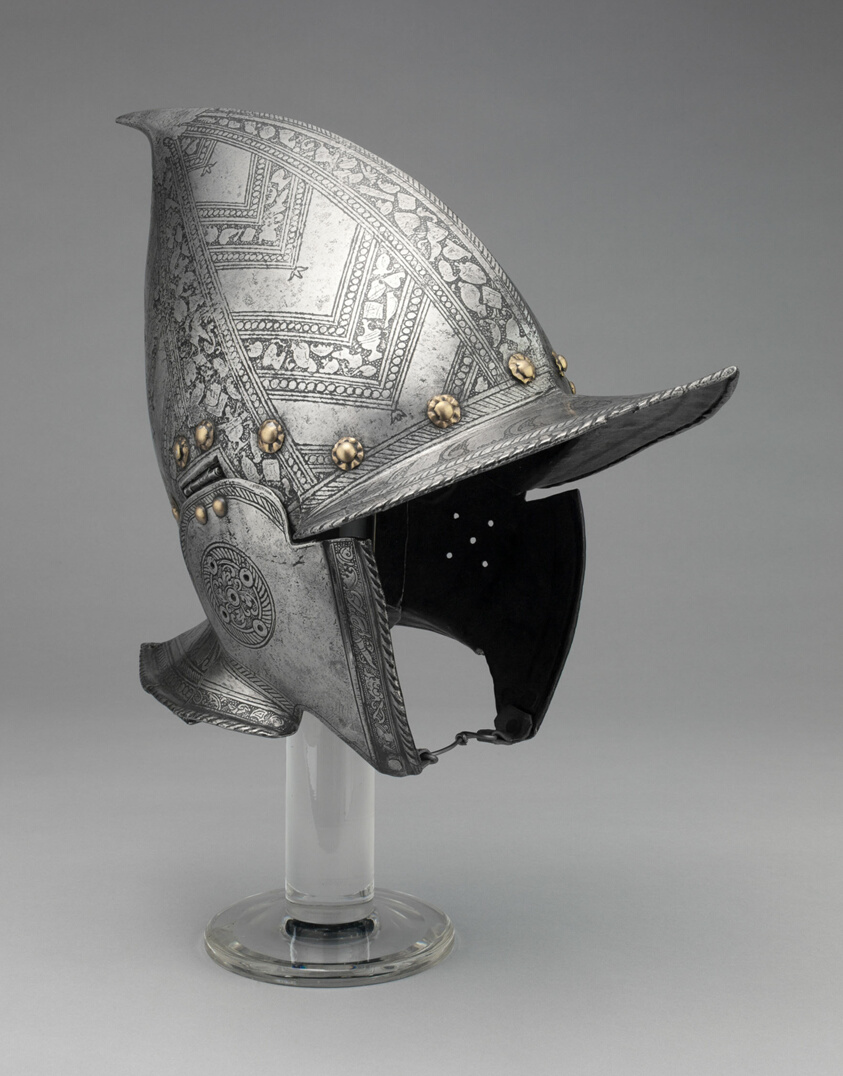
Unknown Artist
Burgonet
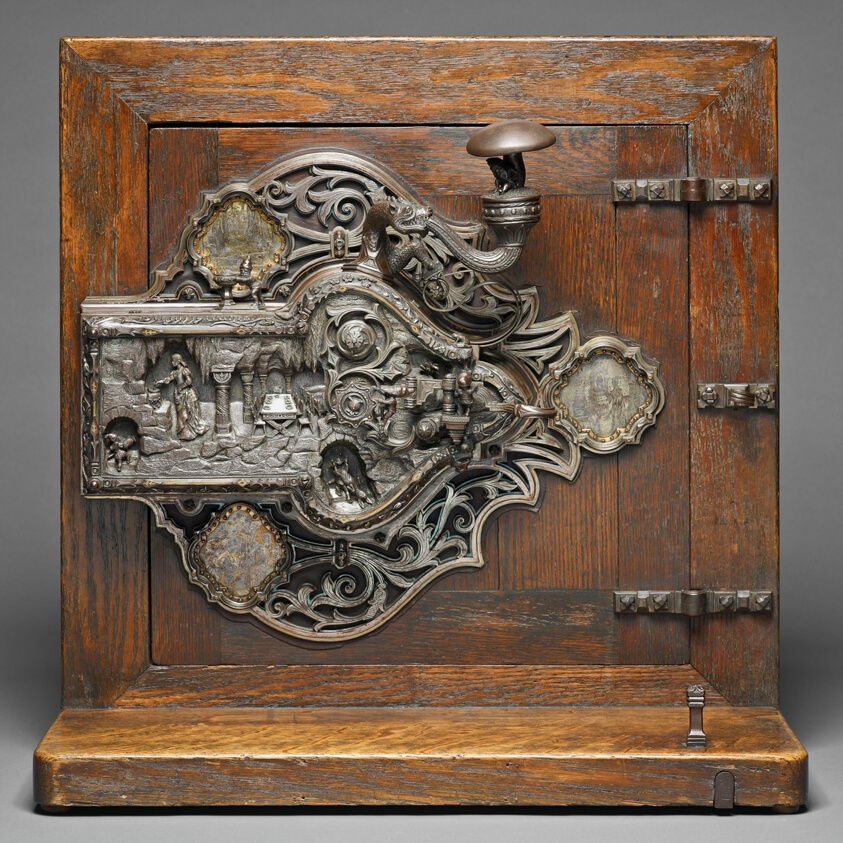
Frank L. Koralewsky
Lock
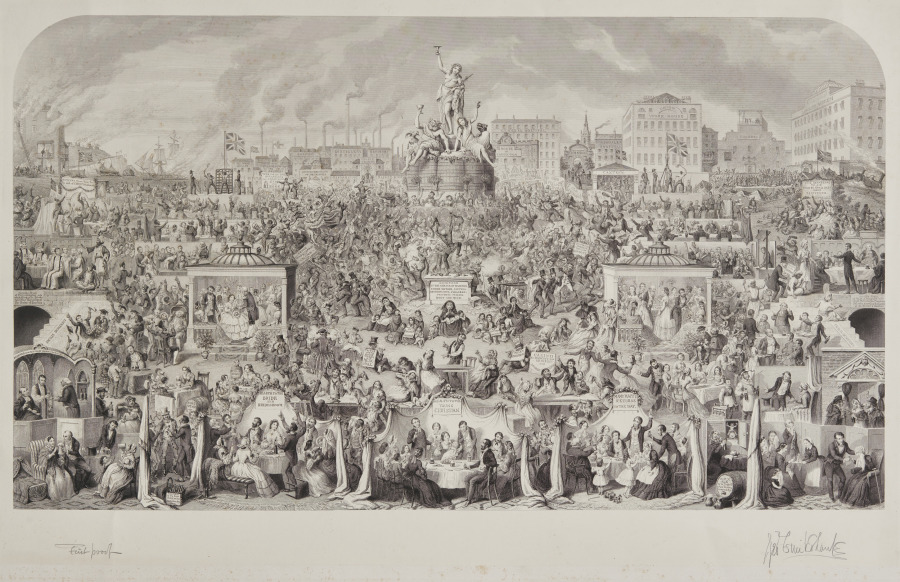
George Cruikshank
The Drinking Customs of Society or Worship of Bacchus
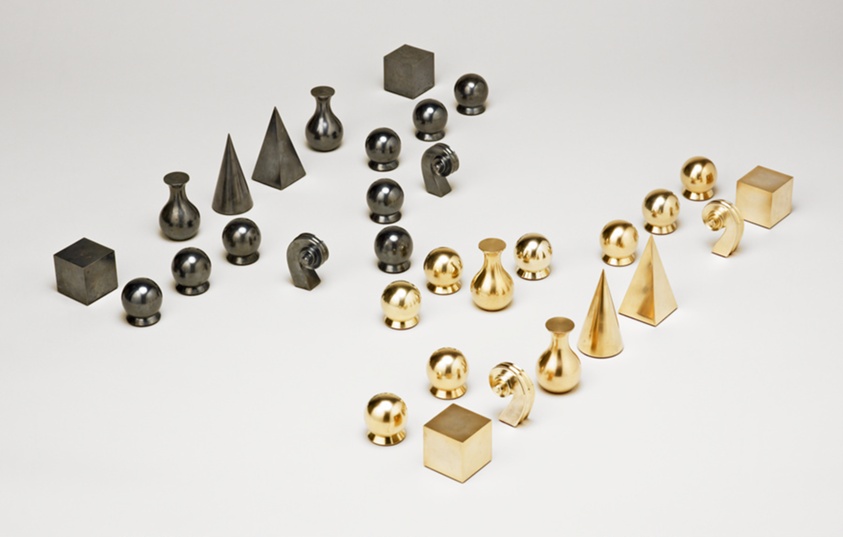
Man Ray (Emmanuel Radnitzky)
Chess Set
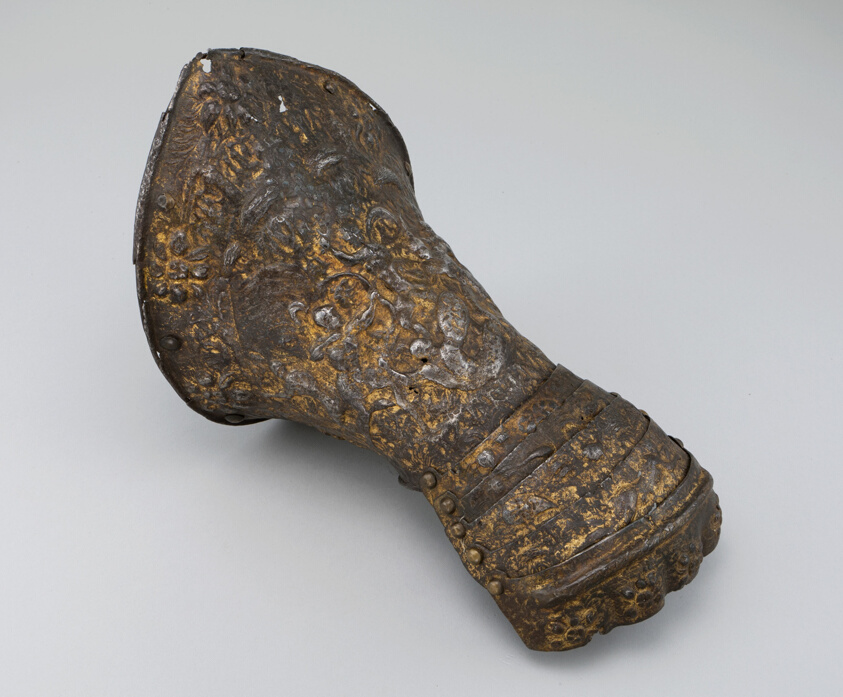
Unknown Artist
Gauntlet for the Right Hand
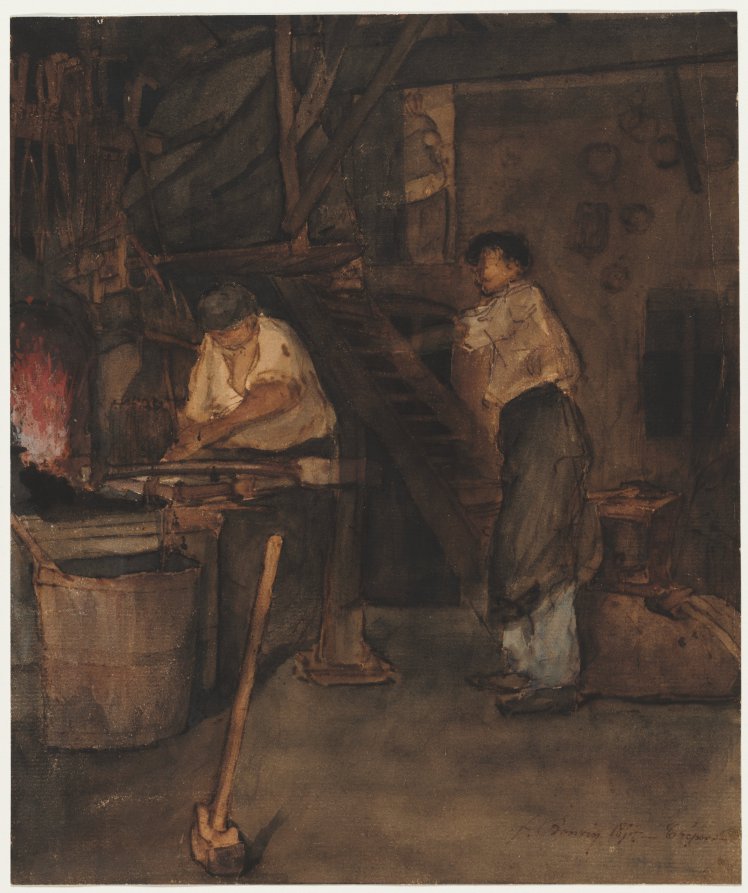
François Bonvin
Study for The Blacksmith's Shop: Remembrance of Le Tréfort
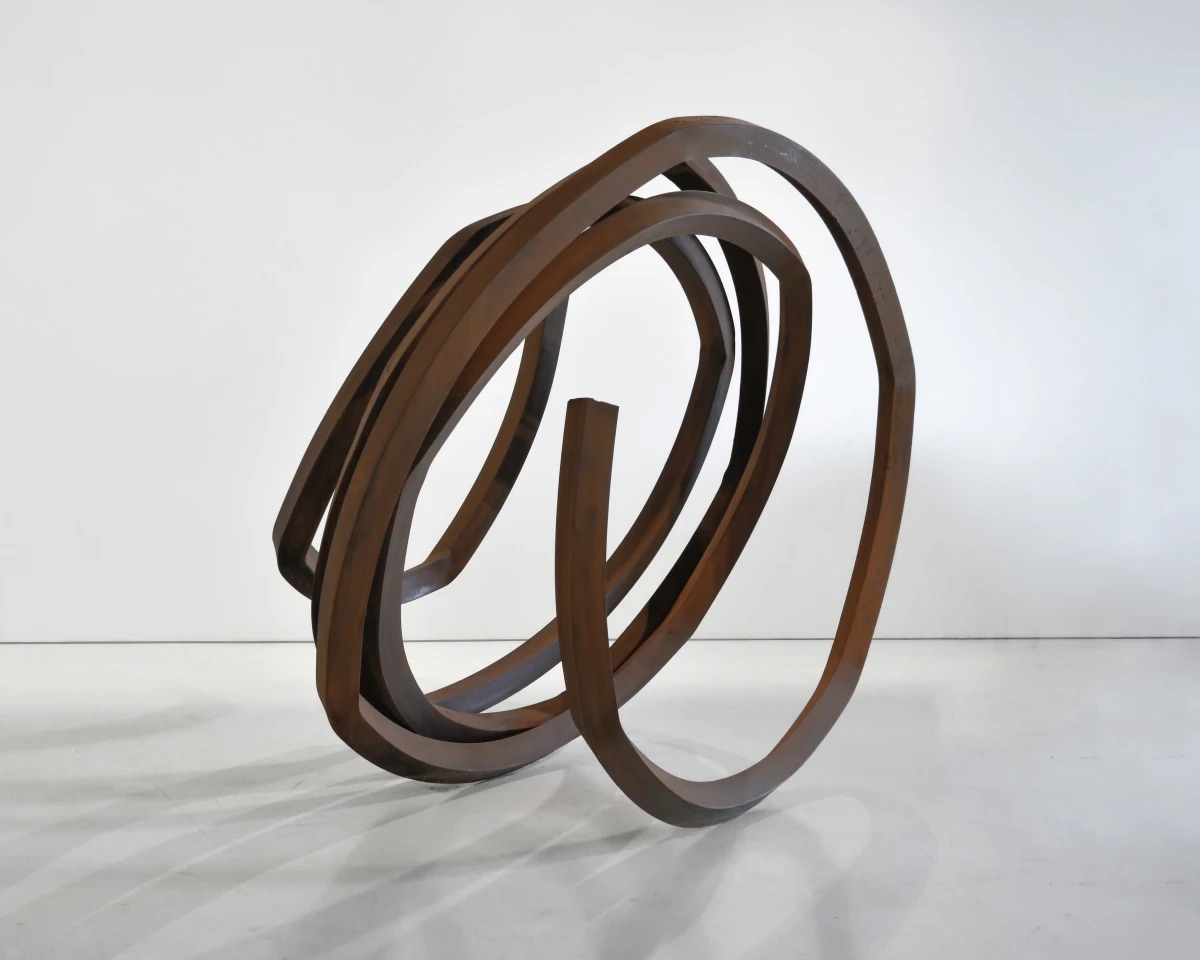
Bernar Venet
Indeterminate Line
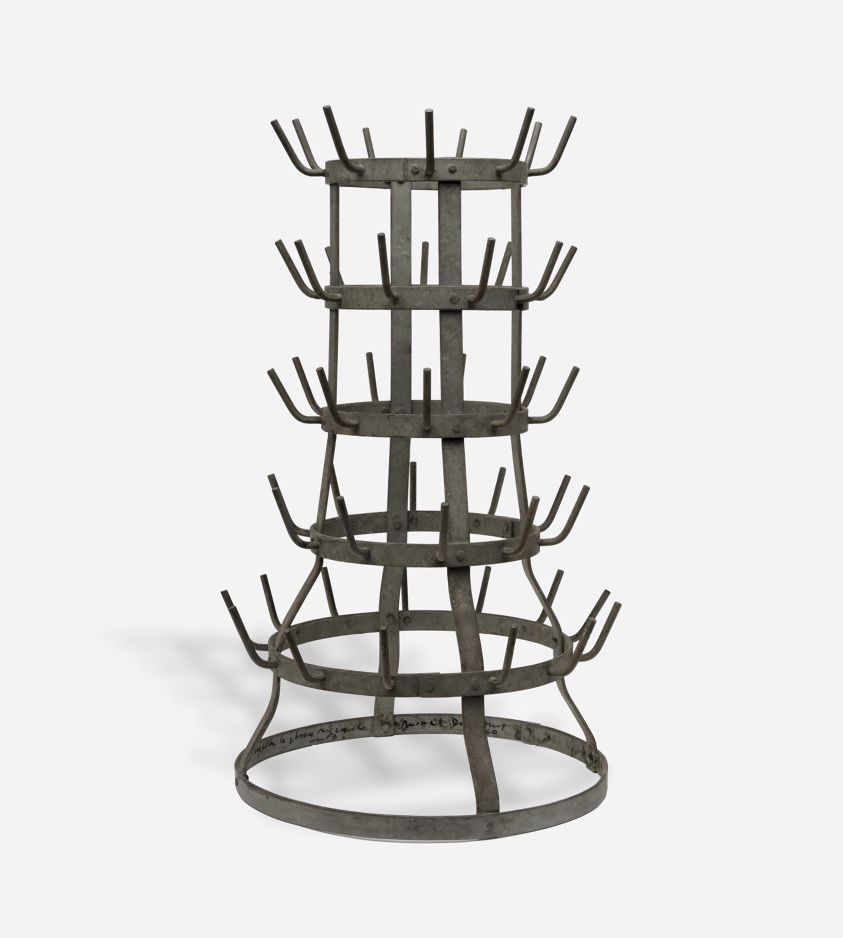
Marcel Duchamp
Bottle Rack (Porte-Bouteilles)
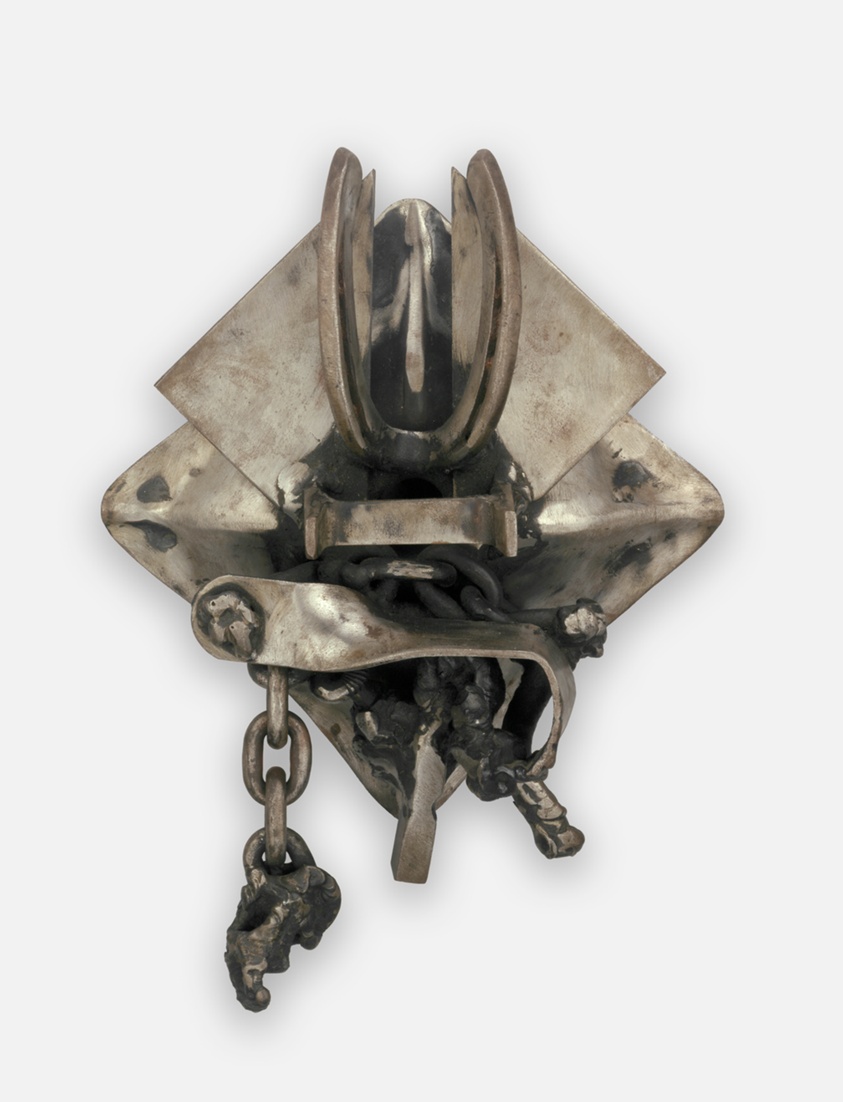
Melvin Edwards
Afrophoenix No. 1
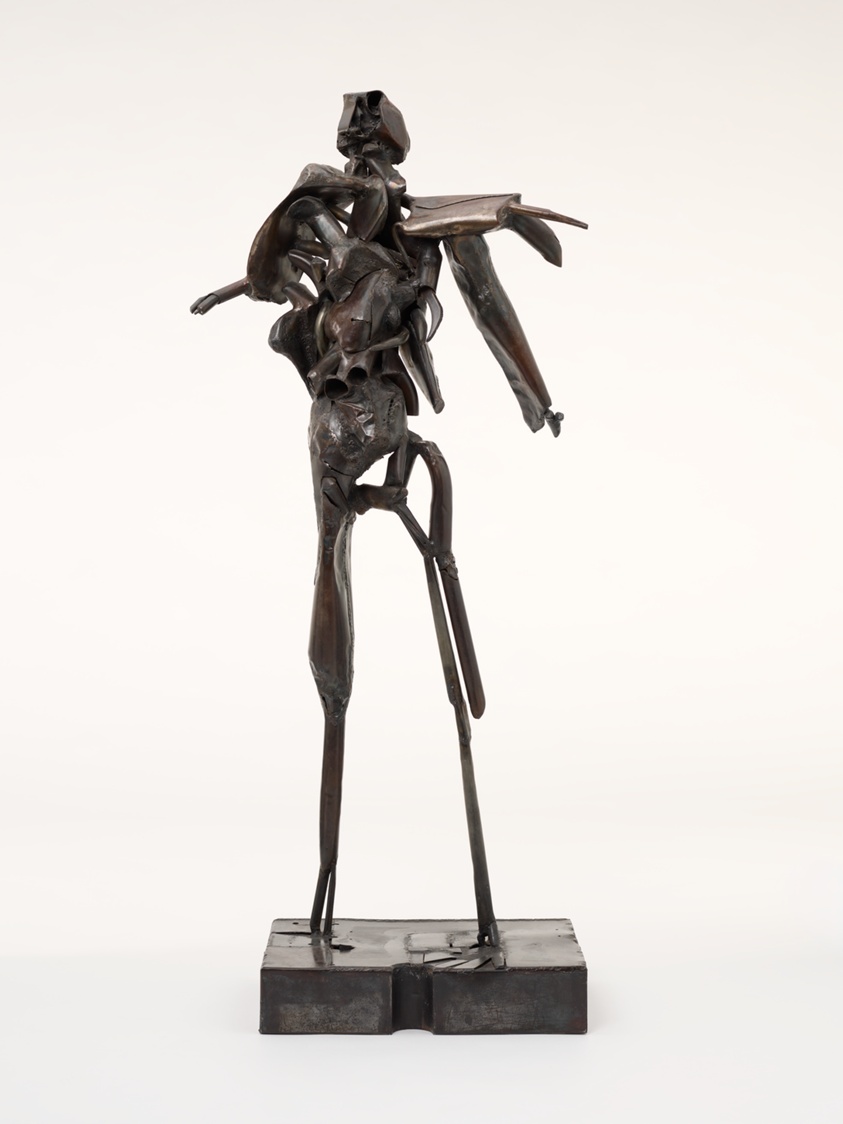
Richard Hunt
Hero Construction
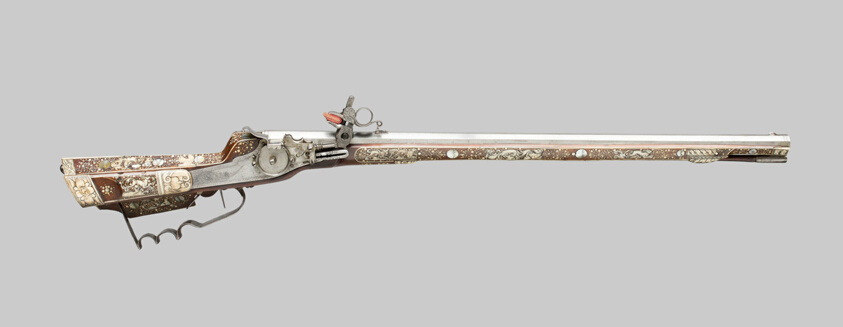
Unknown Artist
Wheellock Rifle
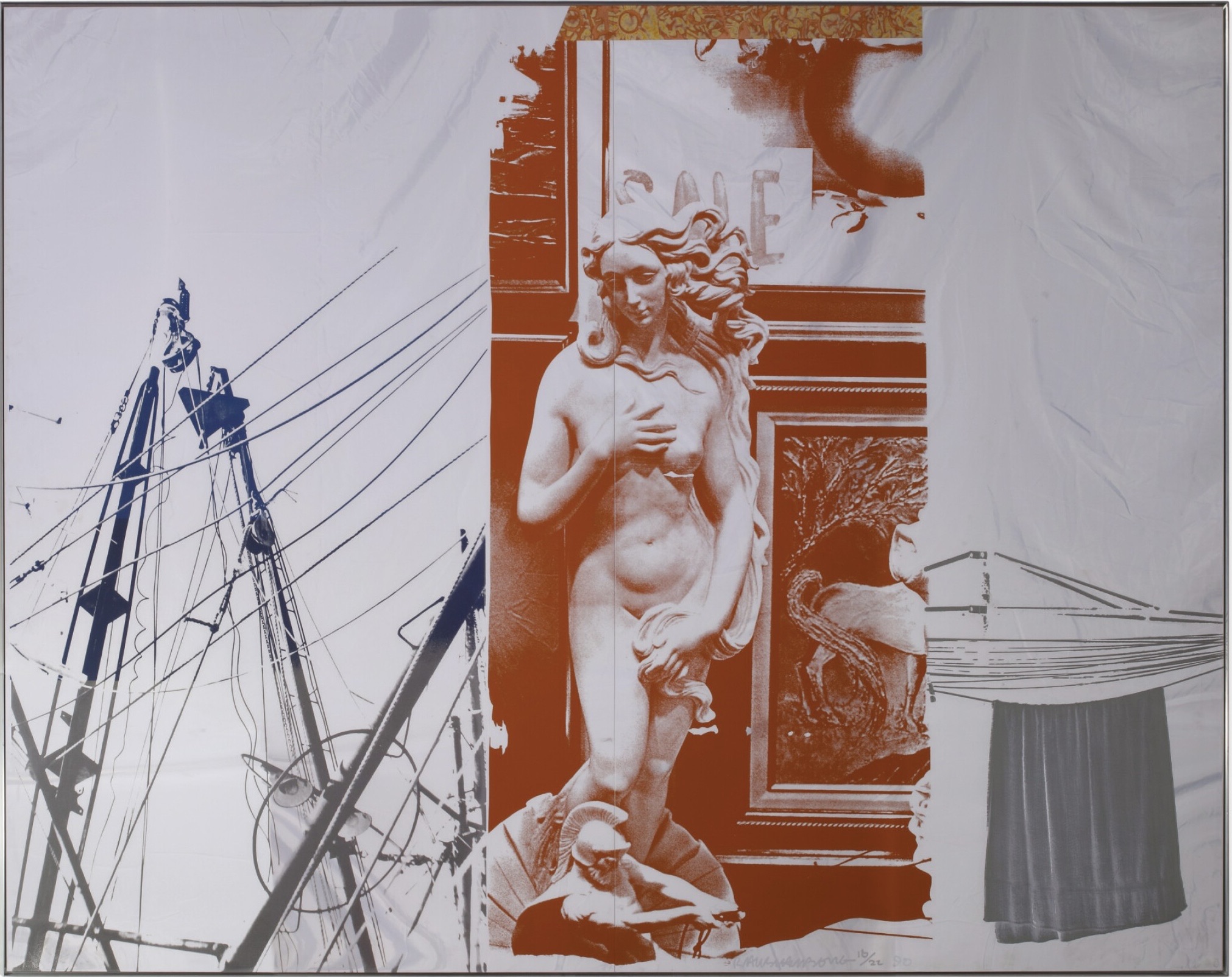
Robert Rauschenberg
SWIM, FROM ROCI USA (WAX FIRE WORKS)
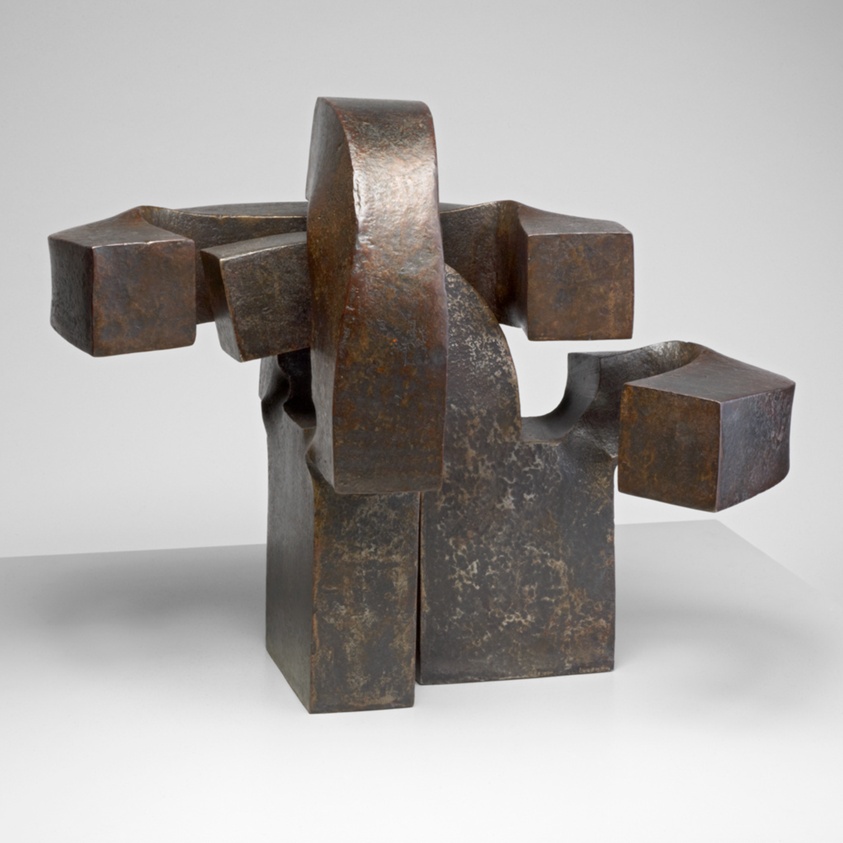
Eduardo Chillida
Around the Void II (Alrededor del vacio II)
Louise Bourgeois
Crouching Spider
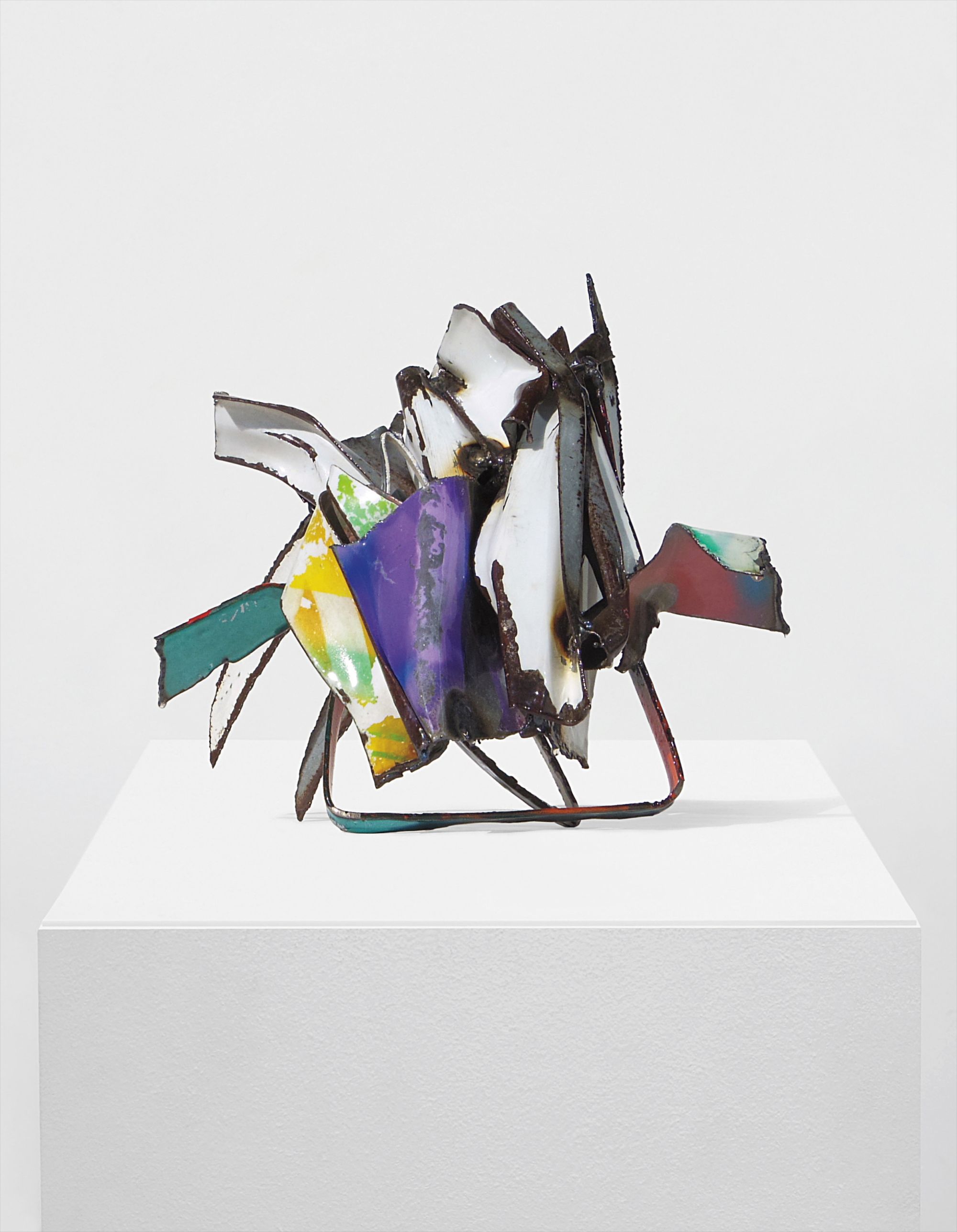
John Chamberlain
Tabasco fiasco
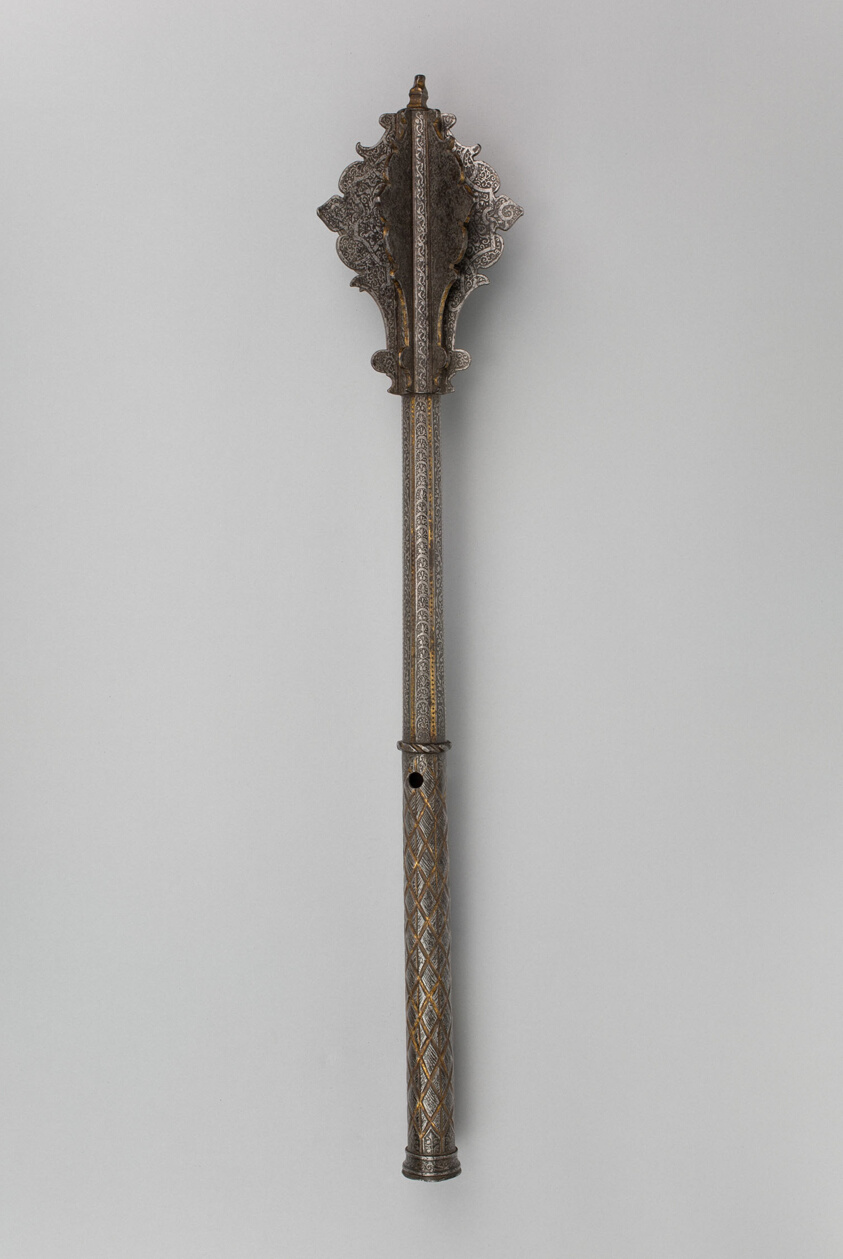
Unknown Artist
Mace
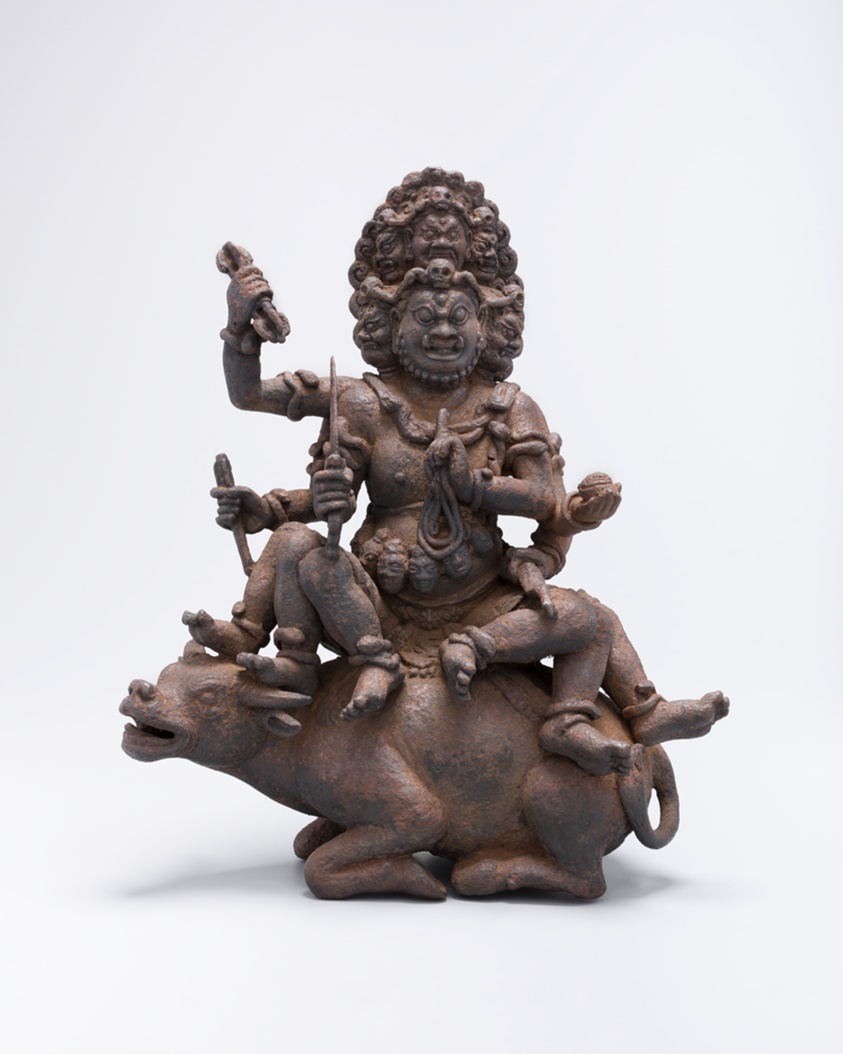
Unknown Artist
Krishna Yamari
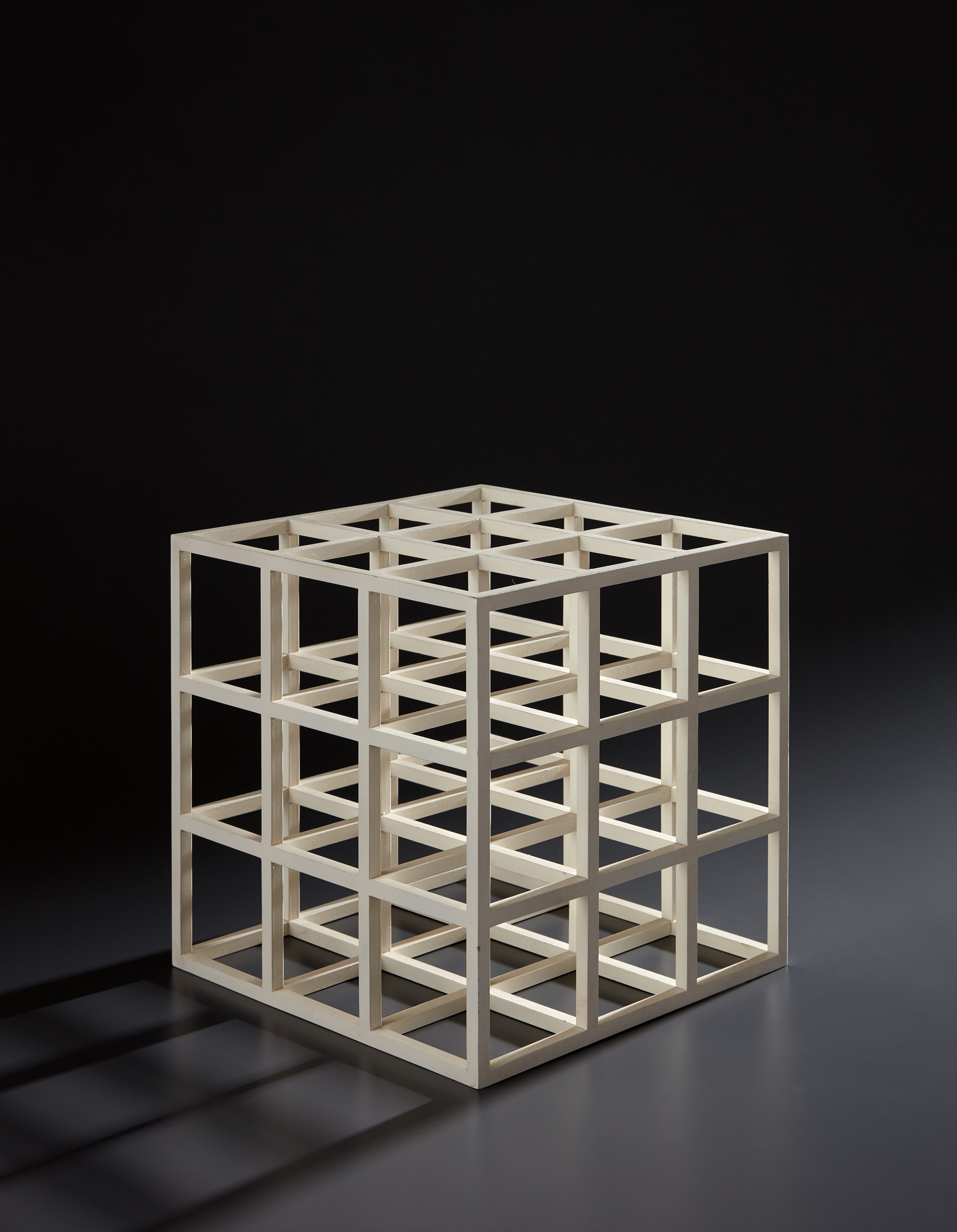
Sol LeWitt
Cube