Signed
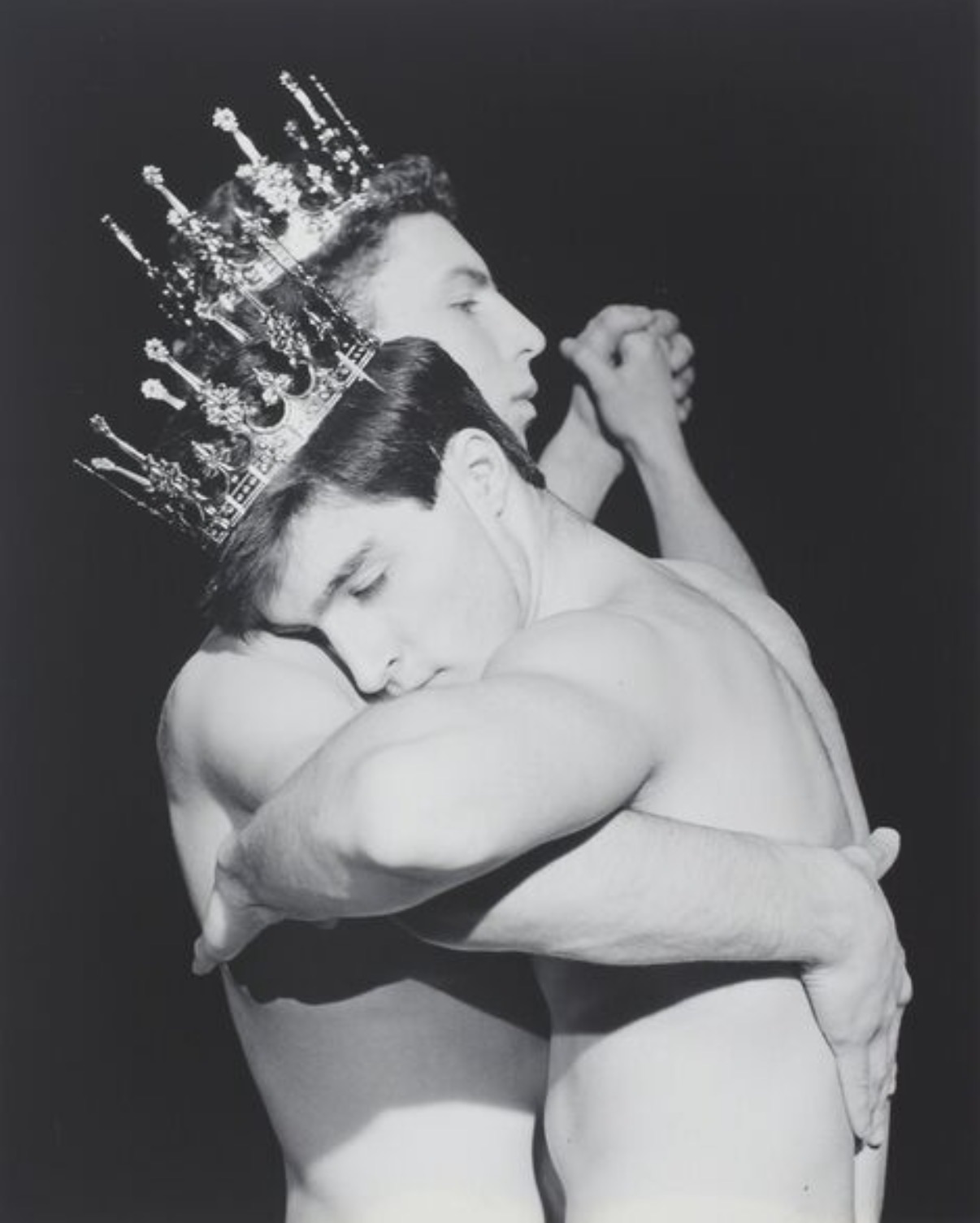
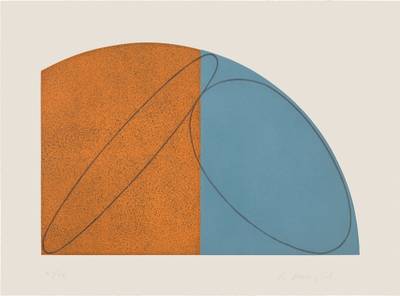
Robert Mapplethorpe
Two Men Dancing, 1984








The Signature That Changes Everything
There is a particular feeling that comes over a collector the moment they realize a work is signed. It is not merely a legal or market consideration, though those matter enormously. It is something closer to a shiver of contact, the sense that the hand that made the thing also reached forward through time and acknowledged it. A signature transforms an object into a communication.
For collectors who live with art rather than simply store it, this distinction is not trivial. It is, in many ways, the whole point. What draws serious collectors to signed works is precisely this quality of proximity. The signature collapses the distance between studio and living room, between the moment of creation and the moment of looking.
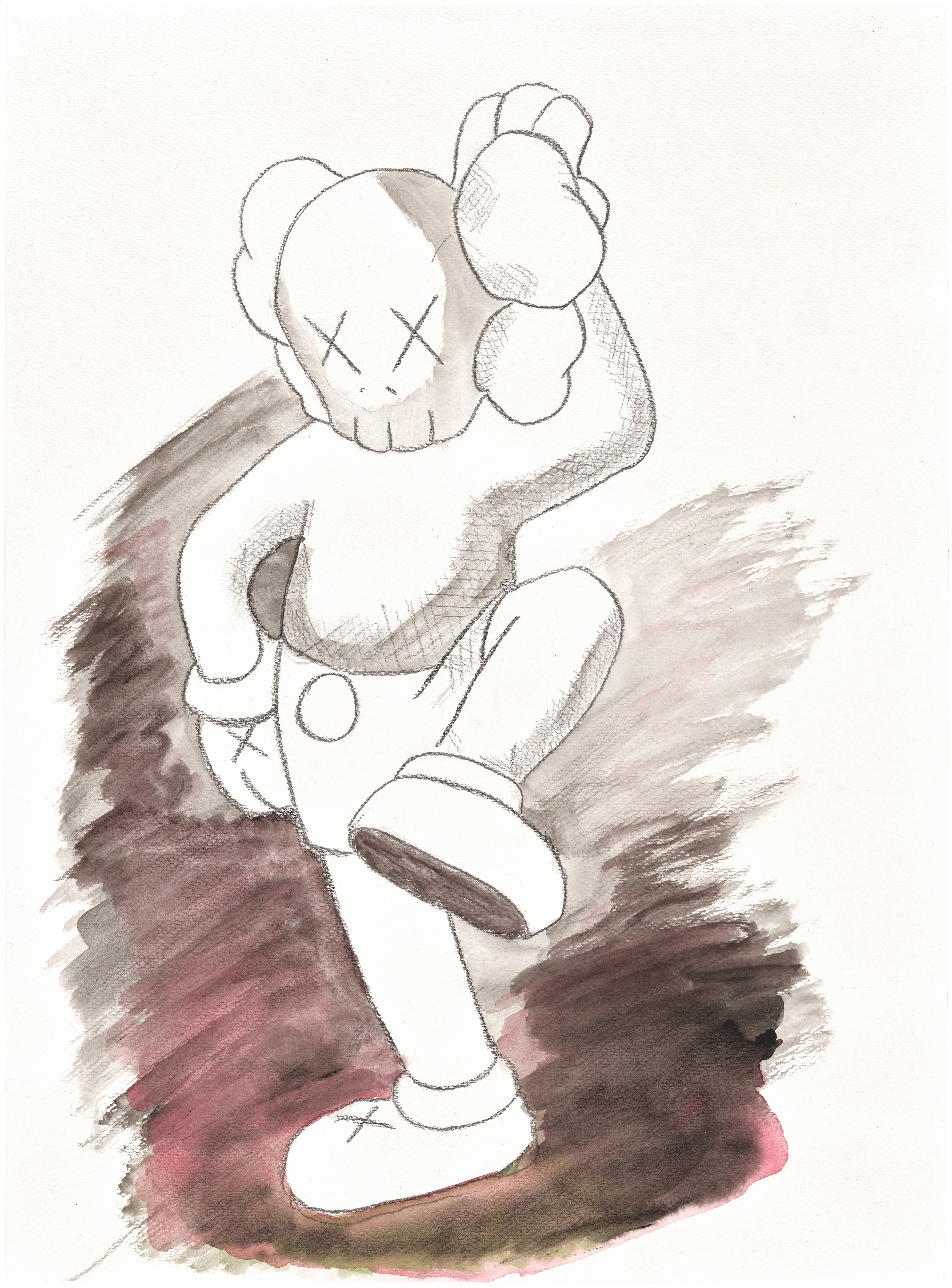
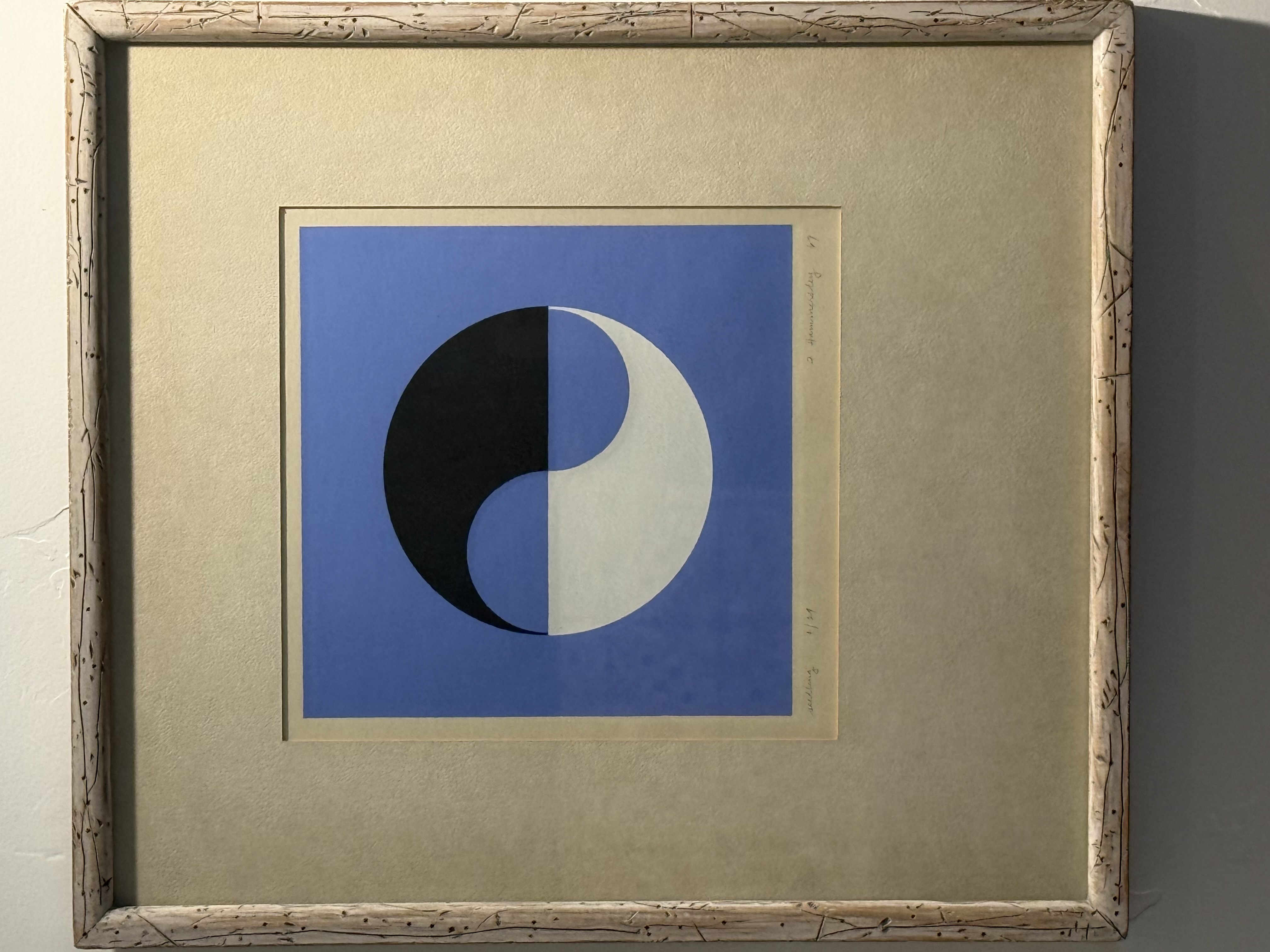
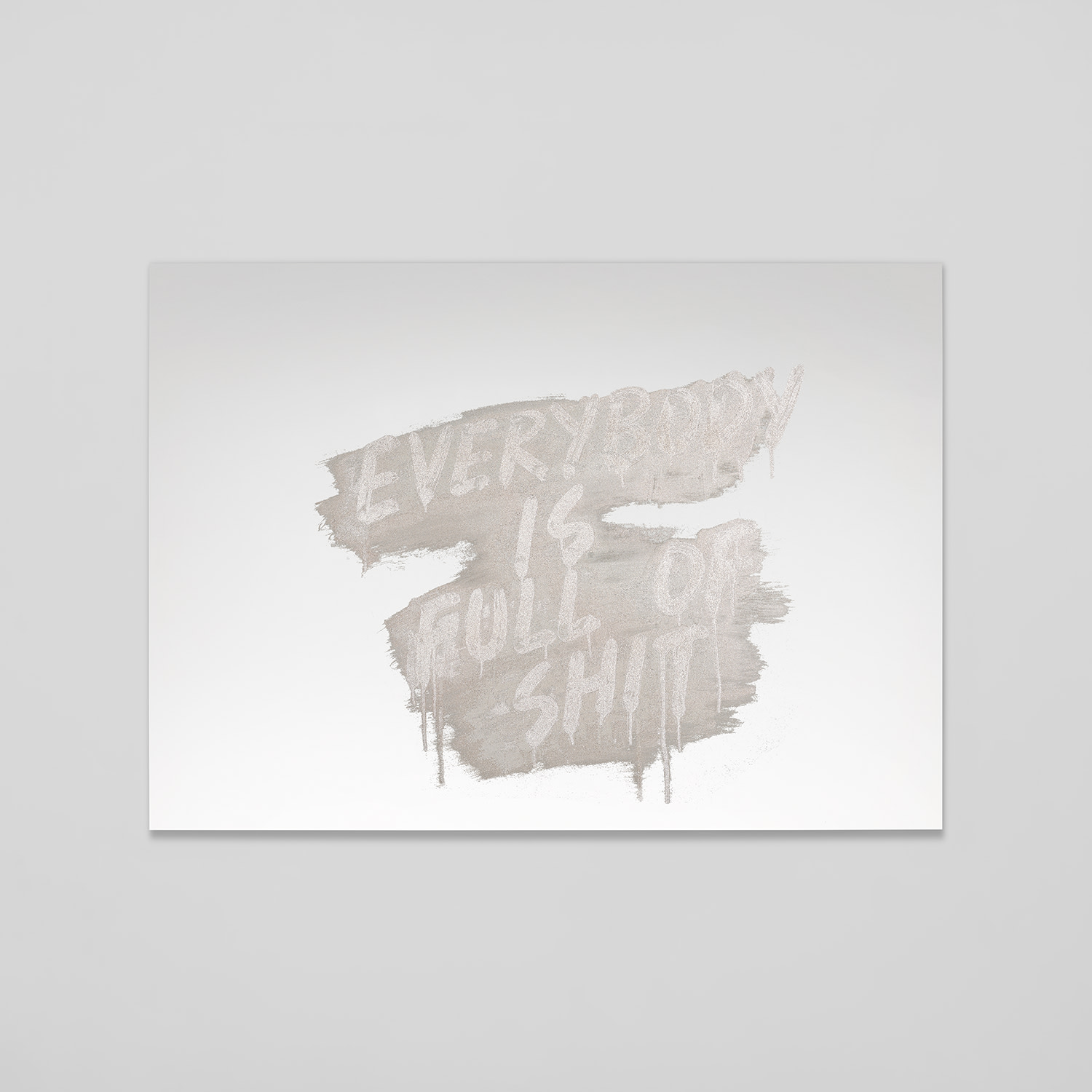
KAWS
Fire Dance
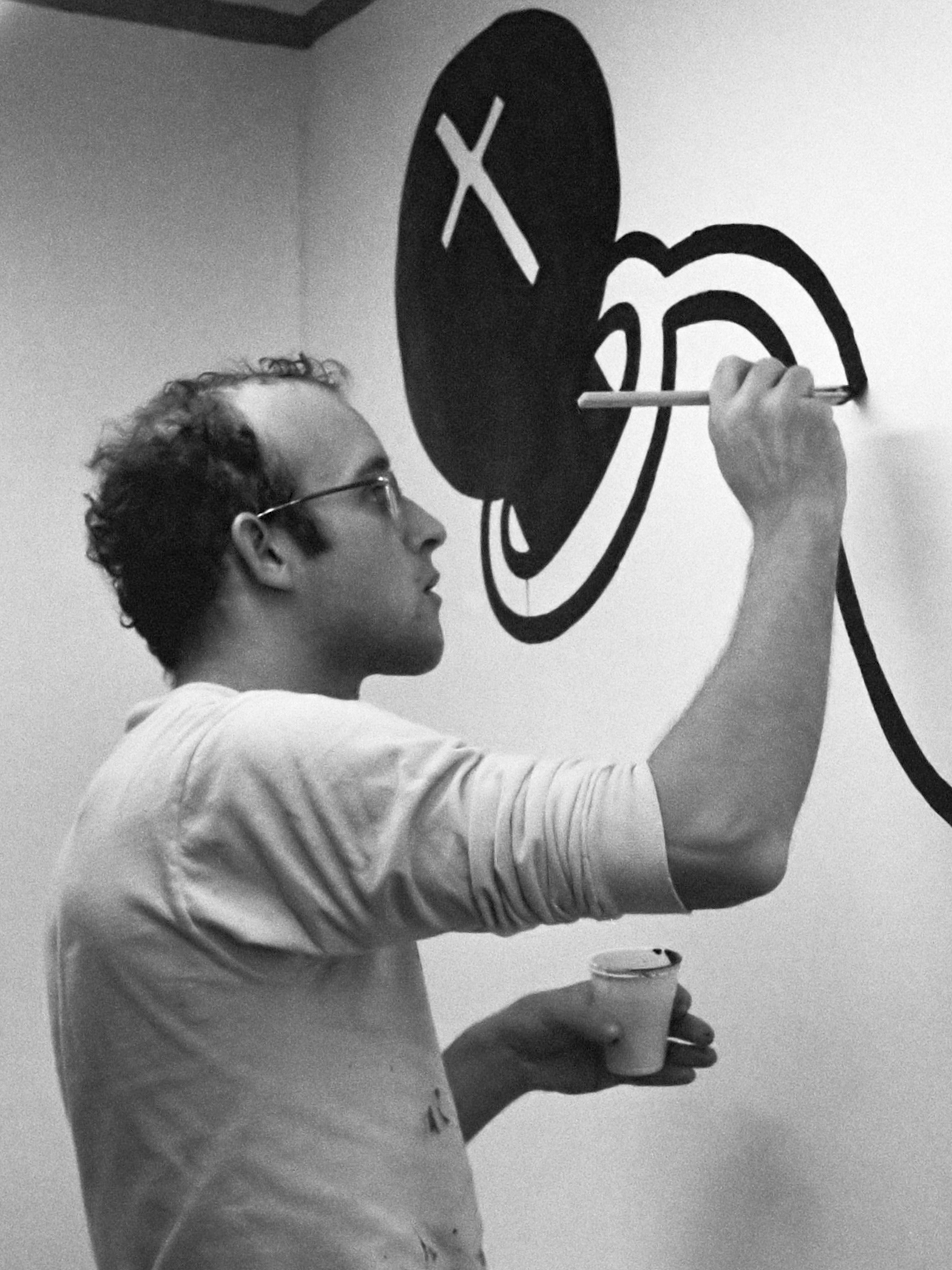
When you own a signed print by Keith Haring, made during the frantic and generous years before his death in 1990, you are holding something he held. When Irving Penn signed a photograph, he was not simply authenticating a commodity. He was completing a gesture, closing a loop that began the instant he pressed the shutter. Collectors who understand this tend to build collections with a very different energy than those who focus on signatures as a market signal alone.
Both approaches have merit, but only one produces a collection you want to spend time with. Separating a good signed work from a truly great one requires looking past the signature itself. The signature is a floor, not a ceiling. What matters above it is the quality and rarity of the image or object, the edition size if applicable, the condition of the work, and the relationship between the signature and the work's overall history.
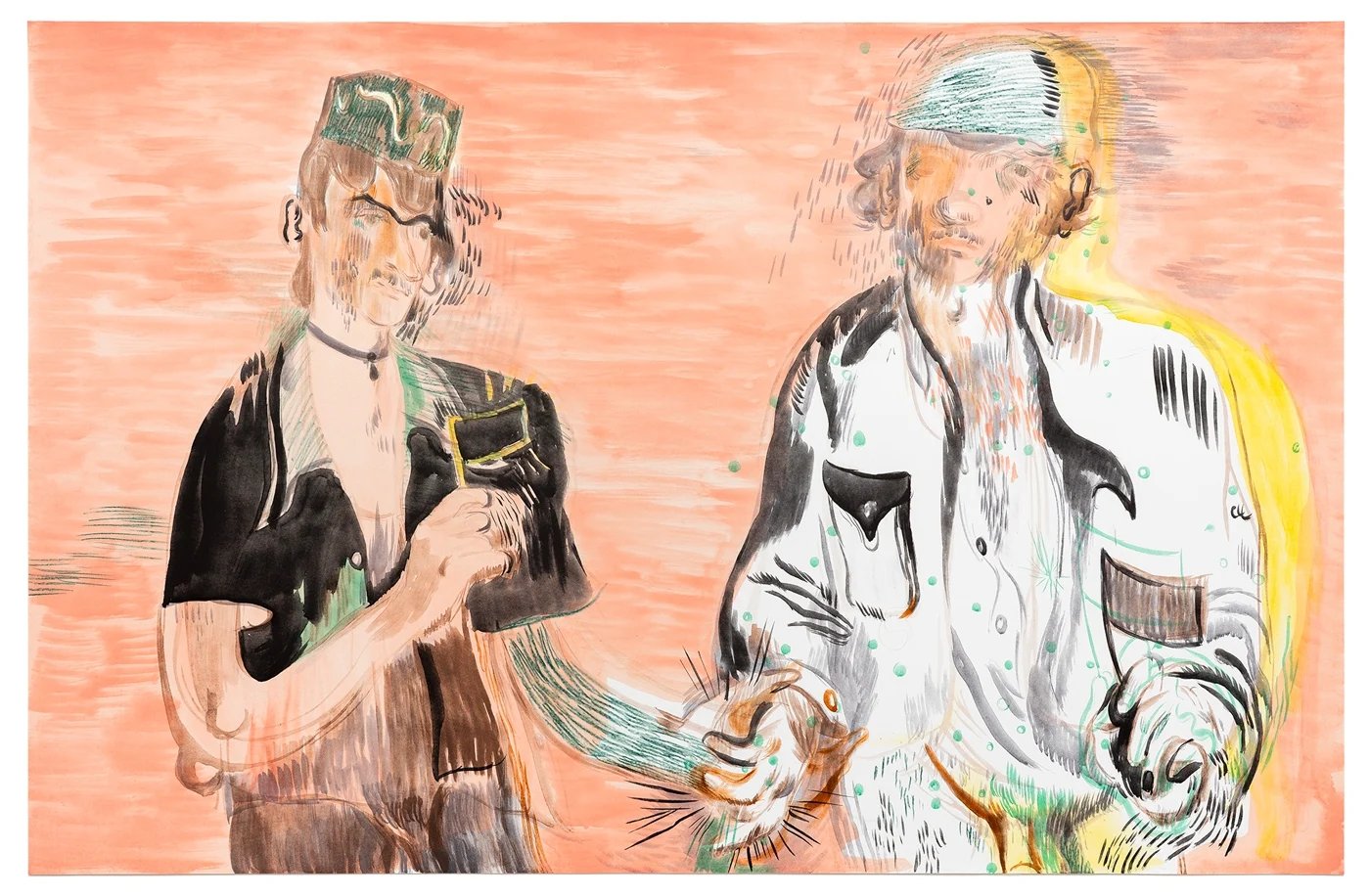
Robert Mapplethorpe
Two Men Dancing, 1984
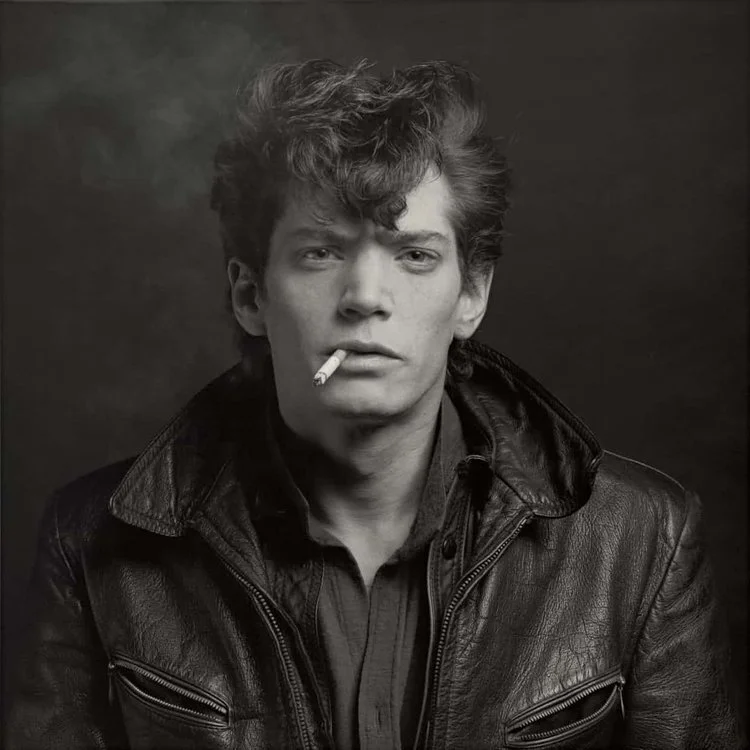
A signed work from an important series or a pivotal moment in an artist's career will always outperform a signed peripheral work, regardless of how legible or bold the inscription. Consider the difference within an artist like Robert Mapplethorpe: a signed print from his flower studies or his early portraiture carries a very different weight than a signed poster from a lesser retrospective. Provenance and context are everything once the baseline of authenticity is established. Among the artists well represented on The Collection, several stand out as anchors for any serious approach to signed works.
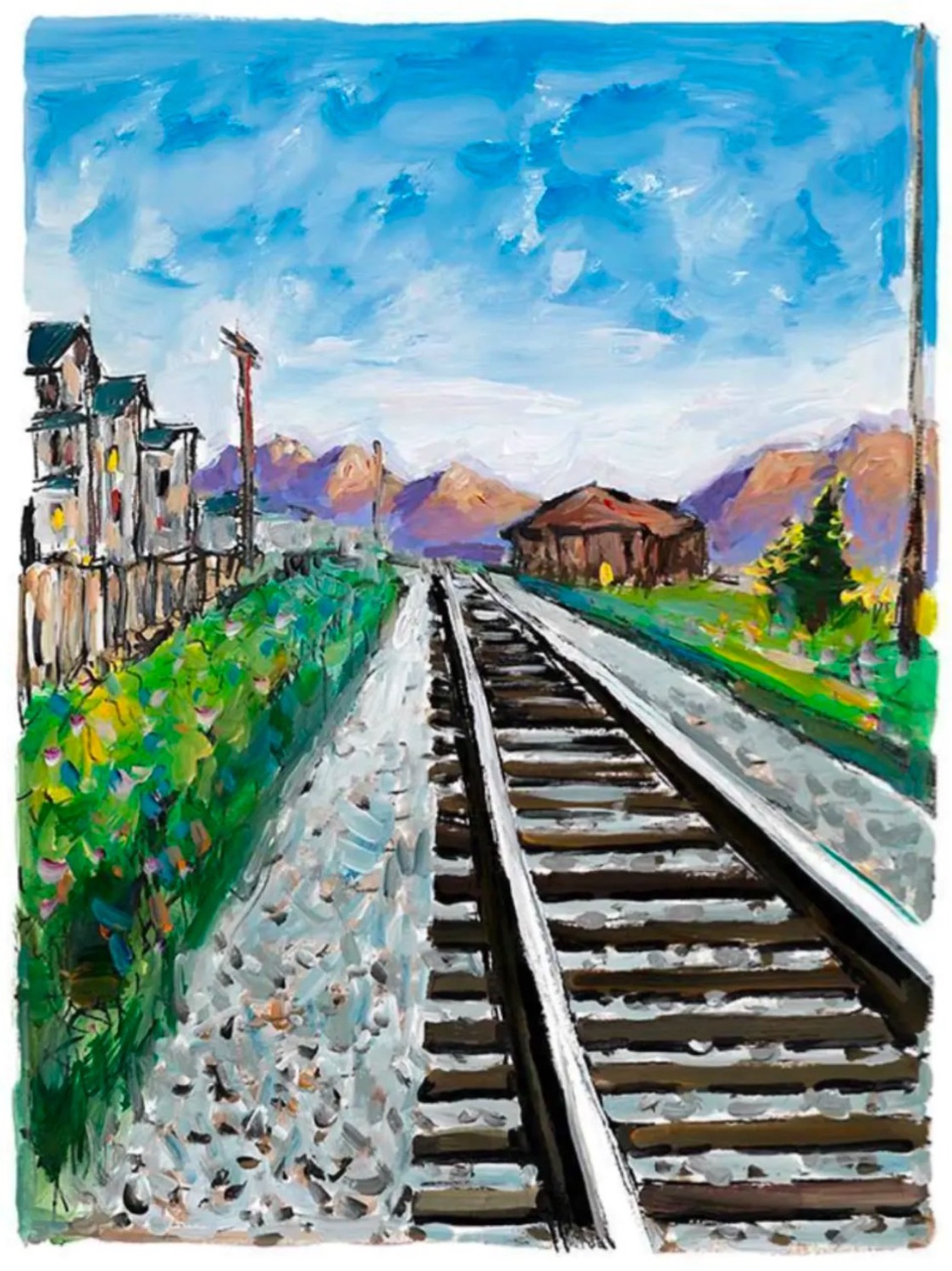
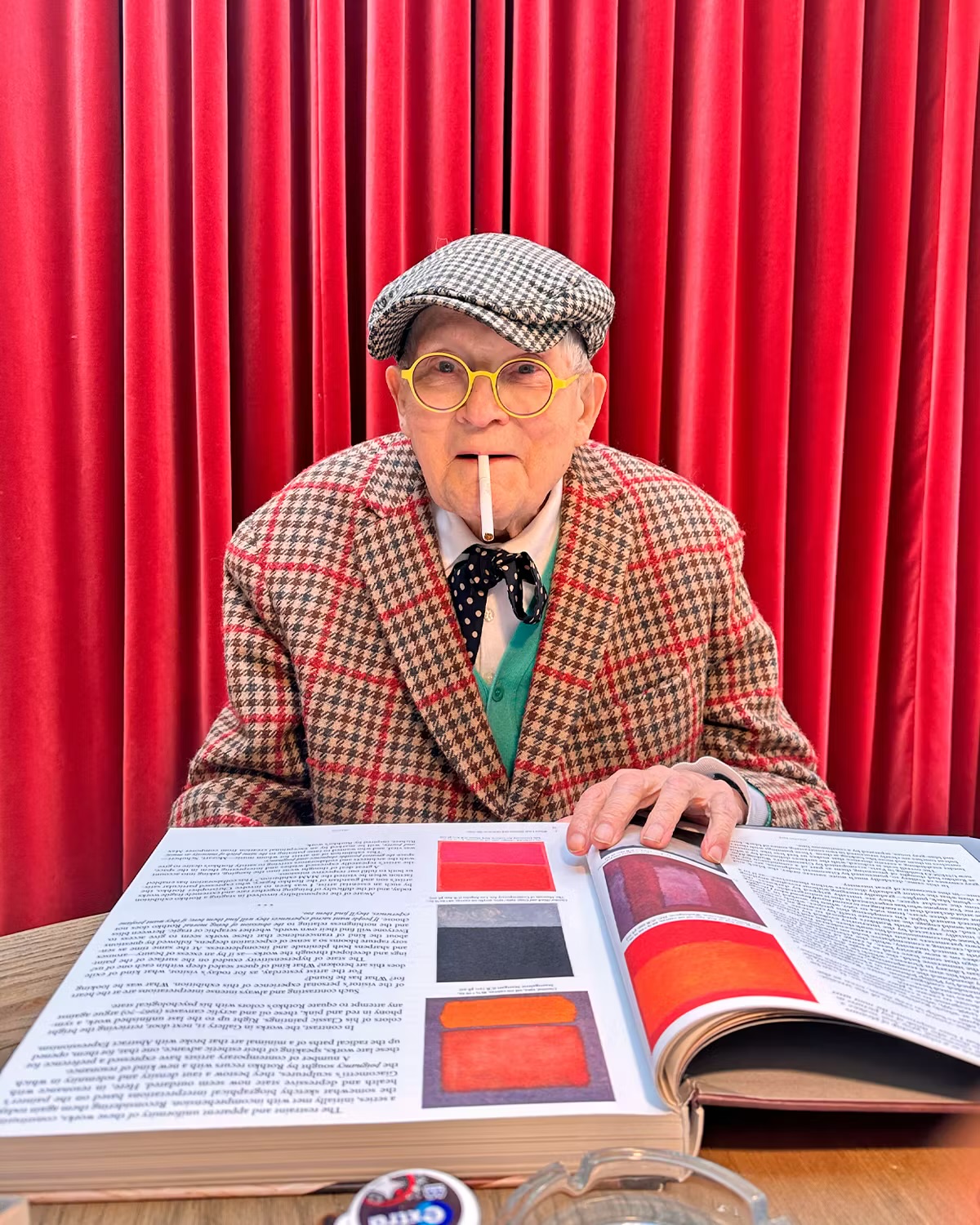
Joseph Beuys signed prolifically but selectively, and works bearing his signature, particularly multiples produced in deliberate editions through galleries like René Block, have held their value with remarkable consistency. His signatures carry ideological as well as monetary weight. Andy Warhol and Salvador Dalí both understood the performative dimension of the signed object, sometimes to the frustration of scholars, but the market has largely sorted itself, and properly documented signed works by both remain highly liquid and culturally resonant. David Hockney's signed prints, especially those from his etching and lithography work in the 1970s and 1980s, represent some of the most accessible entry points into a career that commands serious institutional attention.

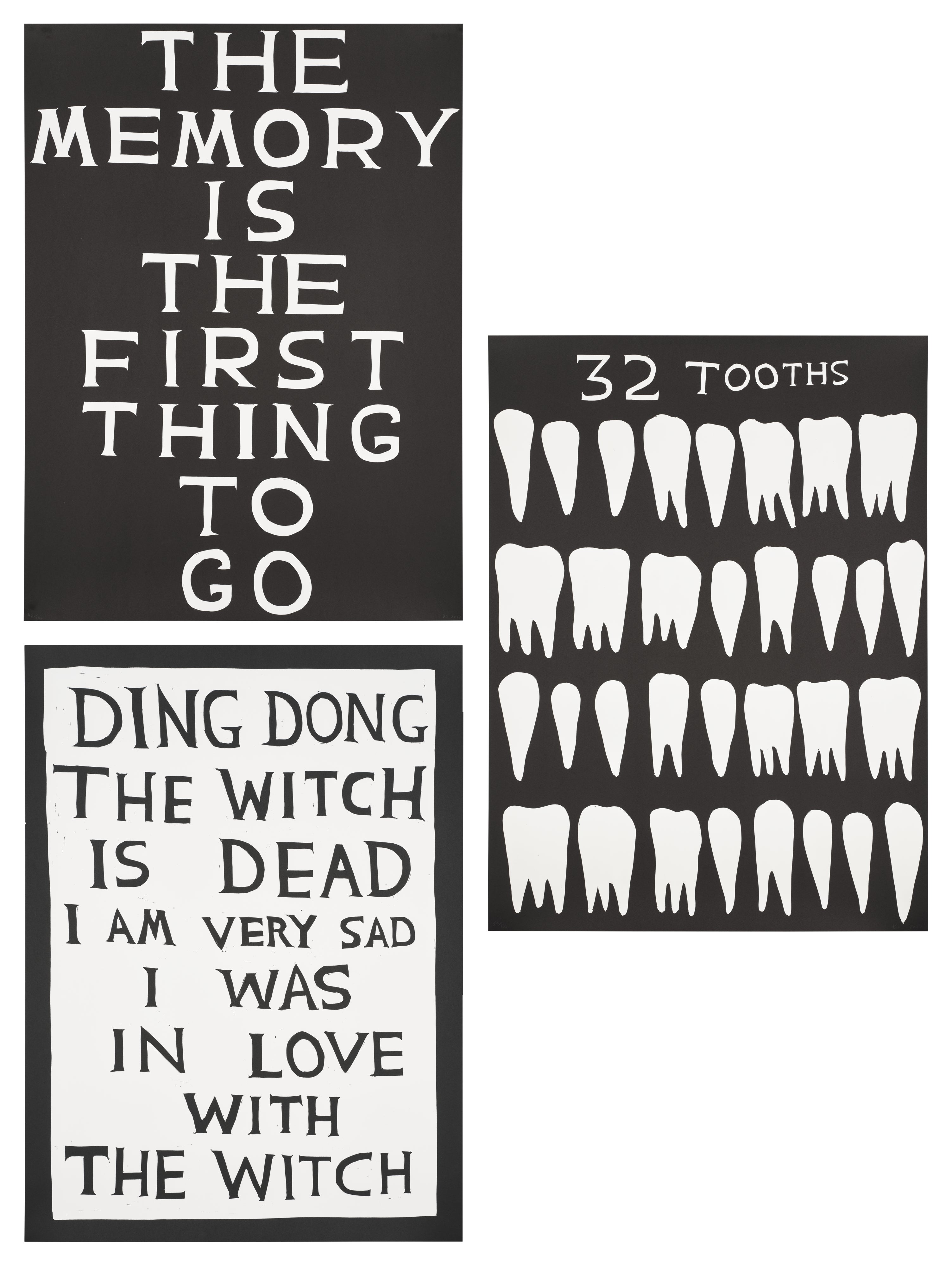
David Hockney
A Bigger Book
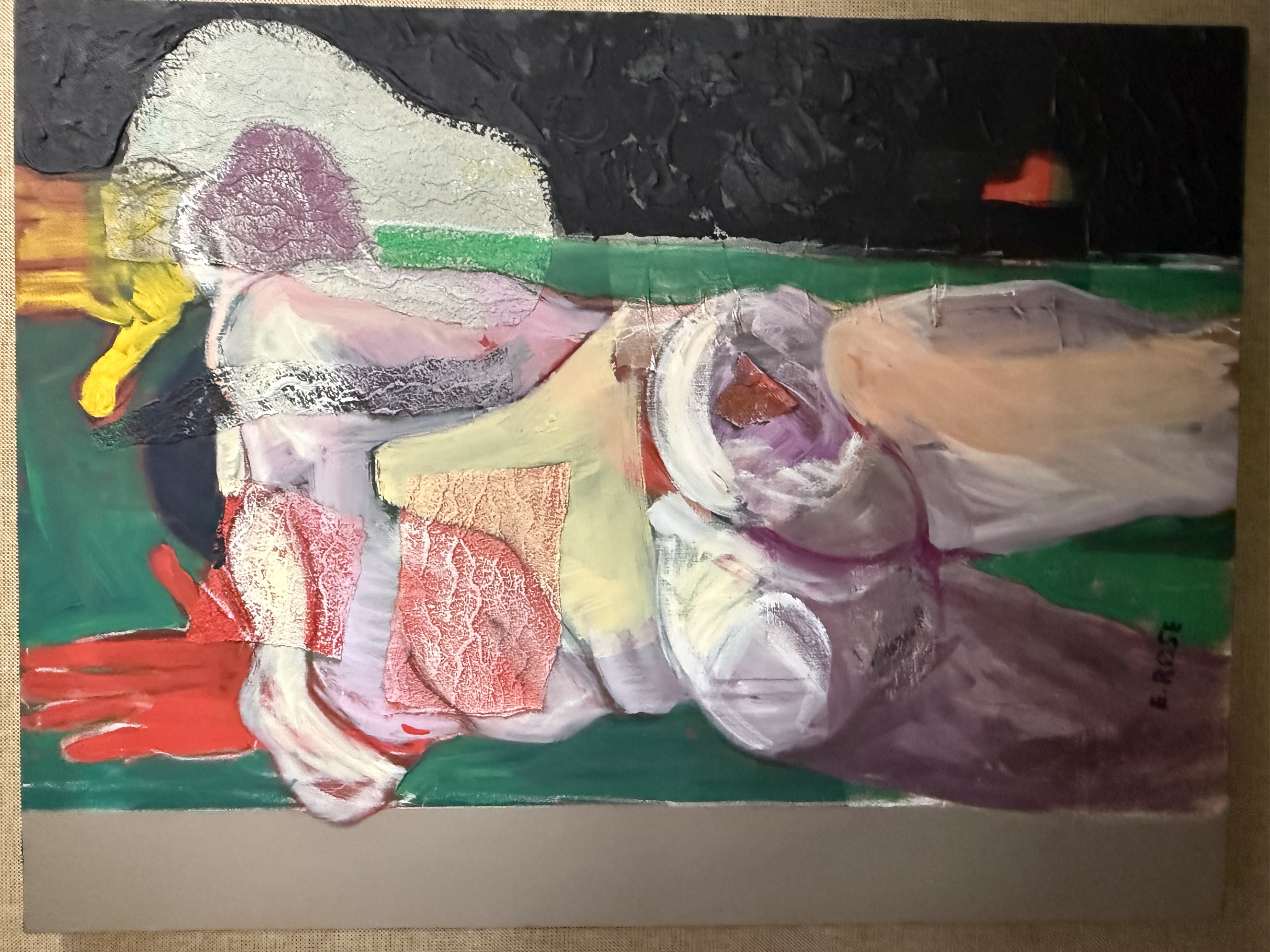
KAWS presents a newer model: an artist who has engineered signed editions with tremendous care for the collector relationship, and whose secondary market continues to demonstrate real appetite across generational lines. For collectors with an eye toward emerging value, the opportunities in signed works by less immediately famous names deserve genuine attention. Jonggeon Lee, whose practice engages with the body and material culture in ways that feel both intimate and formally rigorous, represents the kind of artist whose signed early works become irreplaceable as careers develop. Mark Morrisroe, tragically underrecognized outside specialist circles for decades, is an artist whose signed photographs are now receiving the critical reassessment they always deserved.
The Boston scene that produced Morrisroe alongside figures like Nan Goldin has been the subject of renewed curatorial interest, and signed works from that period are genuinely scarce. Scarcity and critical momentum are a reliable combination. At auction, signed works consistently outperform unsigned equivalents by margins that vary by artist but rarely disappoint. The data across major houses over the past two decades is unambiguous on this point.
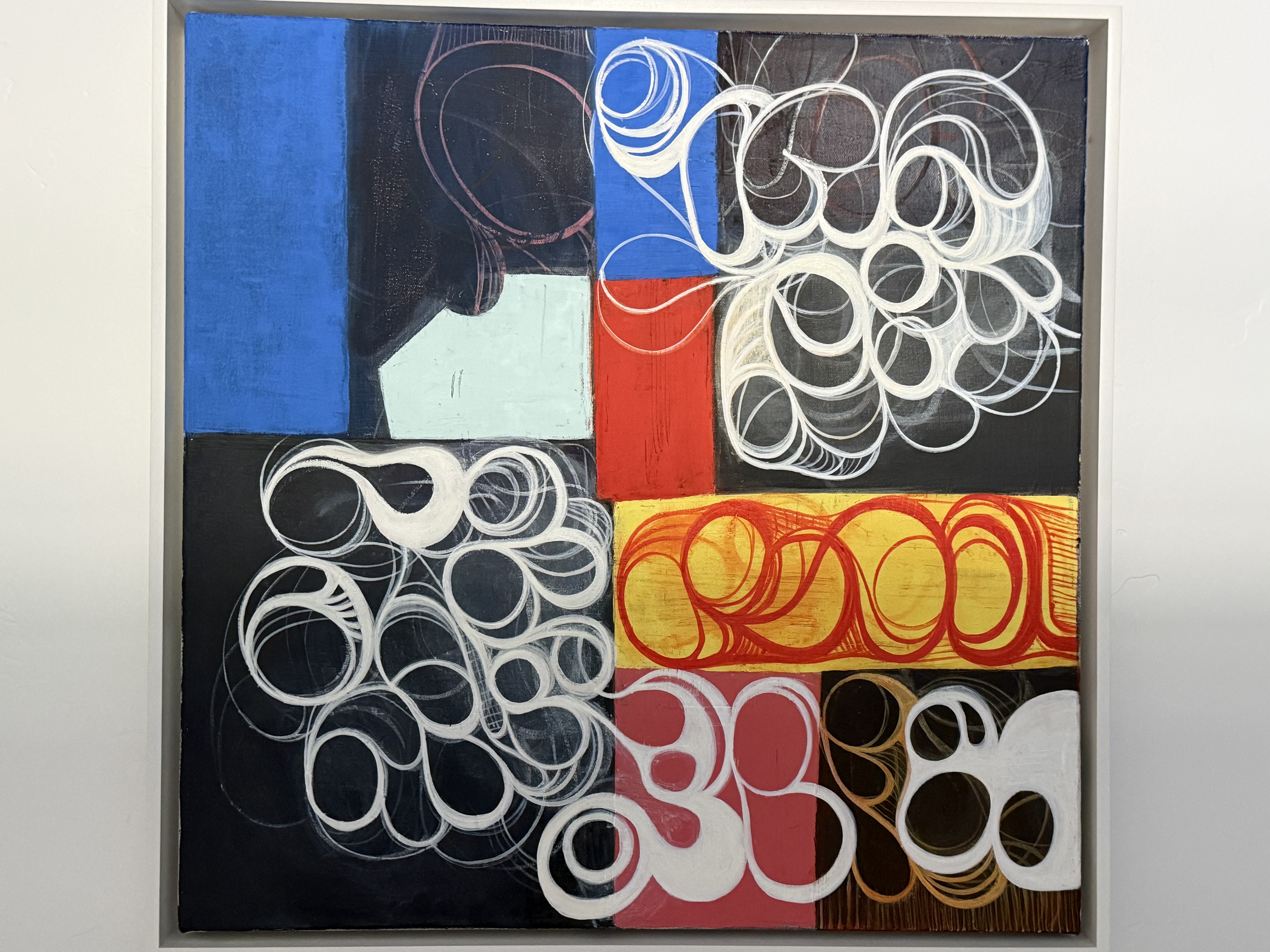
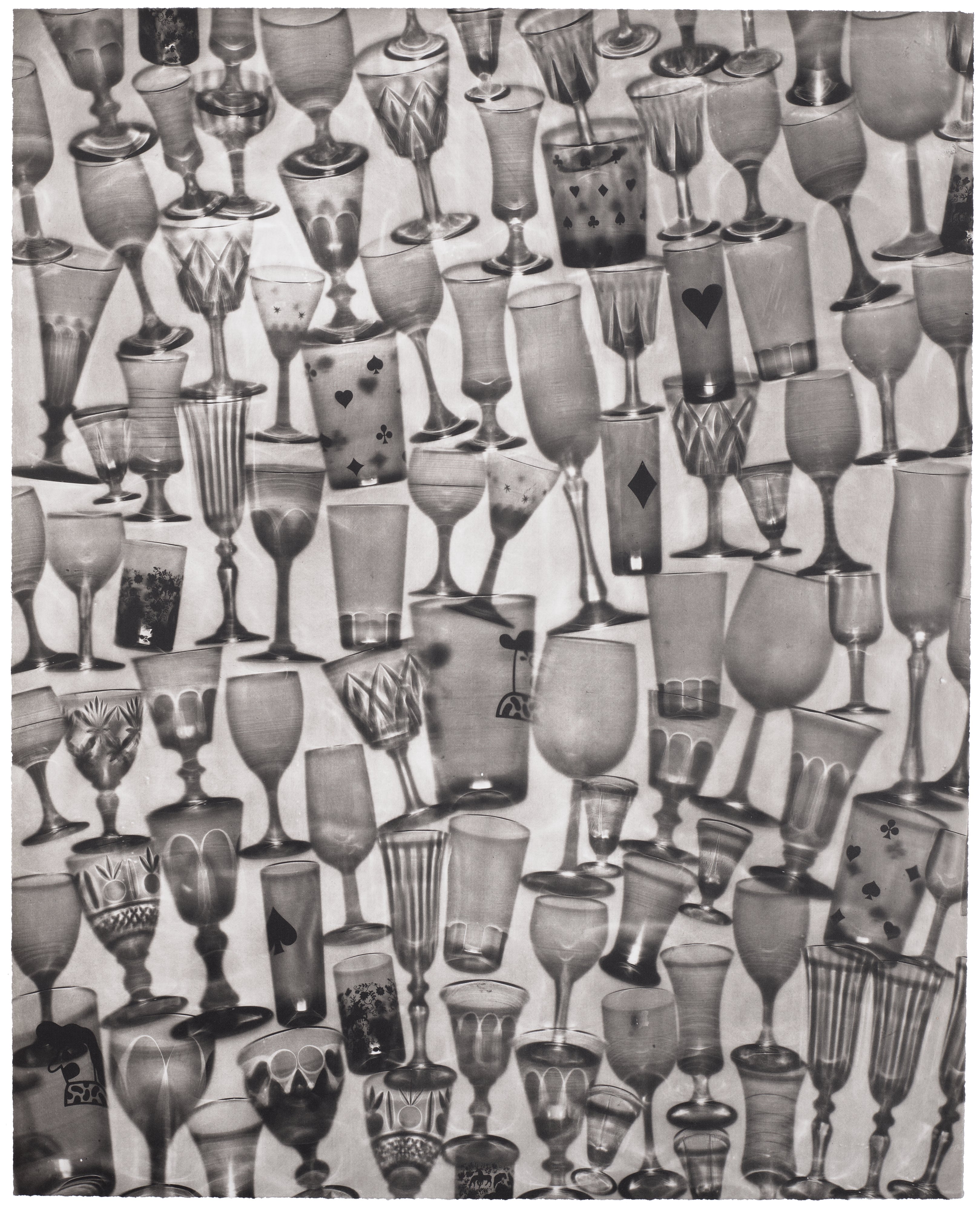
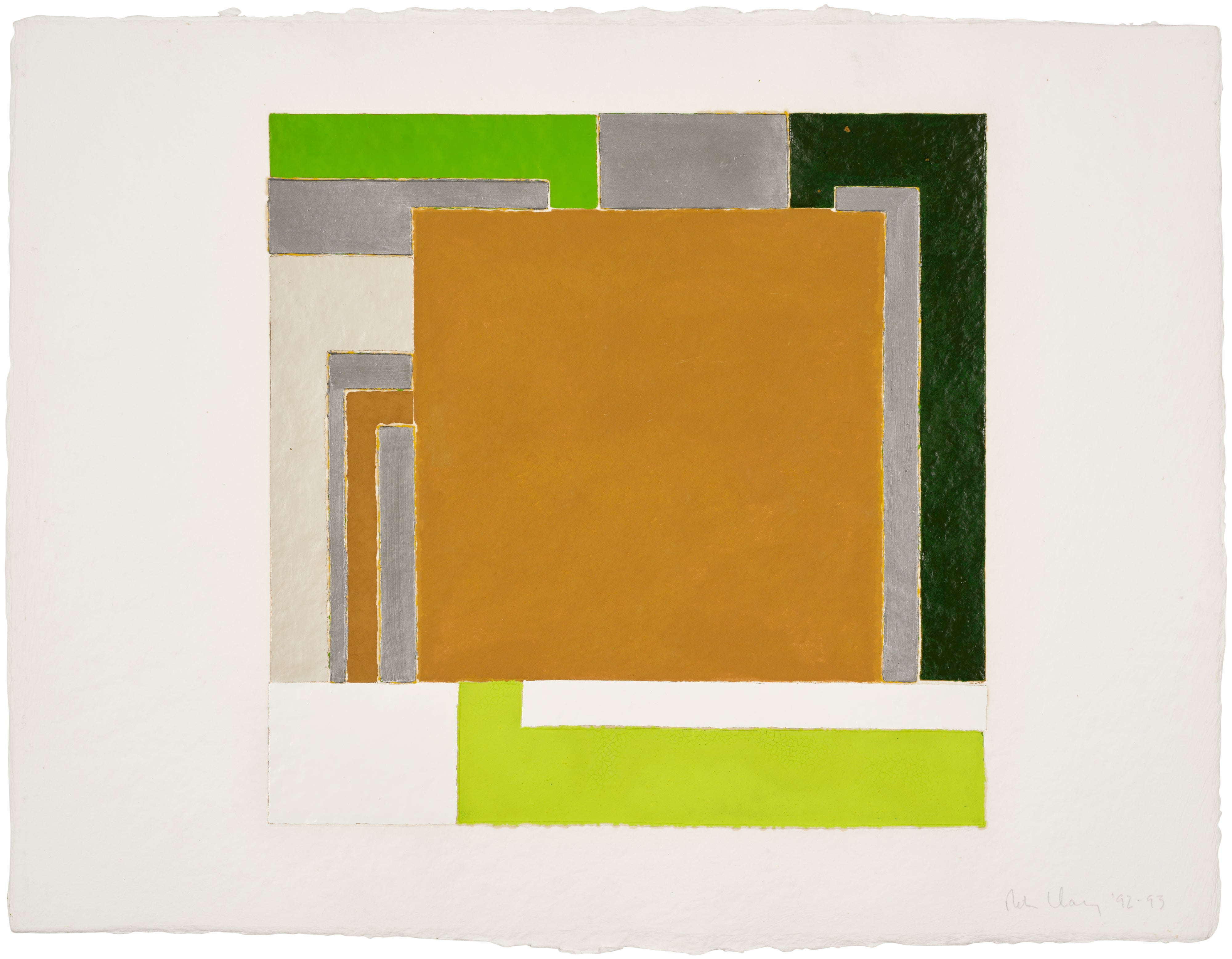
Irene Lipton
untitled (12-07), 2012
For artists who worked in editions, such as Damien Hirst with his spot prints or Chuck Close with his meticulous process based prints, the presence or absence of a signature can represent a difference of thirty to fifty percent in realized price at comparable condition. For unique works, the signature functions differently, more as authentication than enhancement, but it still matters to institutional buyers and serious private collectors alike. Works by Helmut Newton and Robert Mapplethorpe in the photography market exemplify this clearly: signed vintage prints carry premiums that reflect both rarity and the particular intimacy the darkroom signature conveys. Practical advice for anyone actively building in this area begins with condition and ends with documentation.
A signature that has faded, been exposed to UV light without protection, or been touched repeatedly loses not only aesthetic quality but market credibility. Ask the gallery or dealer for any available provenance, exhibition history, and ideally the original receipt or certificate of authenticity. For editions, ask specifically whether the work was signed before or after printing, and whether the artist was present at the signing session or signed sheets separately. These details matter at resale.
Frame signed works on paper under UV protective glazing without exception, and avoid hanging them in direct natural light regardless of the protection. For collectors considering the difference between signed editions and unique signed works, the unique work offers irreplaceability while the edition offers liquidity. Neither is wrong. The right choice depends entirely on what kind of collector you are becoming.