Representation
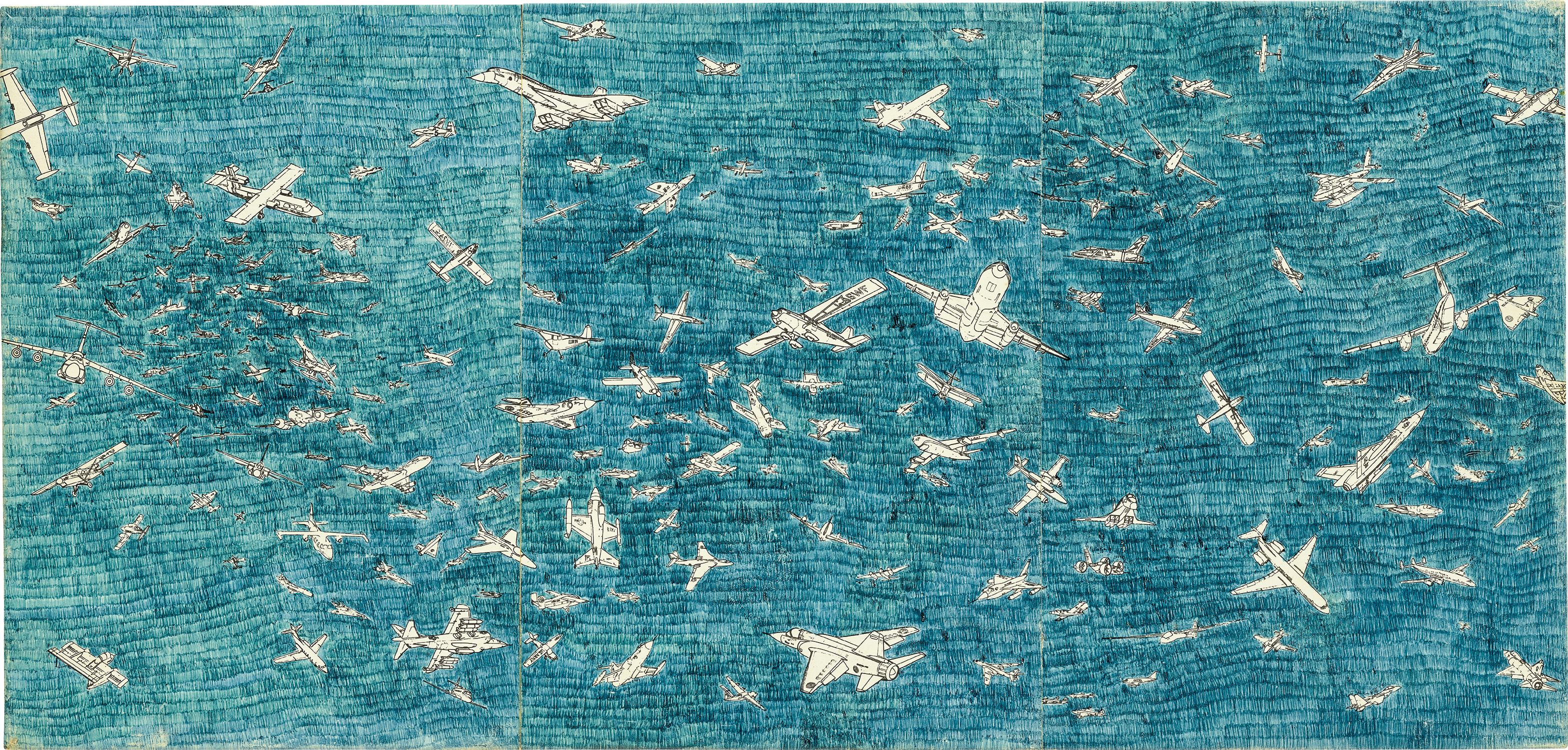
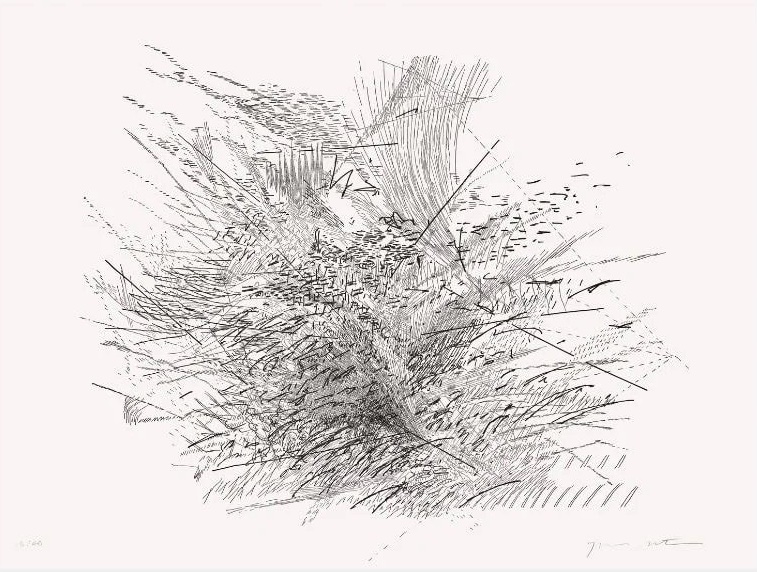
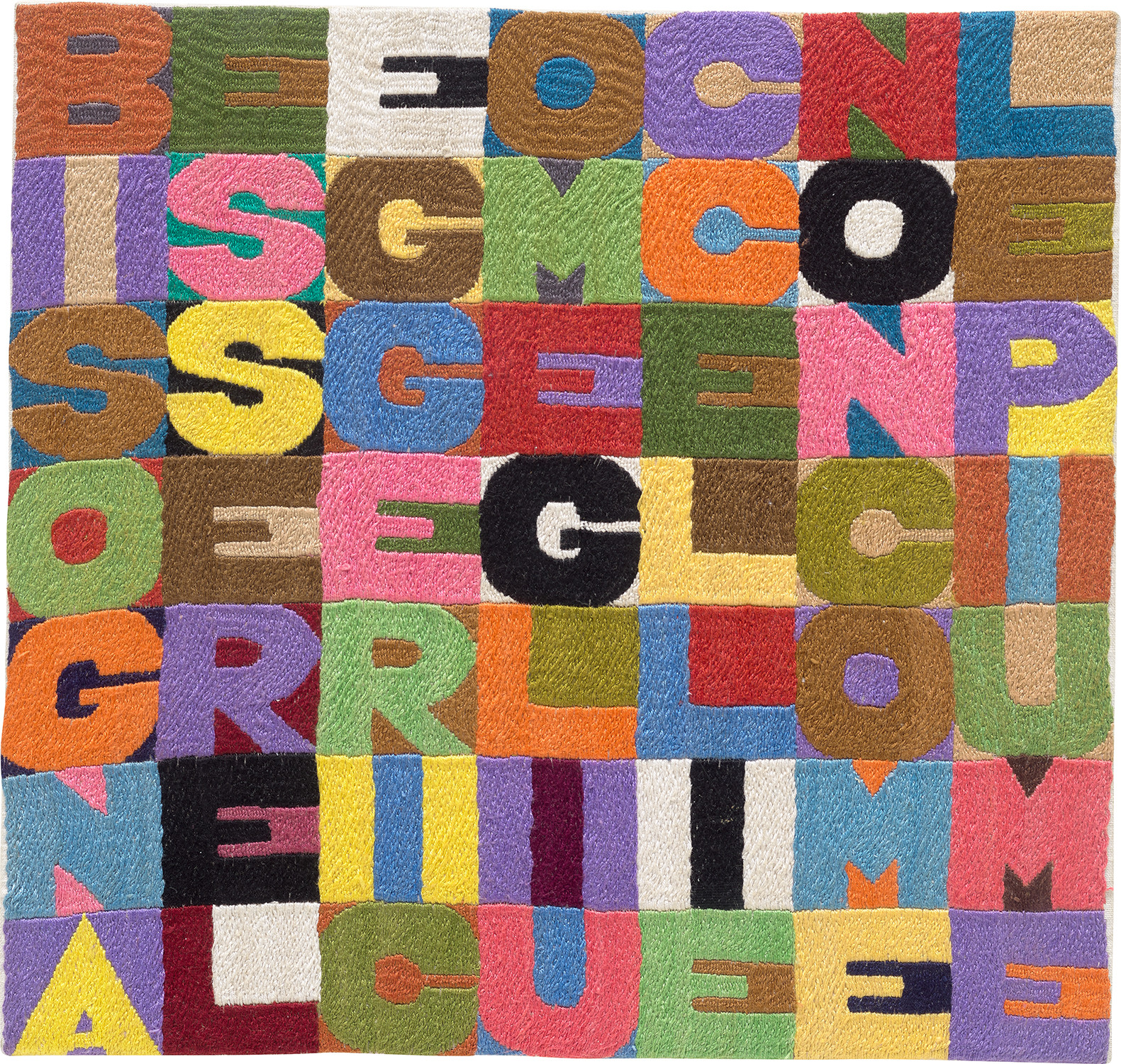
Alighiero Boetti
Aerei, 1983
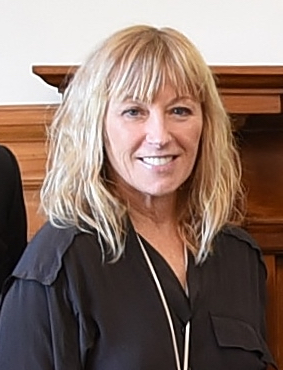

Who Gets to Be Seen? Art Answers Back
When Kehinde Wiley unveiled his official portrait of Barack Obama at the National Portrait Gallery in February 2018, something shifted in the room that was difficult to articulate but impossible to ignore. The image of a Black president rendered in the visual language of Old Master portraiture, surrounded by flowering botanicals dense with symbolic weight, was not simply a commission fulfilled. It was a renegotiation of who history belongs to, and who gets to hang on the walls where that history is kept. The moment crystallised an argument that artists, curators, and collectors had been making for decades, and it sent a charge through the market that is still being felt.
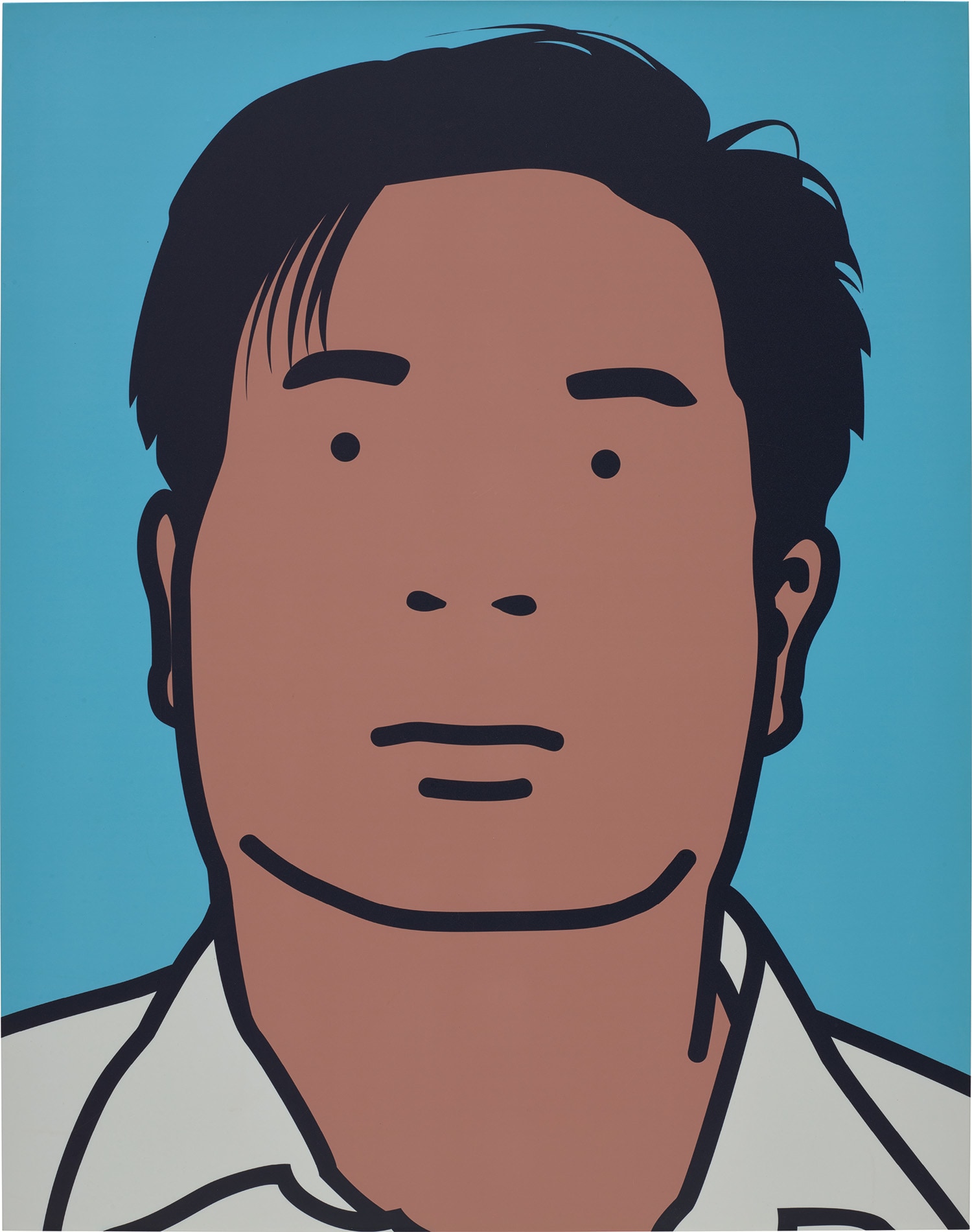
The conversation around representation in contemporary art has moved well beyond its theoretical origins. What began as a critical framework in academic circles during the 1980s and 1990s has become one of the central organising principles of the contemporary art market, institutional acquisition strategy, and curatorial practice. The question of whose image appears in art, and whose hand makes it, now shapes collecting decisions at every level, from major museum endowments to private platforms like The Collection, where artists including Zanele Muholi, Kerry James Marshall, and Titus Kaphar sit alongside names from an older canon. That juxtaposition itself is worth examining closely.
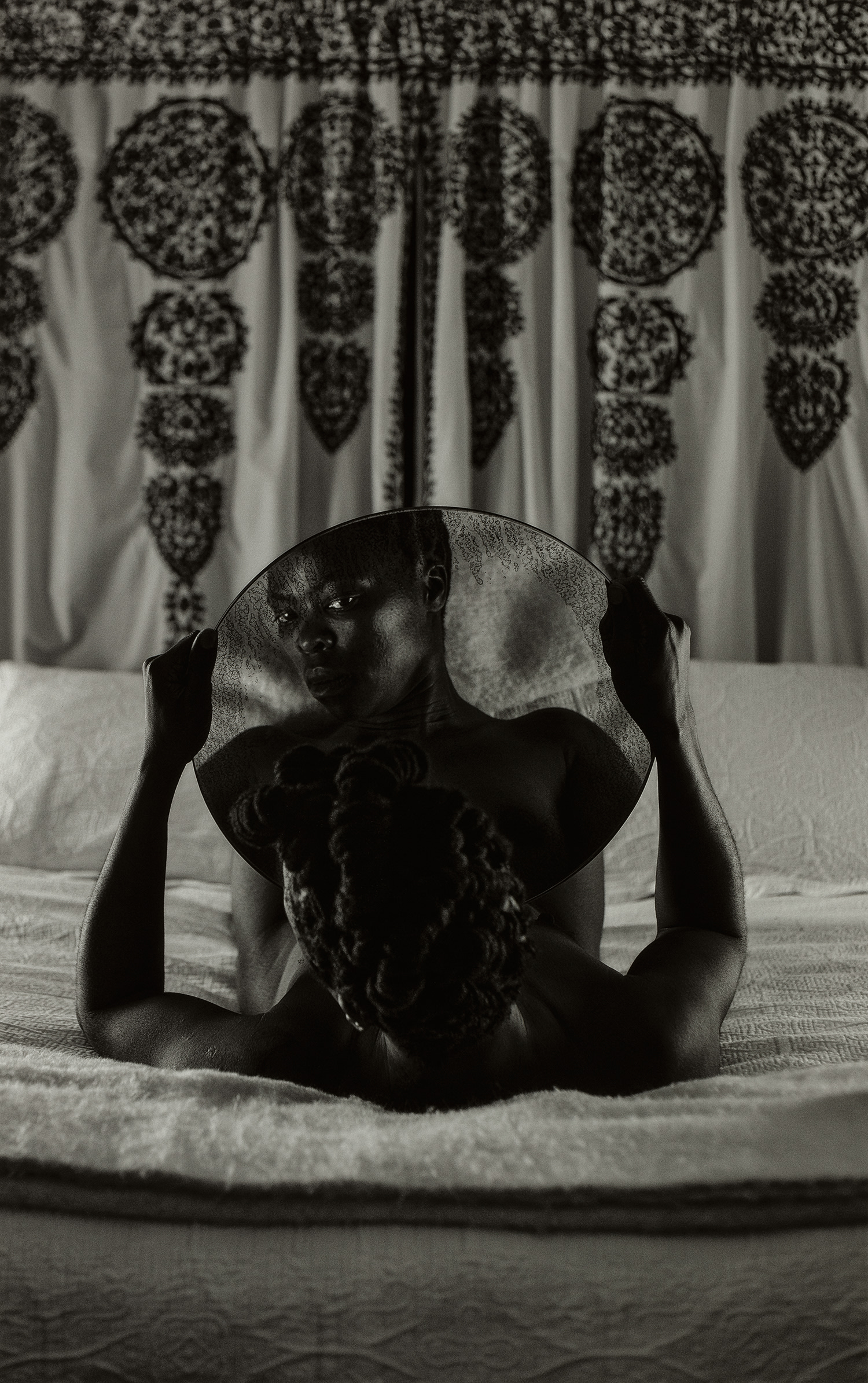
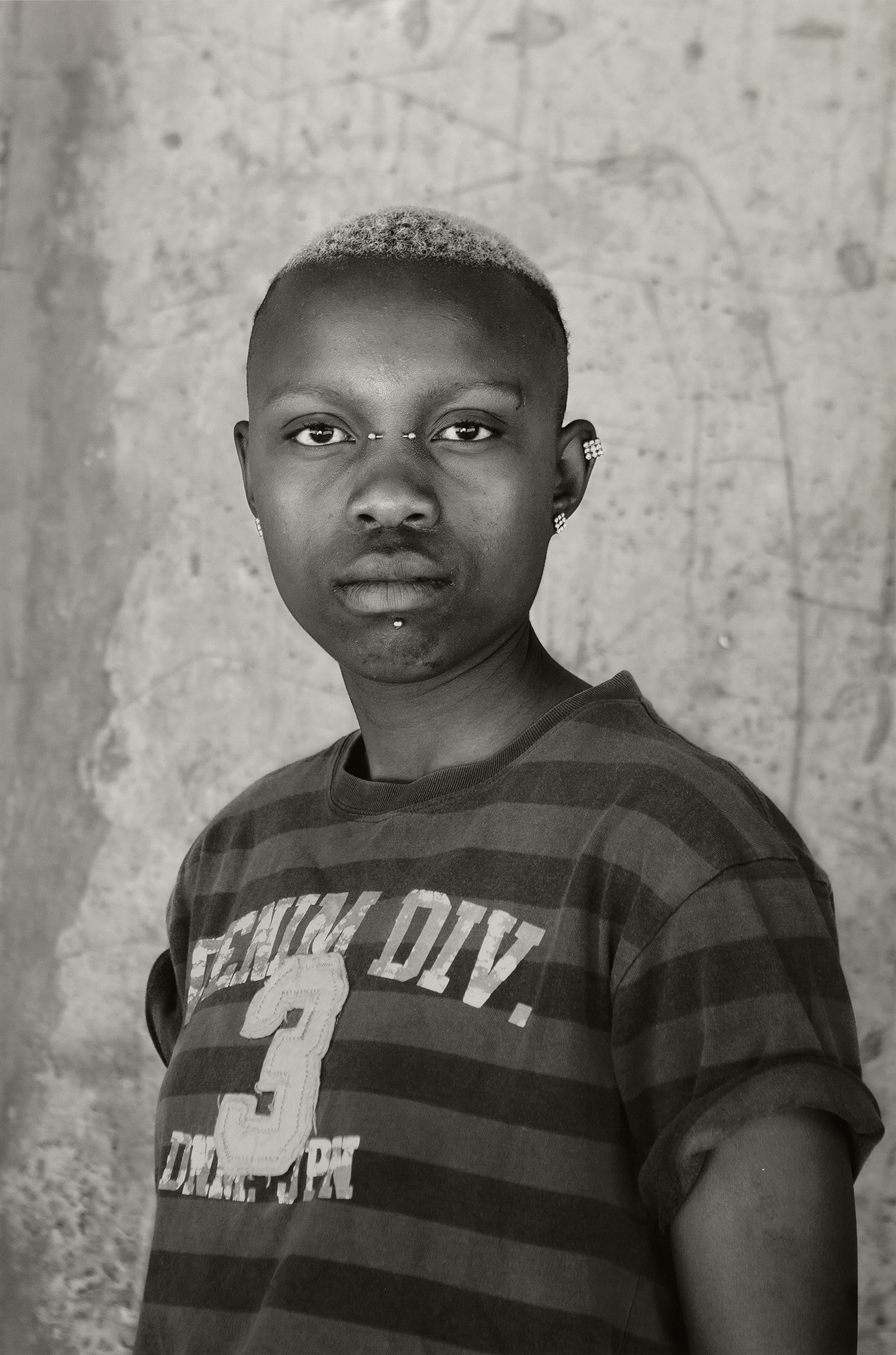
Zanele Muholi
Bona, Charlottesville (9781), from Somnyama Ngonyama
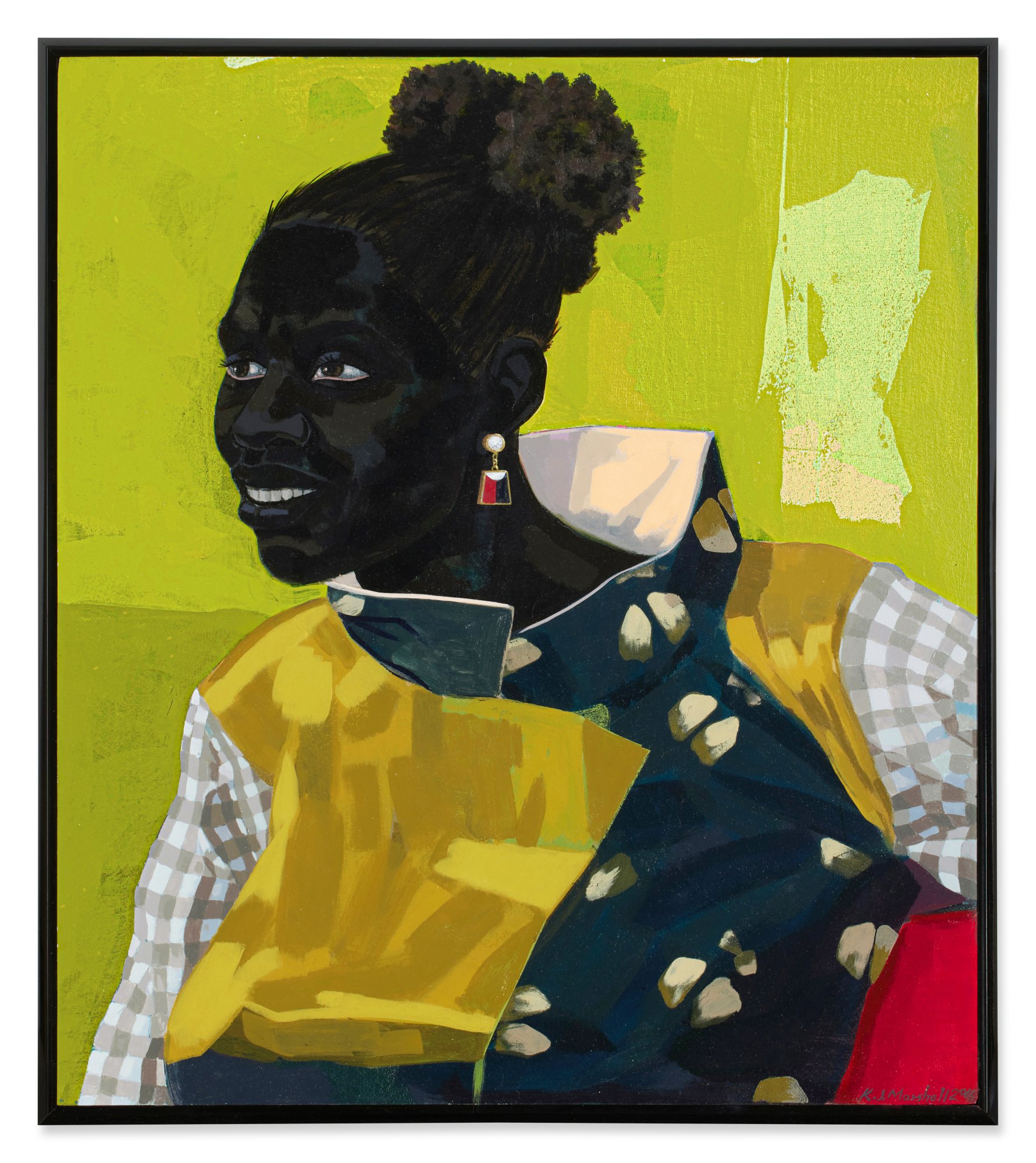
The auction market has been unambiguous in its response to this shift. Kerry James Marshall has become one of the most closely watched names at the major houses. His painting Past Times sold at Sotheby's New York in 2018 for just over 21 million dollars, setting a record for a living Black artist at that point and signalling to the broader market that work engaging directly with the politics of representation could perform at the very highest levels. Marshall has spent his career painting Black figures into the visual traditions from which they were historically excluded, and the market eventually caught up with what curators had understood for years.
His presence on The Collection carries that full weight of art historical and commercial significance. Zanele Muholi's work presents a different kind of argument. Working primarily in South Africa, Muholi documents Black queer and lesbian lives with a seriousness and tenderness that refuses any single reading. Their series Somnyama Ngonyama, which translates roughly as Hail the Dark Lioness, saw Muholi photographing themselves in dramatically lit self portraits using found objects as props and adornment.
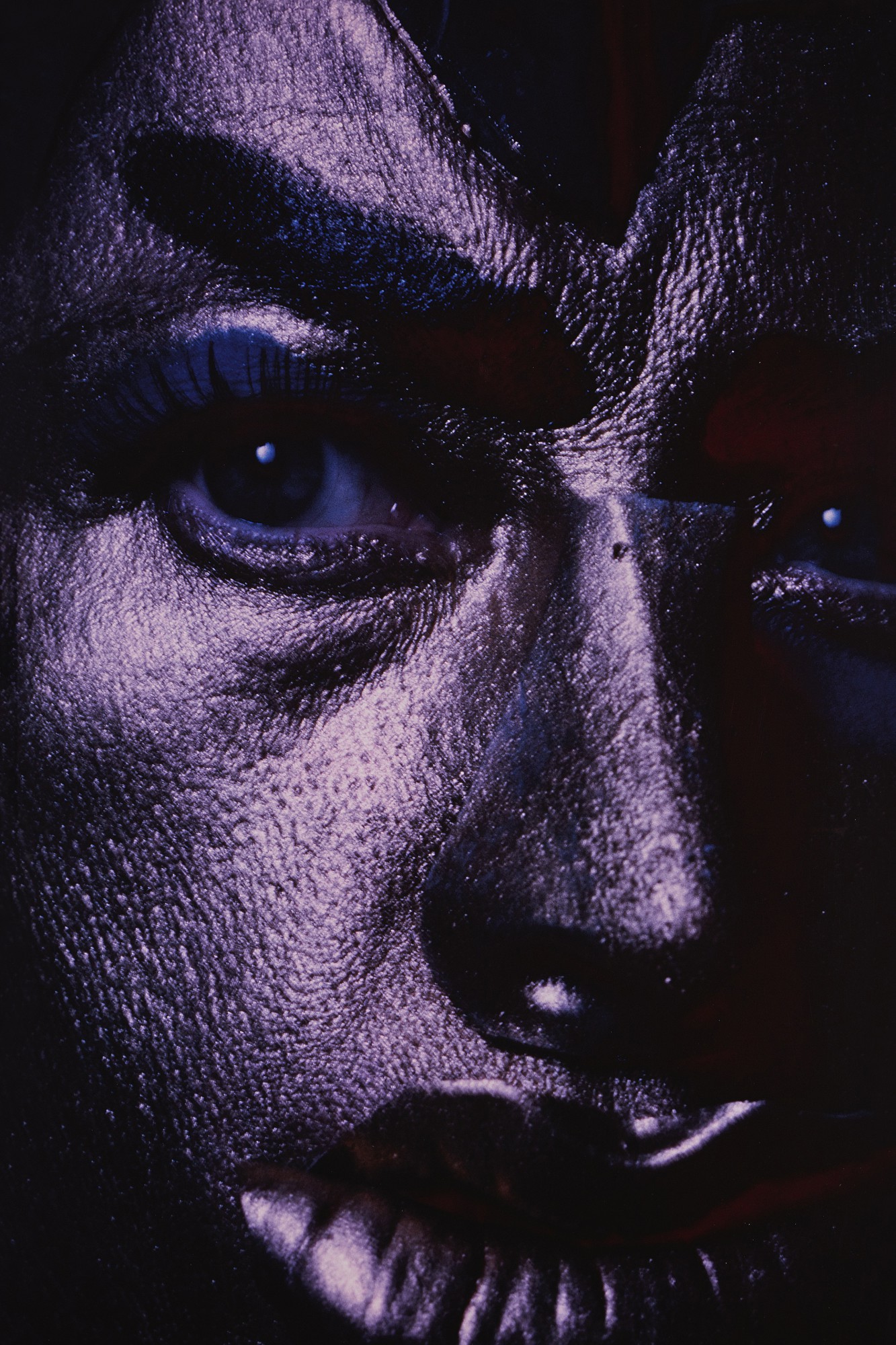
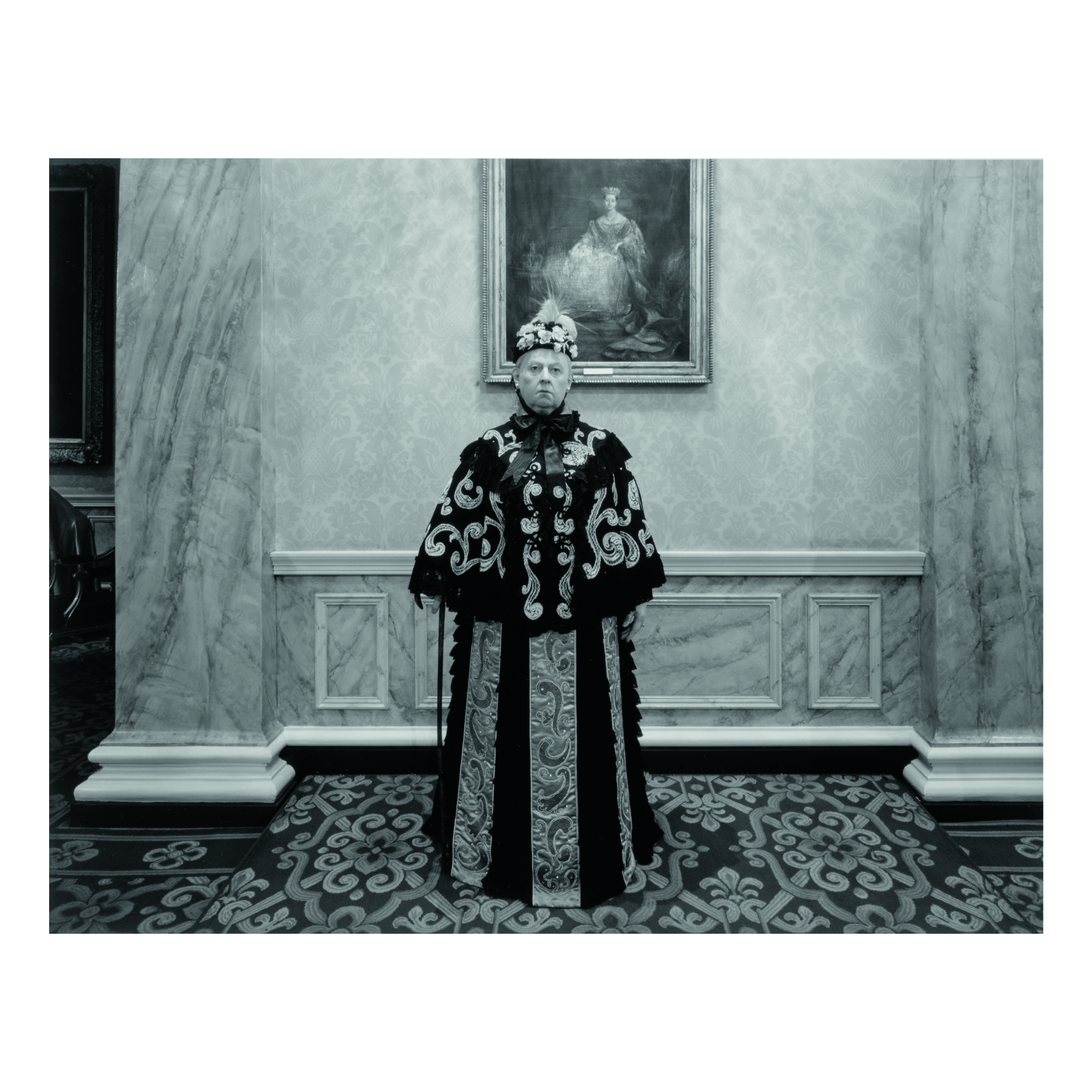
Cindy Sherman
Untitled #323
The series toured internationally and anchored a major retrospective at Tate Modern in 2020, confirming Muholi as one of the defining visual voices of this generation. Institutions in Europe and North America competed to acquire the work, and prices at auction have reflected that institutional hunger. Cindy Sherman occupies a different position in this conversation, one worth thinking about carefully. She has been dismantling and reconstructing the female image since the late 1970s, and her Untitled Film Stills remain among the most analysed photographs in the medium's history.
A complete set sold at Sotheby's in 1995 for over one million dollars, an almost unheard of sum for photography at the time, and her market has only deepened since. Sherman's contribution to representation is primarily about exposure rather than affirmation. She reveals the artifice behind every image of femininity, which makes her work a useful counterpoint to artists like Muholi or Lorna Simpson, who are more concerned with constructing a visibility that has been systematically denied. Lorna Simpson showed a landmark survey at the Jeu de Paume in Paris and has been the subject of renewed critical attention as institutions reassess the weight of her early work from the late 1980s onward.
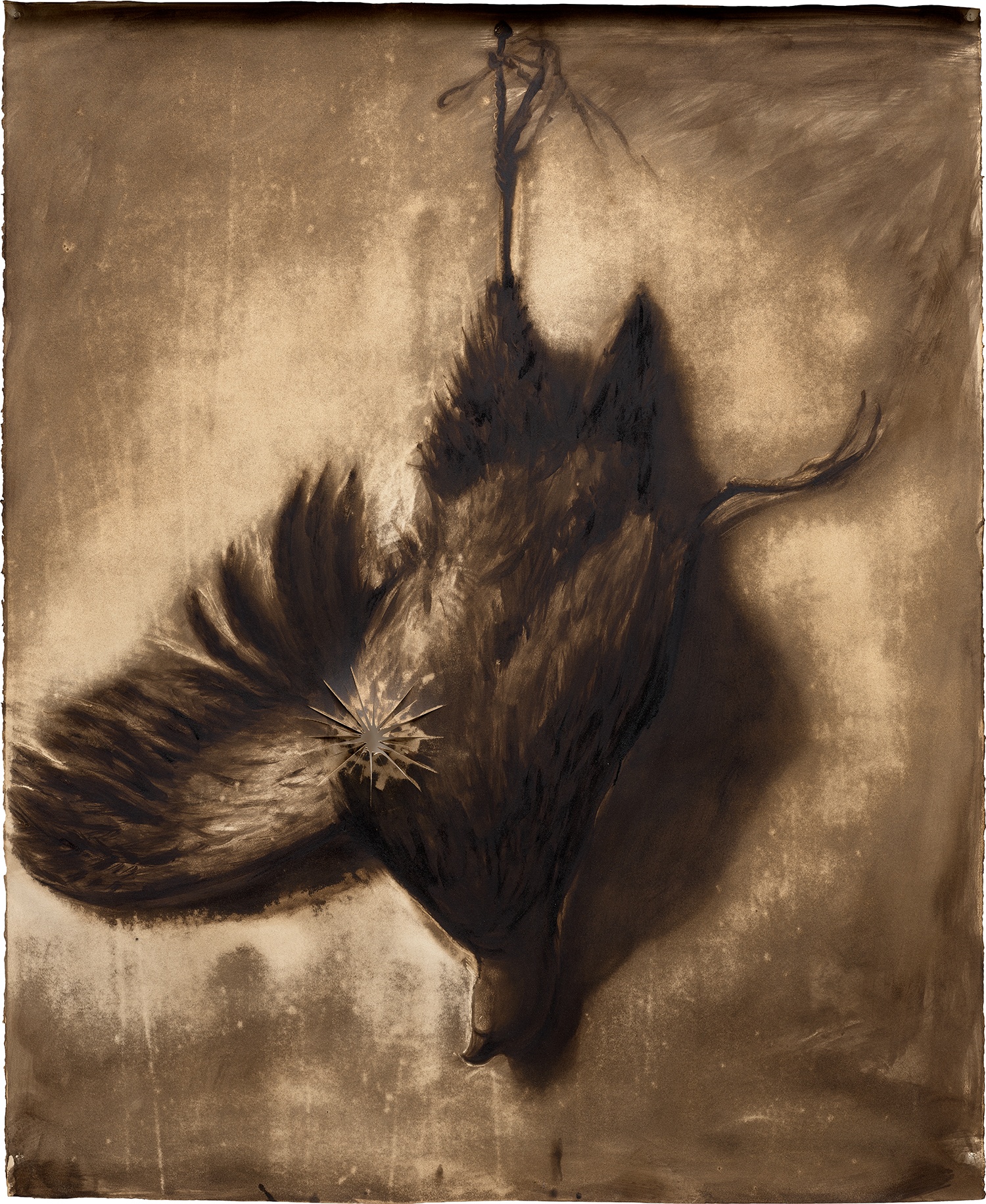
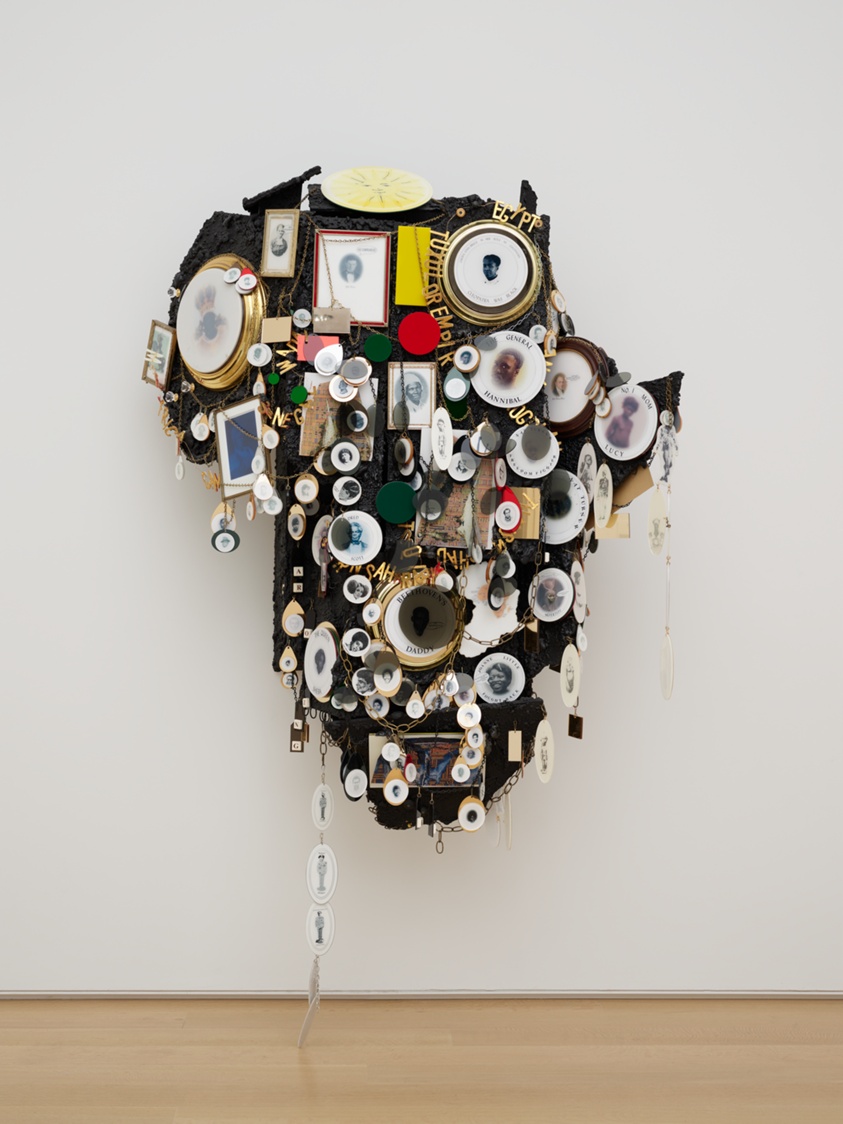
Titus Kaphar
Unfit Description III, 2014
Her combination of photography and text, often placing fragmented images of Black women's bodies alongside clinical or bureaucratic language, created a visual grammar for talking about surveillance, erasure, and identity that subsequent generations have drawn from extensively. Titus Kaphar, meanwhile, brings a more explicitly activist energy to the painting tradition. His practice of literally slicing, tarring, or obscuring canonical Western images asks viewers to physically experience the violence of exclusion rather than simply read about it. Institutionally, the collecting signal has been clear since at least the mid 2010s.
The Museum of Fine Arts Houston, the Art Institute of Chicago, and the Museum of Modern Art have all made significant acquisitions in this area, not as acts of tokenism but as a recognition that the most urgent painting and photography of the past forty years has been made by artists working at the intersection of representation, identity, and politics. The Studio Museum in Harlem has functioned as a bellwether for decades, and its influence on the tastes of both institutions and private collectors cannot be overstated. Artists who pass through its programme or receive its endorsement tend to find themselves positioned for serious market attention within a few years. Critically, the writers shaping this conversation include Saidiya Hartman, whose concept of the afterlife of slavery has given many artists a theoretical framework, and Darby English, whose book How to See a Work of Art in Total Darkness remains essential reading for understanding the critical reception of Black artistic practice.
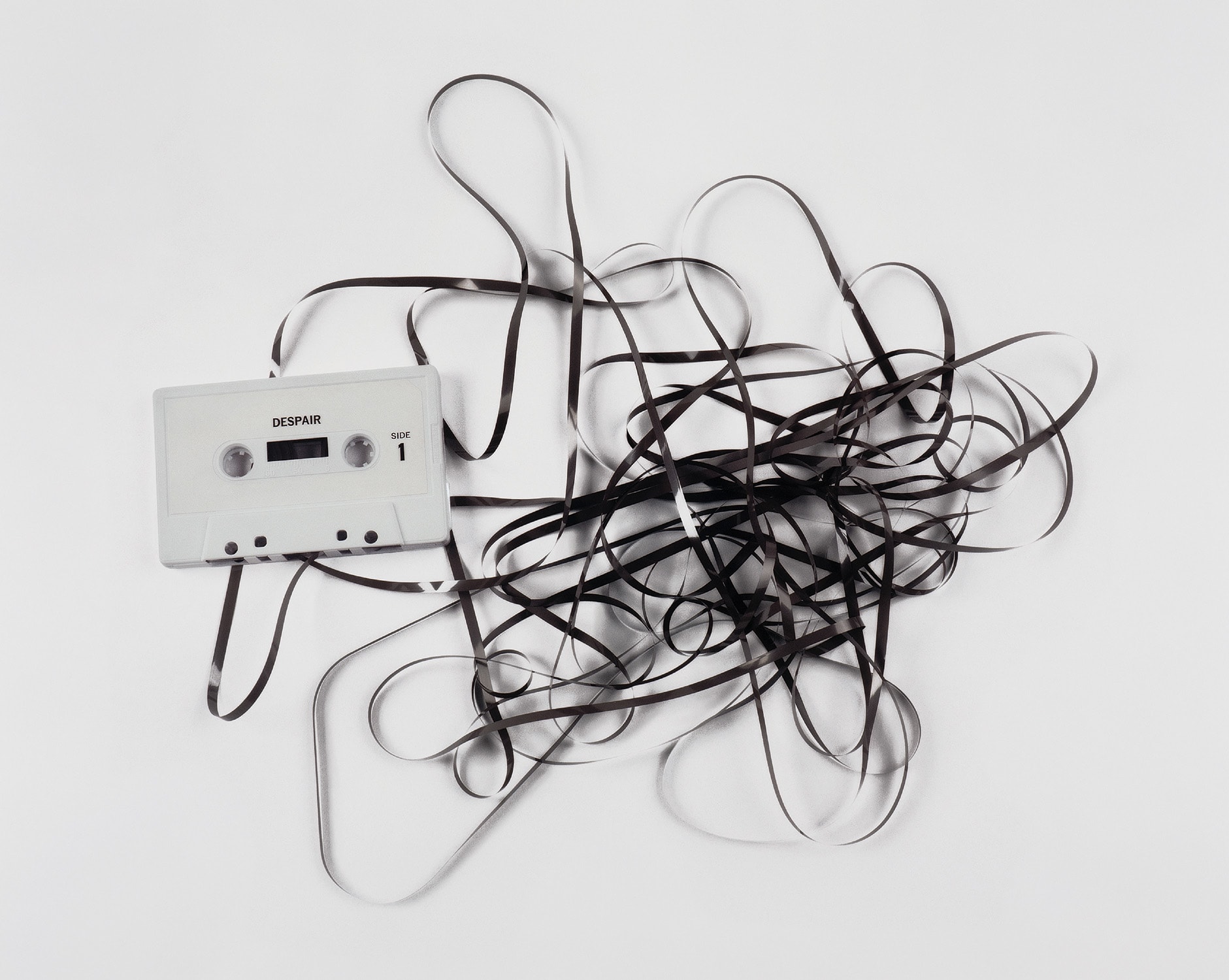
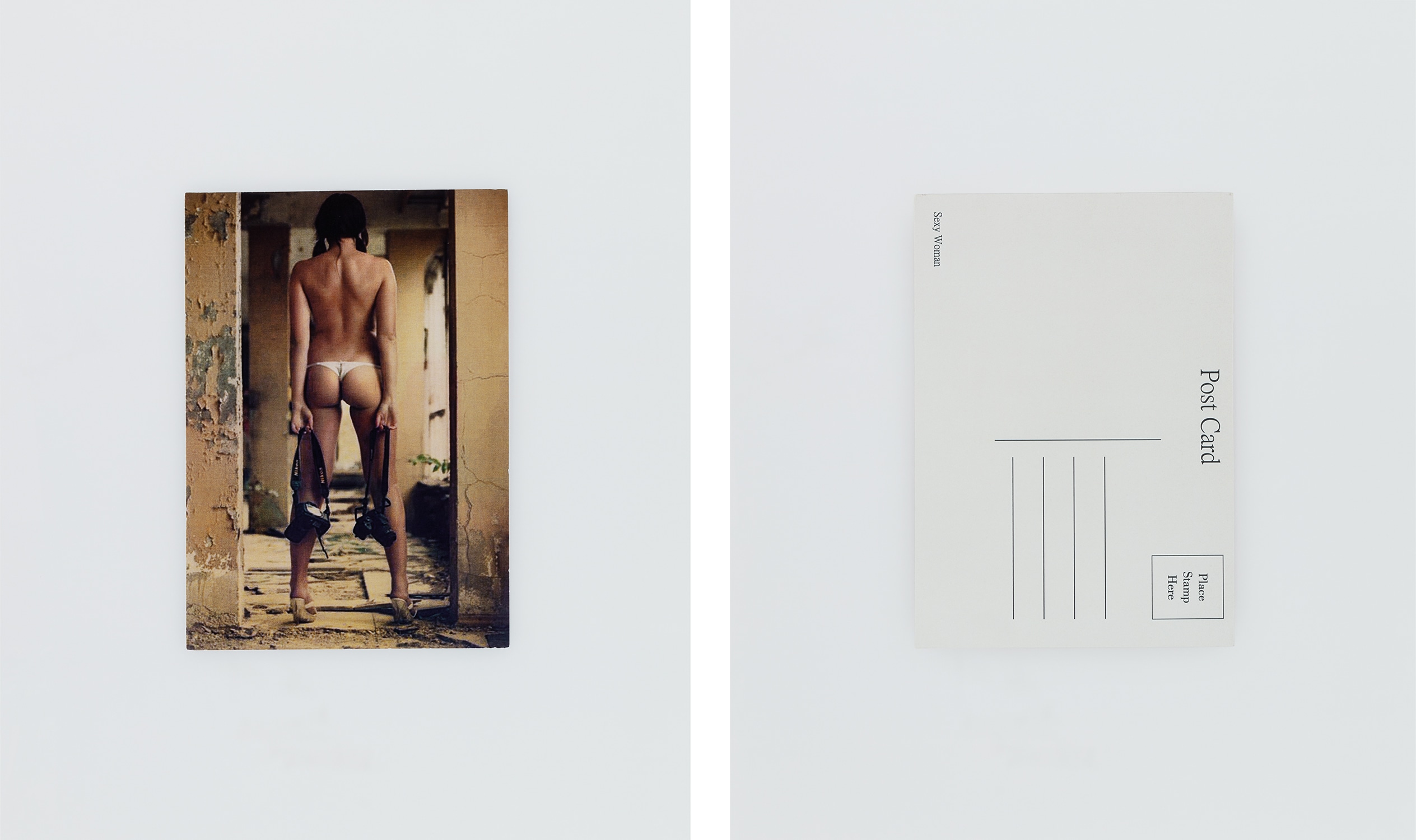
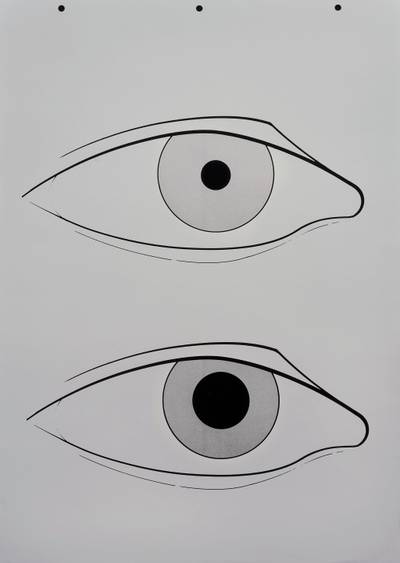
Anne Collier
Despair
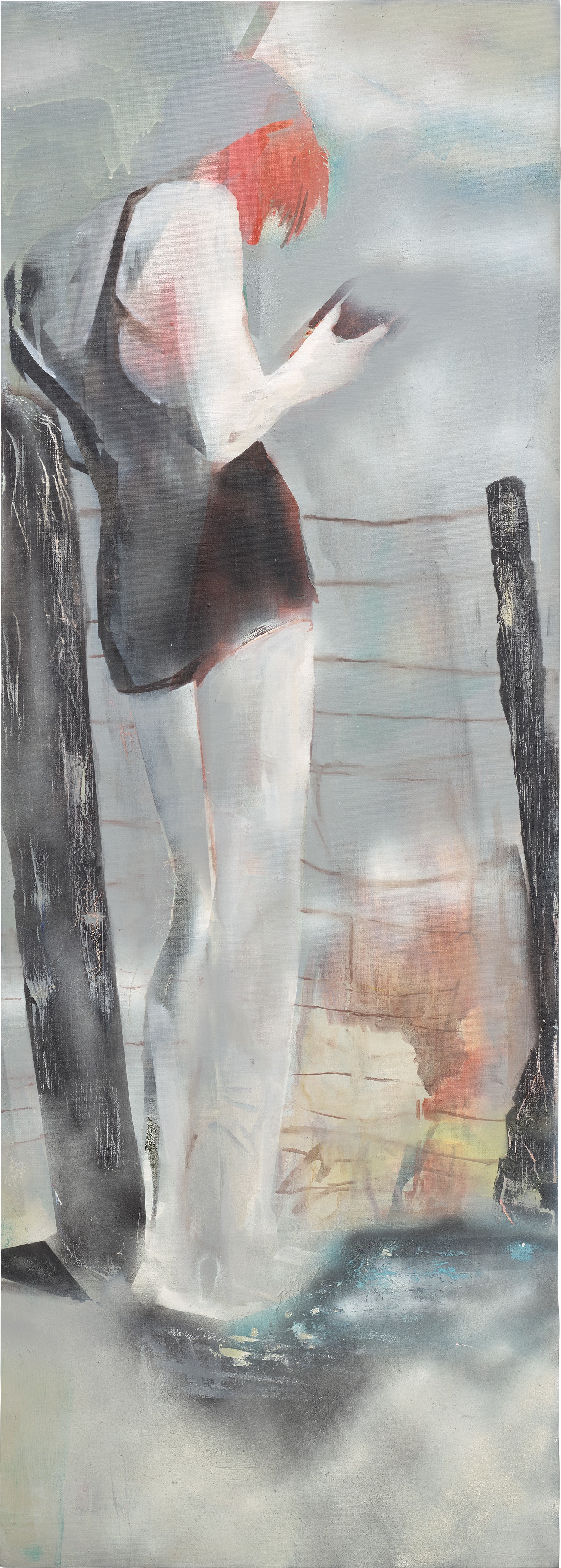
Publications including Artforum, Frieze, and e flux have devoted considerable space to these questions, though the most precise and illuminating writing often appears in exhibition catalogues from institutions that have done the primary research. What feels alive right now is the generational expansion of this conversation. Amani Lewis and Nicolas Party, very different artists working in very different registers, both reflect a market and critical culture that is hungry for images that take the construction of identity seriously, whether through beauty, discomfort, or outright refusal. The presence of artists like Alicja Kwade and Anne Collier on The Collection points toward a broader understanding of representation that encompasses not just political identity but philosophical questions about how images function and whom they serve.
The settled territory belongs to the pioneers. The surprise, as always, will be which younger artists the institutions and the market choose to anoint next, and whether those choices reflect genuine critical engagement or simply the continuation of fashion by other means.