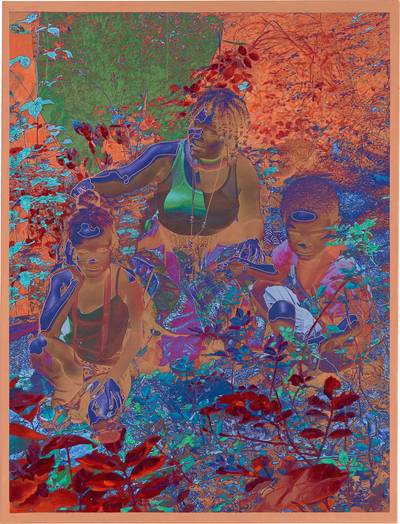
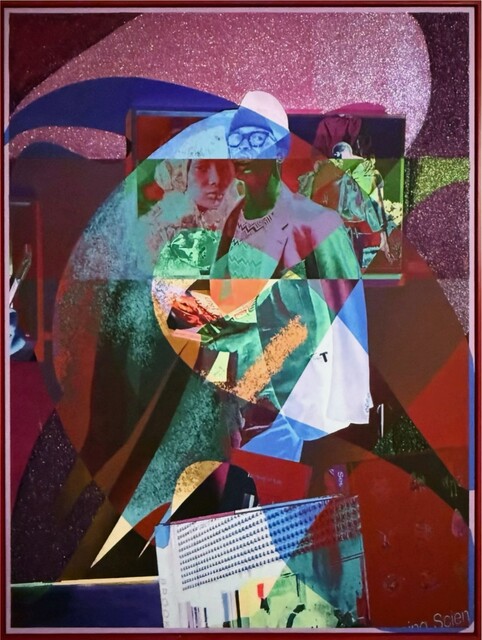
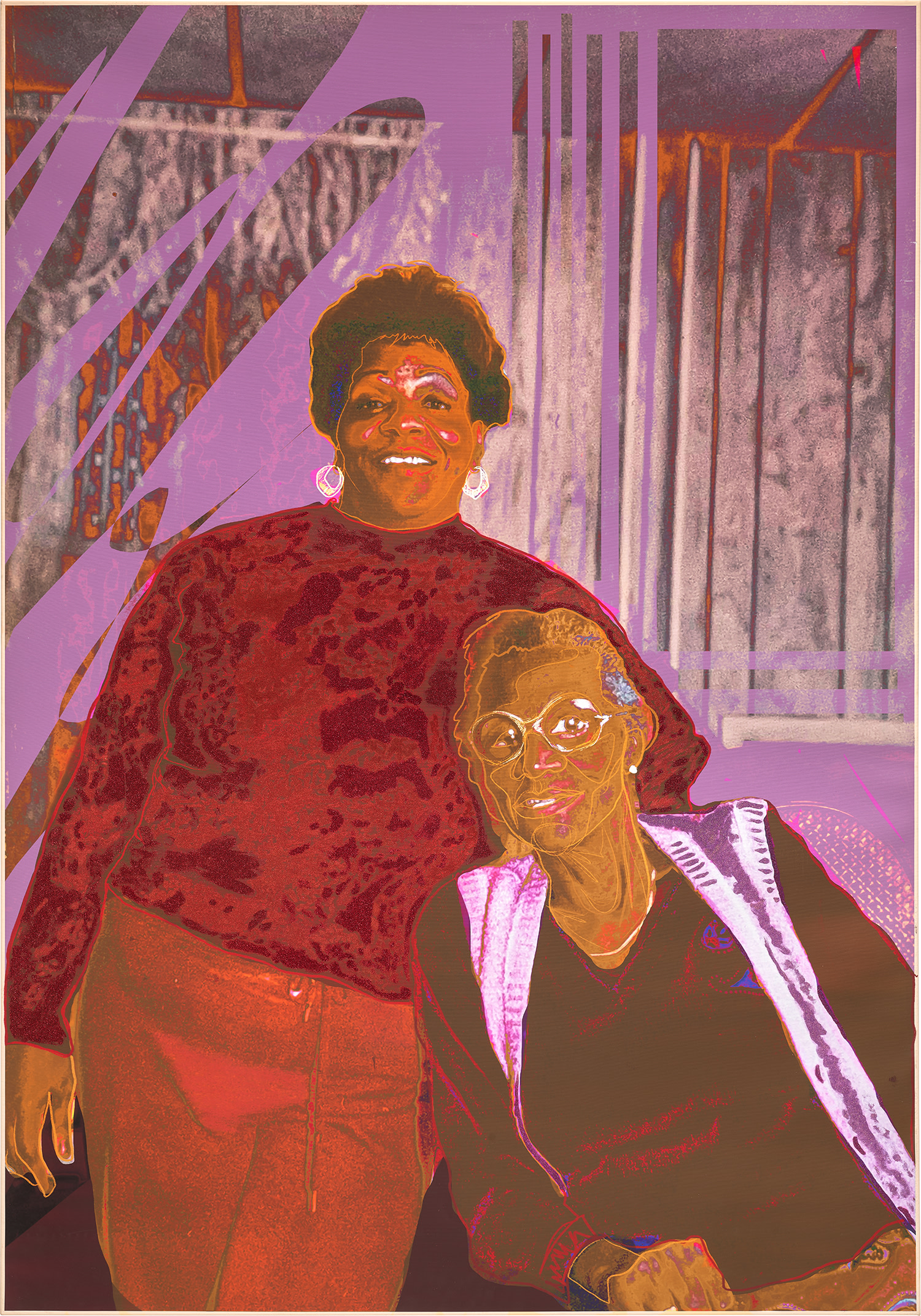
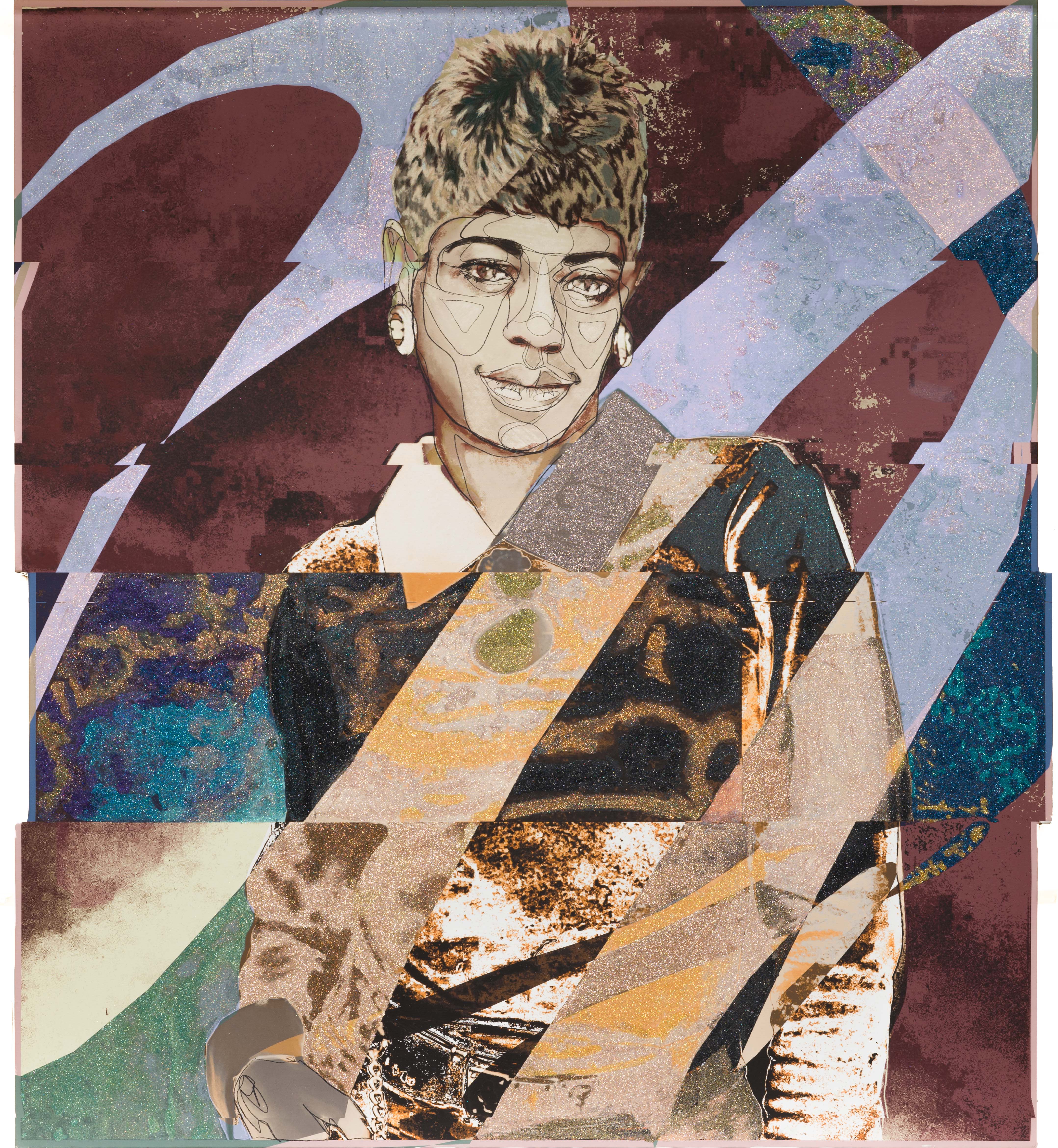
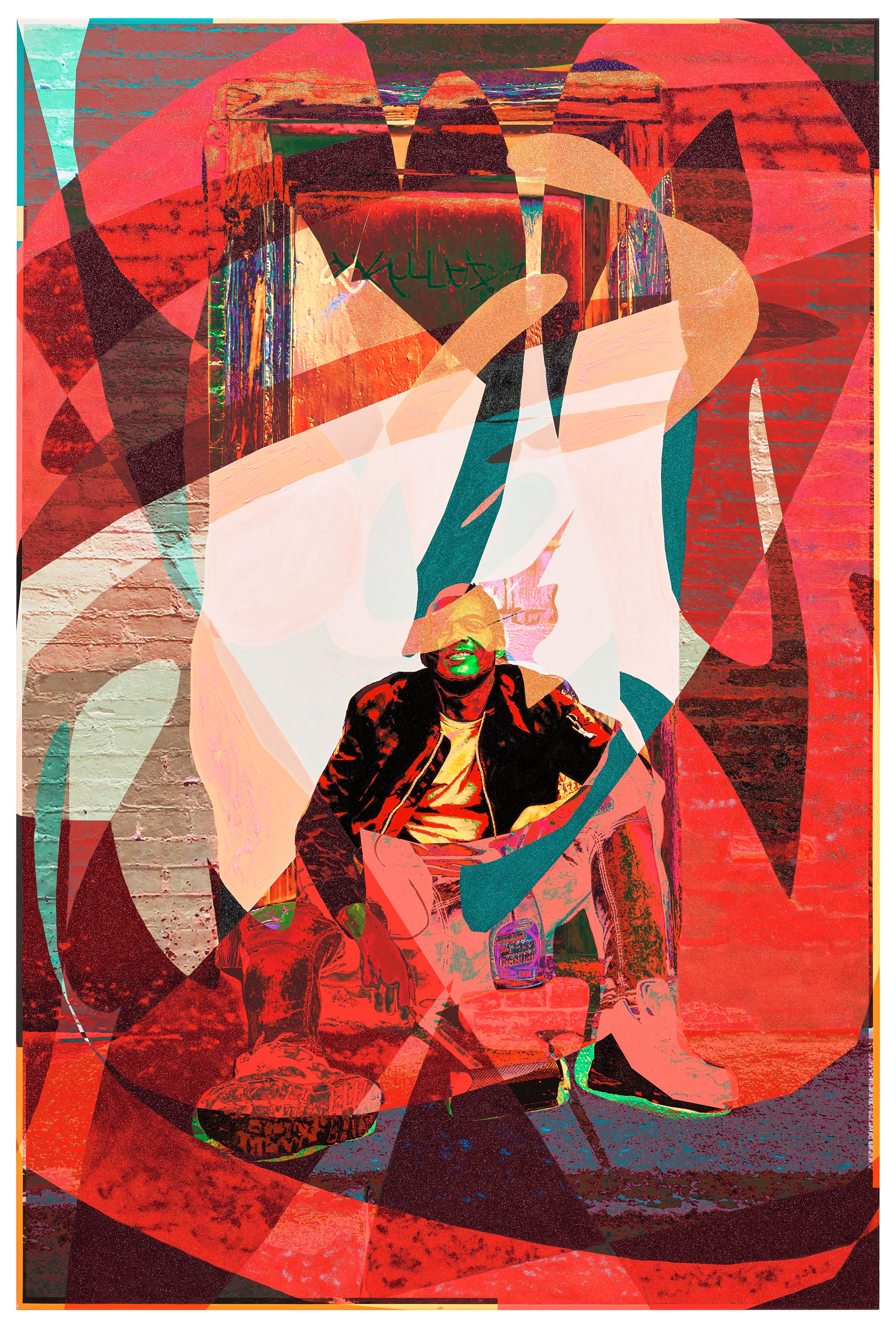
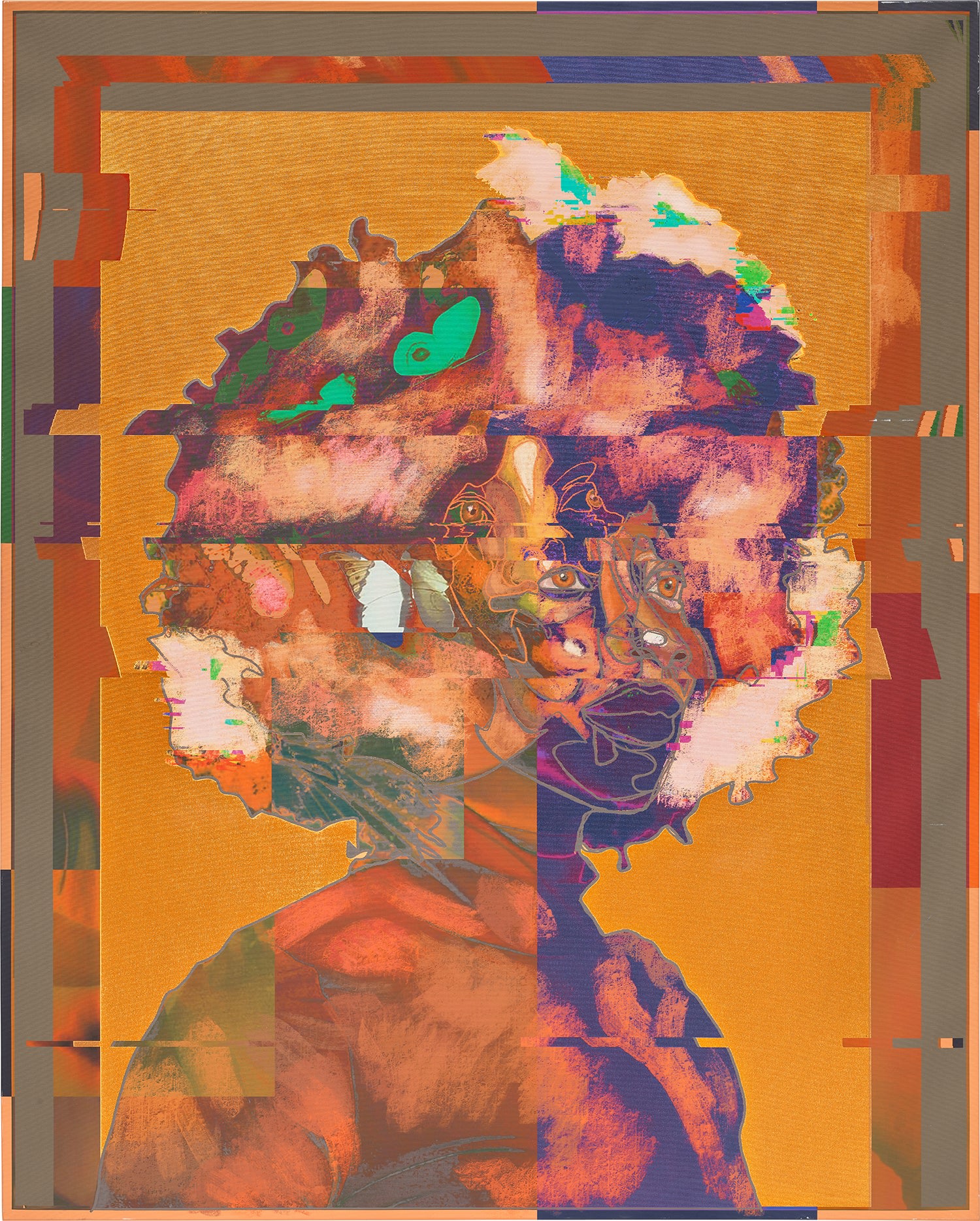
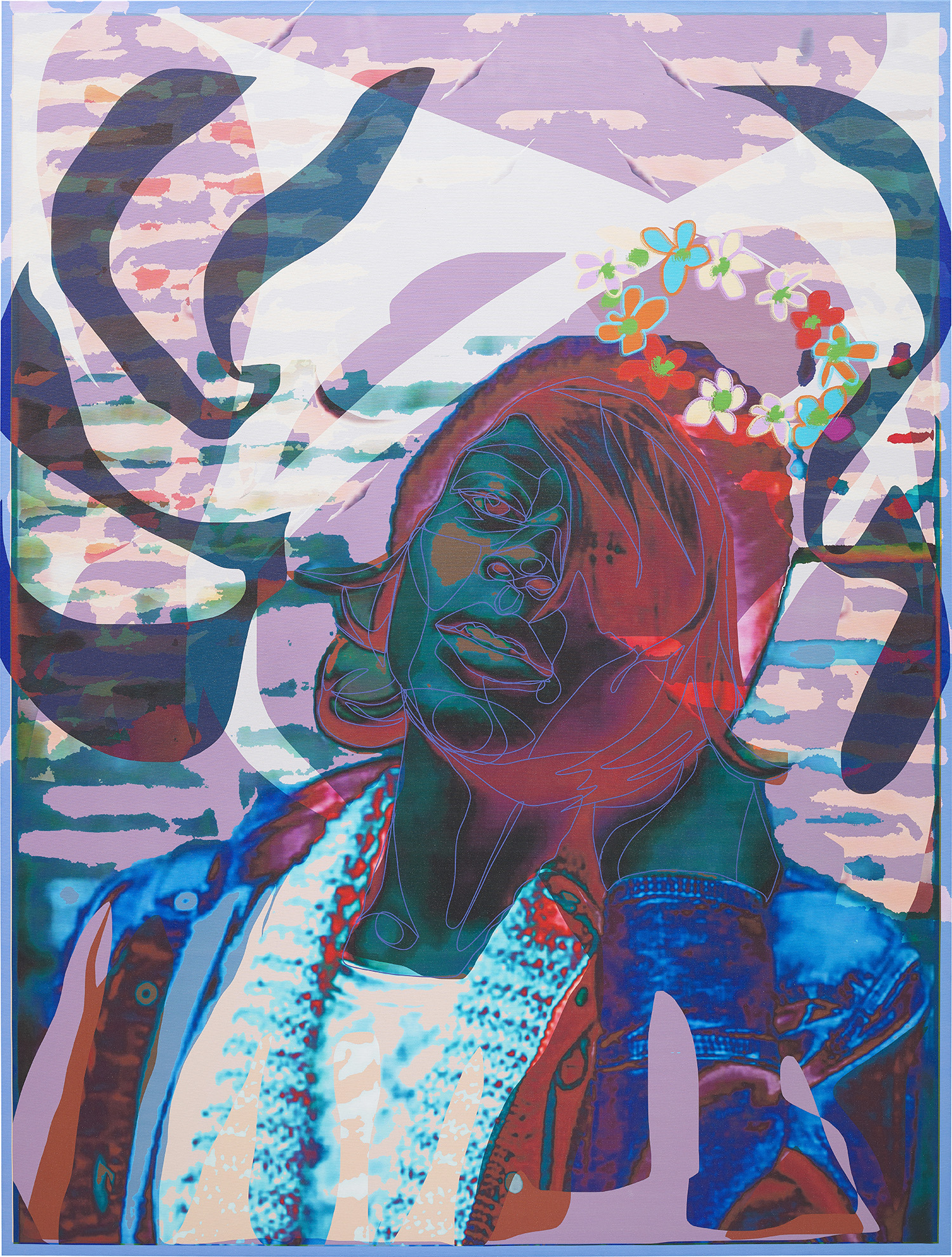
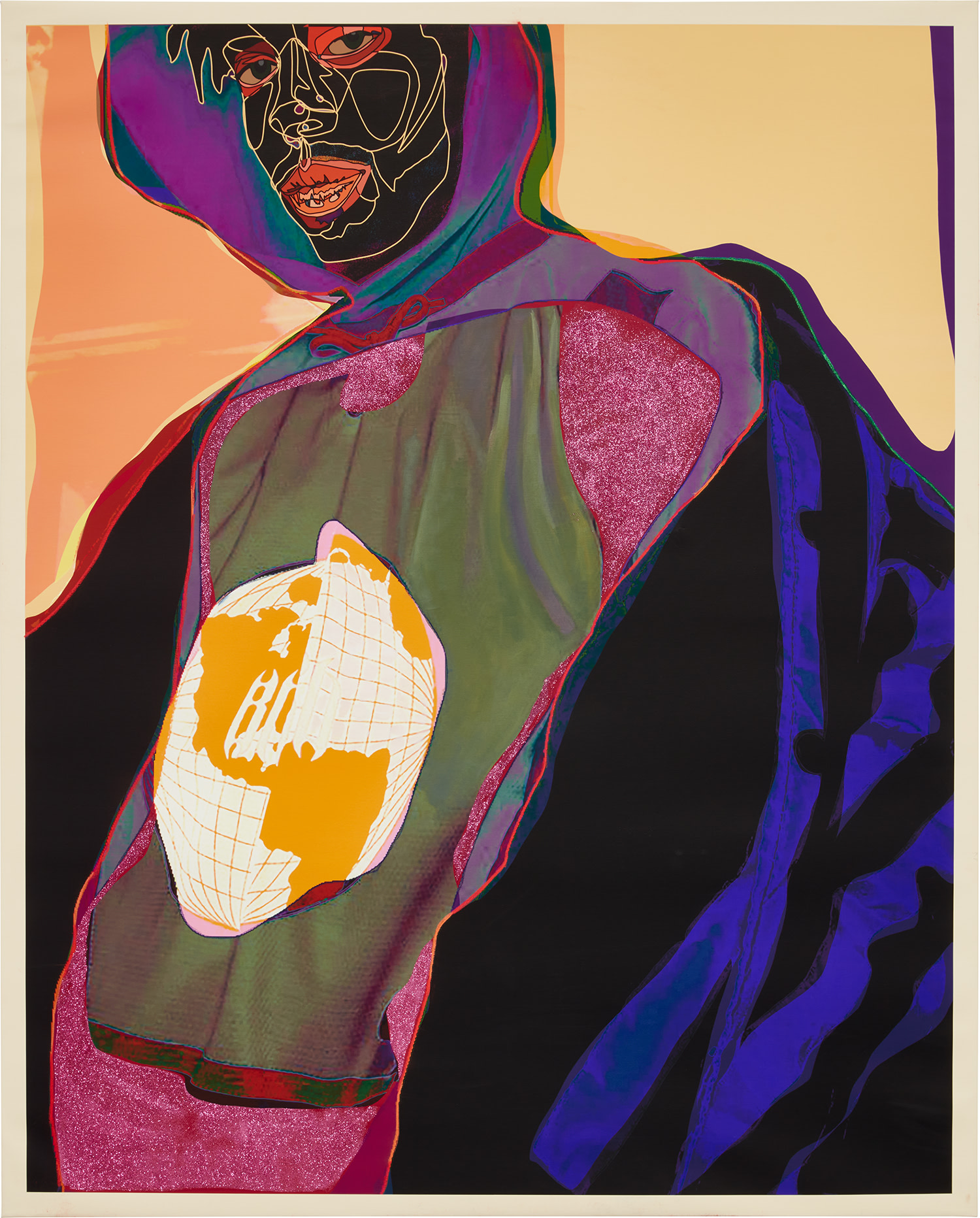
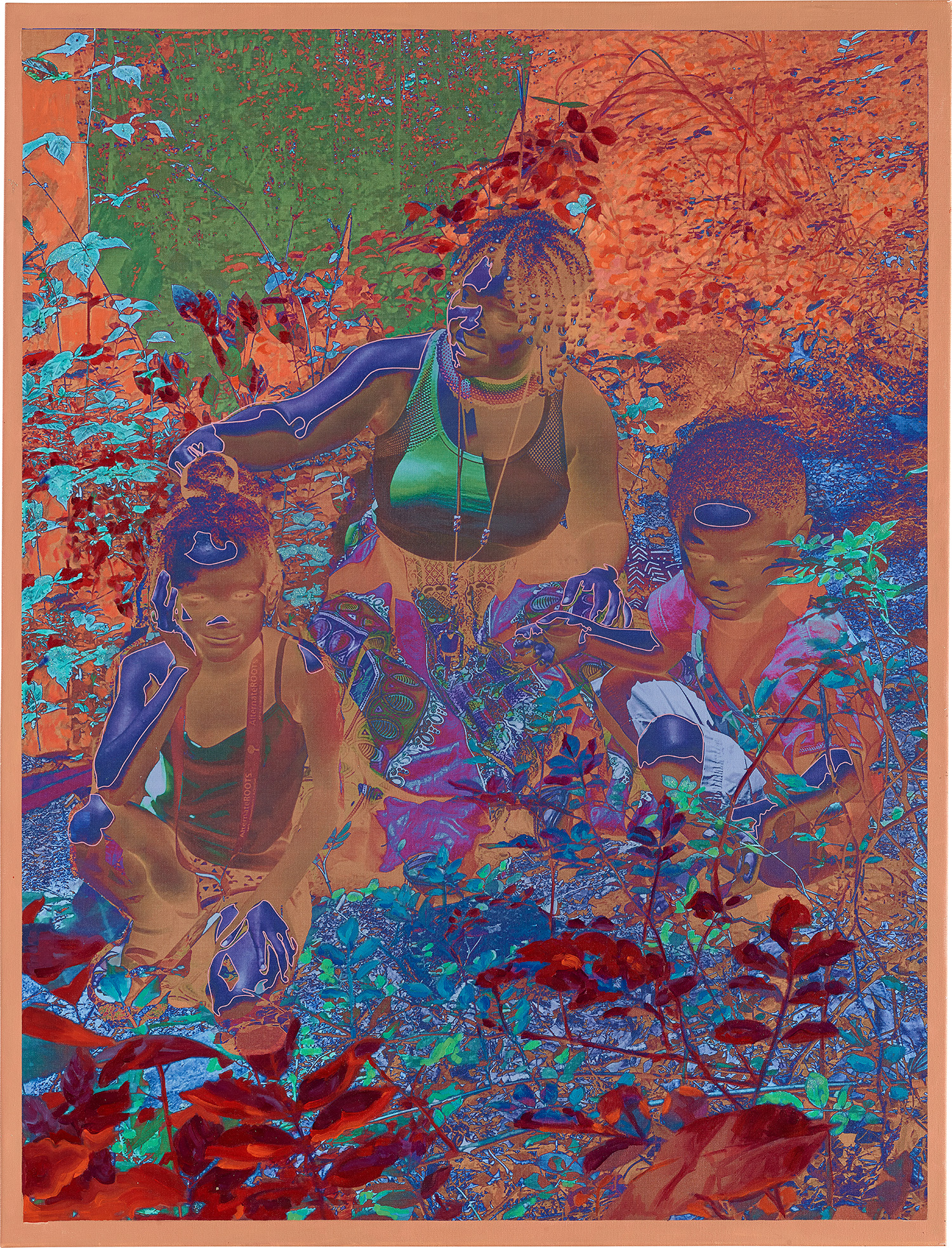
Something remarkable has been quietly gathering force in contemporary American art, and its name is Amani Lewis. The Baltimore born multidisciplinary artist has become one of the most compelling voices to emerge from the current generation of Black queer image makers, building a practice so visually generous and spiritually grounded that it stops viewers in their tracks. With works now held in notable institutional and private collections, and a presence in exhibitions that has grown steadily and purposefully over the past several years, Lewis occupies a singular position at the intersection of portraiture, devotional art, and cultural resistance. The moment to pay attention, if you have not already, is now. Lewis was born in 1993 in Baltimore, Maryland, a city whose creative and social textures run deep in their work. Baltimore carries within it a particular kind of Black American experience, shaped by community bonds, spiritual life, the weight of history, and an insistence on survival that borders on the sacred. Growing up inside that city, Lewis absorbed not just its aesthetics but its ethics: the way people on a stoop become a congregation, the way a name carries legacy, the way a garden can hold grief and celebration at once. These are not abstract concerns for Lewis. They are the living material from which the work is made. The formation of Lewis as an artist drew on both personal narrative and a rigorous engagement with the broader traditions of Black visual culture. Photography entered the practice early, offering Lewis a way to hold and examine the image of Black and queer bodies on their own terms, outside the distorting frameworks of mainstream representation. Over time, the practice expanded into collage and mixed media, with Lewis developing a signature approach that layers acrylic paint, pastel, glitter, digital print, embroidery, and screenprint onto canvas in compositions that feel simultaneously intimate and monumental. The result is a visual language that is entirely their own, dense with meaning and radiant with care. The works that first drew serious collector and institutional attention include pieces from 2019 that already showed the full ambition of Lewis's vision. "For Angela and her kin...in the garden (NITT edition)" combines acrylic, pastel, glitter, and digital collage on canvas in a composition that honors its subjects with something approaching reverence. "Black Sheep: DZ (NITT edition)," from the same year, adds embroidery to that material vocabulary, stitching intimacy quite literally into the surface of the work. Both pieces belong to Lewis's ongoing engagement with naming, witnessing, and elevating specific Black and queer individuals, a practice that functions as an act of love and an act of resistance in equal measure. The titles themselves are portals: they ask you to know the people being honored, and if you do not know them yet, they ask you to care. By 2020 and 2021, Lewis's practice had deepened further. "Brittany, Always And Forever (John 11:25)" invokes scripture in its title, folding Christian devotional tradition into a queer and Black visual space in a way that feels neither ironic nor reverential in any simple sense, but rather genuinely syncretic, a merging of spiritual streams that reflects how Lewis actually moves through the world. "Celestial Kiki: Ode to LitLiv" from 2021 places its subject in a cosmic register, the word celestial doing real work as both adjective and aspiration. These are portraits, but they are also altarpieces. Lewis treats the canvas as a site of consecration. The series title "N*ggas in Museums" is worth pausing on. The 2023 work of that name, rendered in acrylic, pastel, glitter, and digital collage, participates in a long and necessary conversation about who belongs in art institutions, who has historically been excluded, and what it means to assert presence in those spaces with full force and full visibility. Lewis brings that conversation into material form with characteristic richness, the glitter catching light in a way that refuses any reading of the work as mournful or defeated. Glitter, in Lewis's hands, is not decoration. It is a statement about the refusal to be diminished. For collectors, Lewis's work offers something increasingly rare: a practice that is immediately visually distinctive, conceptually rigorous, and emotionally alive all at once. The material complexity of the canvases rewards close looking, each layer revealing new information about how Lewis thinks and feels about their subjects. Works like "Big Bro T, the stoop that changed everything" (2022) and "Etheline and Mary" (2022) demonstrate how Lewis can work with the quieter registers of everyday Black life, finding within a stoop or a pair of names the same grandeur that other artists seek in myth or abstraction. "Jimmy the Prophet" (2020), which adds oil to Lewis's already expansive material palette, suggests a figure who carries knowledge the rest of us are still catching up to. Within the broader landscape of contemporary art, Lewis's practice enters into dialogue with a generation of artists who have insisted on the radical sufficiency of Black portraiture and Black life as subject matter. The lineage runs through Barkley L. Hendricks and his cool, sovereign sitters, through Kerry James Marshall's insistence on the beauty and complexity of Black figuration, and through the queer inflections of artists like Mickalene Thomas, whose material excess and devotion to Black women's image making resonates with Lewis's own approach. Lewis is not derivative of any of these figures but is in genuine conversation with them, which is precisely how traditions grow and transform. What Lewis is building, work by work and name by name, is something that will only become more legible over time. The practice is still evolving, still accumulating the depth that comes from sustained commitment to a set of questions about identity, spirit, community, and the politics of representation. Collectors who are paying attention now are witnessing an artist in full creative ascent, one whose work already carries the weight and warmth of a mature vision. To own a Lewis is to participate in an act of witness, to hold space in your home or institution for the people and the energies that Lewis so generously, so brilliantly, brings into the light.