Polaroid
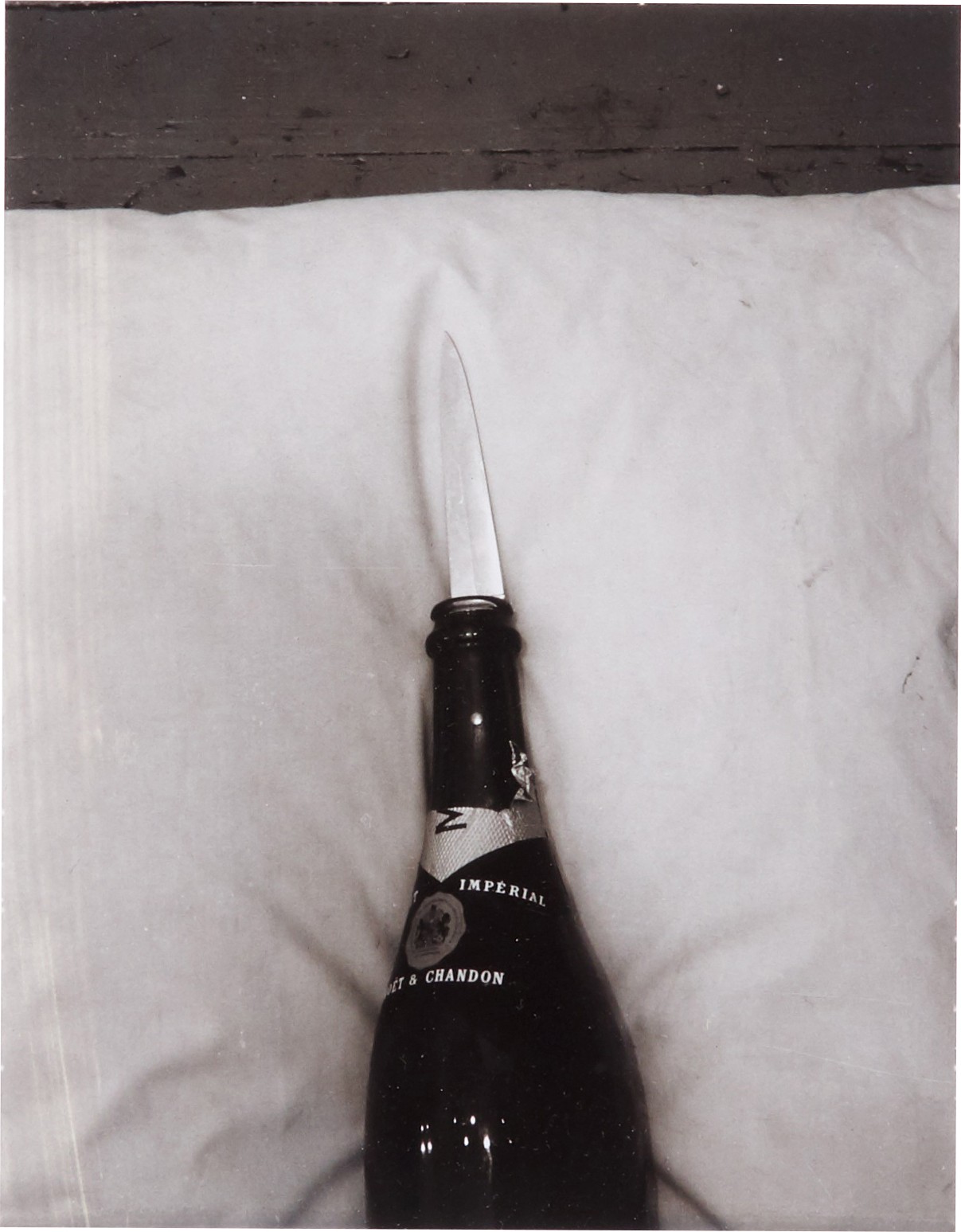
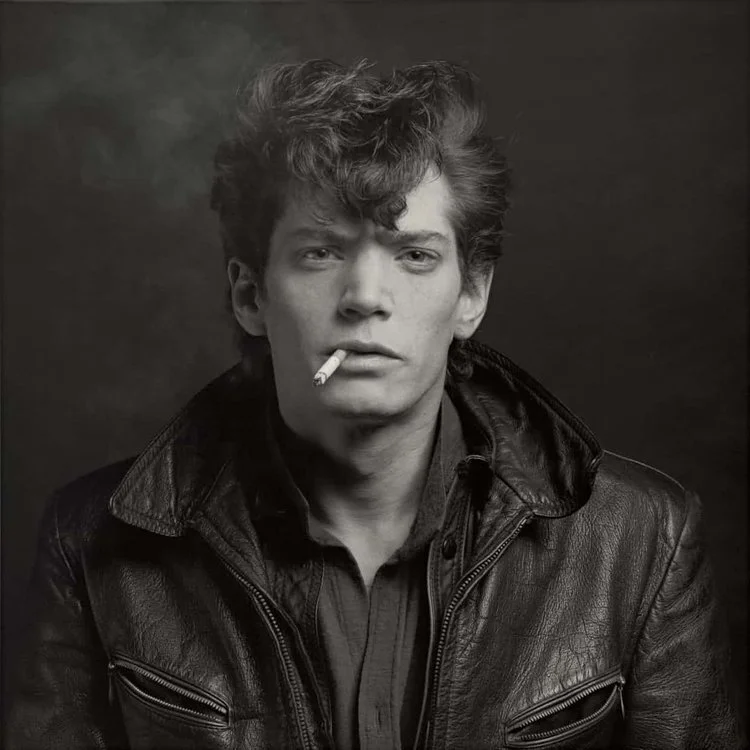
Robert Mapplethorpe
'Untitled', ca. 1972
Instant Chemistry: The Polaroid Has Its Moment
When a single Polaroid photograph by Robert Mapplethorpe sold at Christie's for well over six figures, it confirmed what many collectors had quietly suspected for years: the humble instant print, once regarded as a disposable novelty, had become one of the most covetable objects in the photography market. The result was not an anomaly. It was the punctuation mark at the end of a long, building sentence about intimacy, materiality, and the hunger for objects that feel genuinely handmade in a world saturated by digital reproduction. The Polaroid market has matured, and it has done so on its own terms.
The cultural rehabilitation of the Polaroid format accelerated visibly around the mid 2010s, when a handful of major institutional surveys began treating instant photography not as a footnote to the broader photographic tradition but as a distinct and serious medium. The International Center of Photography in New York has been particularly attentive to this conversation, as has the Getty Museum in Los Angeles, which has deepened its photography holdings with an eye toward works that foreground process and surface. The Polaroid Collections themselves, distributed after the company's bankruptcy across institutions including the Impossible Project and later Polaroid Originals, gave curators access to an extraordinary archive of artist experiments that had rarely been publicly shown. Seeing those prints in person, often larger than expected and with that characteristic soft luminosity, changed how a generation of younger collectors thought about the format.
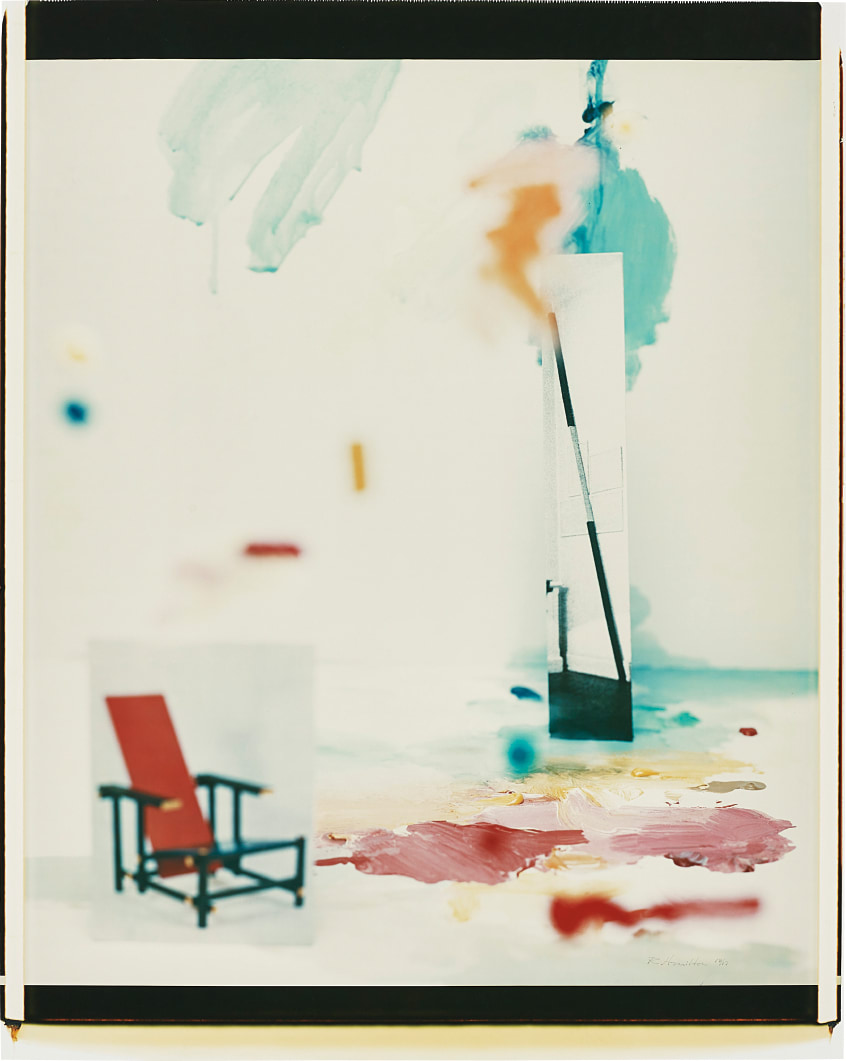
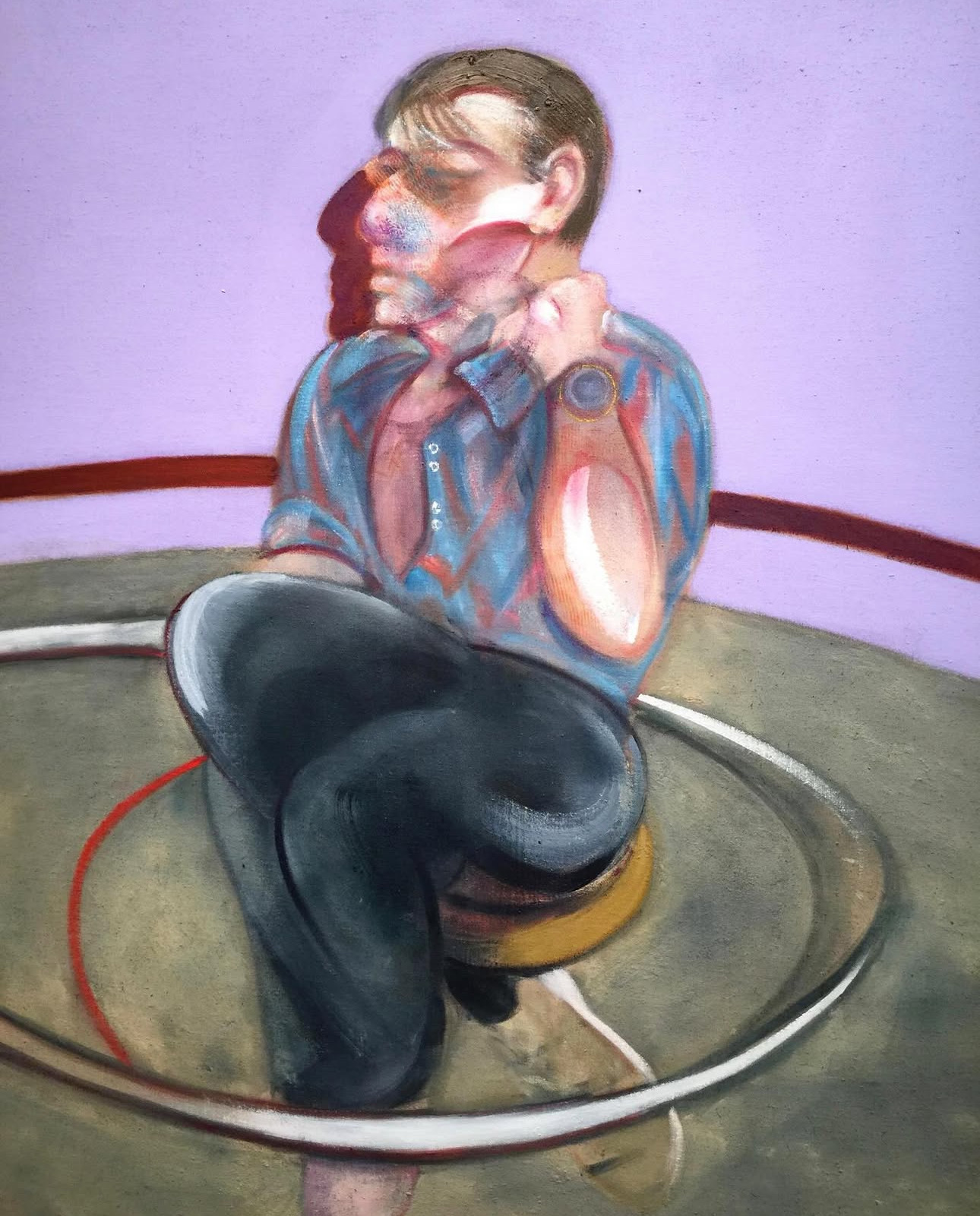
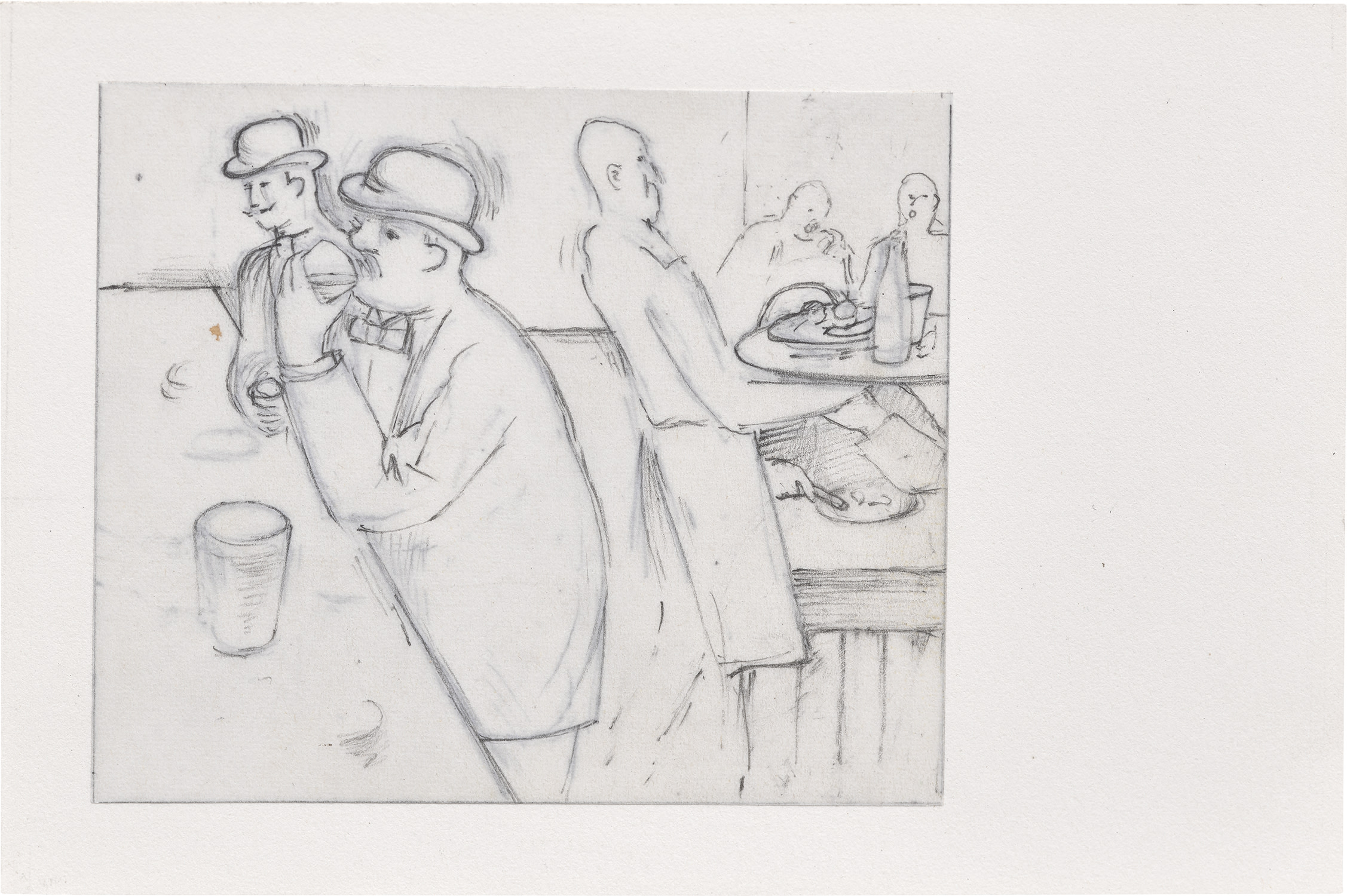
Richard Hamilton
Instant Painting
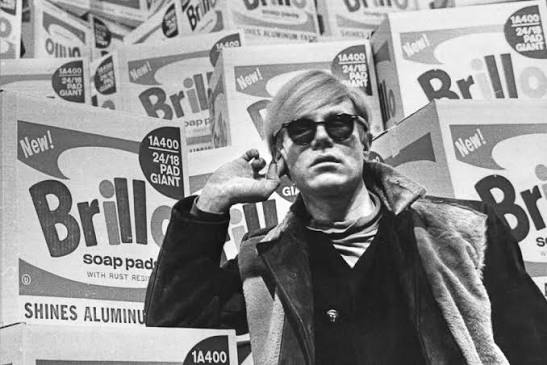
What makes the Polaroid so compelling to collectors right now is precisely what made it marginal for so long: its irreproducibility. Every Polaroid is, in the strictest sense, a unique object. There is no negative, no edition, no possibility of a later authorized reprint. For artists like Andy Warhol, who used the Big Shot camera obsessively throughout the 1970s and into the 1980s to document the social world around him and to generate source material for paintings, this uniqueness was almost incidental to the process.
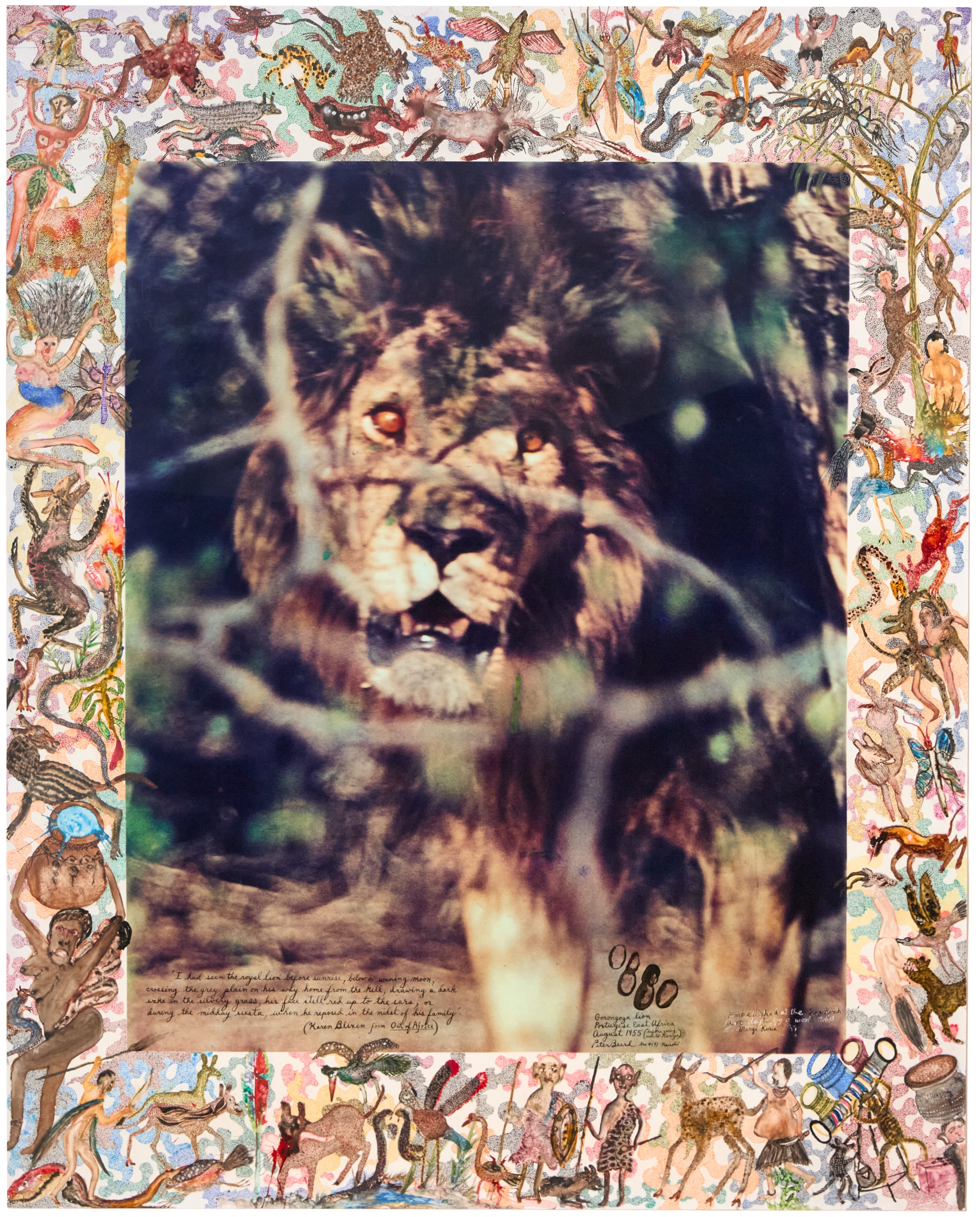
But for the collector, it is everything. The works by Warhol in The Collection carry that particular electricity, the sense of a specific moment chemically fixed and never again repeatable. Peter Beard occupies a fascinating position in this conversation. His diaries and photographs, many of them incorporating Polaroid imagery alongside drawings, found objects, and blood, are among the most intensely physical objects in postwar art.
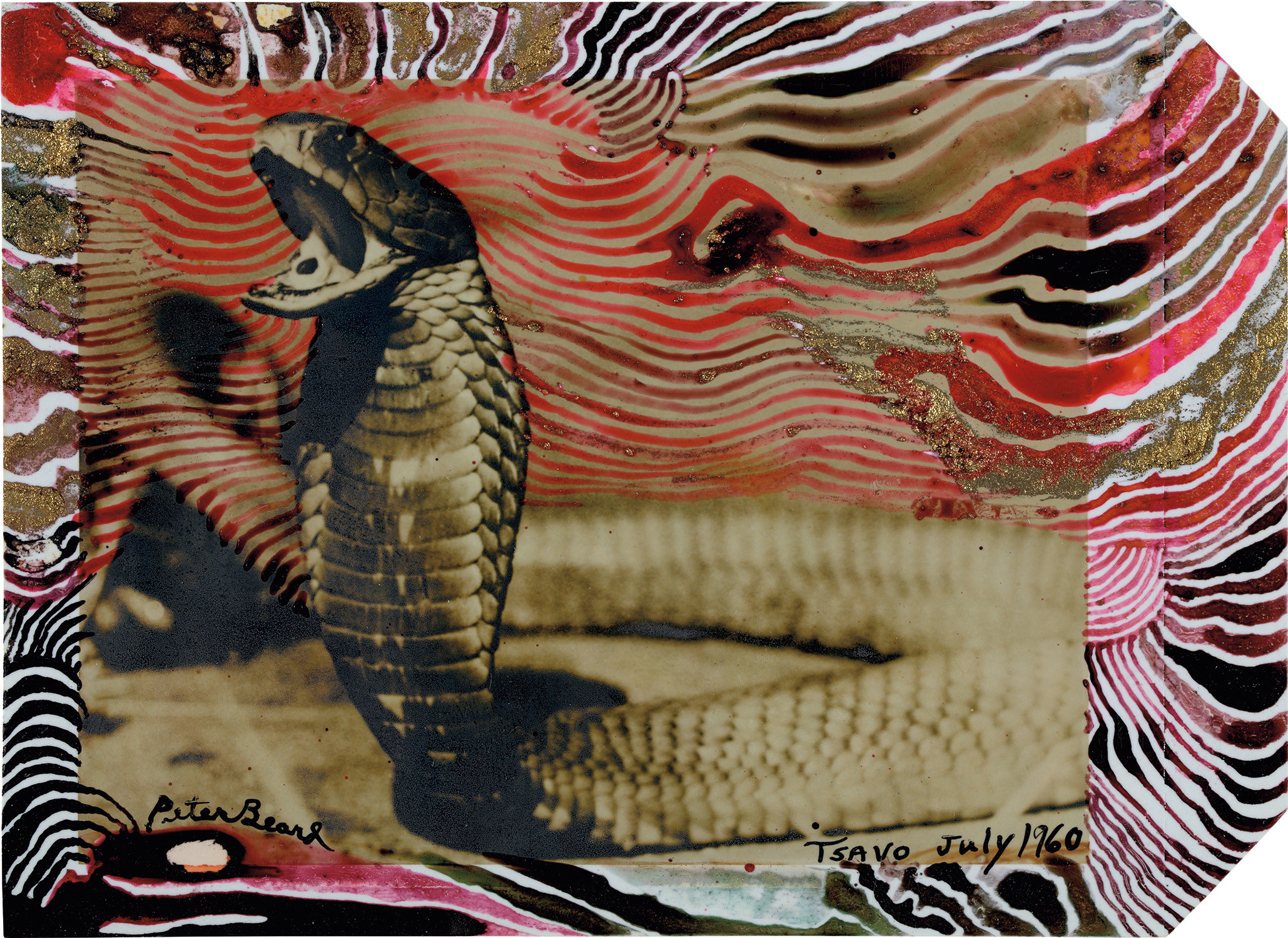
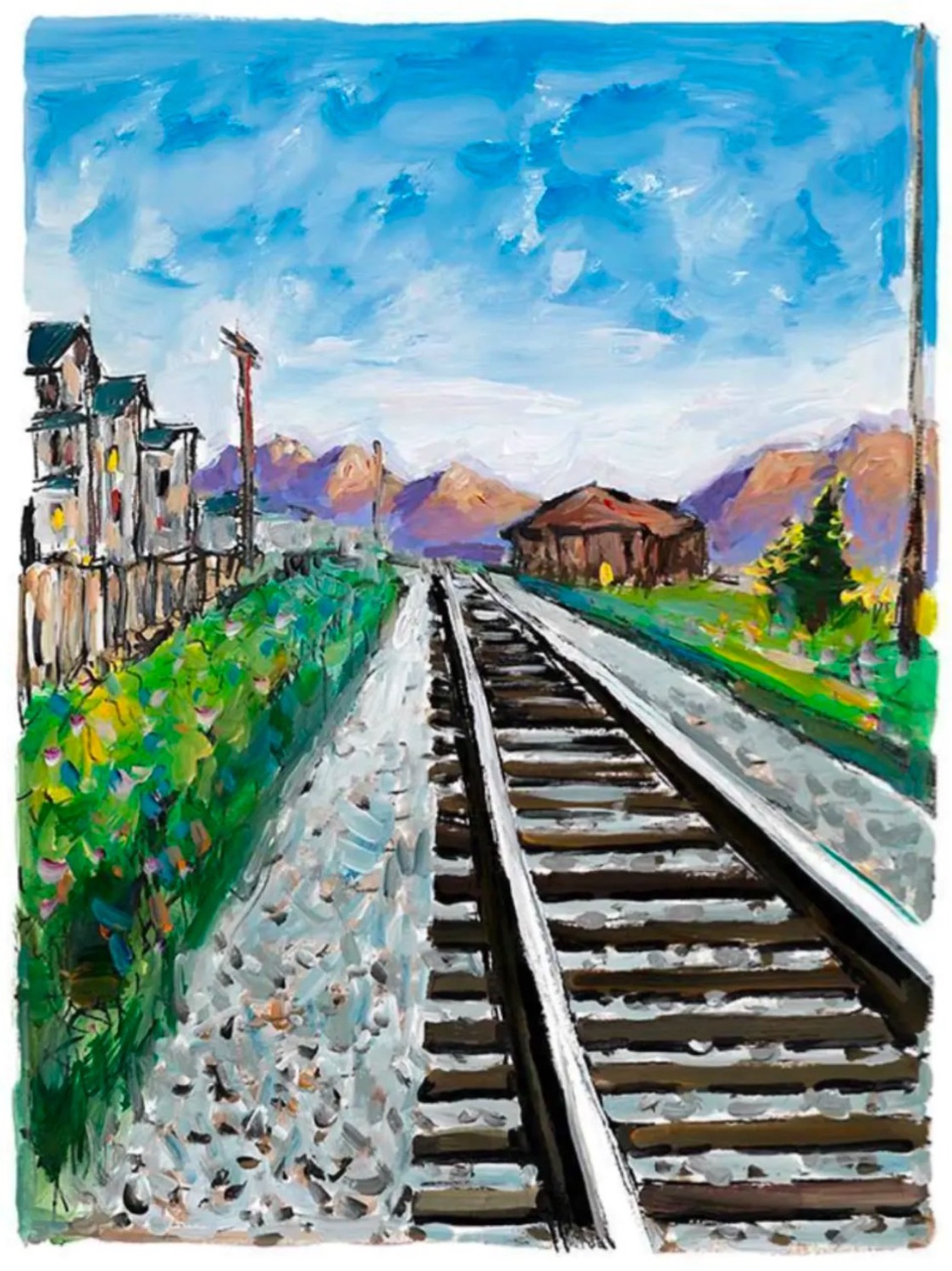
Peter Beard
Tsavo, July
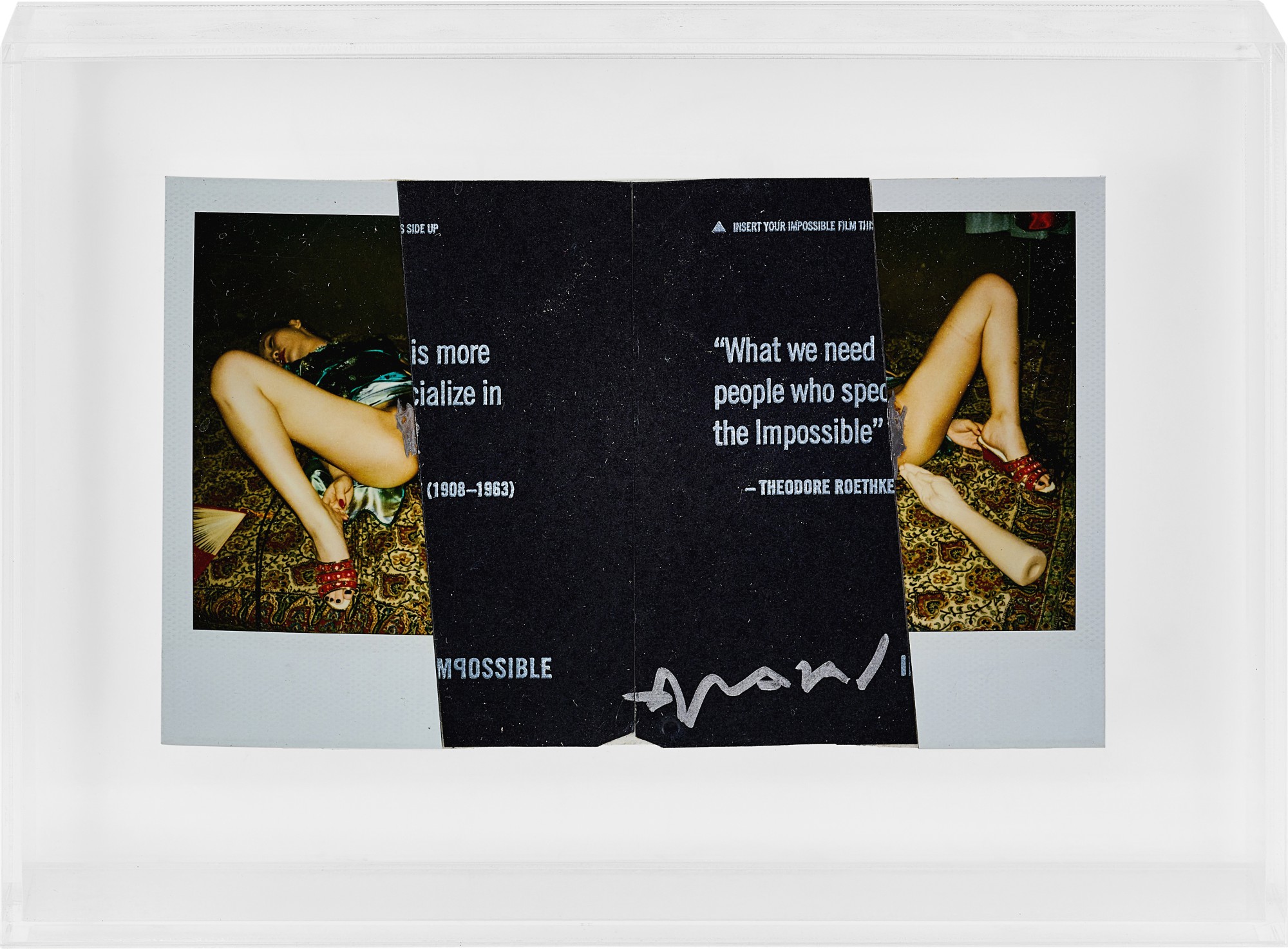
The breadth of his work available through The Collection reflects a market that has grown steadily more serious about Beard in recent years, particularly following retrospective attention after his death in 2020. His Polaroids exist in a space between photography, journal, and sculpture, and curators have increasingly argued that they deserve to be understood as such. Christie's and Sotheby's have both seen strong results for Beard's work in the period since 2020, with collectors drawn to the intimacy of scale and the sense of direct, unmediated contact with his world. Nobuyoshi Araki is perhaps the artist whose relationship to the Polaroid format has been most thoroughly theorized.
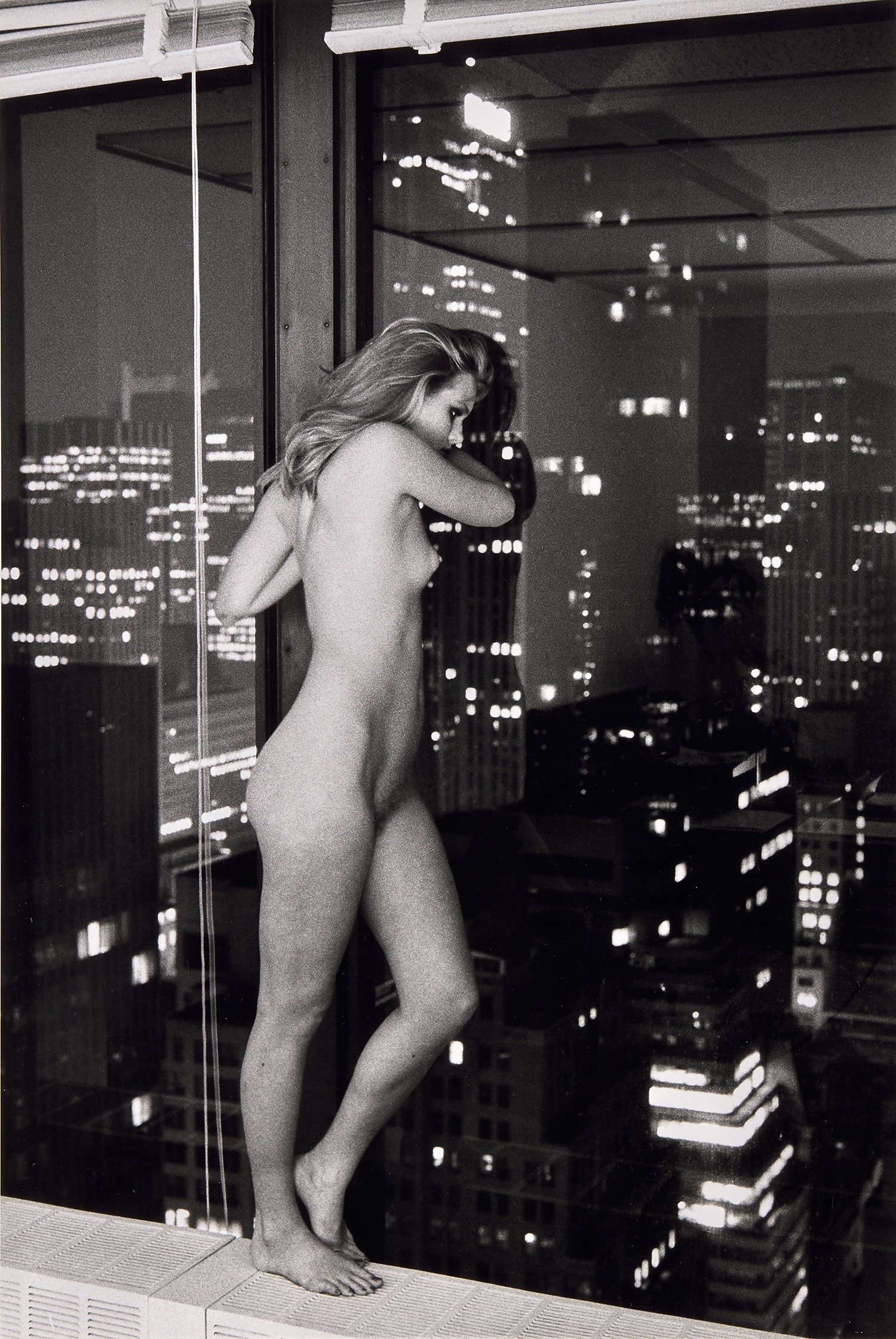
His use of the instant print across decades of work, from his early street photography to the Sentimental Journey series and beyond, has been the subject of serious critical attention in Japan and in Europe, particularly in Germany and Austria where institutions like the Albertina have shown his work extensively. The Pomeranz Collection in Vienna, also represented in The Collection, has been one of the important private forces in bringing serious curatorial attention to Japanese photography in the Western context. Araki's Polaroids carry an erotic charge that is inseparable from their format: the intimacy is structural, not merely thematic. Helmut Newton and Paolo Roversi represent a different but equally significant strand of Polaroid practice, one rooted in the fashion and commercial photography worlds where the instant print was originally a professional tool for testing lighting and composition before the final shot.
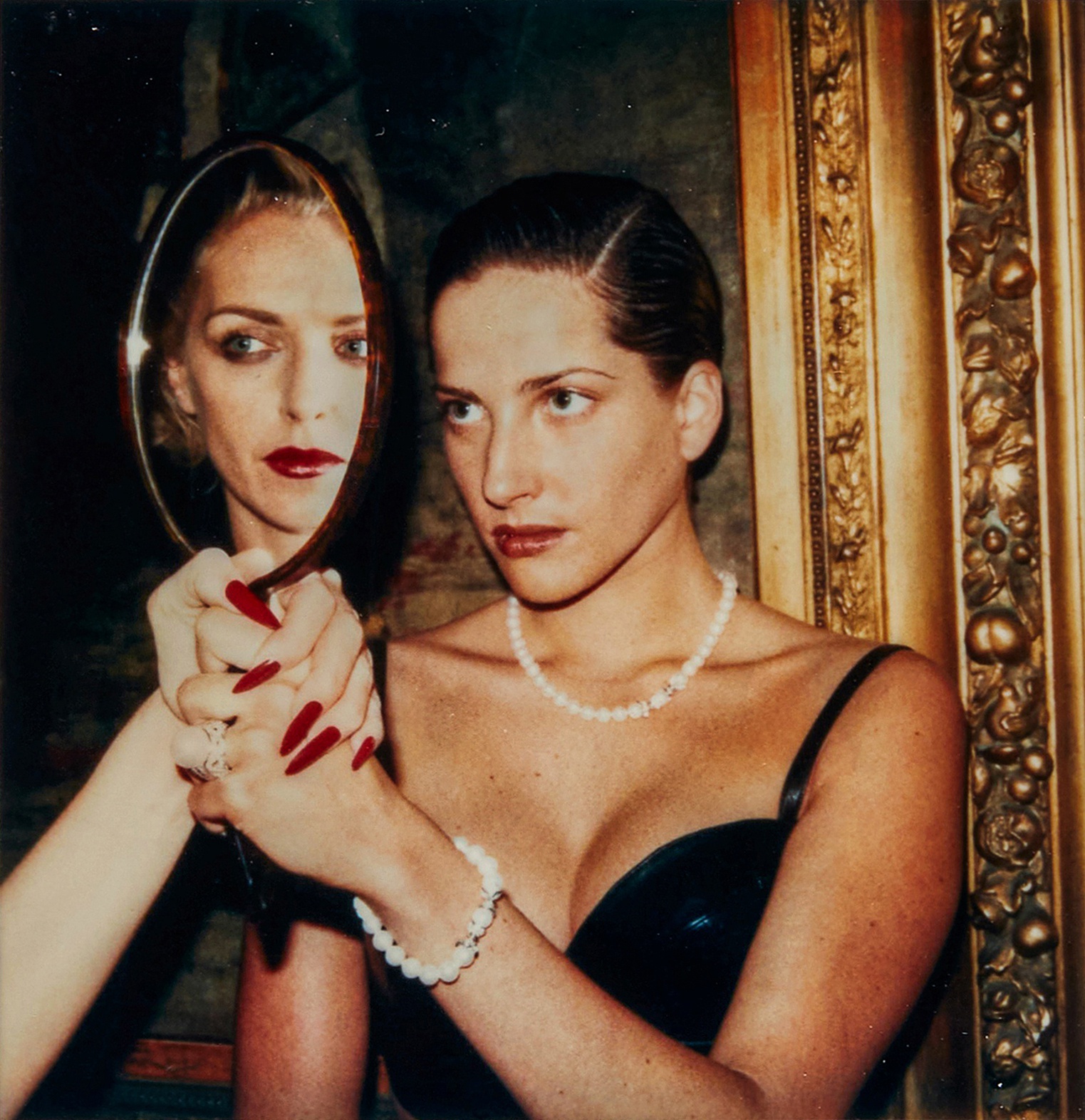
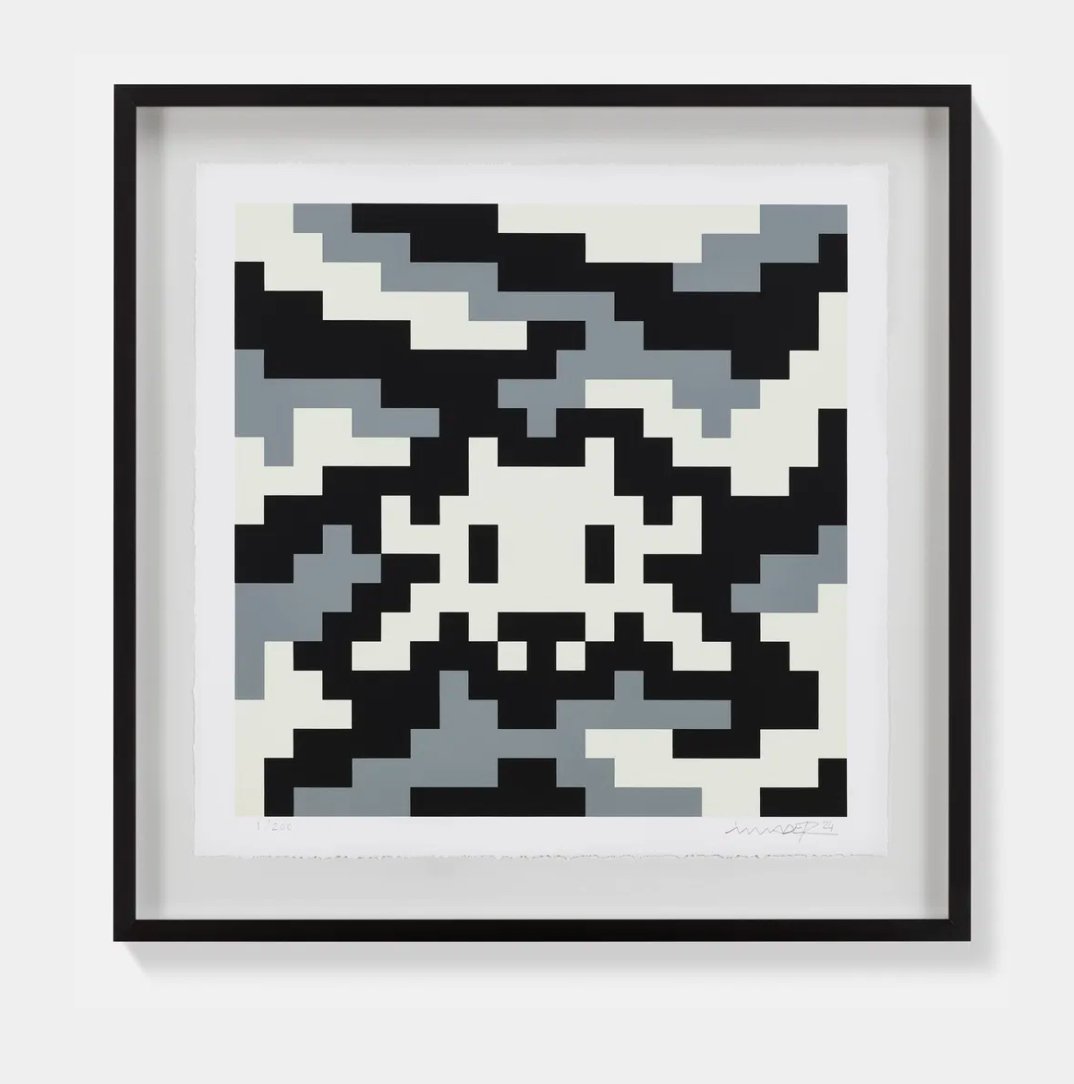
Helmut Newton
Selected Polaroids
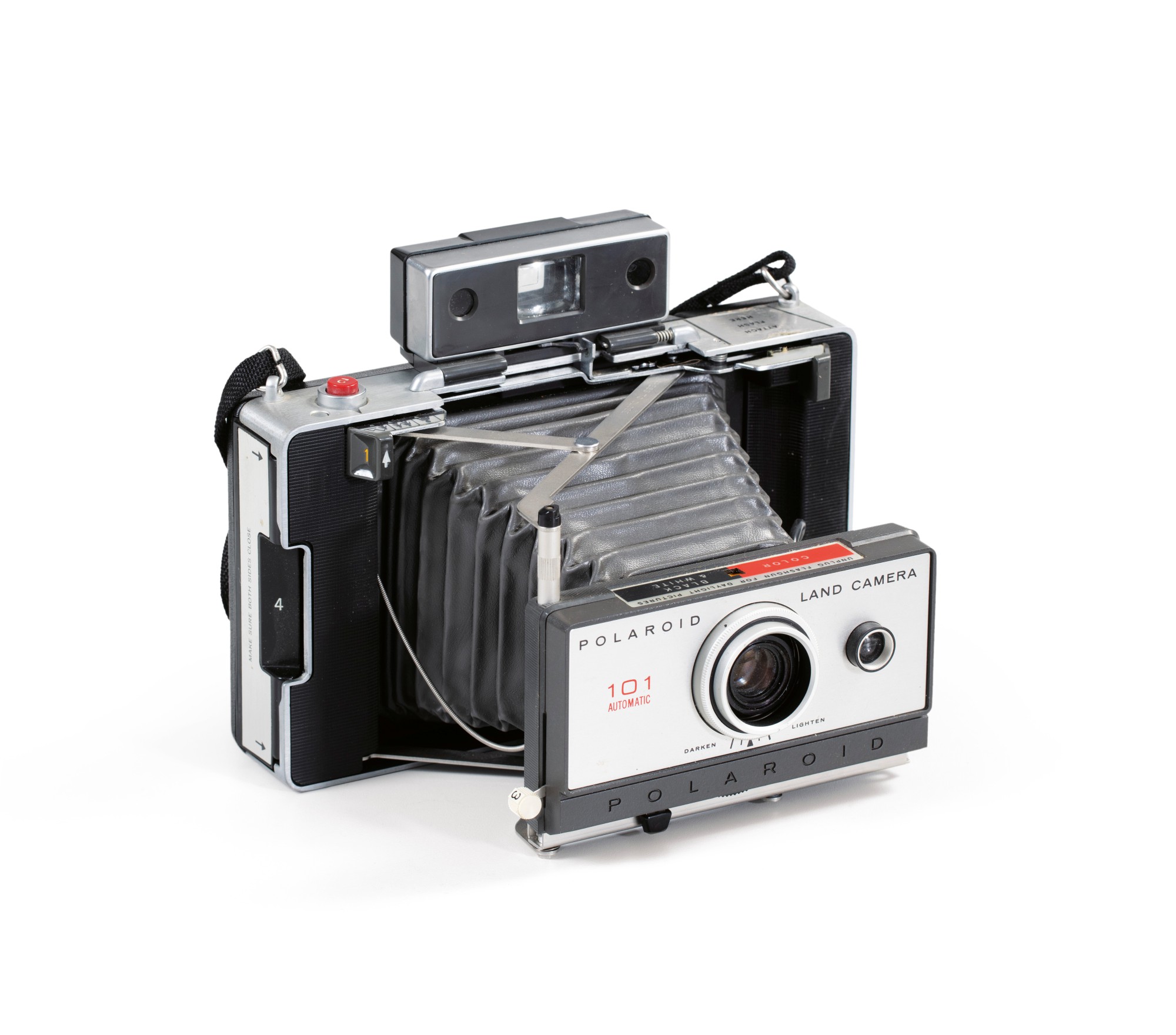
What collectors and curators have come to appreciate is that these so called tests were often where the most interesting work happened. Roversi in particular developed a practice of treating the Polaroid as the finished work, embracing its soft focus and chromatic drift as an aesthetic rather than a technical compromise. A camera associated with Roversi appears in The Collection, which is a wonderful reminder that objects of creative use carry their own kind of provenance. The critical conversation around instant photography has been shaped significantly by writers like Geoffrey Batchen, whose theoretical work on photographic materiality gave collectors and curators a vocabulary for discussing why the physical substrate of a photograph matters.
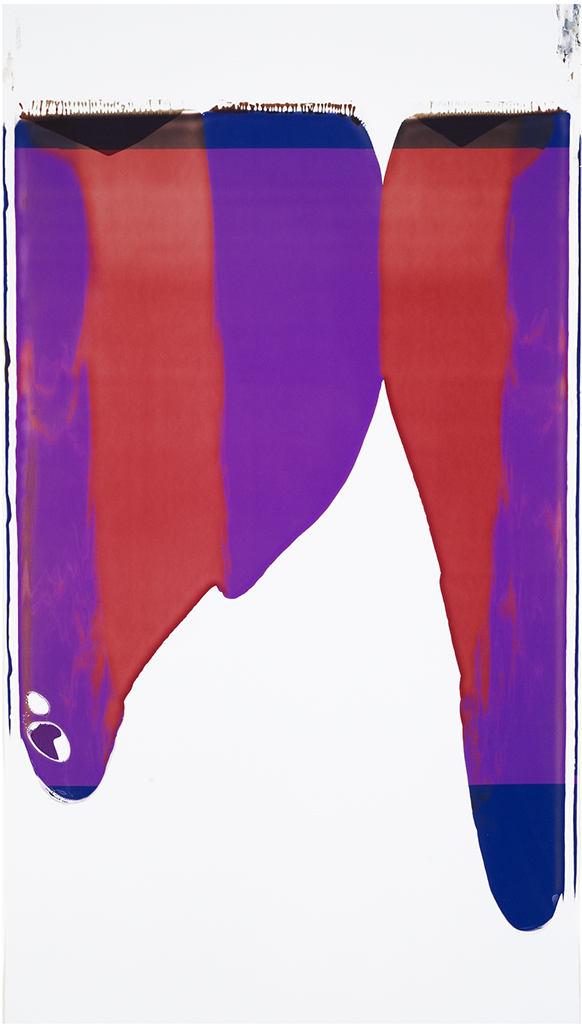
More recently, scholars writing in publications like Aperture and Photography and Culture have turned attention to artists such as Lorna Simpson and Philip Lorca diCorcia, both of whom have used the Polaroid's particular relationship to time and presence in ways that complicate straightforward documentary readings. Simpson's work in particular asks serious questions about the Polaroid's historical associations with surveillance and leisure simultaneously. Ellen Carey and William Wegman, both present in The Collection, point toward the experimental and playful poles of instant photography respectively. Carey's large scale Polaroid abstractions, made by manipulating the chemistry of the image rather than pointing a camera at anything in the world, have been shown at major photography festivals and are held in serious institutional collections.
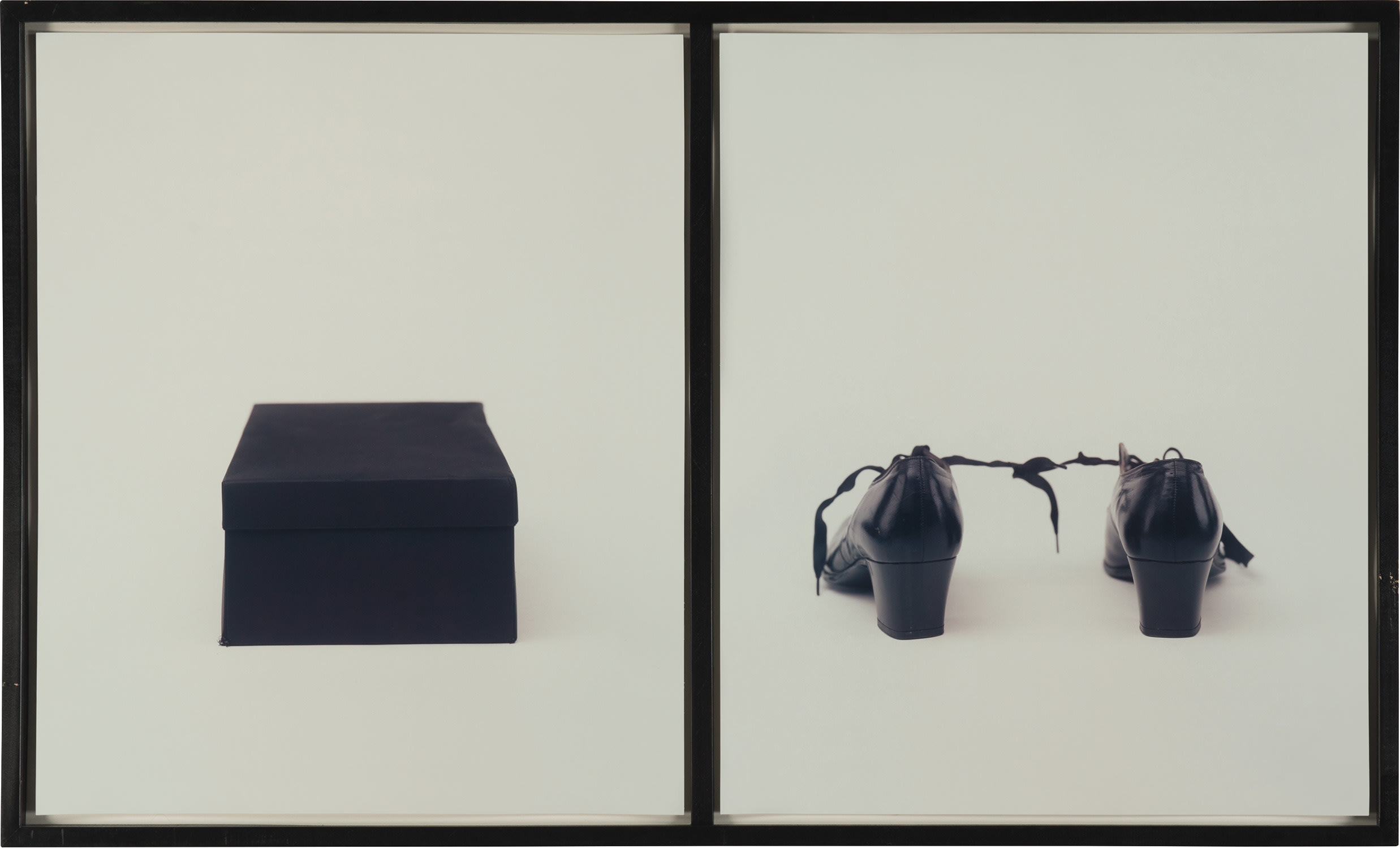
Lorna Simpson
Practical Joke, 1992
Wegman's Polaroids of his Weimaraners are among the most recognized images in late twentieth century American art, but seeing them as physical objects rather than reproductions is a different experience entirely, warmer and stranger. Where does the energy go from here. The answer seems to involve younger collectors and a growing willingness to treat the Polaroid print with the same seriousness afforded to gelatin silver or dye transfer. There is also a renewed interest in works by artists like Maripol and Steve Hiett, whose Polaroid work from the downtown New York scene of the late 1970s and early 1980s is being reconsidered as primary documentation of one of the most creative cultural moments of the twentieth century.
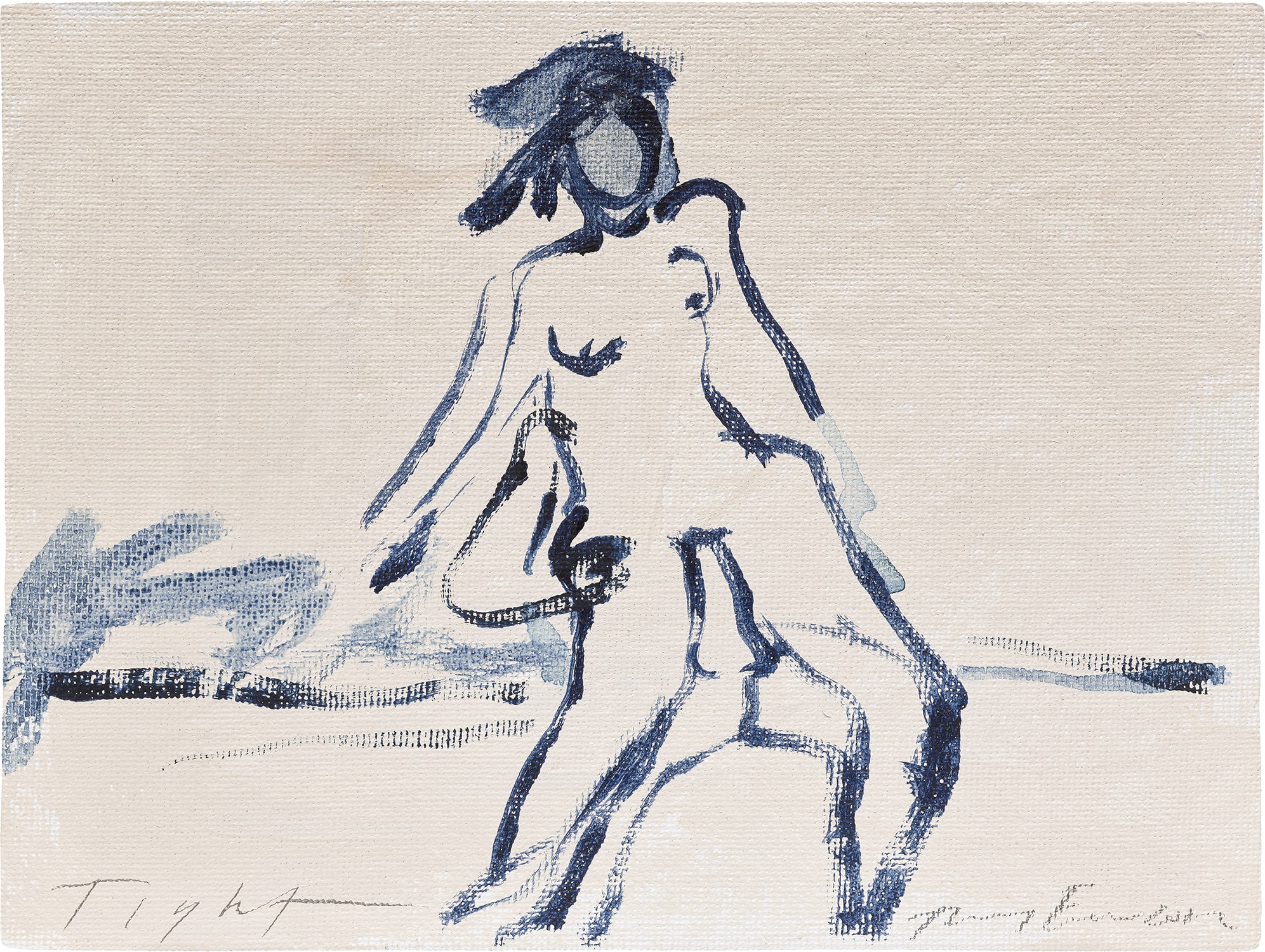
Tracey Emin's confessional use of photography adds another register to what The Collection brings together in this space. The market for Polaroids feels far from settled. It feels, in fact, like it is just beginning to understand itself.