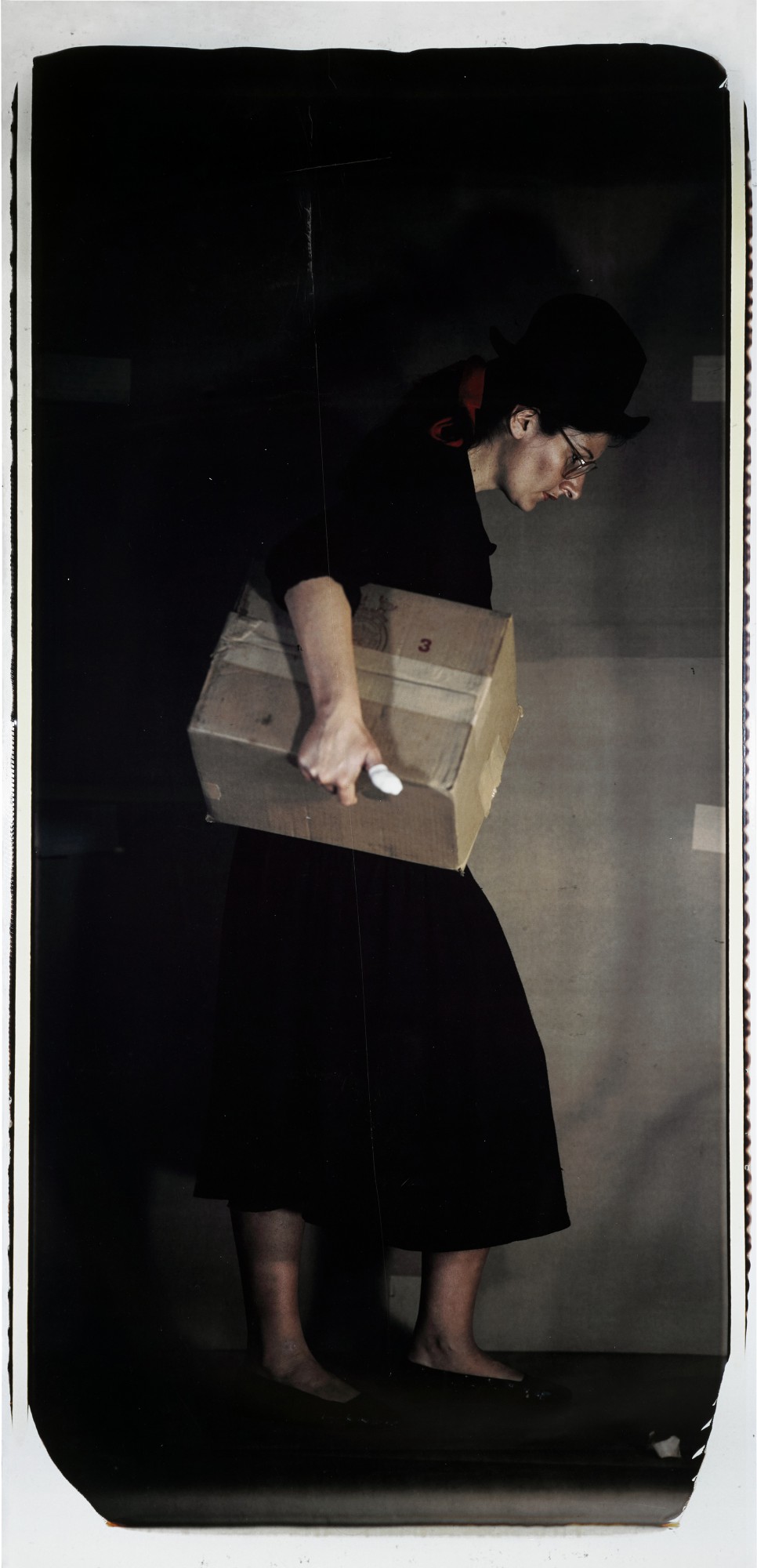
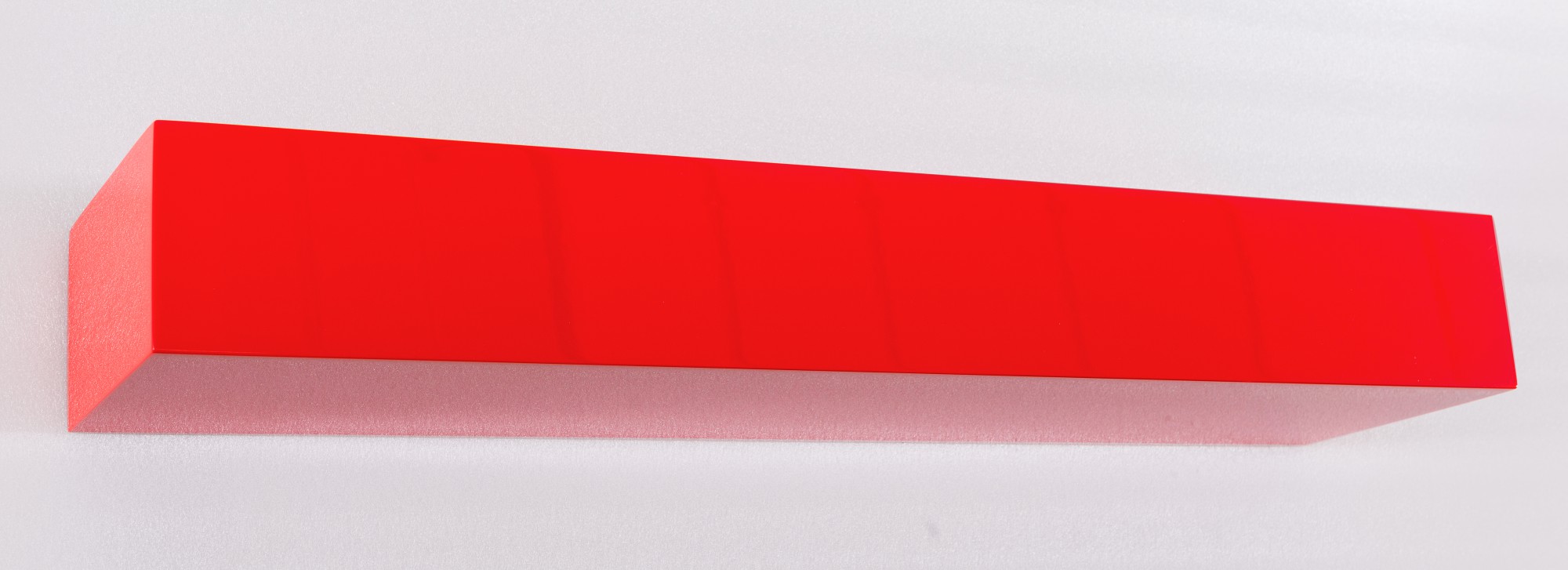
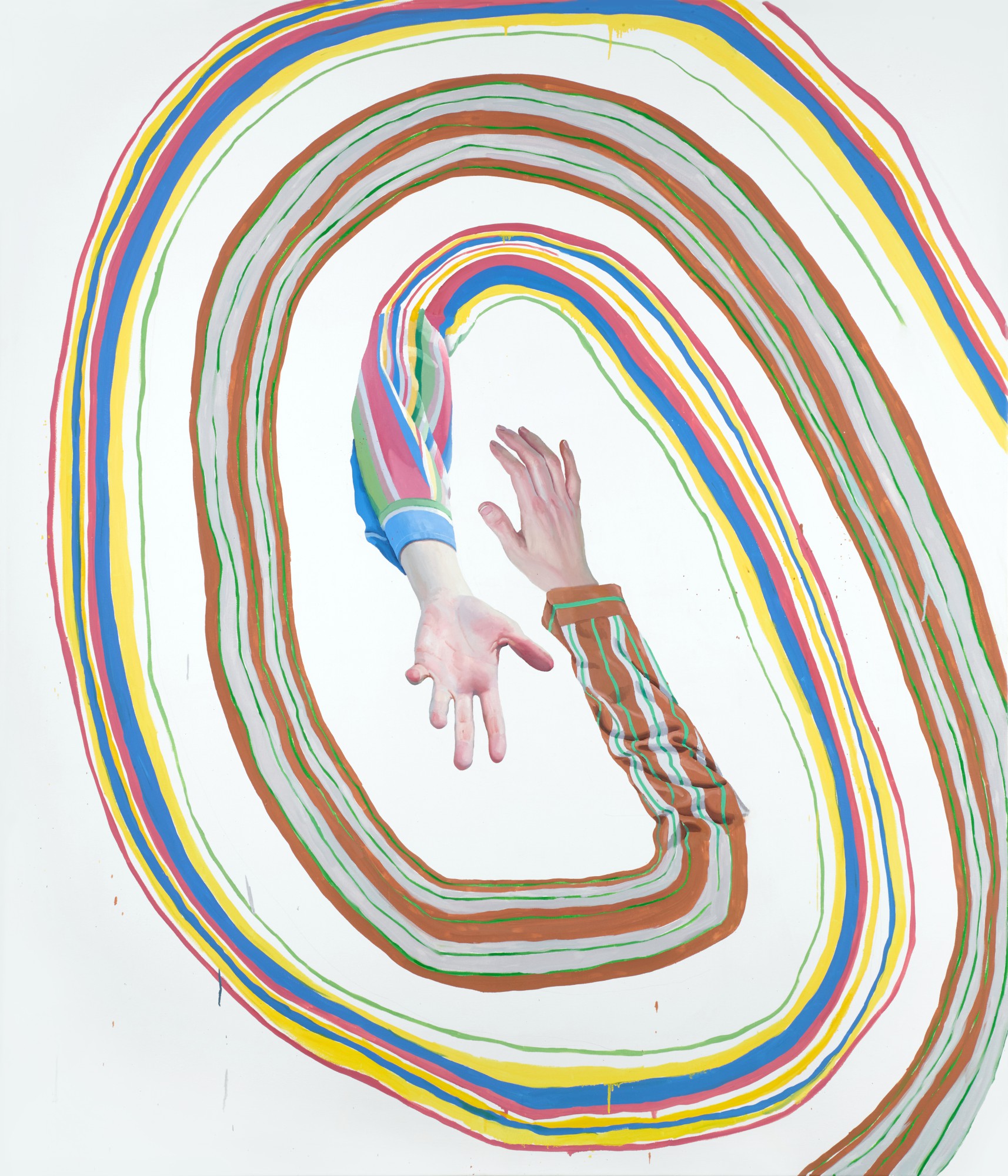
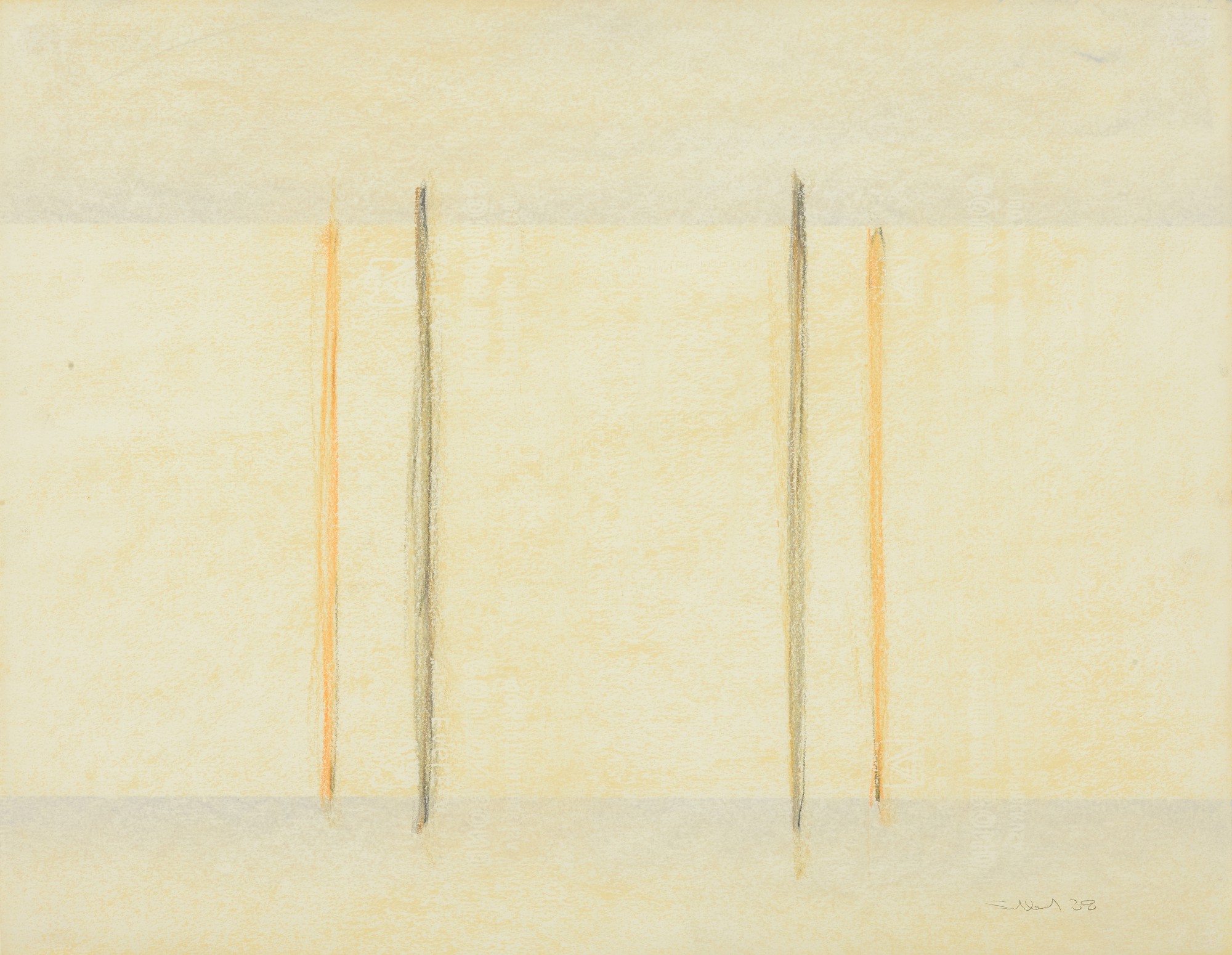
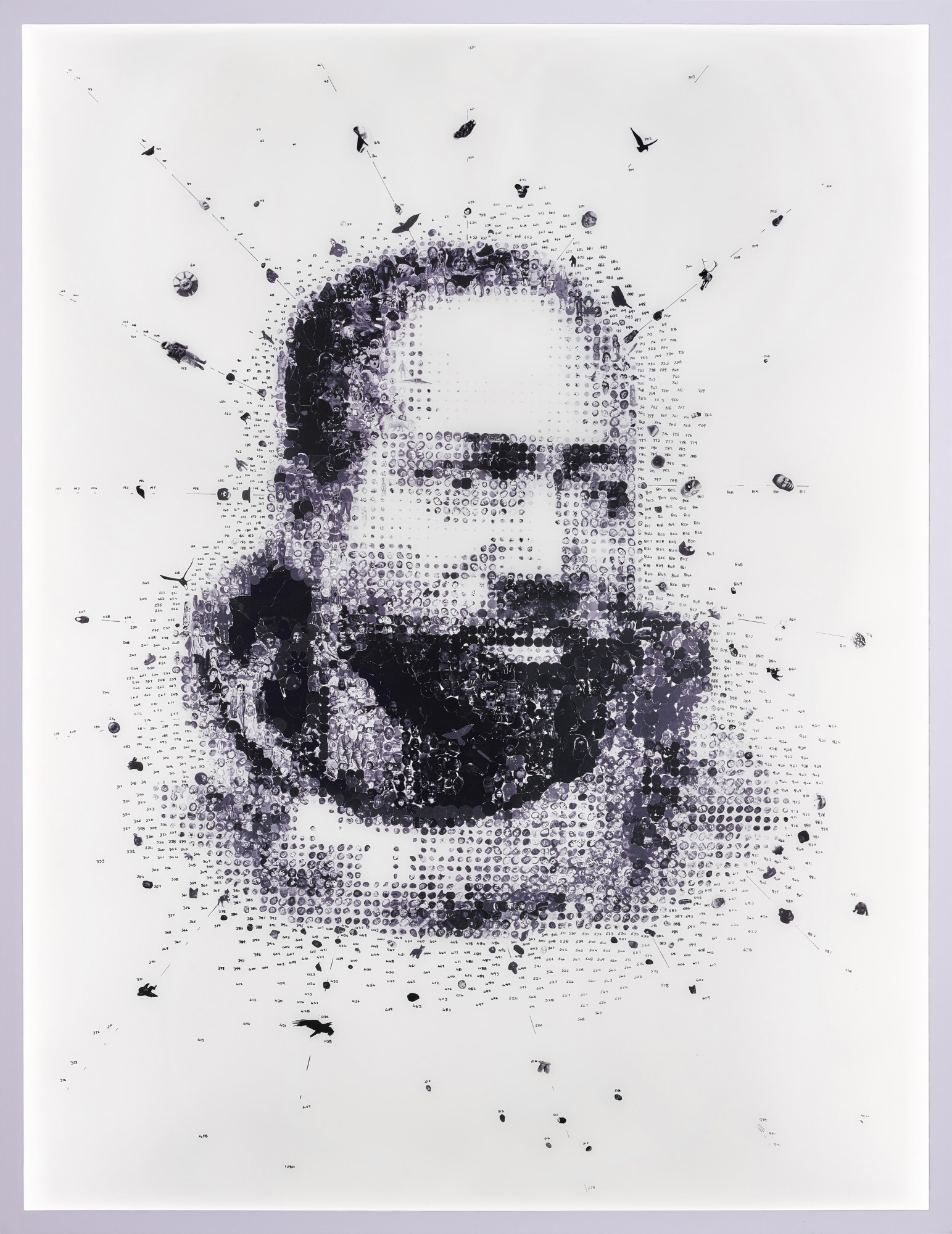
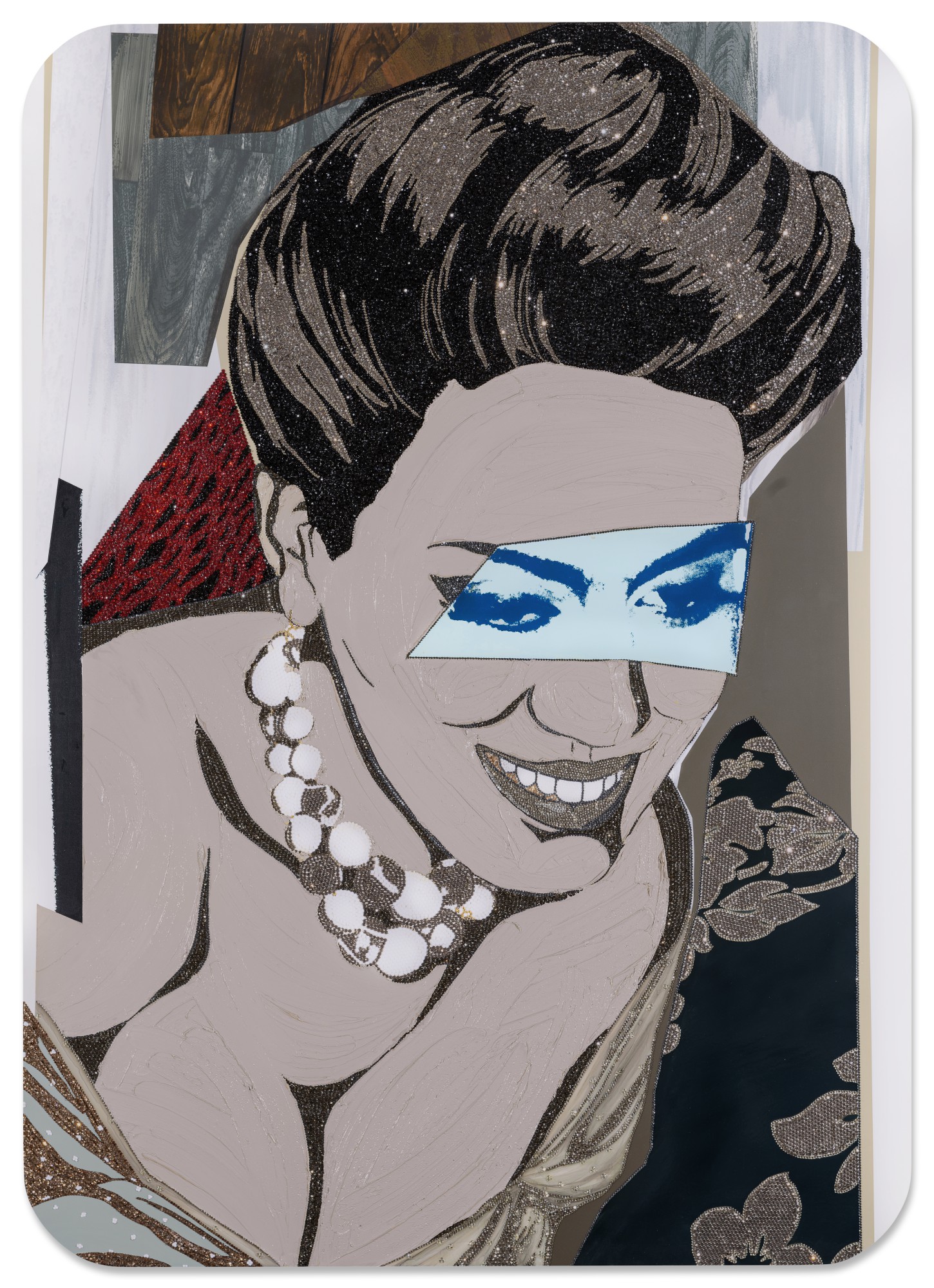
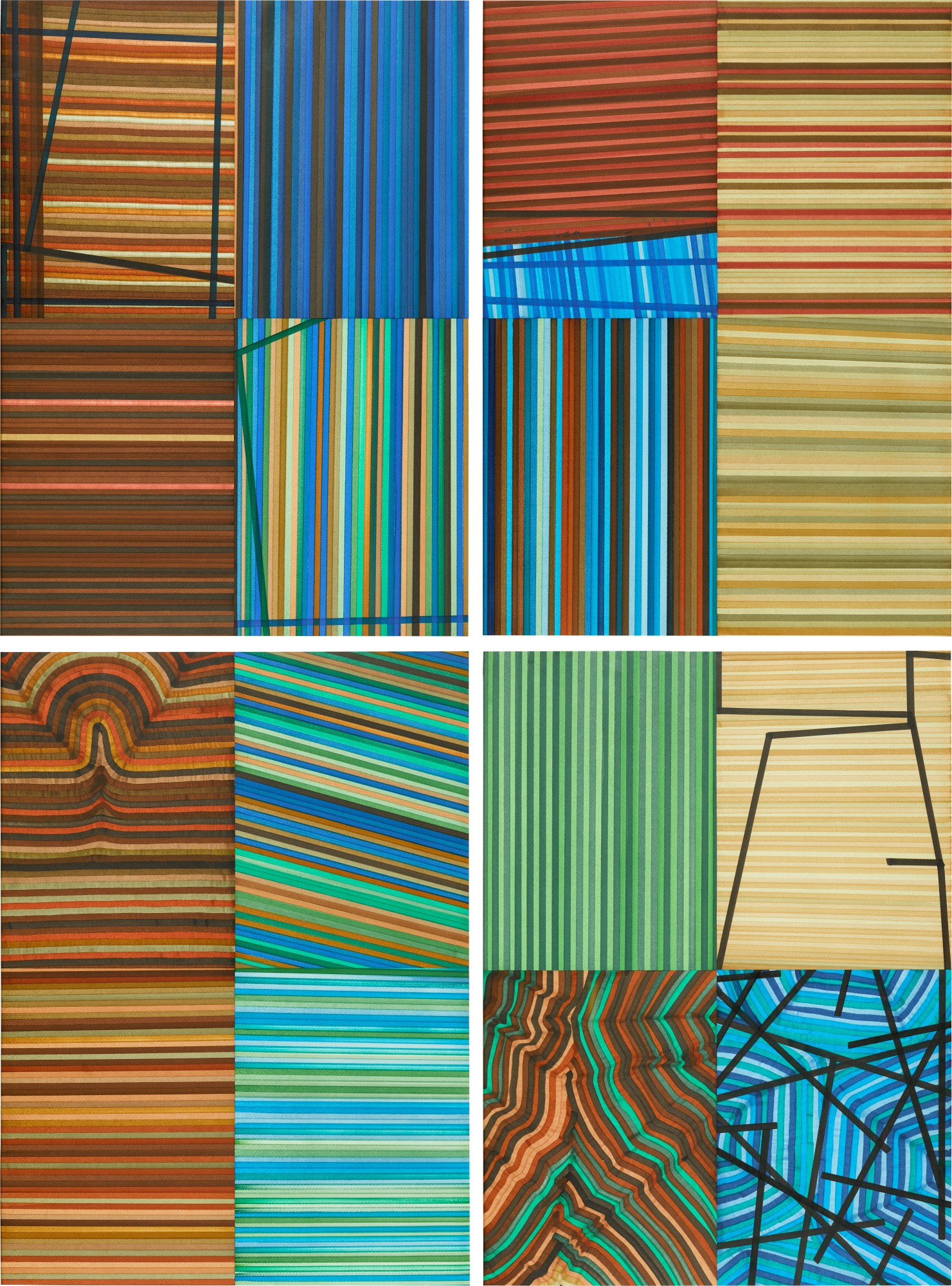
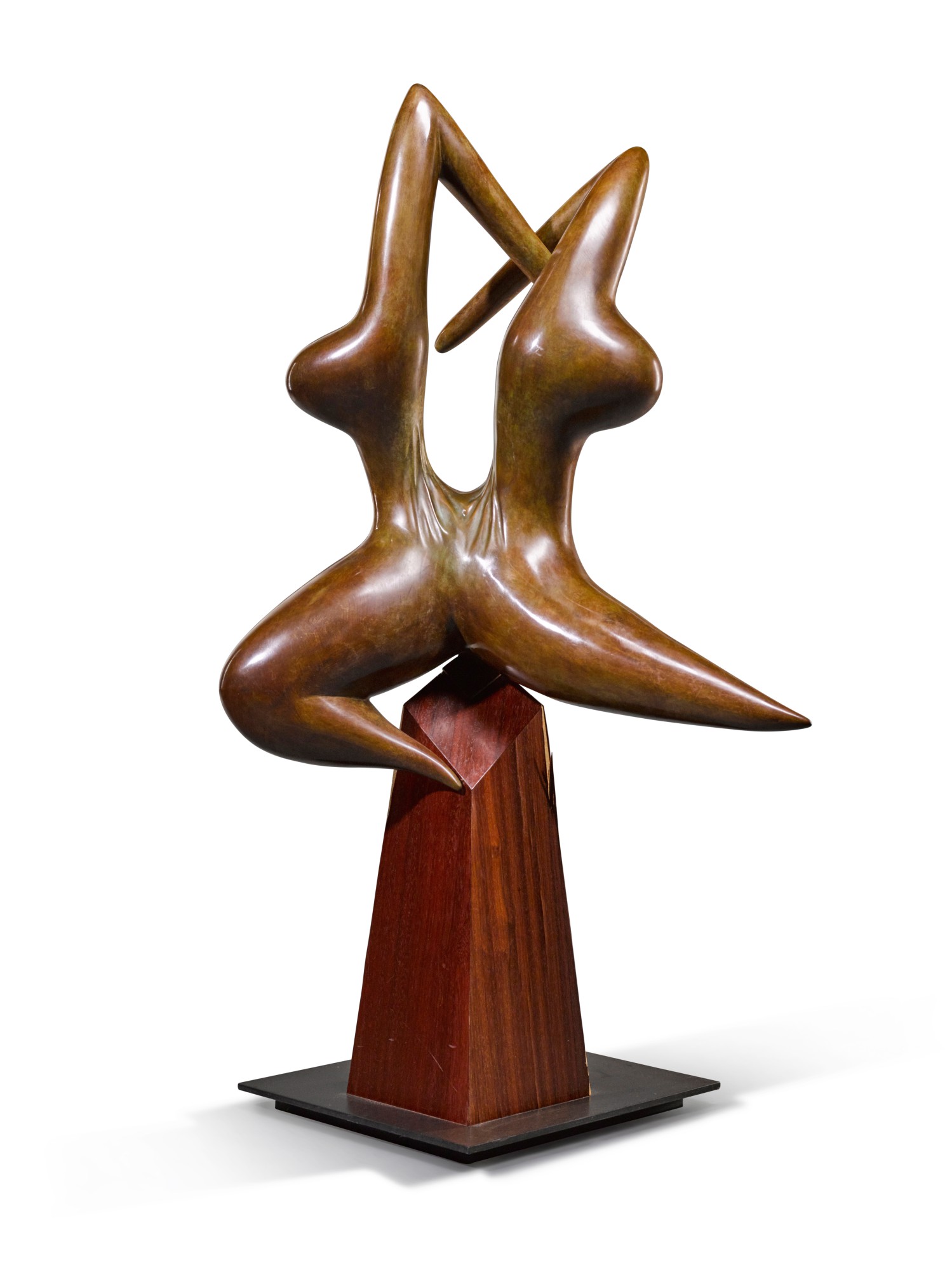
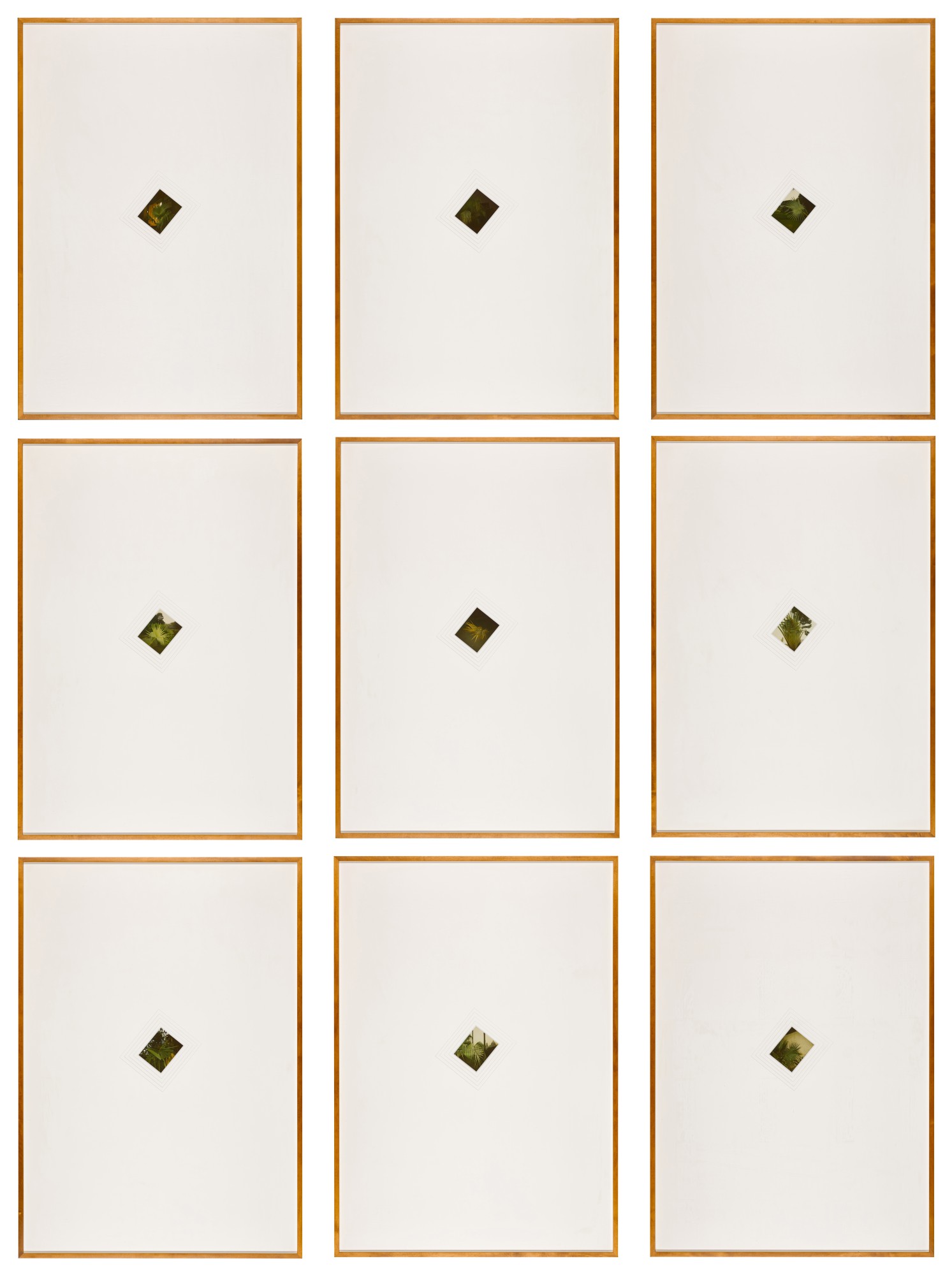
In the heart of Vienna, a city long associated with the grandeur of imperial collections and the radical ruptures of early twentieth century modernism, the Pomeranz Collection has quietly established itself as one of Europe's most intellectually compelling private holdings. Founded by collector and cultural advocate Peter Pomeranz, the collection occupies a singular position: it is neither a museum attempting to write a definitive history nor a speculative portfolio chasing market trends. It is something rarer and more personal, a sustained conversation with contemporary art across continents, media, and generations, built from genuine curiosity and a willingness to sit with difficult, generous, and formally surprising work. The Pomeranz Collection is distinguished above all by its range. Where many private collections cohere around a movement, a nationality, or a decade, this one moves freely across photography, painting, sculpture, and works on paper, embracing artists from vastly different cultural contexts. The holdings include a 1985 Polaroid print by a photographer working in the intimate, diaristic tradition that defined so much of that decade's most urgent image making, as well as a 2016 bronze from the Desktop Series, a work that transforms the language of administrative labor and bureaucratic comportment into enduring sculptural form. That willingness to hold together works of such different registers and intentions speaks to a collector who is genuinely listening to what art wants to say rather than imposing a predetermined thesis upon it. Among the works that demonstrate the collection's formal ambition is the Furniture Sculpture FS249, created in 1990 using acrylic on canvas and mirror on wood. This piece belongs to a tradition of object based inquiry that pushes against the boundaries between furniture, architecture, and painting, asking the viewer to consider how domestic and institutional forms structure experience. Nearby in the collection's constellation sits an Entwurf für Eine Komposition im Vertikalen, a composition in coloured chalk on paper that channels the European tradition of preparatory drawing while remaining fully alive as an autonomous work. The coexistence of these two objects, one rooted in American postminimalist object making and the other in a more classically European graphic sensibility, is typical of the Pomeranz approach: generous, comparative, and free of dogma. Photography occupies a particularly important place in the collection. The Six Sided Picture C, a colour photographic work produced using Fuji Crystal Archive Type C paper and dated to a specific afternoon in Irvine, California in July 2008, demonstrates the collection's appetite for work that takes the conditions of its own making as a central subject. The precision of that title, naming the date, location, and material process, speaks to a conceptual tradition in photography that treats the photograph not as a transparent window onto the world but as a material and epistemological event in its own right. Similarly, the Sweet Talk: Commissions (Beirut) Plate 050, a digital photographic print rooted in imagery from 1987, points to the collection's engagement with work that navigates geopolitical terrain with formal sophistication and emotional intelligence. The work titled Mathew Henson gestures toward the collection's interest in history, memory, and the recovery of figures whose contributions have been obscured or undervalued. Henson, the African American explorer who reached the North Pole alongside Robert Peary in 1909 and whose name was for decades eclipsed by his white counterpart, is a resonant subject for contemporary artists grappling with questions of recognition, erasure, and the politics of the archive. That the Pomeranz Collection holds a work engaging this subject signals a commitment to art that does not merely decorate but asks something of its viewer. Clarivel Left, with its dazzling surface of rhinestones, acrylic, oil, enamel, and glitter on wood panel, offers a different kind of insistence: the insistence of pleasure, of excess deployed with precision, of materials coded as feminine or commercial being elevated into the full authority of painting. From a collecting perspective, the Pomeranz holdings represent an extraordinary opportunity for engagement with works that span medium, geography, and generation. The collection includes works in media that have each developed rich secondary markets over the past two decades: Polaroid and archival photographic prints, works on paper, bronze sculpture, and mixed media painting. Collectors and institutions looking to understand the contemporary landscape would find in the Pomeranz holdings a kind of index of the preoccupations that have animated the most serious artistic thinking of the last four decades. Works like Something Above What Below Is and Something Below What Above Is from 2006 and Indian Palm Study I from 2011 demonstrate that the collection has tracked artists across long periods of development, acquiring not just singular objects but an understanding of sustained practice. The Pomeranz Collection finds meaningful company in the tradition of great European private collections that have shaped public taste and institutional understanding: the Thyssen Bornemisza holdings before their museum life, the Essl Collection in Klosterneuburg, and more recently the TBA21 in Vienna itself, all speak to Austria's remarkable tradition of private patronage. What distinguishes the Pomeranz approach is its particular attentiveness to works that resist easy categorization, that sit at the intersection of conceptual rigor and material sensuality, political engagement and formal invention. This is a collection built on looking rather than on branding, and that quality is immediately legible to anyone who spends time with its works. Vienna has always been a city that takes collecting seriously, a place where the relationship between private passion and public culture has been understood as genuinely consequential. The Pomeranz Collection carries that tradition forward with intelligence and warmth, bringing together works from across the globe and across the decades in a holding that feels both deeply considered and genuinely alive. As the collection continues to grow and as its works reach wider audiences through platforms like The Collection, the Pomeranz holdings stand as a reminder that the best private collecting is itself a form of art making: an act of sustained attention, generosity, and belief in what images and objects can do in the world.