Photomontage
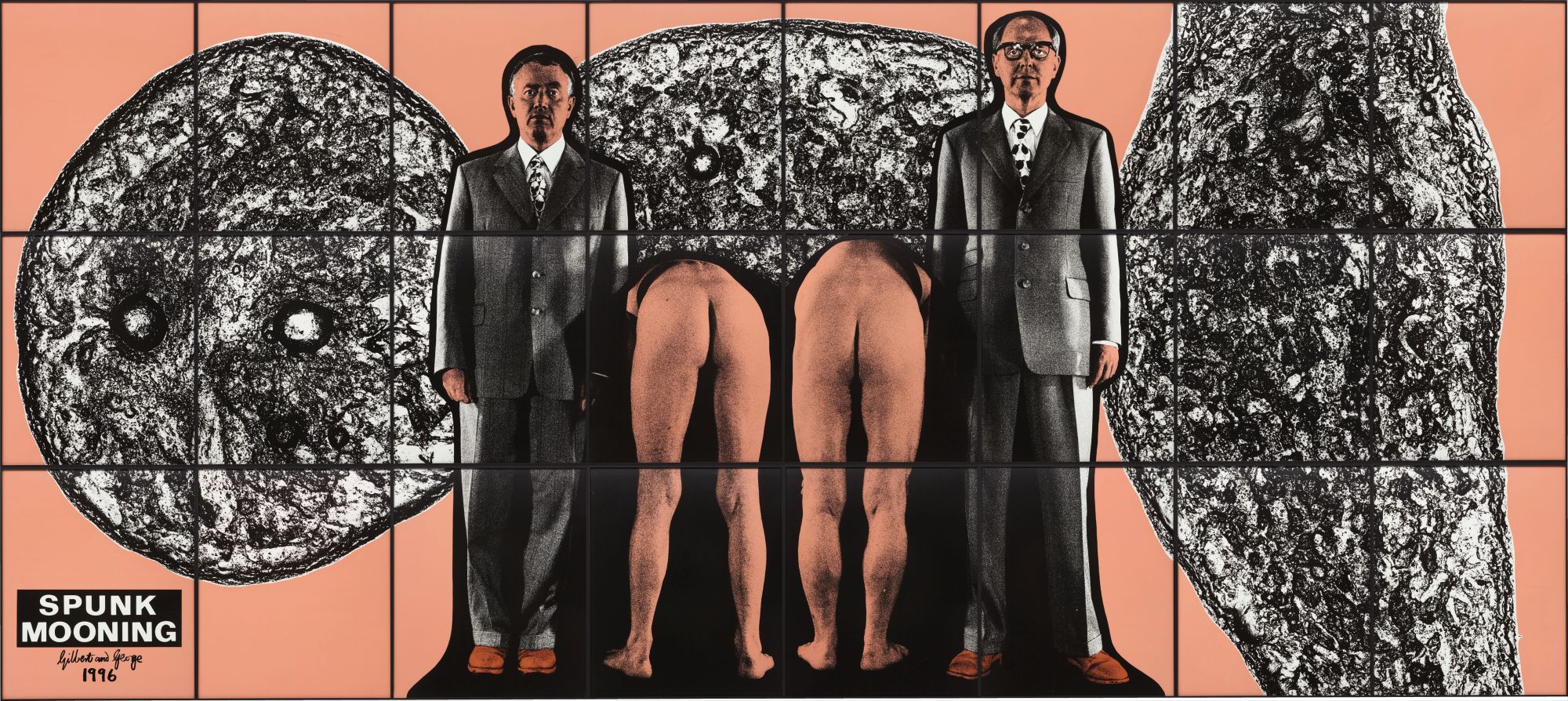
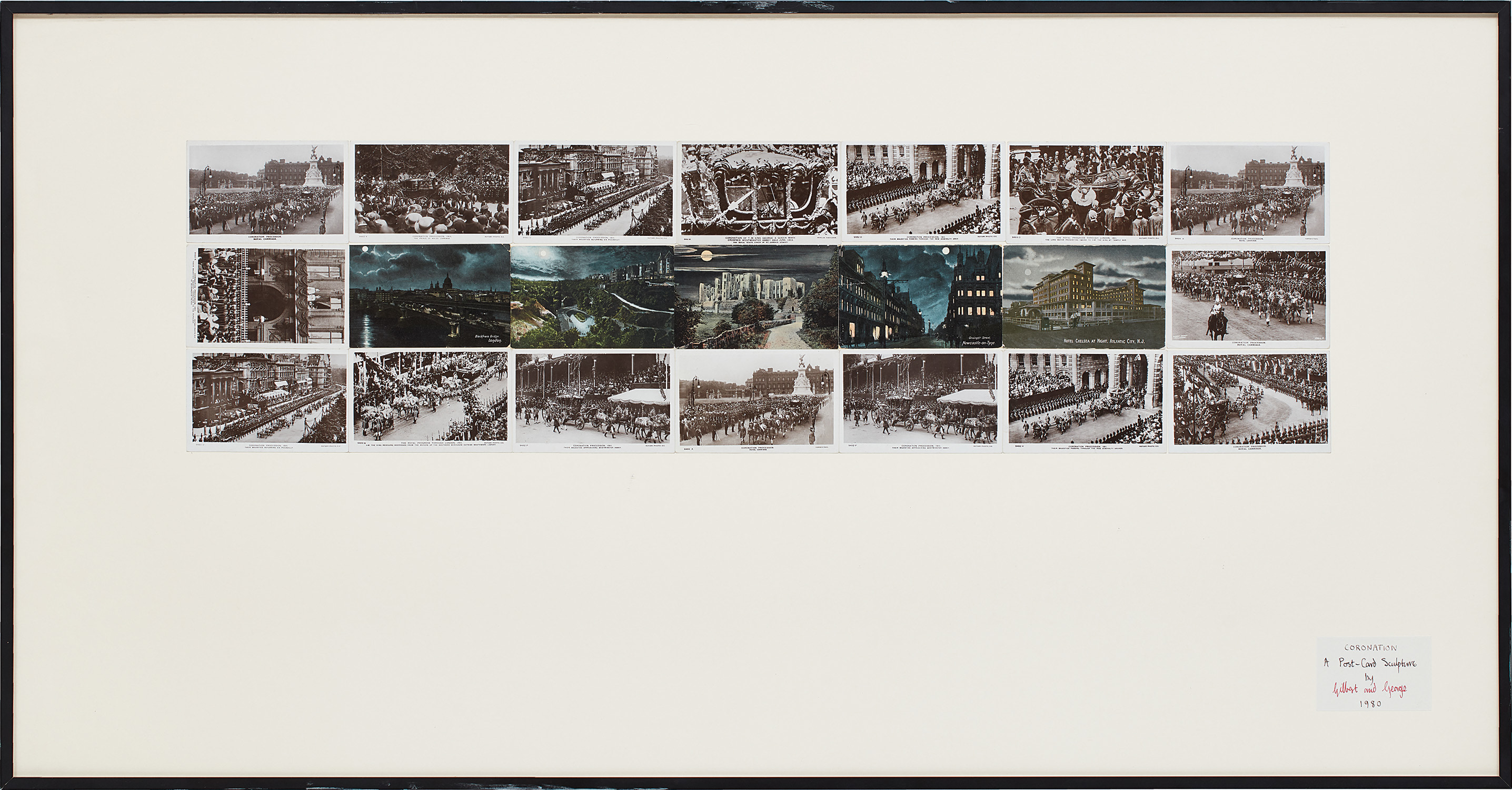
Gilbert
Spunk Mooning

Cutting Up the World to See It Clearly
There is something almost violent about photomontage, and that is entirely the point. To take photographs, those supposed windows onto reality, and slice them apart, rearrange them, paste them into something new and strange and urgent, is to insist that no single image tells the whole truth. From the moment the medium emerged in the early twentieth century, photomontage has functioned as a form of argument, a way of making visible the contradictions and pressures that ordinary pictures smooth over. It remains one of the most politically alive and formally inventive practices in the history of art, and its influence runs through everything from advertising to contemporary painting to the logic of the internet itself.
The technique has roots in the Victorian era, when photographers like Henry Peach Robinson and Oscar Gustave Rejlander were combining multiple negatives in the darkroom to create elaborately staged compositions. But photomontage as a self conscious artistic and political practice was essentially invented in the years around the First World War, and it was invented twice, almost simultaneously, in different cities. In Berlin, the Dada circle around Richard Huelsenbeck, Hannah Höch, and John Heartfield seized on the cut and paste method as a weapon against militarism, nationalism, and the mass media that served them. In Moscow, Constructivists including Alexander Rodchenko were using similar techniques to entirely different ends, building dynamic compositions that celebrated modernization, collective labor, and the revolutionary future.
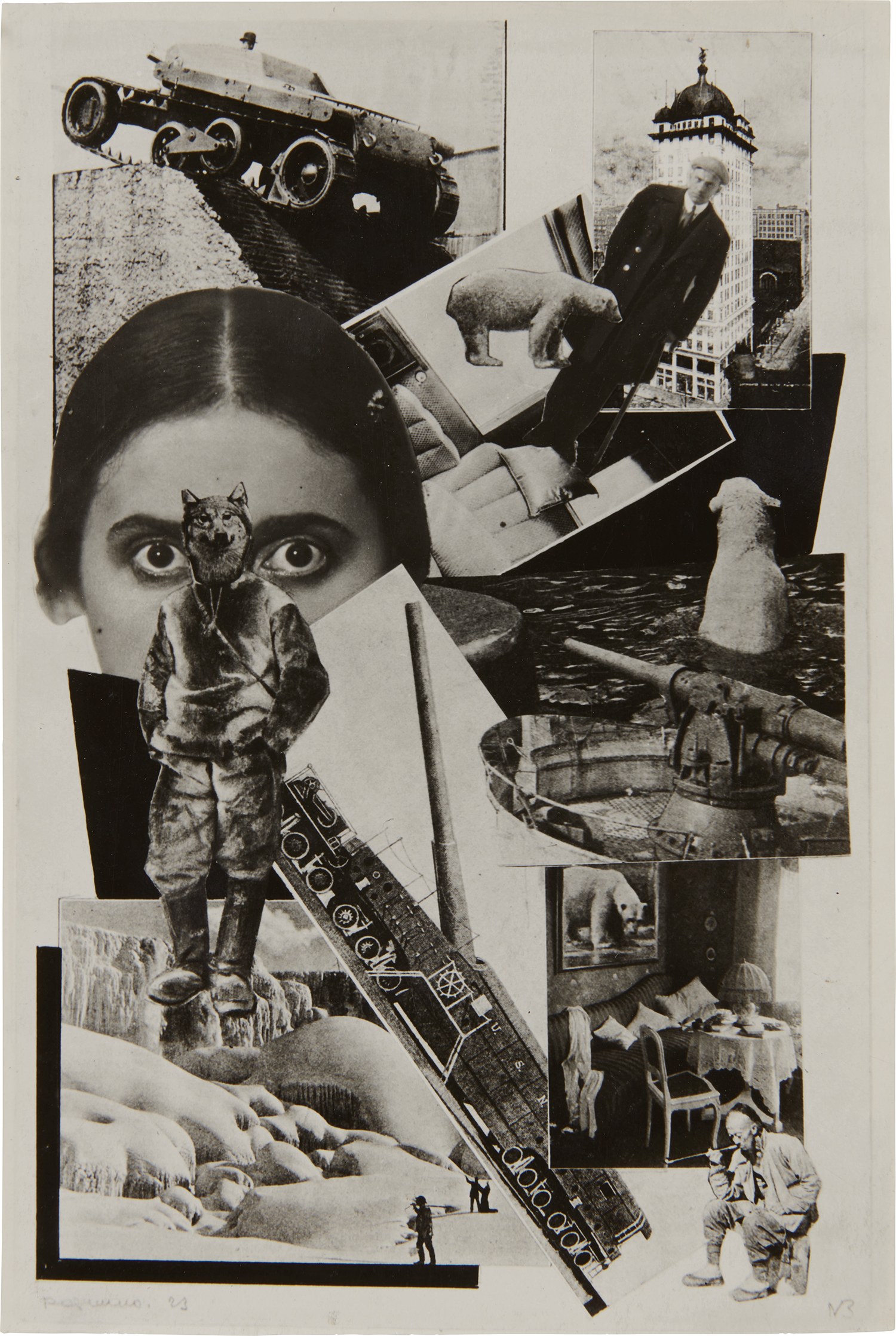
Alexander Rodchenko
Illustration from Vladimir Mayakovsky's 'Pro Eto. Et I mne'
The two impulses, one corrosive and satirical, the other affirmative and utopian, have coexisted within the medium ever since. Rodchenko, well represented on The Collection, was particularly gifted at using photomontage to create a sense of vertiginous forward motion. His work for books, posters, and magazines in the 1920s fused photography with bold graphic design to produce images that felt genuinely new, images that seemed to move. Around the same time in Germany, László Moholy Nagy, whose work also appears on The Collection, was developing a more lyrical and formally experimental approach at the Bauhaus.
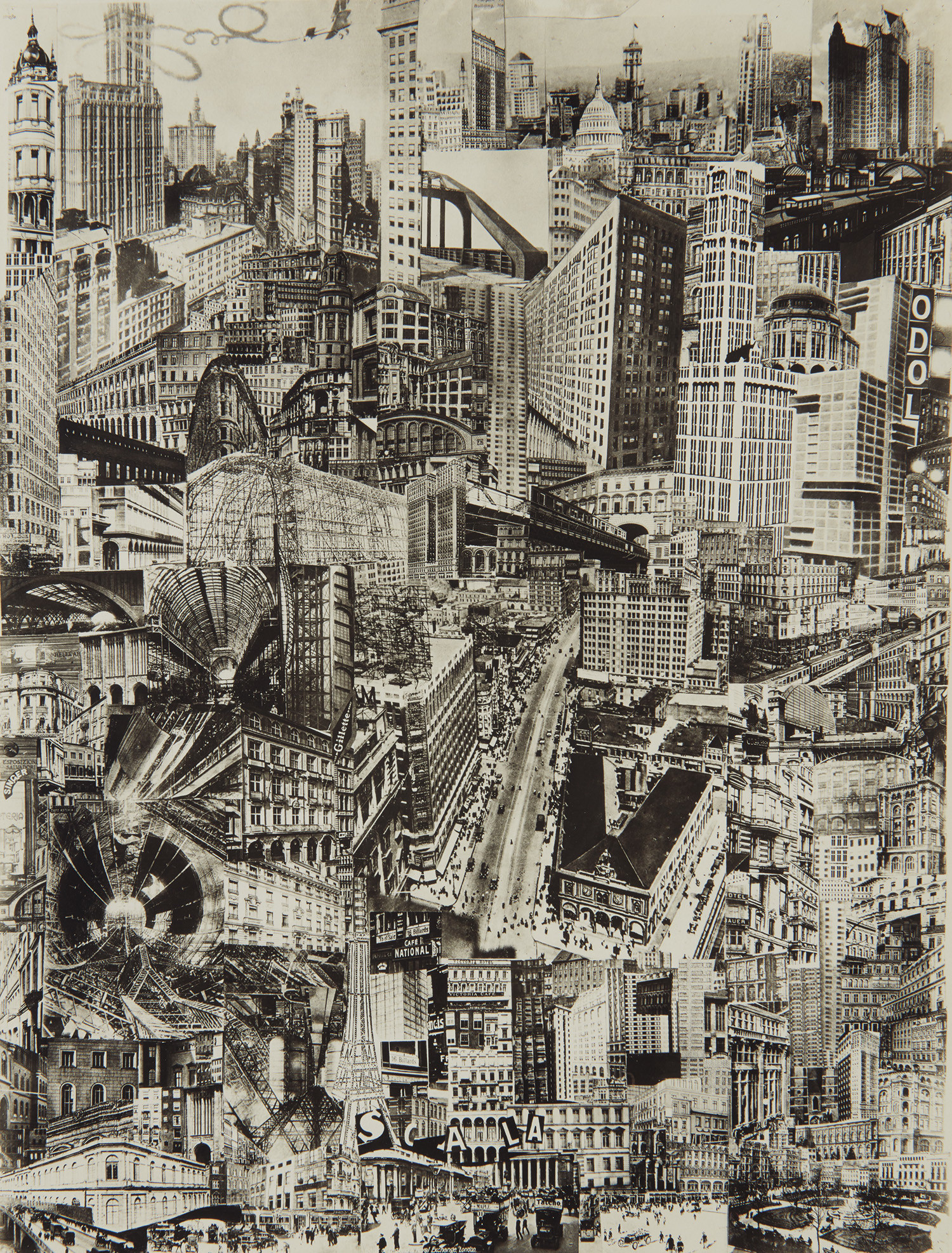
Where Heartfield wielded montage like a scalpel, Moholy Nagy used it to explore light, transparency, and the way photographic fragments could be layered to create almost musical rhythms across a picture surface. Paul Citroen's extraordinary 1923 work Metropolis, created during his time at the Bauhaus, remains one of the iconic images of the entire movement, a vertiginous collage of urban architecture that anticipates the visual overload of modern city life with almost eerie precision. By the 1930s and 1940s, photomontage had spread into Surrealism, where artists like Maurice Tabard, whose work is on The Collection, were using darkroom combination and collage techniques to dissolve the boundaries between dream and document. Tabard's images are unsettling in a way that is quite different from Heartfield's political ferocity.
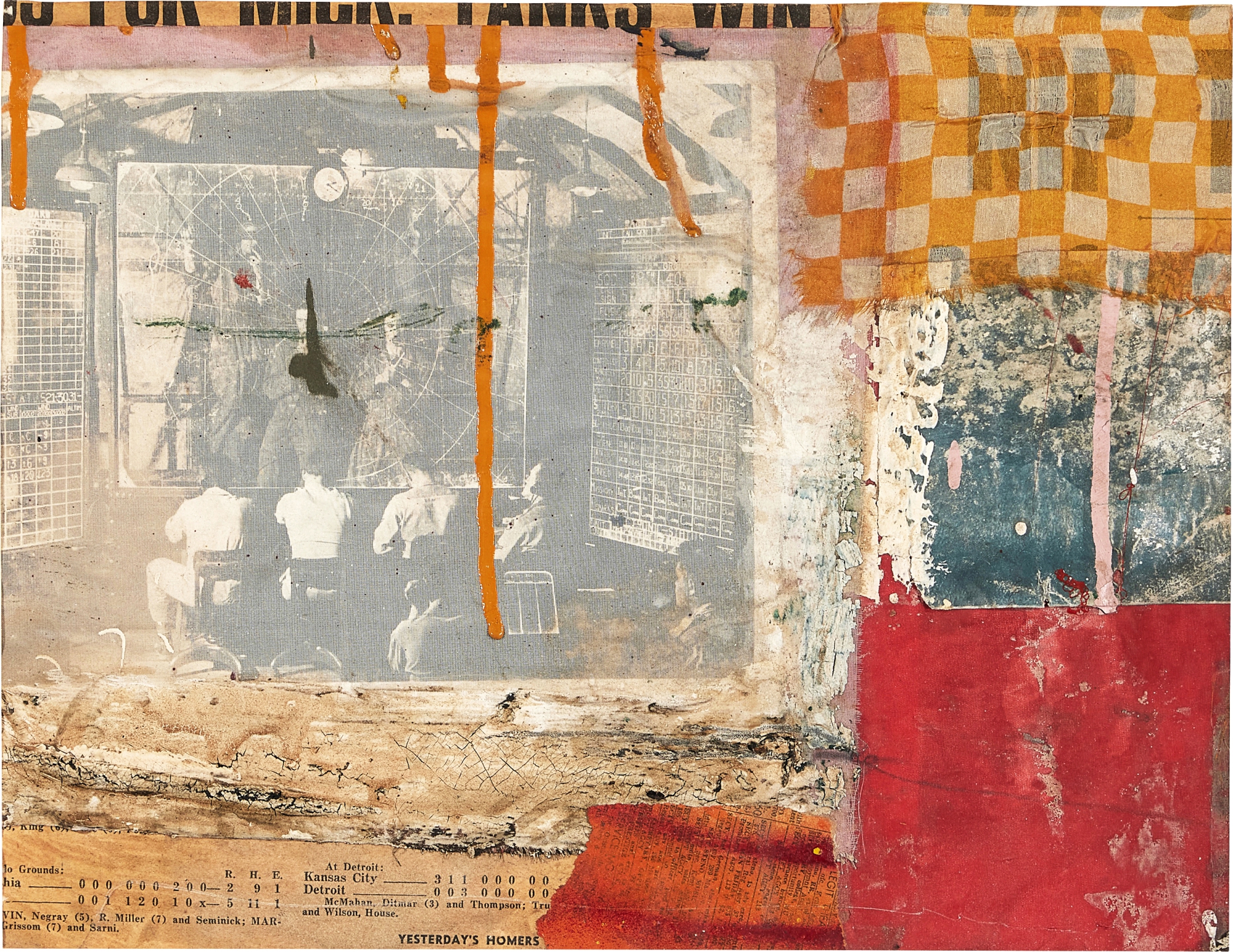
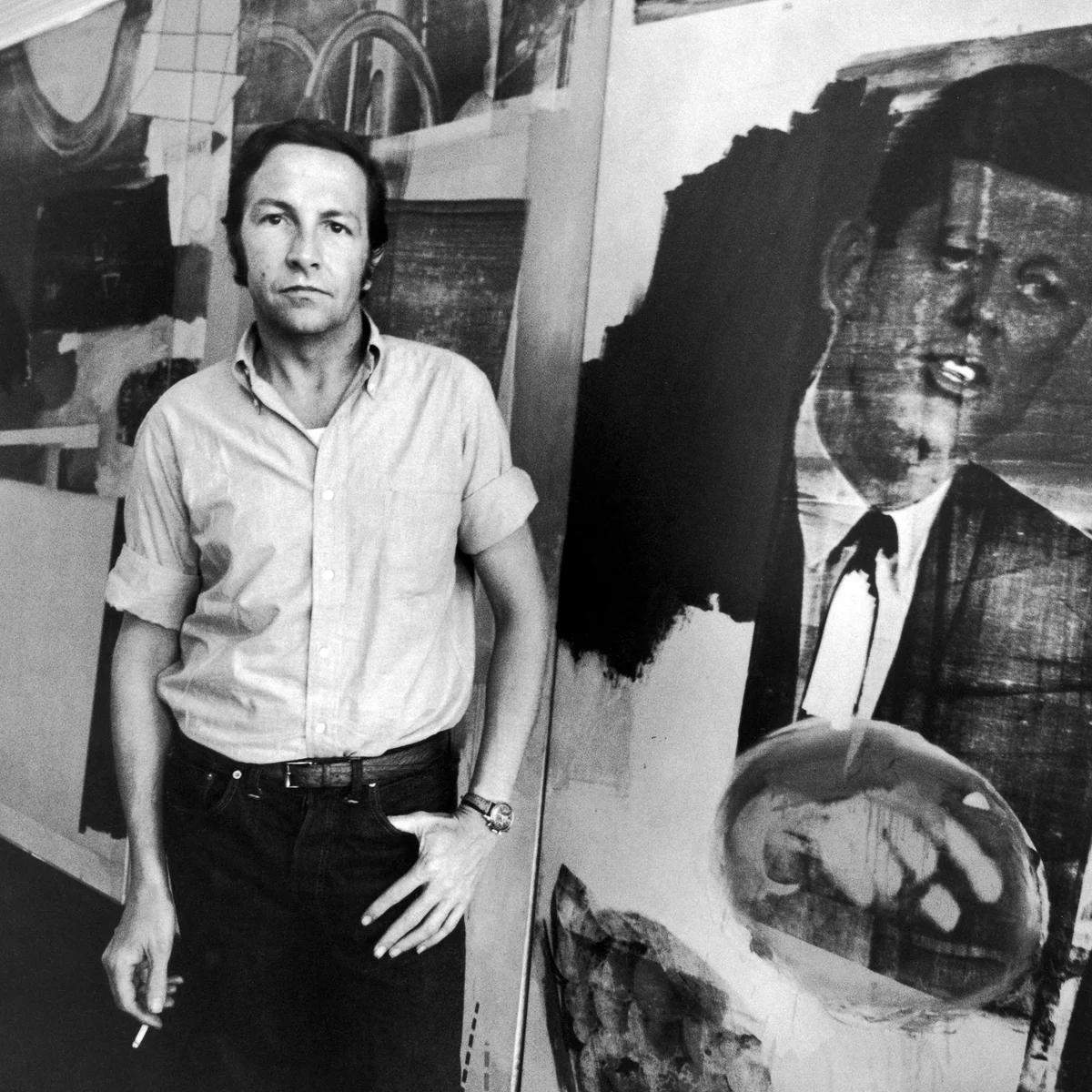
Robert Rauschenberg
Opportunity #7, 1956
They are intimate, strange, and seductive, revealing photomontage's capacity not just for argument but for atmosphere. Edward Steichen, also represented on The Collection, brought extraordinary craft and pictorial intelligence to photographic combination, working in a mode that was less rupture and more orchestration, demonstrating how capacious the form could be. The medium was never one thing, and that flexibility is a large part of what has kept it vital across a century of enormous change. Robert Rauschenberg changed the conversation again in the 1950s and 1960s.
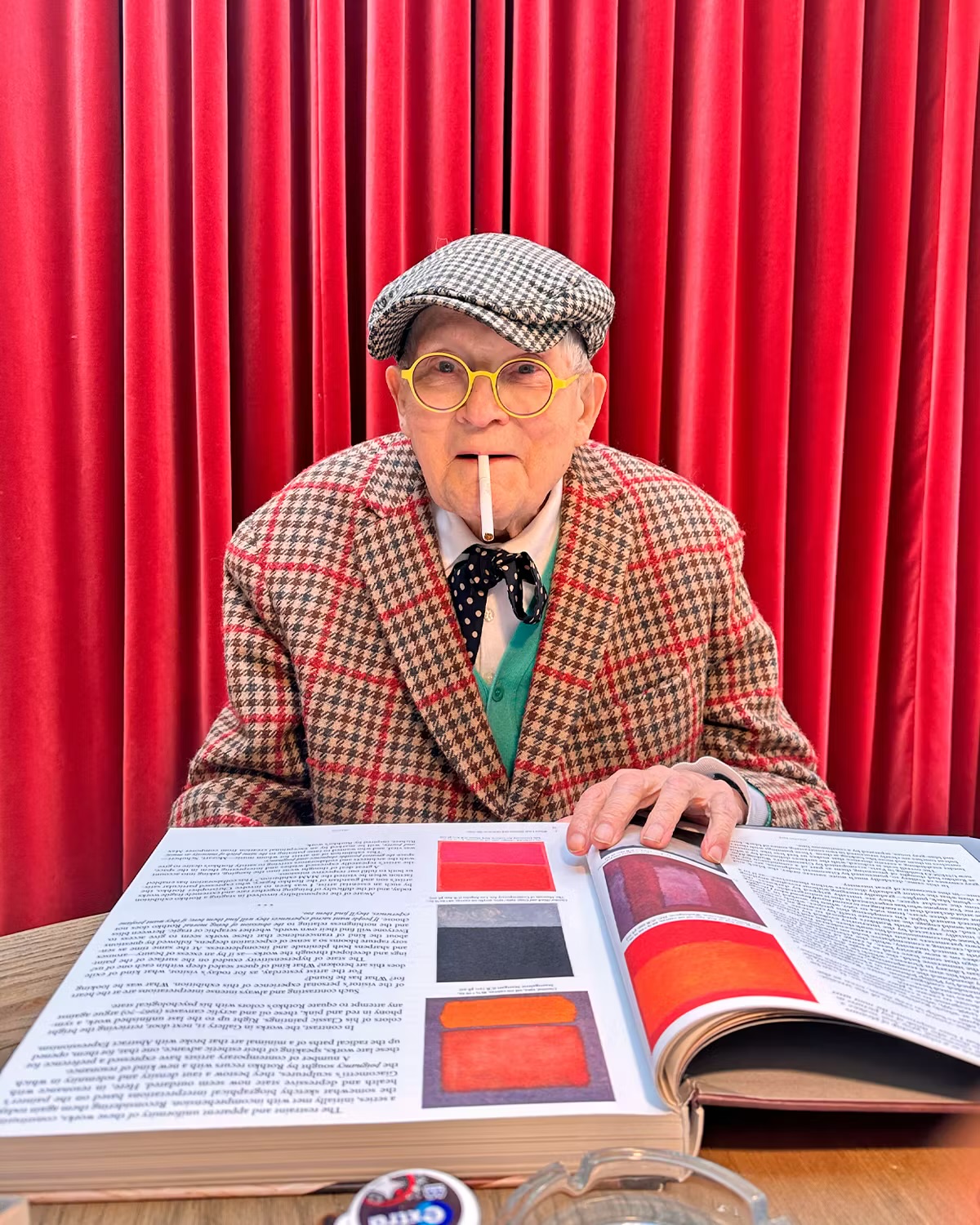
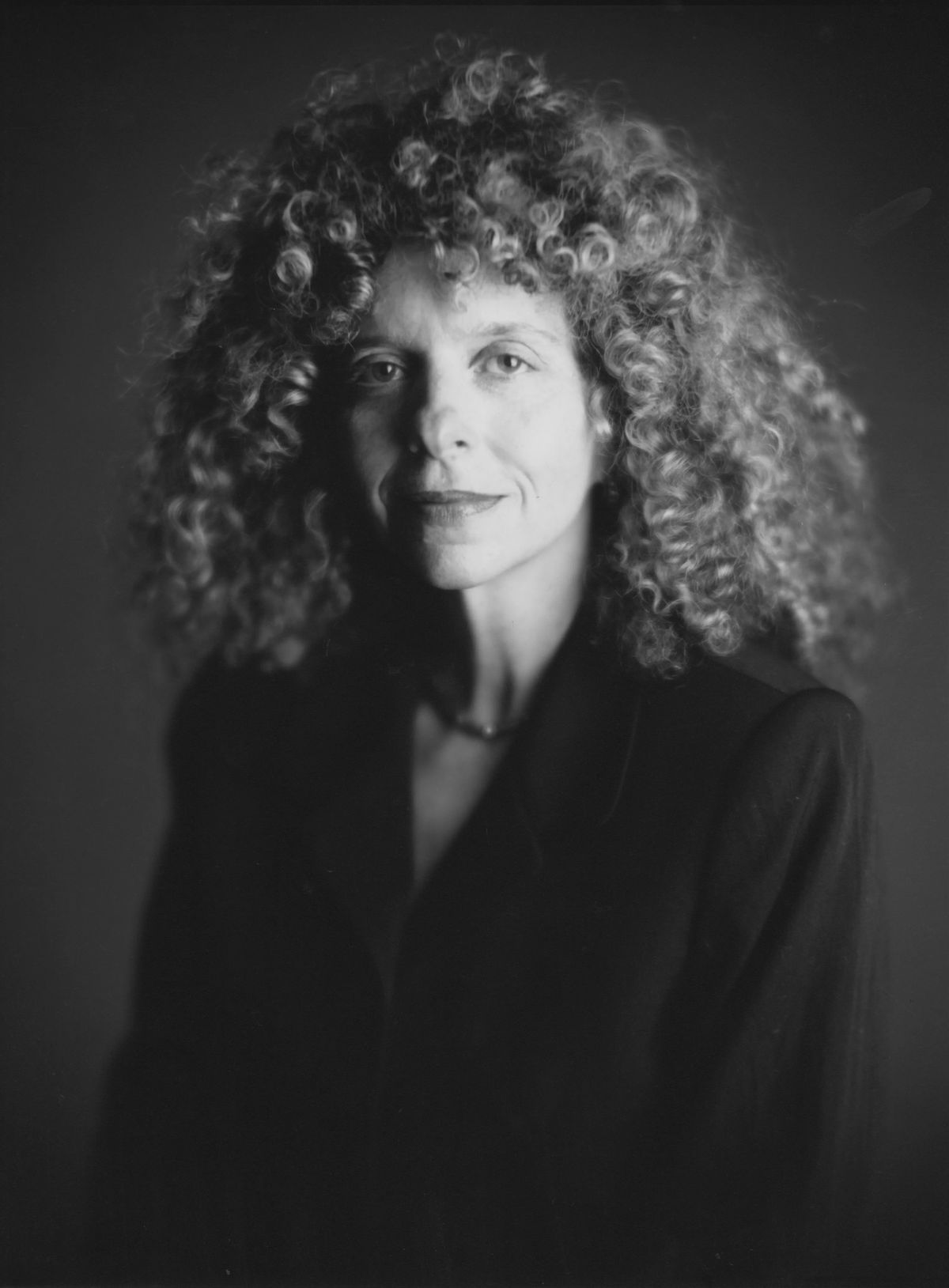
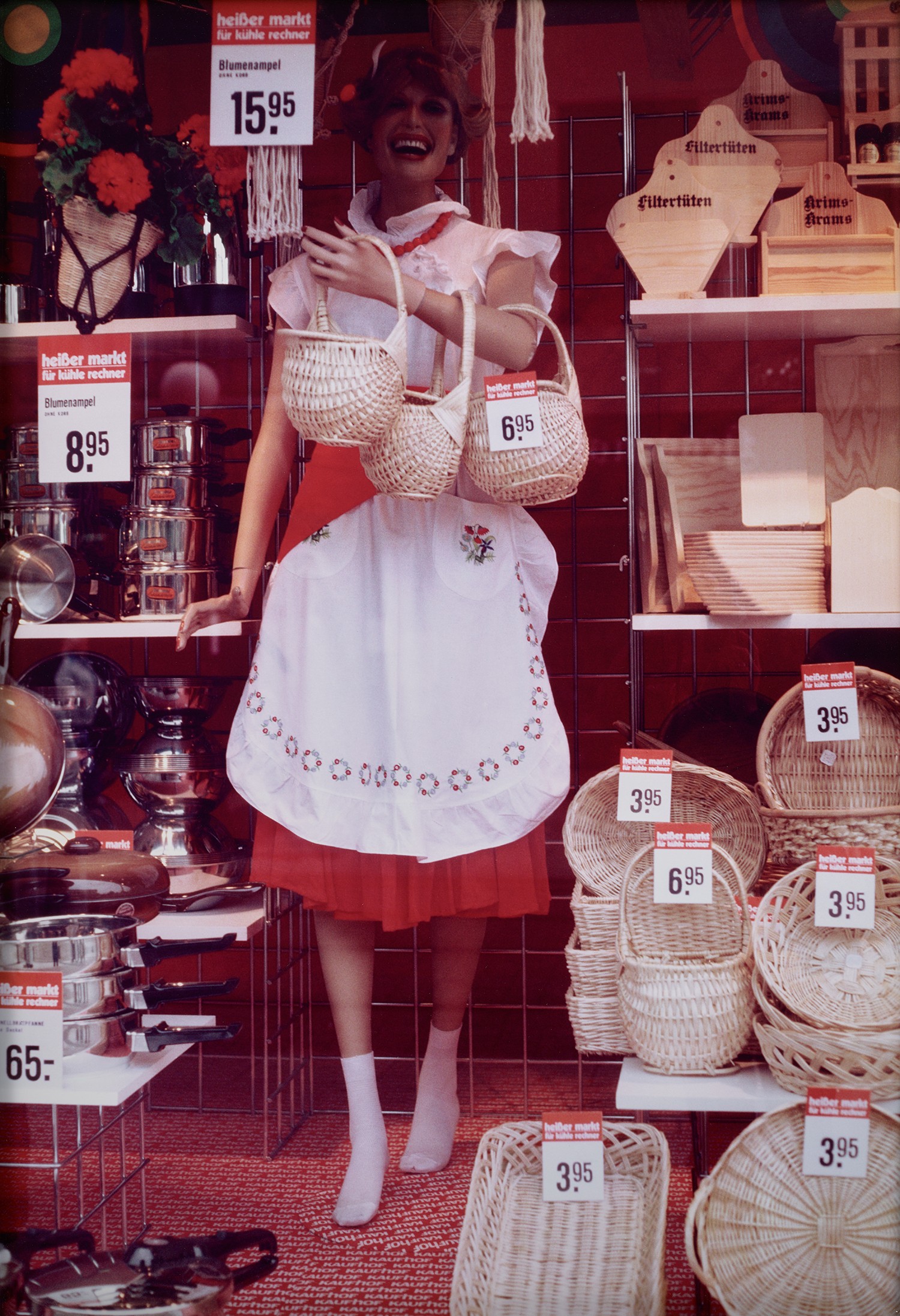
His Combines and silk screened paintings incorporated photographic imagery from newspapers and magazines in ways that felt simultaneously celebratory and anxious, reflecting a consumer culture awash in images without hierarchy or coherent meaning. Rauschenberg, whose work is well represented on The Collection, brought the spirit of photomontage into painting and sculpture, proving that the underlying logic of the medium, the collision of disparate images to generate new meaning, did not require scissors and glue. David Hockney, also on The Collection, took the technique in a different direction entirely with his Joiner photographs of the 1980s, using multiple Polaroids or prints to build composite images that challenged photography's claims to singular perspective and unified time, drawing on Cubist ideas about vision and experience. The political tradition founded by the Berlin Dadaists found its most powerful American expression in artists like Barbara Kruger and Martha Rosler, both represented on The Collection.
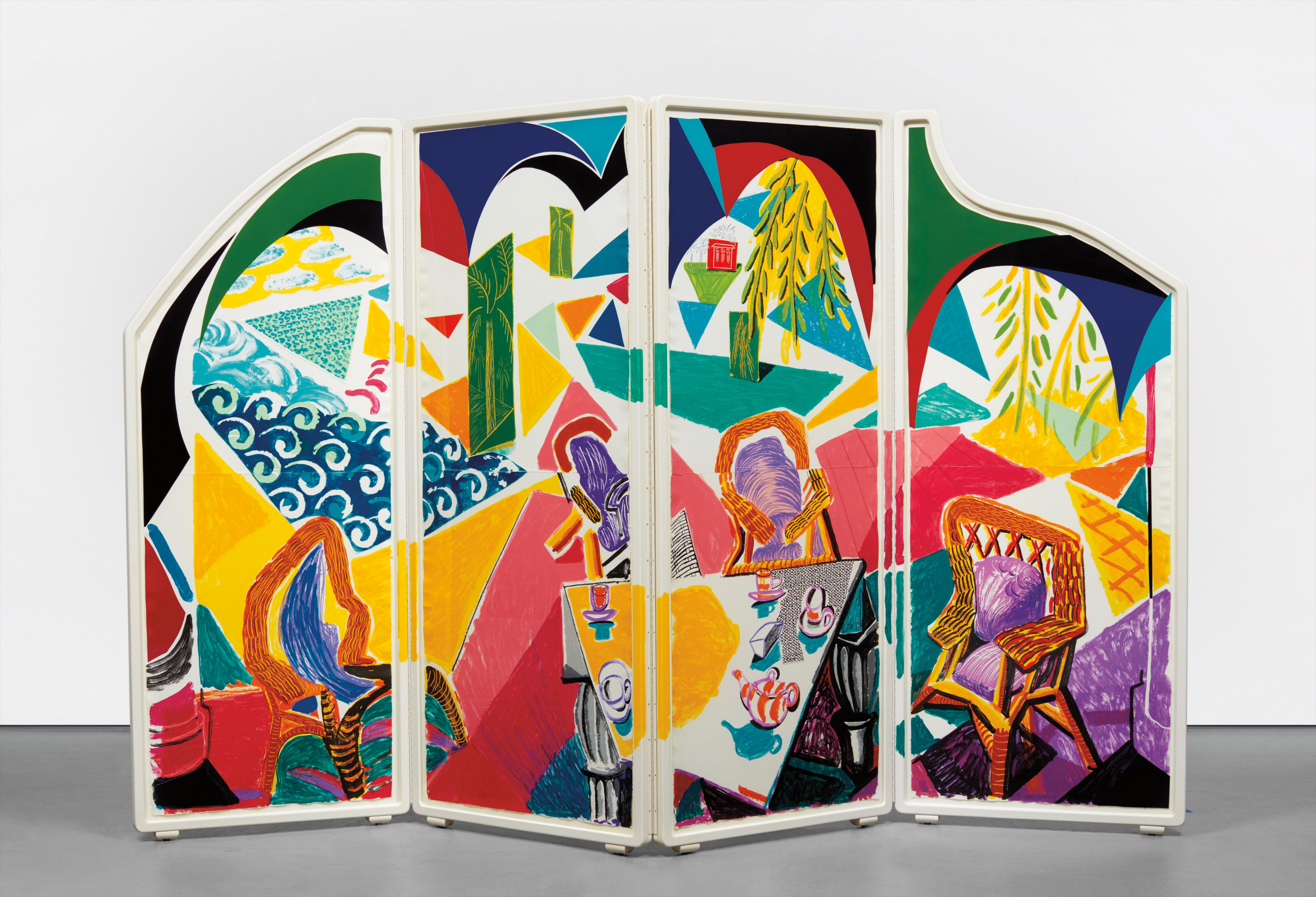
David Hockney
Caribbean Tea Time, 1987
Kruger's fusion of appropriated photographs with bold graphic text became one of the defining visual languages of the 1980s, a practice that exposed the mechanisms of advertising and ideology with cold, compelling precision. Rosler's photomontage series from the early 1970s, placing images of the Vietnam War inside the pages of women's home magazines, remains one of the most devastating works of political art produced in the twentieth century. These artists demonstrated that photomontage was not a historical curiosity but a living critical instrument. Contemporary artists continue to find the form generative in ways that feel genuinely of the moment.
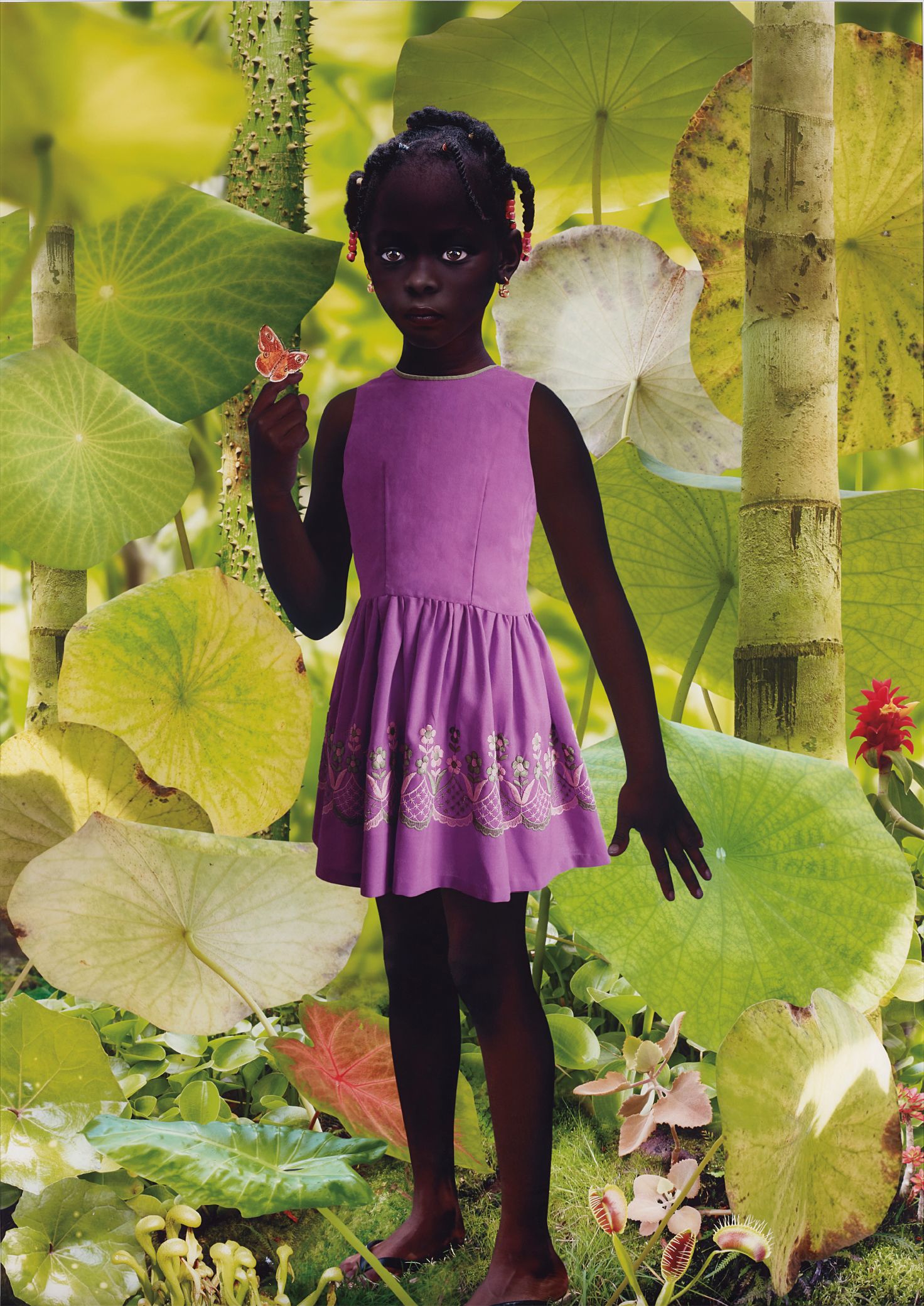
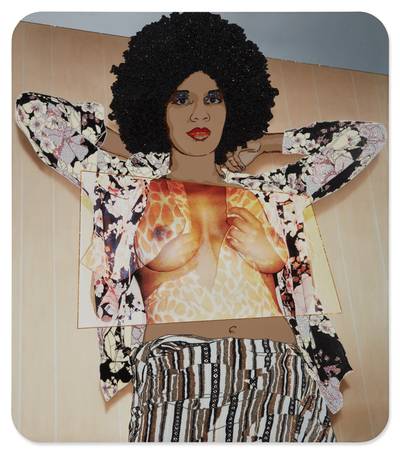
Mickalene Thomas, on The Collection, uses photographic imagery as part of a complex layered practice that addresses questions of beauty, Blackness, and representation with glamour and intelligence in equal measure. Ruud van Empel, whose work appears on The Collection, constructs his meticulously assembled images of children and nature entirely from digitally combined photographic fragments, creating pictures that feel simultaneously hyperreal and deeply uncanny. Sohei Nishino creates vast diorama maps of cities by walking them exhaustively, printing thousands of photographs, and assembling them by hand into composite images that feel like memory made visible. Each of these artists is working within a tradition, whether or not they would frame it that way, that connects directly back to Höch cutting apart magazines in Berlin in 1919.
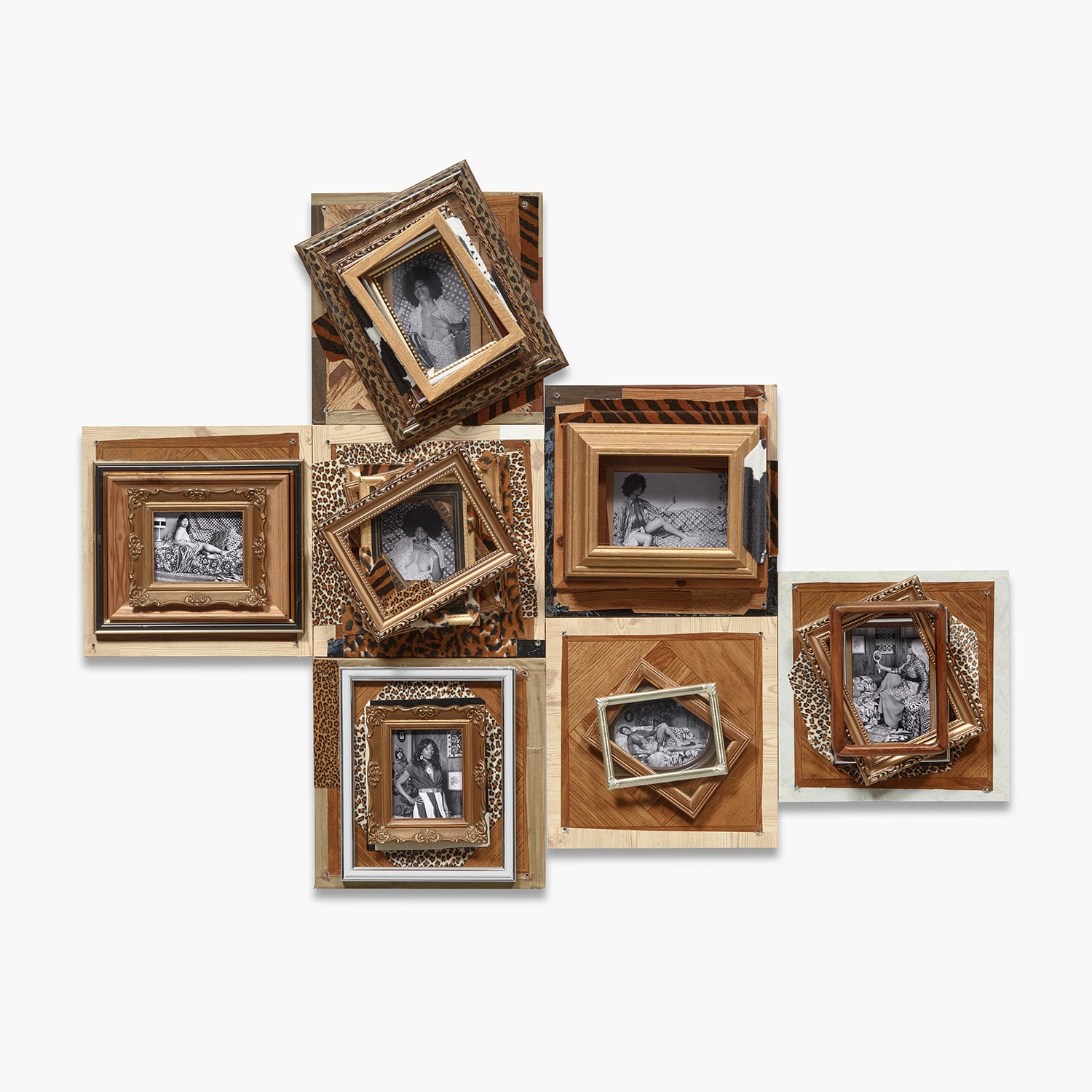
Mickalene Thomas
Photomontage 5
What unites a century of photomontage, across all its wildly different politics, aesthetics, and intentions, is a shared suspicion of the single, authoritative image. The form insists that reality is multiple, that truth is constructed rather than captured, and that the act of assembling disparate fragments into something coherent is both an artistic challenge and an ethical responsibility. In an era when digital tools have made every smartphone user capable of effortless image manipulation, that insistence feels not less urgent but more. Photomontage began as a critique of the mass media image.
Today it is the grammar of visual culture itself, which makes understanding its history not just an art historical exercise but a form of literacy.