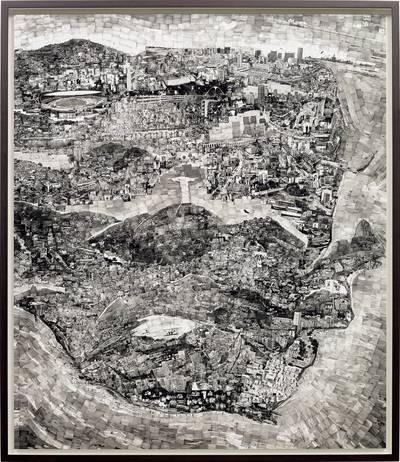
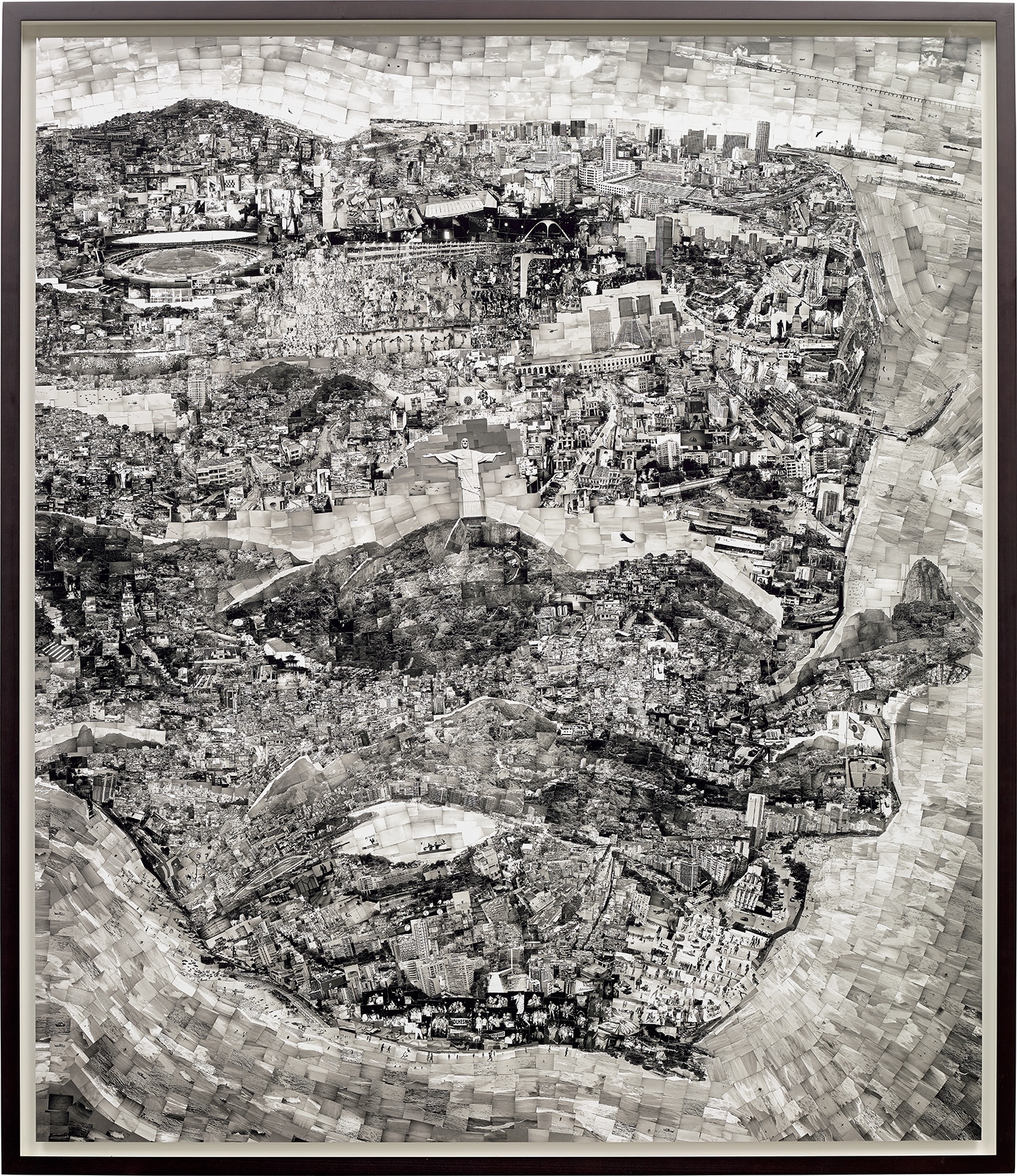
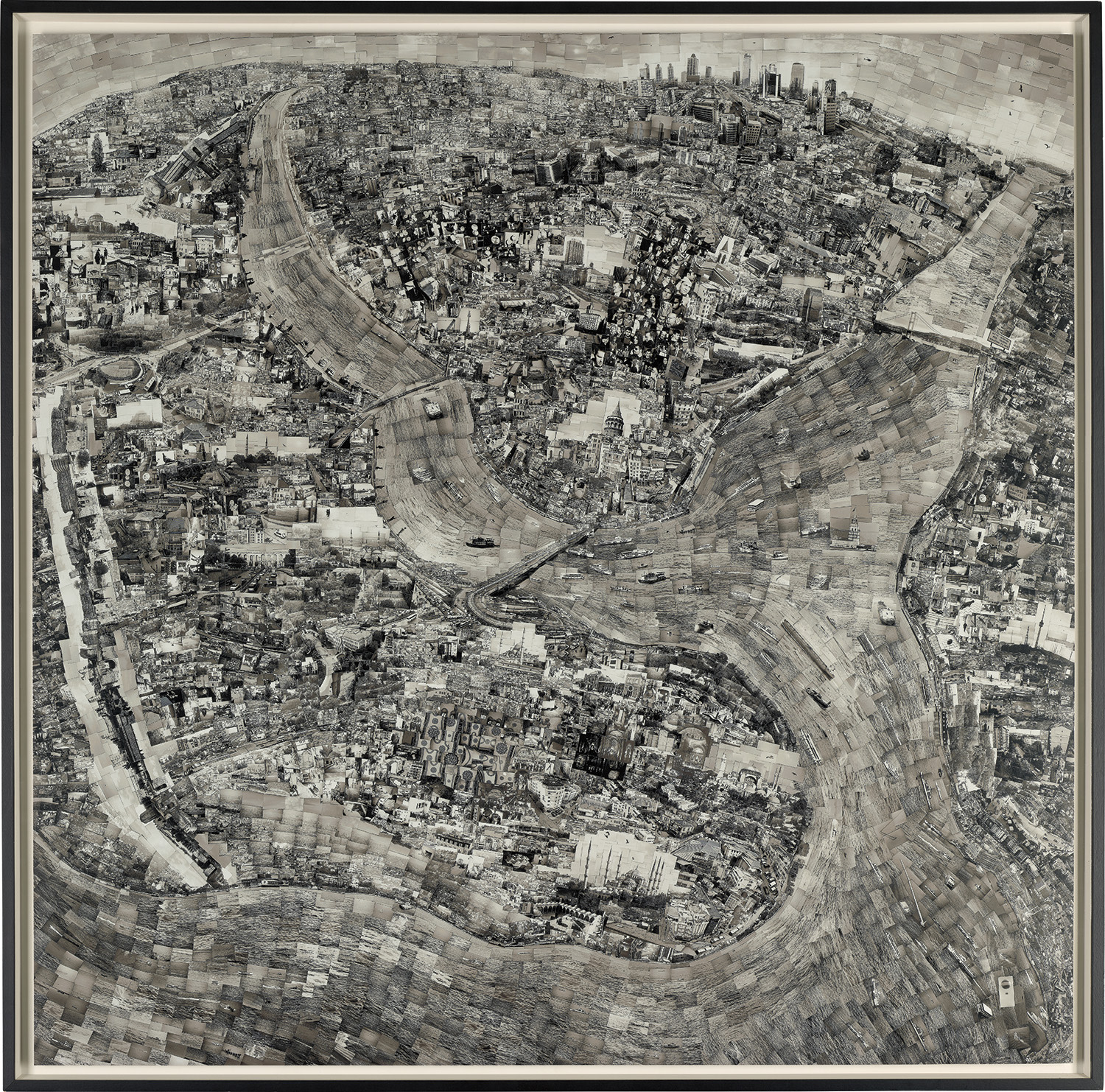
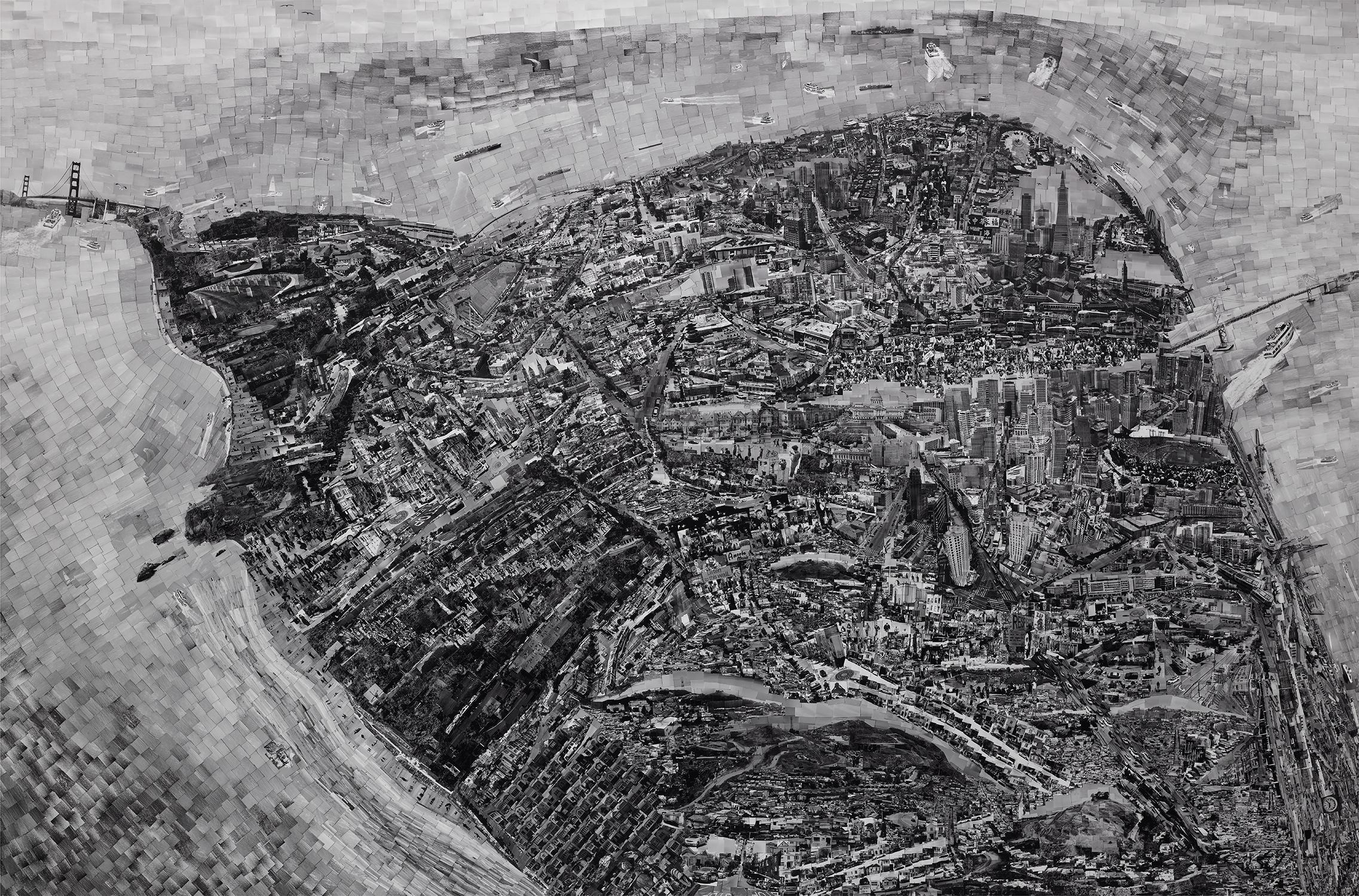
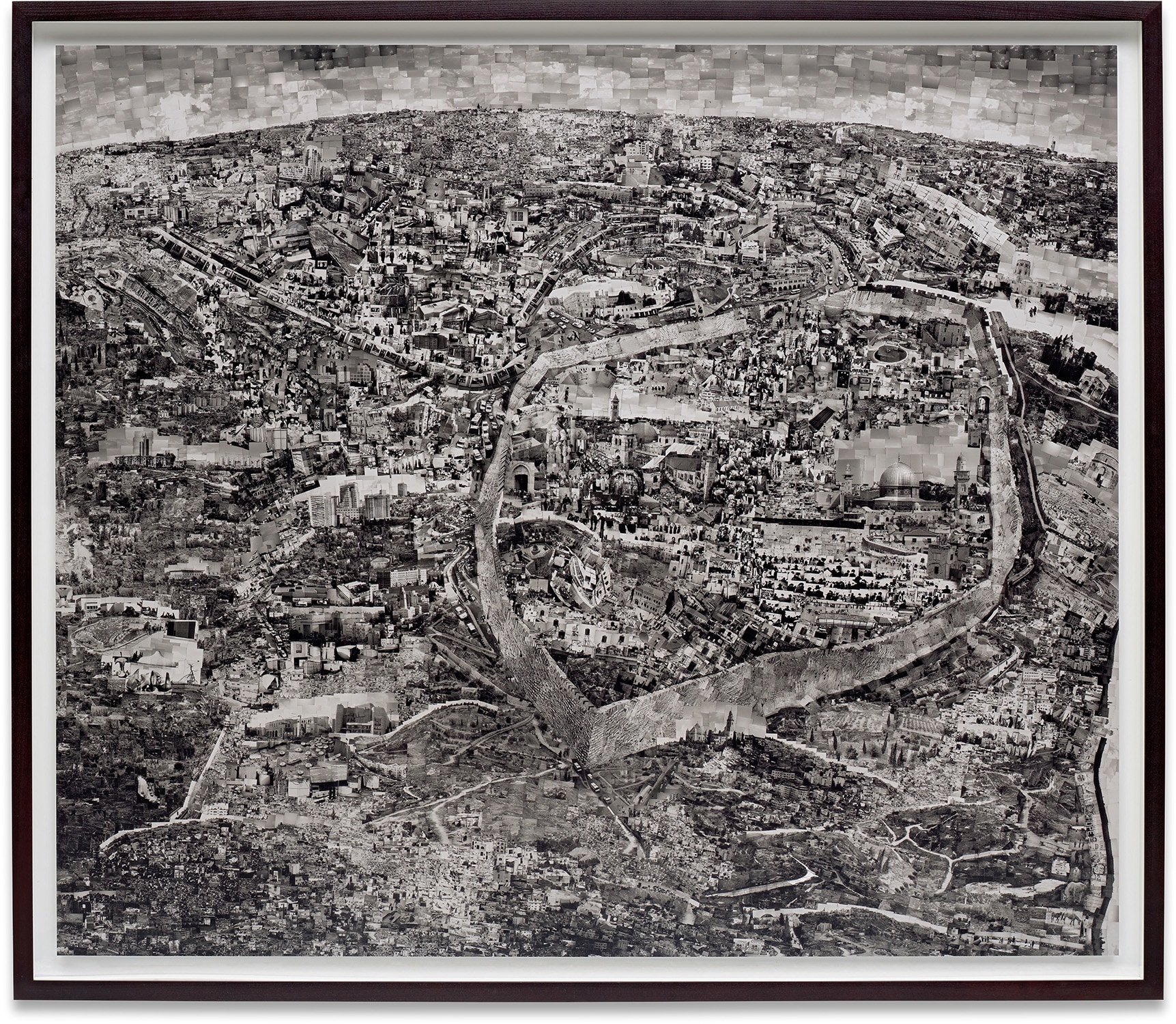
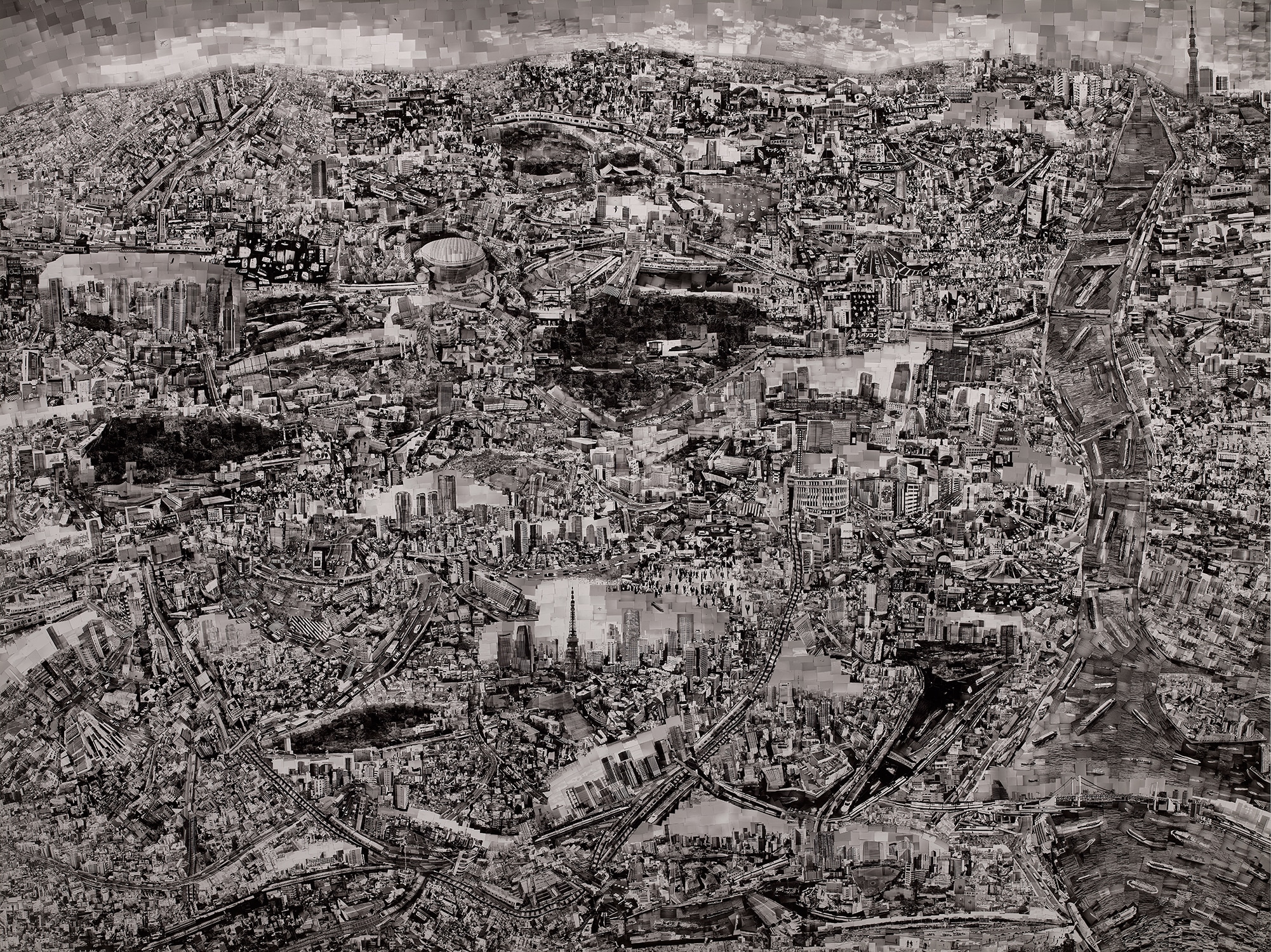
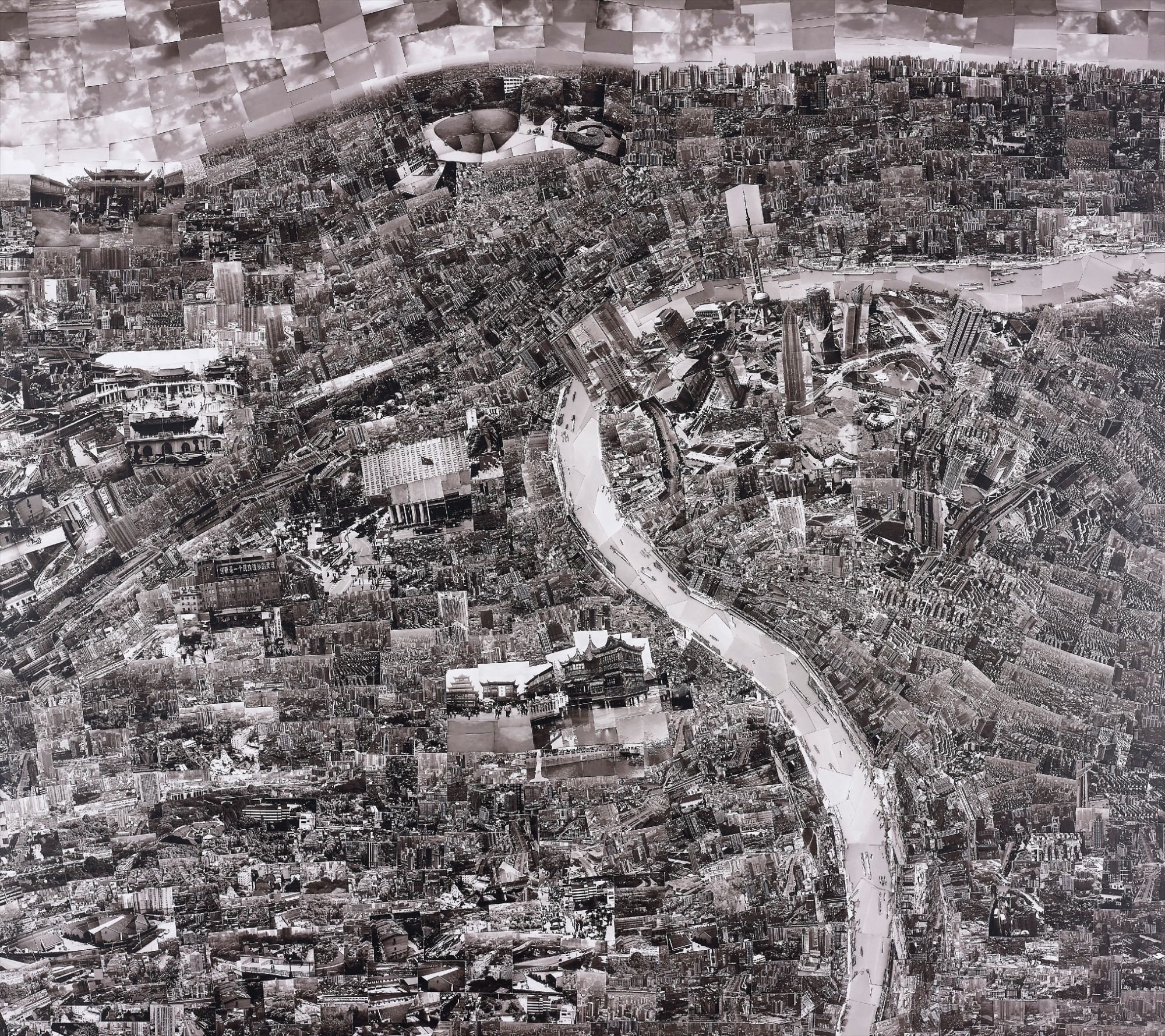
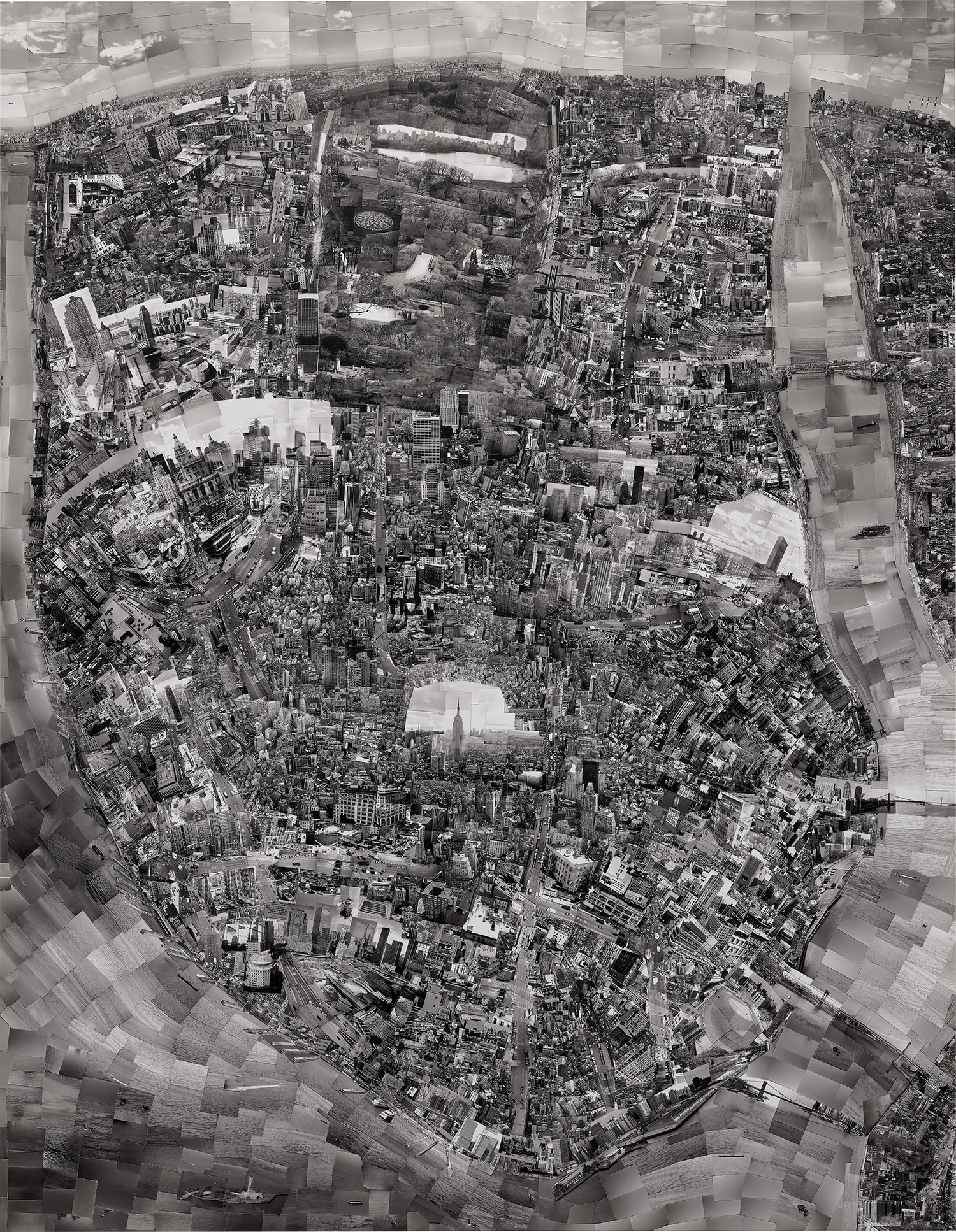
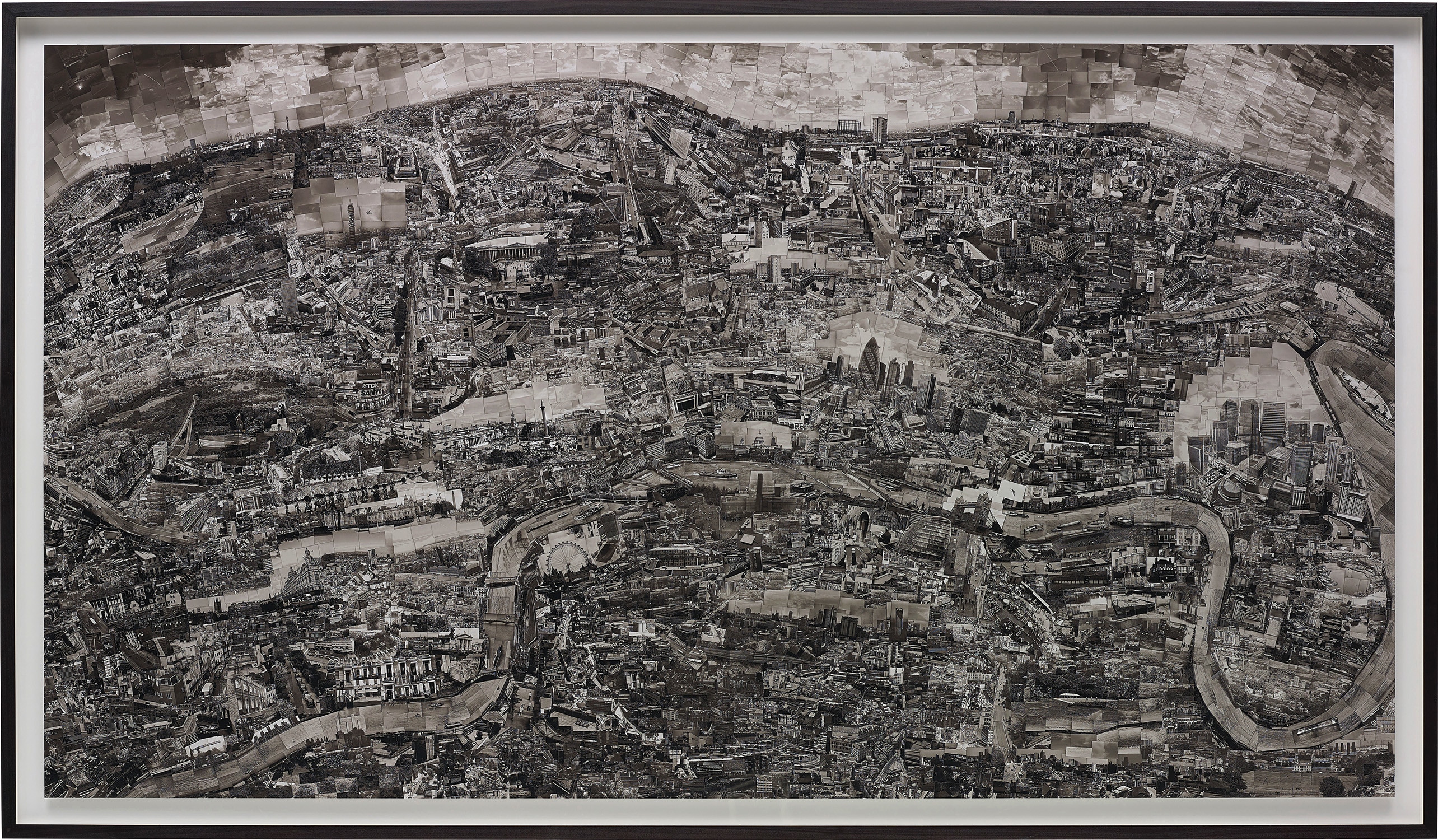
In 2023, the sustained international attention surrounding Sohei Nishino's Diorama Map series reached a quiet but significant milestone: works from the series now reside in the permanent collections of institutions on multiple continents, and his San Francisco edition, exhibited in partnership with SFMOMA, stands as one of the most discussed examples of photography's capacity to hold an entire lived experience within a single image. For a practice rooted in the most analogue of gestures, the solitary walk, the roll of film, the scissors and the print, Nishino's work has never felt more urgent. At a moment when cities are mapped by satellites and navigated by algorithms, his insistence on the body as the primary instrument of cartography feels both radical and deeply human. Nishino was born in 1982 in Japan, and his early formation as a photographer was grounded in a classical, material understanding of the medium. He studied photography at Osaka University of Arts, where he developed a rigorous relationship with film and with the physical print as an object rather than merely a document. The culture of Japanese craft, with its reverence for patience, repetition, and the transformation of humble materials into something transcendent, is legible throughout his practice. His approach to photography was never about the decisive instant in the manner of Henri Cartier Bresson, but rather about accumulation, about what happens when hundreds of instants are gathered together and allowed to speak collectively. The Diorama Map project began to take shape in the mid 2000s and represented a profound conceptual leap. The process is almost monastic in its demands. Nishino travels to a city, often spending weeks or months there, and walks its streets obsessively, shooting hundreds of rolls of medium format film. The prints are then developed, and he begins the painstaking work of cutting each image by hand and assembling them into a single, composite panorama that mimics the perspective of a bird hovering far above the city. The result is not a map in any conventional sense. It is a memory, a portrait of a city as it was experienced by one person moving through it at ground level, compressed and reconstructed into something that hovers between aerial photograph, woodblock print, and fever dream. The works that have emerged from this process form one of the most distinctive bodies of work in contemporary photography. The Diorama Map Tokyo, among the earliest and most celebrated of the series, established the visual language that would carry through to later cities: the slightly vertiginous sense of looking down while also looking across, the way recognizable landmarks emerge from the surrounding texture of streets and buildings like memories surfacing from a dream. Diorama Map London, available in a tightly limited edition of just five, plus two artist proofs, captures the city's sprawling, organic disorder with a warmth that official cartography never achieves. The Jerusalem edition, from a sold out run of fifteen plus two artist proofs, carries a particular weight, the layers of the city's ancient and contested geography rendered through the singular lens of one photographer's months of walking. Diorama Map Rio de Janeiro, which carried an SFMOMA exhibition label, places the city's extraordinary topography, its mountains and coastline and favelas, into a kind of shimmering, kaleidoscopic embrace. What distinguishes Nishino from other photographers working at the intersection of place and image is the insistence on the personal and the physical as the generating force of the work. There are artists who have explored the archive and the composite image, such as David Hockney with his photographic joiners in the 1980s, and there are photographers like Ed Ruscha who treated the city as a conceptual readymade, but Nishino's practice occupies its own territory. His closest spiritual cousins might be the Situationist tradition of the dérive, the drift through the urban environment as a form of knowledge production, or the long walking practices of artists like Hamish Fulton and Richard Long. Yet where those artists leave traces of their journeys in text or in minimal marks, Nishino leaves an image so dense and so specific that it constitutes a kind of total portrait. For collectors, the Diorama Map series presents a genuinely rare opportunity. The editions are extremely limited, many are sold out at the primary level, and the works that do appear on the secondary market carry the full force of a practice that has been validated by major museum collections and rigorous curatorial attention. The works are produced as both chromogenic prints and archival pigment prints, flush mounted and carefully signed, with documentation that speaks to the seriousness with which Nishino and his studio approach the object of the photograph. A collector acquiring a Diorama Map is not simply buying an image of a city. They are acquiring a record of an embodied, months long act of attention, something closer to a journal or a manuscript than to a conventional photographic edition. The art historical context for Nishino's work is rich and continues to expand. His practice speaks to a long tradition of artists who have treated the city as the primary subject of art, from the Impressionist painters who wandered the boulevards of Haussmann's Paris to the photographers of the New York school who turned the street into a stage. But he also participates in a distinctly contemporary conversation about what it means to represent a place in an era of total digital visibility. When every street has been photographed by a car mounted camera and every rooftop can be seen from space, Nishino's act of walking and cutting and layering insists that there is still something that only the individual human body can know about a city. The legacy of Sohei Nishino is still being written, and that is part of what makes collecting his work so compelling at this moment. He is a photographer who has found a form that is entirely his own, a form that synthesizes cartography, memory, craft, and conceptual rigor into something both visually spectacular and philosophically serious. Each Diorama Map is a world unto itself, a record of one person's love for a place expressed through thousands of small acts of looking. In an art world that often rewards spectacle over substance, Nishino's quiet, laborious, deeply personal practice stands as a reminder that the most powerful images are sometimes the ones built one step, and one photograph, at a time.