Georges de La Tour
2
Works
1
Followers
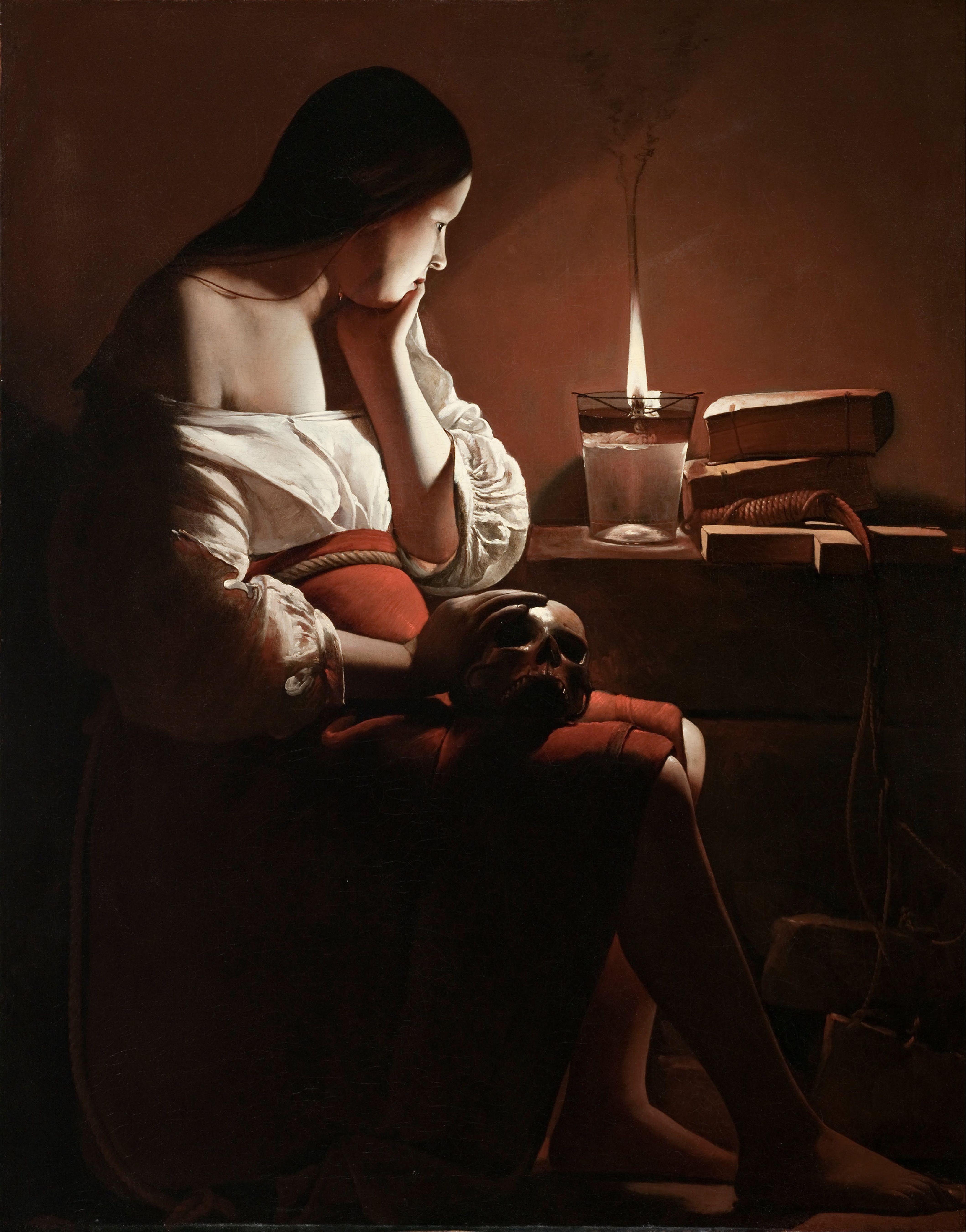
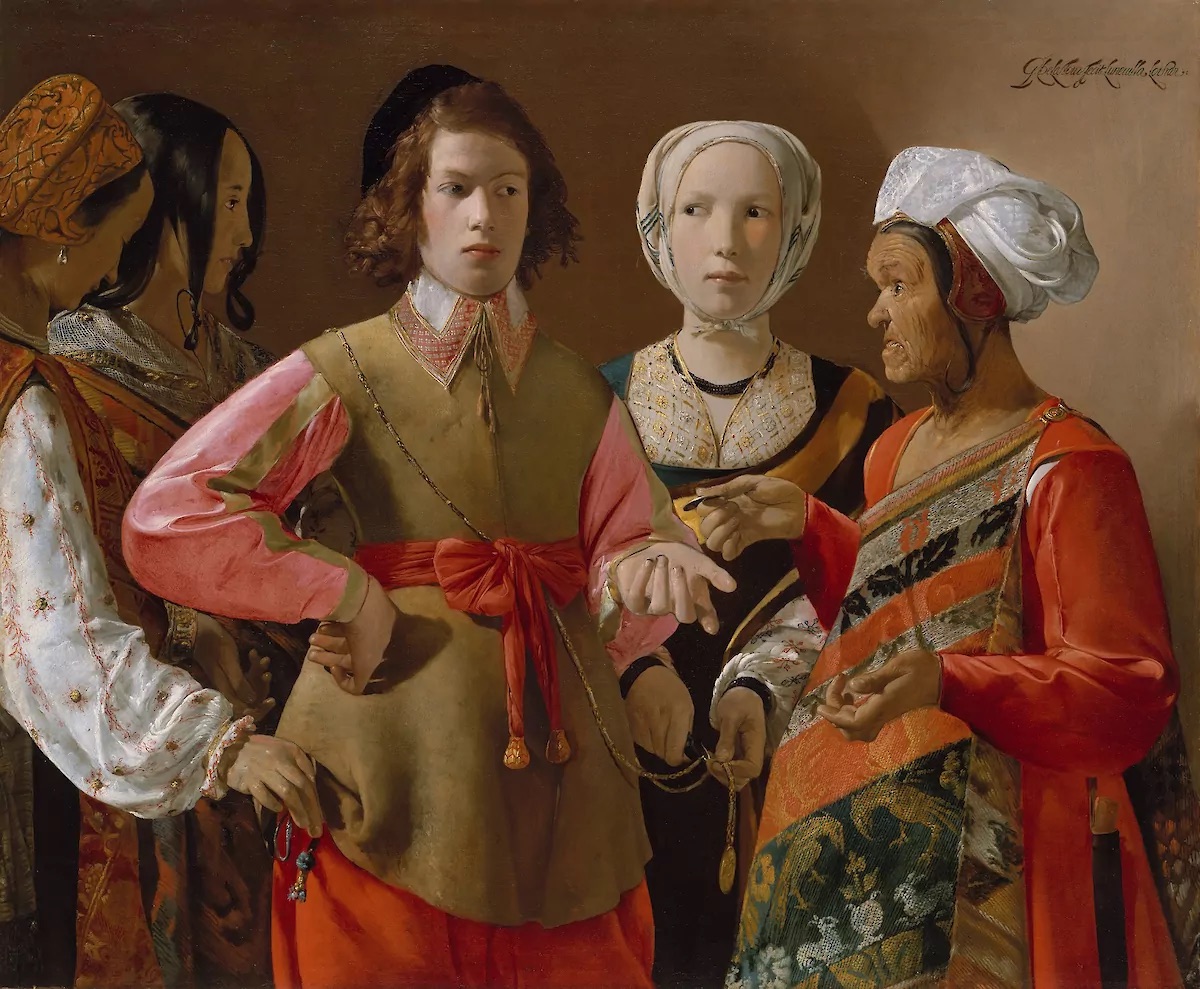
Georges de La Tour was a French Baroque painter born in Vic-sur-Seille in the Duchy of Lorraine, celebrated for his extraordinary mastery of candlelit nocturnal scenes and his deeply meditative religious compositions. Working in the tradition of Caravaggism, the powerful influence of Caravaggio's dramatic use of light and shadow, de La Tour developed a uniquely austere and geometric pictorial language that set him apart from his contemporaries. His figures are rendered with a simplified, almost sculptural solidity, stripped of excessive ornament, and bathed in the warm, intimate glow of a single candle or flame. This technique, known as chiaroscuro, achieved in de La Tour's hands a spiritual stillness and psychological intensity rarely equaled in European painting. Among his most celebrated works are 'The Penitent Magdalene' (c. 1640), 'The Newborn' (c. 1648), 'St. Joseph the Carpenter' (c. 1642), and 'The Denial of St. Peter' (c. 1650). These paintings reflect his consistent preoccupation with themes of faith, repentance, and quiet human drama. De La Tour was highly regarded during his lifetime, he was appointed painter to the French king Louis XIII, yet fell into near-total obscurity after his death, and his work was only systematically rediscovered and reattributed in the early 20th century, particularly following the landmark 1934 exhibition in Paris that brought him renewed recognition. De La Tour's significance in art history is immense. He occupies a singular position in the French Baroque, bridging Northern European realism with Italian Caravaggist influence while forging a deeply personal and contemplative style. His night scenes, with their hushed, glowing interiors and figures lost in meditation or prayer, anticipate a kind of spiritual minimalism that resonates strongly with modern sensibilities. Major examples of his work are held in the Louvre in Paris, the Musée des Beaux-Arts in Rennes, and the National Gallery of Art in Washington, D.C., cementing his legacy as one of the most poetic and quietly powerful painters of the 17th century.
Spotted by

Artists in conversation