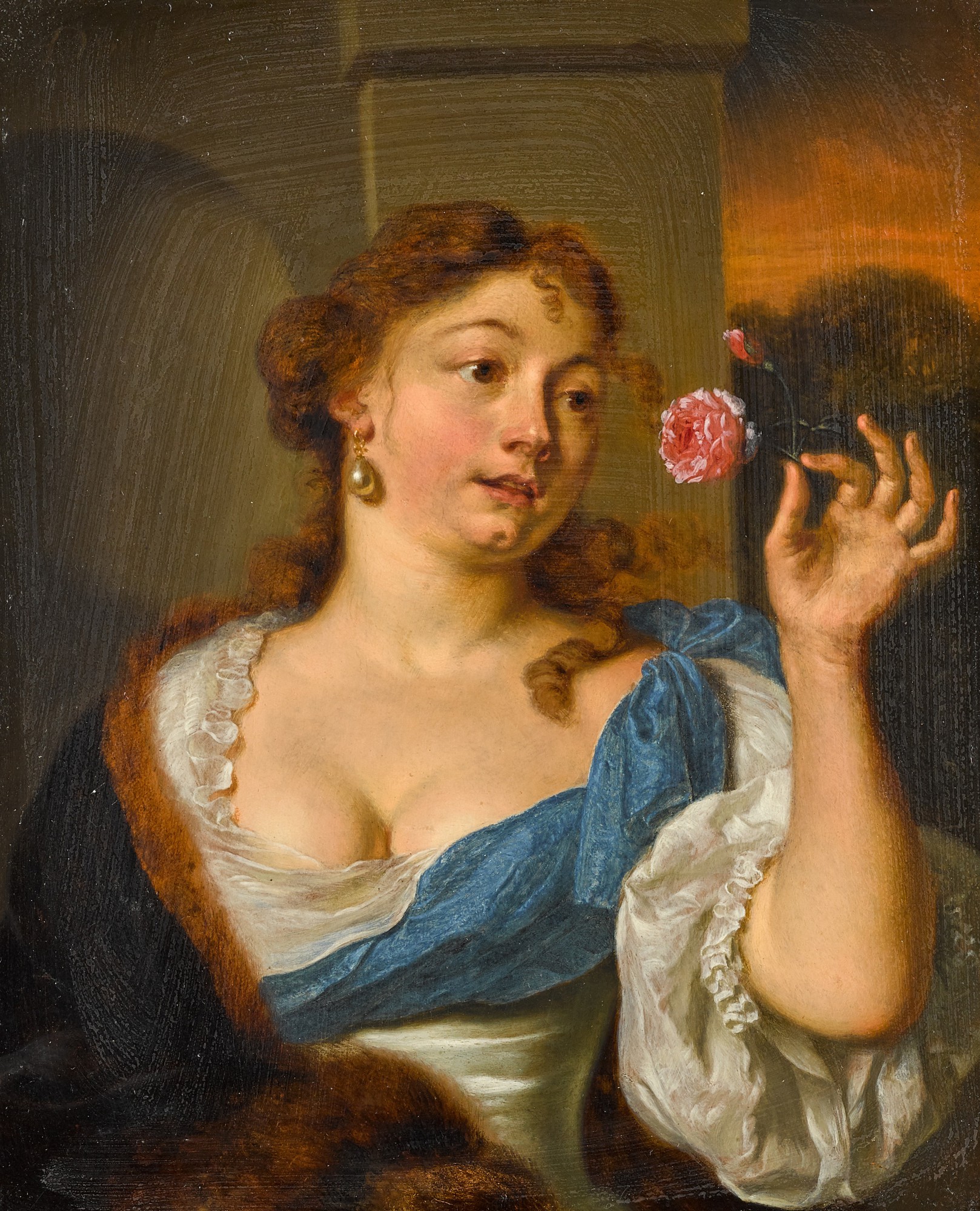
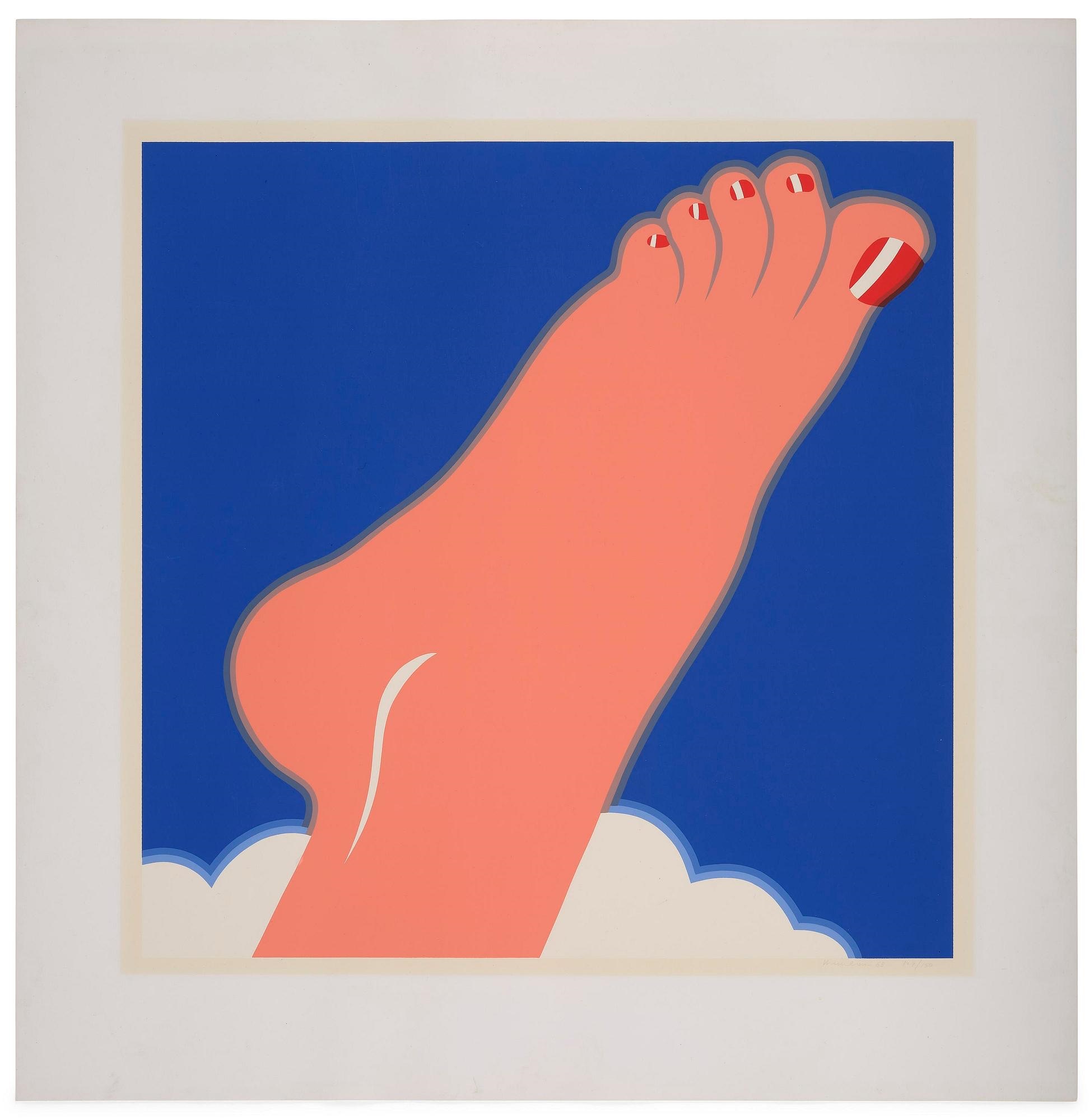
Oil On Copper
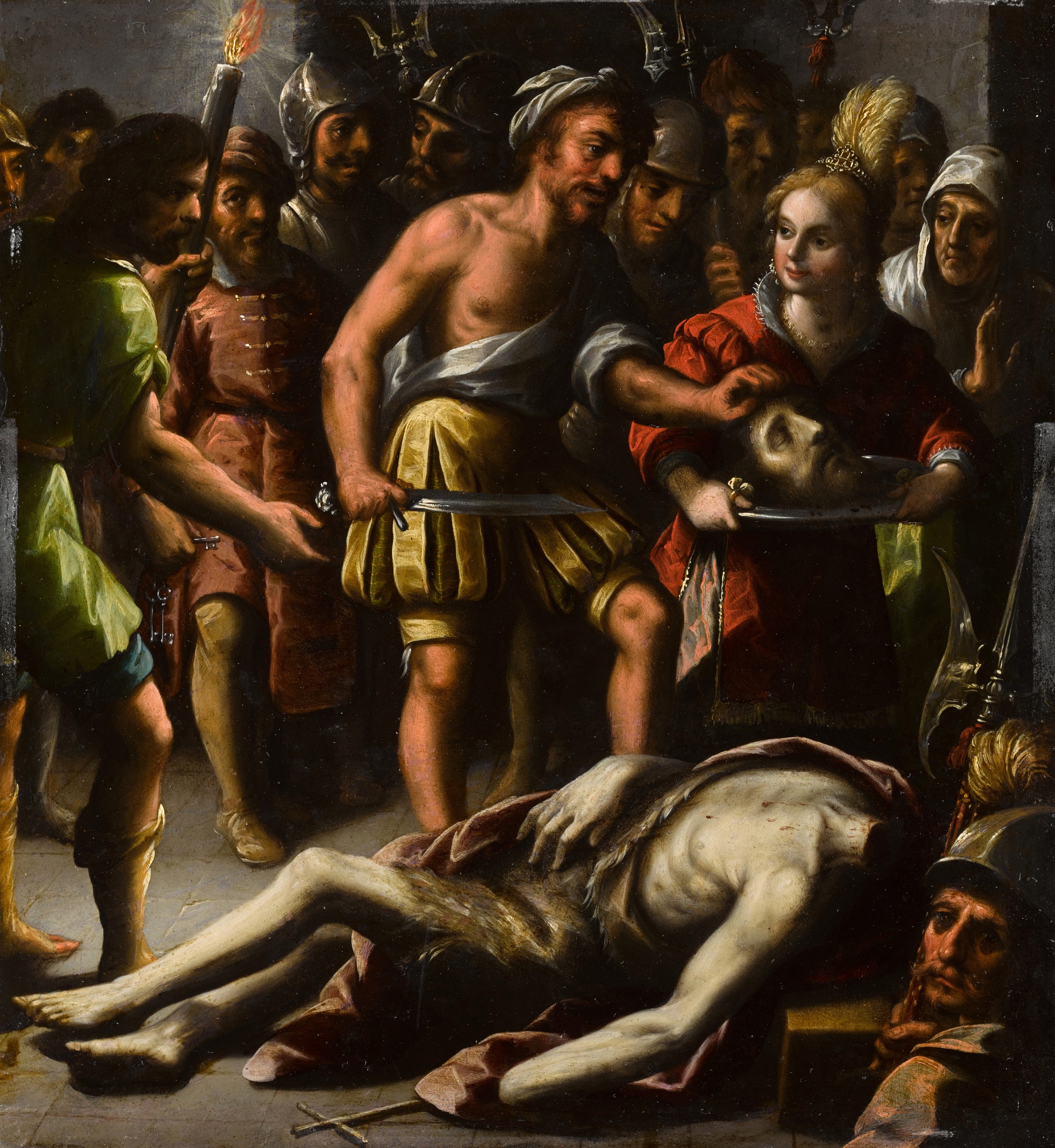
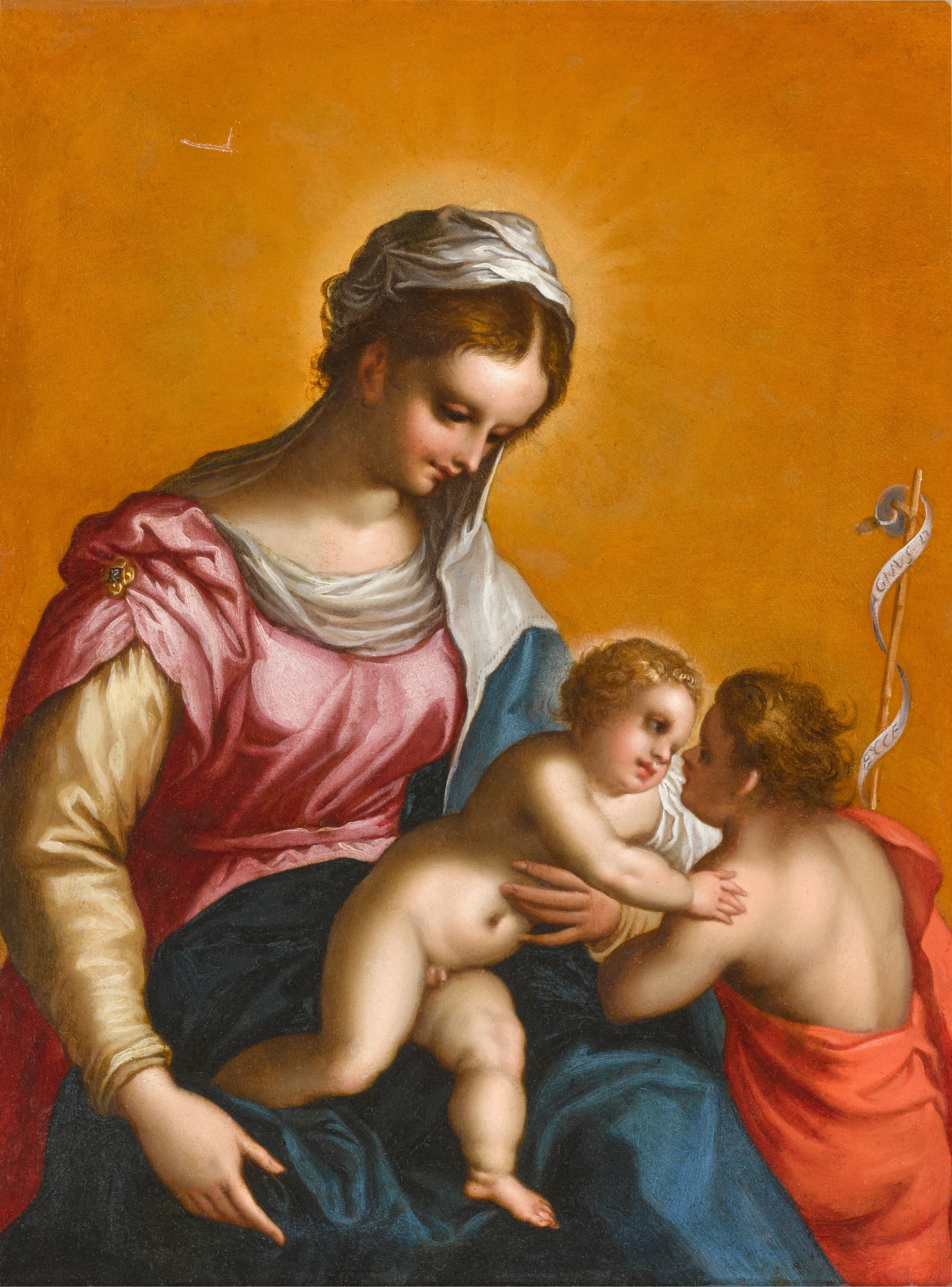
North Italian School, late 16th century
The Beheading of Saint John the Baptist
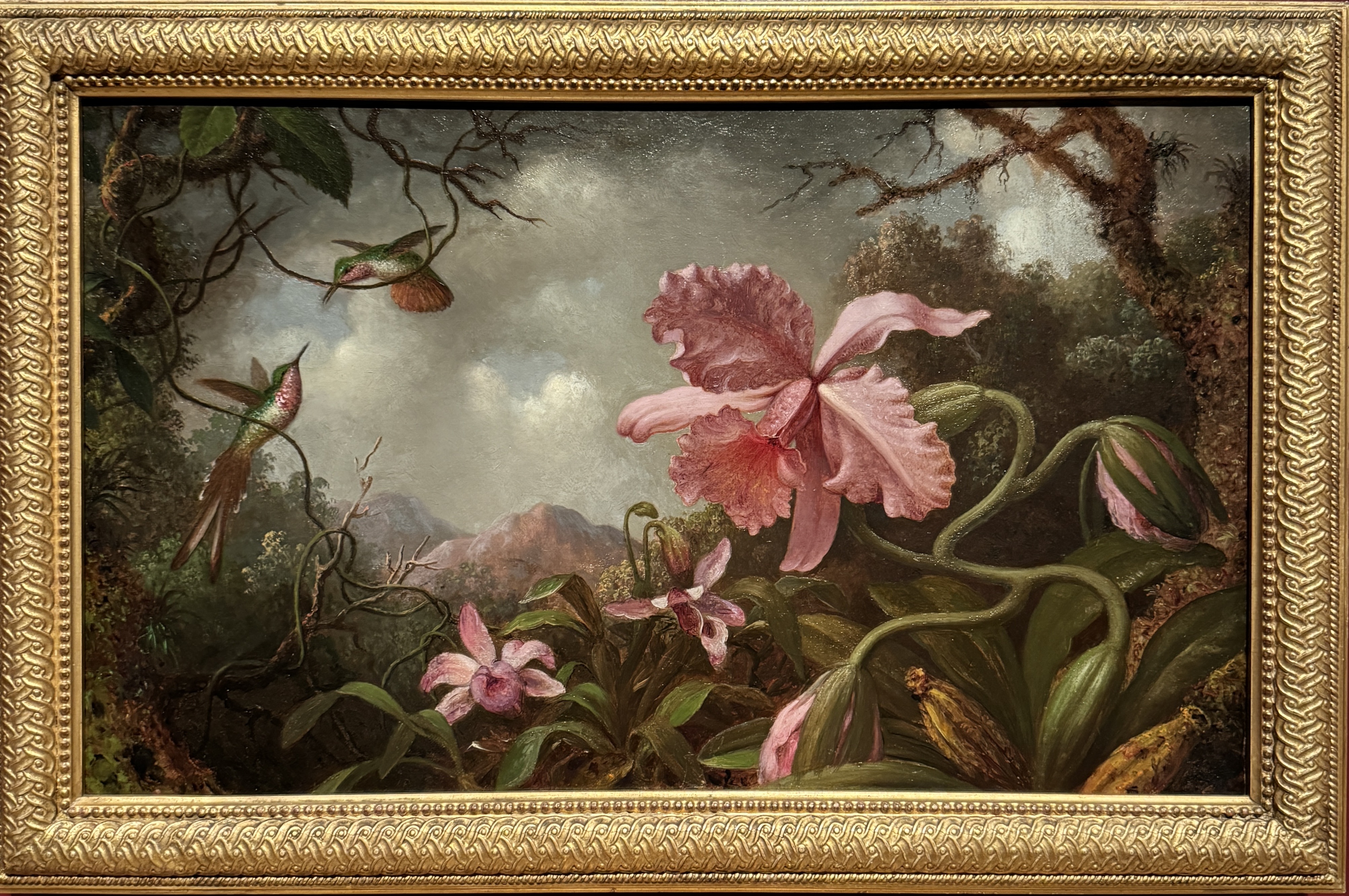



The Small Panel That Holds Everything
There is something almost irrational about the pull of oil on copper. You stand before a panel no larger than a hardback book and find yourself leaning in, closer and closer, until the world around you simply disappears. The luminosity is unlike anything achieved on canvas or wood. Light does not sink into copper the way it does into more porous supports.
It bounces back, giving the paint above it a jewel like intensity that collectors describe, almost universally, as addictive. These are objects that reward the kind of attention most of us rarely give to art, and that quality alone explains why serious collectors keep returning to them. Living with oil on copper is its own particular pleasure. Because the works tend toward the intimate in scale, they suit domestic environments in ways that monumental paintings simply cannot.

North Italian School, 17th century
Bust of Christ
A Flemish cabinet piece from the early seventeenth century sits beautifully on a shelf or a desk, inviting the eye without demanding it. The experience of ownership is different too. You can pick them up, turn them to the light, notice details you had previously missed. They accumulate meaning slowly, the way good friendships do, and that slow revelation is part of what makes them so compelling to collectors who are in this for the long term rather than the short spectacle.
Separating a good work from a great one in this category comes down to a handful of qualities that reveal themselves quickly to a trained eye. First and most important is the condition of the paint layer itself. Because copper expands and contracts with temperature changes, paint applied without the correct ground preparation will eventually lift or crack. Great examples show no cleavage, no loss, and a surface that remains as intended by the artist.
Unknown
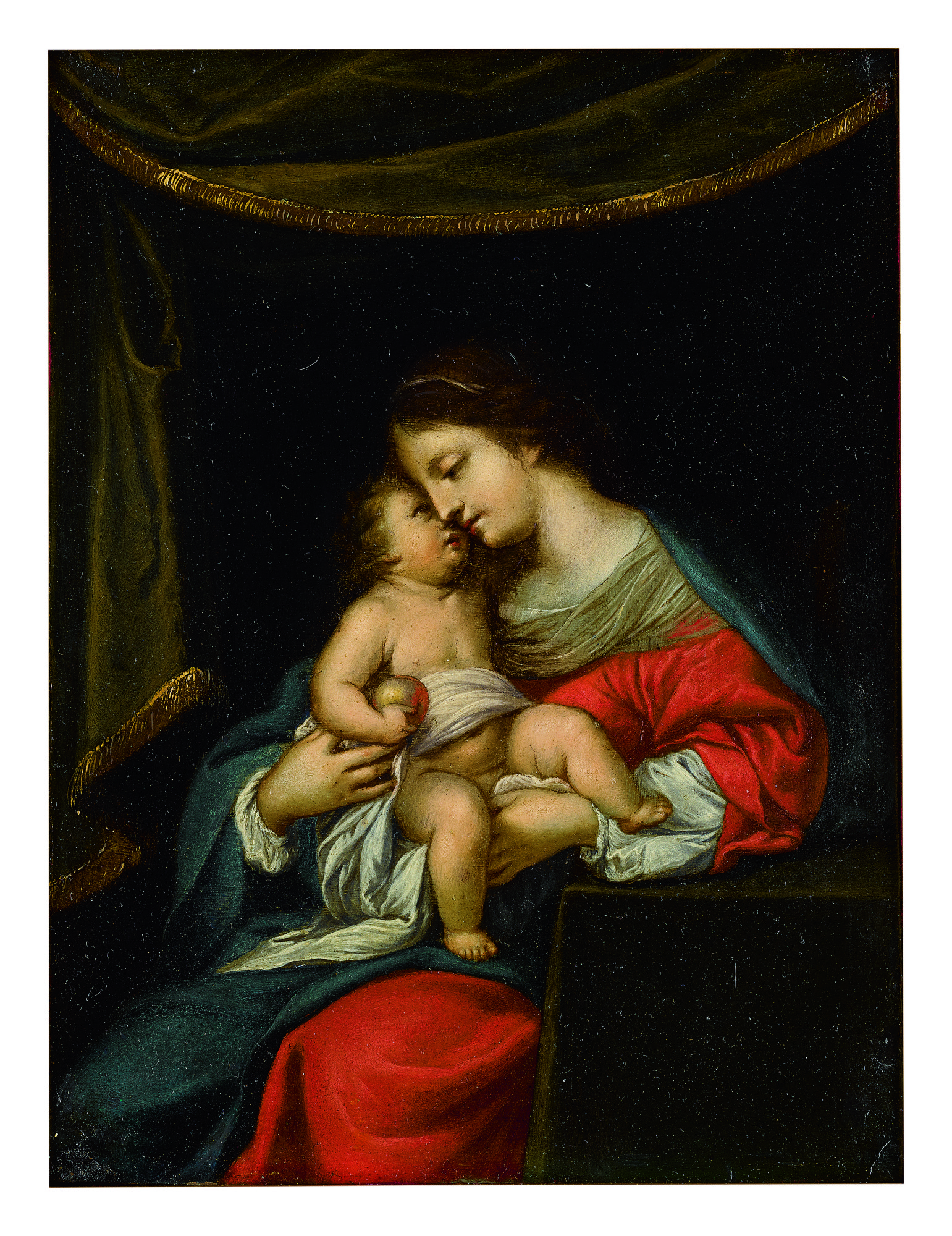
Virgin And Child Holding An Apple
Beyond condition, look at the quality of the copper preparation: the finest works were painted on panels that had been treated to create an almost imperceptibly textured surface, just enough for the paint to grip without losing its reflective advantage. A perfectly smooth, mirror like copper support can actually work against the painter, and the most skilled artists understood this intimately. The artists represented on The Collection offer a serious cross section of the tradition at its height. Jan Brueghel the Elder is perhaps the name that commands the most immediate market recognition, and rightly so.
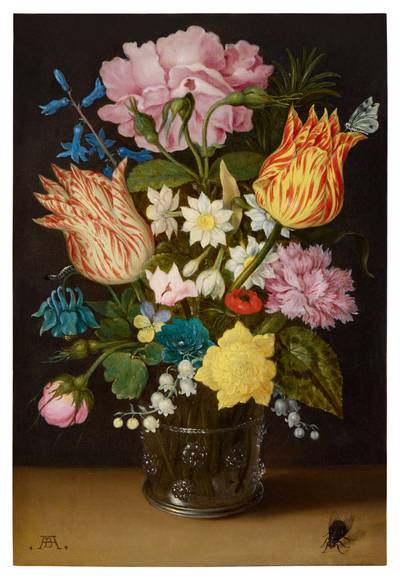
His cabinet paintings set a standard for the genre that his contemporaries acknowledged openly, and the market has never really forgotten it. Works associated with his workshop or his circle carry genuine appeal, but a painting securely attributed to his hand represents a different category of acquisition entirely. Jan van Kessel the Elder, his grandson, developed the tradition into something more scientifically curious, with his studies of insects and flora anticipating a kind of natural philosophy that feels surprisingly modern. Ambrosius Bosschaert the Elder brought to copper a floral stillness of extraordinary refinement, and his works are among the most sought after in the category at auction.
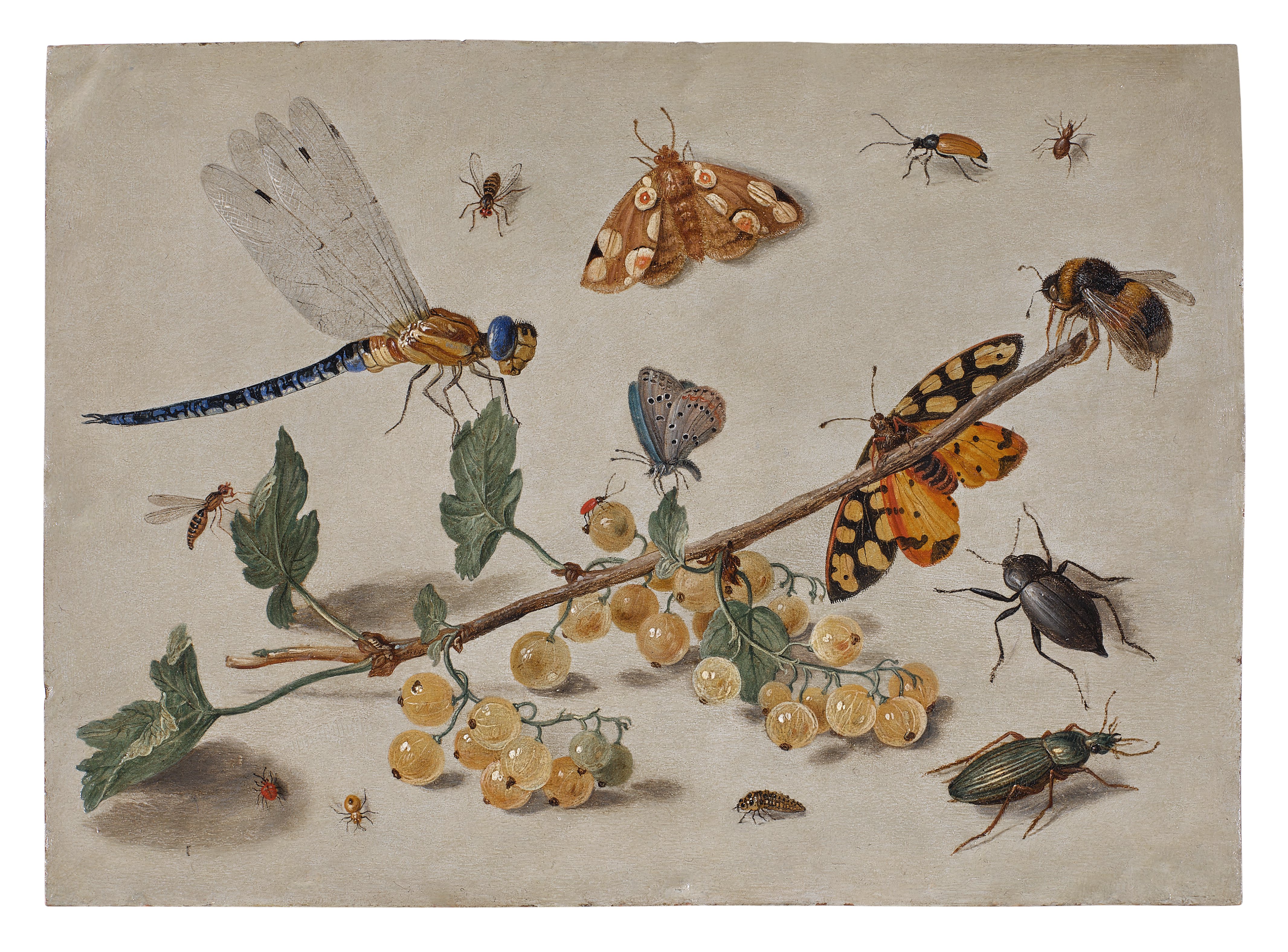
Jan van Kessel the Elder
Sprig of Gooseberries with a Dragonfly, Butterflies, Beetles, and a Bee
These are not simply decorative paintings. They are arguments about the nature of observation itself. Beyond the blue chip names, the category holds real opportunity for the collector willing to look carefully at less celebrated figures. Hans Rottenhammer the Elder worked in Venice and Rome before returning north, and the Italian influence on his handling of light gives his copper panels a warmth that sets them apart from his Flemish and Dutch contemporaries.
Carlo Saraceni, working in Rome in the early seventeenth century, brought a Caravaggesque drama to the support that feels bold even now. Gonzales Coques, sometimes called the little van Dyck, painted exquisitely refined portraits and genre scenes that have not yet attracted the sustained market attention they deserve. Adriaen van Stalbemt is another name worth watching closely: his small landscape and allegorical panels combine technical accomplishment with genuine pictorial intelligence, and prices for his work remain accessible relative to the quality on offer. At auction, oil on copper performs with notable consistency at the mid to upper end of the Old Masters market.
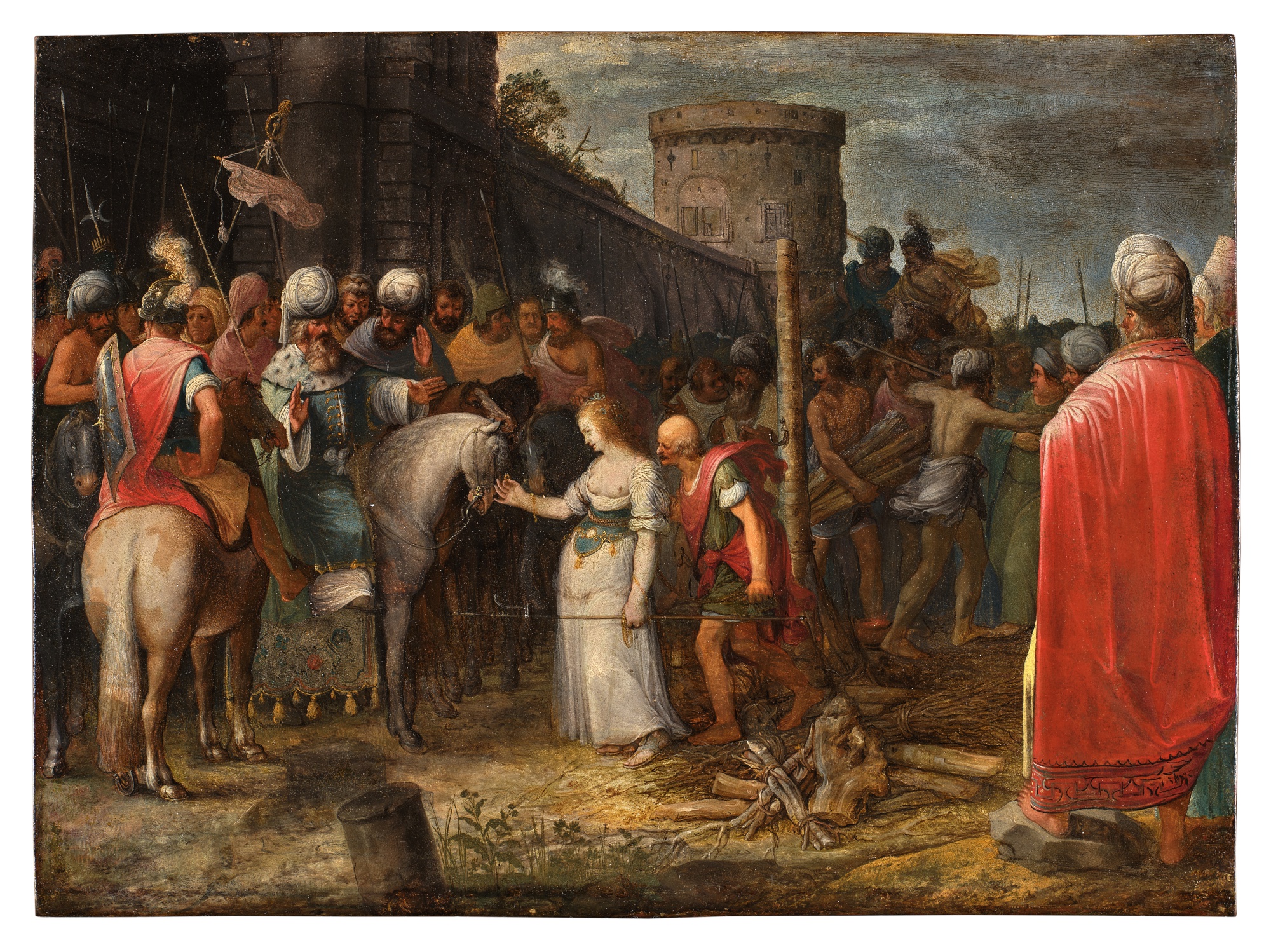
Adriaen van Stalbemt
Tamar Being Led to the Stake
Christie's and Sotheby's have both seen strong results for Flemish cabinet pieces in recent years, with condition reports and provenance documentation playing an outsized role in outcomes. A work with a clean auction history, an exhibition record, and a published catalogue entry will typically outperform a comparable work of equal quality that arrives without that documentation. The secondary market rewards scholarship, and collectors who invest in having their works studied and published often see that investment returned when it comes time to sell. The relatively small scale of these works also makes them easier to transport and insure, which matters more than people admit when it comes to the practical realities of collecting.
Condition is the single most important practical consideration when acquiring oil on copper, and it deserves more than a passing look. Before any purchase, ask for a technical examination report and ideally an ultraviolet inspection, which will reveal old restorations that are invisible in normal light. Temperature stability matters for long term preservation: avoid hanging these works above radiators or on exterior walls where temperature fluctuation is greatest. In terms of display, a small copper panel can be overwhelmed by an ornate frame or lost against a busy wall.
The finest private collections tend to give these works space and thoughtful lighting, often with a directed low heat LED source that allows the reflective quality of the support to do what it was always meant to do. When speaking with a gallery, ask directly about provenance, ask whether the attribution has been reviewed by a specialist in the relevant period, and ask whether the work has ever been on the market before. The answers will tell you a great deal, not just about the work itself, but about the dealer you are working with.