Oil And Pencil

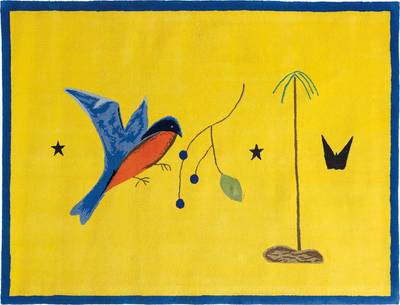
John Wells
Abstract Composition, 1960




The Mark That Lives Between Two Worlds
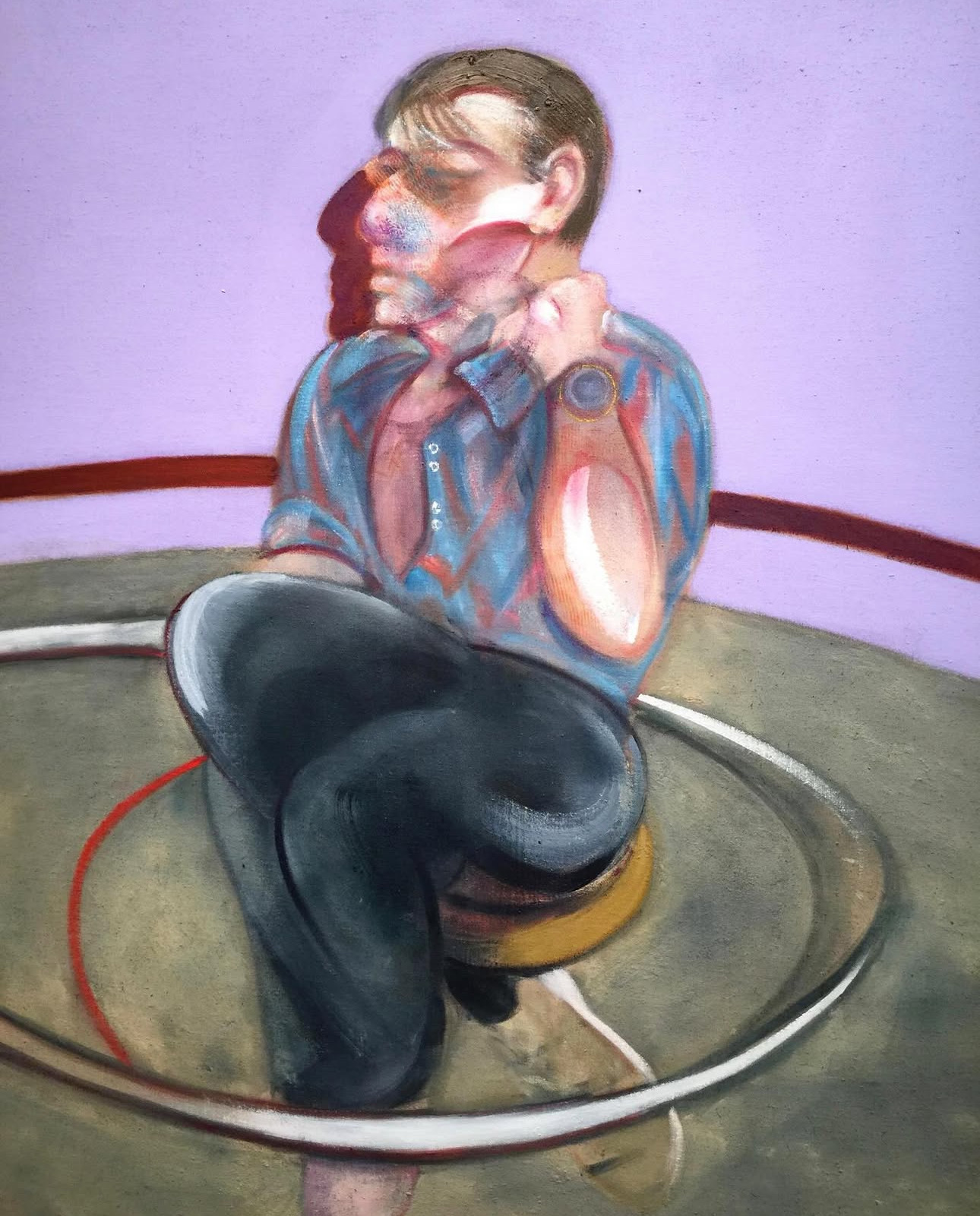
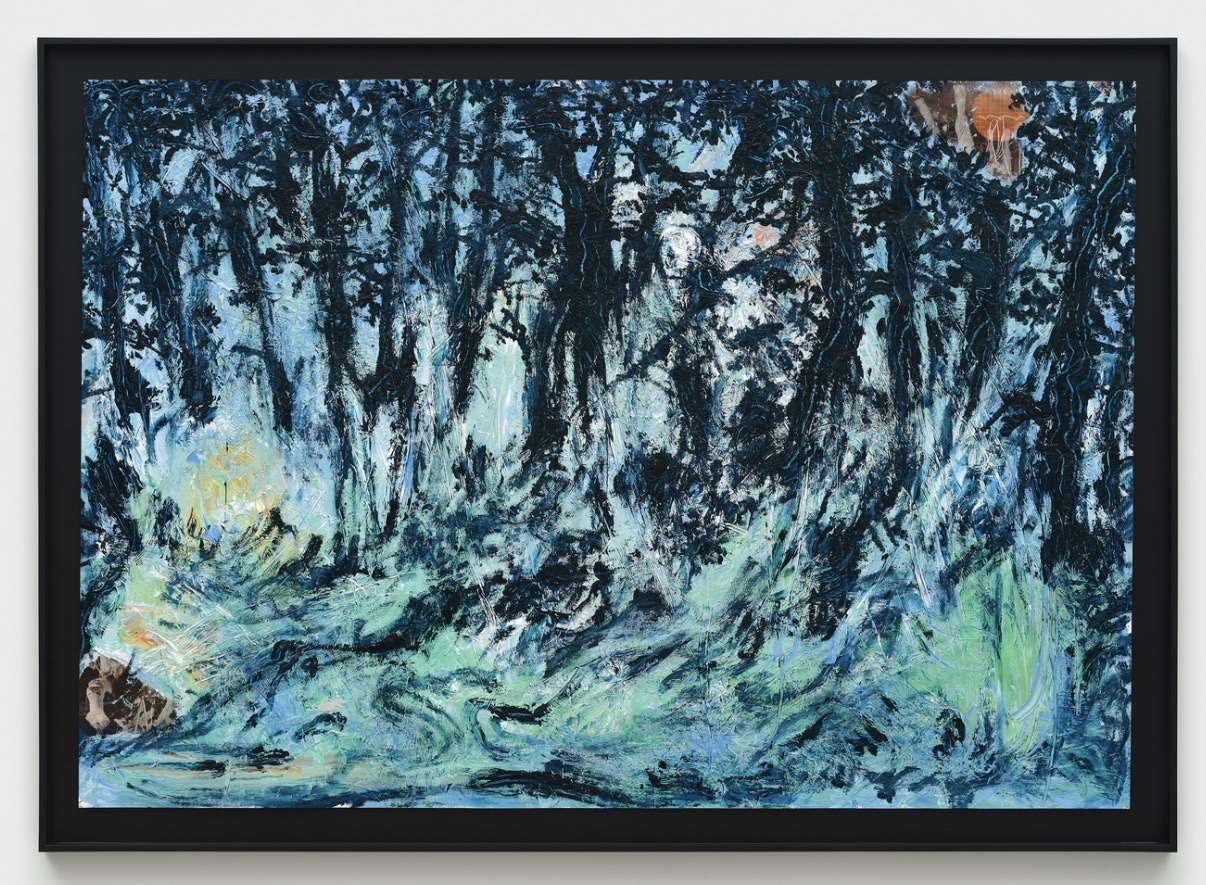
There is something quietly seductive about a work that refuses to commit entirely to one medium. Oil and pencil, as a combined approach, occupies a particular psychic territory that collectors respond to in ways they often find difficult to articulate. It is the sensation of watching a mind at work, of seeing the hesitation and the certainty coexist on the same surface. The pencil line beneath an oil passage carries evidence of thinking, of revision, of the human hand deciding and undeciding before committing.
This is part of what makes works in this category so compelling to live with over time. They reward sustained looking. For collectors who have spent years with purely painted works, adding an oil and pencil piece to a collection can feel like tuning into a different frequency. The graphite beneath or alongside the oil does something structurally important: it reminds the viewer that a painting is also, at its foundation, a drawing.
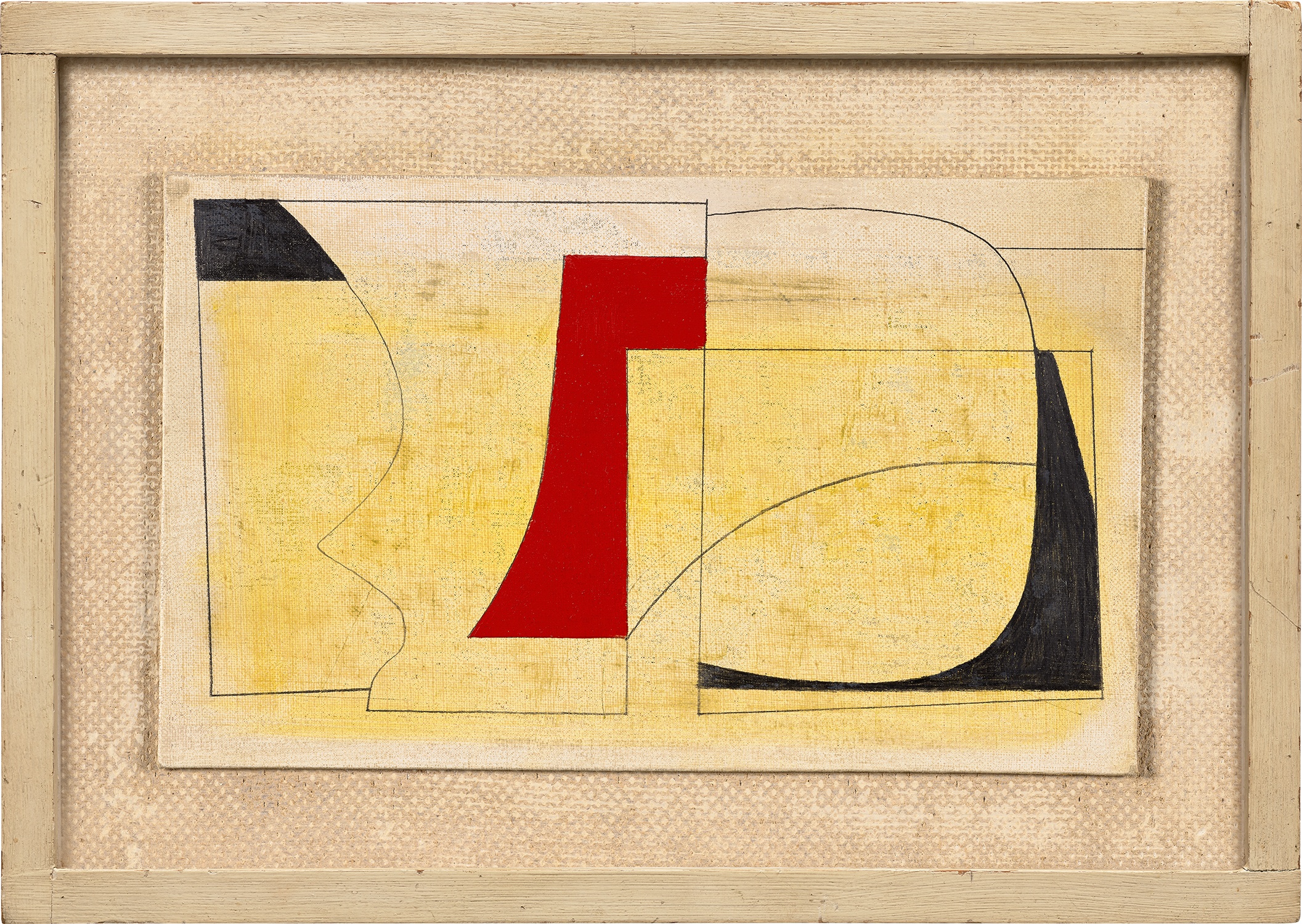
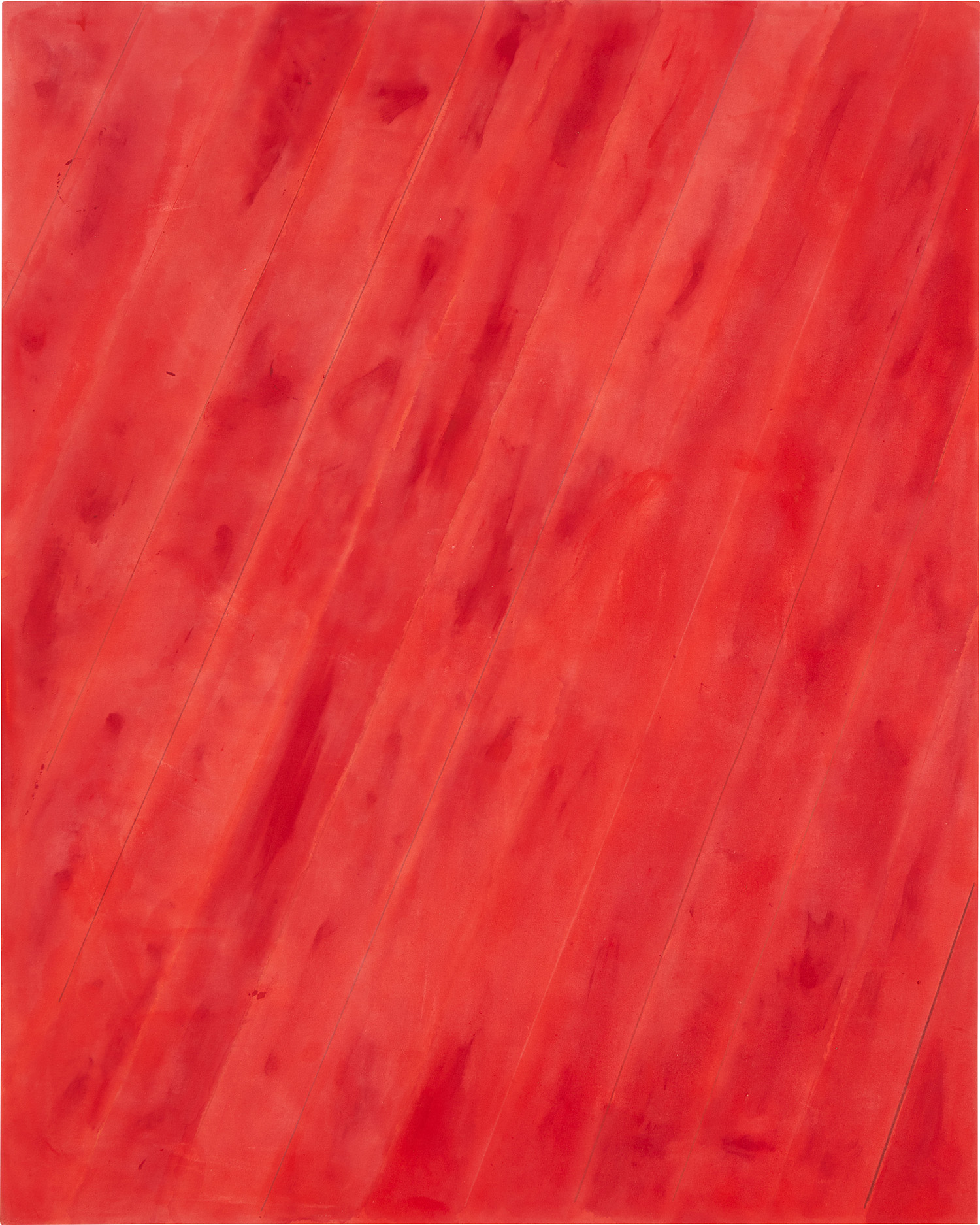
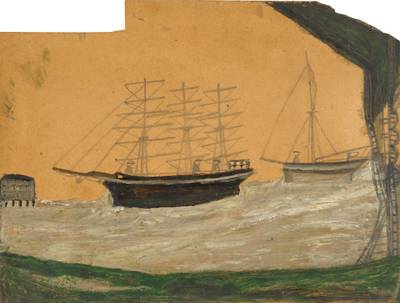
Ben Nicholson
Red to Black
Ben Nicholson understood this profoundly, and his practice across the mid twentieth century showed how pencil could anchor a composition while oil carried the emotional temperature. Works from his St Ives period in particular demonstrate how this dual approach could produce images of exceptional economy and poise. When a work is this controlled, and still breathes, that is the mark of genuine mastery. So what separates a good work from a great one in this category?
The answer comes down to integration. In weaker examples, the pencil marks and the oil passages feel like two separate decisions that happened to occur on the same surface. In genuinely strong works, there is a dialogue between the mediums, a call and response where each element activates the other. Collectors should look closely at where the pencil remains visible and ask whether that decision was intentional or incidental.
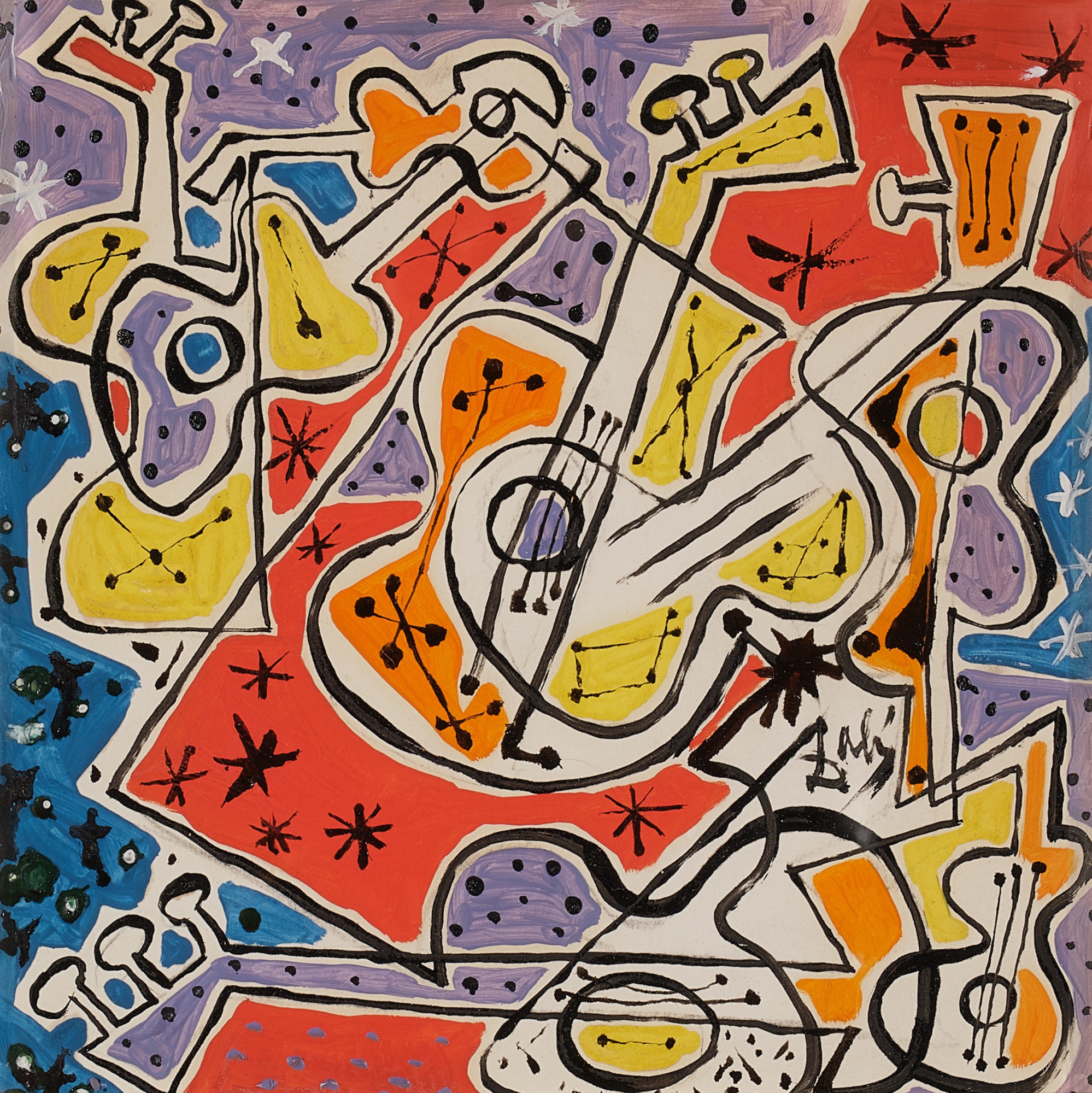
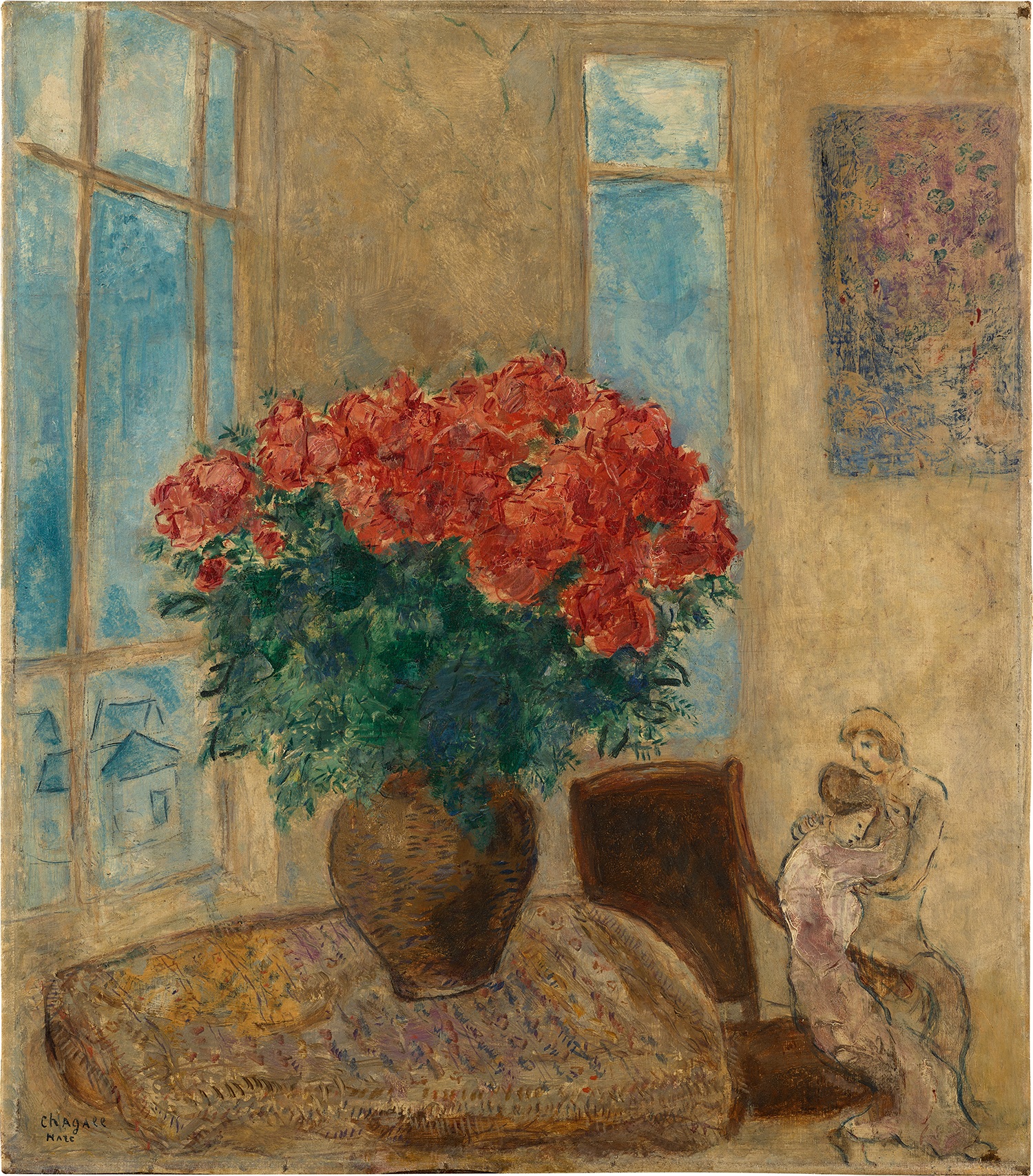
Salvador Dalí
Les Guitares, 1953
The most collectible examples use the exposed graphite as a compositional and expressive tool, not simply as underdrawing that was never covered. That transparency of process, rather than the concealment of it, is what creates the sense of intimacy that makes these works so magnetic. Salvador Dalí worked across media with enormous facility, and his smaller scale works on paper incorporating both drawn and painted passages reveal a side of his practice that often surprises collectors accustomed to his grand theatrical canvases. Joan Miró similarly moved fluidly between drawing and painting in ways that make strict medium categories feel almost beside the point.
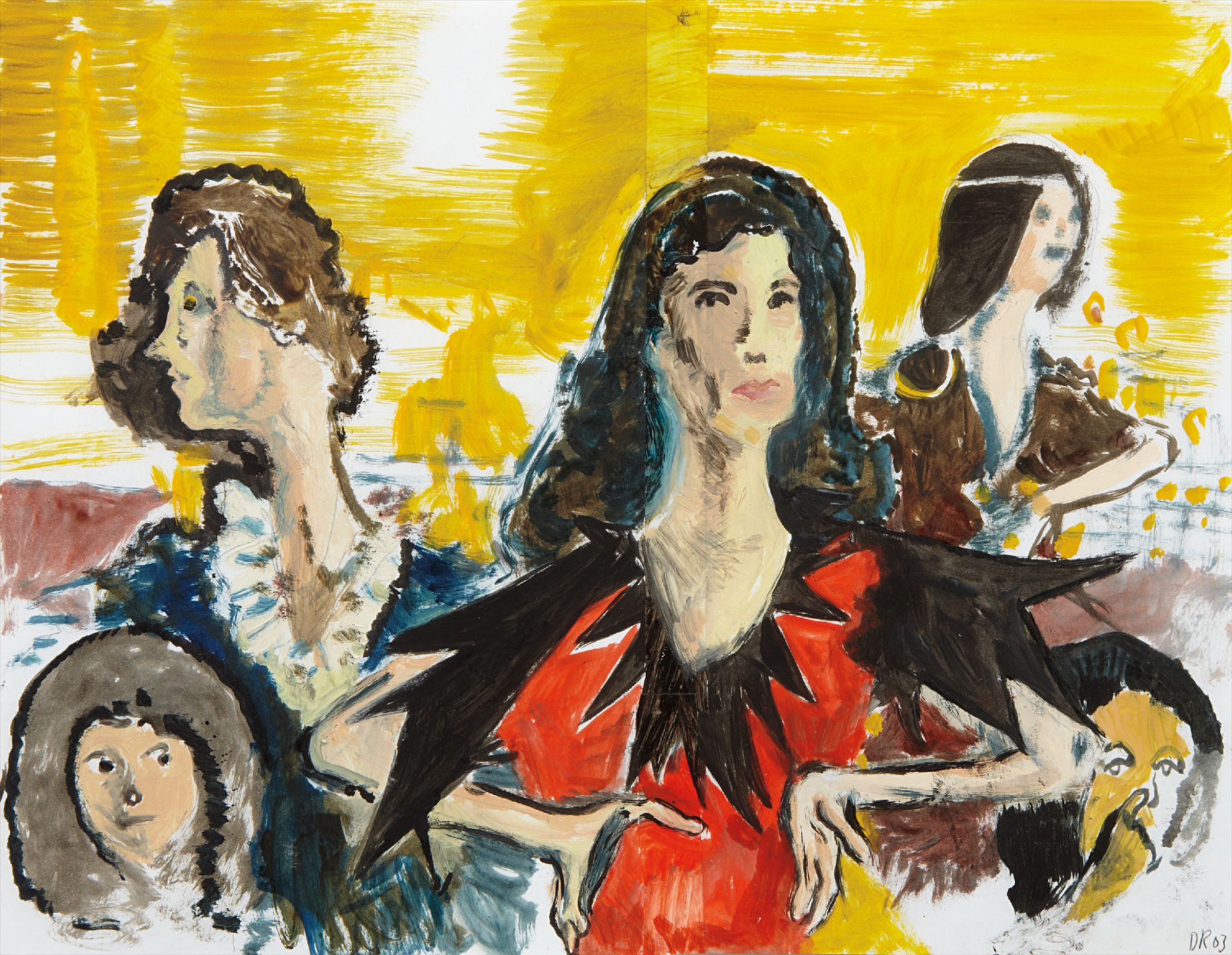
Works by these artists that combine oil and pencil can represent genuinely significant moments of creative thinking made visible, rather than polished final statements. Euan Uglow, whose patient and methodical approach to the figure has earned him devoted collectors particularly in Britain, also left evidence of his measuring and marking systems within finished works in ways that speak directly to this tradition of visible process. These are works that do not pretend the thinking away. For collectors watching the market with an eye toward value, the oil and pencil category contains opportunities that have not been fully recognised at a broader level.
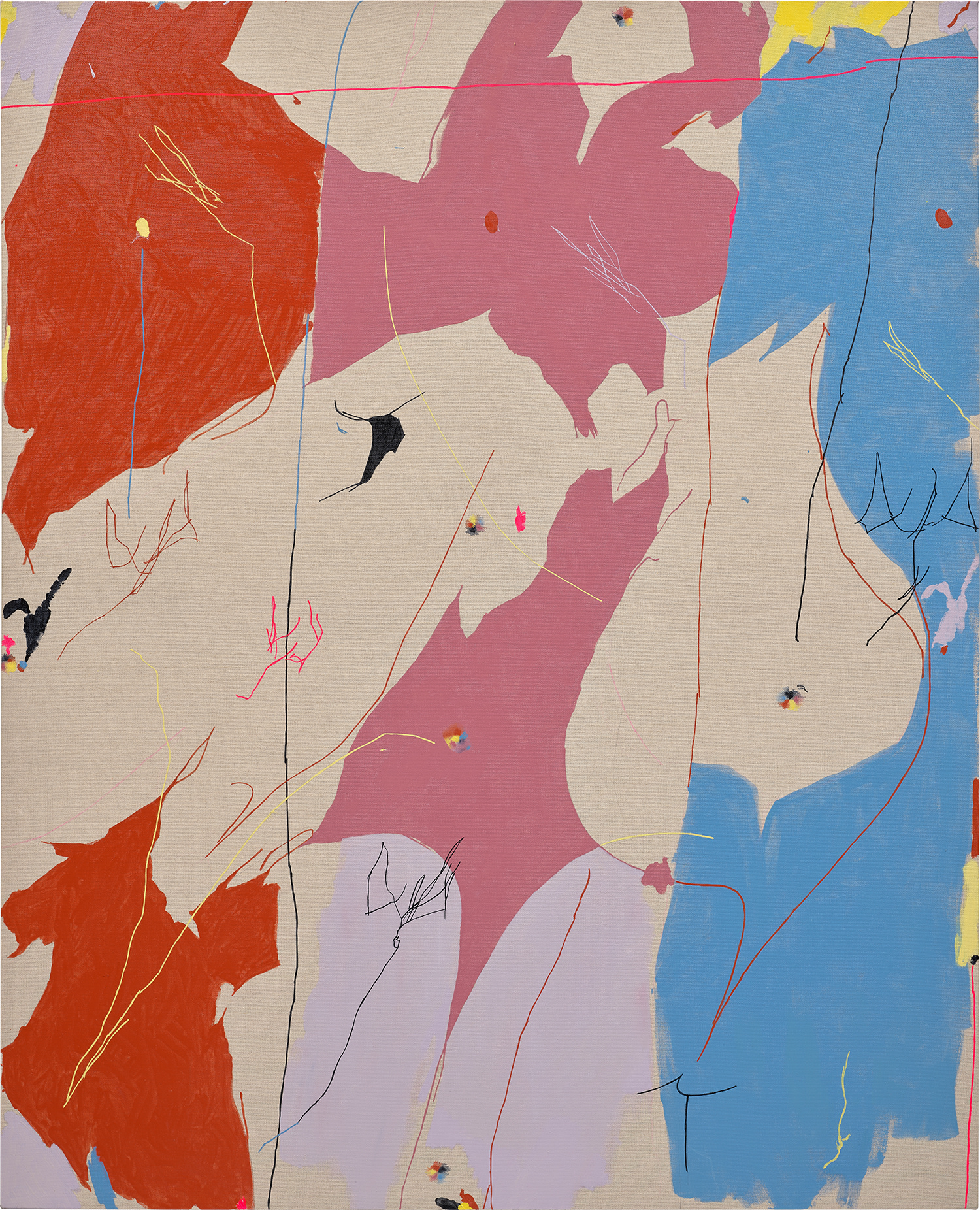
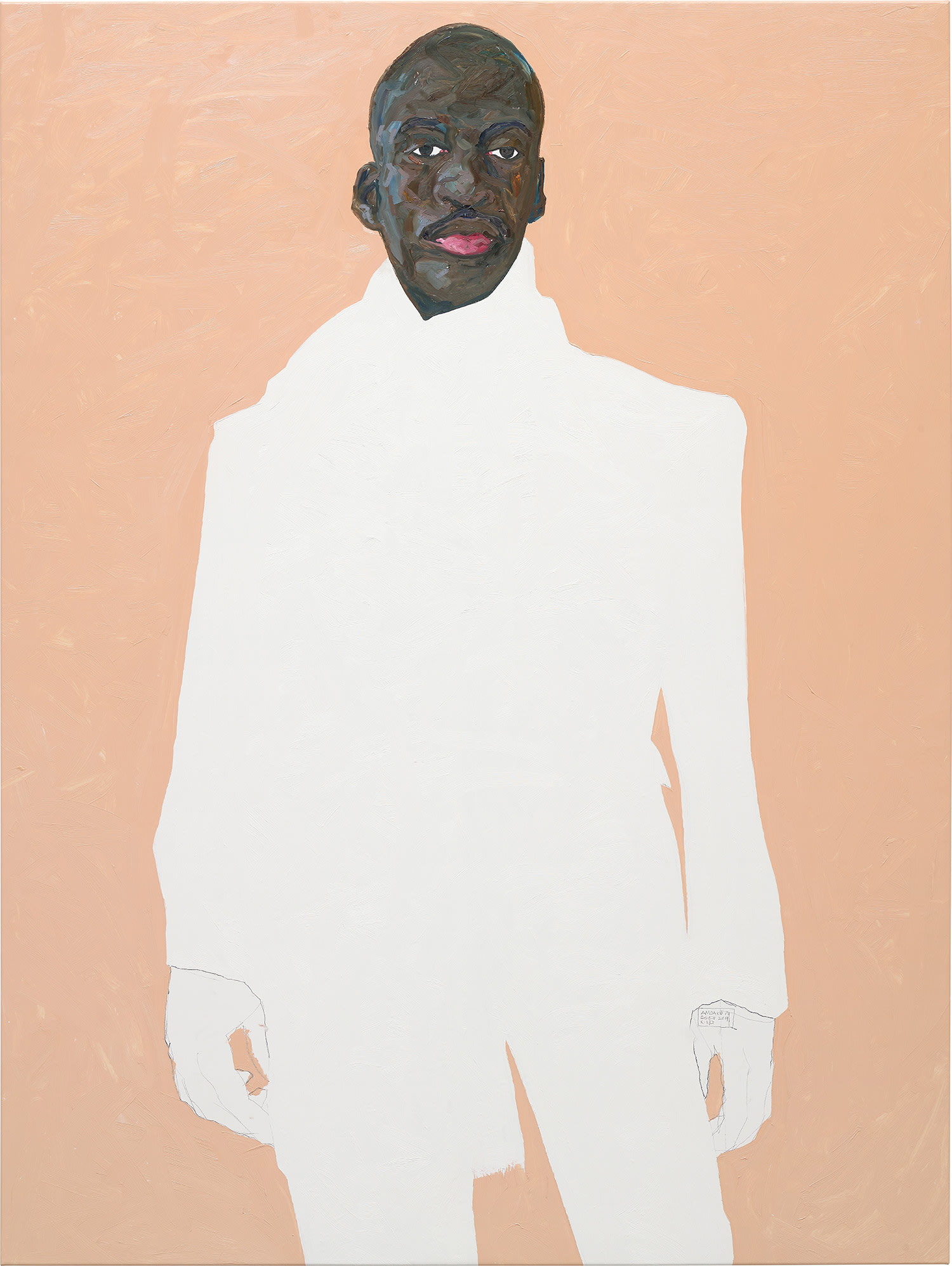
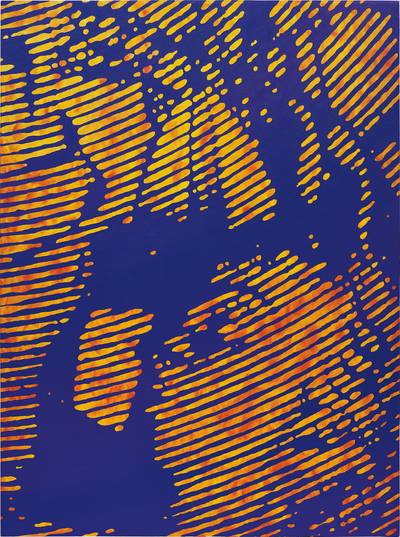
Maysha Mohamedi
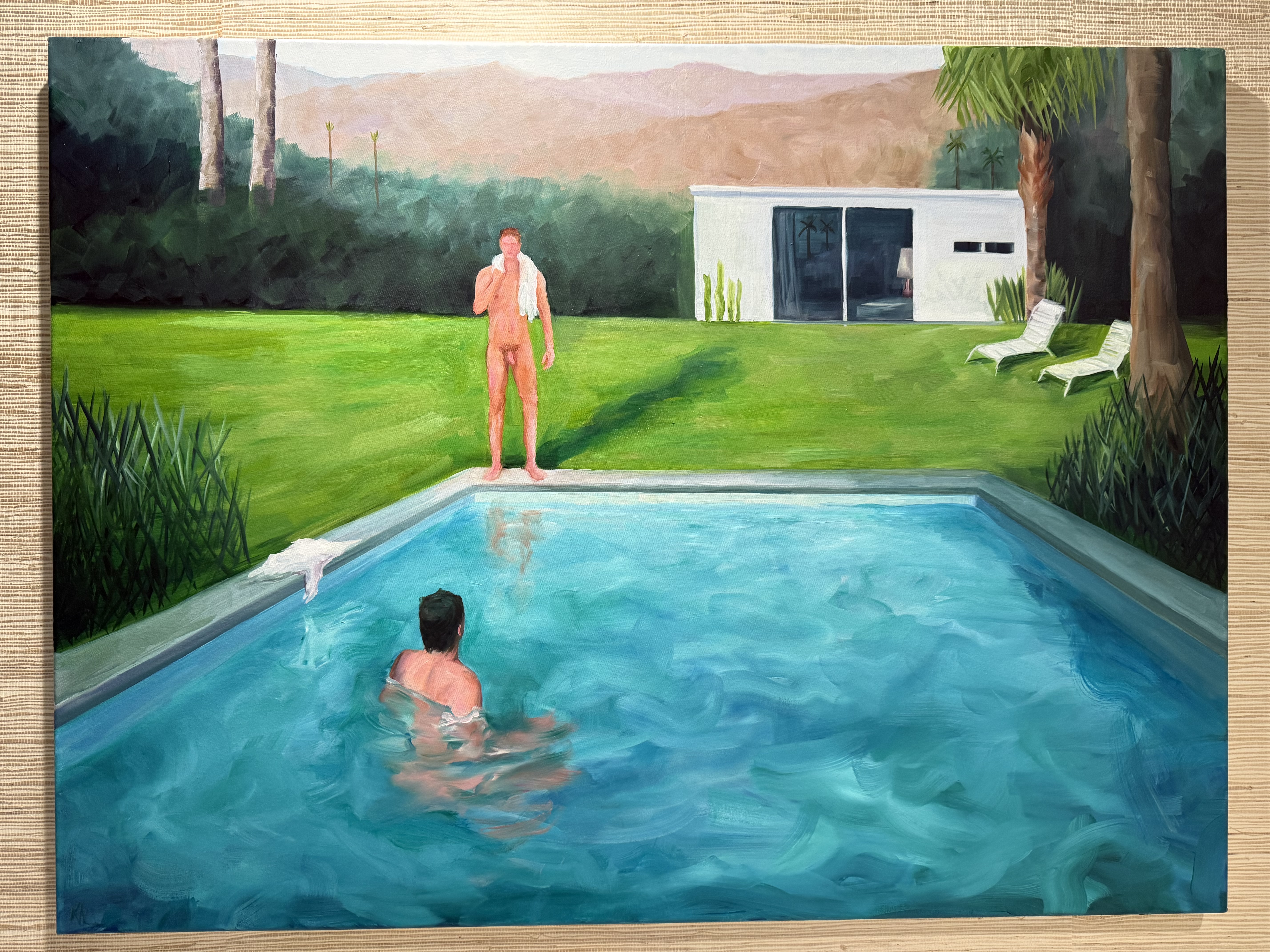
Sex in Zion National Park in 2021, 2020
Maysha Mohamedi, whose layered and physically intense surfaces incorporate drawing as an integral structural element, is developing a body of work that commands serious attention. Her prices reflect a market that is paying attention but has not yet reached the kind of consensus valuation that typically follows major institutional survey exhibitions. Similarly, Azadeh Razaghdoost brings a precision and a conceptual rigour to her work that positions her well for sustained critical and market interest. The early stages of a collector relationship with artists at this point in their careers are often where the most meaningful connections, and the most sensible acquisitions, are made.
At auction, works combining oil and pencil have historically performed with a notable degree of consistency, particularly when the artist has a well established market and the work can be clearly situated within a recognised period of practice. The challenge in this category is provenance and condition documentation, because the interaction of oil and graphite can complicate condition assessment for specialists who are accustomed to evaluating each medium in isolation. A work that appears to have surface irregularities may in fact be exhibiting intentional layering of pencil over partially dried oil, and misreading this can affect both auction estimates and private sale valuations. Bringing a conservator's eye to acquisitions in this space is not overcautious, it is simply sensible practice.
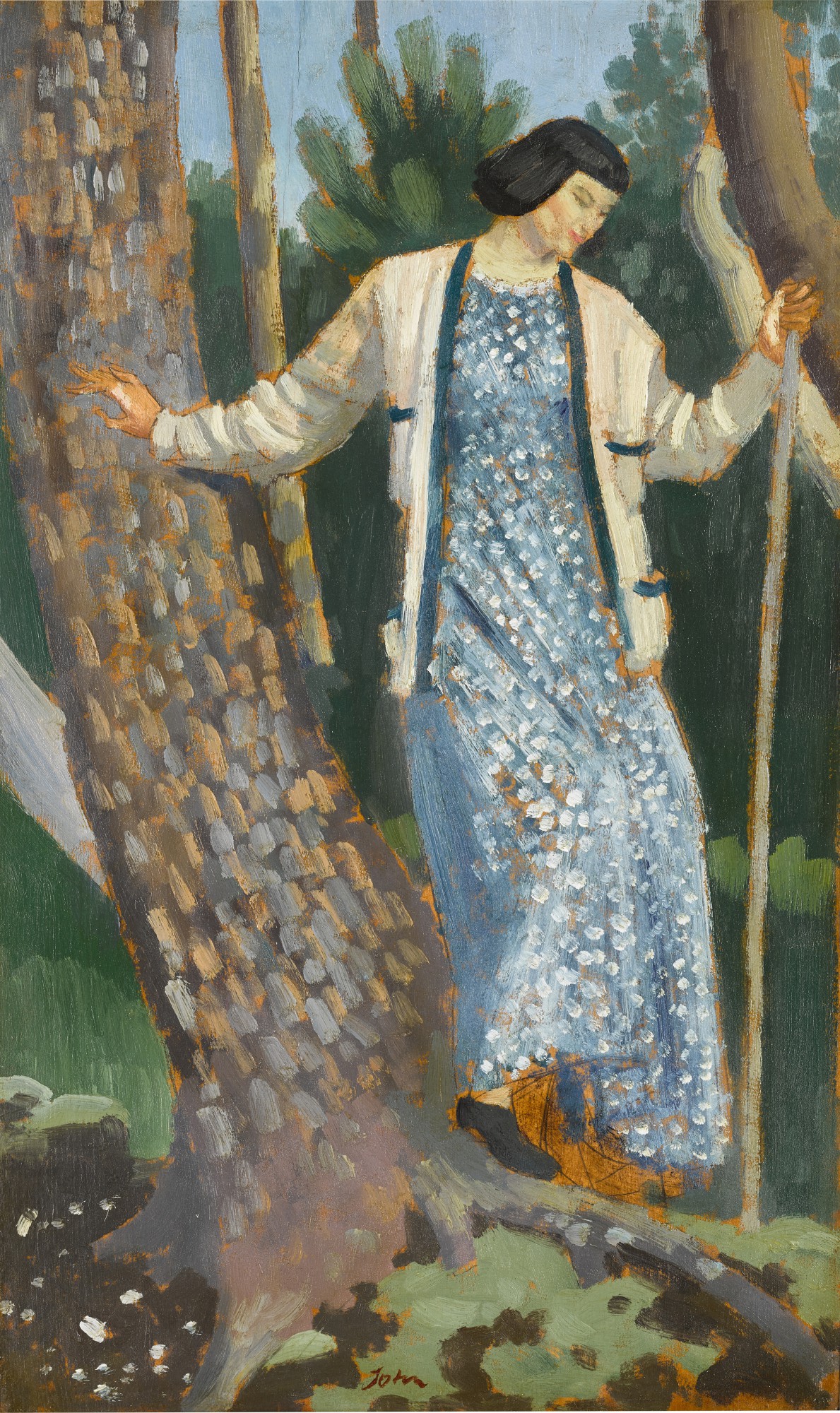
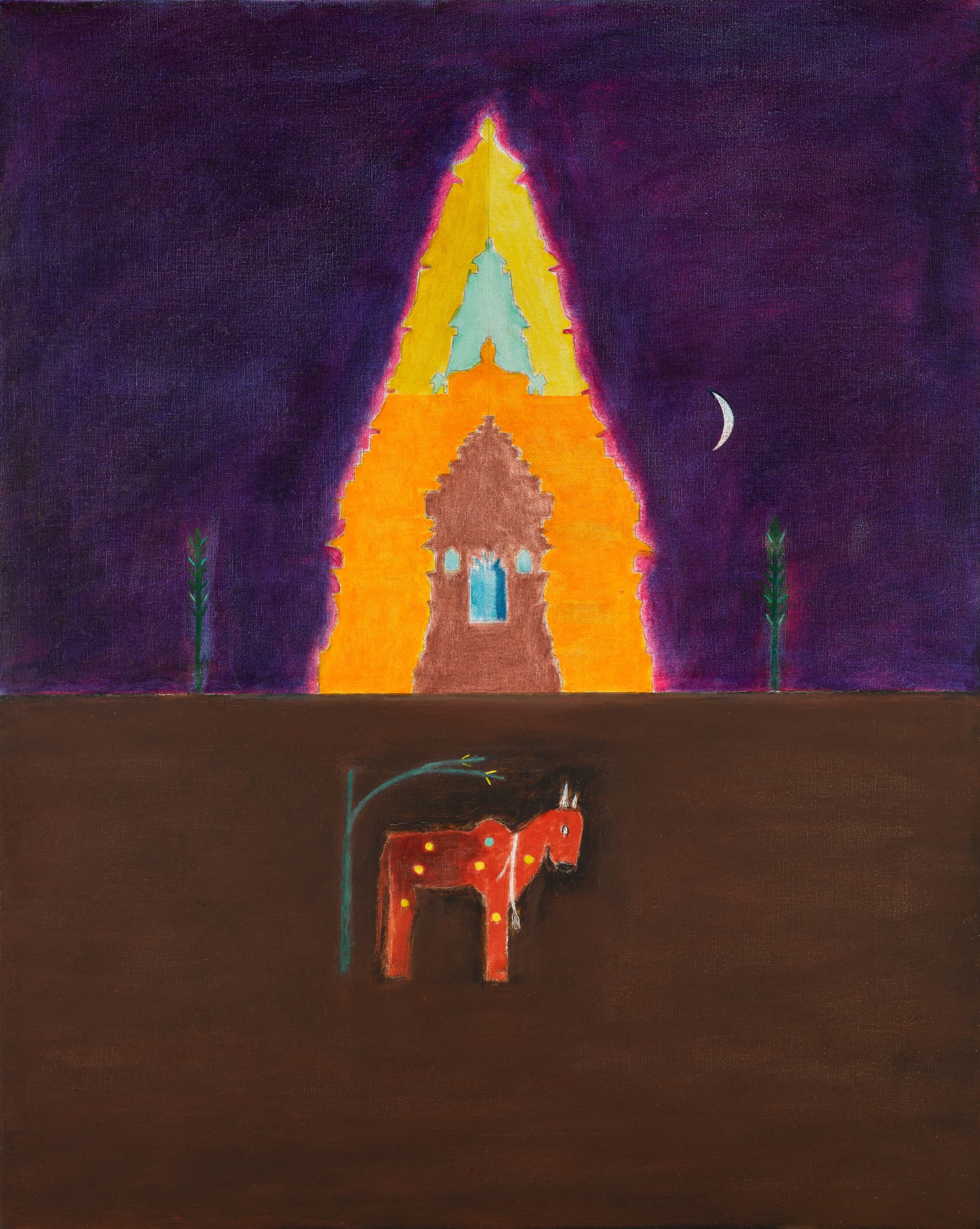
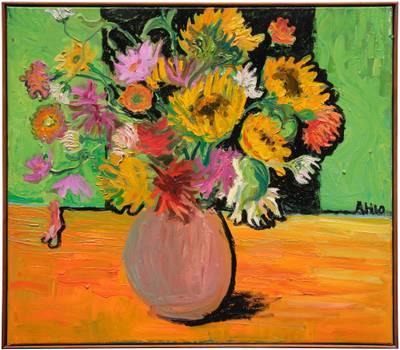
Augustus John
Dorelia Among the Pines, 1910
Display considerations for oil and pencil works deserve more attention than they typically receive. Graphite is sensitive to strong ultraviolet light, and while the oil passages may be more stable, the pencil marks that are often the most expressive and distinctive element of these works can fade or shift in tone when displayed under harsh conditions. Museum glass or equivalent ultraviolet filtering glazing is worth the investment. Temperature and humidity stability matters as much here as with any work on paper or canvas, and collectors should be attentive to external walls and areas with significant seasonal variation.
The best display situation is one that treats the work as both a painted object and a work on paper simultaneously. When approaching a gallery about a work in this category, the right questions centre on medium and process rather than simply genre. Ask specifically whether the pencil marks were made before, during, or after the oil passages, and whether the artist has spoken or written about this working method. Ask for any condition reports and inquire about any previous conservation interventions, particularly cleaning, since oil and pencil surfaces require specialised handling.
Ask whether the work is unique or whether the artist produced related studies or preparatory drawings that might provide context. A gallery that handles these questions fluently is one worth building a relationship with. The oil and pencil work that you choose to live with over decades deserves that level of care from the beginning.