Nature And Landscape
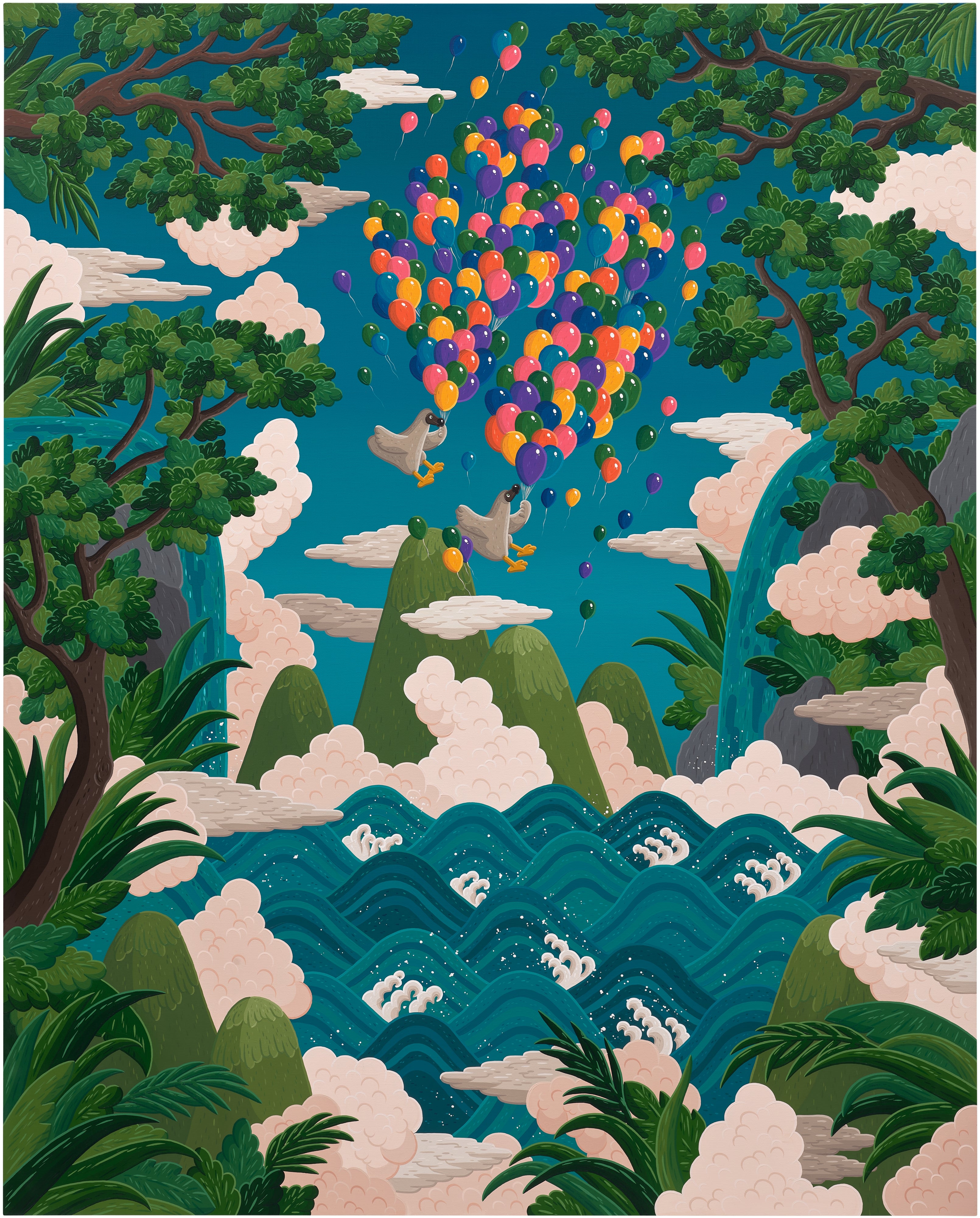
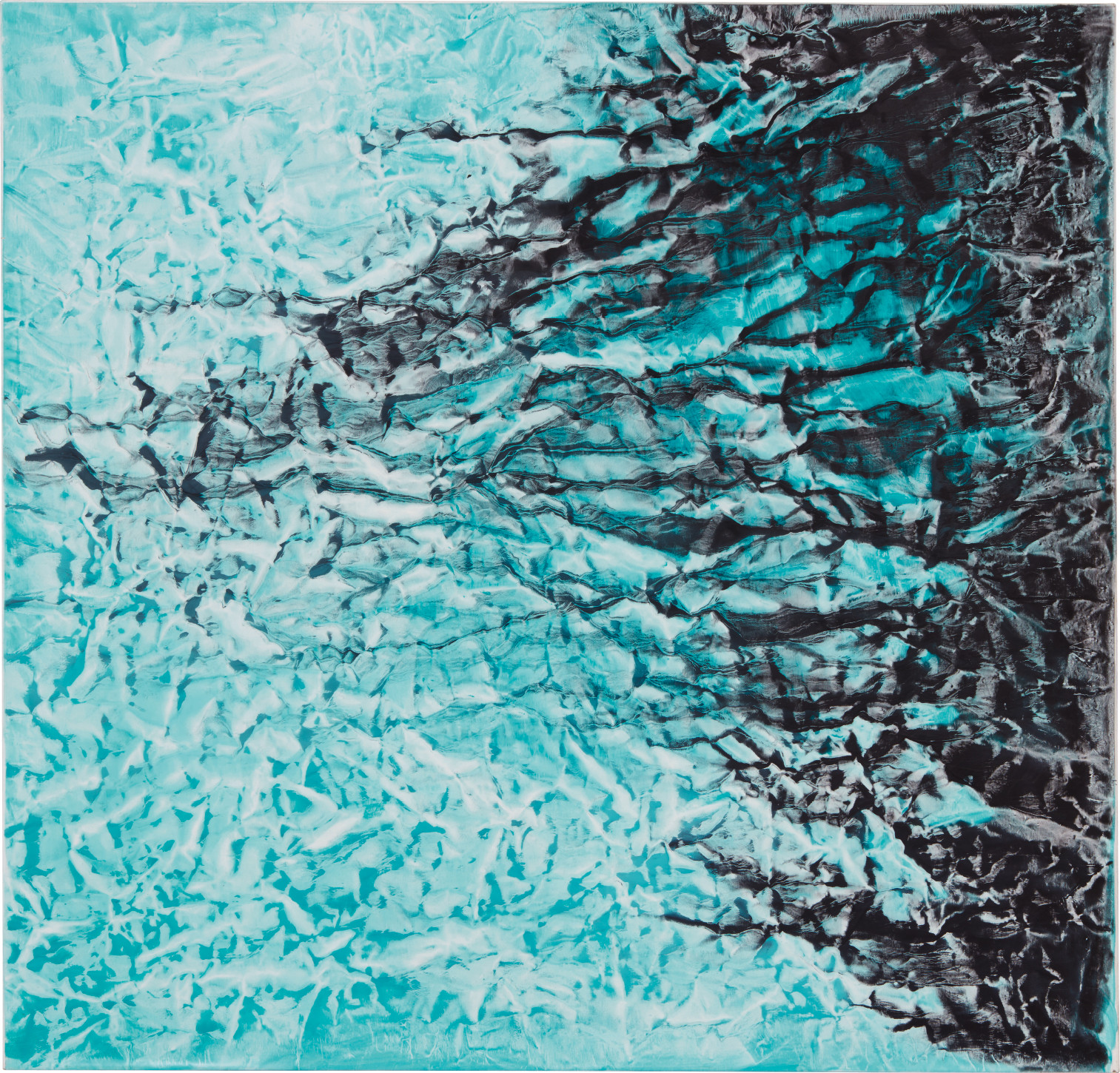
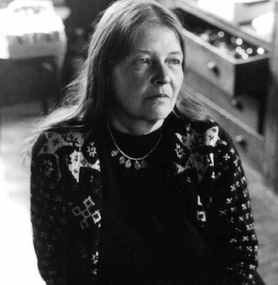
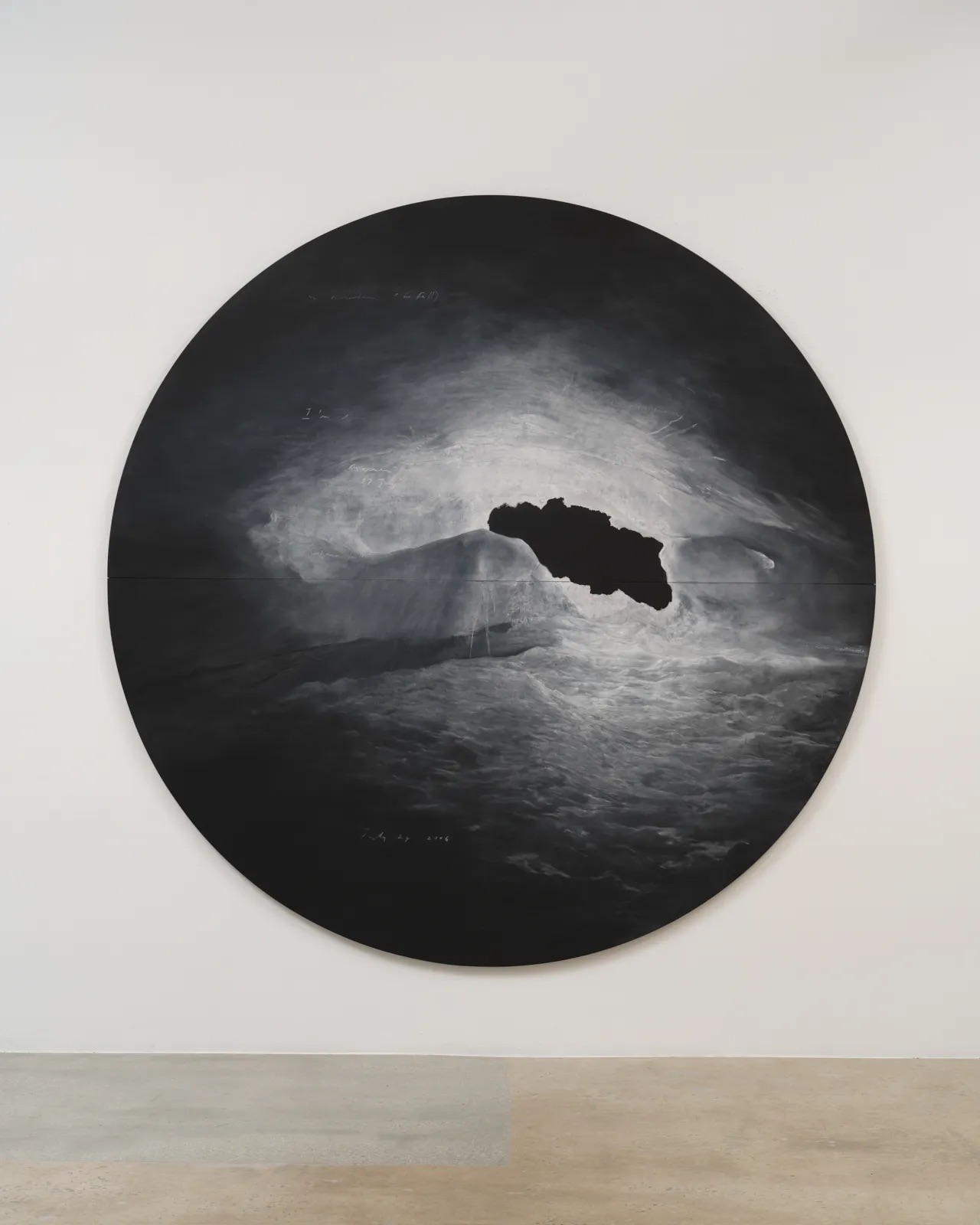
Kim Sunwoo
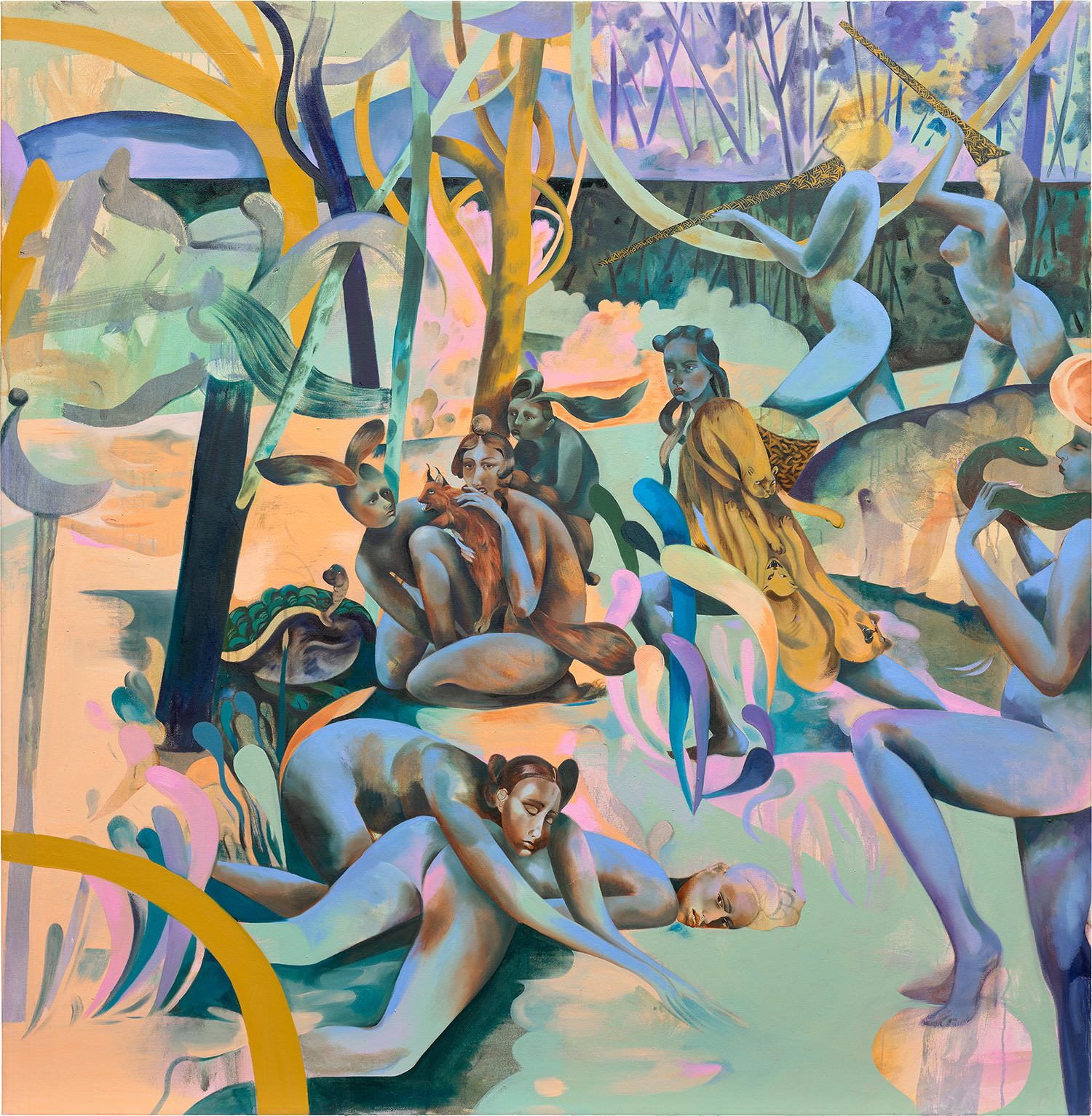
Flight Beyond the Tide, 2025


The Land Is Talking. Are We Listening?
When Sotheby's brought a major Tacita Dean film work to auction in recent years, the room went quiet in a particular way. Not the hush of uncertainty, but the hush of recognition. Collectors who had spent years watching the art world chase the urban, the ironic, and the digitally mediated suddenly found themselves bidding seriously on a work that was, at its core, about time and weather and the stubborn presence of the natural world. That result, and others like it, signaled something that curators had been sensing for a while: landscape is no longer a category people apologize for loving.
The renewed seriousness around nature and landscape in contemporary art has everything to do with the cultural moment we are living through. Climate anxiety, displacement, and a collective reckoning with what the earth actually is and what we have done to it have transformed what once felt like a genteel subject into one of the most charged arenas in contemporary practice. The question is no longer whether landscape deserves critical attention. The question is which artists are genuinely thinking through the land, and which are simply aestheticizing it.
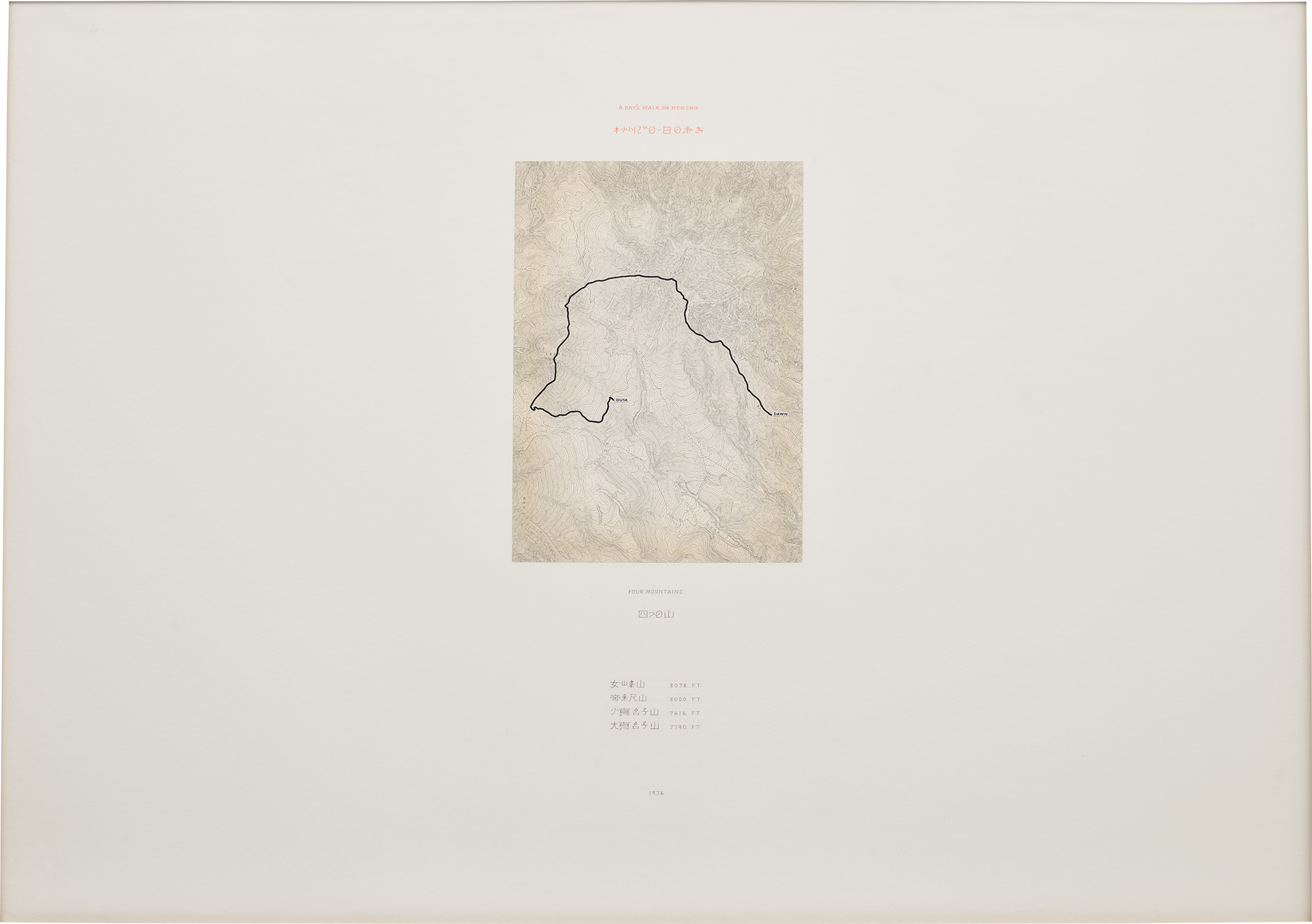
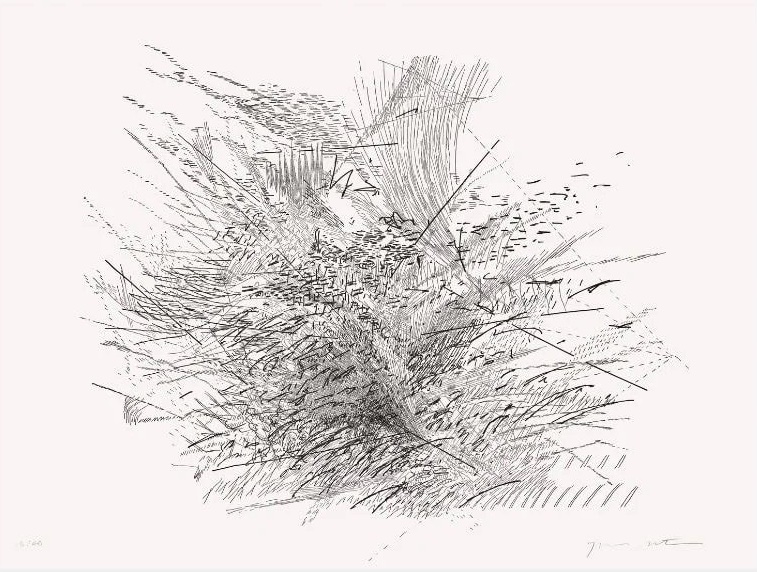
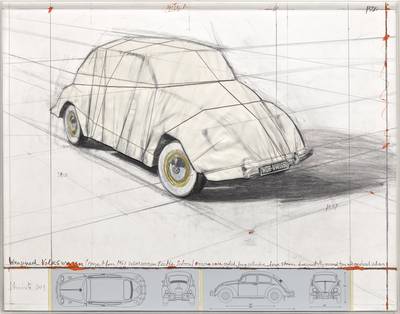
Richard Long
A Day's Walk on Honshu, 1976
In exhibition terms, the past decade has produced some genuinely landmark shows. Tate Modern's 2016 survey of Agnes Martin, though focused on abstraction, reopened the conversation about how artists translate natural sensation into visual form without literally depicting it. The Barbican's 2019 exhibition 'Life Cycles' brought ecological urgency to bear on British landscape traditions. More recently, the Yorkshire Sculpture Park has remained one of the most important venues for understanding how sculpture and environment speak to each other, with programming that takes Richard Long's foundational ideas seriously without treating them as settled history.
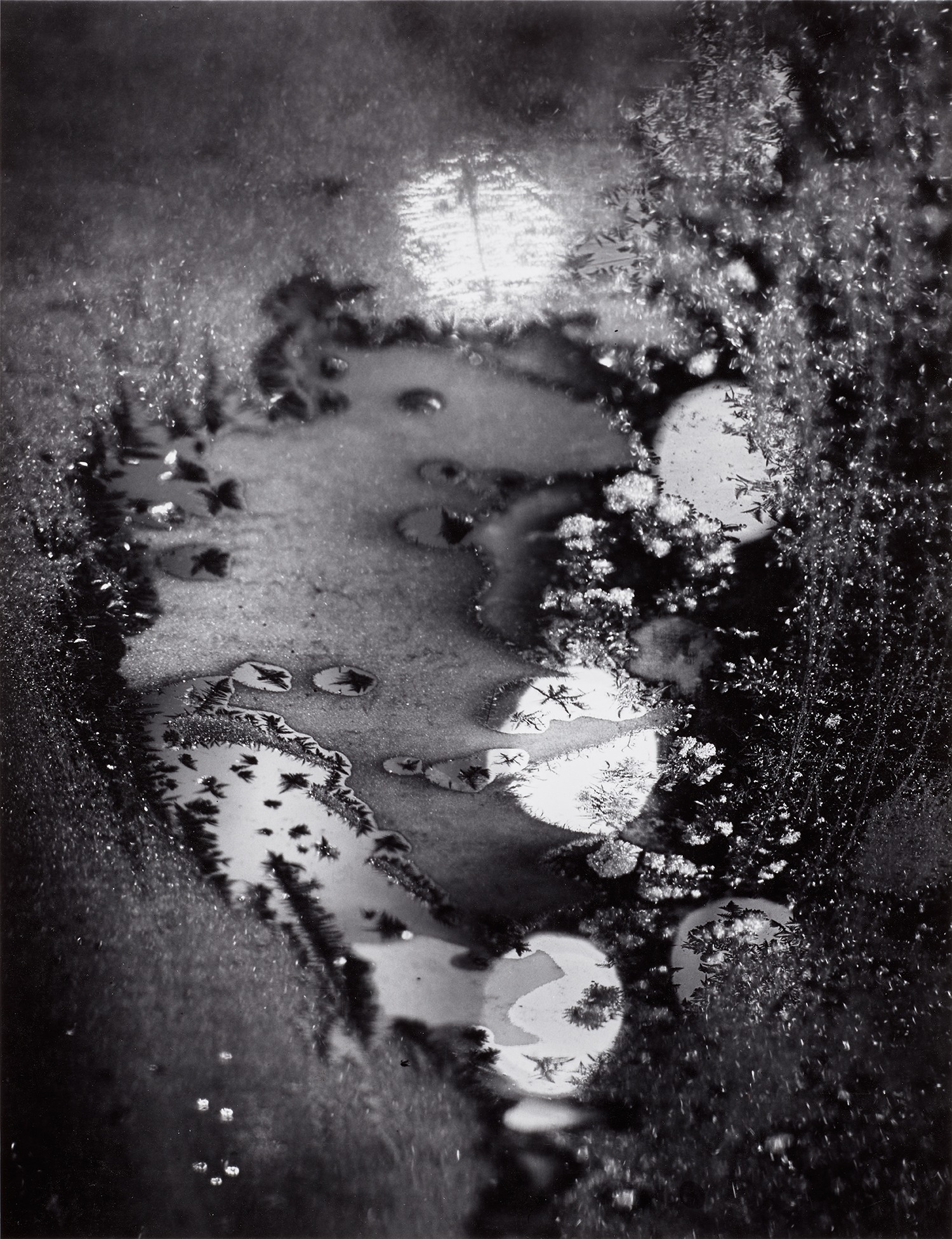
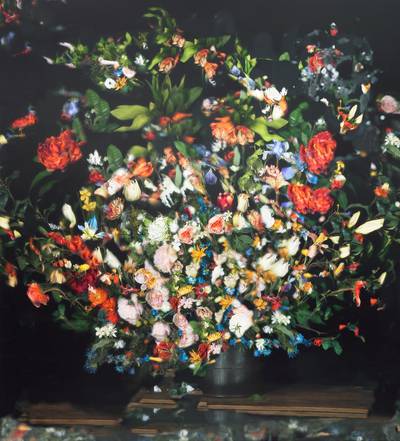
Long, whose walks and stone arrangements have defined a certain strand of land art since the late 1960s, continues to feel relevant precisely because the conversation around embodied engagement with landscape has only deepened. The auction market reflects this renewed appetite with some nuance. Works by artists associated with a conceptual or photographic approach to landscape have performed particularly strongly. Ori Gersht, whose photographs and films transform natural subjects such as exploding flowers and fractured landscapes into meditations on violence and beauty, has attracted sustained institutional and private collector interest.
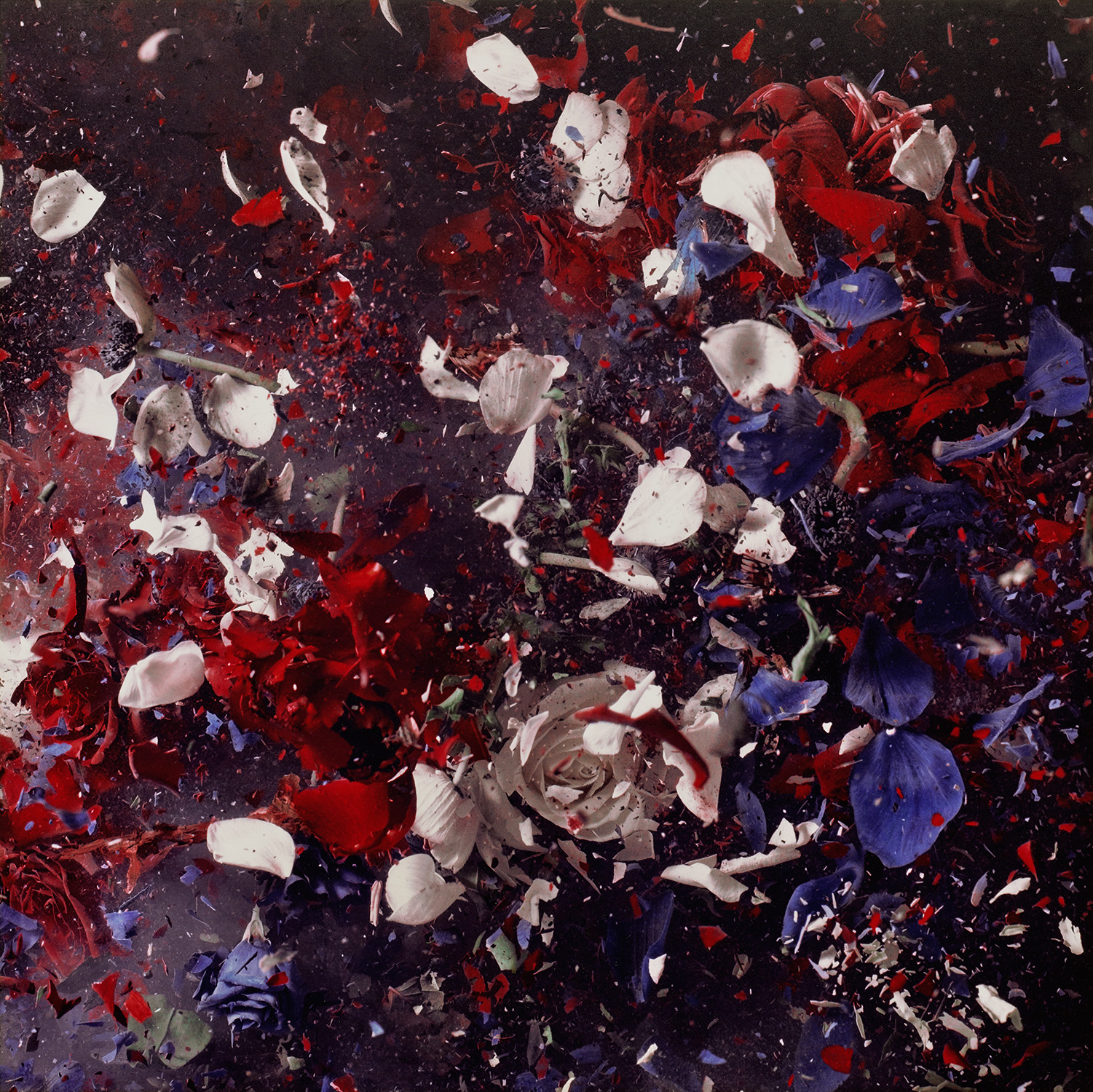
Ori Gersht
Ori Gersht
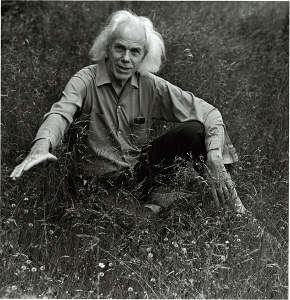
His prices have risen steadily as collectors recognize that his work sits at a genuinely rare intersection of formal rigor and philosophical weight. Minor White, the American photographer whose midcentury work imbued landscape with an almost mystical interiority, has seen renewed auction interest as photography collecting has matured and historians have reassessed his influence on everyone from contemporary fine art photographers to the broader culture of seeing. His work rewards the kind of slow looking that collectors who are serious about photography have learned to practice. Institutional collecting in this space tells its own story.
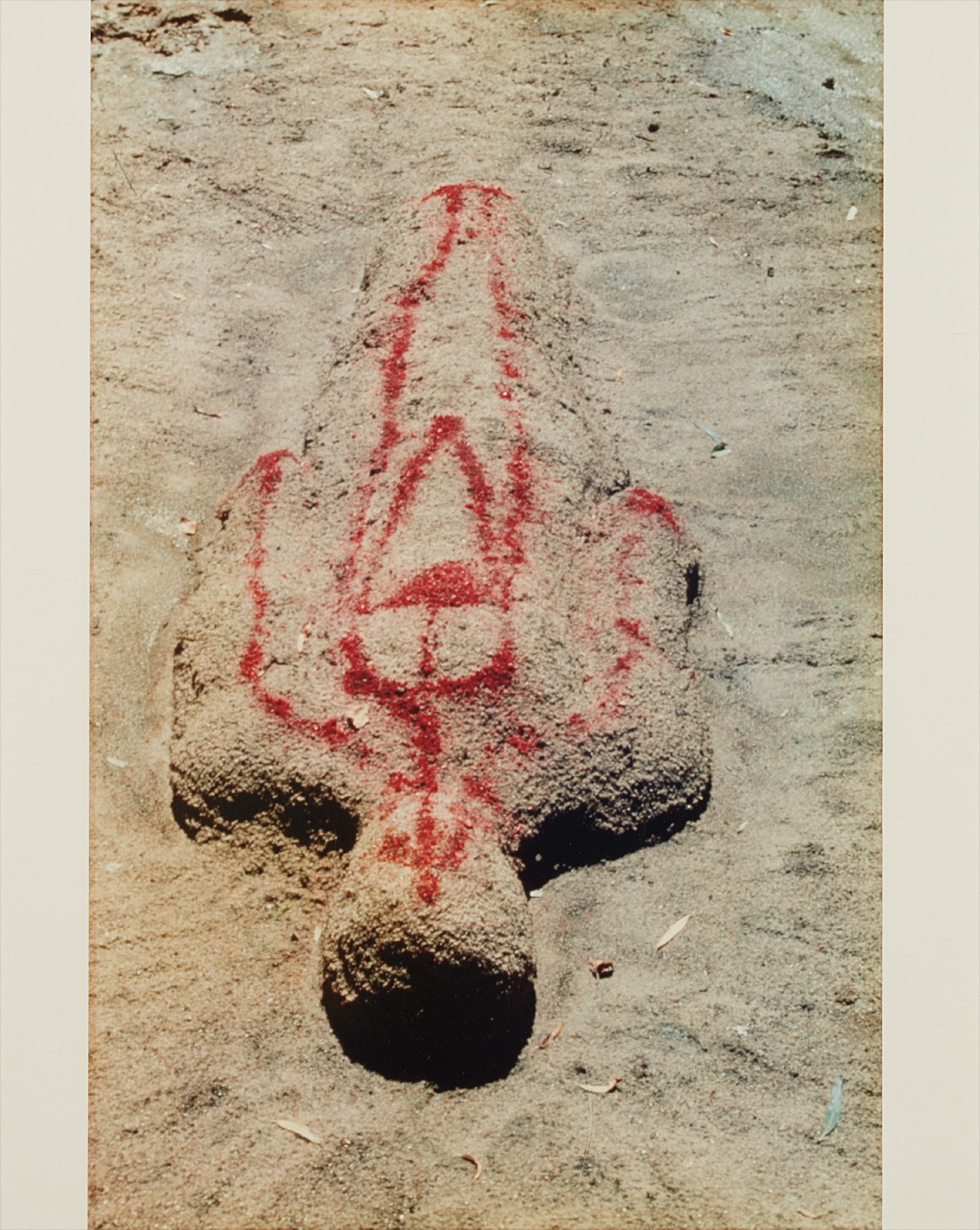
The Museum of Modern Art has been deliberate about expanding its holdings in work that engages land, ecology, and environment beyond the canonical Land Art figures. The Tate collection's sustained commitment to Ana Mendieta, whose earth body works from the 1970s and early 1980s remain among the most viscerally powerful engagements with landscape and bodily presence ever made, signals that institutions understand this territory as historically essential rather than merely fashionable. Lynne Drexler, the American abstract painter whose lush chromatic canvases draw deeply on the natural world around her home on Monhegan Island, has been the subject of significant reappraisal, with estate sales and retrospective attention bringing her to a new generation of collectors who respond to work that is exuberant and serious in equal measure. The critical conversation has been shaped significantly by writers who refuse to separate the aesthetic from the political.
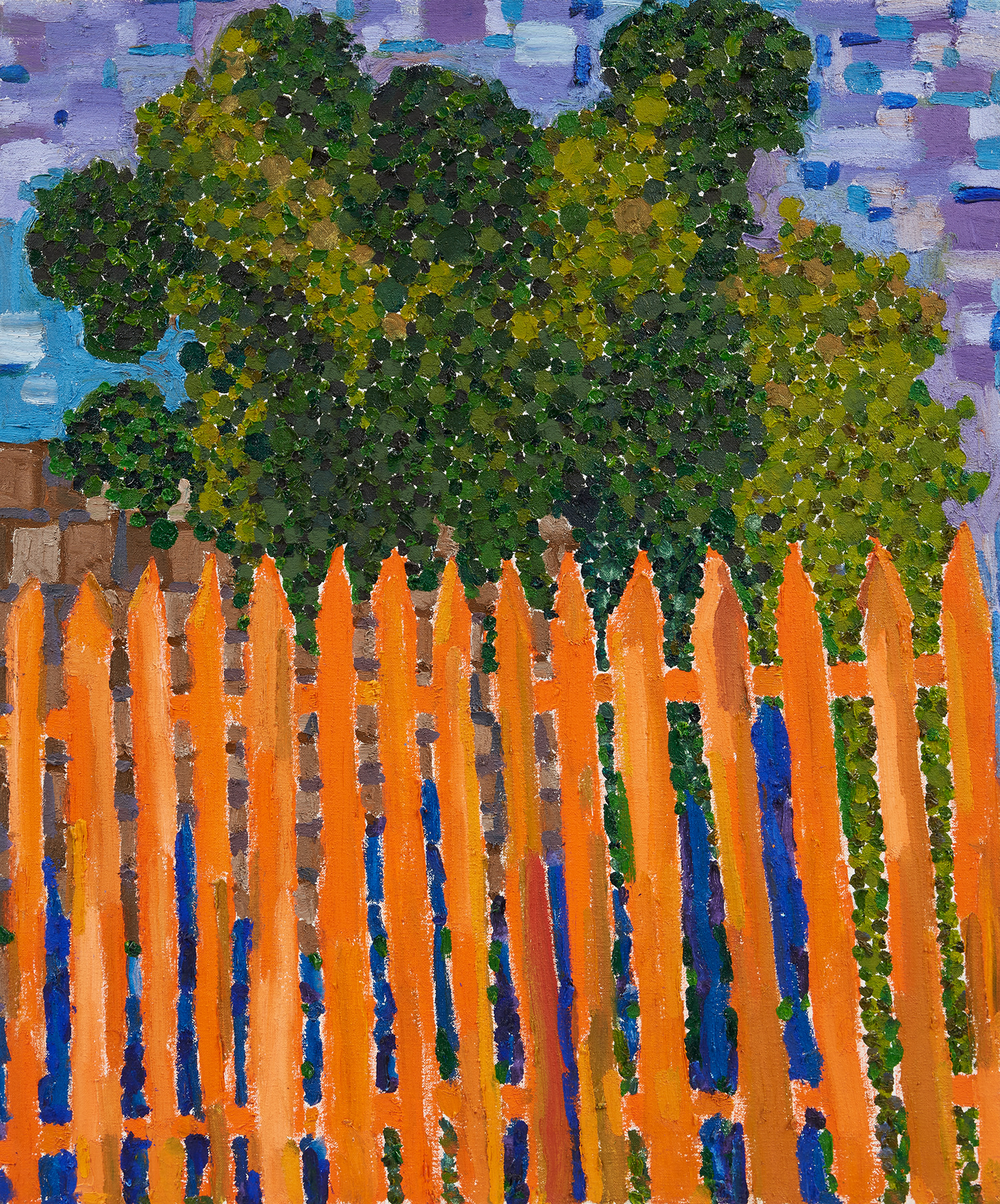
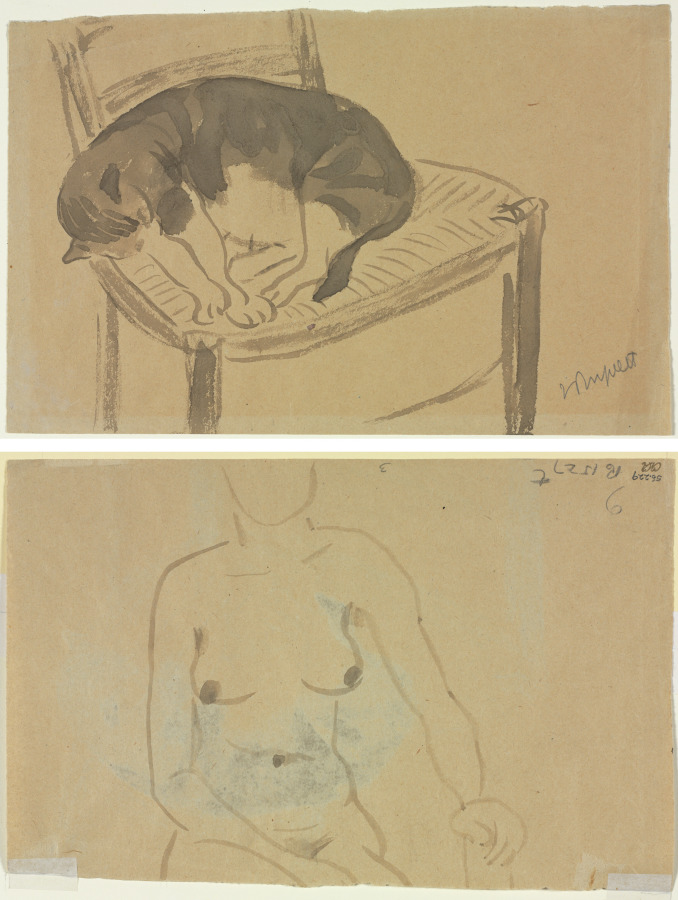
Lynne Drexler
Fenced Tree, 1997
Robert Macfarlane's books, though literary rather than art critical, have influenced how a generation of curators and collectors think about landscape, attention, and language. Within art criticism, the journal October and publications like Frieze have increasingly made space for writing that connects landscape practice to questions of ecology, colonialism, and the nonhuman. Curators like Okwui Enwezor, before his death in 2019, pushed hard for a global and politically grounded understanding of landscape that moved well beyond the European pastoral tradition. That expansiveness is now felt throughout the field.
Artists like Vicky Colombet, whose paintings engage with forests and light through a practice that is rigorously abstract without losing its grounding in direct observation, represent one direction this conversation is taking: a return to looking, to material process, to what paint can actually do when it is asked to carry the weight of natural experience. Jessie Makinson brings a more fantastical and narrative sensibility to landscapes that feel both ancient and dreamlike, drawing on a tradition that runs through British art from Samuel Palmer forward while remaining entirely her own. Kim Sunwoo and Yu Nishimura each bring perspectives rooted in East Asian traditions of landscape representation that complicate and enrich any account that stays too close to the Western canon. What feels most alive right now is the intersection of landscape with ideas about time, memory, and loss.
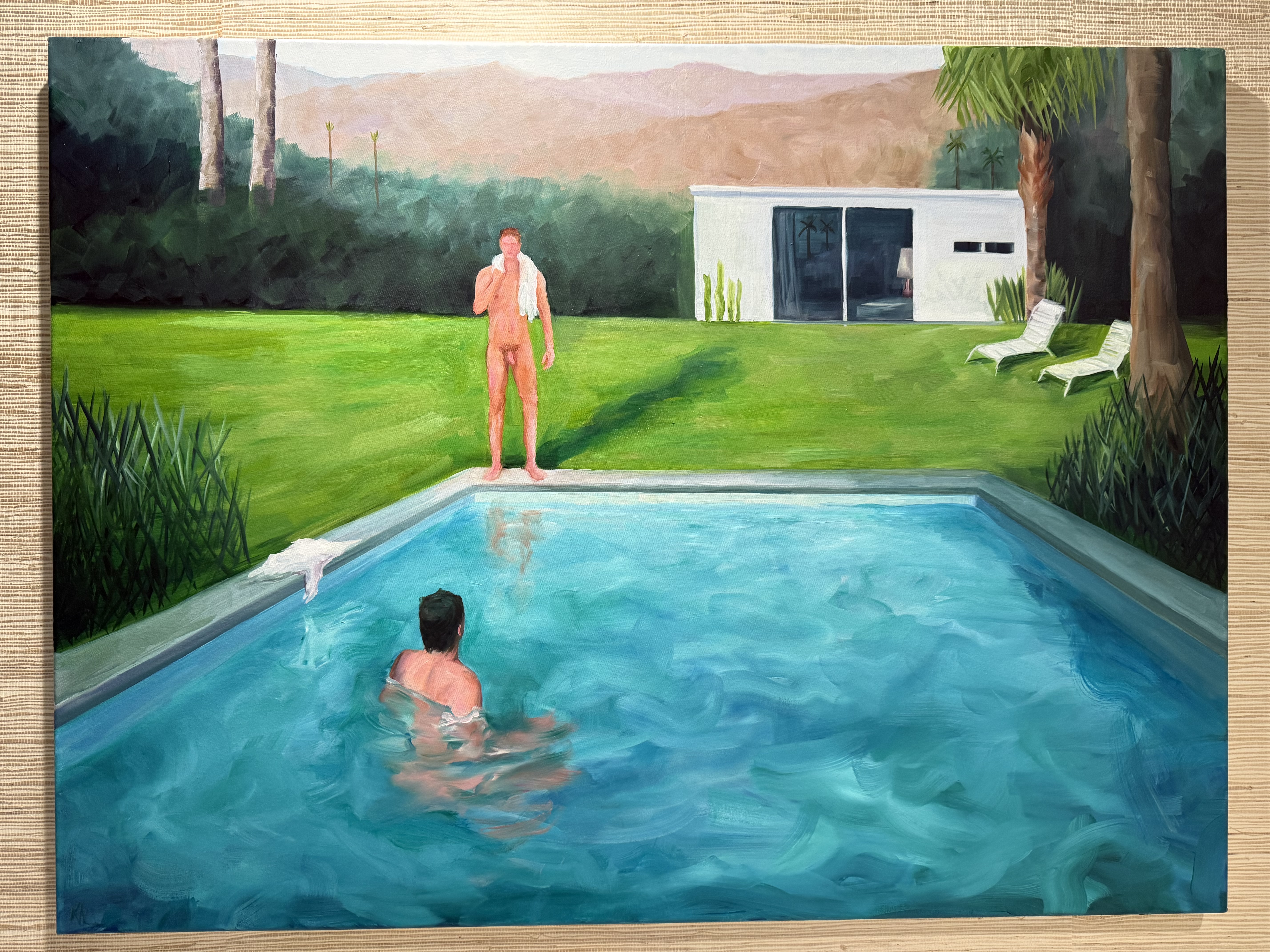
Kim Sunwoo
Flight Beyond the Tide, 2025
Tacita Dean's films do this with extraordinary patience. The interest in artists like Ana Mendieta continues to grow because her work refuses to let landscape be neutral or innocent. What feels more settled, and perhaps in need of challenge, is the fetishization of the monumental and the wilderness. Some of the most interesting work being made now is intimate, local, and domestic in its scale of attention.
Where the surprises are coming is harder to say, but the energy around artists who are thinking seriously about what it means to represent the land during a period of genuine ecological grief suggests that this category has years of vital development ahead. The collectors who are paying attention now, and positioning themselves accordingly, are not simply buying beauty. They are buying into one of the defining cultural arguments of the next several decades.