Found Object Art
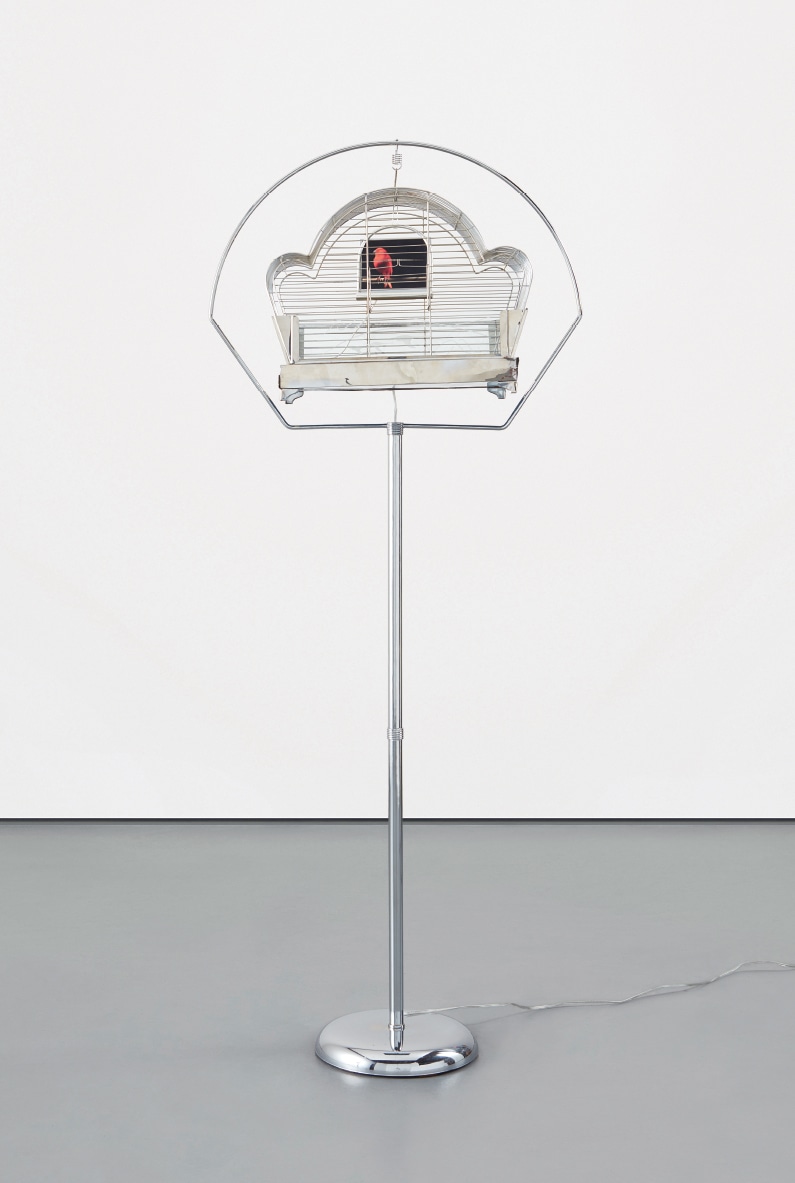
Troy Abbott
Deco Cage (Red Bird), 2013

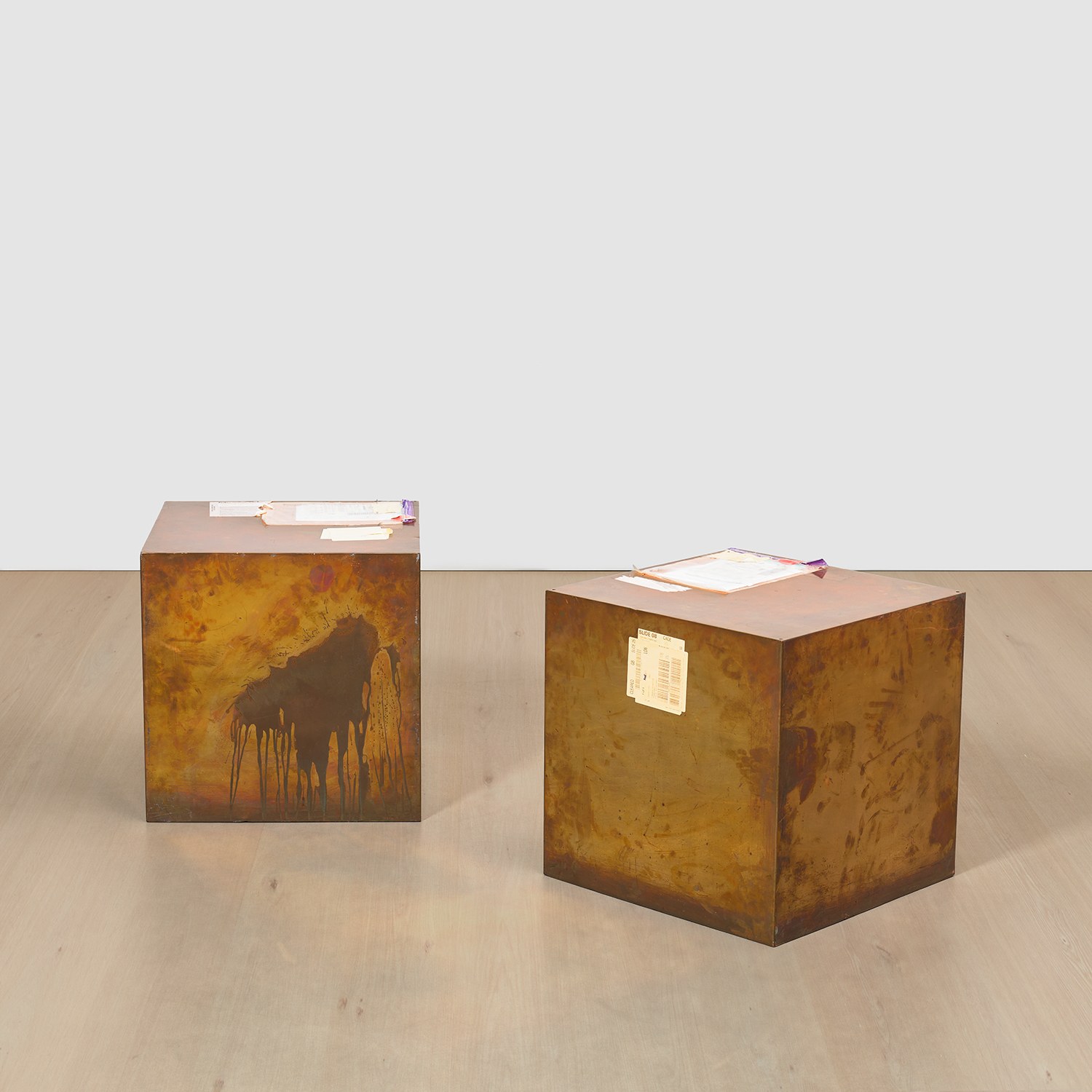
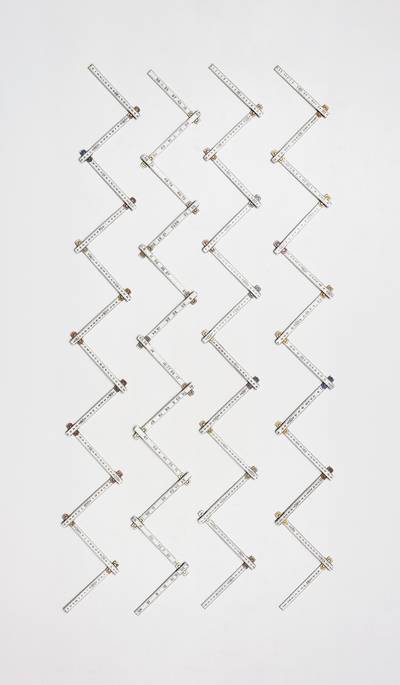
Trash, Treasure, and the Art of Everything
When a worn gas canister from Cotonou's black market fetches serious attention at a major European auction, it is worth pausing to ask what exactly the market thinks it is buying. That is precisely what happened when Romuald Hazoumè's sculptural work entered serious collecting conversations in the last decade, his jerry can masks arriving at international fairs carrying the full weight of African economic history and postcolonial critique. The object itself is mundane. The gesture transforms it.
That gap between the thing and its meaning is the entire subject of found object art, and right now, that gap feels more charged than ever. The critical rehabilitation of found object practice has accelerated considerably since the major Marcel Duchamp retrospectives at the Centre Pompidou and the Philadelphia Museum of Art, institutions that have spent decades carefully distinguishing between Duchamp's conceptual radicalism and the flood of lesser work it inspired. What those shows clarified is that the readymade was never really about laziness or provocation for its own sake. It was about reframing the conditions of attention, asking what a viewer brings to an object rather than what the artist put there.
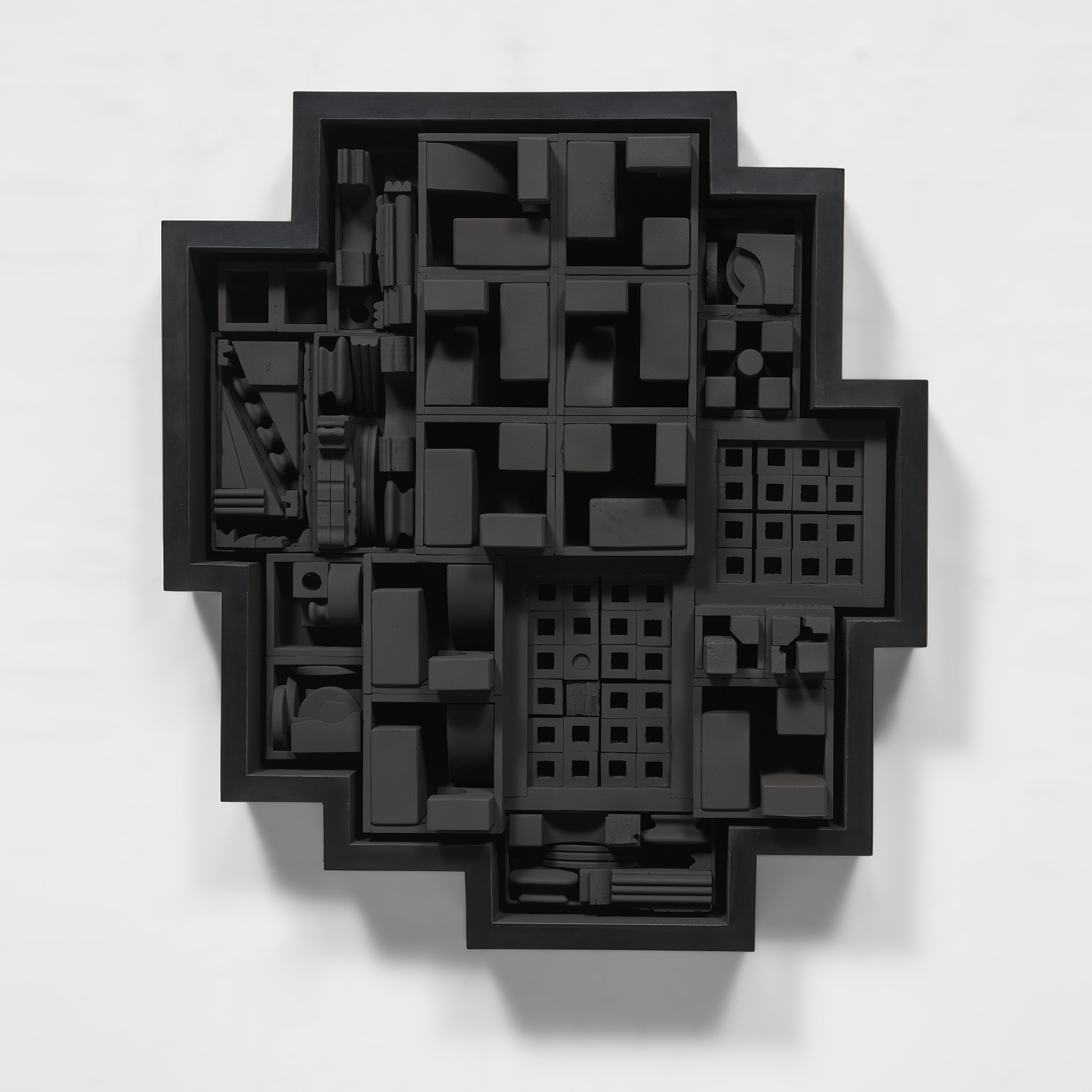
Louise Nevelson
Night Leaf
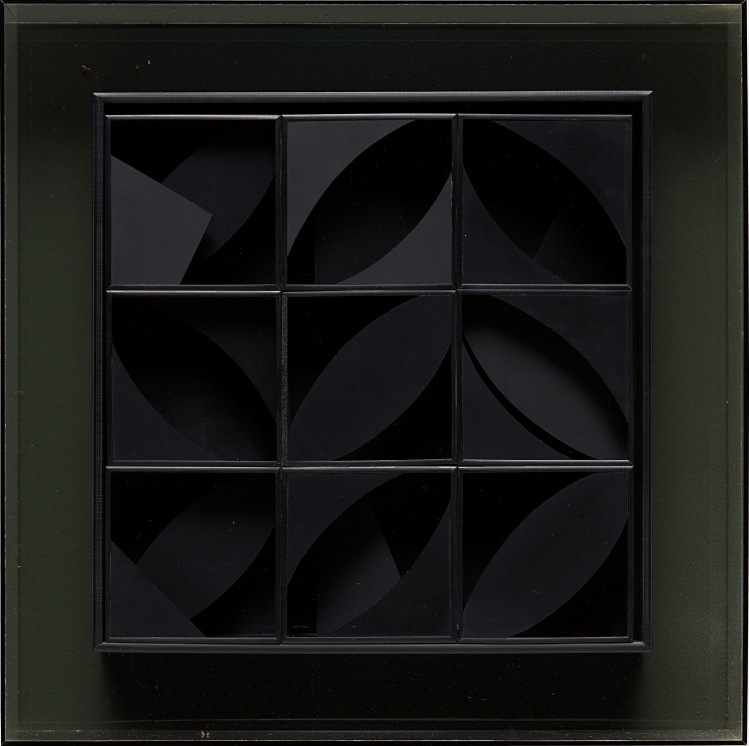
That remains a genuinely hard question, and the artists working most seriously in this space are the ones still sitting with the difficulty rather than coasting on the premise. Louise Nevelson understood this difficulty better than almost anyone. Her assembled wall sculptures from the 1950s and 1960s, built from architectural scraps and discarded furniture and unified through monochrome painting, command extraordinary prices at auction precisely because they solved a problem most artists in this mode never quite crack: scale and authority. A Nevelson wall does not feel like a collection of objects.
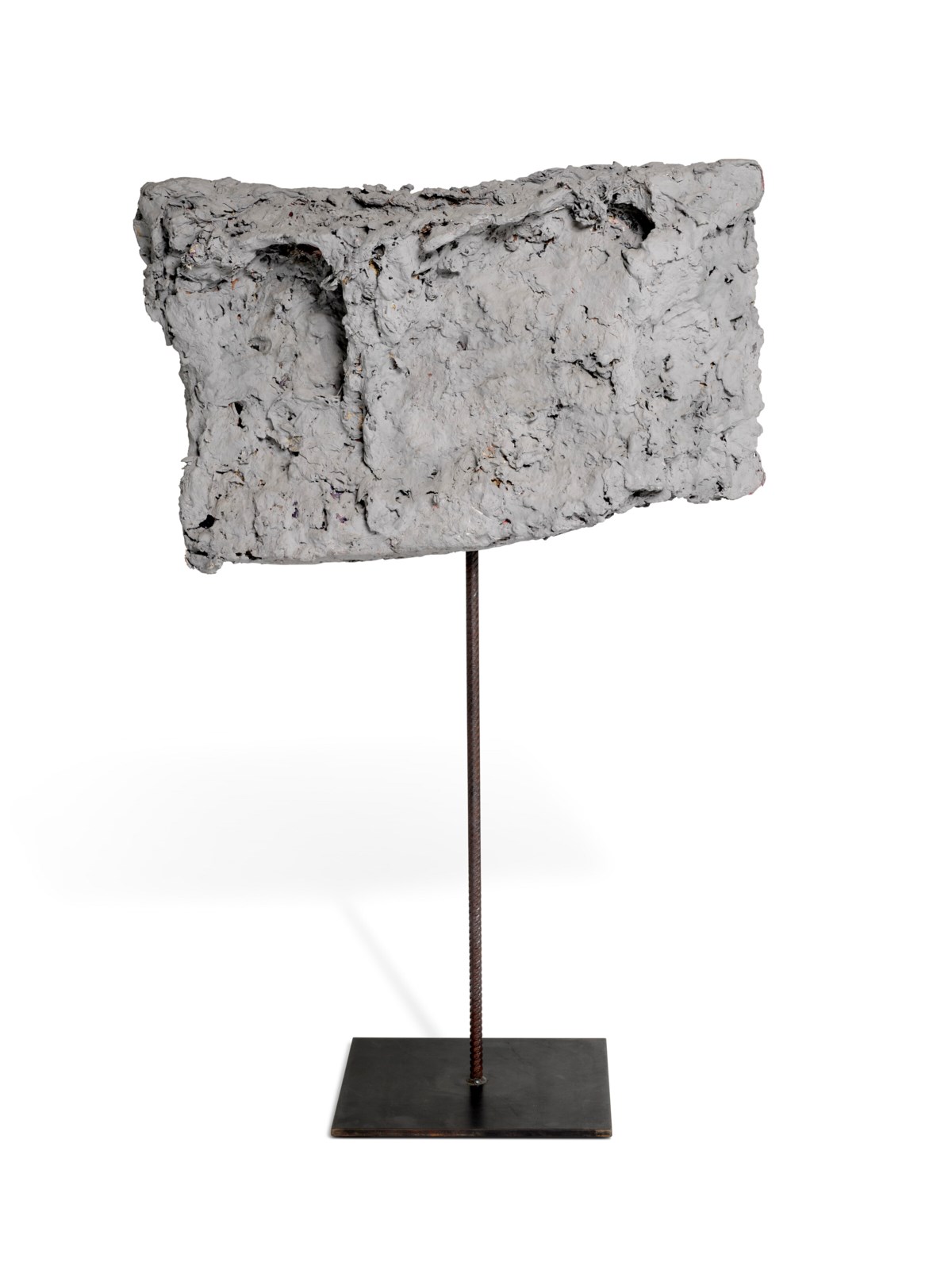
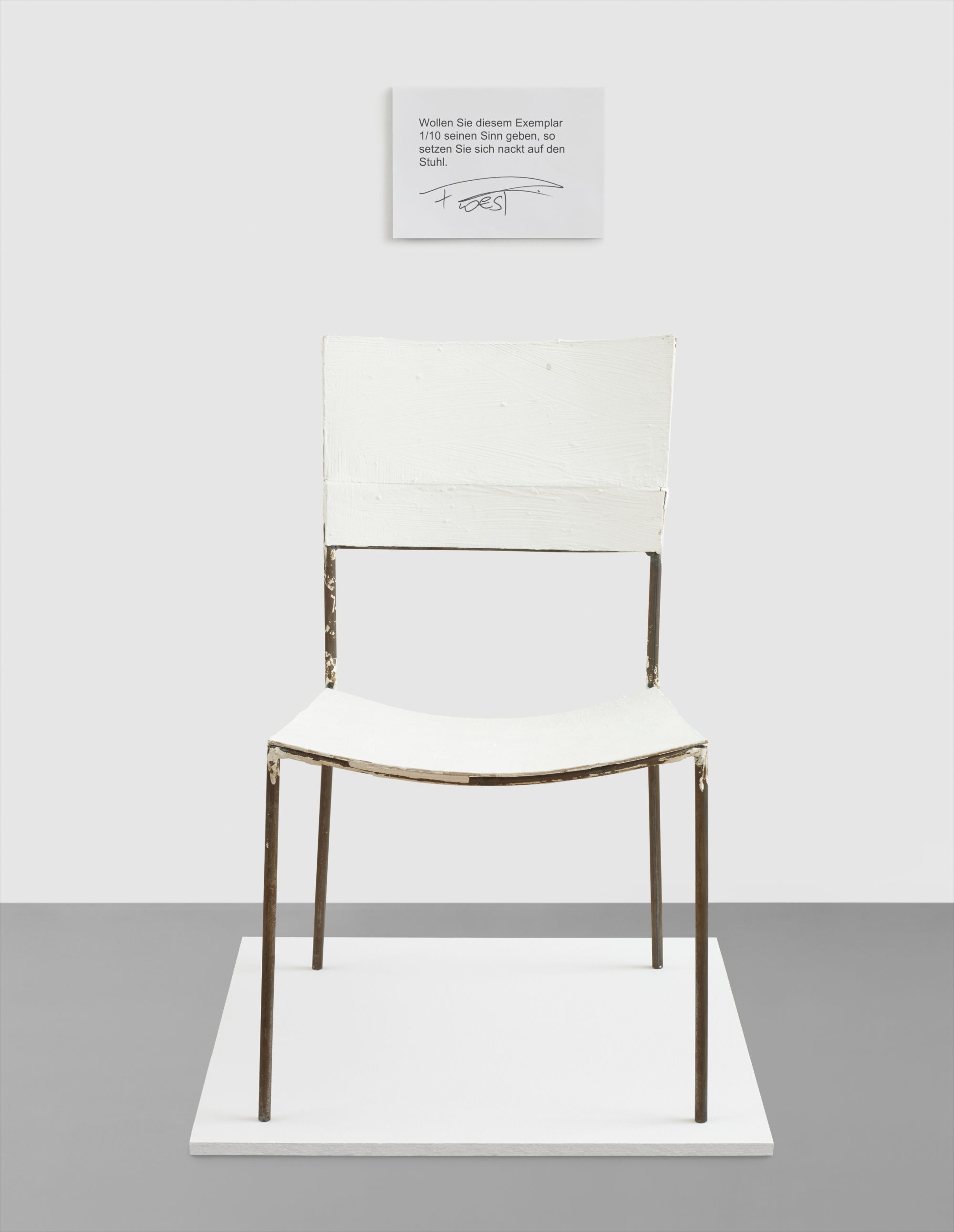
It feels like a single statement. When her works appear at Christie's or Sotheby's, they consistently attract serious bidding from institutions and private collectors alike, a signal that the market reads her as canonical rather than peripheral. Franz West occupies a comparable position in Europe, his papier mâché and metal Adaptives carrying a kind of rough sculptural intelligence that has aged very well. The secondary market for West has strengthened considerably since his death in 2012, with major pieces appearing at auction in London and Vienna drawing competitive rooms.
Franz West
Nacktstuhl
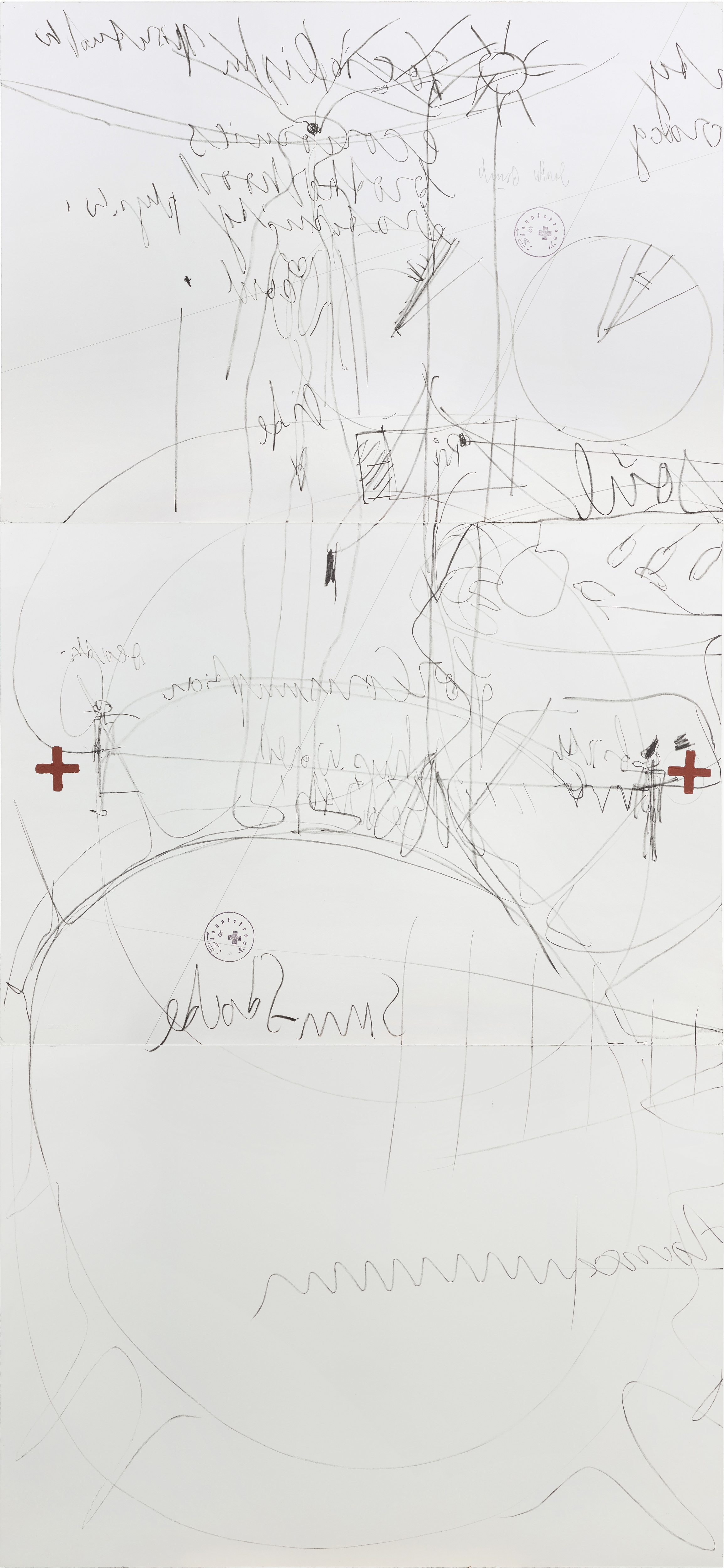
Museum acquisitions are the clearest signal of where institutional confidence is settling. The Museum of Modern Art has quietly deepened its holdings in this area across multiple departments, treating found object work not as a subcategory of sculpture but as a lens through which to reread the entire twentieth century collection. Tate Modern has done similar work, and their 2019 retrospective on Arte Povera, an Italian movement deeply entangled with found and natural materials, reminded audiences that the European tradition in this space is distinct from and in many ways more politically urgent than the American one. Joseph Beuys, whose practice touched everything from animal fat to felt to institutional bureaucracy, remains a touchstone for how far the found object could travel before it stopped being about objects at all.
His presence in serious collections, including the works on The Collection, speaks to how collectors now read him as a philosophical rather than merely formal proposition. The critical conversation around found object art has shifted away from the old debates about whether something counts as art and toward more granular questions about labor, material histories, and environmental ethics. Writers like Hal Foster, whose scholarship on the neo avant garde shaped how a generation thought about artistic repetition and originality, opened the door for newer voices asking what it means to work with objects that carry embedded social narratives. The question of whose discarded materials get elevated into gallery contexts is no longer a footnote.
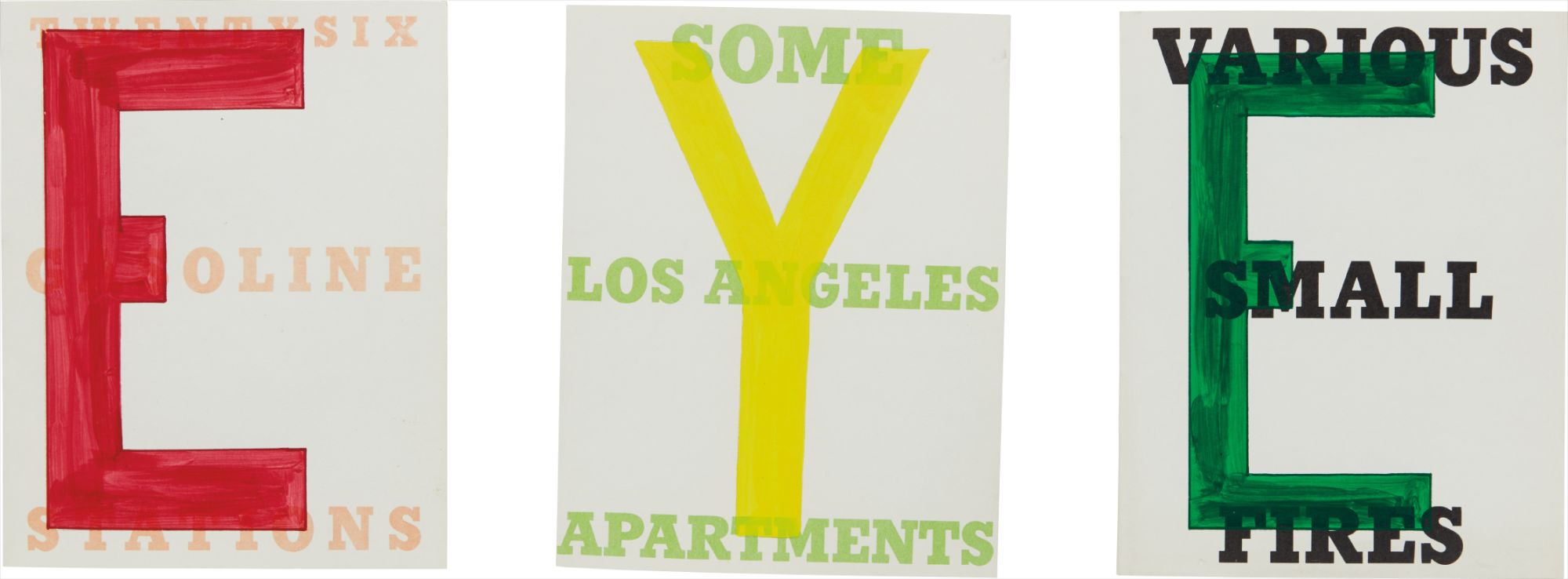
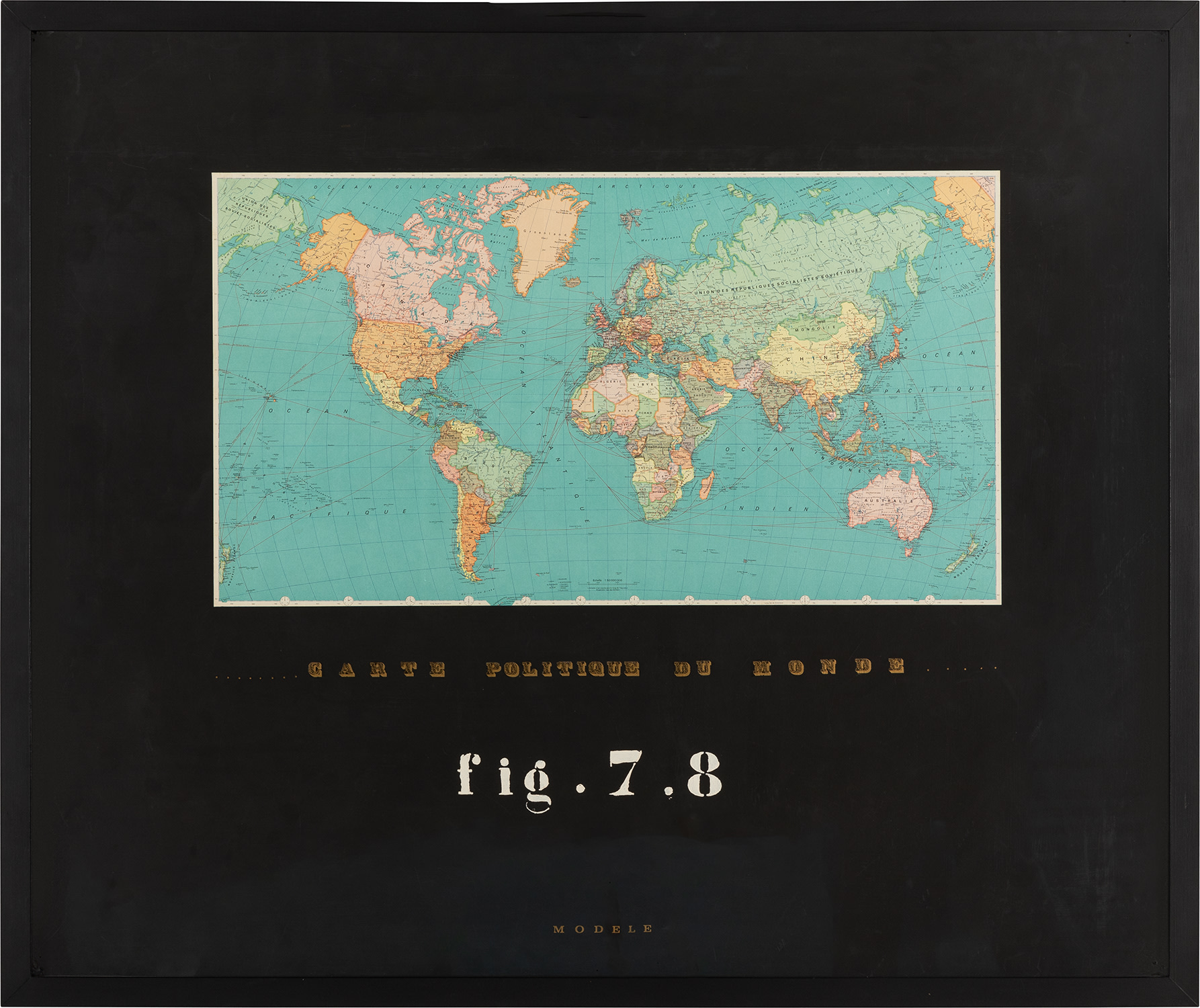
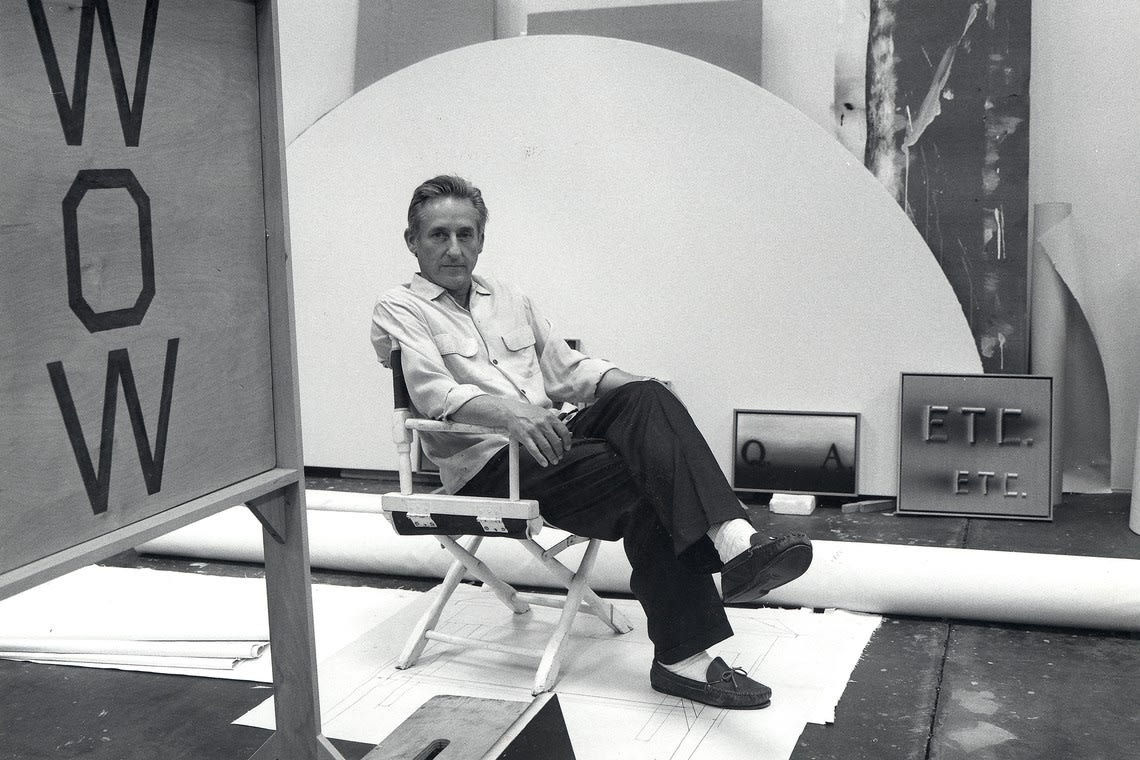
Ed Ruscha
Three Works: (i) Vowel #54 (E); (ii) Vowel #86 (Y); (iii) Vowel #59 (E), 1996
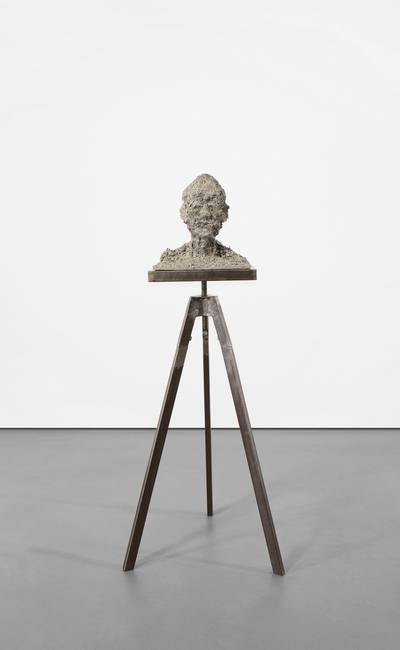
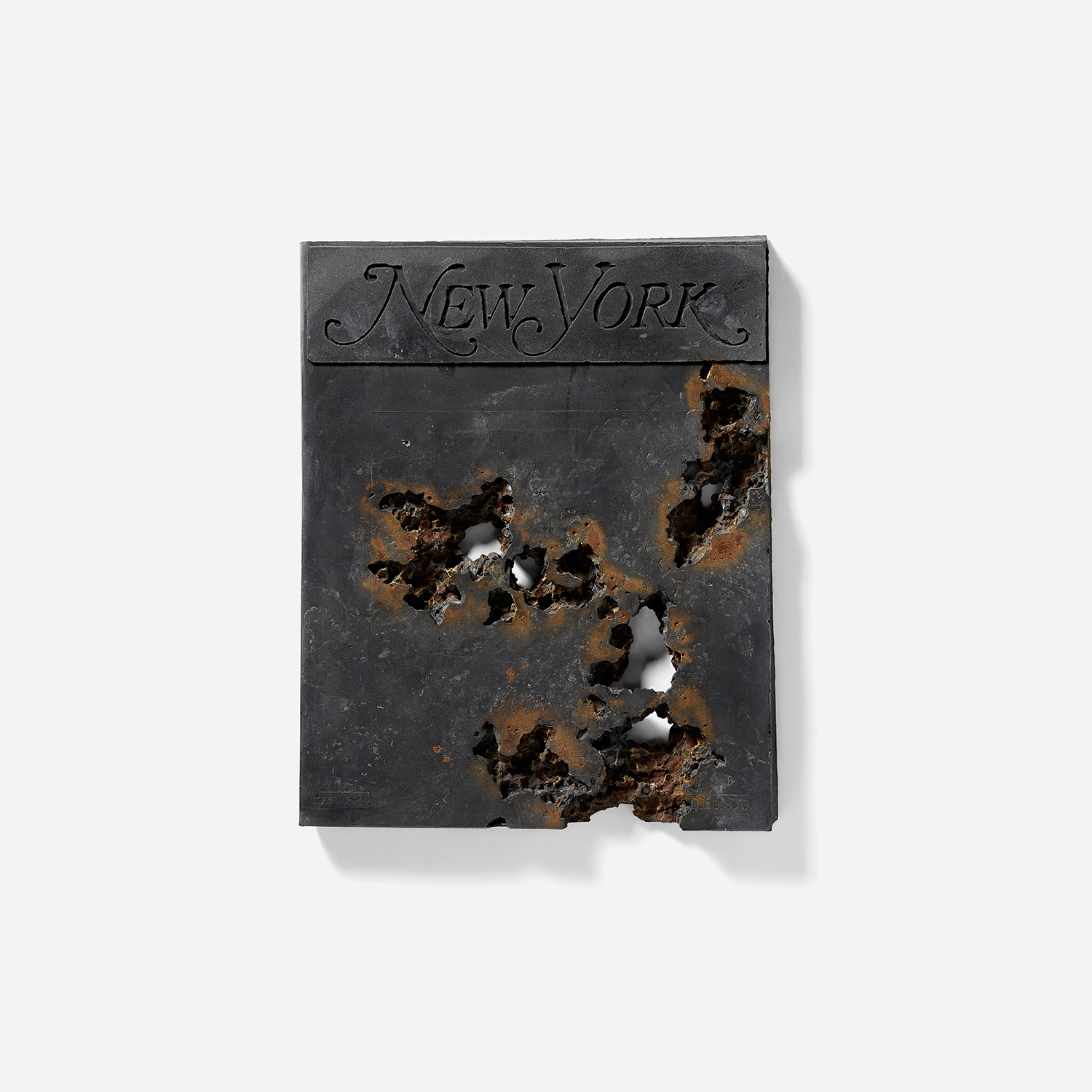
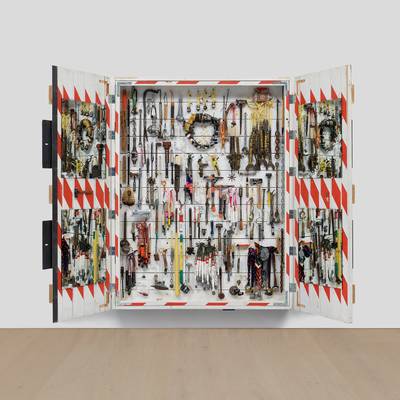
Curators at institutions from the Hammer Museum in Los Angeles to the Stedelijk in Amsterdam have addressed it directly in exhibition texts and public programs. Tom Sachs, whose work on The Collection channels this lineage through a particular strain of American consumer culture obsession, is often discussed in terms of craft and fetishism, but the more interesting reading involves what his objects reveal about aspiration and its discontents. Market appetite for work in this category is notably differentiated. Collectors are increasingly sophisticated about the difference between artists who use found materials as a starting point for genuine formal invention and those for whom the gesture is simply a style.
Man Ray commands significant prices at auction not because his objects are rare but because the conceptual moves they embody feel inexhaustible. Daniel Arsham, whose work on The Collection engages with erosion and excavation, has built a strong secondary market among younger collectors who respond to his archaeological metaphors for popular culture. Joana Vasconcelos, the Portuguese artist whose monumental works assembled from domestic objects have been shown at Versailles and the Guggenheim Bilbao, represents a different energy entirely, one that is feminist, operatic, and deeply rooted in craft traditions. What feels alive right now is the intersection of found object practice with questions about climate, extraction, and the politics of material.
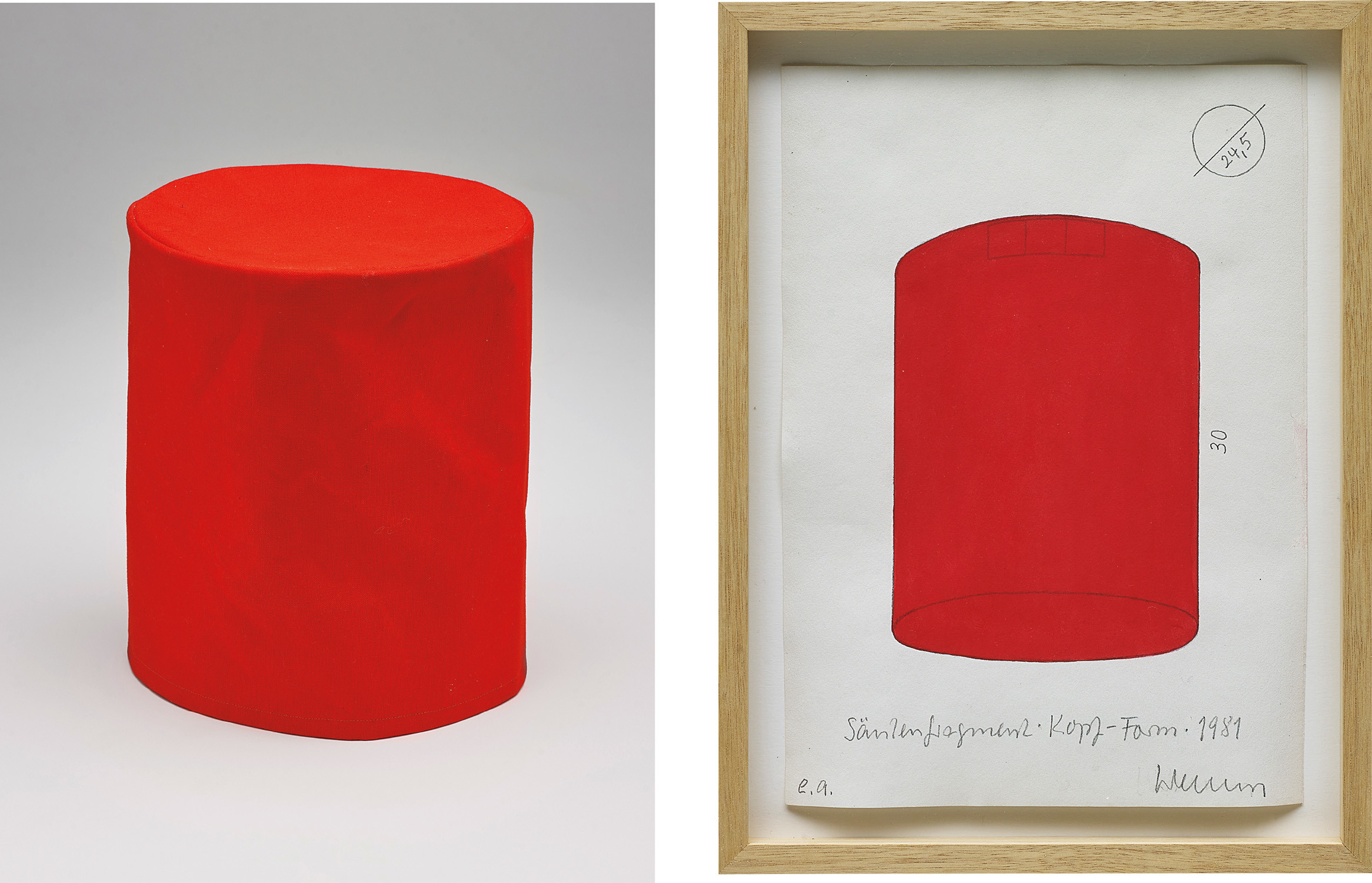
Joana Vasconcelos
Bonbonnière, 2014
Artists like Ai Weiwei, represented on The Collection, have extended the found object tradition into documentary territory, using accumulated things as evidence rather than purely as form. Hazoumè's jerry cans are part of this lineage, as are the works of younger artists emerging from West Africa, Southeast Asia, and Latin America who are drawing on local material cultures in ways that international audiences are only beginning to understand. What feels more settled is the market for canonical Western modernist work in this vein, which continues to perform strongly but without much surprise. The surprises are coming from the edges, from artists whose materials carry histories that the art world is still learning to read, and from collectors willing to sit with that learning rather than wait for consensus to form around them.