Cultural Icons
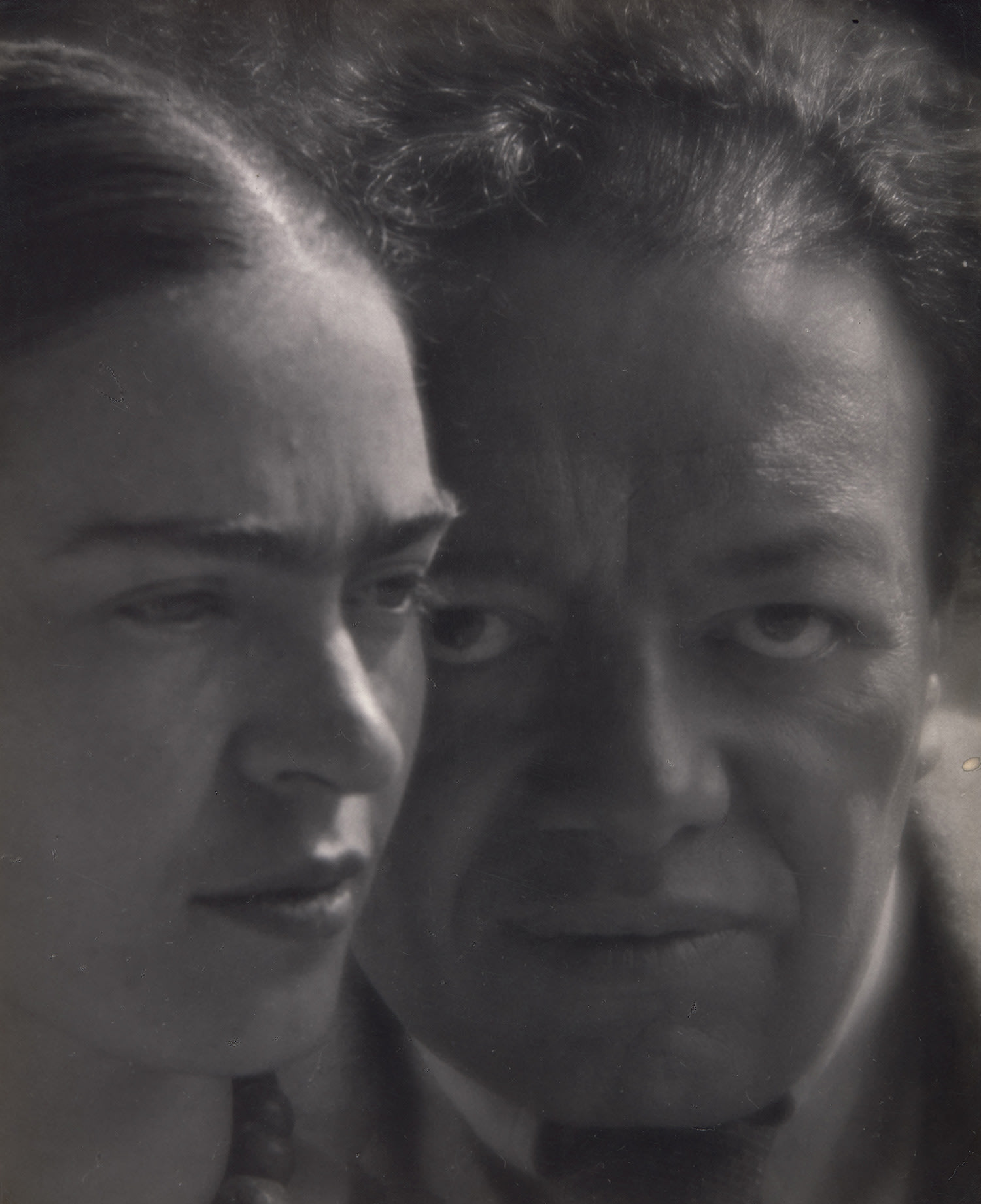
Martin Munkácsi
Frida Kahlo and Diego Rivera



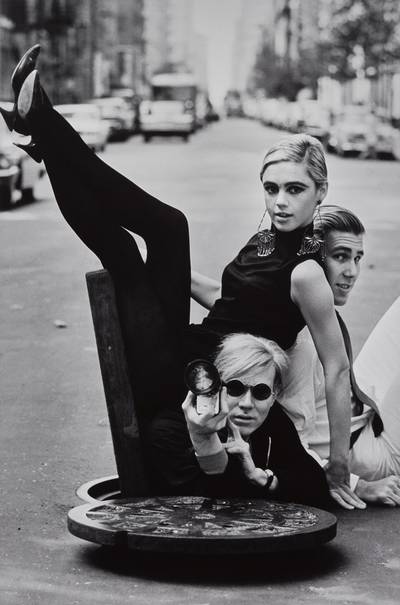
The Face That Stopped the Century
There is a particular kind of image that does something ordinary photographs cannot. It does not simply record a face. It transforms one into a fact of culture, a shared reference point that a society uses to understand itself. These are the images we call icons, and the story of how they came to be made, collected, and endlessly interpreted is really a story about how culture manufactures its own myths.
The idea of the cultural icon as an artistic subject gathered real momentum in the twentieth century, though its roots reach back to the painted portraits of royalty and religious figures that dominated European art for centuries. What shifted, dramatically and irrevocably, was the arrival of mass reproduction. Walter Benjamin wrote about this in 1935 in his essay on the artwork in the age of mechanical reproduction, and he understood something that would take the art world decades to fully reckon with: when an image can be endlessly copied, the original loses its sacred aura, but the copy gains an entirely new kind of power. The icon is born not in the studio but in the act of circulation.
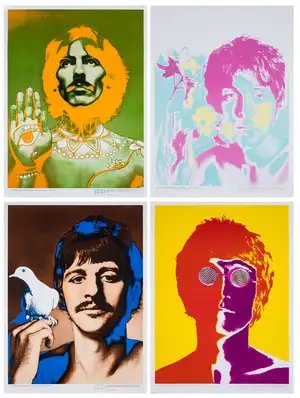
Richard Avedon
The Beatles August 11th 1967
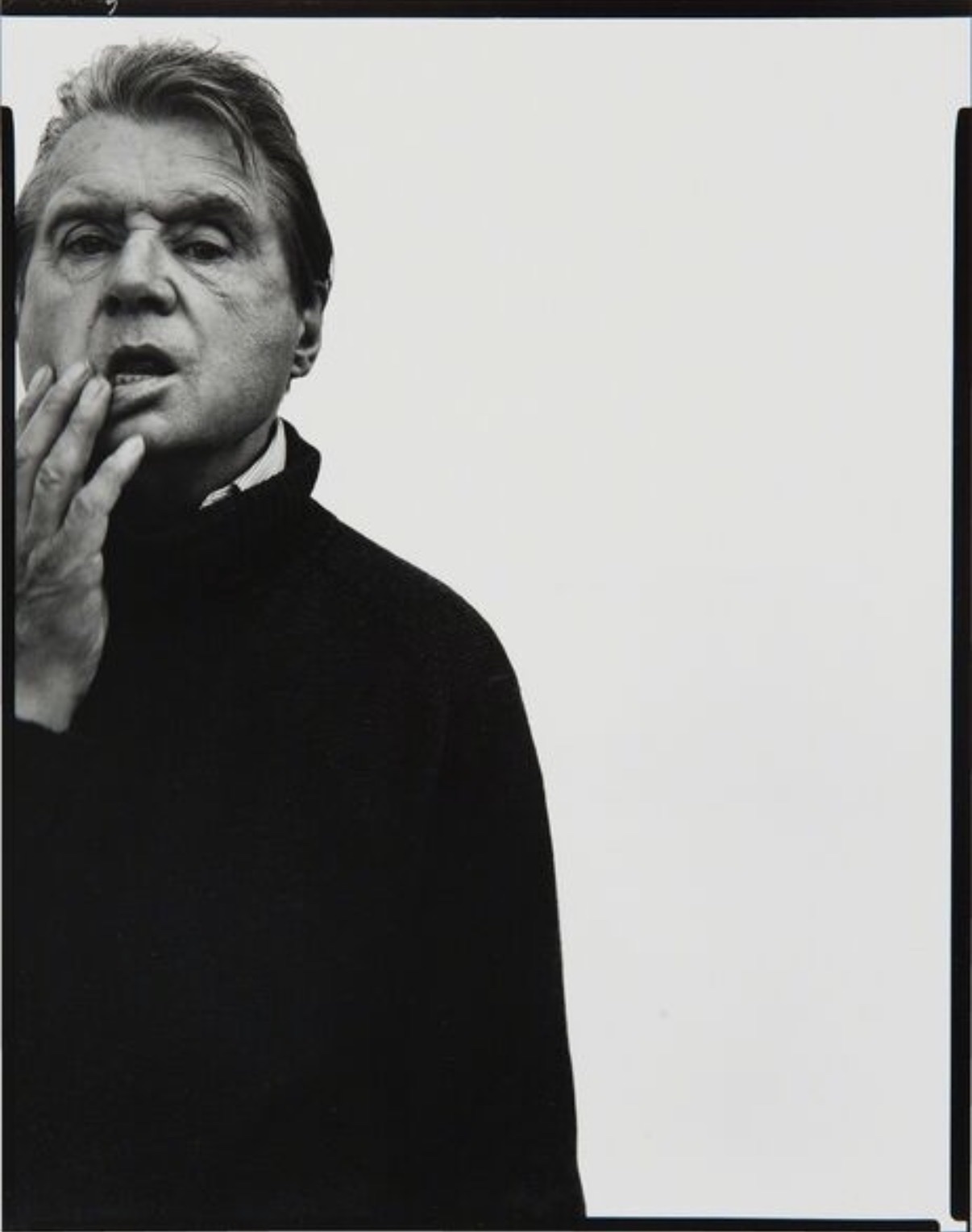
Photography was the engine of this transformation. In the postwar decades, a generation of photographers moved through the corridors of celebrity, politics, and pop culture with an intimacy that had never existed before. Richard Avedon, whose work endures as some of the most psychologically penetrating portraiture of the era, understood that a famous face was not simply a subject. It was a negotiation.
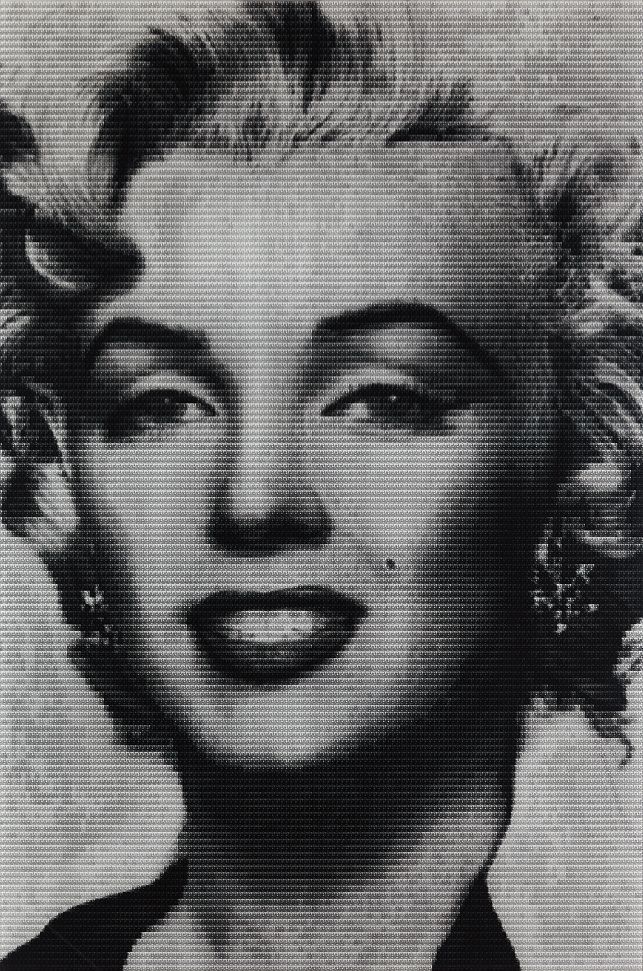
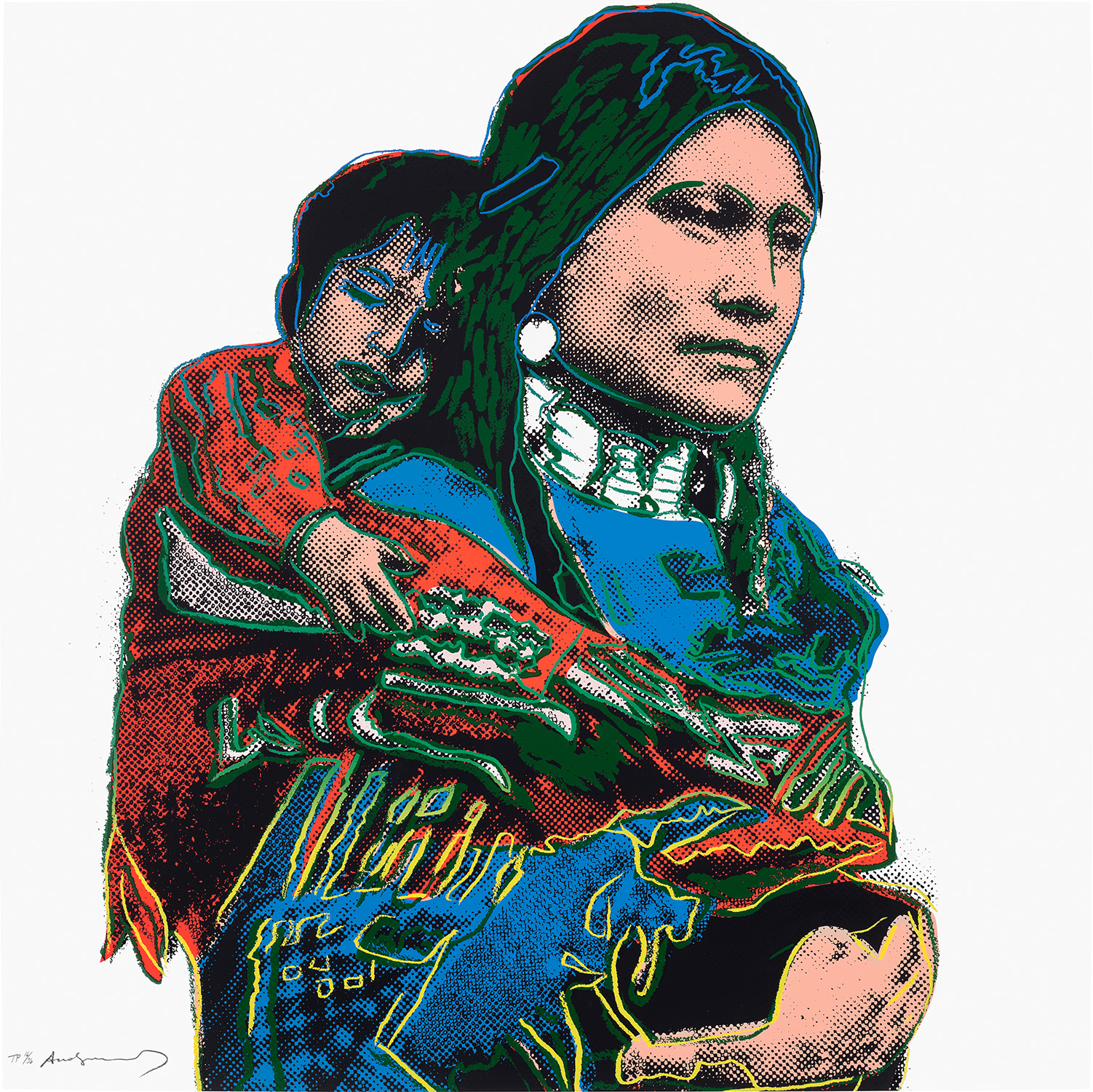
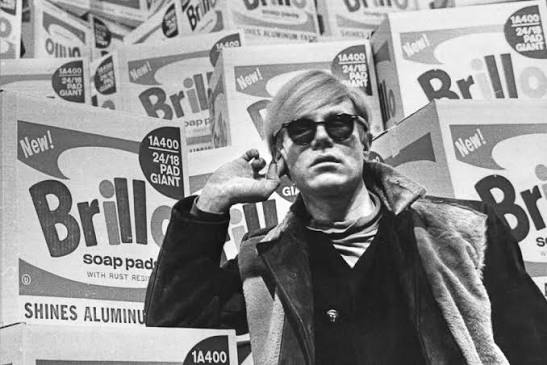
His 1969 portrait of Andy Warhol, exposing the scars from Valerie Solanas's attack the previous year, remains one of the most unsettling confrontations between the camera and celebrity ever made. Avedon stripped away the performance, and what remained was something raw and genuinely uncomfortable. Warhol himself, of course, was the figure who most completely theorized the cultural icon as an artistic material. Beginning in the early 1960s with his silkscreen series featuring Marilyn Monroe, Elvis Presley, and Mao Zedong, Warhol argued through his practice that repetition was the defining condition of modern fame.
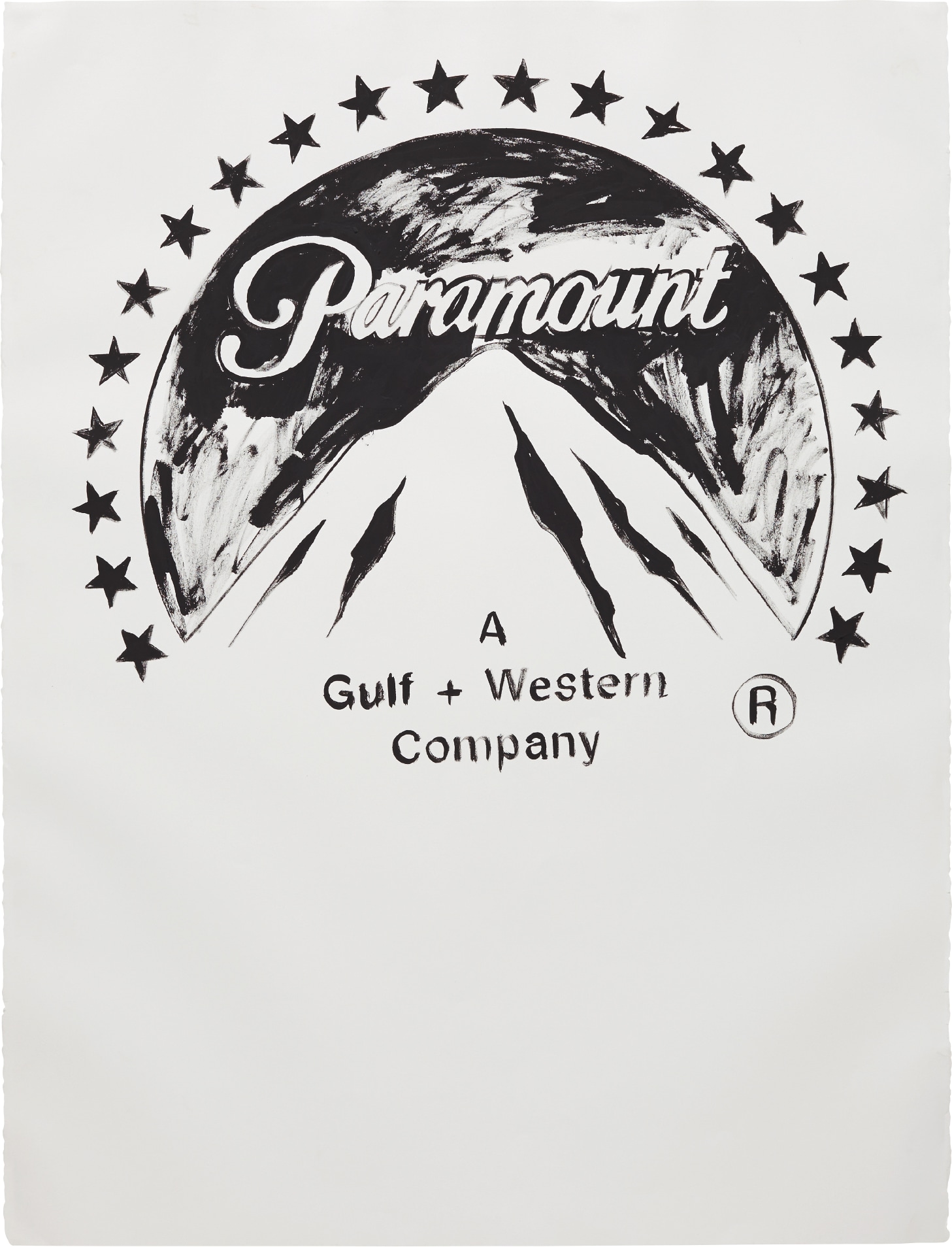
Andy Warhol
Paramount
His work on The Collection demonstrates the range of this obsession. He understood that the more an image is reproduced, the more it becomes a kind of wallpaper for the collective imagination, familiar to the point of abstraction. His Factory on East 47th Street in New York was not just a studio. It was a laboratory for studying the mechanics of cultural iconography.
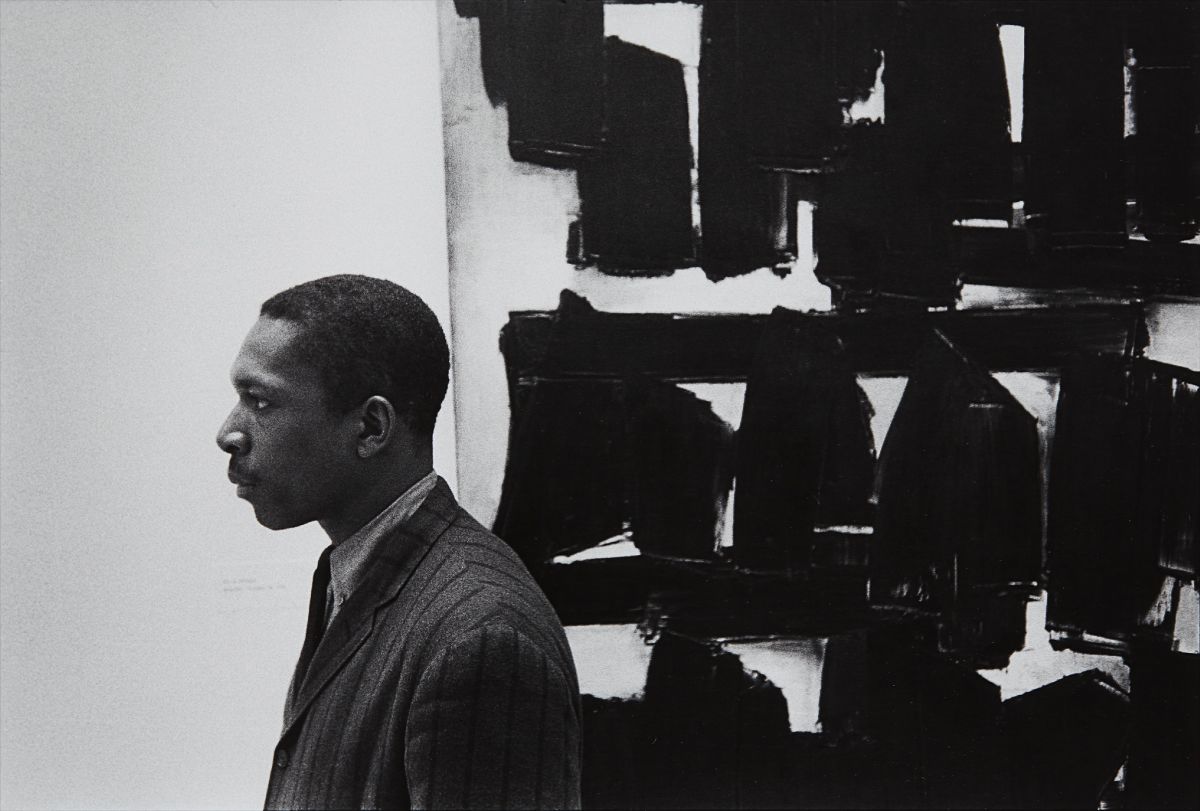
Alongside Warhol's conceptual cool, photographers were doing something equally significant but more visceral. Harry Benson, who traveled with the Beatles from their earliest days of fame in 1964, captured the moment before the machine of celebrity had fully processed those four young men from Liverpool. His images carry the texture of real life: the pillow fights, the exhaustion, the private hilarity. William Claxton brought a similar intimacy to the jazz world, photographing figures like Chet Baker with an ease and warmth that revealed personality rather than persona.
Martin Munkácsi
Frida Kahlo and Diego Rivera
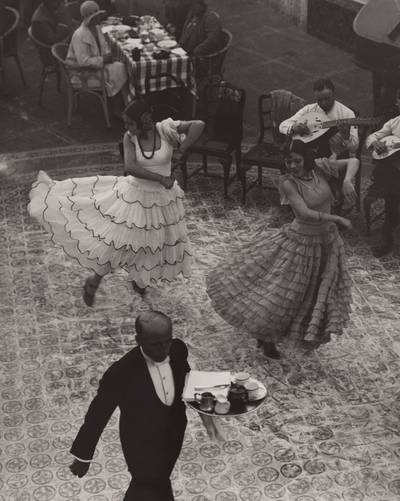
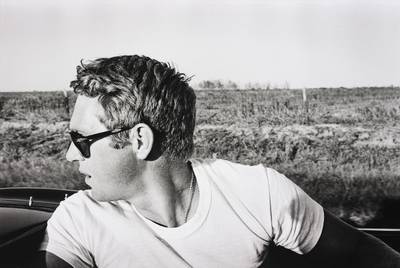
These photographers did not simply document icons. They participated in creating them. The tradition runs deeper still. Martin Munkácsi, the Hungarian photographer who influenced a generation of image makers including Richard Avedon, brought a radical dynamism to portraiture in the 1930s.
His work for Harper's Bazaar demonstrated that even a still image could pulse with energy, could make a face feel alive rather than posed. Berenice Abbott, working in New York across the same decades, brought a different kind of rigor to the idea of the significant subject, pursuing her documentary instincts with formal precision. Burt Glinn, a Magnum photographer whose career stretched across the civil rights era and beyond, understood that the cultural icon was not always glamorous. Sometimes it was a face contorted by history.
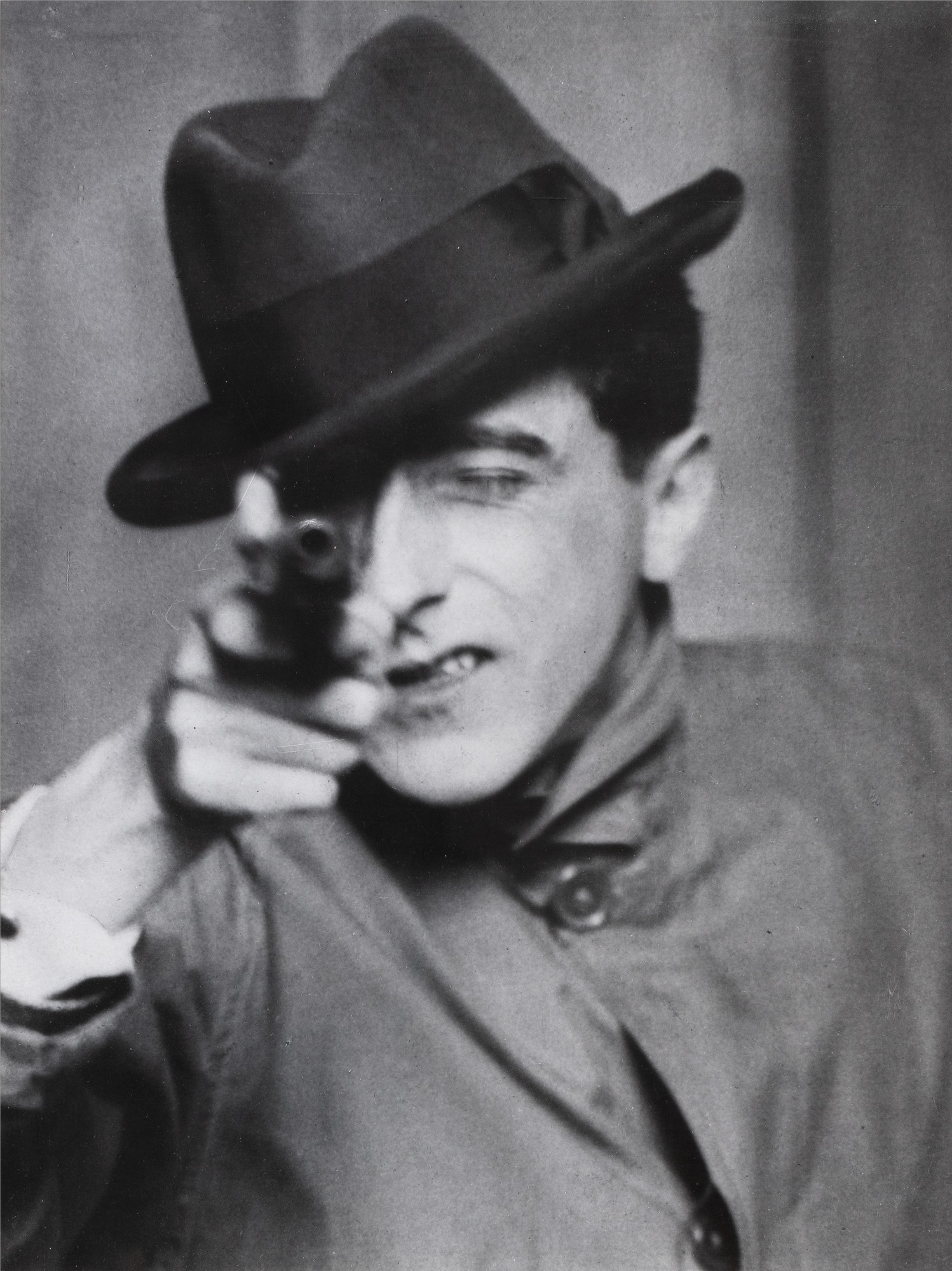
Berenice Abbott
Jean Cocteau with Gun, Paris, 1927
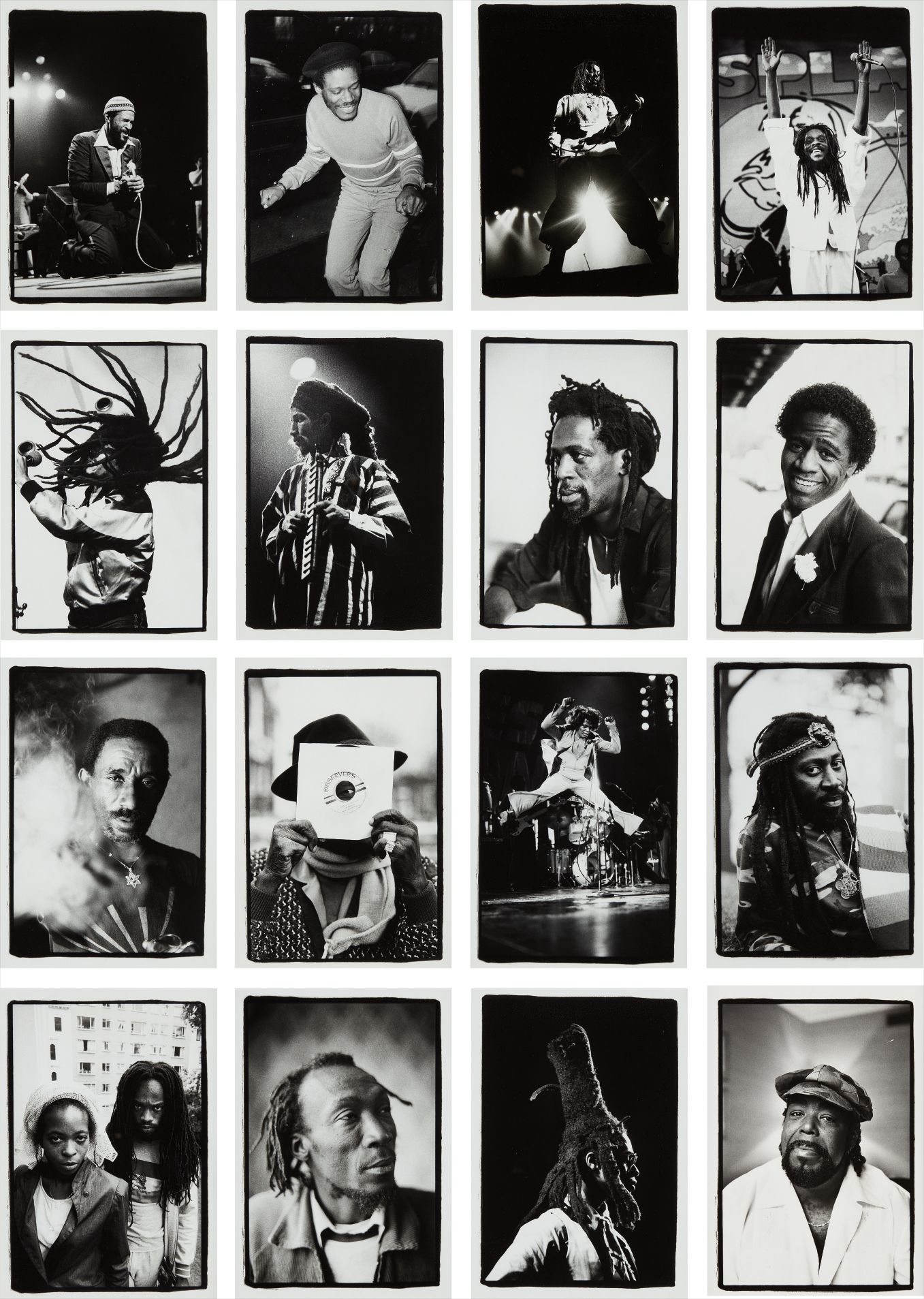
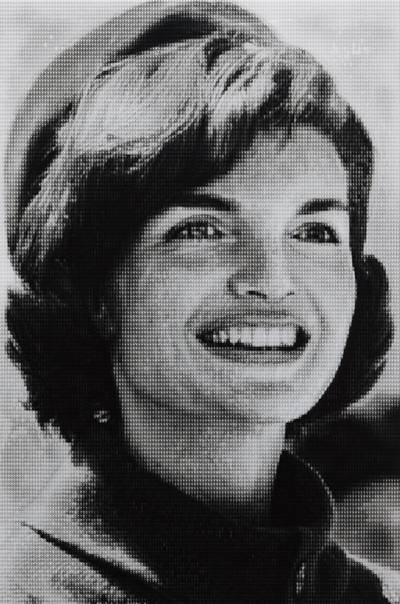
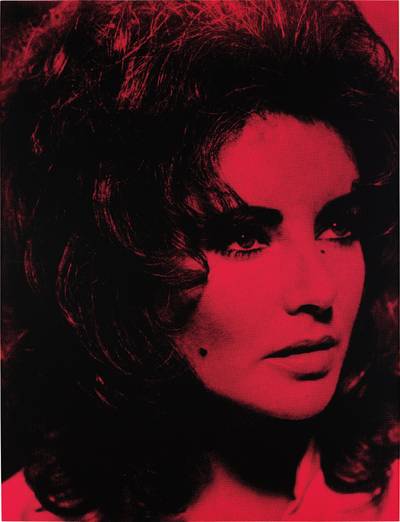
What unites these makers of icons is a shared instinct about the relationship between the individual face and the larger forces moving through a culture. Allen Ginsberg, the poet who photographed his own circle of artists and writers across the 1950s through the 1980s, approached the camera from the other side of the lens for most of his career, yet his own image became inseparable from the Beat generation's visual mythology. David Corio documented the early years of hip hop and reggae with the forensic passion of someone who understood he was witnessing something that would later be called historic. Russell Young, working from a place where fine art and pop culture intersect, has pushed the conversation forward by treating the silk screen and the celebrity photograph as a single continuous medium, extending Warhol's inquiry into the present tense.
Alex Guofeng Cao represents perhaps the most self conscious engagement with this tradition. His works place iconic Western figures into dialogue with Chinese visual language, questioning whose icons belong to which culture and who holds the authority to canonize a face. In a global art market where provenance and cultural context are endlessly debated, Cao's practice reminds us that the cultural icon is never neutral. Every face that gets elevated carries the weight of the choices made by the person who framed it and the society that received it.
The works gathered on The Collection speak to the full range of this conversation, from the documentary urgency of mid century photography to the ironic distance of pop appropriation. What they share is an investment in the idea that certain faces carry more than individual identity. They carry the anxieties, aspirations, and collective fantasies of the moment that produced them. To collect these works is not simply to acquire beautiful objects.
It is to build an archive of how we have looked at ourselves, and how we have chosen to remember what we saw.