Biomorphic
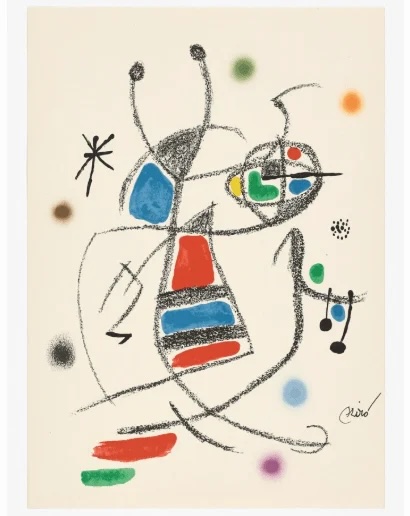
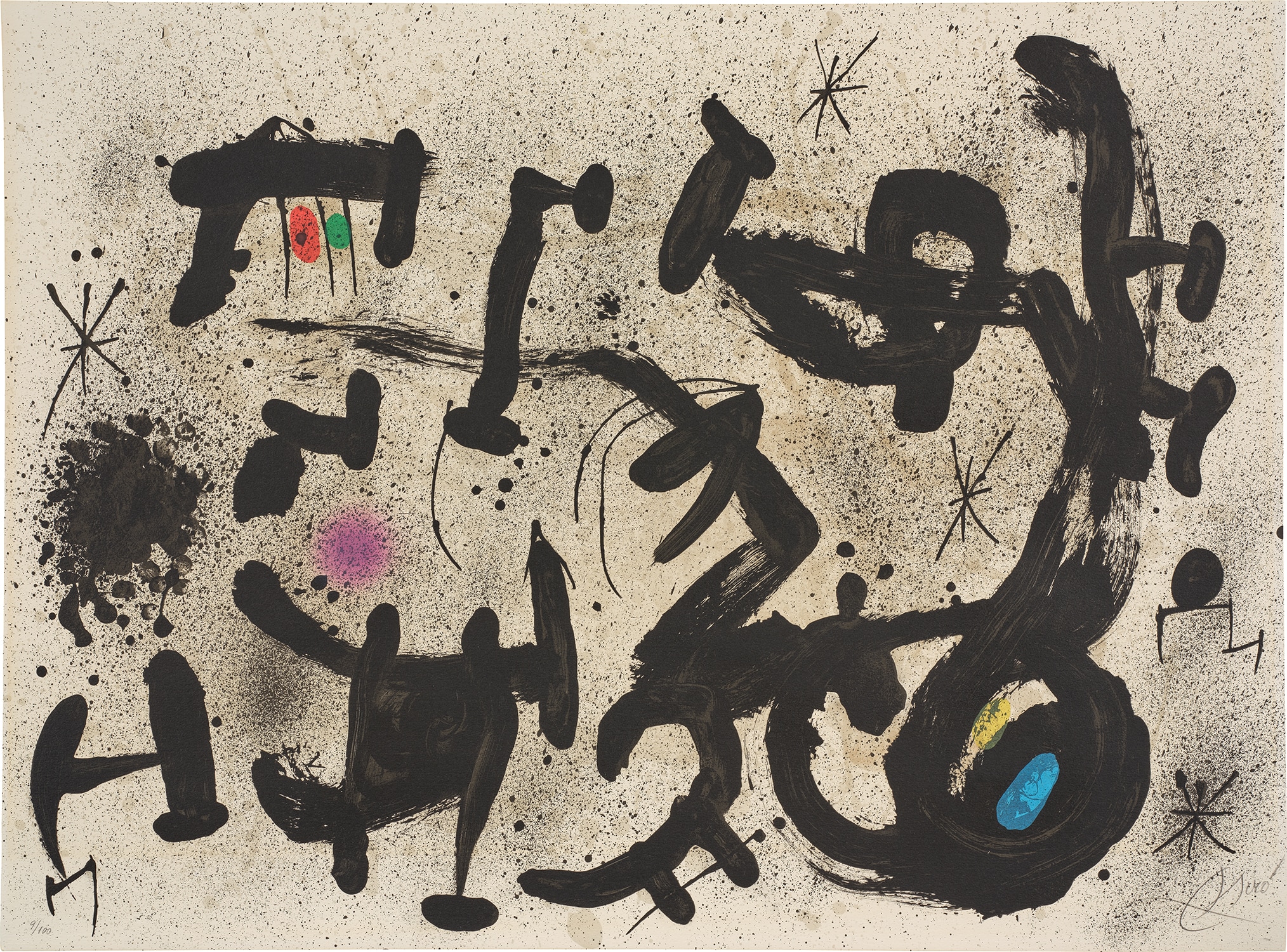
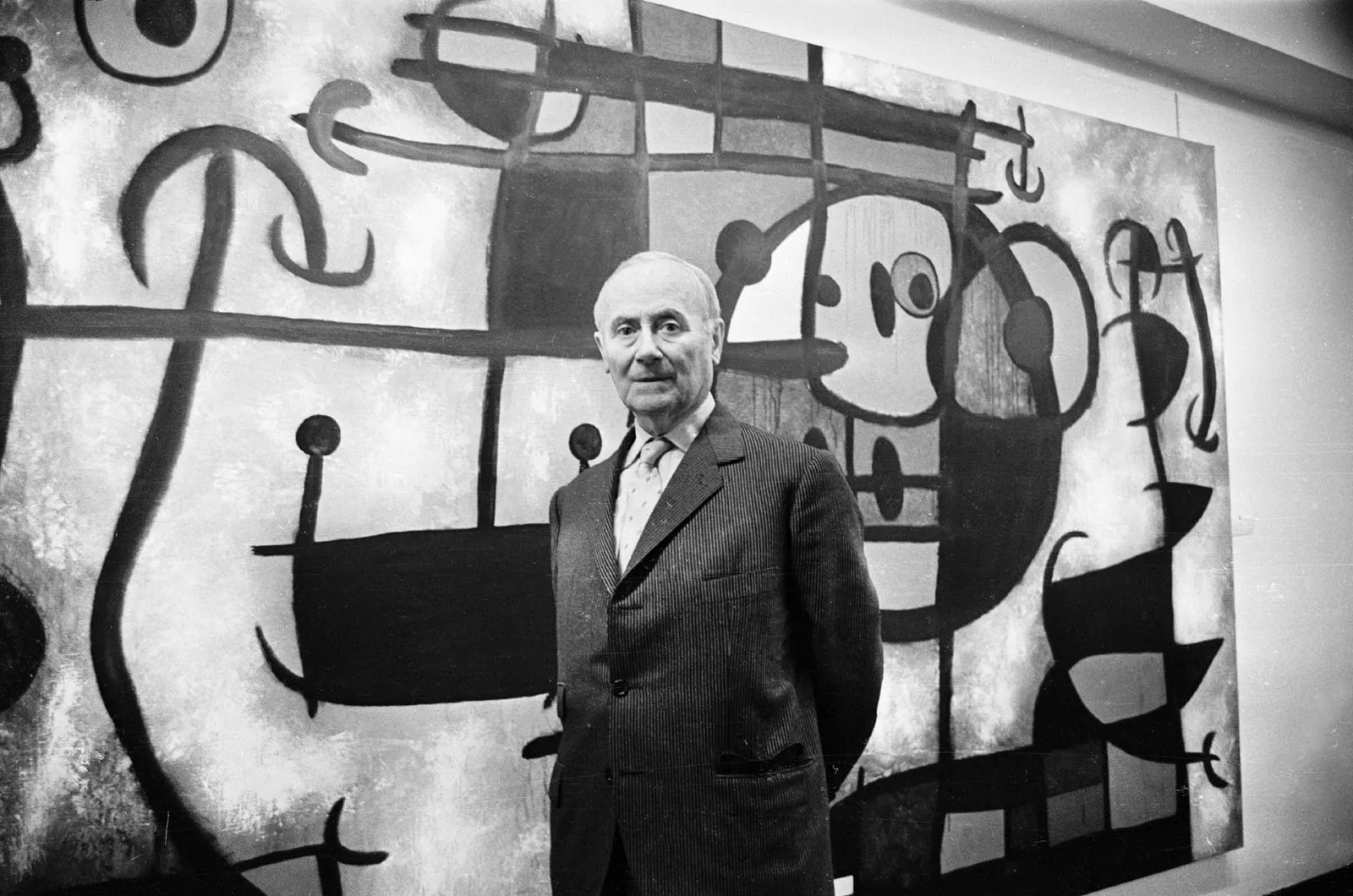
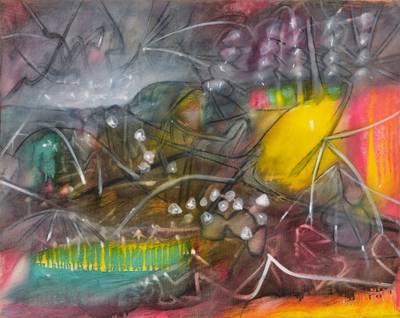
Joan Miró
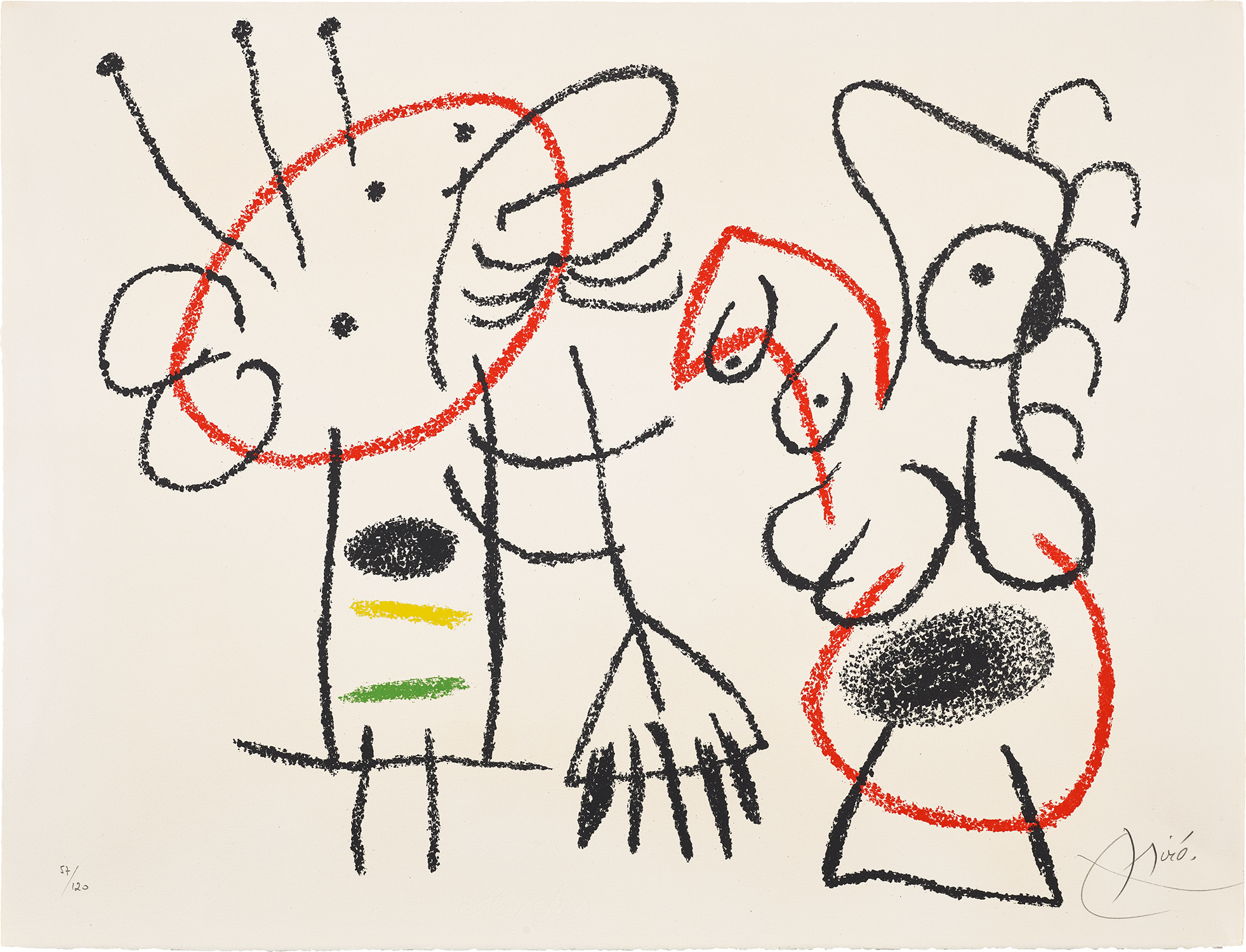
Maravillas con Variaciones Acrósticasa en el Jardin de Miró, 1975





The Body Knows: Collecting Biomorphic Art
There is something pre rational about the pull of biomorphic art. Before you know why you want it on your wall, you already do. These works speak in a frequency that bypasses the analytical mind and goes straight to something older, something cellular. Collectors who gravitate toward this category often describe the same phenomenon: they stood in front of a Miró or a Hepworth and felt recognised rather than instructed.
That quality of felt meaning, of forms that seem to breathe and shift depending on the light and your mood, is precisely what makes biomorphic work so compelling to live with over time. Unlike geometric abstraction, which rewards sustained intellectual attention, biomorphic work rewards daily cohabitation. It changes as you change. The category itself resists easy definition, which is part of its enduring appeal.
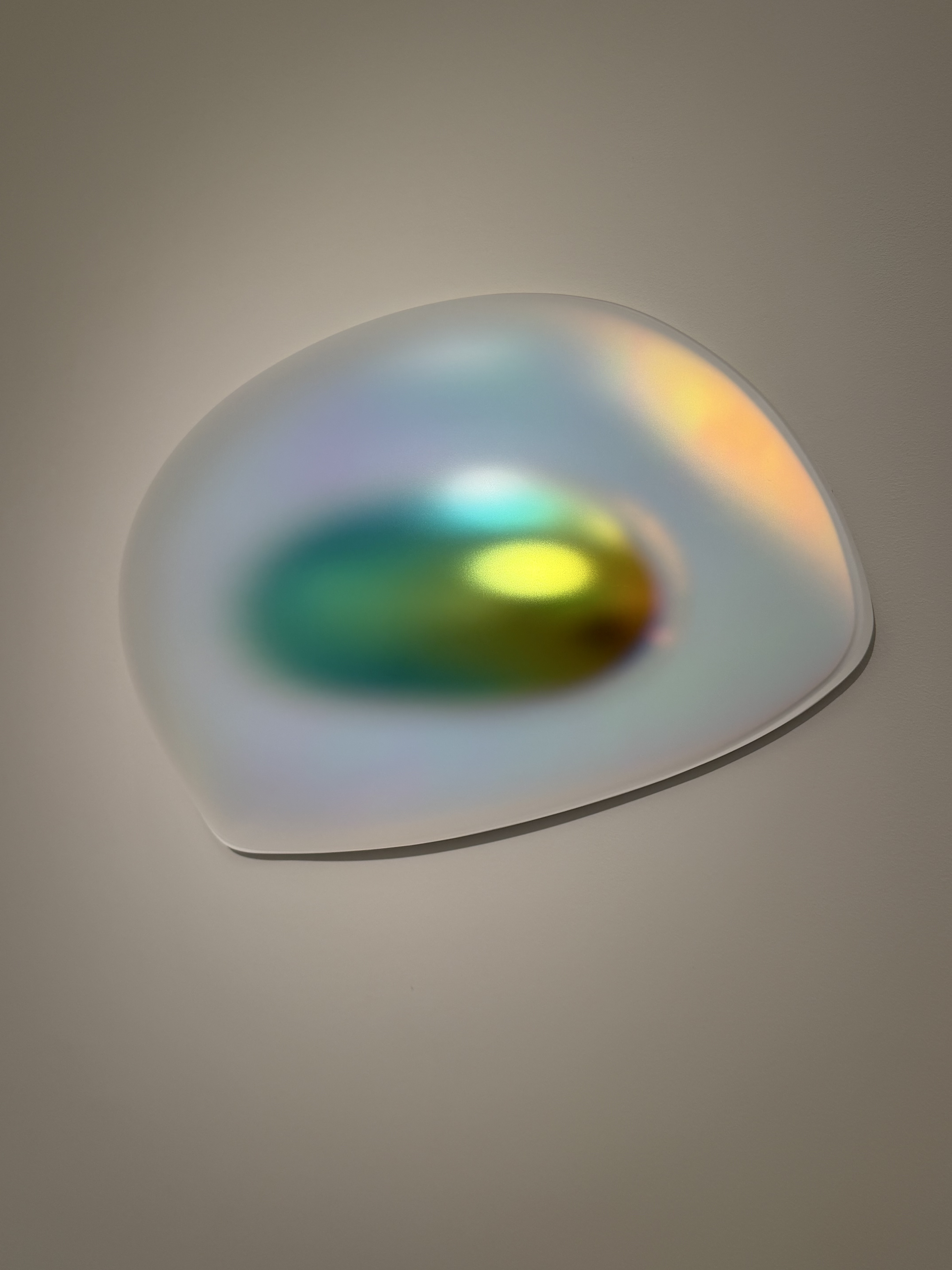
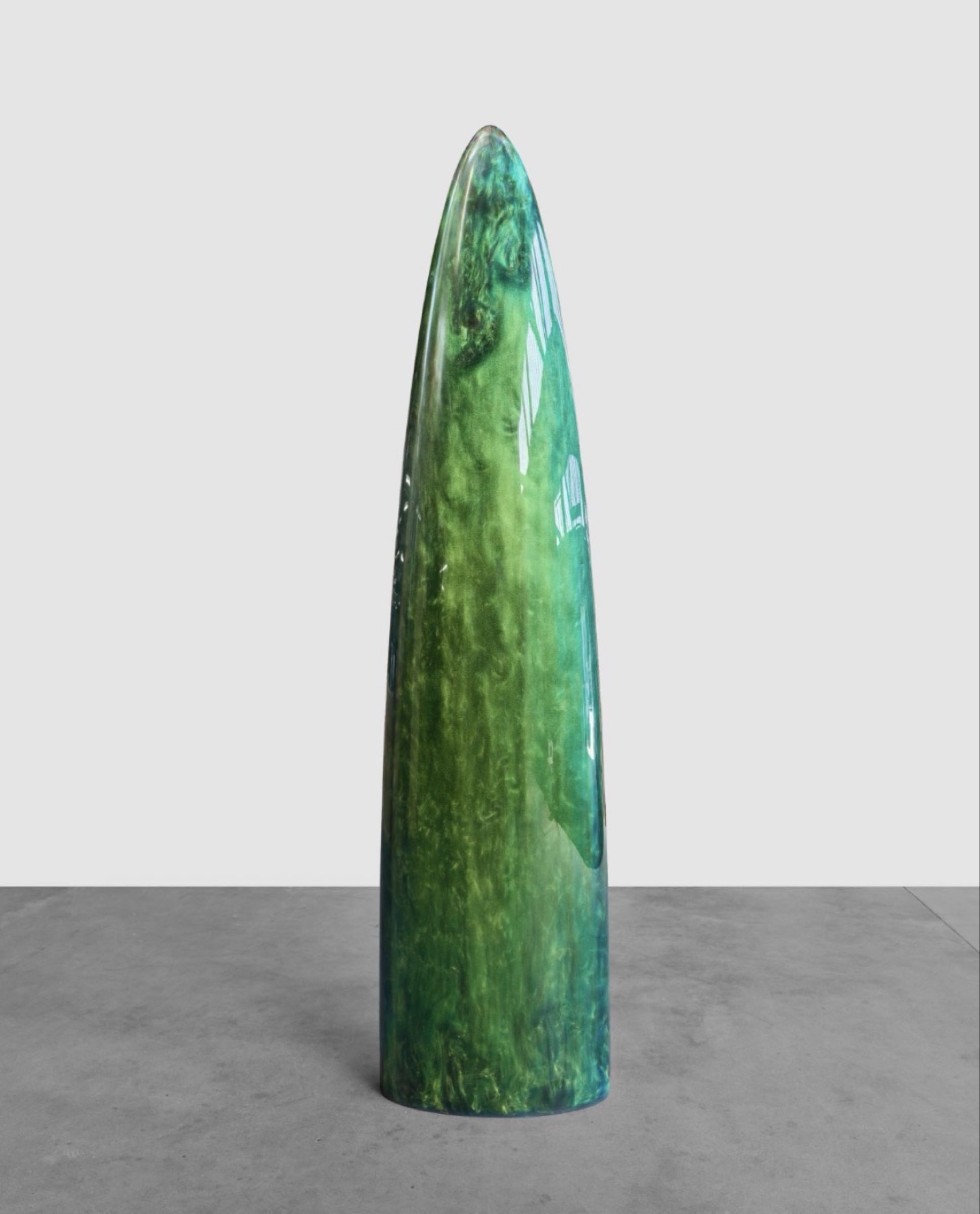
Gisela Colón
Scalene Earthoid (Calisto), 2025
At its broadest, biomorphic art encompasses any abstract work whose forms suggest living organisms, anatomical structures, cellular or botanical growth, without ever committing to literal representation. The term entered critical vocabulary in earnest during the 1930s, but the underlying impulse connects practices as distinct as Jean Arp's reliefs of the 1910s and Yayoi Kusama's obsessive cellular accumulations decades later. What binds them is a shared conviction that abstraction need not be cold or cerebral, that pure form can carry warmth, humor, eroticism, even dread. For a collector, this range means the category is genuinely capacious.
You can build a focused, coherent collection within biomorphism that still spans generations, media, and emotional registers. Separating a good biomorphic work from a truly great one requires attention to what might be called organic conviction. The forms should feel discovered rather than designed. In Arp's best sculptures and reliefs, there is no sense of a predetermined shape being executed.
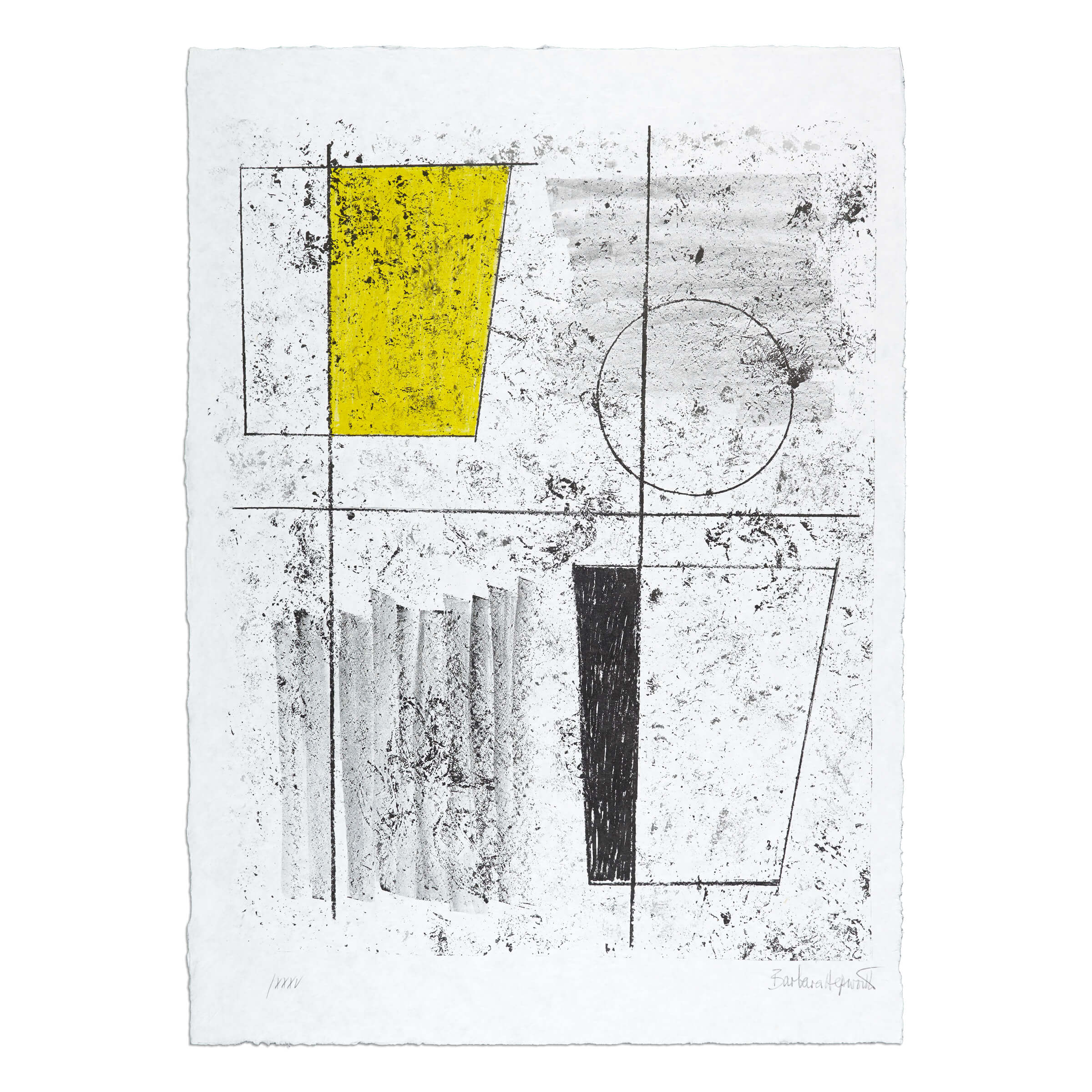
Barbara Hepworth
Three Forms Assembling, 1903
The work feels as though it arrived, as though the material itself had opinions. By contrast, weaker biomorphic work tends toward the decorative, producing pleasant undulations that comfort without challenging. A collector should ask whether the work sustains genuine ambiguity over time. Does it remain open?
Does it resist a single reading? A Henry Moore bronze that can be simultaneously a reclining figure, a landscape, and a geological formation is working at full capacity. One that simply looks like a smooth, vaguely human shape is doing far less. Scale and medium matter too.
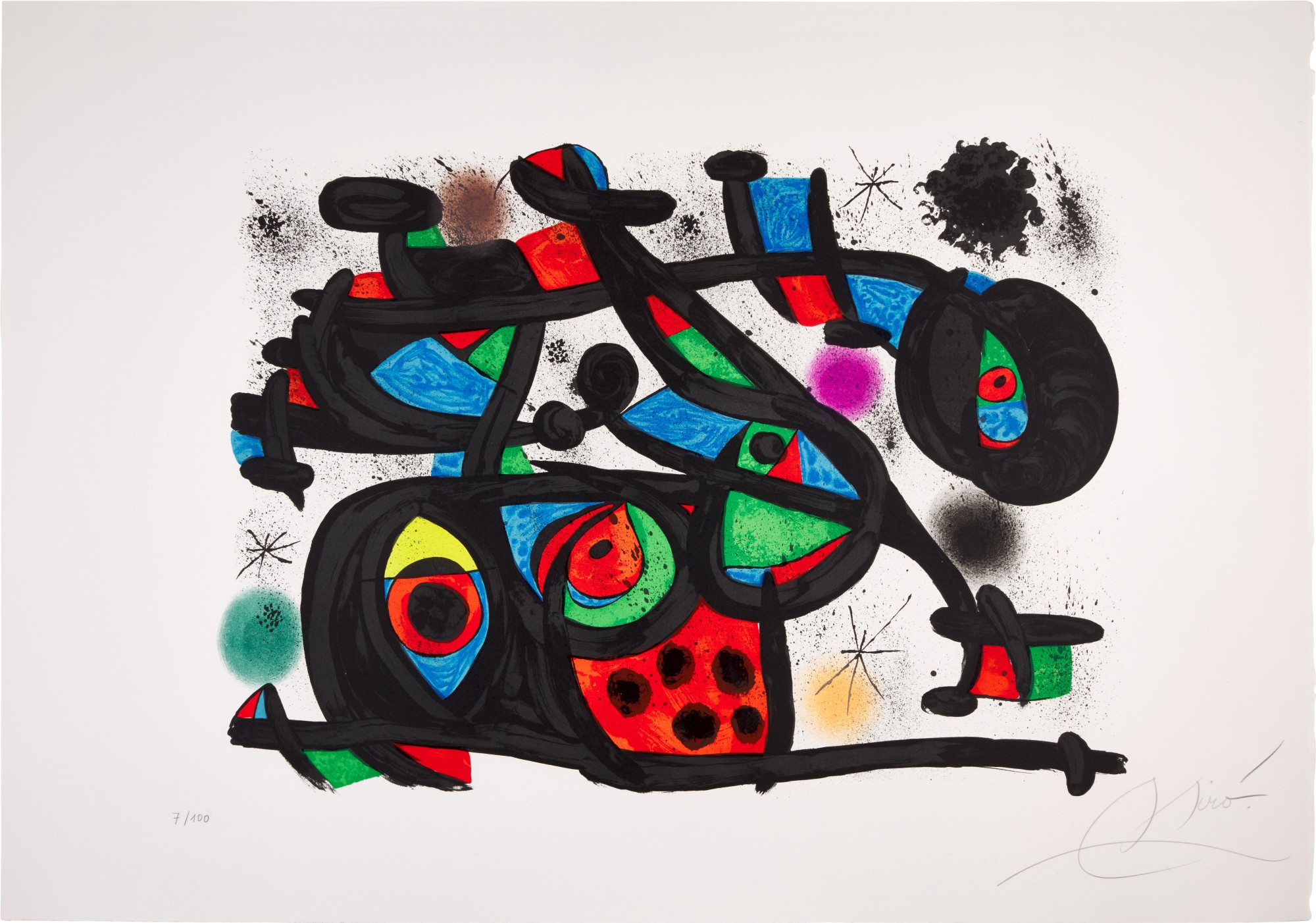
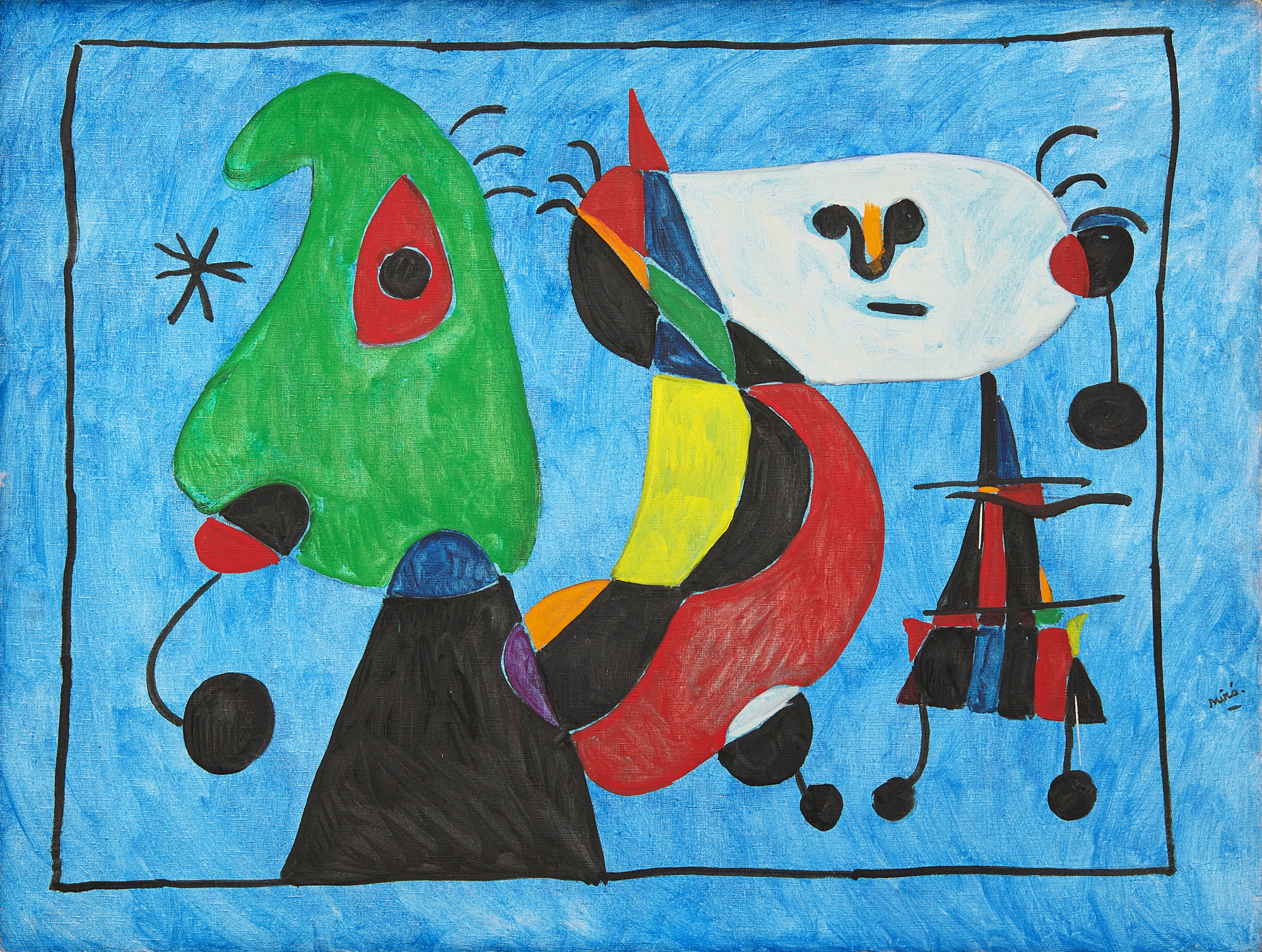
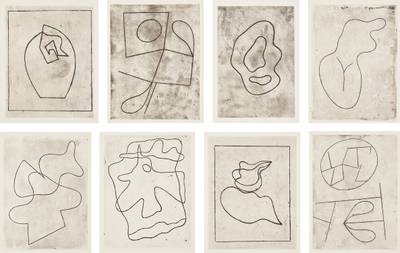
Joan Miró
Le rapt (M. 1241)
Biomorphic forms often depend on a certain physical presence to fully activate, and works that are too modest in scale can lose the somatic charge that defines the category at its best. In terms of market positioning, Joan Miró remains the gravitational centre of any serious biomorphic collection, and his works are exceptionally well represented on The Collection. Miró is one of those rare cases where critical esteem and market performance have stayed in genuine alignment for decades, with his paintings, works on paper, and sculptures all performing strongly at auction. Jean Arp, whose works also appear on The Collection in several iterations including pieces held under both his French and German name, represents what many advisors consider a quieter opportunity.
His market has historically been overshadowed by Miró and Ernst despite the fact that his formal innovations were arguably more radical and his influence on subsequent sculpture more direct. Barbara Hepworth and Henry Moore anchor the British strand of the tradition, with Hepworth in particular having seen sustained reappraisal in recent years. Her drawings and smaller bronzes now attract serious competition at the major houses in a way that felt less certain a decade ago. For collectors interested in the intersections of biomorphism with Surrealism, Roberto Matta and Yves Tanguy offer distinct pleasures.
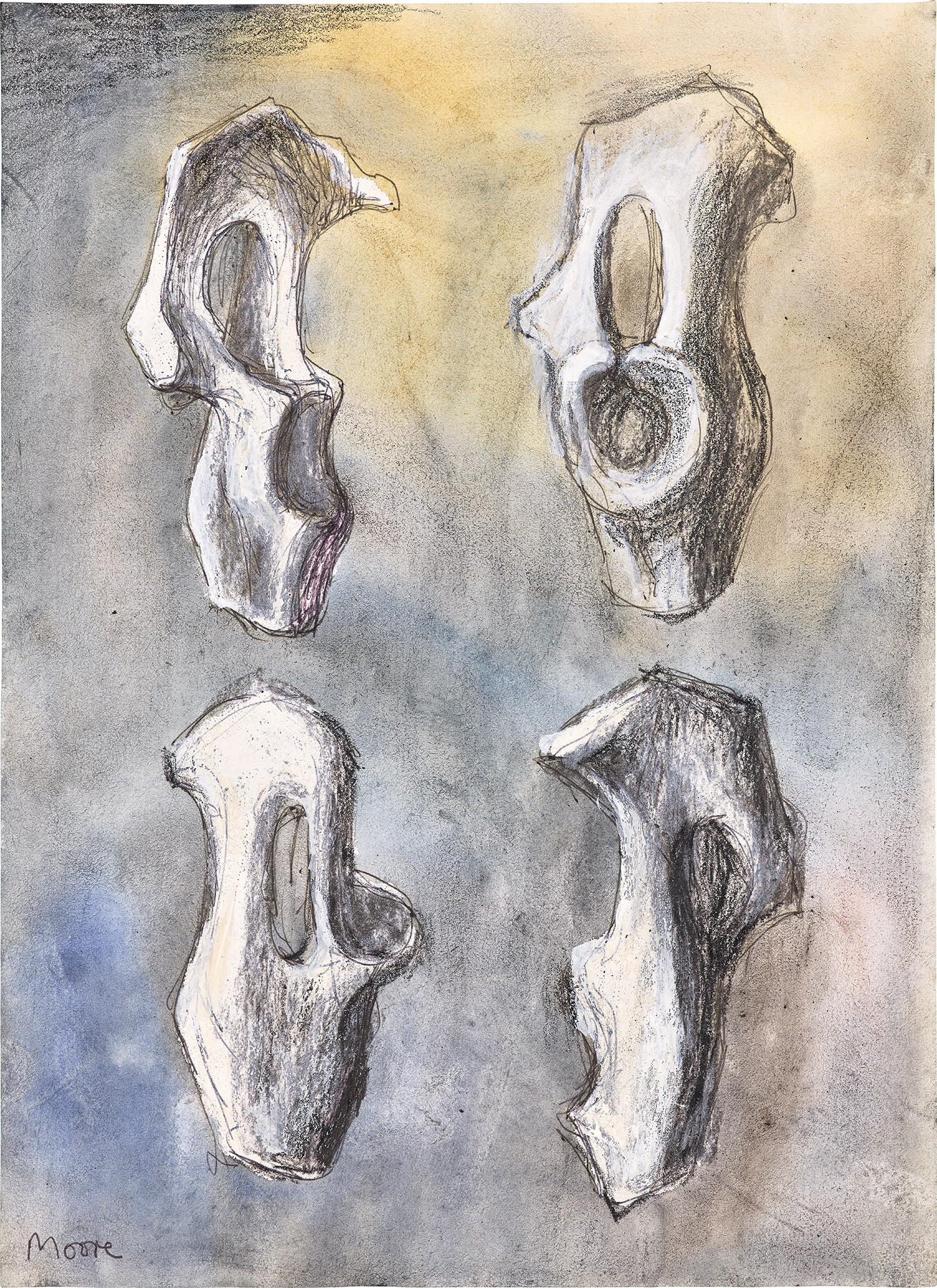
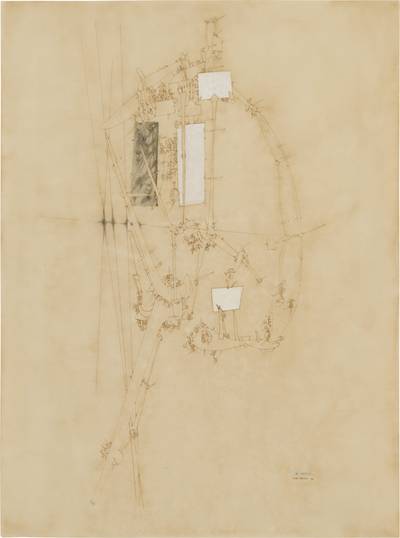
Henry Moore
Bone Forms (H.M.F. 82(119), G. 82.115)
Matta's works, several of which are available on The Collection, bring an architectural and psychological intensity to biomorphic space, his forms pressing against one another with something close to menace. Tanguy's painted worlds feel more glacially removed, as though glimpsed through an atmosphere from another planet. Both remain undervalued relative to their historical significance and their proximity to the canonical Surrealist figures. Louise Bourgeois, whose practice drew deeply on biomorphic vocabularies across her entire career, represents a different kind of value proposition.
Her market is now extremely robust, but her works continue to appreciate because the critical literature and exhibition history around her keeps expanding. Among younger and less established practitioners working in this space, Gisela Colón deserves particular attention. Her sculptural work, represented on The Collection, engages biomorphic form through a contemporary lens that incorporates advanced materials and an understanding of light that feels genuinely new rather than merely updated. Loie Hollowell works in painting and brings a frankly corporeal biomorphism to her canvases, foregrounding the erotic and anatomical with a directness that reads as both historically aware and urgently present.
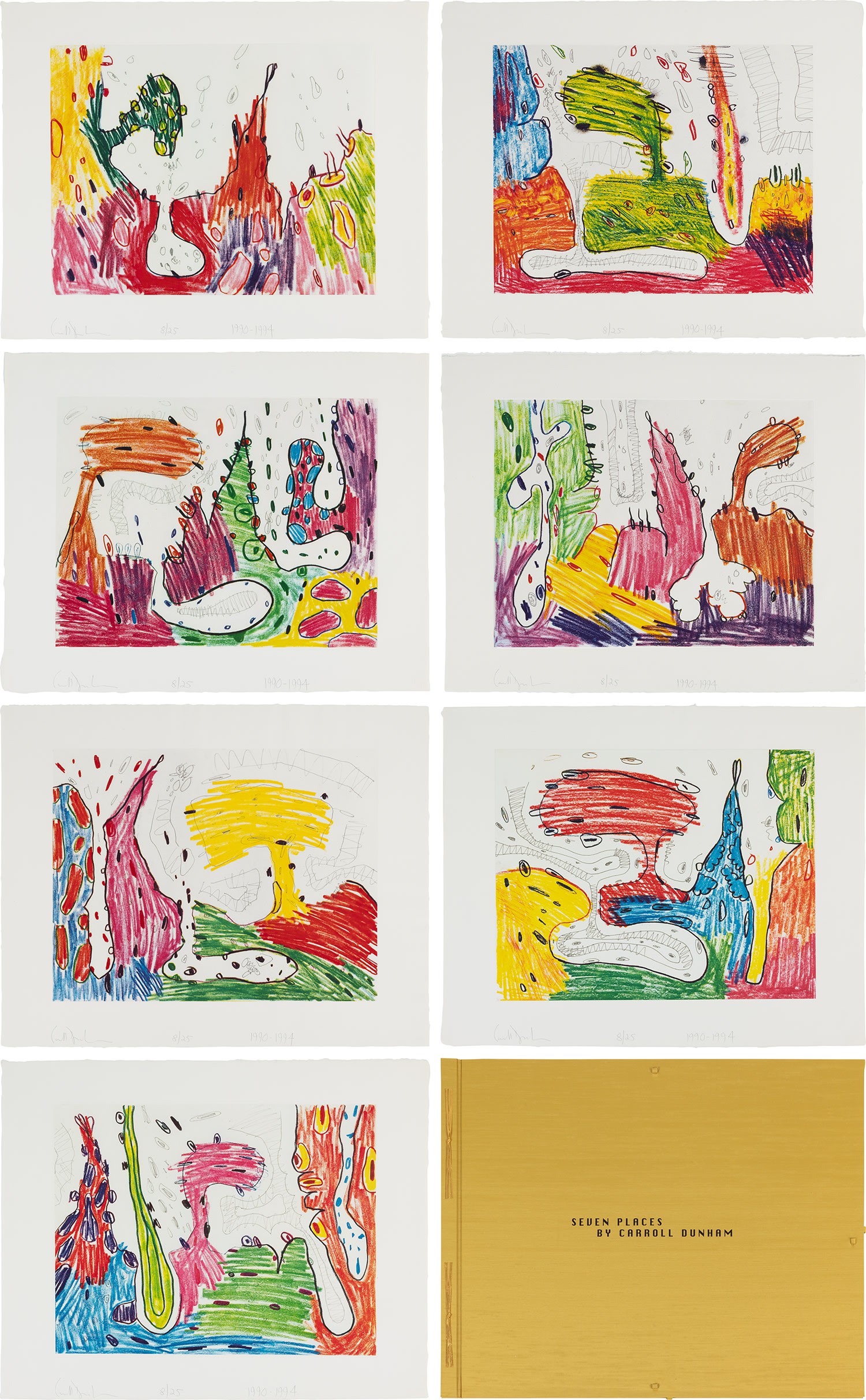
Ernesto Neto's immersive installations extend the biomorphic tradition into architectural and participatory territory, creating environments that feel genuinely alive. These artists are building serious institutional track records and their markets reflect growing confidence from both galleries and collectors. At auction, biomorphic works have historically shown resilience across market cycles, in part because the category does not depend on a single collecting taste or geography. Works by Miró and Moore perform well across the major international houses, while secondary market activity for figures like Ken Price and Carroll Dunham tends to be concentrated at a smaller number of specialists with genuine expertise in the field.
Condition is an especially important consideration for biomorphic sculpture, where surfaces carry enormous meaning. A Moore bronze with compromised patina or a Hepworth with structural repair loses not just financial value but the quality of presence that justifies the work in the first place. For works on paper, light sensitivity is a genuine concern, and climate controlled display is worth the investment. When approaching a gallery about a biomorphic work, ask specifically about exhibition history and provenance, about any structural work in the case of sculpture, and about whether the edition size was established by the artist or posthumously.
These distinctions matter both for authenticity and for long term value.