Bauhaus
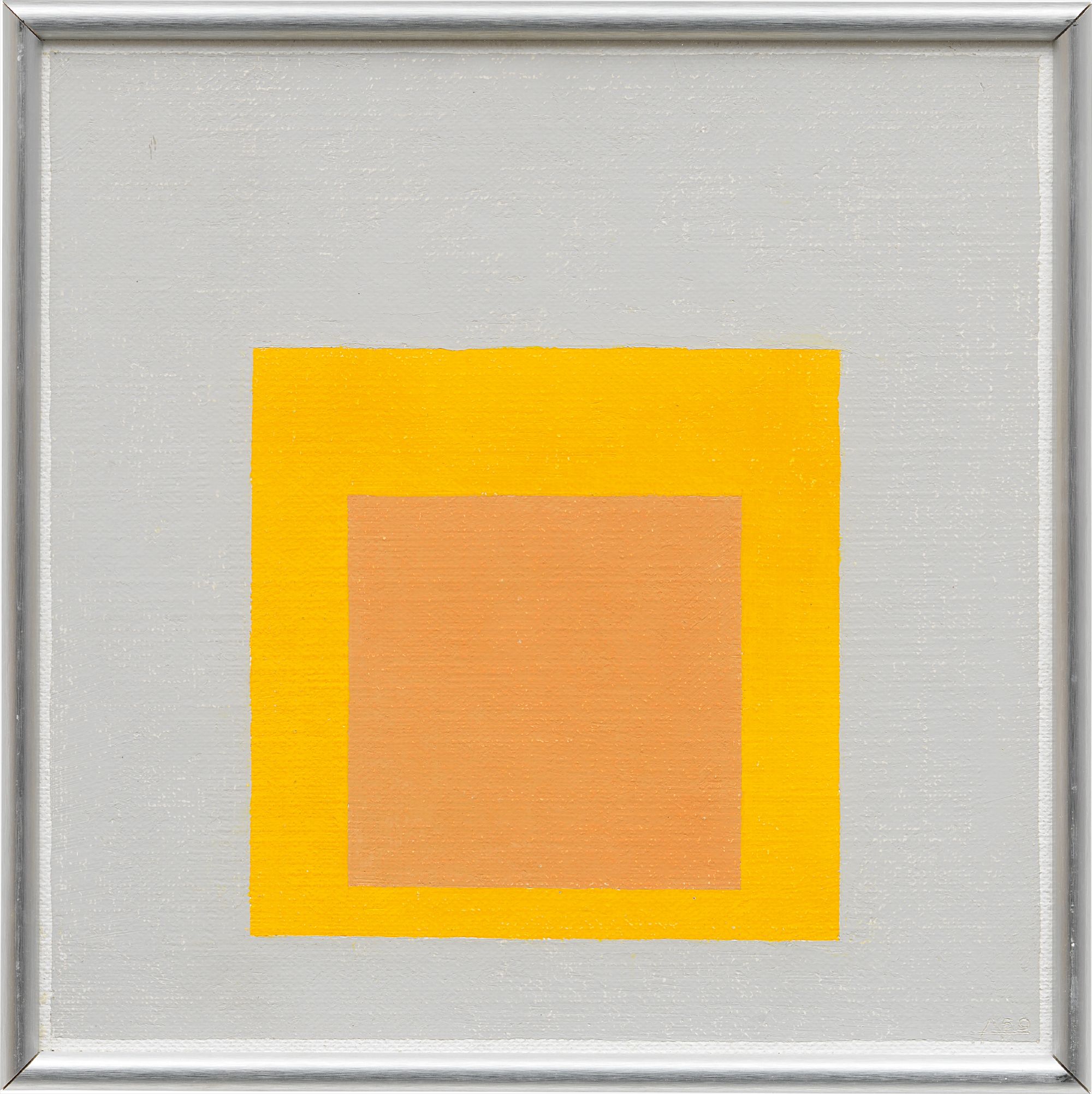
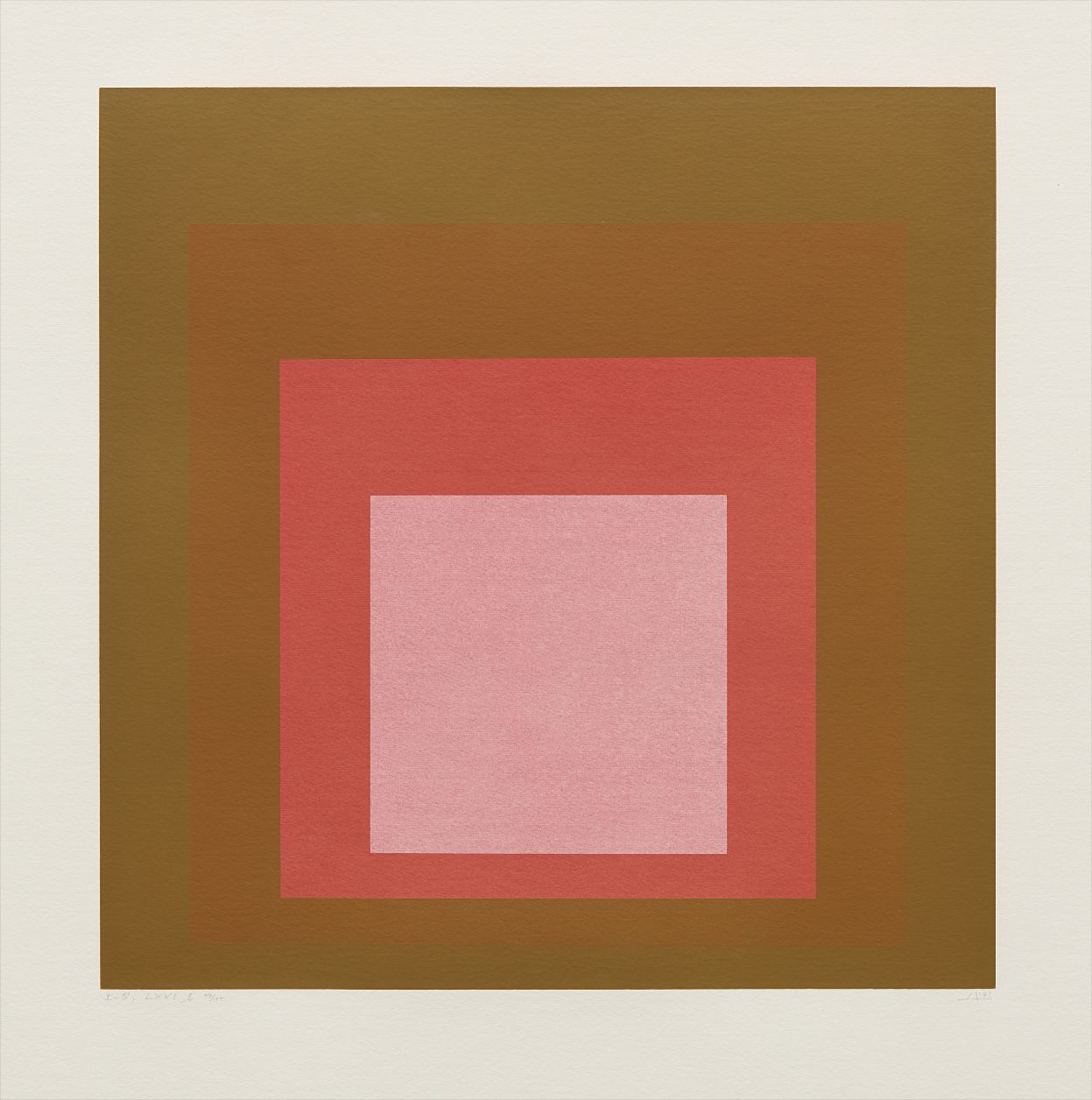
Josef Albers
Study for Homage for the Square; Sel: E. B. 4, 1959



The School That Remade the World
There are few moments in the history of art and design where a single institution manages to alter the course of visual culture so completely that its influence becomes almost invisible, absorbed so thoroughly into everyday life that we stop noticing it. The Bauhaus was such a moment. Founded in Weimar, Germany in 1919 by the architect Walter Gropius, it operated for just fourteen years before being shuttered under pressure from the National Socialists in 1933. Fourteen years.
The span of a secondary school education, and yet it produced a revolution in how human beings think about the relationship between art, craft, industry, and daily life. Gropius had a radical premise: that the artificial division between fine art and applied craft was a historical accident, not a natural law. His founding manifesto declared that the ultimate aim of all creative activity was building, and that architects, painters, and sculptors needed to return to the crafts. The school brought together workshops in weaving, ceramics, metalwork, typography, and theater alongside painting and sculpture, insisting that students learn both the formal language of art and the practical demands of making things that worked in the real world.
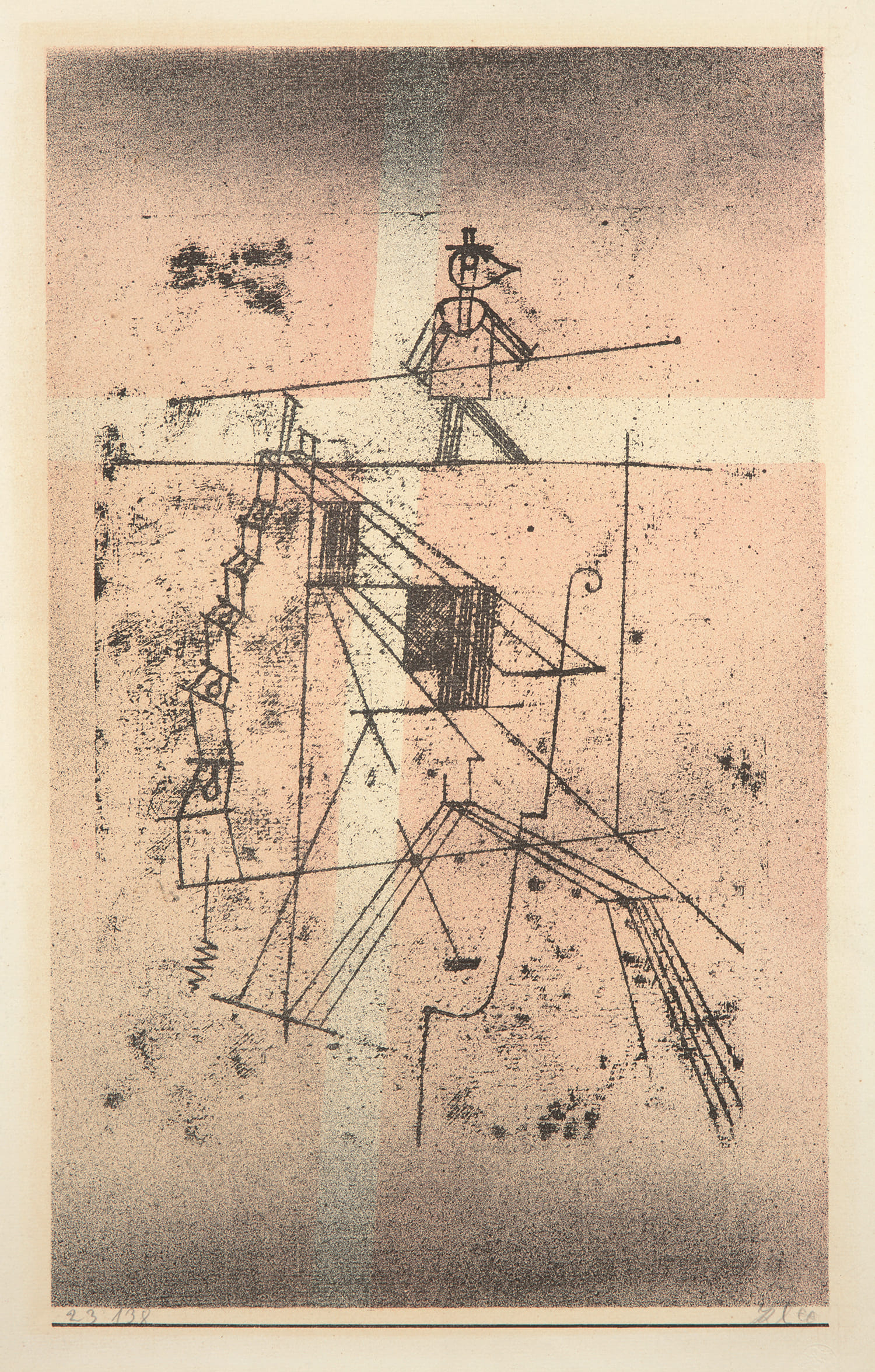
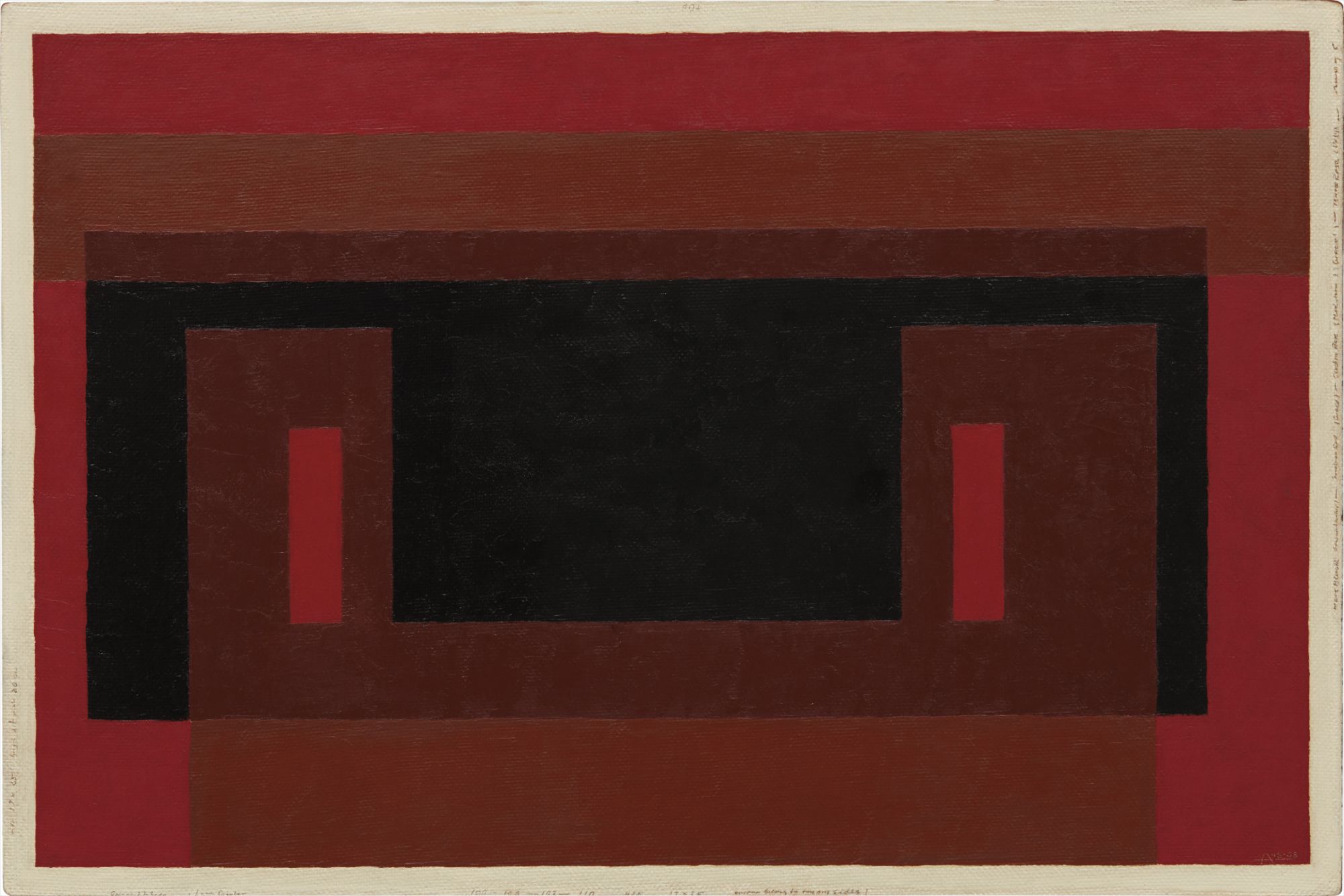
Paul Klee
Seiltänzer (Tightrope Walker)
It was an intoxicating idea, and it attracted some of the most restless and gifted minds in Europe. The Bauhaus moved through three distinct phases, each shaped by its location and director. The Weimar years, from 1919 to 1925, were the most spiritually charged, influenced partly by Johannes Itten, whose preliminary course introduced students to the study of materials, texture, and the expressive properties of form and color. Itten's approach had a mystical dimension that Gropius would eventually find incompatible with his more rationalist ambitions, and Itten departed in 1923.
His legacy, however, was profound. The preliminary course he helped shape became one of the most widely imitated pedagogical frameworks in art education, and its emphasis on perceptual and material investigation remains a cornerstone of foundation programs around the world today. When the school relocated to Dessau in 1925, it entered its most iconic and productive phase. The new building, designed by Gropius himself, was a landmark of modernist architecture, and the faculty roster read like a who's who of twentieth century art.
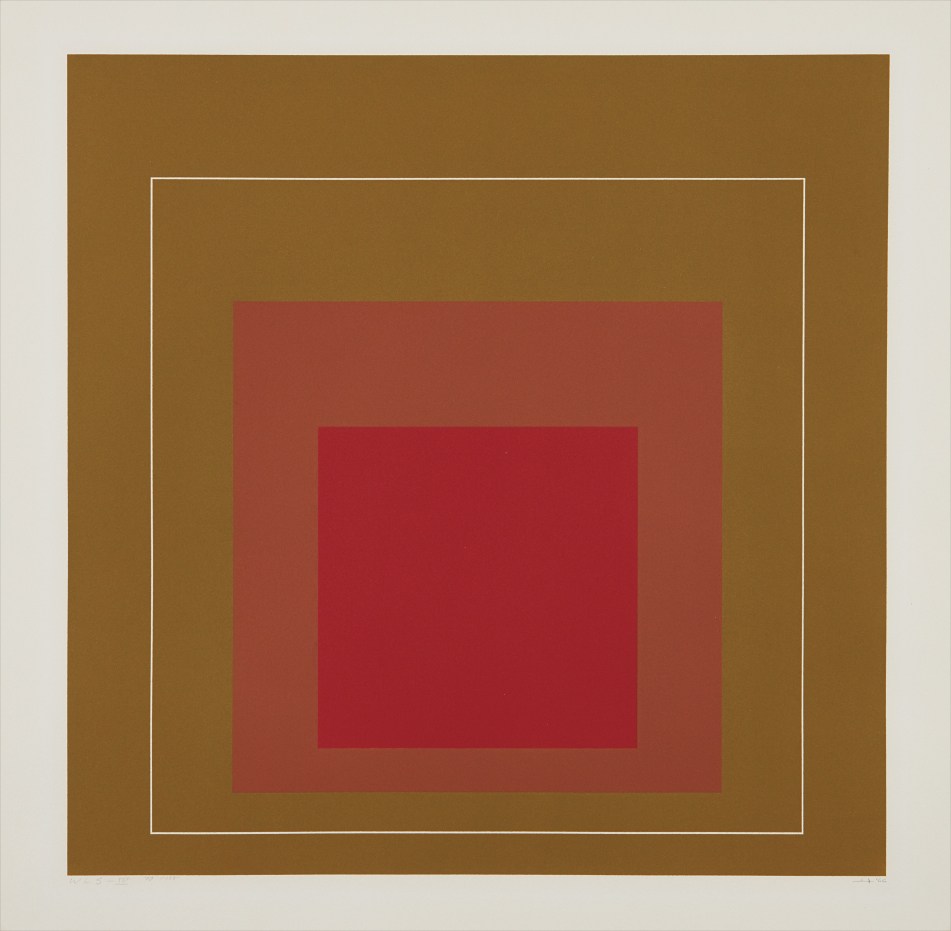
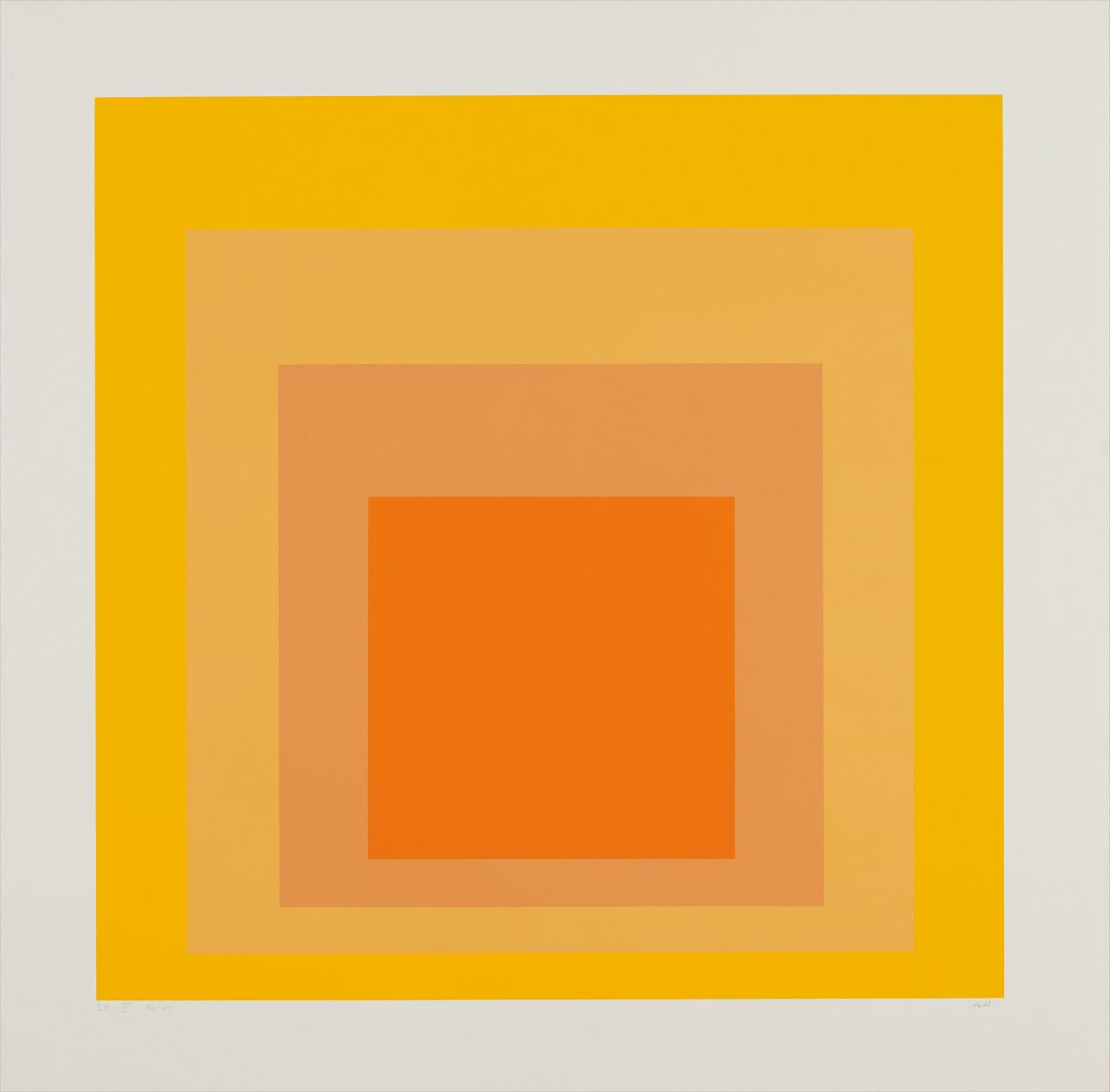
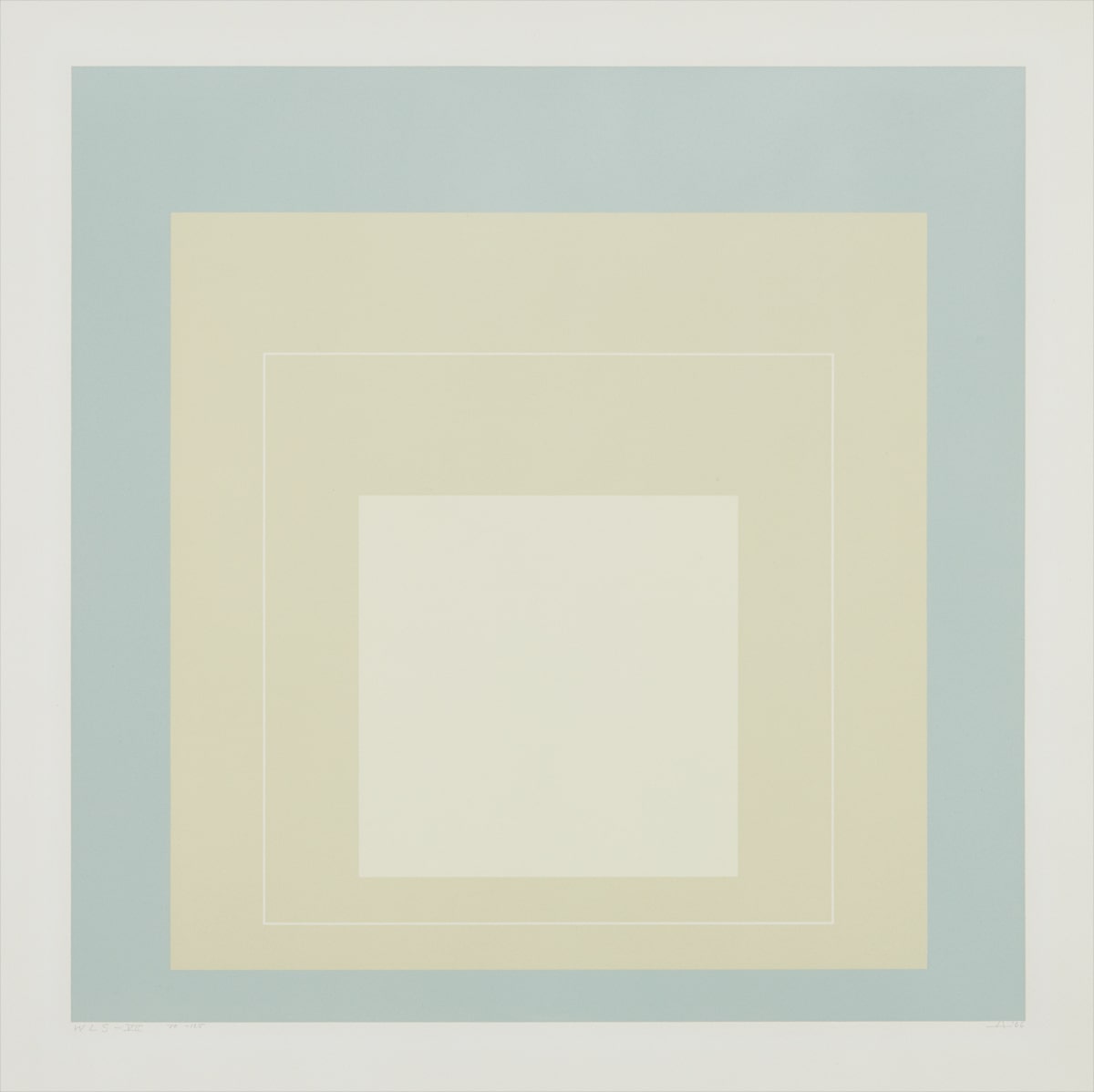
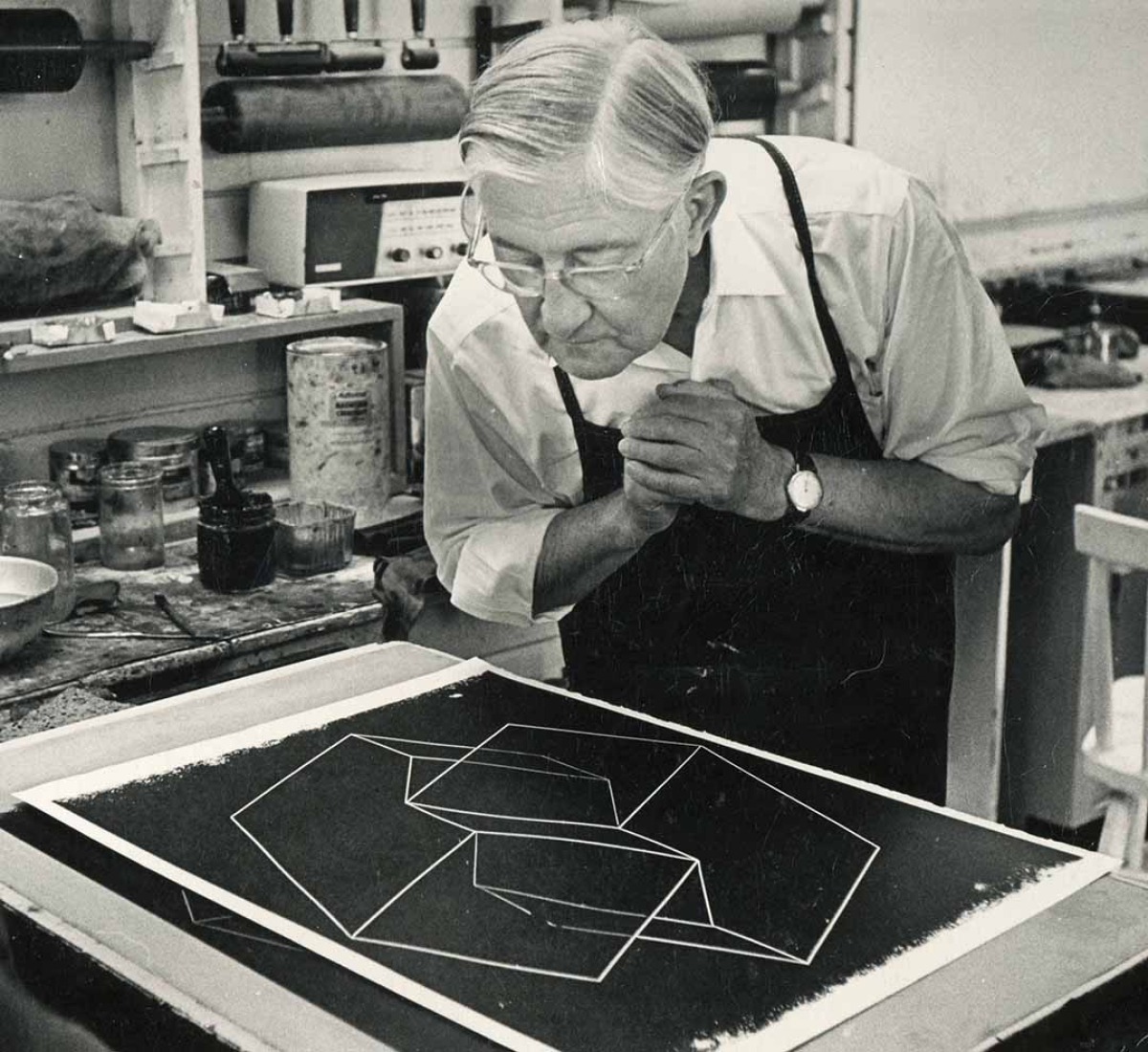
Josef Albers
Study for Homage for the Square; Sel: E. B. 4, 1959
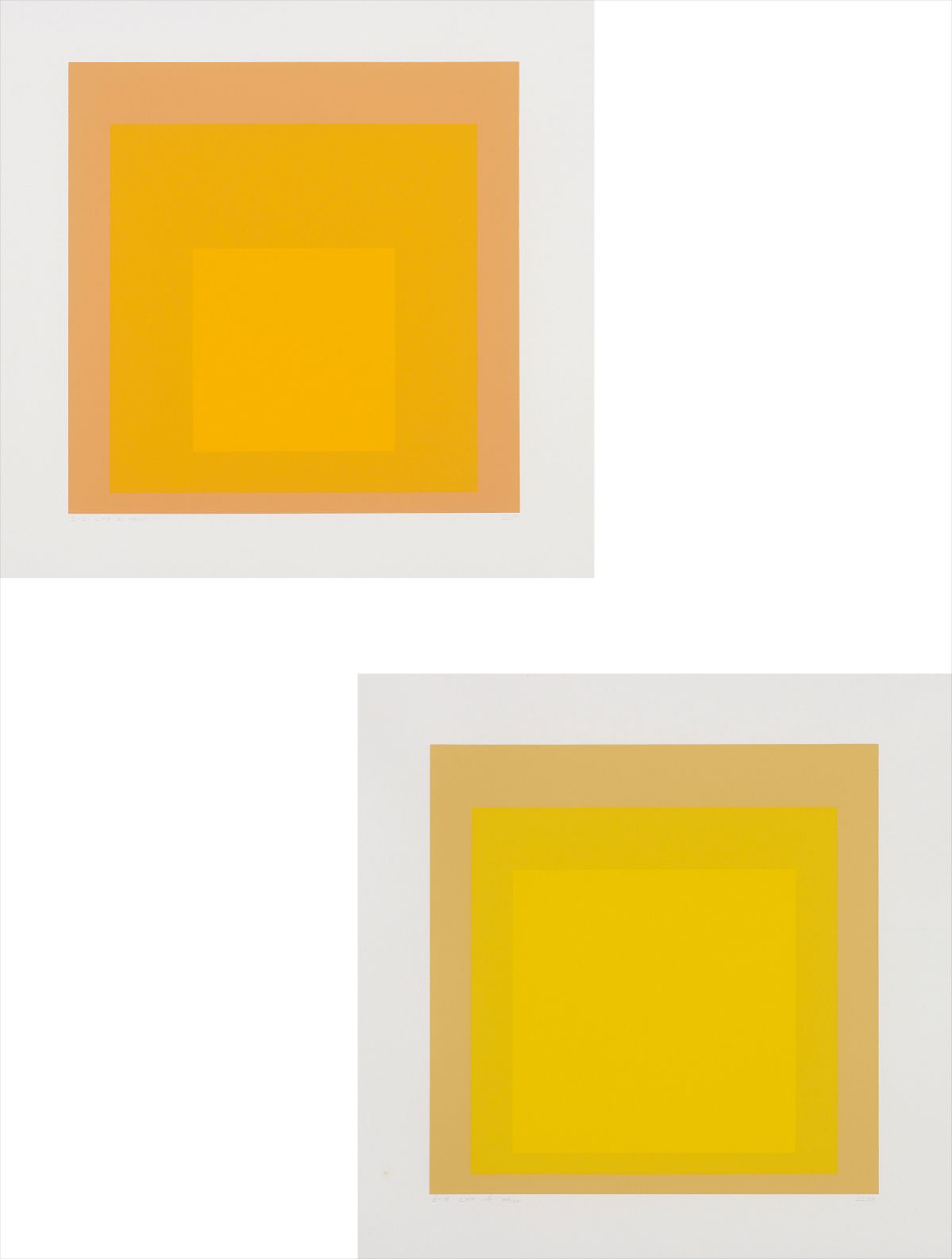
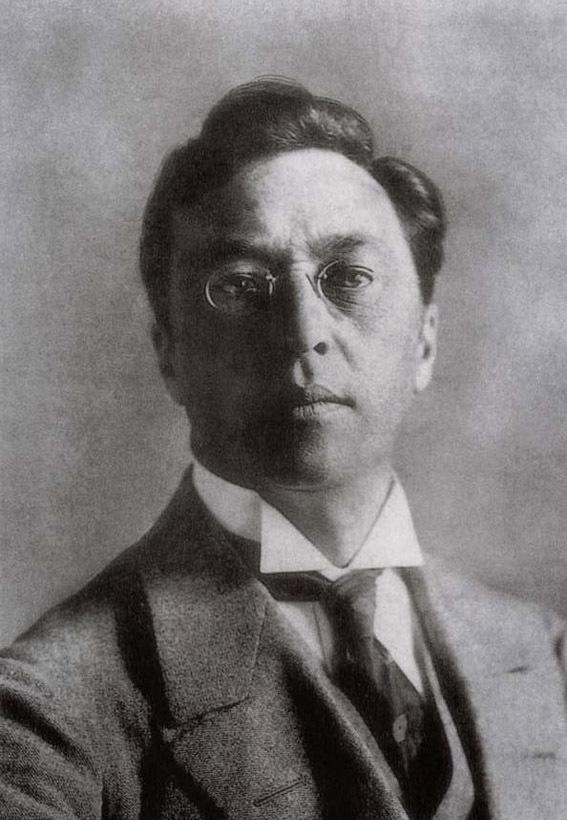
Wassily Kandinsky and Paul Klee were both teaching there simultaneously, two of the most important painters of the era working side by side and exchanging ideas with industrial designers and typographers. László Moholy Nagy, who had taken over from Itten in the preliminary course, brought a fierce interest in photography, light, and transparency that would shape his entire subsequent practice. His experiments with photograms and light sculptures opened entirely new ways of thinking about vision itself. Josef Albers, who had been a student at the Bauhaus before becoming a master, was developing the ideas about color interaction and perception that would eventually find their fullest expression decades later in his celebrated Homage to the Square series.
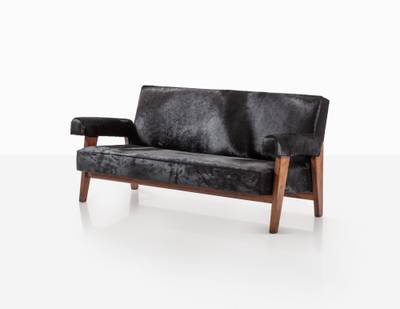
Albers is exceptionally well represented on The Collection, and spending time with his work is one of the best ways to understand how the Bauhaus ethos of systematic investigation translated into a lifetime of deeply felt artistic inquiry. The school also produced designers whose work has achieved a kind of quiet immortality. Marcel Breuer's tubular steel furniture, developed in the Dessau workshops, is still in production today. Wilhelm Wagenfeld's glass table lamp, designed in 1924, remains a standard of functional elegance.
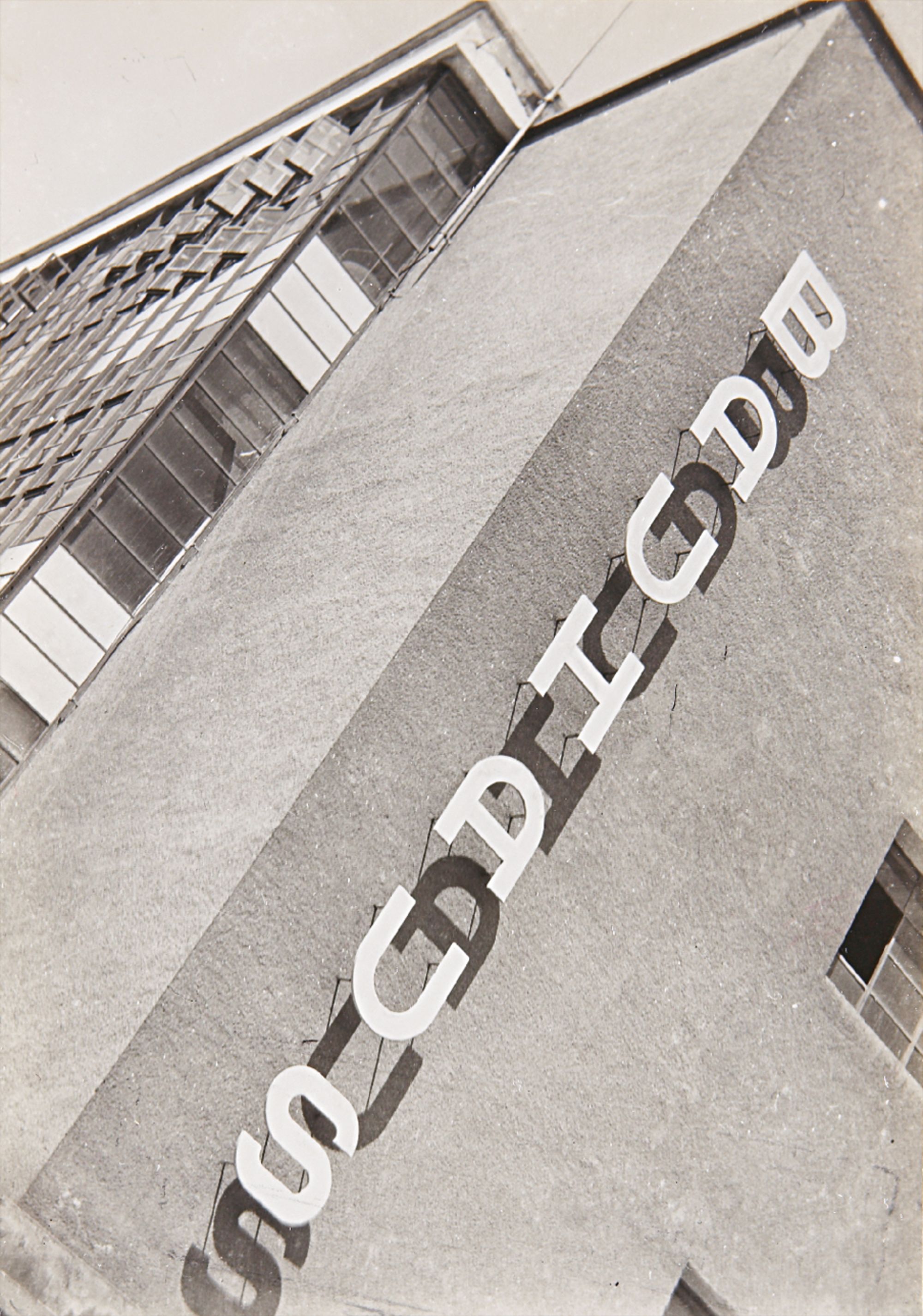
Iwao Yamawaki
Bauhaus
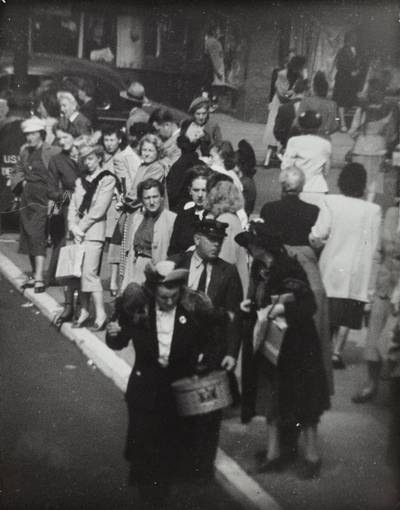
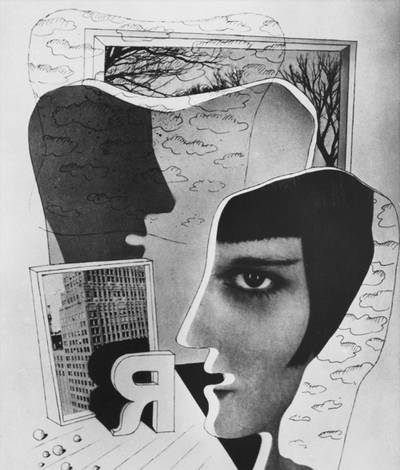
Ludwig Mies van der Rohe, who became the final director of the Bauhaus when it moved to Berlin in 1932, brought an almost ascetic perfectionism to architecture and design that gave the world some of its most admired modern buildings. Herbert Bayer, who headed the typography workshop, developed a universal typeface using only lowercase letters, a provocation aimed at stripping language of inherited hierarchy. The photographer Umbo, born Otto Umbehr, trained at the Bauhaus before becoming one of the most inventive figures in Weimar photojournalism, and T Lux Feininger, son of the painter Lyonel Feininger who served as a Bauhaus master, documented school life with a camera in ways that have become indispensable to our visual understanding of the period. Iwao Yamawaki, a Japanese architect and photographer who studied at the Dessau Bauhaus, brought the school's ideas back to Japan, demonstrating just how global its influence was even before the diaspora forced by the school's closure.
The dispersal of Bauhaus masters after 1933 is one of the most consequential migrations in art history. Gropius went to Harvard. Mies van der Rohe went to the Illinois Institute of Technology in Chicago. Moholy Nagy founded the New Bauhaus in Chicago in 1937.
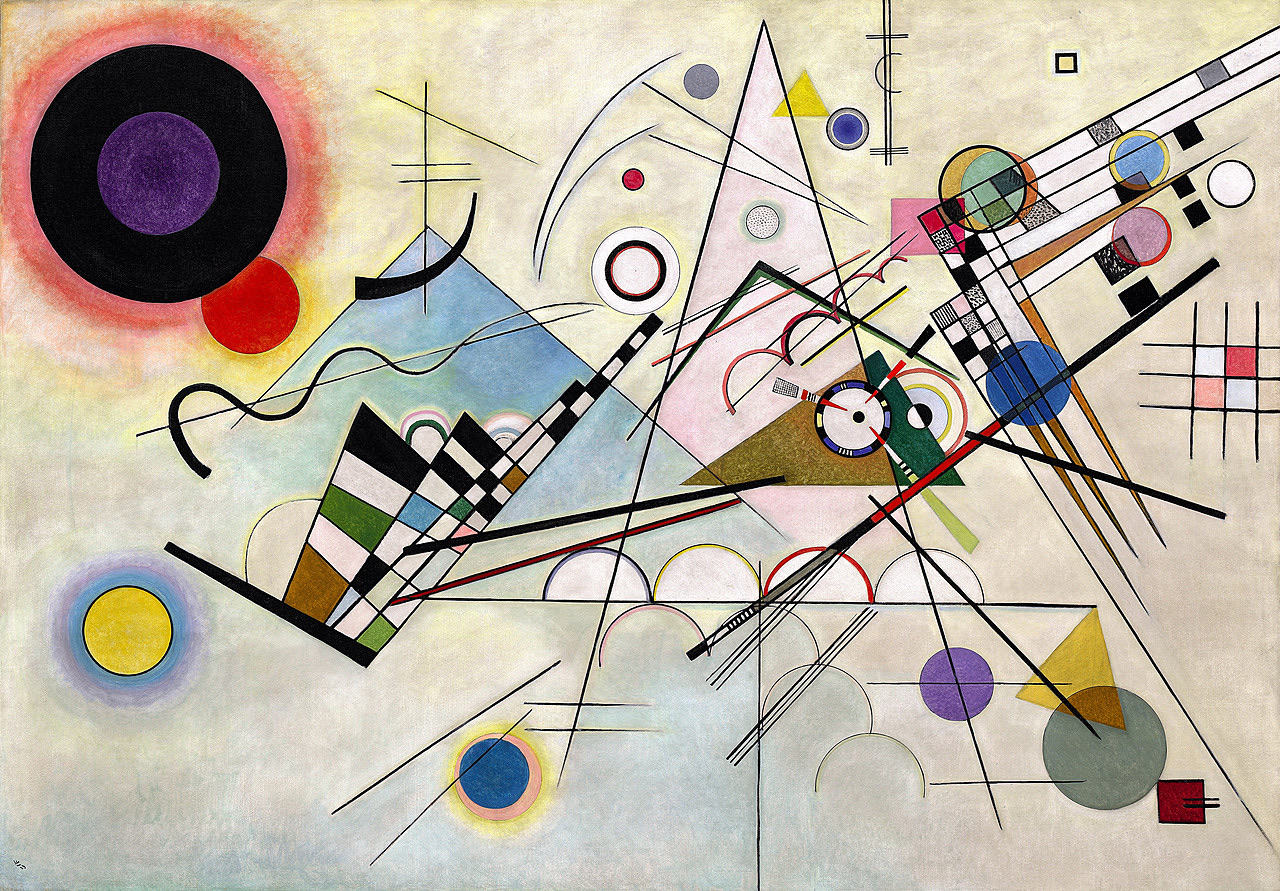
Wassily Kandinsky
Composition VIII, 1923
Albers took a position at Black Mountain College in North Carolina, where he would teach generations of American artists. The ideas that had been concentrated in a single school in Germany suddenly seeded institutions across the United States and beyond, remaking art education in ways that are still being felt. The Bauhaus did not end; it metastasized, in the most generative possible sense. Contemporary artists continue to reckon with this inheritance in fascinating ways.
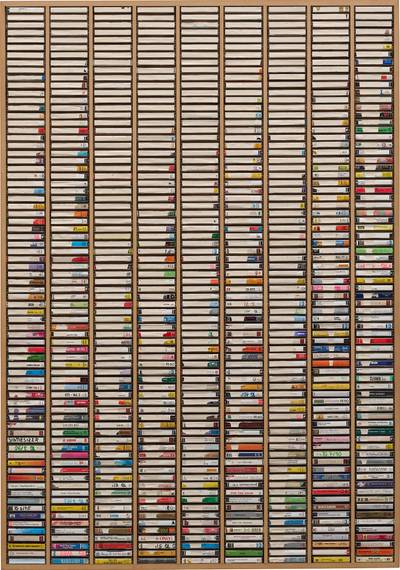
Haegue Yang, whose work engages with abstraction, craft, and the social histories embedded in materials, can be understood partly in dialogue with the Bauhaus tradition of collapsing boundaries between art and making. Gregor Hildebrandt, whose practice involves vinyl records and magnetic tape, shares something of the school's interest in finding aesthetic potential in industrial materials. The questions the Bauhaus posed have not been resolved; they have simply been restated in new materials and new contexts, which is perhaps the truest measure of a movement's vitality. To collect Bauhaus work is to participate in one of the great ongoing conversations of modern art.
It is not merely a matter of historical interest, though the history is extraordinary. It is a matter of engaging with ideas that are still alive, still productive, still capable of generating new ways of seeing. The works gathered on The Collection from this movement, spanning painting, photography, design, and sculpture, offer a remarkable window into an experiment that changed everything and is nowhere near finished.