Artist'S Frame
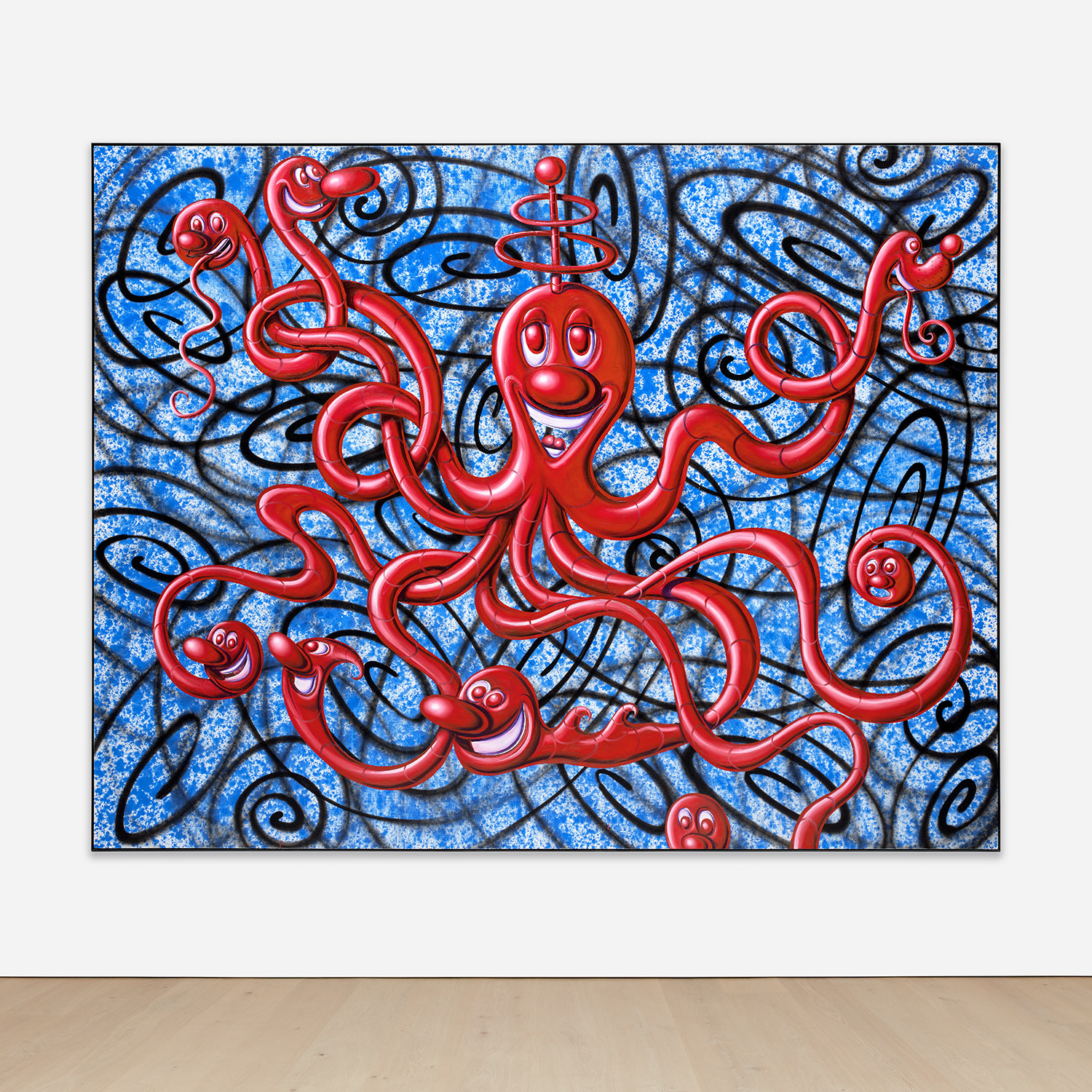
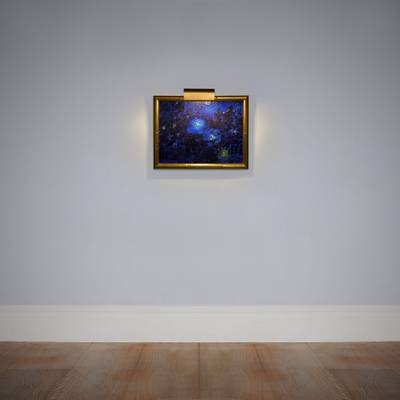
Kenny Scharf
Controlopuss II, 2018

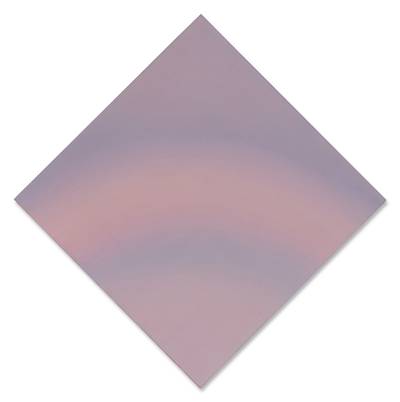
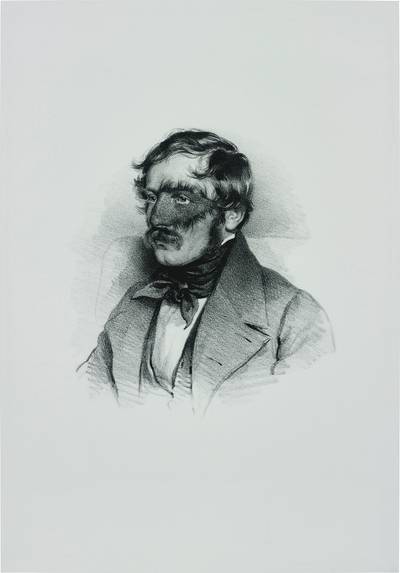
The Frame Speaks Before the Art Does
There is a moment, standing before a painting, when the eye has not yet settled on the image itself. It is still navigating the border, reading the edge, deciding whether it is welcome. That moment belongs entirely to the frame. To speak of the artist's frame is to speak of one of the most quietly consequential decisions in the history of art: the choice to treat the boundary of an artwork not as a neutral container but as a compositional act in its own right, loaded with meaning, material, and intention.
The frame's story begins long before artists claimed it as their own creative territory. For centuries, frames were the province of craftsmen and patrons, elaborate gilded constructions that announced wealth and devotion in equal measure. The cassetta frames of the Italian Renaissance, the auricular frames of seventeenth century Dutch cabinet painting, the swept Rococo fantasies surrounding French salon pictures: all of these were designed to integrate paintings into architectural interiors, to signal status, to mediate between the domestic world and the pictorial one. The artist's hand typically stopped at the edge of the canvas.
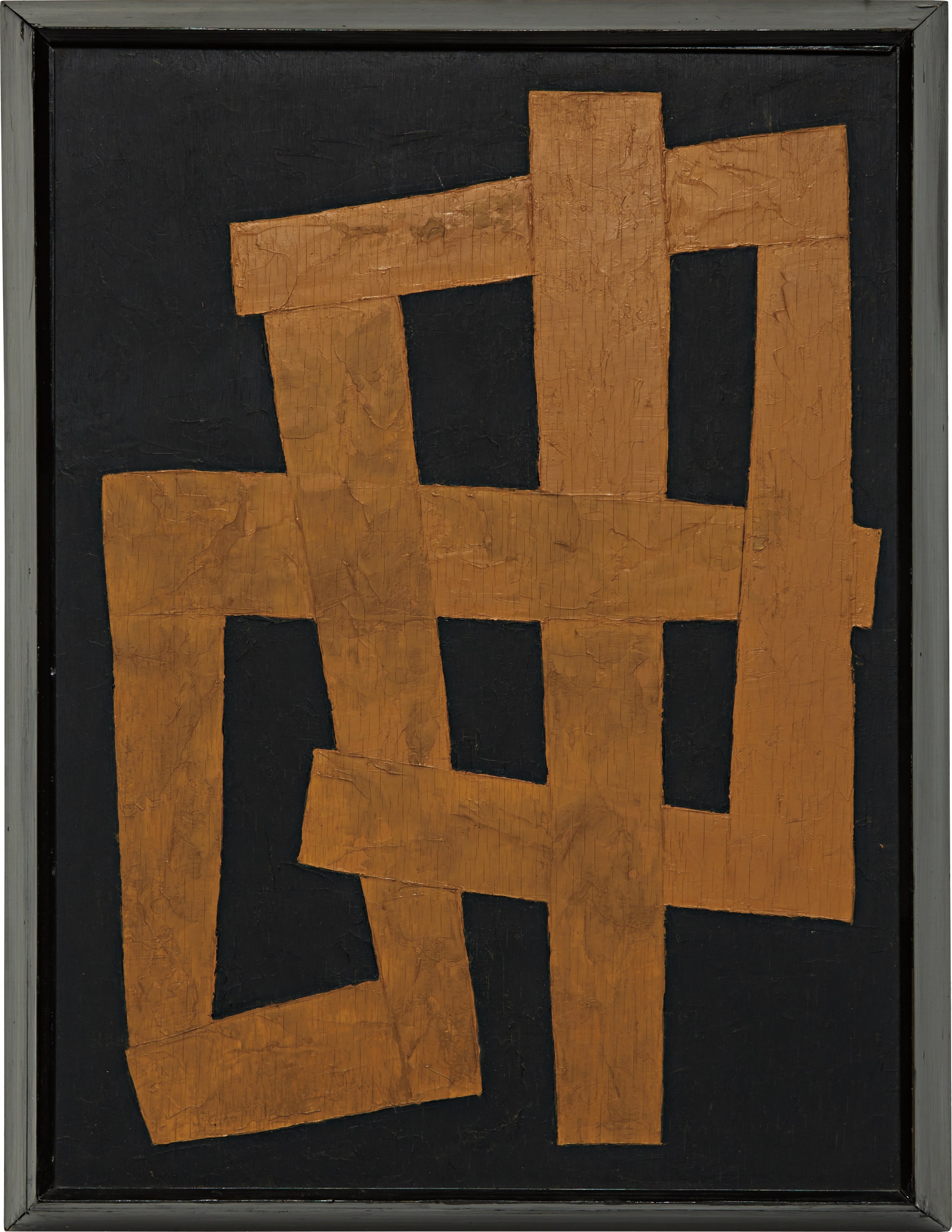
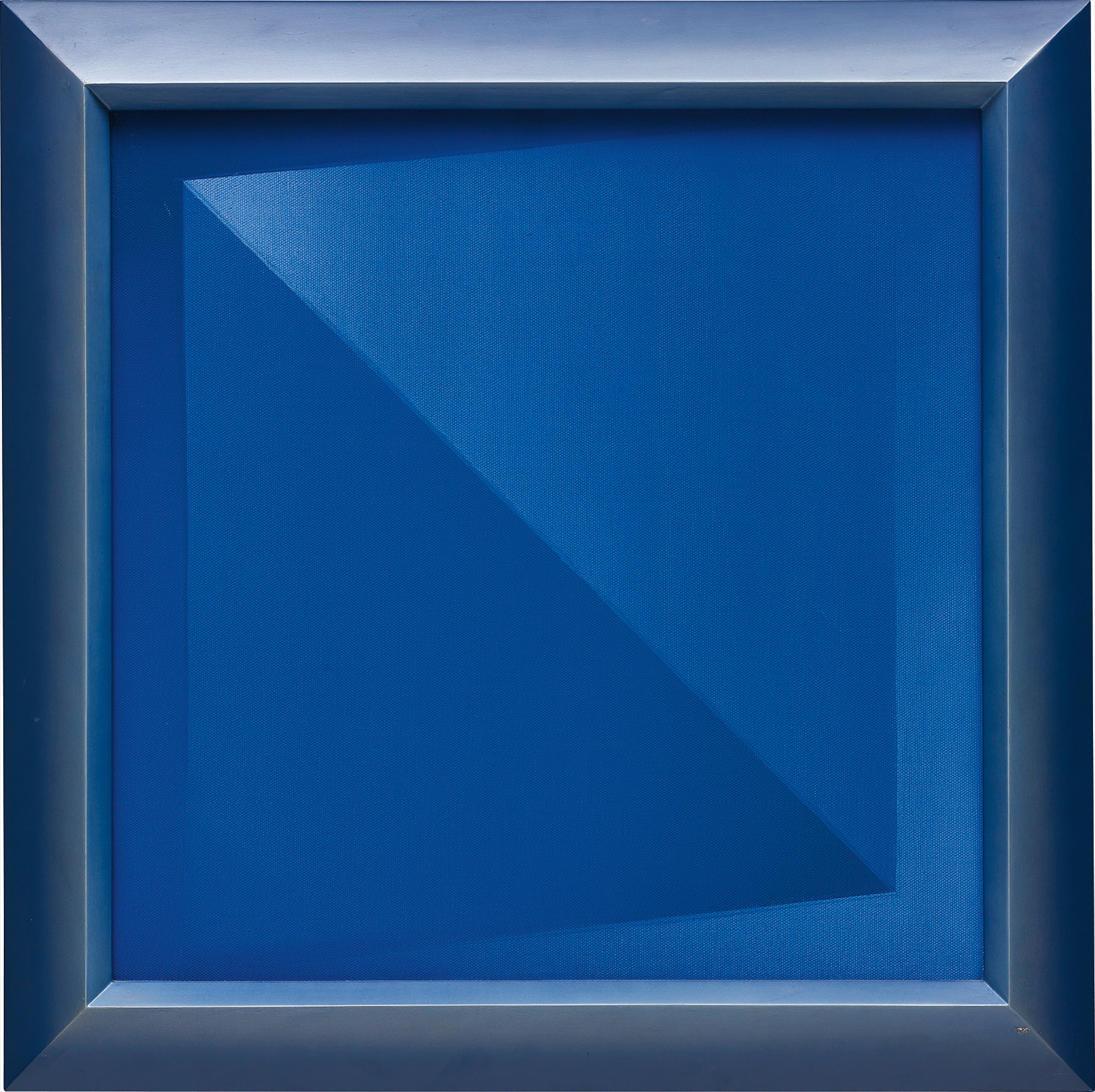
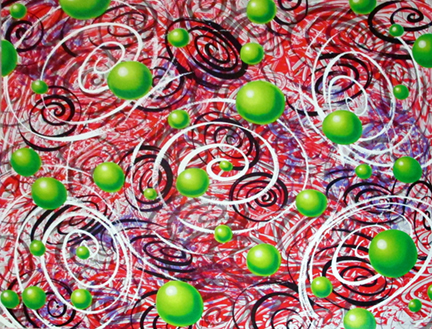
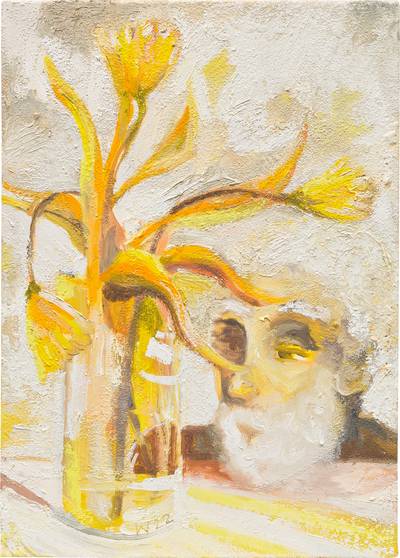
Takeo Yamaguchi
Sequence of Squares
What surrounded it was someone else's problem. The rupture came gradually, then all at once. The Impressionists, frustrated with the heavy gilt frames that seemed to absorb the light their paintings were trying to describe, began designing their own. Pissarro and Seurat experimented with white and colored frames in the 1880s that functioned as optical extensions of their painted surfaces, recognizing that the boundary affected how color was perceived within the image.
Whistler was perhaps the most militant early advocate, designing spare, linear frames that matched the spare elegance of his Arrangements and Nocturnes, sometimes painting them himself in harmonizing tones. He understood the frame as the final stroke. The twentieth century expanded this thinking into something more radical. The Bauhaus dissolved hierarchies between art and craft, and in doing so made every material decision available for aesthetic scrutiny.
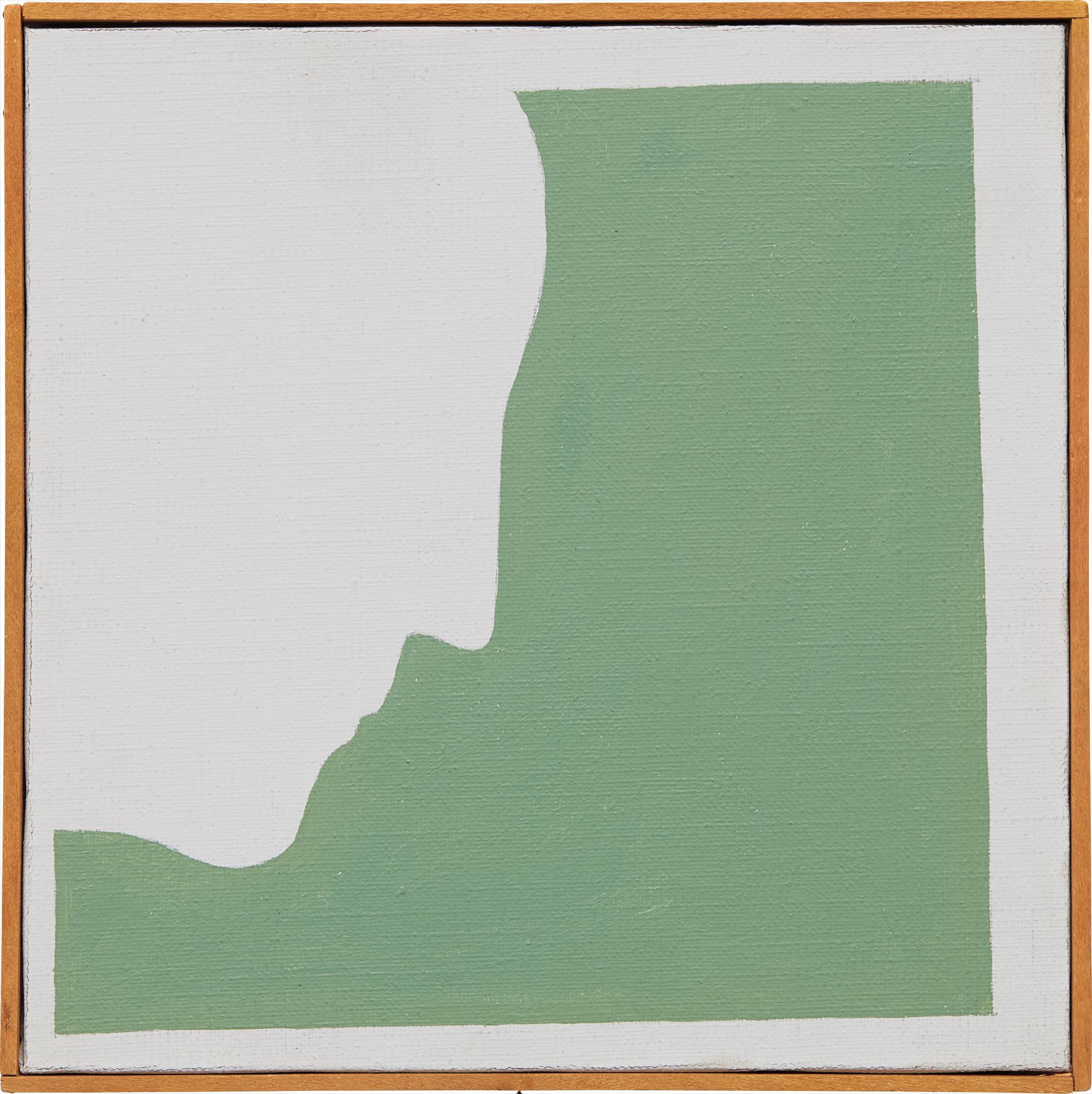
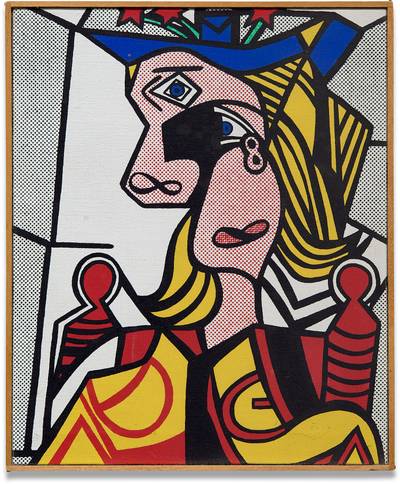
Richard Pettibone
Duchamp Profile, 1965
The readymade traditions flowing from Duchamp turned the support, the border, and the context of an artwork into legitimate conceptual content. By the time Minimalism arrived in the 1960s, the question of where an artwork ended and the world began had become genuinely philosophically interesting. Frank Stella's shaped canvases made the frame redundant by turning the edge itself into structure. Robert Ryman spent decades investigating what happens at the point where painting meets wall.
The frame was no longer furniture. It was argument. This is the context in which so many of the artists well represented on The Collection have worked. Richard Pettibone, whose miniature appropriations of canonical modernist works are among the more quietly subversive gestures of the postwar period, understood that reframing was a literal act as much as a theoretical one.

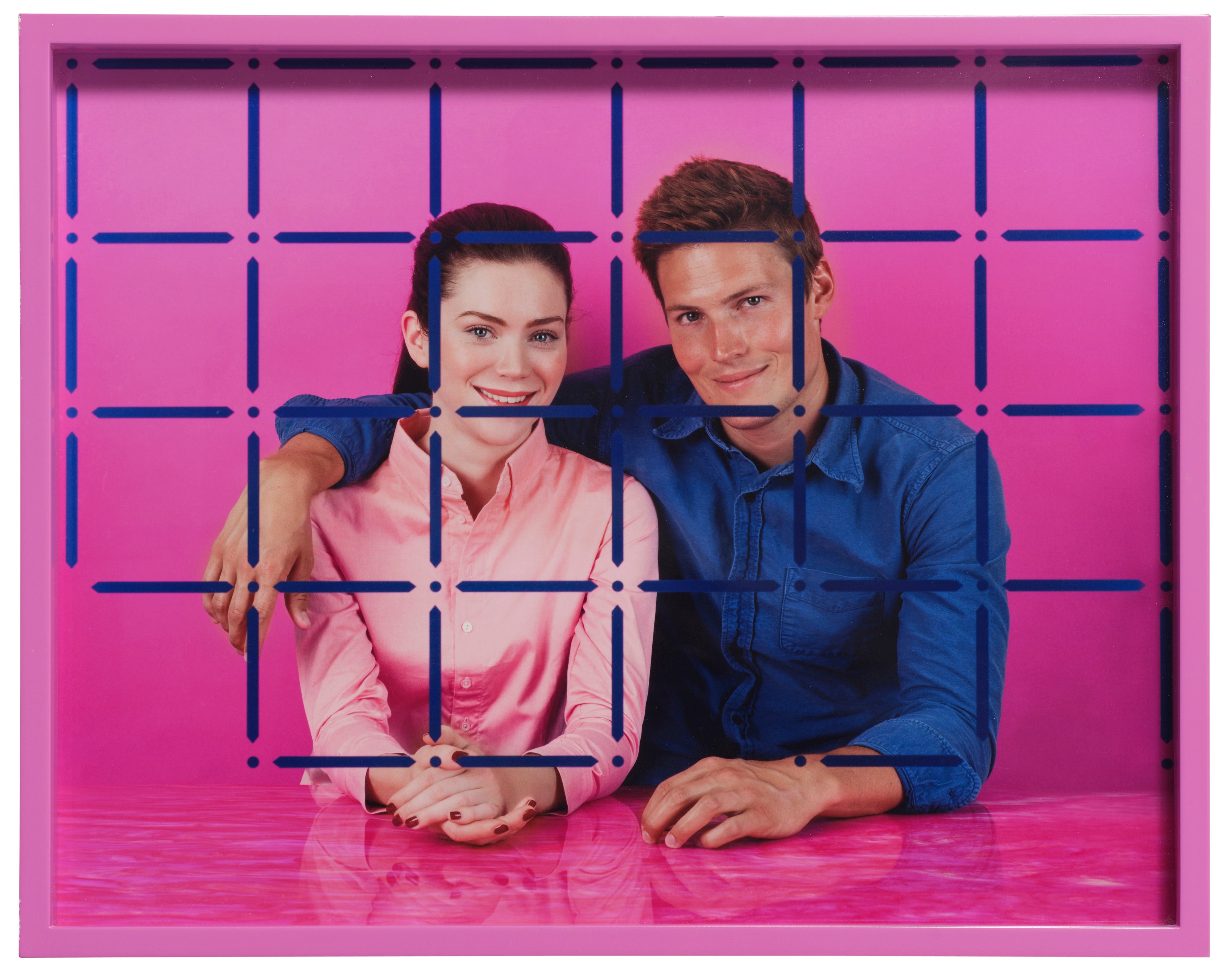
Elad Lassry
Devon Rex
When he reproduced a Stella or a Warhol at a fraction of its original scale and placed it in a period frame, he was asking what happens to meaning when the container changes. The frame became a tool of irony, of affection, and of critique simultaneously. Similarly, Elad Lassry, whose photographic practice has always been attentive to how images are presented and perceived, uses colored borders and unconventional mounts to make the frame part of the subject. His images do not sit passively behind glass.
They insist on their own materiality. Günther Förg brought a different sensibility to the question of edges and supports. His lead paintings and his works on paper pushed the boundary between painting and object, between image and architecture, in ways that made the conventional frame seem like an evasion. Förg was deeply interested in the relationship between a work and its wall, its room, its institutional setting.
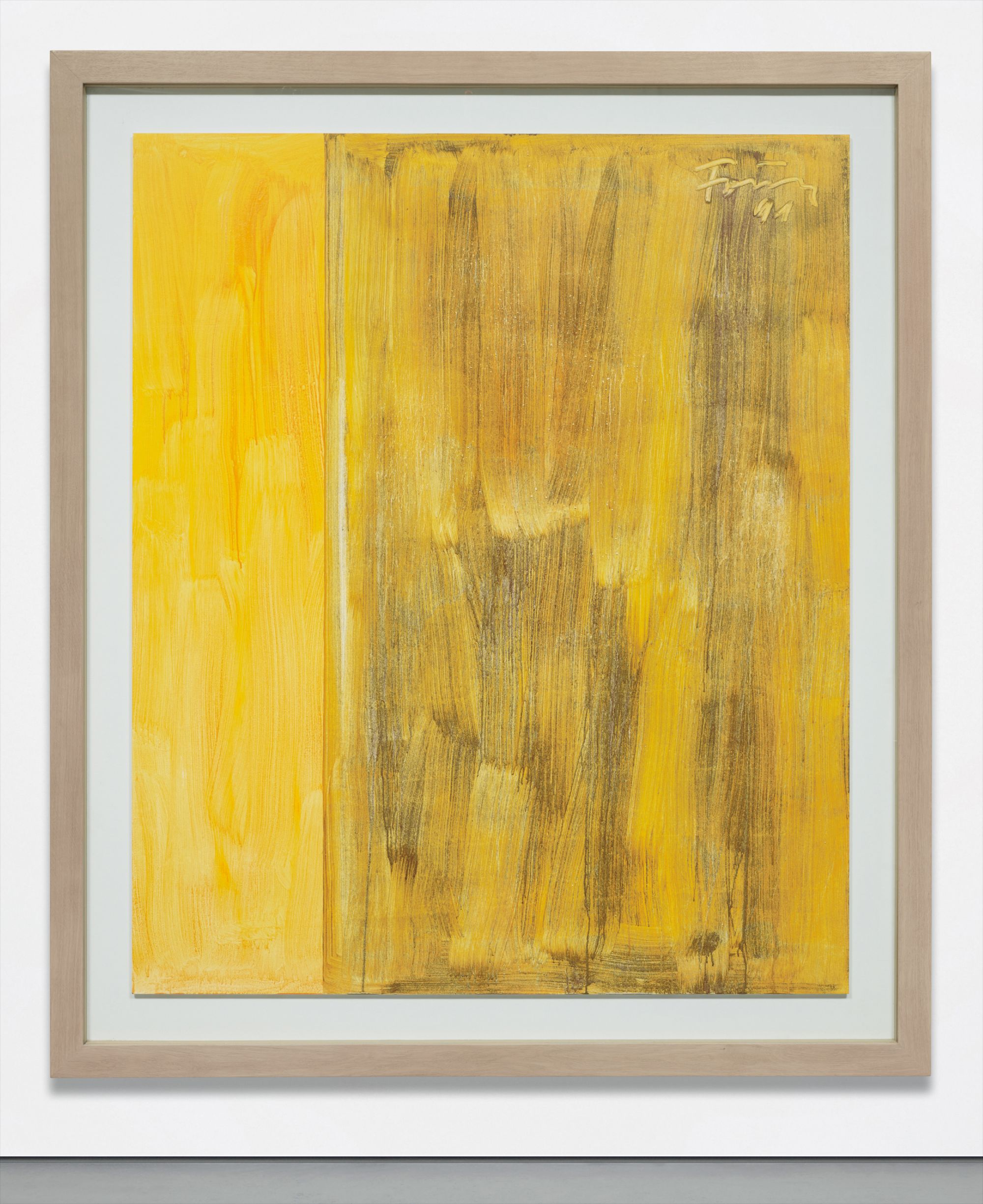
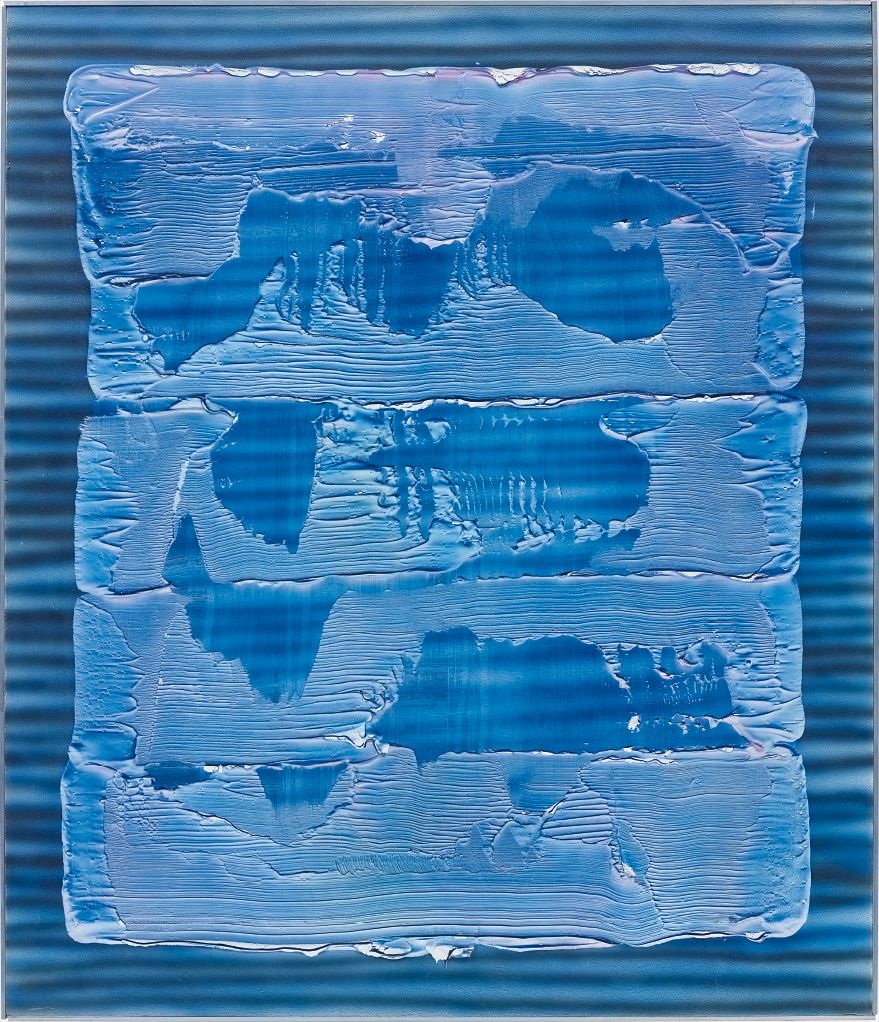
Günther Förg
In
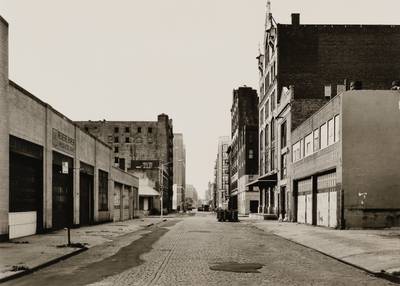
For him, framing was a spatial and political act, not just an aesthetic one. Thomas Struth, whose large scale photographic works often depict people standing in museums looking at paintings, literalizes this question about frames within frames: the institutional frame, the photographic frame, the frame of the viewer's own gaze all nest inside one another in his pictures. The artist's frame also carries significant weight as a philosophical statement about authorship. When Jack Smith hand constructed the theatrical environments in which his performances and films existed, or when Edward Kienholz built his room sized tableau environments, the frame expanded to encompass architecture, atmosphere, and the entire perceptual situation of the viewer.
The frame became a world. This expansive thinking resonates through the work of Giuseppe Penone, whose sculptural practice traces the relationship between organic form and human intervention, treating the tree or the stone as both material and boundary, the frame as something found in nature rather than imposed upon it. More recently, artists like Sterling Ruby and Markus Schinwald have brought fresh intensity to questions of containment and edge. Ruby's works often spill beyond conventional limits, using spray, accumulation, and scale to challenge where the artwork's authority ends.
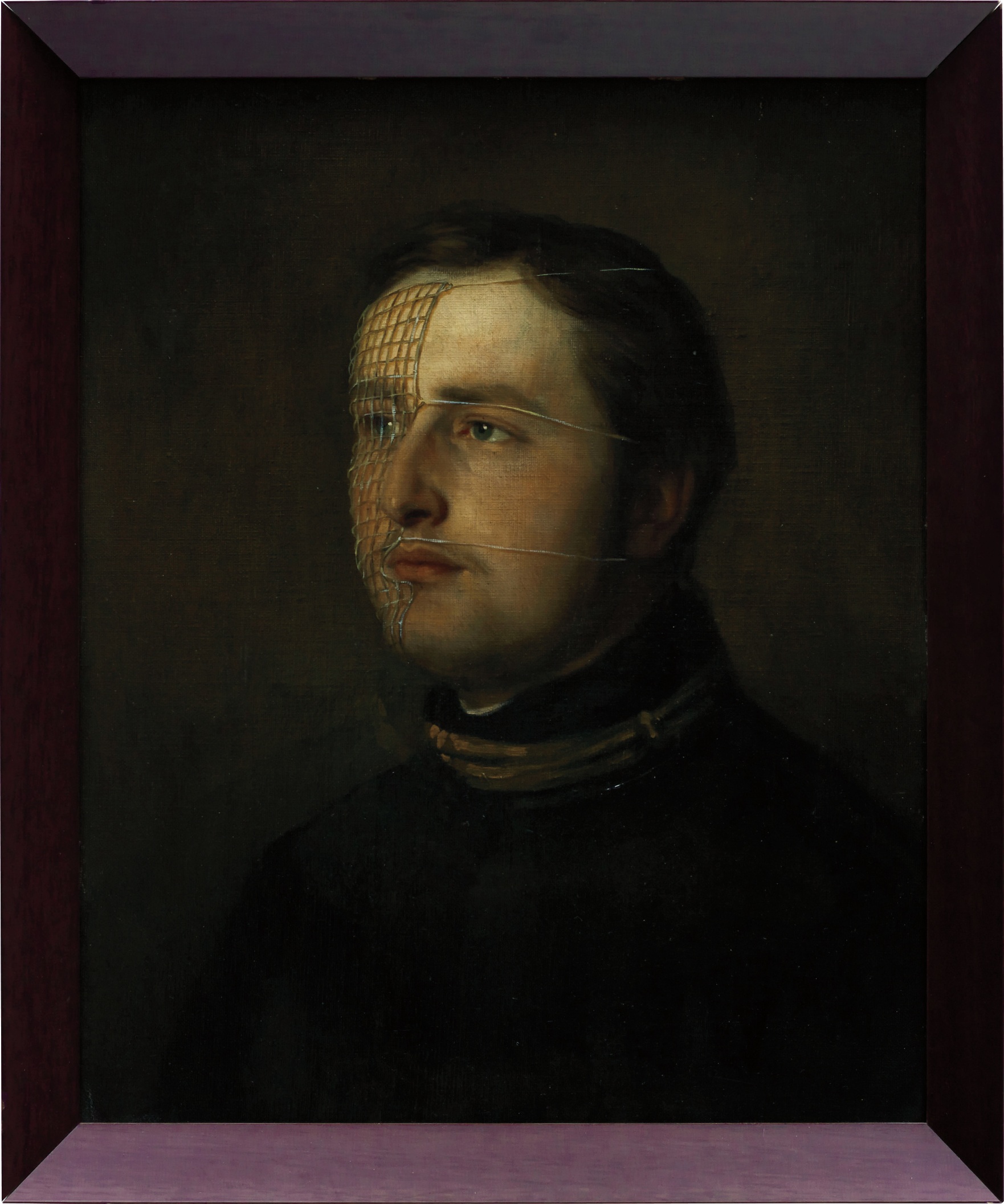
Schinwald, by contrast, uses the found antique frame as a kind of readymade psychological apparatus, placing his eerily altered portraits inside Victorian and Baroque surrounds that amplify the sense of historical unease. The old frame does not neutralize his images. It infects them. What makes the artist's frame enduringly fascinating is that it is always a statement about control and its limits.
It asks who decides where the art ends, who has the authority to draw that line, and what is gained or lost depending on the answer. It is also, in the most practical sense, one of the last decisions made before a work goes into the world, which means it carries the particular pressure of finality. The artists who take that decision seriously, who treat the edge as part of the thought, tend to make works that remain alive long after the first viewing. The frame, it turns out, is not where the artwork stops.
It is where it begins to speak.