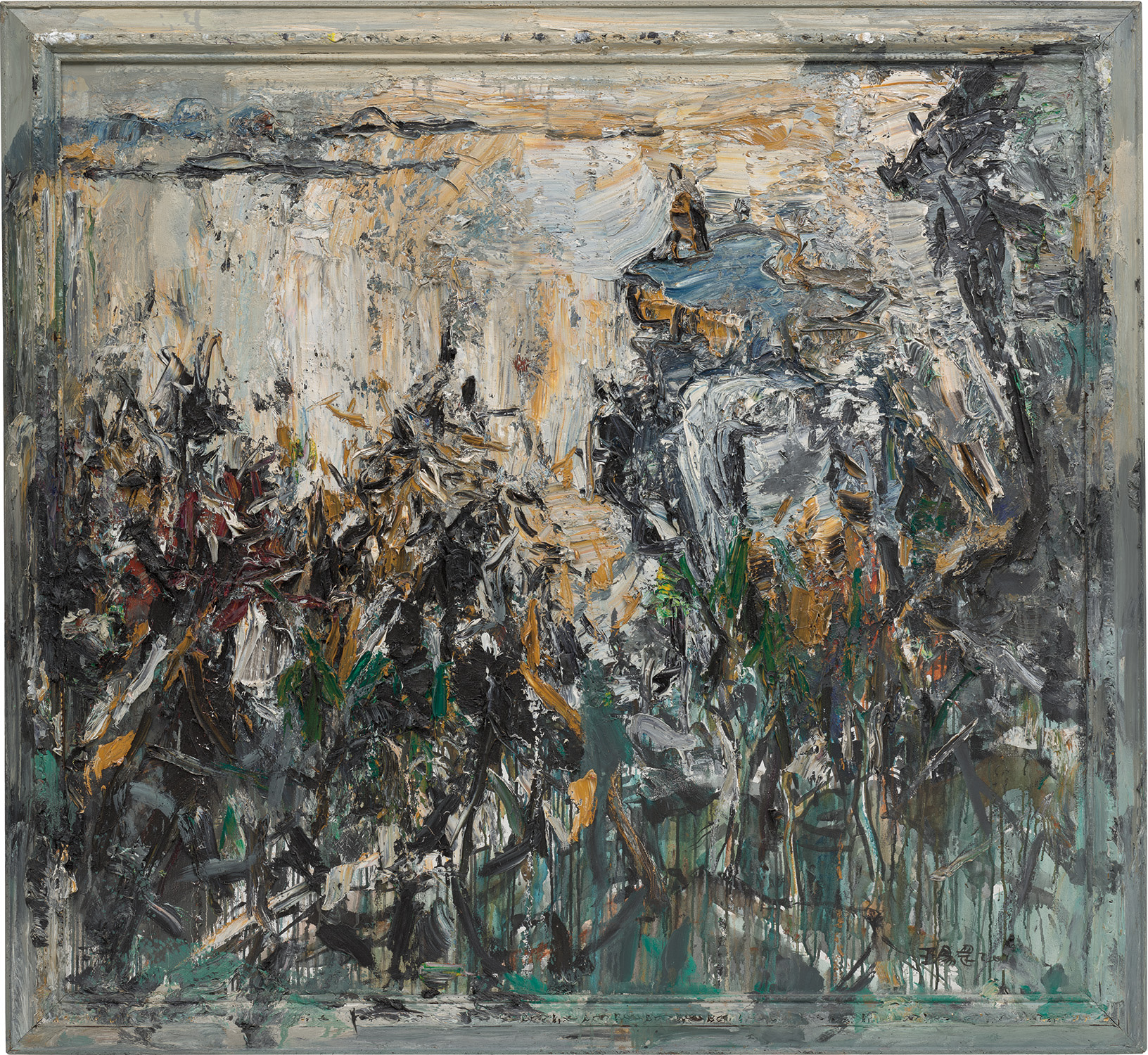
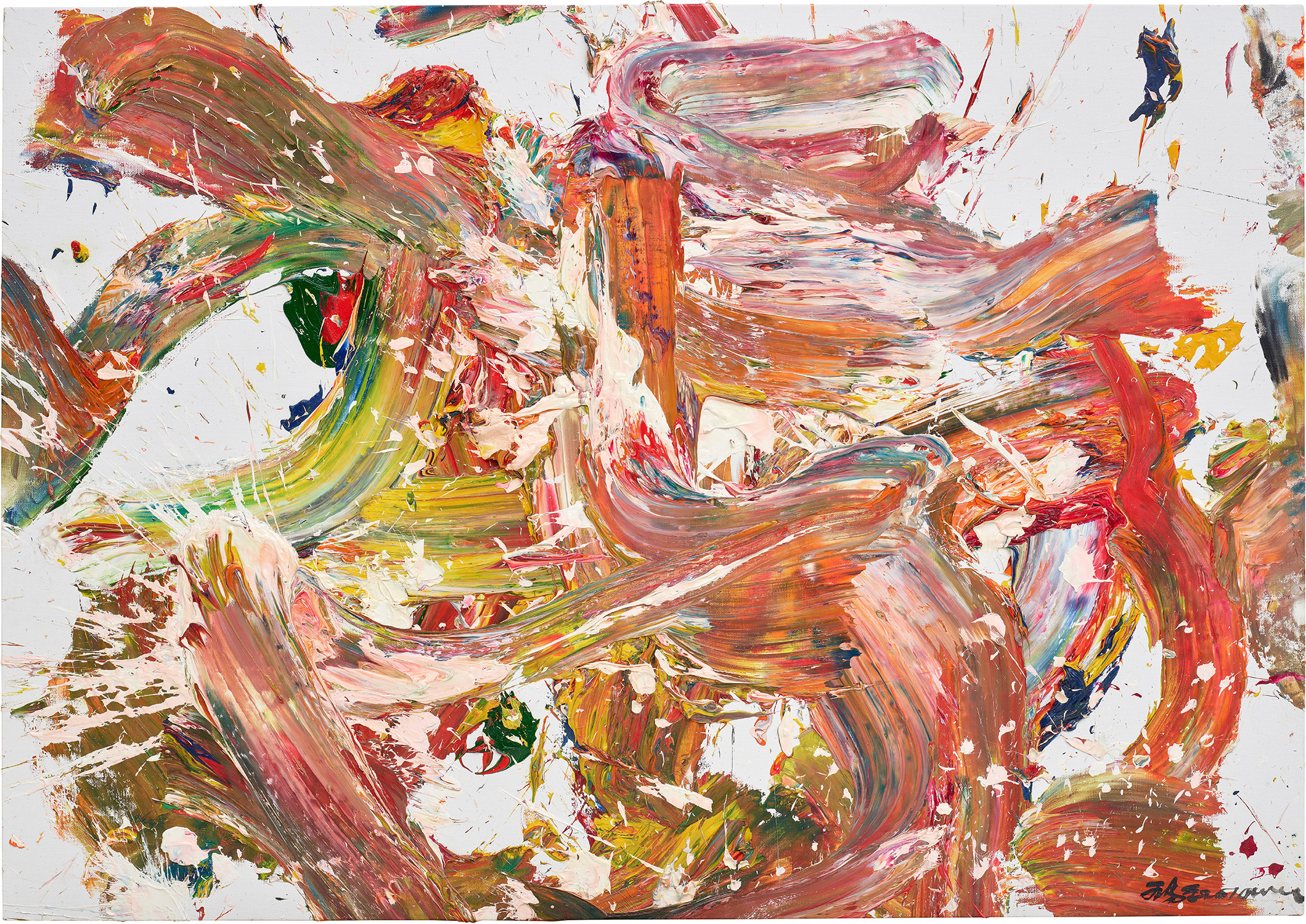
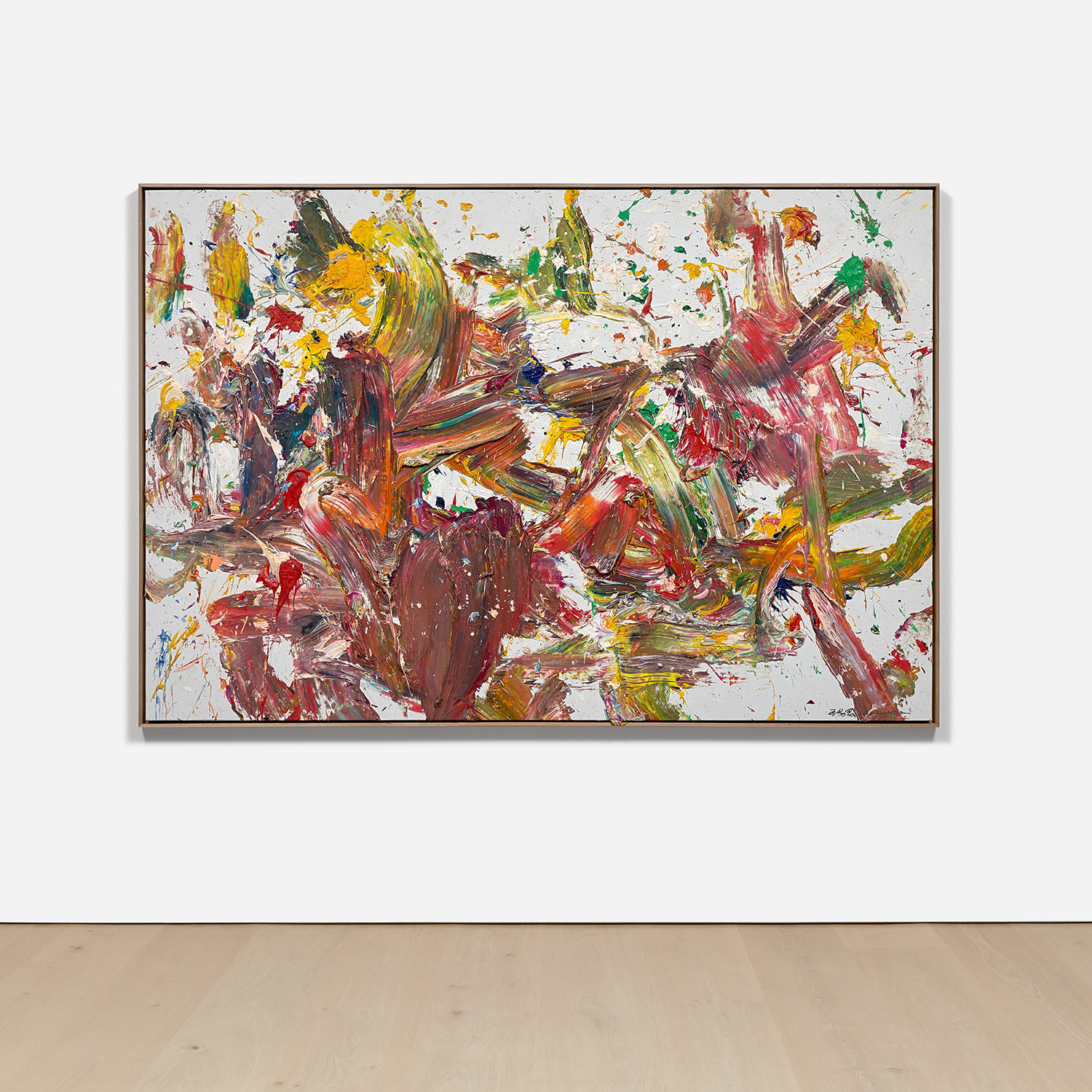
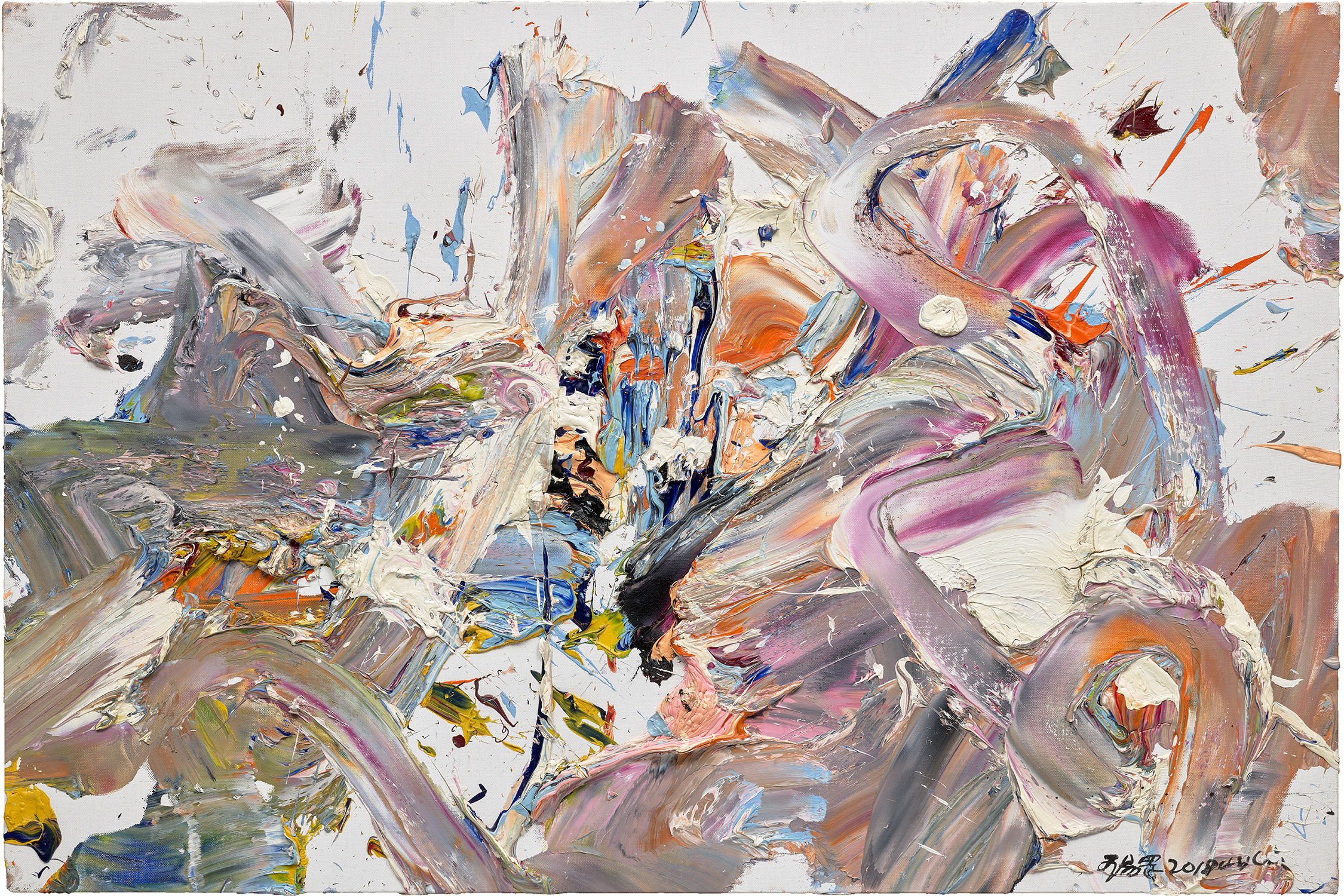
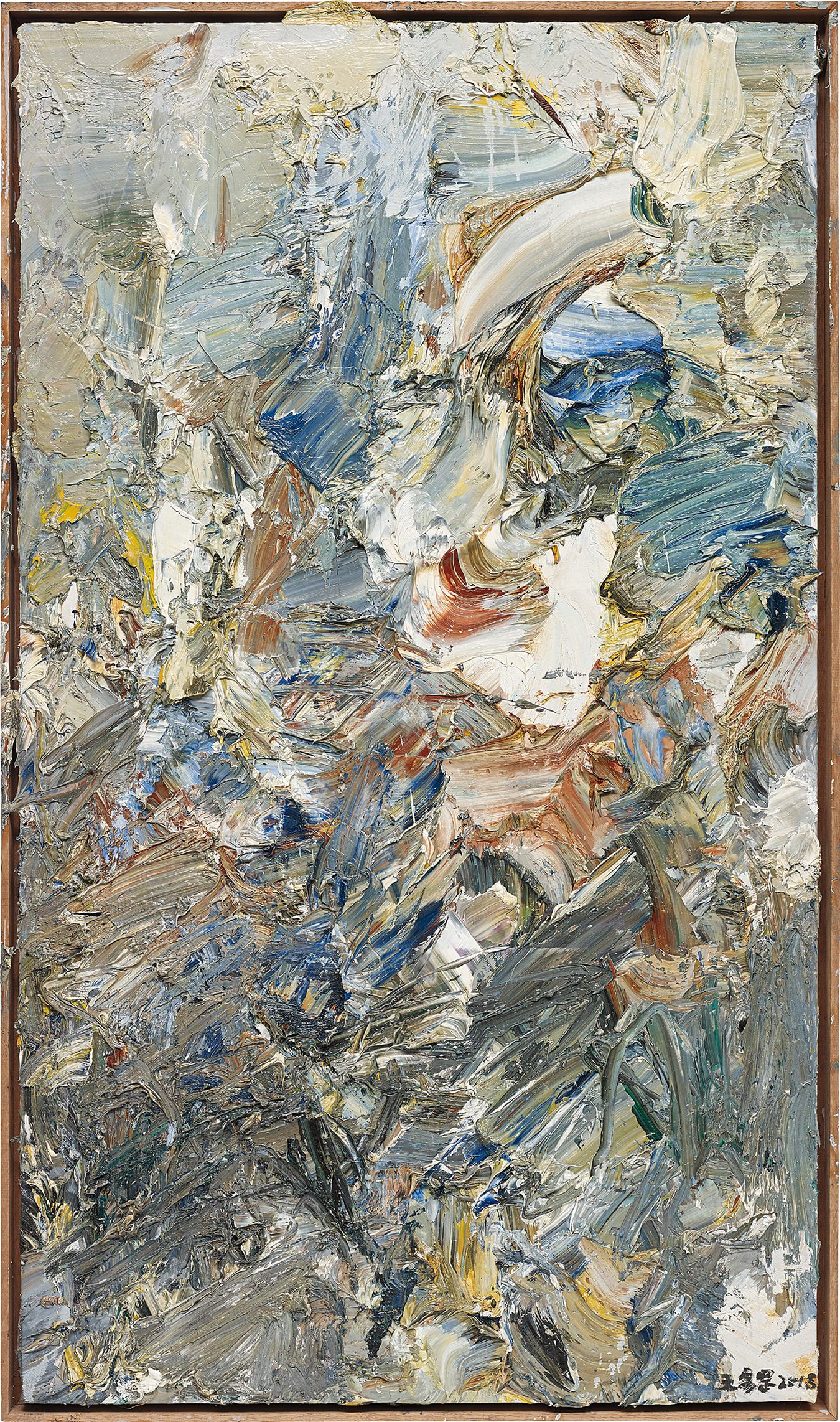
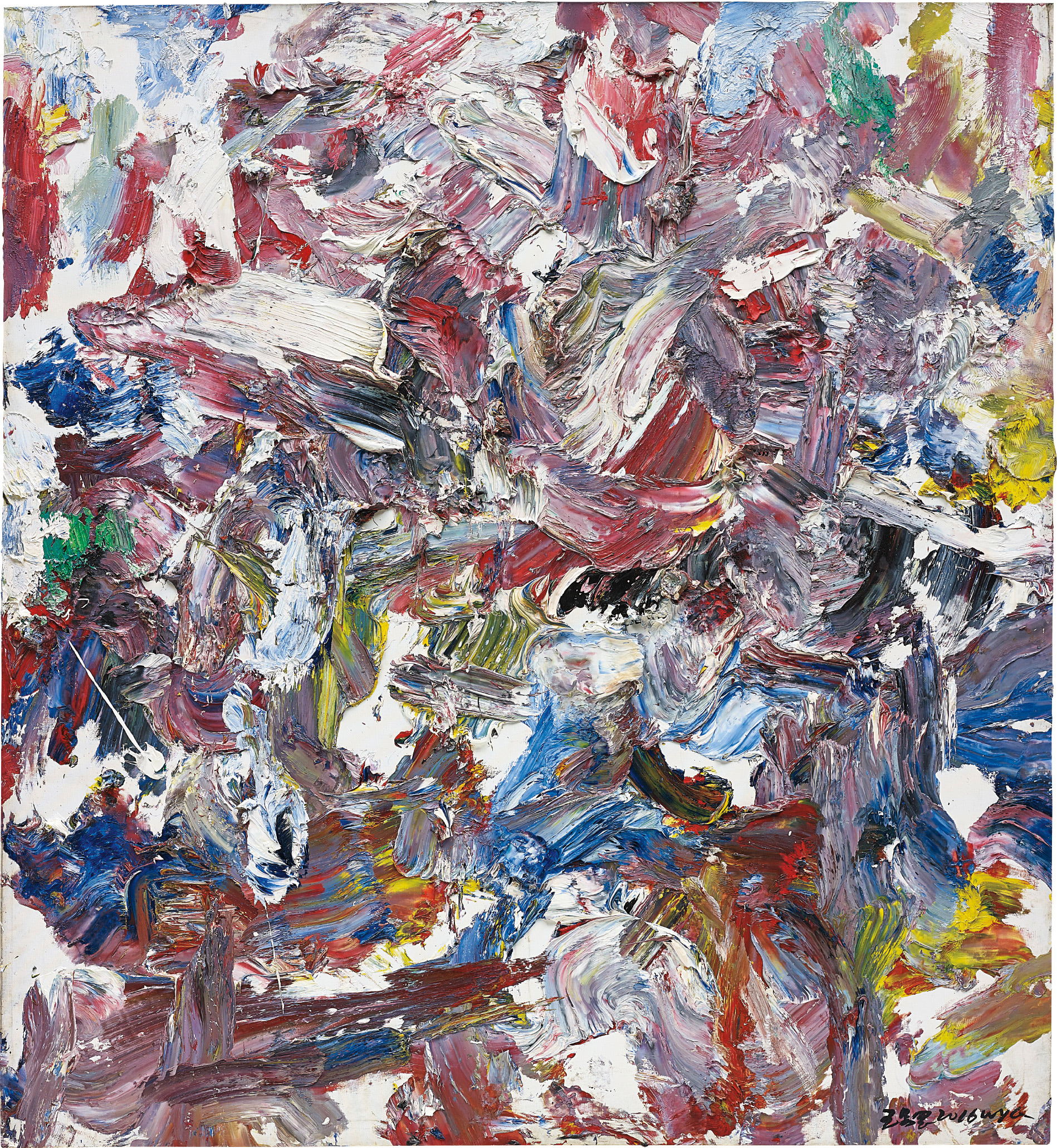
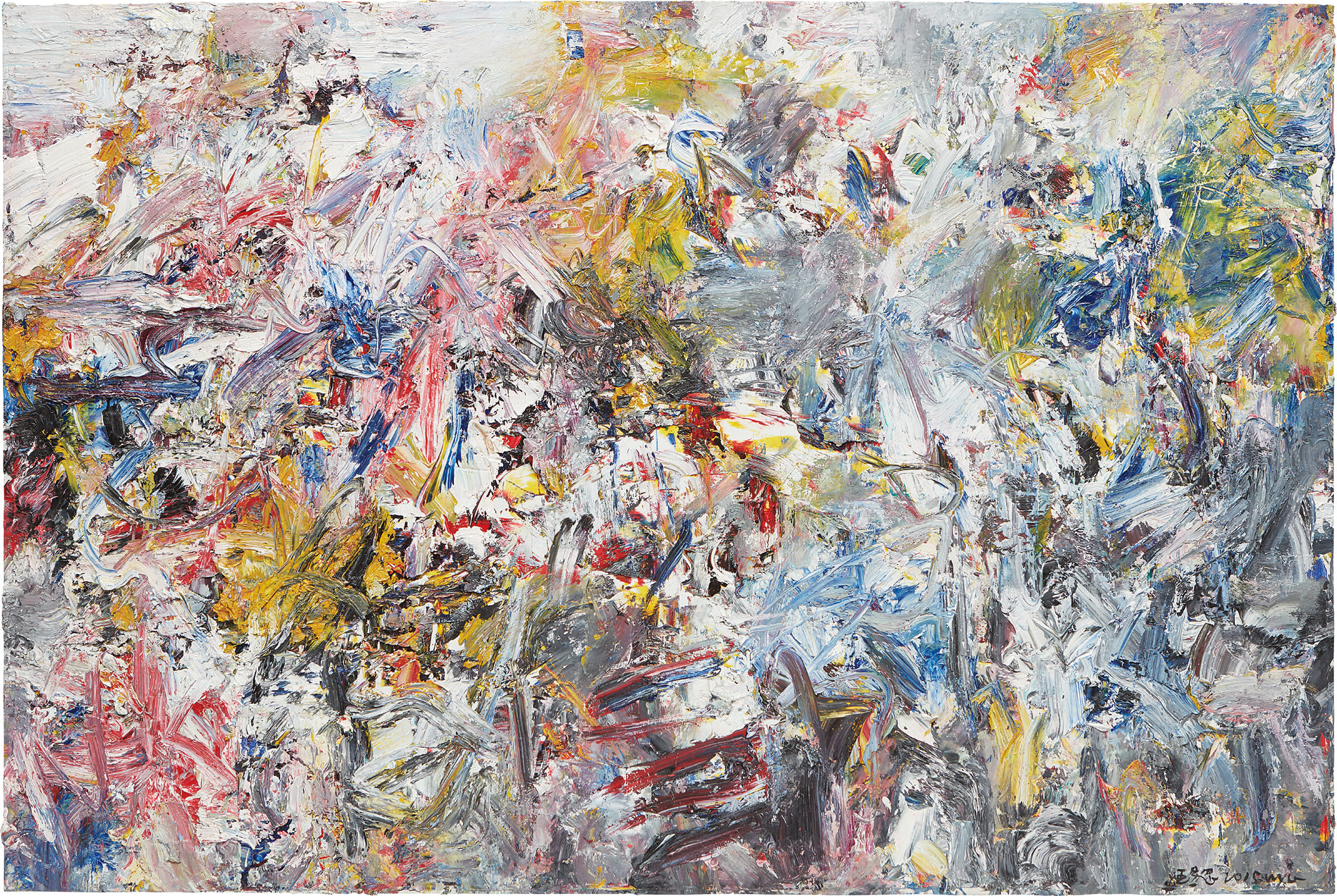
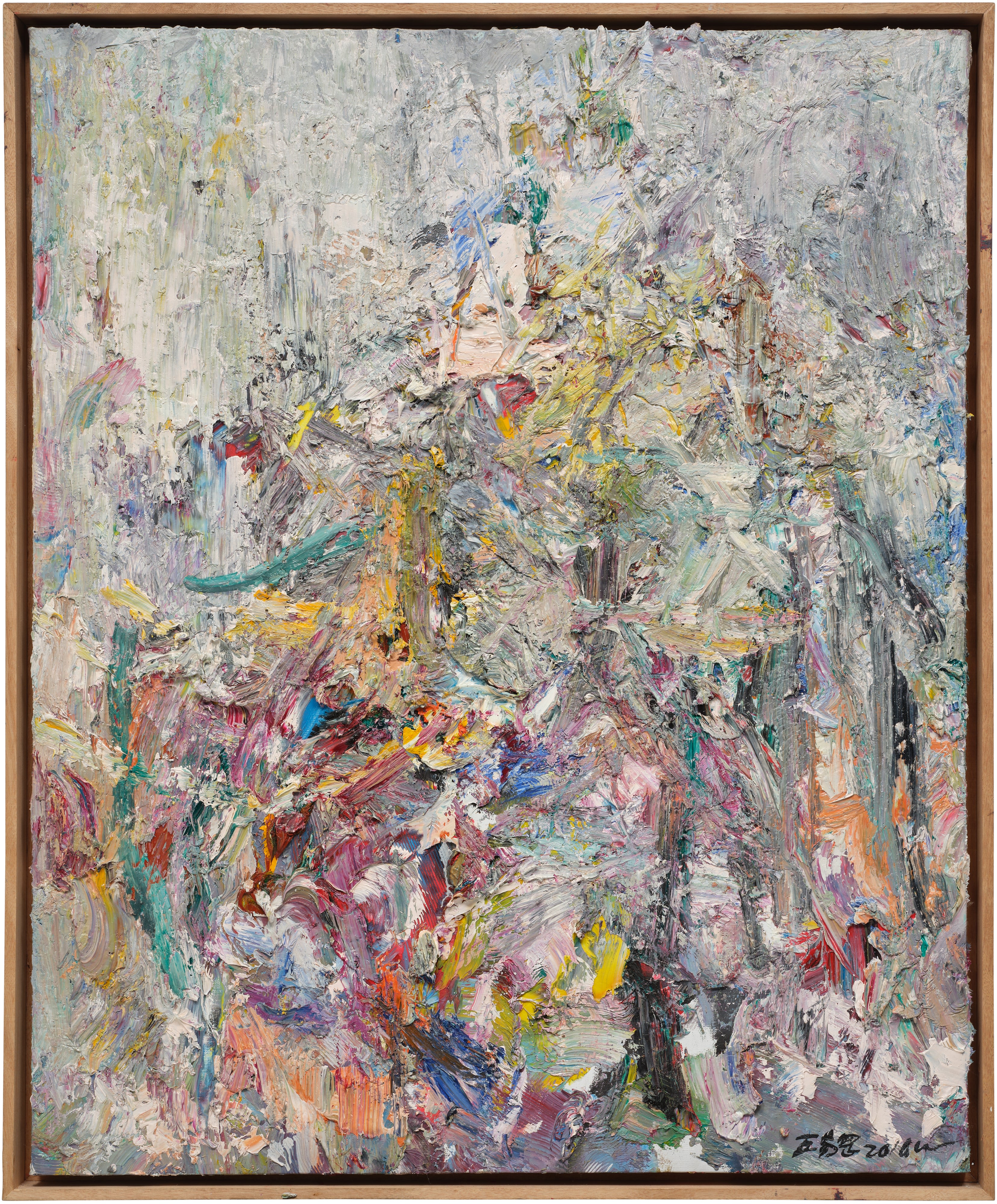
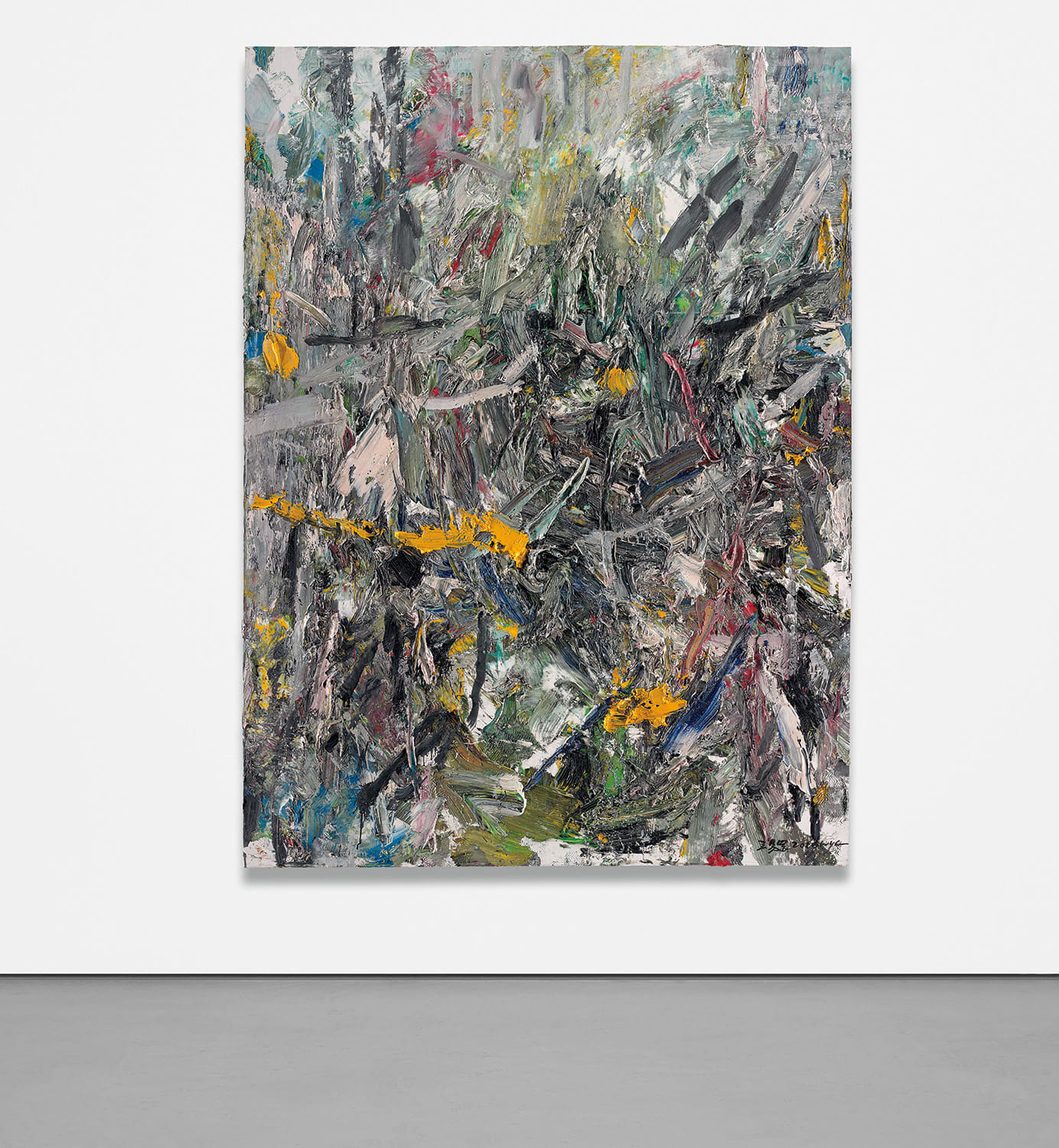
There is a particular quality of light in Wang Yigang's paintings that collectors tend to describe the same way, again and again: it feels remembered rather than observed. As interest in contemporary Chinese figurative painting has surged across international auction rooms and major collecting institutions over the past decade, Wang's canvases have attracted sustained attention from discerning collectors who recognize in his work something that resists easy categorization. His oils occupy a rare middle ground, one where the structural inheritance of Western painterly tradition meets the contemplative restraint that runs through centuries of Chinese visual culture. That combination, achieved with what appears to be effortless lyrical confidence, is precisely why his work continues to find enthusiastic homes among collectors building serious collections of contemporary Asian art. Wang Yigang was born in 1962, a year that placed him squarely within a generation of Chinese artists whose formative years unfolded against the turbulent backdrop of the Cultural Revolution and its long aftermath. Growing up in a China that was simultaneously dismantling and rebuilding its relationship to cultural expression, Wang and his contemporaries absorbed an acute awareness of what images mean, what they can survive, and what they quietly carry forward. This historical context did not produce in Wang a painter of grand political statements. Instead, it seems to have deepened his attentiveness to the modest and the enduring: a rural landscape, a human figure caught in a moment of quiet absorption, the gentle weight of an ordinary afternoon. His artistic formation drew from multiple traditions without being entirely claimed by any single one. Chinese artists of his generation who came of age in the 1980s, a period often described as a cultural renaissance following years of enforced artistic restriction, were voracious and eclectic in their influences. Wang developed a command of oil painting that speaks fluently to European realist traditions, yet his compositions consistently carry a spaciousness and an emotional restraint that feel distinctly Chinese in sensibility. He belongs loosely to a current of contemporary Chinese figurative painters who have been compared in spirit, if not always in style, to artists such as Liu Xiaodong and Odd Nerdrum, painters for whom the human presence in landscape is never incidental but always quietly philosophical. What defines Wang's mature practice is an expressive brushwork that operates somewhere between description and feeling. His landscapes do not simply document a place; they seem to register the emotional temperature of a moment, the particular melancholy or warmth that clings to a scene the way weather clings to a hillside. Works like "Landscape N 59," painted in 2014 and presented in the artist's own frame, exemplify this quality beautifully. The decision to frame his own work is itself telling, an assertion that the painting and its physical presentation are part of a single unified vision. The canvas breathes with a kind of earned quietness, the mark making confident but never aggressive, the palette calibrated to evoke rather than to state. His series paintings, including the N series, the T series, and the Abstract H series, reveal an artist who thinks in sustained sequences rather than isolated images. The works titled "N13" from 2018 and "T14" and "T24" from 2019 demonstrate how Wang's interest evolved across half a decade, moving with increasing fluency toward abstraction without ever fully releasing his grip on the tangible world. The Abstract H works from 2016 form what feels like a pivotal body of work in this evolution. In pieces such as "Abstract H1," "Abstract H3," "Abstract H4," and "Abstract H5," the figurative references become more atmospheric, more dissolved, yet the paintings retain a deeply human emotional register. They are abstract in structure but lyrical in feeling, which is a genuinely difficult balance to sustain across a series. For collectors, Wang Yigang represents a compelling opportunity at what feels like a historically significant moment. The market for serious contemporary Chinese painting has matured considerably since the early 2000s, when Western collectors first began engaging deeply with the generation of artists emerging from China's post reform cultural openness. Wang's work has appeared at major auction houses, and his canvases are held in private collections internationally. What makes his work particularly attractive from a collecting perspective is its coherence: buying into Wang's practice means entering a sustained artistic conversation rather than acquiring isolated objects. The series format rewards collectors who take the time to understand the logic that connects individual works, and those who do find themselves with holdings that carry considerable art historical resonance. Within the broader landscape of contemporary Chinese art, Wang sits alongside artists who have similarly resisted the pressures toward spectacle and provocation that have characterized much of the market's most celebrated names. Where some of his contemporaries built careers on the power of conceptual gestures or the theatrical scale of their ambitions, Wang has remained committed to the intimacy of the painted canvas and the emotional honesty of direct observation. This commitment places him in a lineage that collectors of European modernism will recognize intuitively, connecting him in spirit to the quieter strains of expressionism that run from Vuillard through to the intimist painters of the mid twentieth century. The legacy that Wang Yigang is building is one rooted in the conviction that painting's oldest tasks, to bear witness, to hold feeling in form, to find beauty in the unremarkable hours of human life, remain as vital and as demanding as they have ever been. His work insists, gently but firmly, that the contemporary does not always require noise. In a cultural moment that prizes visibility and velocity, there is something genuinely radical about an artist who continues to paint the still world with such patient, luminous attention. For those who have spent time with his canvases, that patience is not a limitation. It is the whole point.