
Stanislas Lépine
9
Works
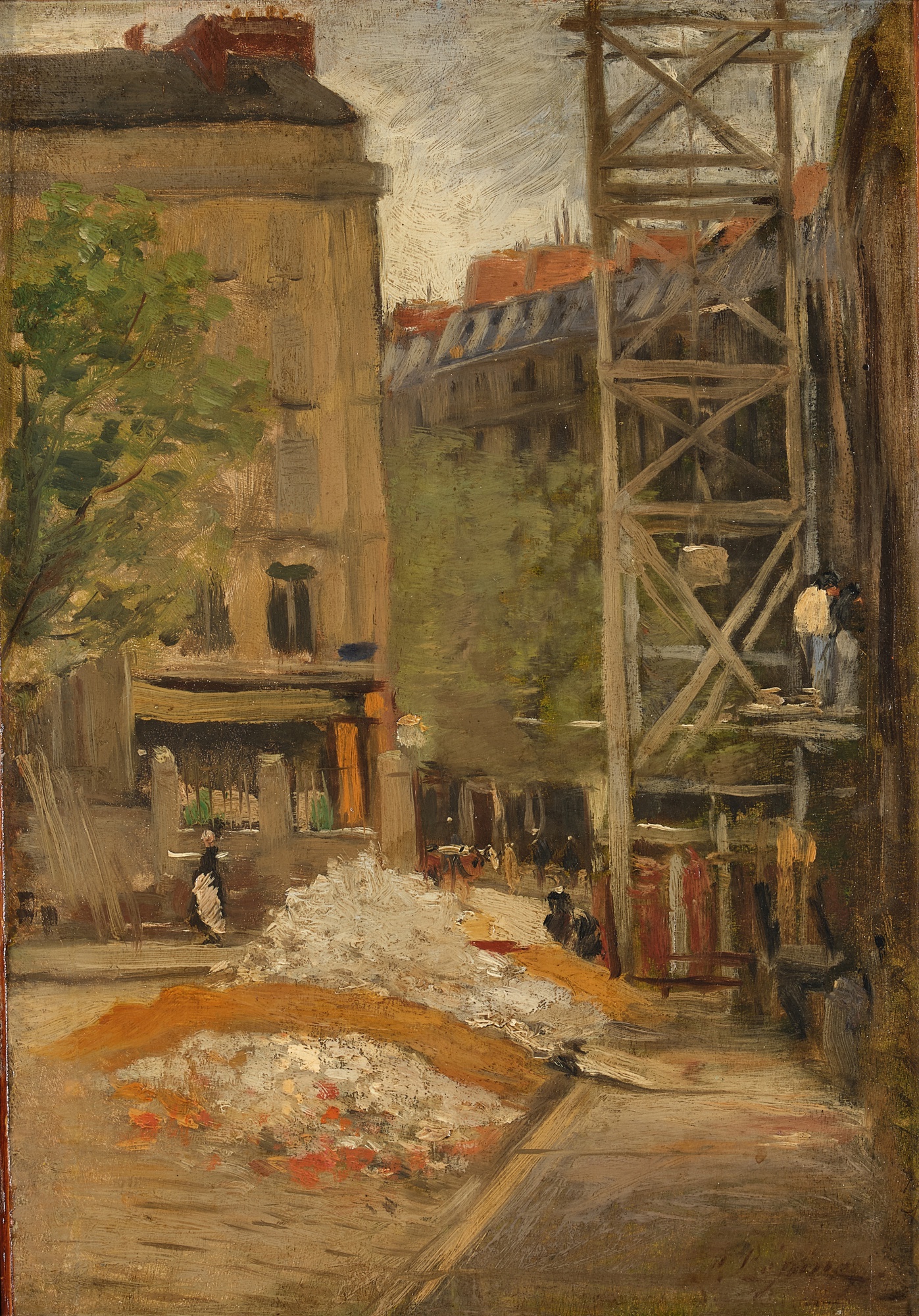
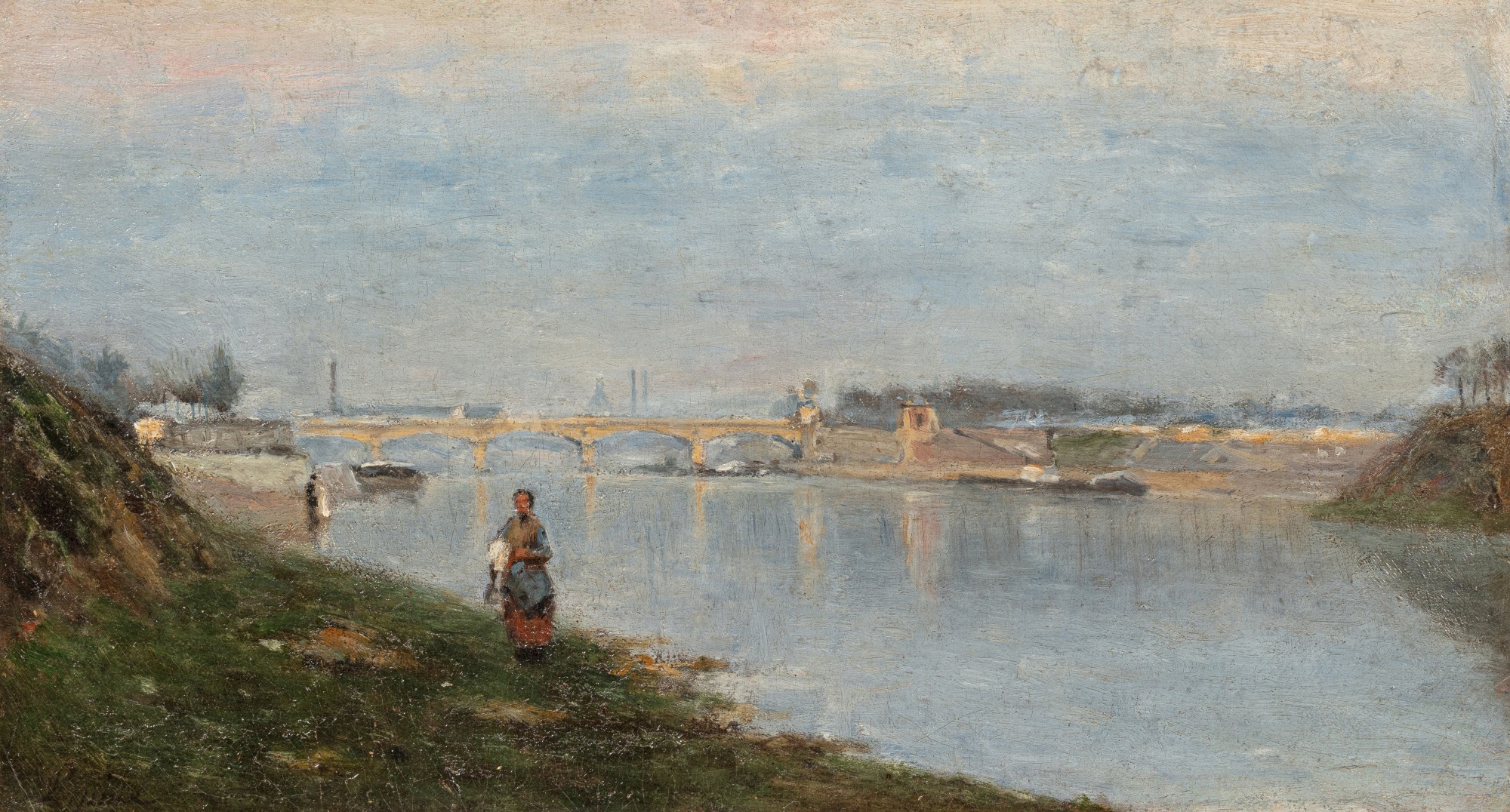
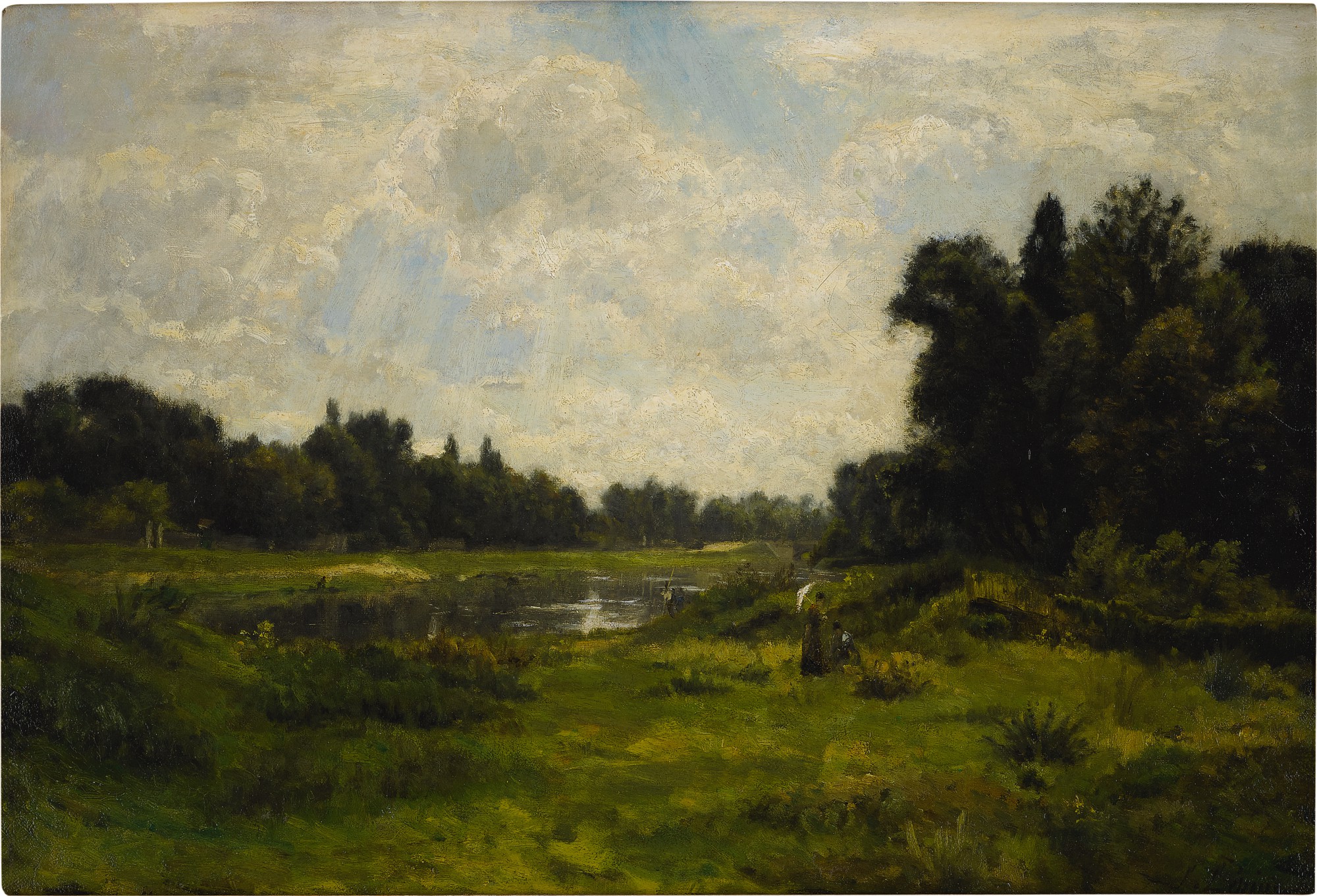
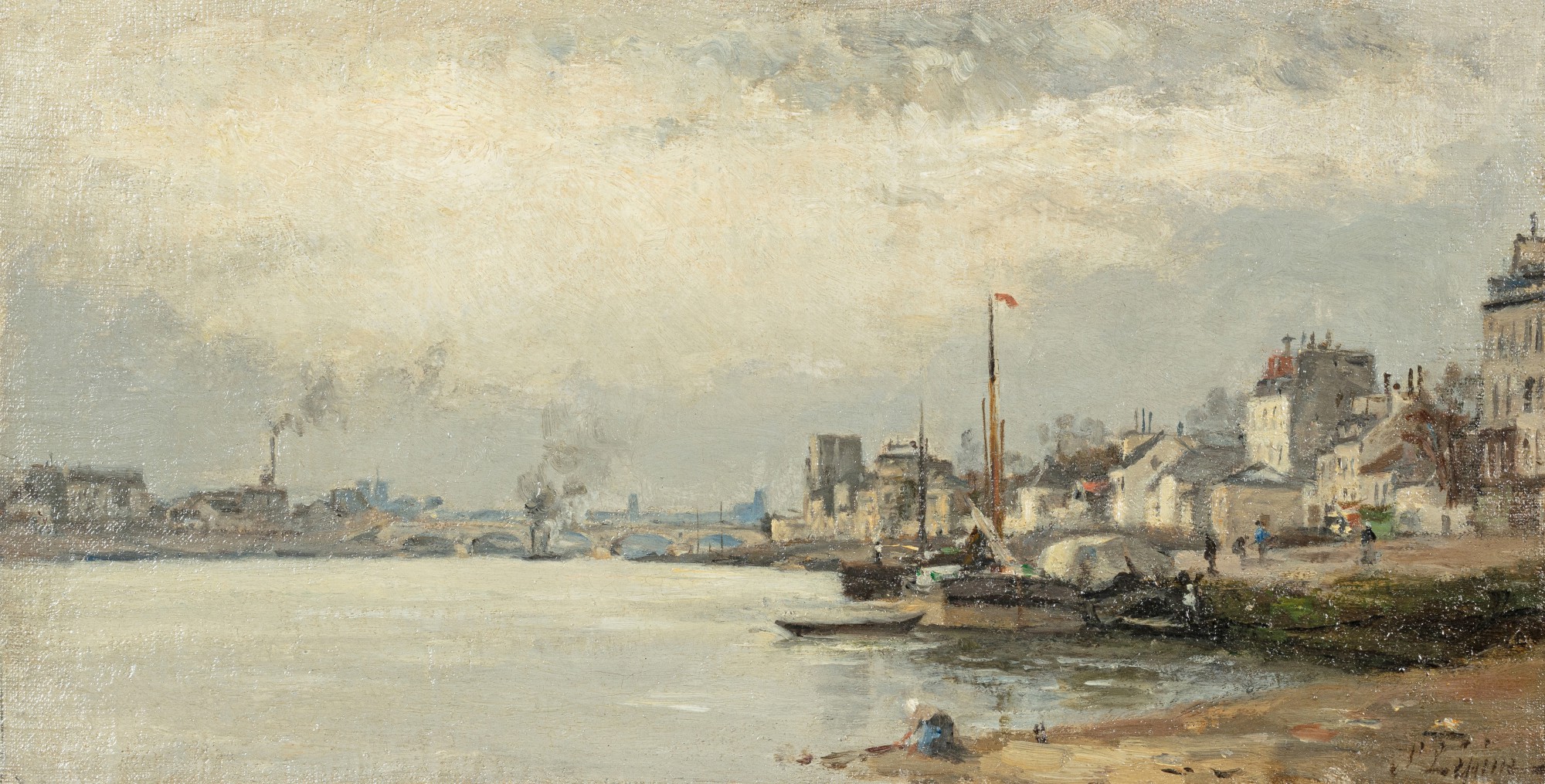
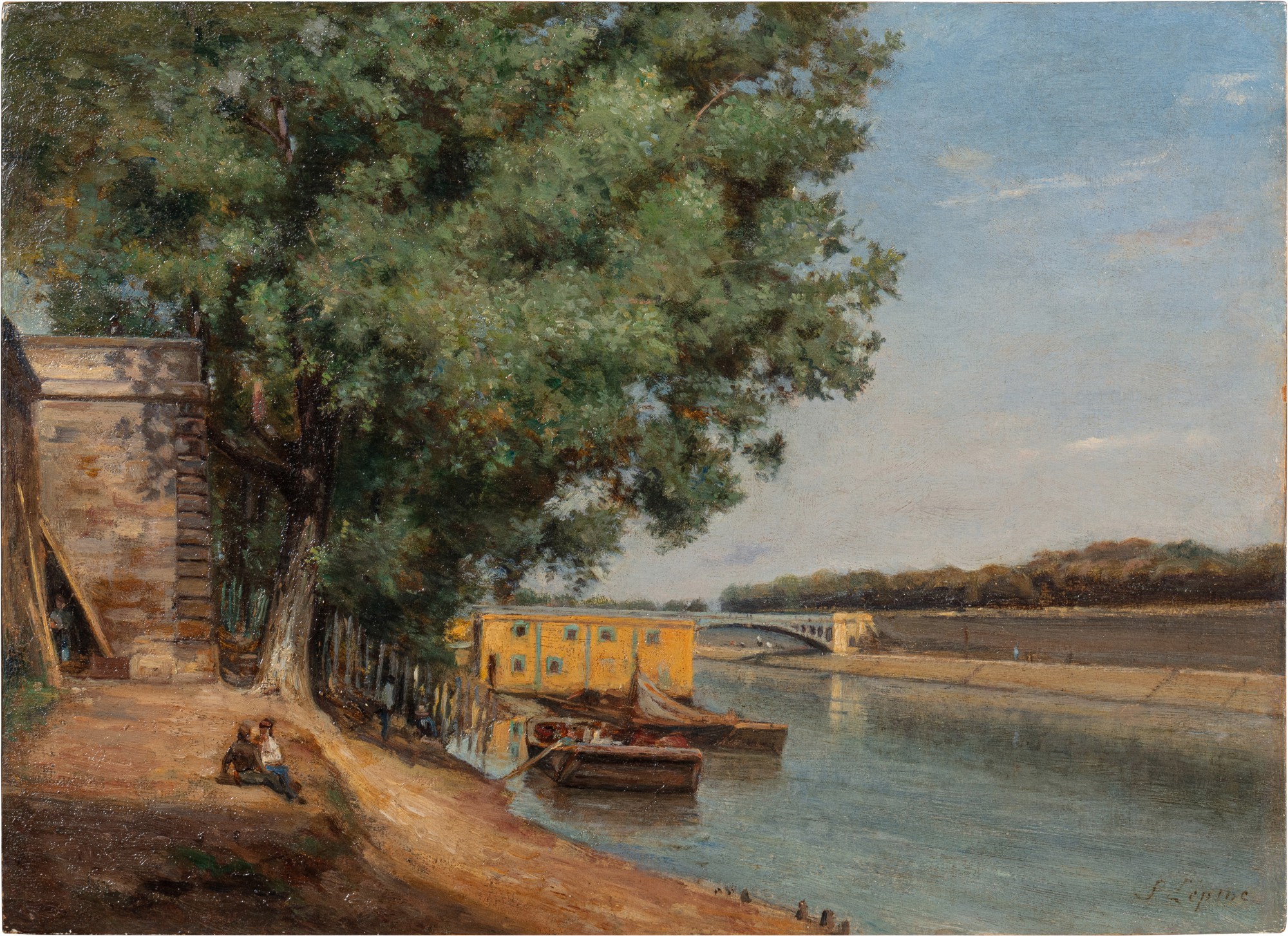
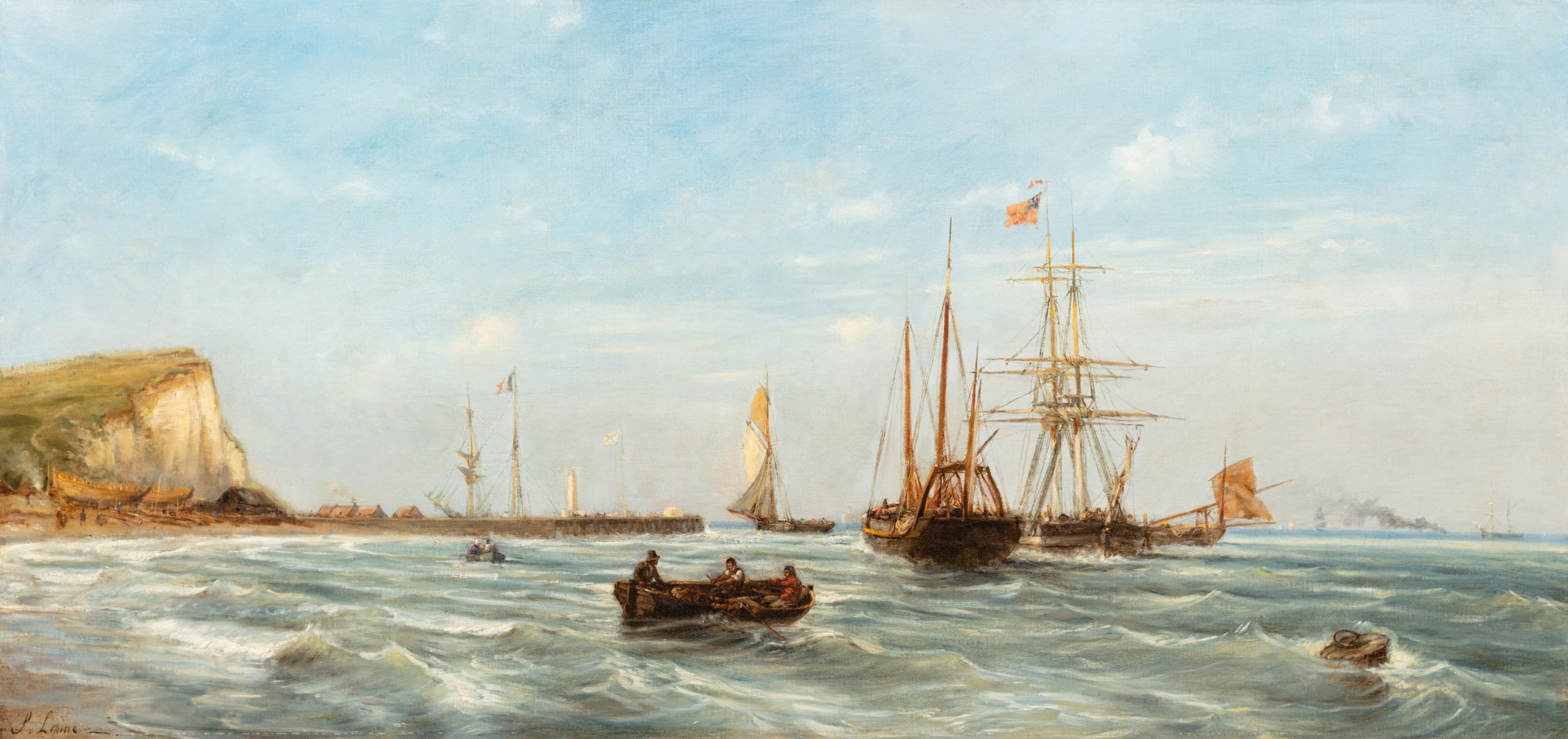
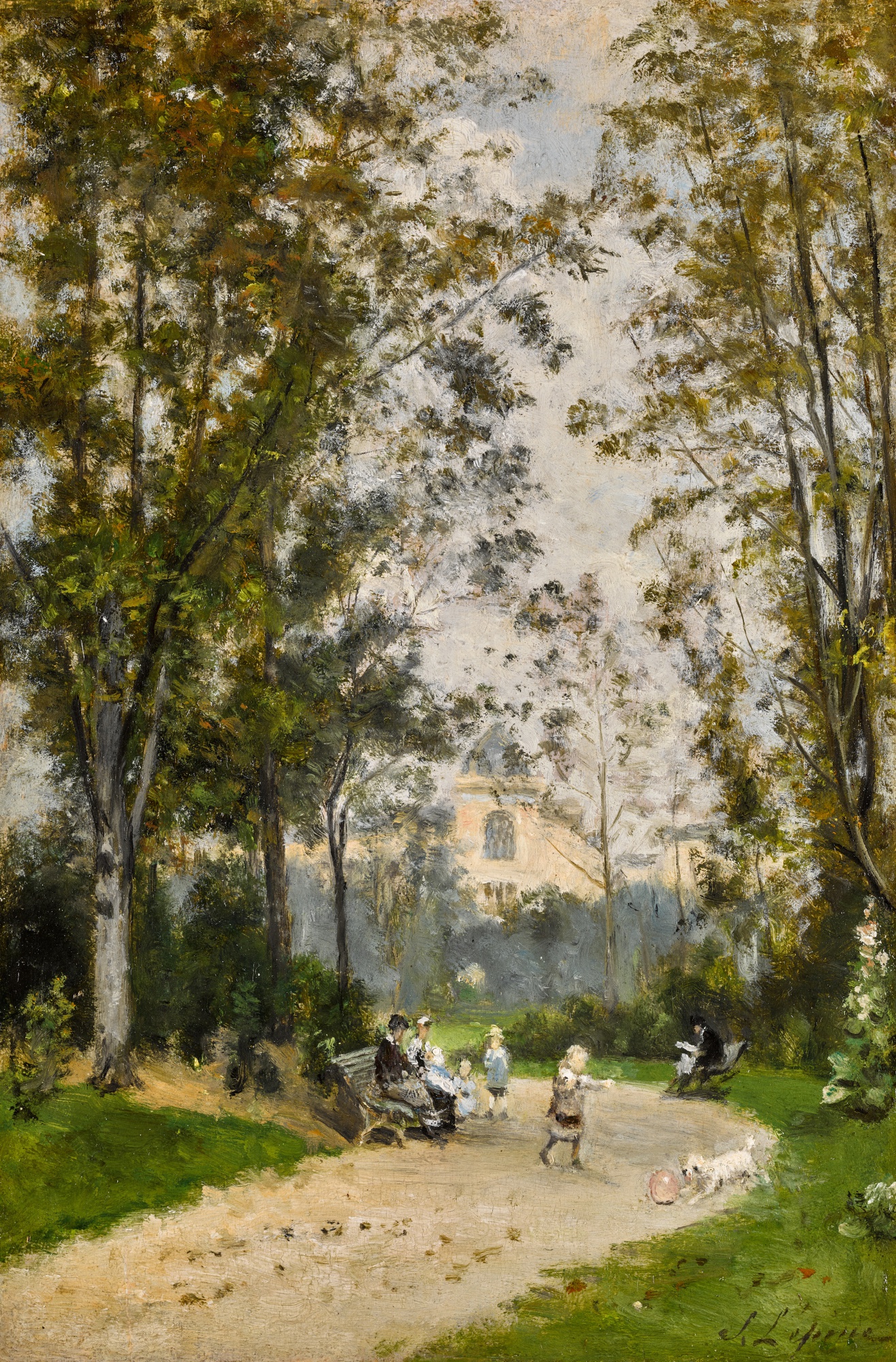
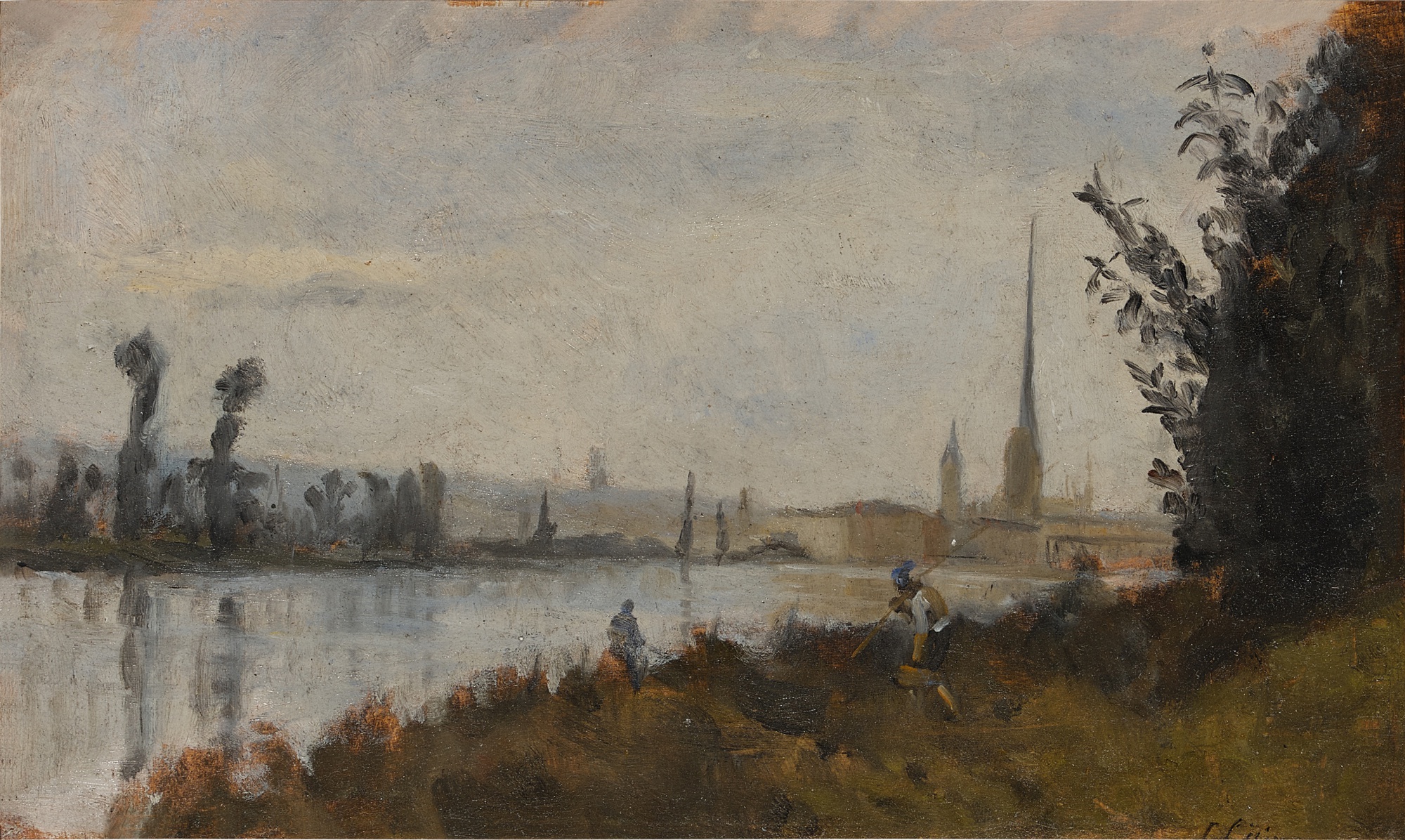
Stanislas Lépine was a French landscape painter associated with the Impressionist movement, though he maintained a more restrained and intimate approach than his better-known contemporaries. Born in Caen, Normandy, Lépine studied under Jean-Baptiste-Camille Corot and later worked alongside Camille Pissarro, absorbing influences from the Barbizon School before developing his distinctive style. He exhibited at the first Impressionist exhibition in 1874 alongside Monet, Renoir, and Degas, cementing his place within this revolutionary circle, though he would remain somewhat overshadowed by his peers throughout his career and posthumously. Lépine specialized in subtle, atmospheric views of the Seine, Parisian quays, and urban landscapes rendered with delicate brushwork and a muted, silvery palette. His paintings often depicted the bridges, boats, and waterfront architecture of Paris with a quiet poetry and attention to light effects that aligned him with Impressionist concerns, yet his work retained a more classical structure and tonal restraint. Notable works include views of Montmartre, the Port of Caen, and numerous depictions of the Seine at different times of day. His ability to capture the transient effects of light on water and the subtle atmospherics of overcast Parisian days demonstrated his technical mastery and sensitivity to nature. Despite his participation in the first Impressionist exhibition and his friendships with leading avant-garde artists, Lépine struggled financially throughout his life and never achieved the commercial success of his colleagues. He continued to exhibit at the Salon and various venues, earning modest recognition including a third-class medal at the 1884 Salon. After his death in 1892, his work experienced renewed appreciation, with collectors and critics recognizing the refined quality and understated beauty of his contributions to French landscape painting. Today, his works are held in major museums including the Musée d'Orsay and are valued for their quiet elegance and their important, if understated, role in the development of modern landscape painting.
Artists in conversation