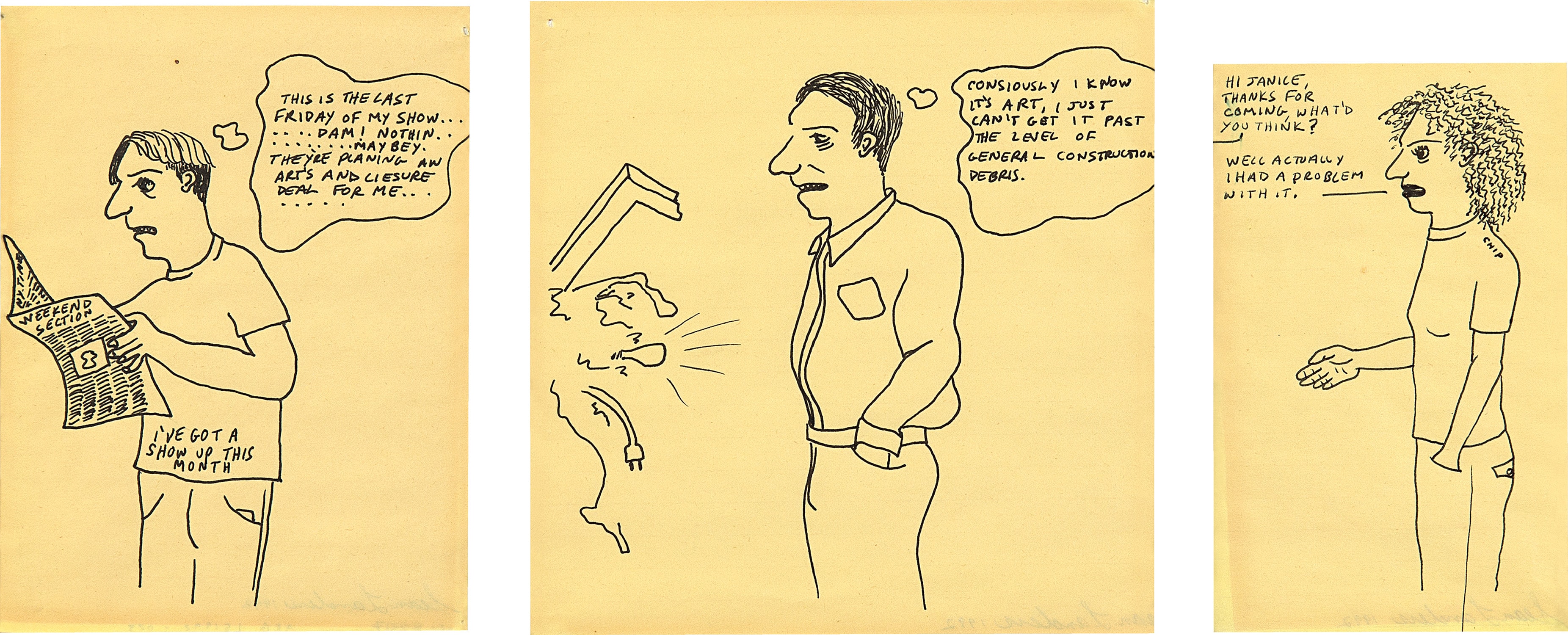
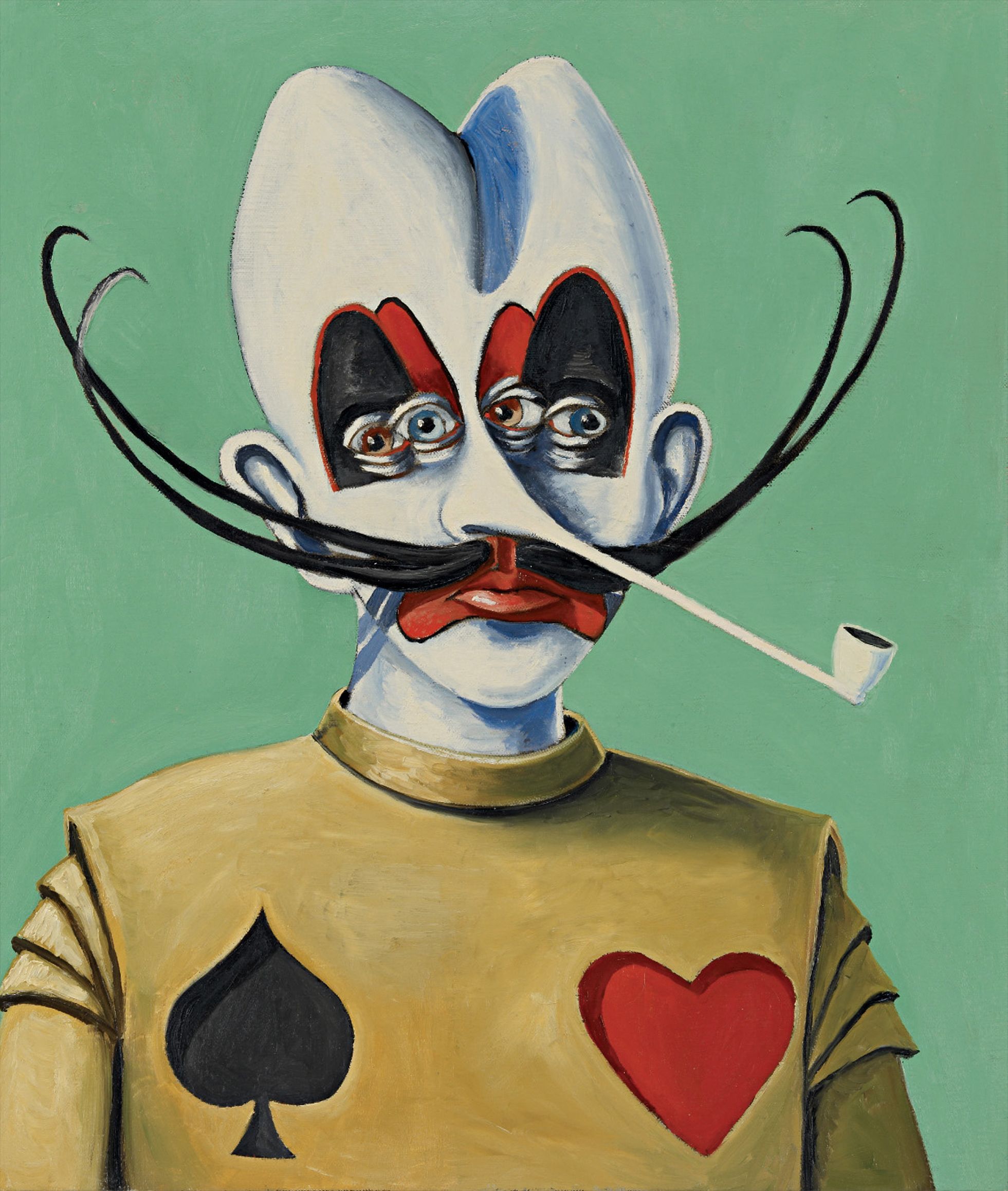
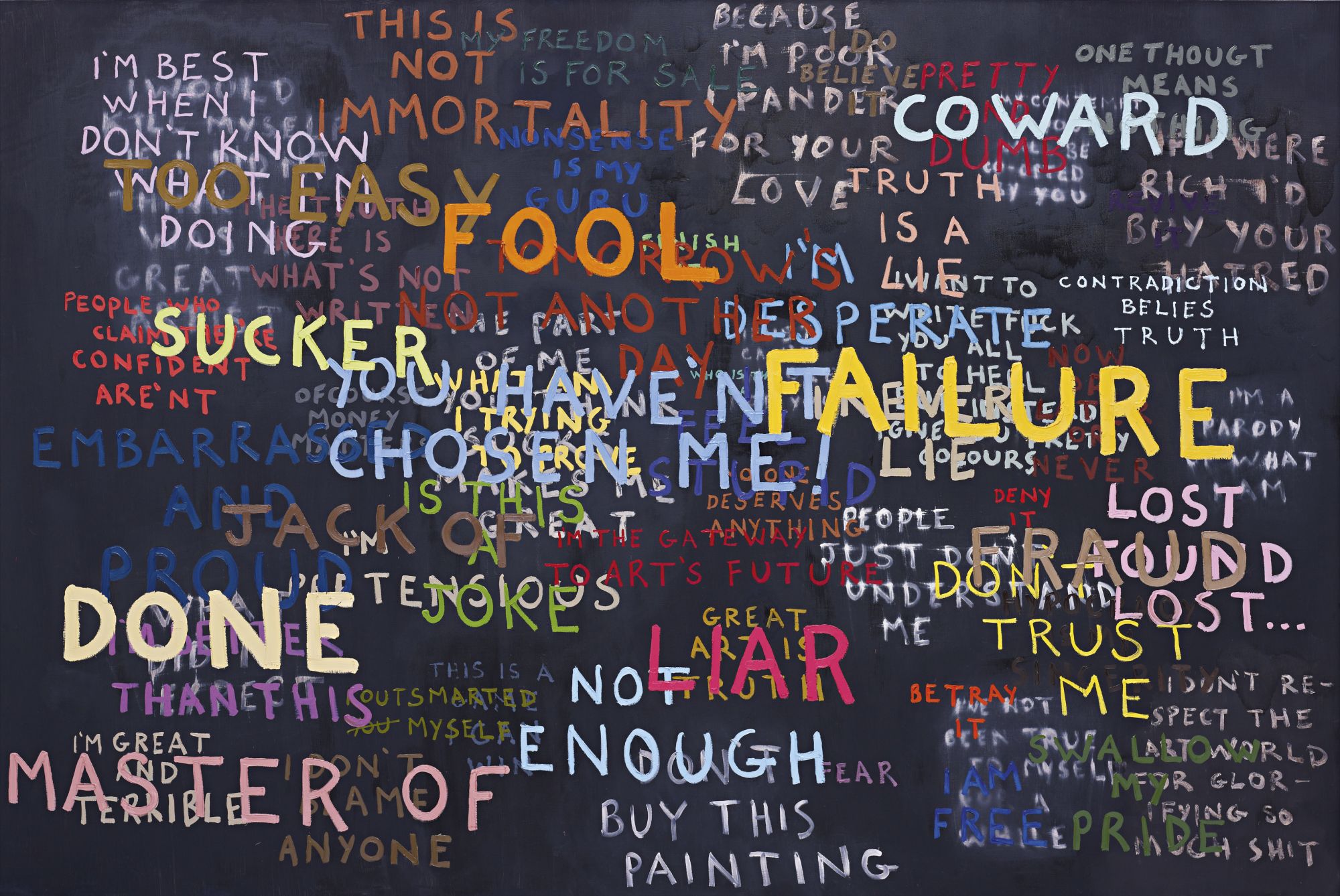
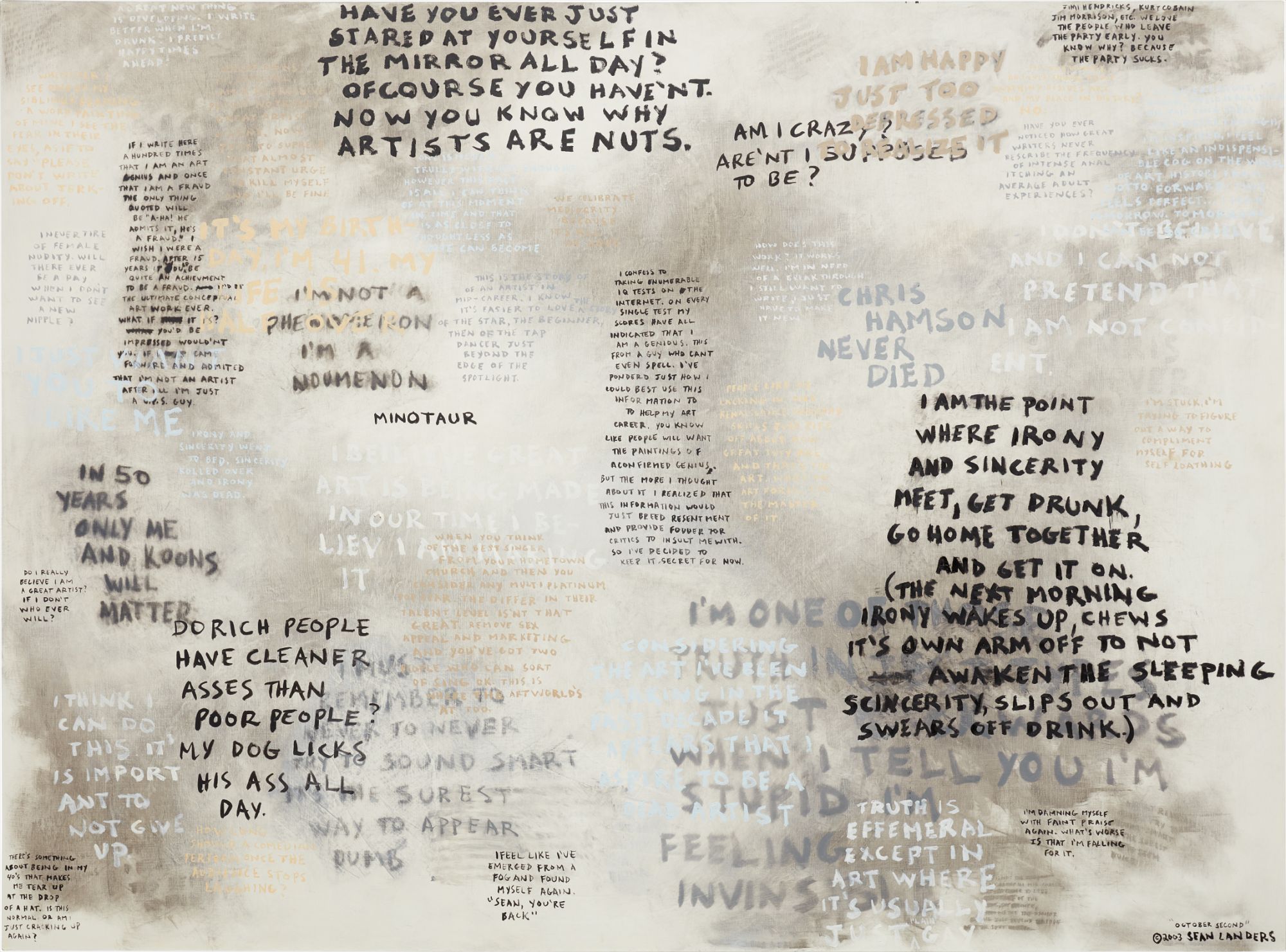
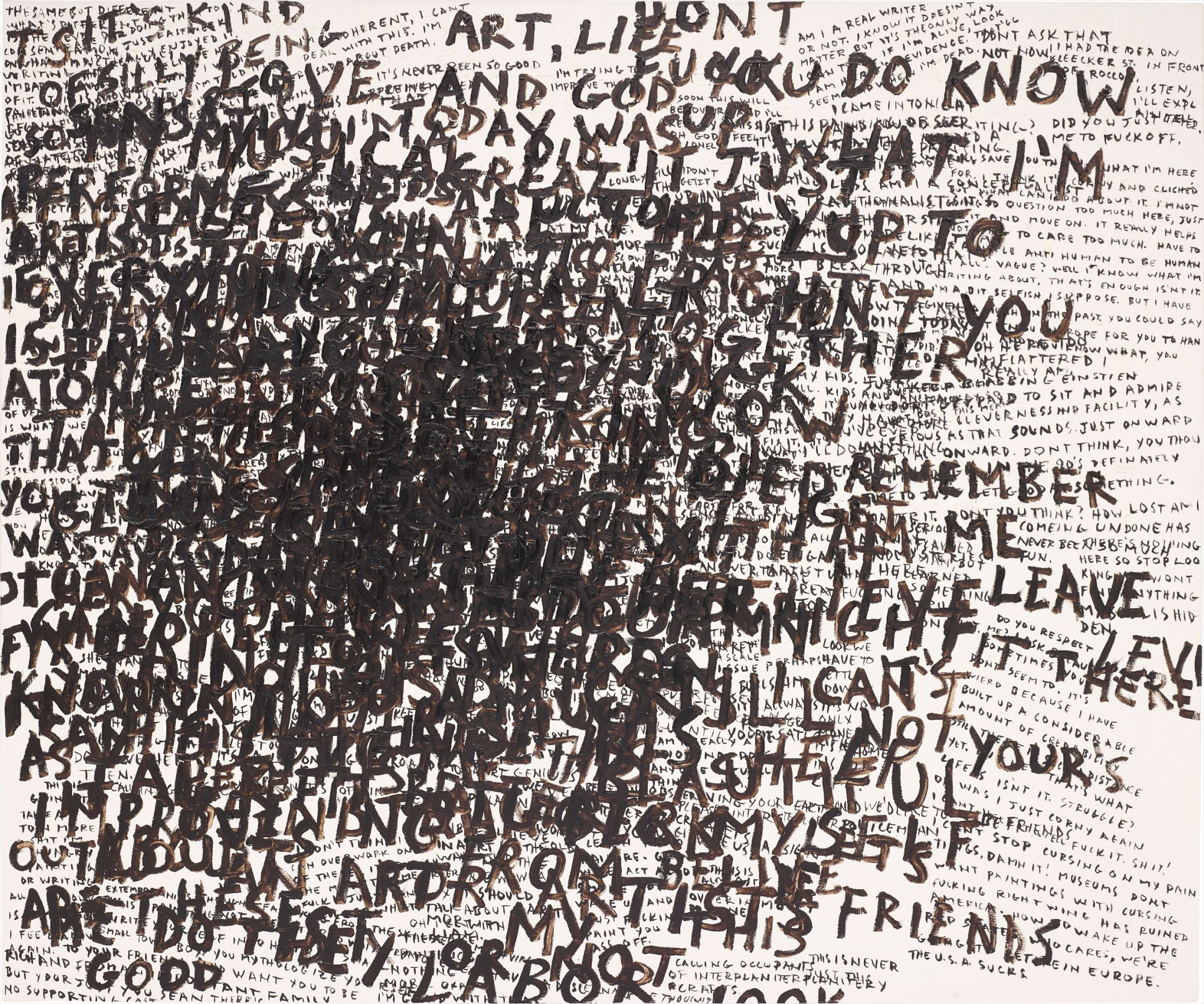
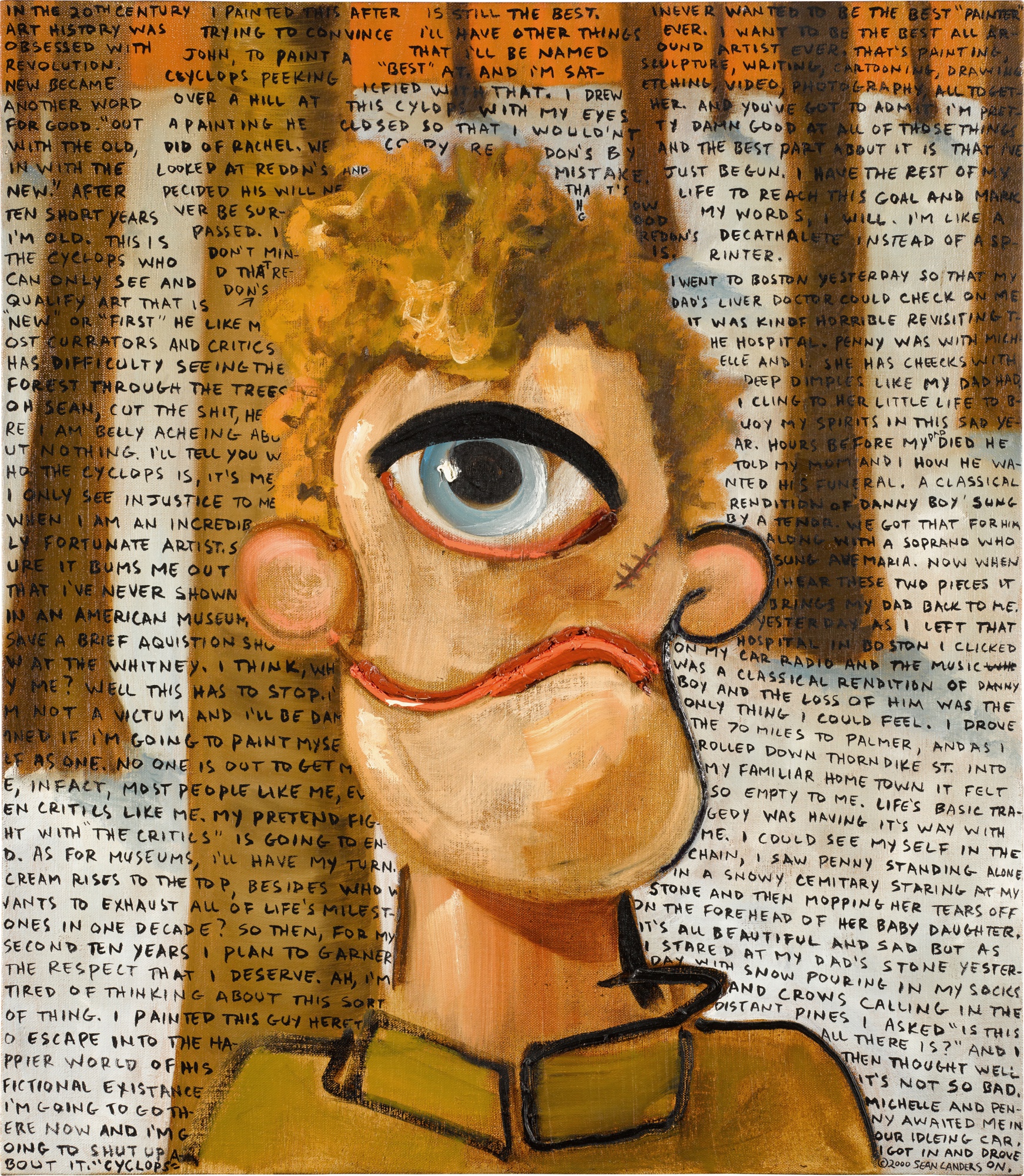
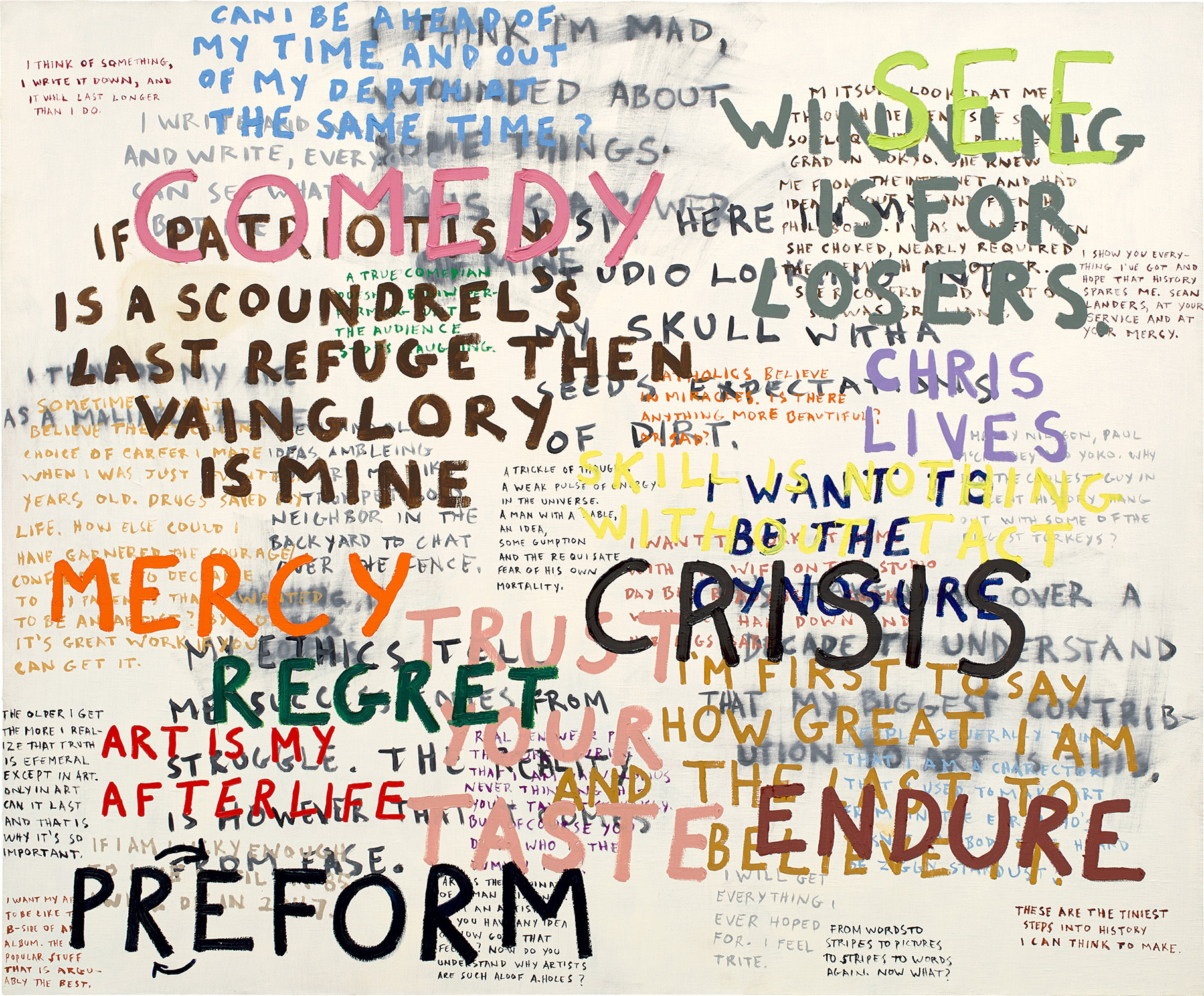
Something rare happens when an artist commits fully to vulnerability as a medium. For Sean Landers, that commitment has defined a career spanning four decades, one that has moved from the charged downtown New York art world of the early 1990s to international museum collections and a sustained critical reputation that only deepens with time. His recent exhibition at Friedrich Petzel Gallery in New York renewed conversations about his singular contribution to American painting, reminding a new generation of collectors and critics that the confessional impulse he pioneered remains as urgent and alive as ever. Landers was born in 1962 and came of age in an America shaped by pop culture saturation, suburban ambivalence, and a growing distrust of grand institutional narratives. He studied at the School of Visual Arts in New York, arriving in the city at a moment when the art world was both electric with possibility and deeply skeptical of sincerity. That tension became the engine of his practice. Rather than retreating into irony or conceptual distance, Landers leaned toward something far more disarming: the unfiltered, sometimes embarrassing, always searching voice of a person trying to figure out what it means to make art at all. His early breakthrough came in the early 1990s when he began exhibiting at Andrea Rosen Gallery in New York, a space that was instrumental in platforming a generation of artists willing to interrogate the self in public. Landers arrived with works that covered canvas in dense, handwritten stream of consciousness text, words tumbling across surfaces in ways that blurred the line between diary entry, stand up monologue, and philosophical treatise. The effect was startling. At a moment when much of the art world prized cool remove, Landers offered something almost uncomfortably warm and human. His peers took notice, and so did collectors, who recognized that his works carried genuine emotional weight beneath their comedic exterior. The evolution of his practice from those text heavy early works toward his ongoing series of painted animals, clowns, and absurdist characters represents one of the more fascinating arcs in contemporary American art. Works like Space Ape and Tex from 1996 capture the moment when Landers began weaving his philosophical preoccupations into imagery borrowed from cartoons and popular iconography, creating a hybrid visual language that felt both deeply personal and strangely universal. His animal paintings, rendered with a deceptively loose but deeply considered touch, carry within them the same anxious self awareness that marked his text works. The clown as a recurring figure is never merely a joke. It is a meditation on performance, failure, and the absurdity of presenting oneself to the world. Among the works that best represent his mature vision, Comedy Crisis from 2005 stands out as a landmark. The painting encapsulates everything that makes Landers essential: the collision of high and low, the willingness to sit with discomfort, and the fundamental generosity of an artist who invites the viewer into his uncertainty rather than presenting them with resolved conclusions. Works such as Fool Failure and This Is Never Just This, both executed in oil on linen, demonstrate his technical command of the medium and his ability to layer meaning across surface, color, and form. His Woody lithograph from 2006 extends this sensibility into printmaking, showing a versatility that collectors across different collecting levels have found accessible and rewarding. The three ink drawings on yellow legal pad paper, titled in the Cartoon series, are perhaps the most intimate distillation of his voice, the legal pad itself functioning as both humble material and knowing conceptual choice. From a collecting perspective, Landers occupies a position that is genuinely enviable. His works hold meaning across scales and across media, from intimate drawings that fit within a developing collection to large scale oil paintings that anchor a room. His market has shown consistent strength particularly at auction houses including Christie's and Phillips, where works from his key periods attract serious competition among collectors who understand that his influence on younger generations of artists has been substantial and only recently begun to receive its proper accounting. The artists who have followed in his wake, those working in confessional modes or blending text and image or refusing the separation of the comedic from the serious, owe a debt to the territory Landers mapped in those early gallery presentations. His works sit naturally alongside those of artists such as Raymond Pettibon, whose text and image drawings share a confrontational intimacy, and Mike Kelley, whose engagement with popular culture and psychological interiority runs on parallel tracks to Landers. Collectors who build thoughtfully around this generation often find that a Landers work becomes a connective thread linking many other acquisitions. What makes Landers matter today, perhaps more than in any previous moment, is the cultural appetite for authenticity in an era saturated with performed sincerity. His paintings never perform. They simply are. The stream of consciousness that pours across his canvases, the self doubt worn openly, the laughter that emerges directly from pain rather than masking it, all of this reads as prophetic in an age when the distance between inner life and public presentation has never been more scrutinized. He was asking questions about identity, failure, ambition, and the meaning of making art long before those questions became the dominant discourse of cultural life. His practice did not follow a trend. It preceded one. For collectors seeking works that carry genuine historical weight while speaking with startling contemporaneity, Landers represents one of the most considered and rewarding commitments available in the current market.