Narrative Art
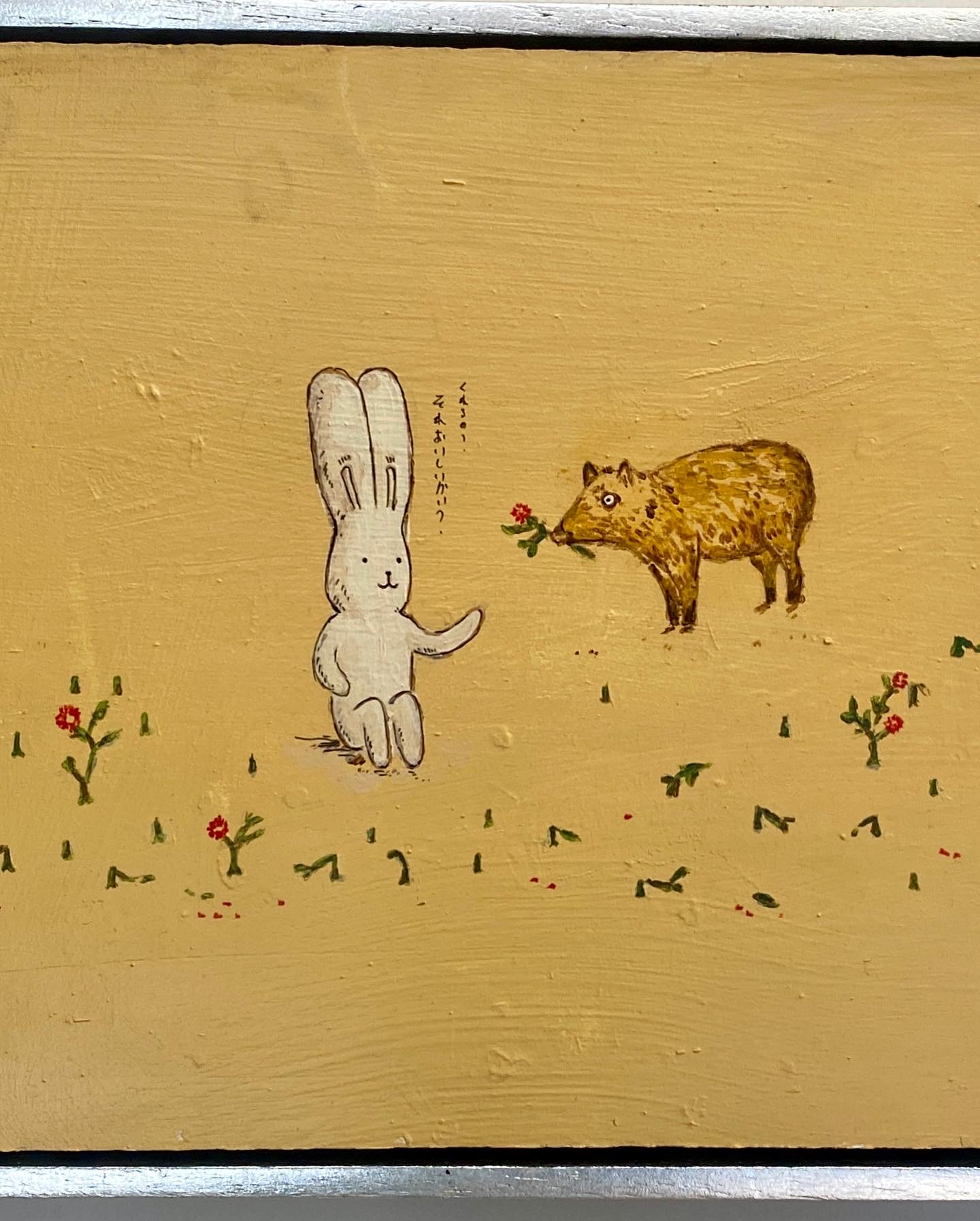
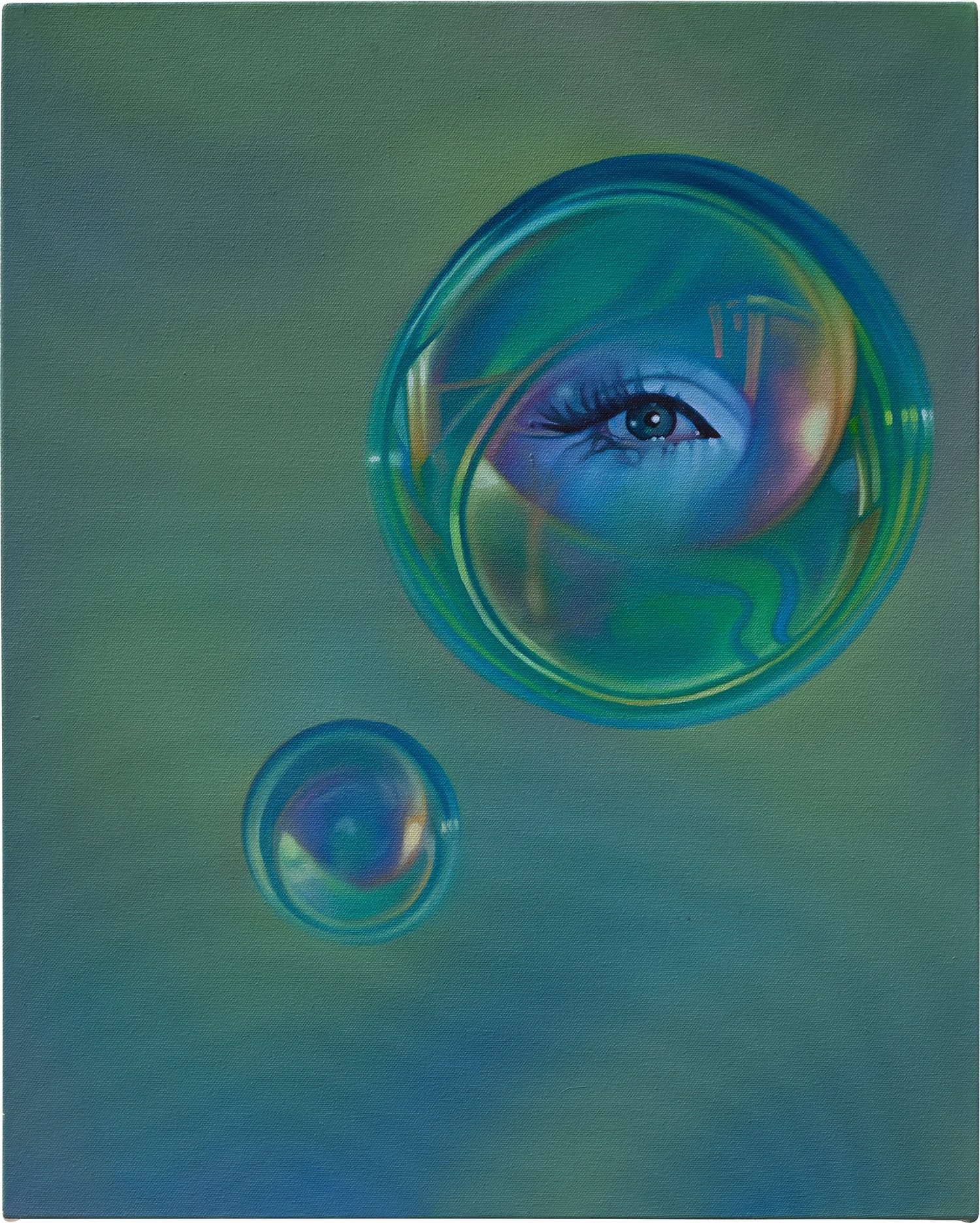
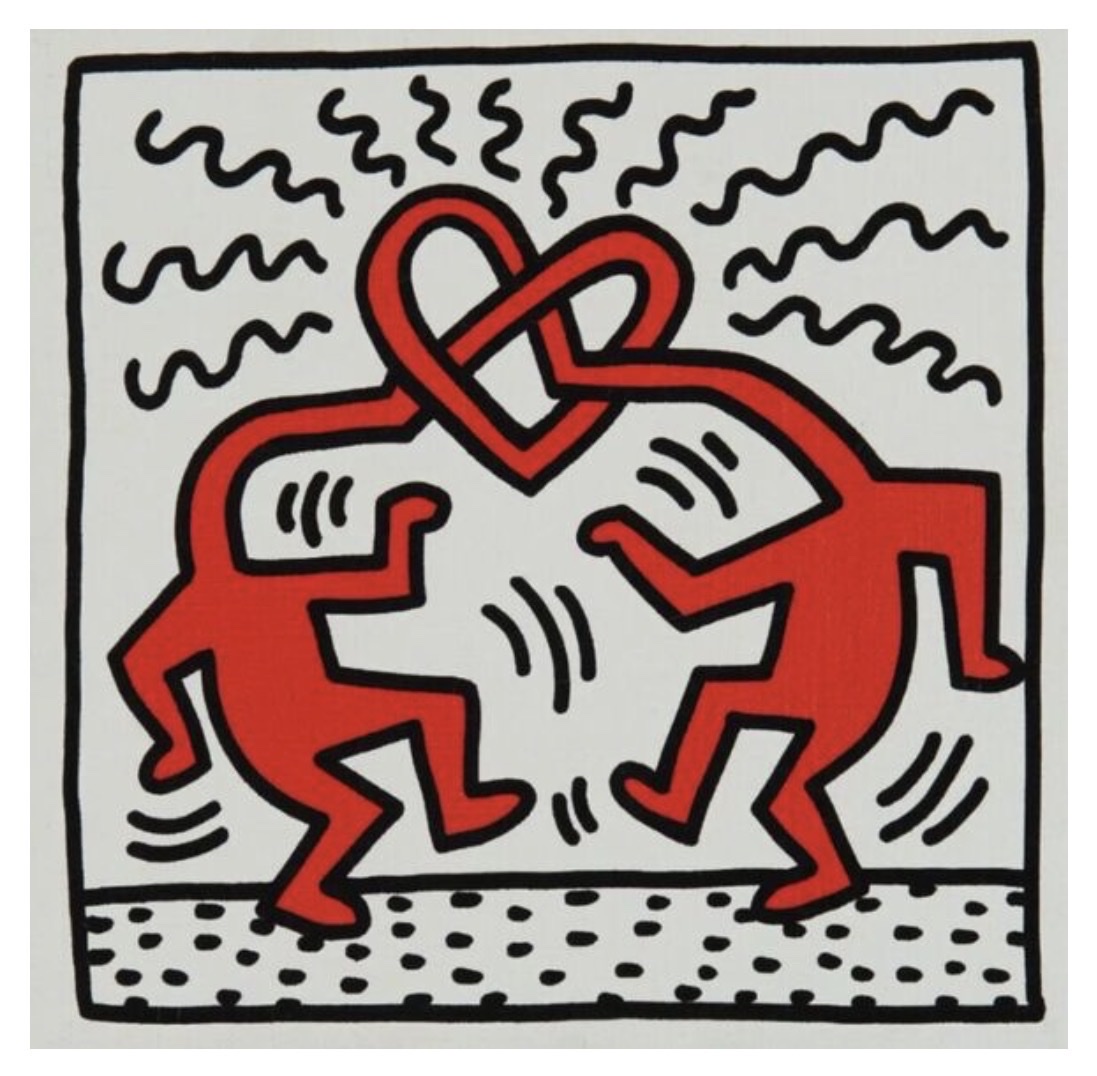
Atsushi Kaga
Are you Giving Me that Flower, 2006
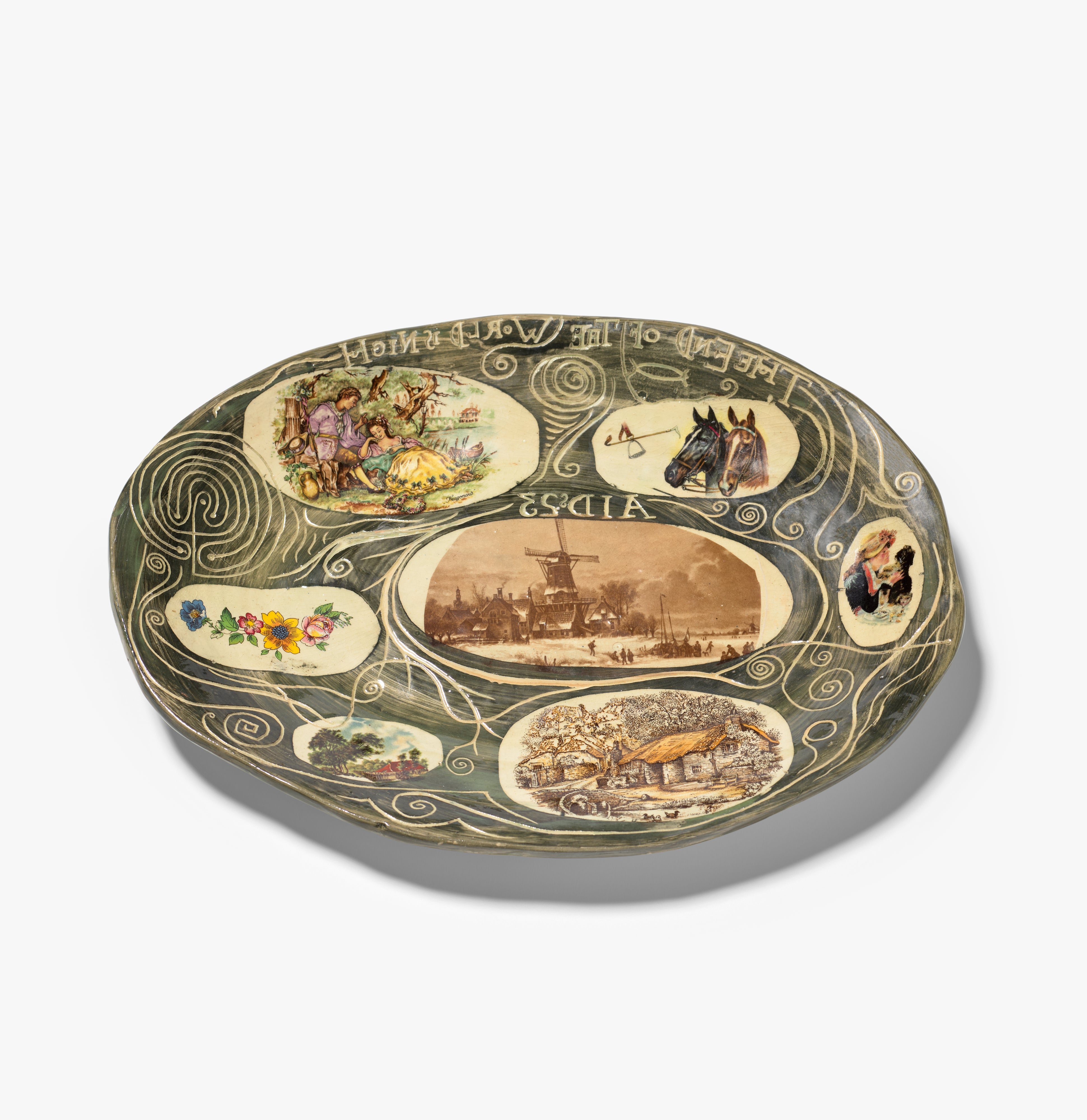
Every Picture Tells a Story, Finally
There is a particular kind of looking that narrative art demands. It asks you to slow down, to read the image the way you might read a page, to follow a thread from one corner of the canvas to another and arrive somewhere you did not expect. In an era when images are consumed in fractions of a second, this feels almost radical. Narrative art insists on your time, and in return it offers something that purely formal or abstract work rarely can: the sensation of being told something true.
The impulse to tell stories through images is as old as human consciousness. The cave paintings at Lascaux, dating to roughly 17,000 BCE, are not just records of animals but sequences, implied motion, proto narrative captured in ochre and charcoal. From Egyptian tomb reliefs to the continuous narrative columns of ancient Rome to the densely populated altarpieces of the medieval church, images carried stories long before widespread literacy made text the dominant vehicle. The Renaissance deepened this tradition, giving painters like Giotto and later Raphael the tools of perspective and psychological realism to render stories with new emotional precision.
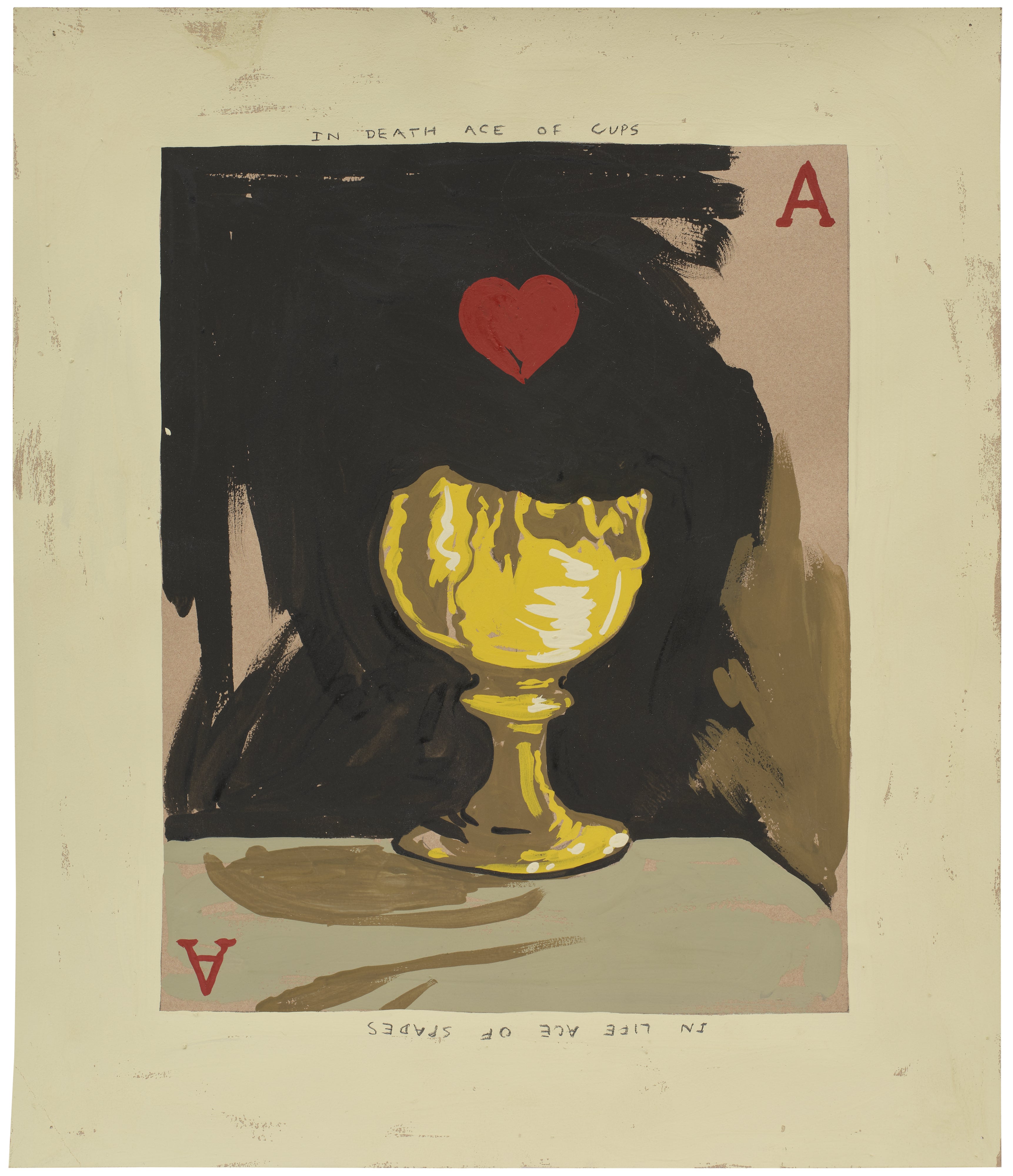
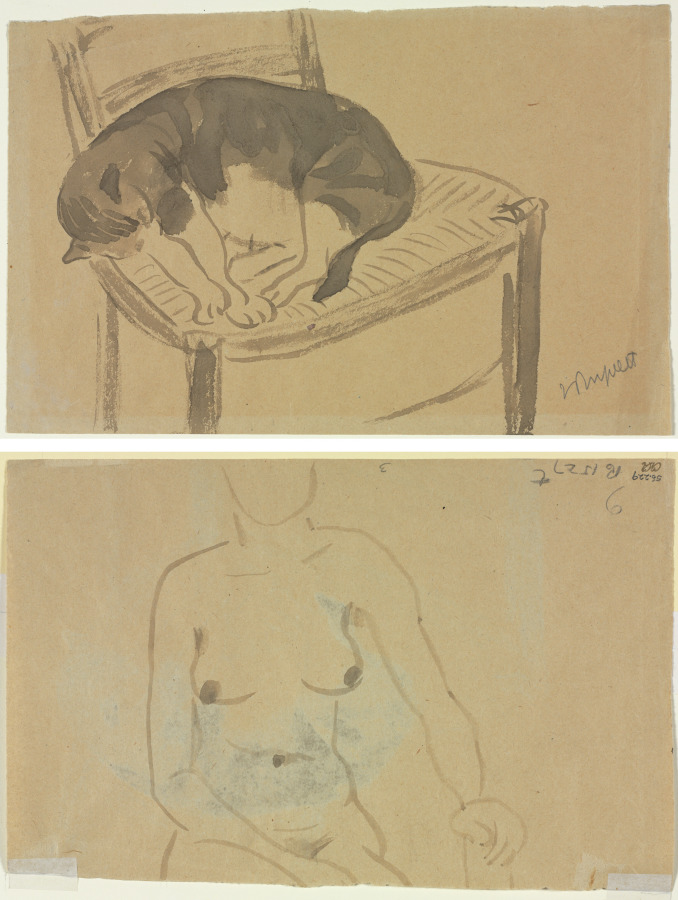
Matthew Benedict
Black Beard's Cup
Painting became, in the words of Alberti, a window onto a world, and that world was almost always inhabited by figures doing things to one another. The nineteenth century brought a kind of golden age for overt narrative painting. The Victorian salon tradition produced enormous canvases packed with moral instruction, sentiment, and social commentary. Artists like William Powell Frith staged scenes of crowded public life that functioned almost like serialized novels.
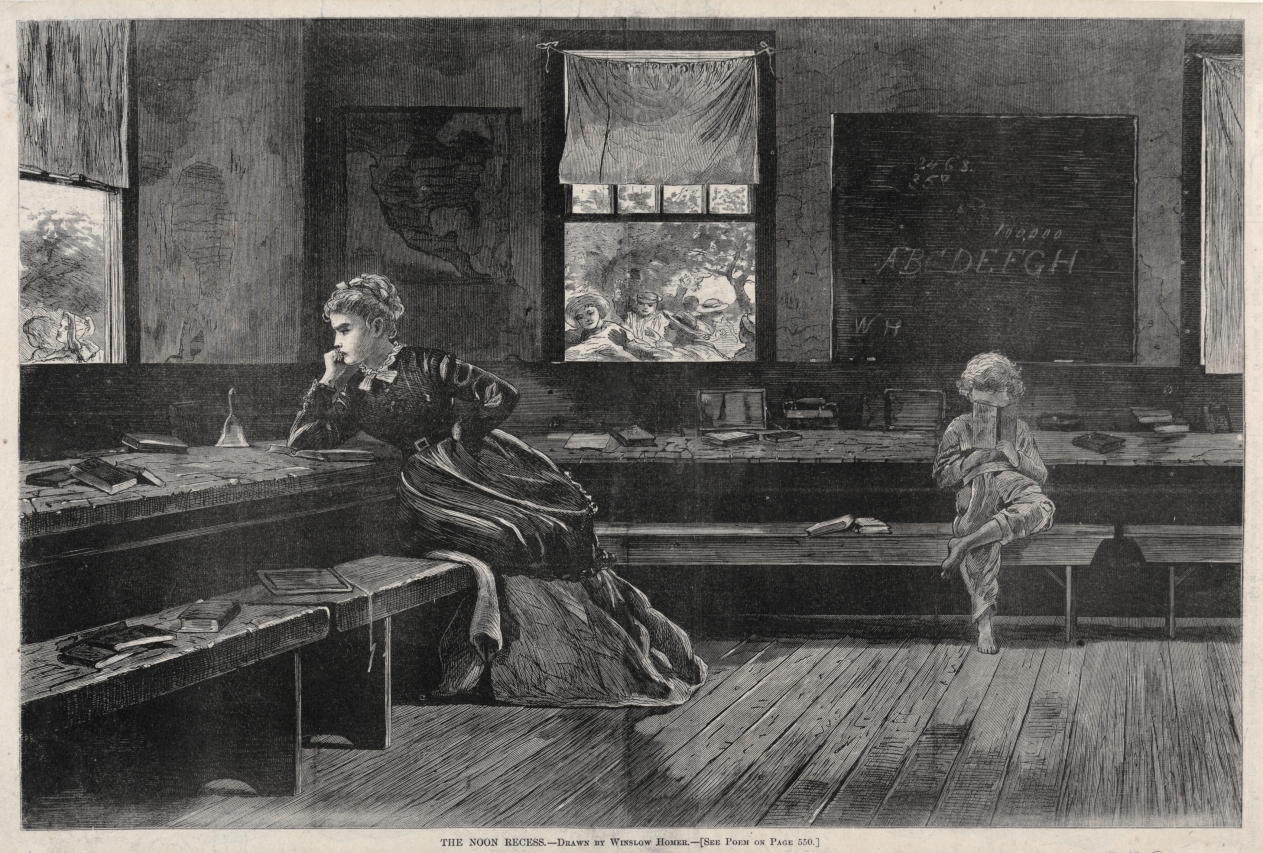
In America, Winslow Homer was doing something more searching. His depictions of Civil War soldiers, Adirondack guides, and weathered fishermen resisted easy moralizing while still insisting on the weight of human experience. A Homer work rarely explains itself but it always implies a before and an after, a story interrupted mid breath. Modernism, when it arrived in force in the early twentieth century, seemed to declare narrative art provincial and sentimental.
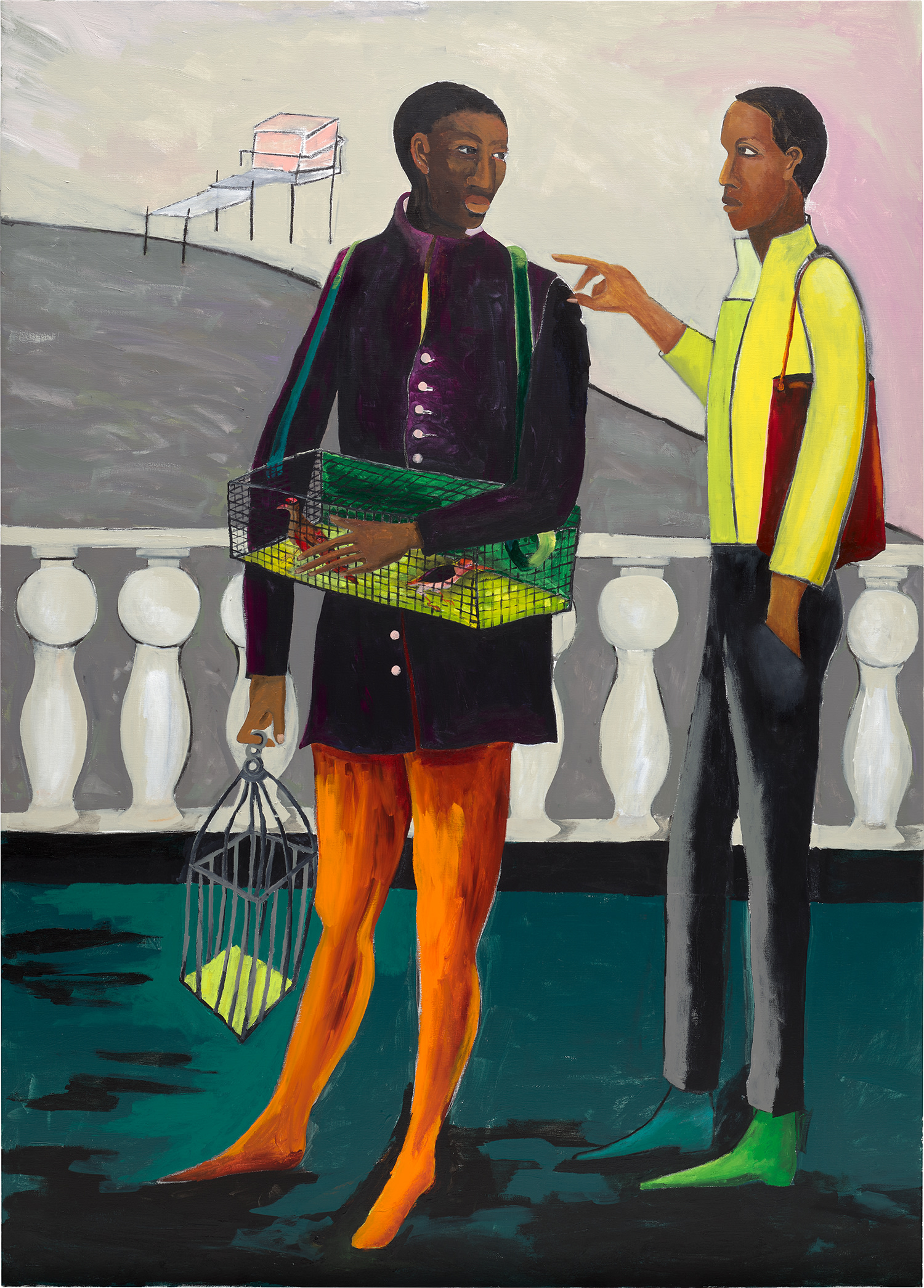
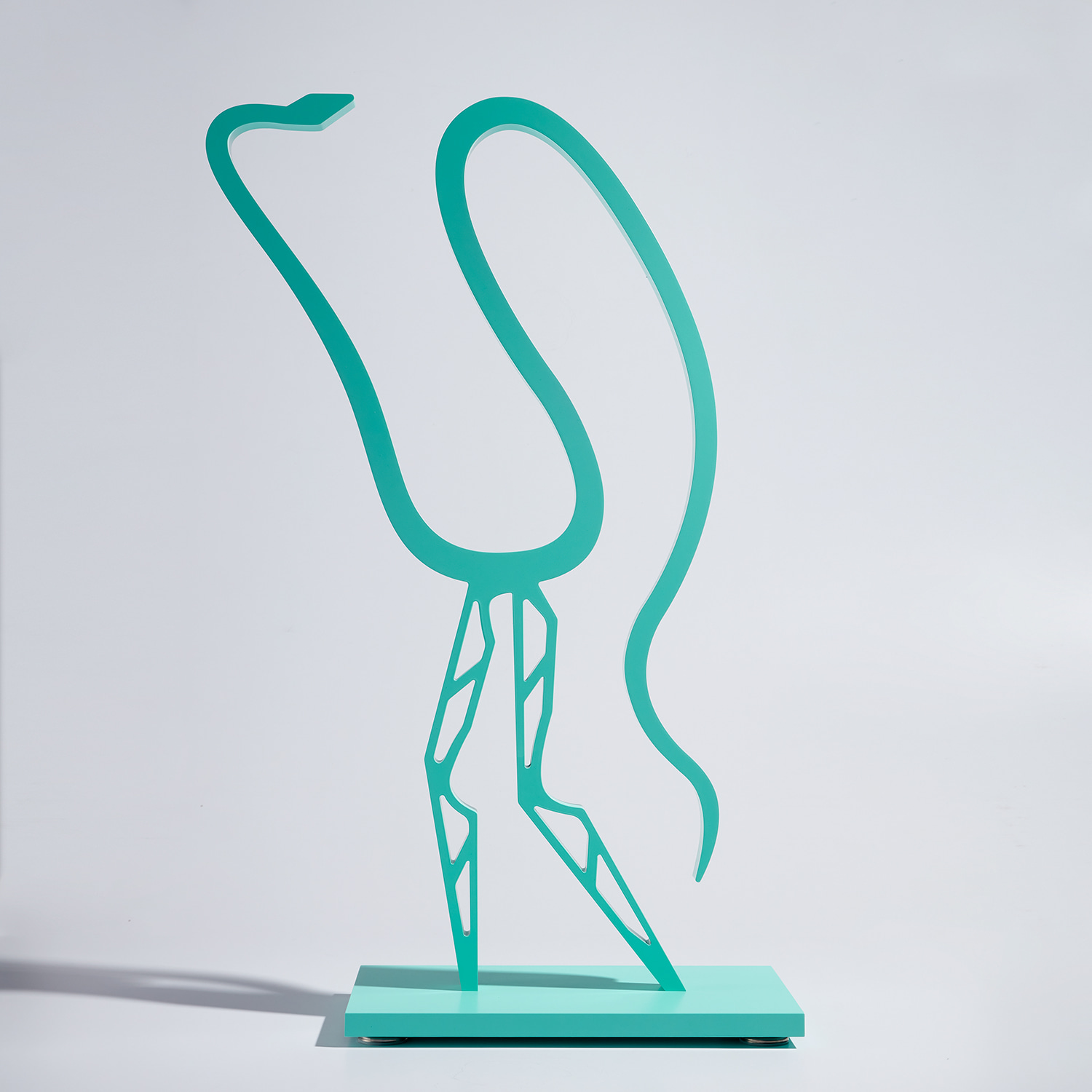
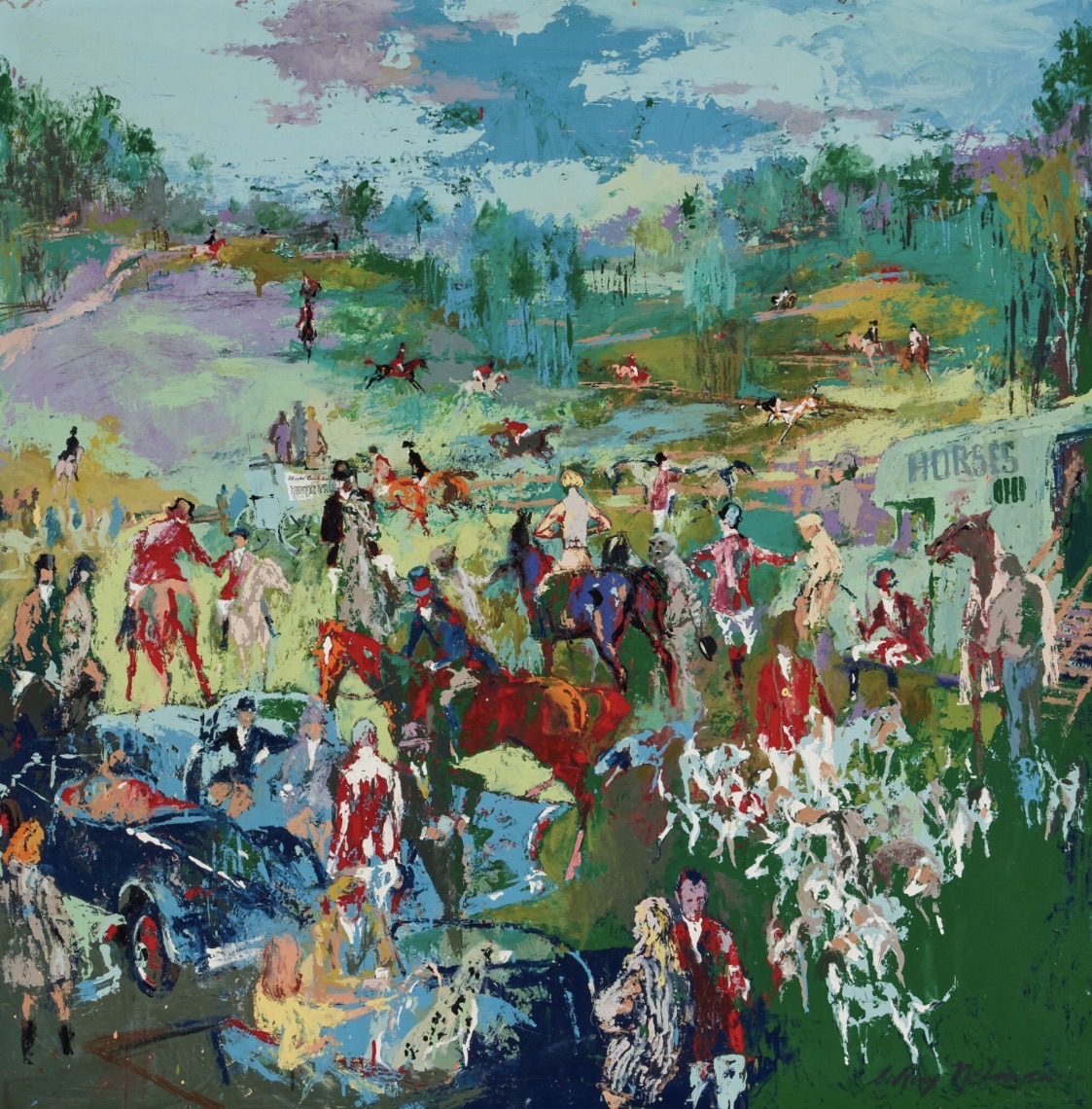
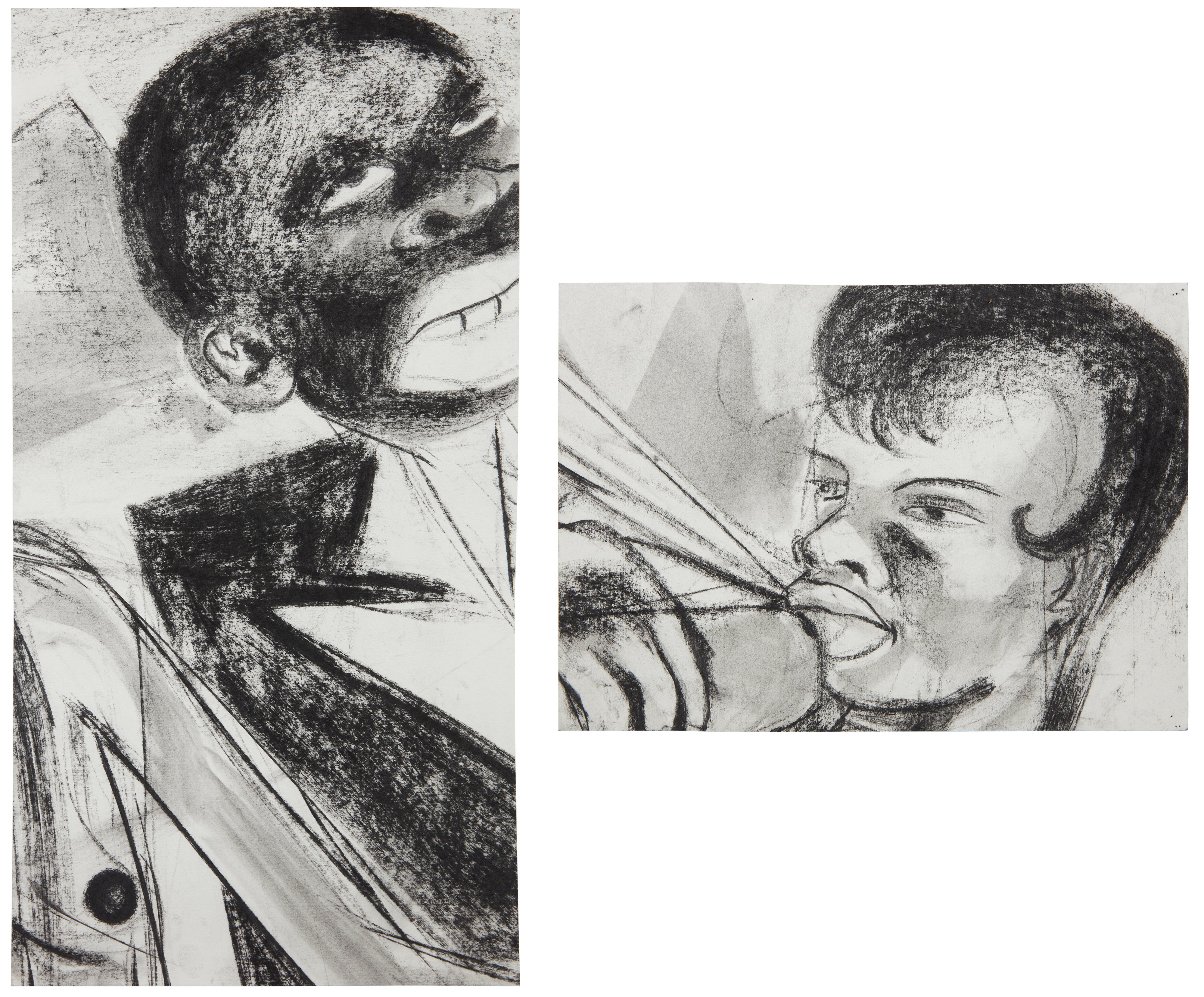
Lubaina Himid
The Bird Seller: Are You Listening, 2021
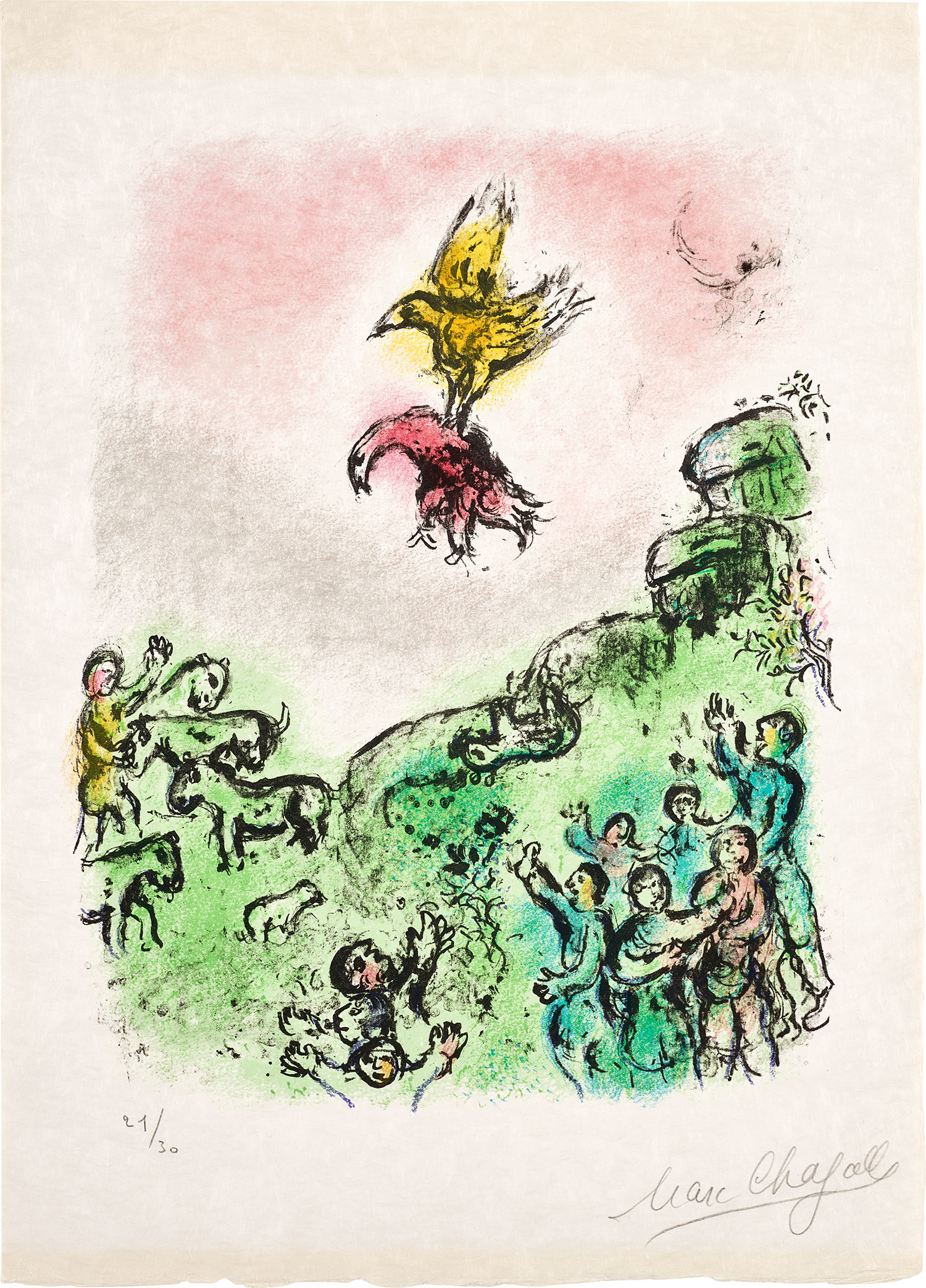
Abstraction was the future, formal purity was the ambition, and storytelling was for illustrators. And yet narrative never disappeared. It went underground, became stranger, found new vocabularies. Marc Chagall, whose floating figures and dreamlike village scenes seem to violate every rule of spatial logic, was constructing intensely personal narratives drawn from Jewish folklore, memory, and grief.
His images are stories told by someone who has survived enough history to distrust linear telling. By the late twentieth century, narrative art had returned to the center of critical conversation, often carrying political urgency. Kara Walker emerged in the mid 1990s with her monumental silhouette works, deploying the genteel nineteenth century parlor art form of cut paper silhouettes to tell stories about slavery, violence, and racial power that American culture had largely refused to face. Her 1994 installation at the Drawing Center in New York announced a major new voice and a new understanding of what narrative could do when stripped to its most graphic essentials.
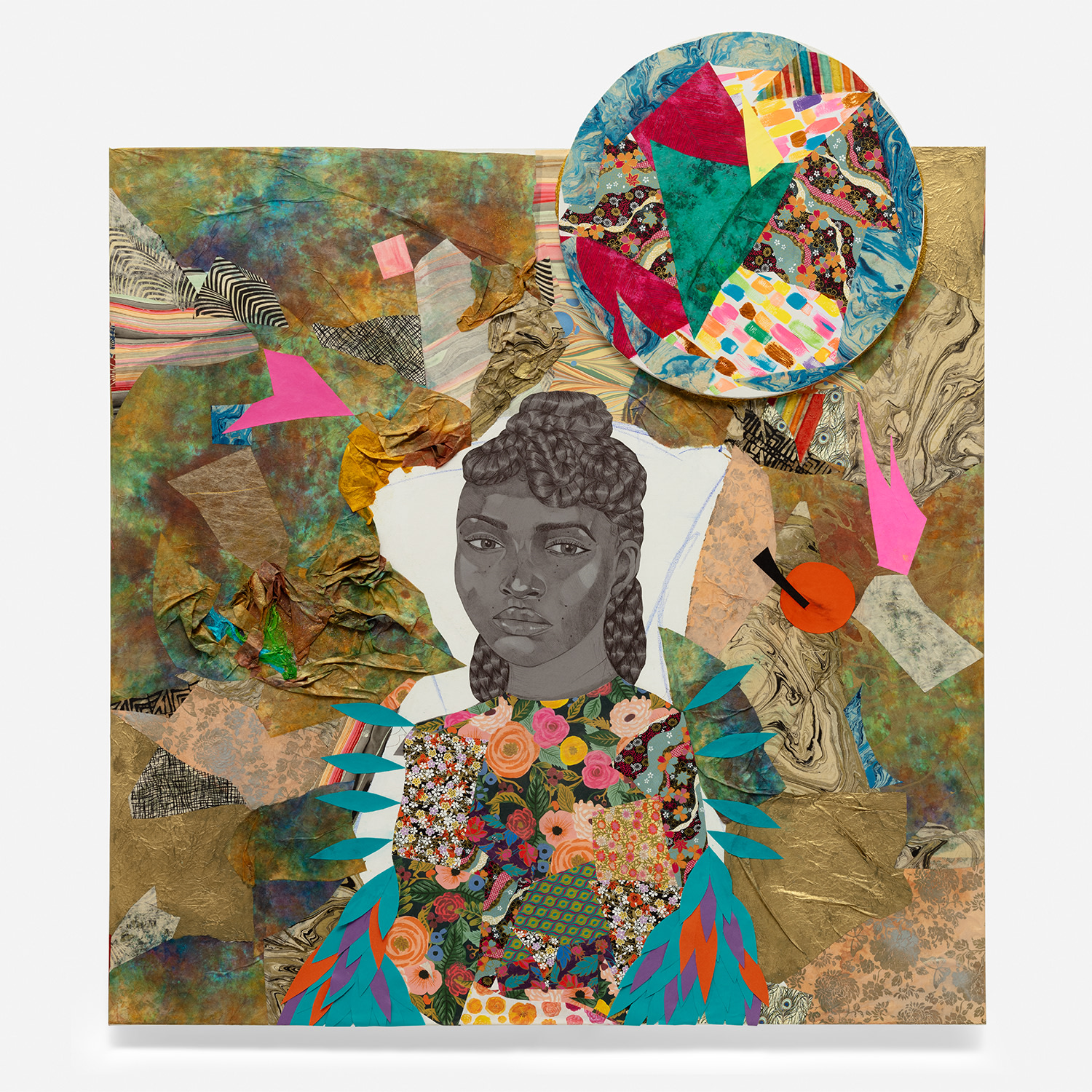
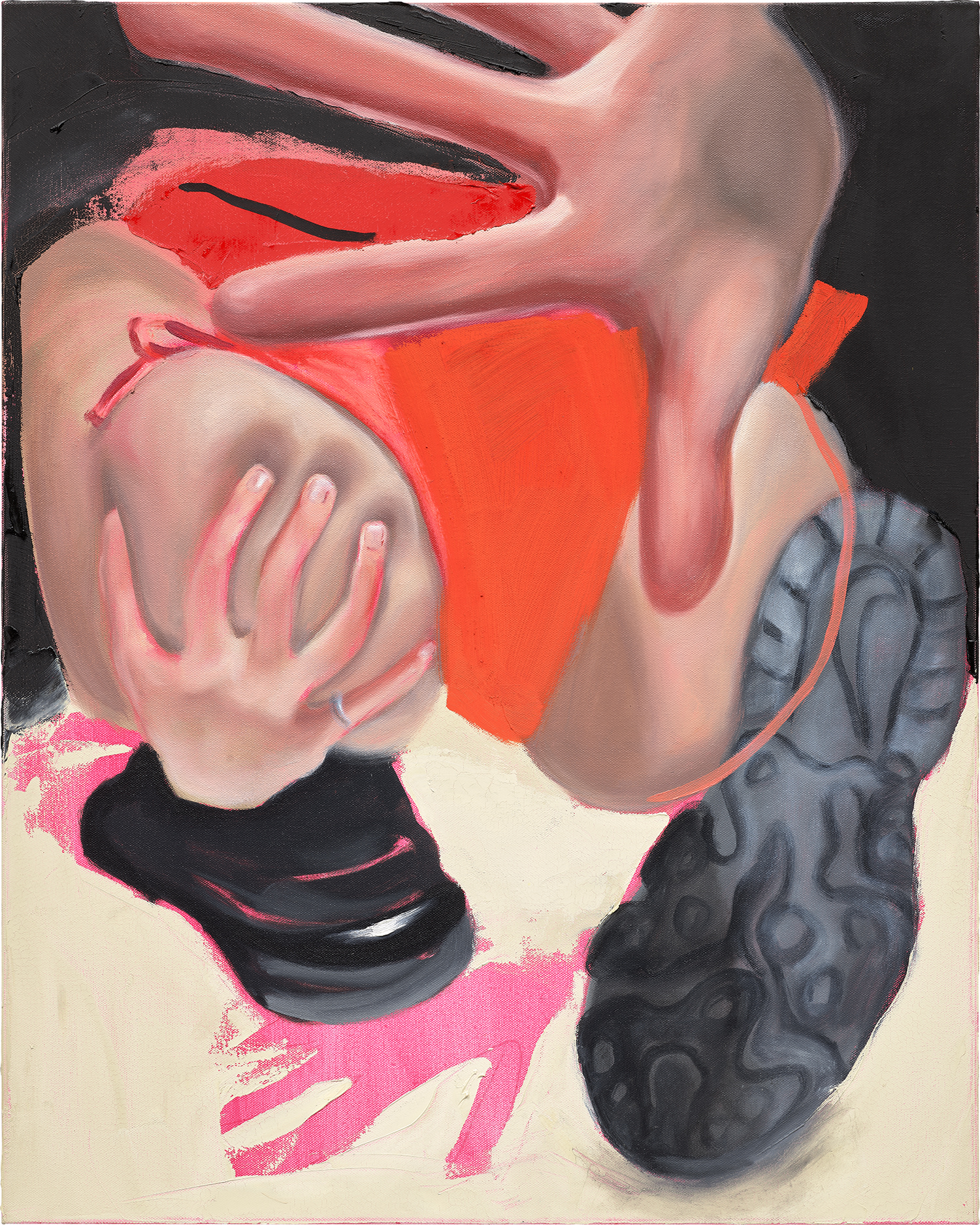
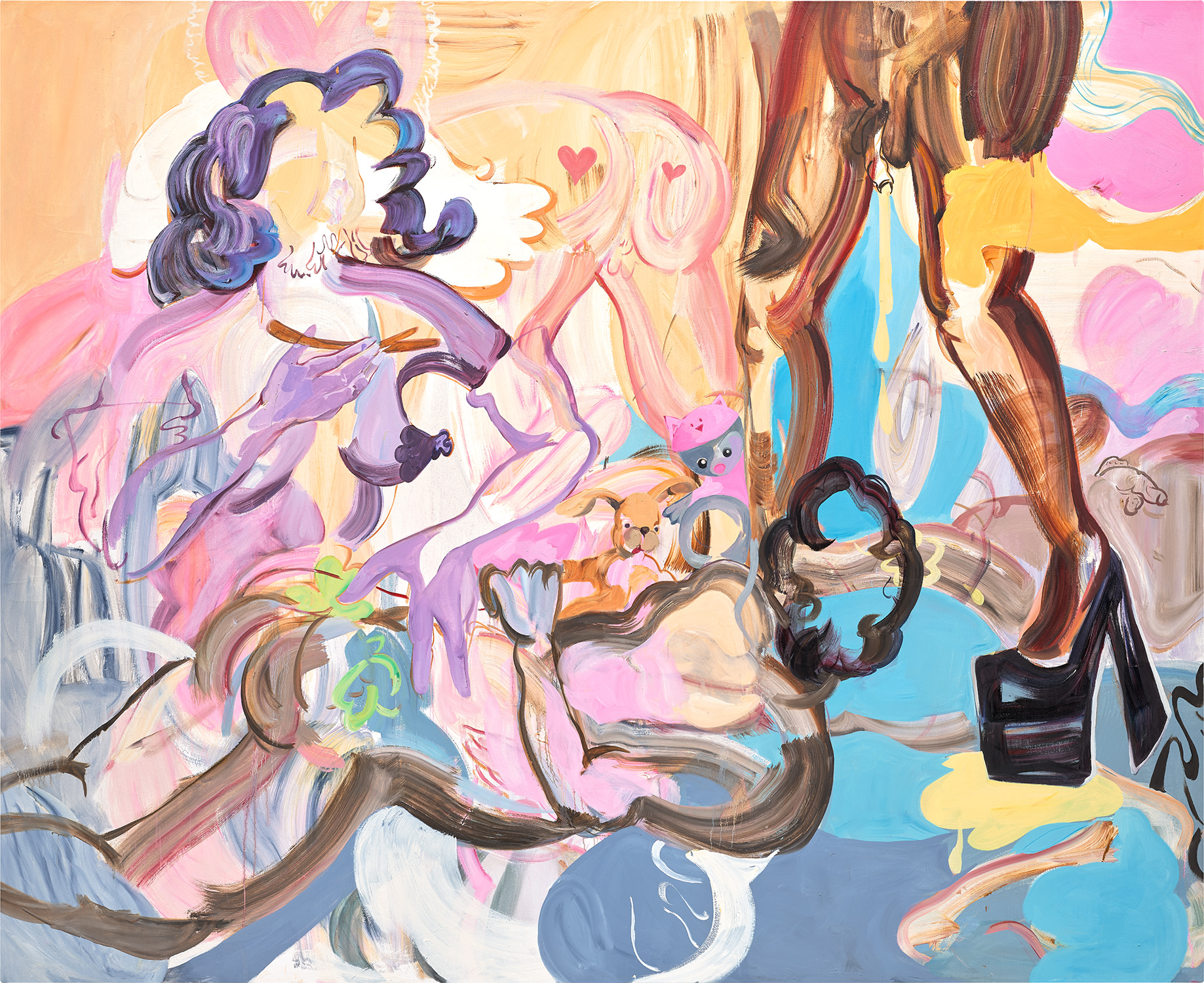
Wynnie Mynerva
Story of Revenge 2, 2021
The work is beautiful and horrifying in equal measure, and that tension is precisely the point. Walker, whose work is well represented on The Collection, understands that the most important stories are the ones people have been trying not to tell. Other artists in the generation that followed found narrative in more oblique places. William Kentridge, working in Johannesburg, developed a practice of animated charcoal drawings in which figures are drawn, erased, and redrawn, leaving visible traces of every revision.
The palimpsest quality of his work makes the act of storytelling itself visible: history as something always being rewritten, never cleanly resolved. Paula Rego, the Portuguese born British artist who worked with unflinching psychological complexity, drew on folklore, fairy tale, and domestic violence to create images that feel simultaneously archaic and urgently contemporary. Her work, like Walker's, refuses the comfortable distance that decorative or formalist art can offer. Narrative art requires a particular set of techniques that differ from purely expressive or abstract work.
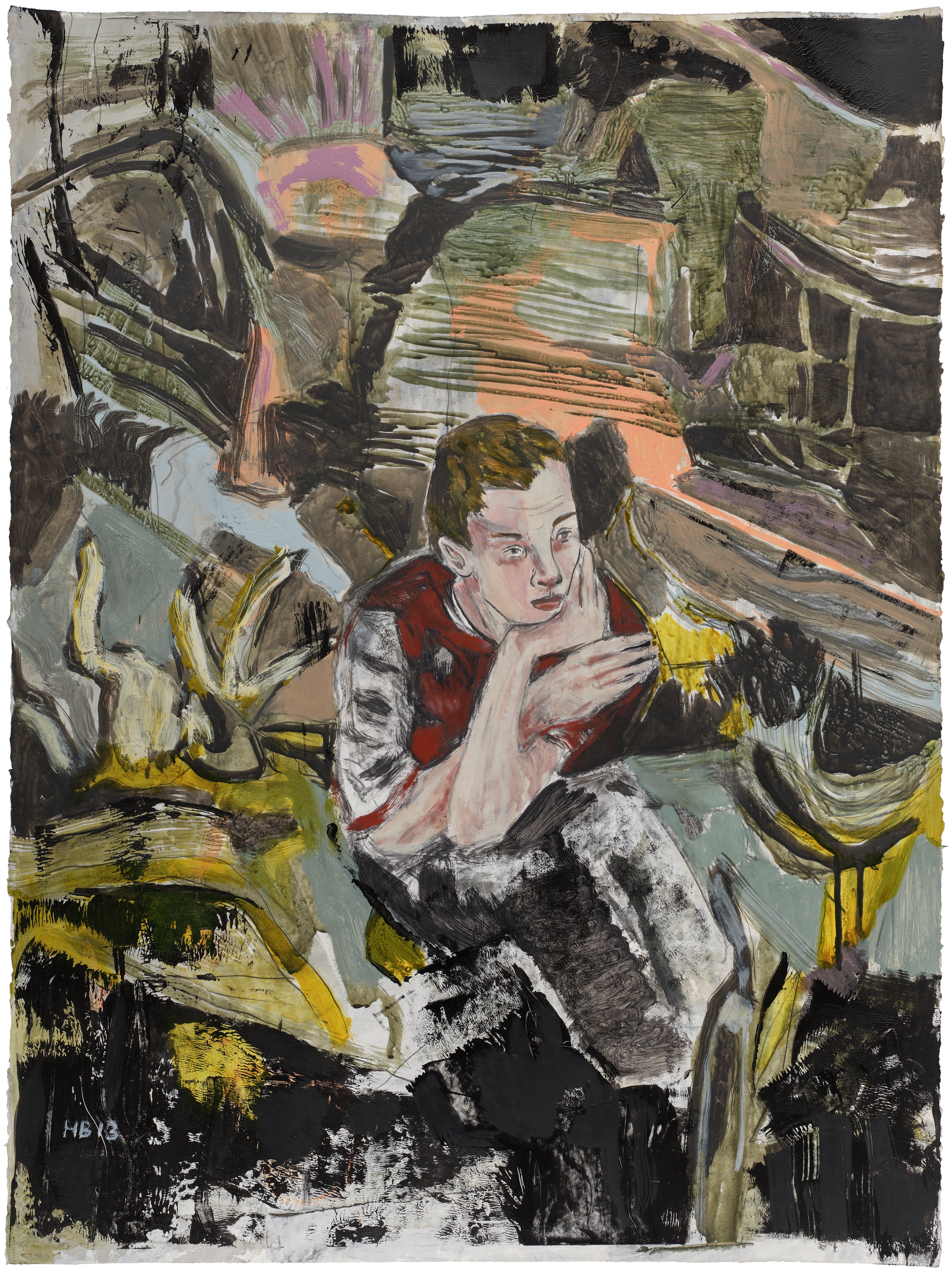
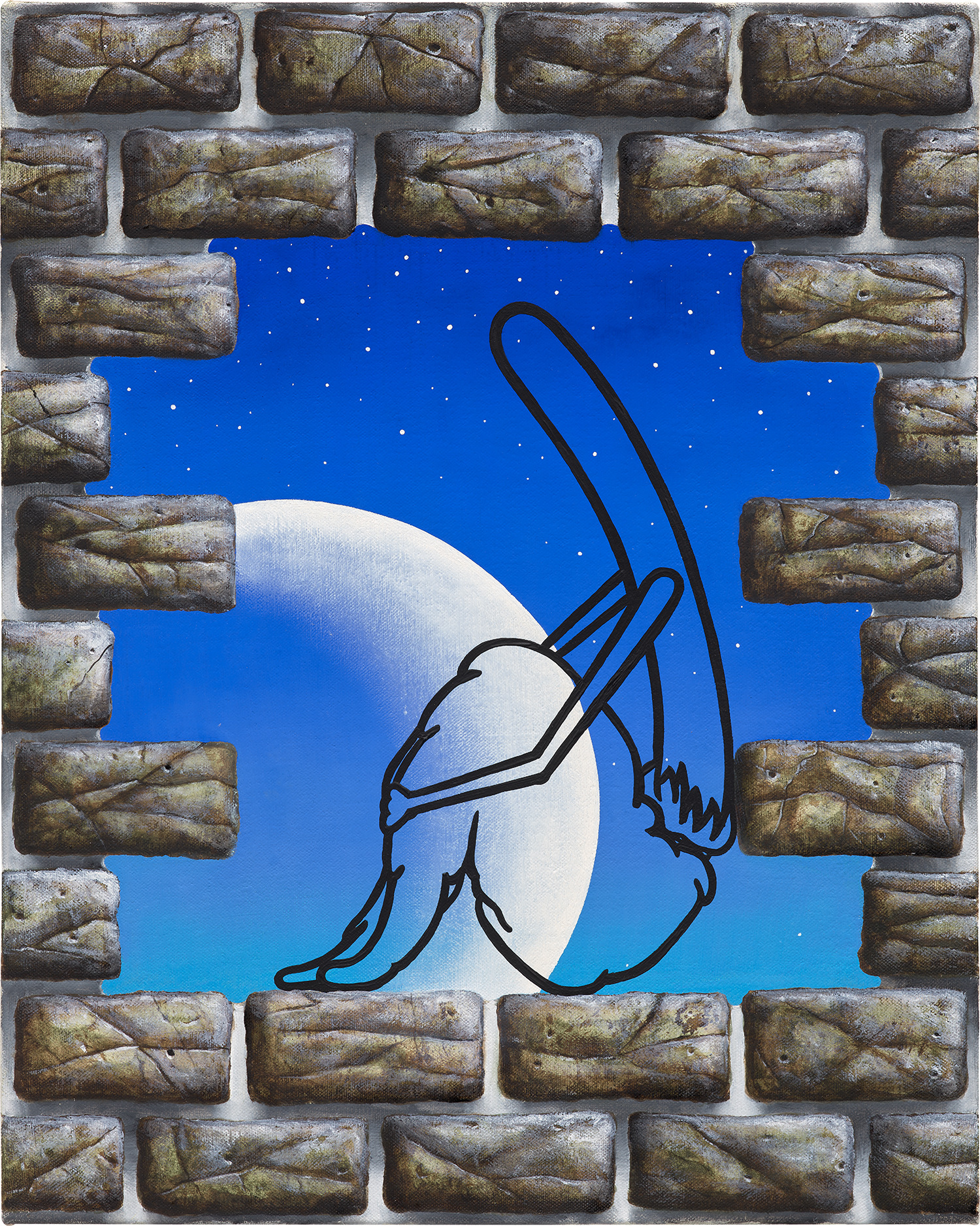
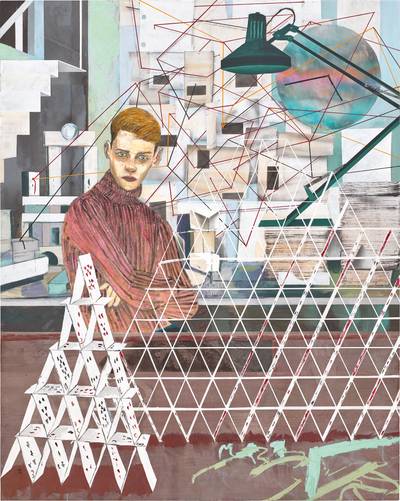
Hernan Bas
yes, yes I've heard that too..., 2013
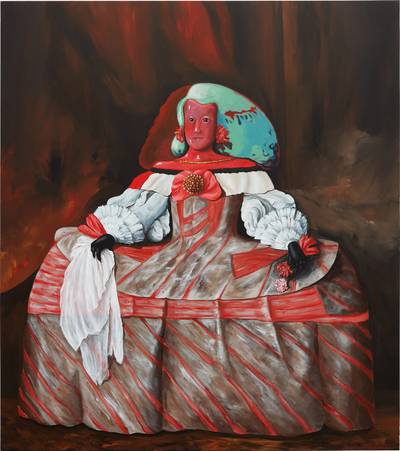
Composition must do the work of sequencing, guiding the eye through the image in a way that implies time passing. Figure placement, gesture, the direction of gazes, the use of foreground and background as near and far in both space and time: all of these become tools for storytelling. Artists like Hernan Bas work in a literary register, situating solitary young figures in gothic, overgrown landscapes where something has clearly just happened or is about to. The narrative is withheld but its pressure is everywhere.
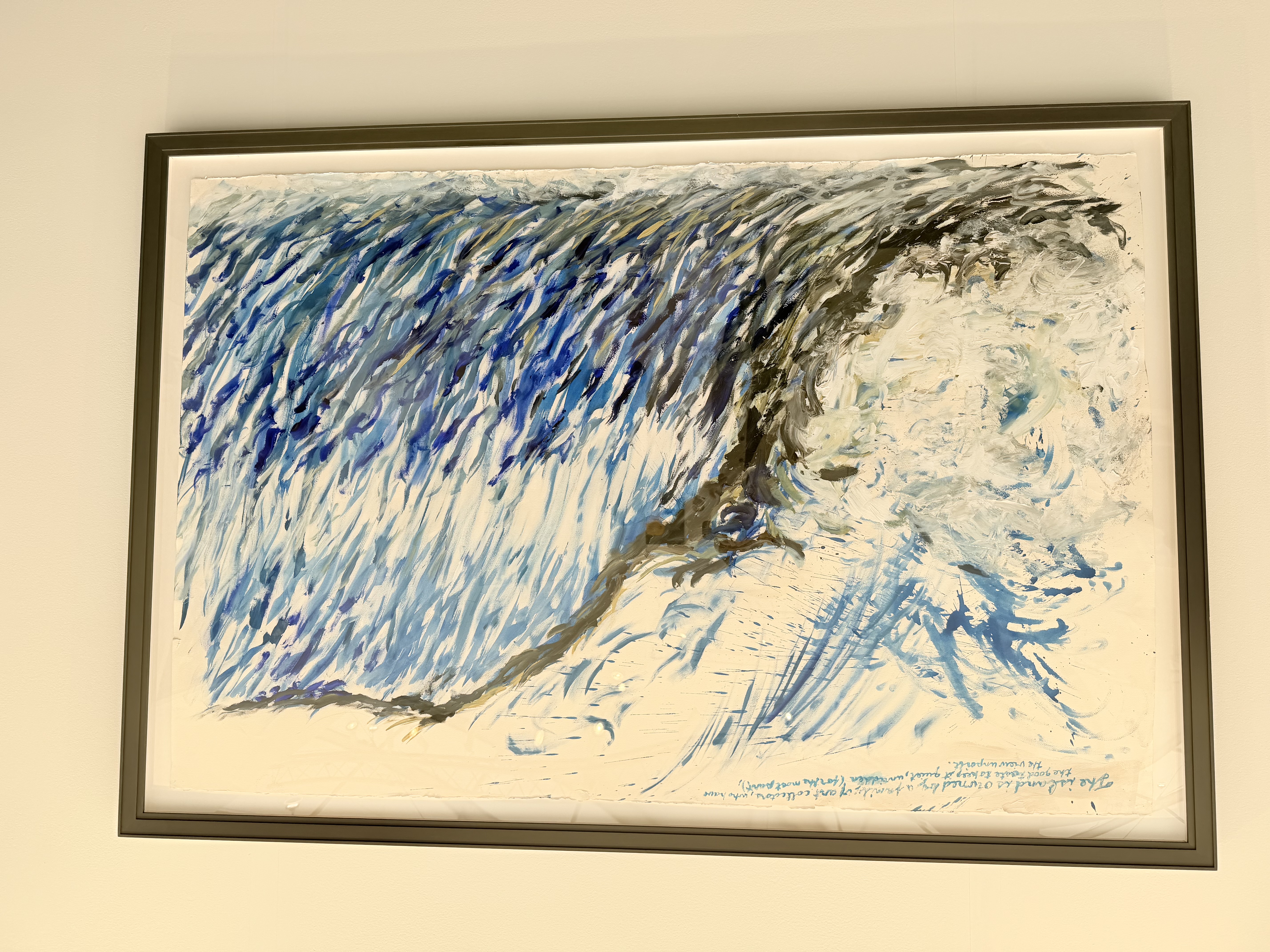
Raymond Pettibon fills his drawings with dense hand lettered text alongside images, collapsing the boundary between reading and looking entirely. What is compelling about narrative art today is the sheer range of registers in which it operates. Alex Prager constructs elaborately staged cinematic photographs that feel like stills from films that do not exist, crowds of figures each caught in their own private drama. Grayson Perry weaves autobiography, social commentary, and cultural criticism into tapestries and ceramics that demand to be read as carefully as any text.
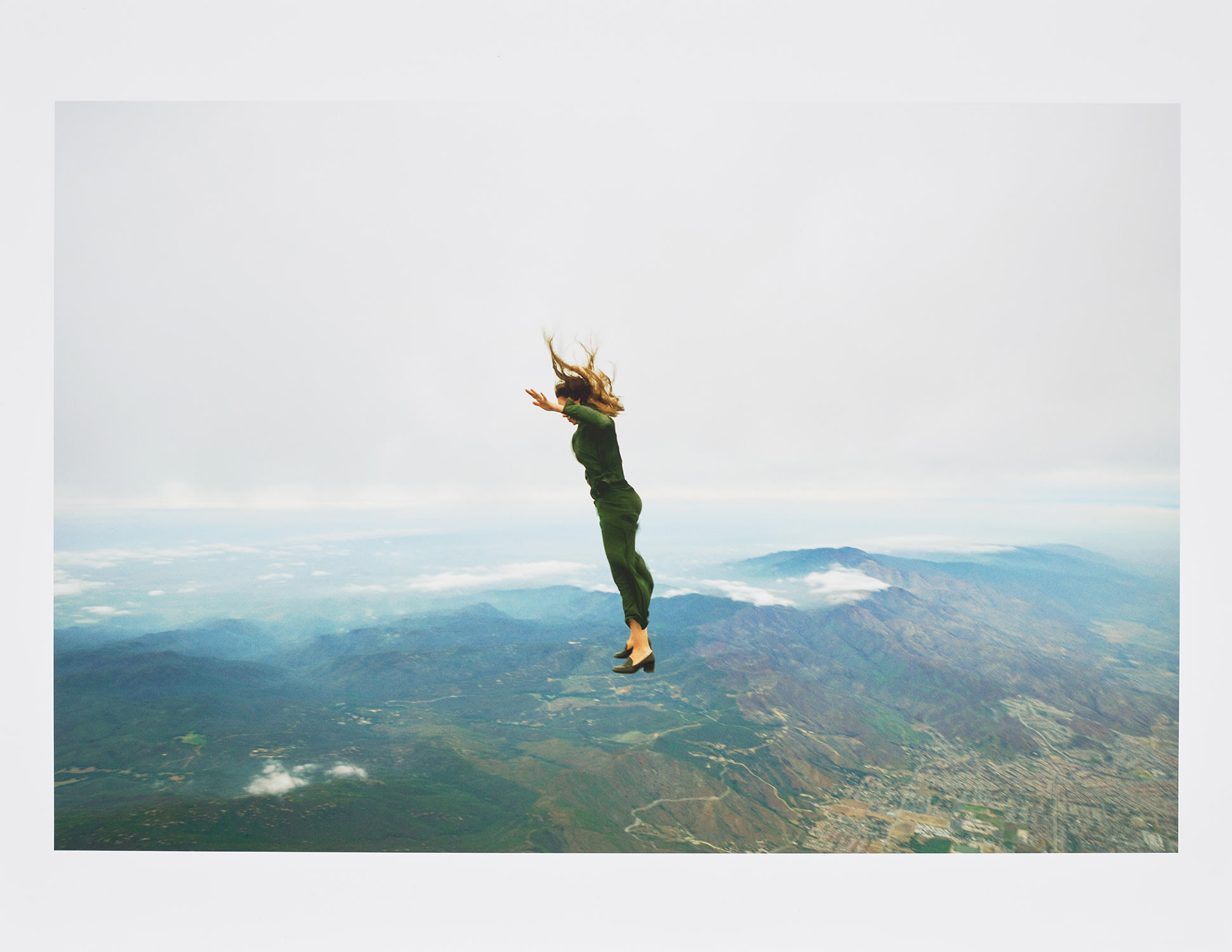
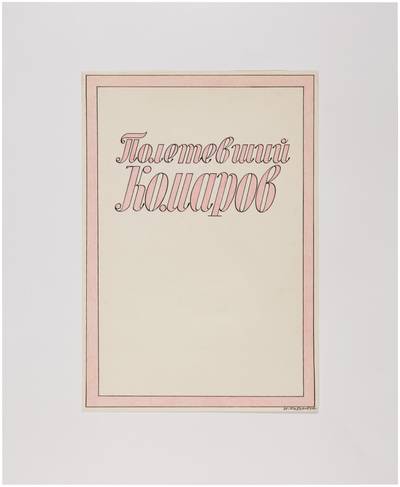
Sophie Calle turns her own life into conceptual narrative, making art from correspondence, surveillance, and intimate investigation. Ilya Kabakov, whose installation work recreates the world of Soviet communal apartments, understood that narrative could be embedded in the architecture of an entire room, in the accumulation of objects and documents that constitute a life. The enduring power of narrative art lies in its refusal to abandon the human figure as a site of meaning. At a moment when so much cultural production tends toward the abstract, the algorithmic, or the purely sensational, work that tells stories about people, about bodies, about what we do to one another and why, carries a particular weight.
The artists gathered on The Collection in this tradition range from the historical to the urgently contemporary, but they share a commitment to the idea that images can bear witness, can implicate, can move. That is not a small thing. It is, arguably, why art exists in the first place.