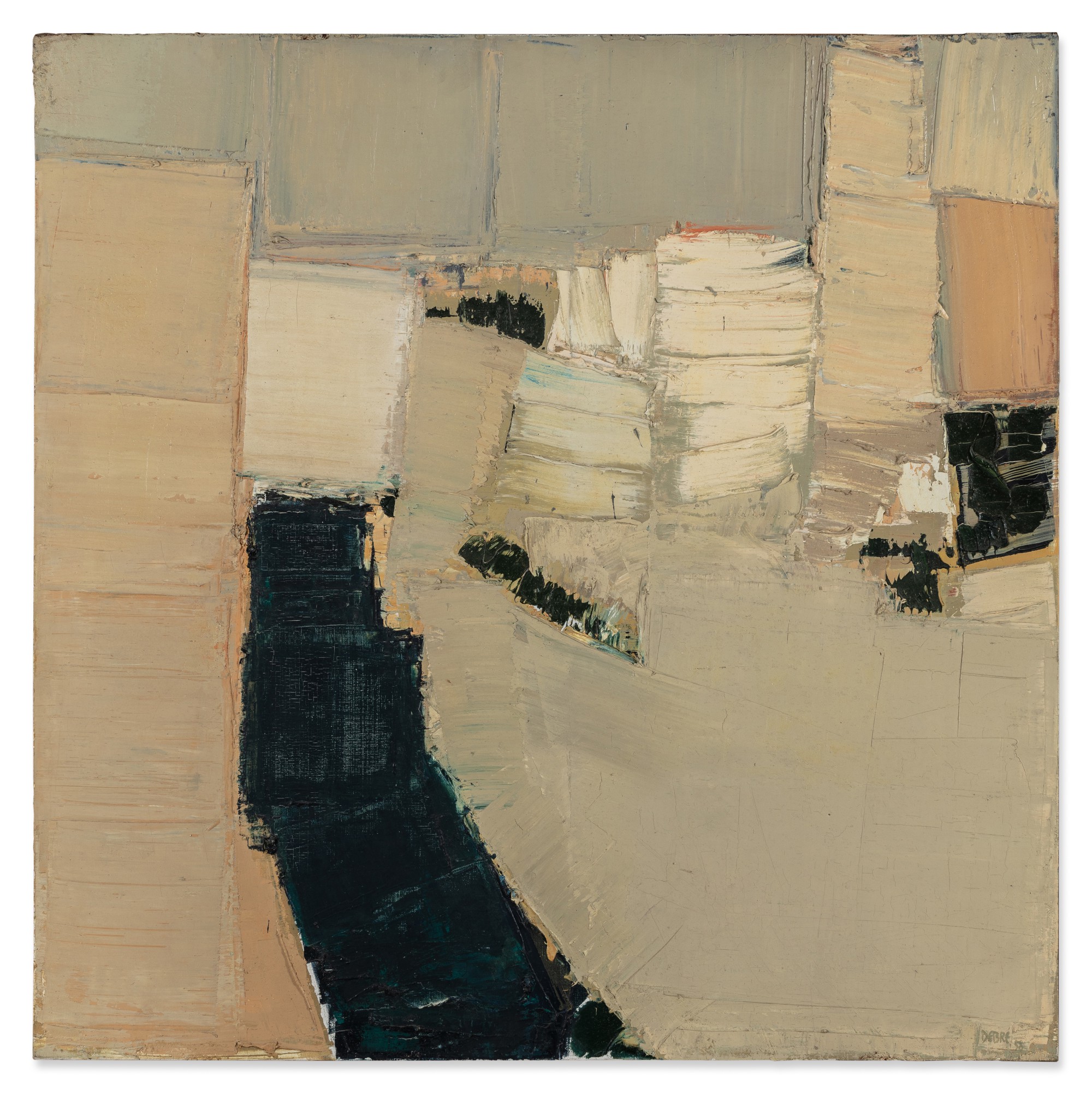
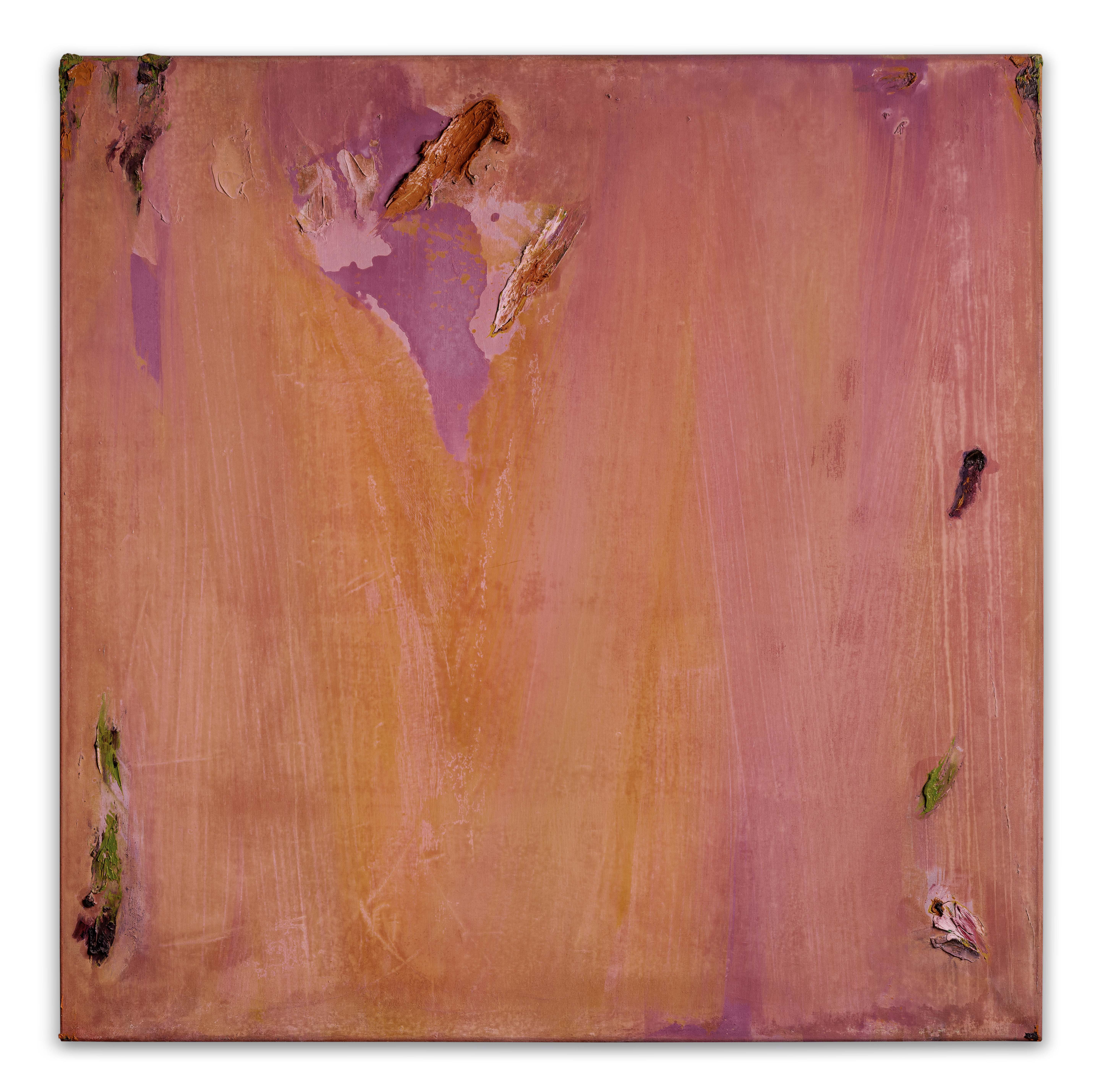
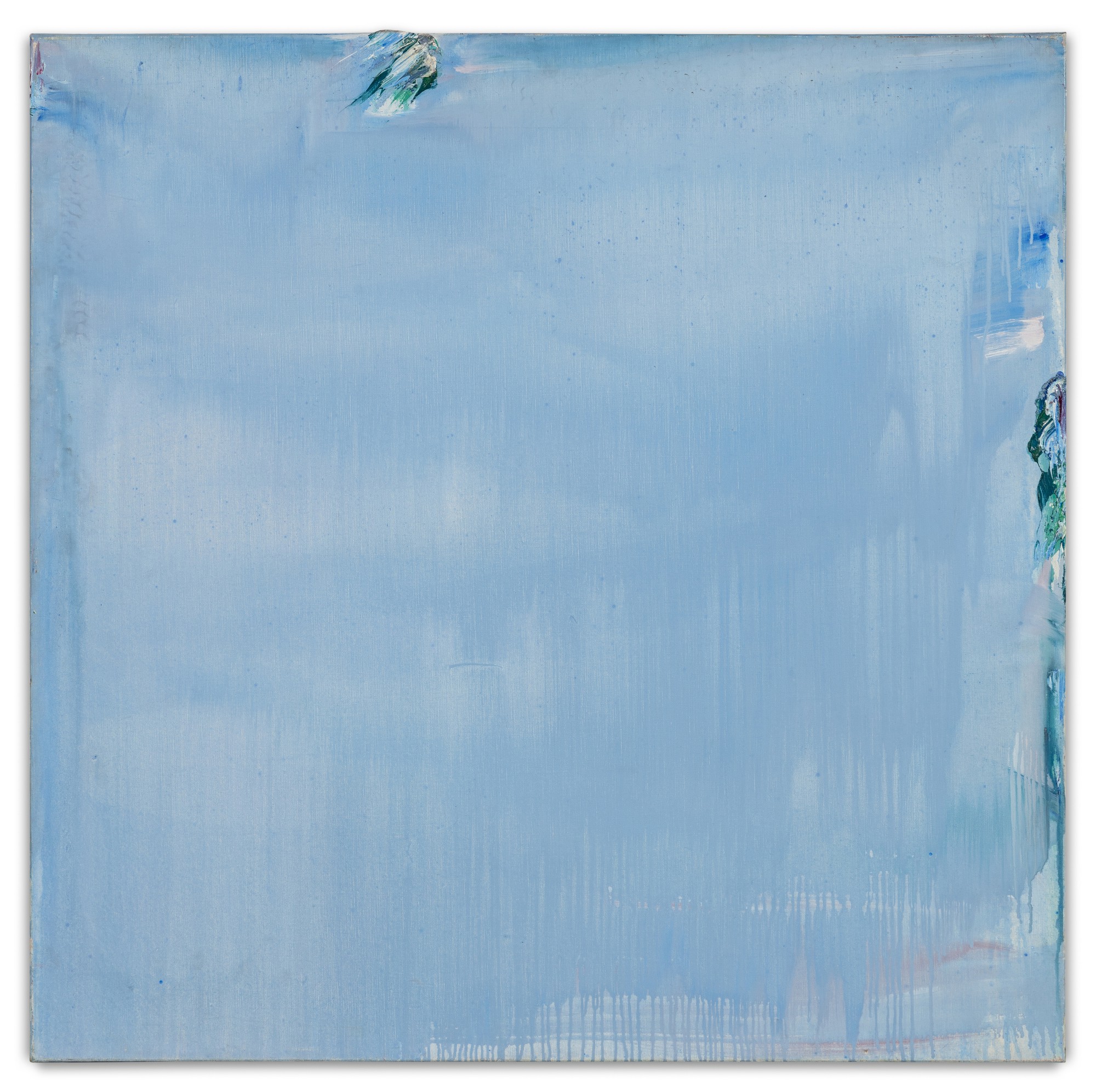
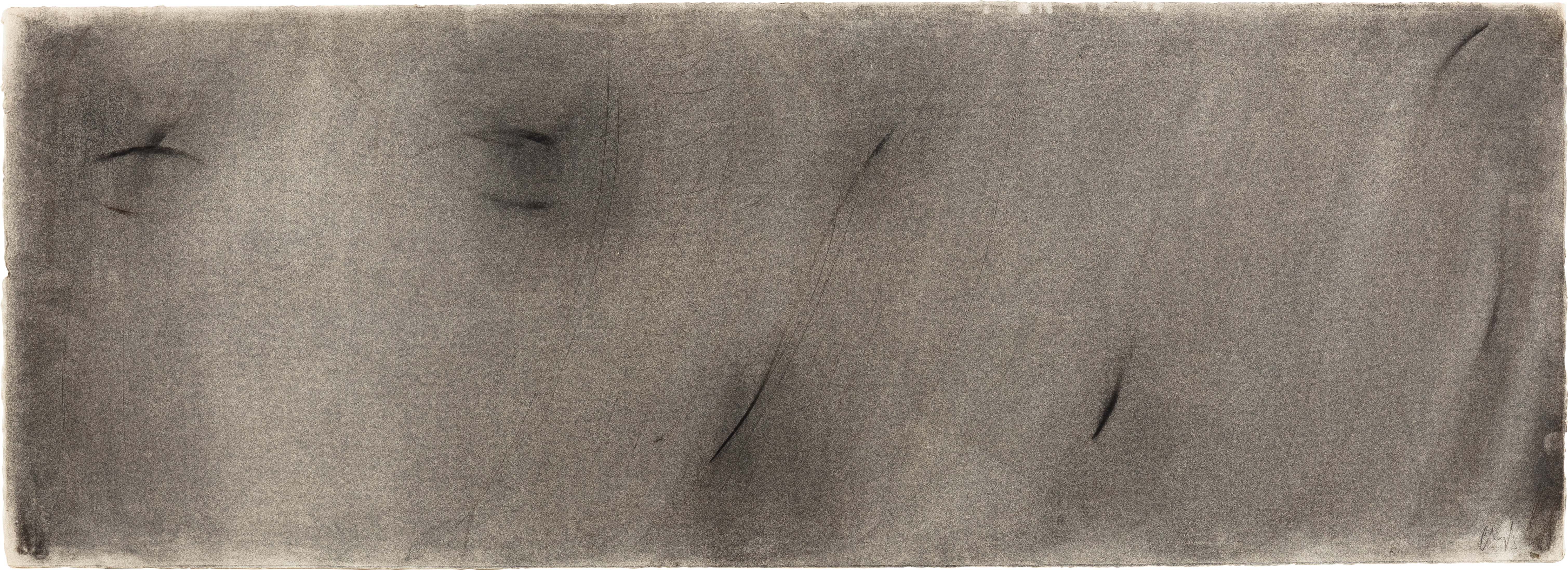
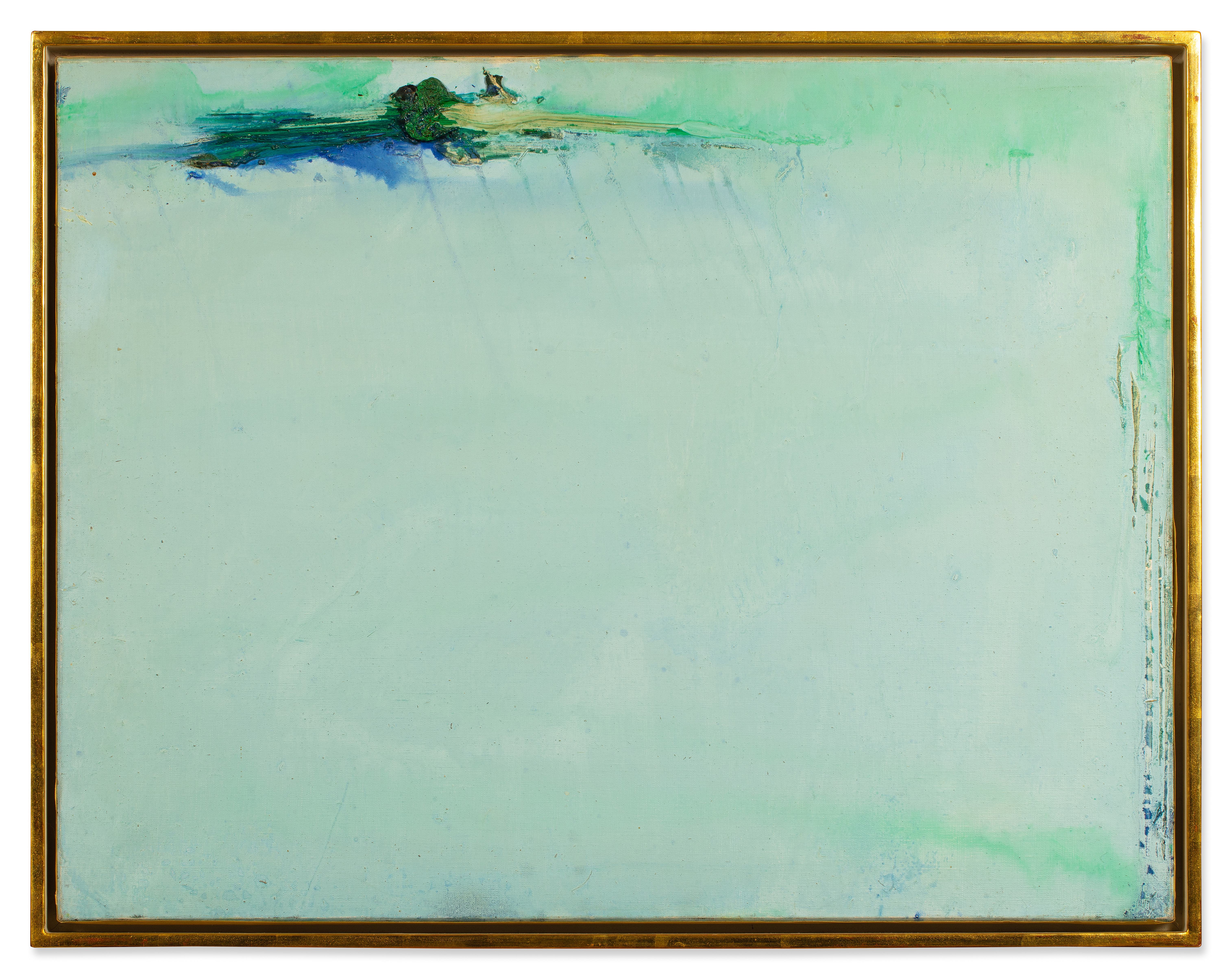
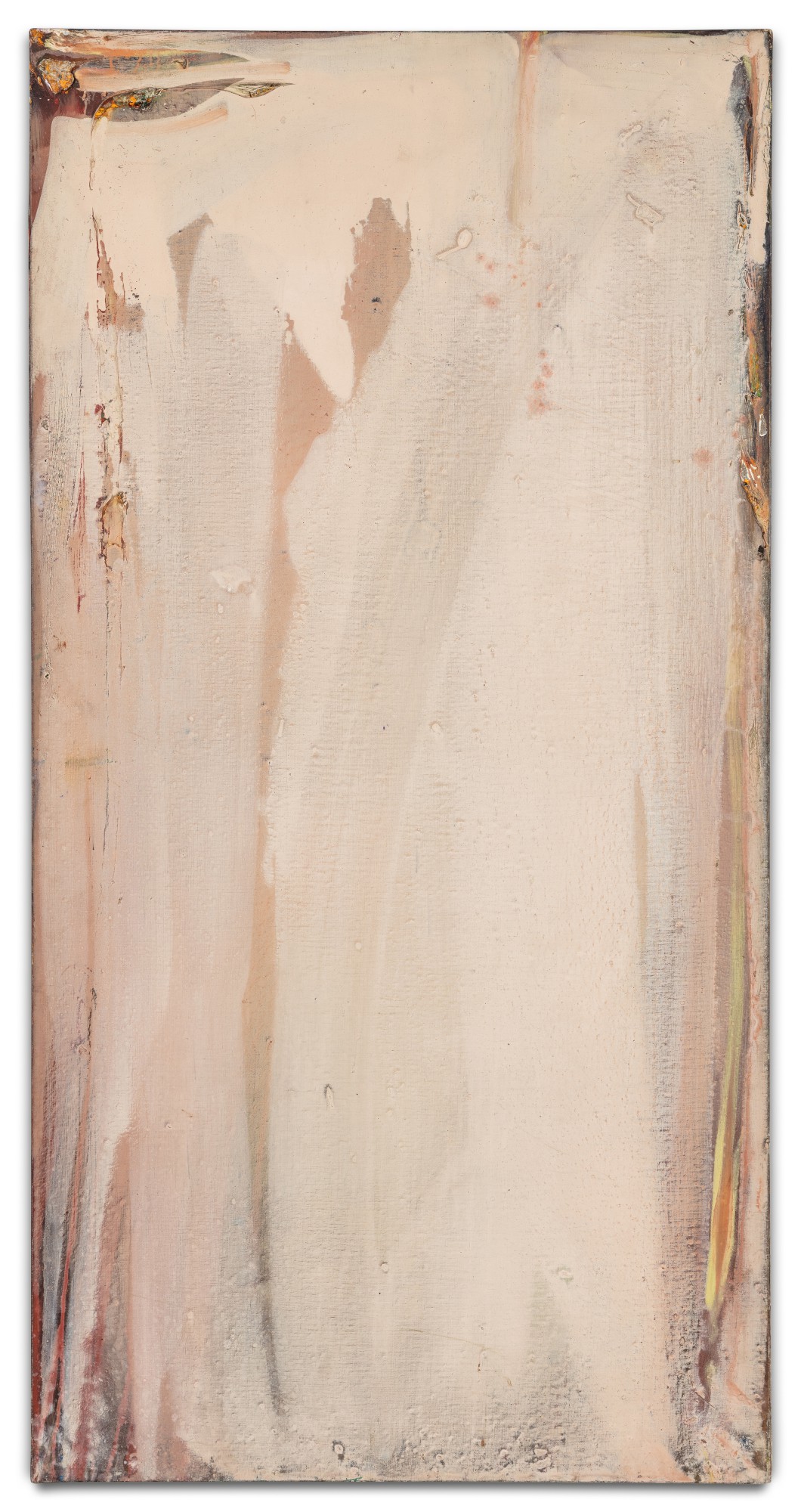
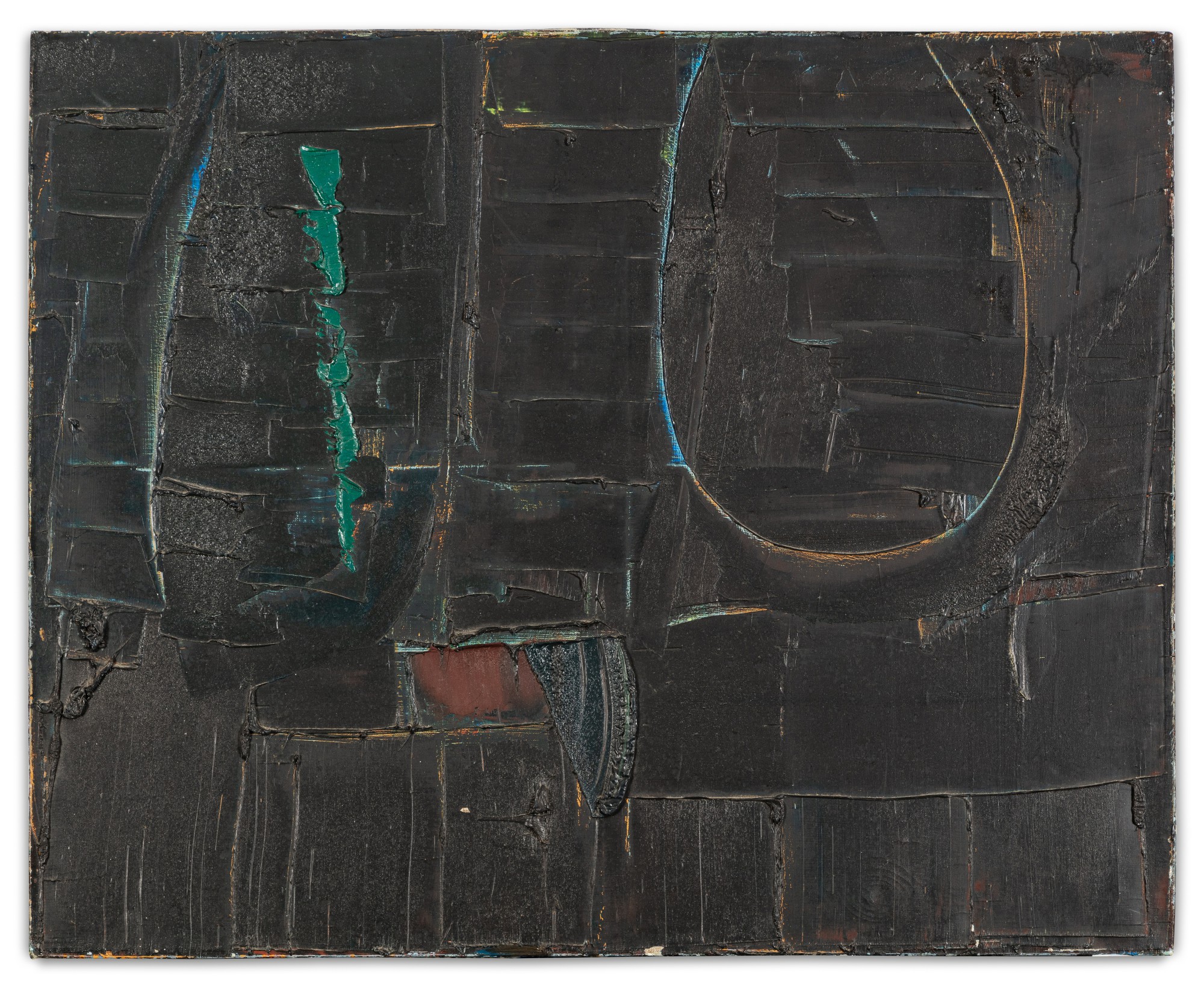
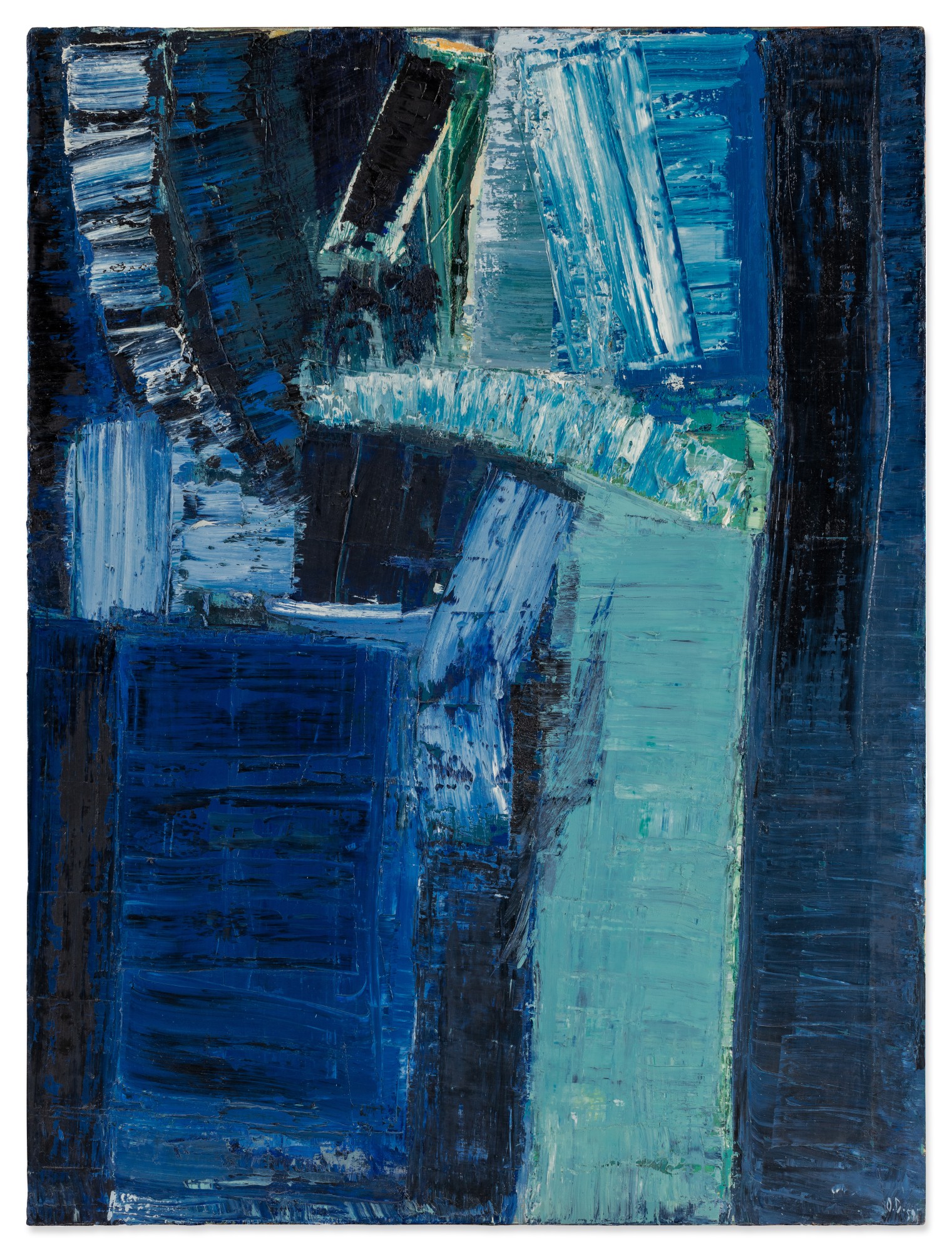
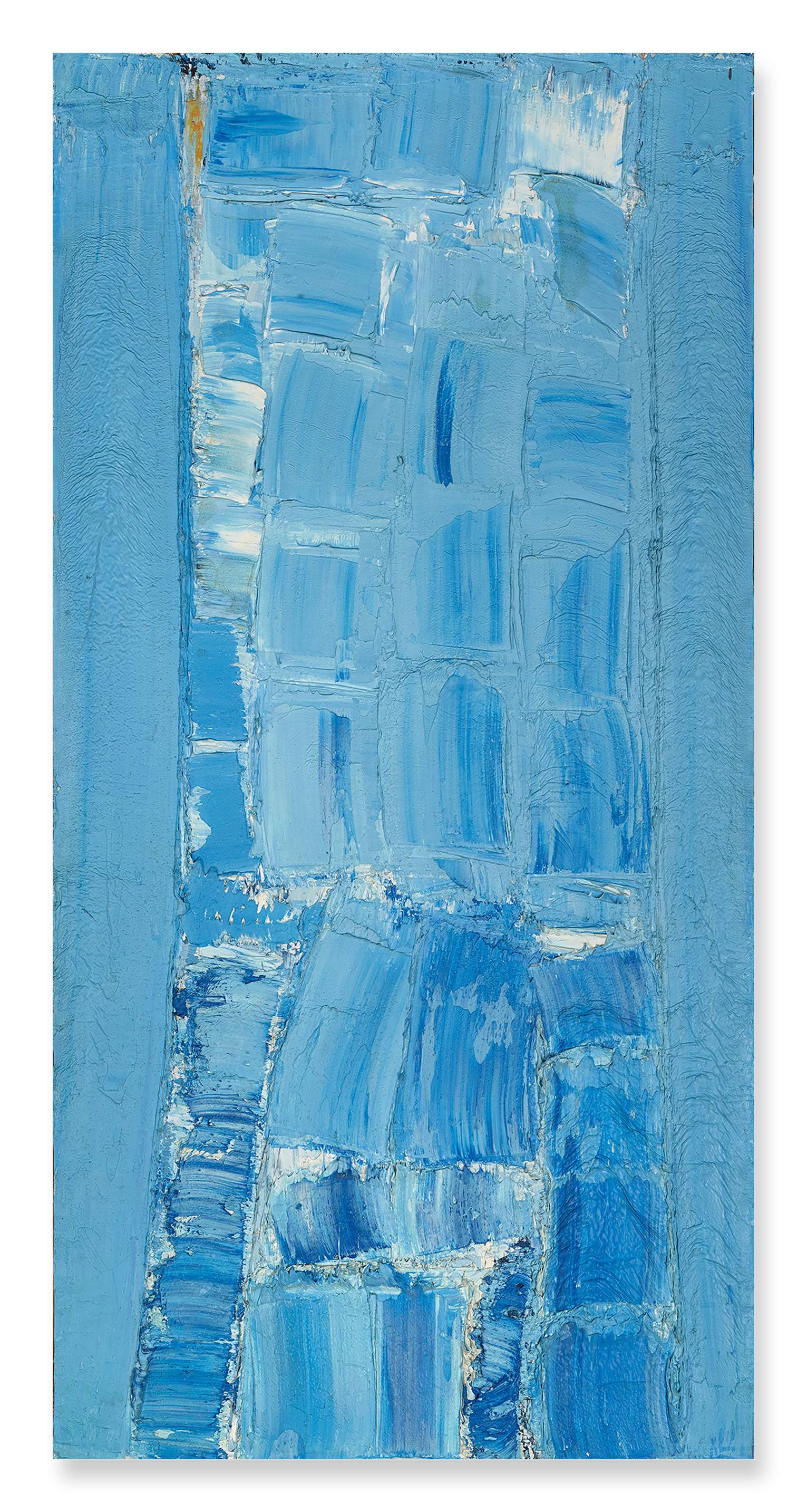
There are painters who depict the world, and there are painters who absorb it so completely that their canvases become something closer to weather than to representation. Olivier Debré belonged emphatically to the second category. When a major survey of his work traveled through French institutions in the late 1990s, critics and museum visitors alike remarked on the almost physical sensation of standing before his paintings, as though the Loire in winter flood or the silver light of a Breton coastline had been transferred directly onto linen. Nearly three decades after his death in 1999, that sensation has not diminished. If anything, as the art world has grown newly attentive to the lyrical and the experiential, Debré feels more vital than ever. Olivier Debré was born in Paris in 1920 into a family of considerable intellectual distinction. His twin brother, Michel Debré, would go on to become the first Prime Minister of the Fifth Republic under Charles de Gaulle, a biographical detail that situates Olivier squarely within the remarkable French generation that rebuilt a nation and, in the process, reimagined its culture. Olivier's path led not toward politics but toward form and feeling. He studied architecture at the École des Beaux Arts in Paris, a training that would leave a permanent imprint on the structural confidence of his mature work, the sense that even the most gestural canvas rests on something load bearing and considered. His early encounters with Pablo Picasso in Paris during the 1940s were decisive. Picasso's willingness to remake figuration from the inside out gave the young Debré permission to pursue his own radical simplifications. By the late 1940s and into the 1950s, Debré was moving steadily away from the recognizable image, not in flight from the world but in pursuit of a more direct conversation with it. He became associated with the École de Paris and with the broader current known as Lyrical Abstraction, a movement that placed equal value on emotional authenticity and painterly freedom. His contemporaries included Hans Hartung, Pierre Soulages, and Georges Mathieu, artists who collectively made postwar Paris a laboratory for gestural and abstract practice at the highest level. The 1950s represent Debré's first great flowering. Works from this period, including the brooding and remarkable Toledo, Le Tage sombre of 1958 and the monumental Grand Personage Bleu of 1959, show an artist in full command of a language he had invented for himself. The Toledo canvas is a revelation: the Tagus River as seen from the heights of the Spanish city is rendered not through topography but through atmosphere, dark mineral blues pooling and surging across the surface in a way that conveys the river's ancient gravity more convincingly than any realistic depiction could. The Personage works from the same period introduce the idea of the figure as landscape, forms that suggest a standing presence without ever collapsing into portraiture. These are among the most searching pictures produced in Paris in the postwar decade. If the 1950s established Debré's ambition, the Loire Valley gave him his spiritual home and his most enduring subject. He spent much of his later life in the Touraine region, and the great river became for him what the Mediterranean coastline was for Matisse or the Normandy fields for Monet: an inexhaustible source, a place where light and water and season conspired to produce something new every morning. Works such as Coulé bleu pâle de Loire from 1994 and Gris bleu pâle tache verte Loire from 1976 demonstrate the extraordinary range he found within what might seem a single, narrow subject. The Loire is never the same river twice in his hands. It is pale and cold in winter, silted and golden in August, a body of water that holds the sky and gives it back transformed. The 1997 canvas Rouge rose tache orange Touraine extends this dialogue to the surrounding land itself, the warmer, earthier palette of the Touraine countryside rendered in strokes of extraordinary assurance. Debré was also a figure of genuine cultural ambition beyond the studio. His creation of the stage curtain for the Comédie Française in Paris remains one of the most celebrated intersections of fine art and theatrical architecture in twentieth century French culture. The commission placed an abstract painter at the symbolic heart of France's national dramatic institution, a statement about the place of lyrical abstraction within the broader French artistic identity. It was a recognition that Debré's work, for all its apparent withdrawal from narrative, carried a deep and communicable emotional charge that could speak to a wide public. For collectors, Debré presents a particularly compelling opportunity. His work sits at the intersection of several qualities that serious collectors prize: historical significance within a well documented movement, a distinctive and immediately recognizable visual identity, a wide range of scale and medium that accommodates different collecting contexts, and a critical reputation that, while substantial in France, has not yet reached the full international recognition that his achievement merits. Works on paper, such as the 1952 charcoal and gouache Untitled, offer entry points into a practice that is equally rewarding at intimate scale. Larger oil paintings from the Loire series represent the core of what any serious collection of postwar French abstraction should include. Auction results for Debré have been quietly strong at the major French houses and at international sales with significant European postwar holdings, and the trajectory points consistently upward as scholarly and curatorial attention intensifies. Within art history, Debré occupies a position analogous to several of his most admired contemporaries. Collectors drawn to the atmospheric color fields of Mark Rothko will find in Debré a parallel sensibility filtered through a distinctly European, deeply landscape rooted tradition. Those who admire the gestural authority of Pierre Soulages or the chromatic intensity of Nicolas de Staël will recognize in Debré a fellow traveler who arrived at his own unmistakable destination. He shares with all of these painters a commitment to painting as a form of knowledge, a belief that the canvas can hold and transmit experiences that resist any other form of translation. Olivier Debré died in Paris in 1999, leaving behind a body of work that continues to reward attention with new discoveries. His legacy is that of an artist who trusted the particular completely, the specific light of the Loire on a November afternoon, the exact blue of a Spanish river glimpsed from a hillside, and found within those particulars something universal and enduring. To own a Debré is to possess a piece of postwar France at its most intellectually generous and most emotionally alive.