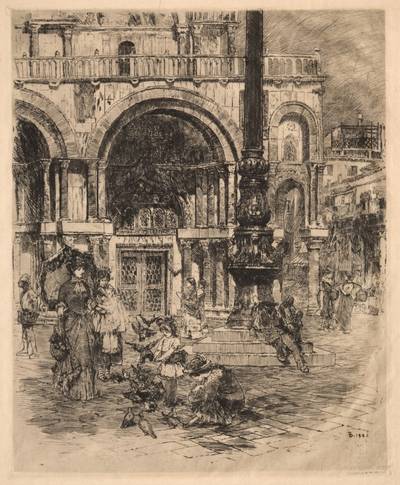
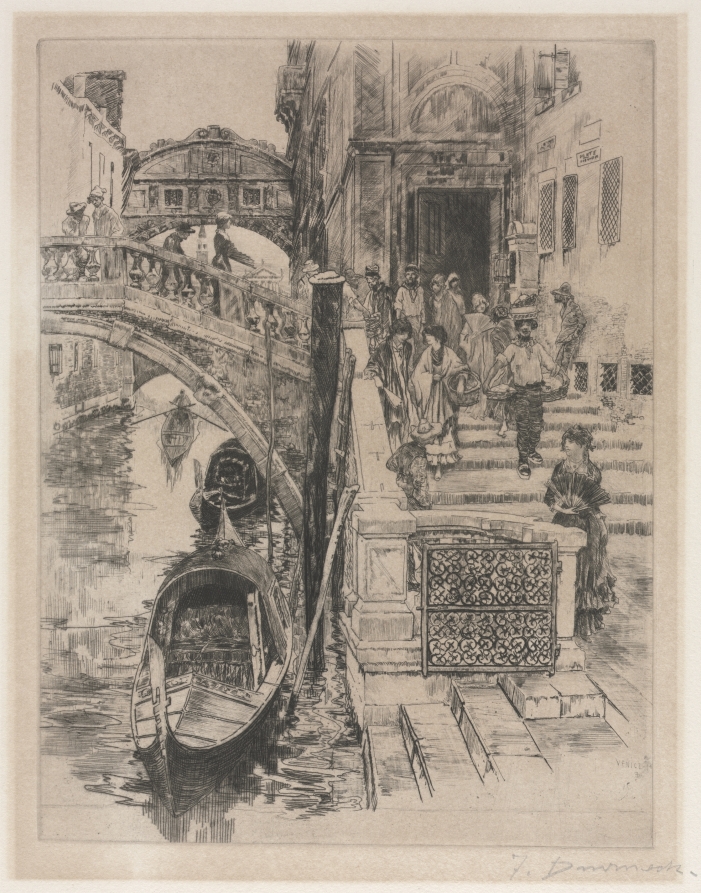
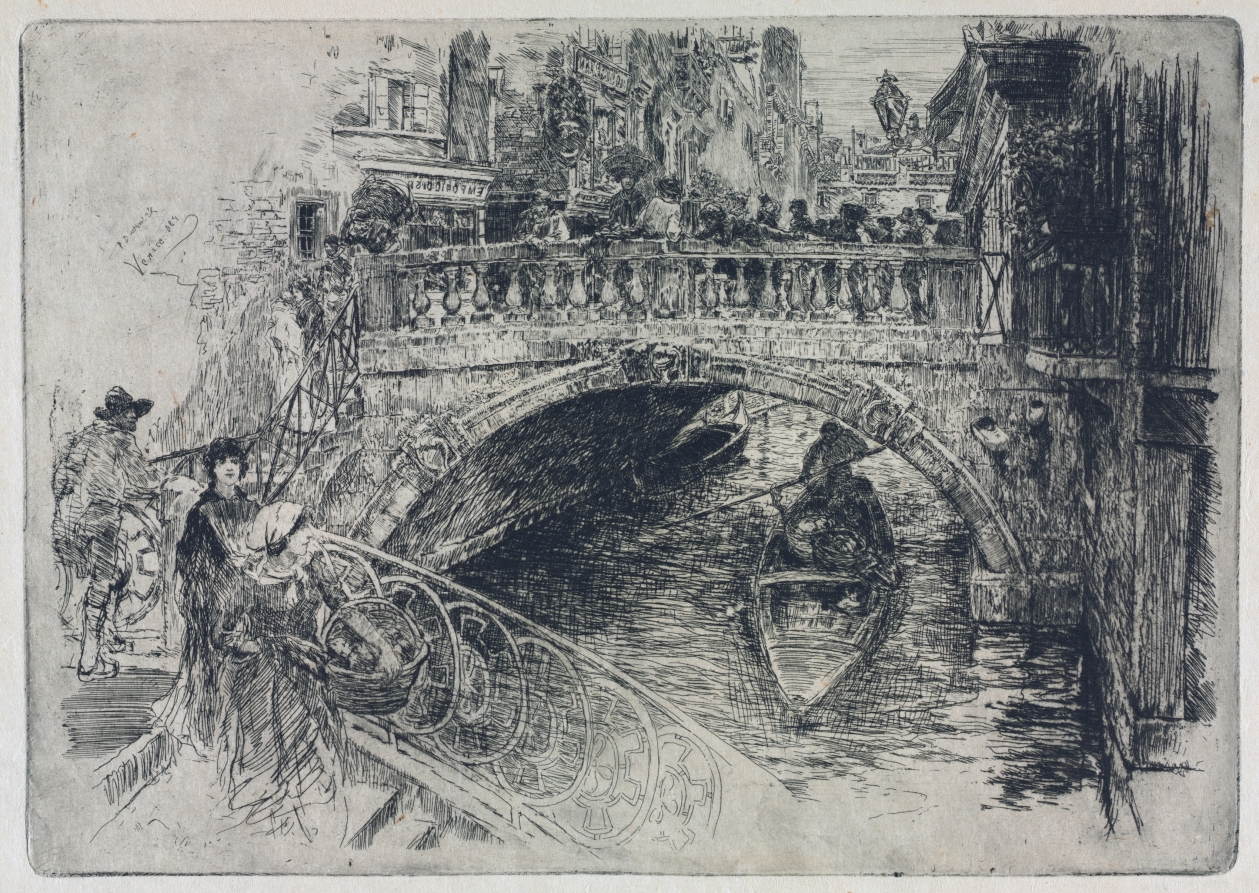
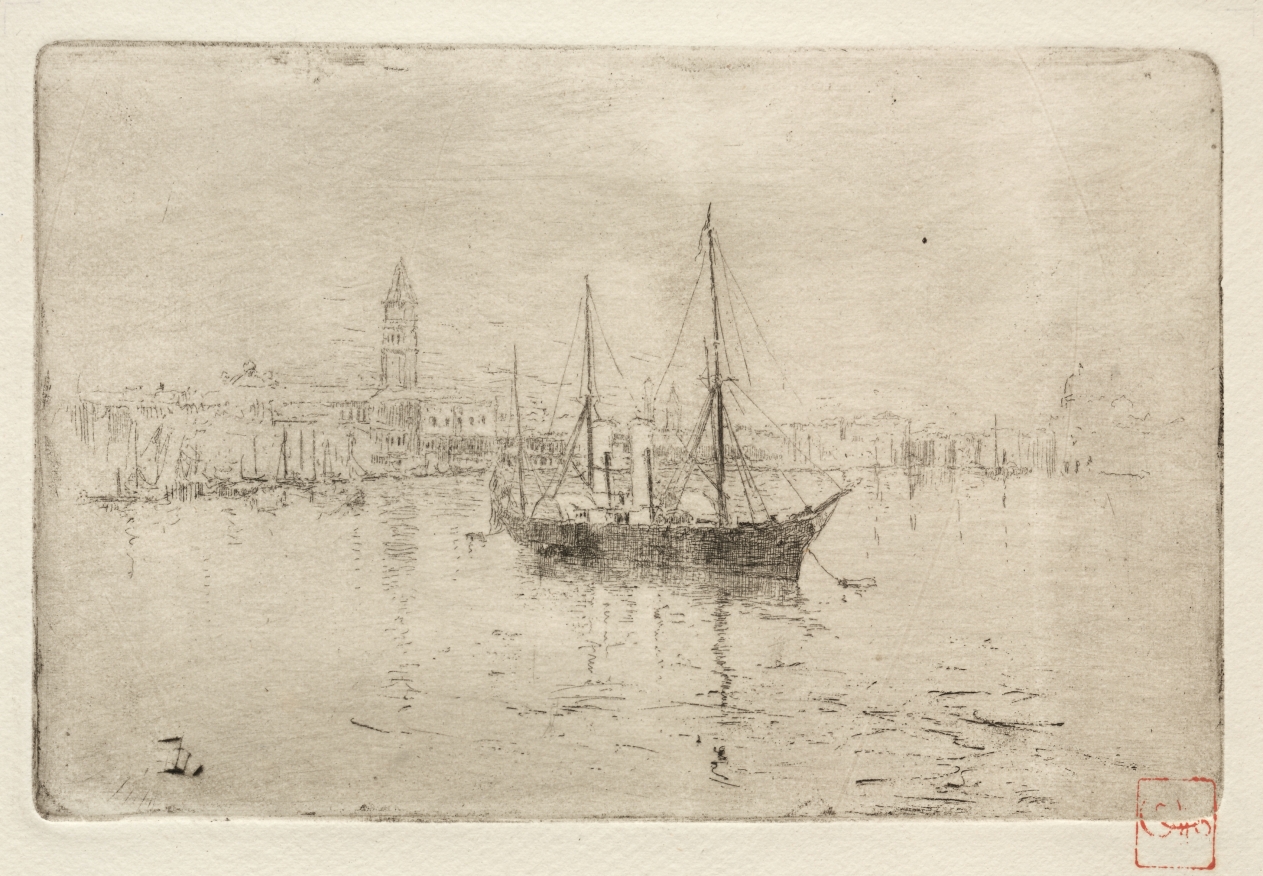
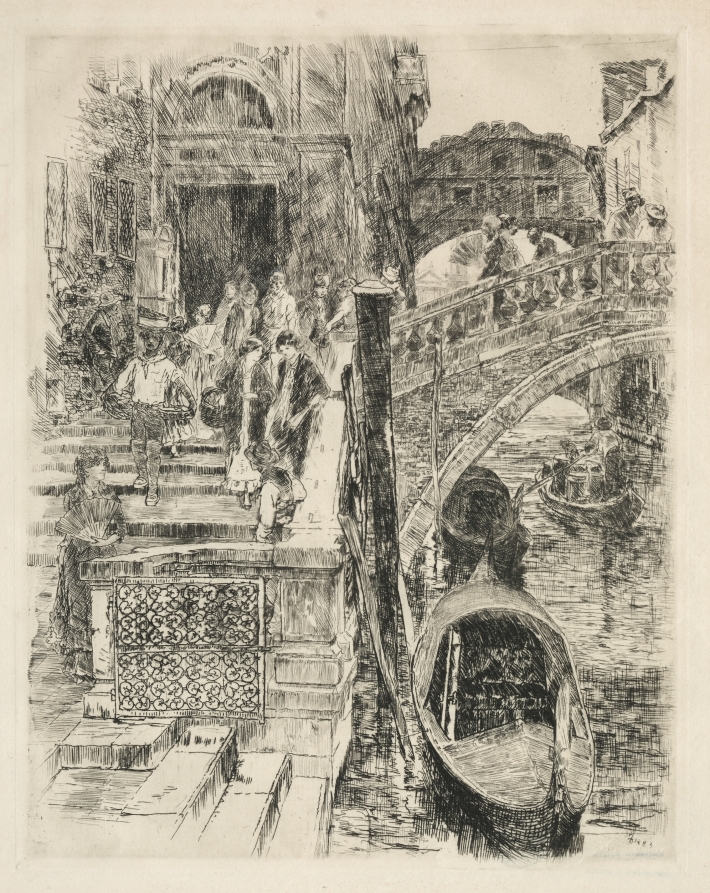
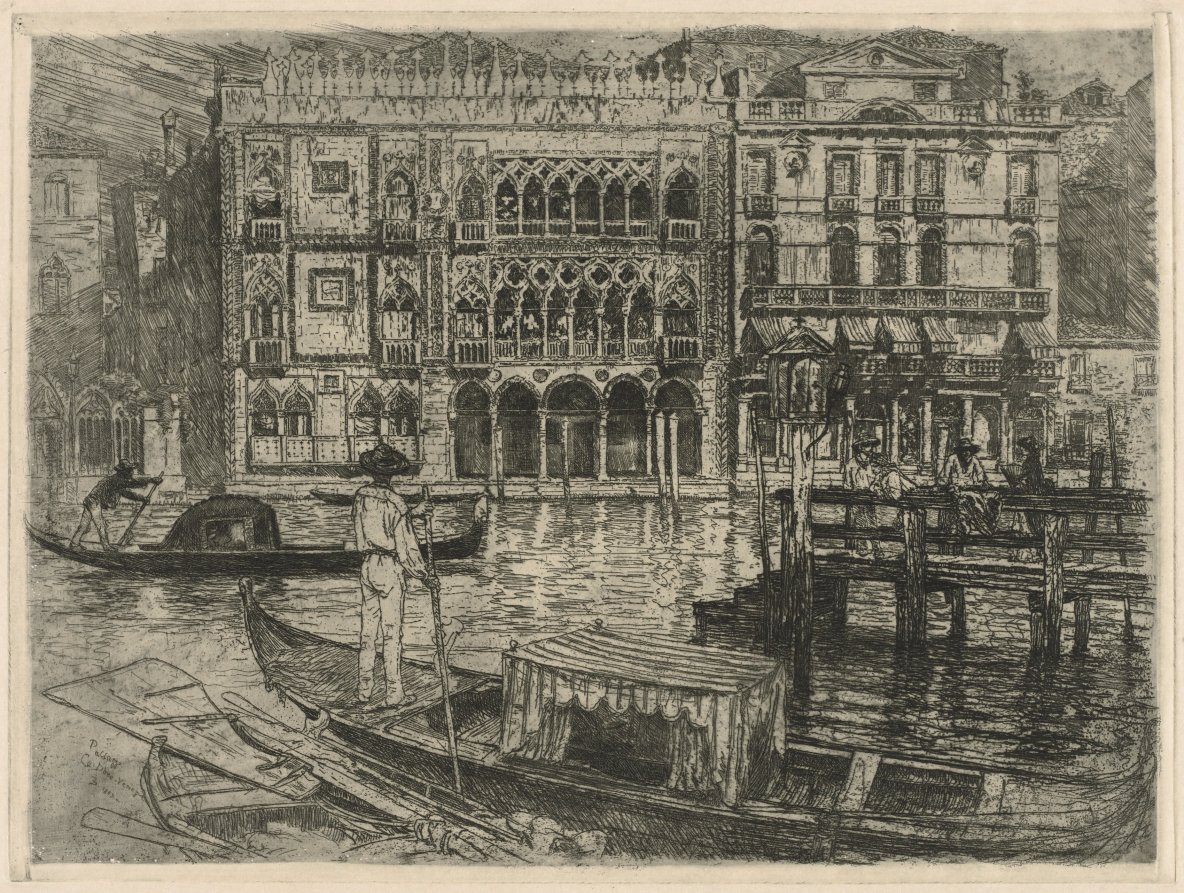
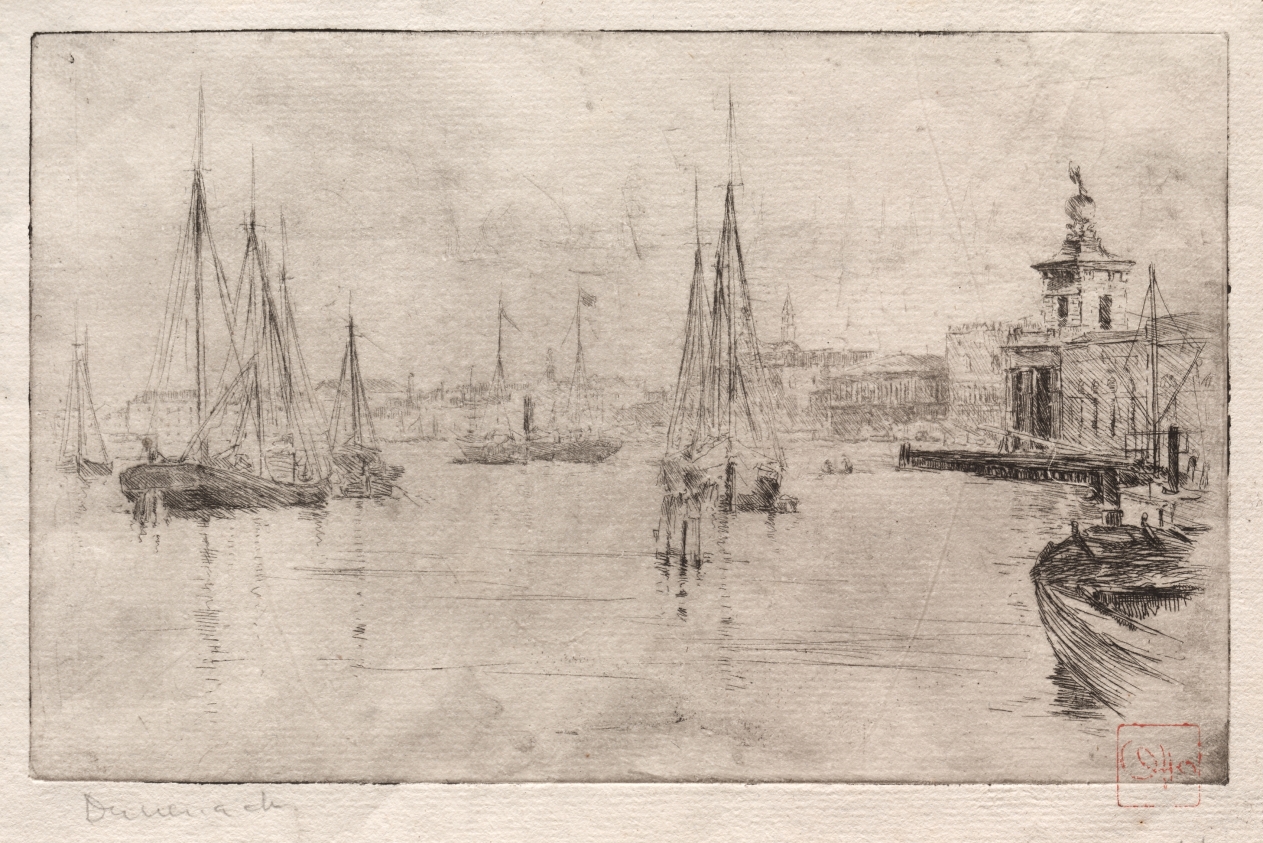
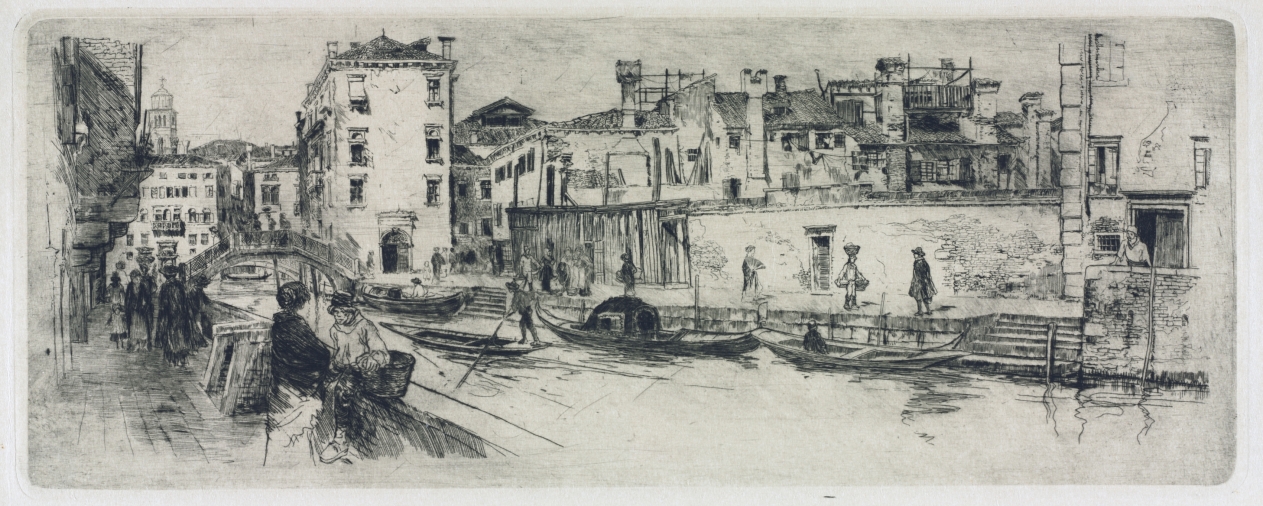
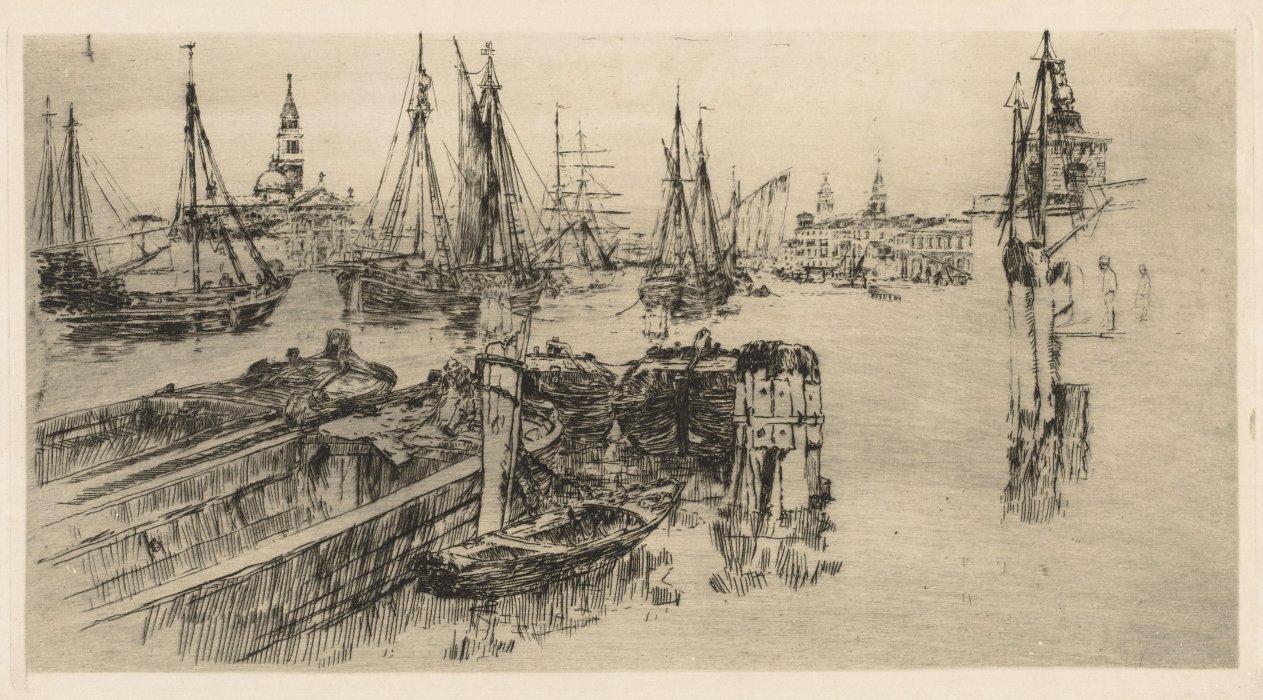
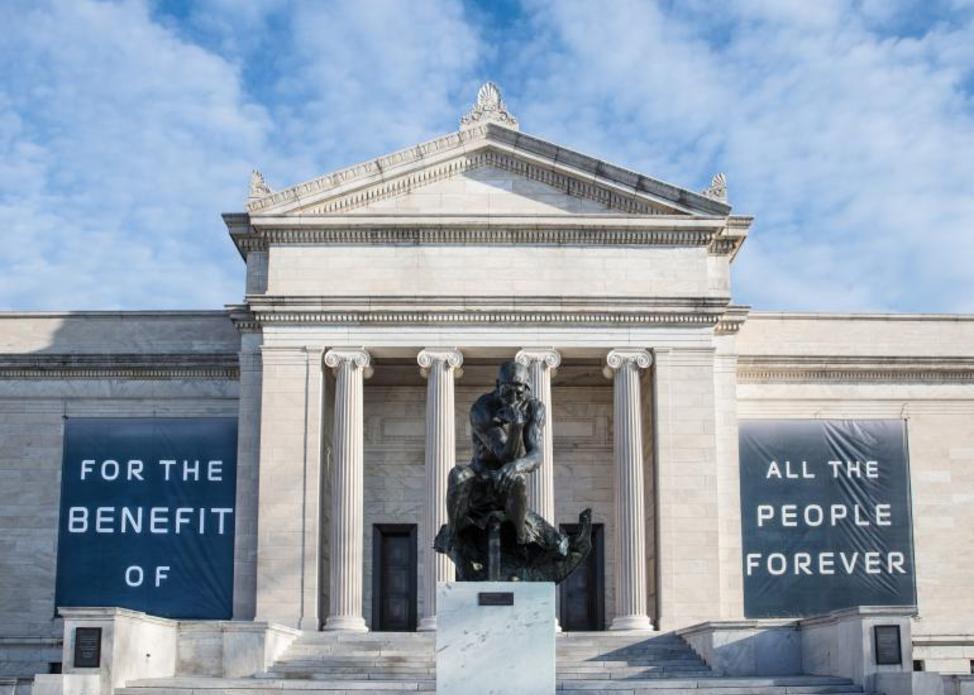
There is a moment in the permanent collection of the Cincinnati Art Museum where a visitor can stand before one of Frank Duveneck's commanding portraits and feel the full force of nineteenth century American ambition. The paint is thick, the shadows are alive, and the sitter seems to breathe. Cincinnati has long claimed Duveneck as its own, and with good reason: he was born nearby in Covington, Kentucky, trained in Munich at a time when that city was the most electrifying place in the world for a young painter, and eventually returned to teach generations of American artists at the Cincinnati Art Academy. His story is one of remarkable talent meeting exactly the right moment in history, and the reverberations of that meeting are still felt in American painting today. Duveneck was born in 1848 in Covington, Kentucky, just across the Ohio River from Cincinnati. He came from a German immigrant family, and his Catholic upbringing led him early into church decoration work, painting altarpieces and ornamental murals. This immersion in devotional imagery gave him a sensitivity to the human form and a grounding in the practical craft of paint that would serve him throughout his career. In 1870, at the age of twenty two, he crossed the Atlantic to study at the Royal Academy of Fine Arts in Munich, joining a generation of ambitious young Americans who looked to Germany rather than France for their artistic education. What he found there would change not only his own work but the direction of American realism. Munich in the early 1870s was crackling with energy. The city's academy placed enormous emphasis on direct, confident brushwork, on the study of the Old Masters, and on a tonal palette drawn from Velázquez and Hals. Duveneck absorbed these lessons with breathtaking speed. His breakthrough came in 1875 when he exhibited at the Boston Art Club, showing works including what is now known as The Venetian Girl, an oil on canvas of striking directness and warmth. The painting drew immediate comparisons to the great European masters. Critics marveled at the confidence of the handling and the psychological immediacy of the subject. He was barely twenty seven years old. By the late 1870s Duveneck had gathered a devoted group of students around him, American expatriates who would become known as the Duveneck Boys. This loose circle followed him from Munich to Florence to Venice, absorbing his teachings and spreading his influence back to the United States. Among those who crossed his orbit were William Merritt Chase and John Henry Twachtman, both of whom acknowledged his early impact on their development. Duveneck's method was built on confidence and economy: he urged his students to commit to a stroke and leave it, to trust the eye and the hand working together rather than overworking the surface into a timid smoothness. It was a pedagogy as much as a philosophy. Venice became a second spiritual home for Duveneck during the early 1880s, and it was there that he produced some of the most remarkable prints in American art history. Working alongside James McNeill Whistler, who was also in Venice at the time pursuing his celebrated series of etchings, Duveneck threw himself into the medium with characteristic vigor. His 1883 Venice etchings, including San Pietro in Castello, Piazza San Marco, the Grand Canal, the Bridge of Sighs, Palazzo Ca d'Oro, and the haunting Laguna from 1880, are extraordinary documents of a city and a sensibility. They are not architectural records but atmospheric meditations, the lines loose and observational, the compositions tilted toward mood rather than reportage. Collectors who encounter these works today find them revelatory, evidence that Duveneck's genius was not confined to paint alone. The collecting case for Duveneck is compelling on multiple levels. His oils, particularly the Munich era portraits and figure studies, have appeared at major American auction houses and are held in the collections of institutions including the Cincinnati Art Museum, the Museum of Fine Arts Boston, and the Smithsonian American Art Museum. Private collectors are increasingly drawn to his etchings, which represent exceptional value relative to their art historical importance. The Venice prints sit at a fascinating intersection: they are works made in close dialogue with Whistler, one of the most collected printmakers of the nineteenth century, yet Duveneck's etchings remain more accessible in the market. For a collector building a serious survey of American realism or tonalism, a Duveneck etching or oil study represents both a meaningful acquisition and a point of genuine scholarly interest. To understand Duveneck fully is to understand the web of influence connecting American and European painting in the second half of the nineteenth century. His work belongs in conversation with that of Thomas Eakins, whose unflinching realism shared Duveneck's commitment to honest observation, and with Winslow Homer, who approached the American subject from a different angle but with equally muscular painterly conviction. The tonalist current in his portraits connects him to artists such as Twachtman and George Inness, while his time in Venice ties him directly to Whistler and the broader international atmosphere of the 1880s expatriate community. Duveneck was not peripheral to this world. He was, for a crucial decade, at its very center. Duveneck's personal life was marked by deep joy and devastating loss. His marriage in 1886 to Elizabeth Boott, a talented painter and devoted student, brought him great happiness, but she died only three years later in Paris. His grief was profound, and he channeled it into a memorial effigy for her tomb in Florence that is widely regarded as one of the finest American sculptures of the nineteenth century. He returned to Cincinnati, where he spent the final decades of his life teaching and mentoring with the same generosity that had defined his years in Munich. He died in 1919, celebrated and beloved by his students and peers alike. What makes Duveneck matter today, beyond the intrinsic beauty of the works themselves, is the story his career tells about American art finding its own voice. He went to Europe not to become European but to learn everything Europe had to offer and bring it home transformed. The loose, confident brushwork he championed would echo forward through the twentieth century in ways that are still being traced by art historians. Standing before one of his Venice etchings, with their shimmer of light on water and their sense of a city glimpsed rather than catalogued, you understand that you are in the presence of an artist who saw clearly and trusted what he saw. That is a rare and lasting quality, and it is exactly why collectors and institutions return to Frank Duveneck again and again.