Dancer
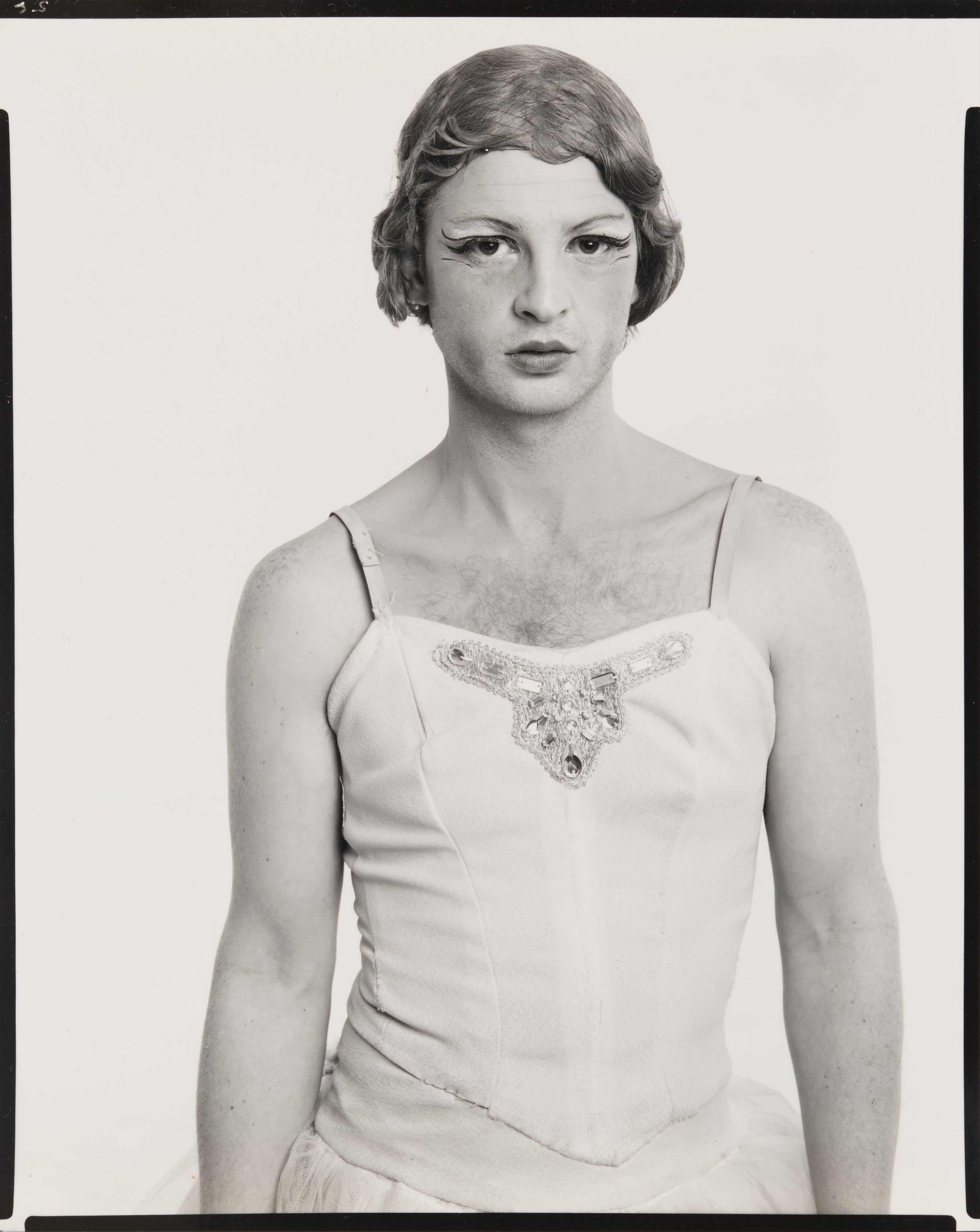
Richard Avedon
John Martin, dancer, New York City, 3-20-75

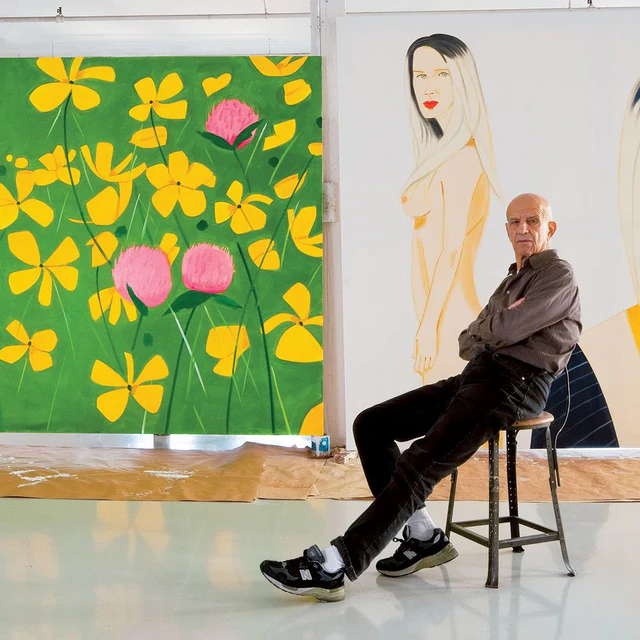
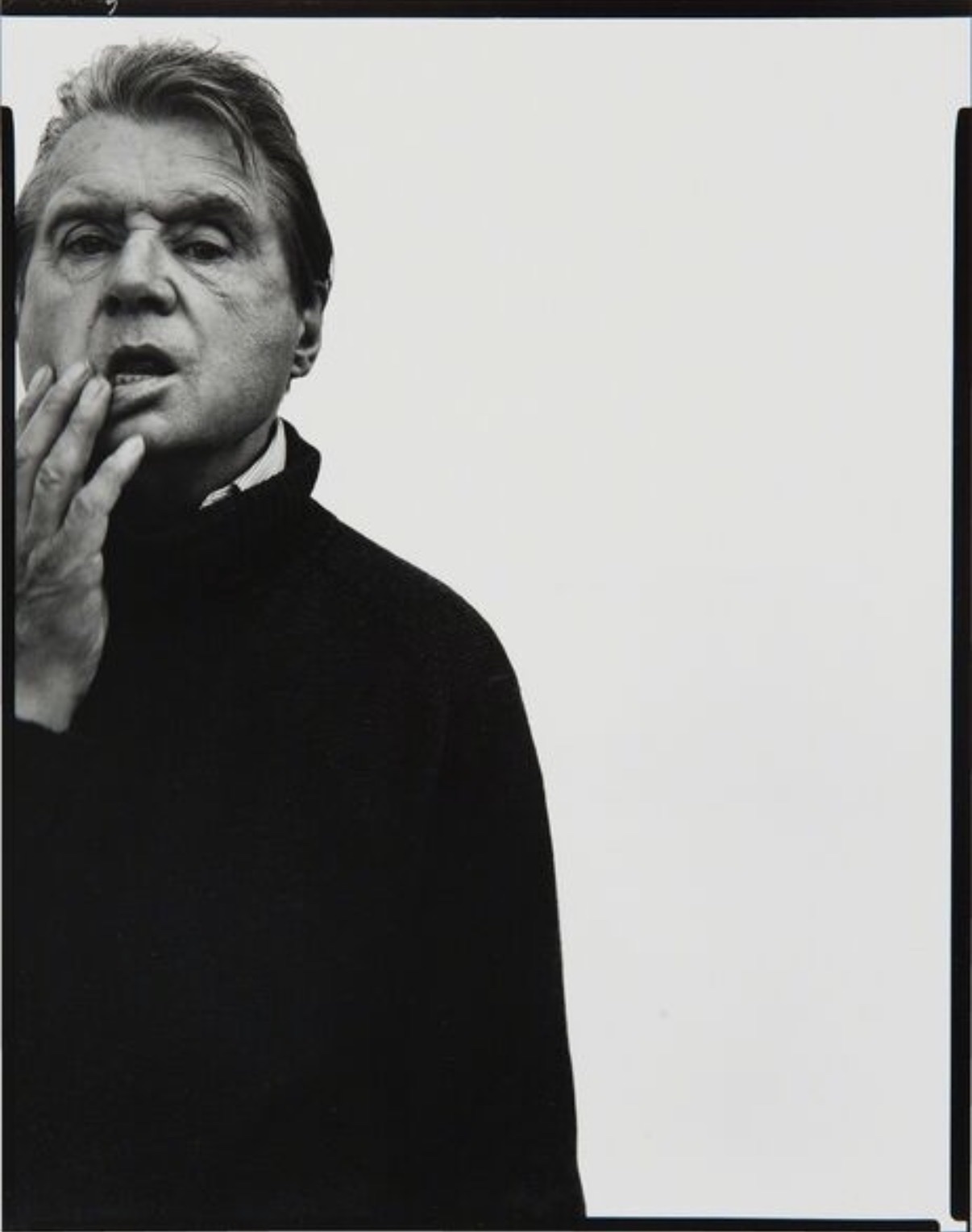
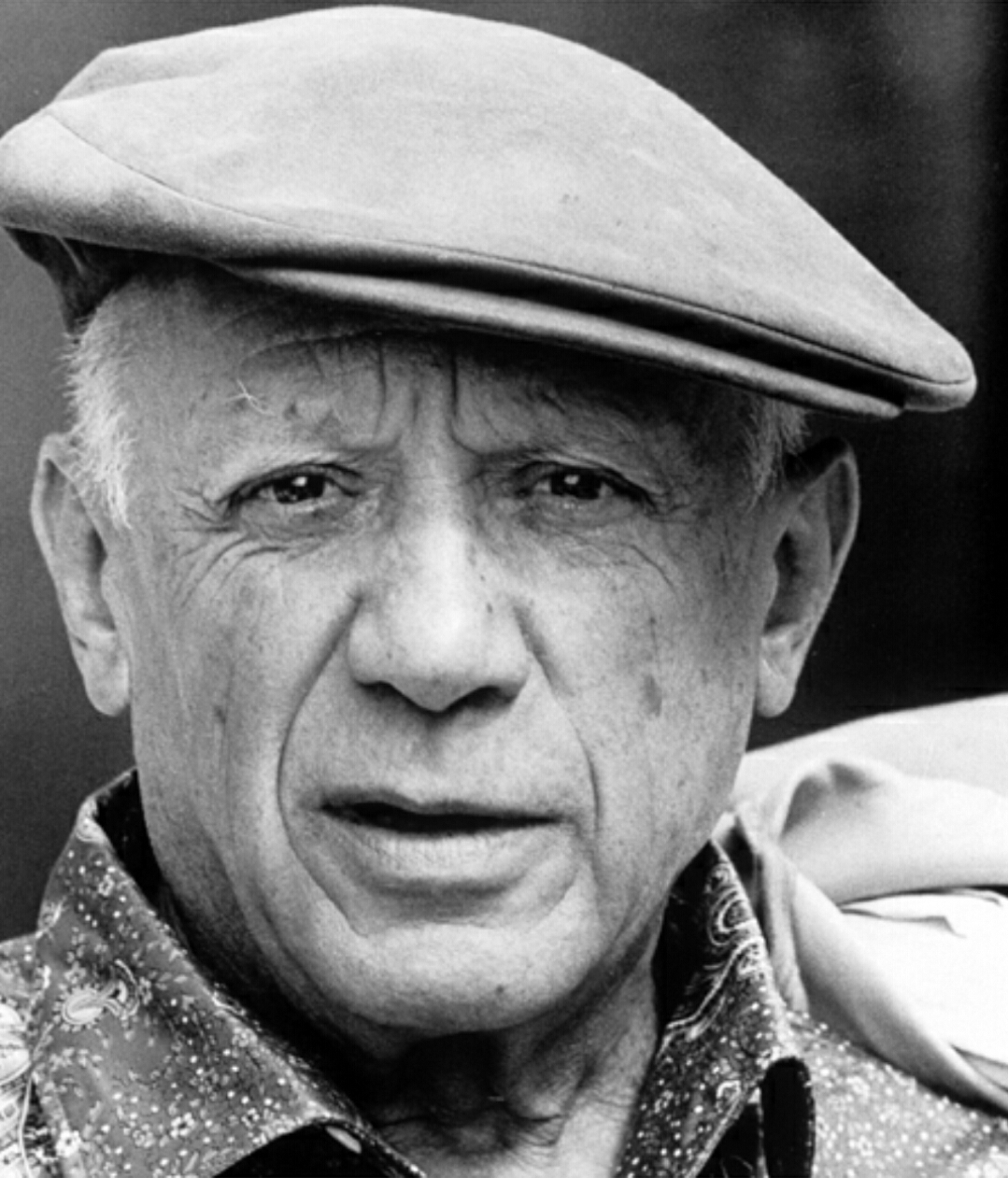



The Dancer Never Leaves the Room
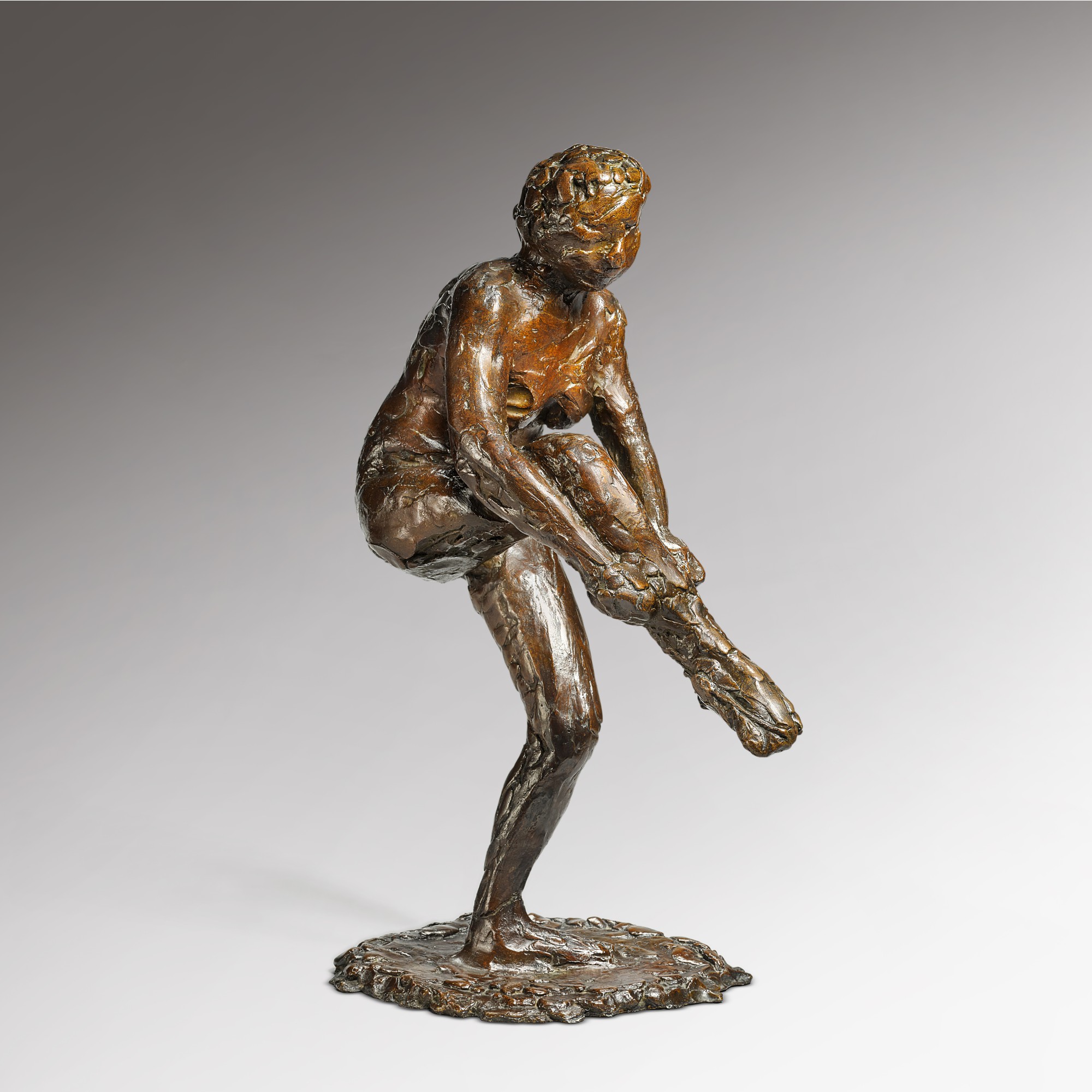
When a bronze by Edgar Degas titled La Petite Danseuse de Quatorze Ans sold at Christie's New York for over 20 million dollars, it confirmed something collectors and curators have quietly known for years: the dancing figure is not a niche subject but a seismic one. The work, a cast of Degas's most radical and controversial sculpture, provoked genuine shock when it first appeared at the Sixth Impressionist Exhibition in Paris in 1881, displayed in a vitrine like a natural history specimen. More than a century later, it commands rooms, silences bidders, and makes people forget they are at an auction. That is the power of the dancer as subject, and right now the market and the museum world are both paying close attention.
The recent hunger for works in this category is not sentiment. It reflects something more structural about how collectors and institutions think about the body, movement, and the long conversation between art and performance. The Musée d'Orsay's survey of Degas and the dance, revisited and recontextualized over the past decade with fresh scholarship on the social conditions of the Paris Opéra, changed the terms of that conversation. Scholars began asking harder questions about power, class, and the male gaze embedded in those rehearsal rooms, and the market absorbed this critique without flinching.
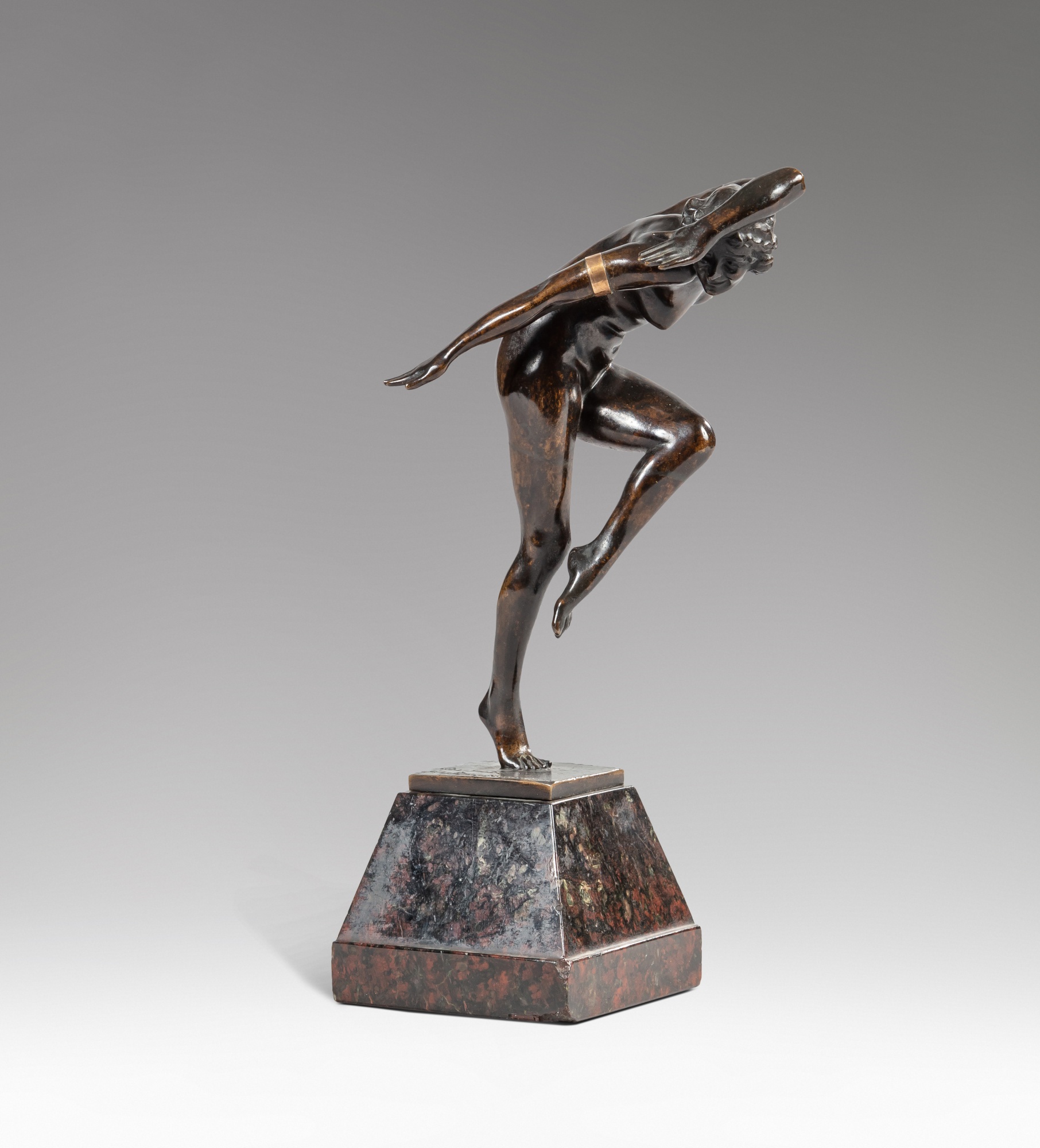
Édouard-Marcel Sandoz
Dancer
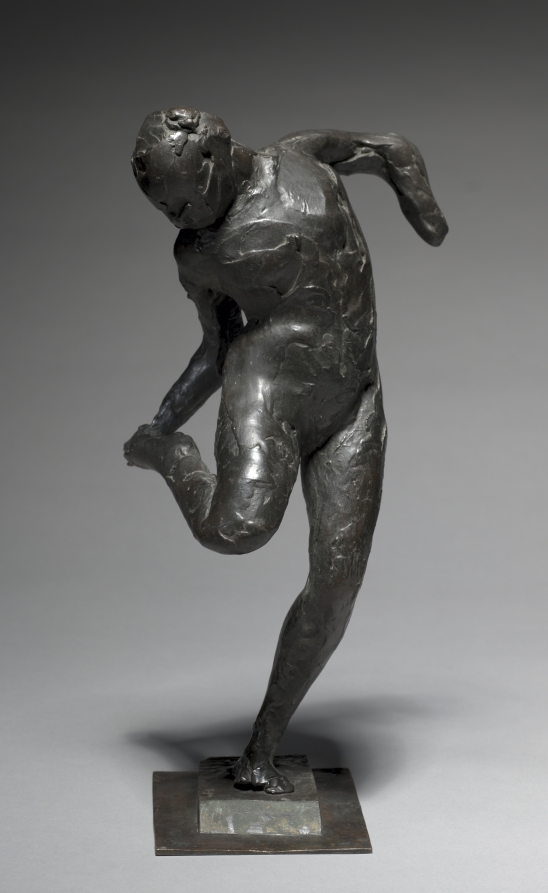
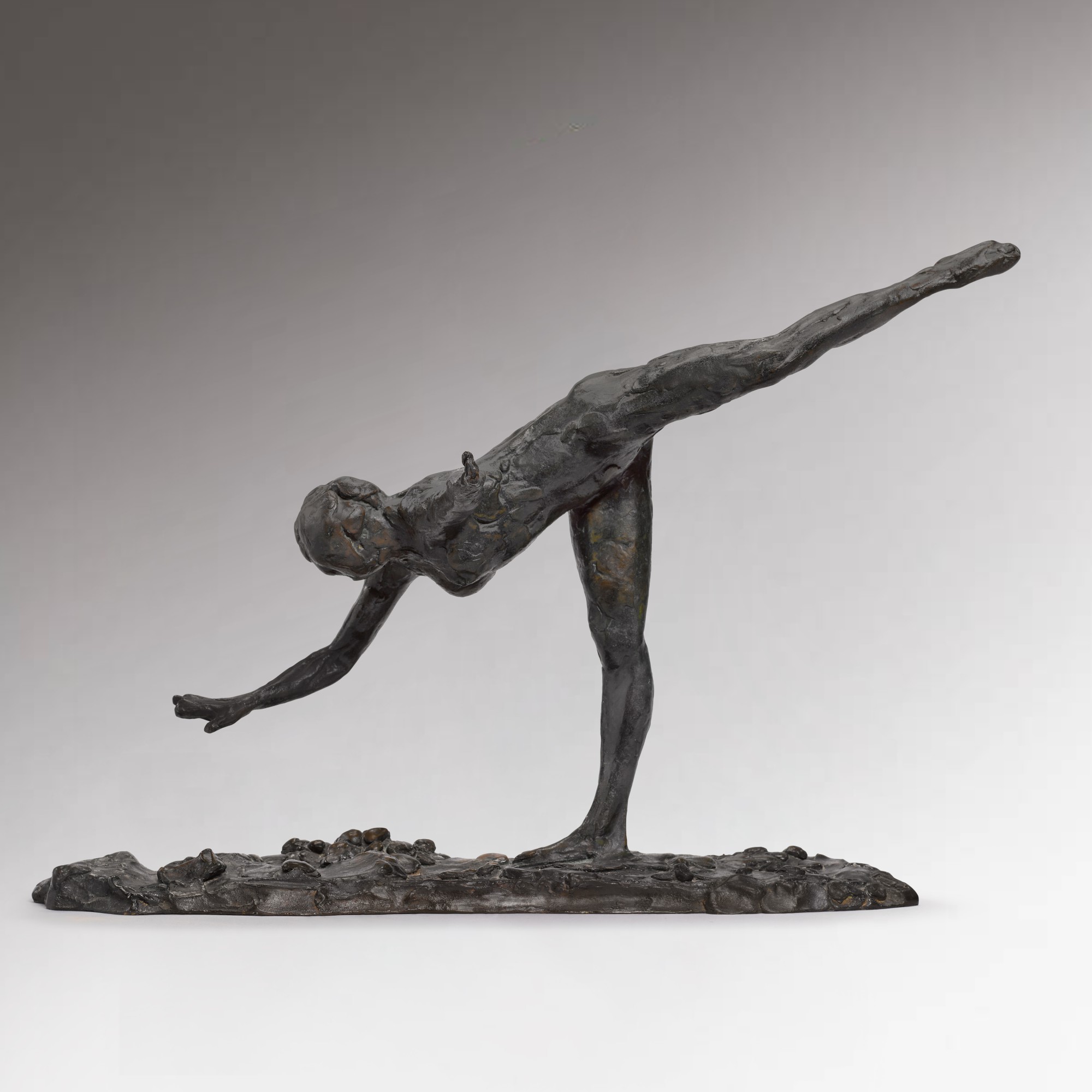
If anything, the added complexity made the works more interesting to serious buyers. Degas remains the gravitational center of this collecting category, and his presence on The Collection reflects that centrality. His engagement with dancers spanned nearly five decades, from the early oil paintings of the 1870s through the late pastels made almost entirely from memory and imagination as his eyesight deteriorated. What makes his work so durable as a market proposition is precisely what made it strange in his own time: the refusal of idealization.
His dancers stretch, scratch, adjust their slippers, wait in the wings. They are workers, not icons, which turns out to be a far more enduring subject than the purely graceful. The broader market for dancer imagery extends well beyond Degas, and the works of other artists on The Collection illuminate just how widely this subject traveled across movements and media. Alexander Archipenko brought the dancing figure into the orbit of Cubism, fracturing and reassembling the body in ways that still feel urgent.
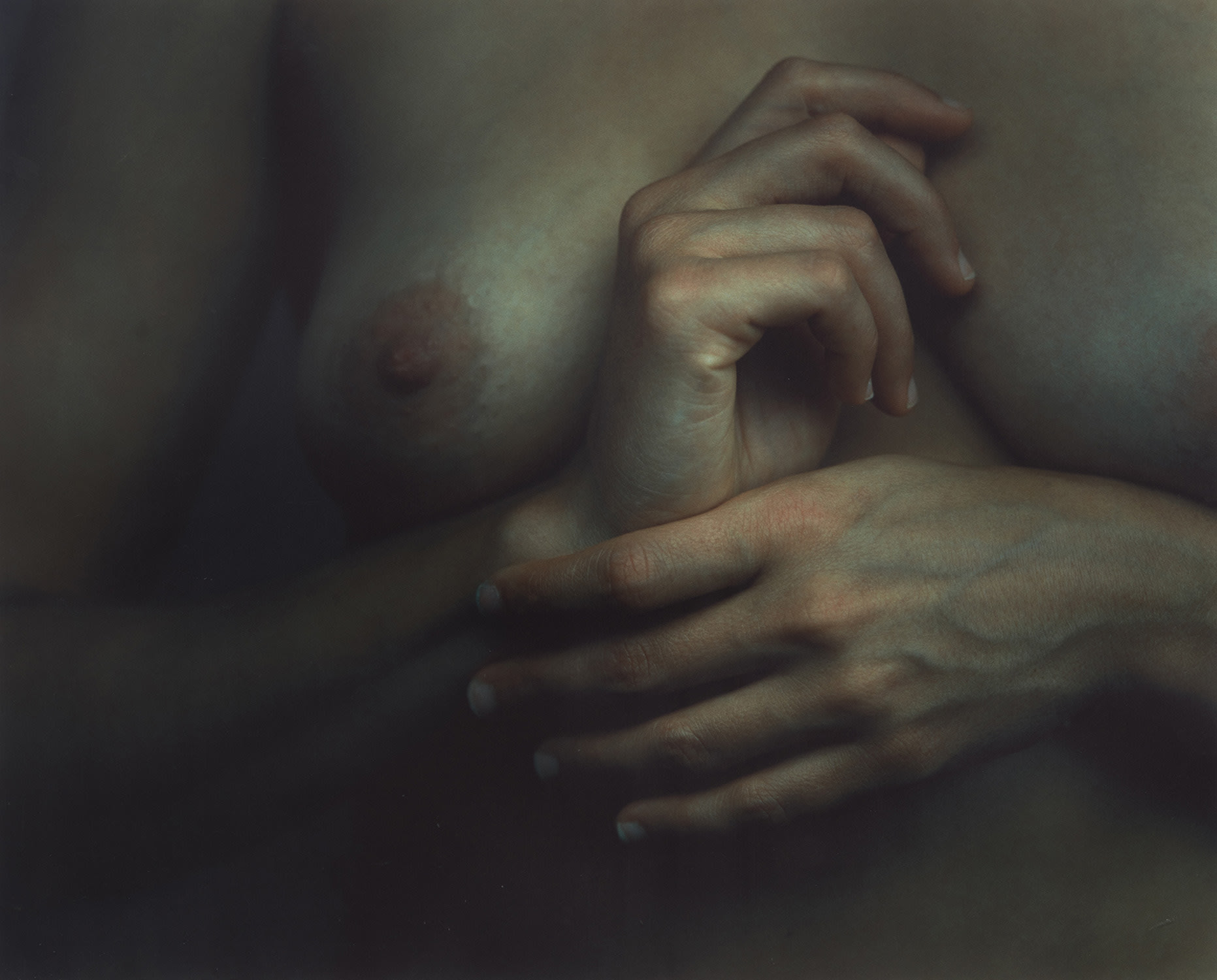
Richard Avedon
John Martin, dancer, New York City, 3-20-75
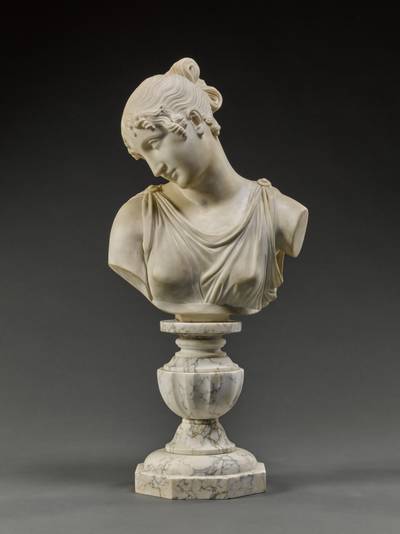
Agathon Léonard, whose Art Nouveau bronzes of dancers were created as table centerpieces for the Paris Exposition Universelle in 1900, has seen renewed institutional and collector interest as curators reassess decorative art's relationship to fine art hierarchies. Prince Paolo Troubetzkoy and Charles Despiau each brought a different sculptural intelligence to figures in motion, and auction results for both have trended upward as the appetite for early twentieth century European sculpture deepens. Photography has played an equally important role in how collectors now approach the dancer as subject. Richard Avedon's images of dancers, made with the same forensic intimacy he brought to politicians and poets, sit at the intersection of portraiture and performance documentation.
Irving Penn photographed ballet and modern dance with his characteristic stillness, finding in the posed body a tension that feels almost paradoxical. Annie Leibovitz has returned to dancers throughout her career, most visibly in collaborations with American Ballet Theatre that toured as exhibitions through major institutions. These photographic works have entered serious collections not as ephemera but as primary objects, and their prices at auction increasingly reflect that revaluation. Institutions collecting in this space tend to signal something about their broader intellectual ambitions.
Annie Leibovitz
Julie Worden, Dancer, Mark Morris Dance Group, Clifton Point, Rhinebeck New York
The Museum of Modern Art has long held key works in this territory, but so has the Musée Rodin, the Art Institute of Chicago, and the Neue Galerie in New York, each approaching the subject from a different disciplinary angle. When the Tate Modern organized its survey of the body in twentieth century sculpture, dancer works formed a quiet spine running through the whole argument. Collecting institutions are not simply accumulating beautiful objects. They are making claims about what the body in art means, and those claims carry real weight for private collectors deciding where to place their attention and their capital.
The critical conversation shaping this area has become genuinely interdisciplinary. Writers like T.J. Clark brought social history to bear on Degas decades ago, but more recent voices in dance studies, gender theory, and postcolonial criticism have added layers that make the subject more contested and therefore more alive.
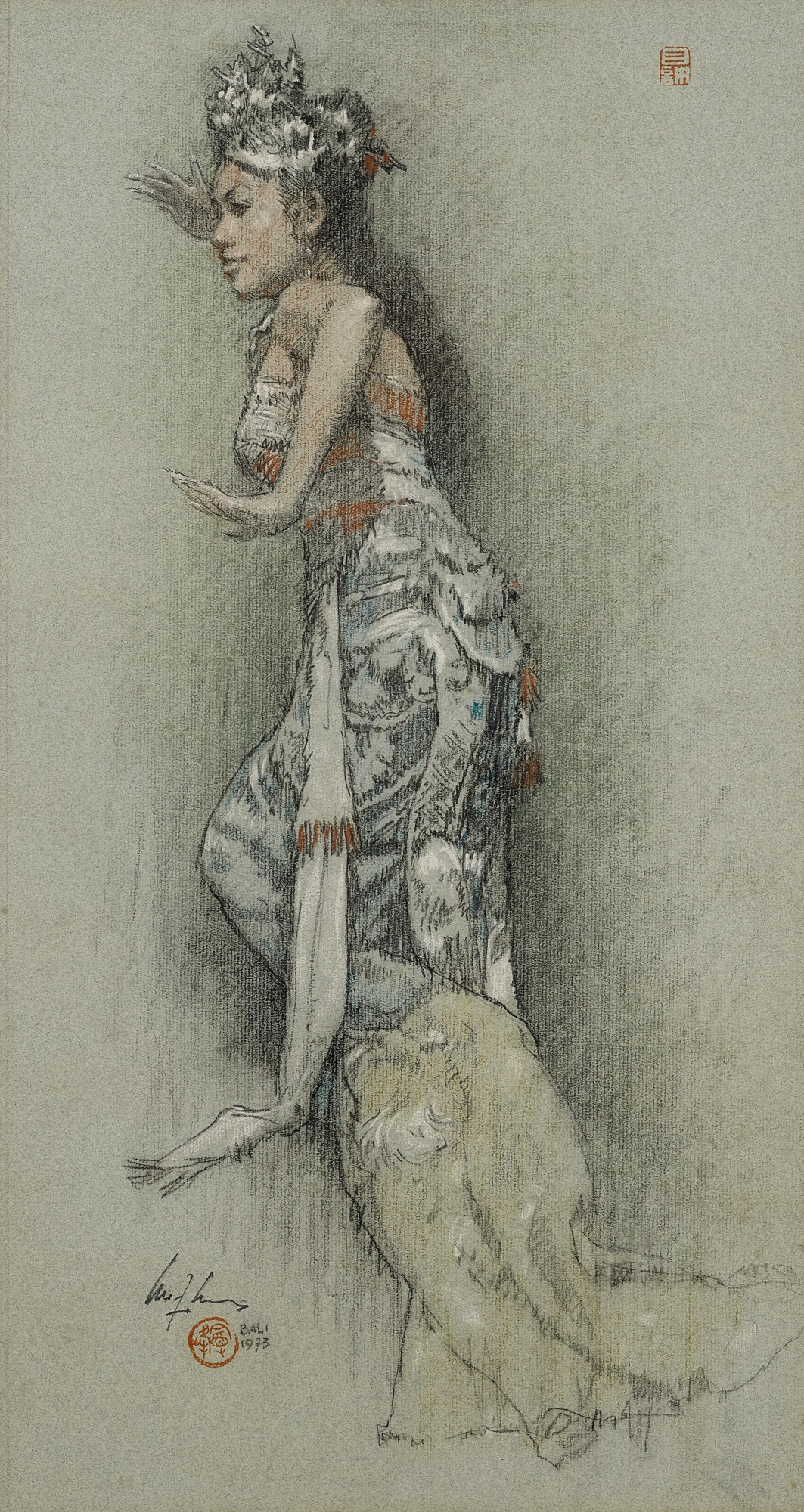
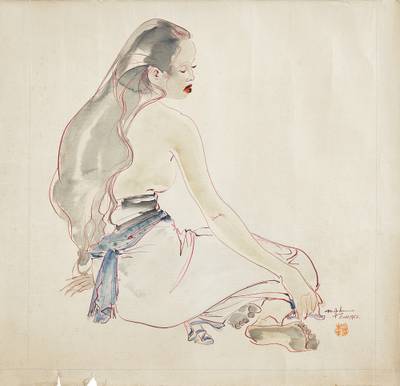
Lee Man Fong
Dancer 舞者, 1973
Publications like October and Artforum have published serious reassessments of sculptors like Malvina Hoffman, whose dancer bronzes were long undervalued, and the effect on auction results has been measurable. Lee Man Fong's depictions of the figure, emerging from a very different cultural context, have been reexamined by scholars working on Southeast Asian modernism, and that scholarship is beginning to move prices in meaningful ways. What feels most alive in this category right now is the tension between the canonical and the rediscovered. Degas will always anchor the conversation, but the works that are generating the most genuine curatorial excitement tend to sit at the edges: the lesser known bronzes, the works that crossed between the applied and fine arts, the photographs that were not originally treated as autonomous artworks.
Jules Pascin's drawings of performers, Andre Derain's figures caught mid movement, these are works that serious collectors are looking at with fresh eyes. The dancer as subject has never been a single thing. It has always been an argument about the body, beauty, labor, and what it means to be watched, and that argument is far from settled.