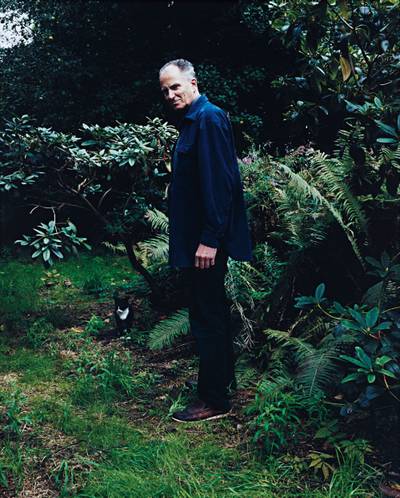
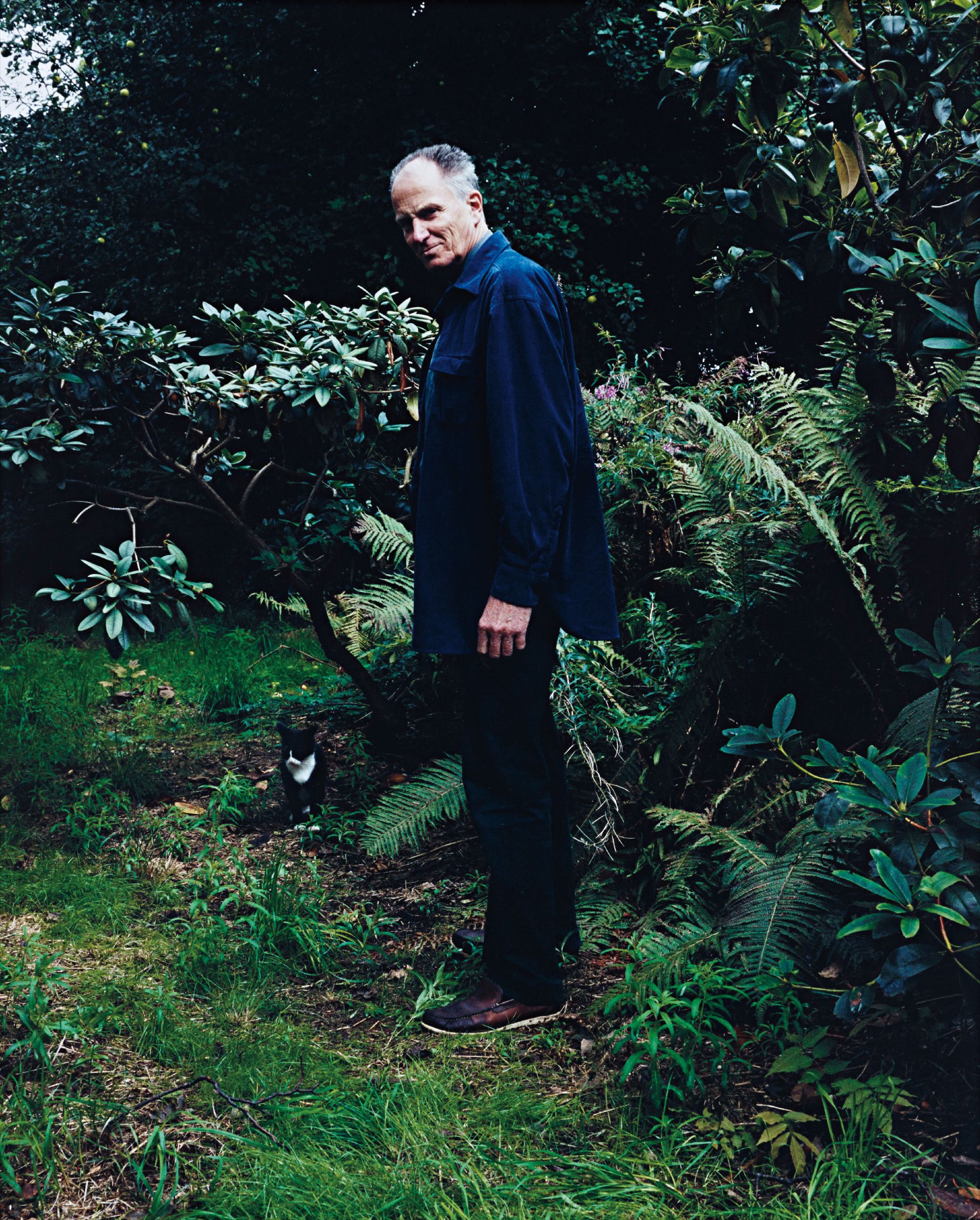
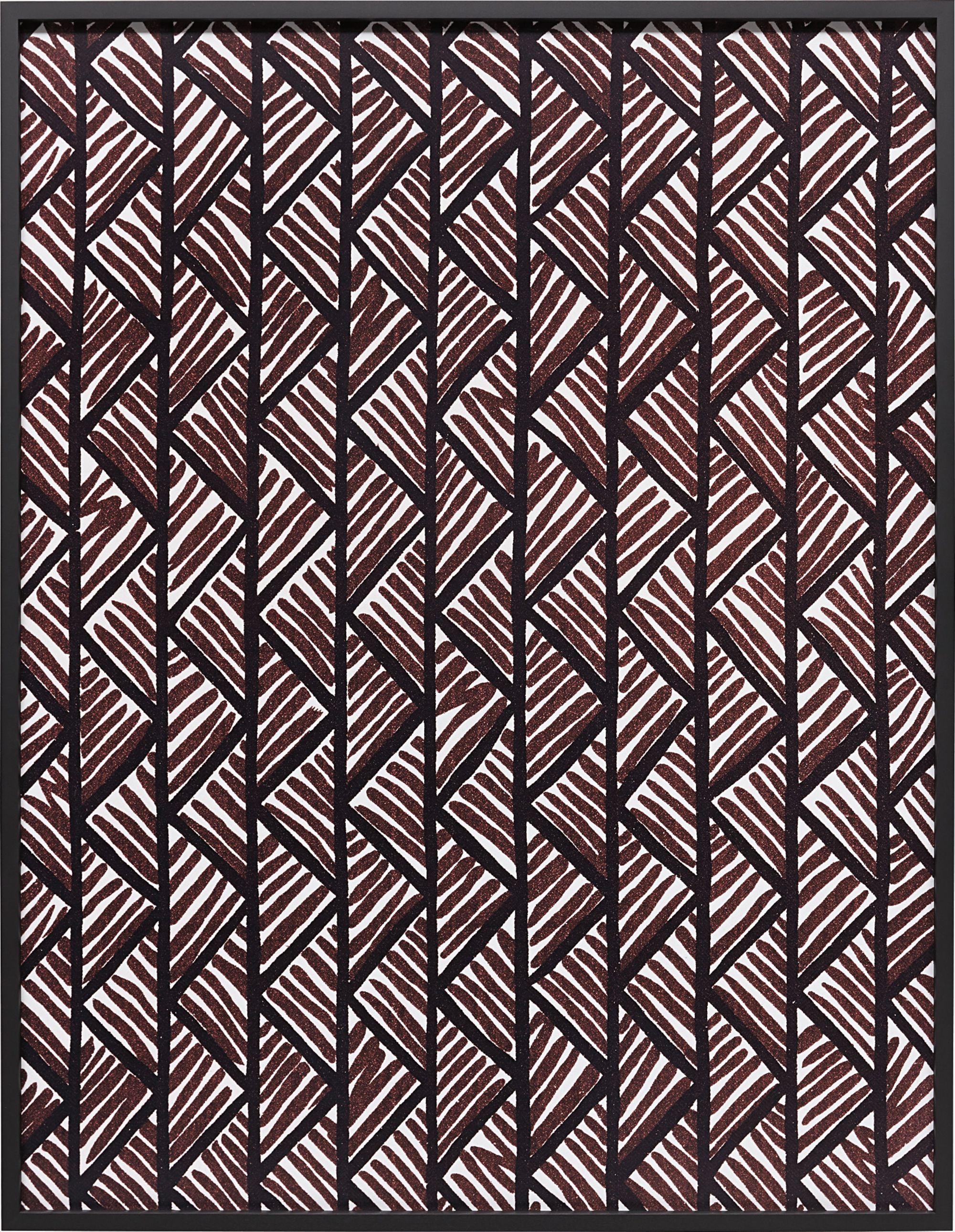
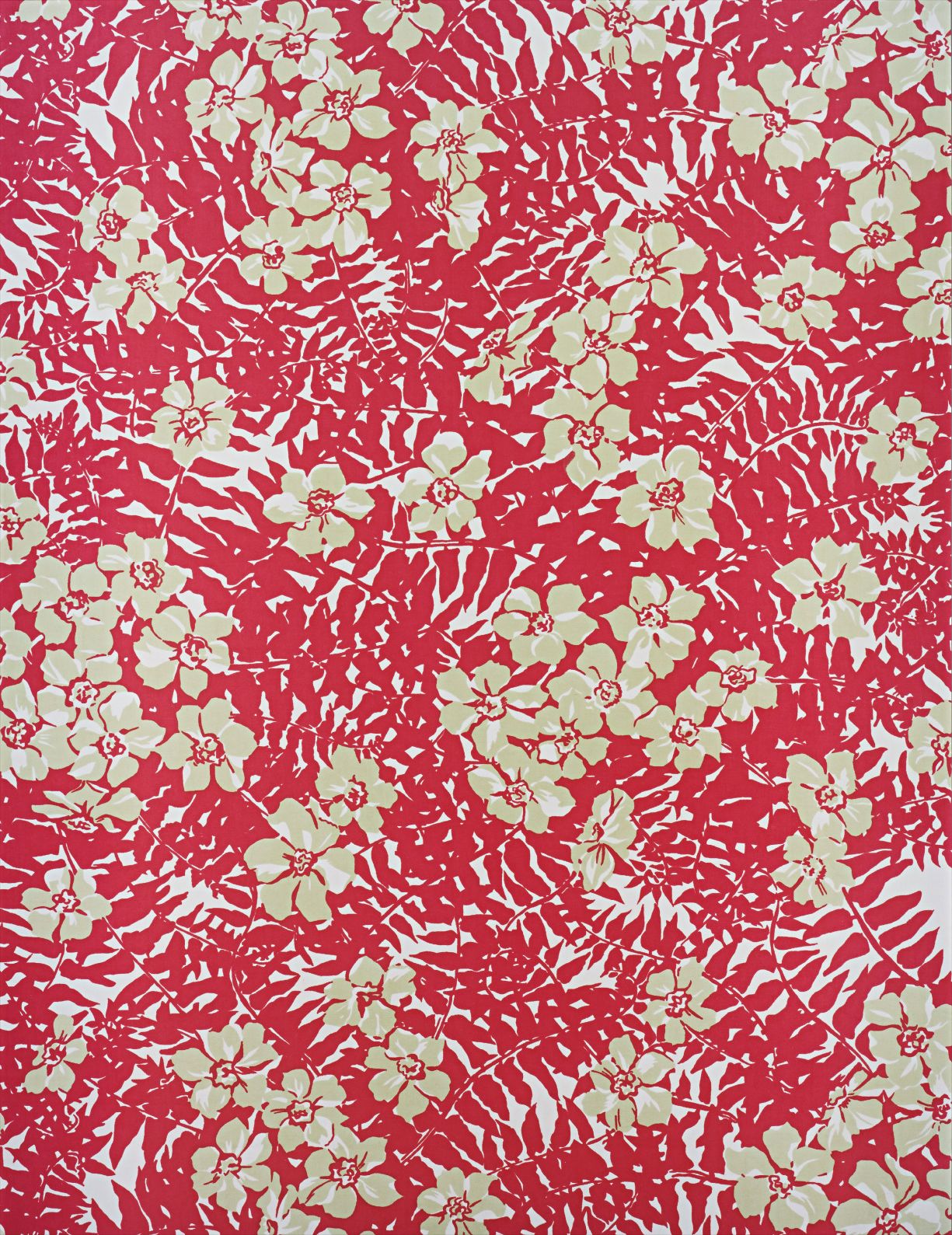
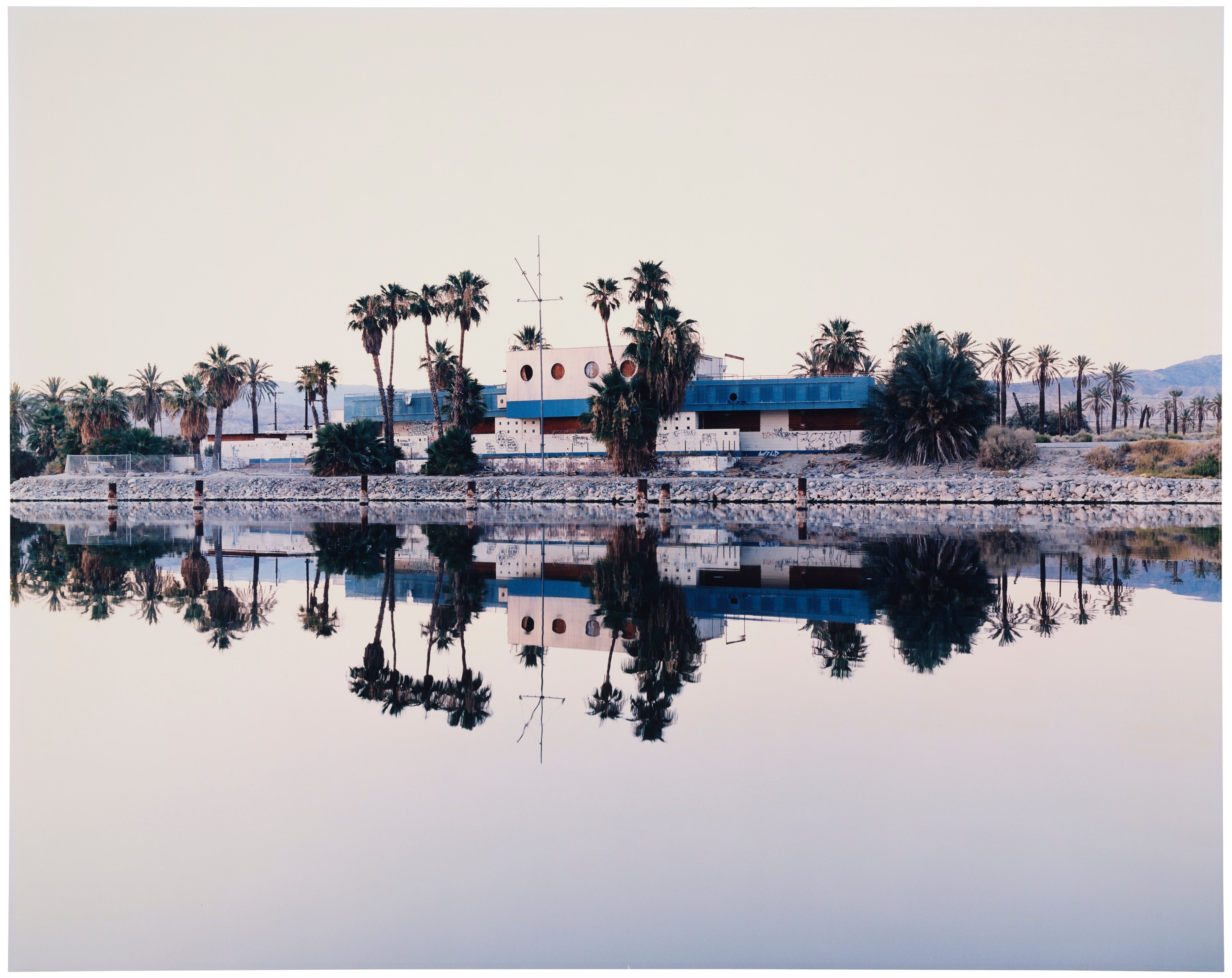
There is a particular kind of attention that Annette Kelm demands of her viewers, one that rewards slowness and rewards looking again. In recent years, her work has been the subject of sustained institutional enthusiasm across Europe and North America, with presentations at Kunsthalle Basel, the Art Institute of Chicago, and the Museum of Contemporary Art in Los Angeles confirming her place among the most rigorous and visually compelling photographers working today. That this recognition has come steadily rather than in a single explosive moment feels right for an artist whose practice is itself about accumulation, patience, and the quiet power of things placed just so. Kelm does not chase spectacle. She builds it, frame by frame, through an almost architectural command of the photographic surface. Born in Stuttgart in 1975, Annette Kelm grew up in a Germany still processing the cultural and political upheavals of the late twentieth century, a context that would prove formative for a generation of artists acutely aware of how images carry ideology. She studied at the Hochschule für Grafik und Buchkunst in Leipzig, one of the most significant art academies in the German speaking world, where a rigorous engagement with conceptual and photographic traditions shaped her foundational thinking. The Leipzig school, with its strong lineage connecting image making to meaning making, gave Kelm the tools to interrogate not just what a photograph shows but what it does in the world. From the beginning, she was drawn to the tension between the surface appeal of an image and the layered questions it conceals. Kelm's artistic development has been characterized by a consistent willingness to work at the intersection of photography, design history, material culture, and semiotics. Her early work already demonstrated the hallmarks of what would become a signature approach: objects and printed matter arranged with deliberate care, shot with a clarity that feels both documentary and theatrical. Over time, she expanded her vocabulary to include textiles, archival printed ephemera, book covers, and historical fabric samples, bringing these materials into conversation with one another in ways that illuminate how design encodes cultural values. Her practice resists easy categorization. It is too conceptually dense to be called decorative and too formally beautiful to be called dry. This productive tension is precisely what has kept collectors and curators returning to her work decade after decade. Among the works that best illuminate Kelm's ambitions are those from her ongoing engagement with textile design and pattern. Works such as "Big Print #1 (Lahala Tweet, cotton chevron, fall 1949 design Dorothy Draper, courtesy Schumacher and Co.)" and the companion piece "Big Print #2 (Maui Fern, Cotton Mainsail Cloth, Fall 1949 Design Dorothy Draper, Courtesy Schumacher and Co.)" are remarkable achievements. By photographing historical fabric samples at large scale and incorporating their provenance directly into the titles, Kelm implicates the viewer in a meditation on taste, postwar American design culture, and the way decorative objects carry whole worlds of social aspiration within them. Dorothy Draper, the influential American interior decorator whose work shaped mid century domestic aesthetics, becomes not just a subject but a kind of interlocutor, and the resulting prints are simultaneously archival documents and genuinely ravishing images. "Hans Hansen in his Garden" operates in a different but equally compelling register, using portraiture and setting to explore how individuals and spaces construct and reflect identity. "North Shore, Romantic Etiquette," made in 2006, shows how early in her career Kelm had already developed the confidence to allow a single image to hold multiple, sometimes contradictory meanings at once. For collectors, Kelm's work occupies a position that combines intellectual seriousness with genuine visual pleasure, a combination that is rarer than it sounds. Her chromogenic prints have a tactile luminosity that reproduces poorly and rewards seeing in person, which means that owning one is a fundamentally different experience from studying one in a catalogue. Galleries including Johann König in Berlin and Greene Naftali in New York have represented her work with distinction, bringing it to the attention of collectors who value rigorous conceptual photography alongside names like Wolfgang Tillmans, Taryn Simon, and Walid Raad. On the secondary market, her works have performed with quiet consistency, reflecting the loyalty of a collector base that understands the depth of her practice. For those building a collection with an eye toward lasting significance, Kelm represents exactly the kind of artist whose reputation has been built on substance rather than trend. Contextually, Kelm belongs to a lineage of photographers who use the camera to think rather than simply to record. She shares with artists like Thomas Demand and Wolfgang Tillmans a German conceptual inheritance, while her interest in objects, display, and material culture connects her to figures like Zoe Leonard and Fischli and Weiss. There is also a meaningful conversation to be had between her work and that of Moyra Davey, whose engagement with printed matter, surfaces, and the overlooked corners of daily life echoes Kelm's own preoccupations. What distinguishes Kelm within this company is her particular attunement to design history and the ideological freight carried by decorative objects, a focus that feels increasingly prescient as art discourse pays ever greater attention to the politics of taste and the aesthetics of everyday life. Annette Kelm matters today because the questions she asks have not become easier or less urgent. In an era saturated with images, her photographs insist on the importance of looking carefully, of asking what an image wants from us and what we project onto it. Her work does not offer resolution. It offers something better, a deepened awareness of how the visual world is constructed and how thoroughly that construction shapes what we think we know. For collectors who believe that art should expand the mind as well as decorate a wall, Kelm is an artist whose work will continue to grow in stature and resonance for many years to come. She is, in the fullest sense, an artist for the long term.