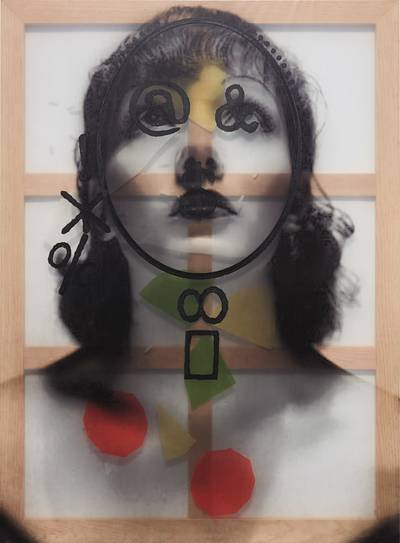
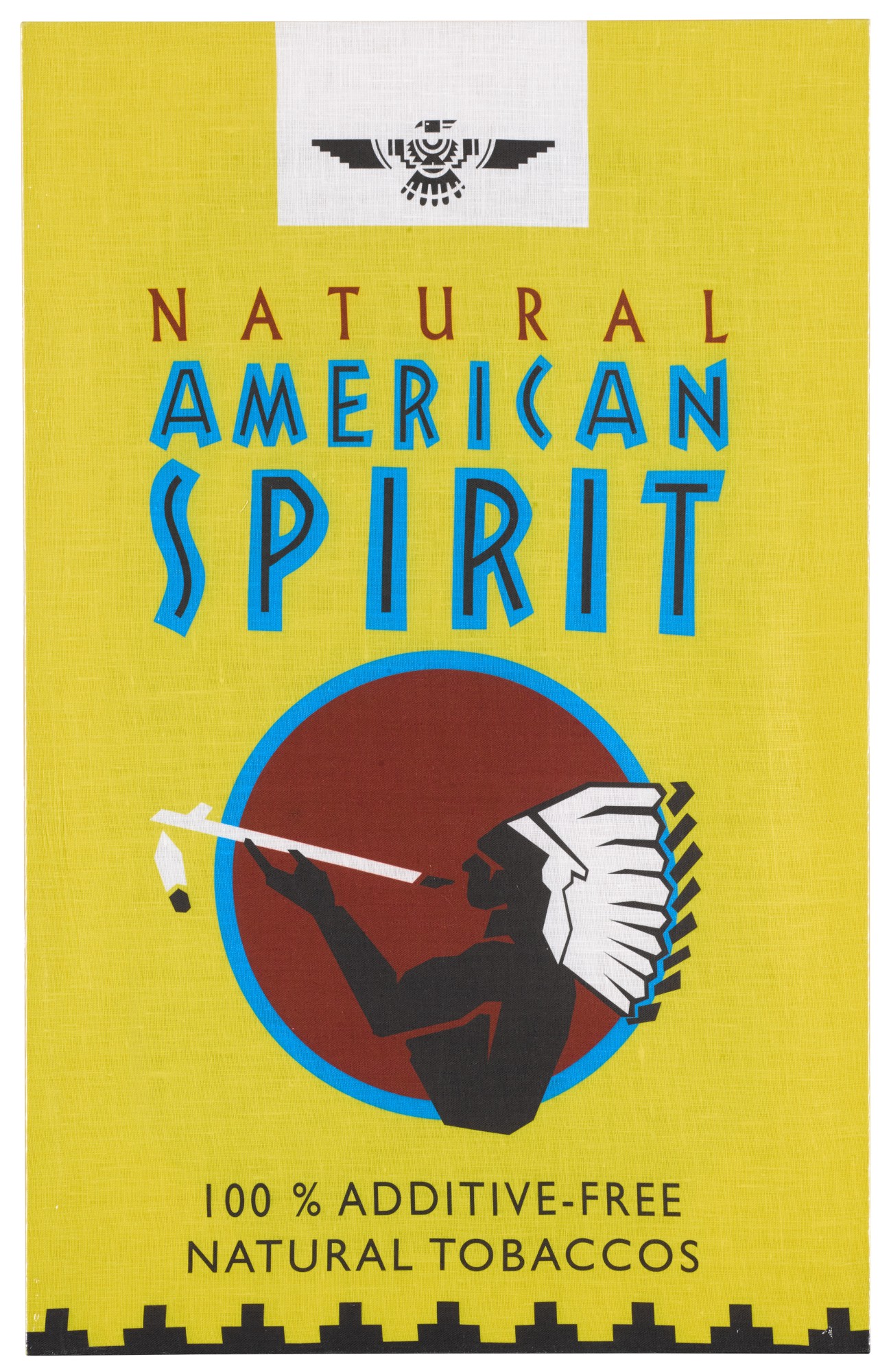
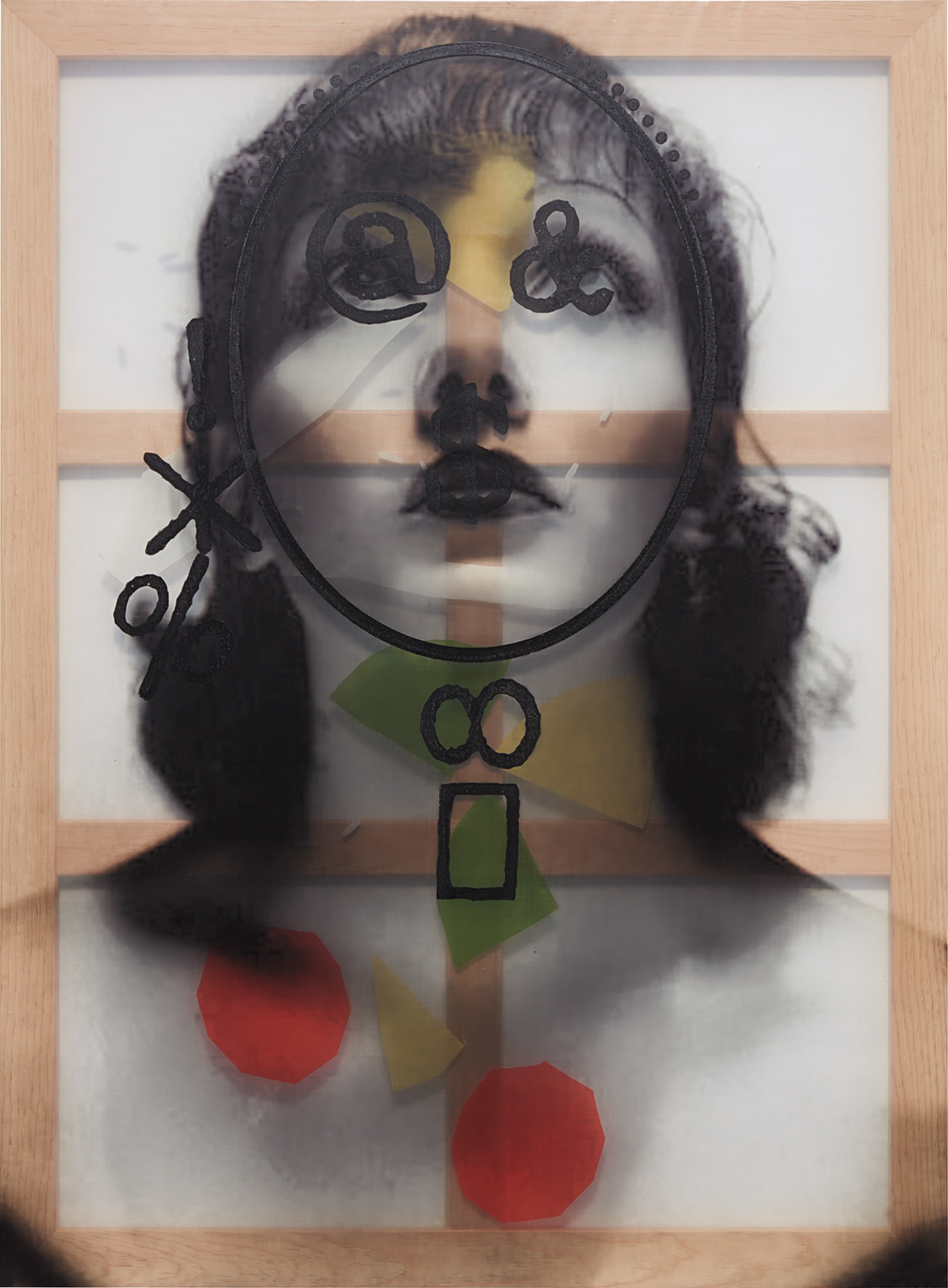
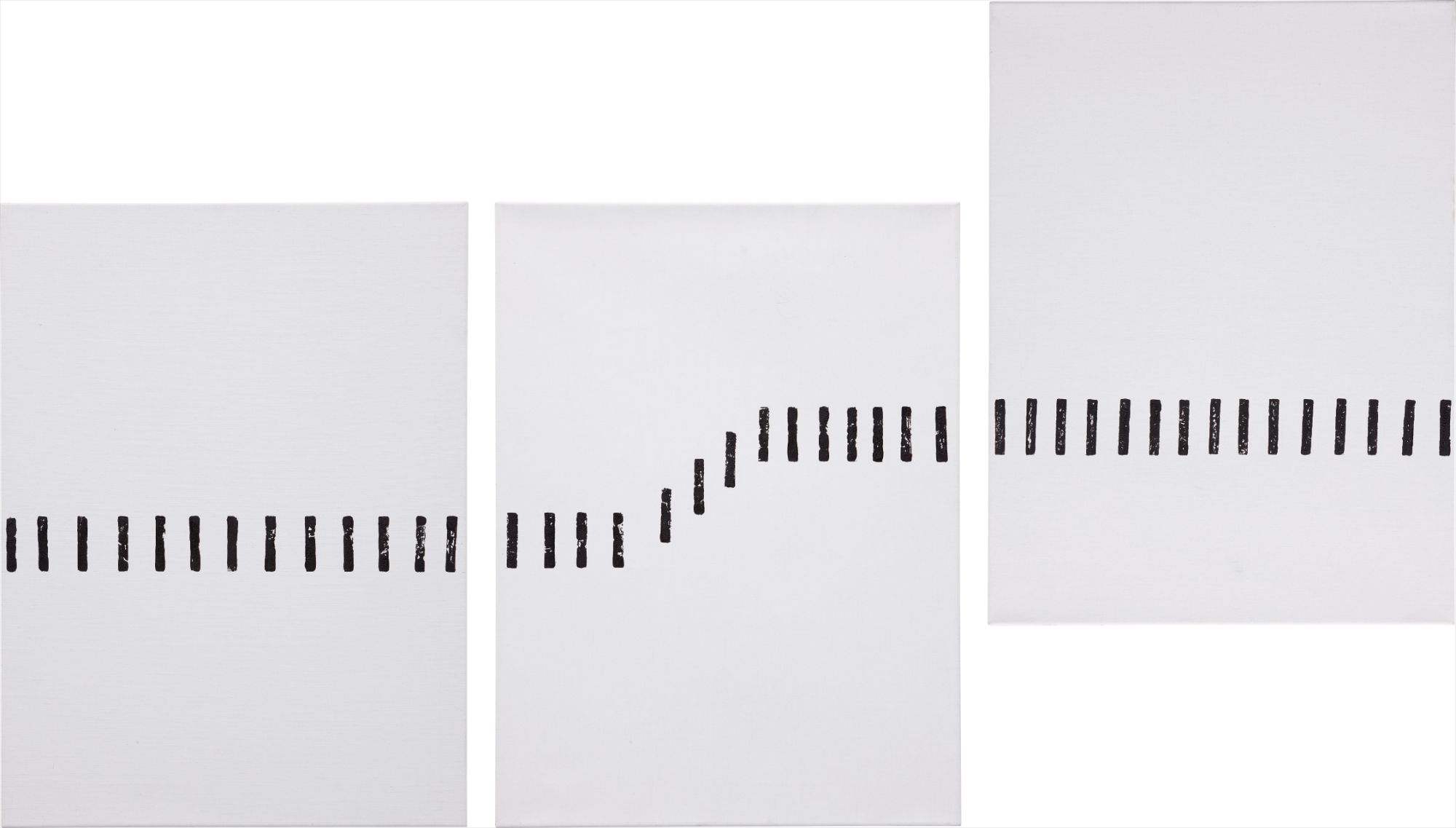
Something shifts when you stand before an Adriana Lara work and realize it is watching you back. The Mexico City based conceptual artist has spent the better part of two decades building a practice that holds the art world up to its own mirror, not with bitterness or cynicism, but with a wit so precise it almost feels like generosity. As international attention on Mexican contemporary art continues to intensify, and as institutions across Europe and the Americas look southward with renewed seriousness, Lara has emerged as one of the most intellectually agile voices of her generation, an artist whose work rewards both the casual viewer and the most rigorous institutional thinker. Lara was born in Mexico City in 1978, and the capital's particular energy, its layering of ancient and ultramodern, its appetite for irony, its complex relationship with cultural import and export, is woven into the very texture of her thinking. Mexico City in the late 1990s and early 2000s was a remarkable environment for a young artist. A generation of curators, critics, and artists were renegotiating what it meant to make work in a city that was simultaneously peripheral and central to global art conversations. Lara absorbed that tension and made it productive, training her attention not on any single medium but on the systems that give all mediums their meaning. Her practice developed across an unusually wide range of formats, installation, performance, painting, and publishing, a breadth that is not restlessness but strategy. Lara has long been interested in the question of what an artwork actually is before it is designated as such, and what happens to that designation when the institutional frame is removed or made strange. This line of inquiry places her in a distinguished tradition of institutional critique that runs from Marcel Broodthaers through Michael Asher and Andrea Fraser, though Lara brings to it a distinctly Mexican sensibility and a humor that her predecessors rarely permitted themselves. Her work is consistently funny in the way that only very serious thinking can be funny. Among the works that best illuminate her approach are the pieces she produced around 2012 and 2013, a period of remarkable focus and output. "Symbol Face No. 5 (Colored)," made in 2012, combines oil and screenprint ink on plastic in a way that immediately unsettles expectations about both painting and reproduction. The work toys with the logic of the symbol, asking how images accumulate authority and what it means to render something iconic in a material that is itself associated with disposability and mass production. There is a deadpan quality to the gesture that is enormously pleasurable, the sense that Lara is entirely aware of the trap she is setting and is confident you will enjoy walking into it. "Smoking Kills (American Spirit)," from 2013, takes ink printed on linen and PVC film as its vehicle, importing the visual language of warning labels and consumer packaging into a gallery context where those same warning labels become aesthetic objects. The work does not moralize so much as it observes, with cool precision, how meaning migrates across surfaces and contexts. "S.s. o.r. (24)," a triptych in oil on canvas from the same year, demonstrates that Lara can work within the most traditional of formats without for a moment surrendering her conceptual edge. The triptych form carries enormous art historical weight, and Lara deploys it knowingly, treating painting not as a retreat from her broader concerns but as another arena in which to stage them. Lara has exhibited internationally, and her work has appeared in contexts that range from commercial galleries to institutional survey exhibitions of contemporary Latin American art. Her publishing projects, a dimension of her practice that deserves considerably more attention than it typically receives, extend her investigation into systems of value and distribution beyond the gallery wall. When an artist also edits and publishes, the question of authorship becomes genuinely complicated, and that complication is precisely the point. Lara is not interested in resolving these questions so much as in demonstrating that they remain open, that the art world's confidence in its own categories is always slightly misplaced. For collectors, the appeal of Lara's work operates on several levels simultaneously. On a purely material level, her pieces are visually arresting and formally inventive, works that hold their own in any context. On an intellectual level, they offer the particular pleasure of works that continue to generate meaning over time, that reveal new dimensions the longer one lives with them. The combination of oil and industrial materials in pieces like "Symbol Face No. 5 (Colored)" speaks to a collector sensibility that values craft alongside conceptual rigor, the sense that an artist has thought hard about why a particular material is the right one for a particular idea. Collectors drawn to artists such as Haegue Yang, Tania Bruguera, or Ceal Floyer will find in Lara a similar commitment to ideas that are both rigorous and alive to the pleasure of looking. Her work also sits naturally alongside that of fellow Mexican artists whose practices engage critically with image, language, and institutional structures, placing her in a rich conversation that extends across generations and geographies. What makes Lara genuinely important to the history of contemporary art is not any single gesture but the consistency of her intelligence across an entire body of work. She arrived at a moment when institutional critique risked becoming an orthodoxy of its own, a set of recognizable moves that could be performed without the underlying urgency that gave them meaning in the first place. Lara avoided that trap by keeping her humor sharp and her curiosity genuine. She asks the art world's most uncomfortable questions, about value, about authorship, about who gets to decide what counts as art, and she asks them in a way that makes the conversation feel like something you want to be part of rather than something being done to you. In a cultural moment that demands both criticality and warmth, that combination is rarer than it should be, and it is precisely why Adriana Lara's work continues to matter.