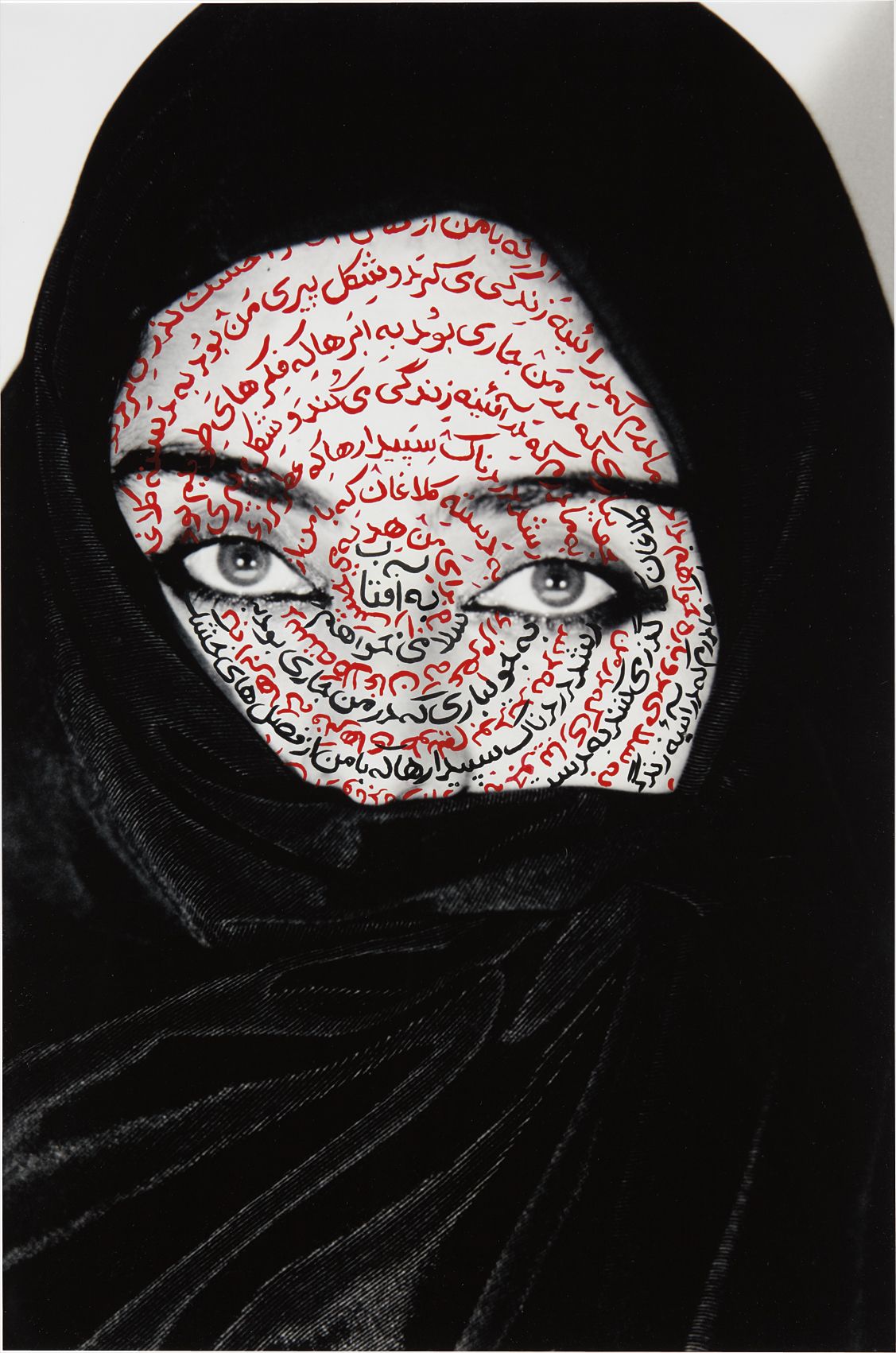
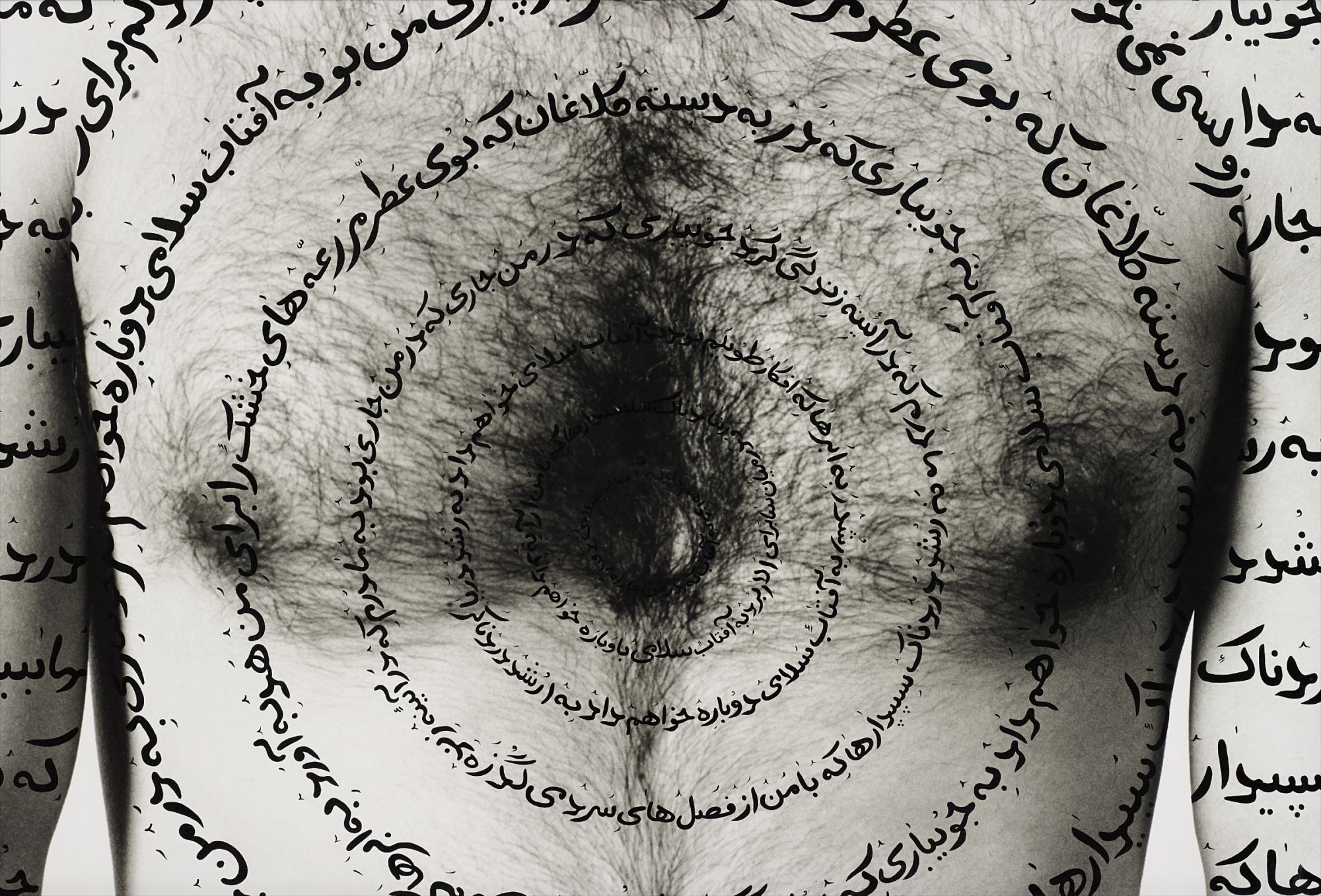
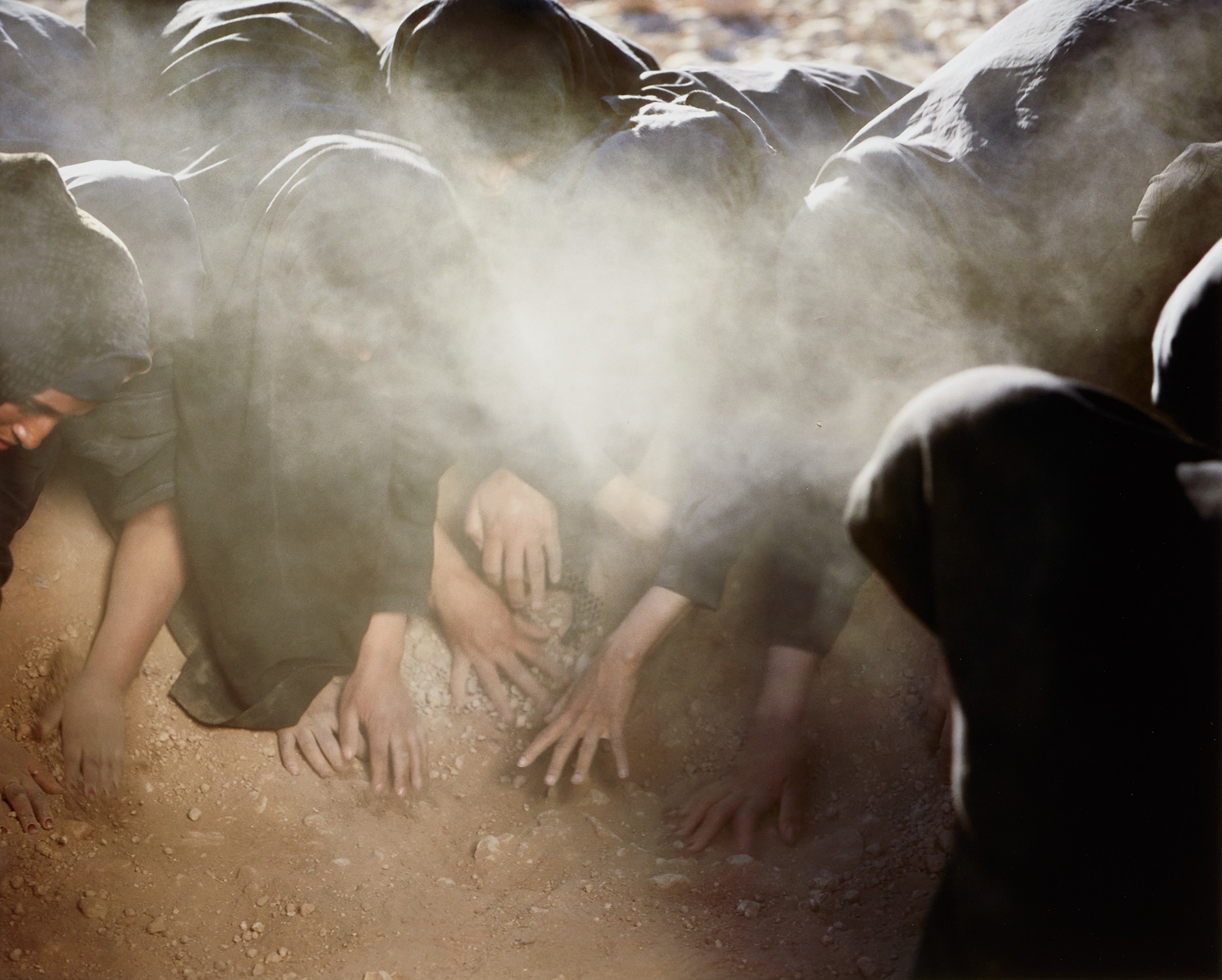
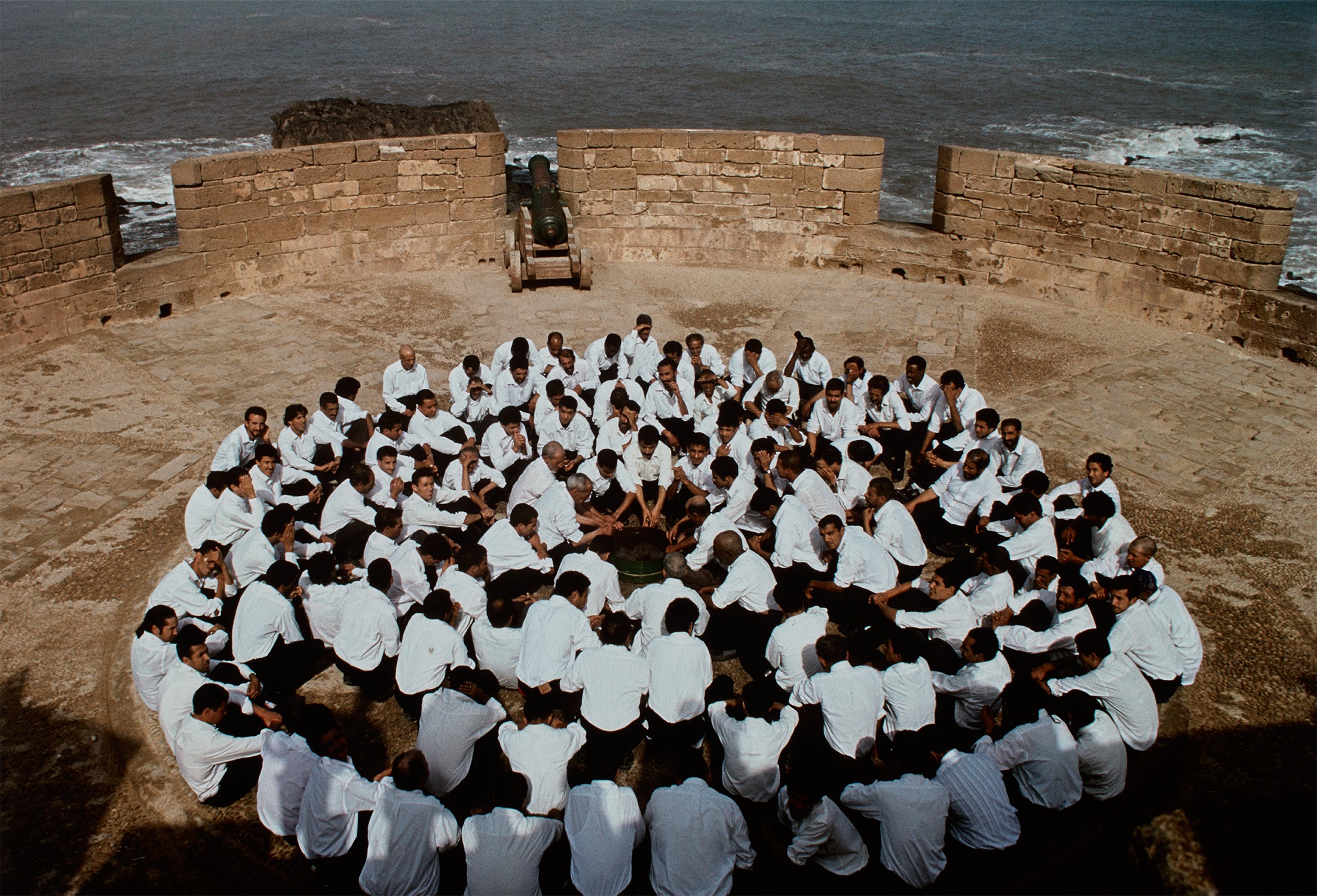
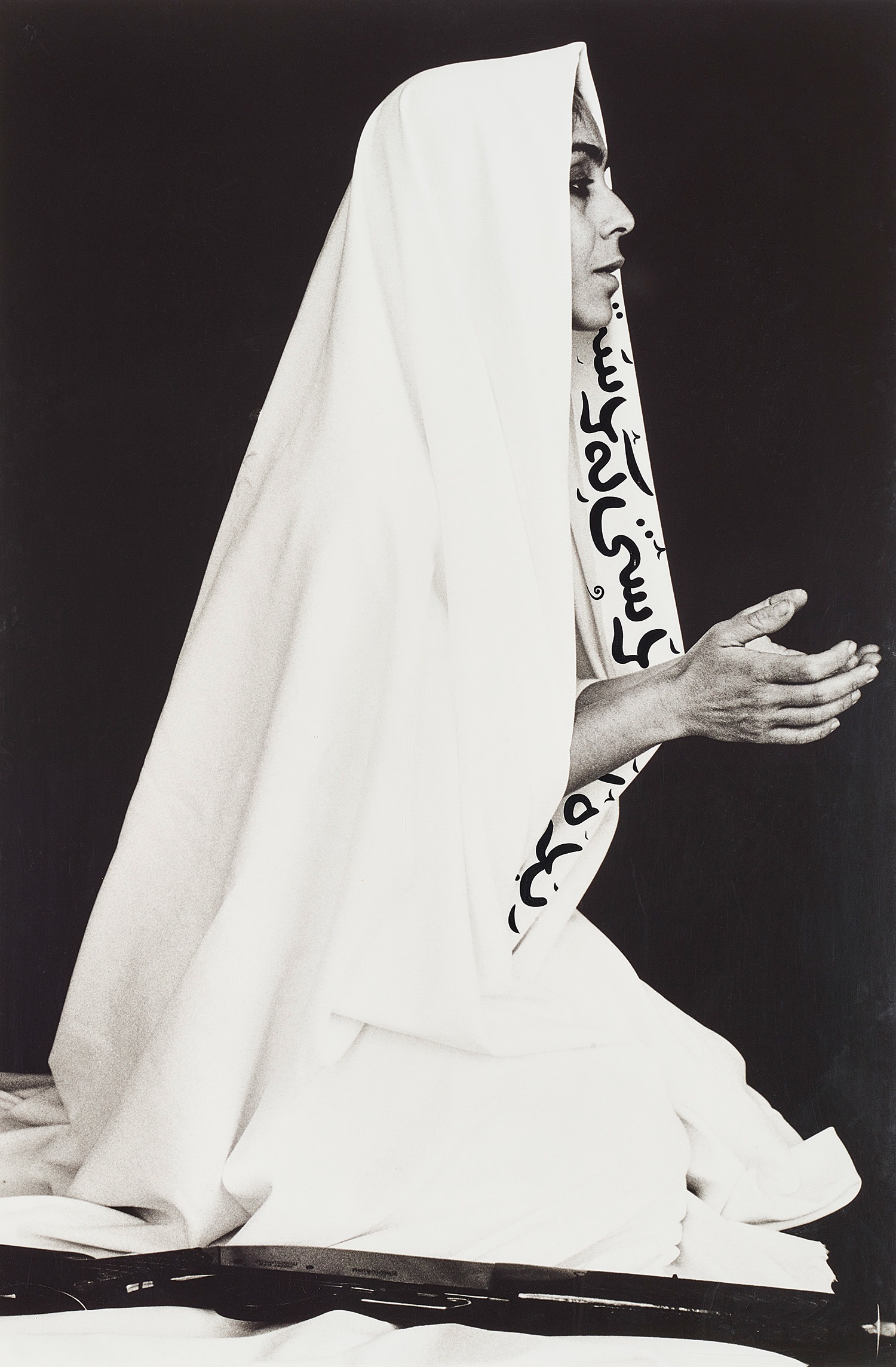
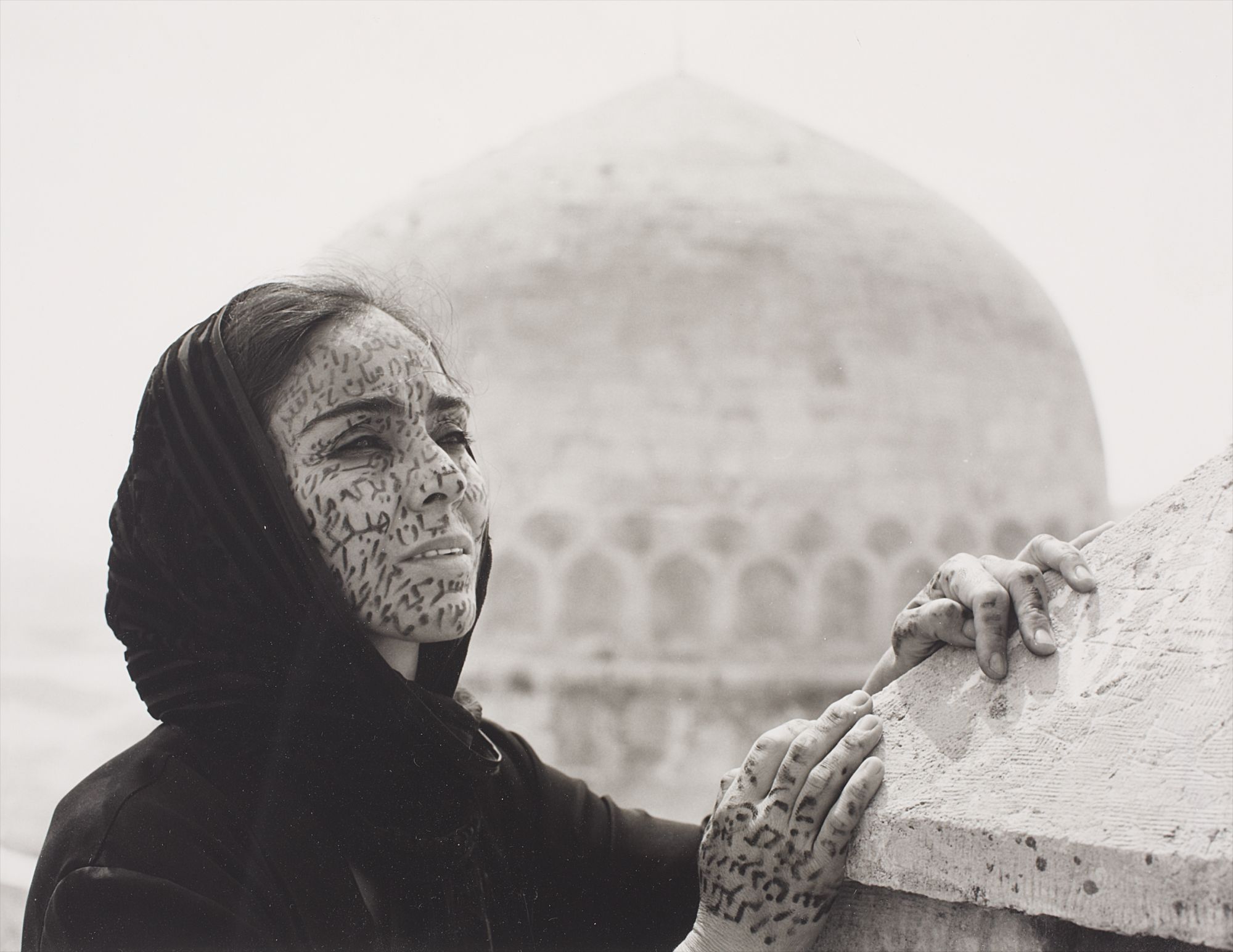
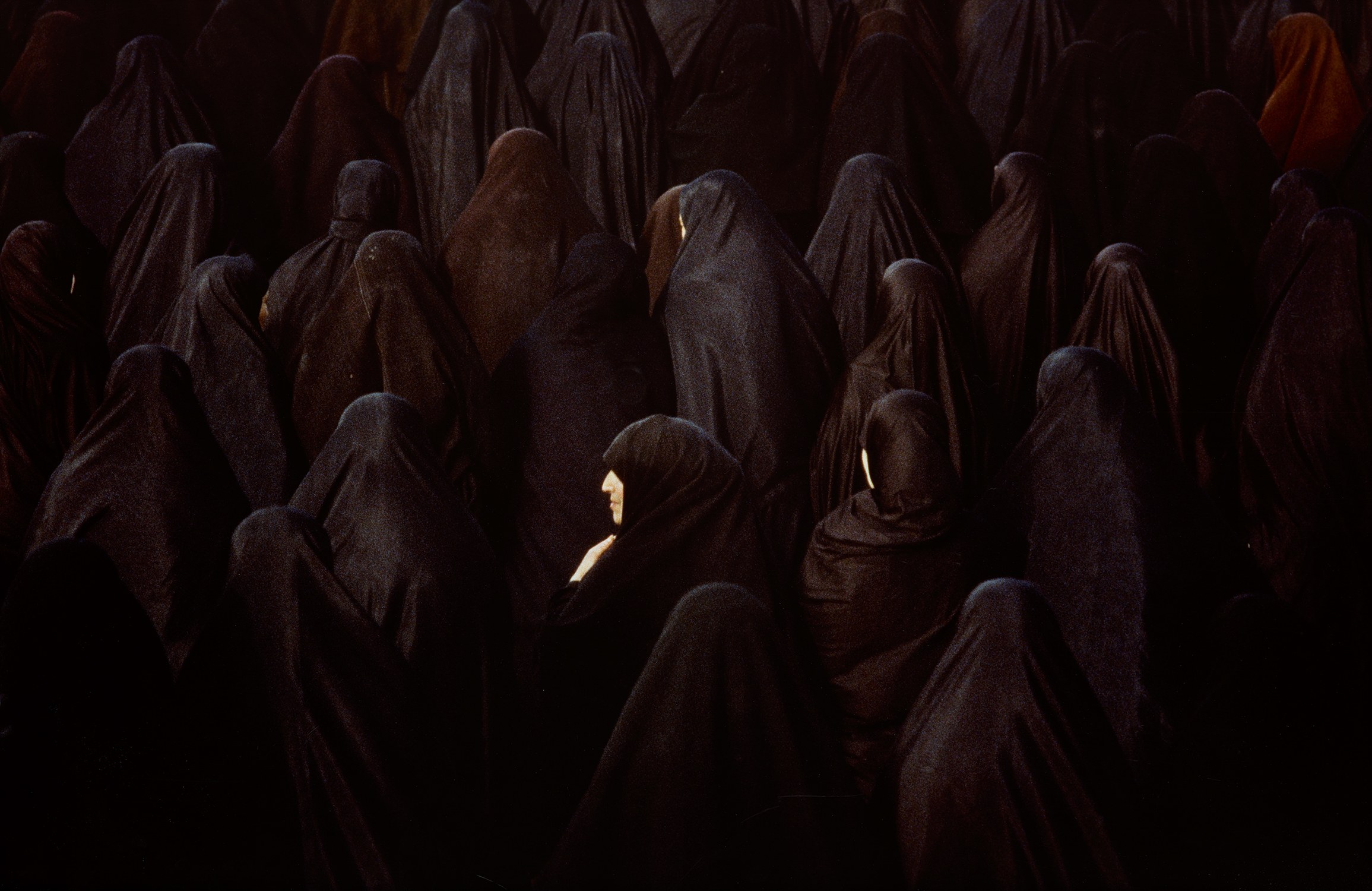
In 2023, the Broad Museum in Los Angeles presented a major survey of Shirin Neshat's work, drawing thousands of visitors who stood transfixed before her monumental photographs and films. The exhibition reminded a new generation what devotees have long understood: that Neshat is among the most essential artists working today, a figure whose practice speaks simultaneously to the personal and the political, the ancient and the urgently contemporary. Her work does not whisper. It resonates with the full weight of culture, identity, faith, and the enduring power of the female voice. Neshat was born in Qazvin, Iran, in 1957, into a family that encouraged her education and curiosity. She left Iran in 1974 to study art in the United States, eventually earning her MFA from the University of California, Berkeley. The Iranian Revolution of 1979 transformed her homeland while she was abroad, and it would be more than a decade before she returned. When she finally visited Iran again in 1990, the country she encountered was profoundly different from the one she had left. The experience of that displacement, of holding two worlds inside a single consciousness, became the animating force behind everything she would create. Upon returning to New York after that visit, Neshat began the series that would establish her international reputation: Women of Allah, created between 1993 and 1997. These gelatin silver prints depict women dressed in the black chador, their exposed skin covered in Persian calligraphy drawn from the poetry of Forough Farrokhzad and other Iranian women writers. Works such as Speechless (1996) and I Am Its Secret (1993) are simultaneously devotional and interrogative, honoring the tradition of Islamic calligraphy while using it to reclaim the female body as a site of expression and resistance. The photographs are startling in their beauty and their complexity, refusing easy readings or simple sympathies. As the 1990s progressed, Neshat expanded her practice into film and video, and it was in this medium that her reach became truly global. Her dual screen video installation Rapture, first shown in 1999, presented men and women in separate visual worlds, the men occupying a fortress of stone, the women navigating open desert and sea. That same year, Rapture earned her the International Award at the Venice Biennale, an honor that placed her alongside the most celebrated artists of her generation. The Fervor series and the Soliloquy series from this period deepened her exploration of gender and spiritual longing, each image balancing a painterly stillness against profound psychological tension. Her 2008 film Women Without Men, adapted from the novel by Shahrnush Parsipur, won the Silver Lion for Best Director at the Venice Film Festival, a landmark achievement that confirmed her standing not only as a visual artist but as a director of cinema. What makes Neshat's photographs so compelling to live with is their dual nature. On the surface they are formally impeccable, composed with the rigor of a classically trained artist who deeply understands the history of portraiture and the aesthetics of Islamic visual culture. But beneath that formal command is a current of emotional and intellectual urgency that rewards sustained attention. Works such as Zahra No. 2 (2008) and the Rapture Series carry meaning that unfolds slowly, demanding that the viewer bring their full presence to the encounter. The calligraphy that crosses hands, faces, and feet is not decoration. It is testimony. It transforms the body into a living archive of culture and longing. From a collecting perspective, Neshat's market reflects the esteem in which she is held by both institutions and private collectors. Her photographic works, particularly those from the Women of Allah and Rapture series, appear regularly at Christie's, Sotheby's, and Phillips, where they attract strong international bidding. Collectors are drawn to the combination of aesthetic mastery and cultural significance, understanding that these works occupy a rare position at the intersection of fine art photography, political art, feminist practice, and Middle Eastern visual culture. Works on paper with her signature carry additional intimacy, offering a direct trace of her hand. For those building a collection with genuine depth, acquiring a Neshat photograph is both an aesthetic pleasure and an act of cultural stewardship. Neshat's place within art history becomes clearer when considered alongside artists who share her preoccupation with identity, diaspora, and the politics of representation. Her photographic practice invites comparison with Lorna Simpson, whose text and image compositions similarly reframe the Black female body as a site of meaning and reclamation. Her film work resonates with that of Isaac Julien, who also uses the moving image to explore cultural memory and displacement. Among artists from the broader Middle East and its diaspora, she stands alongside Mona Hatoum and Kara Walker as someone who has permanently expanded the possibilities of what political art can look and feel like. She is not a polemicist but a poet, and that distinction matters enormously. The legacy Neshat is building is one of singular courage and formal refinement. She has spent more than three decades making work that insists on the full humanity and complexity of Iranian and Muslim women at a moment in history when those figures are too often reduced to symbols in other people's narratives. Her photographs and films have entered the permanent collections of the Museum of Modern Art in New York, the Guggenheim Museum, the Art Institute of Chicago, and major institutions across Europe and Asia. To encounter her work is to be reminded that art at its finest does not resolve tension but honors it, holding contradictions open long enough for something true to emerge. Shirin Neshat has given that gift to the world, and the world is richer for it.