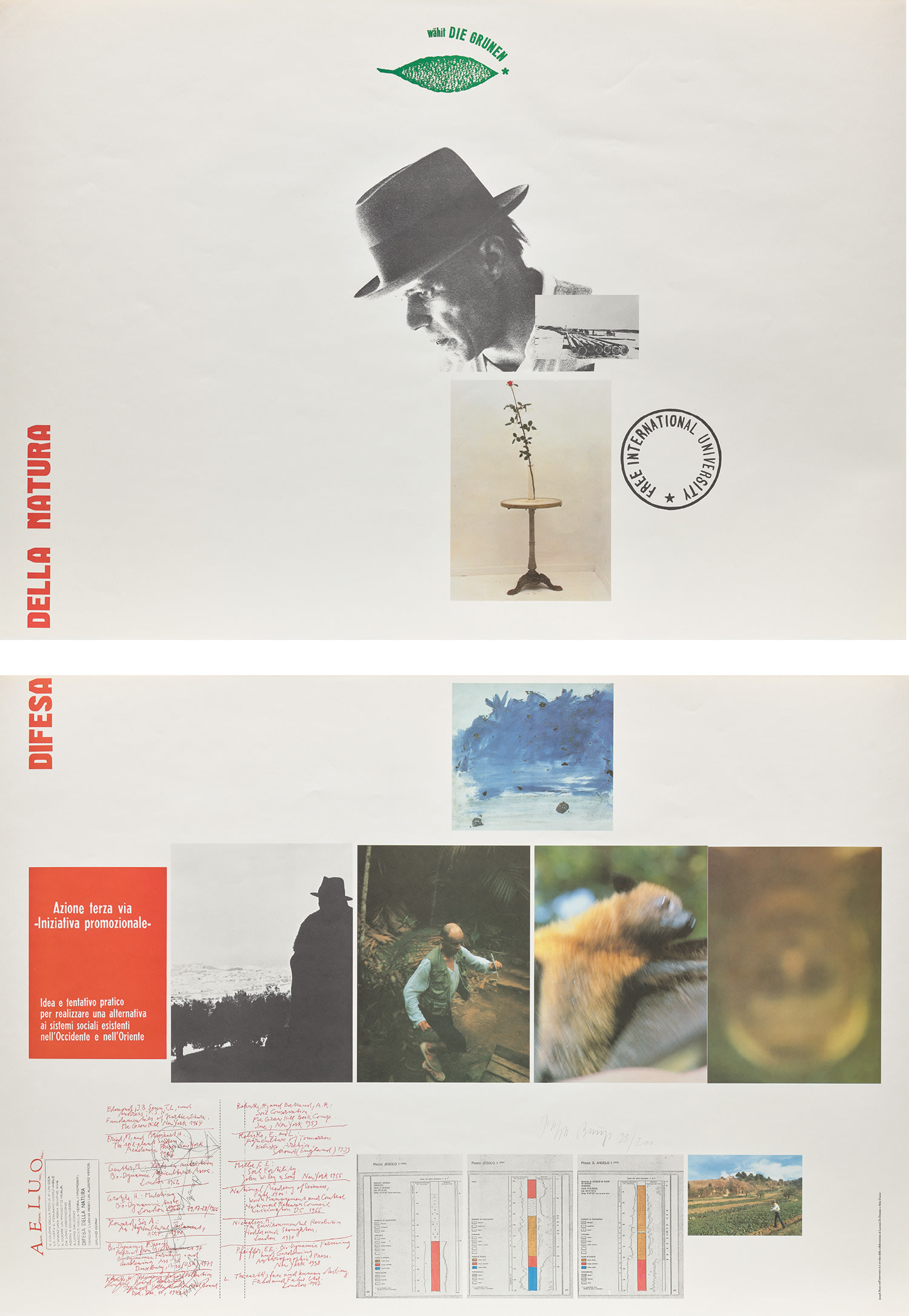
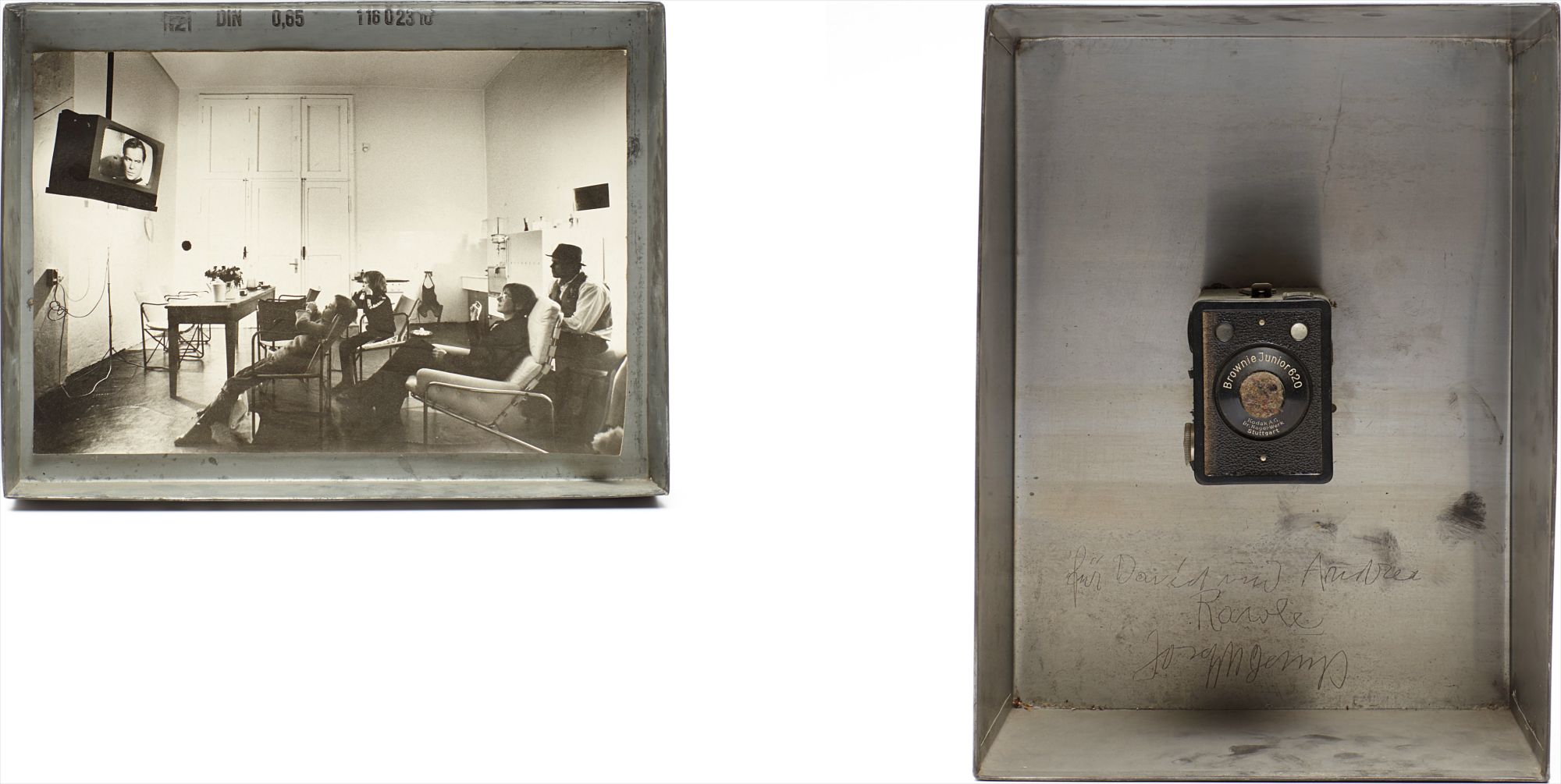
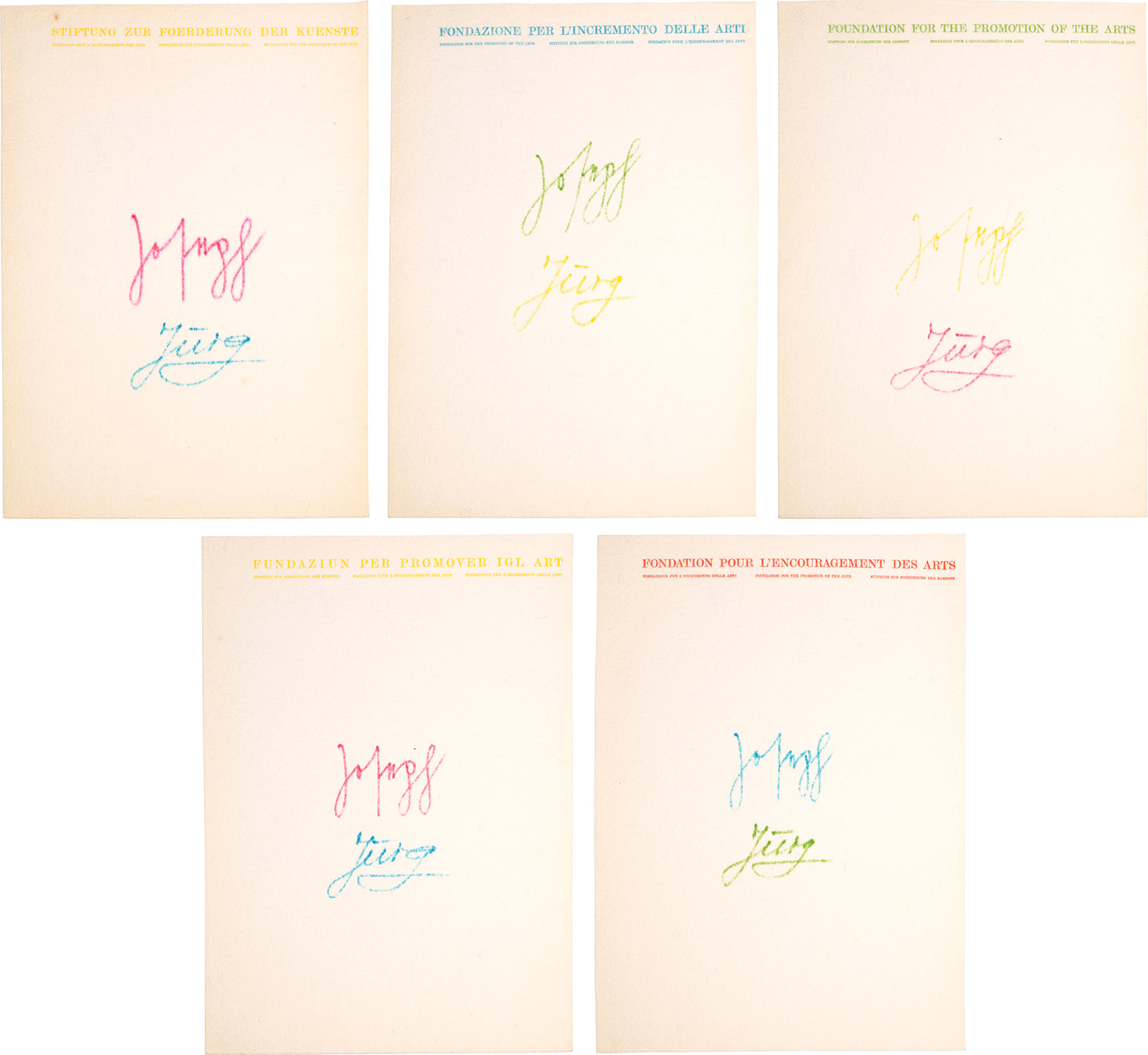
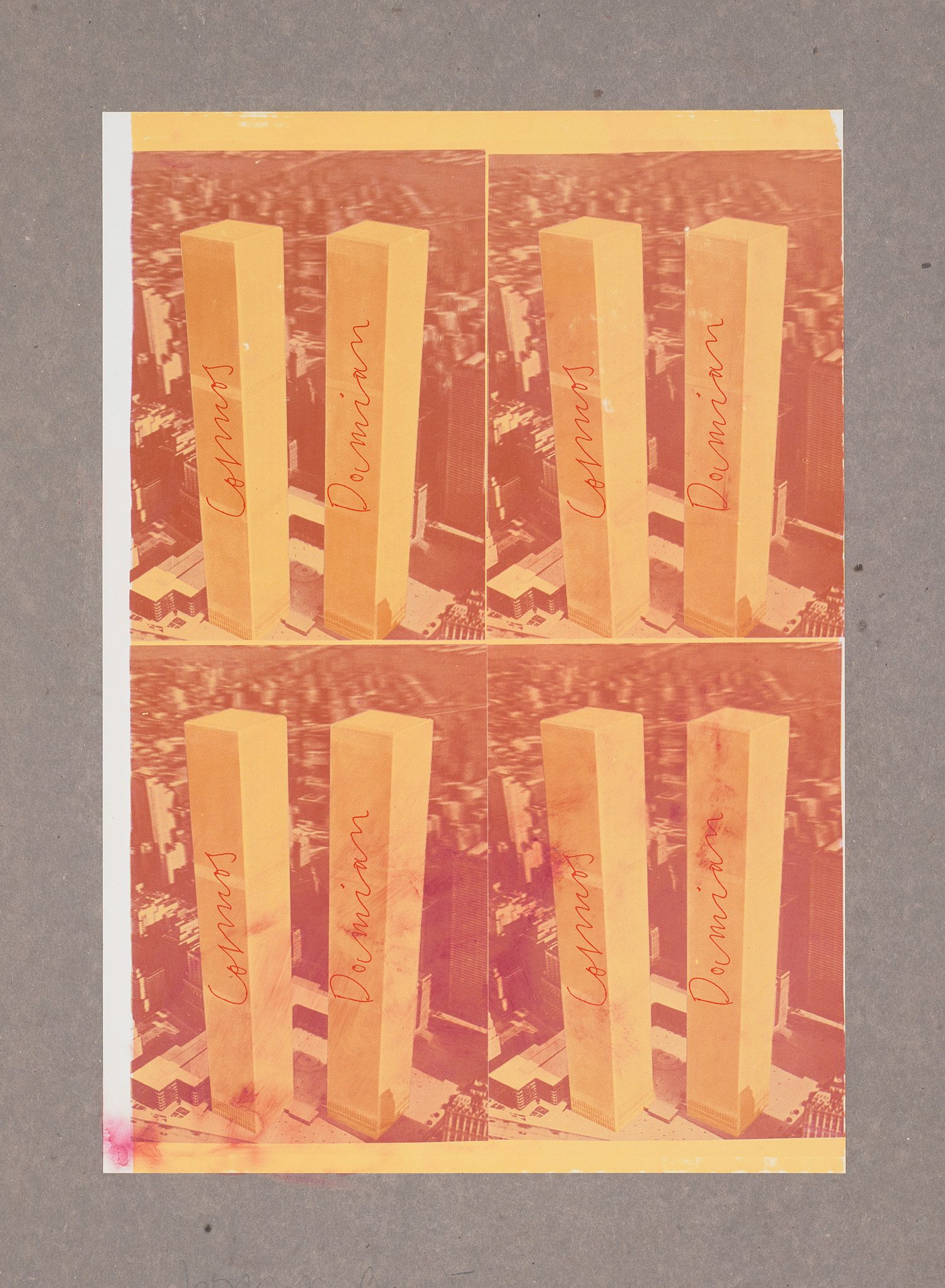
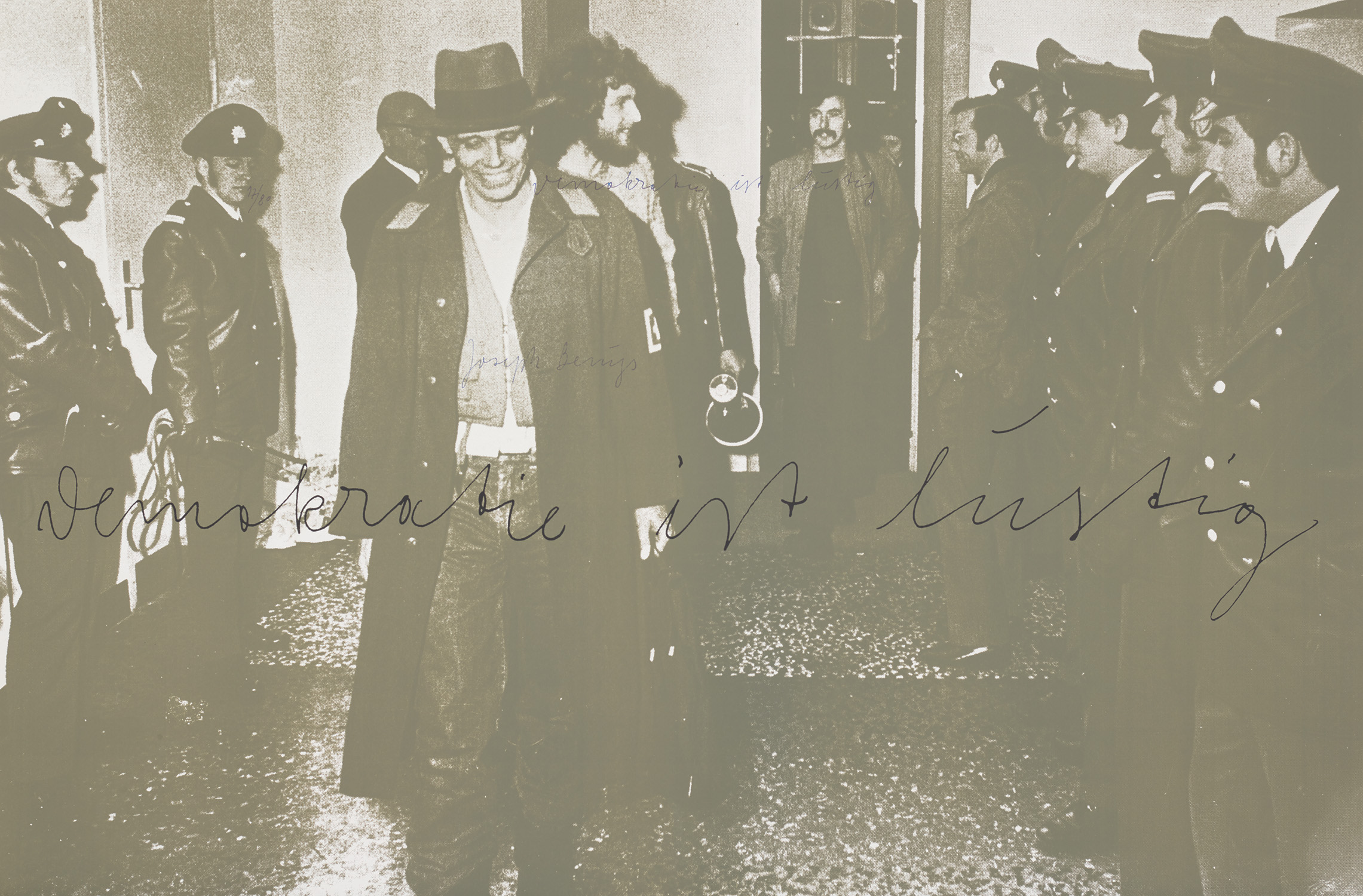
Picture Düsseldorf, 1965. A gallery humming with nervous energy. Joseph Beuys, wrapped in felt, cradles a dead hare in his arms and moves through the space with the gravity of a shaman conducting a rite. The performance, titled How to Explain Pictures to a Dead Hare, is both absurd and utterly transfixing, a meditation on communication, mortality, and the deep strangeness of what we call art. More than half a century later, that image remains one of the most electric in postwar art history, and Beuys himself endures as one of the most discussed, debated, and genuinely beloved figures the twentieth century produced. His work continues to command attention at the highest levels of museum programming and the art market alike, with major institutions from the Tate Modern in London to the Guggenheim Bilbao regularly returning to his ideas as touchstones for understanding where contemporary art came from. Joseph Beuys was born on May 12, 1921, in Krefeld, in the lower Rhine region of Germany. He grew up in Kleve, a quiet town near the Dutch border, where his early fascination with nature, folklore, and the natural sciences began to take root. He was conscripted into the German Luftwaffe during the Second World War and served as a radio operator and pilot. A plane crash over the Crimea in 1944 became the defining mythological event of his biography. Beuys recounted being rescued by nomadic Tatar tribesmen who wrapped his injured body in animal fat and felt to restore warmth and life. Scholars have questioned the precise details of this account over the years, but whether taken as biography or as personal mythology, the story crystallized the materials and ideas that would animate his entire career. Fat and felt were not merely substances. They were carriers of healing, survival, and transformation. After the war, Beuys studied sculpture at the Kunstakademie Düsseldorf, where he would later become one of the most influential and controversial professors in the institution's history. His tenure there, which began in 1961, was a creative crucible. He attracted a devoted following of students and challenged every received idea about what an art education should be. He was ultimately dismissed by the North Rhine Westphalia Ministry of Science in 1972 following a dispute over his insistence on admitting all applicants who wished to study with him, a gesture consistent with his belief that creativity was a universal human birthright. The dismissal became a public drama that only amplified his reputation. Beuys occupied his former studio in protest and the episode transformed him into a countercultural icon as much as an art world one. The development of Beuys's artistic practice was inseparable from his theoretical framework, which he called Social Sculpture. The concept proposed that every human being is an artist, and that the shaping of society itself through language, thought, and action was the highest form of creative endeavor. This was not a comfortable idea for galleries or museums accustomed to objects and markets. Yet paradoxically, Beuys also produced an extraordinary body of physical work, drawings, multiples, installations, and performances that gave his philosophy tangible form. His multiples in particular, editions produced in collaboration with publishers like Edition Staeck in Heidelberg and Edition Schellmann in Munich and New York, became some of the most sought after works in the postwar German canon. These were democratic objects by design, affordable and widely distributed, yet saturated with Beuys's distinctive symbolic language. Among the works that best reveal the full range of his sensibility are pieces like Food for Thought, an offset lithograph bearing a grease spot that transforms the printed page into something almost alchemical, and the quietly profound Holzpostkarte and Filzpostkarte, a pair of multiples on wood and felt respectively that distill his material philosophy into objects you can hold in your hand. The zinc box works, combining photography, felt, and found materials, carry the compressed energy of reliquaries, ordinary containers made sacred by the weight of association. The screenprint Demokratie ist Lustig, with its handwritten text layered over green and black ink, shows Beuys at his most politically alive, bringing the aesthetics of the broadside into dialogue with fine art printing. And the Iphigenie photographs, documenting his 1969 Experimenta performance in Frankfurt with images by Ute Klophaus, capture the theatrical dimension of his practice with rare intimacy. For collectors, Beuys represents one of the most intellectually rewarding commitments in the postwar market. His multiples offer a genuine point of entry, works that are historically significant, beautifully realized, and still accessible relative to major paintings and installations by his contemporaries. The editions published through Staeck and Schellmann were produced with extraordinary care and are well documented, making provenance and condition research relatively straightforward for informed buyers. At auction, major Beuys works have performed consistently well across Sotheby's, Christie's, and Phillips, with his drawings and unique works achieving the strongest results and his multiples remaining actively traded among knowledgeable collectors worldwide. What distinguishes the most serious Beuys collections is not volume but intentionality, a commitment to understanding the conceptual architecture behind even the most modest object. To understand Beuys fully it helps to see him in dialogue with the artists around him. He was a central figure in the Fluxus movement alongside Nam June Paik, Wolf Vostell, and George Maciunas, though his vision always exceeded any single group affiliation. His influence can be traced directly into the work of Anselm Kiefer, his former student, whose monumental engagement with German history and mythology is unthinkable without Beuys as a model. Artists as different as Marina Abramovic, Ai Weiwei, and Rebecca Horn have cited his example as foundational. His insistence that art must engage with politics, ecology, and the full complexity of human experience opened doors that are still being walked through today. Joseph Beuys died on January 23, 1986, in Düsseldorf, but his ideas have never stopped circulating. In an era when artists are again grappling urgently with climate, democracy, and the role of creativity in public life, his concept of Social Sculpture reads less like art theory and more like a practical manifesto. Collecting Beuys is an act of alignment with one of the most generous and searching minds the art world has ever produced. His works do not simply decorate a space. They ask something of the people who live with them.