Fluxus Movement
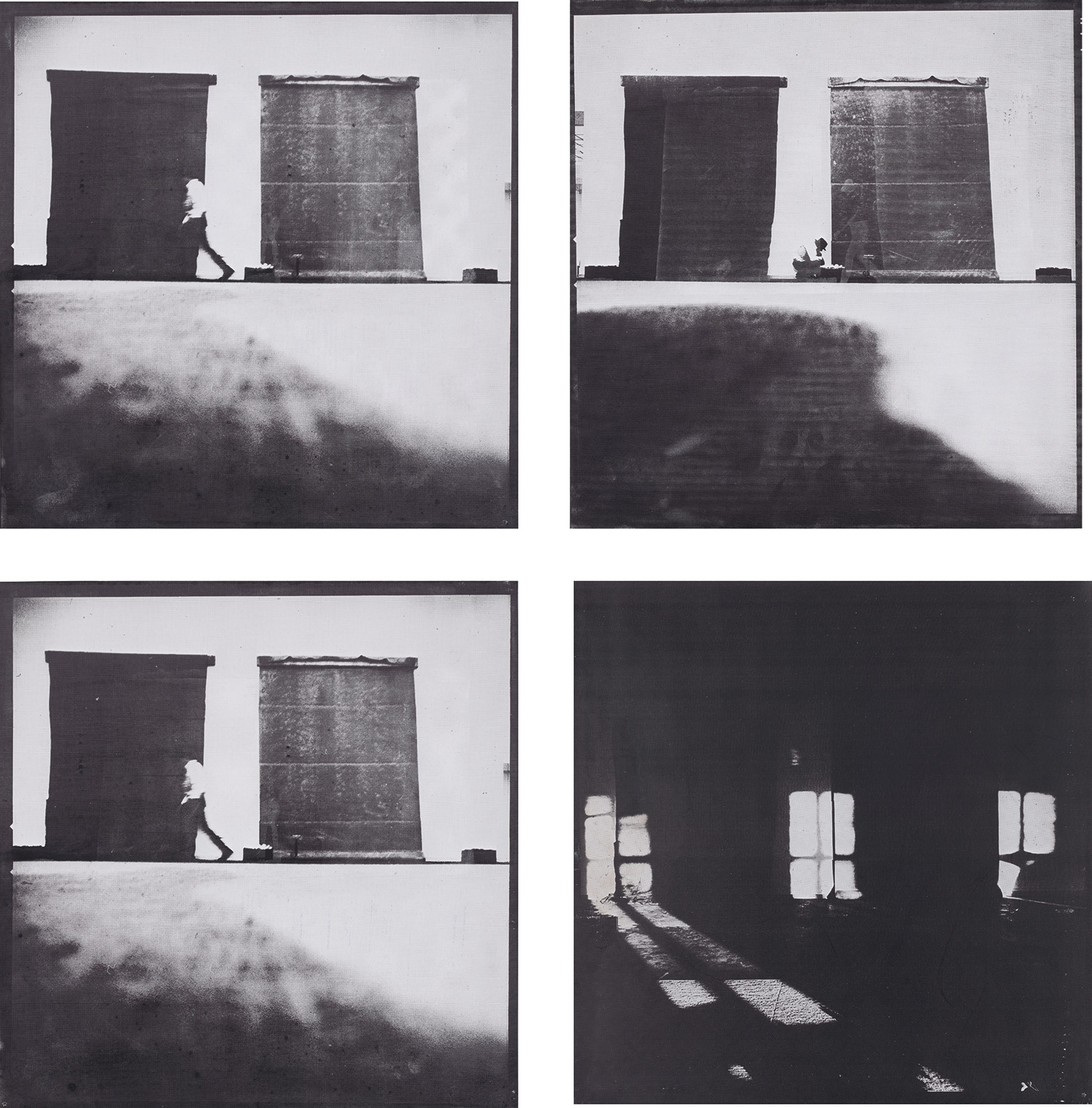
Joseph Beuys
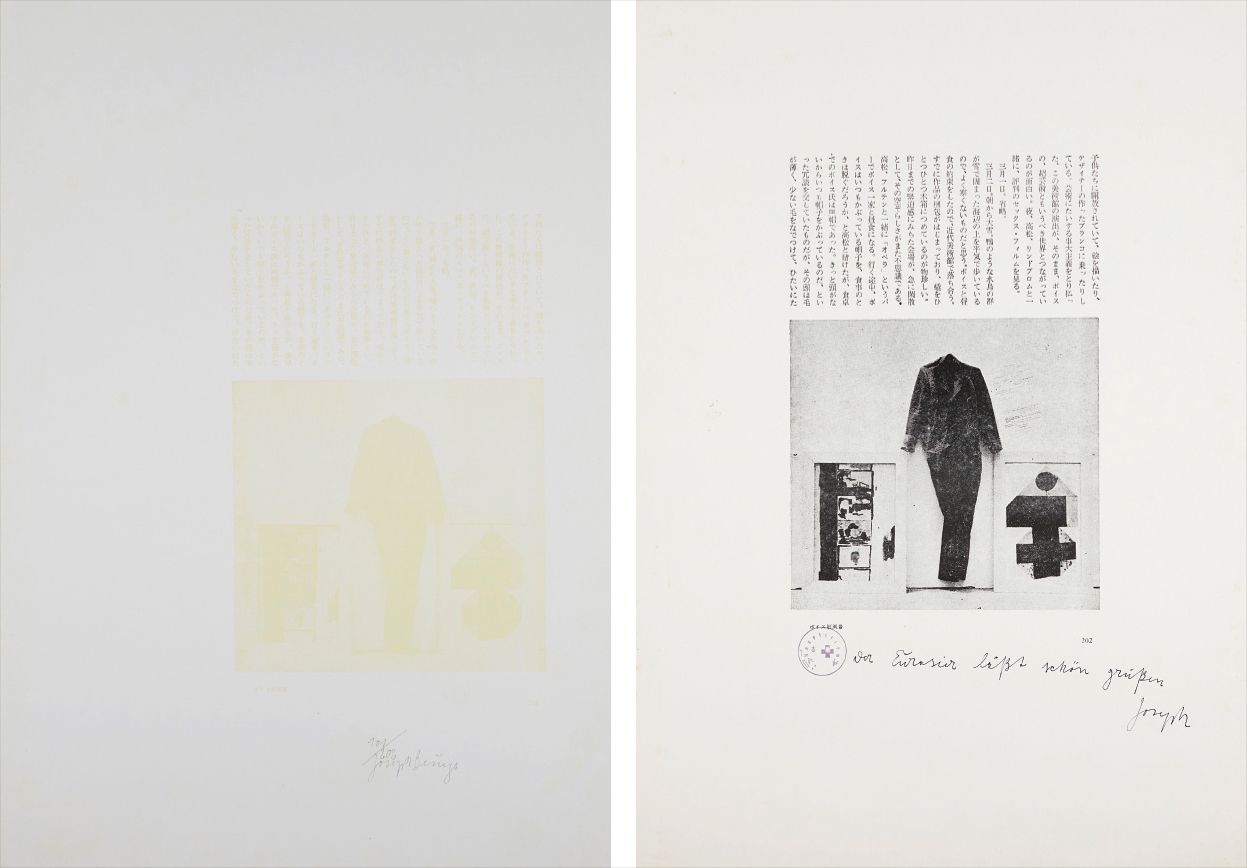
3 Tonnen Edition (3 Ton Edition) (S. 74)




Art That Was Never Meant to Sit Still
There is something almost paradoxical about collecting Fluxus. The movement was built on a philosophy of anti commodity, anti institution, anti permanence. George Maciunas, who coined the name and published the early manifestos in the early 1960s, wanted to dissolve the boundary between art and life, not create objects for white walls and climate controlled storage. And yet here we are, decades later, finding that the works Fluxus produced are among the most intellectually alive and personally engaging things a collector can bring into their home.
That tension, between the anti object philosophy and the undeniable object ness of what survived, is precisely what makes living with this work so rewarding. Collectors who are drawn to Fluxus tend to share a certain disposition. They are not interested in passive decoration. They want work that continues to ask questions, that shifts meaning depending on who is in the room or what mood they bring to the encounter.

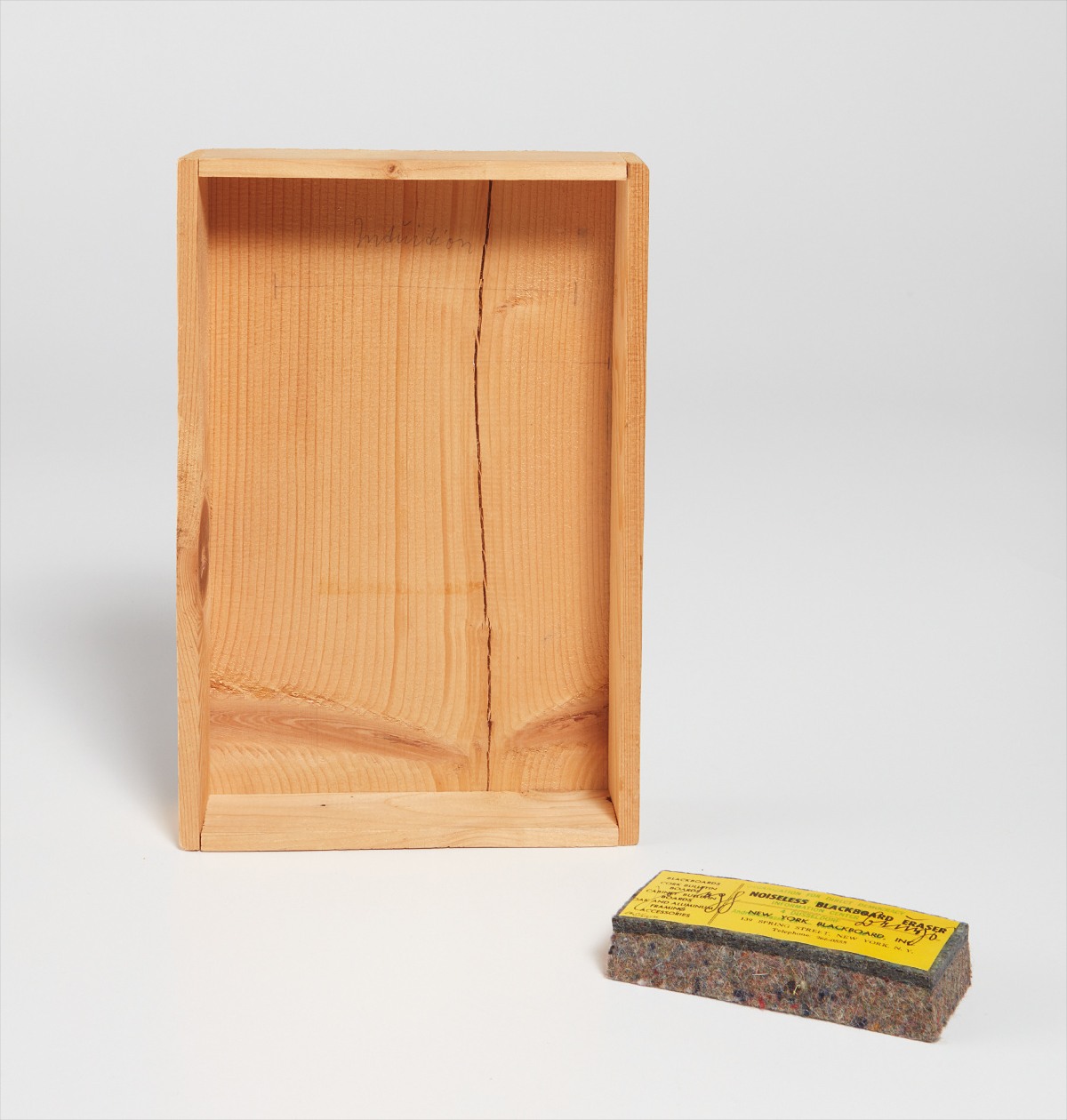
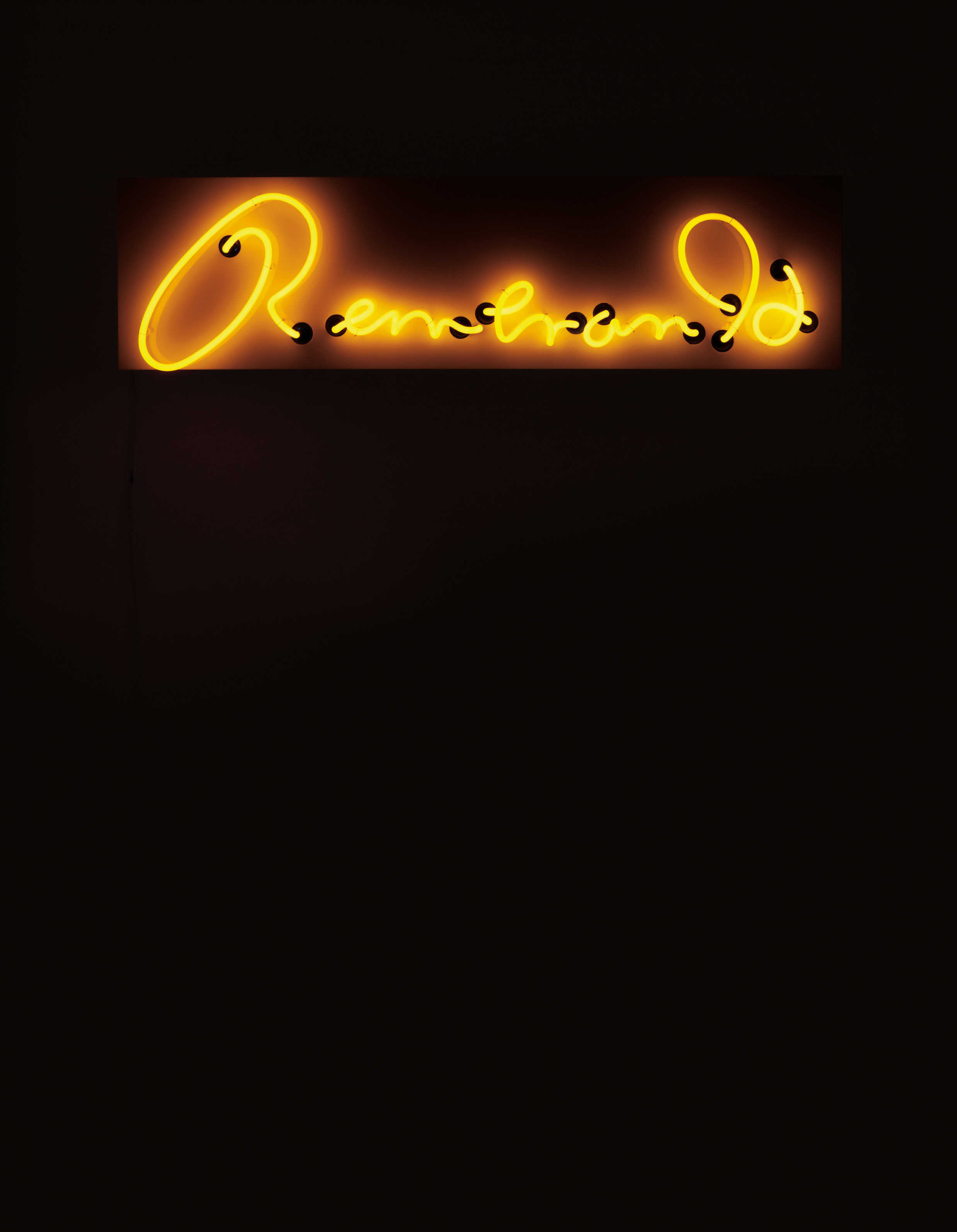
Al Hansen
Fluxus
A Fluxus piece on your shelf or your table does not settle into the background the way a landscape painting might. It stays active. It was designed, in a sense, to resist resolution, and that quality becomes a genuine pleasure over years of ownership rather than a source of unease. When thinking about what separates a good Fluxus work from a truly great one, provenance and documentation are everything.
Because so much of the movement operated through multiples, event scores, and publications rather than singular paintings or sculptures, the chain of ownership and the clarity of edition information matters enormously. A strong work comes with documentation connecting it to the period of production, ideally to a specific Fluxus festival or publication context. The Fluxus festivals of the early 1960s, beginning with the Festival of Very New Music in Wiesbaden in 1962, generated a documented record of participation that gives certain works an anchoring historical identity. When you can trace a piece to that context, its significance multiplies considerably.
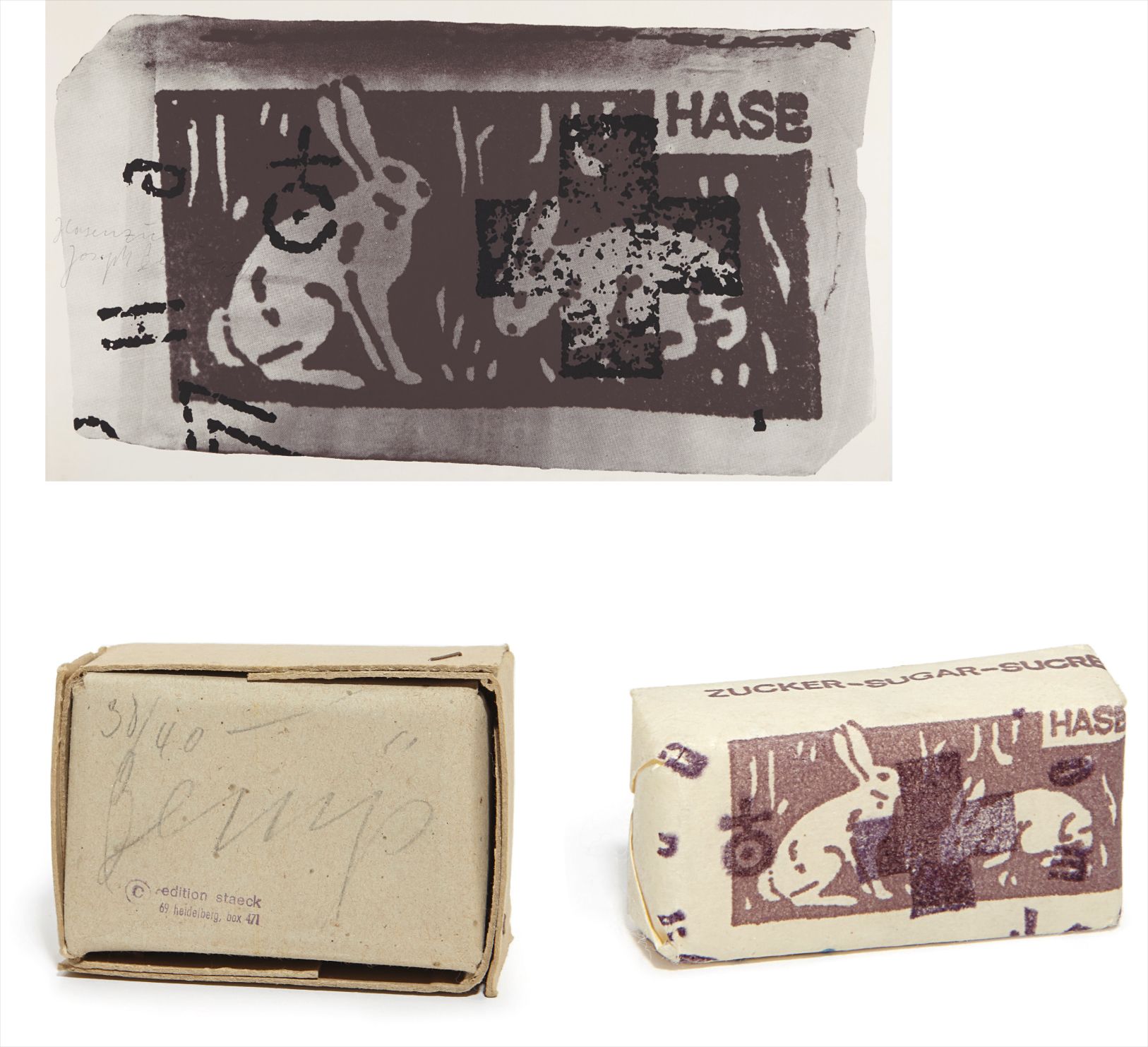
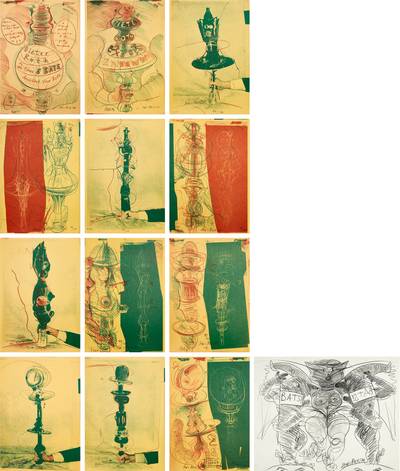
Joseph Beuys
3 Tonnen Edition (3 Ton Edition) (S. 74)
The question of which artists represent the strongest long term value within the Fluxus orbit is one worth thinking through carefully. Joseph Beuys occupies a category almost by himself. His involvement with Fluxus in the early 1960s was formative even if his later practice moved far beyond the group's boundaries, and his work carries institutional validation at the very highest levels. Museums from the Tate to the Guggenheim have devoted serious scholarly attention to his output, and the market reflects that.
What is interesting for collectors right now is that works on paper and editions by Beuys, the kind of material well represented on The Collection, can still offer meaningful entry points compared to his major installations and performances, which are essentially unavailable outside of institutional contexts. Nam June Paik is another figure whose market has matured into genuine stability. His video works and sculptural pieces defined how subsequent generations thought about technology and art, and his prices have tracked that recognition steadily upward since his death in 2006. The works available through platforms like The Collection represent a real opportunity because Paik's international profile, particularly in Asia and North America, continues to expand as new generations of collectors encounter his ideas through contemporary lens based and digital art.
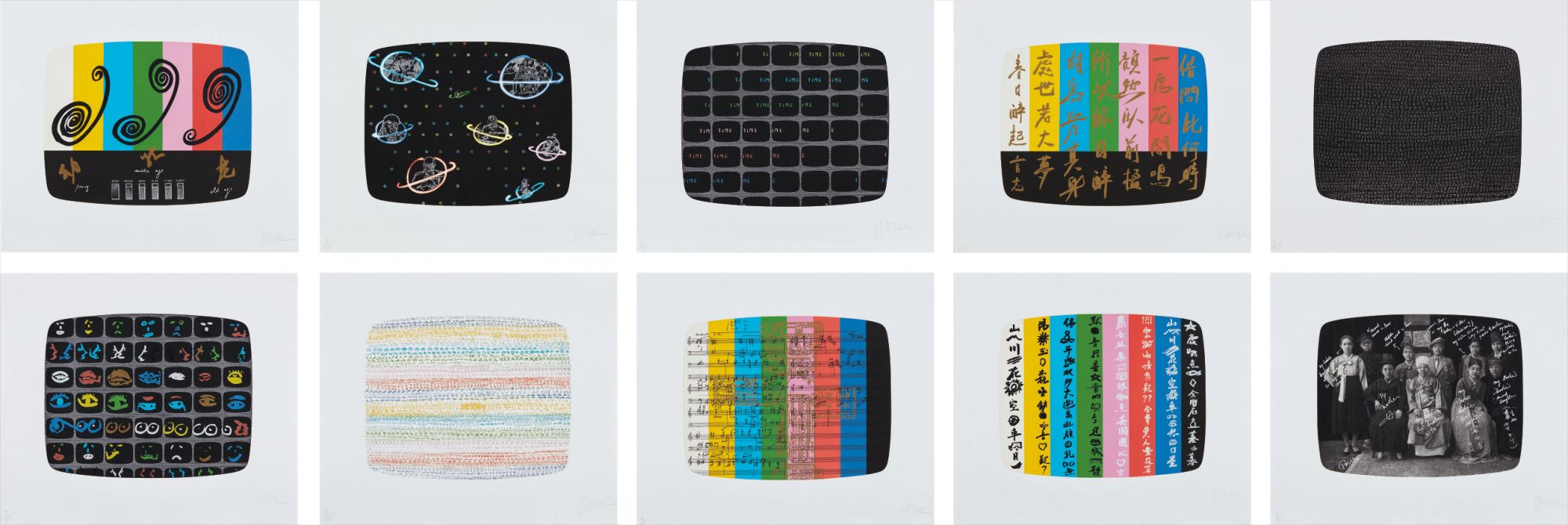
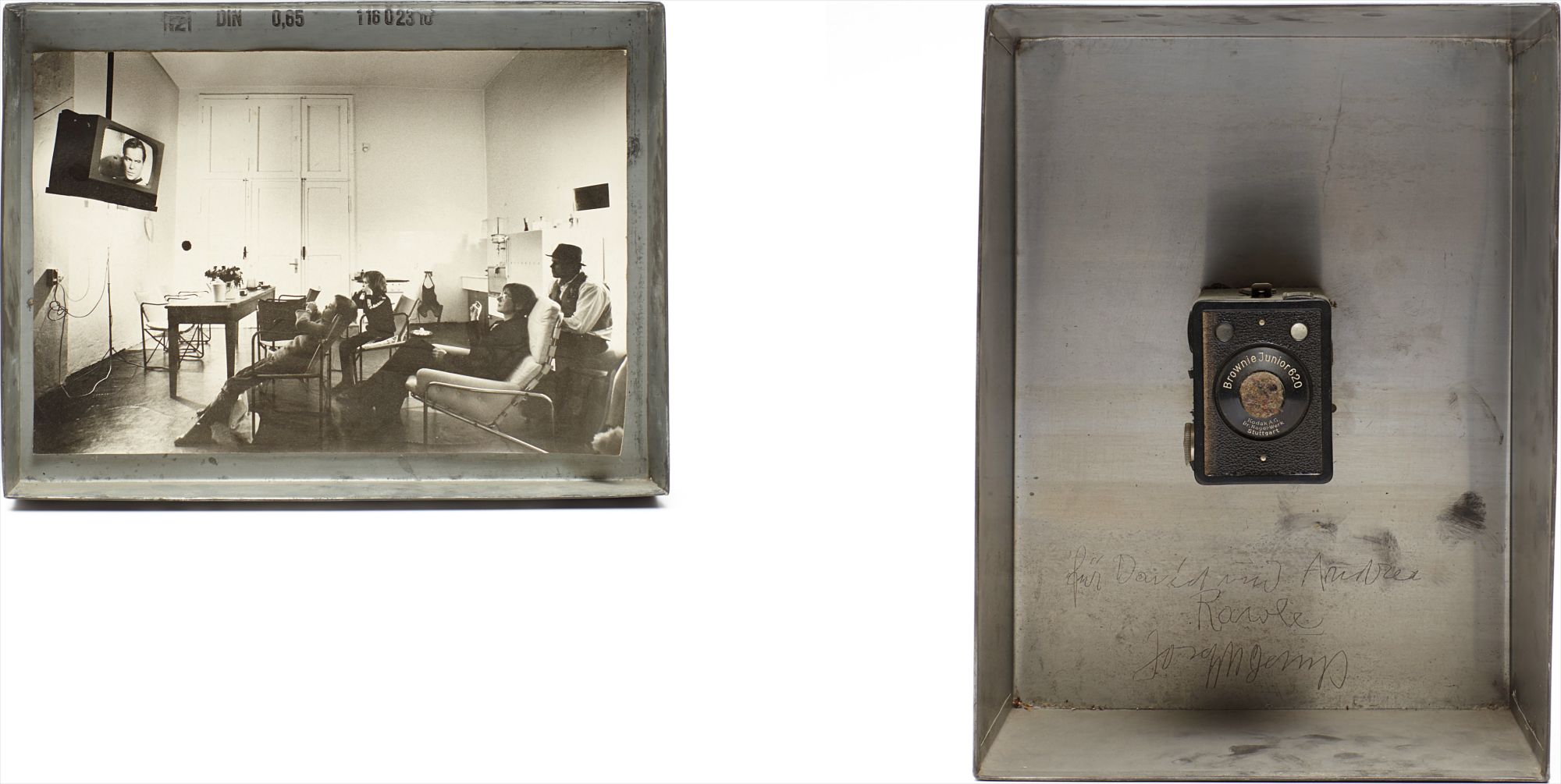
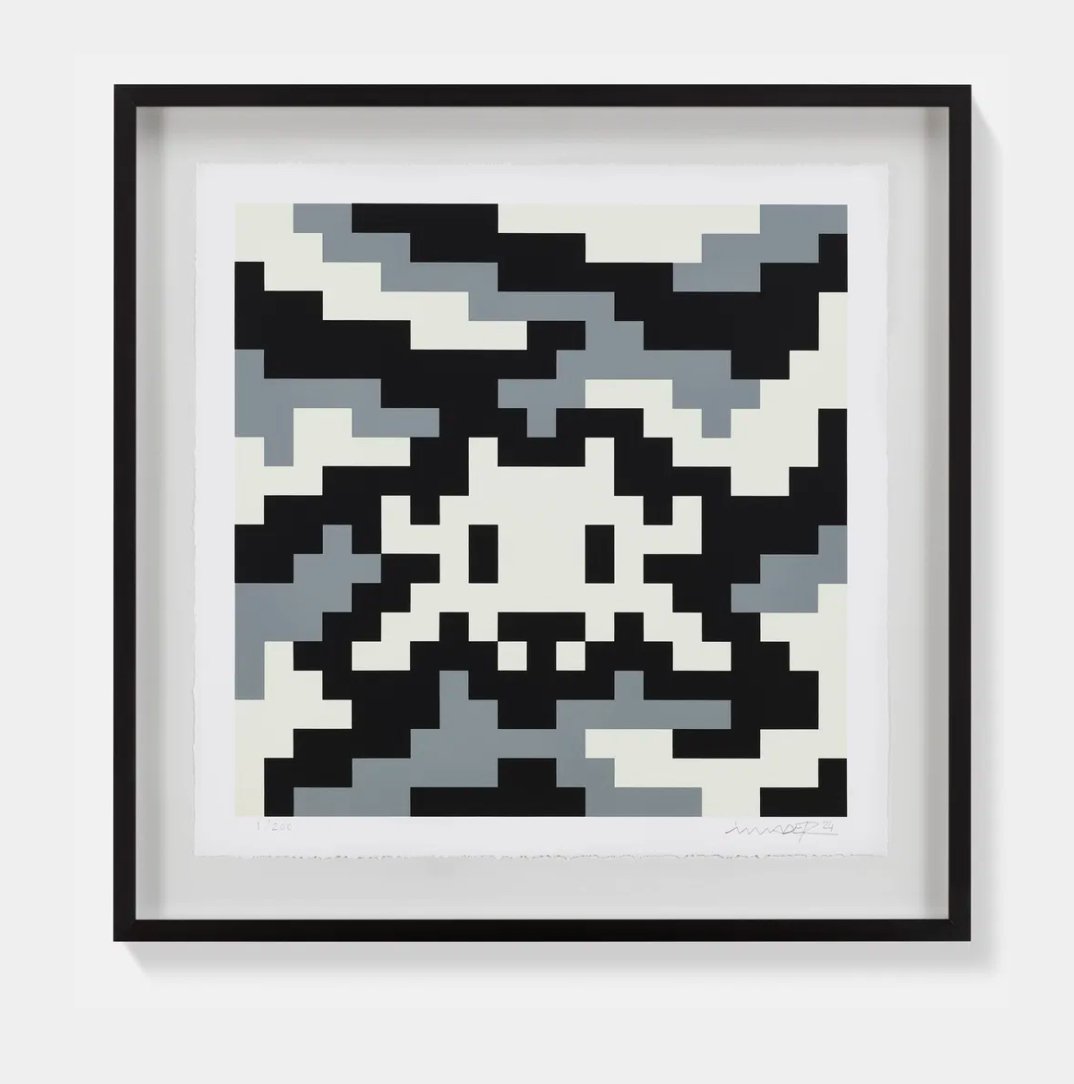
Nam June Paik
V-IDEA; a priori
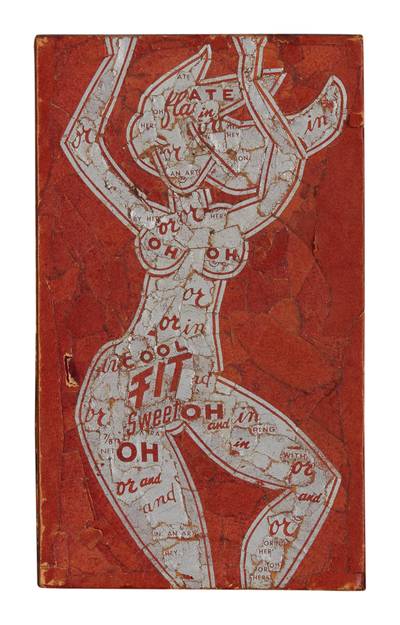
There is a useful conversation to be had between his work and the current moment in art about screens and information, which keeps it feeling present rather than historical. For collectors with an eye toward underrecognized value, the work of Robert Watts and Al Hansen deserves close attention. Watts was deeply embedded in the structural thinking of Fluxus, and his stamps, multiples, and event based works have not yet attracted the mainstream auction attention his importance warrants. Al Hansen, whose career spanned Fluxus, Happenings, and a restlessly inventive later practice, remains genuinely underpriced relative to his historical footprint.
His Venus figures assembled from cigarette packages became a distinctive visual language, and the secondary market for his work has not fully caught up with the scholarly reassessment currently underway. Daniel Spoerri, whose Eat Art and tableaux piège works sit at an interesting intersection between Fluxus philosophy and object making, is another name worth following with real conviction. At auction, Fluxus works have shown a pattern that rewards patient, knowledgeable buyers. The market is not as liquid as, say, postwar abstraction, which means prices can be volatile in both directions.

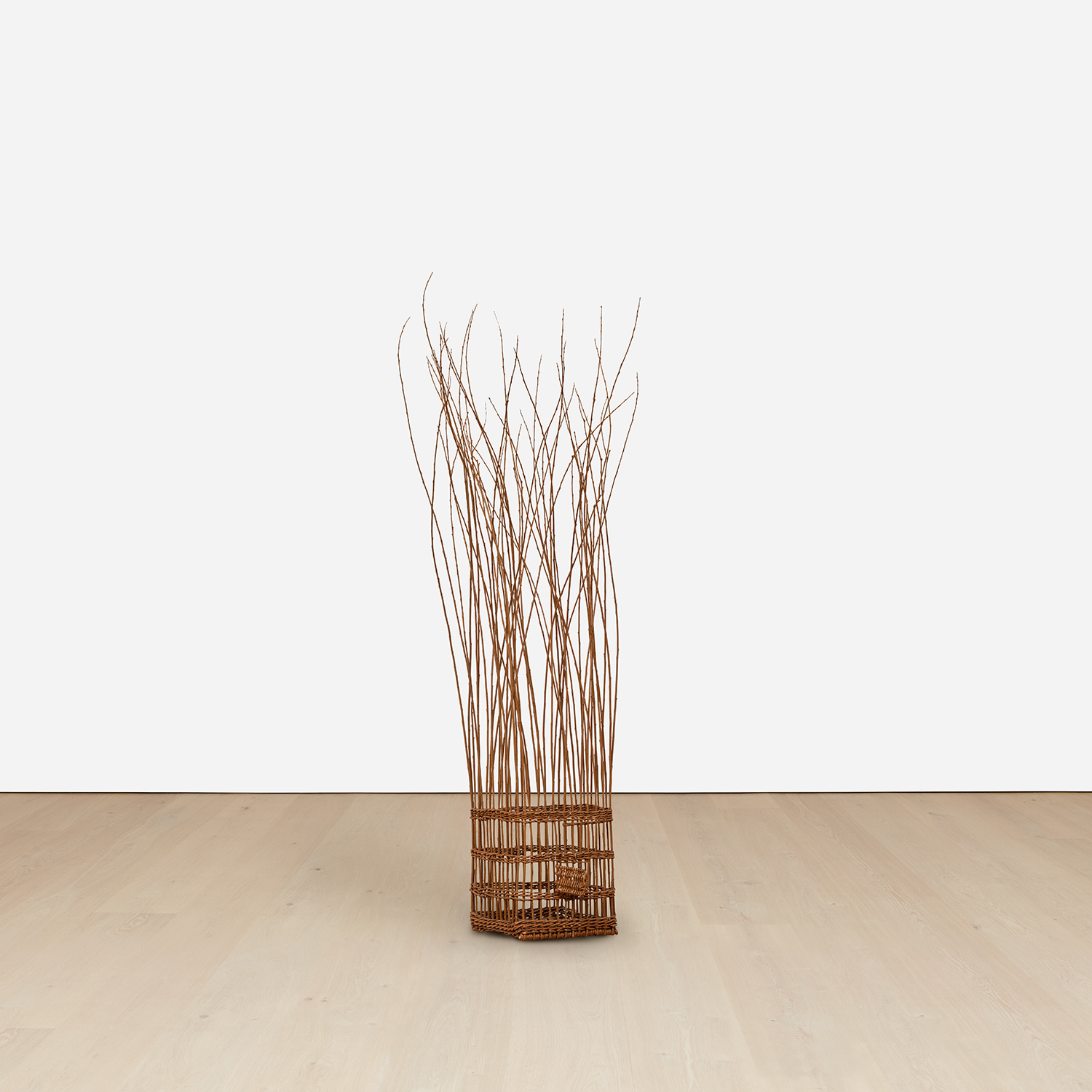
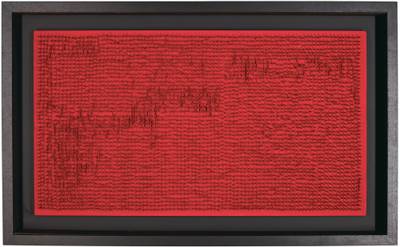
Bernard Aubertin
Dessin de Feu, 1974
Works by Beuys and Paik clear reliably at the major houses, but material by figures like Marcel Broodthaers or Bernard Aubertin, both of whom touched the Fluxus world at different points, can still surprise on the upside when the right buyer is in the room. Dieter Roth, whose books and multiples continue to attract devoted collector attention, has seen steady appreciation particularly in the European market, where his reputation has always been strongest. On the practical side, condition is a genuinely complex subject with Fluxus material. Many works involve perishable or inherently unstable components, things that were never meant to last, and a collector needs to ask direct questions about what conservation has been undertaken and what the artist's estate or a recognized conservator recommends for ongoing care.
For multiples and editions, always confirm the edition size and number, ask to see the original certificate or publication, and verify whether the work was produced under the artist's supervision or posthumously authorized. Display tends to work best when the work has room to be encountered rather than crowded. Fluxus pieces reward a certain quietness around them, which lets their conceptual charge do its work without distraction. The deeper appeal of collecting in this space is finally about trust in ideas over spectacle.
Fluxus artists were arguing, loudly and seriously, that art belonged to everyone and could be made from anything. The works that survived that argument intact are remarkable objects, carrying an energy that is completely at odds with their often modest materials. To live with them is to remain in conversation with one of the most genuinely radical moments in twentieth century culture, and that is a conversation worth sustaining.