Women
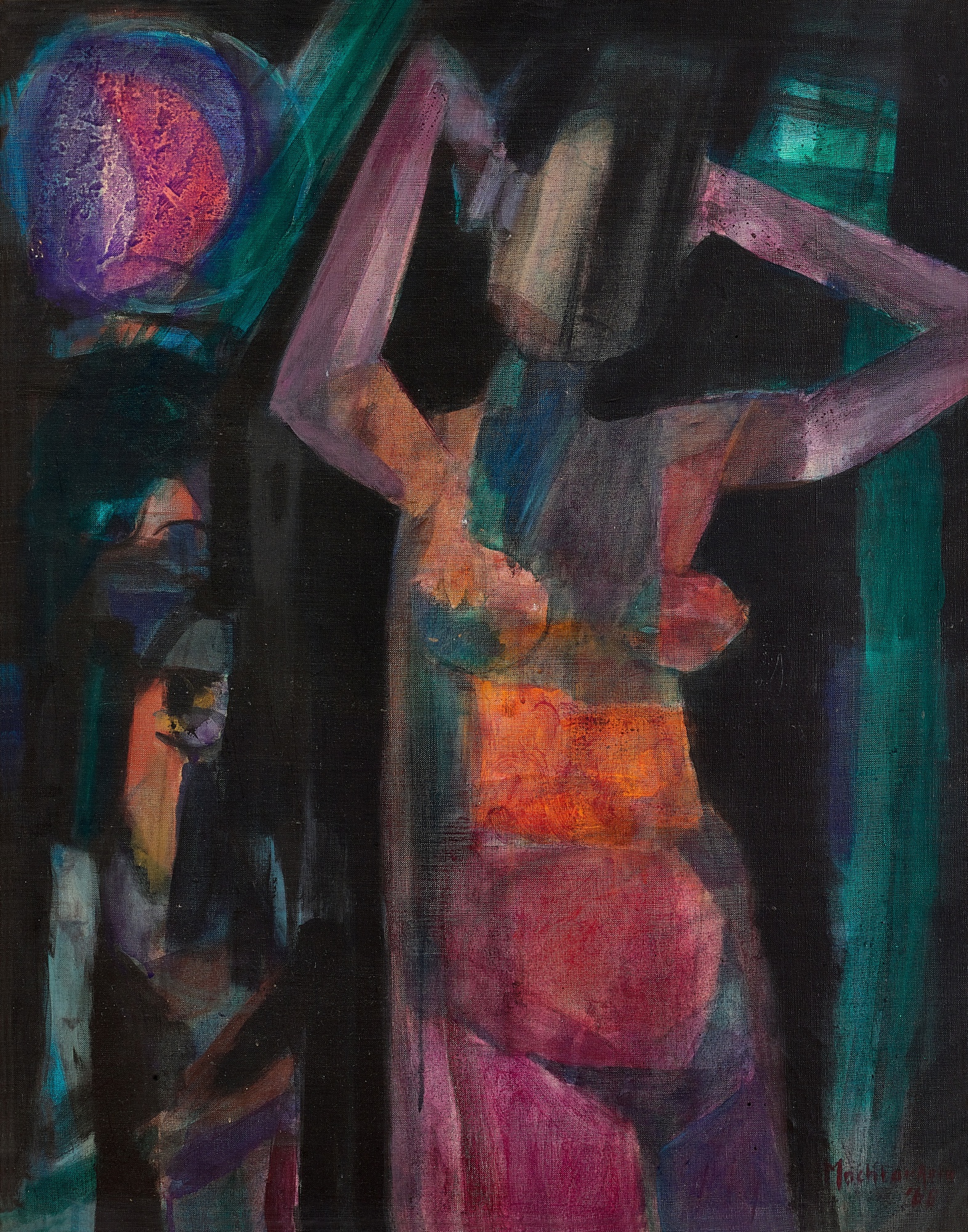
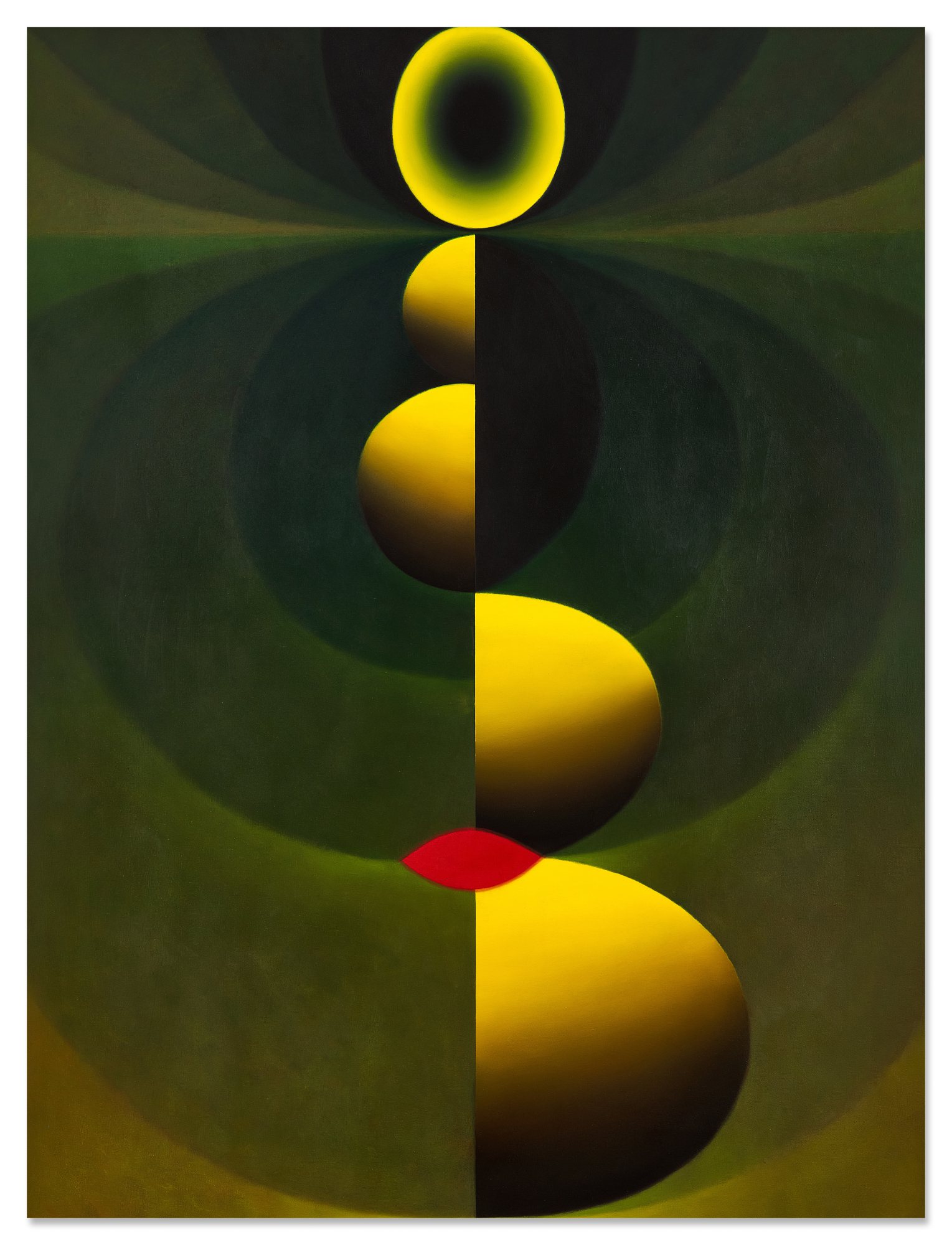
Mochtar Apin
Women Under the Moon 月亮下的女人, 1966





.jpg/400px-Chiesa_dell'Esaltazione_della_Santa_Croce_-_Buttapietra_(2).jpg)
The Gaze Returns: Collecting Women Differently Now
There is something that happens when you live with a great work depicting a woman. It is not passive. The image pushes back. Whether it is a Shirin Neshat photograph where the subject meets your eyes with absolute calm authority, or an Irving Penn portrait where the geometry of a face becomes something close to architecture, the experience of sharing a room with such a work is one of ongoing negotiation.
This is what draws serious collectors to this territory again and again. It is not sentiment. It is the productive discomfort of being watched as much as watching, of confronting how artists across centuries and cultures have shaped and reshaped the idea of femininity as a site of power, mystery, desire, and resistance. The category is vast, which makes it both thrilling and treacherous for collectors.
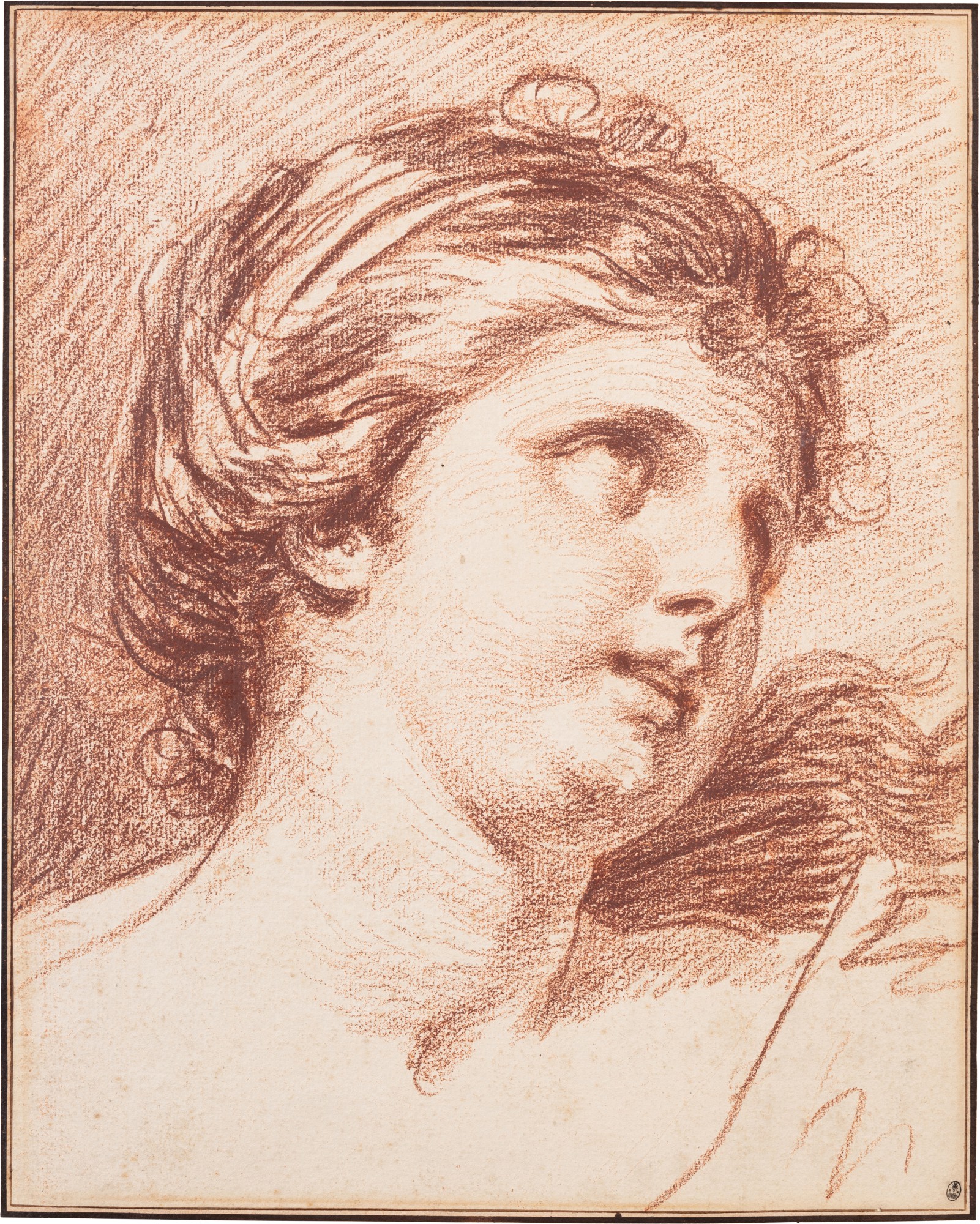
Jean-Baptiste Greuze
Head study of a young woman looking up to the right
Works depicting women span every medium, every market tier, and every ideological position imaginable. What separates a good work from a great one here is almost never subject matter alone. It is the quality of the artist's attention. A great work asks something more complex than admiration.
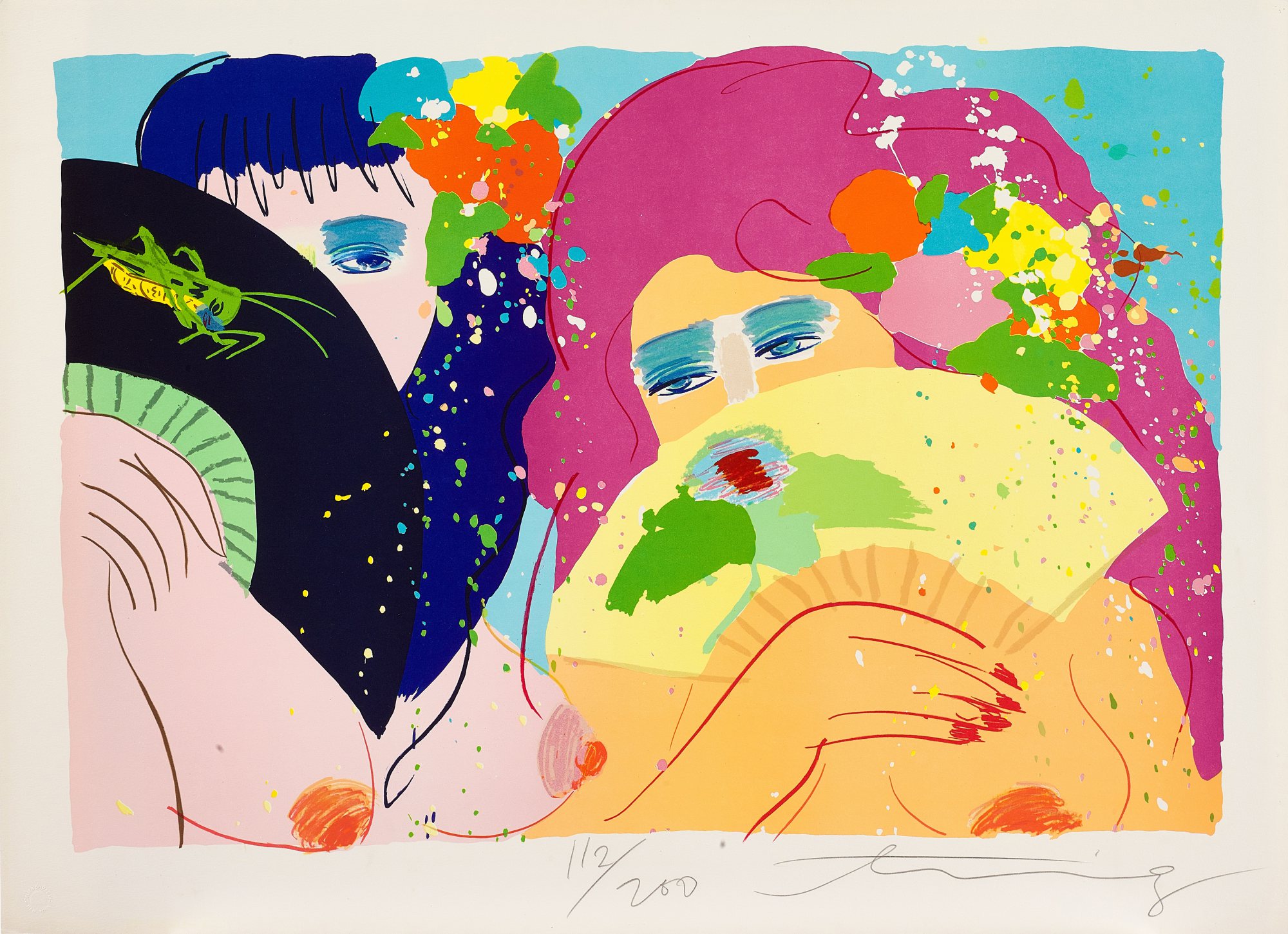
Jean Baptiste Greuze made a career in the eighteenth century painting young women in states of apparent innocence, and those works are interesting precisely because of the discomfort they produce today, the gap between the painter's intention and our contemporary reading. That gap is where meaning lives, and collectors who are sensitive to that tension tend to build the most compelling collections. Look for works where the subject has some form of agency within the frame, even if that agency is subtle. In Walasse Ting's paintings, the women are vivid, almost electric, rendered in bold color with a confidence that feels genuinely celebratory rather than objectifying.
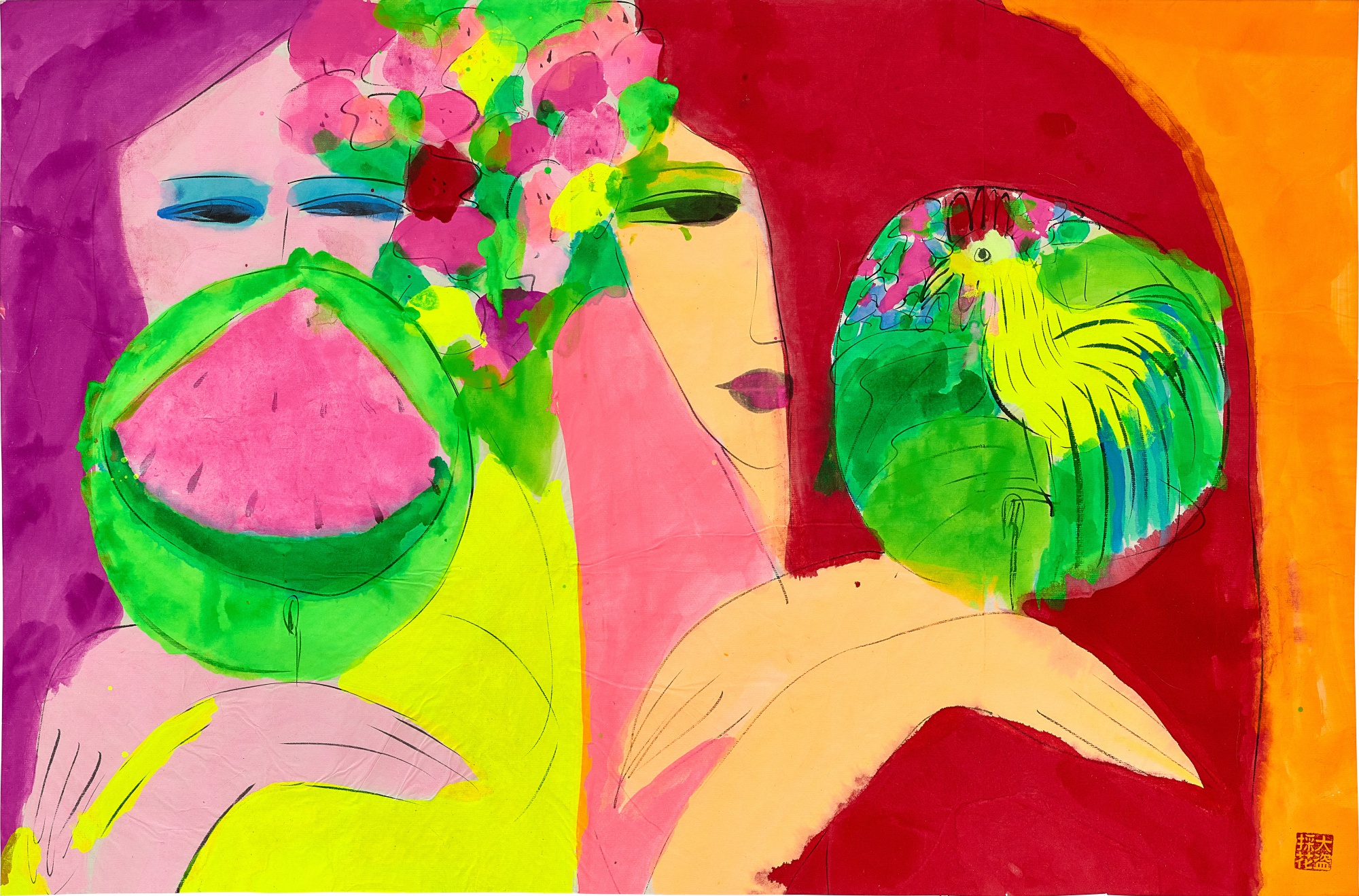
Walasse Ting
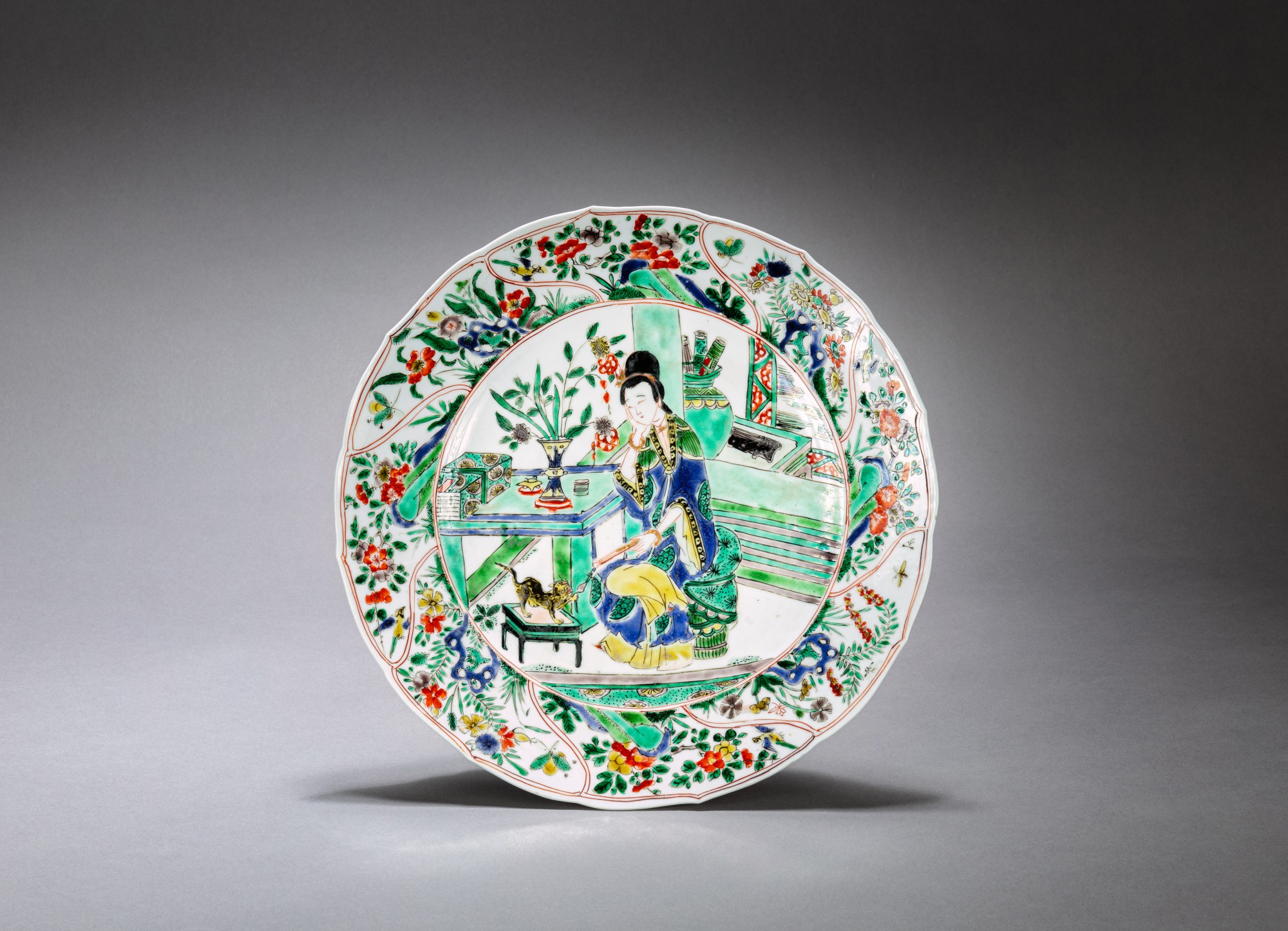
Two ladies with fans 雙美執扇圖
Ting, who moved through New York's abstract expressionist circles in the 1960s and later developed his distinctive figurative style, made the female figure the emotional center of his practice without ever making her feel like a prop. His works hold strong in the secondary market and remain undervalued relative to his historical significance. Similarly, the Belgian painter Adrien Jean Le Mayeur de Merprès, who settled in Bali in the 1930s and married the celebrated Balinese dancer Ni Pollok, produced work that sits at the intersection of post impressionist painting and deeply personal documentary. His paintings of Balinese women are luminous and carry the additional weight of genuine cross cultural intimacy.
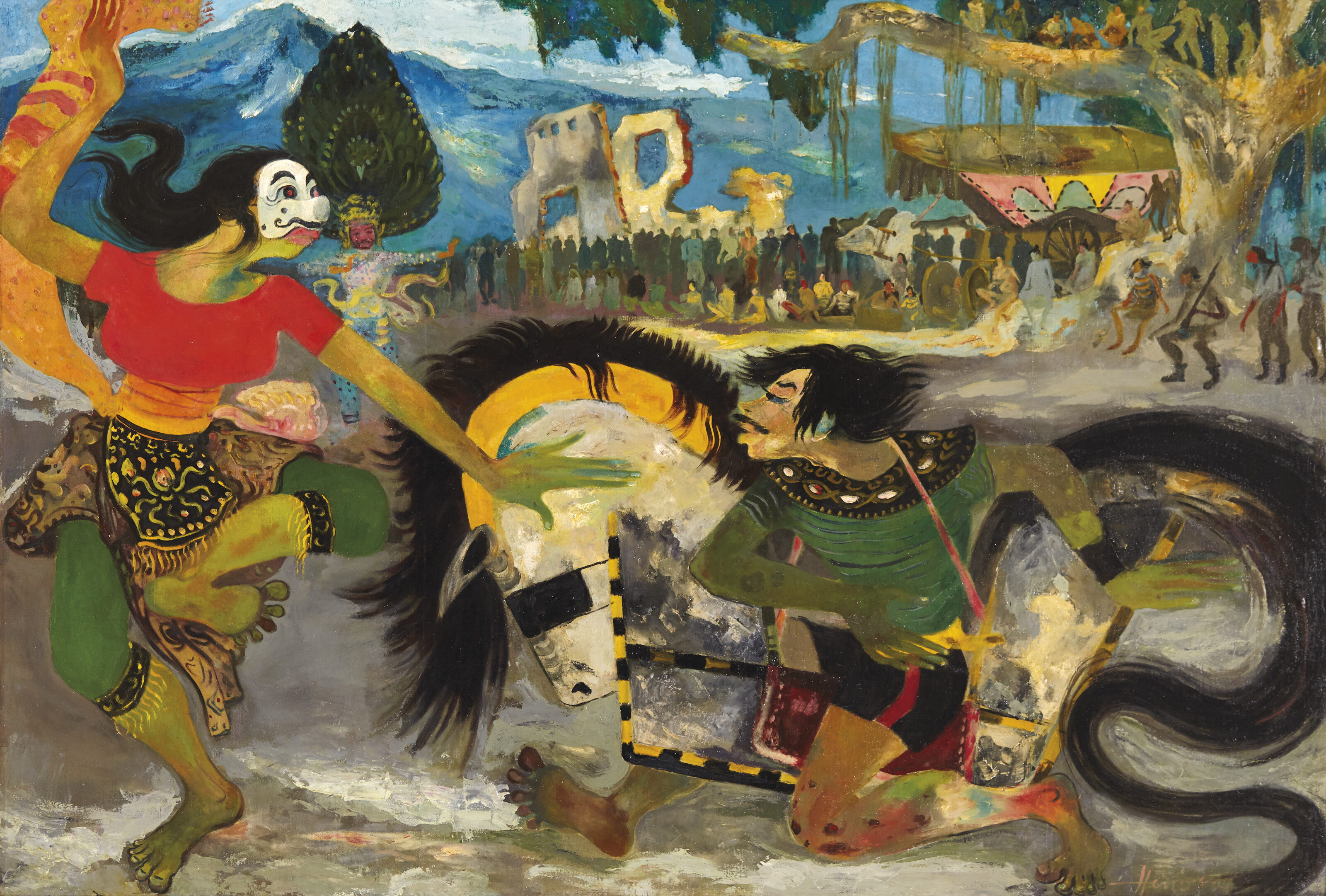
For collectors thinking about where real value lies right now, the strongest opportunities involve artists whose work has been historically undersupported by the Western market. Hendra Gunawan, the Indonesian painter and political prisoner whose depictions of women from ordinary Javanese life carry enormous emotional and historical weight, remains significantly undervalued by international standards. His works are held in major Indonesian collections and have begun attracting serious attention at Southeast Asian auction houses. Mochtar Apin, another figure from the Indonesian modernist tradition, offers a different entry point, with a more restrained and formally sophisticated approach.
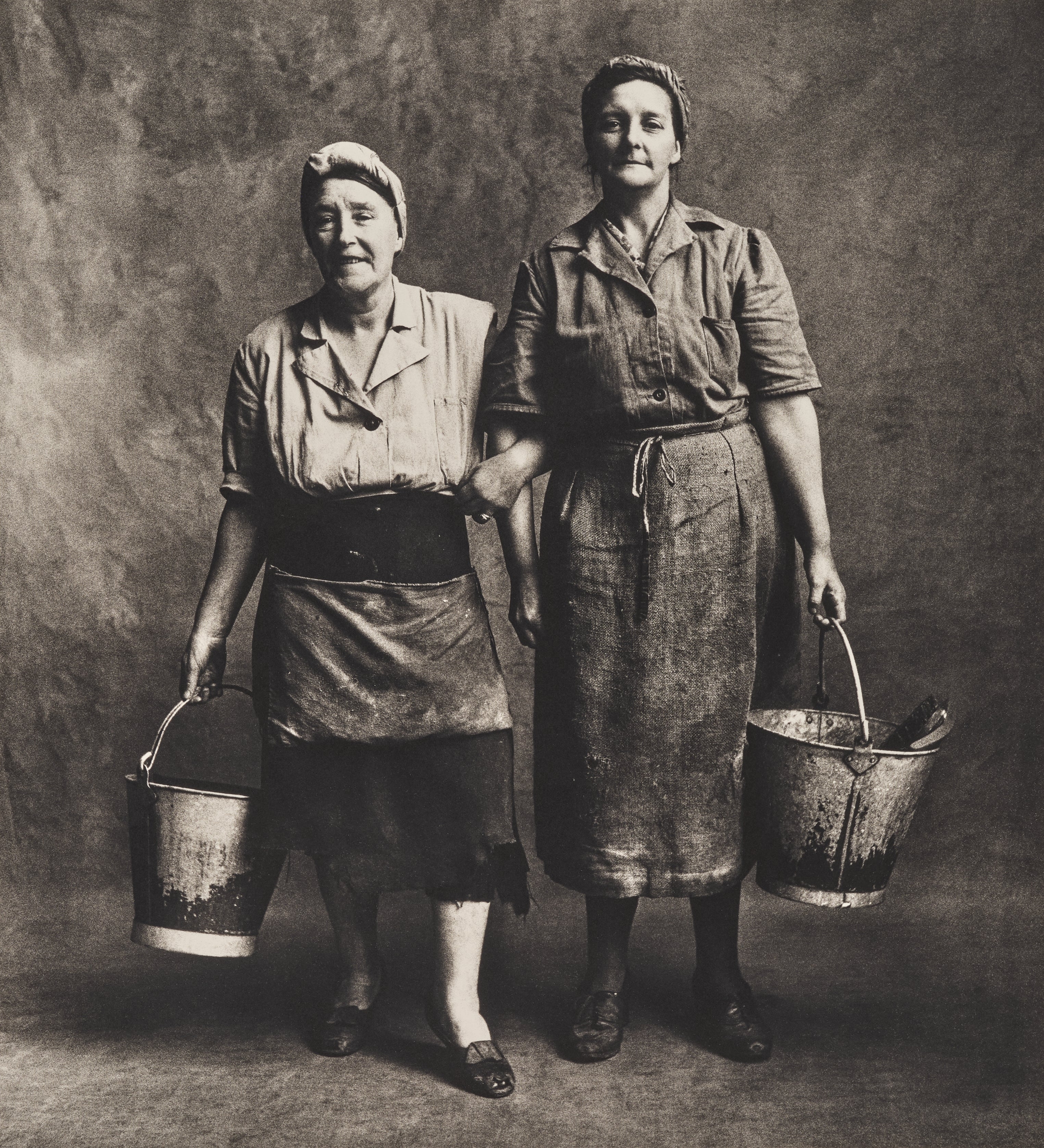
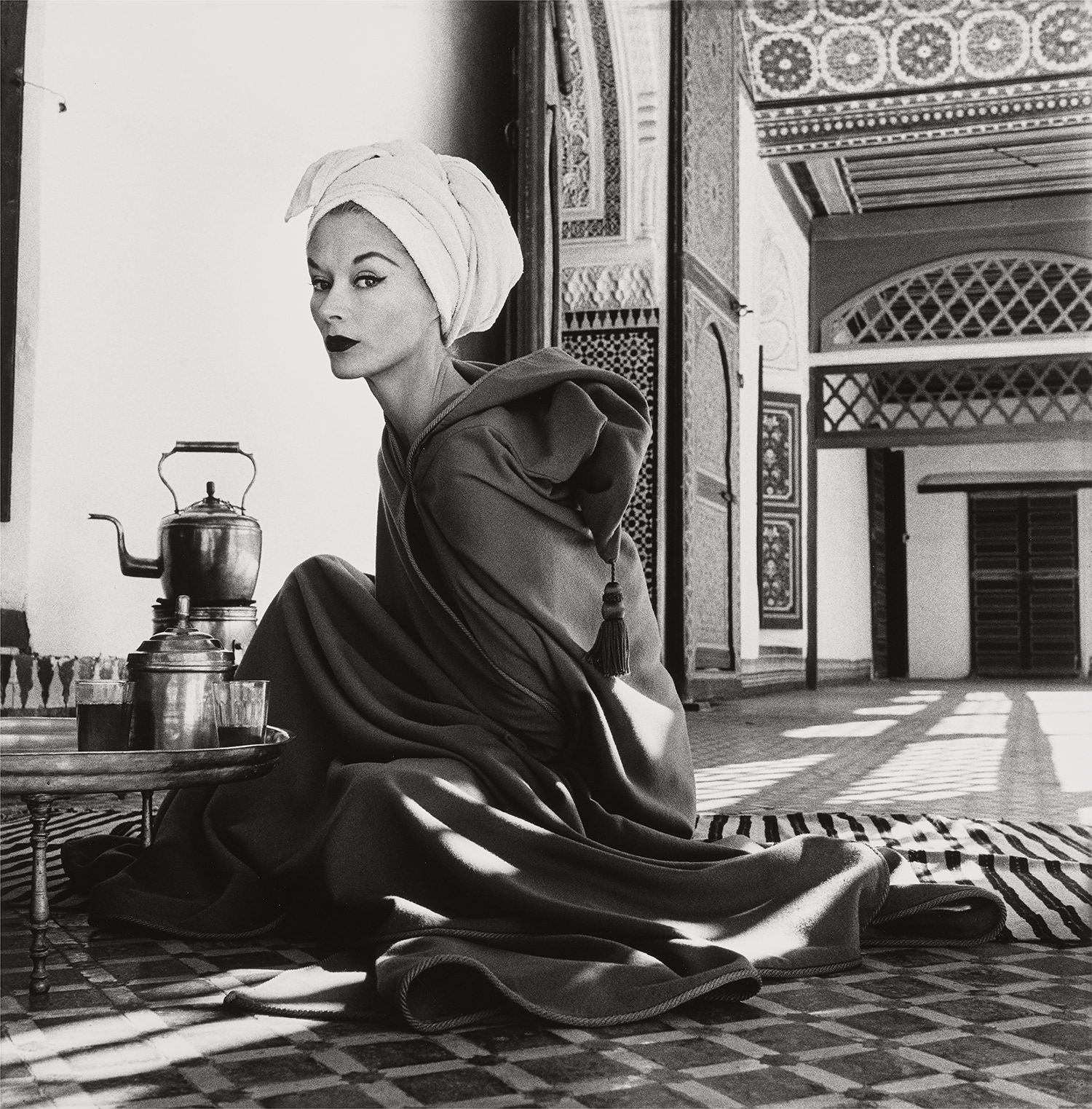
Irving Penn
Charwomen, London, 1977
These are artists with serious institutional recognition in their home countries who have not yet achieved the auction records their quality warrants. That gap is where collectors with patience and genuine curiosity can do very well. The photographic tradition is equally rich and more accessible in terms of price point. Irving Penn's portraits of women, made during his long association with Vogue beginning in the late 1940s, are among the most rigorously beautiful photographs of the twentieth century.
Penn understood that fashion photography and fine art photography were not different disciplines and his prints carry that conviction. Ormond Gigli is another case worth studying closely. His 1960 image of women in the windows of a Manhattan building being demolished, made on the day before the structure came down, has become iconic, but his broader body of work depicting women remains less known than it should be. Shirin Neshat, whose work explicitly interrogates the politics of gender and identity in the context of post revolutionary Iran, operates in an entirely different register but with equal force.
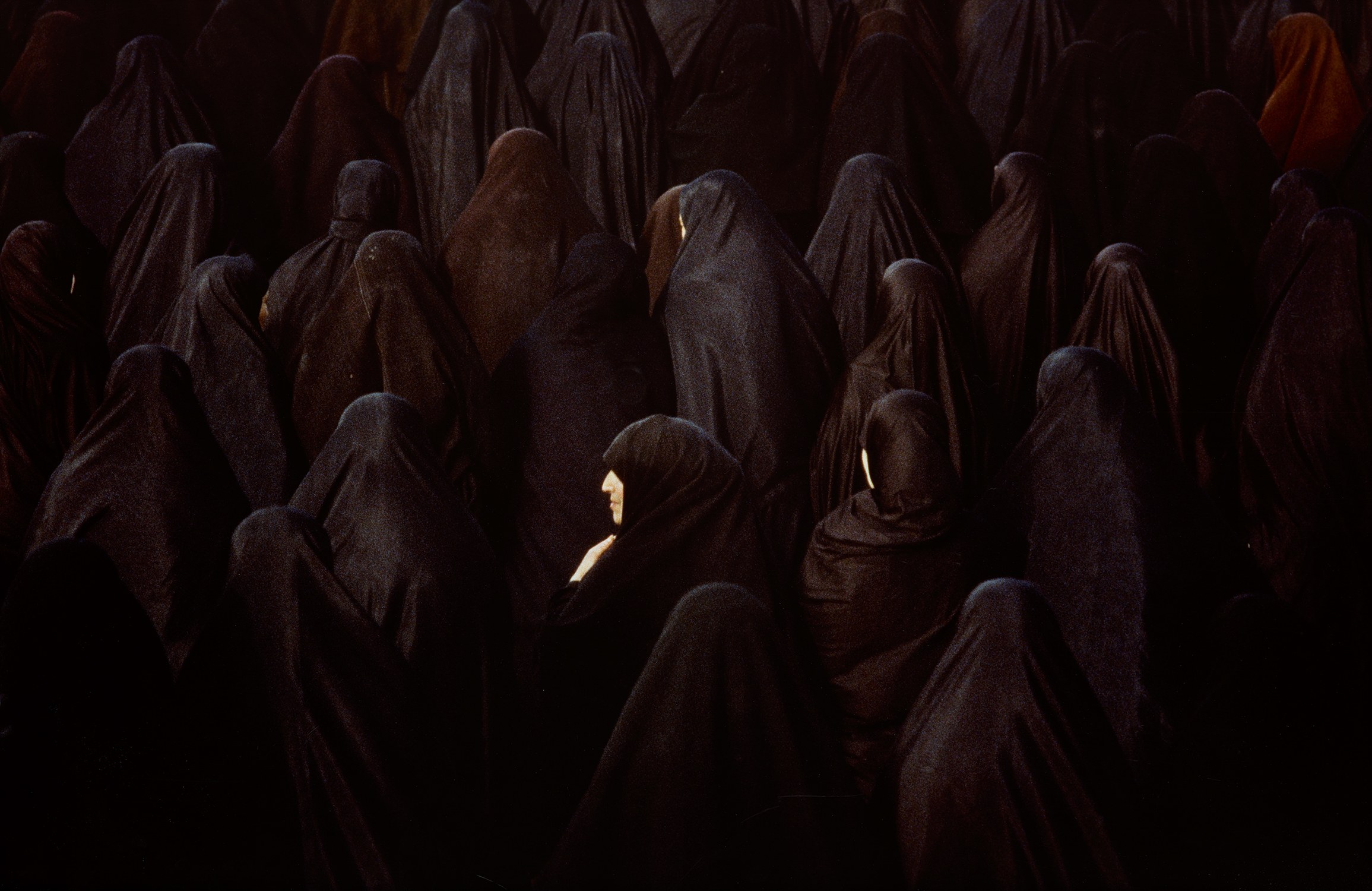
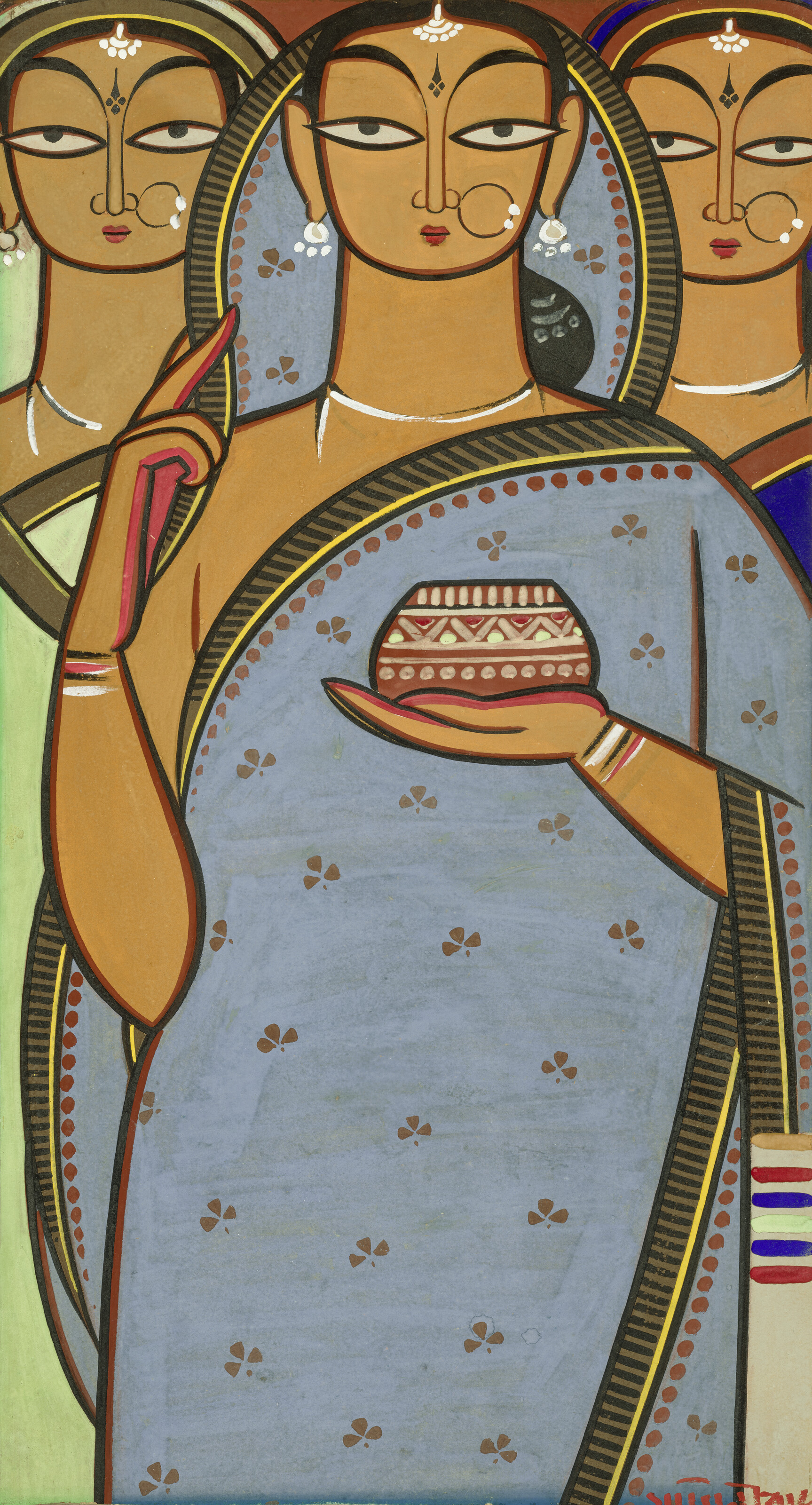
Shirin Neshat
Rapture Series (Group of Women, One in Profile)
Her photographs and films are in major museum collections worldwide and her market continues to strengthen as her critical reputation deepens. At auction, works depicting women by established names perform consistently well, particularly when they are unique works rather than editions or multiples. Penn photographs in larger edition sizes can be found at more accessible prices, but collectors should be attentive to edition numbers and the difference between prints made during the artist's lifetime and posthumous prints, which typically carry lower market value. For unique paintings and works on paper, condition is paramount.
Examine any work carefully for restoration, particularly in areas of delicate pigment or thin glazing. Ask galleries directly about any conservation history and request condition reports as a matter of course. A strong provenance, particularly one that traces clearly through reputable collections or exhibitions, adds meaningful value and reduces risk. Display considerations matter more in this category than people often acknowledge.
Works depicting women can read very differently depending on height, lighting, and context. A Neshat photograph hung too high loses its confrontational intimacy. A Le Mayeur painting benefits from warm directional light that brings out the tropical luminosity in his palette. Think about what it means to place a work in a domestic space and how the relationship between the depicted subject and the viewer shifts depending on whether the work is at eye level, whether natural or artificial light falls across it, and what surrounds it.
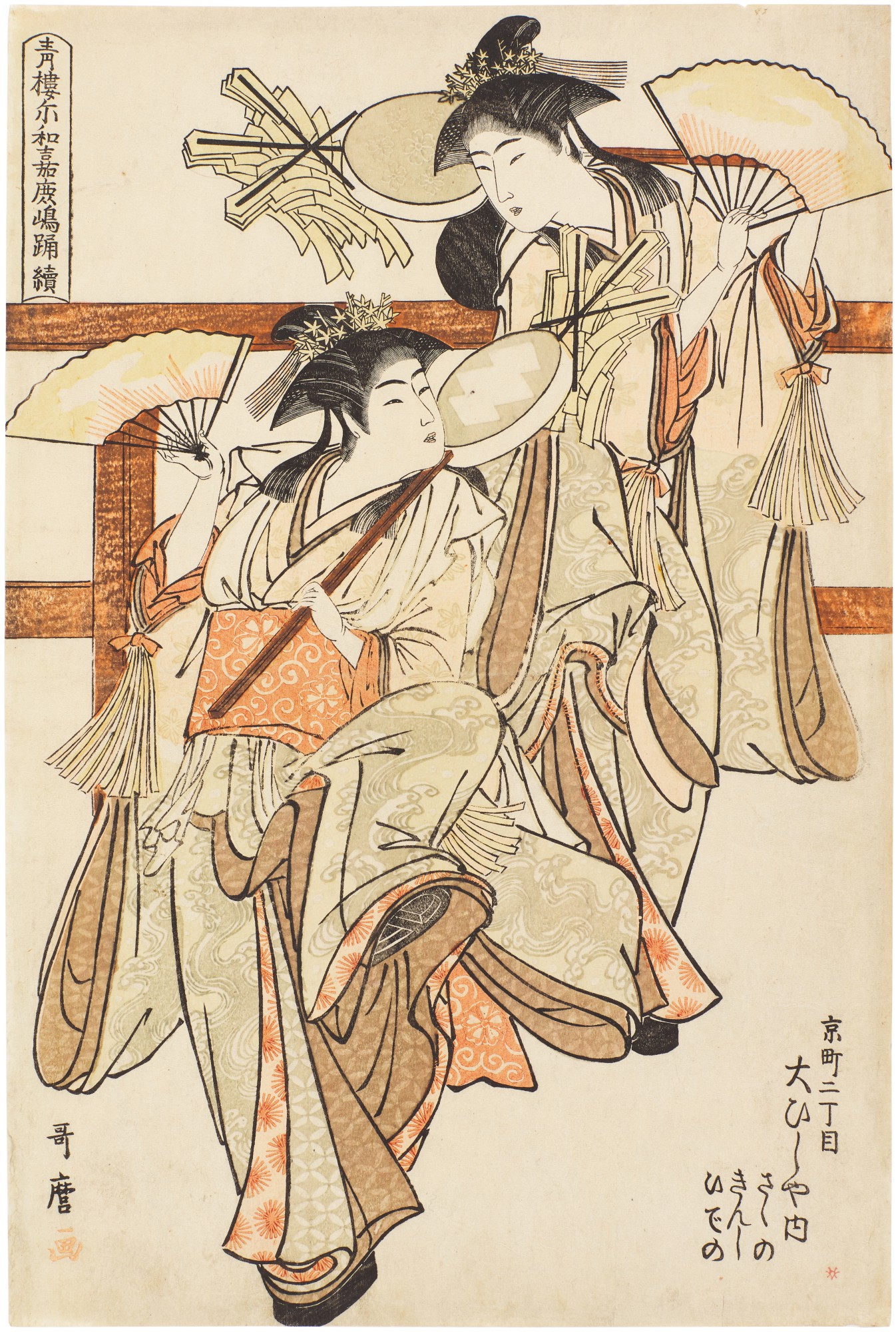
These choices shape meaning as much as the work itself. The most important advice for collectors entering this space is to resist the pressure to buy reputation before you have developed genuine feeling for the work. The artists represented on The Collection range from titans of the Western canon like Pablo Picasso and Paul Gauguin, whose depictions of women are now read with appropriate critical complexity, to figures like Kitagawa Utamaro, whose ukiyo e prints of women from the late eighteenth century established a visual language that would influence artists from Toulouse Lautrec to Warhol. Each of these bodies of work rewards sustained looking.
Buy what you cannot stop thinking about three weeks after you first saw it. That criterion has never failed a serious collector yet.