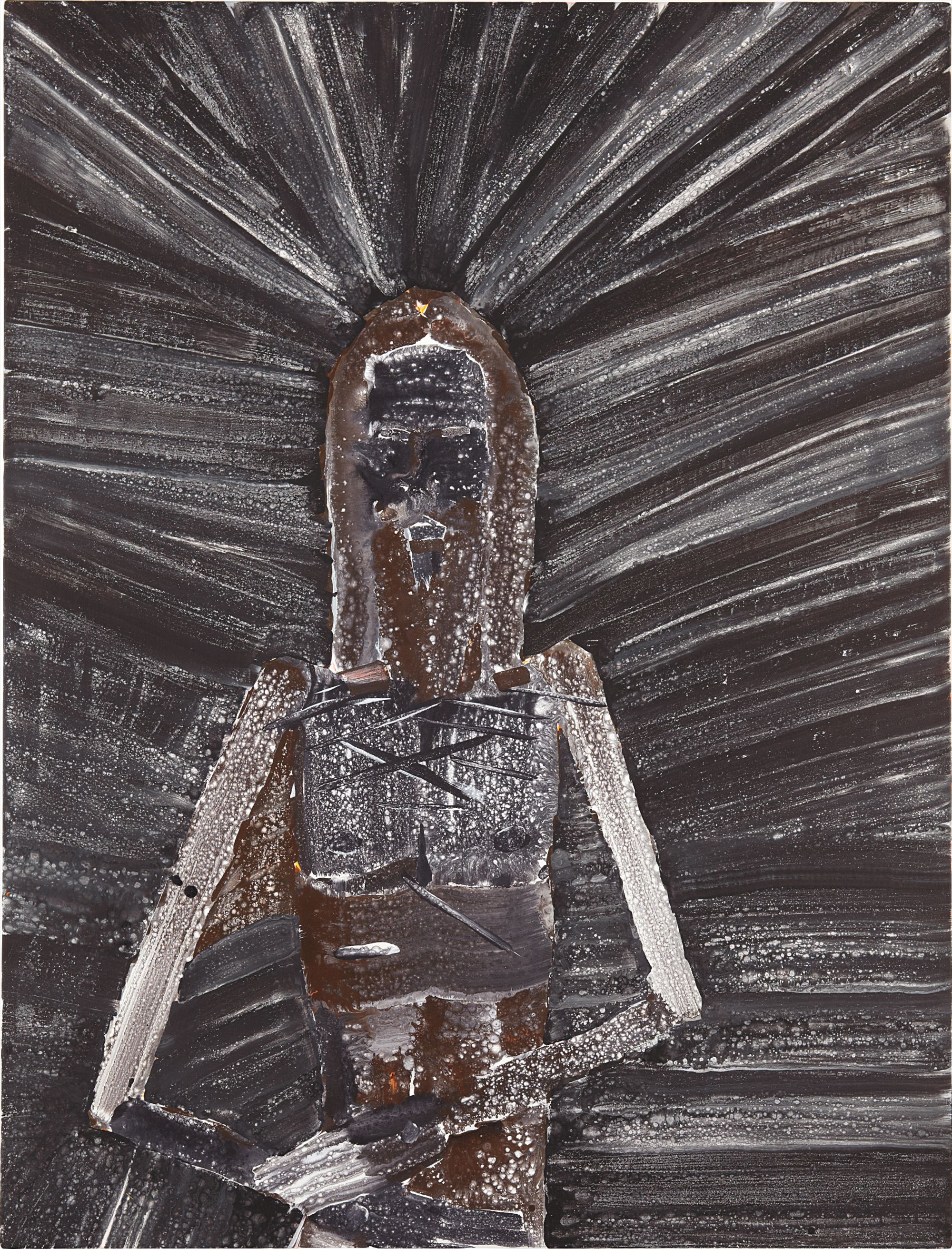
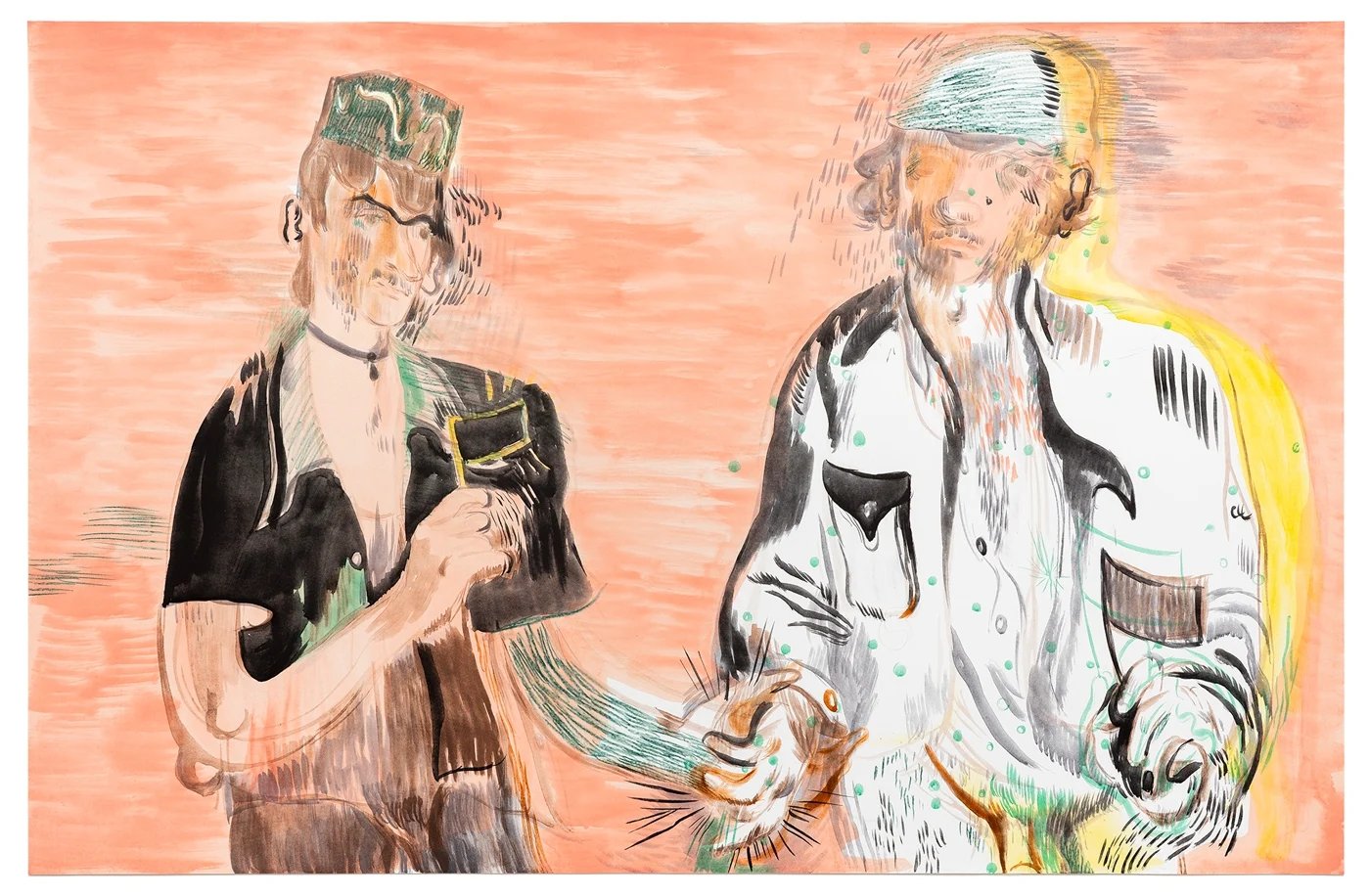
Visceral
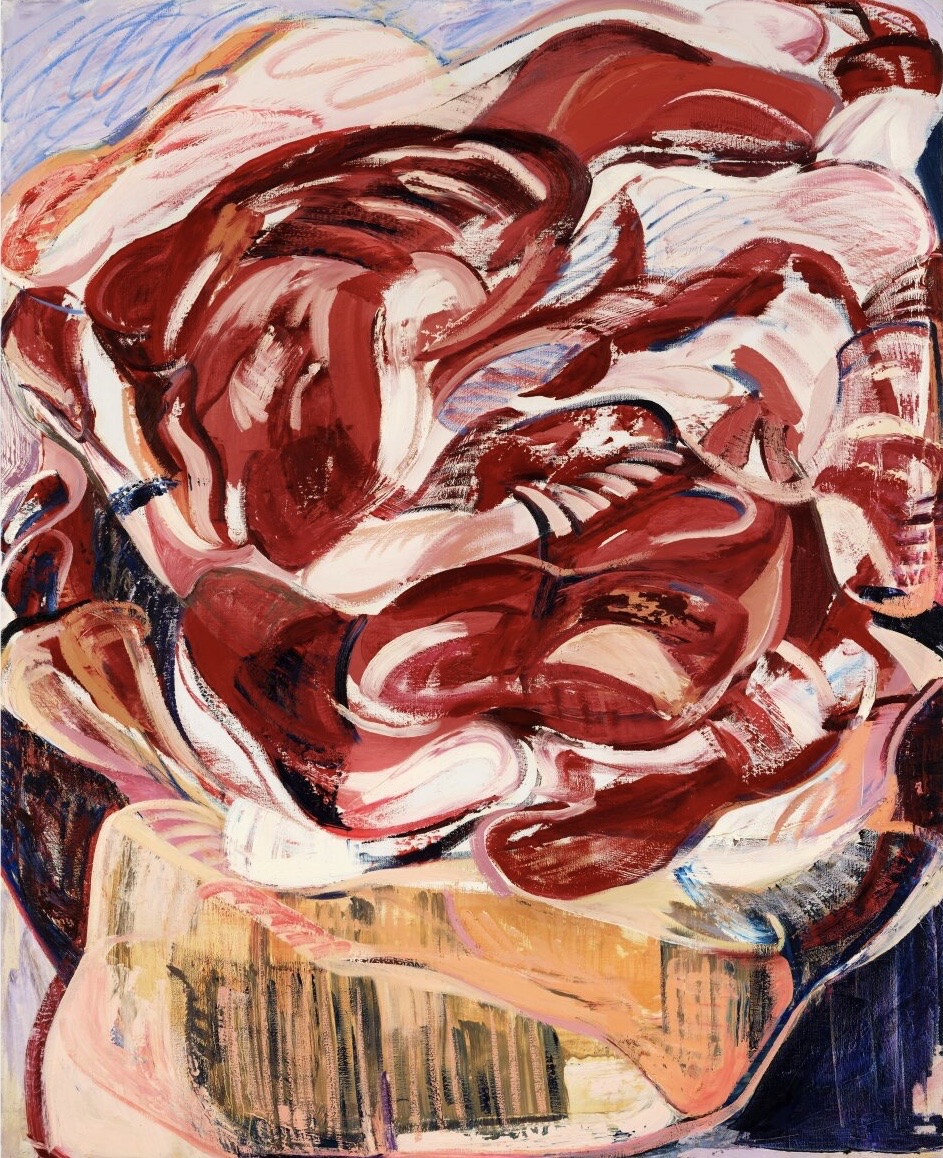
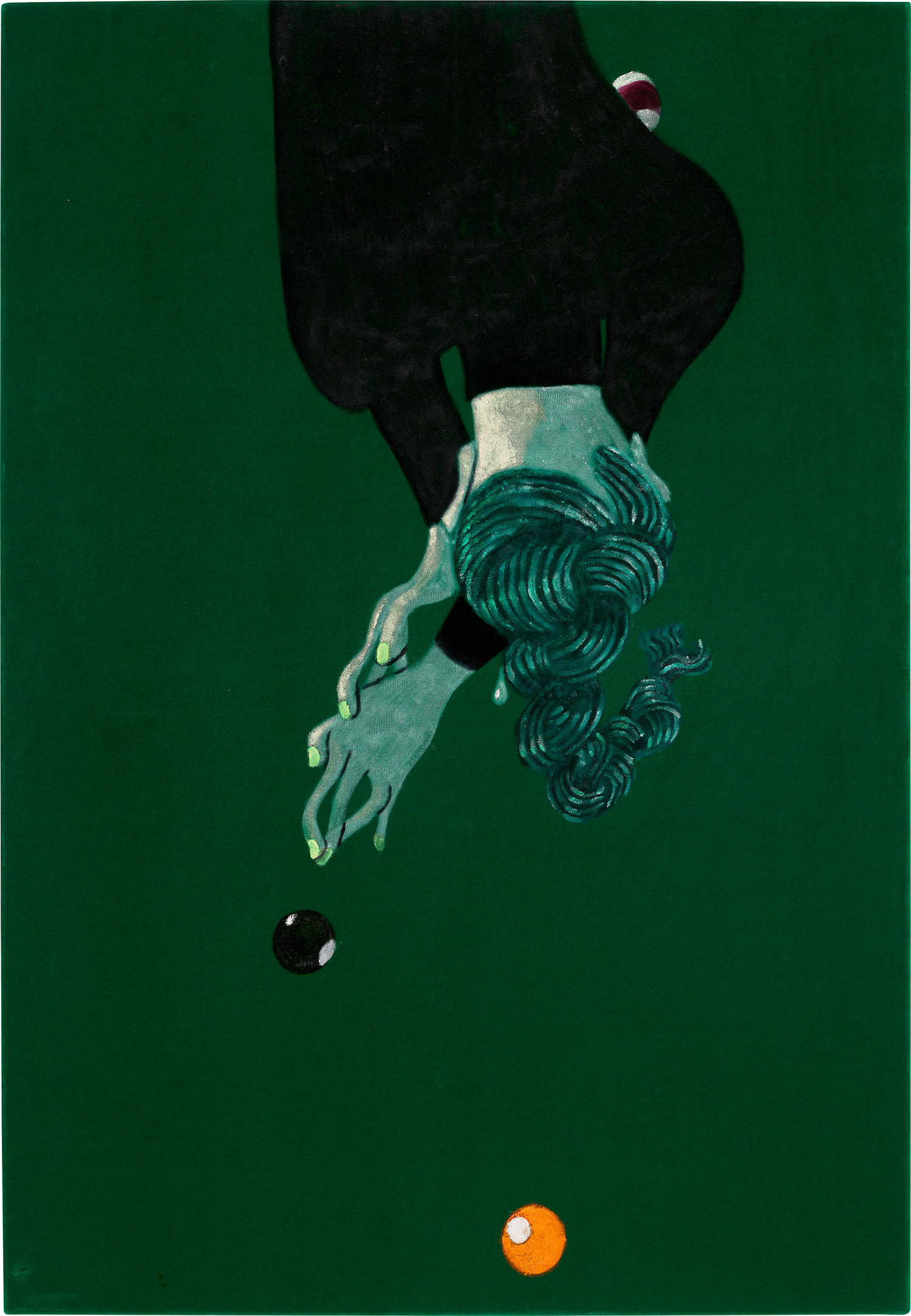
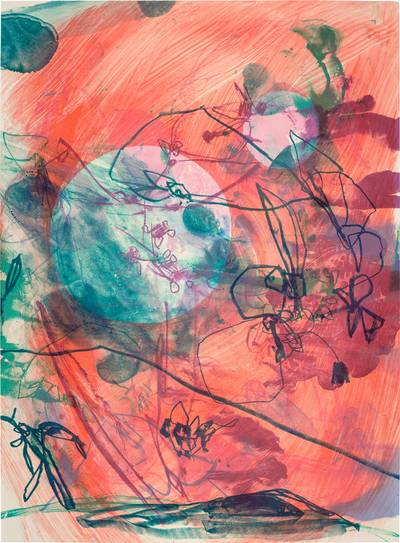
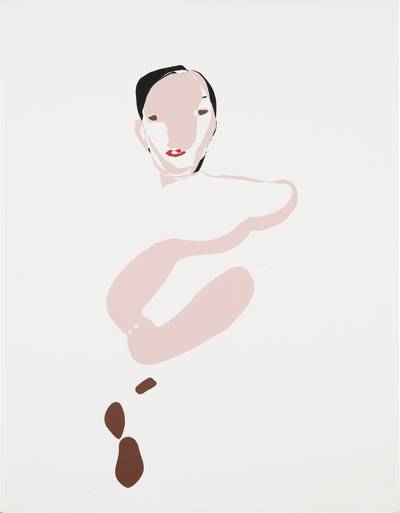
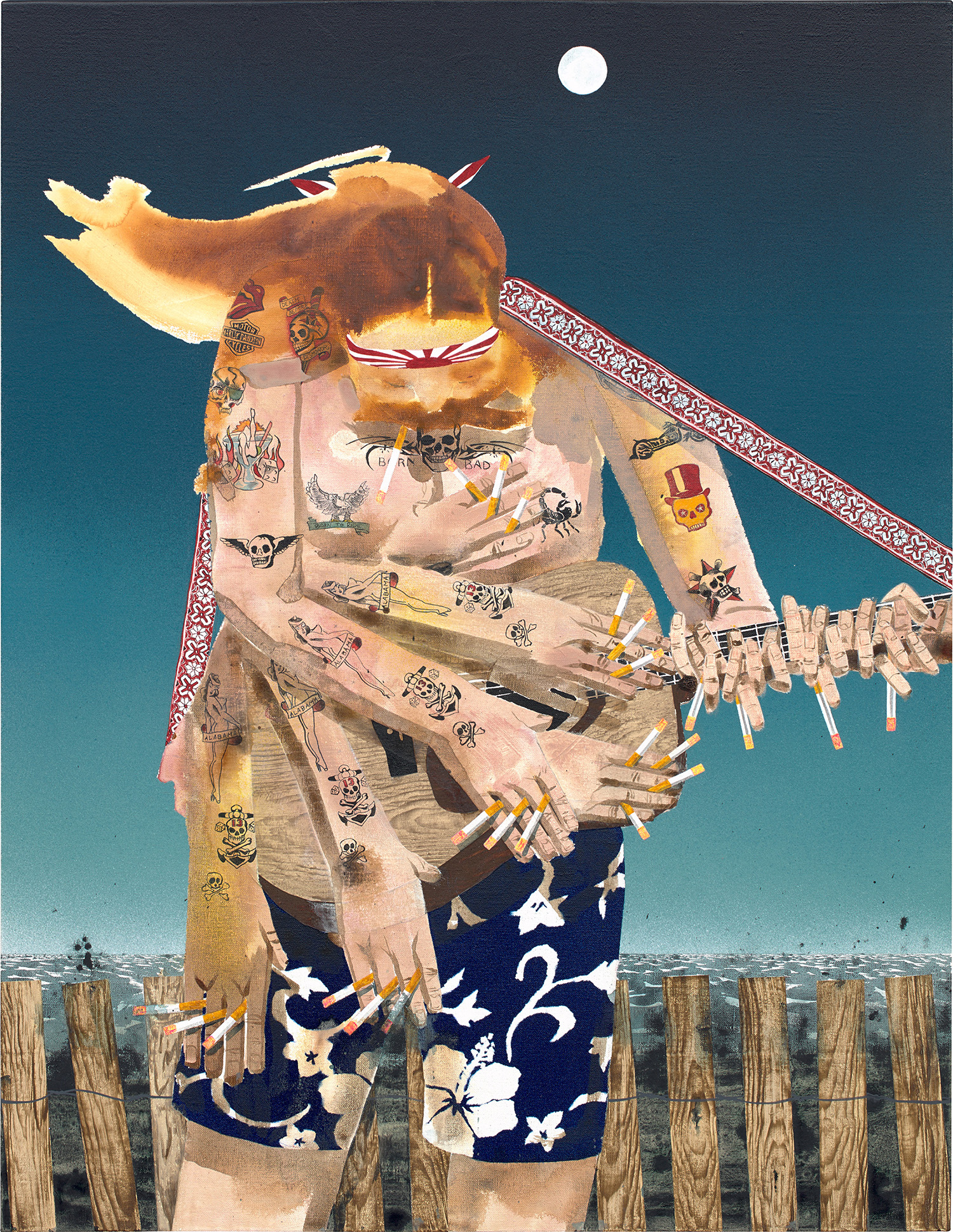
Zhang Zipiao
An Island 02, 2021
Art That Gets Under Your Skin
There is a category of art that bypasses the intellect entirely and lands somewhere deeper, somewhere older. It does not ask you to read it or decode it. It simply hits. The body responds before the mind can intervene, a tightening in the chest, a sudden awareness of one's own breath, a faint nausea that is not entirely unwelcome.
This is what visceral art does, and it has been doing it for as long as painters have had the courage to tell the truth about what it feels like to be alive inside a body. The word visceral derives from the Latin viscera, meaning the internal organs, the soft, hidden, essential parts. For much of Western art history, those parts were kept well out of view. Academic painting prized surface, symmetry, and decorum.
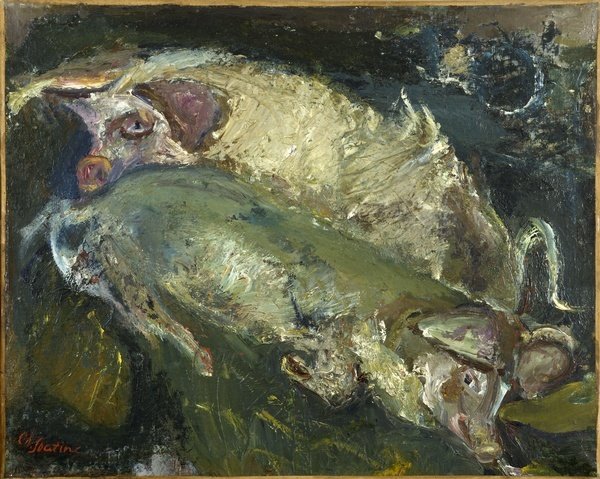
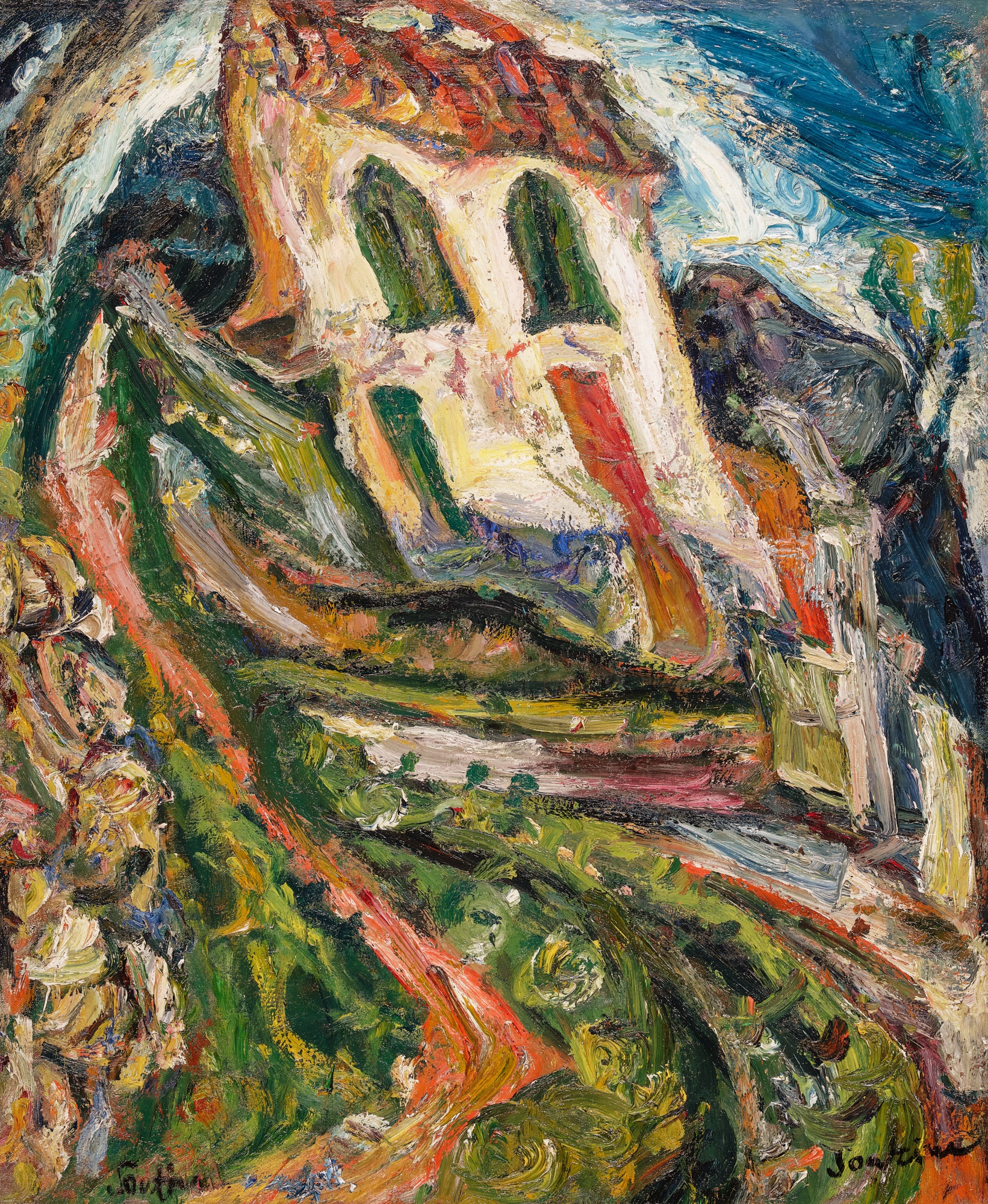
Chaïm Soutine
Les porcs, 1941
But underneath that composed exterior, a counter tradition was always stirring, one that understood that the most honest artistic territory was also the most uncomfortable. It took the twentieth century to truly crack that surface open. Chaïm Soutine, working in Paris in the 1920s and 1930s, is one of the indispensable ancestors of this lineage. His flayed carcasses, his trembling landscapes, his portraits of cooks and pageboys rendered with paint that seemed to pulse, gave European painting a fever it had never quite had before.
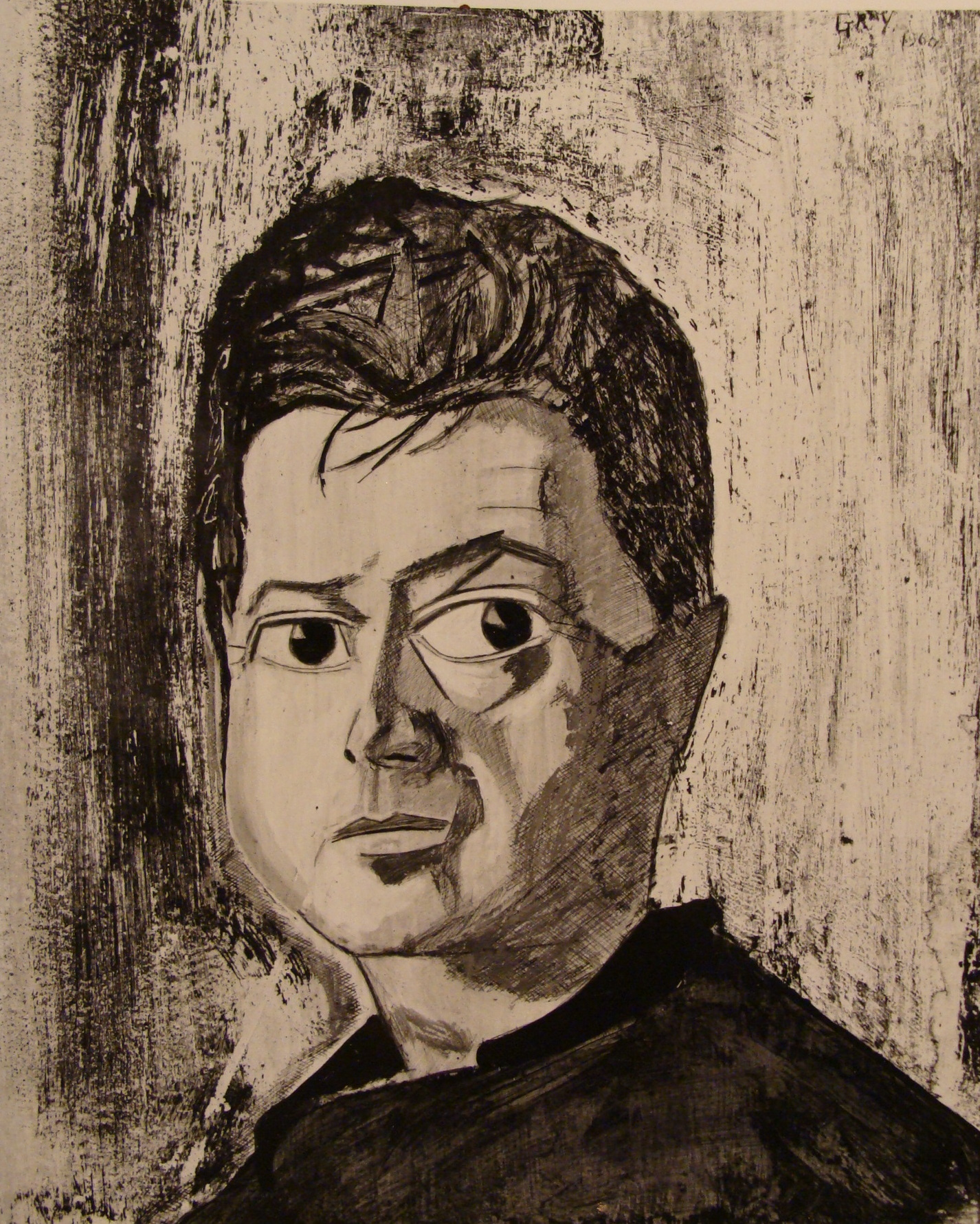
When Francis Bacon encountered Soutine's work, the effect was galvanic. Bacon would go on to make some of the most psychologically and physically disturbing paintings of the twentieth century, his figures trapped inside glass vitrines or smeared across beds, mouths open in a scream that seems to echo across every decade since. The works by Bacon on The Collection carry that full weight of his singular obsession with flesh, isolation, and what he called the brutality of fact. The Abstract Expressionists, working in New York from the mid 1940s onward, channeled visceral energy into gesture and scale.
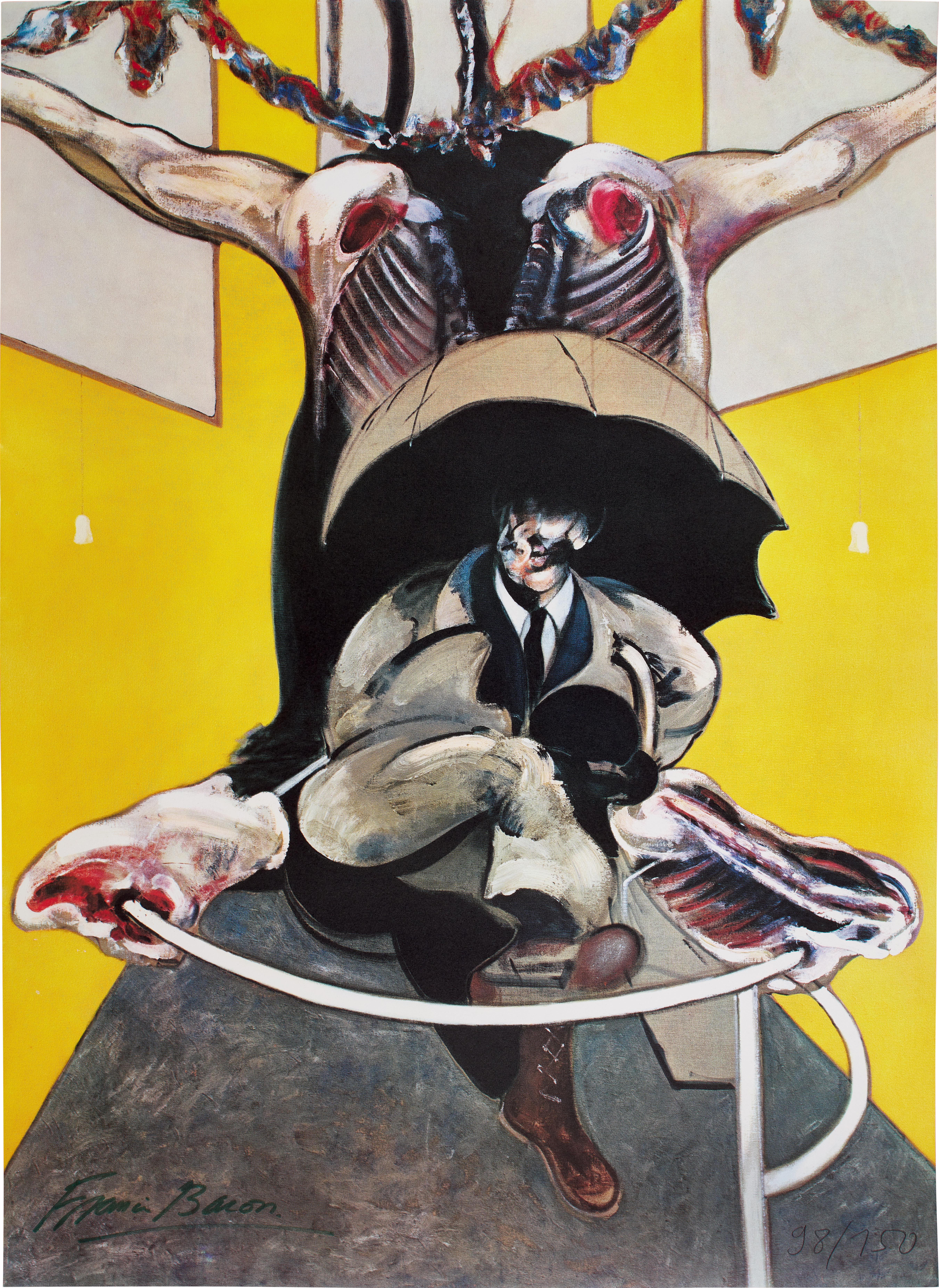
Francis Bacon
Second Version of Painting 1946, 1971
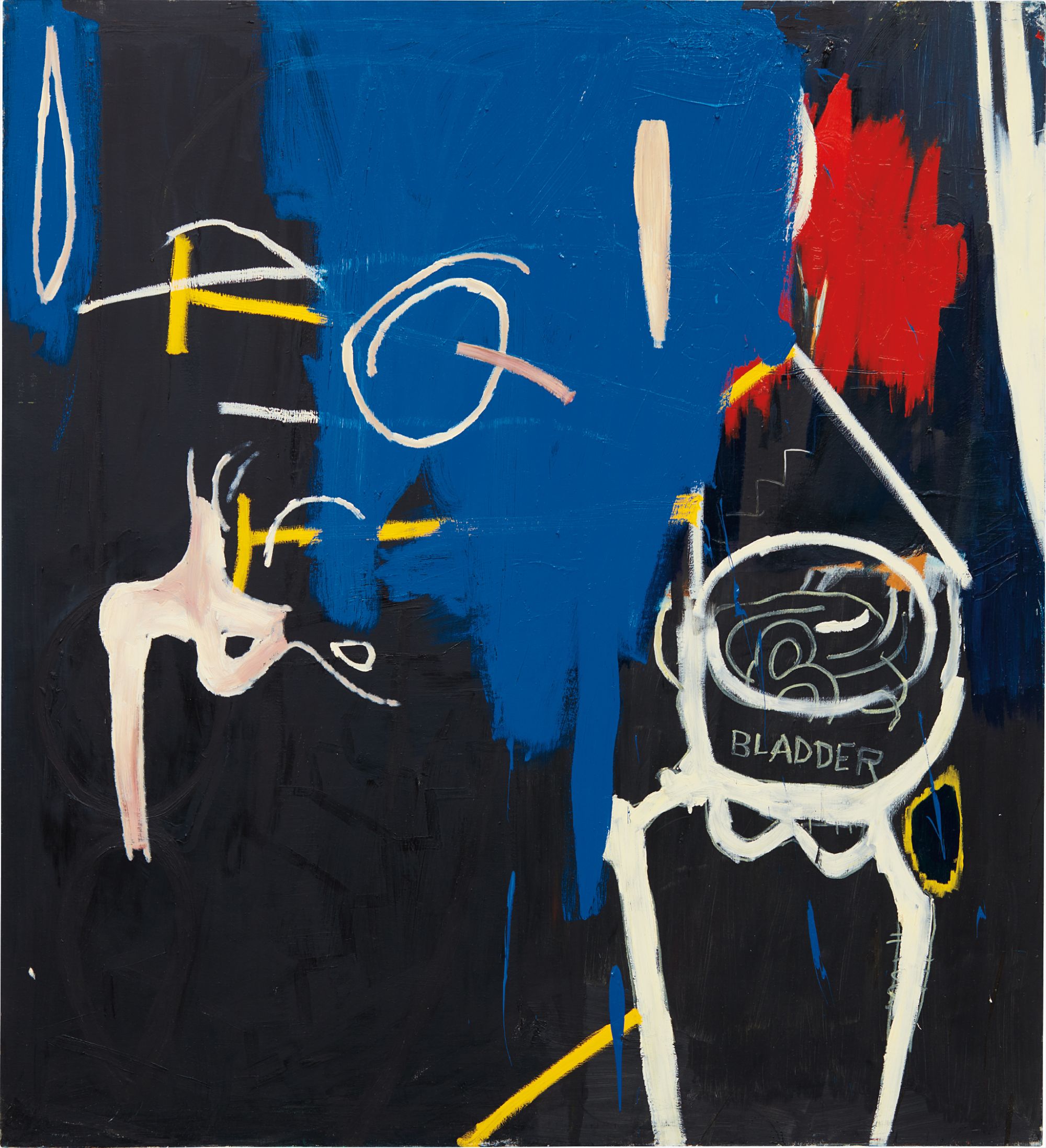
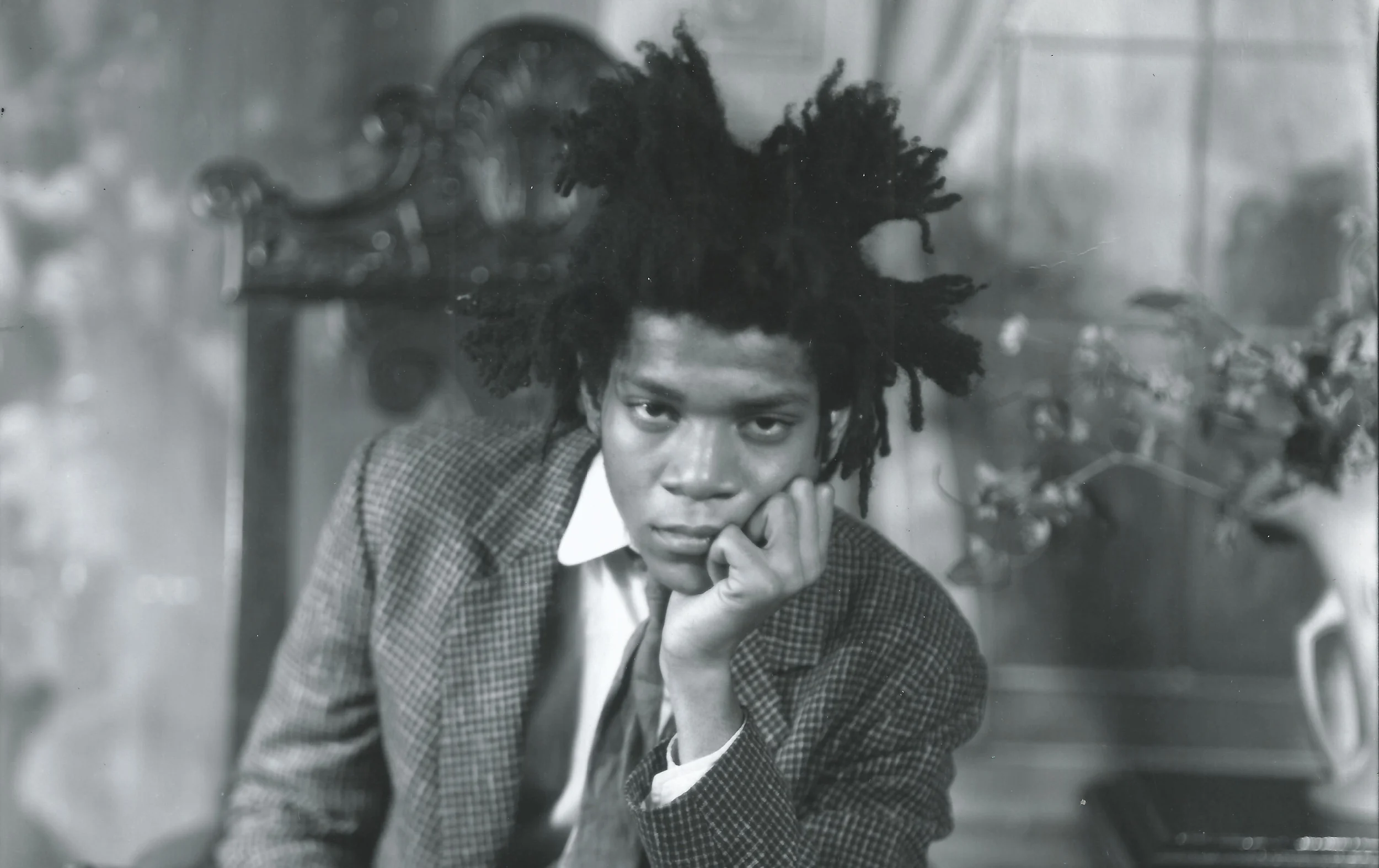
But it was in the 1980s that something shifted decisively. Jean Michel Basquiat arrived like a live wire onto the New York scene, his paintings dense with anatomy diagrams, crowns, crossed out words, and a furious intelligence that made the canvas feel like a site of actual struggle. His work on The Collection reminds you that for Basquiat, painting was never decorative. It was survival, testimony, and indictment delivered simultaneously.
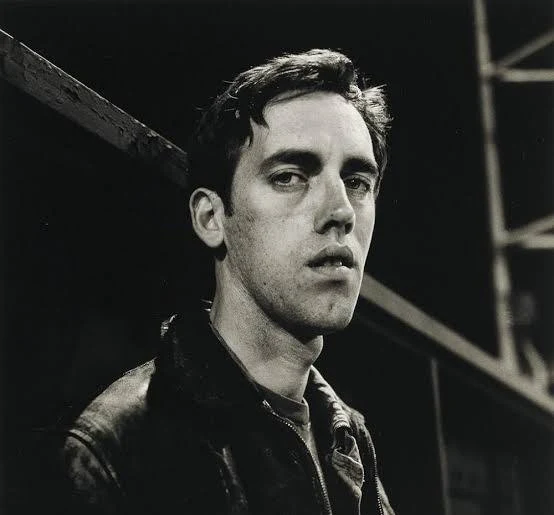
David Wojnarowicz was working in the same city at the same time, and his art carried an urgency born of personal and political emergency. Wojnarowicz used photography, text, painting, and installation to speak about AIDS, poverty, and state violence with a directness that much of the art world was not ready for. His work demanded that viewers confront mortality not as an abstraction but as a daily, embodied reality. Hermann Nitsch, operating within the Viennese Actionism movement from the 1960s onward, took corporeality further still, using blood, animal organs, and ritualized performance to collapse the distance between art and raw biological experience.
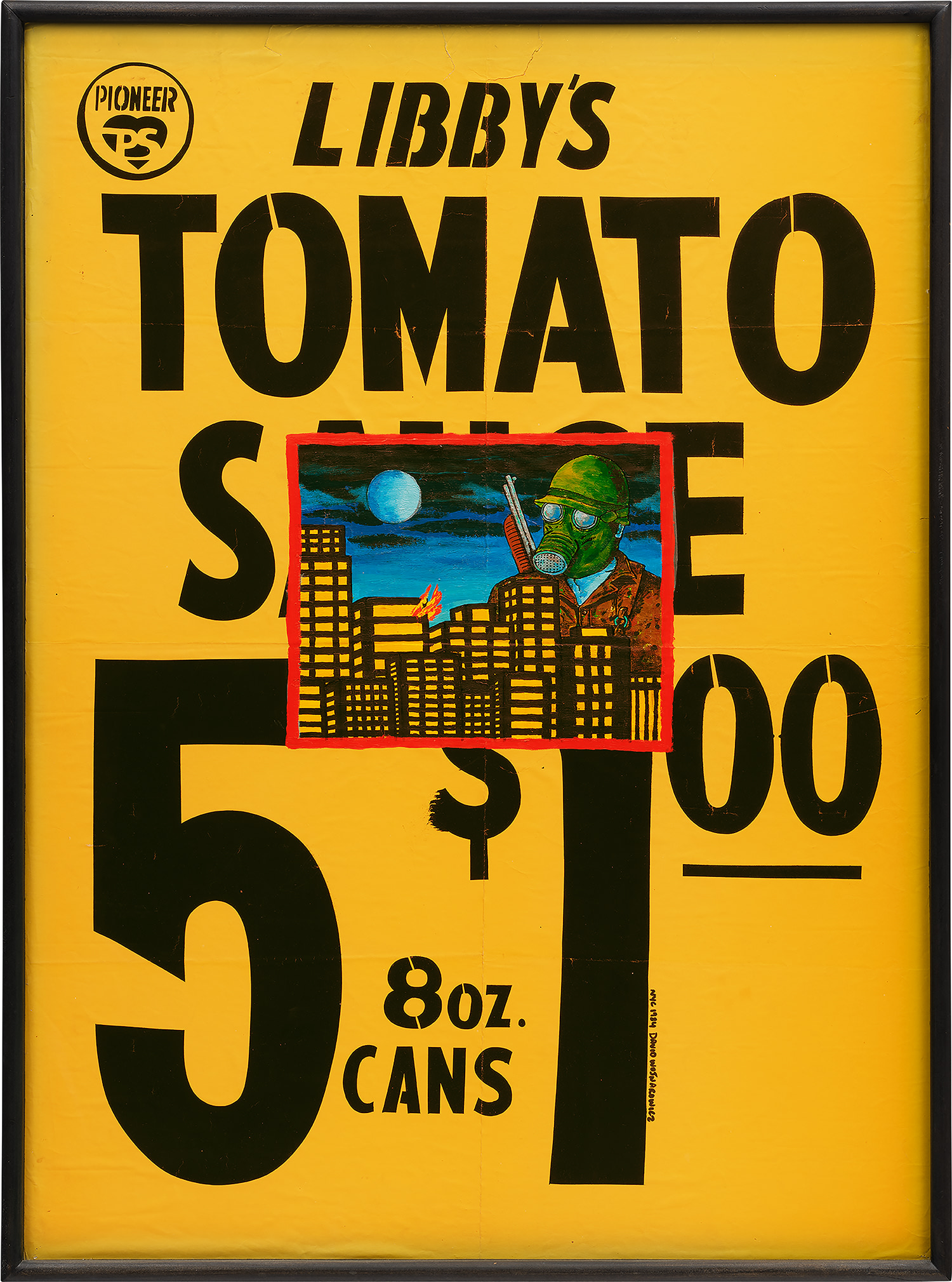
David Wojnarowicz
Tomato Sauce, 1984
The work held on The Collection offers a window into that radical tradition. Ana Mendieta's Silueta series, begun in 1973 in Iowa and continued through the late 1970s in Mexico, is among the most enduring explorations of the body in relation to land, absence, and presence in the entire postwar canon. Mendieta pressed her form into earth and sand, set it on fire, traced its outline in flowers and moss, returning again and again to the question of where the self ends and the world begins. Her work on The Collection carries that same sense of ritual, of a body that insists on being witnessed even in its disappearance.
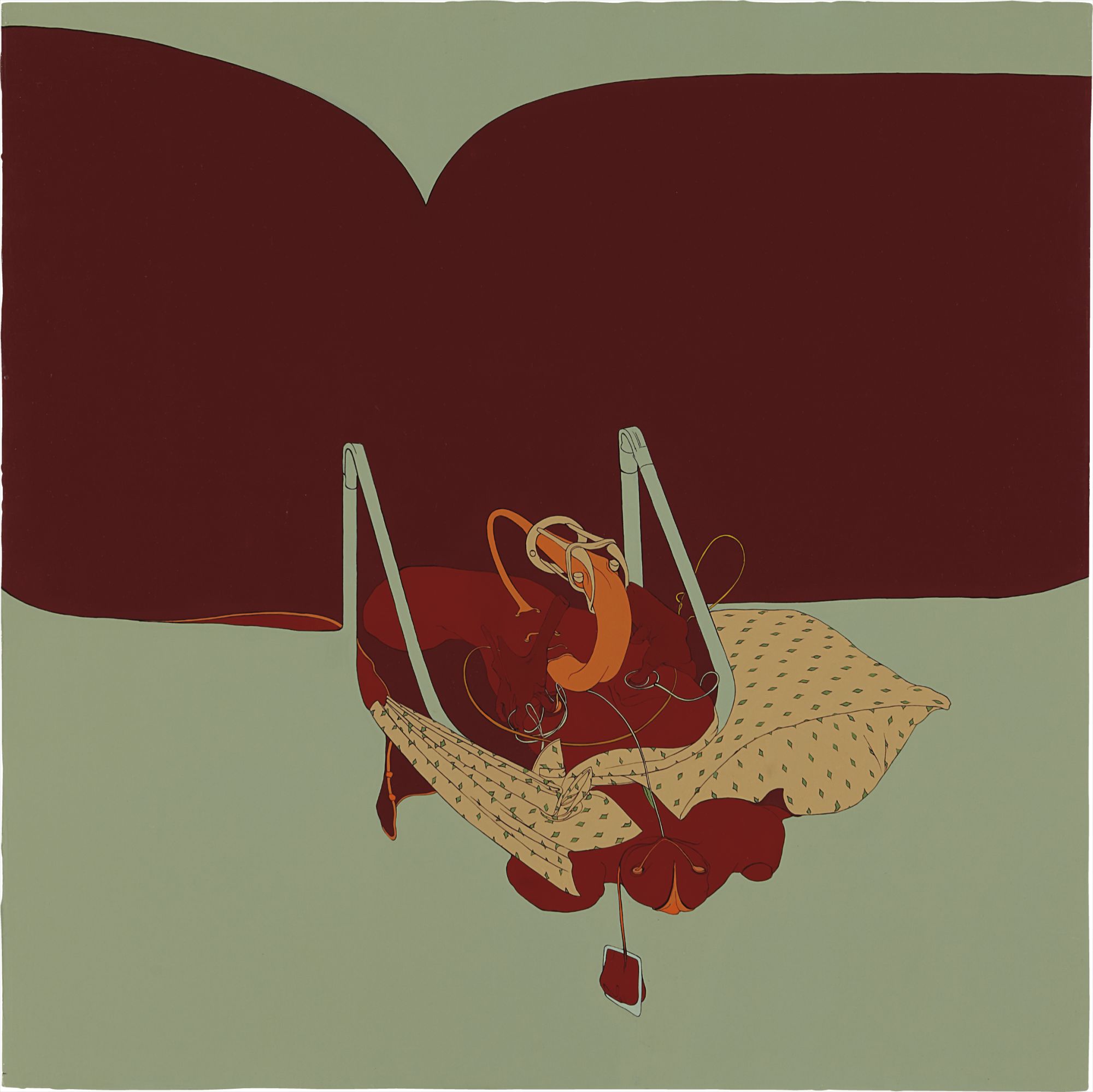
What links these artists across generations and geographies is an insistence on the body as primary subject, not the idealized body of classical tradition but the actual one, fragile and insistent, marked by experience. Dana Schutz brought this concern into a kind of wild, carnivalesque territory in the early 2000s, her figures bloated and luminous, caught in states of transformation that are simultaneously comic and disturbing. Barnaby Furnas paints with urgency that is almost athletic, his brushwork tracking the speed of violence and flood and desire. Jadé Fadojutimi, among the most compelling painters to emerge in the past decade, works in a register that is more abstract but no less somatic, her canvases feel like they are breathing.
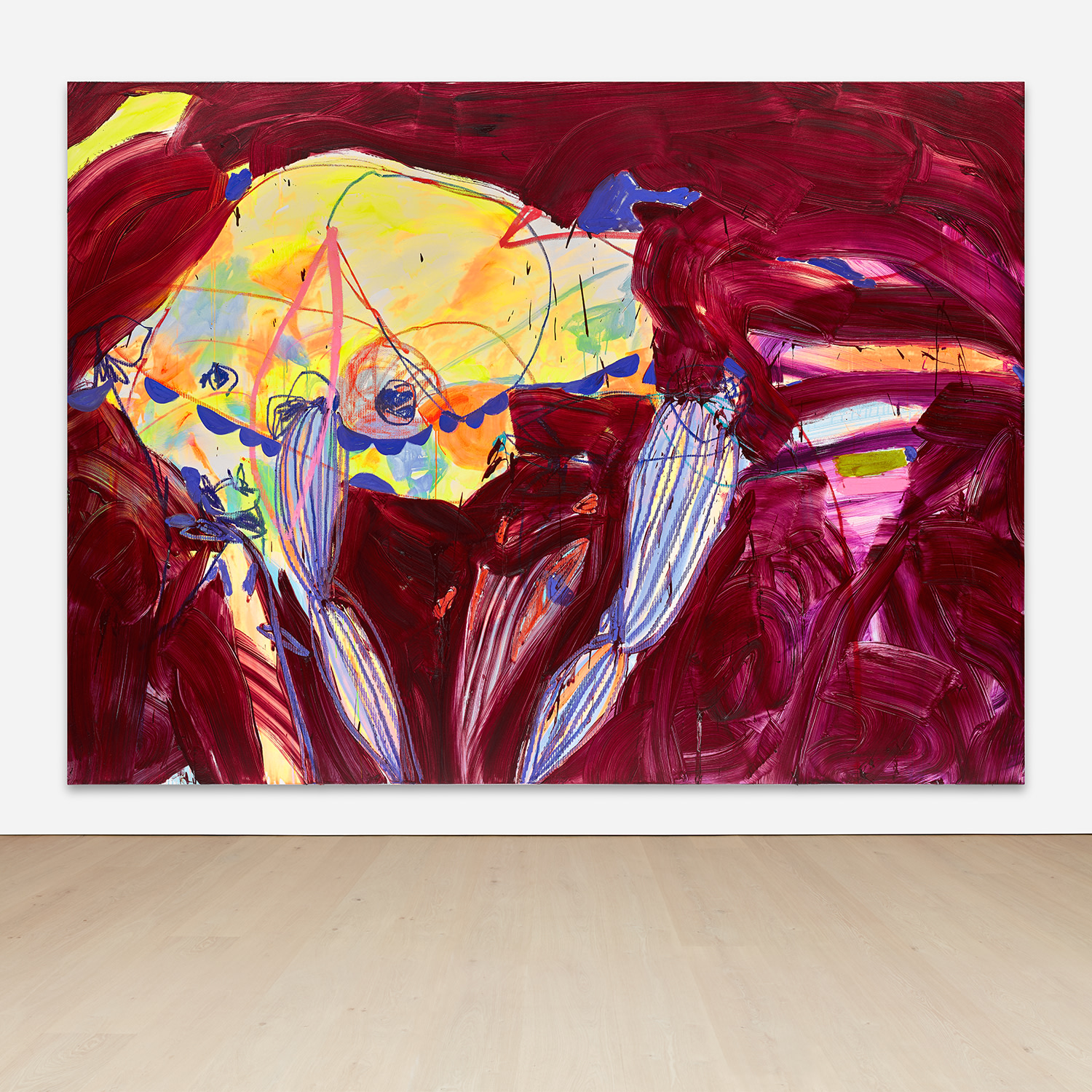
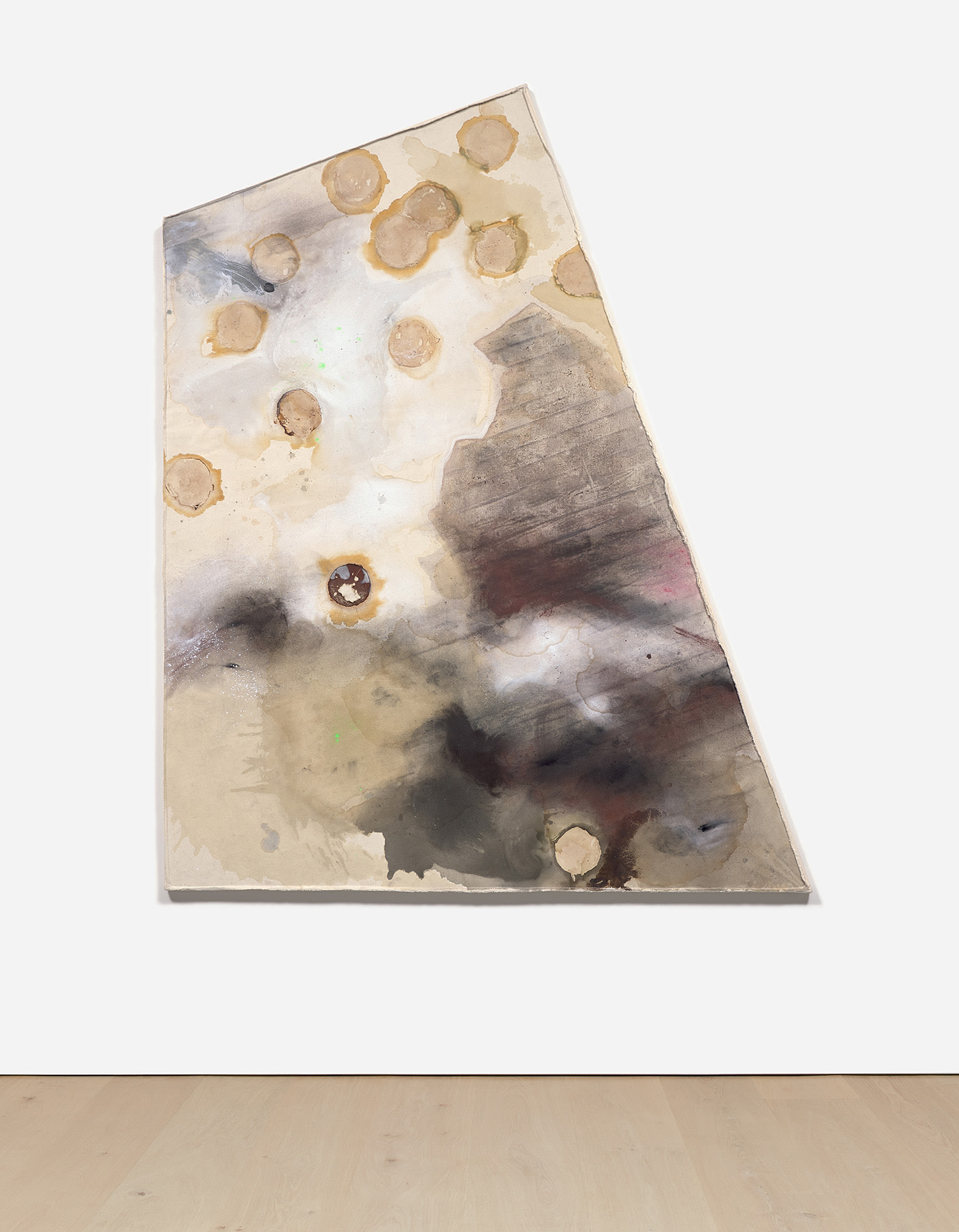
Jadé Fadojutimi
The Menstrual Marshland, 2021
The materials that visceral artists reach for tend to be equally unruly. Thick, dragged, or poured paint. Raw canvas. Body fluids.
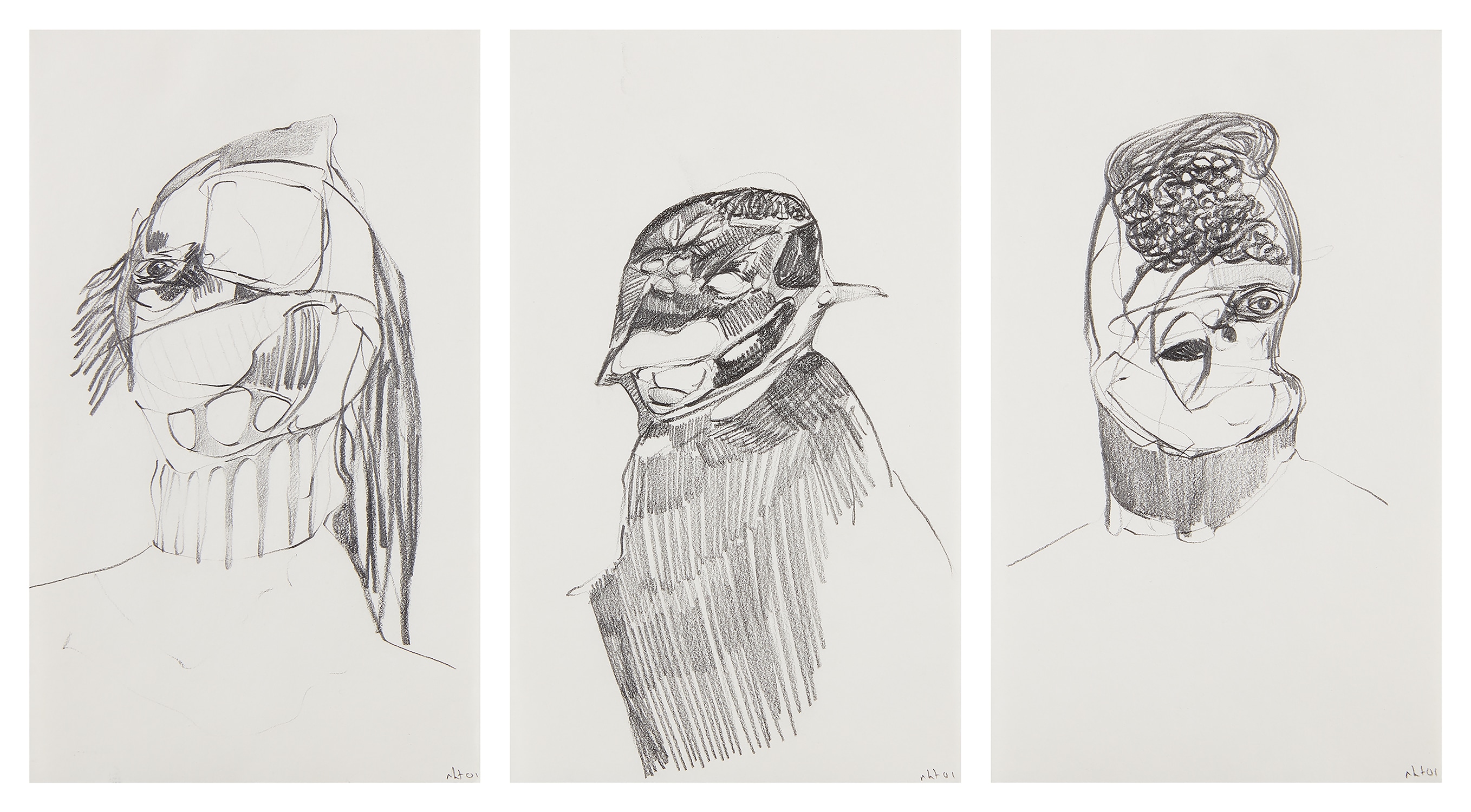
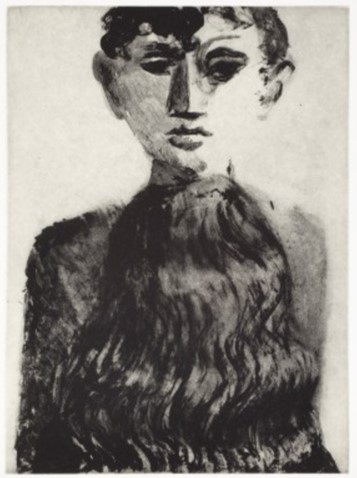
Charcoal pressed hard enough to tear the surface. Lenz Geerk works in a more quiet register but his figures carry a psychological pressure that accumulates over time, the stillness more unsettling than any overt violence. Nicola Tyson's distorted bodies press against the limits of figuration, stretching anatomy into something that feels more emotionally accurate than any conventional likeness. Lucy Dodd's canvases, saturated with dye and made through a process that involves full bodily immersion, are visceral in the most literal sense, made by and through the body itself.
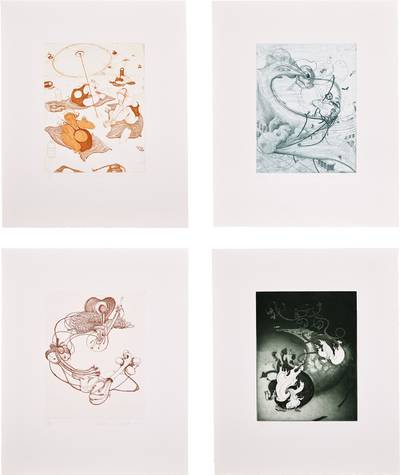
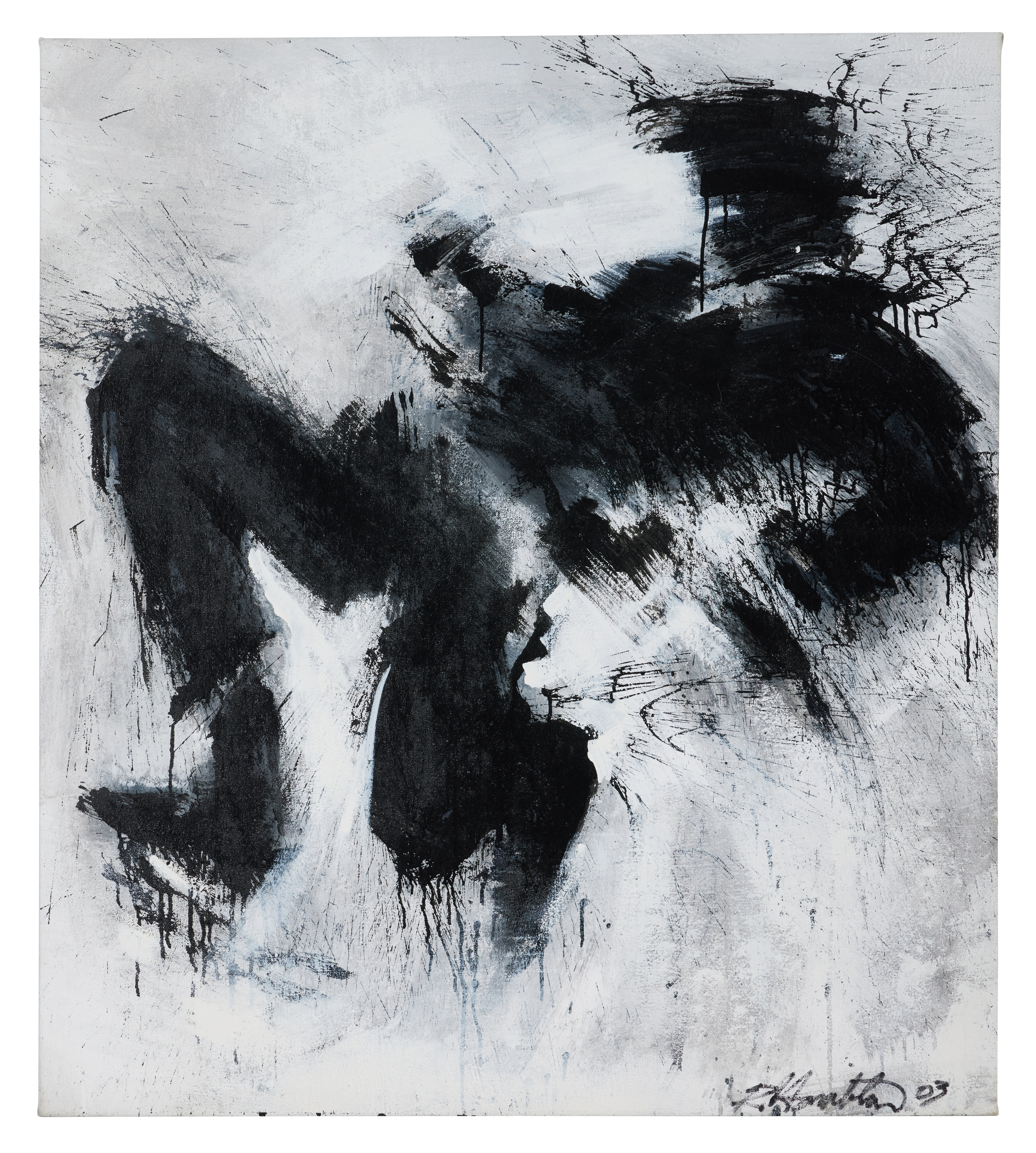
Richard Hambleton, whose shadow figures appeared on the streets of Lower Manhattan and beyond in the early 1980s, understood that visceral impact is often a function of surprise and location. The shadow figures worked because they arrived where you least expected them, triggering a genuine physical startle before the mind caught up and recognized the art. Inka Essenhigh and Dan Colen and Zhang Zipiao and Lauren Quin each, in their own way, understand that the task of painting is to produce a response that precedes understanding. What endures about visceral art is not simply its shock value, which fades quickly if there is nothing else beneath it.
What endures is its honesty. In a culture that is increasingly mediated, filtered, and aestheticized, work that reaches past the eyes and into the body feels not just relevant but necessary. The artists gathered on The Collection in this territory are not making comfortable objects. They are making evidence that being alive is strange, and costly, and worth looking at directly.