South Korean
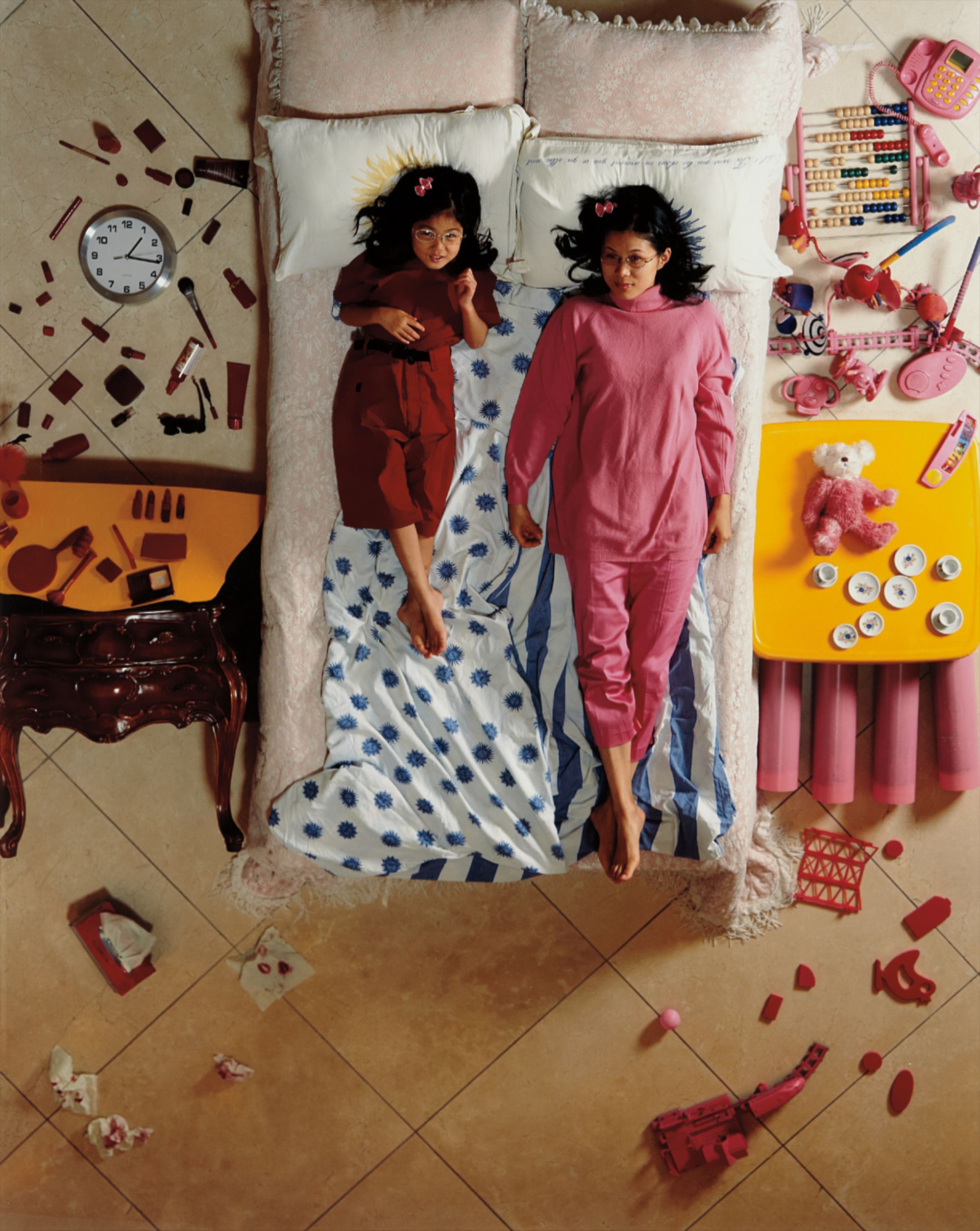
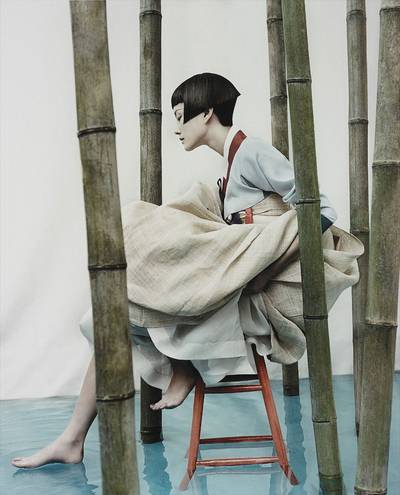
Yeondoo Jung
Afternoon Nap from Wonderland
Korea's Art World Has Been Waiting for This
There is a moment in the history of any national art scene when the rest of the world stops politely nodding and genuinely starts paying attention. For South Korea, that moment has been building for decades, layered into the work of artists who survived rupture and reinvention, who absorbed the weight of a divided peninsula and the dizzying speed of modernization, and who turned all of it into some of the most formally rigorous and emotionally complex art produced anywhere in the postwar era. To collect South Korean art today is to engage with a living tradition that stretches back through Confucian aesthetics and Buddhist brushwork, passes through the trauma of the Korean War and the compression of economic transformation, and arrives somewhere genuinely new. The story often starts with Dansaekhwa, the monochrome movement that emerged in the 1970s and that remains one of the most significant contributions Korean artists have made to global art discourse.
Working in an atmosphere of political repression under Park Chung hee, painters like Yun Hyong keun and Park Seo bo developed a practice built on repetition, restraint, and material meditation. Yun Hyong keun, whose work appears on The Collection, worked with umber and ultramarine soaked into raw linen, producing surfaces that feel less painted than absorbed. His paintings ask for the same quality of attention that a scholar might bring to a classical text. The Dansaekhwa painters were reckoning with what it meant to make art after catastrophic loss, and the results have a gravity that no amount of critical rehabilitation can fully account for.
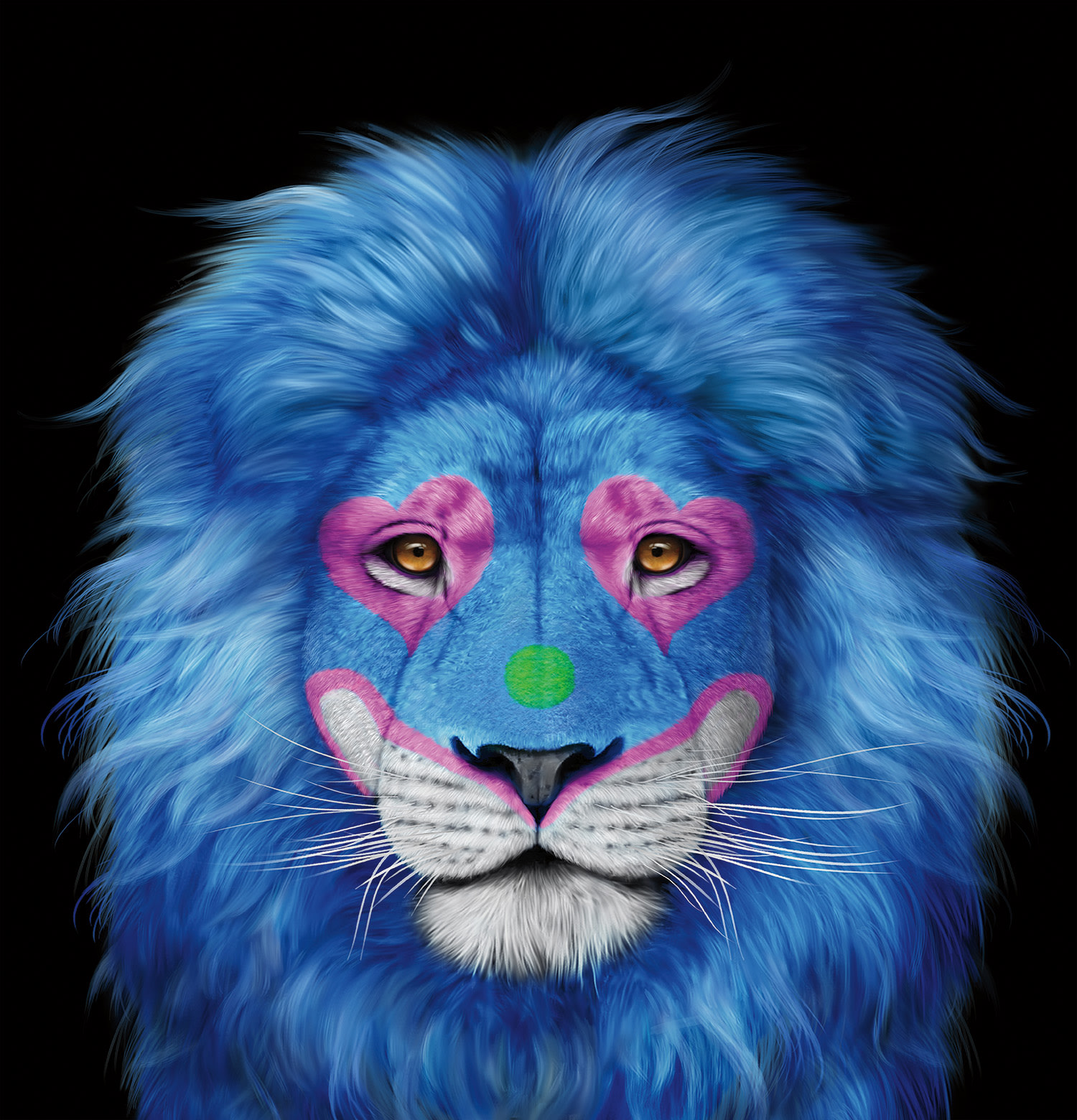
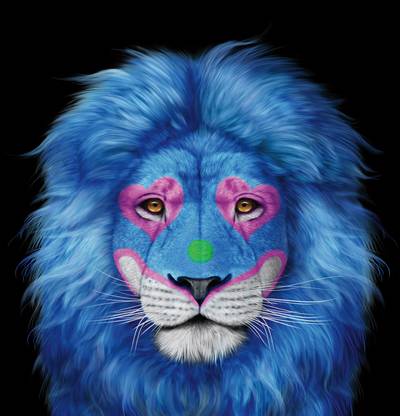
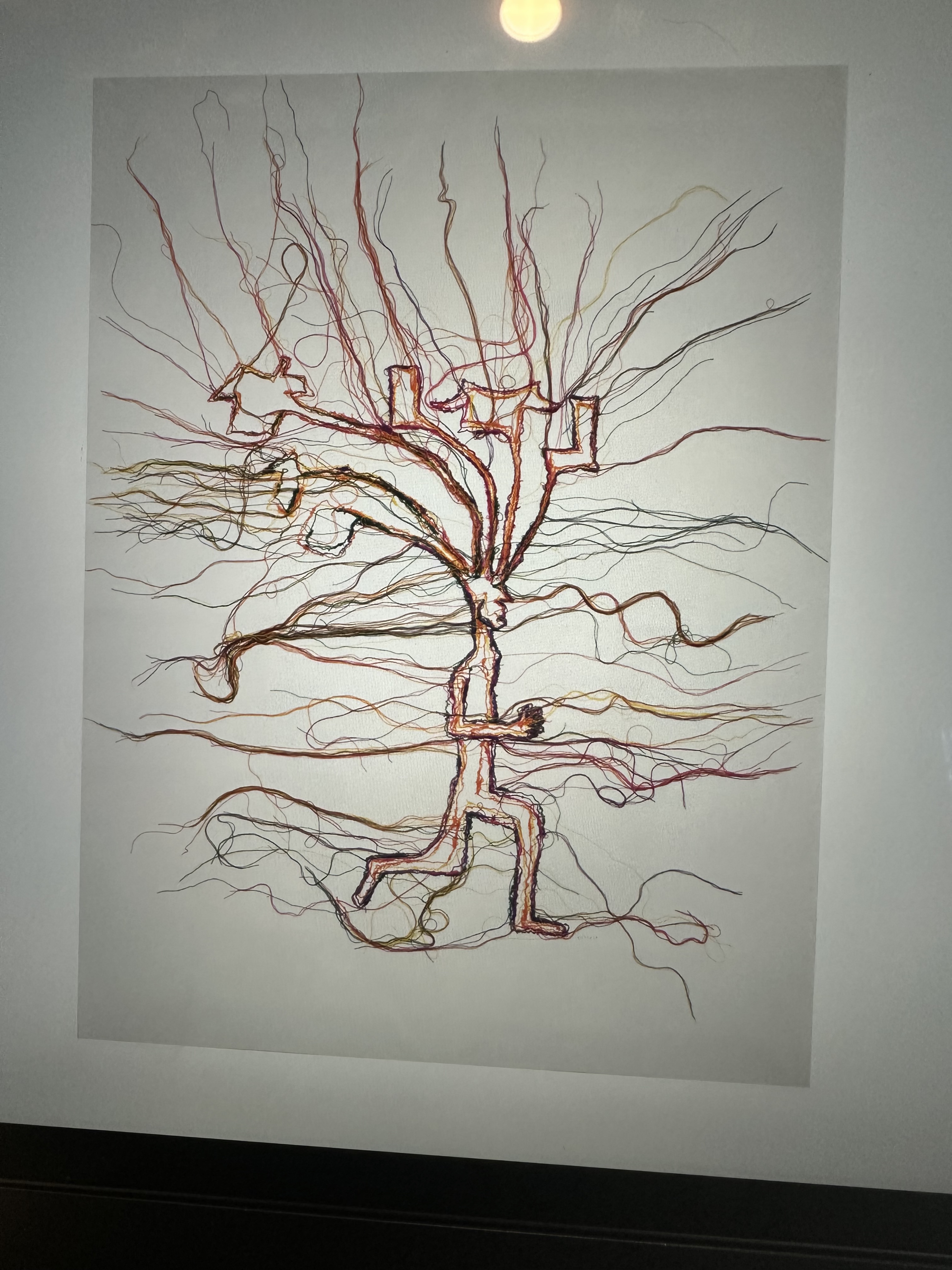
Koh Sang Woo
Pierrot Lion
What makes this lineage so compelling is how it connects to much older ideas about painting as a meditative act. The relationship between the brush, the body, and the material in Korean art has roots in the calligraphic traditions of the Joseon dynasty, where the quality of a line was understood as a direct expression of moral and intellectual cultivation. Artists working in the second half of the twentieth century were not simply reacting to Western abstraction, though the dialogue with Minimalism and Arte Povera was real and productive. They were also reaching back into their own cultural inheritance and asking what survived.
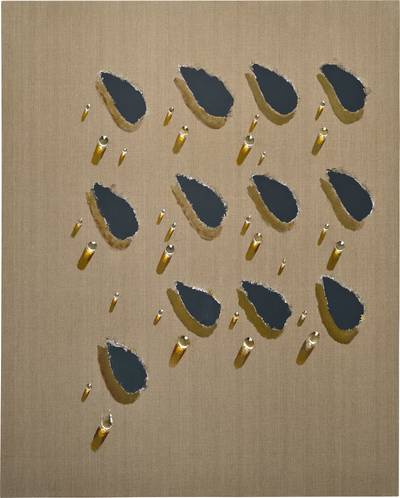
Kim Tschang yeul, who spent decades in France while never ceasing to paint water droplets onto layered surfaces, is perhaps the most poignant example of an artist holding two worlds in a single image. His work on The Collection represents a practice of extraordinary patience and philosophical seriousness. The generation that followed inherited both the formal rigour of their predecessors and the very different conditions of a society opening itself to global culture with tremendous speed. The 1988 Seoul Olympics served as something of an inflection point, after which South Korea began projecting a cultural identity outward with new confidence.
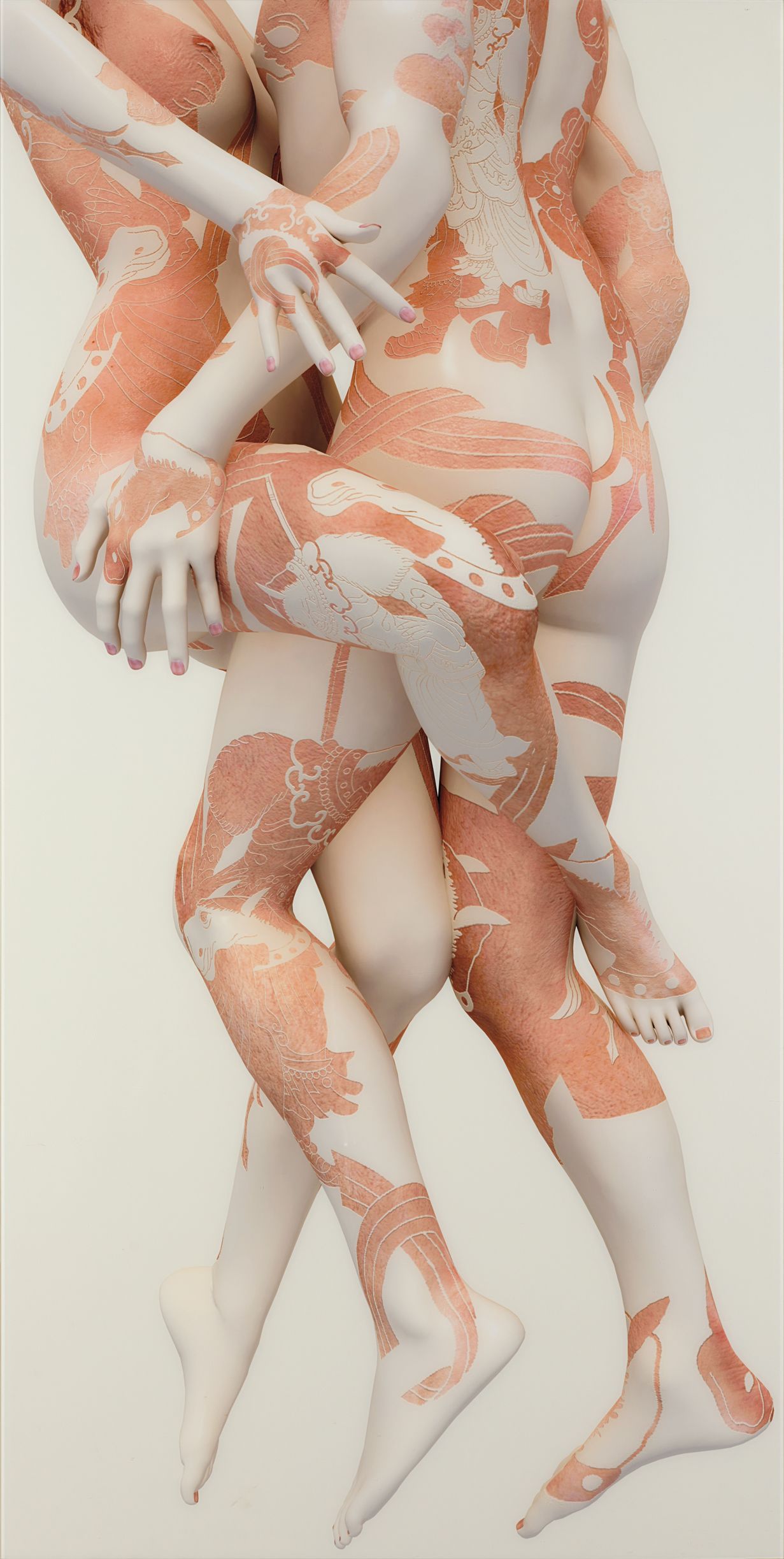
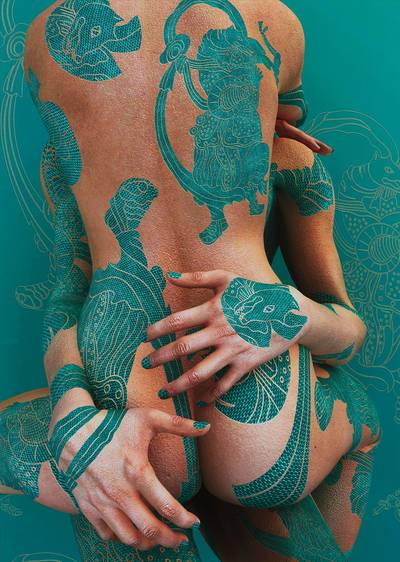
Kim Joon
Duet-horse II
Artists who came of age in this period were shaped by the collision of rapid democratization, consumer culture, the rise of Hallyu across music and cinema, and the persistent psychological shadow of the North. Kim Joon belongs to this transitional moment in the most vivid way. His digitally constructed images map tattoo patterns onto bodies in ways that collapse high and low culture, East and West, the ancient and the hypermodern. His works on The Collection are beautiful and slightly unsettling, which is precisely the point.
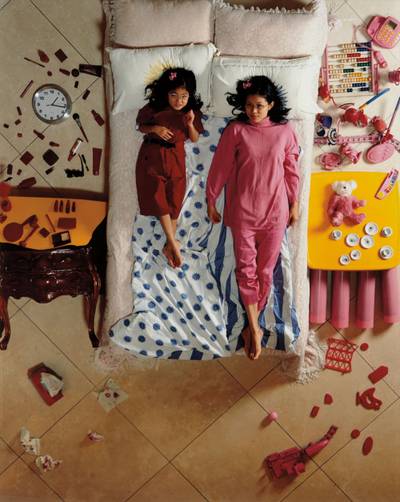
Photography and lens based practice have produced some of the most internationally recognized Korean artists working today. Yeondoo Jung has spent his career exploring the space between reality and staging, between documentation and fantasy. His series that transformed children's drawings into inhabited scenes captured something universal about the relationship between imagination and lived experience, and his work earned serious attention at major international venues throughout the 2000s. Jun Ahn takes a more solitary and visceral approach, photographing herself in vertiginous situations that test the boundary between self portraiture and performance.
Yeondoo Jung
Afternoon Nap from Wonderland
Haegue Yang, who works across installation, sculpture, and works on paper, occupies a particularly important position in the conversation about what Korean art looks like when it is also fully embedded in the international contemporary scene. Her inclusion in major biennials and her solo exhibitions at institutions including the Museum of Modern Art have made her one of the most discussed Korean artists globally. There is also a quieter, more intimate strand of Korean contemporary practice that rewards close looking without announcing itself loudly. Koh Sang Woo works with the face and the body in ways that are deeply psychological, Choi Youngdon brings a painter's sensibility to questions of perception and surface, and Lee Jeonglok approaches landscape with a conceptual precision that situates him somewhere between traditional ink painting and contemporary photography.
These artists may not yet have the international name recognition of their peers, but collectors who are paying close attention know that this is often where the most interesting work lives. The diversity of practices represented on The Collection across figures like So Youn Lee, Kyung Soo Kim, and Seungcheol Ok confirms that South Korean art is not a monolith but a genuinely plural conversation. What ties all of this together is not a single style or ideology but a quality of seriousness that runs through the work regardless of medium or generation. South Korean artists have consistently operated with an awareness that making art is a form of reckoning, with history, with identity, with the body, with the image itself.
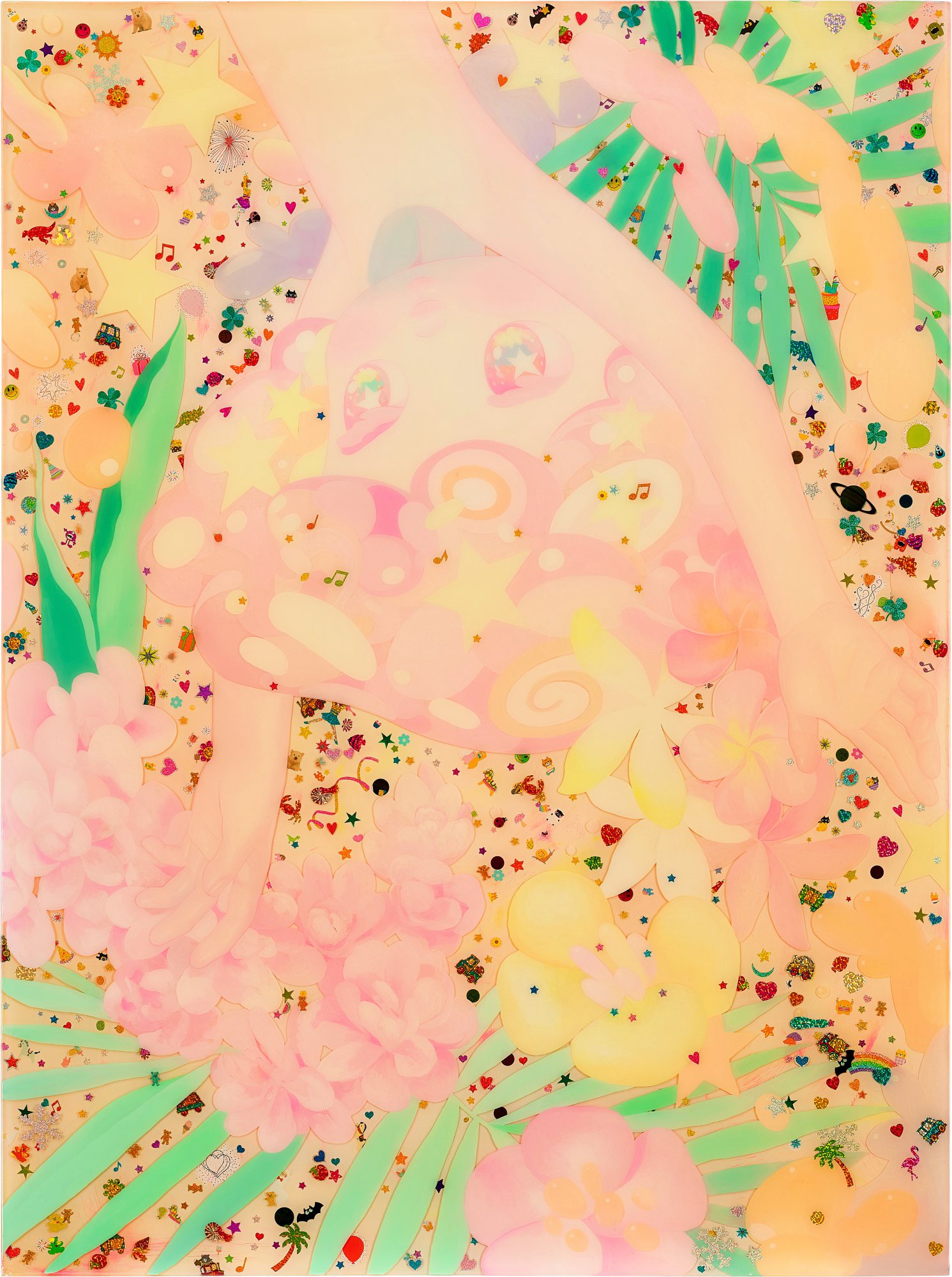
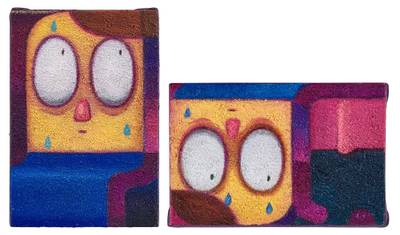
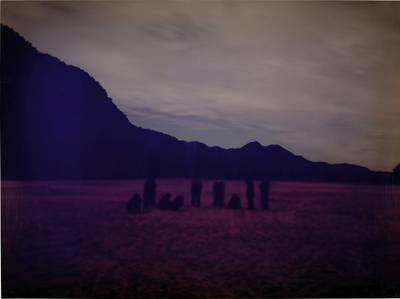
So Youn Lee
風吹到的地方
As Western collectors and institutions have begun to look harder at practices that were long undervalued by a market centered on New York and London, South Korean art has not adjusted itself to meet those expectations. It has simply continued doing what it was always doing, which is the surest sign of a tradition with genuine depth. The works on The Collection offer a remarkable entry point into that tradition, and for a collector willing to look carefully, the rewards are considerable.