Sculptural Furniture
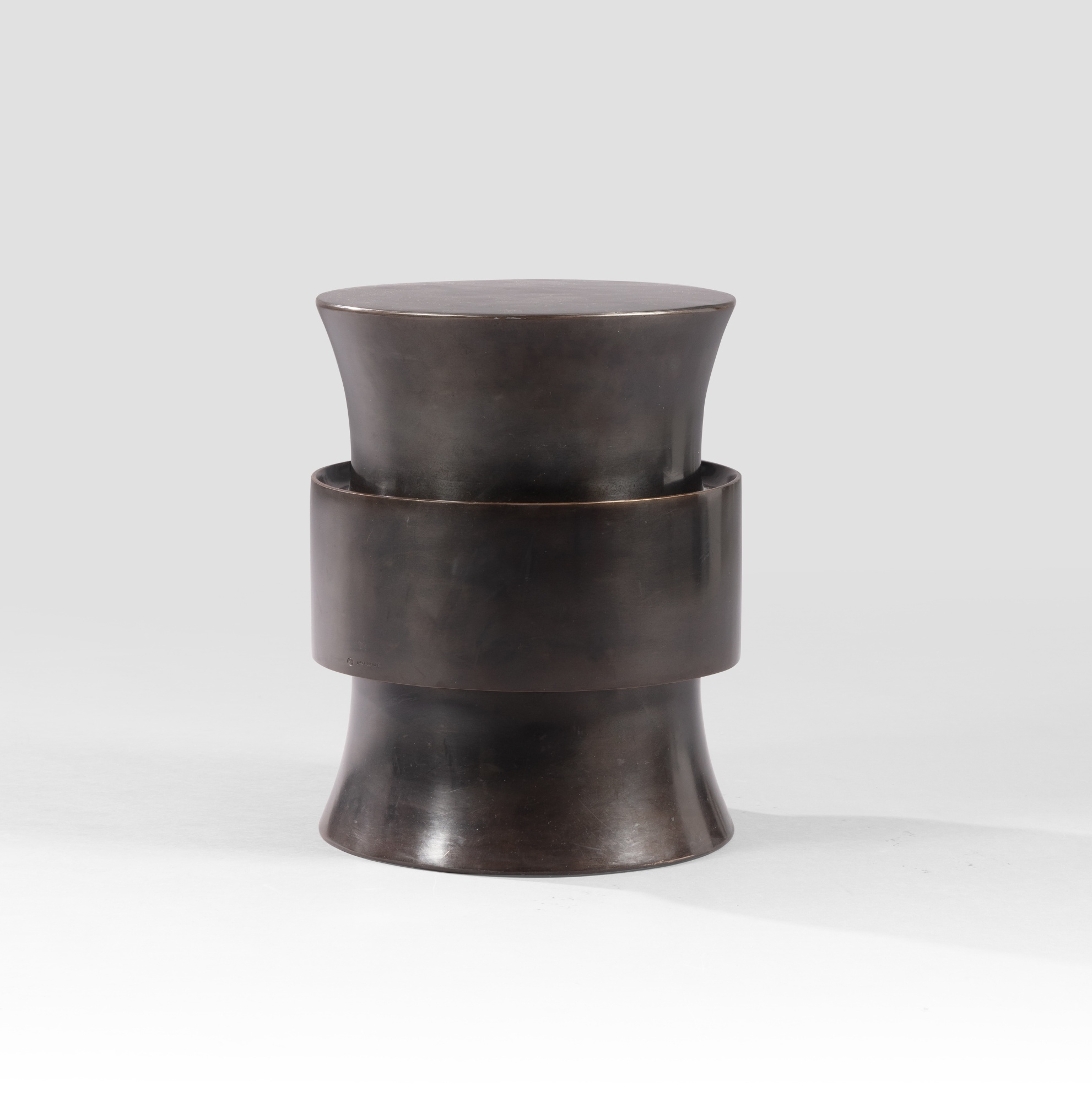
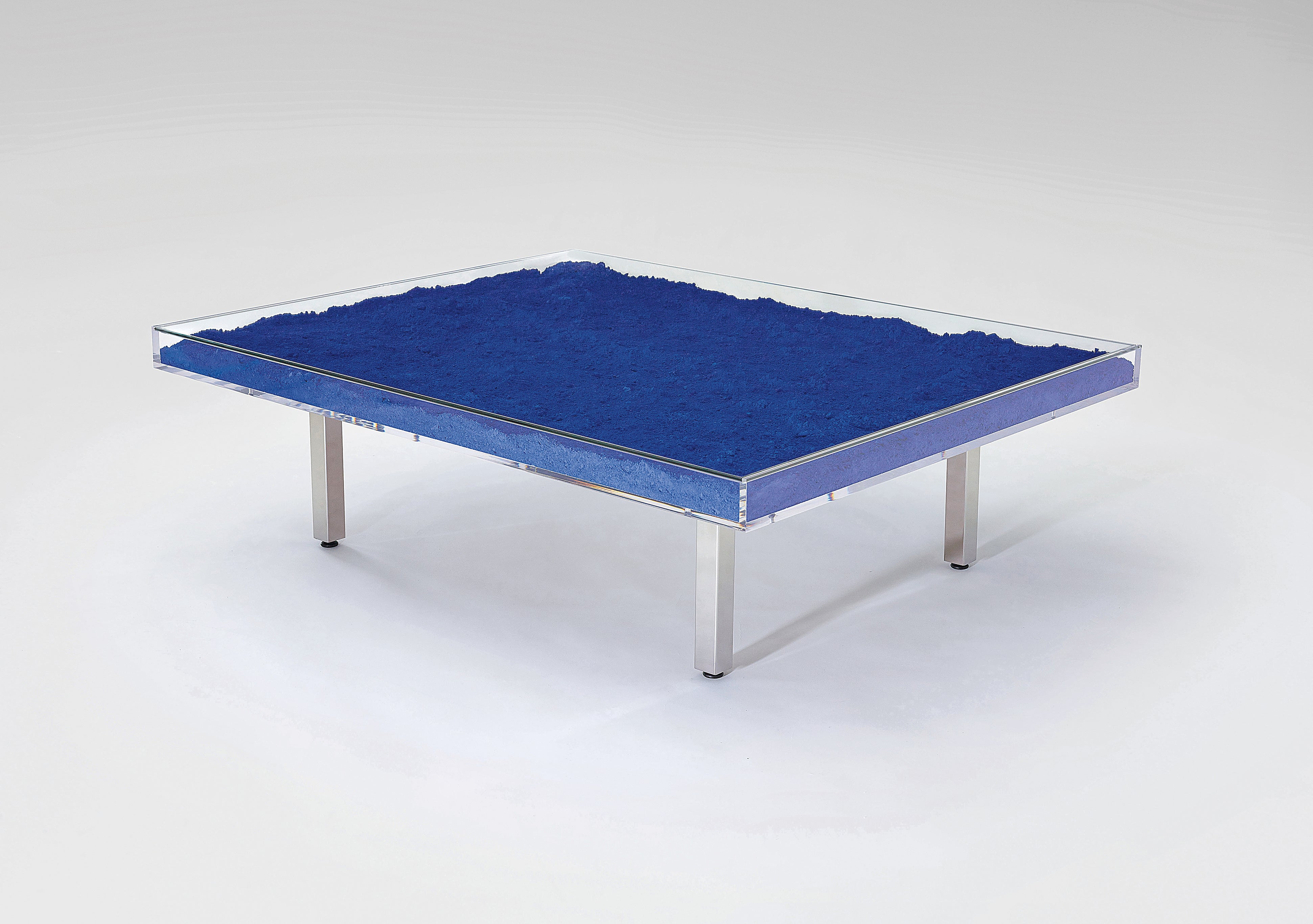
Éric Schmitt
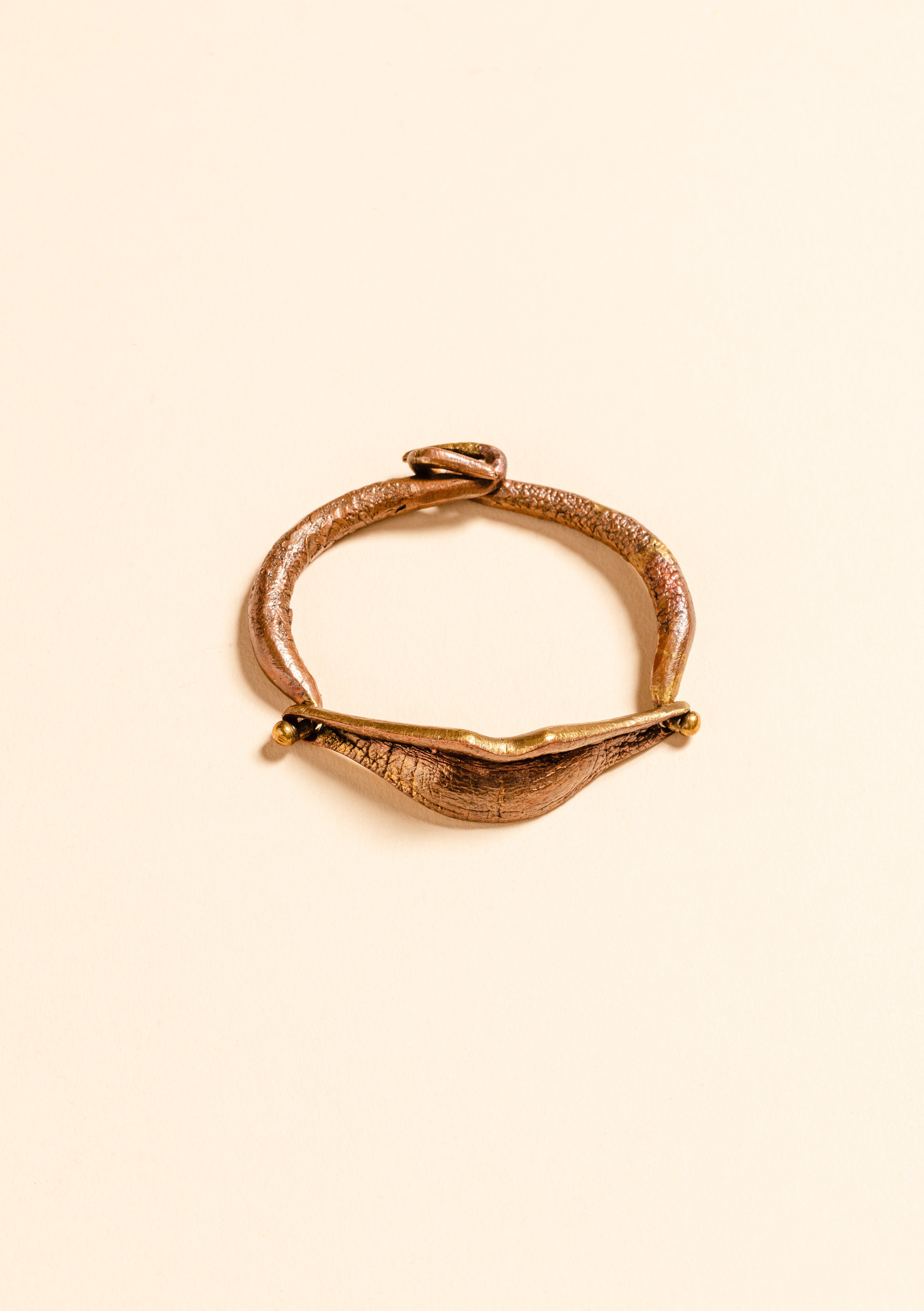
Guéridon Tabou
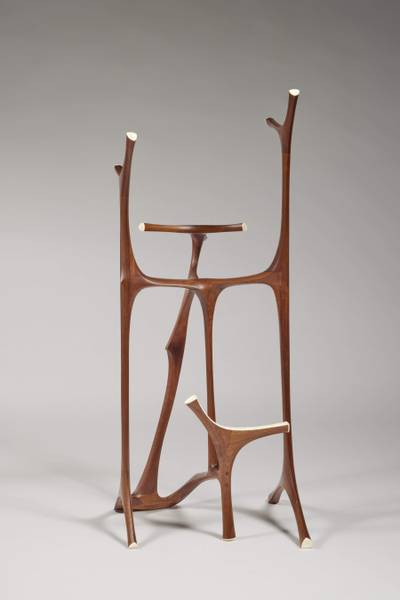
When Furniture Stopped Knowing Its Place
There is a particular kind of vertigo that comes from standing before an object you cannot quite name. Is it a chair or a sculpture? A table or a proposition? Sculptural furniture has always trafficked in this productive uncertainty, refusing the comfortable hierarchies that separate art from life, the gallery from the home, the beautiful from the useful.
That refusal, at once philosophical and deeply sensual, is precisely what makes this category so compelling to collectors who have moved beyond acquisition for its own sake and toward something more searching. The roots of this conversation stretch back further than most people suppose. The Arts and Crafts movement of the late nineteenth century made early claims that objects of daily use deserved the same intentionality as paintings or bronzes, but it remained constrained by craft traditions and a certain earnest functionalism. The more electric rupture came with Surrealism in the 1930s, when artists began treating the everyday object as a site of psychological disruption.
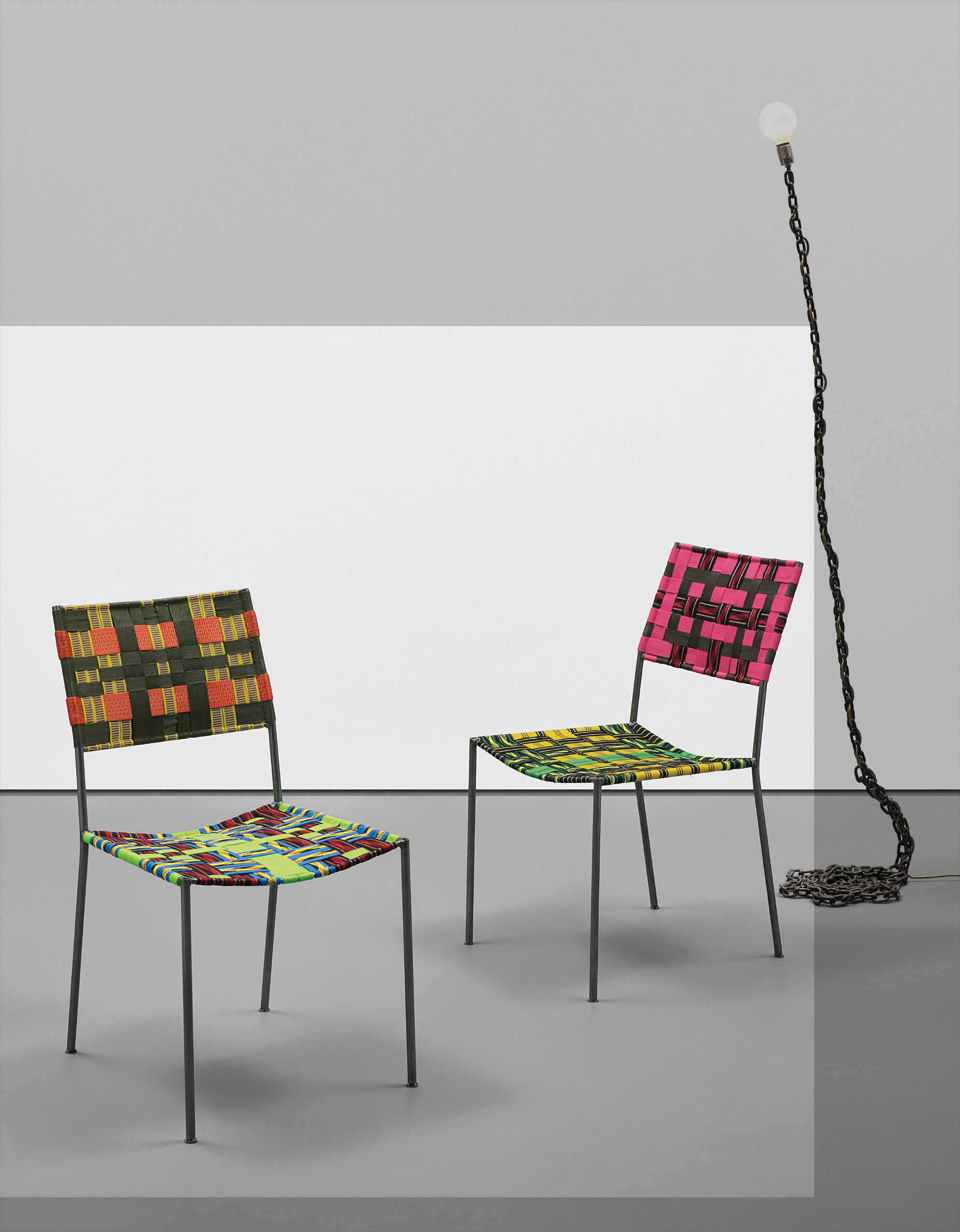
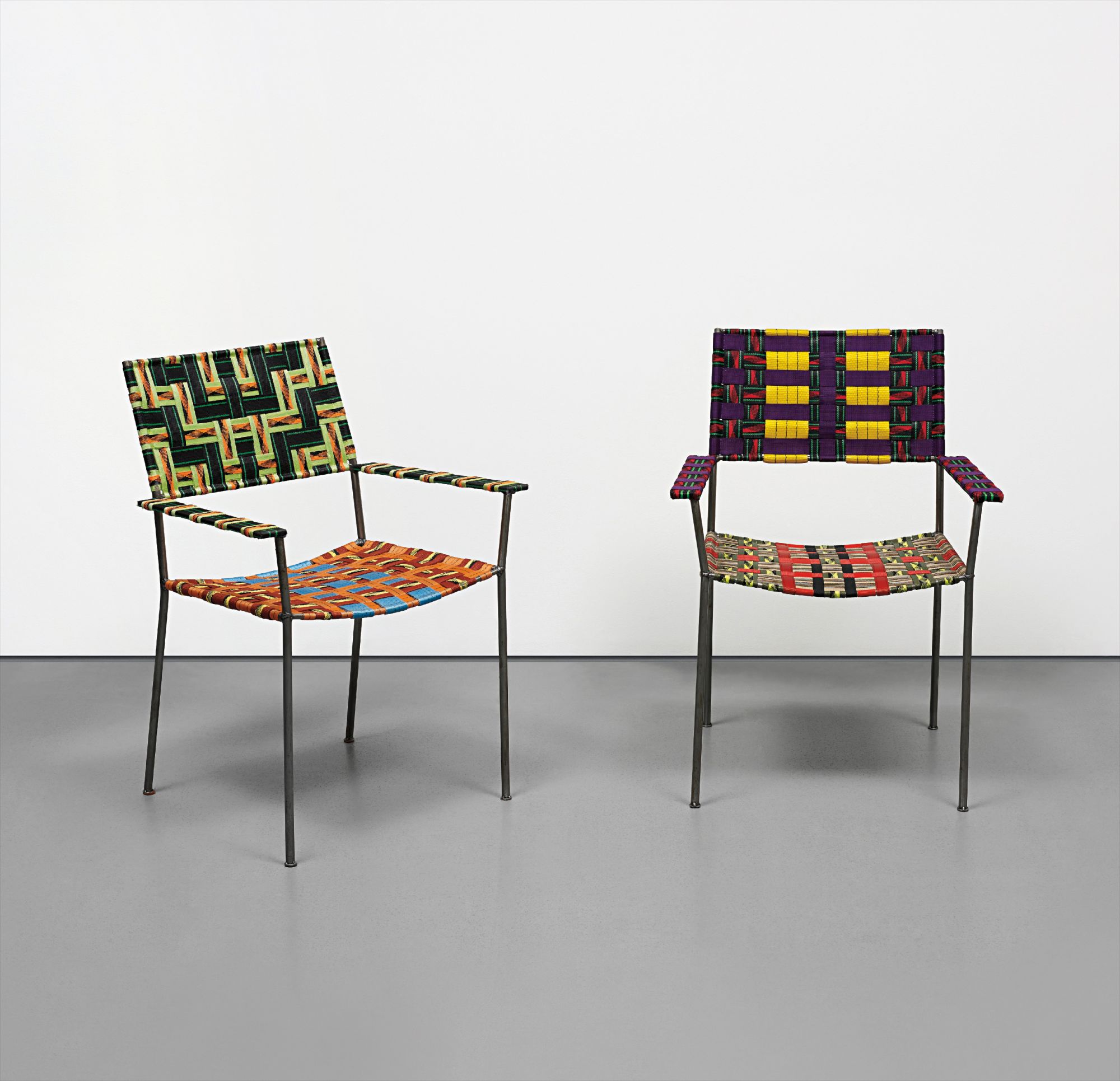
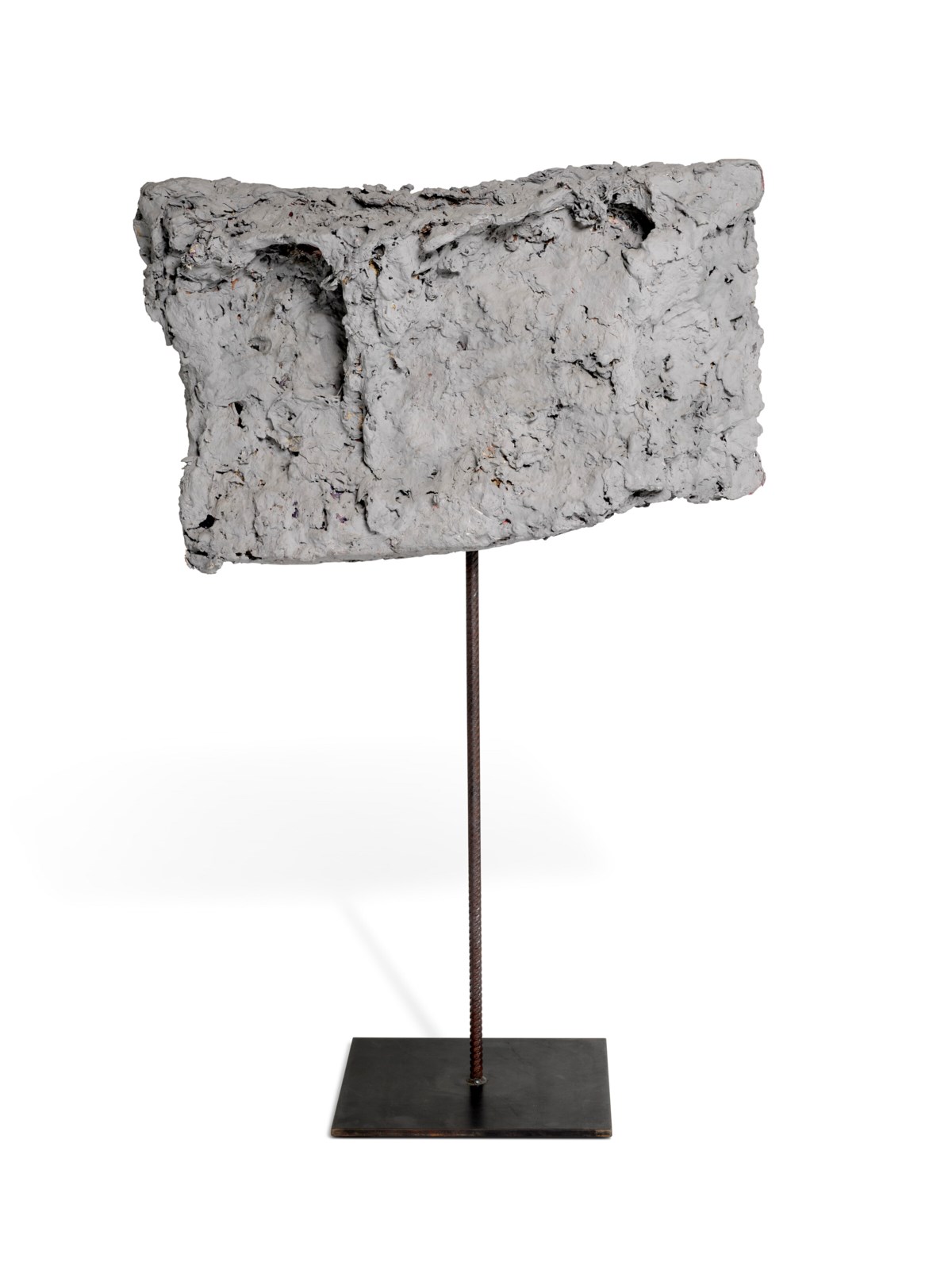
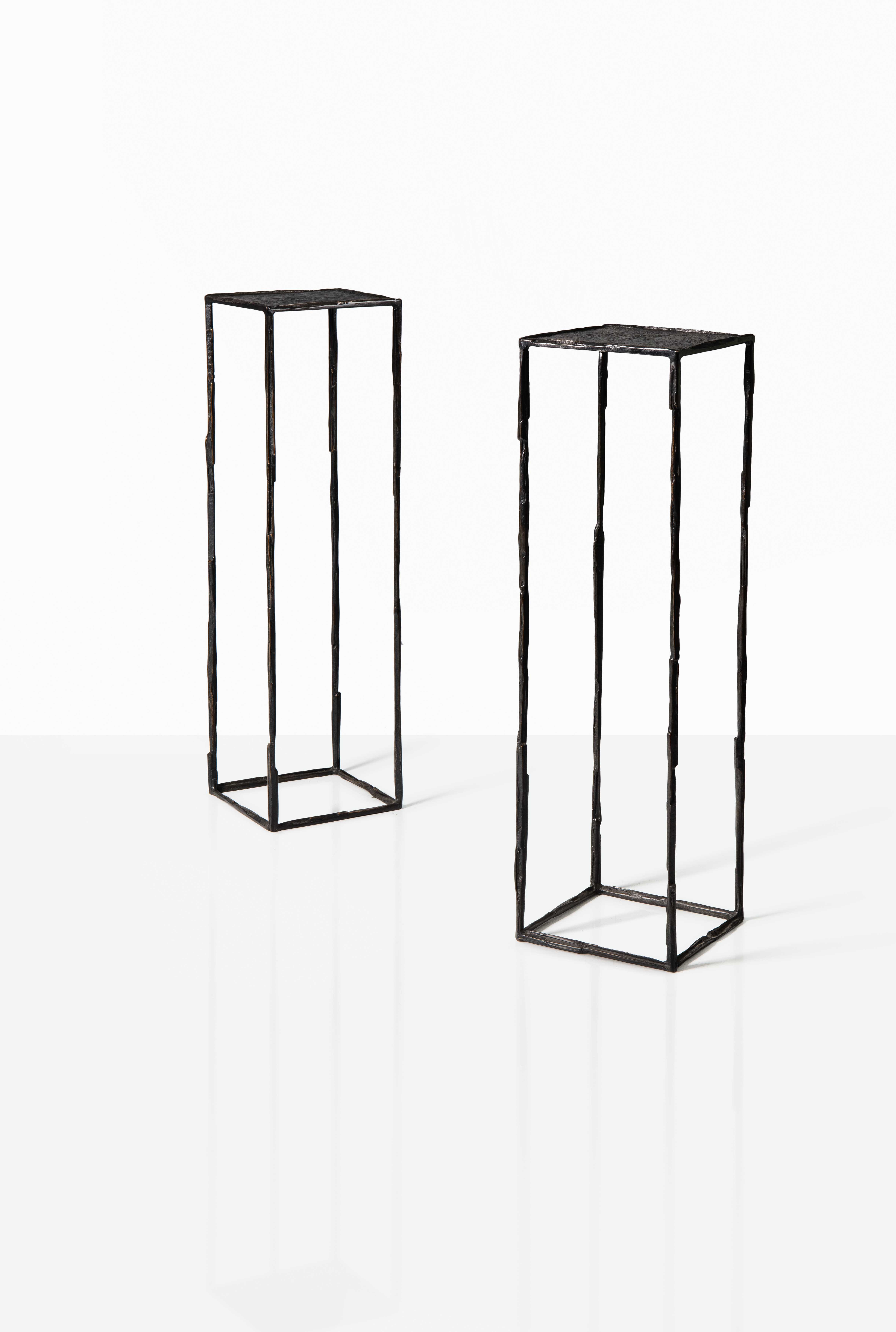
Franz West
(i) incised 'P368' on rear left leg (ii) incised 'P369' on rear left leg, 2009
Salvador Dalí's Mae West Lips Sofa, produced around 1937 in collaboration with Edward James, announced something genuinely new: furniture as uncanny body, as dreamwork made upholstered flesh. You could sit on it, which was almost the point. The postwar decades deepened and diversified the conversation considerably. In France, a distinctive current emerged that blended haute craftsmanship with an almost mythological imagination.
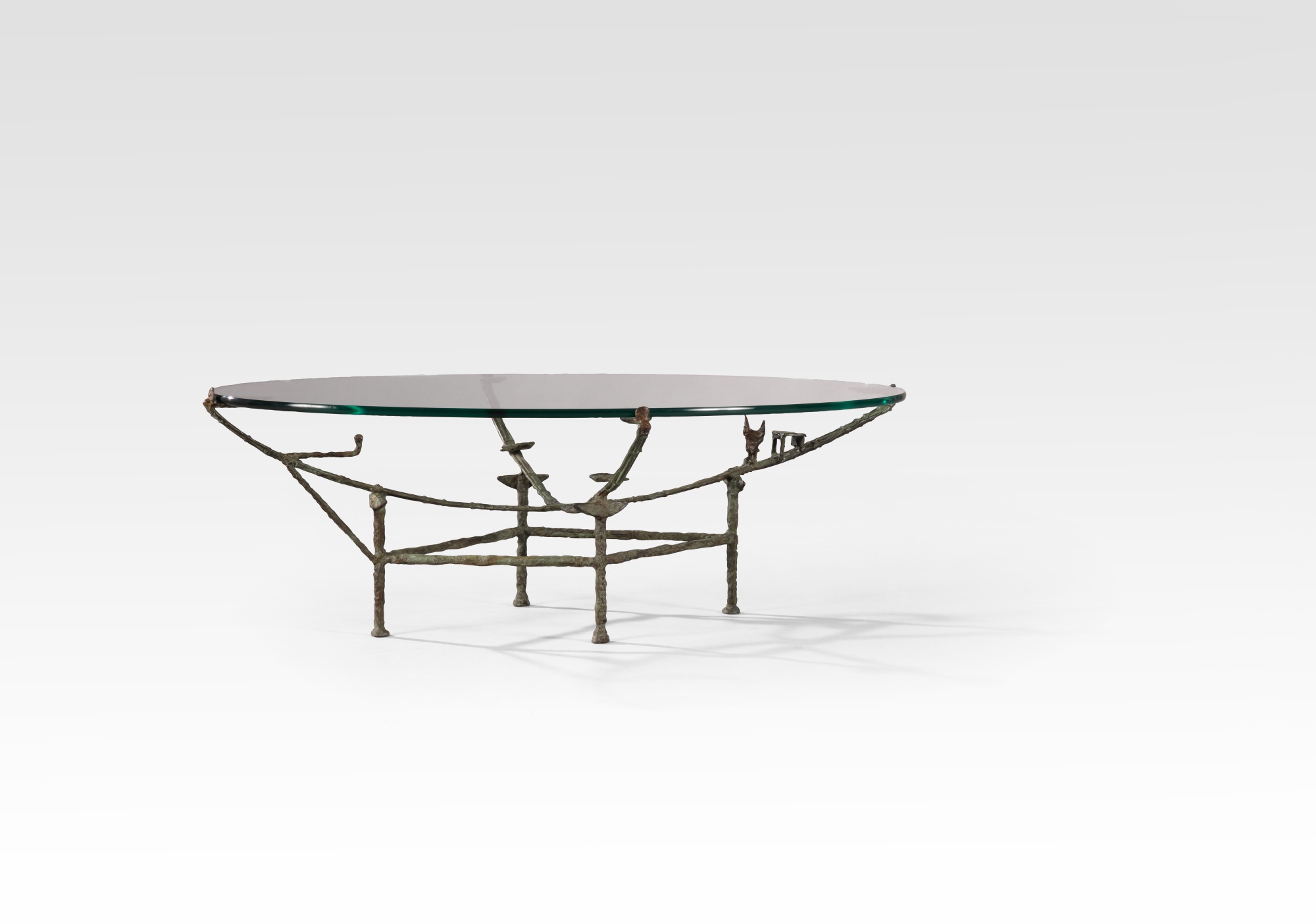
Diego Giacometti, working largely in the shadow of his more famous brother Alberto, developed a body of furniture and decorative bronze work that felt genuinely unprecedented. His tables and console pieces populated with animals, leaves, and attenuated figures carried the existentialist weight of the Giacometti sensibility while remaining, quite literally, functional objects. They are among the most quietly radical things made in the twentieth century, because they suggest that the domestic interior might be as charged a space as any museum room. Claude and François Xavier Lalanne occupied adjacent territory with their own sui generis vision.
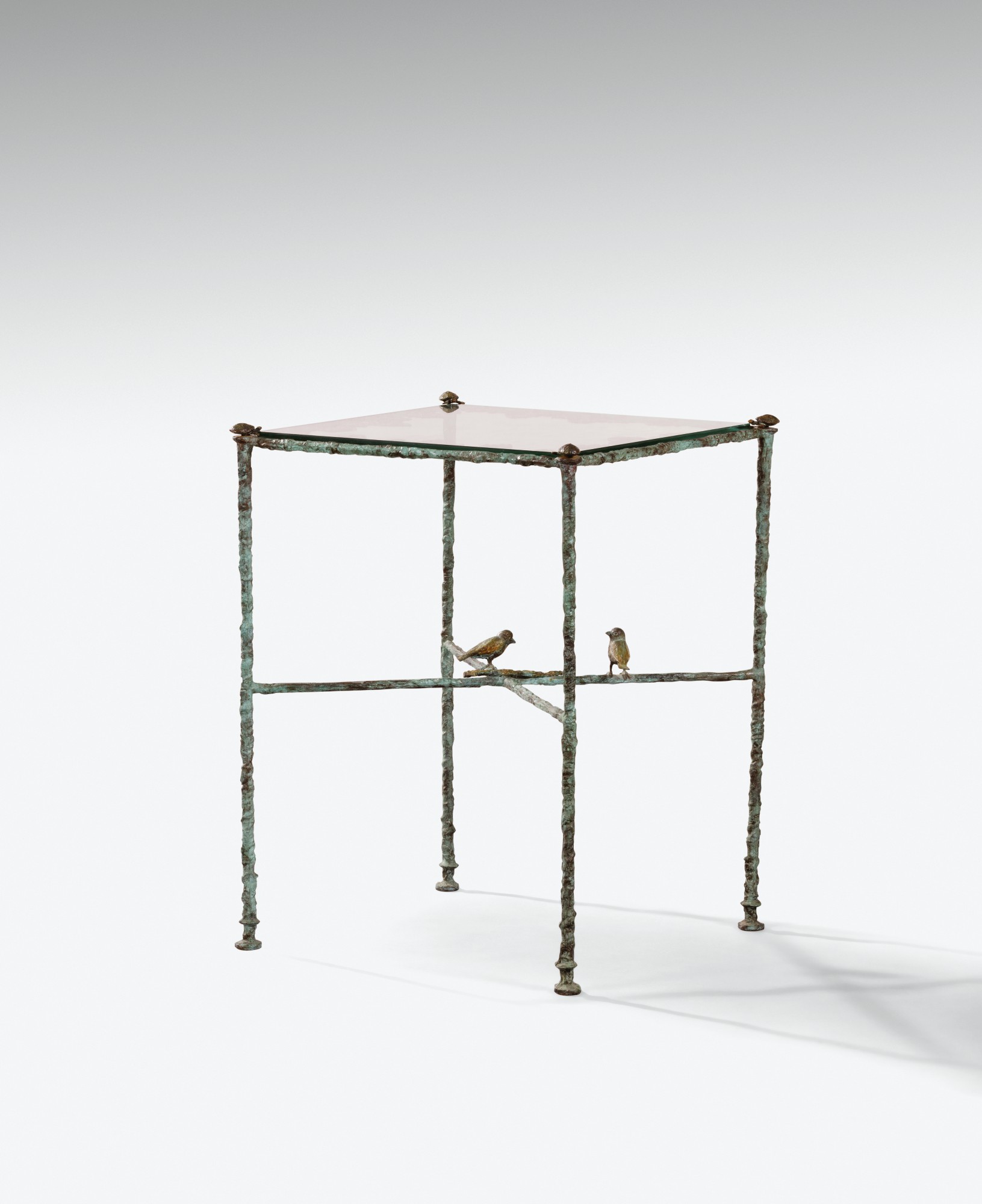
Diego Giacometti
Table Aux Oiseaux, feuilles et tortues
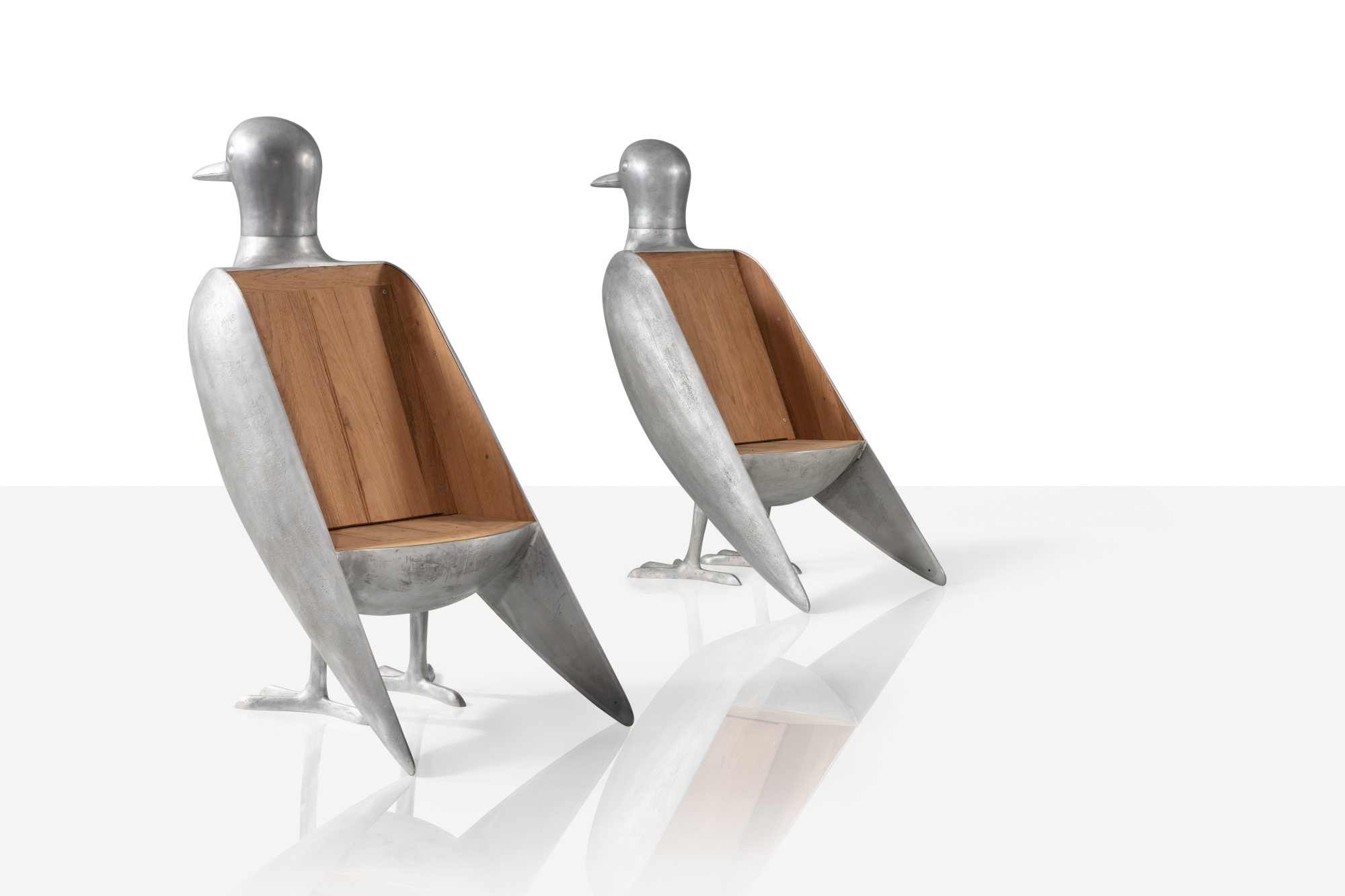
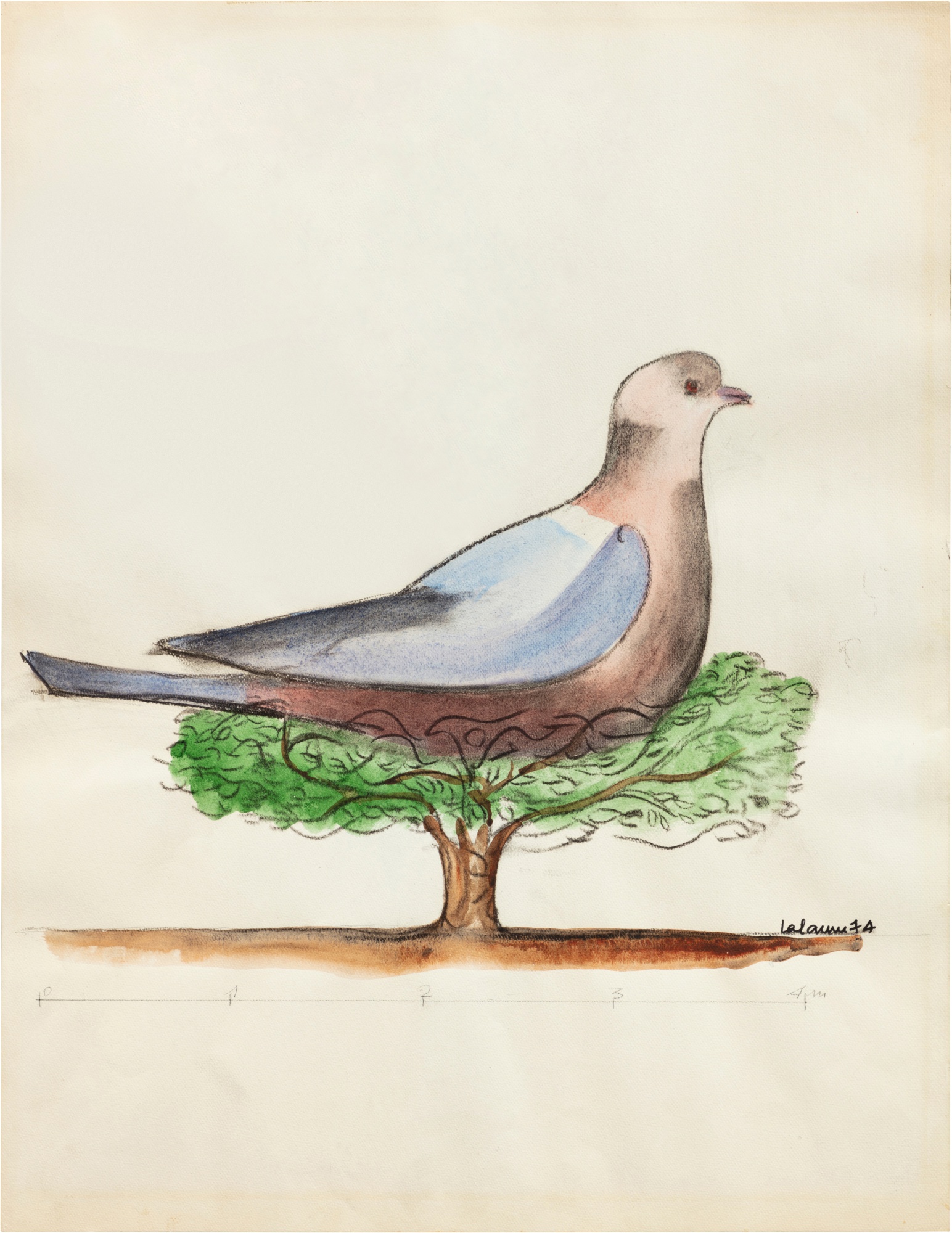
Working from their studio at Ury in the French countryside, the pair developed an iconography of animals and natural forms rendered in bronze and other metals that challenged every received idea about where decoration ends and sculpture begins. Claude's sheep, her hippopotamus bathtubs, her crouching figures belong to a world of their own devising, one that is simultaneously ancient and completely idiosyncratic. François Xavier's work, including his celebrated Mouton de Laine pieces, carried a dry wit alongside the formal invention. Both are well represented on The Collection, and for good reason: they stand at the center of this story.
By the 1980s and into the 1990s, the dialogue between furniture and sculpture had become a genuinely international phenomenon, and the terms of the debate had shifted. Where the French tradition leaned toward myth and material luxury, a new generation was drawn to industrial materials, conceptual aggression, and a kind of performative restlessness. Ron Arad emerged from London's One Off studio as one of the defining figures of this moment. His early work with salvaged car seats and welded steel carried the energy of punk without its nihilism, and his subsequent exploration of self supporting steel forms, rocking chairs, and coiled spring structures established a vocabulary that was impossible to ignore.
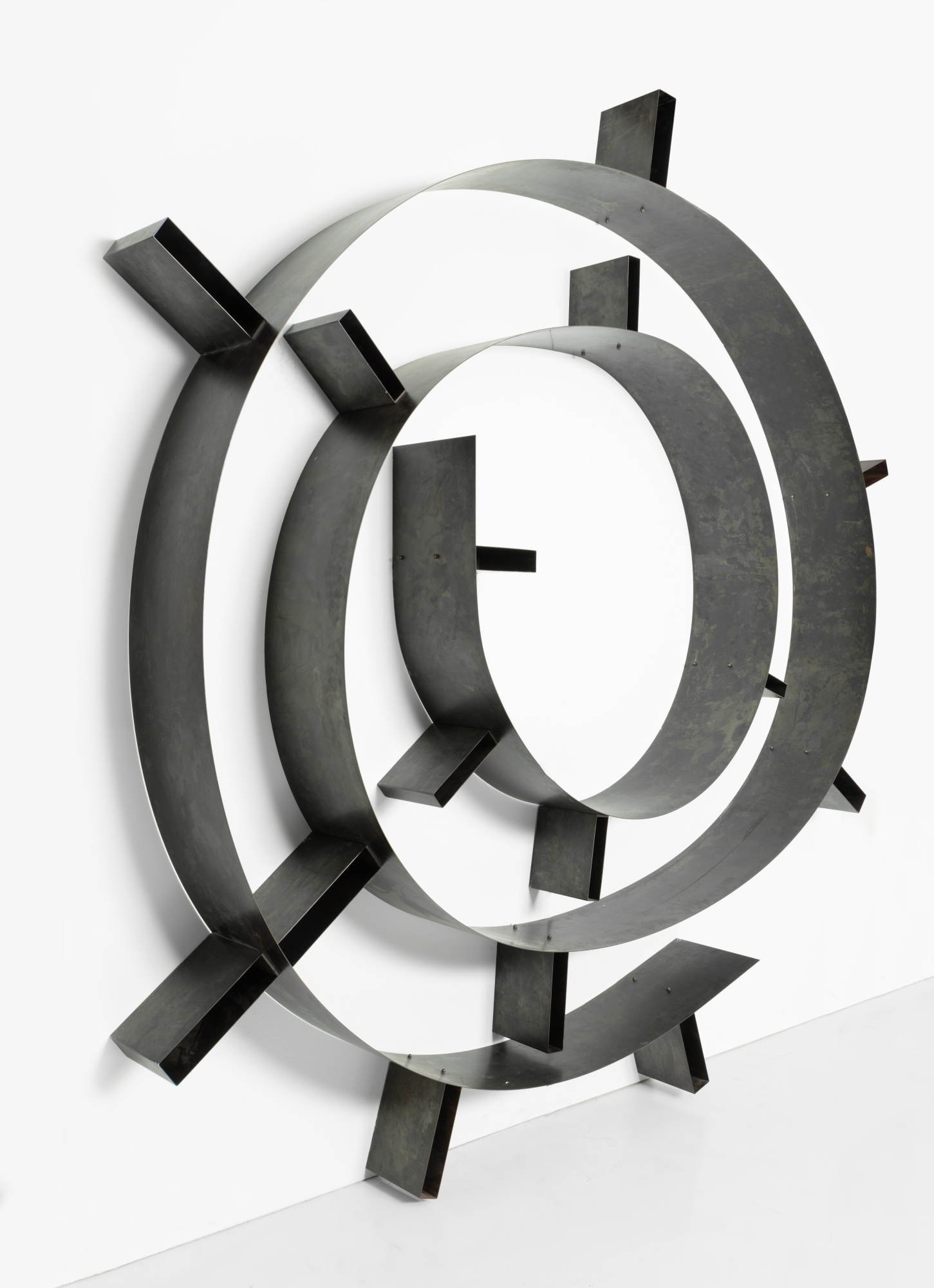
Ron Arad
Bibliothèque murale Bookworm
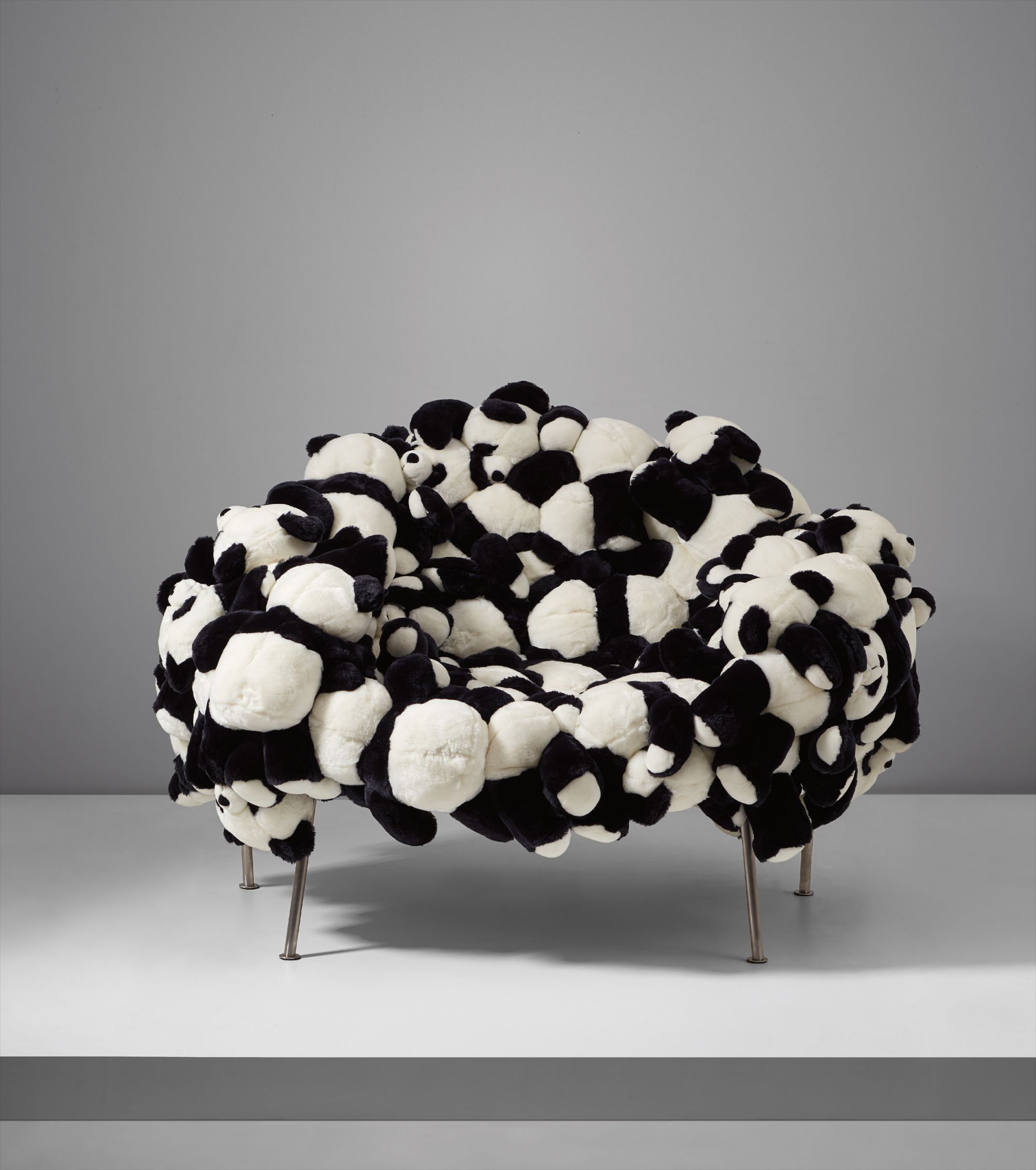
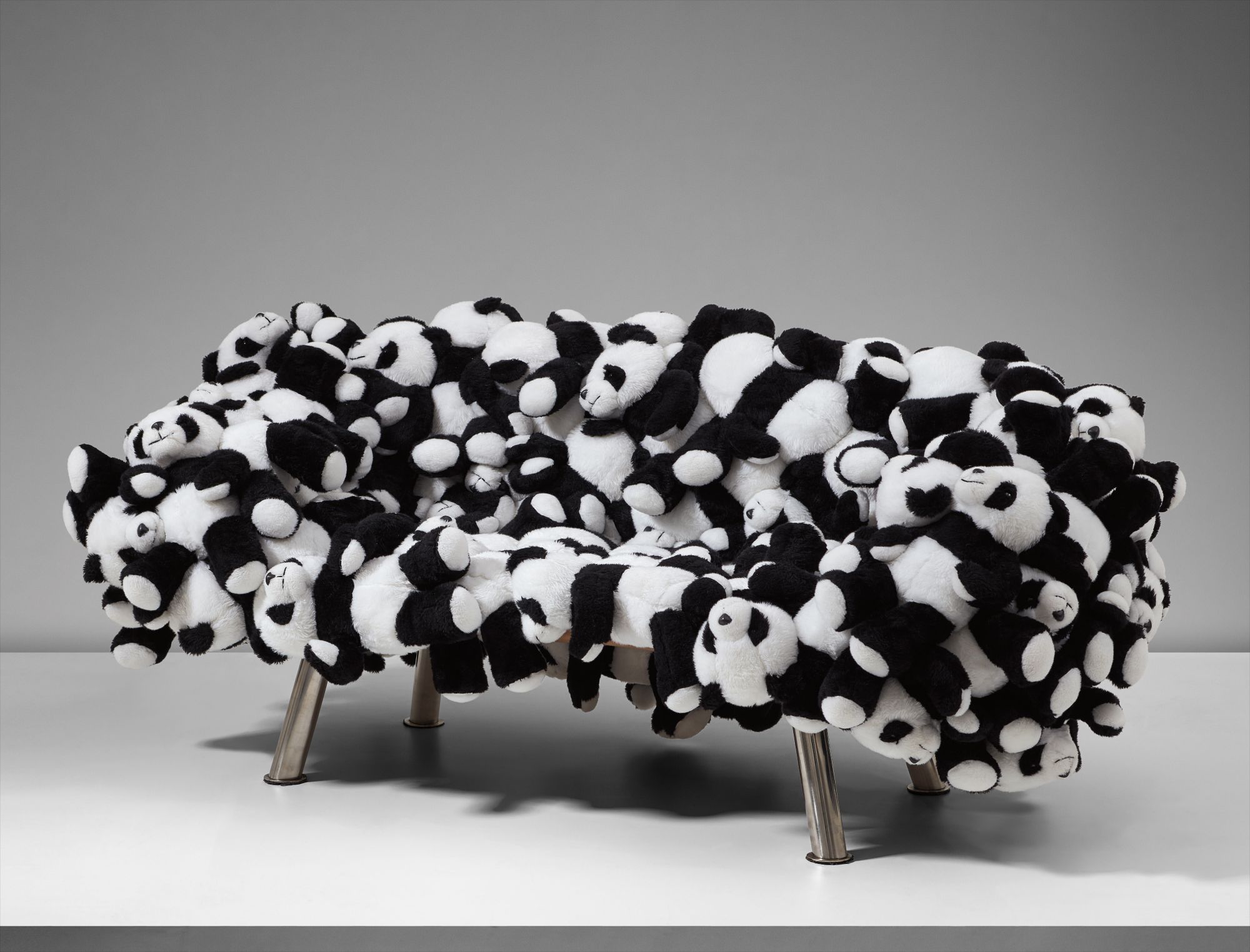
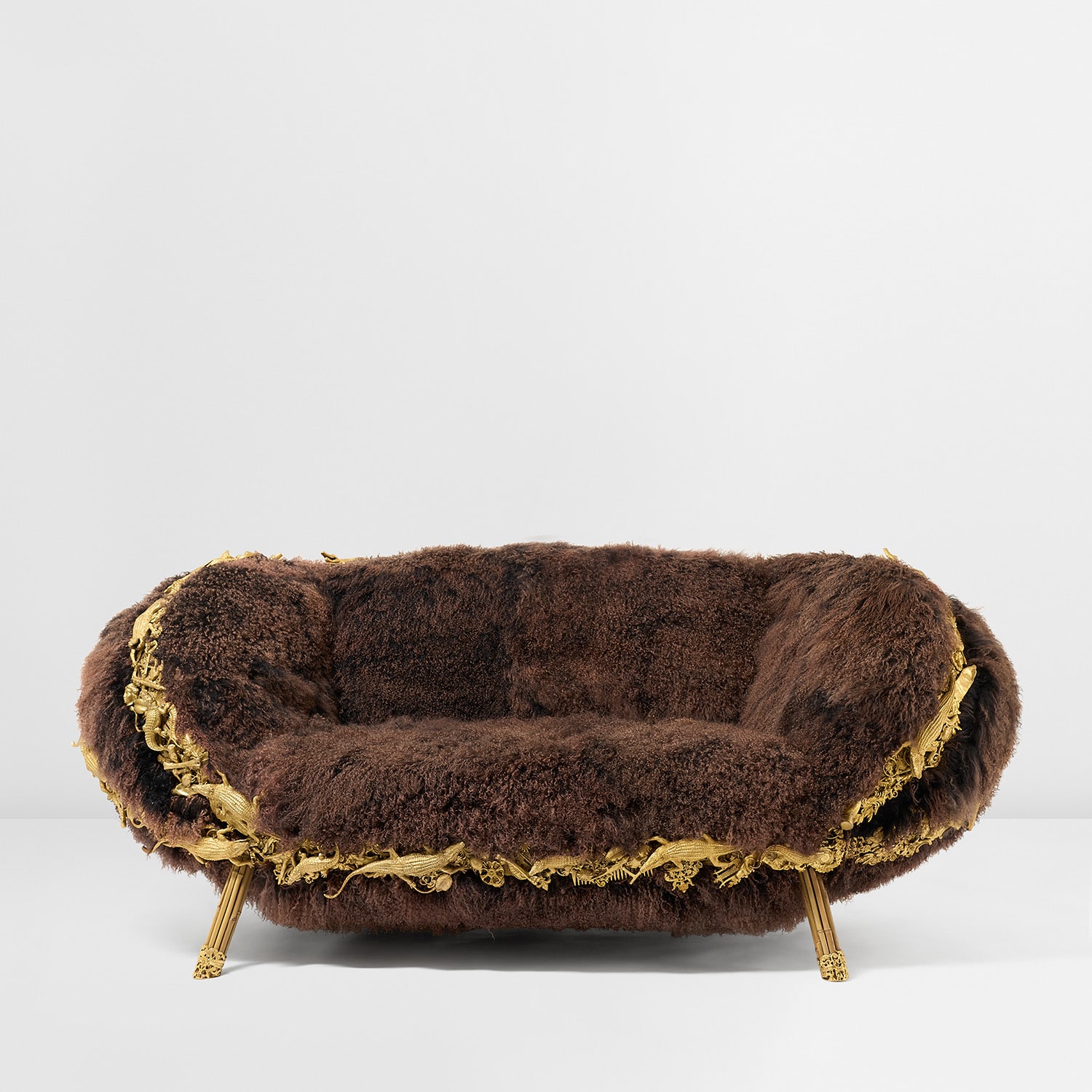
Arad's work on The Collection reflects the breadth of an artist who has never been content to repeat himself. The Brazilian brothers Fernando and Humberto Campana brought an entirely different set of references to bear when they began attracting international attention in the 1990s. Their use of found materials, rope, stuffed animals, industrial tubing, and street debris, enacted a kind of loving subversion of the design object's typical ambitions toward refinement and exclusivity. The Favela Chair of 2003 made from irregular wood scraps is perhaps their most discussed piece, but the range of their practice is considerably wider, moving between humor, tenderness, and genuine formal invention.
Their presence in any serious collection of sculptural furniture feels not optional but necessary. Niki de Saint Phalle, whose Nana figures brought voluptuous color and feminist energy to public sculpture, also moved through the spaces between art and functional design in ways that repay attention. Her interiors and architecturally scaled works treated the built environment itself as something that could be inhabited differently, more joyfully, with a sense of carnival that she never quite abandoned. Franz West operated from a different register entirely: his Passtücke or Adaptives were prosthetic objects meant to be handled and carried by the viewer, an extension of the body rather than a support for it, while his larger upholstered furniture pieces brought the materiality and awkwardness of sculpture into the salon with characteristic provocation.
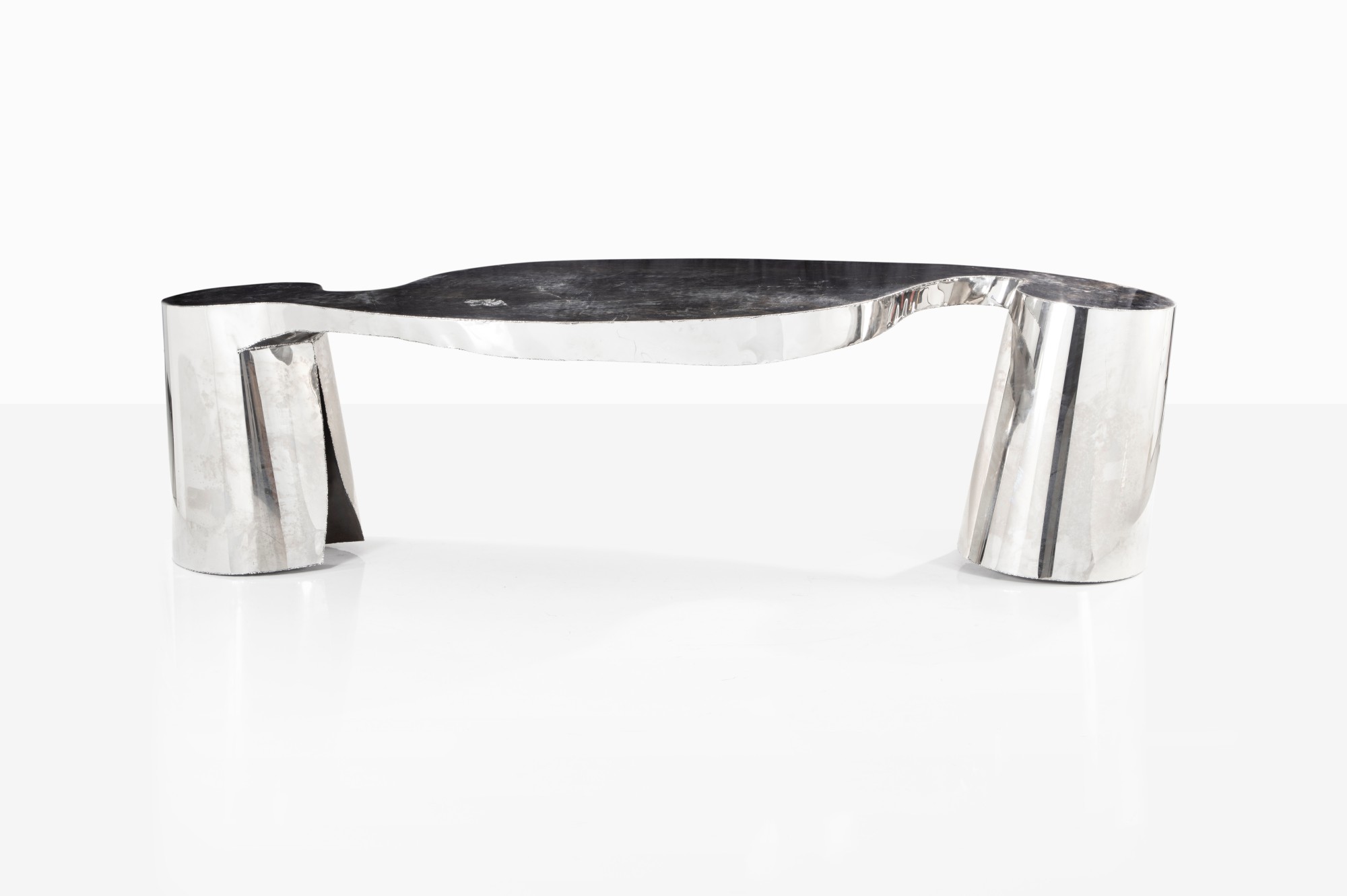
Éric Schmitt
Guéridon Tabou
Wendell Castle, who died in 2018, deserves particular mention as the figure who perhaps most rigorously interrogated the American side of this tradition. Beginning in the 1960s at the Rochester Institute of Technology, he developed a stack lamination technique that allowed him to carve furniture forms of extraordinary fluidity from wood, objects that appeared to grow or melt rather than to have been built. His later work moved into fiberglass and resin, always pushing toward a strangeness that conventional furniture design would never permit. Éric Schmitt and Bruno Romeda, both represented on The Collection, continue in related traditions of material investigation and formal refinement that keep this category vital.
What unites these artists across their many differences is a shared conviction that the objects we live with are not neutral. They shape us as much as we choose them. They make arguments about beauty, about the body, about how we imagine ourselves at home in the world. Collectors who engage seriously with sculptural furniture are not simply furnishing rooms; they are constructing an environment that thinks.
That is a different and more demanding proposition than decoration, and it is one that the art world has been slow to fully honor. The most interesting collecting today recognizes no categorical border between a work made to be hung and a work made to be sat upon. The only question worth asking is whether the object is truly alive.