Sculptural Form
![A Celadon And Brown Jade 'peach' Cup | Qing Dynasty, 19th Century [two Items] — Qing Dynasty, 19th Century [two Items]](https://rtwaymdozgnhgluydsys.supabase.co/storage/v1/object/public/artwork-images/auction-lots/L18213-20181031-lot36.jpg)
A Celadon And Brown Jade 'peach' Cup | Qing Dynasty, 19th Century [two Items]
Qing Dynasty, 19th Century [two Items]
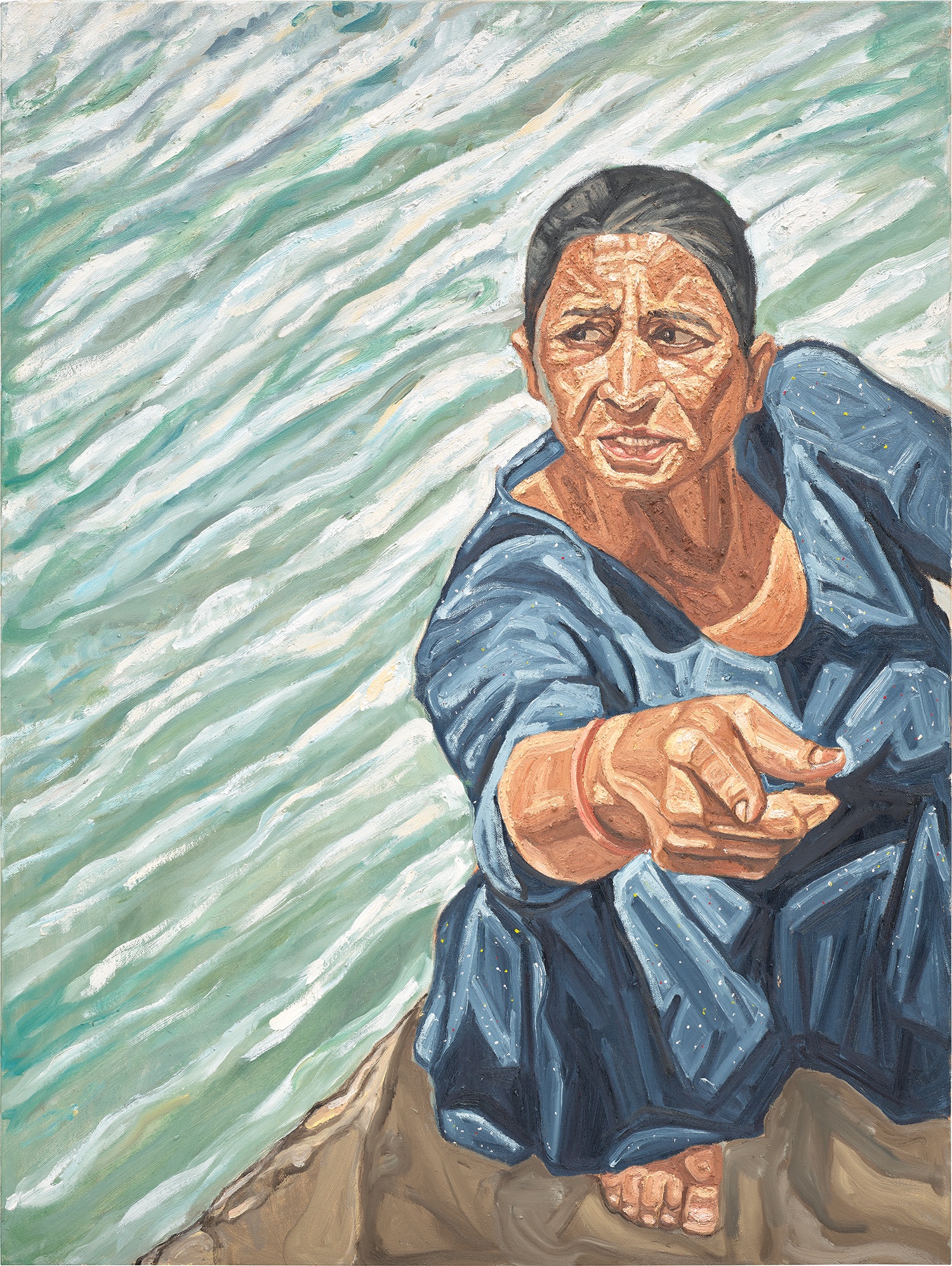
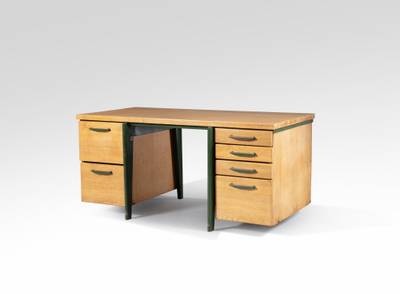
The Object That Refuses to Stay Still
There is something almost confrontational about a great piece of sculpture. Unlike a painting, which asks you to stand before it and receive, a three dimensional work demands negotiation. You circle it. It changes as you move.
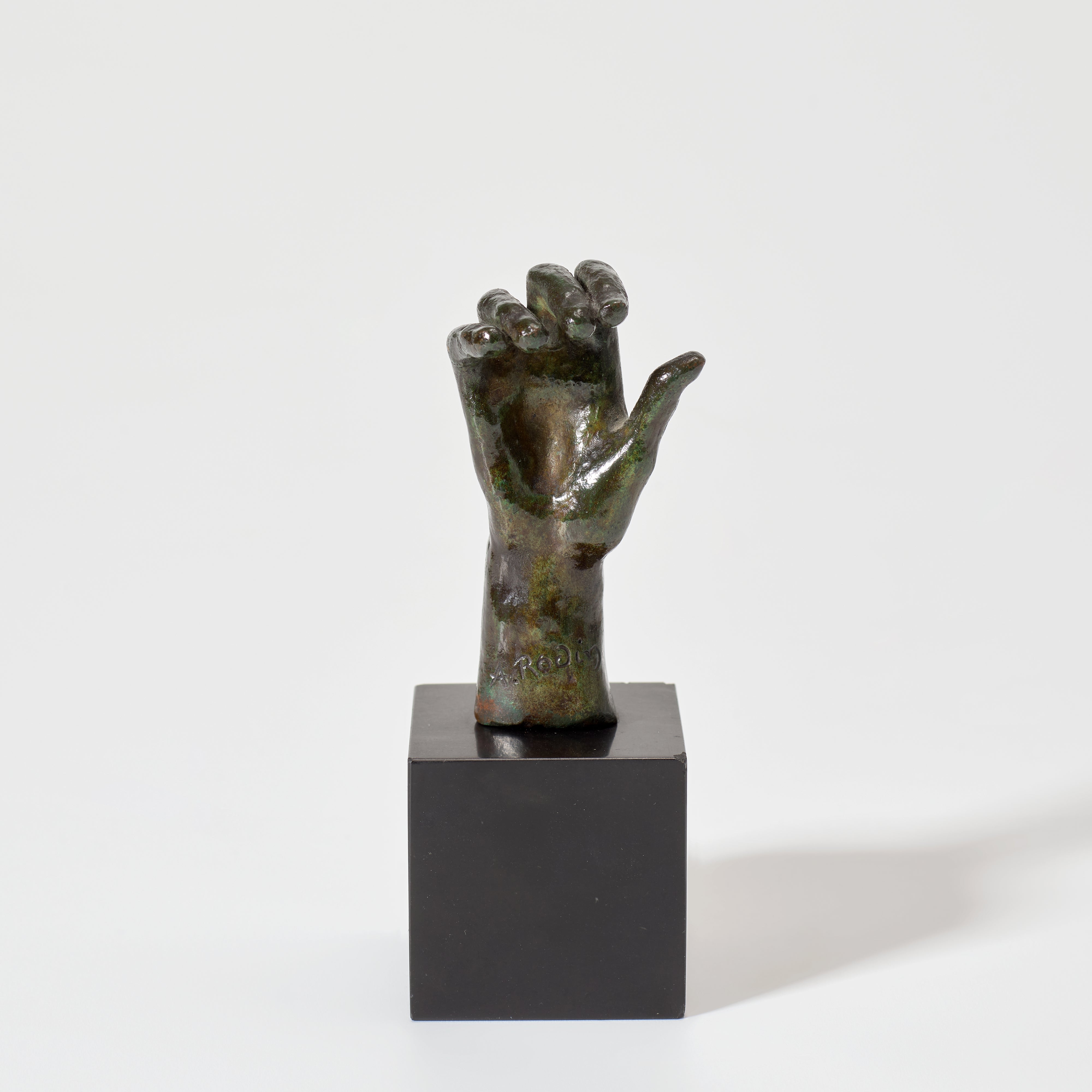
The relationship is physical before it is intellectual, and that physicality is precisely what has made sculptural form one of the most contested, debated, and ultimately alive categories in the history of art. The story of Western sculpture begins in ancient Greece, where the ambition was essentially mimetic: to render the human body in marble or bronze with such fidelity that the stone seemed to breathe. That tradition carried enormous weight for millennia, running through the Renaissance and into the nineteenth century. Auguste Rodin represents something like the last great flowering of that figurative tradition, and also its undoing.
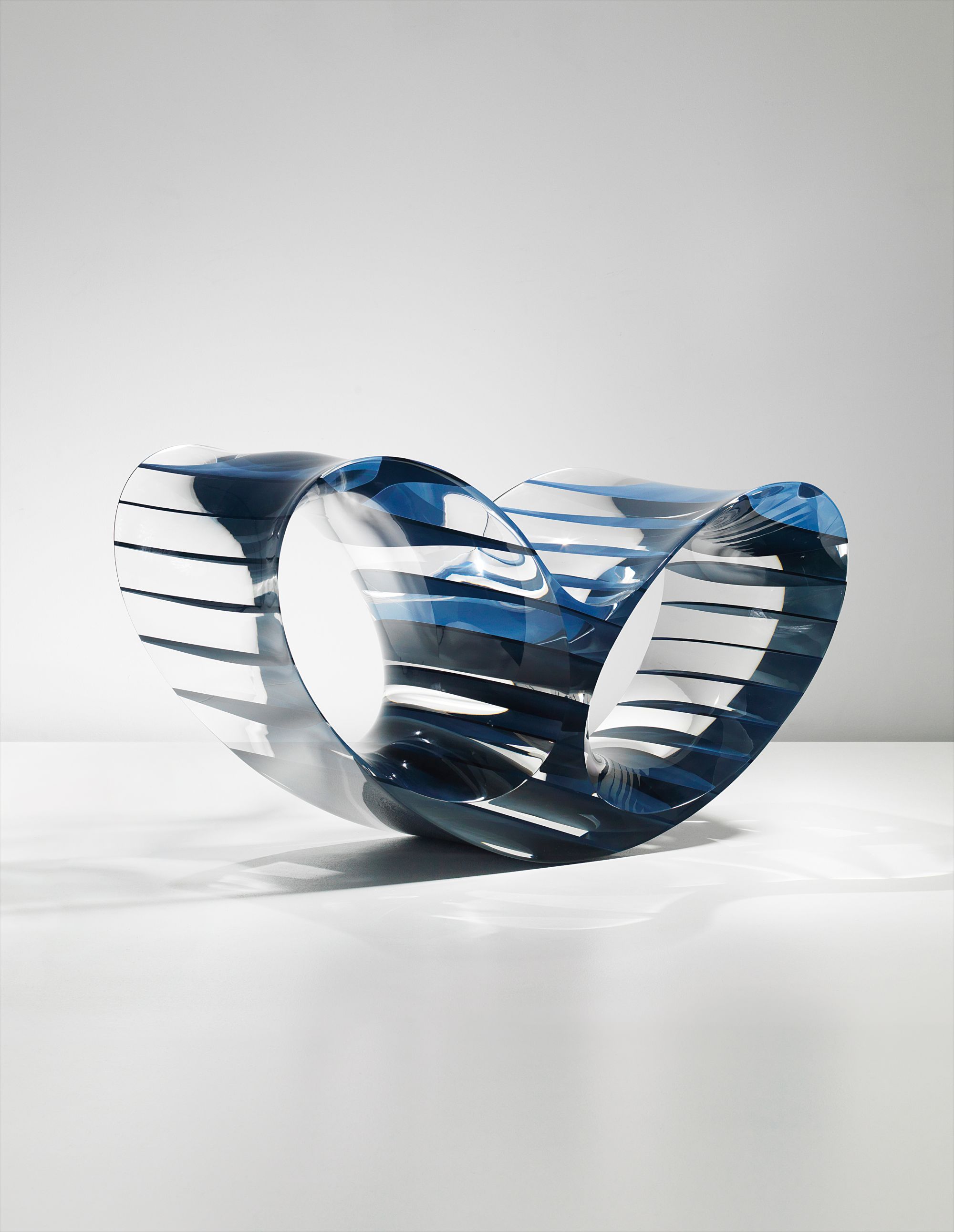
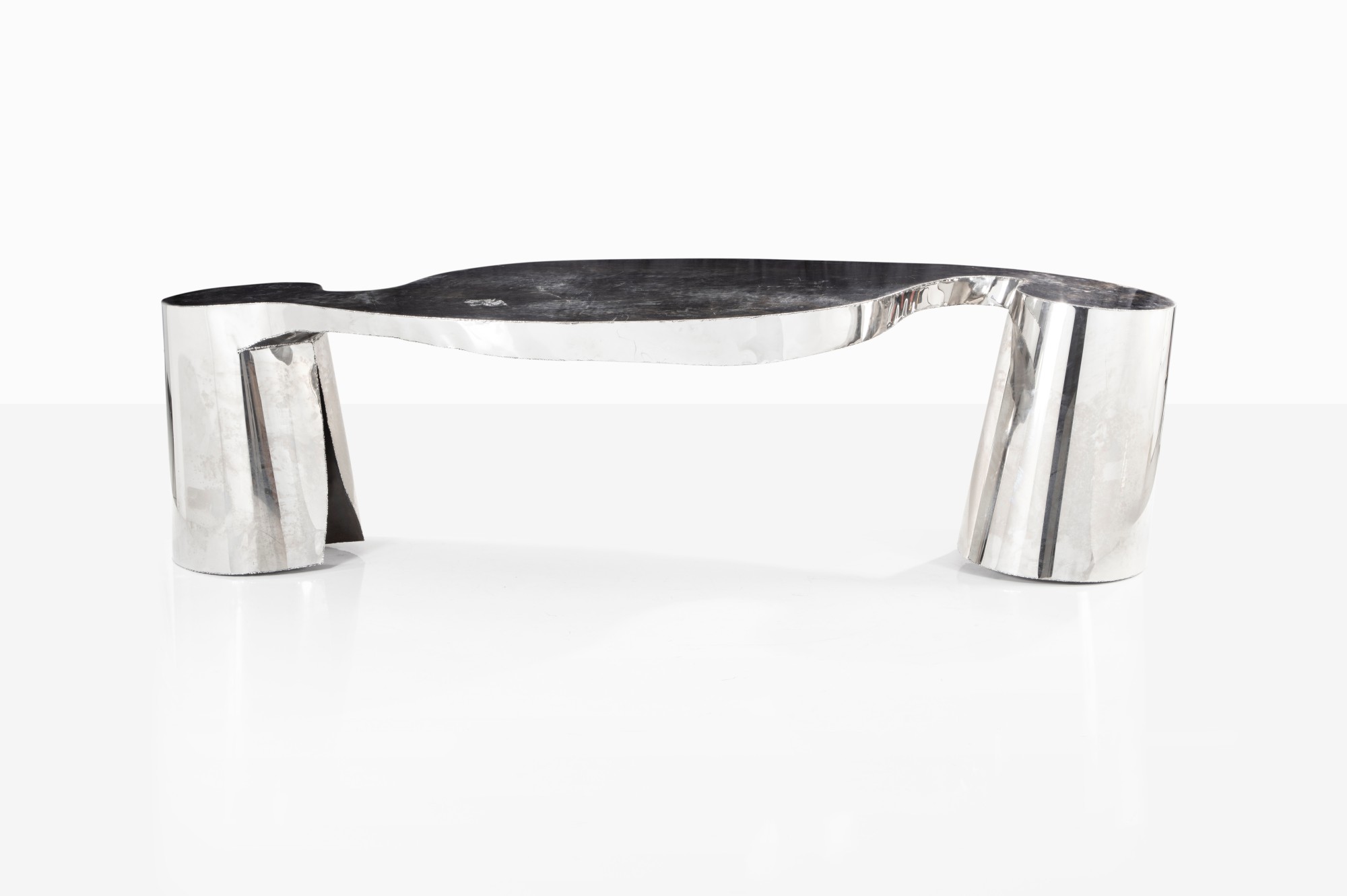
Ron Arad
“Oh-Void 2” chair
When he exhibited The Gates of Hell at the 1900 Paris Exposition Universelle, the fragmented, expressively distorted figures he presented made clear that the body was now a vehicle for psychological and emotional truth rather than idealized beauty. The surface itself, rough and alive with the mark of the hand, became expressive content. That shift would prove seismic. The early twentieth century brought a cascade of ruptures.
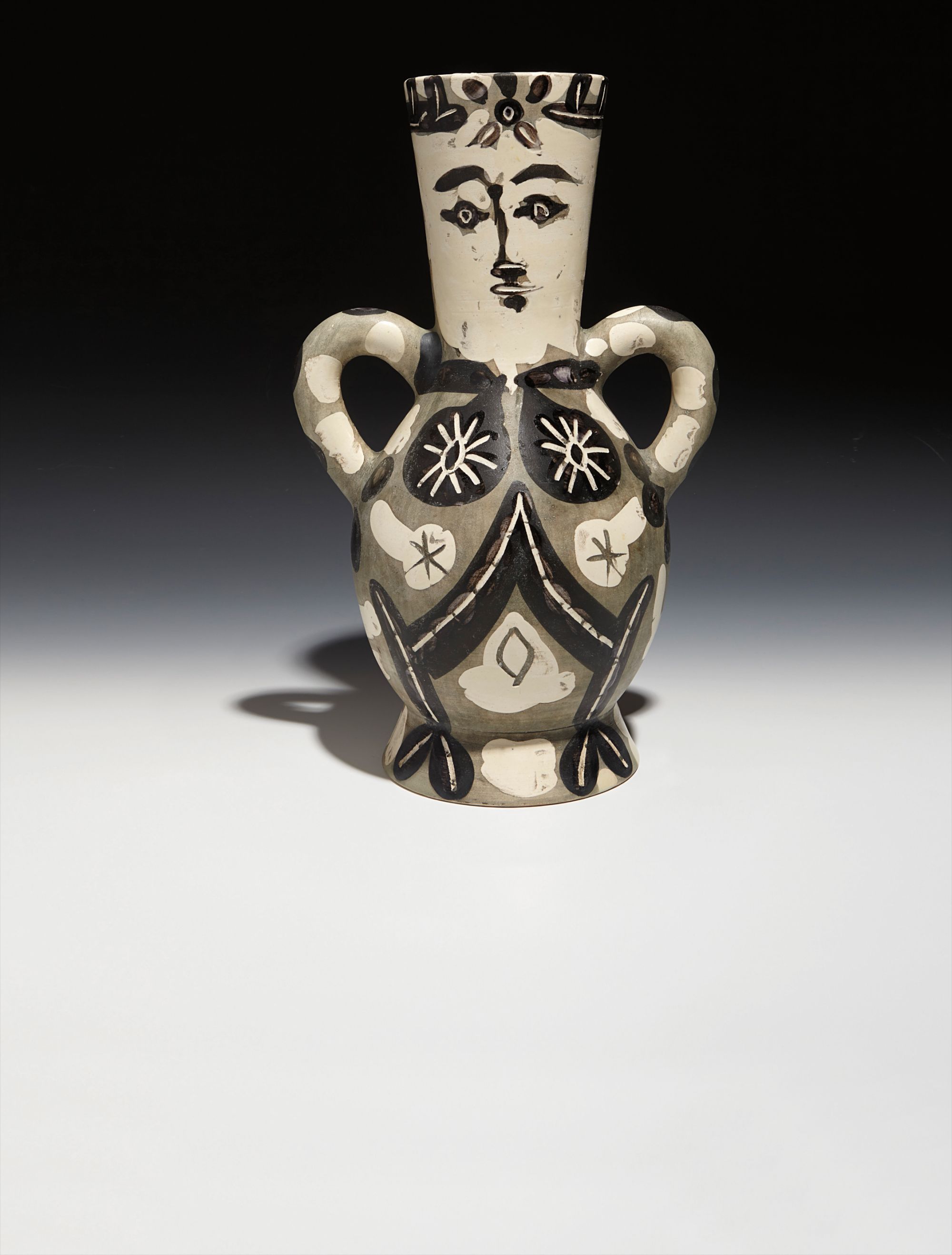
Cubism, which Pablo Picasso developed alongside Georges Braque from around 1907 onward, effectively shattered the single viewpoint that classical sculpture had always assumed. Picasso's own sculptural experiments, including his assemblages made from found objects and his welded metal constructions developed in collaboration with Julio González in the late 1920s, introduced the idea that sculpture need not be carved or modeled from a single material but could be built, collaged, accumulated. The works Picasso made across his career demonstrate the full range of this restlessness, from the tender and searching to the deliberately disruptive. By mid century the questions had multiplied to the point of genuine philosophical urgency.
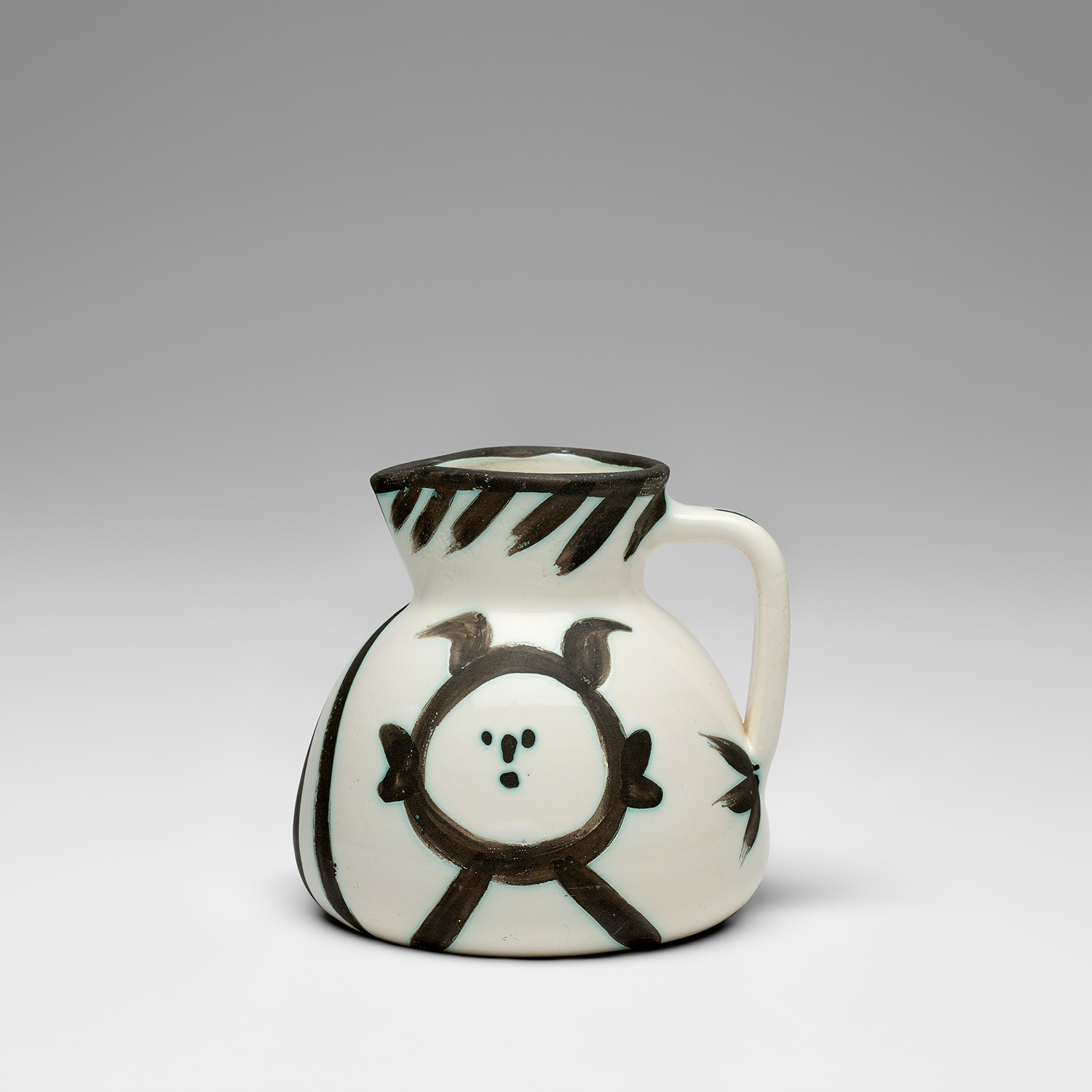
Pablo Picasso
Pichet têtes (Head Pitcher) (A.R. 221)
What counted as sculpture at all? Isamu Noguchi spent decades working at the intersection of landscape, architecture, and freestanding form, insisting that the boundaries between categories were artificial impositions. His collaboration with the choreographer Martha Graham and his design of public gardens and plazas expanded the field outward. Meanwhile in Britain, artists like William Turnbull were distilling the figure into something almost totemic, influenced by both Brancusi's reductive elegance and the formal power of non Western objects.
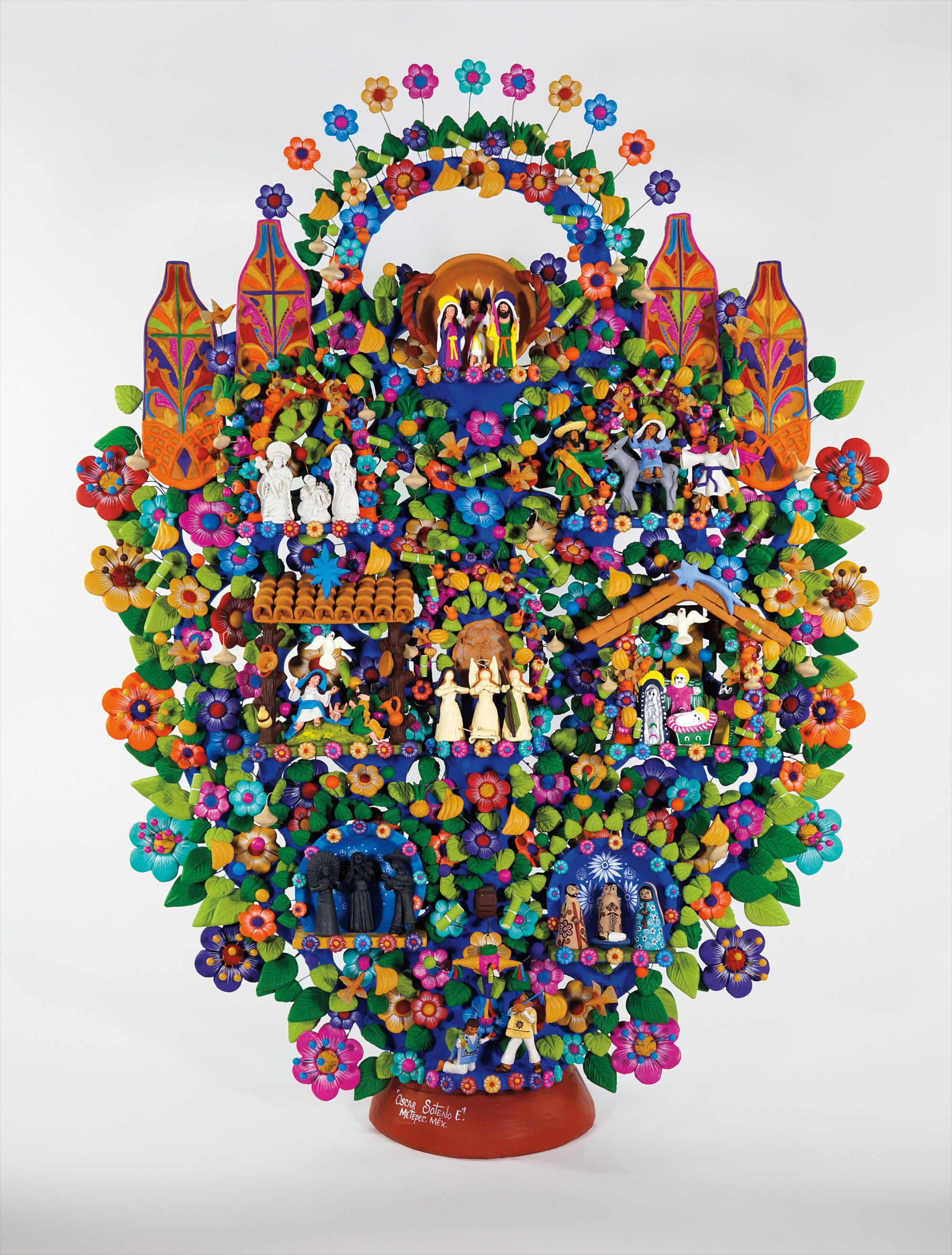
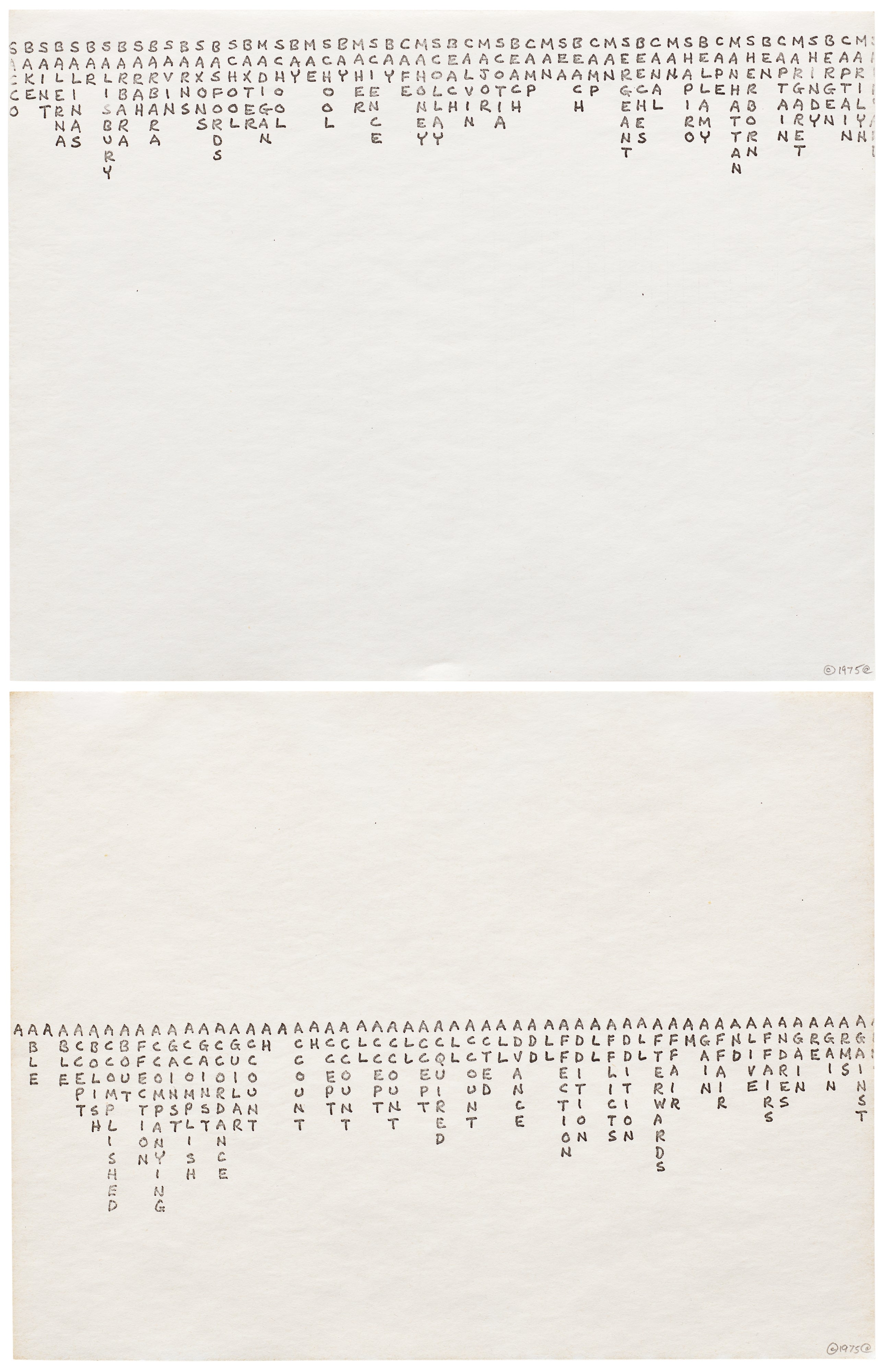
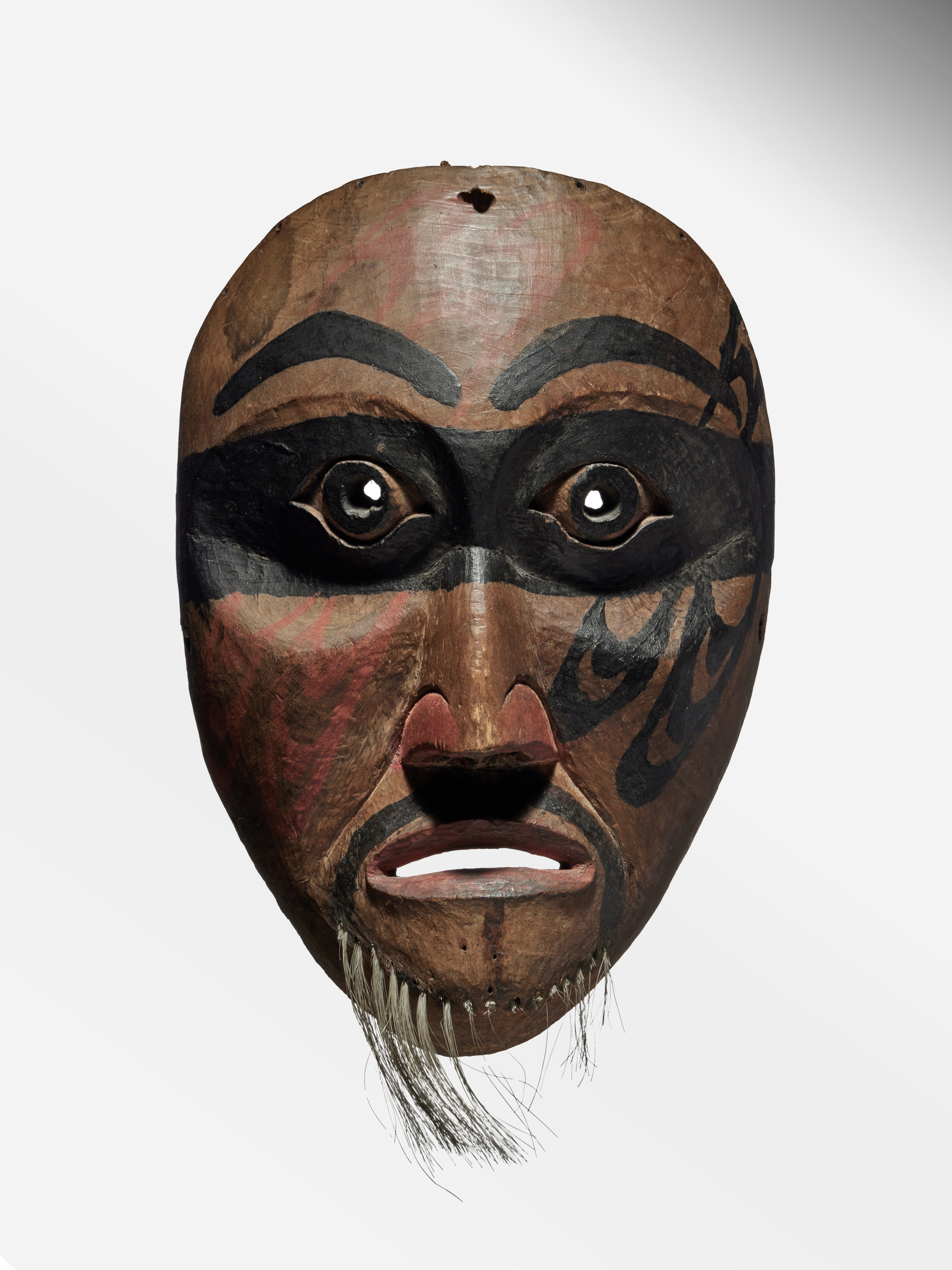
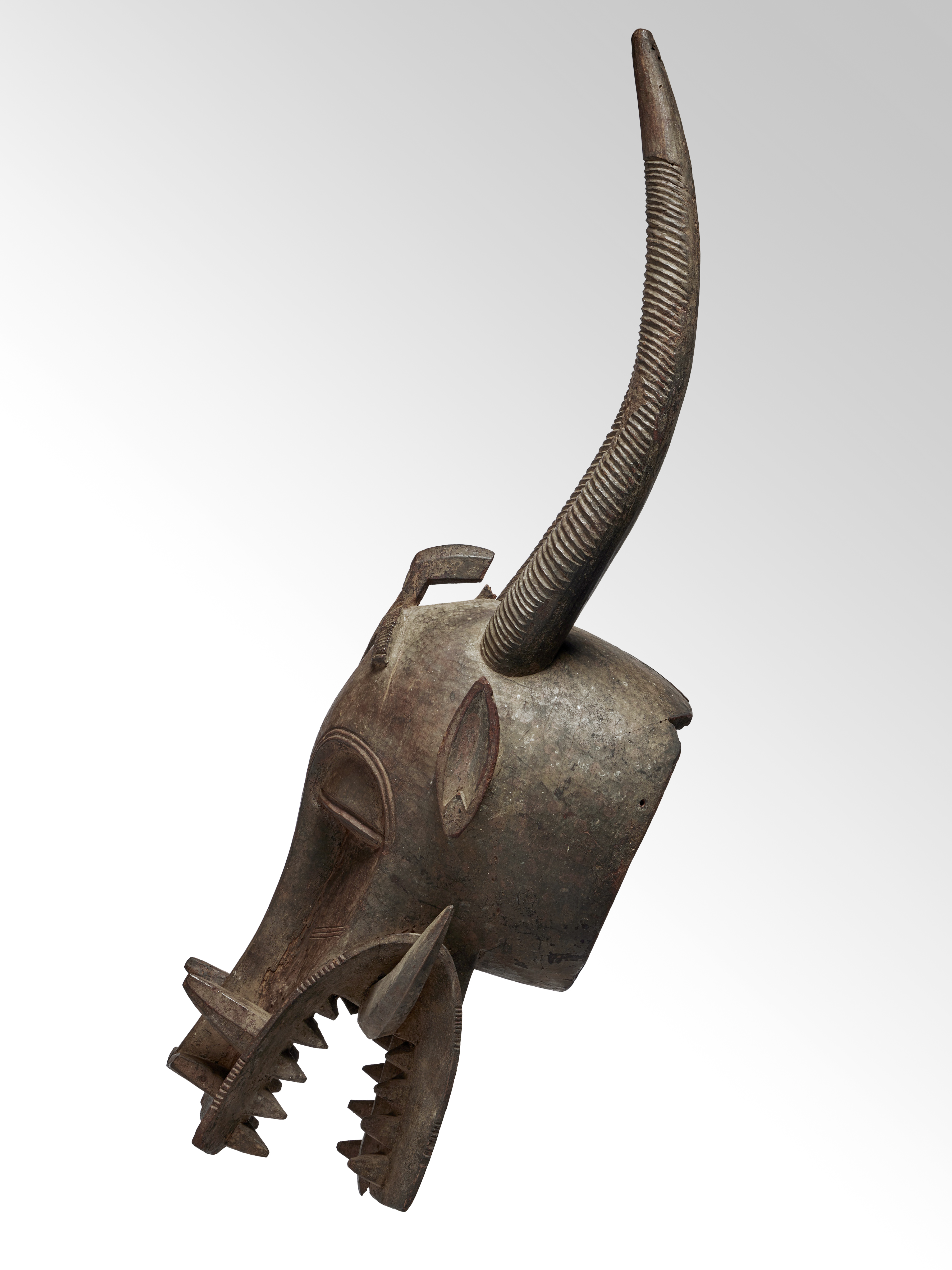
That interest in objects beyond the European tradition was not merely aesthetic borrowing: it reflected a genuine and necessary reckoning with the breadth of what sculptural intelligence had always meant across cultures. It is worth pausing on that point, because the history of sculptural form cannot be told honestly as a purely Western progression. A Senufo zoomorphic helmet mask from Côte d'Ivoire or a Heiltsuk mask from the Pacific Northwest Coast represents not a precursor to modernism but an independent tradition of extraordinary sophistication, in which formal invention, spiritual function, and material mastery exist in an integrated relationship that many Western sculptors spent the twentieth century trying to recover. The Asante drum attributed to Osei Bonsu in Ghana belongs to this same insistence that objects carry meaning through form as much as through use.
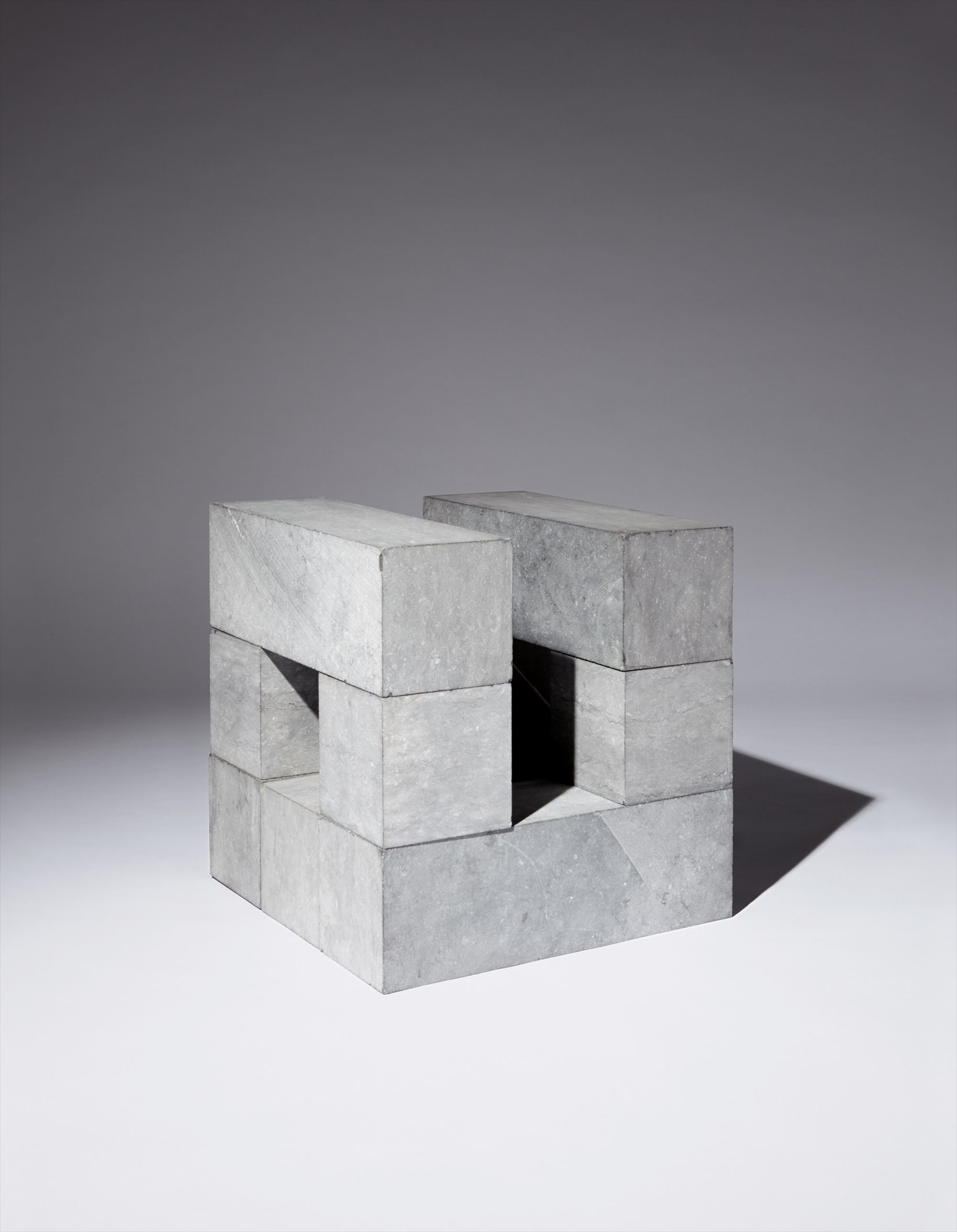
Carl Andre
Belgicube I
These works do not illustrate a history so much as expand what we understand history to contain. The minimalist revolution of the 1960s stripped sculpture back to its barest essentials and in doing so raised the most radical questions about what an object needed to be in order to count as art. Carl Andre placed flat metal plates on the floor of galleries, asking viewers to walk across them, insisting that the experience of the work was inseparable from its physical encounter. The exhibition of Andre's Equivalent VIII at the Tate in 1976 provoked genuine public outrage in Britain, which was itself a kind of proof: people understood instinctively that the stakes were real.
The work on The Collection shows the sustained seriousness of this inquiry, the refusal to settle for easy resolution between form, space, and meaning. What followed was not a single direction but an explosion of competing approaches. Franz West made sculptures that were literally meant to be handled and used, objects he called Adaptives, which existed most fully when a viewer held or wore or sat on them. Anish Kapoor has spent four decades working with scale, void, and the phenomenology of surface, making works that appear to swallow the light or reflect the viewer back to themselves in distorted and vertiginous ways.
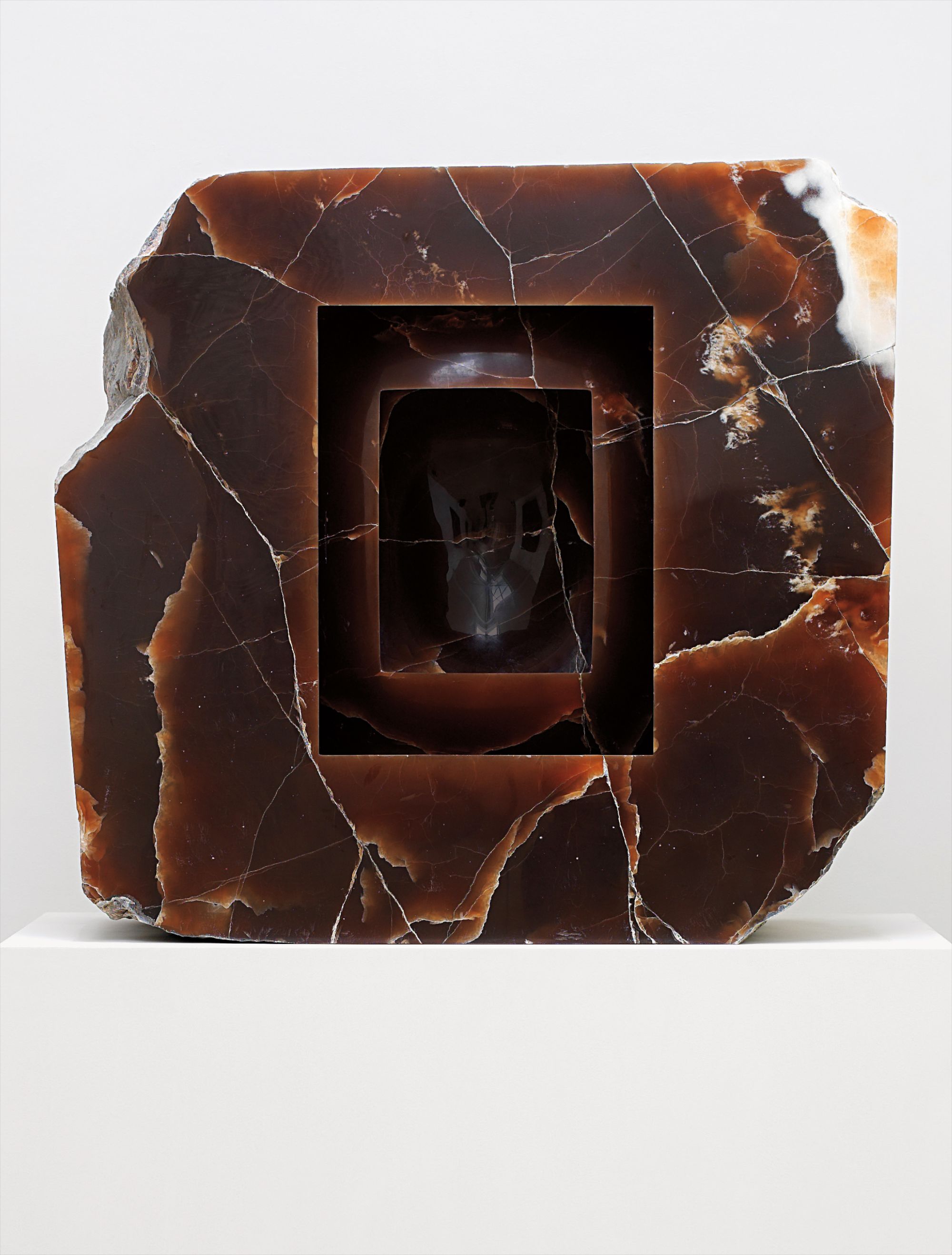
Anish Kapoor
onyx
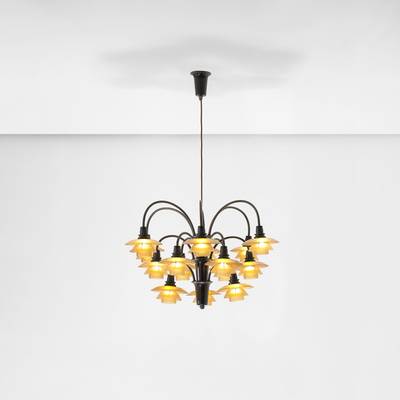
Huma Bhabha works with found materials and urgent postcolonial concerns, building figures that feel simultaneously ancient and catastrophically contemporary. Ron Arad brings to sculptural form a designer's understanding of material behavior, bending steel and acrylic into shapes that register as both furniture and pure formal proposition. The relationship between sculpture and design has always been productive and slightly uneasy. Finn Juhl and Jean Prouvé understood that a chair or a lamp could carry the same formal intelligence as a gallery object, and the work of Ettore Sottsass demonstrated that design could be deliberately theatrical, even operatic, in its use of form and color.
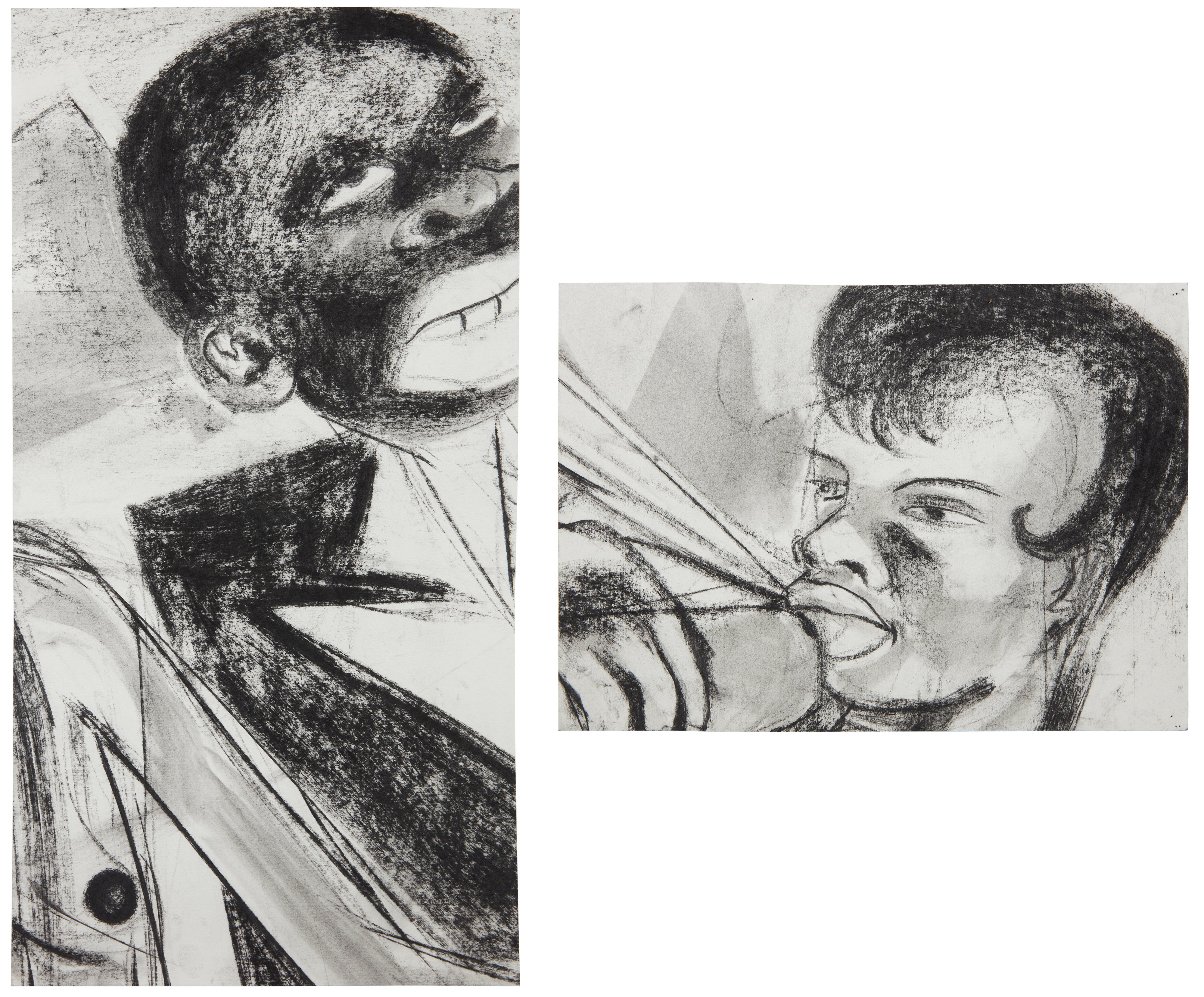
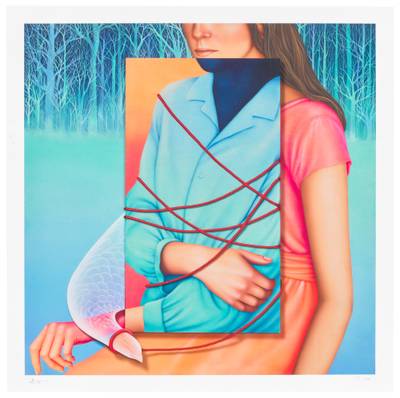
This convergence is not a dilution of sculptural seriousness but an expansion of the territory in which it operates. What unites all of this, from Rodin's turbulent bronze surfaces to Arghavan Khosravi's layered and psychologically dense constructions, is a shared conviction that three dimensional form can do something that no other medium can. It occupies the same space you do. It breathes your air.
The works gathered under this category on The Collection represent decades of different answers to the same persistent question: what does an object need to be in order to hold your attention, earn your time, and change how you understand the room you are both standing in. That question has never stopped being worth asking.