Portuguese
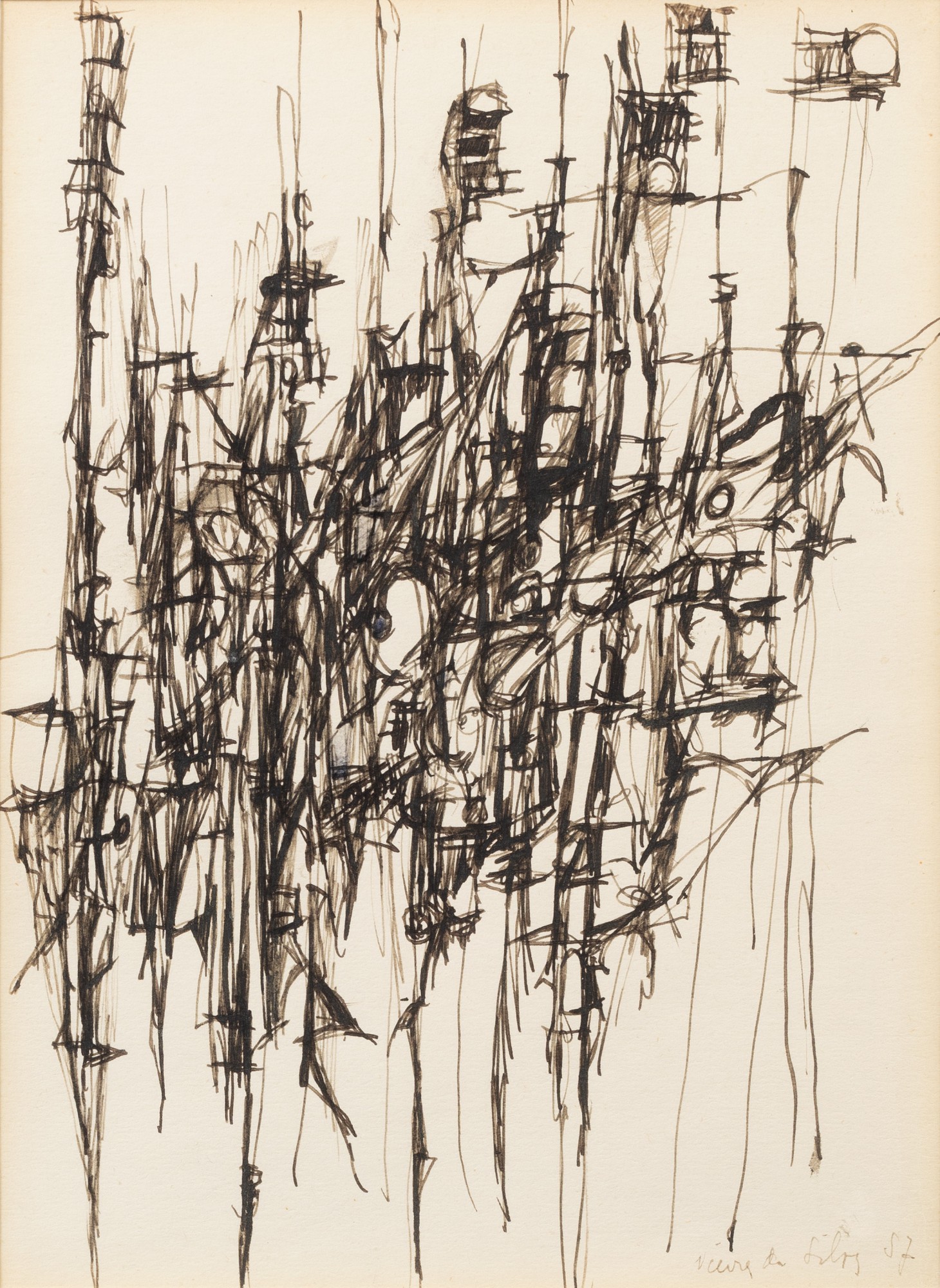
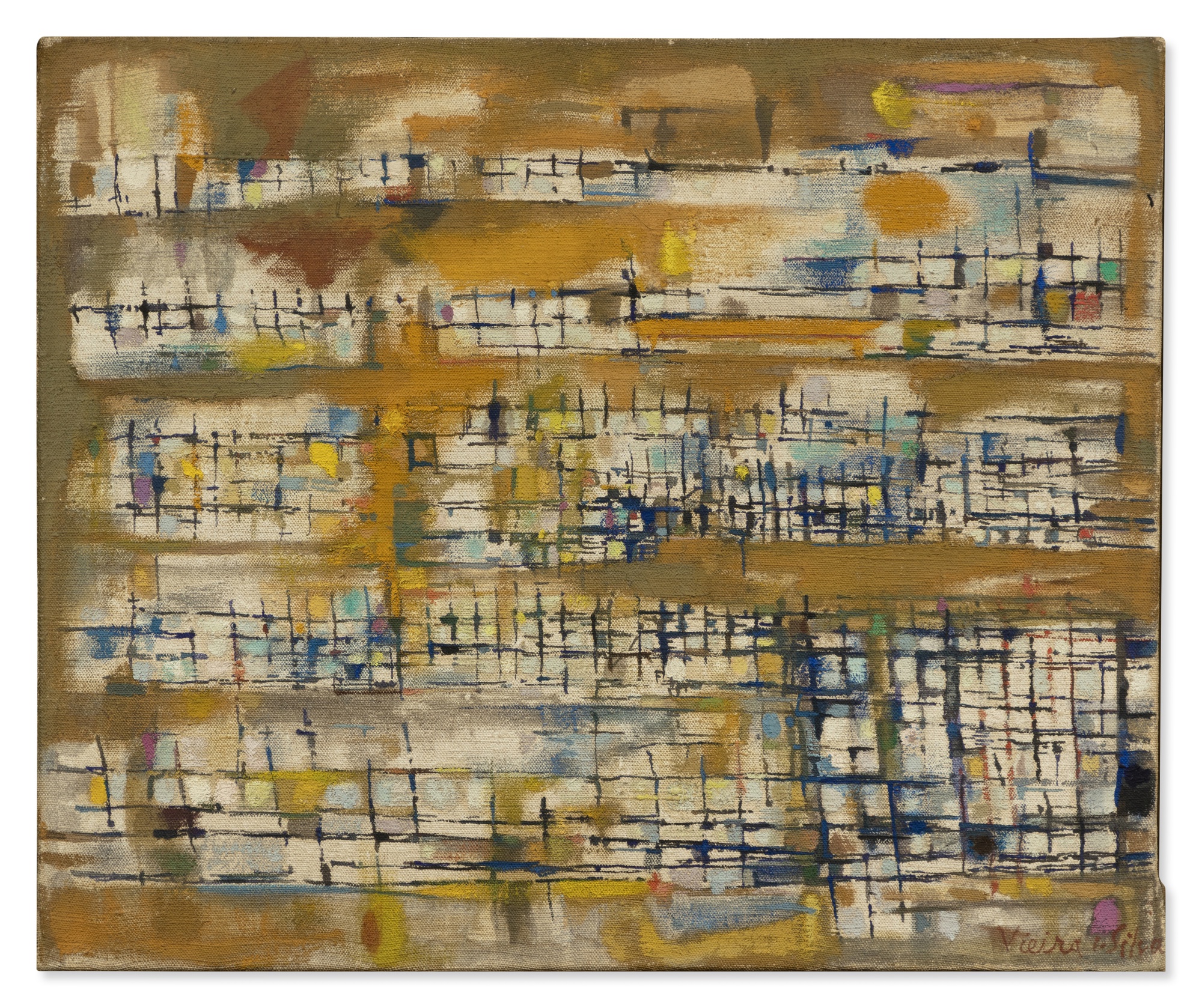
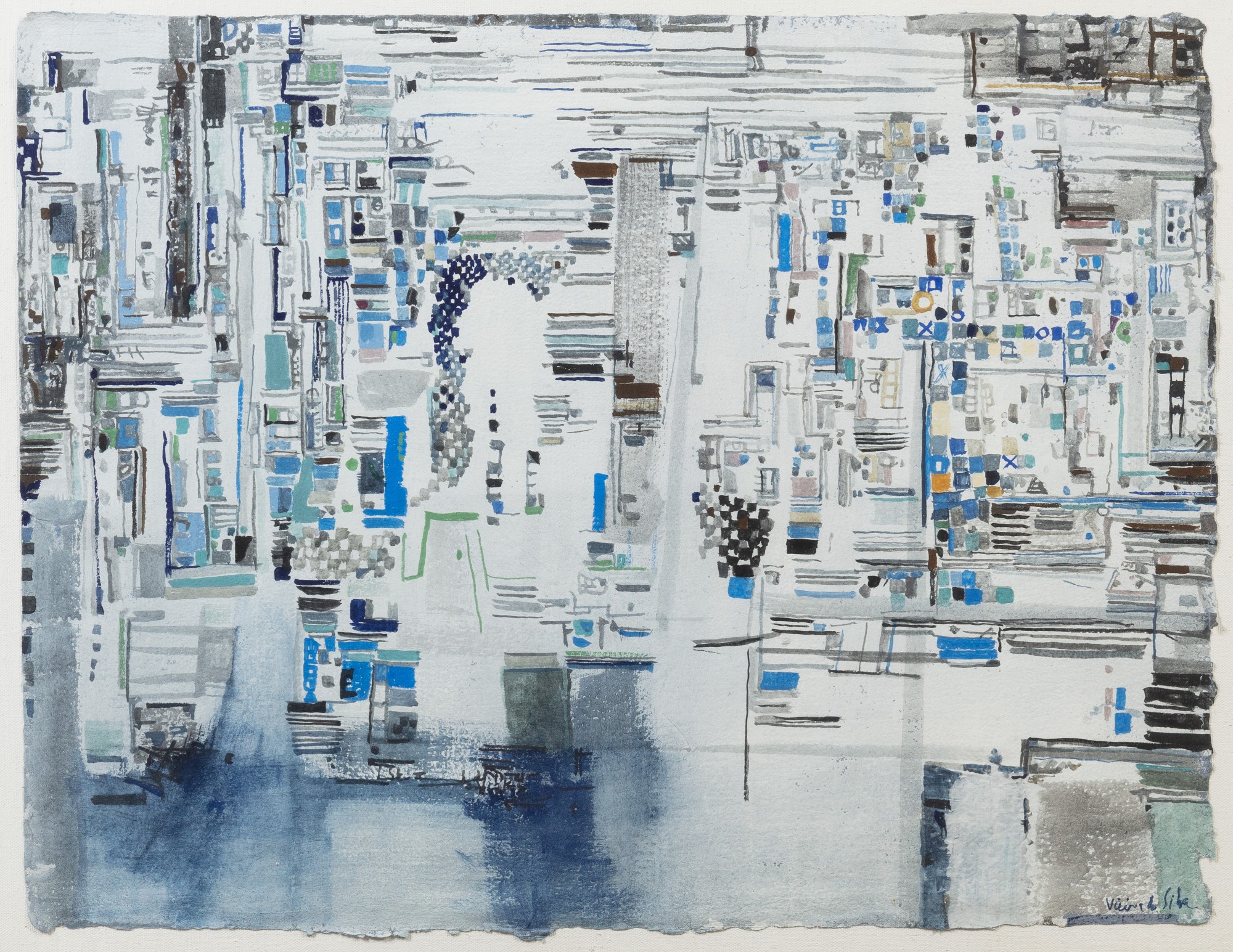
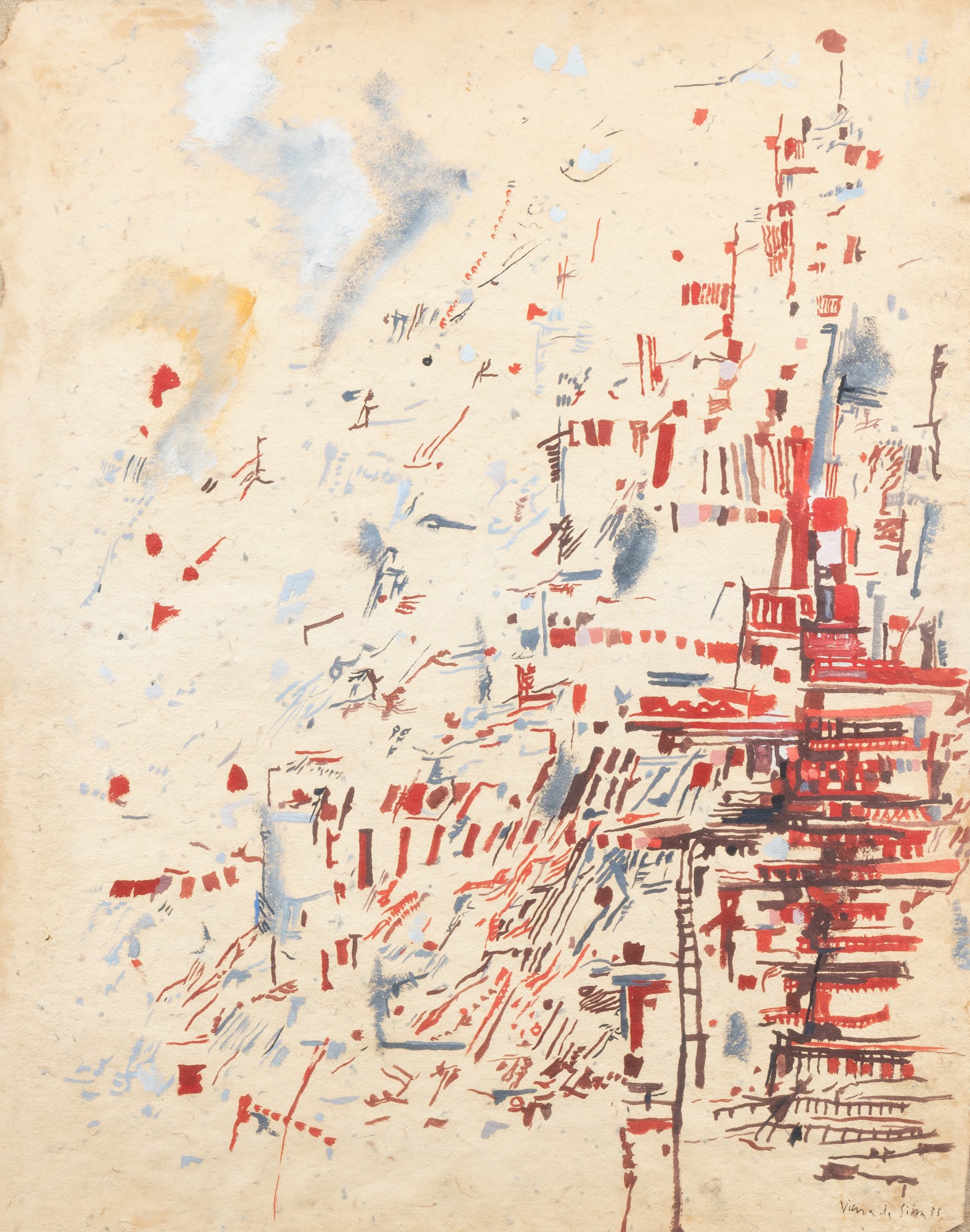
Maria Helena Vieira da Silva
Untitled, 1957



Portugal's Art Secret Is Finally Out
There is a particular quality of light in Lisbon, a kind of silvered luminosity that bounces off the Tagus and saturates everything it touches. It is the light of a country at the edge of the continent, oriented toward the Atlantic, perpetually between worlds. That geographical and psychological position, suspended between Europe and its own oceanic past, between the intimate and the monumental, has shaped Portuguese art in ways that still feel underacknowledged by the broader international market. That, however, is changing fast.
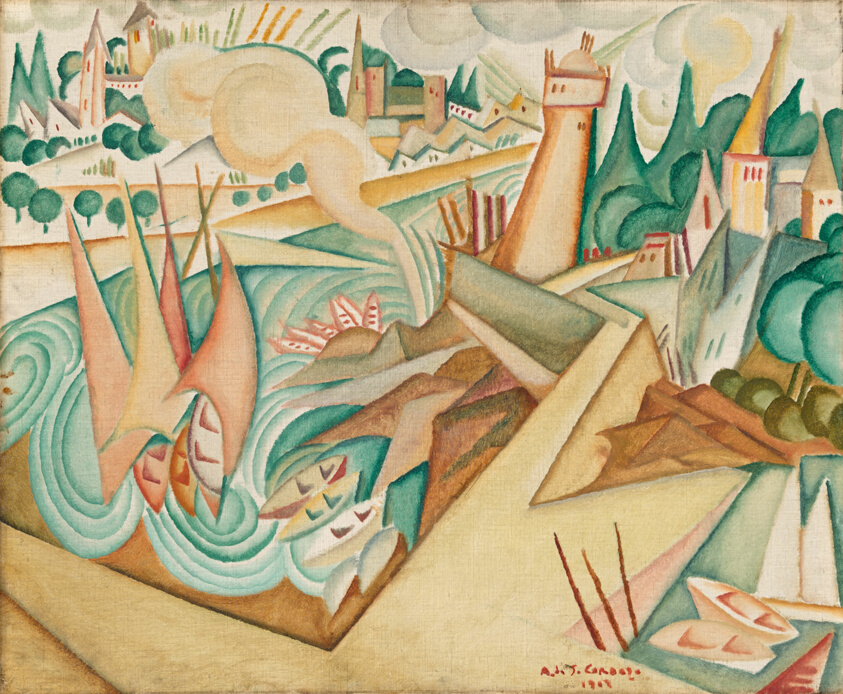
Portuguese modernism arrived late and arrived intensely. While Paris absorbed artists from across Europe in the early twentieth century, Lisbon remained a provincial backwater under the long shadow of the Estado Novo, the authoritarian regime that governed Portugal from 1933 until the Carnation Revolution of 1974. Amadeo de Souza Cardoso stands as the great tragic exception. Born in 1887 and dead at just thirty years old during the influenza pandemic of 1918, Souza Cardoso had already absorbed Cubism, Futurism, and Expressionism during his years in Paris, befriending Modigliani and corresponding with the German Expressionists.
![Helena Almeida — Seduzir [Seduce]](https://rtwaymdozgnhgluydsys.supabase.co/storage/v1/object/public/artwork-images/auction-lots/UK040119-162019-lot1774363272597.jpg)
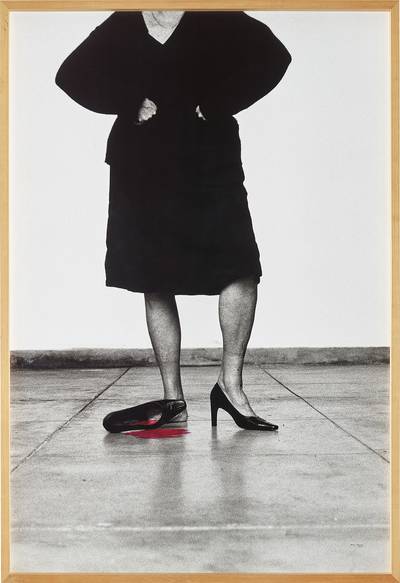
Helena Almeida
Seduzir [Seduce]
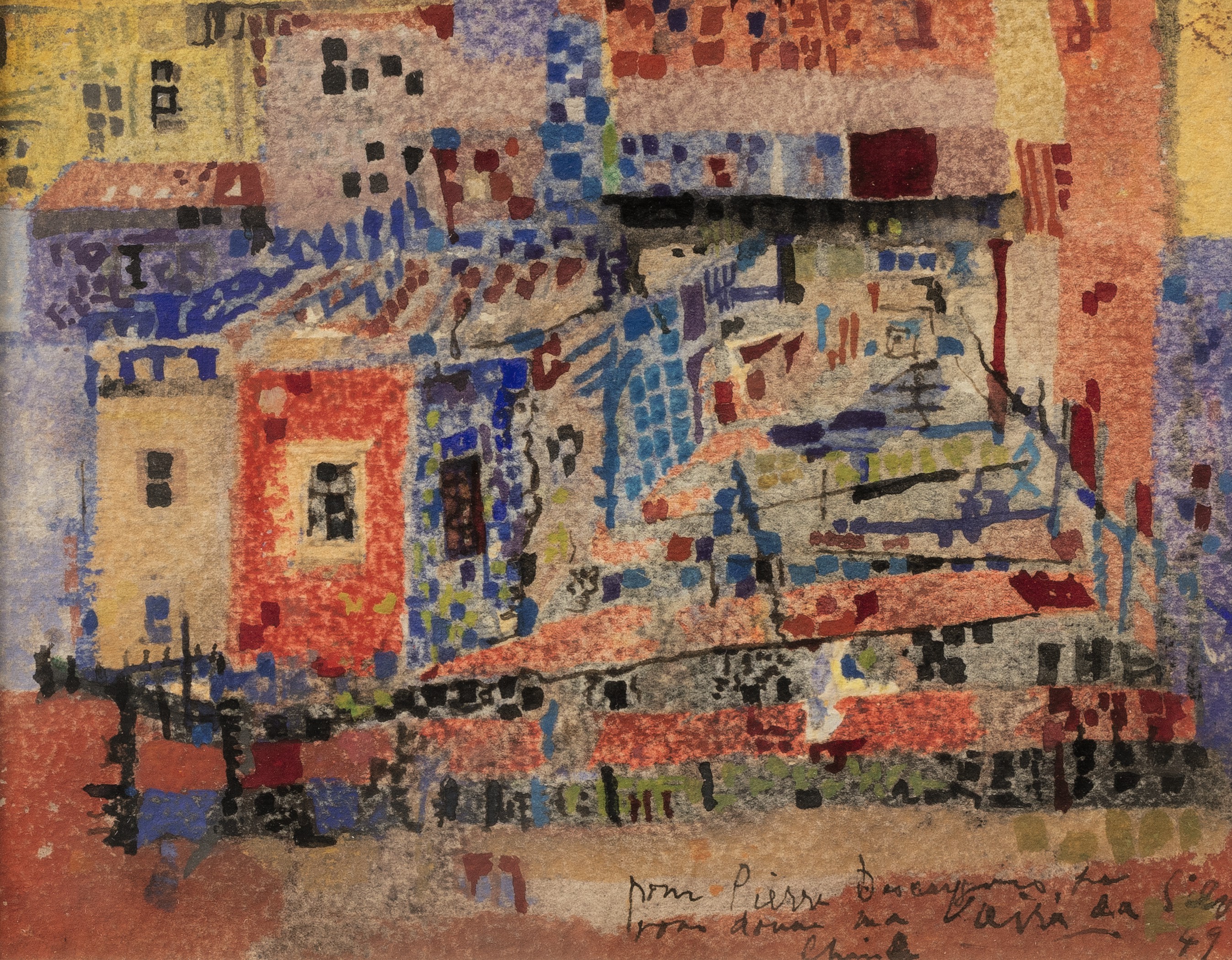
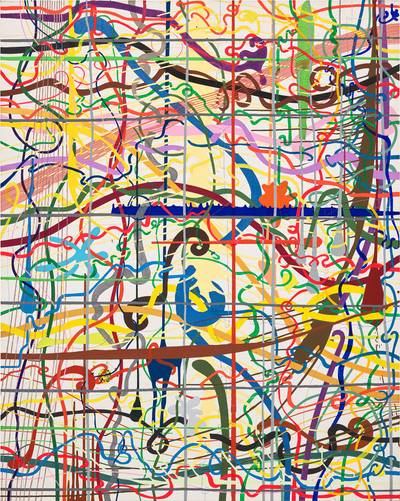
A single work by him on The Collection is enough to understand what was lost and what was glimpsed. The Estado Novo years suppressed but did not extinguish Portuguese artistic ambition. Maria Helena Vieira da Silva, who fled to Paris in the late 1930s and would eventually become one of the most celebrated abstract painters of the postwar European scene, is perhaps the defining example of this dispersal. Her dense, labyrinthine compositions, webs of mark making that create a vertiginous sense of infinite space, won her the Grand Prix National des Arts in France in 1966.
It is worth noting that her name appears across The Collection in several variant spellings, a small archival reminder of how the Portuguese canon has sometimes been absorbed awkwardly into international institutional structures. What remains consistent is the extraordinary power of the work itself. The revolution of April 1974 changed everything. The sudden opening of Portuguese society after nearly five decades of dictatorship produced an extraordinary cultural ferment.
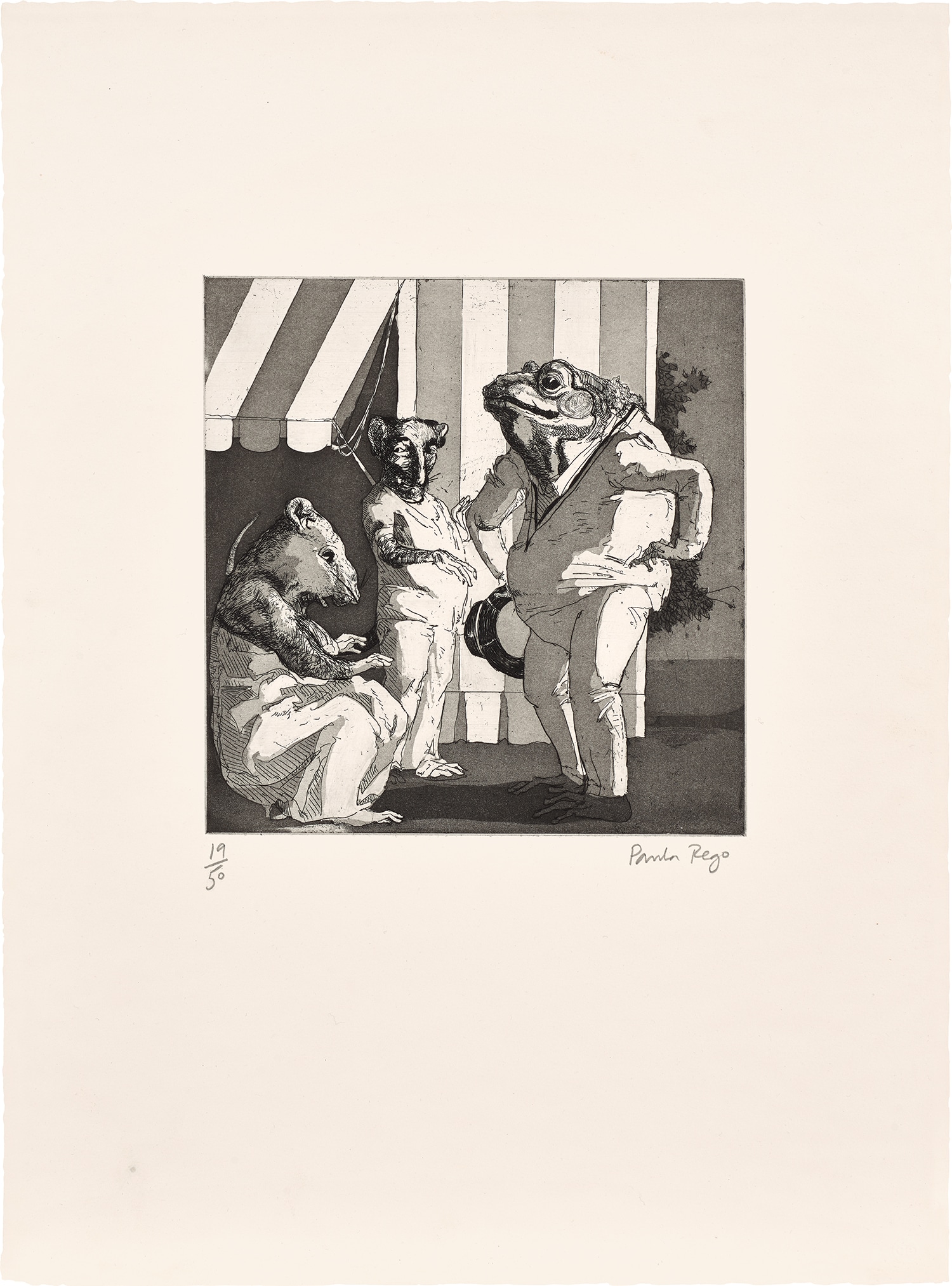
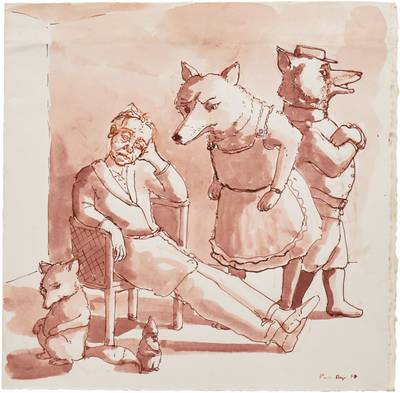
Paula Rego
A Frog He Would A-Wooing Go I, from Nursery Rhymes (R. 59)
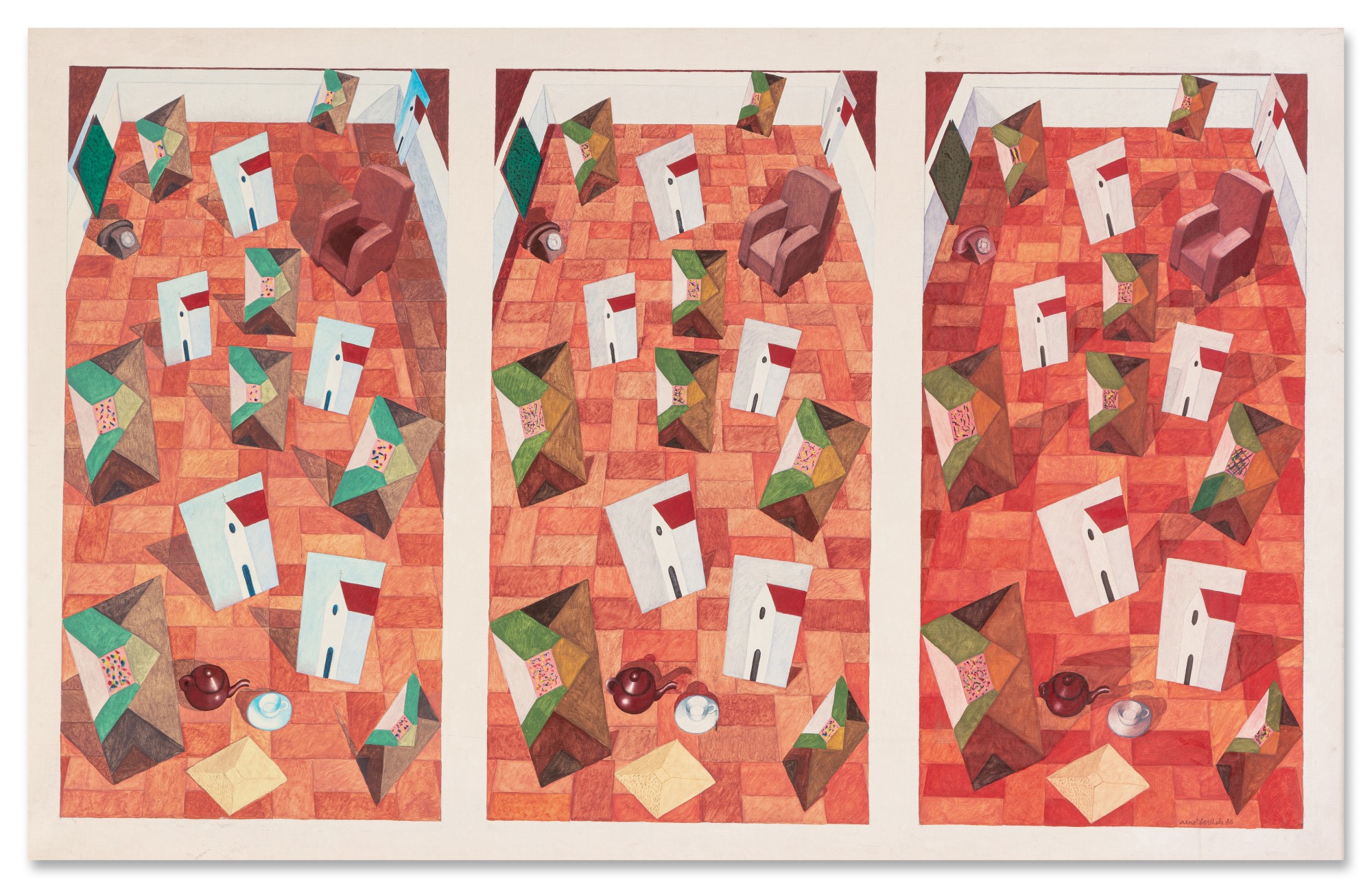
Artists who had been working in coded or conceptually oblique modes suddenly found themselves in a new landscape, and a generation of figures emerged who would carry Portuguese art into international conversation over the following decades. René Bértholo, a founding member of the KWY group in Paris in the early 1960s alongside Vieira da Silva's circle, represented an earlier bridge between Lisbon and the international avant garde. His quietly idiosyncratic paintings, populated with fragmented figures and domestic objects rendered in flat, dreamlike tones, occupy a distinctive place between figuration and abstraction. Paula Rego is perhaps the most internationally recognized Portuguese artist of the late twentieth century, and her presence on The Collection reflects that status.
Born in Lisbon in 1935 and long based in London, Rego has always worked in the space between narrative and nightmare, drawing on Portuguese folk tradition, childhood memory, and a ferocious feminist intelligence. Her large scale pastel works from the 1990s onward, including her unforgettable series responding to the Portuguese abortion referendum of 1998, established her as a political as well as aesthetic force. To own a Rego is to hold something that refuses comfort and demands reckoning. Helena Almeida takes a different approach but one equally rooted in the body and in national landscape.
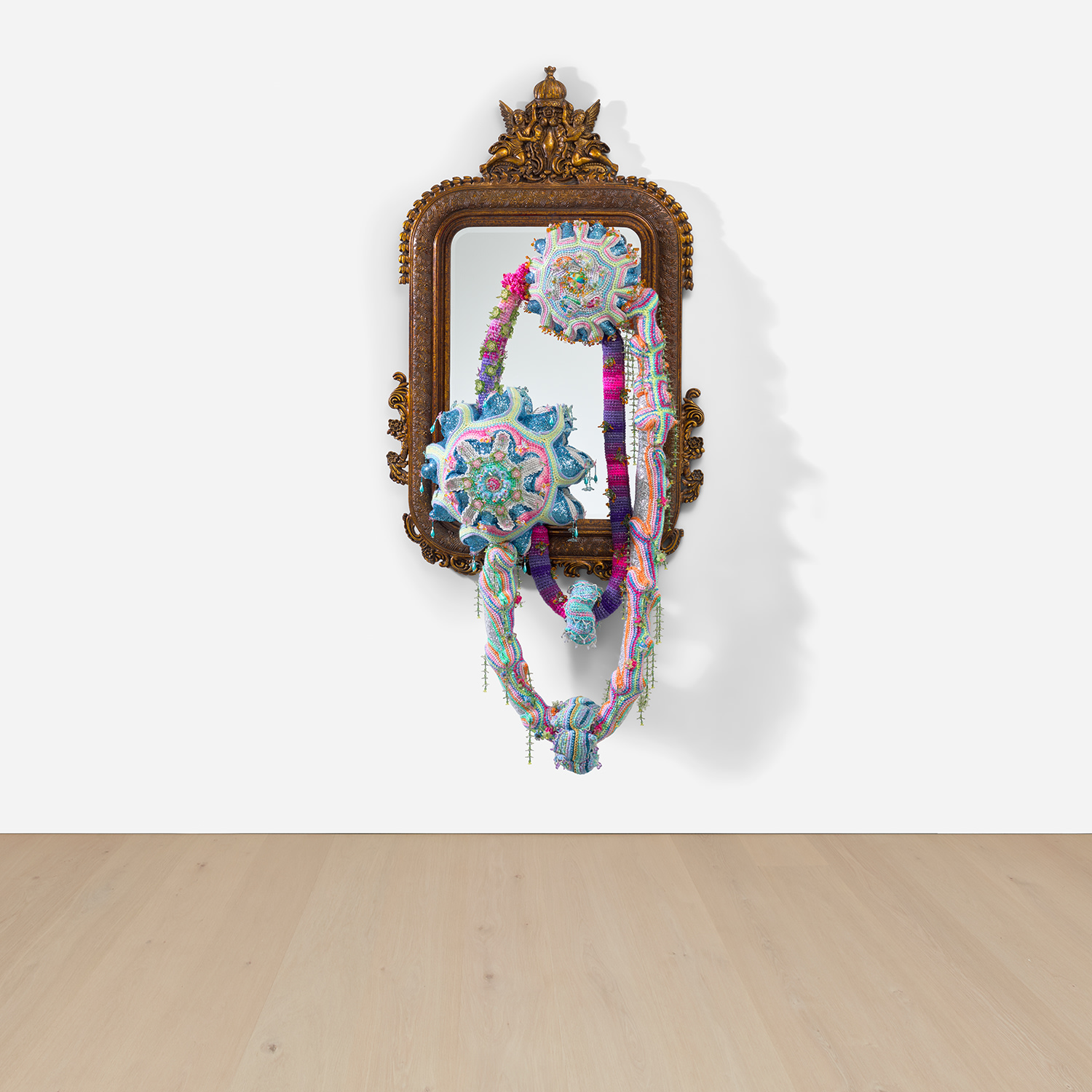
Joana Vasconcelos
Love Affair, 2015
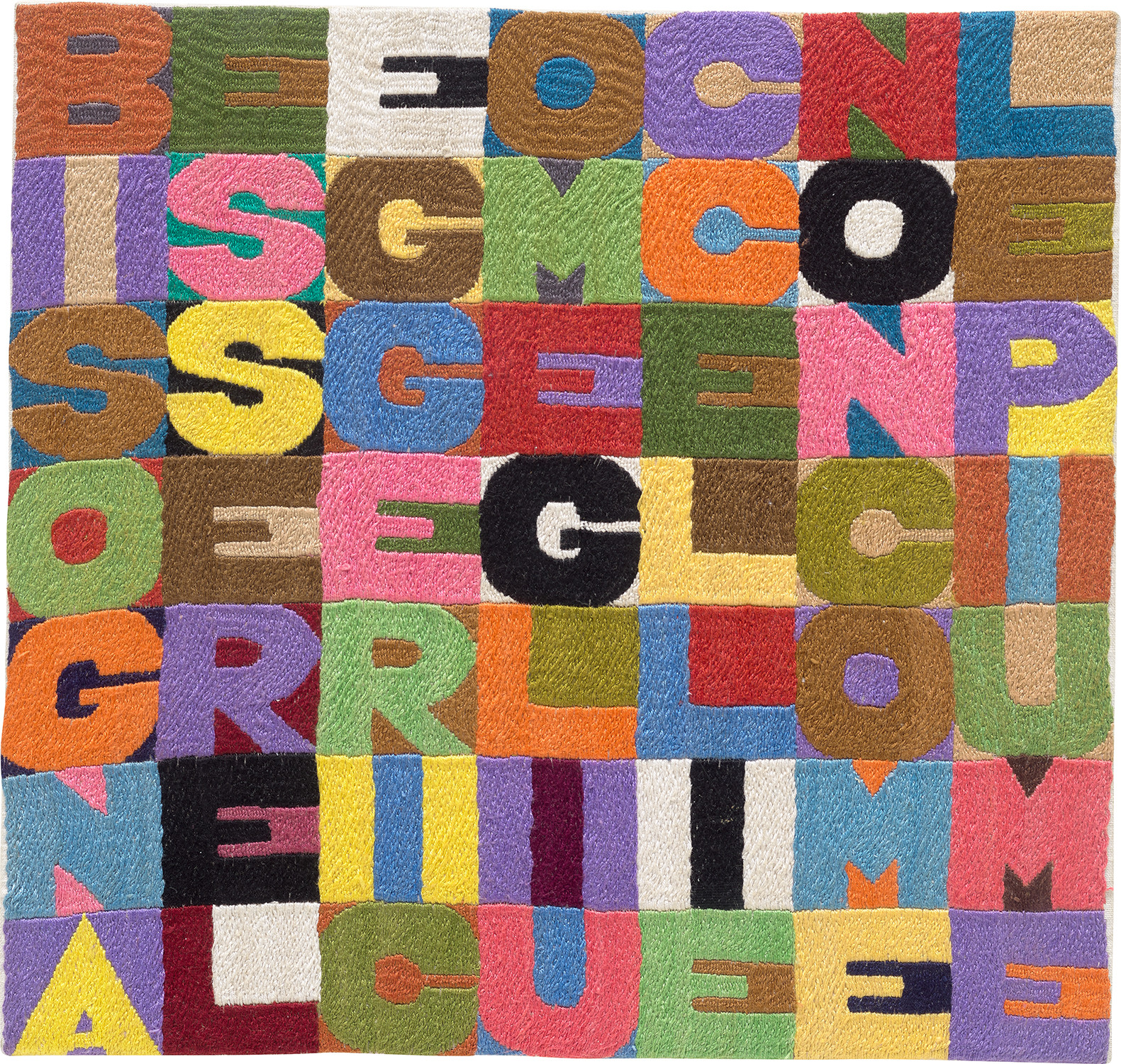
Working in Lisbon from the 1960s onward, Almeida developed a practice centered on photography and video in which her own body becomes both medium and subject. She painted directly onto photographic prints, literally inscribing herself into the image, creating works that sit uneasily and productively between painting, performance, and documentation. Her representation on The Collection points toward a strain of Portuguese conceptualism that has not yet received its full international due. Joana Vasconcelos represents the most commercially visible face of contemporary Portuguese art, and the breadth of her presence on The Collection reflects genuine institutional enthusiasm for her project.
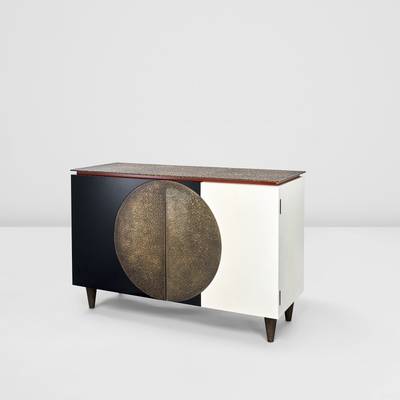
Working at an enormous scale with craft materials, crocheted wool, ceramic tiles, industrial kitchenware, Vasconcelos constructs baroque, exuberant objects that address gender, national identity, and consumer culture simultaneously. Her Valkyrie series, shown at the Palace of Versailles in 2012, brought her global attention and cemented her position as one of the few Portuguese artists capable of generating true international spectacle. There is something very specifically Portuguese in her insistence on craft as a serious conceptual language, a claim staked against the hierarchies of a northern European art world that has long undervalued decorative and applied traditions. Julião Sarmento and Pedro Cabrita Reis represent a cooler, more cerebral strand of the same generation.
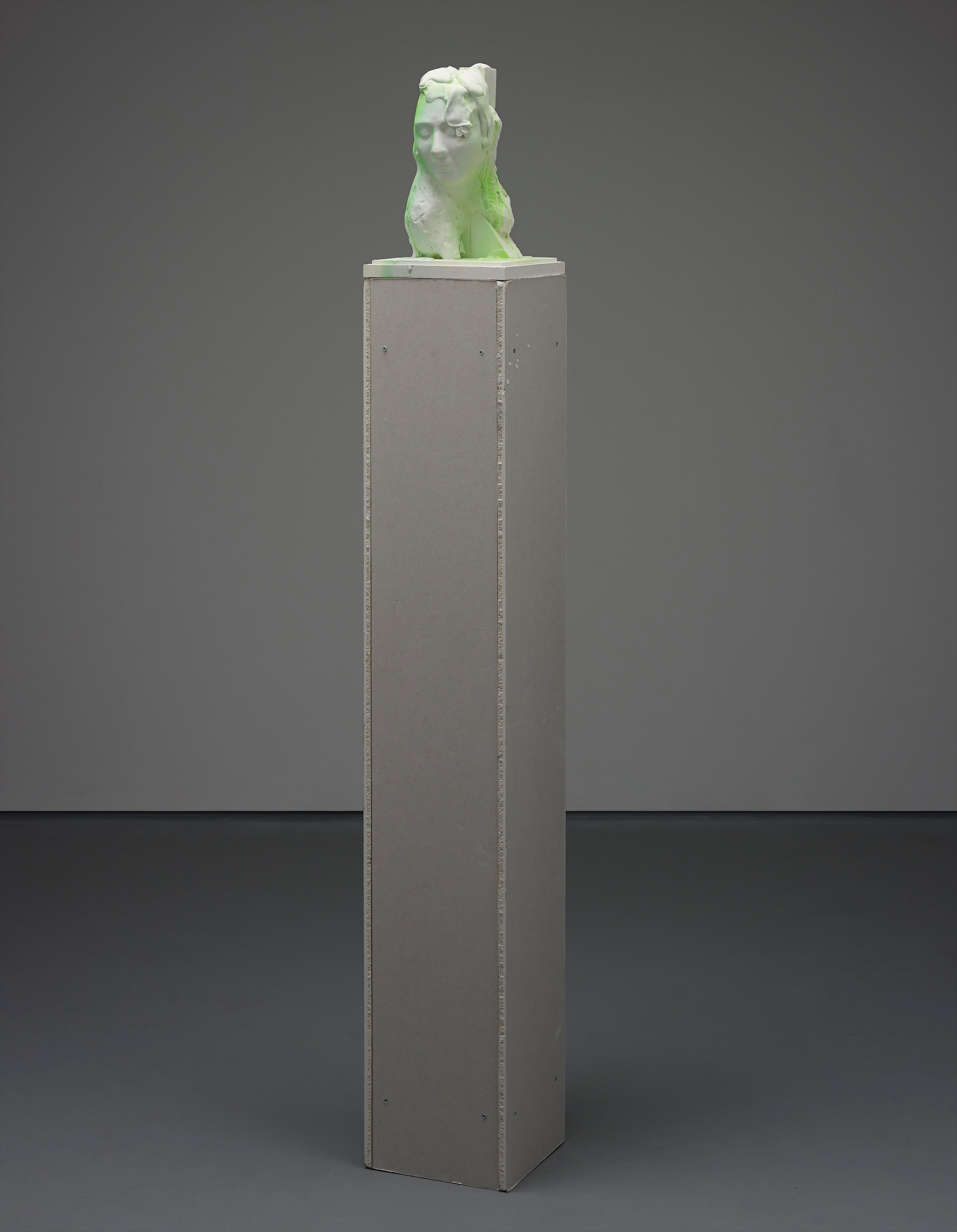
Julião Sarmento
The House with the Upstairs in It, 1996
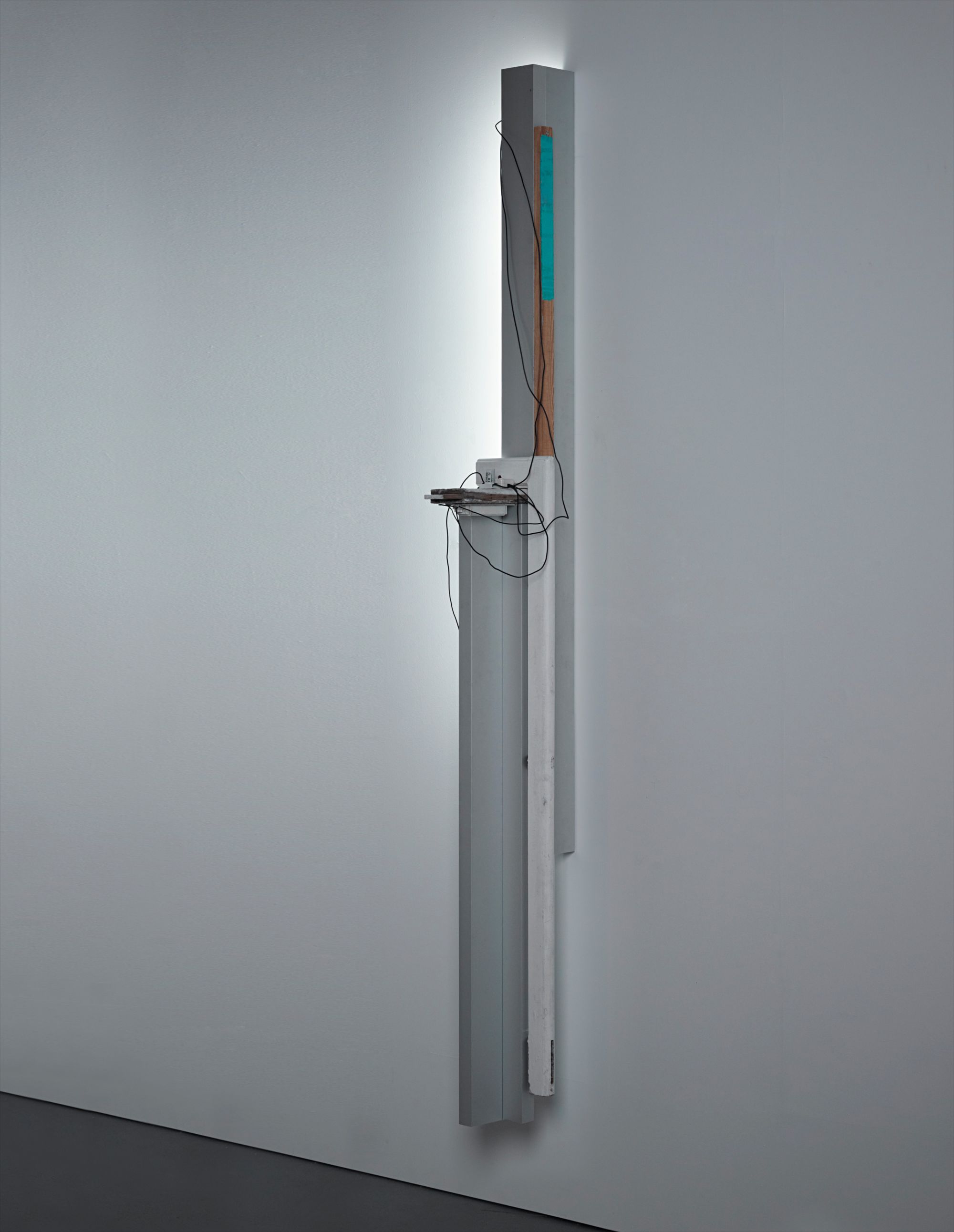
Sarmento's investigations into desire, memory, and the unrepresentable have made him a fixture of international biennials since the 1980s. Cabrita Reis builds spare, elemental installations from fluorescent tubes, raw wood, and brick, creating spaces that feel simultaneously architectural and intimate. Both artists emerged in the years immediately following the Carnation Revolution and both carry in their work a kind of hard won freedom, an awareness of what it meant to make art in a country that had only recently permitted it fully. What unites these artists across generations and practices is not a shared style but something harder to name: a seriousness about material, a comfort with darkness and ambiguity, and a relationship to history that is neither nostalgic nor dismissive.
Portuguese art has always been shaped by the experience of being on the periphery, geographically and institutionally, of centers of power. That peripheral position, once a disadvantage, now reads as a kind of independence. In a global art world increasingly dominated by a small number of markets and institutions, the Portuguese tradition offers something genuinely other. The collectors who have understood this early are sitting on something significant.