Portrait Bust
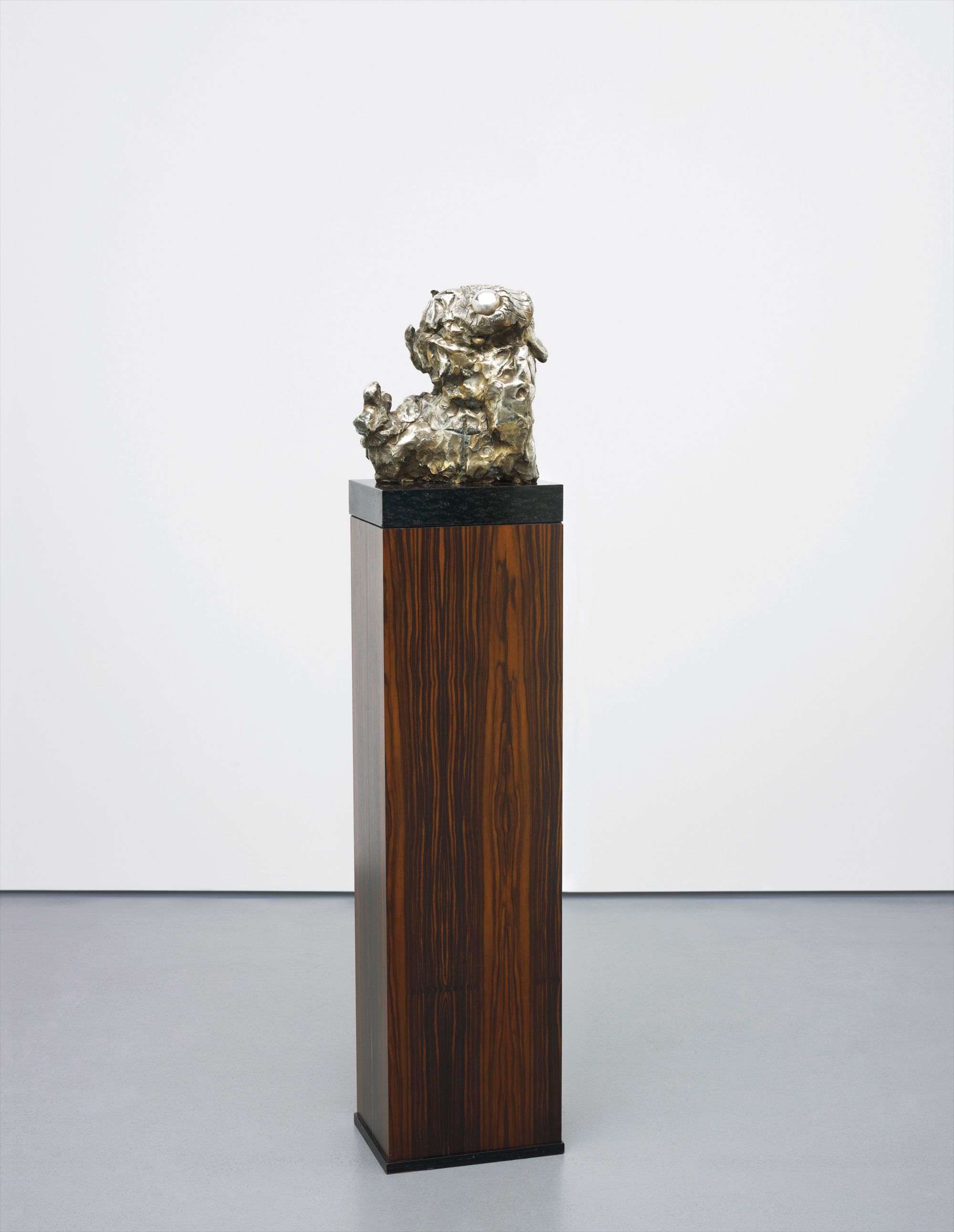
Nancy Grossman
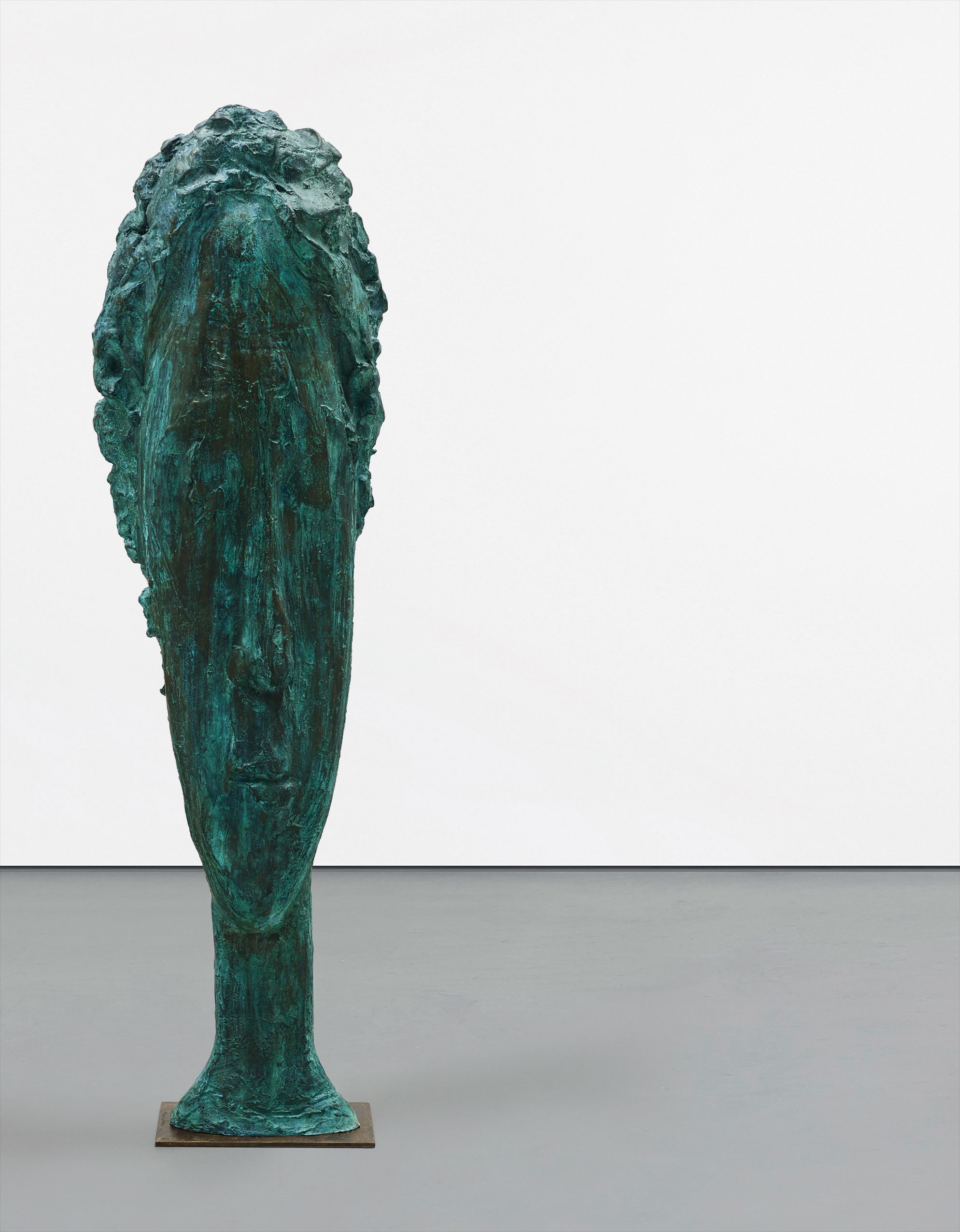
Nancy Grossman

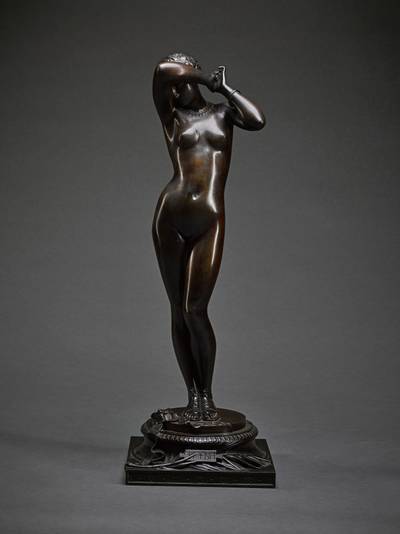
The Face That Stays With You
There is something quietly relentless about sharing your home with a portrait bust. Unlike a painting, which recedes into the wall and becomes part of the architecture of a room, a bust occupies space the way a person does. It has volume, shadow, presence. Collectors who come to this form tend to describe the same experience: you walk past it every day for years and then one morning, in a particular light, it stops you cold.
That quality of sustained encounter is rare in collecting, and it is one of the primary reasons serious collectors return to the portrait bust again and again, across centuries and media and price points. What separates a good work from a great one in this category comes down to a few things that are easier to feel than to articulate but can be learned. Technically, you want evidence of the artist's hand in the surface. In bronze, look for the quality of the patina and whether it was applied with intention or merely accumulated.
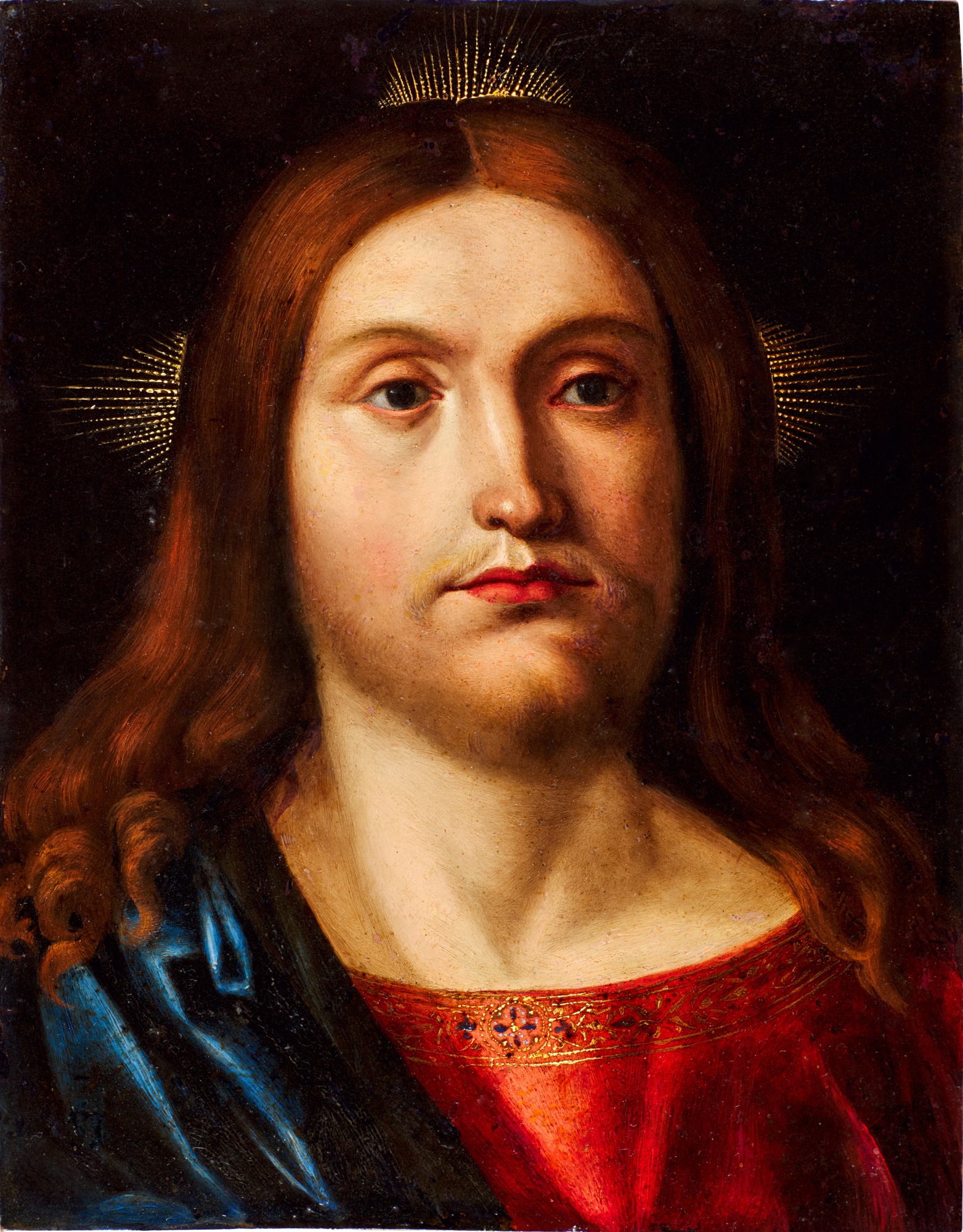
North Italian School, 17th century
Bust of Christ
In marble and carved stone, the transition between polished and rough passages tells you a great deal about the sculptor's confidence and ambition. But beyond technique, the great portrait busts achieve something harder to name: a sense of inner life. The subject seems caught in the middle of a thought. There is tension in the jaw or around the eyes.
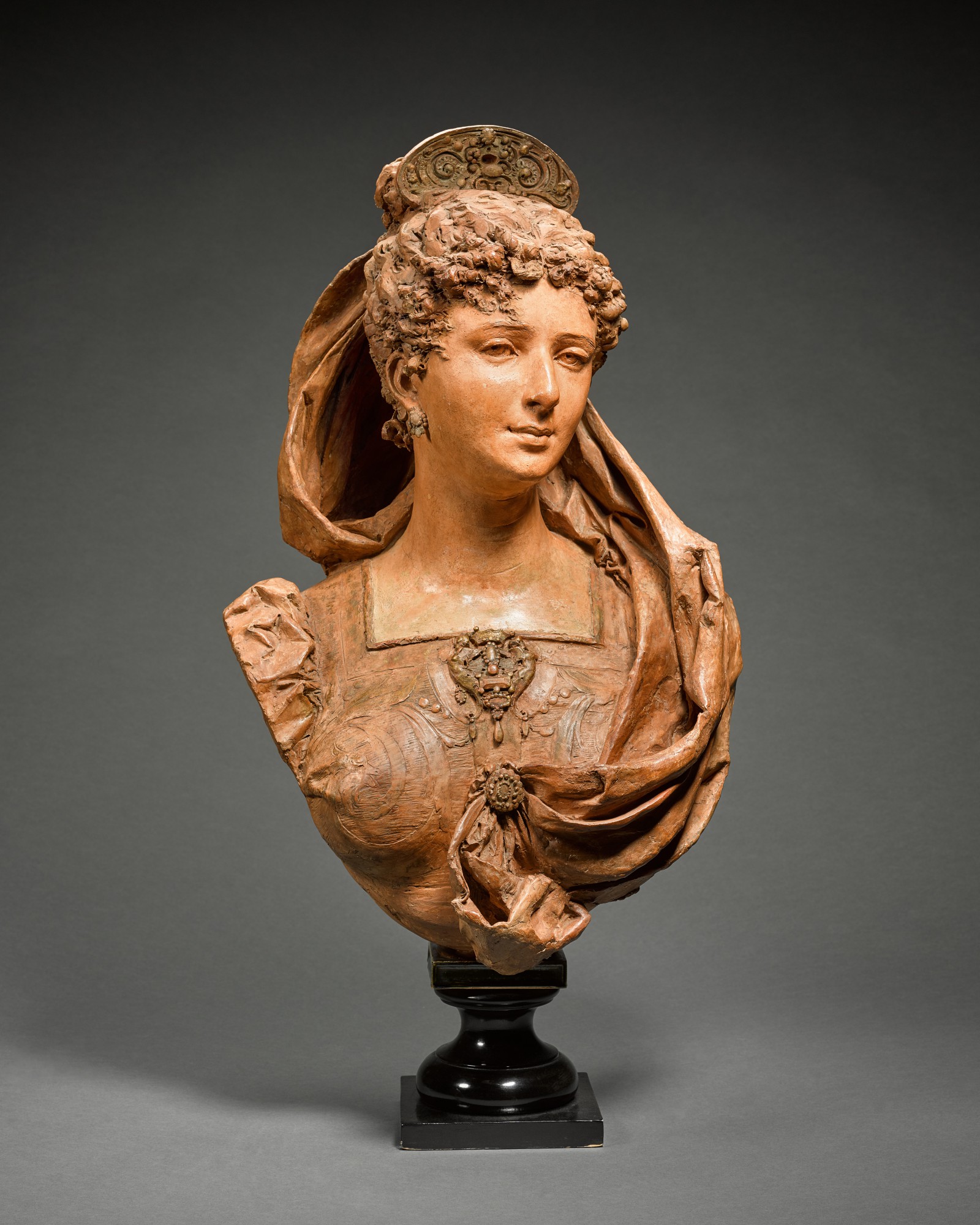
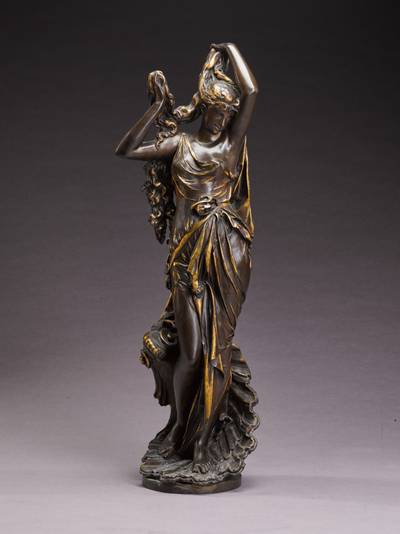
The work does not simply record a face; it argues for a person. The nineteenth century French tradition remains one of the most rewarding areas for collectors working at the intersection of quality and value. Albert Ernest Carrier Belleuse, whose work is well represented on The Collection, understood the portrait bust as a form of theater. He trained under David d'Angers and later employed a young Auguste Rodin in his Sèvres workshop, and his influence moved in both directions.
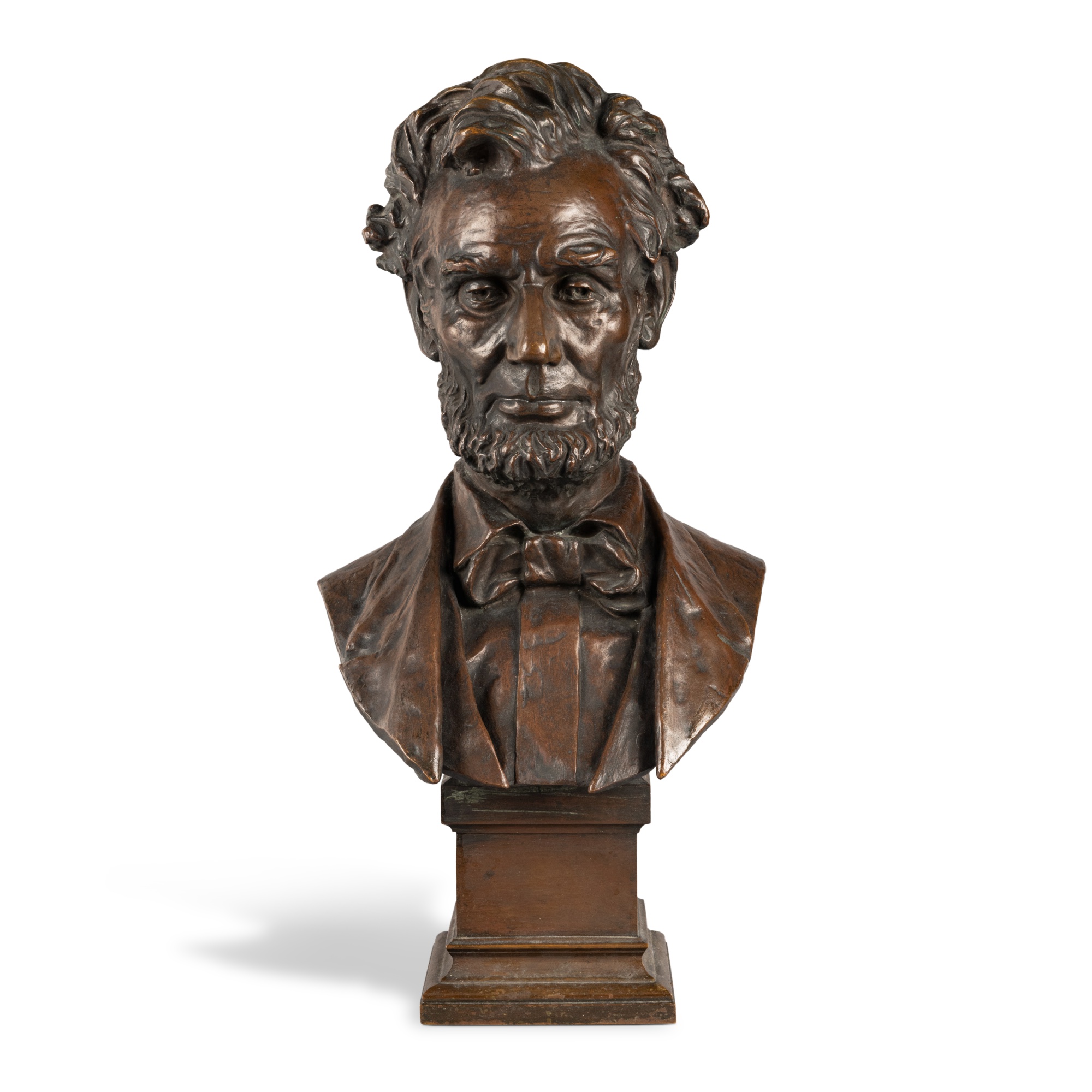
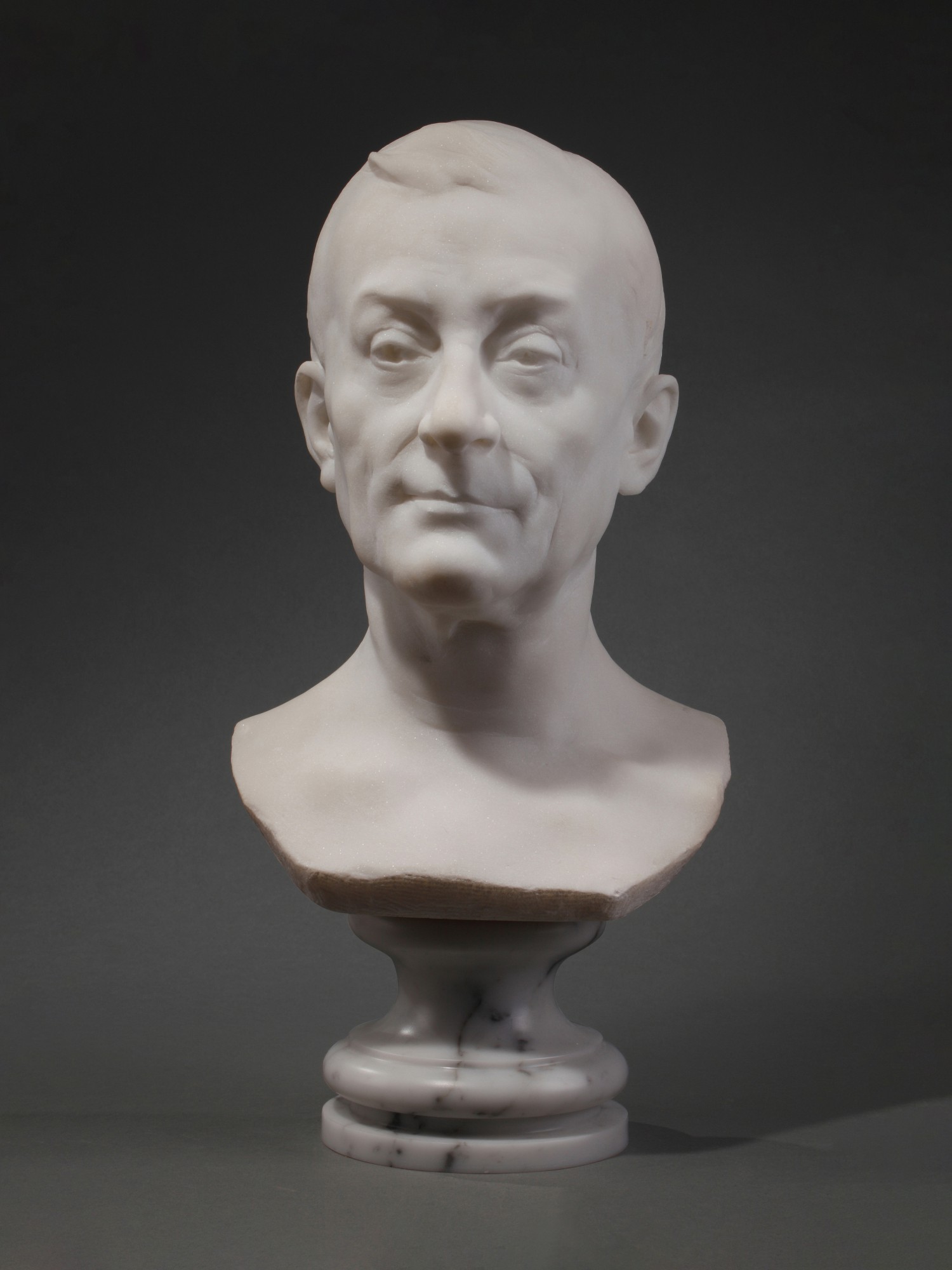
George Edwin Bissell
Bust of Abraham Lincoln, 1899
His busts have a sensuality and psychological urgency that reads as entirely modern, and the market has been catching up to that recognition over the past decade. Jean Baptiste Carpeaux, whose emotional intensity made him one of the defining sculptors of the Second Empire, represents a similar opportunity. His portrait subjects seem to breathe. Works by both artists have appeared at major auction houses and continue to attract serious attention from European and American collectors alike.
For collectors drawn to the rawer, more existentially charged end of the form, Alberto Giacometti's approach to the human head is in a category of its own. His busts from the postwar period, particularly the elongated bronzes he made between the late 1940s and his death in 1966, remain among the most coveted objects in the modern sculpture market. Marino Marini, another significant presence on The Collection, worked in a similarly concentrated register. His heads and busts from the 1950s carry an archaic weight that connects to Etruscan and early Roman sources while feeling entirely of their moment.
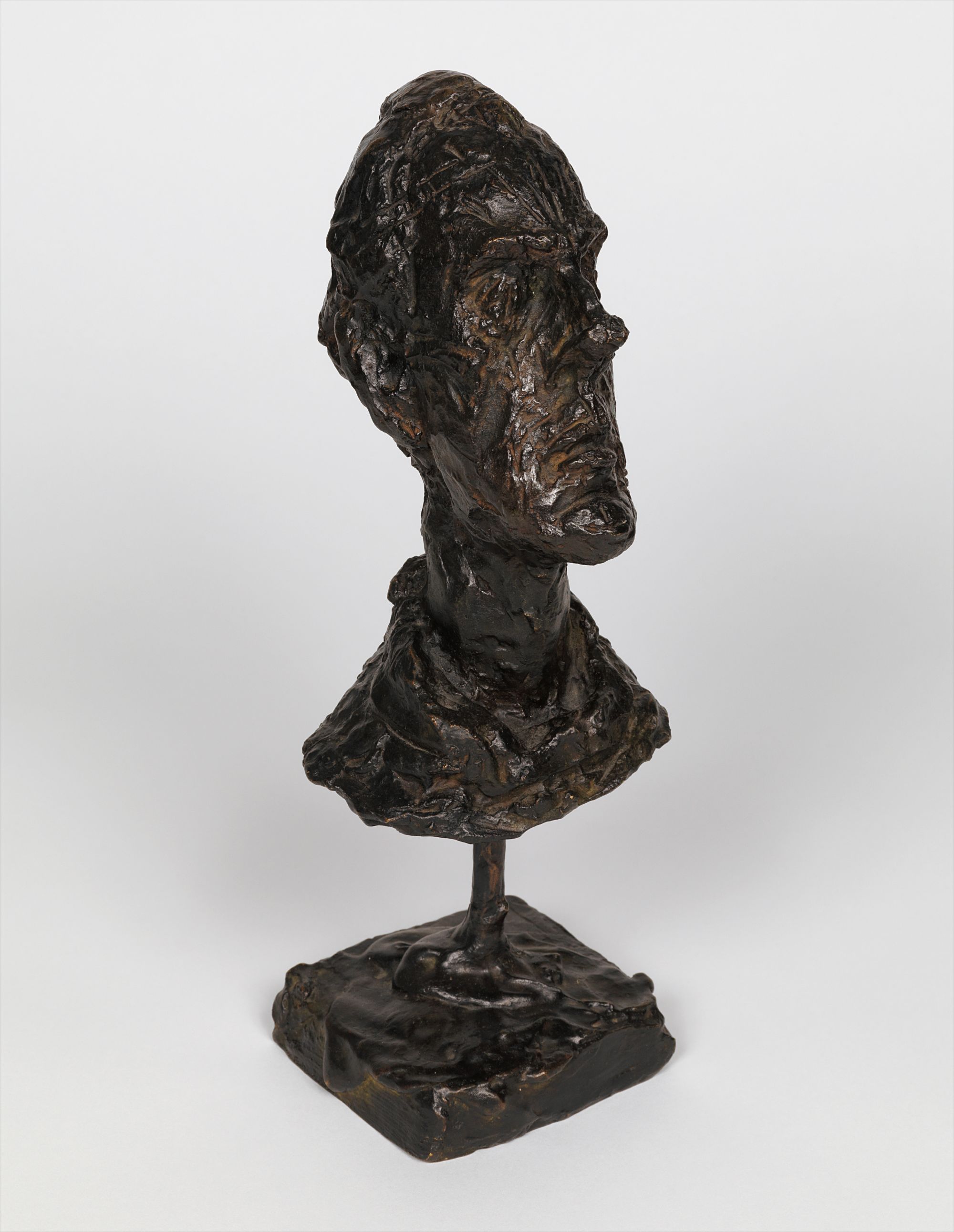
Alberto Giacometti
Tête de Diego au col roulé
Both artists remind you that the portrait bust is not a conservative form; in the right hands it becomes one of the most direct vehicles for existential inquiry available to a sculptor. The emerging opportunities in this space tend to cluster around artists working outside the canonical Western tradition and those whose critical reputations have not yet fully caught up with the quality of the work. Yang Maoyuan, whose sculptural practice draws on both Chinese folk traditions and contemporary conceptual frameworks, is worth sustained attention. Oleg Pinchuk works with the portrait in ways that feel genuinely unresolved in the best sense, pushing the form into territory that is neither figurative nor fully abstract.
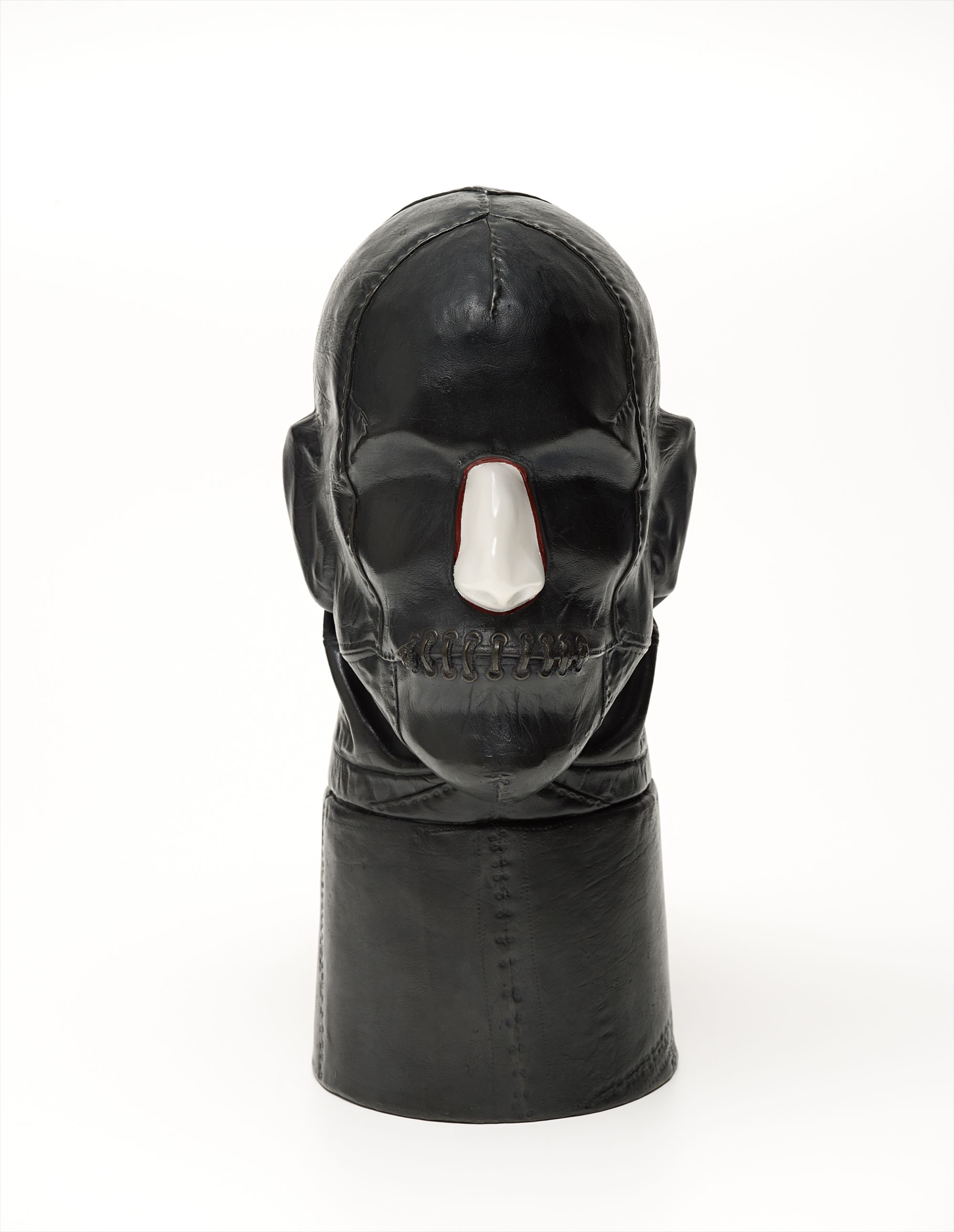
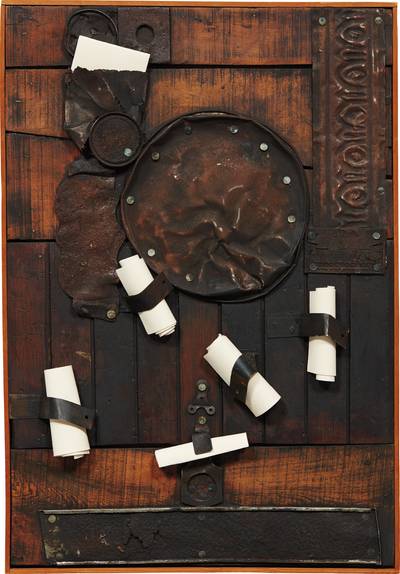
Nancy Grossman, whose masked and bound head sculptures from the late 1960s and early 1970s are among the most psychologically forceful objects made in that period, remains criminally underrepresented in major collections relative to her peers. The secondary market for her work has been quietly strengthening, and the window for collecting at current levels may be shorter than it appears. At auction, portrait busts perform with notable consistency across different market cycles, which makes them attractive to collectors who think about long term value. Ancient works, like a well preserved Roman marble portrait bust of a woman in good condition, tend to hold value through volatility because the supply is genuinely finite and institutional demand never entirely disappears.
Nancy Grossman
Nancy Grossman
Nineteenth century bronzes can be more volatile depending on attribution and condition, but works with clear provenance and strong exhibition histories tend to find competitive bidding at the major houses. The 2010s saw a significant revaluation of French academic sculpture more broadly, and that movement has not fully run its course. On the practical side, condition is paramount and the issues specific to this category are worth understanding before you buy. For bronzes, examine the casting quality closely and ask about any repairs or restorations to the patina.
Cold painting applied after the fact can mask issues. For marble and stone, hairline cracks near the neck or base are common and not always structurally significant, but you want a conservator's opinion before committing. Display deserves real thought: a bust at eye level on a pedestal creates a very different relationship than one placed high on a shelf. Height and proximity to the viewer changes the work's entire character.
If you are considering a cast edition rather than a unique work, ask the gallery for the complete edition information, the foundry, the casting date, and the total edition size. For Marino Marini or Giacometti bronzes, this documentation is not optional; it is the difference between a significant acquisition and an expensive mistake. The portrait bust rewards patience, research, and a willingness to trust what the work makes you feel when you stand in front of it at six in the morning with no one else in the room.