Pastel And Charcoal
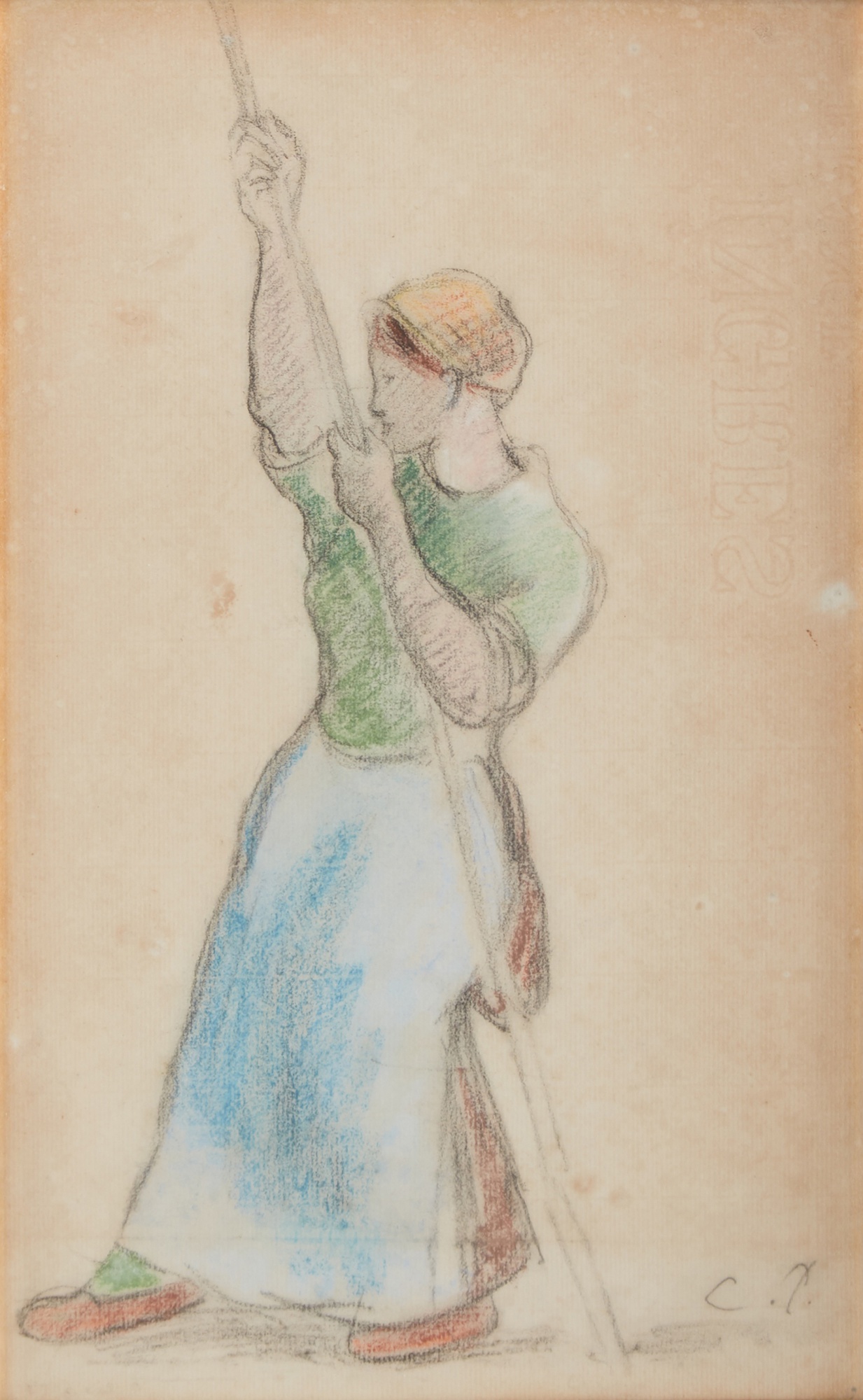
Camille Pissarro
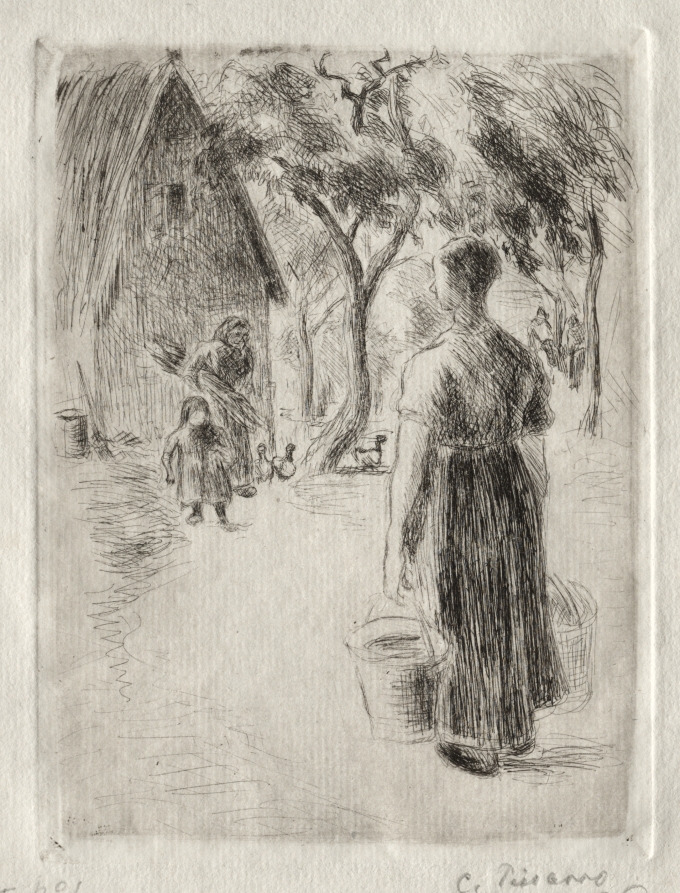
Paysanne plantant des rames, 1891







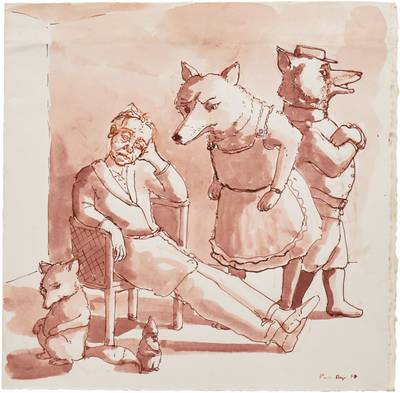
Dust, Breath, and the Intimate Mark
There is something quietly seductive about works made in pastel and charcoal that collectors come to understand only after living with one for a while. Unlike oil or acrylic, these media carry no pretense of permanence. They sit on the surface of the paper, almost unbound, as if the image arrived in a single held breath and could just as easily dissolve. That fragility is precisely the point.
Collectors who respond to works in these materials tend to be drawn not to monument but to moment, to the sense that they are witnessing something caught rather than constructed. The intimacy of the medium is inseparable from its history in the studio. Charcoal has been the first mark of every serious draftsman for centuries, the tool by which composition is felt out before commitment is made. Pastel, despite its often underestimated reputation, has attracted some of the most analytically precise artists in Western tradition.
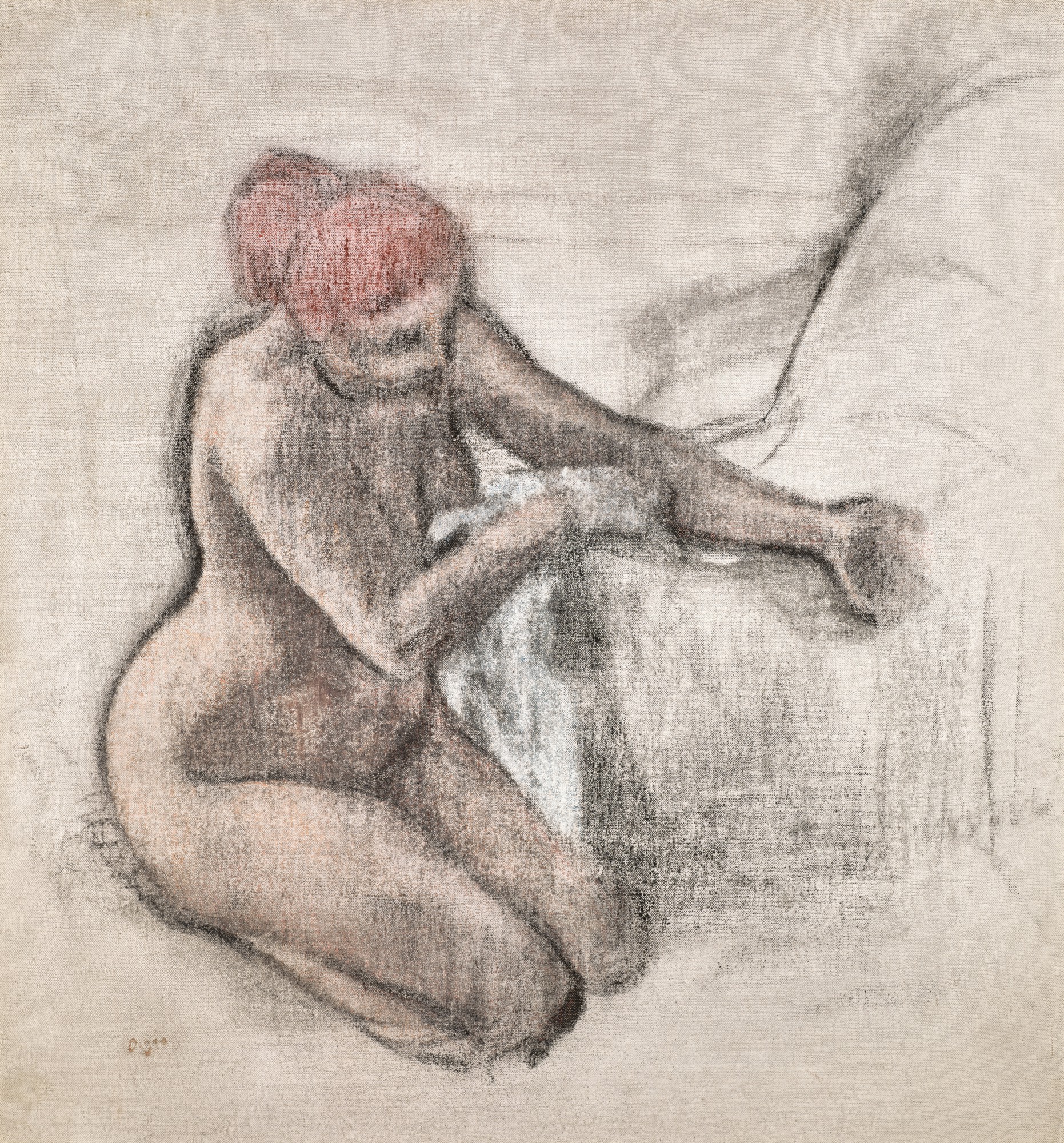
Edgar Degas
Après le bain (femme nue s'essuyant), 1898
Edgar Degas returned to pastel obsessively in the later decades of his career, partly because deteriorating eyesight demanded a medium he could work with his hands almost as much as his eyes. Those late works, dense with reworked color and exhausted movement, are among the most physically and emotionally present objects in any collection. When you stand close to one, you understand what the medium can hold. What separates a good work from a great one in pastel and charcoal often comes down to how the artist has used resistance.
Paper has a tooth, a grain, and the question is whether the artist has allowed that texture to become part of the image or simply worked against it. The greatest works in these media show evidence of a dialogue between hand and surface. You can see where pressure varied, where the artist lifted and returned, where a smear became intentional. In charcoal especially, the eraser is as important as the stick.
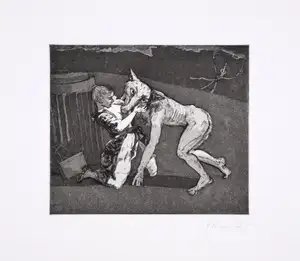
Paula Rego
Pendle Witches (Deluxe)
Paula Rego understood this in her preparatory works and in finished charcoal drawings that carry the full weight of her painted narratives, dense with psychological pressure and barely contained unease. For collectors assessing quality, provenance and exhibition history matter as much in works on paper as in any other category, arguably more so given the medium's vulnerability. A work that has been shown frequently under uncontrolled lighting conditions, or that passed through many hands without archival housing, carries real risk. But a pastel or charcoal that has been properly stored and conserved can remain in extraordinary condition for generations.
The softness of the surface is not weakness so much as sensitivity. It rewards attention and repays careful stewardship. In terms of artists representing genuine long term value, the roster of those working in these media spans generations in ways that reward careful looking. Hans Hartung brought his gestural intensity to works on paper throughout his career, and those pieces offer collectors a way into his language at price points well below his major canvases.
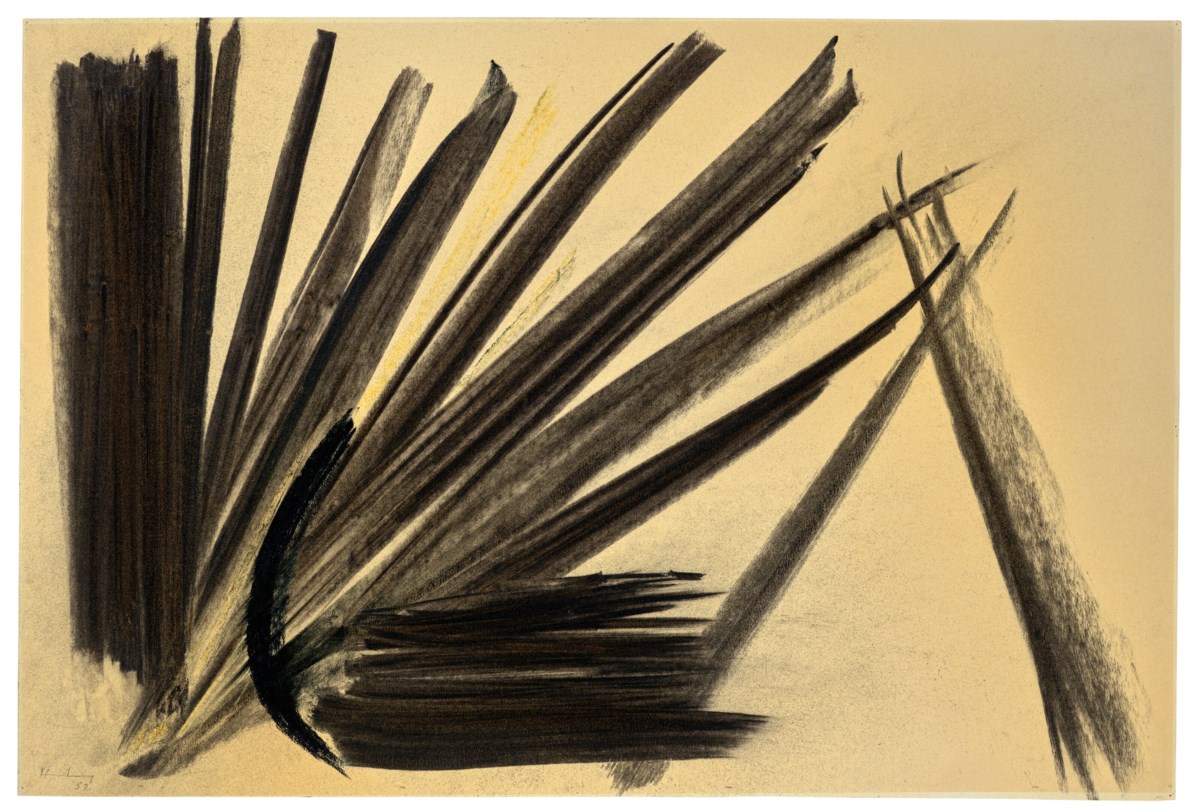
Hans Hartung
P1952-16, 1952
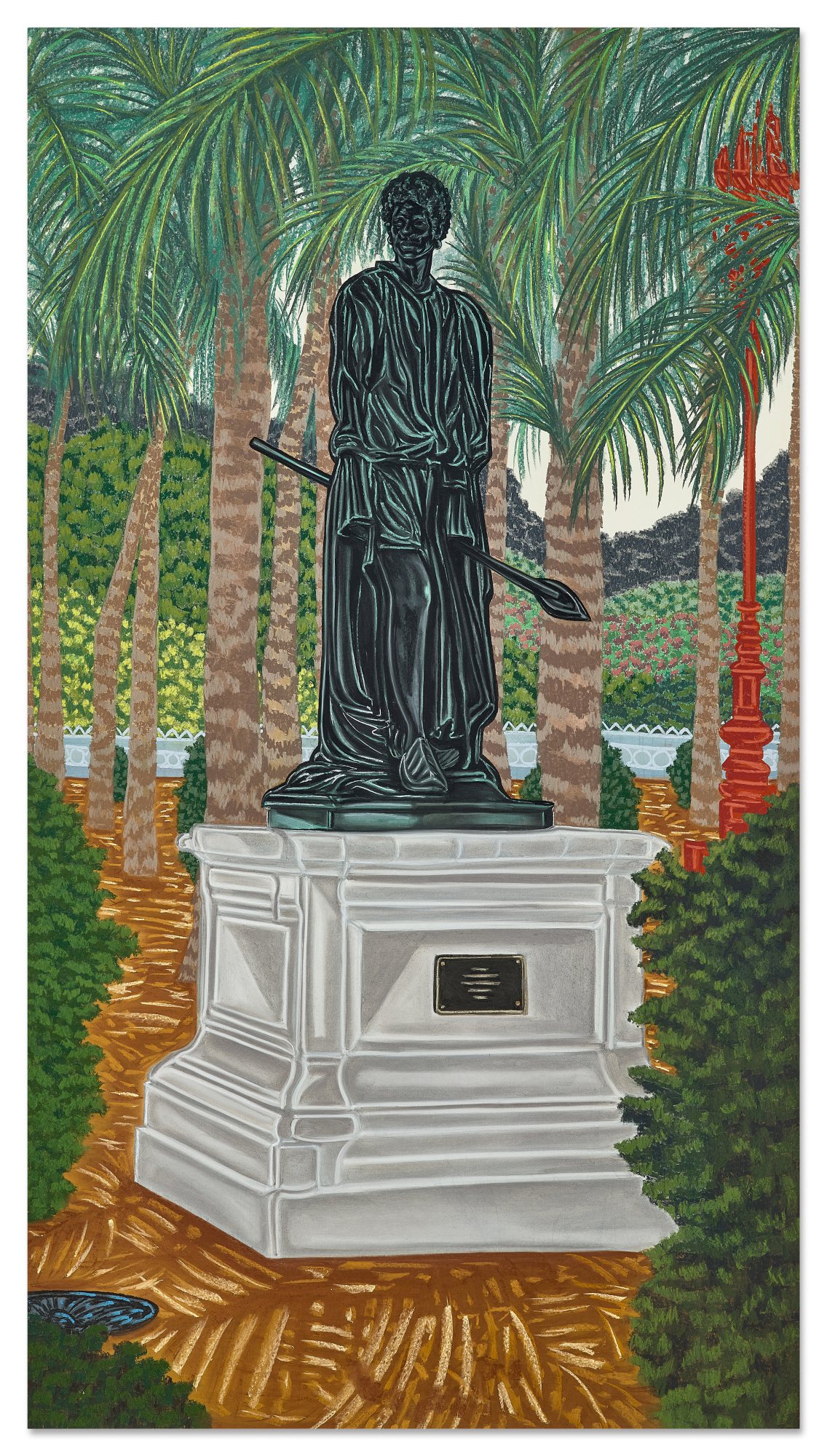
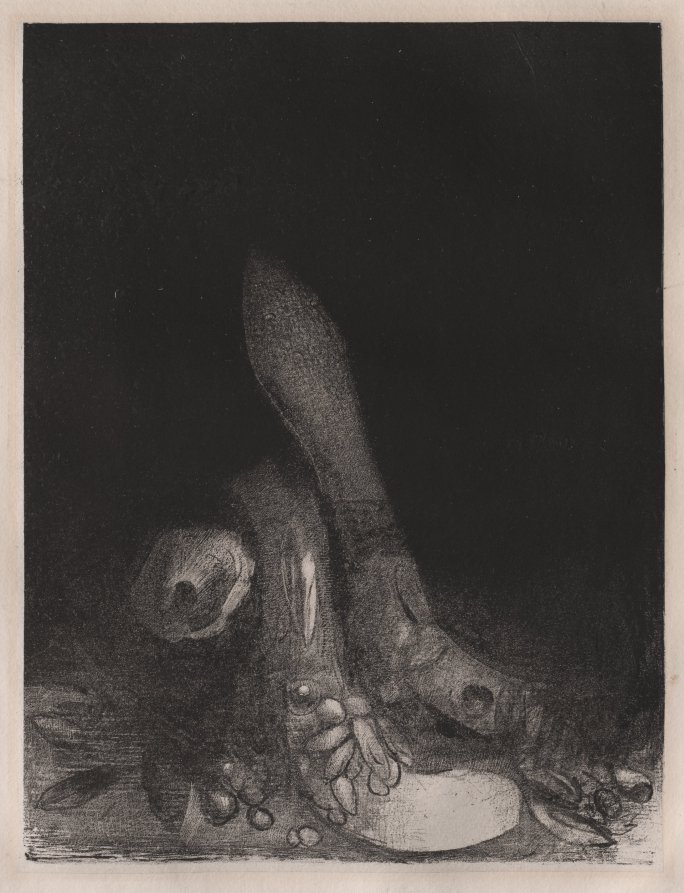
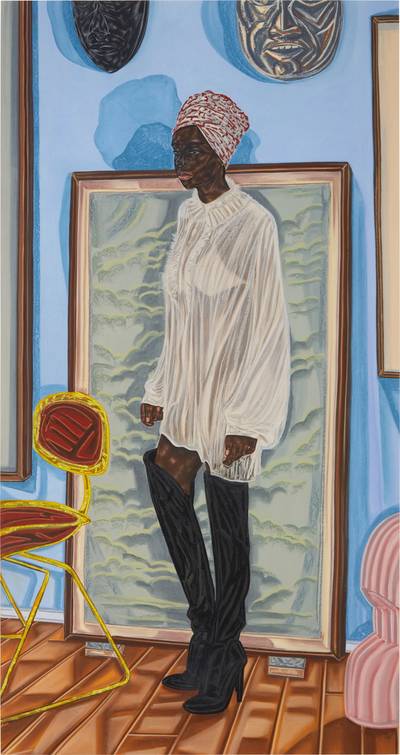
The marks feel urgent and searching, and they document a practice that was always as much about discovery as declaration. Odilon Redon worked extensively in charcoal before his celebrated turn to color pastels, and his early noirs remain some of the most psychologically compelling works on paper from the nineteenth century. Collectors who find a strong Redon drawing are acquiring something that sits at the intersection of Symbolism, spiritualism, and pure formal invention. Among living artists, Toyin Ojih Odutola has brought a new seriousness to drawing as a primary rather than secondary medium, and her work in charcoal and pastel commands serious critical attention and market respect.
Her large scale works reframe portraiture and identity through layers of mark making that reward extended looking. George Condo also moves between drawing and painting with real fluency, and his works on paper carry the same conceptual weight as his canvases while remaining more accessible to collectors building at a considered pace. Denzil Forrester, whose paintings draw on the Jamaican diaspora experience in Britain, has a body of works on paper that have been underappreciated relative to the paintings and represent a compelling area for collectors paying attention. At auction, works in pastel and charcoal have historically traded at a discount to the same artist's painted output, a gap that experienced collectors have learned to exploit rather than accept at face value.
Camille Pissarro
Paysanne plantant des rames, 1891
In many cases the drawings are more revealing, more direct, and more closely tied to an artist's core process than finished paintings made for exhibition. The secondary market for strong works on paper by blue chip names has tightened considerably over the past decade as institutional and private demand has grown, particularly for pieces with clean condition reports and documented histories. Works by Camille Pissarro and Degas in particular have seen sustained demand, and bidding at the major houses reflects a collector base that no longer treats works on paper as a secondary consideration. Practically speaking, collectors should ask any gallery or dealer for a full condition report before purchasing, and specifically ask whether a pastel has been fixed and with what product.
Some older fixatives have yellowed over time or created surface irregularities, and understanding what is on the sheet matters for both display and future value. Framing is not optional with these works. A proper conservation frame with UV filtering glazing and acid free matting is the minimum standard. Light levels in the home should be considered carefully, as even ambient daylight will shift sensitive pigments over decades of exposure.
The question of unique works versus studies or multiples is also worth raising with dealers. A unique charcoal drawing and a reproduction printed to look like one are not remotely equivalent, and the difference in long term value reflects that entirely.