Nude Figure
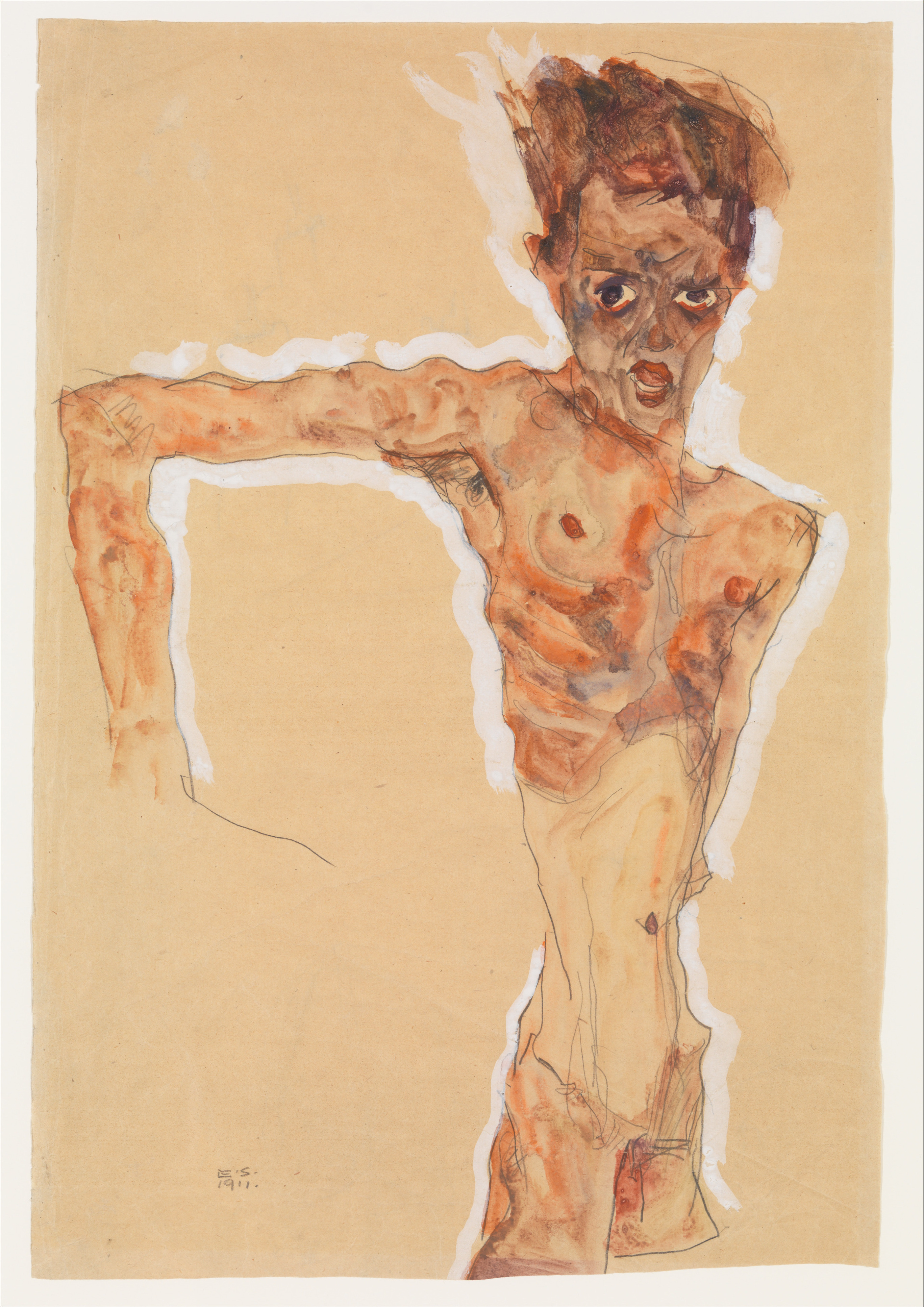
Egon Schiele
Self-Portrait, 1911
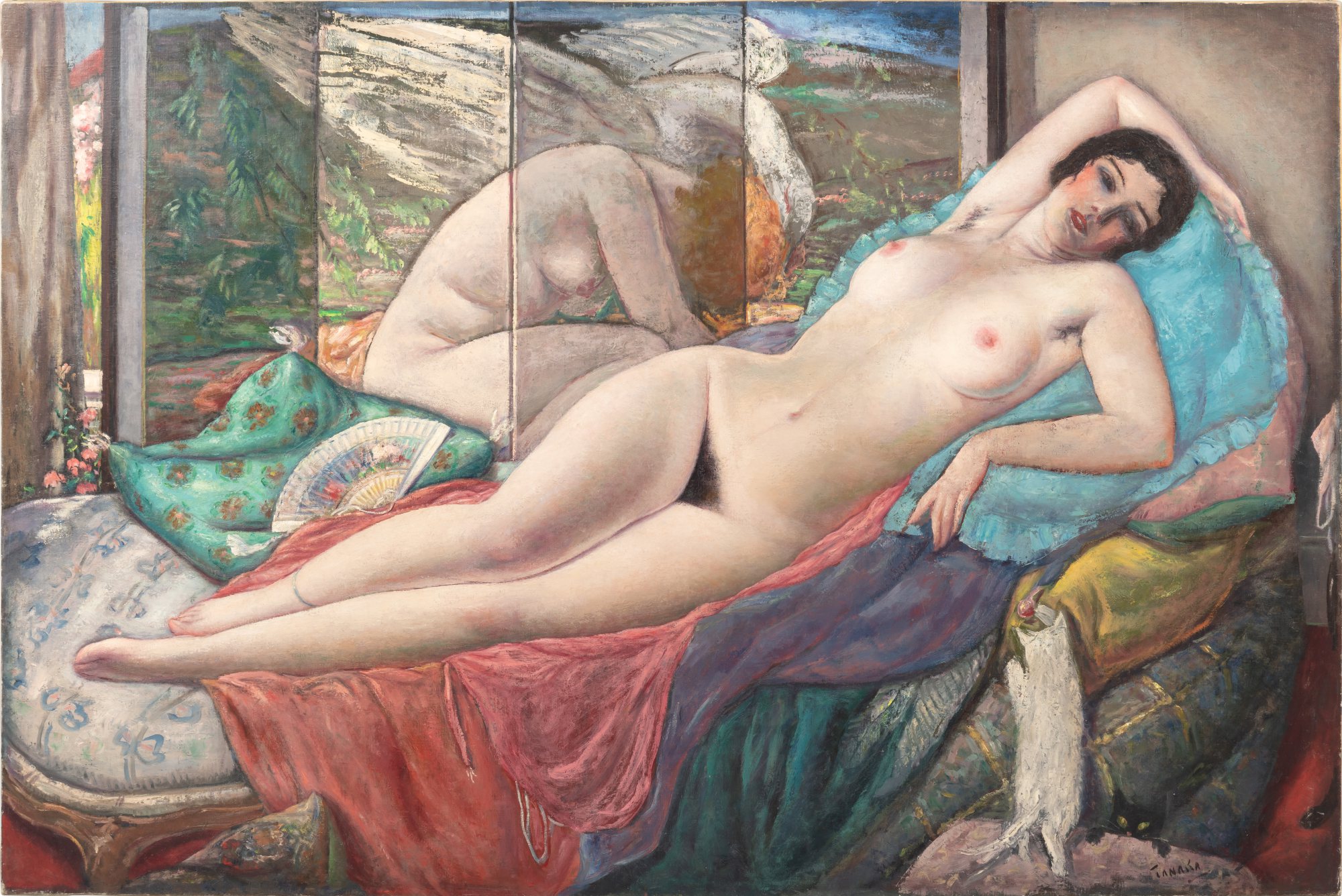
The Nude Undressed: What Collectors Really Want
There is something quietly audacious about choosing to live with a nude. Unlike almost any other subject in art, the nude makes demands on you. It asks you to consider your own gaze, to think about who is looking and why, and to decide what kind of collector you want to be. Perhaps this is exactly why serious collectors are so drawn to the category.
A well chosen nude is never decorative in a passive sense. It holds the room, commands attention, and rewards sustained looking in ways that landscapes or still lifes rarely do. The best examples feel less like objects and more like presences. What separates a compelling nude from a truly great one is a question worth sitting with before any acquisition.
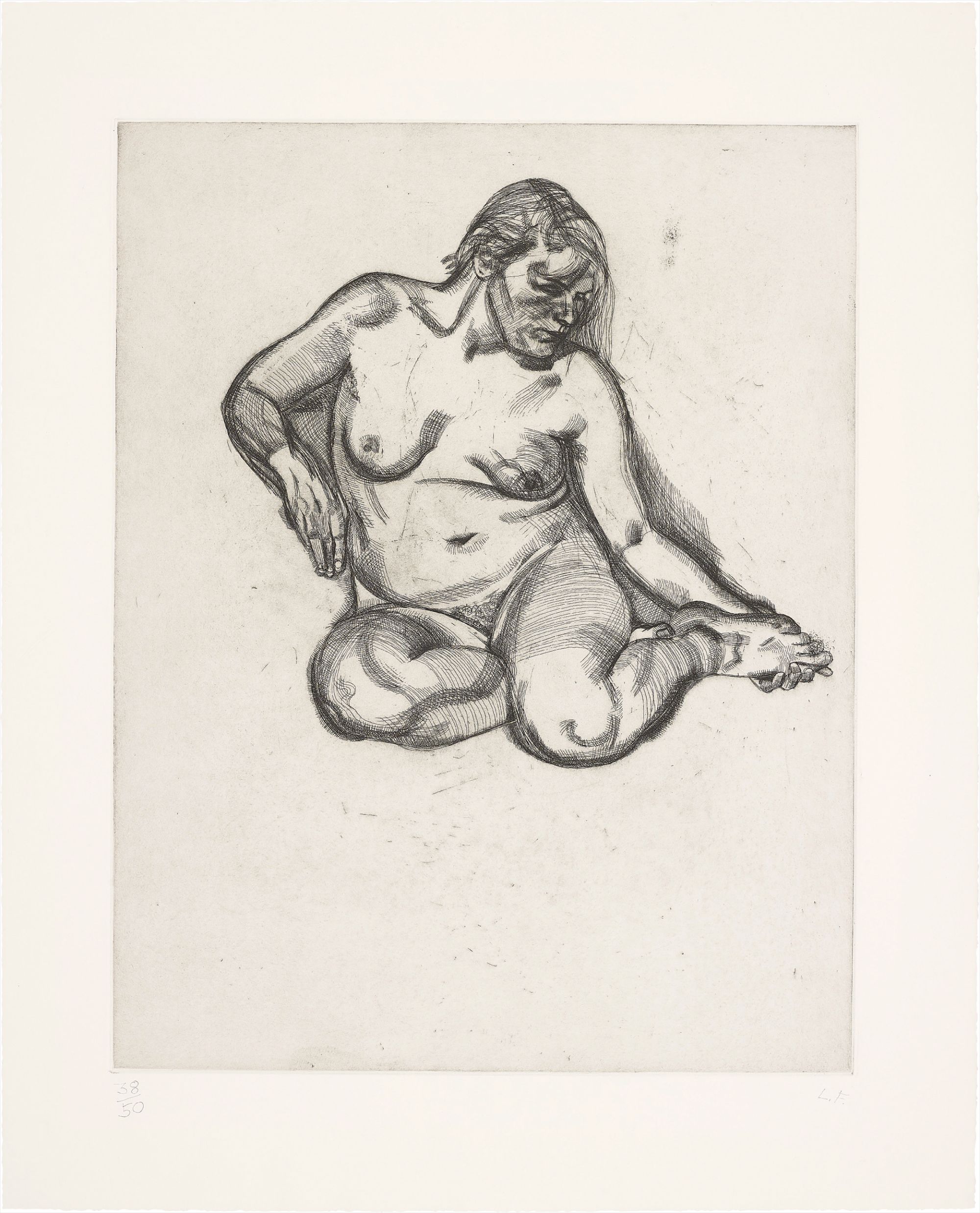
Lucian Freud
Girl Holding Her Foot
The easy answer is quality of execution, and that matters enormously. But the more interesting answer involves tension. The best nudes carry a charge between the specific and the universal, between intimacy and exposure, between the artist's hand and the subject's selfhood. Lucian Freud understood this better than almost anyone.
His figures, painted with unsparing attention to flesh and fatigue, refuse to be idealized or reduced. There is a psychological weight to his work that collectors respond to not just intellectually but viscerally, which is why demand for his paintings has remained so fierce in the decades since his death in 2011. When evaluating works in this category, condition is everything and provenance matters enormously. Paintings on canvas are vulnerable to cracking and flaking, particularly in works from the mid twentieth century where certain grounds and mediums were less stable.
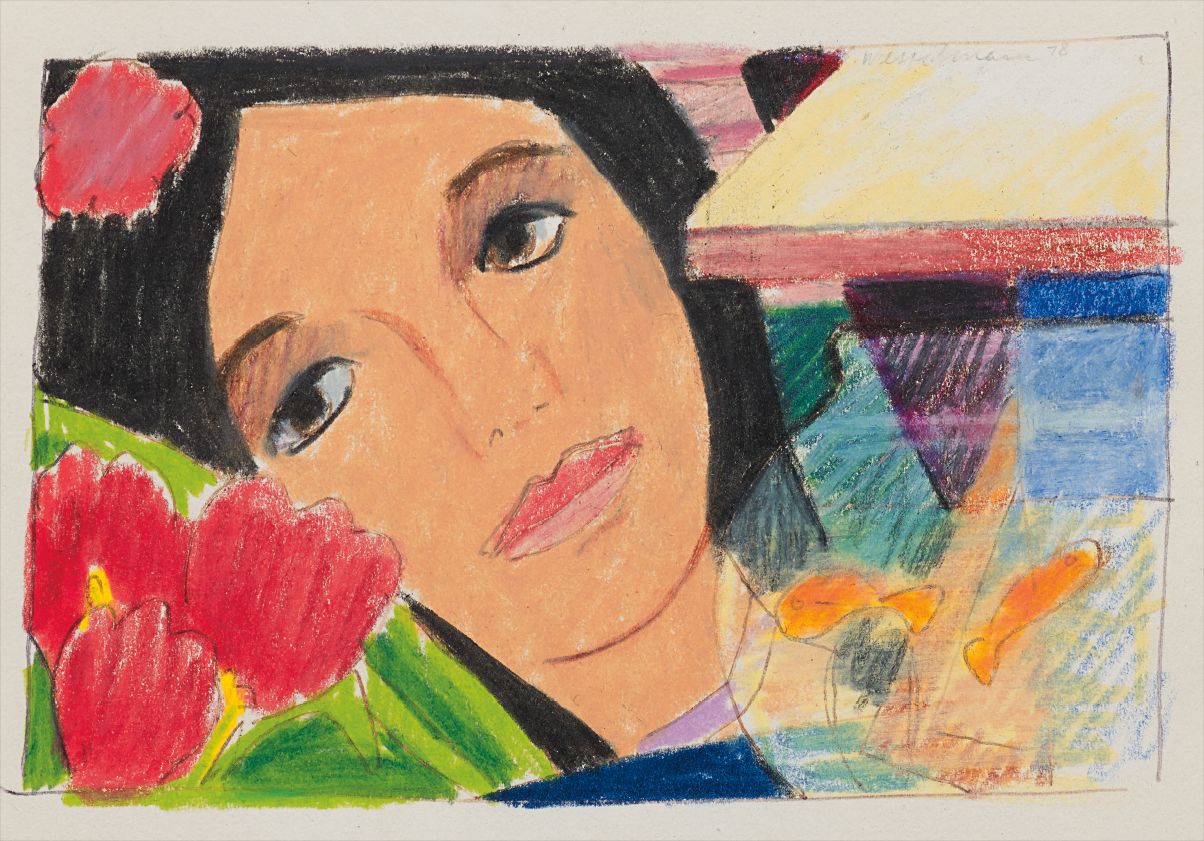
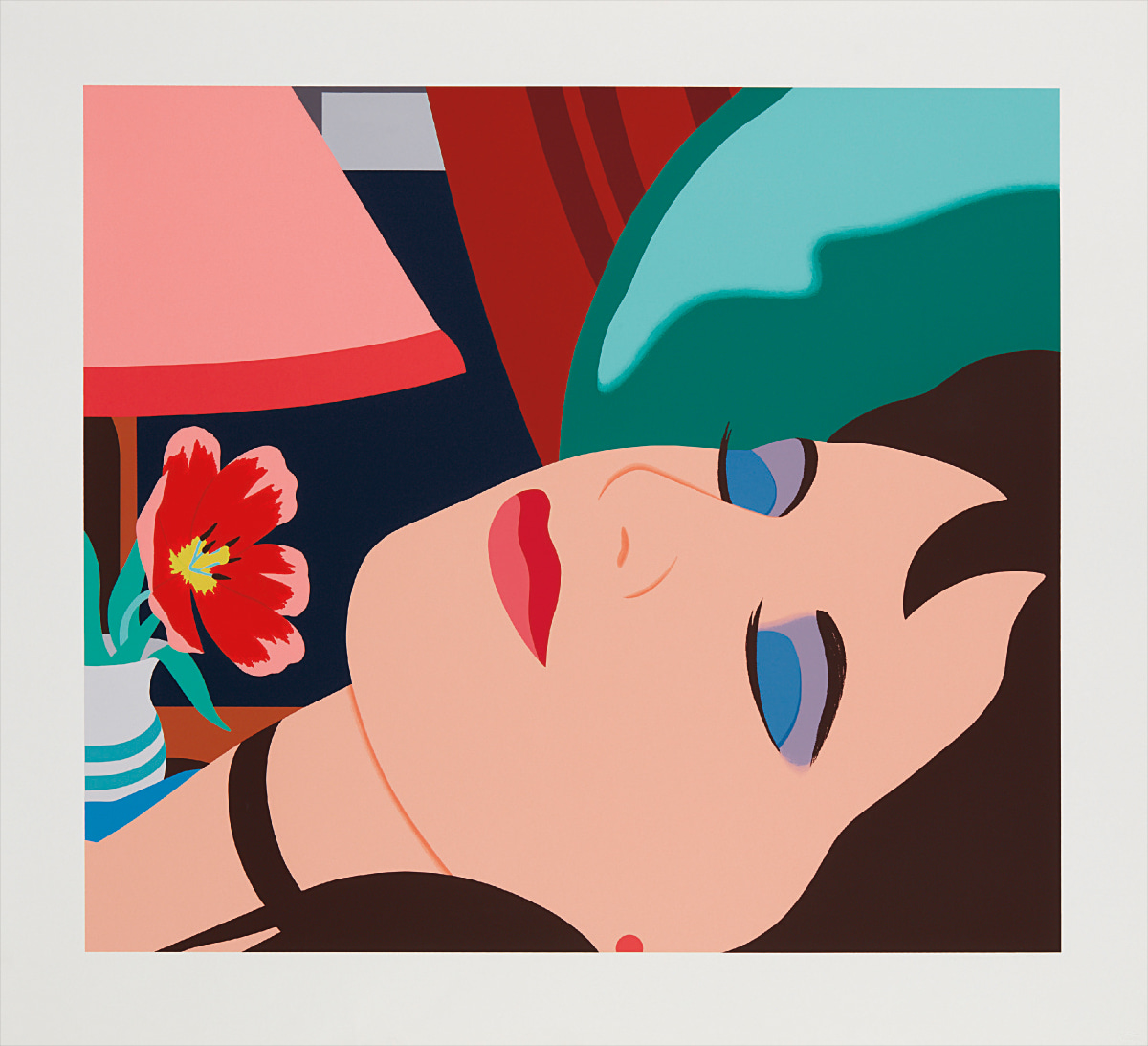
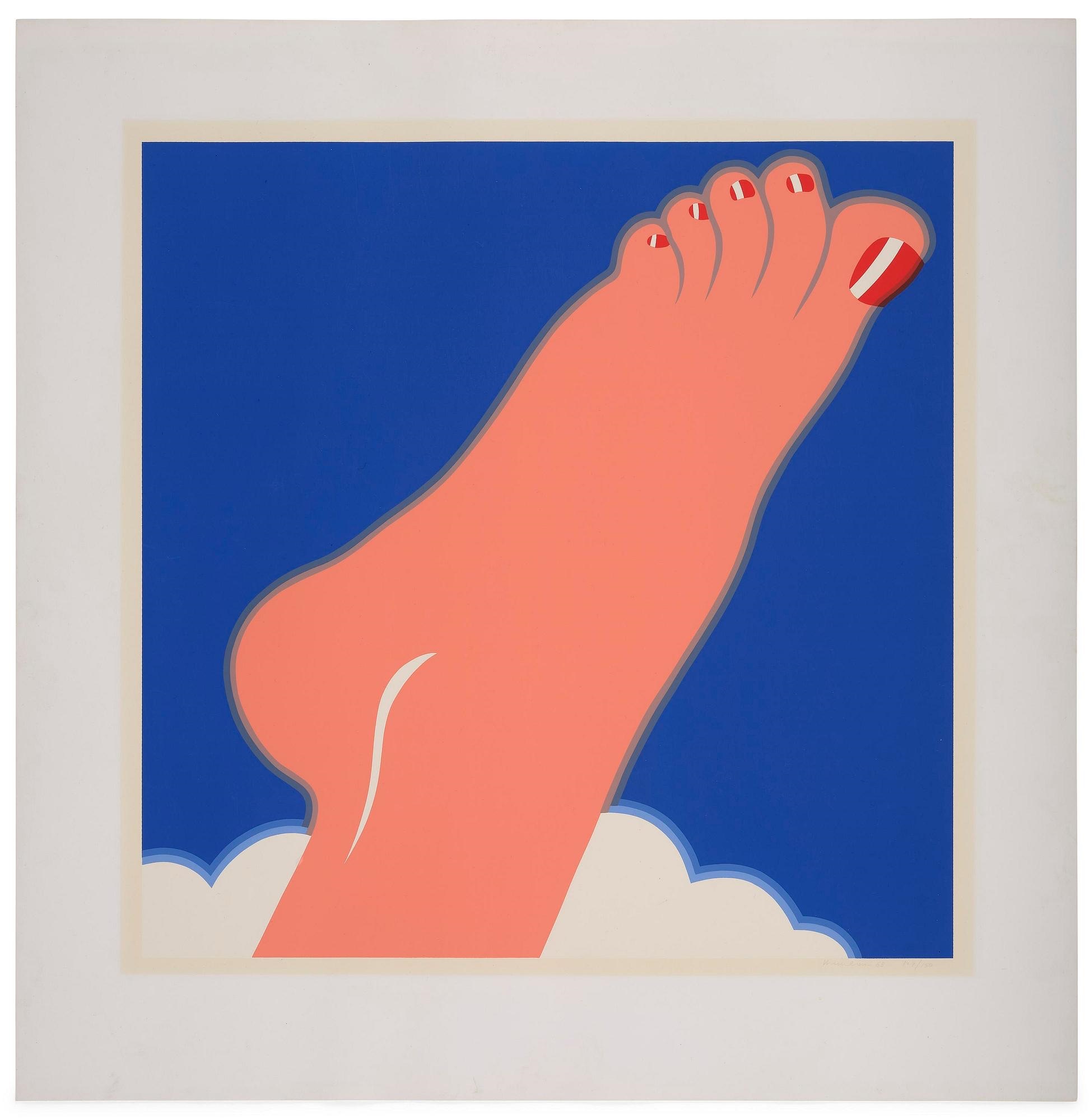
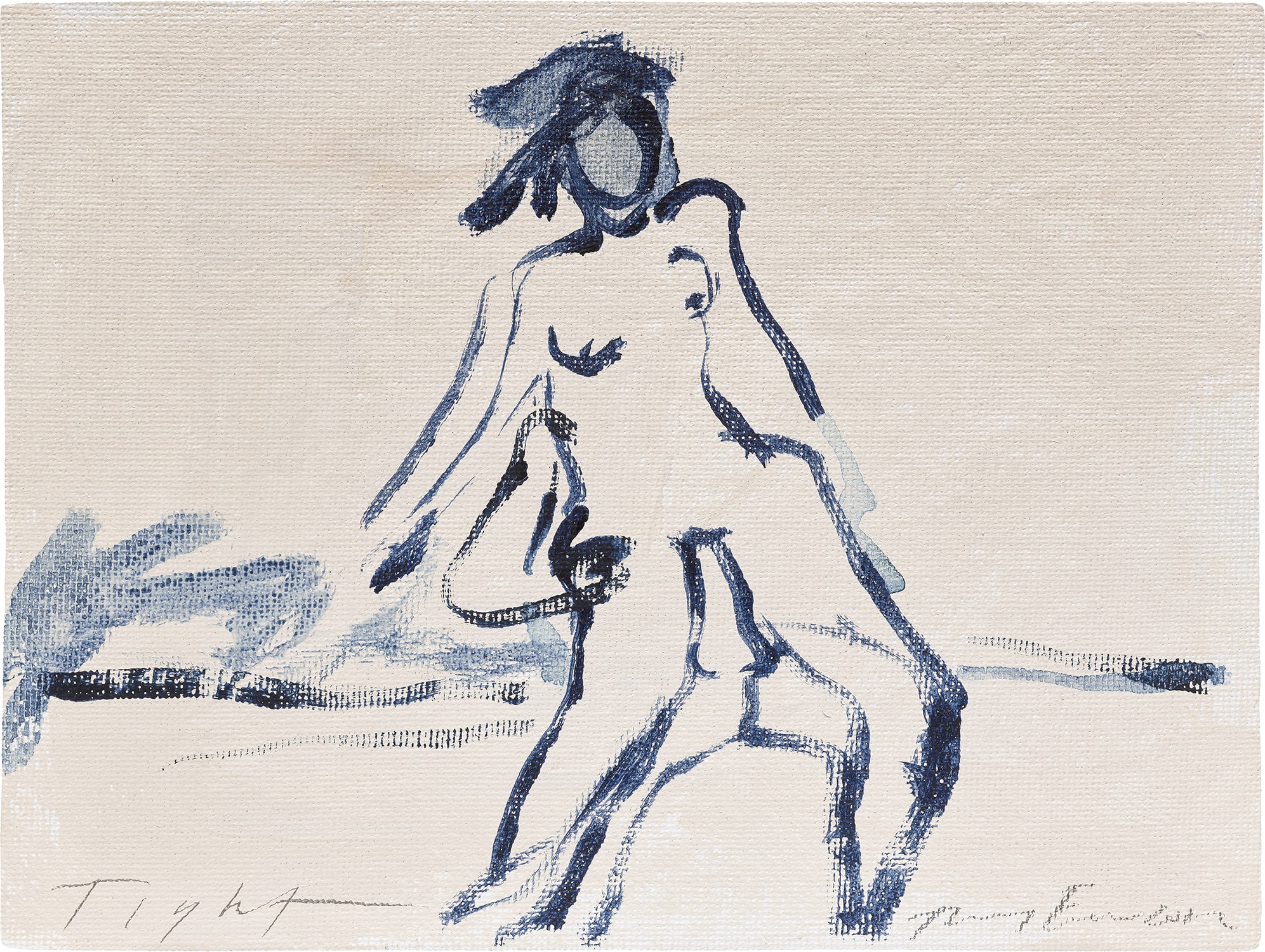
Tom Wesselmann
Sketch for Bedroom Painting #43
Before committing to any significant purchase, ask the gallery or auction house for a full condition report from a qualified conservator, not just the seller's own assessment. Ask specifically about any areas of restoration, and request ultraviolet photographs, which reveal retouching that is invisible in normal light. For works on paper, ask about light exposure history. Drawings and prints are particularly sensitive, and even brief periods of improper display can cause irreversible fading.
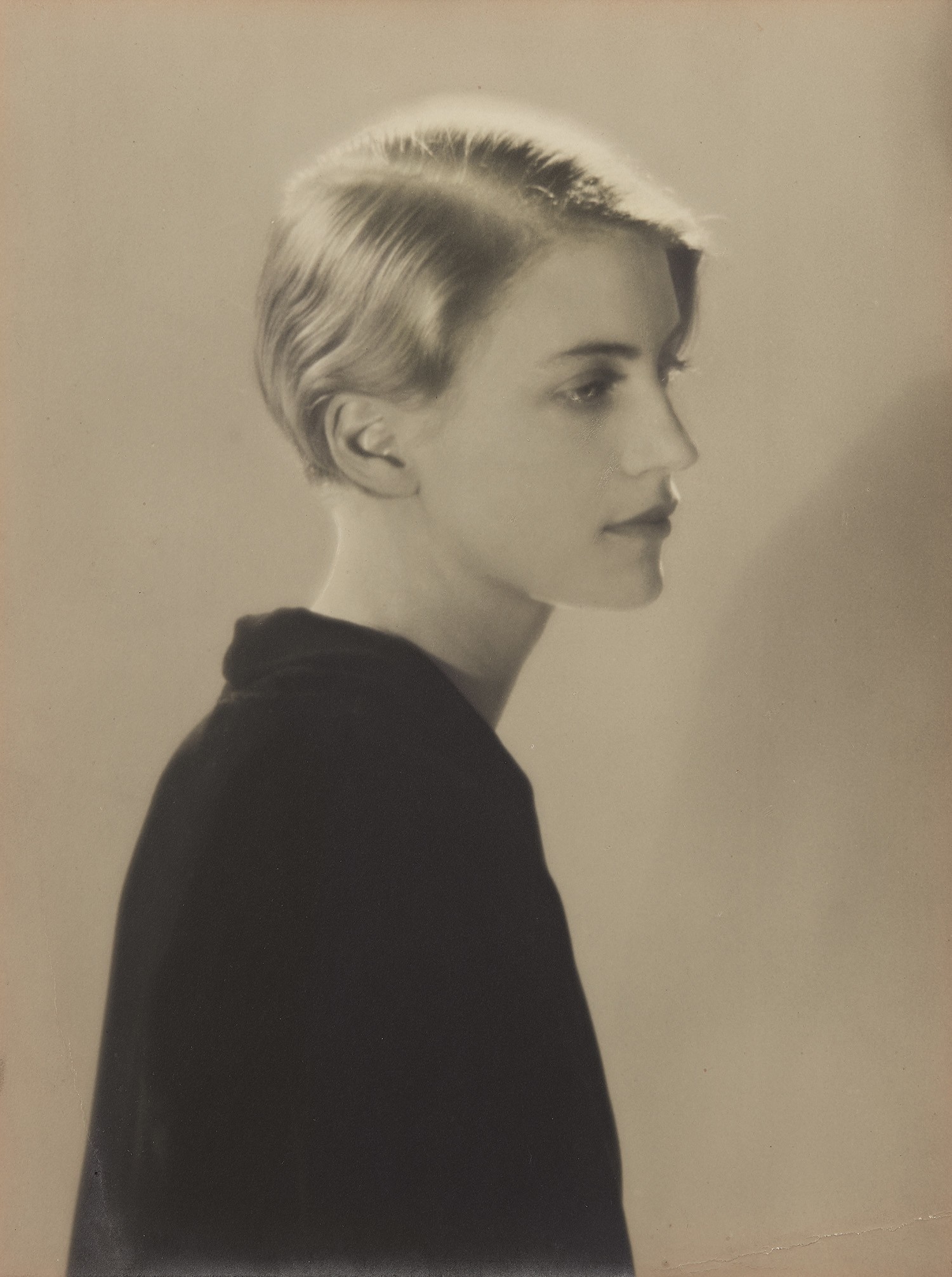
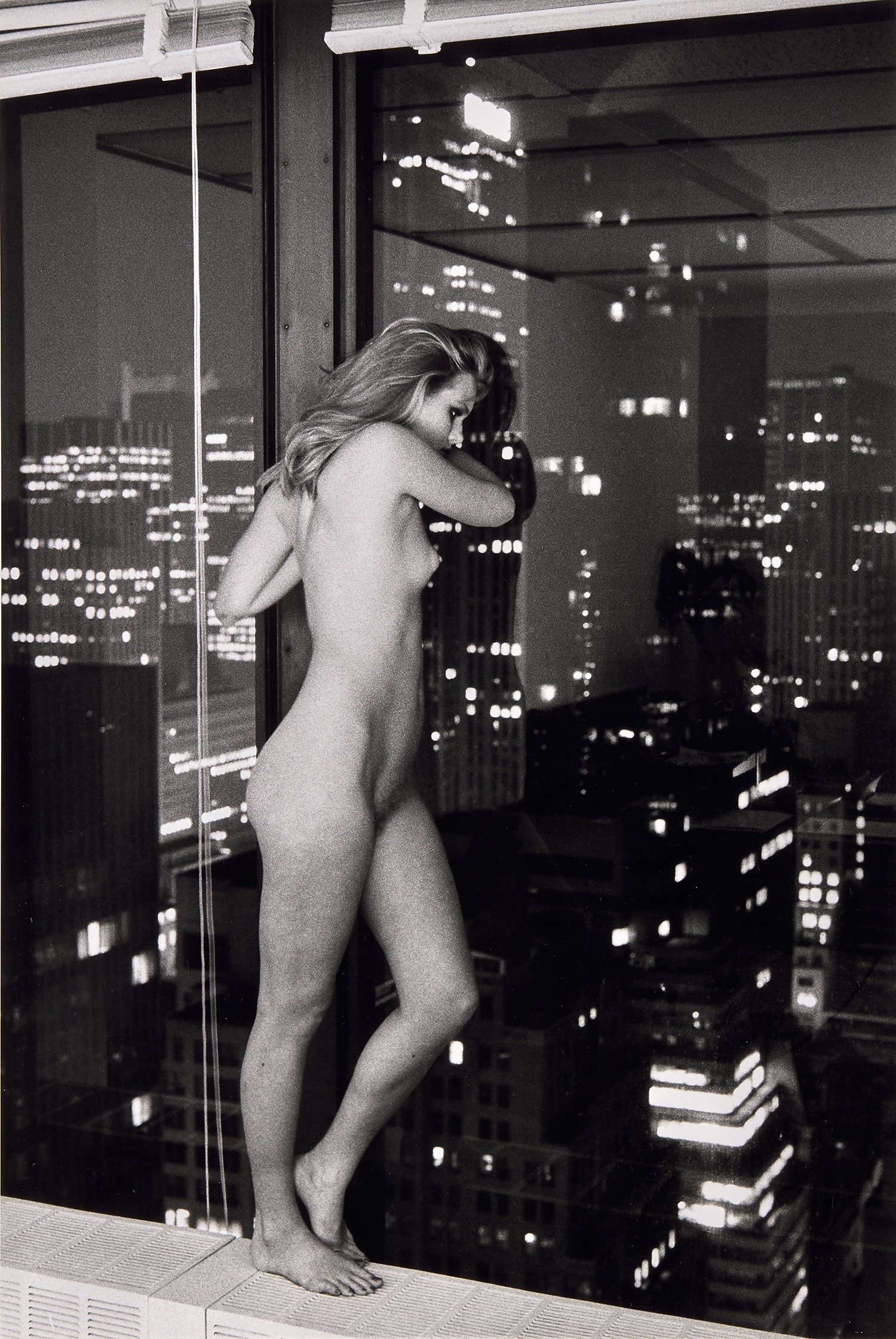
The question of editions versus unique works comes up constantly in this category, particularly with photographers and printmakers. A photograph by Helmut Newton or Man Ray exists in an edition, and understanding where a print sits within that edition matters to both value and long term collectability. Earlier prints, made closer to the time of the original negative, are generally more desirable than later posthumous prints, which are sometimes authorized by estates but made decades after the artist's death. With Newton in particular, the difference in market value between a vintage print and a later estate print can be substantial.
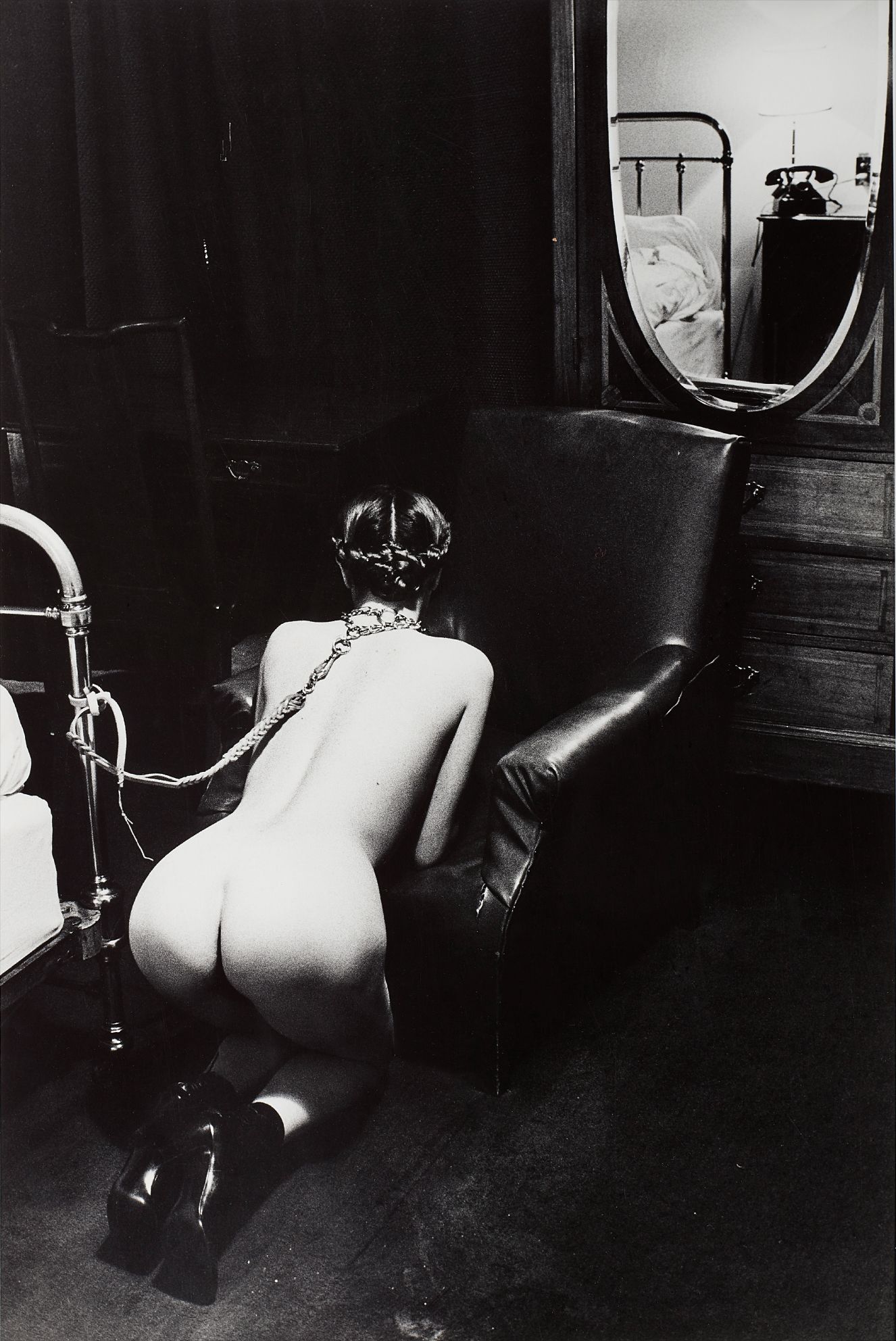
Helmut Newton
Hotel Room, Place de la République, Paris
For unique works on paper, such as drawings or monotypes, there is no such complexity, but these works require particularly attentive framing with archival materials and UV protective glazing. In terms of artists who represent strong and enduring value, the case for Tom Wesselmann is compelling and sometimes underappreciated outside of specialist circles. His Great American Nude series, begun in 1961, transformed the nude into a vehicle for thinking about consumer culture, desire, and the language of advertising. The works are formally sophisticated and historically significant, yet they remain more accessible at market than comparable works by his Pop Art peers.
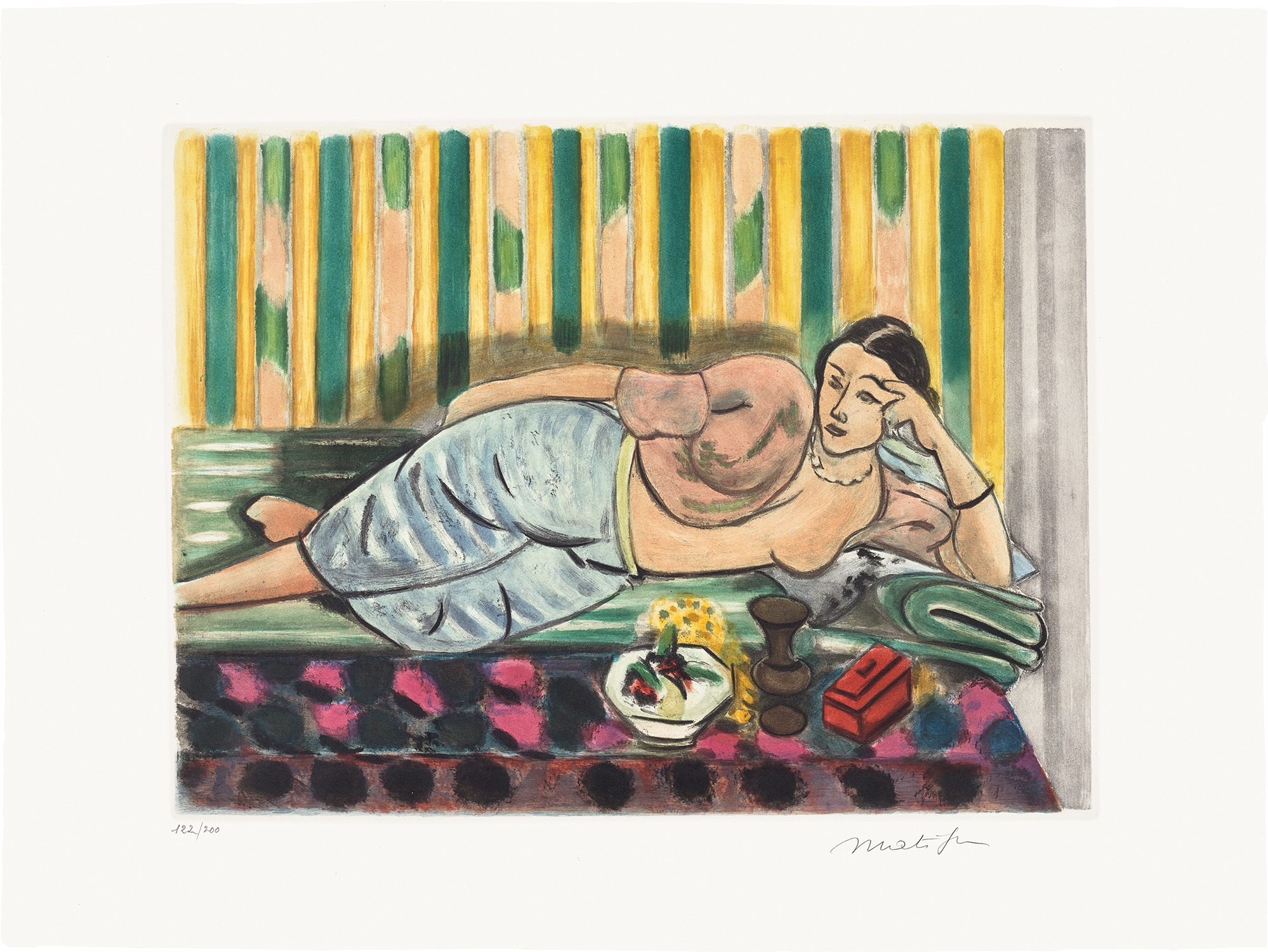
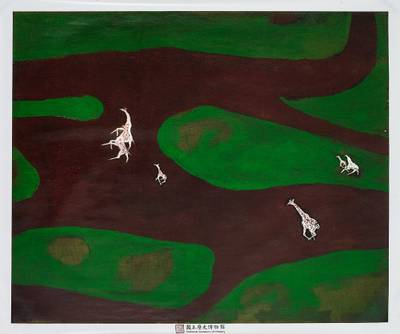
Matisse is another pillar of the category. His odalisques and late drawn nudes carry the full authority of the modern tradition, and demand from institutional buyers keeps the secondary market for his work reliably strong. Sanyu, the Chinese painter who worked in Paris in the 1920s and 1930s, has seen remarkable reappraisal in recent years, driven largely by interest from Asian collectors who recognized his synthesis of classical Chinese brushwork with European modernism long before Western institutions caught up. For collectors interested in emerging opportunities, the works of Lisa Yuskavage and Gideon Appah deserve close attention.

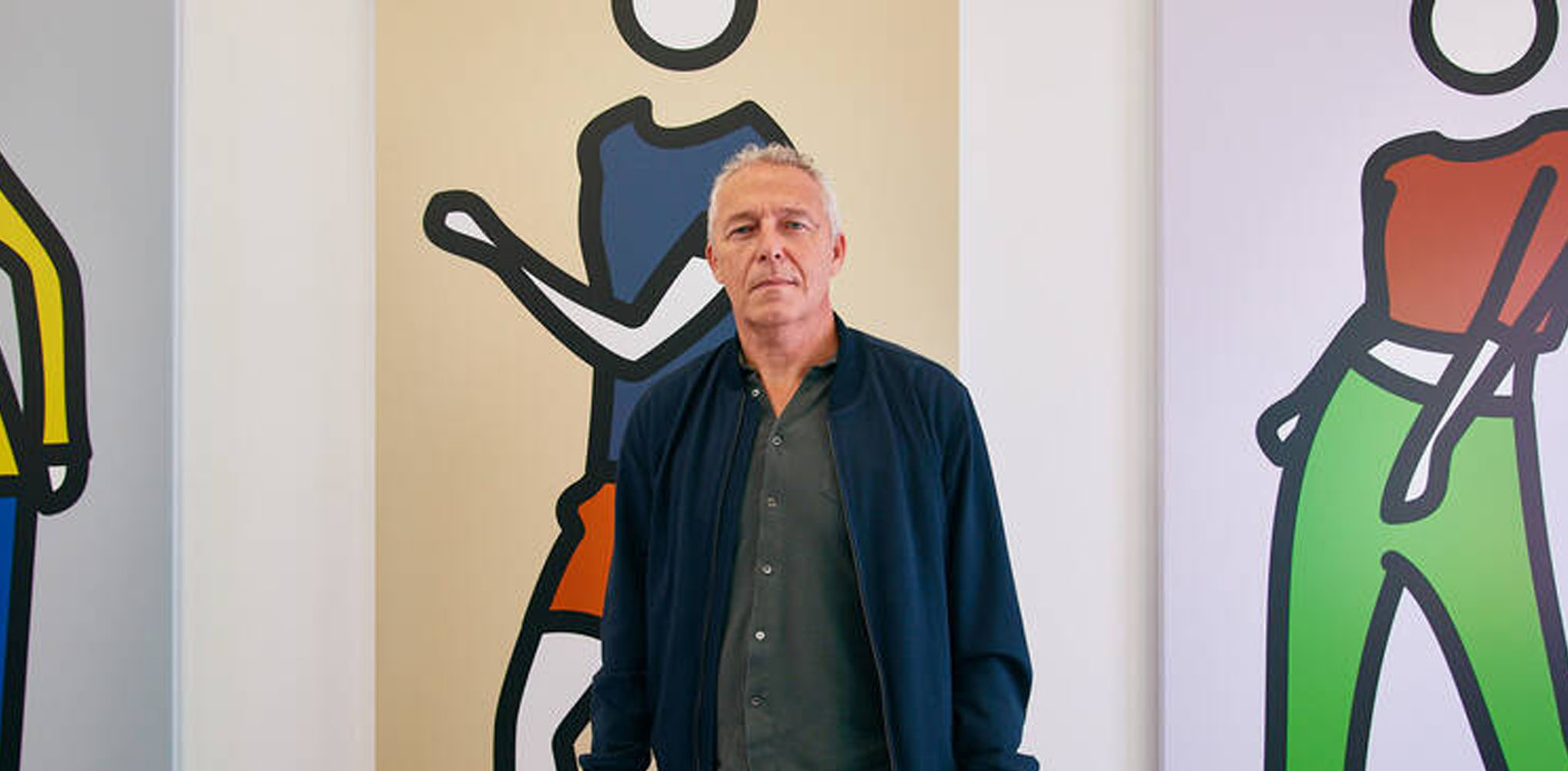
Julian Opie
Woman taking off summer dress. 10
Yuskavage has been building a sustained and serious body of work for decades now, and while she is not unknown, her critical standing continues to rise as conversations about the painted body become more nuanced. Her figures operate in a deliberately uncomfortable register, drawing on the history of the nude while questioning its assumptions at every turn. Appah, a Ghanaian painter based in Accra, brings a completely different sensibility to the figure, one rooted in West African visual traditions and a distinctive approach to color and luminosity. His market is still developing, which is precisely the moment when thoughtful collectors can acquire with conviction before prices reflect his reputation fully.
At auction, nudes by major figures perform with remarkable consistency, though the category has its own particular dynamics. Works that have been off the market for extended periods tend to attract the strongest bidding, partly because rarity drives competition and partly because fresh to market works carry the credibility of long term private ownership. The 2022 sale of a major Lucian Freud at Christie's demonstrated again how powerfully the market responds to significant figurative work with solid provenance. Julian Opie offers a different kind of opportunity at auction.
His stylized walking and standing figures exist in editions but also as unique works, and prices have shown steady upward movement as his profile in Asia and the United States has grown alongside his already strong European following. The practical advice that matters most is also the simplest. Buy what genuinely unsettles you, in the best possible sense. A nude that is merely pleasant or merely provocative will exhaust its welcome.
The works worth acquiring are those that you cannot quite resolve, that shift slightly every time you return to them. Before purchasing, spend time with the work if at all possible. Ask the gallery to share any exhibition history, which not only supports provenance but tells you something about how the work has been understood over time. And trust your instinct that this category, more than most, rewards the collector who approaches it with both intelligence and genuine feeling.