Japanese Art
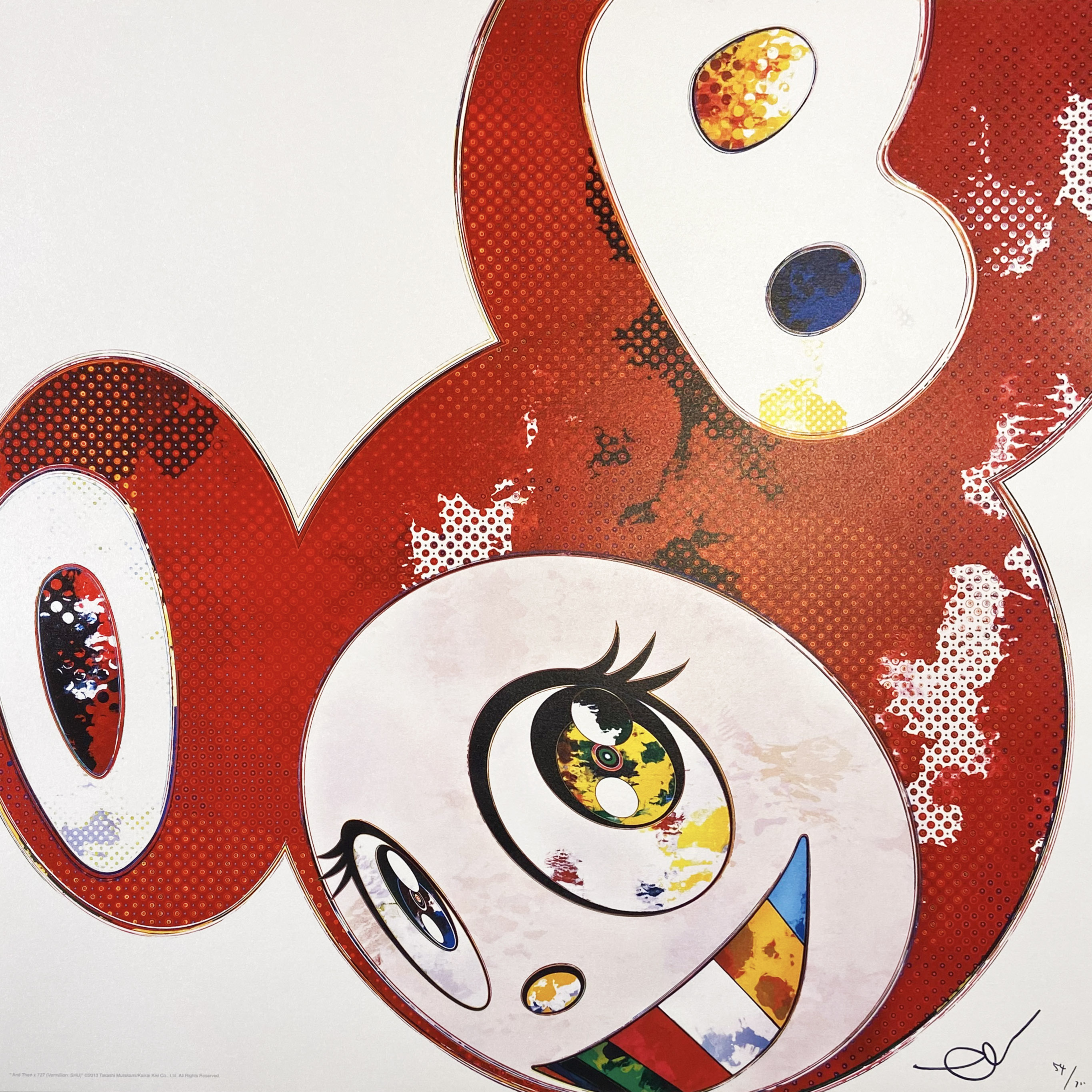
Takashi Murakami
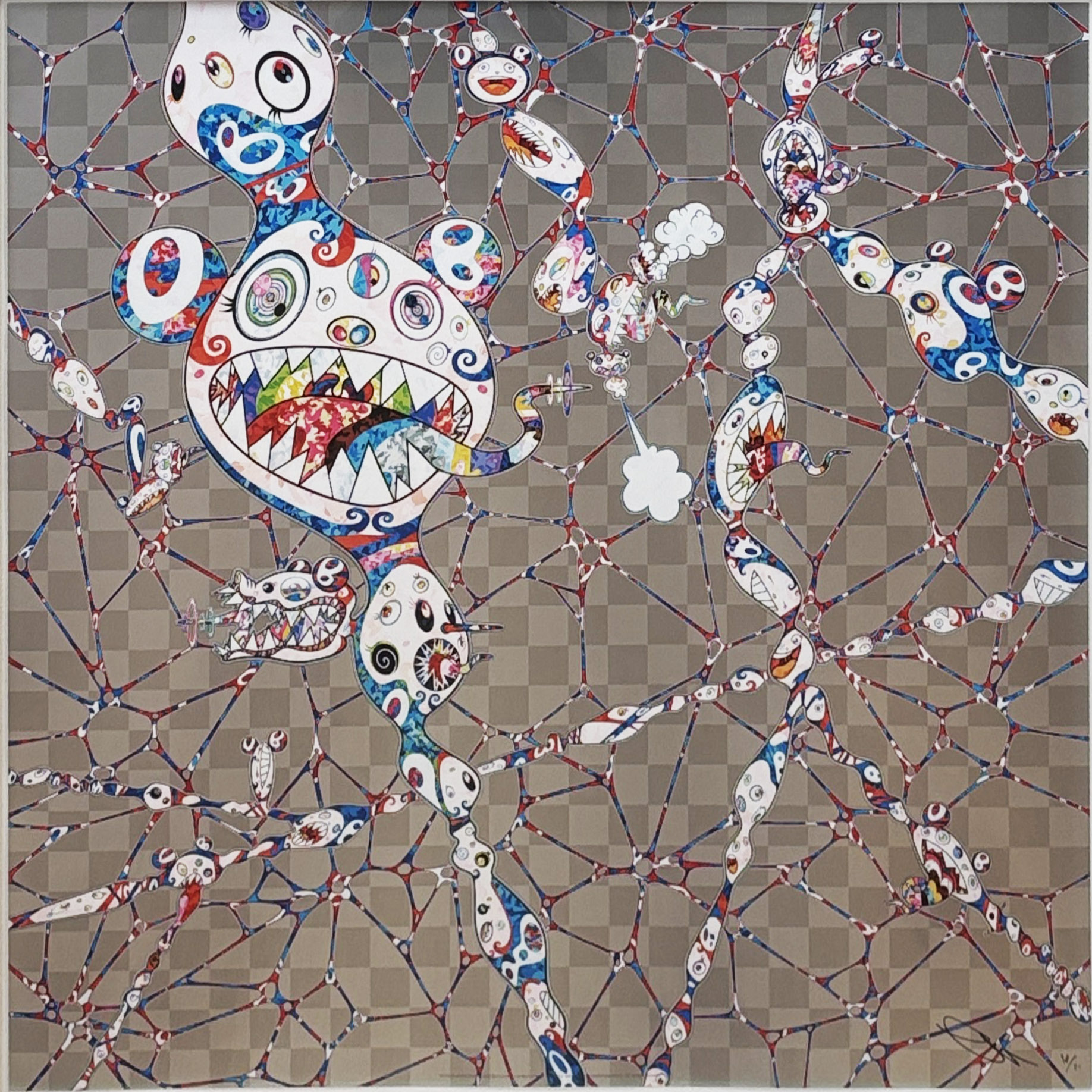
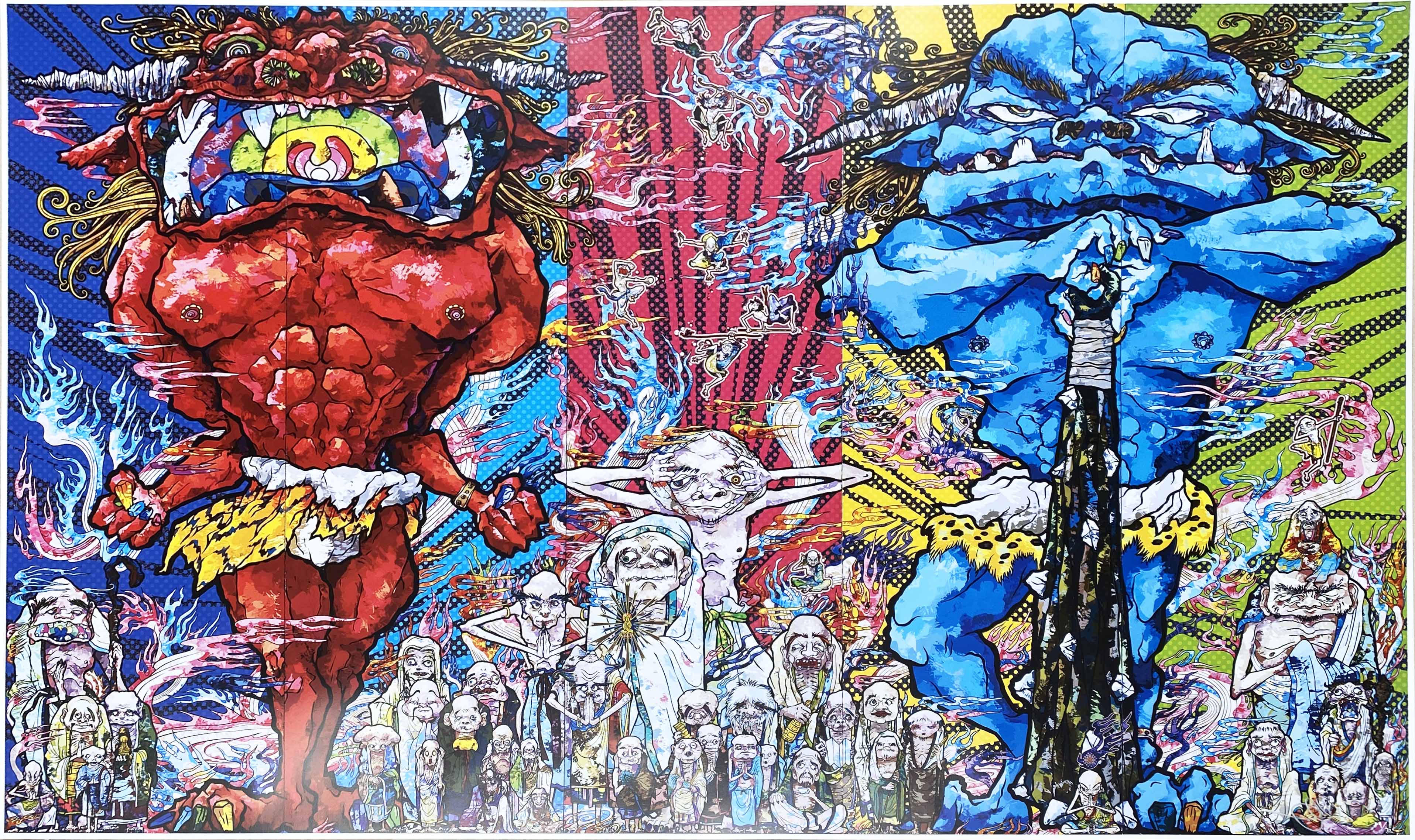
And Then x 727 (Vermillion: SHU), 2013
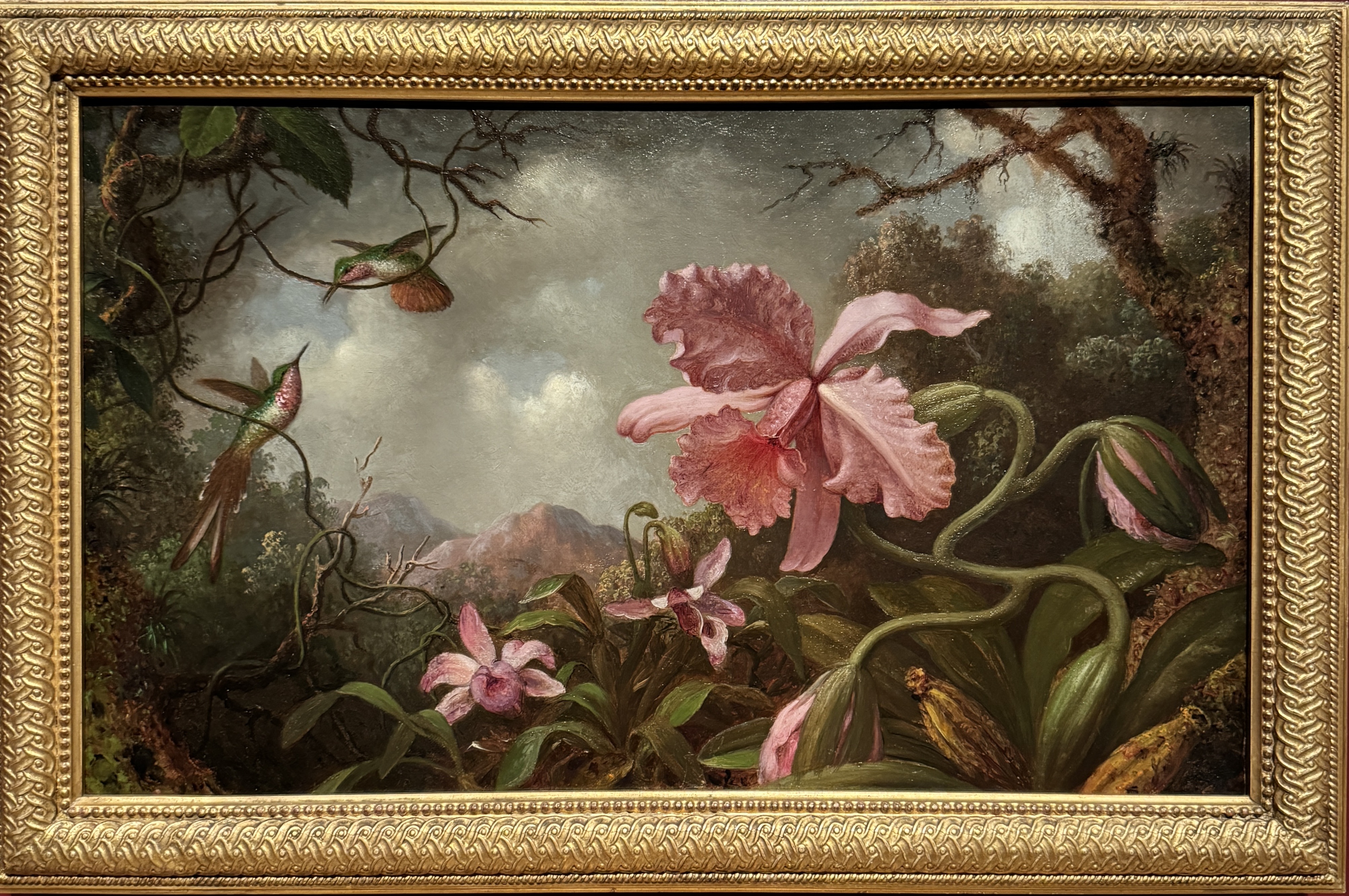


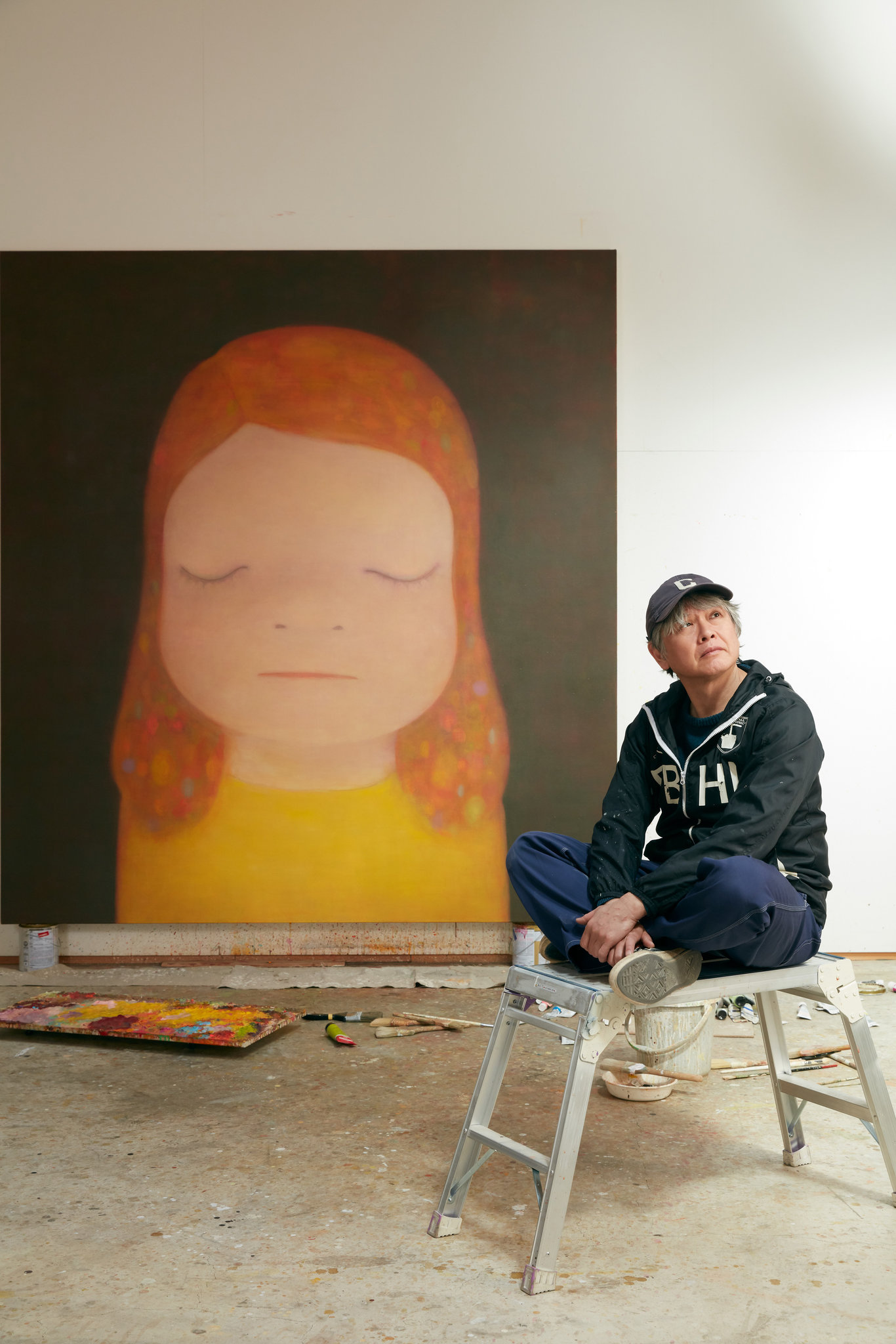

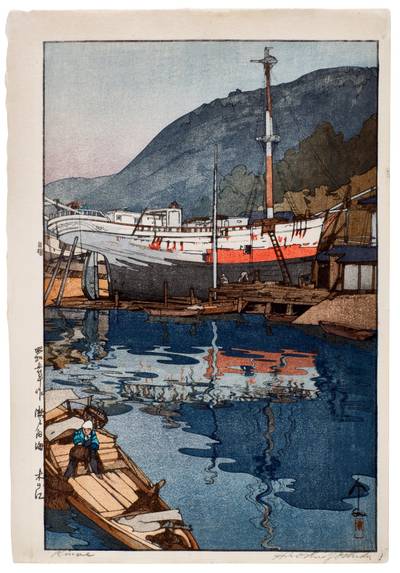


Japan's Art Market Has Never Been Hotter
When a Takashi Murakami canvas cleared seven figures at a major auction house recently, very few people in the room were surprised. What surprised them was the speed of the bidding, the number of phones held up on the client line, the sense that the room itself was leaning forward. Japanese art, across every era and medium, is commanding that kind of attention right now, and the appetite shows no sign of settling. The market for Japanese art operates across a remarkably wide bandwidth.
At one end sits the classical ukiyo e tradition, with Katsushika Hokusai and Utagawa Hiroshige commanding steady institutional and private interest. Hiroshige's landscape prints from the Tokaido Road series and his celebrated One Hundred Famous Views of Edo remain touchstones for collectors, prized for their compositional intelligence and their influence on everything from European Impressionism to contemporary graphic design. A fine impression of Hiroshige's Sudden Shower over Shin Ohashi Bridge, when one appears at auction in genuinely good condition, moves quickly and commands serious money. Hokusai, whose Under the Wave off Kanagawa is arguably the most reproduced image in the history of art, continues to anchor major print sales at Christie's, Sotheby's, and Bonhams alike.
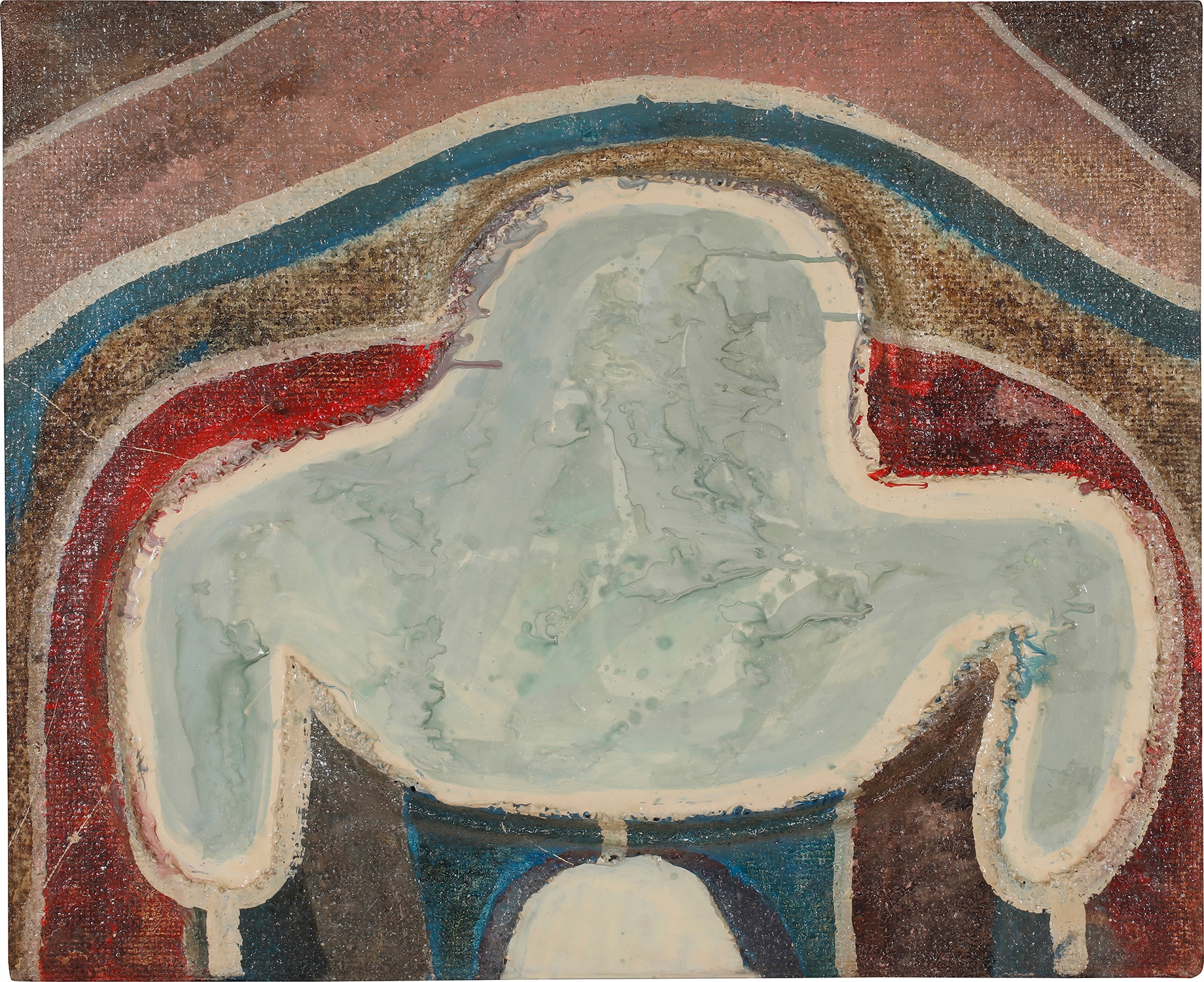
Tsuyoshi Maekawa
Work A-42, 1963
At the contemporary end, the numbers being achieved for Yoshitomo Nara have been extraordinary. His wide eyed, psychologically loaded paintings of children have moved from cult status in the 1990s into genuine blue chip territory. A 2021 sale at Sotheby's Hong Kong achieved over 24 million Hong Kong dollars for a single Nara canvas, a result that reframed how the secondary market thinks about his work entirely. Nara's critical standing has followed the commercial momentum rather than leading it, which is an unusual dynamic, but the institutional validation has now arrived as well.
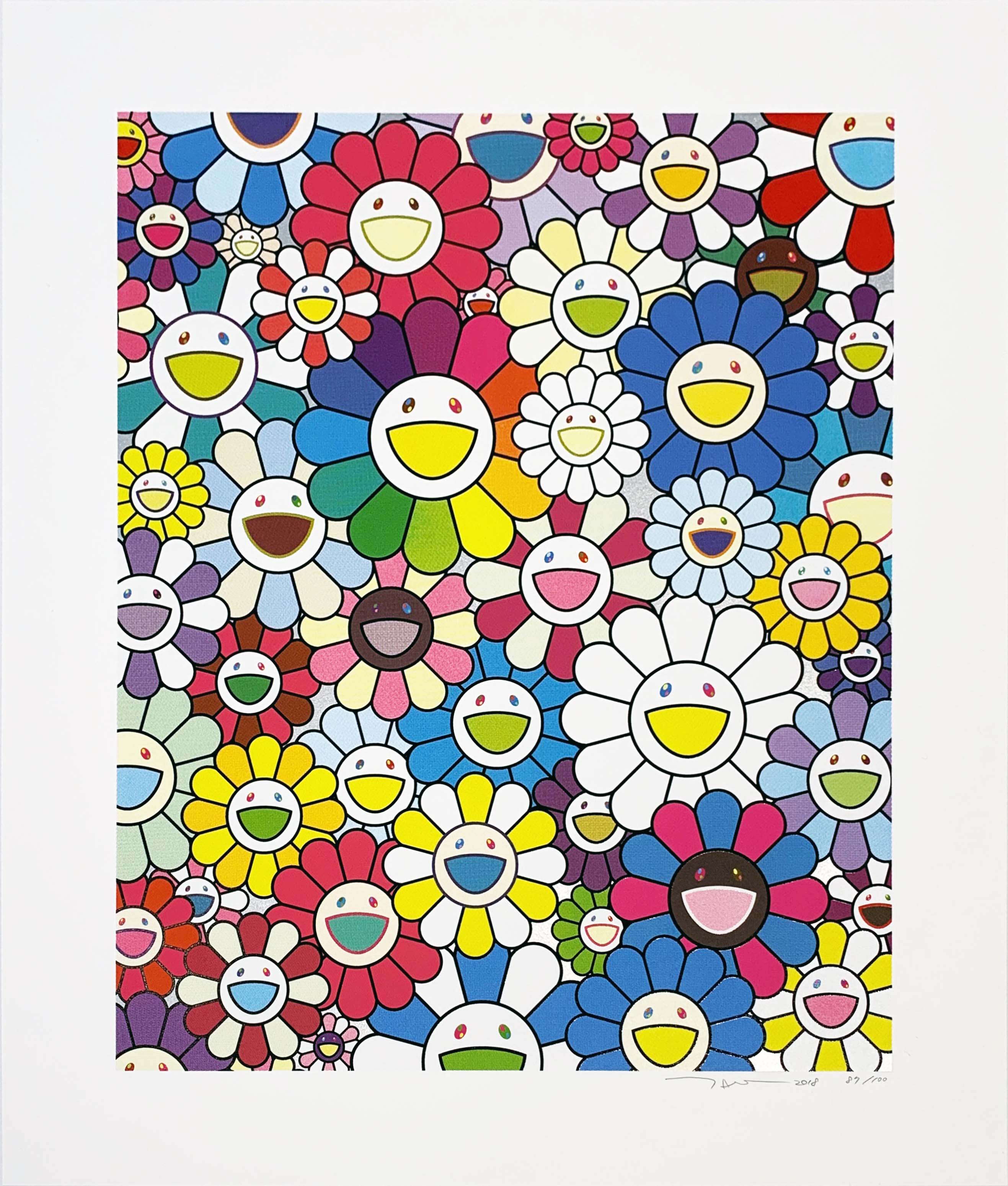
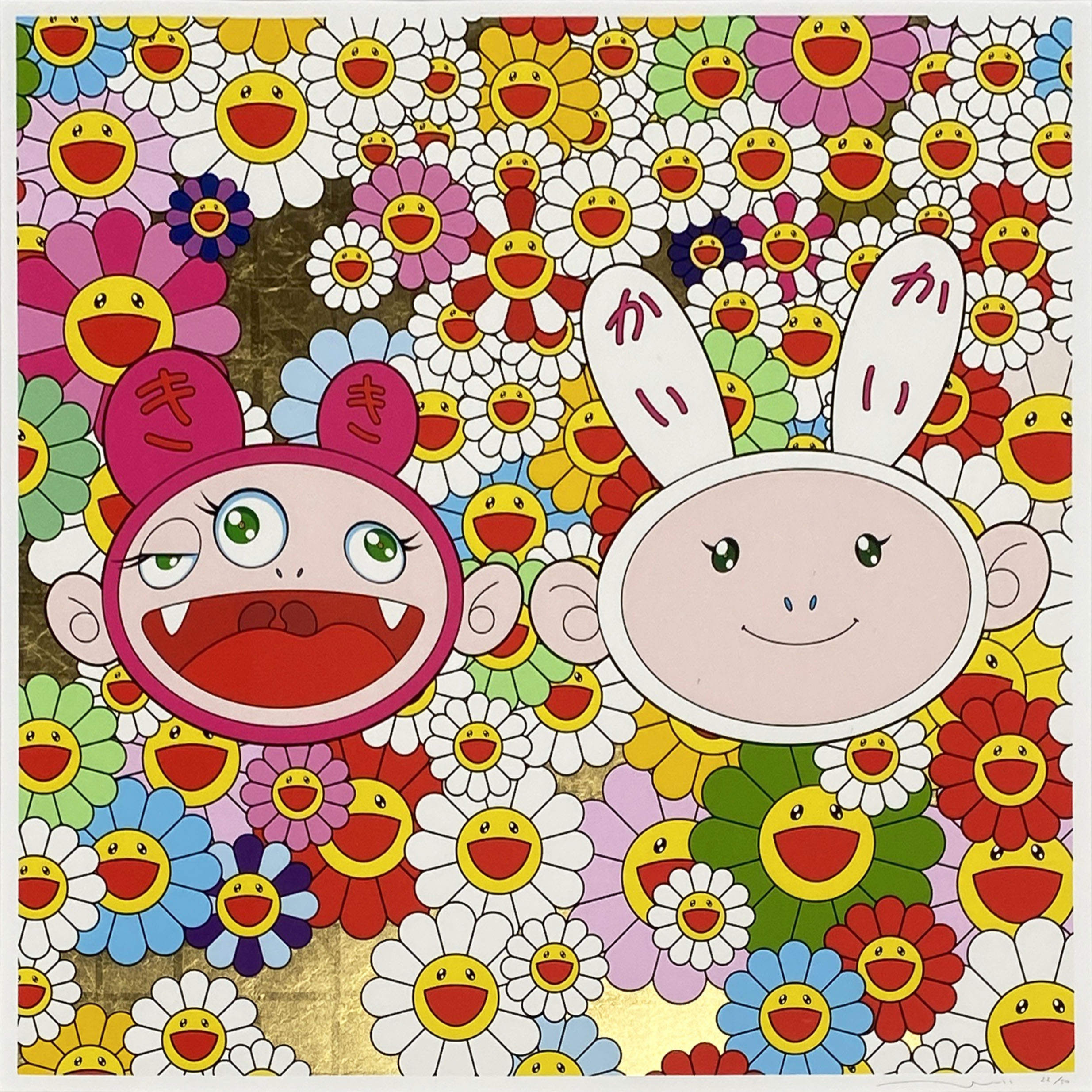
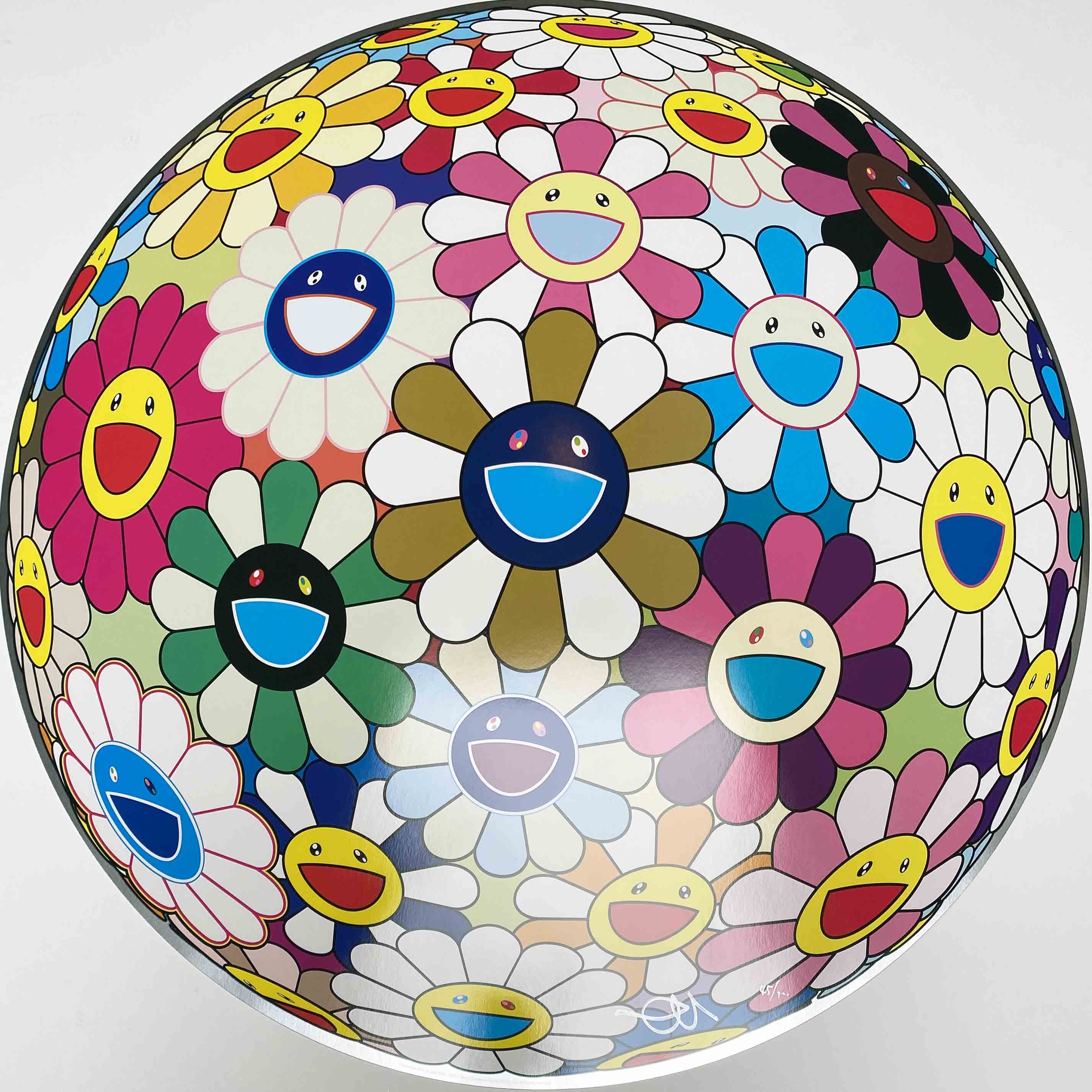
His 2010 retrospective at the Asia Society in New York and subsequent museum shows across Europe helped cement a reputation that the auction rooms had already been pricing in. Murakami presents a different but equally compelling case. His Superflat theory, which he articulated around the turn of the millennium and developed through exhibitions and a landmark 2005 show at the Museum of Contemporary Art Los Angeles, offered a critical framework that gave collectors and curators a language for his work. That framework connected Japanese postwar consumer culture, manga and anime aesthetics, and the Western pop tradition in ways that felt genuinely new rather than merely decorative.
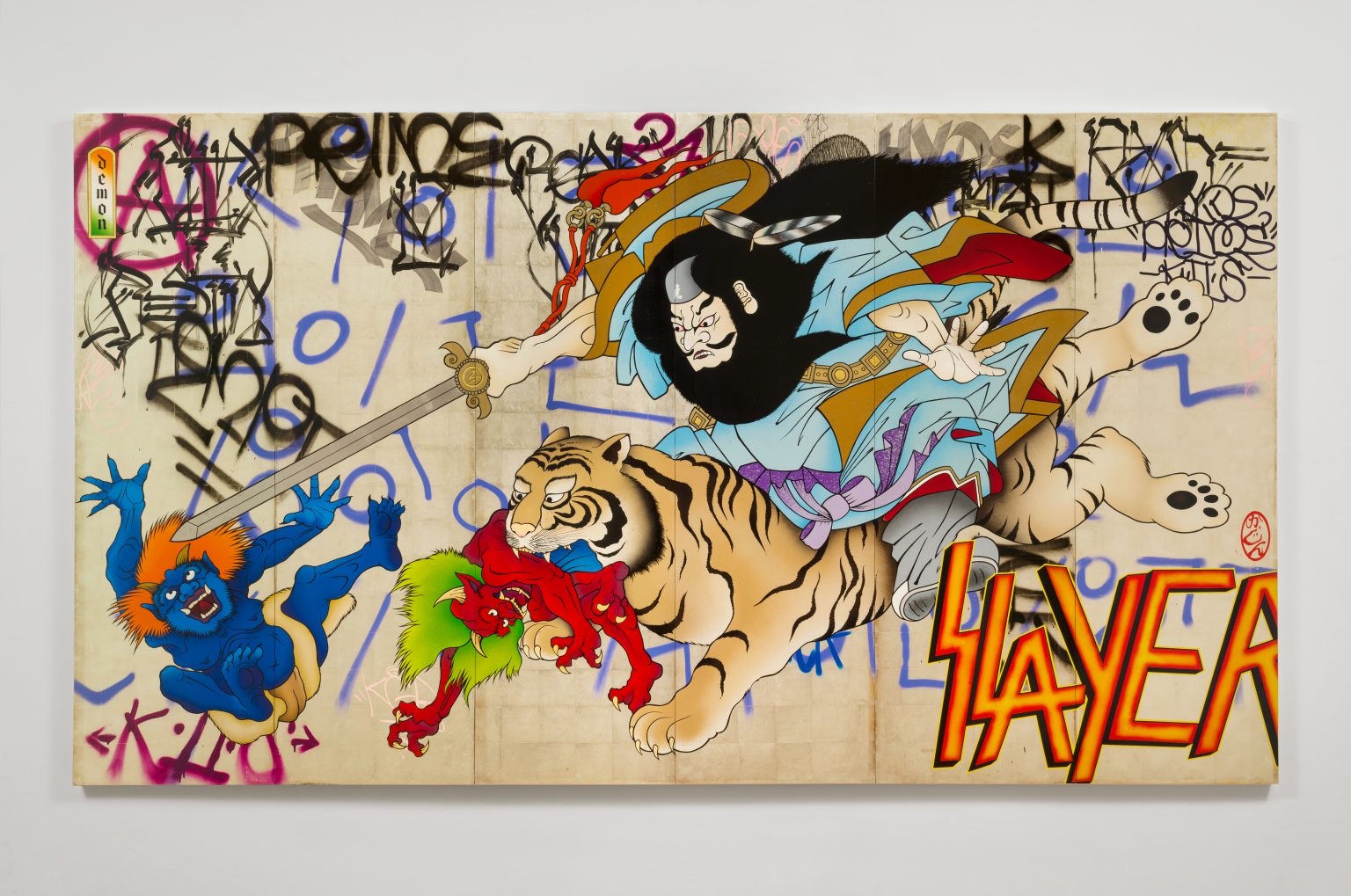
Gajin Fujita
Demon Slayer, 2015
His collaborations with Louis Vuitton brought his imagery into mass consciousness, but serious collectors understood early that the paintings and sculptures were doing something more complex. The works representing him on The Collection reflect the full range of his output, from intimate works on paper to the monumental canvases that defined his gallery presence at Gagosian and Emmanuel Perrotin. The conversation around earlier twentieth century Japanese printmaking has also deepened considerably. Artists like Hasui Kawase and Yoshida Hiroshi, both key figures in the shin hanga movement that emerged in the 1920s and sought to revitalize traditional woodblock techniques with a new sensitivity to light and atmosphere, have found a growing audience among collectors who came to Japanese art through contemporary work and then moved backward through history.
Kawase's snow scenes and Yoshida's views of Mount Fuji and the Japanese Alps carry a meditative quality that feels urgently relevant in a moment of cultural and ecological anxiety. Dealer and scholarly attention to these artists has grown steadily, and prices have followed. A strong Kawase at auction now can surprise even experienced bidders. Museum programming has played a significant role in shaping current collecting patterns.
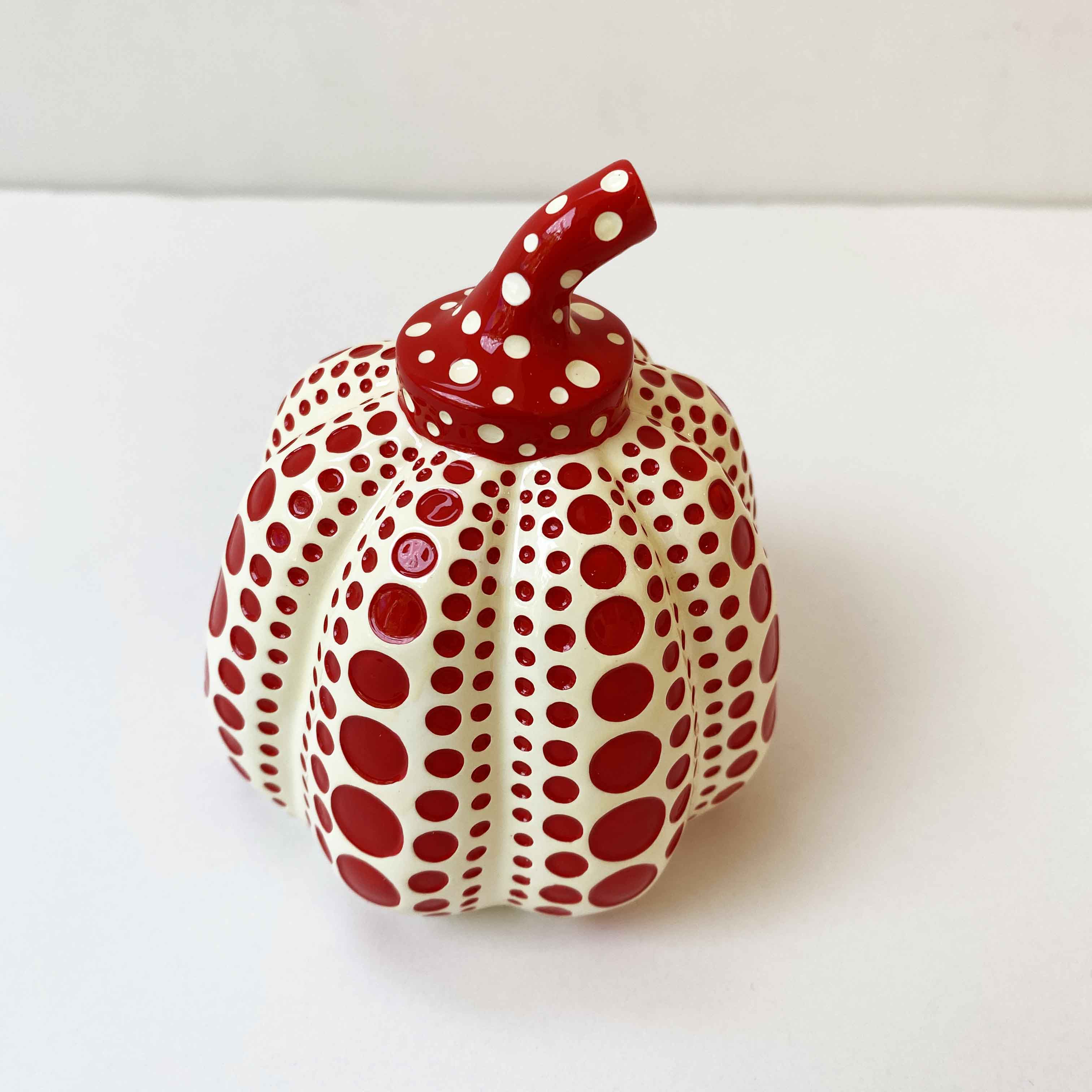
Yayoi Kusama
Pumpkin (Red & White), 2015
The British Museum's ongoing commitment to its Japanese collection, including major acquisitions of Edo period prints and contemporary work, signals an institutional seriousness that filters into collector confidence. The Museum of Fine Arts in Boston has one of the finest collections of Japanese art outside Japan, and its curatorial output continues to set the scholarly agenda. In Japan itself, the National Museum of Modern Art in Tokyo has mounted retrospectives of figures like Munakata Shiko, whose bold, spiritually charged woodcuts place him in conversation with both the mingei folk craft movement and the international postwar avant garde, helping to bring his work to new audiences. The critical writing shaping this moment is coming from a range of directions.
Curator and scholar Ming Tiampo's work on the Gutai group has reoriented thinking about postwar Japanese abstraction, drawing figures like Kazuo Shiraga and Atsuko Tanaka into a global art historical conversation rather than a regional one. Shiraga's paint with feet performances and the scarlet canvases they produced have become totemic for collectors of postwar art regardless of their primary geographic focus. Tanaka's Electric Dress of 1956 is the kind of work that anchors survey shows on performance and the body, and her paintings are now acquired by institutions that would not have engaged with them a decade ago. What feels genuinely alive right now is the emerging generation.
Takashi Murakami
And Then x 727 (Vermillion: SHU), 2013
Ayako Rokkaku, who paints directly with her fingers in large gestural explosions of color, has built serious auction momentum with a practice that feels both rooted in Japanese craft traditions and entirely contemporary in its physical urgency. Tomoo Gokita works in a very different register, his monochromatic gouaches drawing on American pulp imagery and filtered through a sensibility that is unmistakably Japanese in its restraint and precision. Chiharu Shiota's immersive thread installations have brought her into major biennials and museum commissions worldwide, and the works on paper and smaller objects related to her larger installations are increasingly sought after by collectors who encountered her work in an institutional context. The surprise coming may be a renewed critical interest in the figures who do not fit neatly into existing narratives.
Nobuyoshi Araki's photography, controversial and boundary testing, remains underrepresented in Western institutional collections relative to its historical importance. Kitagawa Utamaro's bijin ga portraits of beautiful women from the late eighteenth century are still undervalued relative to Hokusai in many Western markets, despite their equal sophistication. Japanese art rewards collectors who are willing to read against the grain of consensus, and the works represented on The Collection span enough of that range to make the exploration genuinely worthwhile.