Fragmented Forms
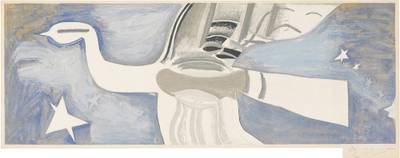
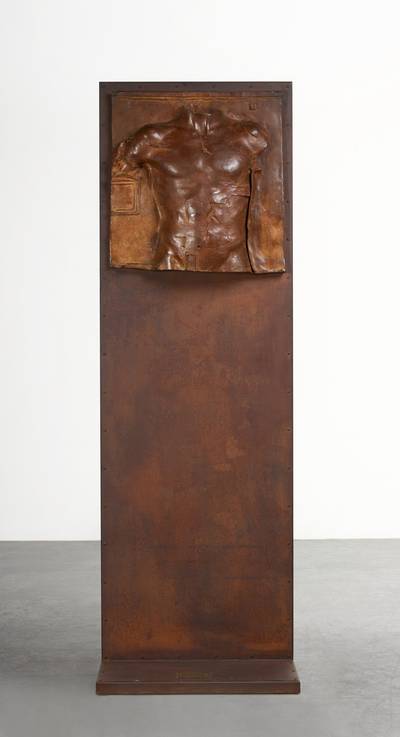
Matthew Monahan
Mixed Messenger
The Body Breaks Apart, Art Begins
There is something deeply human about the impulse to take a thing apart in order to understand it. Long before it became a formal artistic strategy, fragmentation was already embedded in the way we perceive the world, in the way memory works, in the way grief distorts a familiar face. When artists began deliberately shattering the figure and reassembling its pieces on their own terms, they were not simply making a formal gesture. They were proposing an entirely new relationship between seeing and knowing.
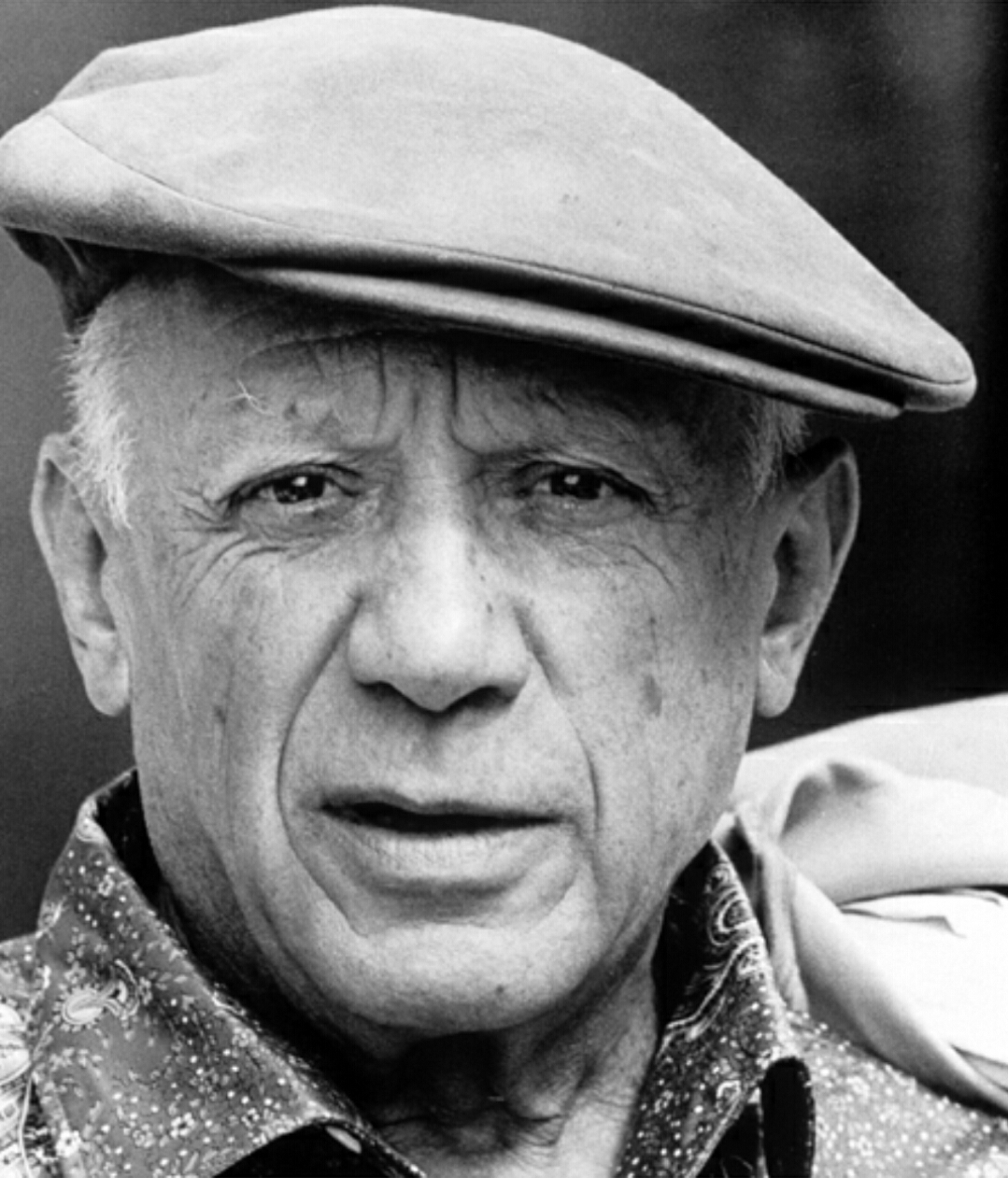
The story of fragmented forms in Western art has an obvious and irresistible starting point: Paris in the first decade of the twentieth century. When Pablo Picasso and Georges Braque began developing what would become Cubism around 1907 and into the early 1910s, they were responding to a world that was itself coming apart at the seams. Cézanne had already begun to destabilize the picture plane in the 1890s, but it was Picasso and Braque who pushed the logic to its extreme, presenting multiple viewpoints simultaneously, dissolving the coherent body into a constellation of planes and angles. The result was not chaos but a new and rigorous kind of order, one that insisted on the complexity of looking.
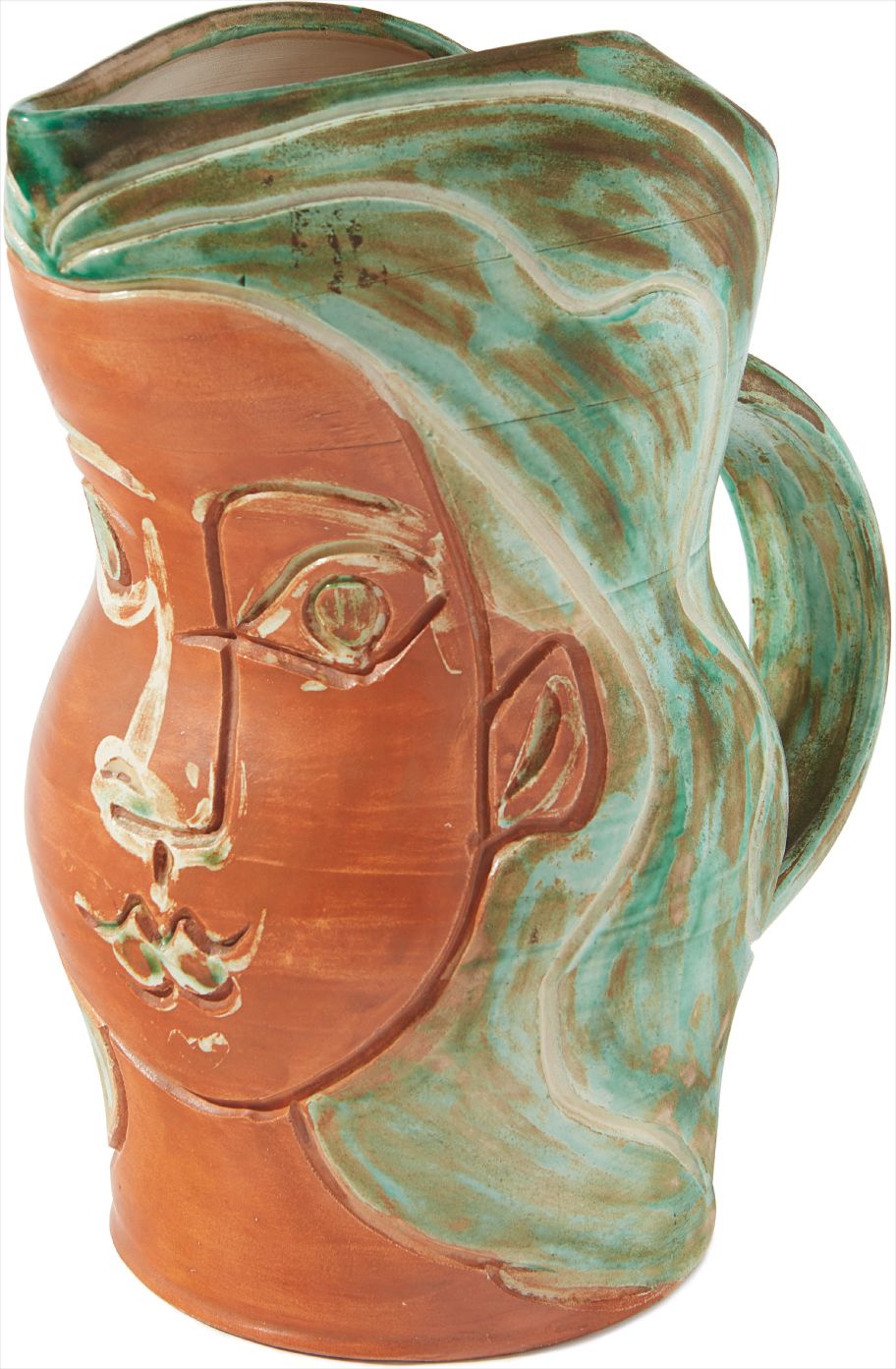
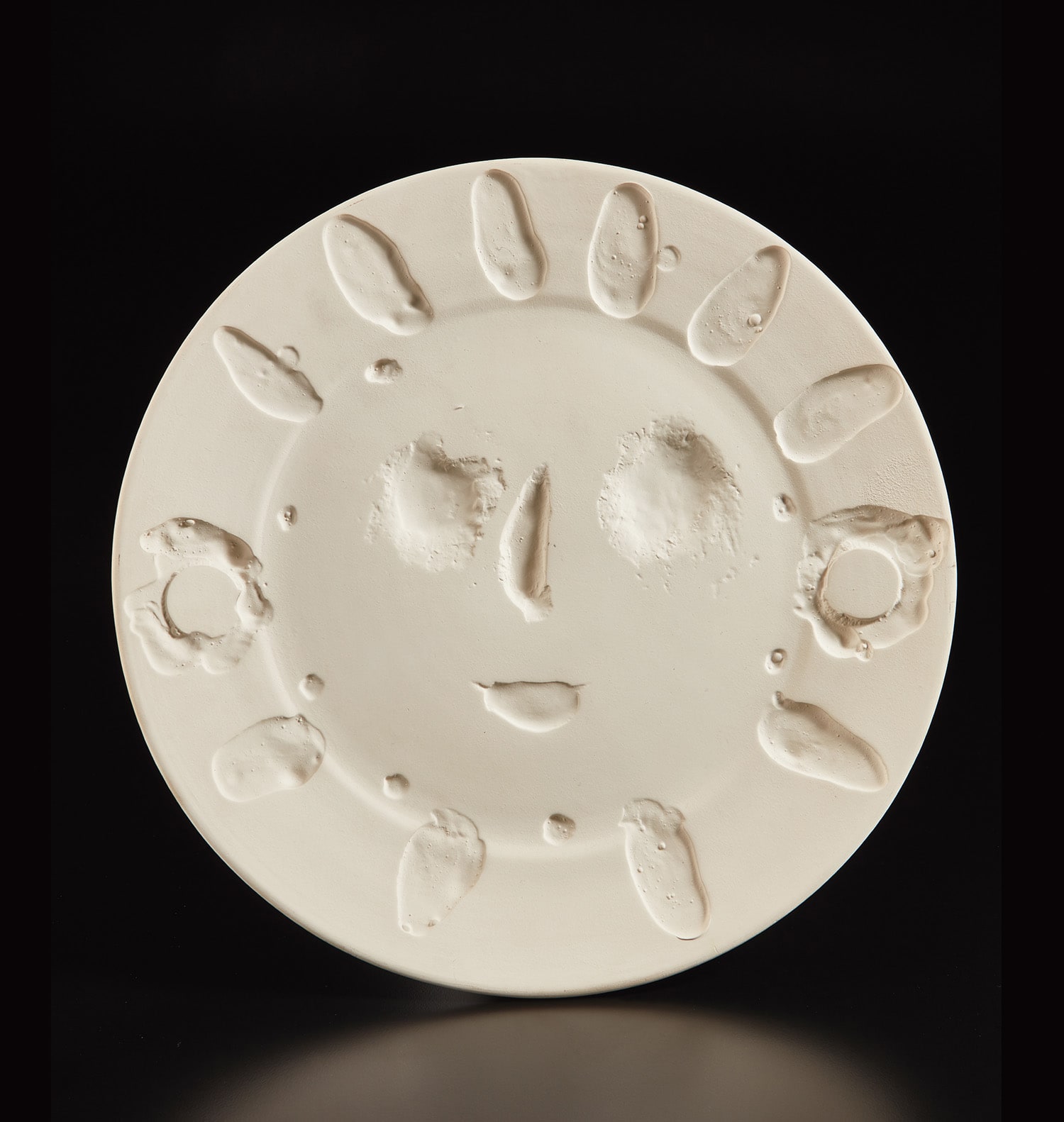
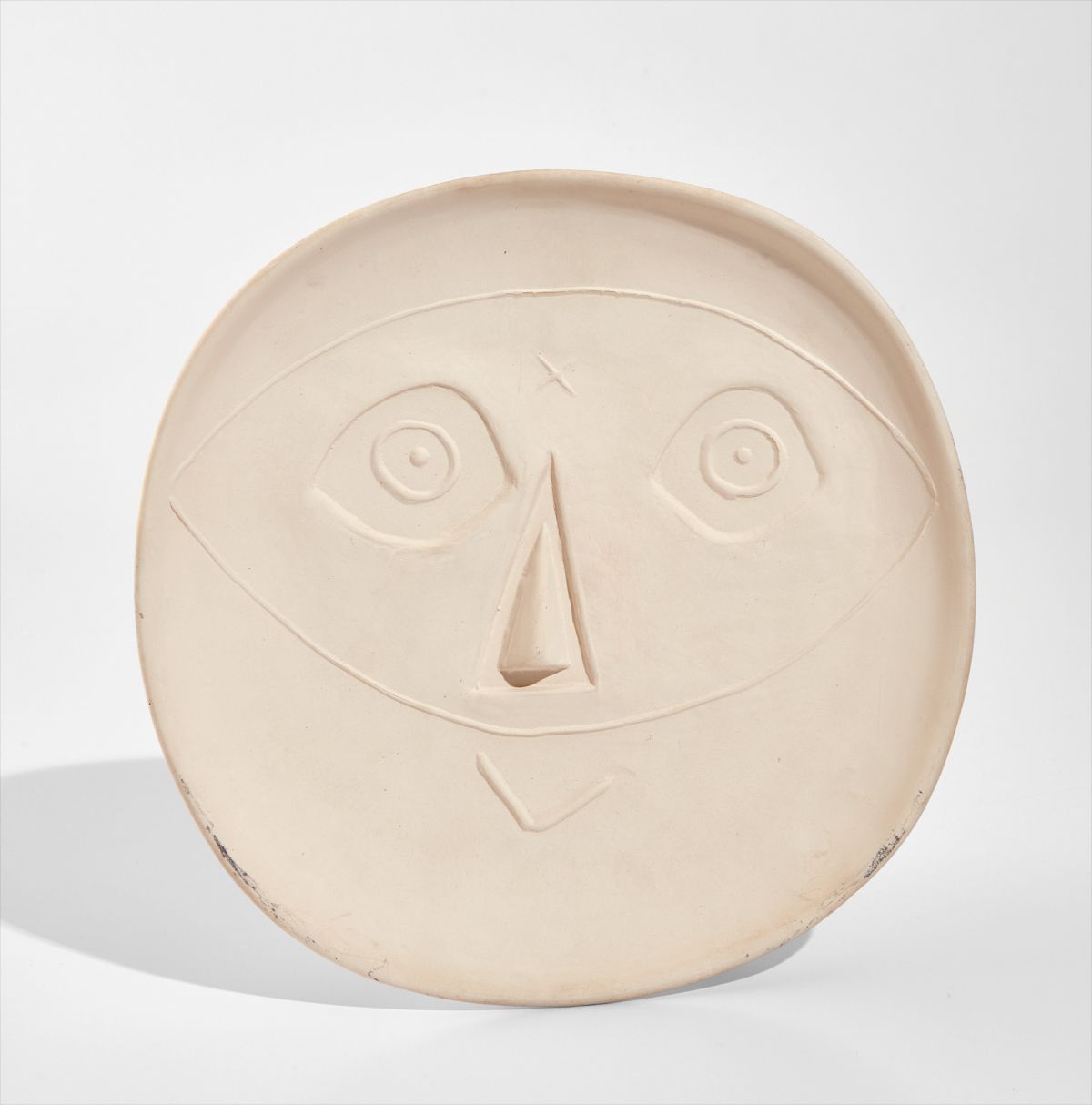
Pablo Picasso
Woman’s Face (Visage de femme)
Picasso's contribution to this tradition is difficult to overstate, and the works well represented on The Collection speak to the sustained depth of his engagement with the fragmented figure across decades. What makes Picasso endlessly compelling is that fragmentation for him was never purely aesthetic. It was psychological, erotic, violent, tender. The face split into profile and frontal view at once, the limbs rearranged against anatomy's logic.
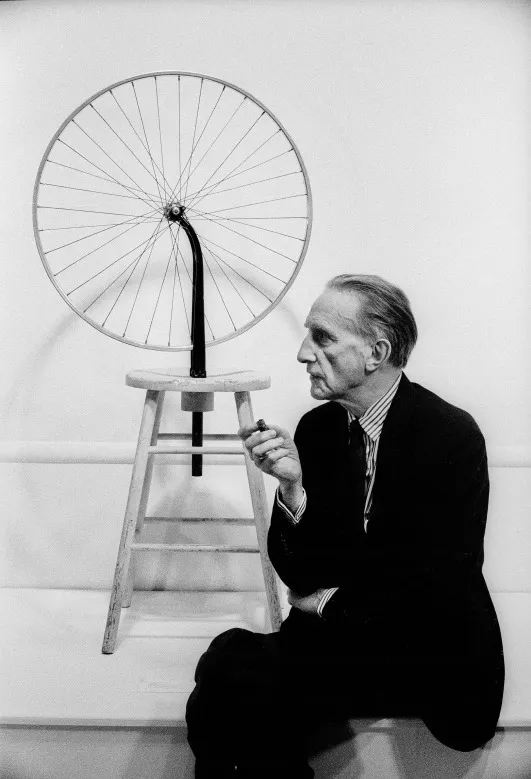
These were not abstractions so much as portraits of inner states, of how we hold someone in the mind rather than how we observe them across a room. The influence of Georges Braque runs alongside this history like a parallel current, and the works on The Collection attributed to his tradition remind us that Cubism was always a collaborative intellectual project as much as a personal vision. What Picasso and Braque set in motion echoed loudly through the century. Marcel Duchamp took fragmentation in a different direction entirely, one less concerned with the pictorial surface and more interested in the conceptual fracture of the object itself.
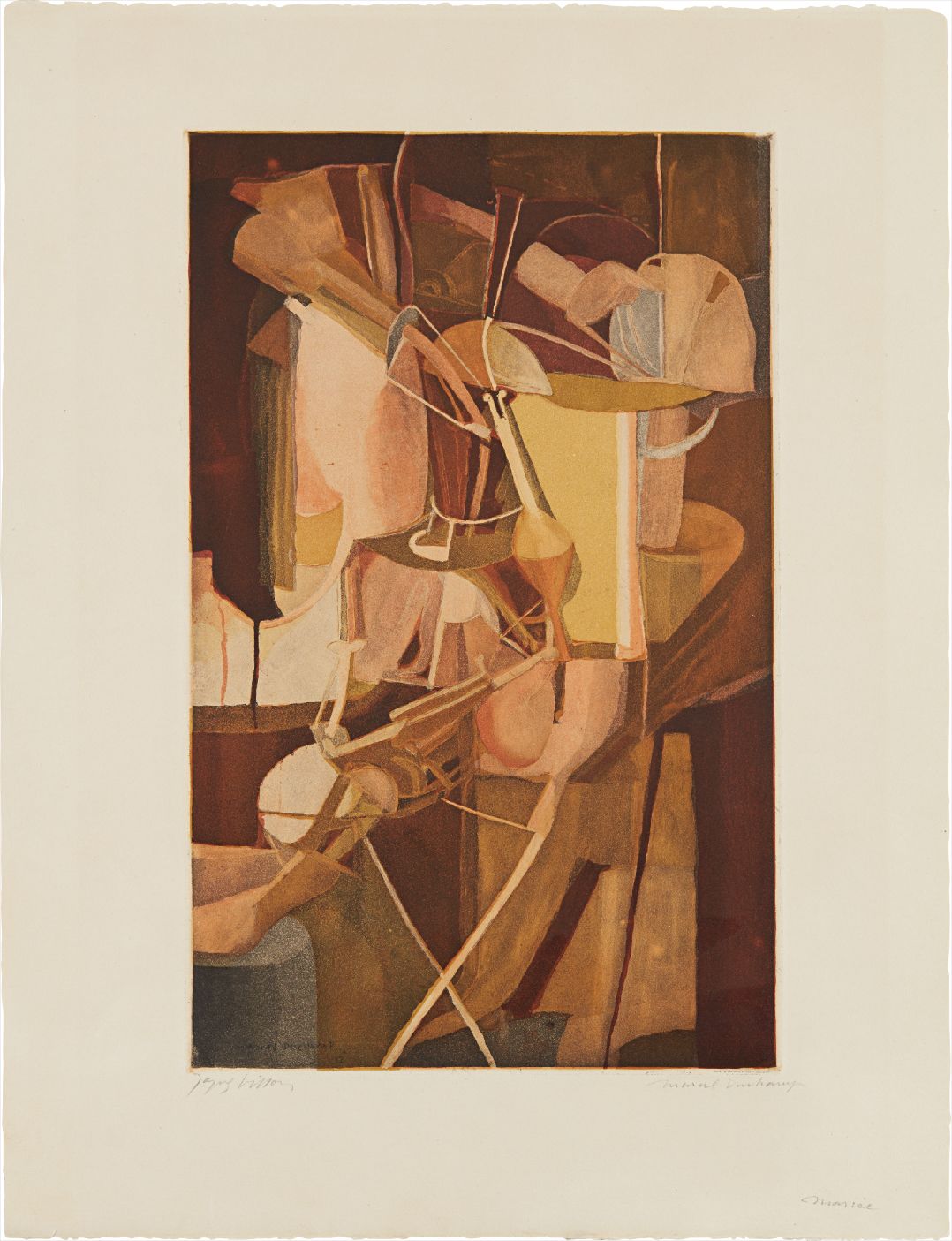
Marcel Duchamp
Mariée (Bride)
His readymades and his work on the Large Glass introduced a kind of structural incompleteness that felt programmatic, almost philosophical. Duchamp was interested in what happens when you remove an object from its context, when you break the chain of meaning and leave the viewer holding the severed ends. His presence on The Collection anchors a conceptual lineage that runs from Dada all the way into the provocations of contemporary practice. The midcentury years brought fragmentation into the body with new urgency.
Igor Mitoraj, working primarily in bronze and marble from the 1970s onward, turned to the classical fragment not as a sign of ruin but as a deliberate formal choice. His monumental heads and torsos, missing limbs and features, drew on the look of ancient excavated sculpture while insisting on their own contemporary presence. There was nothing nostalgic about his approach. The missing parts were not losses to be mourned but spaces for the viewer to inhabit.
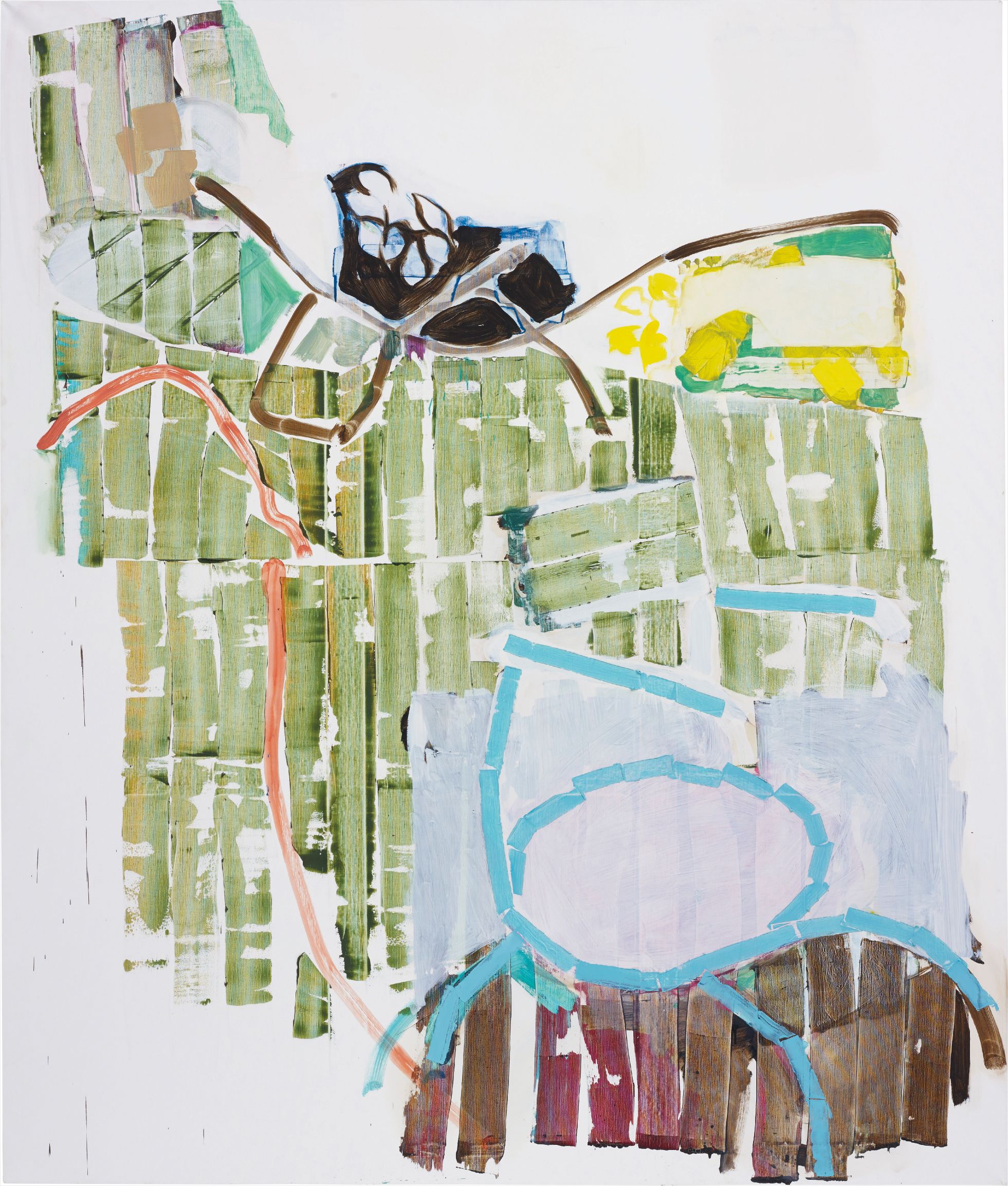
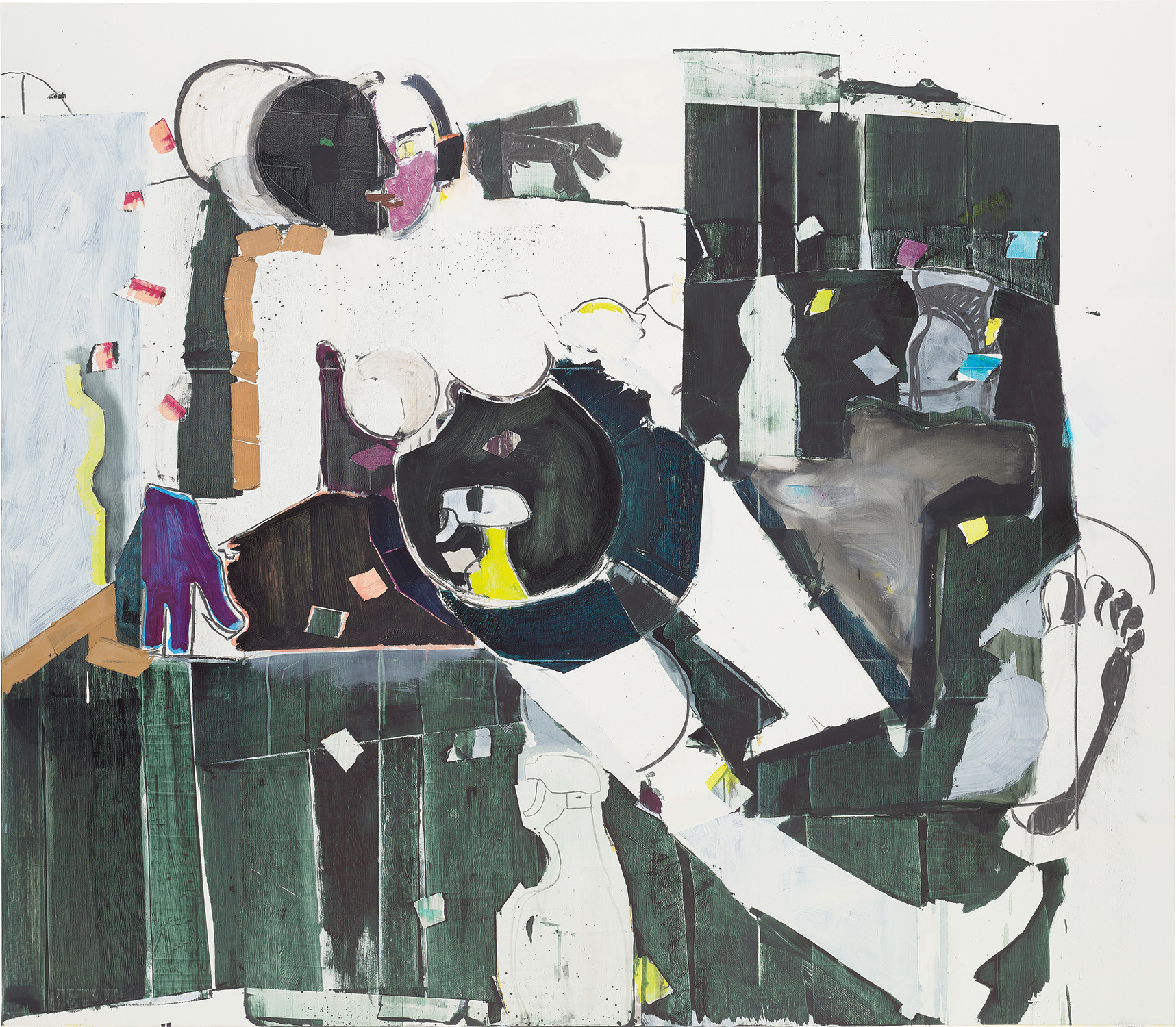
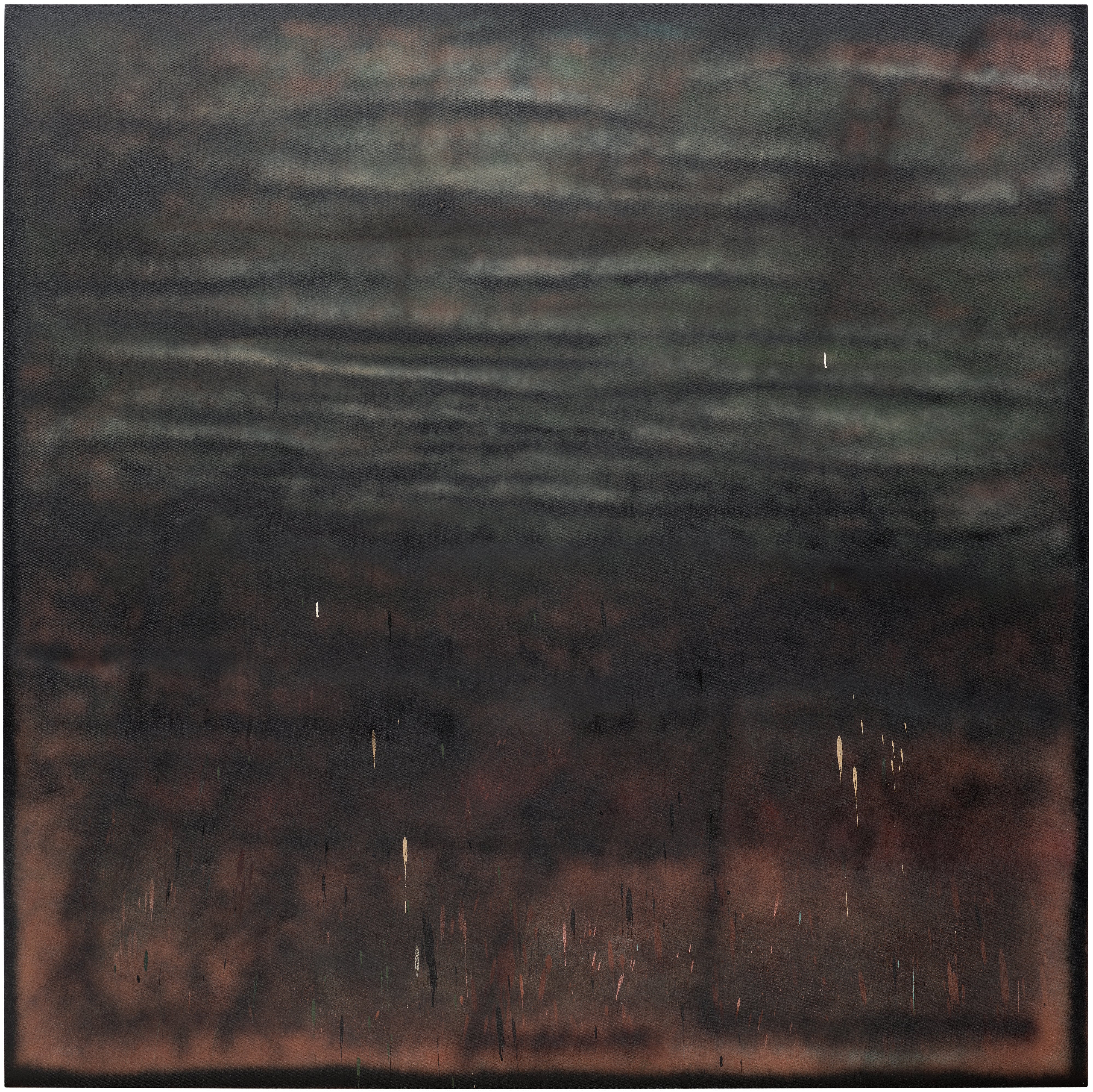
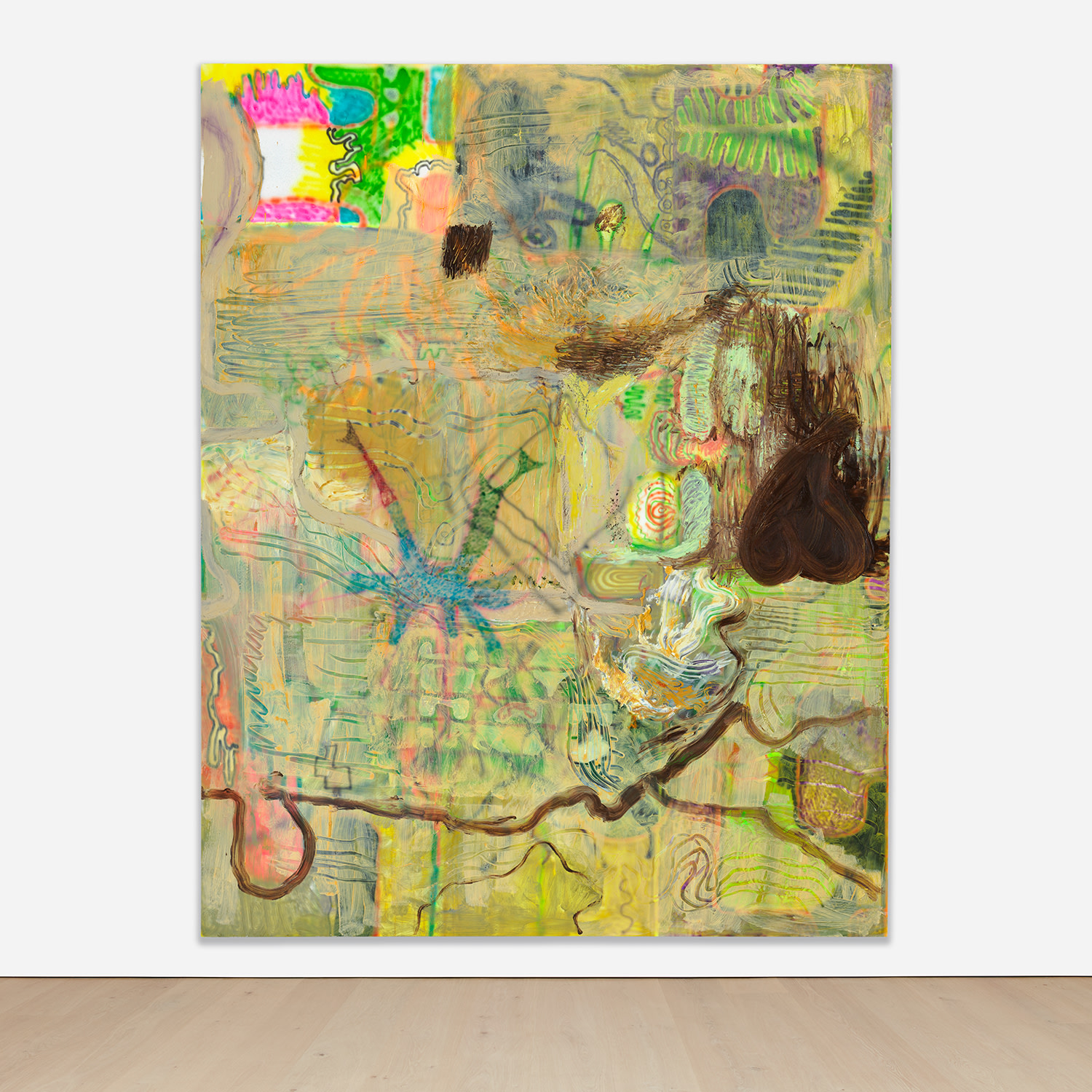
Magnus Plessen
Garten 1
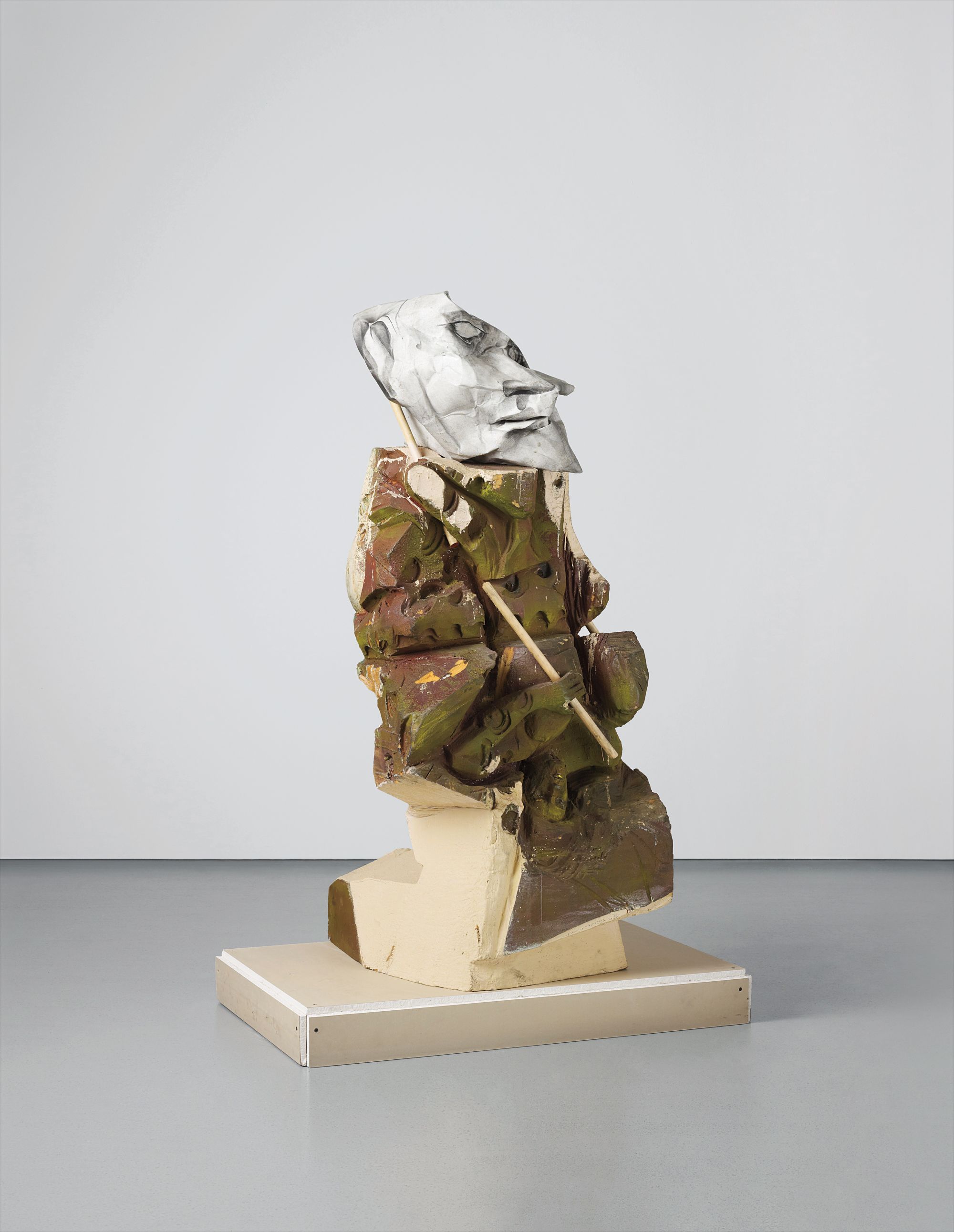
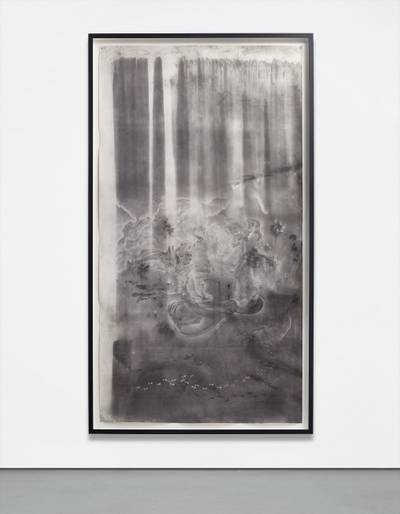
Sterling Ruby, whose work sits at a very different coordinates on the contemporary map, engages fragmentation through accumulation and collision, pulling together materials and references that resist synthesis into something coherent or resolved. Among the artists working today who sustain a serious dialogue with this tradition, Magnus Plessen and Matthew Monahan each bring a distinctive sensibility to the fractured figure. Plessen's paintings often feel like the human form caught in the act of dissolving, the body rendered in a vocabulary that is simultaneously abstract and viscerally physical. Monahan, meanwhile, constructs figures from found and fabricated materials that feel archaeological, as though they have already passed through some catastrophe and emerged on the other side.
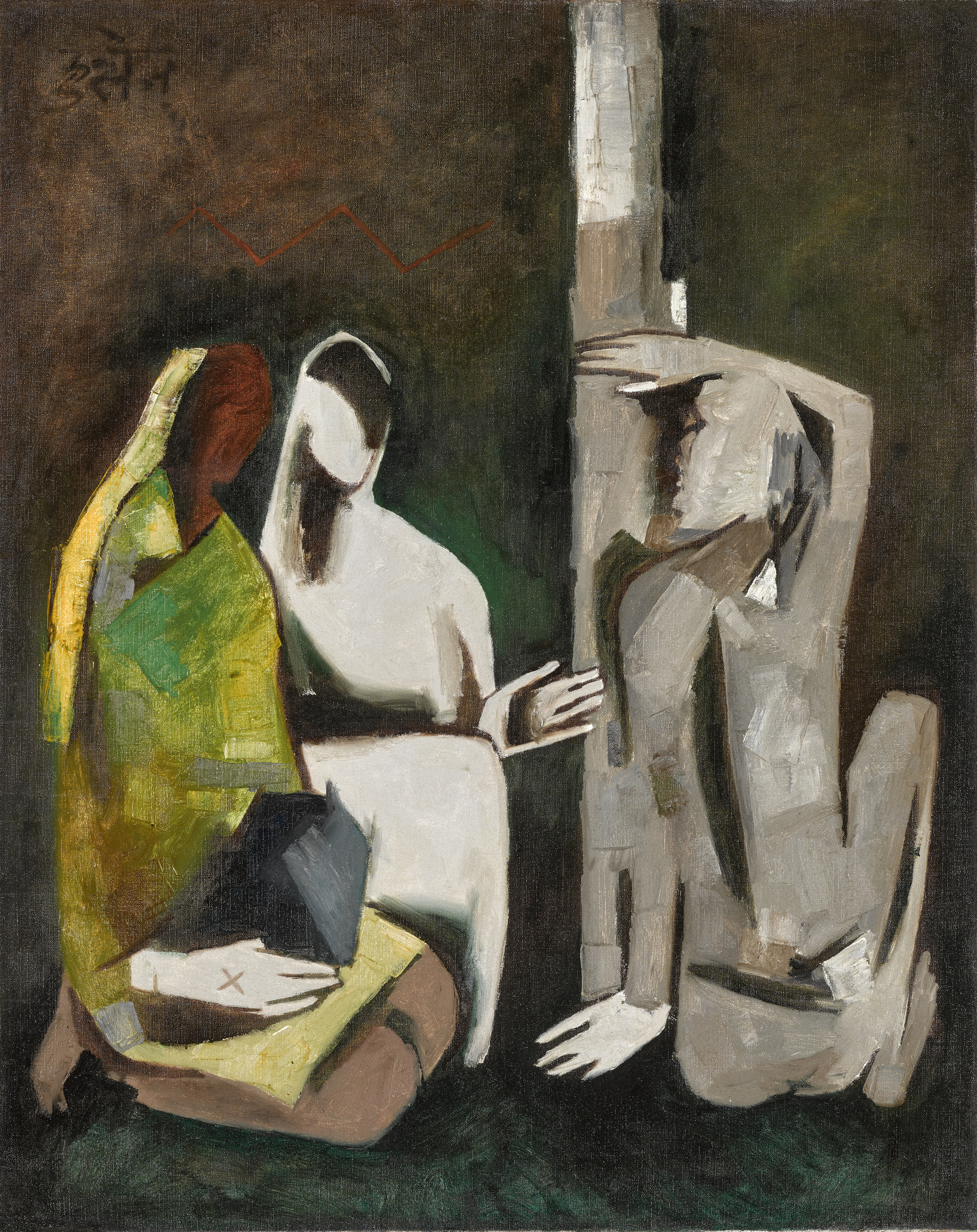
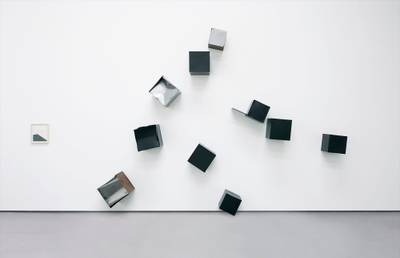
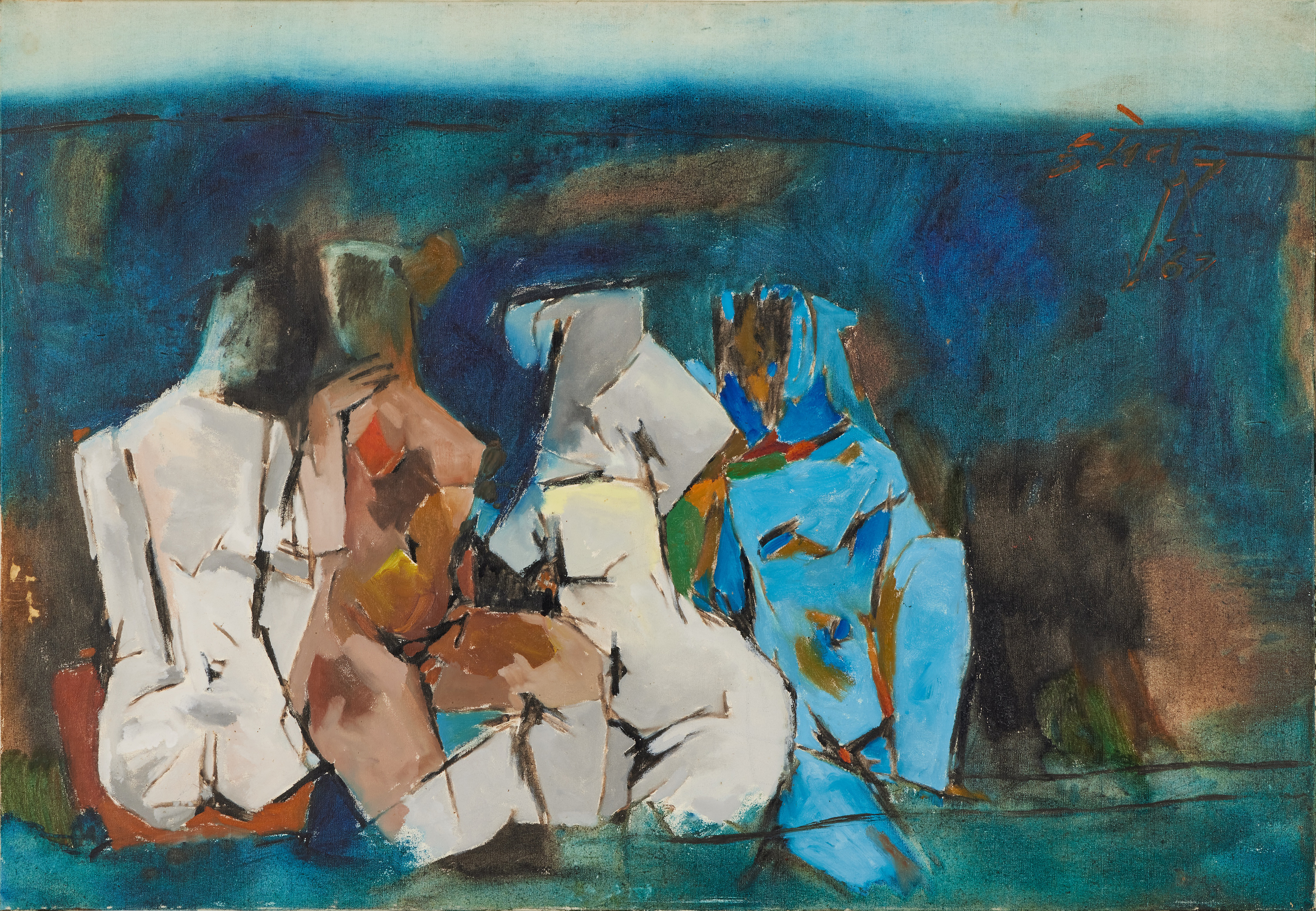
Both artists share an interest in the figure as a site of uncertainty rather than authority. Katja Strunz and Michael Williams extend related concerns into territory that hovers between the gestural and the structural, testing how much a form can lose before it ceases to be legible. Maqbool Fida Husain brought to fragmentation a perspective shaped by an entirely different set of cultural and visual traditions. His engagement with the figure, drawn from Indian classical forms as much as from European modernism, produced a kind of fractured vitality that felt unlike anything coming out of Europe or America at the time.
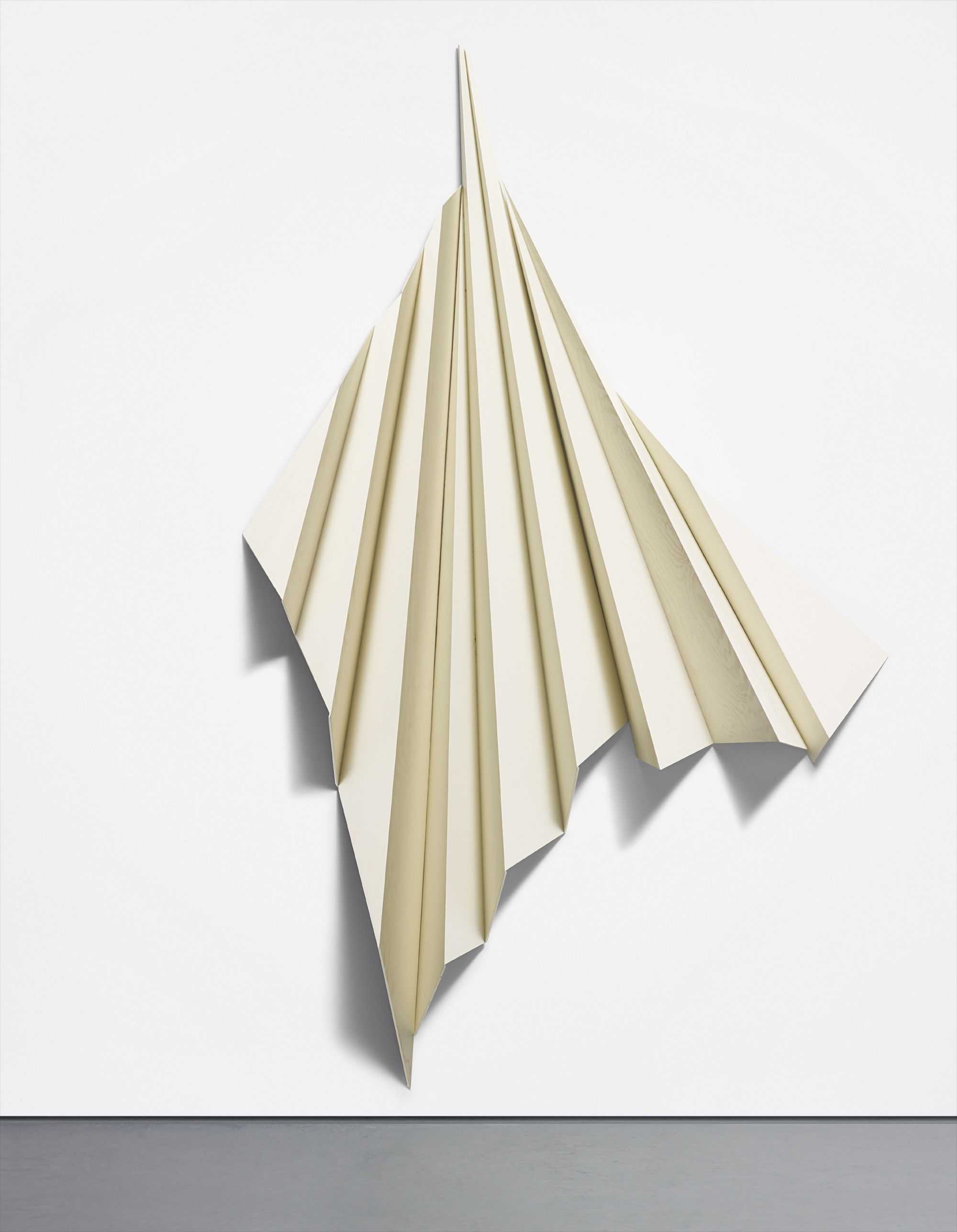
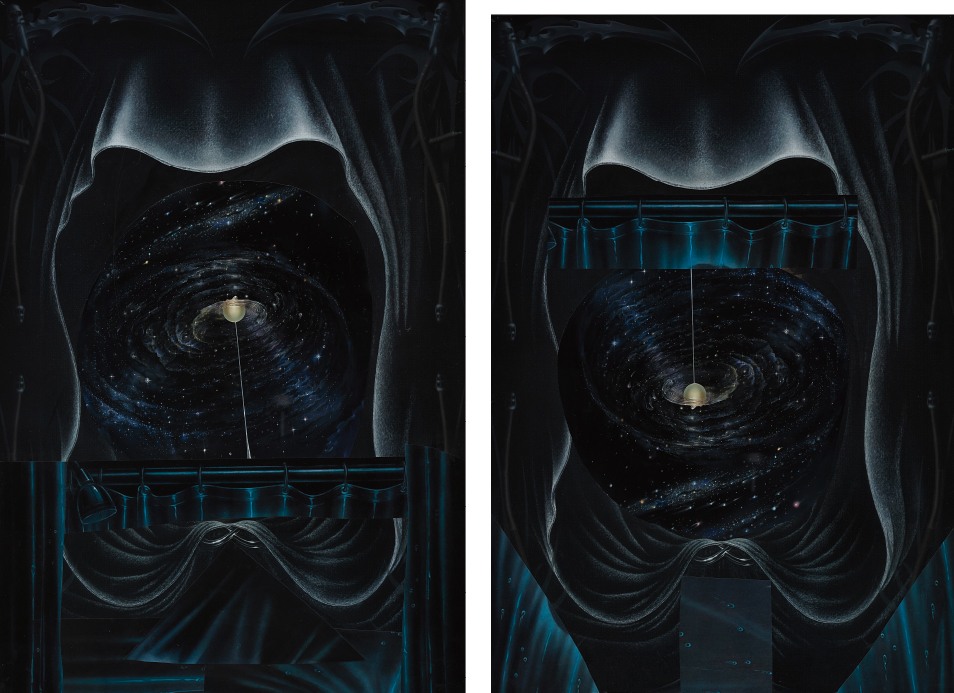
Katja Strunz
White Spiritus (backview)
His lines are rapid, declarative, full of confidence even in their incompleteness. To encounter his work alongside Picasso and Duchamp on The Collection is to be reminded that the history of the fragmented form is genuinely global, and that its meanings shift depending on whose hands are doing the breaking. What unites this remarkably diverse group of artists is a shared conviction that the whole is not always more truthful than the part. There is something the fragment knows that the complete form cannot say.
It holds open the question of interpretation. It refuses to deliver a final answer. In an art world that increasingly prizes legibility and instant comprehension, the fragmented form remains stubbornly resistant, asking the viewer to slow down, to sit with uncertainty, to bring something of their own to the gaps and the absences. Collecting in this territory requires a particular kind of patience and intellectual courage.
These are not works that offer easy comfort or decorative resolution. They are works that grow more interesting over time, that reward sustained attention and invite continued return. The tradition of fragmented forms stretches from the walls of a Paris studio in 1908 to studios in Berlin, Los Angeles, and New York today, and it shows no sign of exhausting itself. If anything, in a world where identity, politics, and perception are all subject to fracture, the artists working with broken forms feel more essential than ever.