Floral
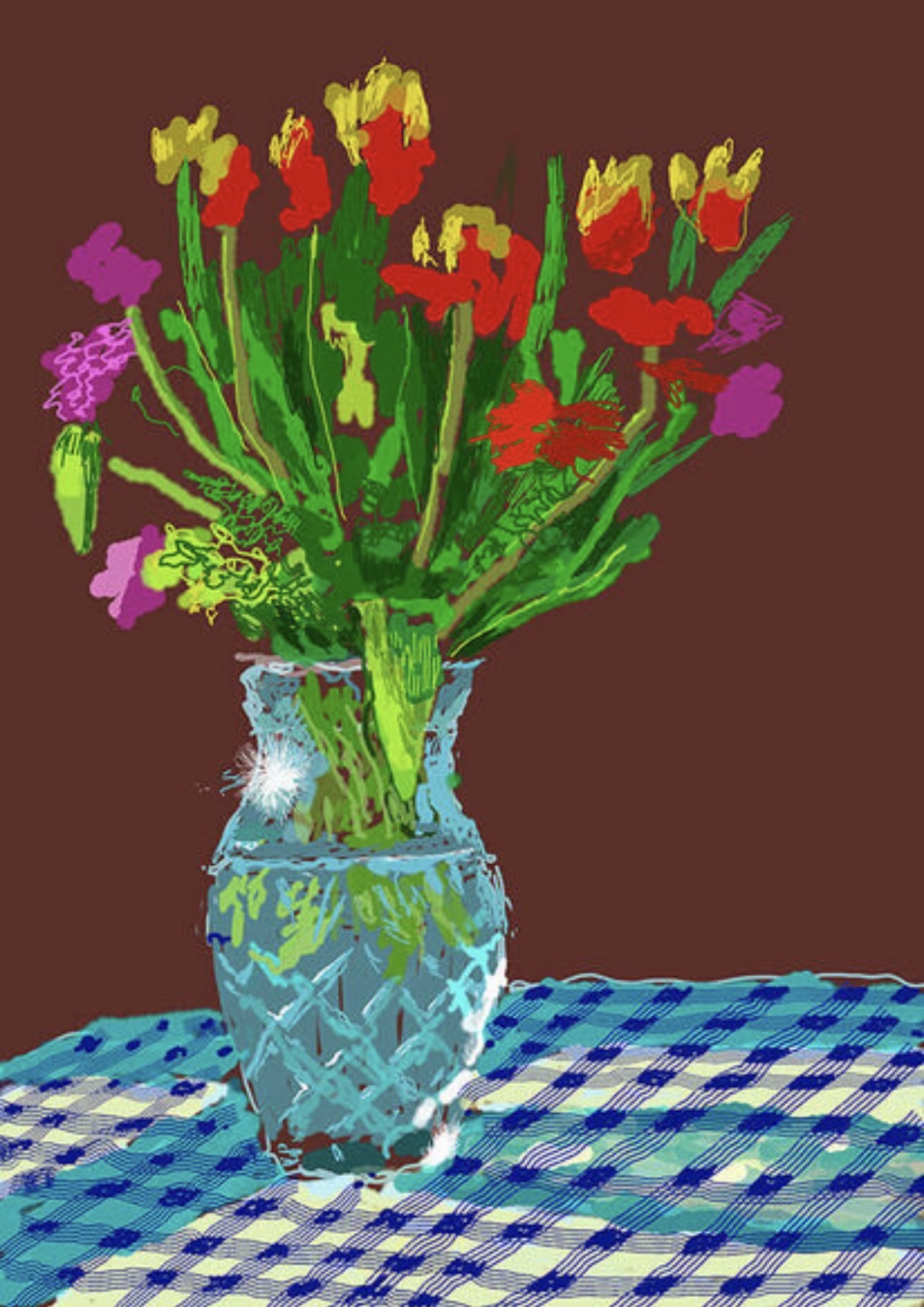
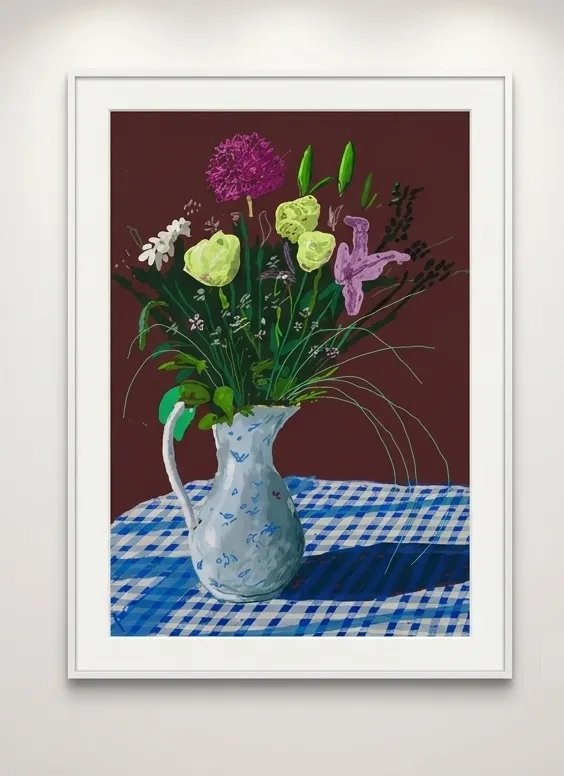
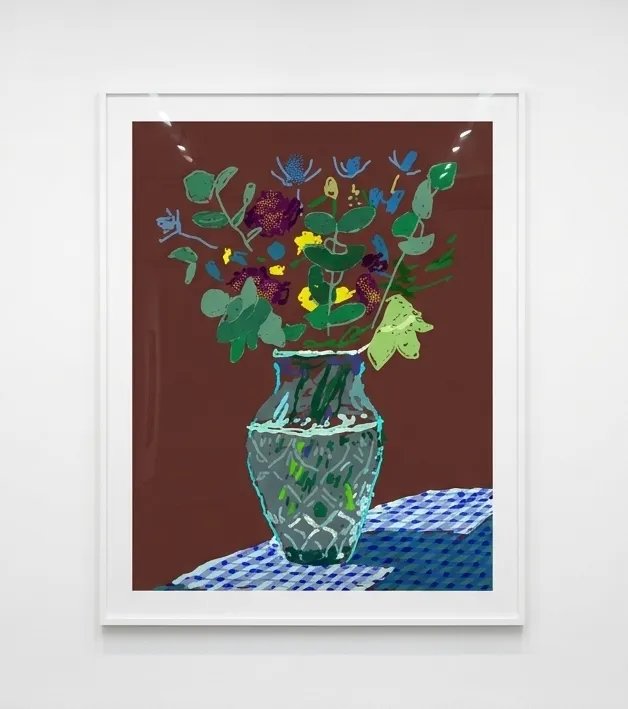
David Hockney
24th February 2021, Red, Yellow and Purple Flowers on a Blue Tablecloth, 2021

The Flower That Refuses to Die
There is no subject in the history of art more deceptively simple, more endlessly revisited, or more quietly radical than the flower. From the earliest Flemish still life paintings of the seventeenth century to Takashi Murakami's hallucinatory blooms rendered in acrylic and gold leaf, artists have returned to the floral subject not because it is easy but because it is inexhaustible. The flower holds everything at once: beauty and decay, desire and grief, the domestic and the transcendent. It is a container for whatever a culture most needs to say about itself at any given moment.
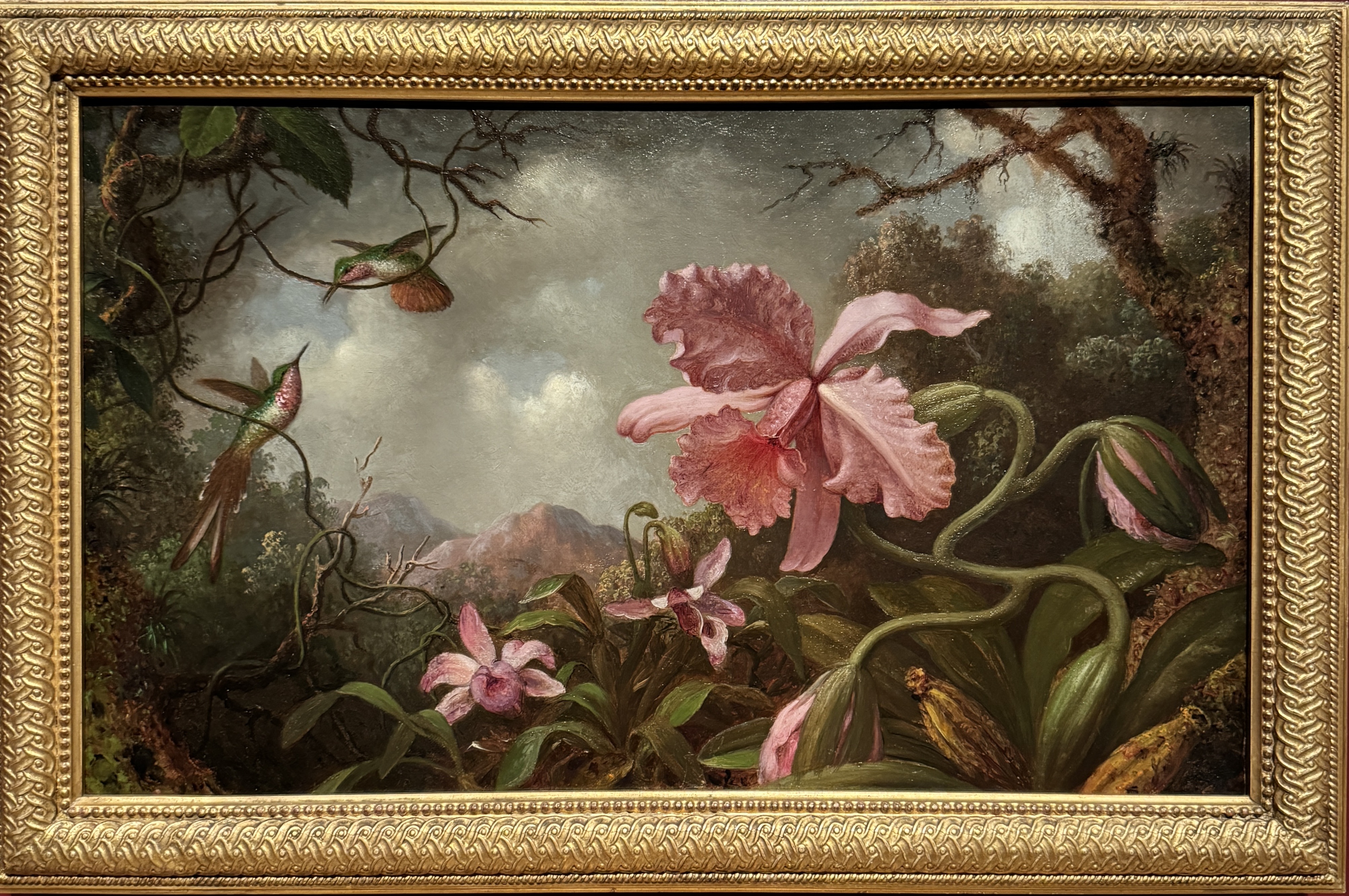
The Western tradition of floral painting as a serious genre begins in earnest in the Netherlands and Flanders around the early 1600s, when painters like Jan Brueghel the Elder elevated the bouquet to an object of intense philosophical and visual scrutiny. These were not simple decorations. They were assembled from flowers that could never have existed in nature at the same time, drawn from botanical illustrations and painter's imagination alike, designed to dazzle patrons while smuggling in meditations on mortality and the passing of time. The tradition that followed, stretching through the Dutch Golden Age and into the French académies, produced some of the most technically accomplished paintings in Western history and laid the foundation for everything that came after.
Claude Monet
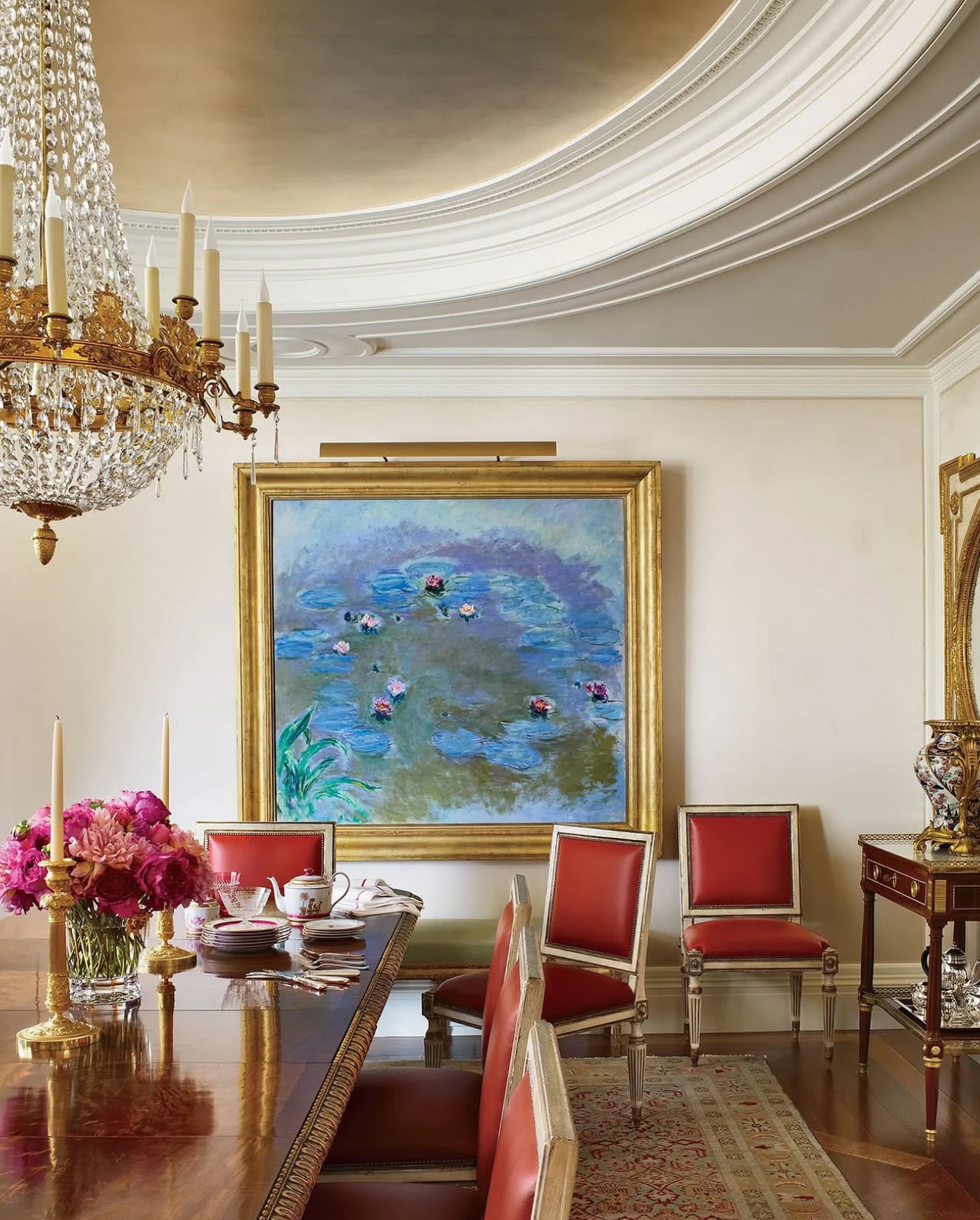
Nymphéas (Water Lilies)
By the nineteenth century, floral painting had become a kind of proving ground for new ideas about vision and sensation. Claude Monet's water garden at Giverny, which he began cultivating in 1893, was less a garden than a living studio, a subject he could control and observe across decades. His late water lily paintings dissolved the boundary between flower, water, and light in ways that would anticipate abstraction by a generation. Pierre Auguste Renoir brought a different sensibility to flowers, treating rose petals and female skin with the same warm, yielding brushwork, insisting that pleasure itself was a legitimate subject for serious painting.
Henri Fantin Latour occupied a quieter position, his meticulous arrangements of roses and peonies so precise and intimate that they feel almost like portraits of individual blooms. All three are present on The Collection, and seeing them in proximity to one another makes the range of what floral painting can do feel genuinely astonishing. The twentieth century complicated and expanded floral vocabulary in ways that are still reverberating. Henri Matisse used flowers and patterned interiors as structural elements in works that pushed Western painting toward a new relationship with flatness and color.
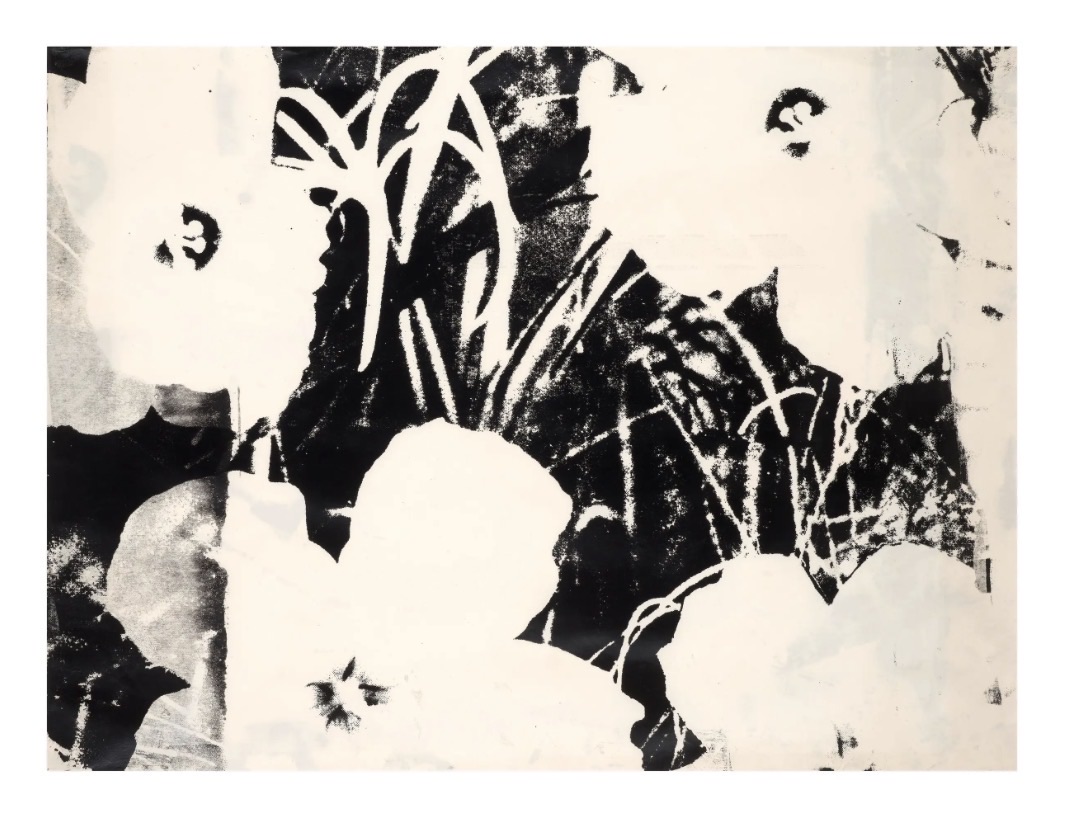
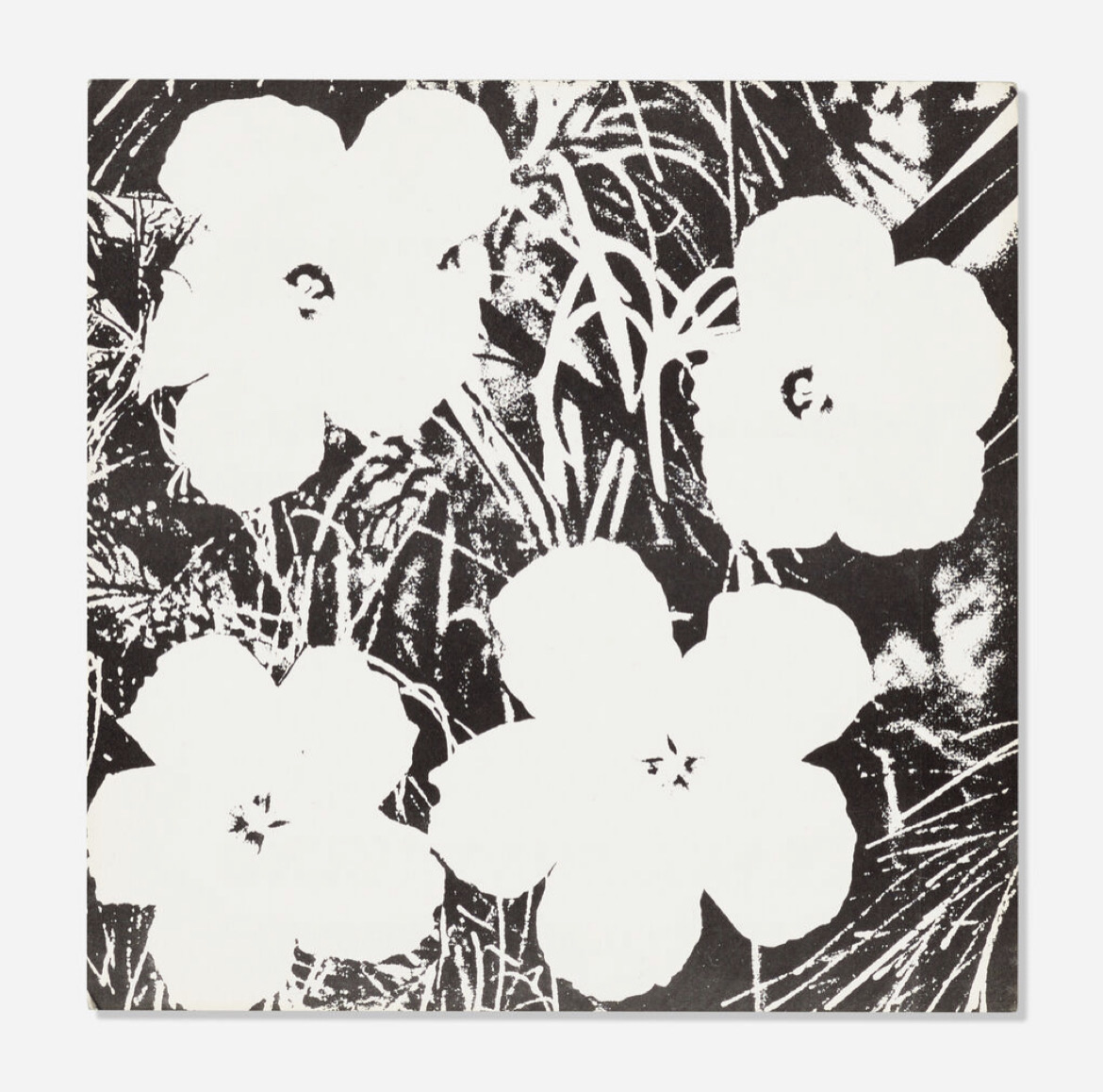
Andy Warhol
Flowers
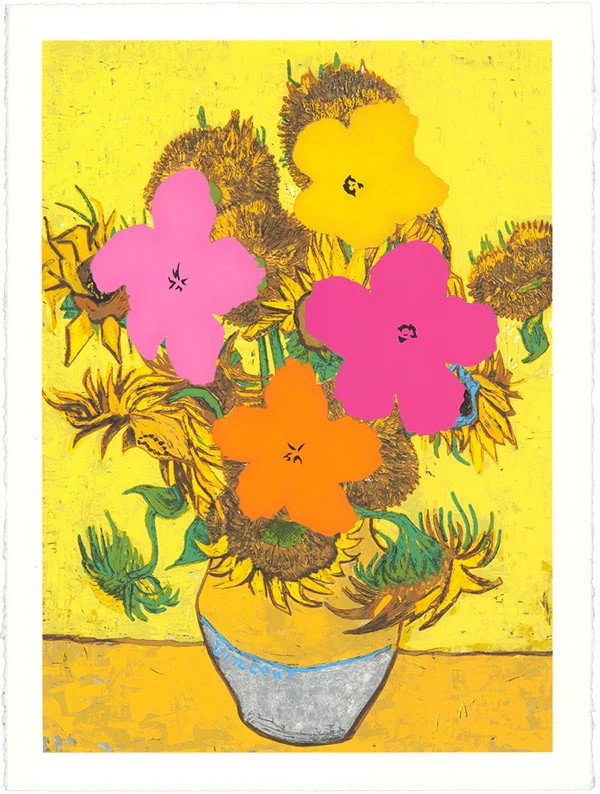
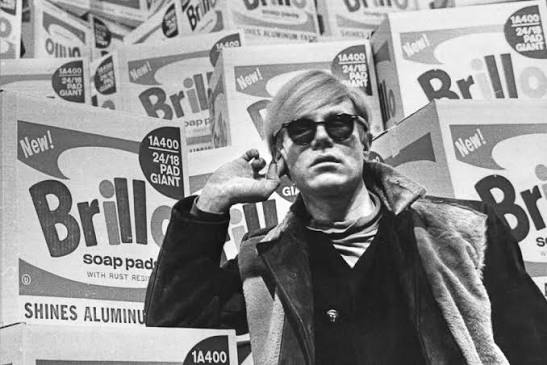
His odalisques recline among floral fabrics and wallpapers that refuse to recede, insisting on the picture plane with a joyful stubbornness. Andy Warhol found in the flower a subject perfectly suited to his interest in repetition, surface, and the ambiguous relationship between the organic and the manufactured. His Flowers series, first shown at the Leo Castelli Gallery in New York in 1964, took a photograph of hibiscus blooms by Patricia Caulfield and subjected it to the silkscreen process, producing works that felt simultaneously lush and evacuated, intimate and mass produced. The gesture remains one of the most quietly disturbing moves in postwar art.
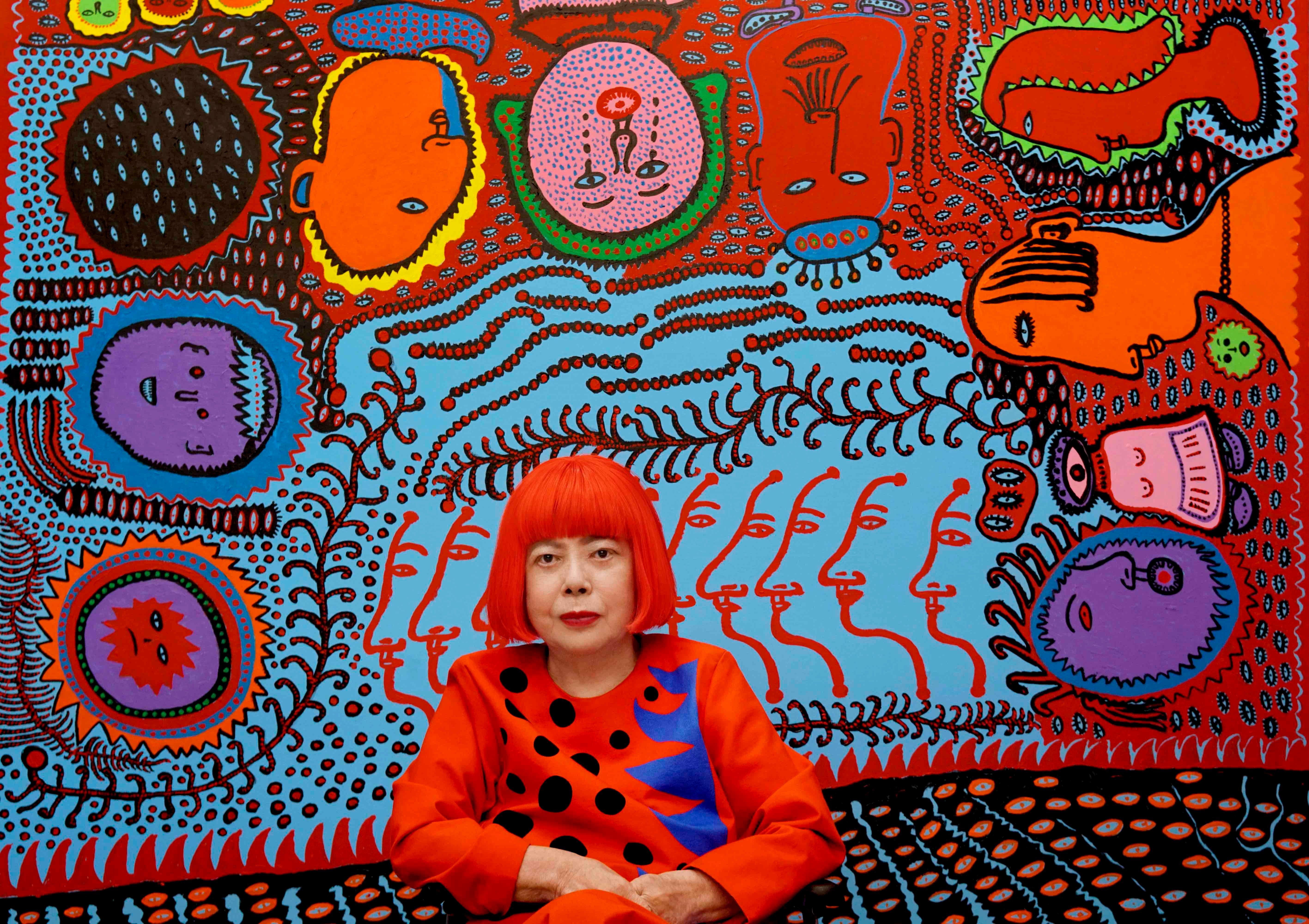
What makes the floral theme so generative for contemporary artists is precisely its weight of association. Yayoi Kusama has spent decades using the flower and the dot as linked symbols of both self obliteration and infinite proliferation, her installations drawing millions of visitors who may not think of themselves as art lovers but who understand immediately that something profound is happening in those mirrored rooms. Donald Sultan, whose work is particularly well represented on The Collection, takes an almost architectural approach to plant forms, building up surfaces with industrial materials and reducing petals to near abstract shapes that hold tremendous physical presence. His flowers feel like monuments, slow and heavy and inevitable.
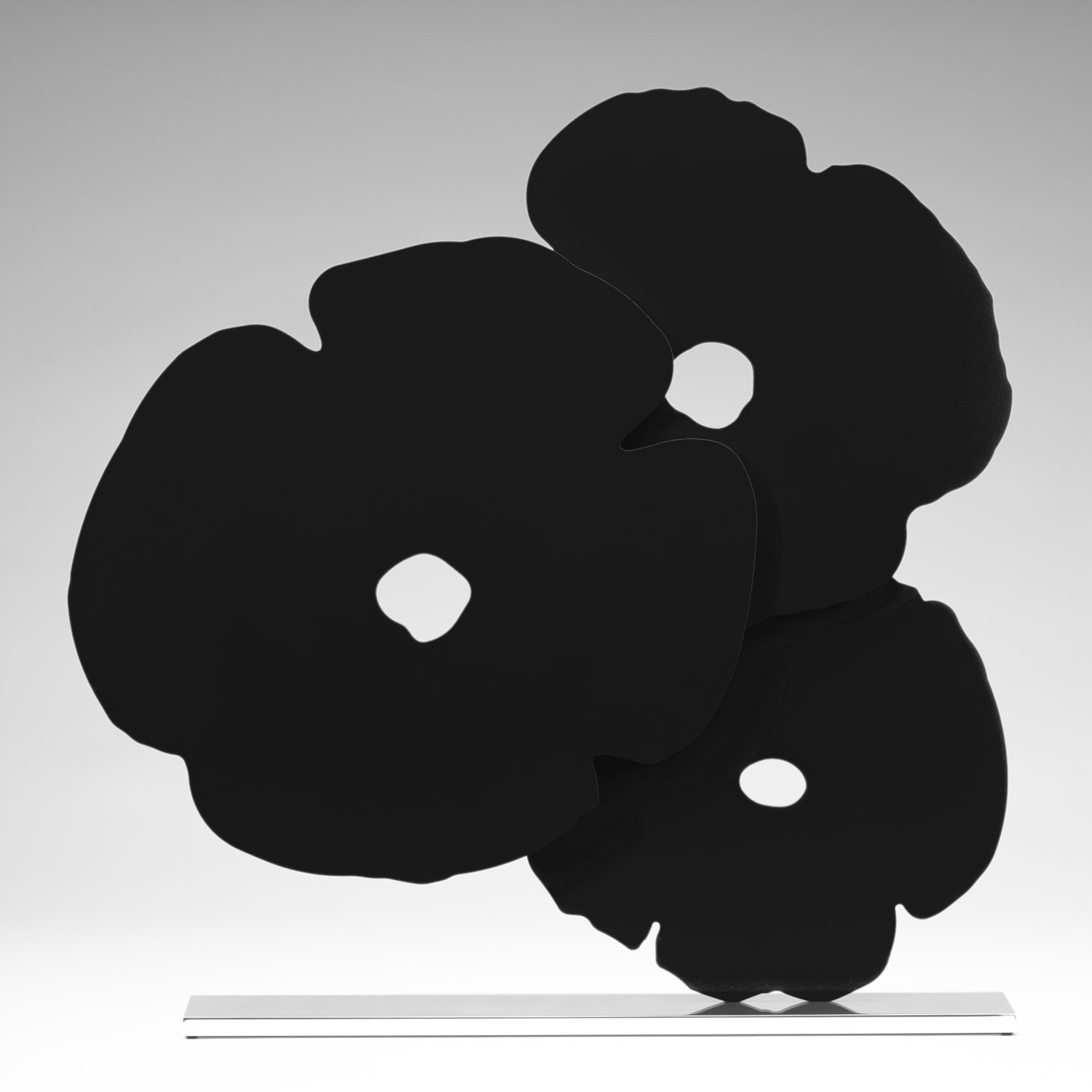
Donald Sultan
Black Poppies, 2017
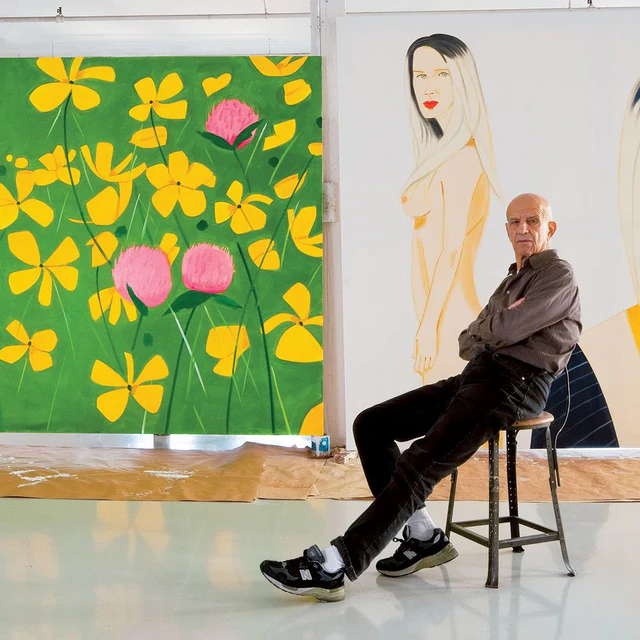
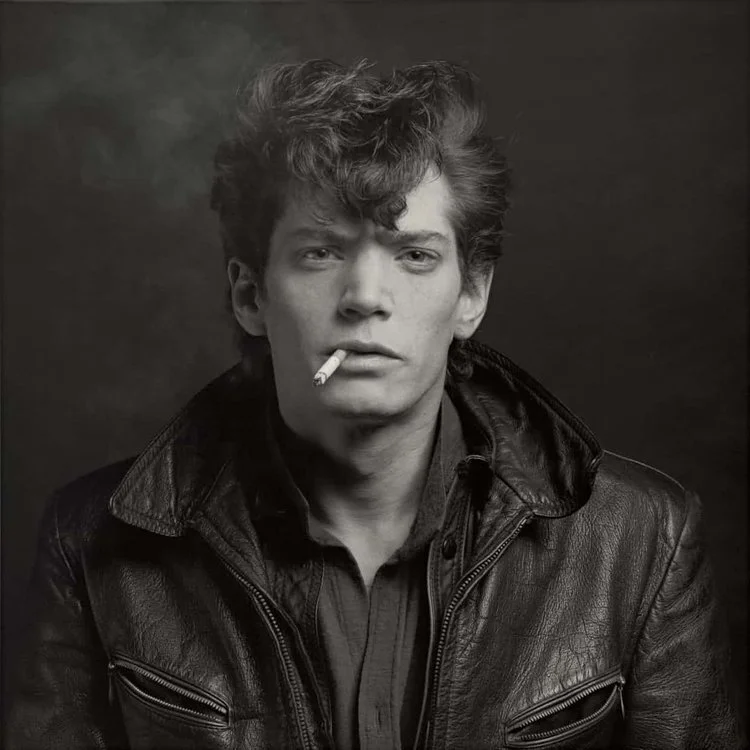
Robert Mapplethorpe brought flowers into his studio with the same exacting, even erotic attention he gave to the human body, and his photographs of calla lilies and irises from the 1980s remain among the most formally rigorous floral images ever made. David Hockney has returned to flowers and botanical subjects throughout his long career, most recently in his exuberant iPad drawings of spring arriving in the East Yorkshire countryside. These works, some of which appeared in his 2021 exhibition at the Royal Academy, demonstrate that the floral subject can absorb almost any new technology and still remain fundamentally about looking, about paying attention to growth and color and light. Alex Katz brings a similarly direct observation to his flower paintings, reducing bouquets to bold shapes and flat color while preserving something essential about the way a particular arrangement sits in light at a particular moment.
Jonas Wood takes yet another path, placing flowers within densely patterned domestic interiors where they become part of a visual argument about pattern, memory, and the psychology of familiar spaces. The persistence of the floral in art is not nostalgia. It is something closer to a commitment to the fundamental questions that painting has always asked: what does it mean to look at something beautiful knowing it will not last, and what does it mean to make something permanent from that looking. The Japanese tradition, which runs through Murakami and informs the work of Sanyu and Wu Guanzhong in very different ways, understands this tension differently than the European one, treating the flower as a vehicle for ideas about impermanence that are philosophical rather than melancholy.
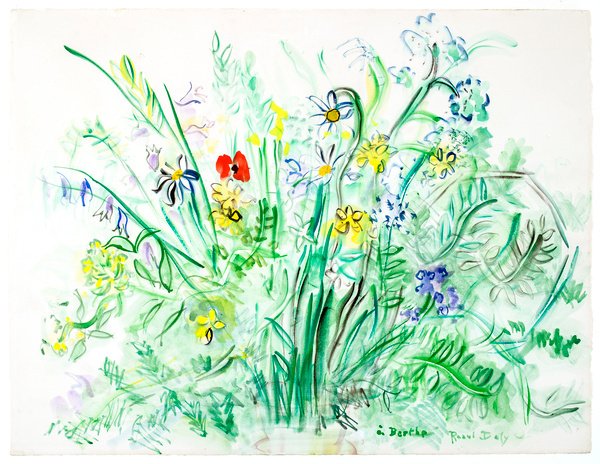
Raoul Dufy
Fleurs des champs, 1950
Raoul Dufy and Marc Chagall brought loose, celebratory energy to floral subjects that resists the weight of all that symbolic history. Ellsworth Kelly found in botanical forms a rigorous path toward pure abstraction, his plant studies from the early 1950s arguably among the most important drawings of the postwar period. To collect floral work is to participate in one of the longest conversations in the history of art, one that has accommodated the Dutch masters, the Impressionists, the Pop artists, and the post internet generation without losing any of its essential charge. The flower remains what it has always been: a small, perishable thing that artists keep finding ways to make last forever.