Figure Painting
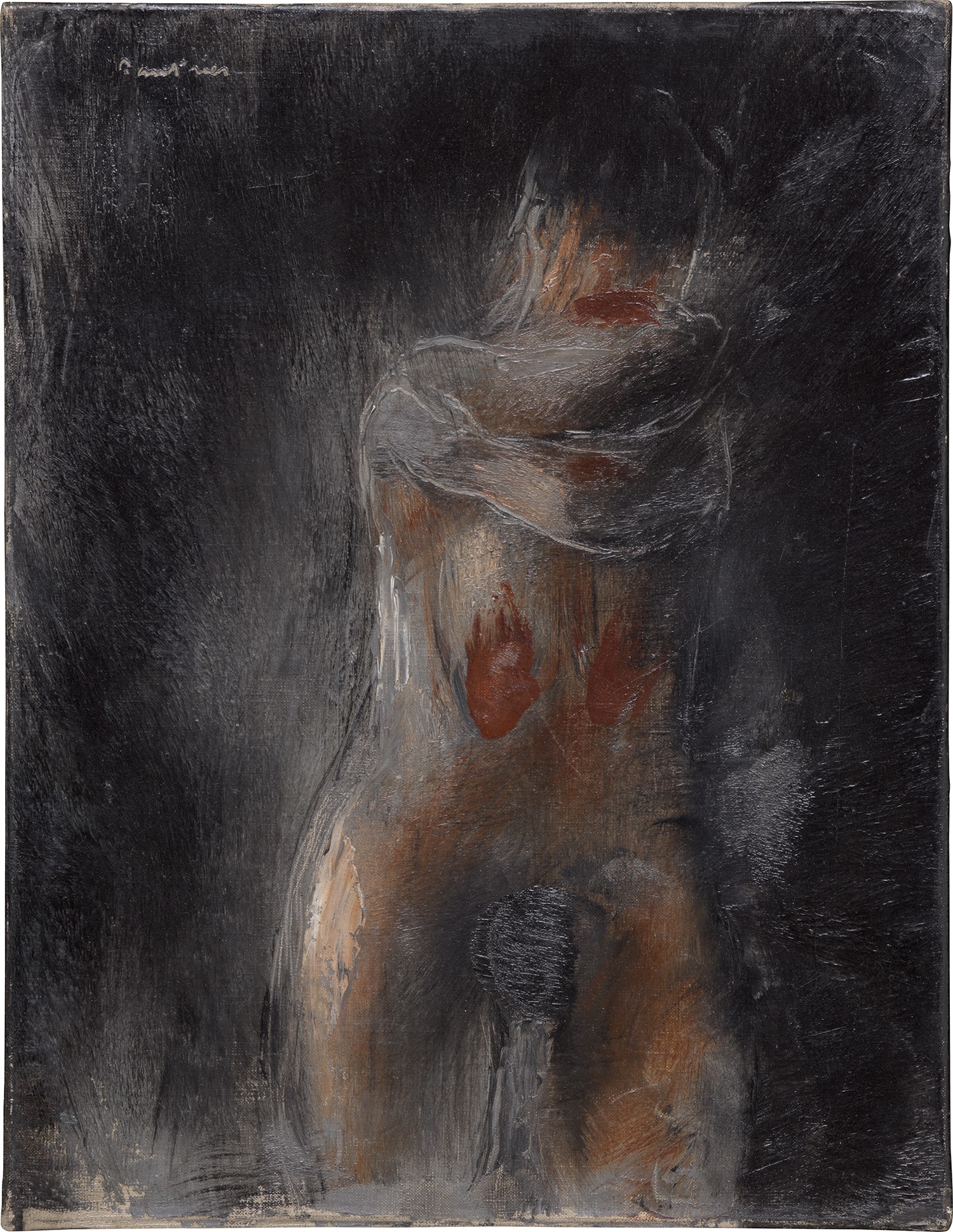
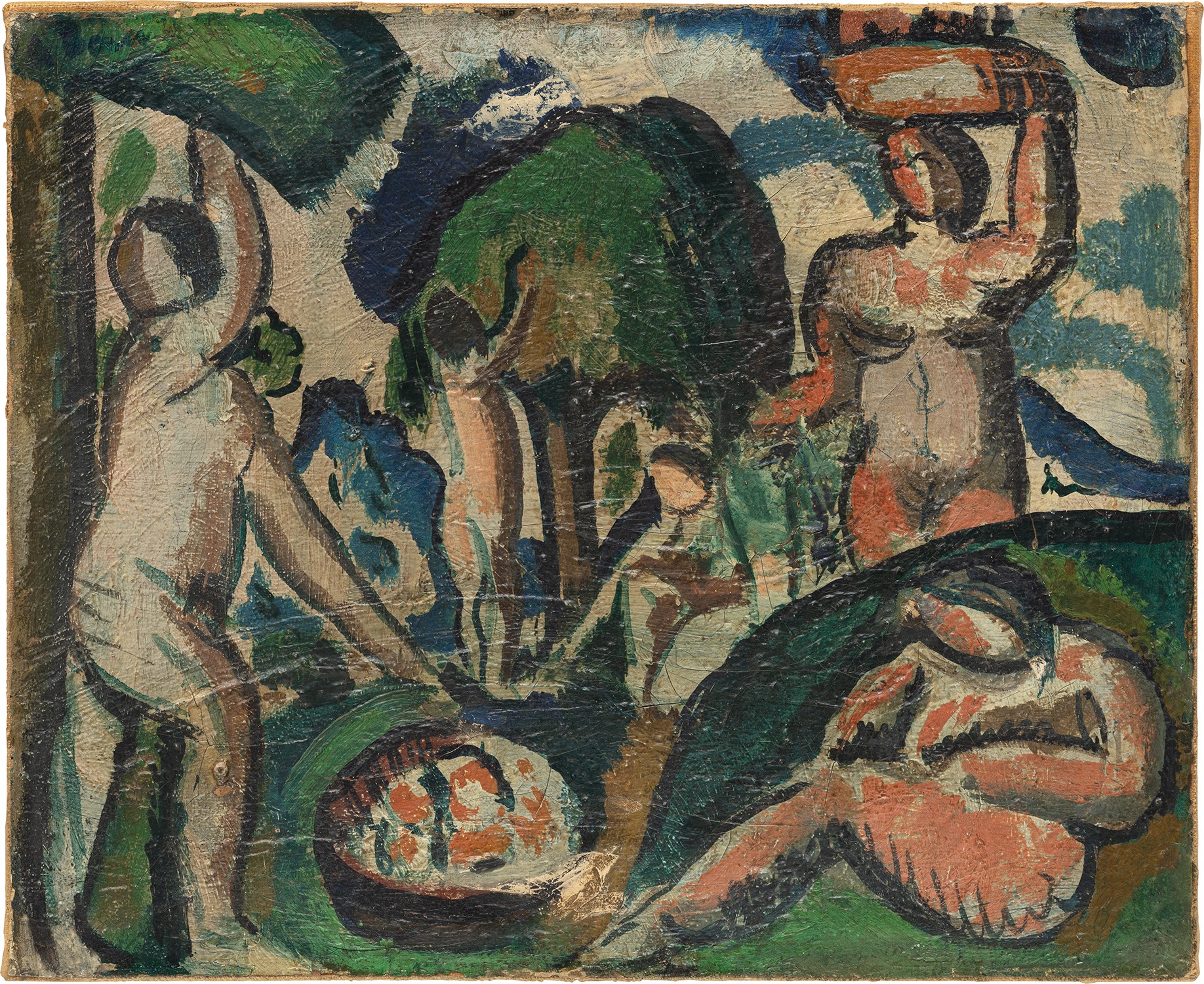
Jean Fautrier
Petit nu, 1926



The Body Speaks: Figure Painting's Endless Return
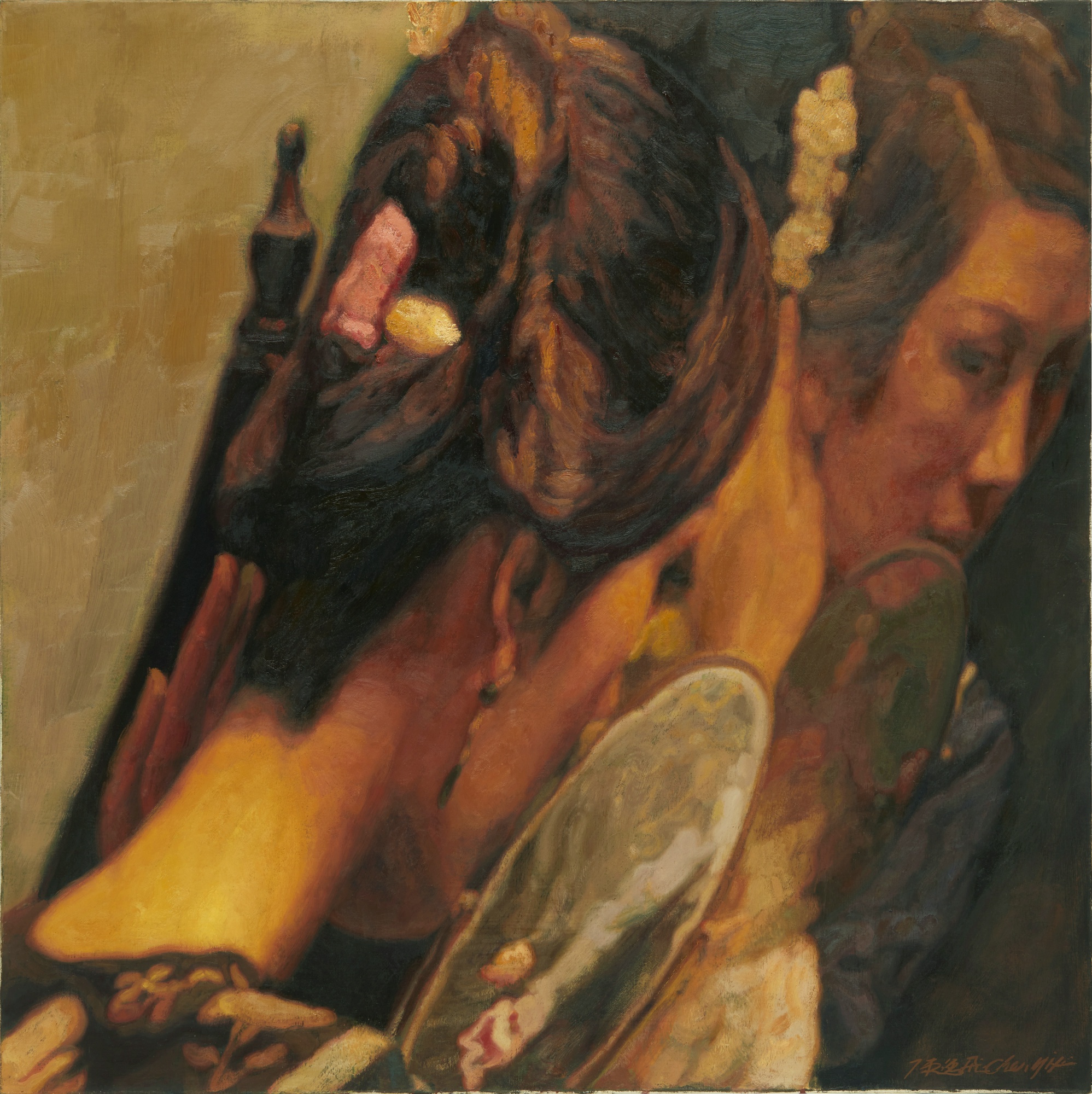
There is something almost defiant about the human figure in painting. Across every era in which abstraction threatened to render it obsolete, every theoretical movement that declared representation passé, the figure has reasserted itself with a kind of stubborn vitality. It is the oldest subject in Western art and, arguably, the most inexhaustible. To paint a person is to make a claim about what it means to exist, to be seen, to occupy space in the world.
That claim has never gone out of fashion, even when it has gone out of style. The history of figure painting is essentially the history of painting itself. From the fresco cycles of Giotto in the late thirteenth century, in which human emotion first began to register on painted faces with recognizable complexity, to the grand machine paintings of the Académie des Beaux Arts in nineteenth century Paris, the figure was the central proving ground for artistic ambition. Mastery of the human form, its anatomy, its weight, its relationship to light and shadow, was the prerequisite for any serious artistic career.
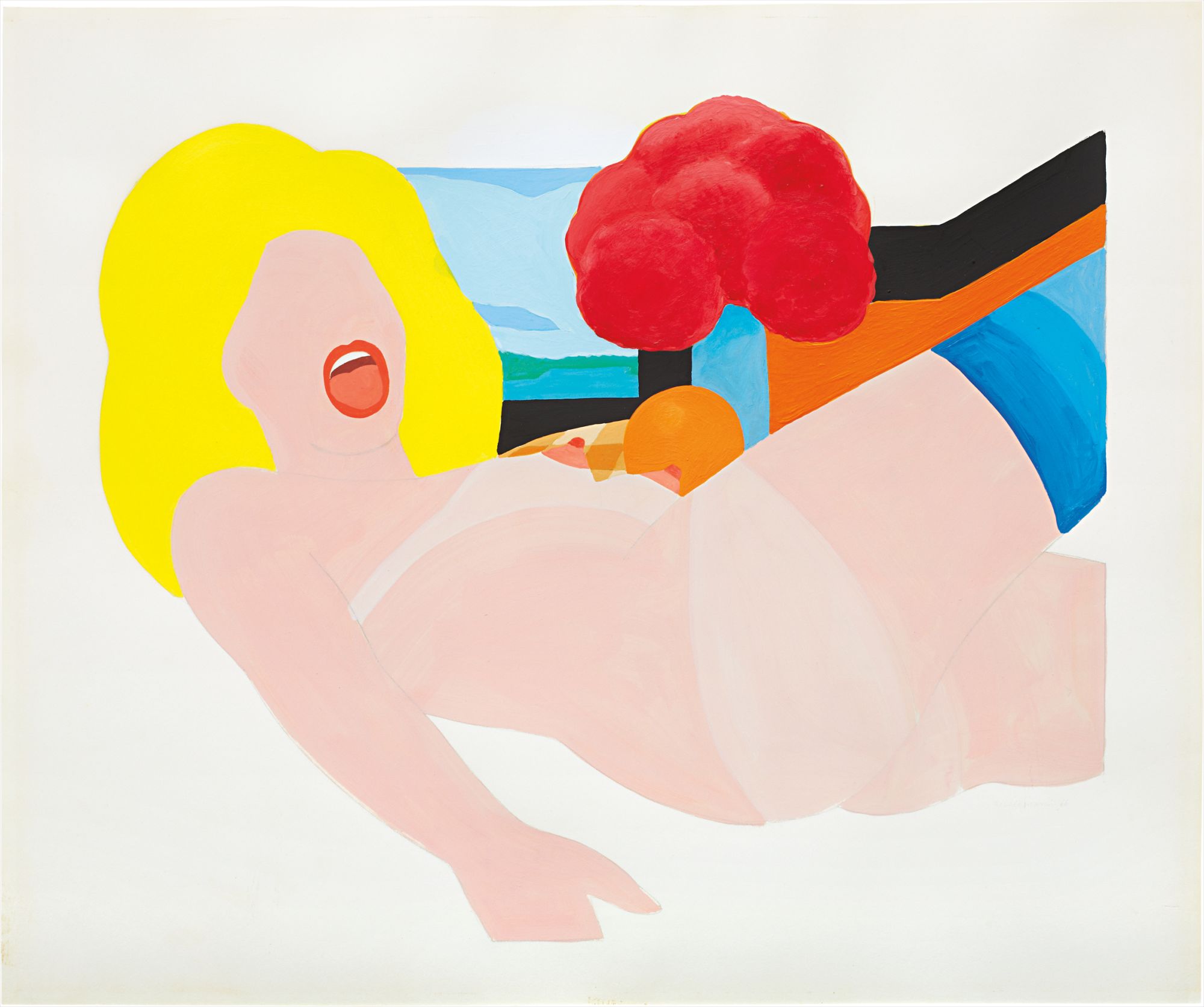
Tom Wesselmann
Study for Great American Nude #90
The Salon system institutionalized this hierarchy, and for centuries, history painting featuring idealized human figures sat at the apex of a rigid genre ranking. The rupture, when it came, was radical. The Impressionists in the 1870s and 1880s did not abandon the figure so much as liberate it from its ceremonial duties. Édouard Manet had already delivered the opening provocation with Le Déjeuner sur l'herbe in 1863, presenting the nude not as a mythological cipher but as an uncomfortably present body in a recognizable world.
Pierre Auguste Renoir dissolved his figures into light and sociability, filling canvases with the particular warmth of Parisian leisure. The figure became contingent, situated in real time and real weather, rather than elevated outside of it. Both Manet and Renoir are represented on The Collection, and looking at their work today, you can still feel the specific audacity of that shift. The early twentieth century pulled the figure in every conceivable direction simultaneously.
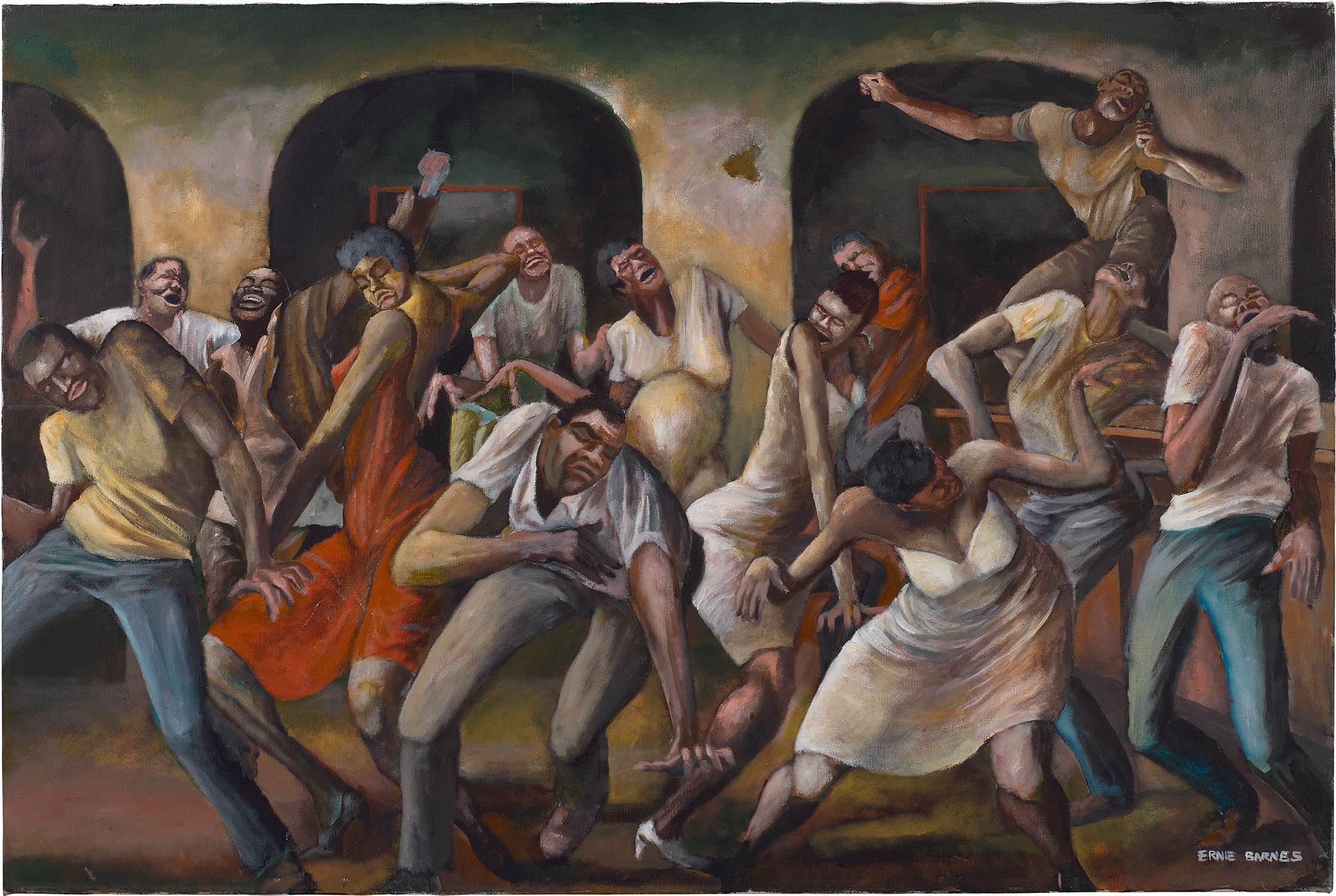
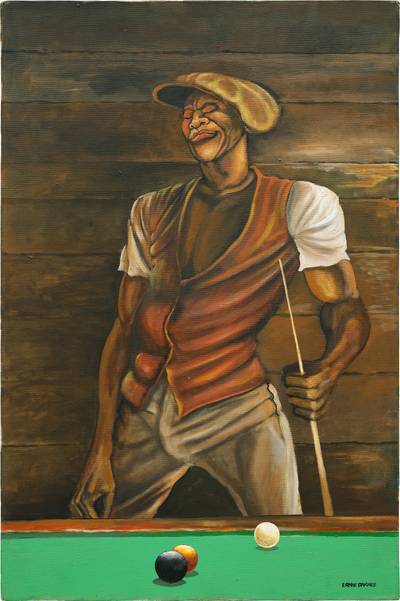
Ernie Barnes
Human Celebration, 1960
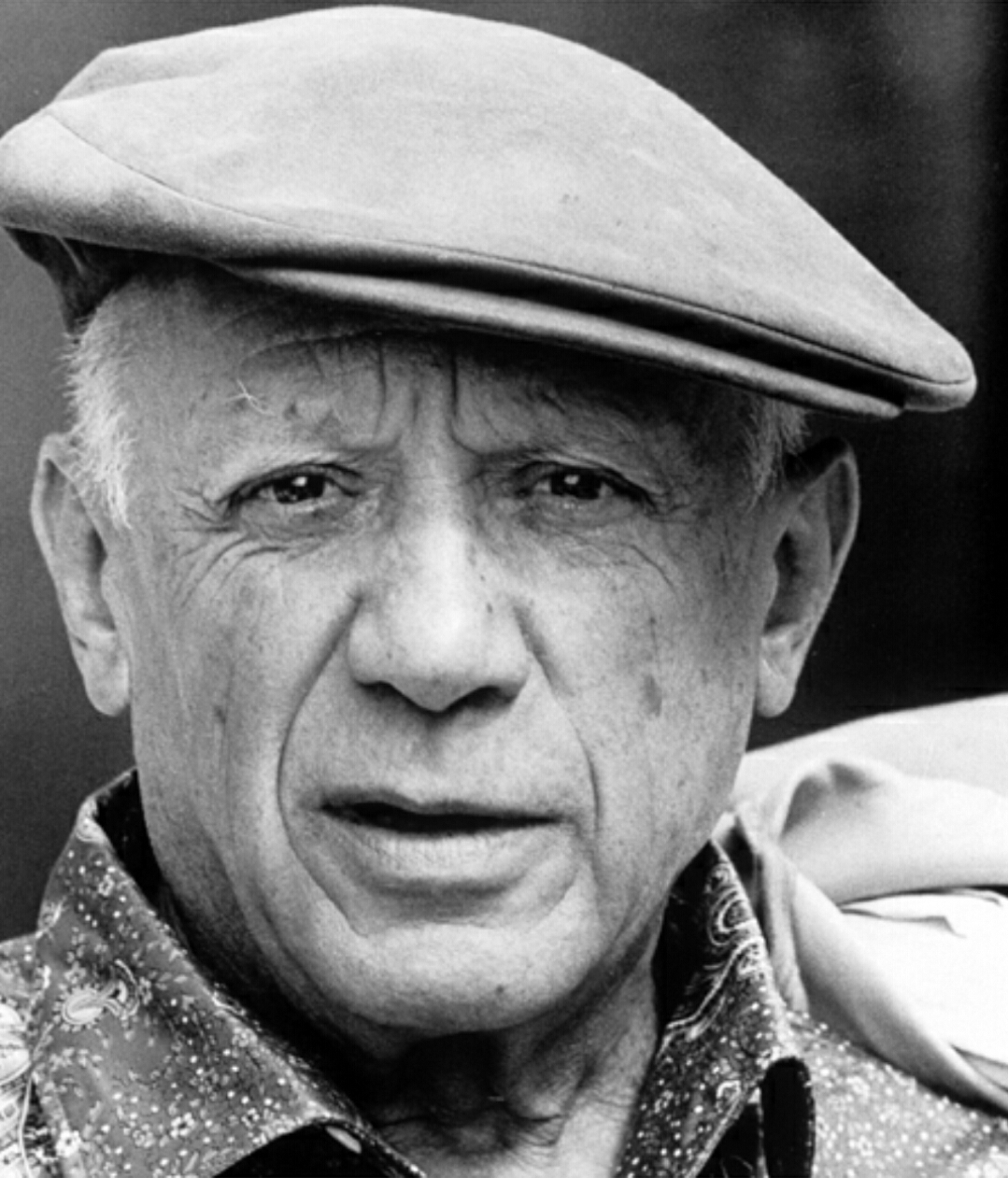
Pablo Picasso, whose work appears on The Collection, fractured the body into Cubist planes with Les Demoiselles d'Avignon in 1907, an act of violence against pictorial convention that also redefined what a painting could communicate about a body's presence in space. Meanwhile the Fauves, led by Henri Matisse but including figures such as Kees van Dongen, were stripping the figure down to pure color and emotional directness. Van Dongen, whose paintings are well represented on The Collection, brought a particular voltage to his portraits of Parisian women, images that crackled with something between glamour and unease. Across Europe, artists were asking not just how to paint a body but what a body could be made to mean.
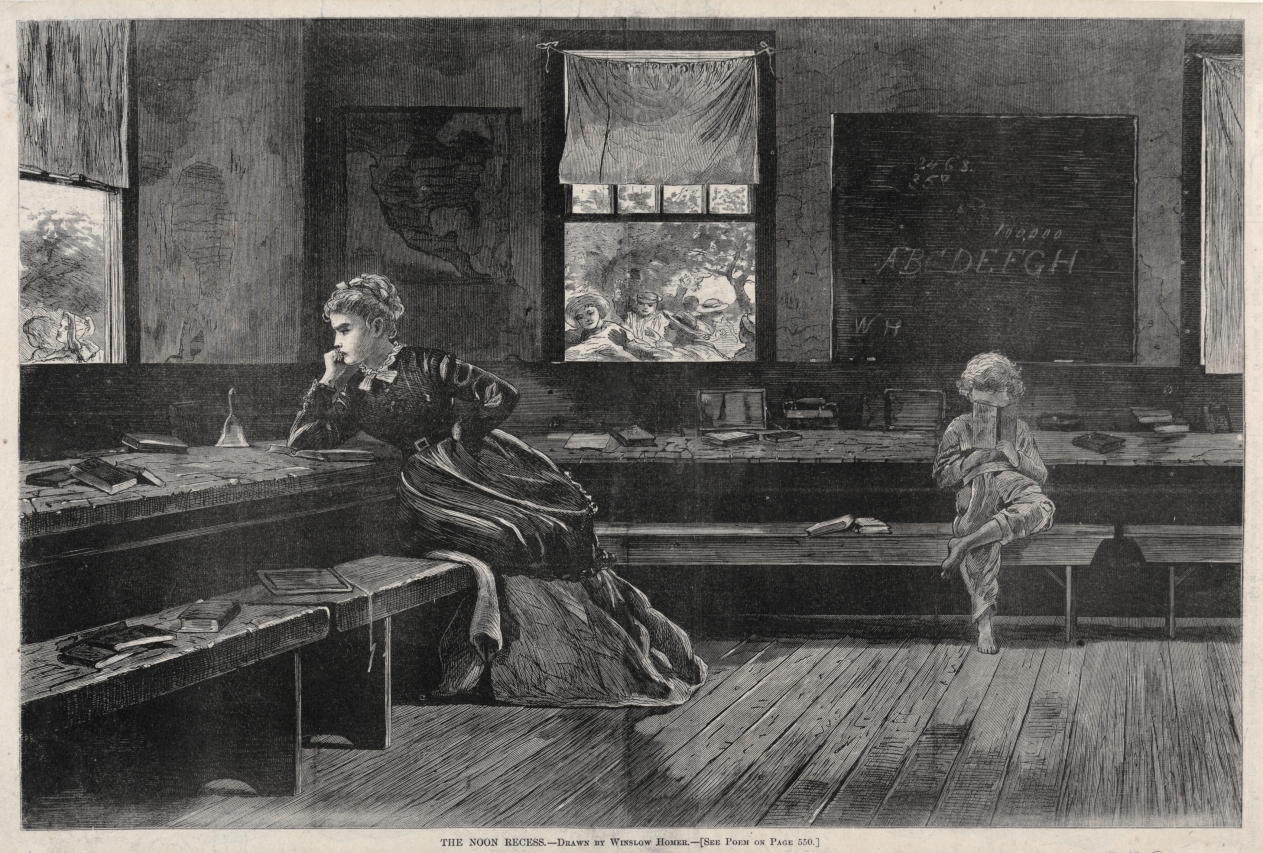
In America, figure painting developed its own distinct character and social urgency. Winslow Homer, whose work on The Collection rewards careful attention, had already staked out a territory in which the figure was inseparable from its physical environment and social conditions. George Bellows brought that same insistence into the urban twentieth century, painting the rougher textures of New York life with a directness that owed more to lived experience than academic formula. George Bellows and Winslow Homer both appear on The Collection, and together they represent something essential about the American figurative tradition: a preference for presence over elegance, for the body as a site of labor, sport, and moral witness rather than refined display.
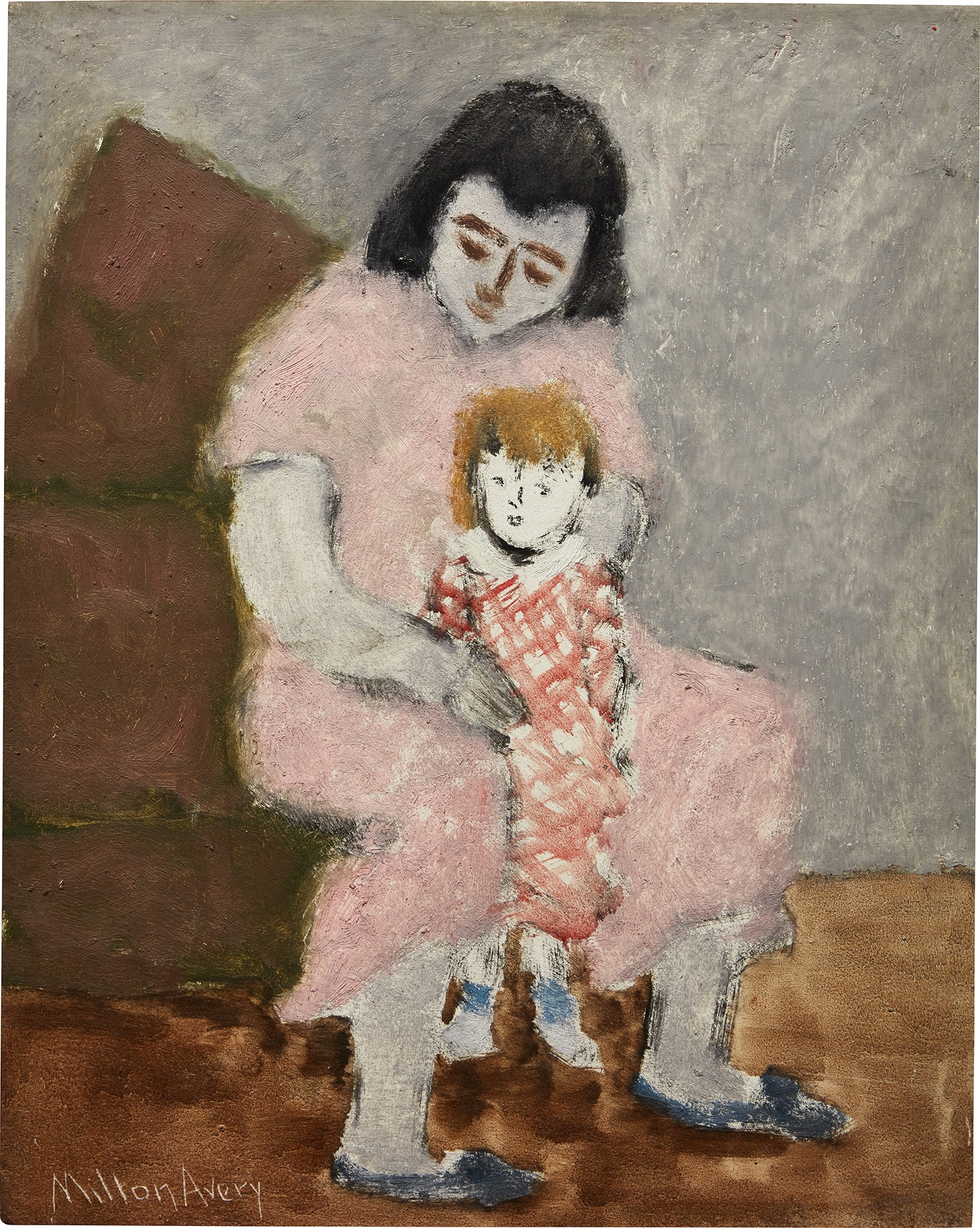
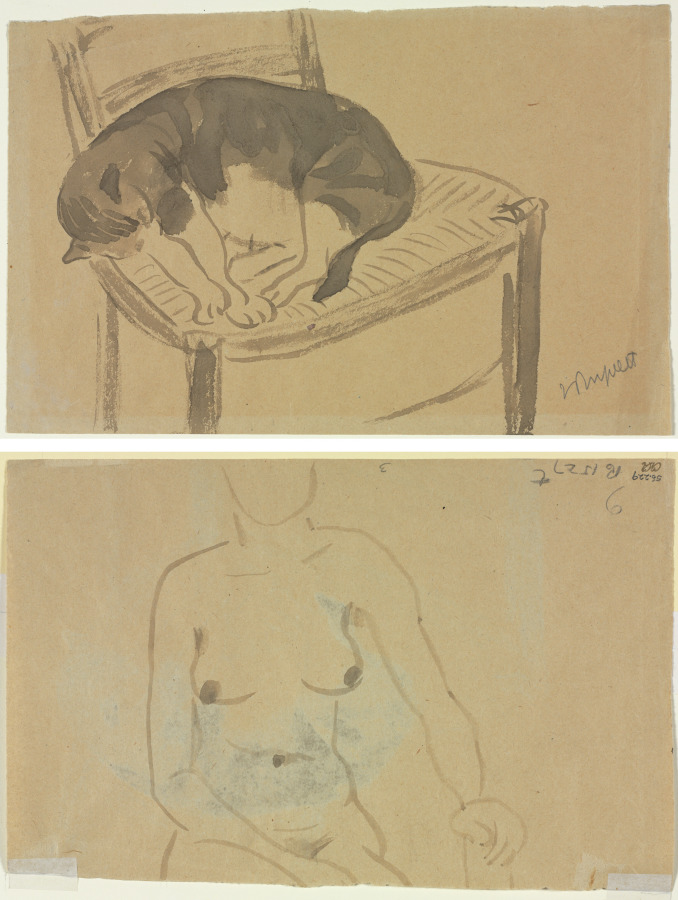
Milton Avery
Young Mother and Child, 1935
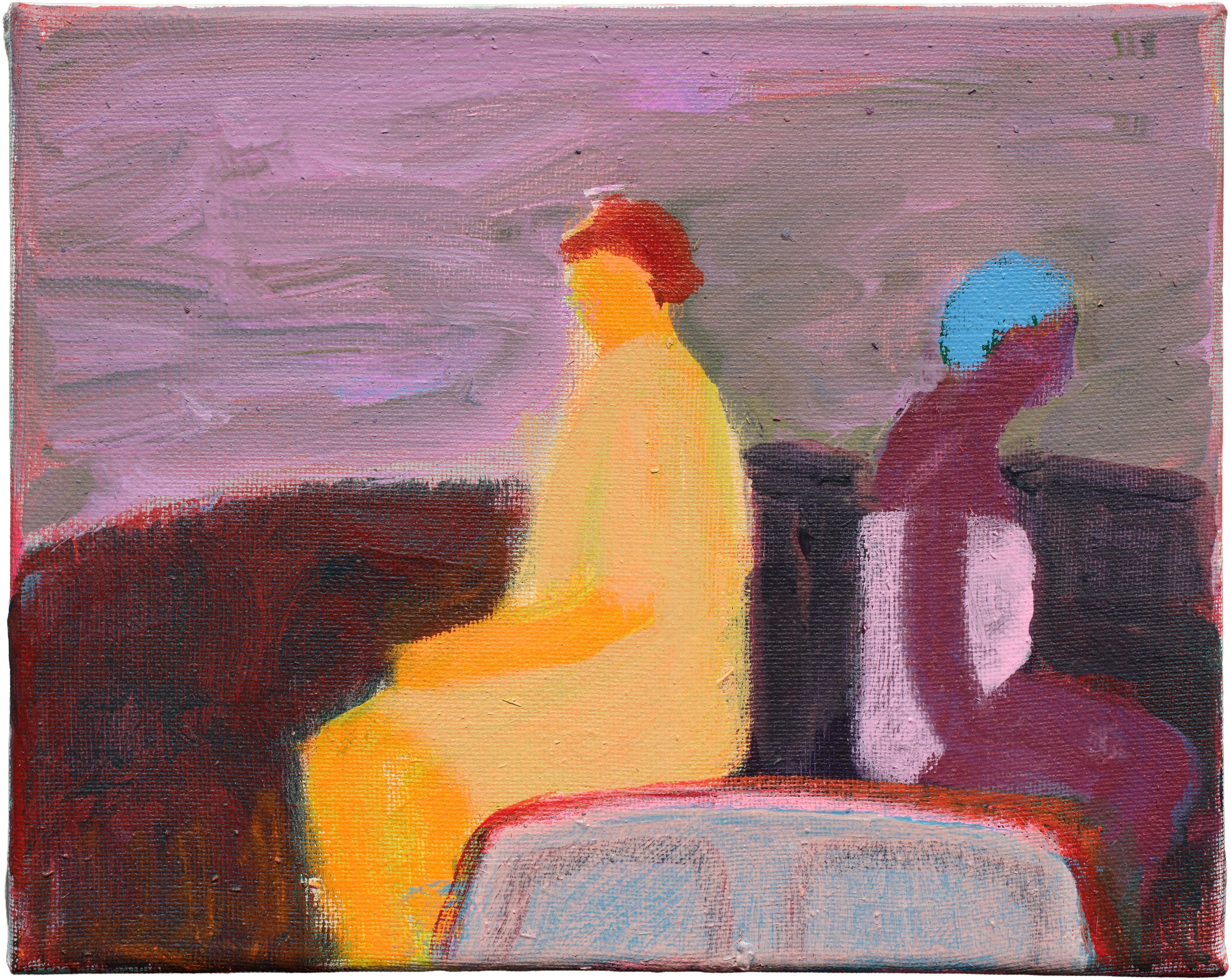
The postwar decades brought a strange double movement. Abstract Expressionism dominated critical attention in New York through the 1950s, and for a period the figure seemed genuinely endangered as a serious artistic concern. Yet it never disappeared. Milton Avery, a quiet and underestimated figure in American modernism, continued painting simplified, luminous figures throughout this period, his work absorbing lessons from Matisse without losing its distinctly American plainness.
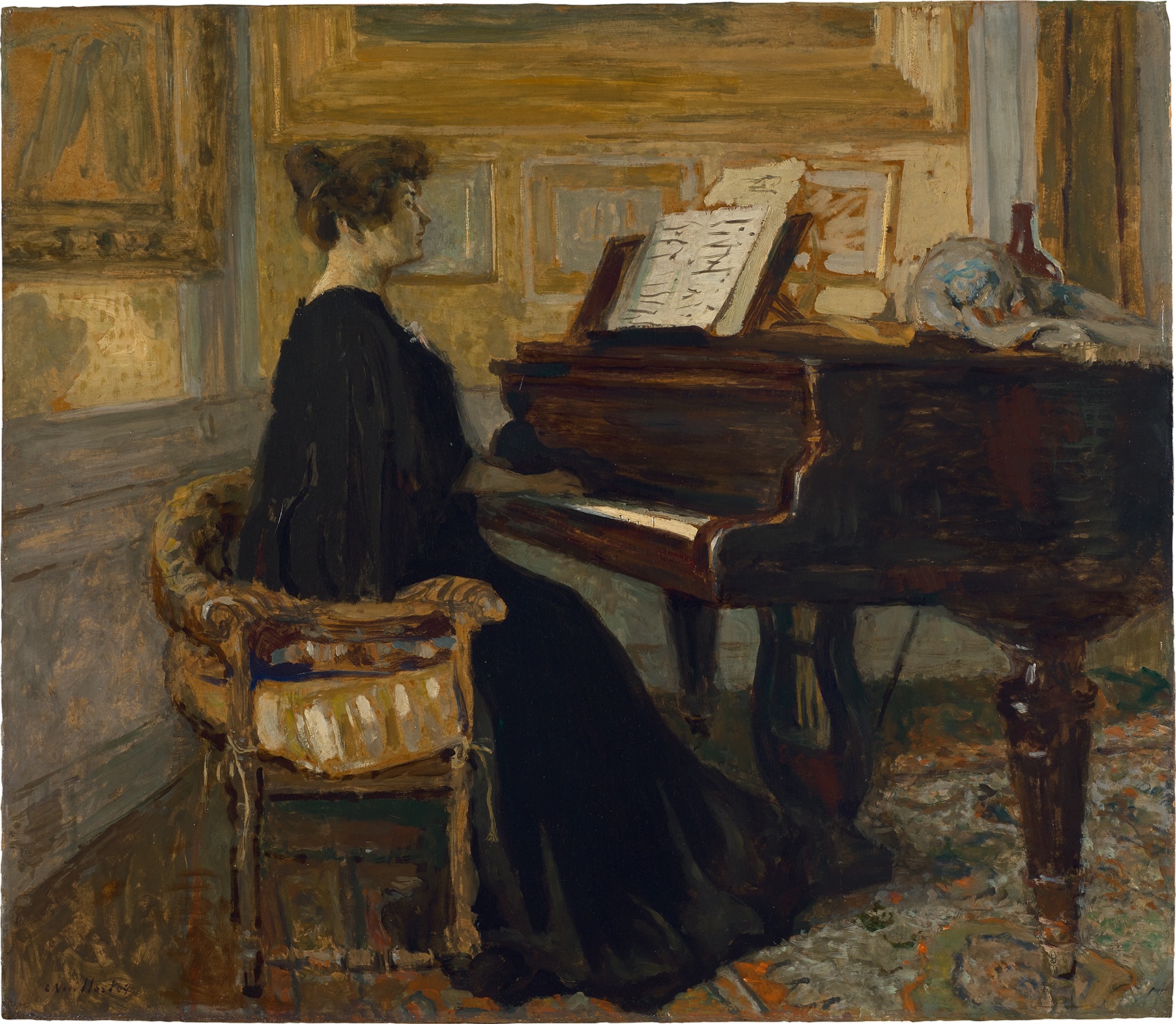
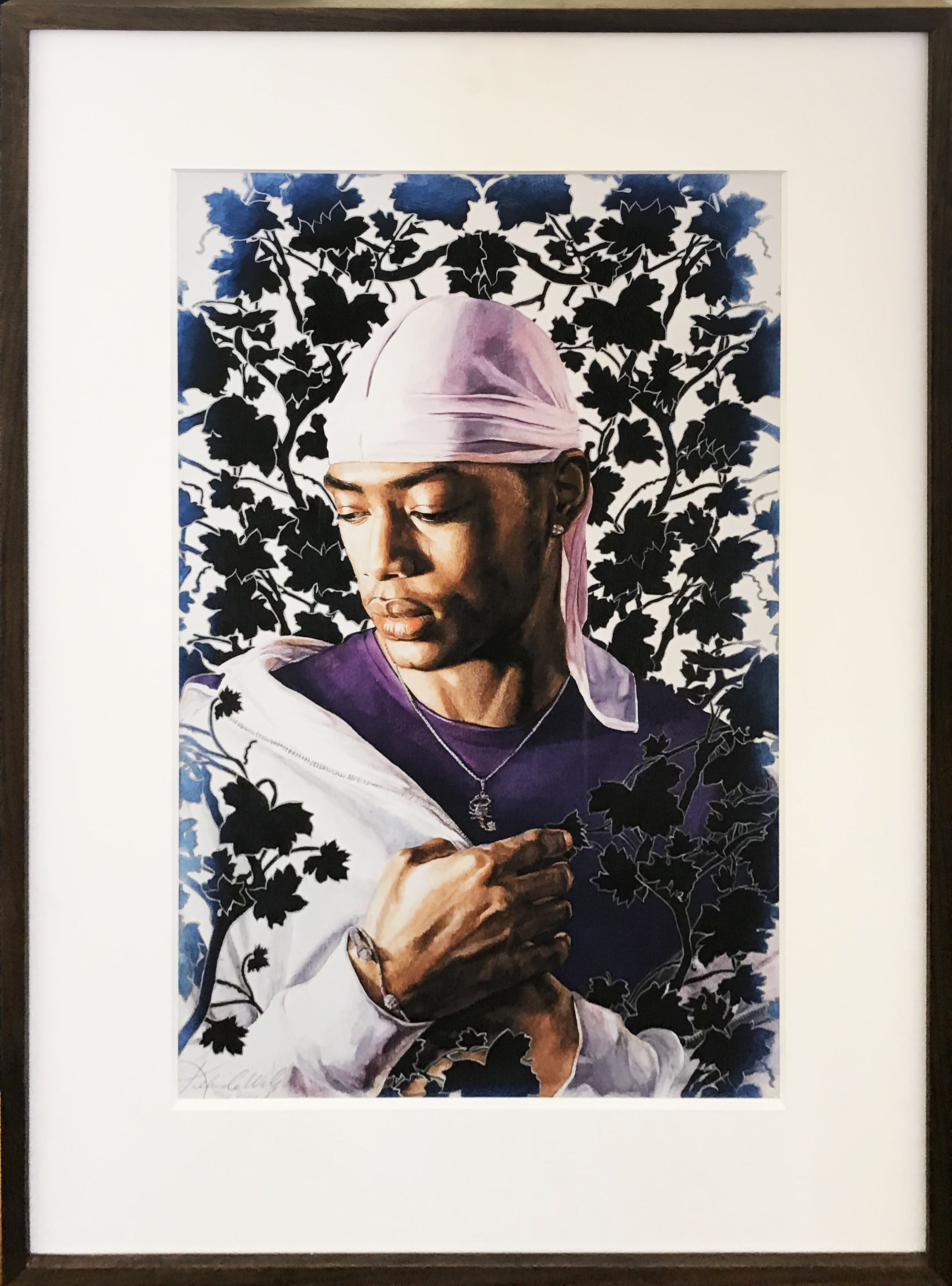
The European tradition maintained its own continuities through painters like Édouard Vuillard, whose intimate domestic interiors treated the figure as something woven into patterns of fabric and wallpaper rather than standing apart from its surroundings. What has made the last four decades so interesting is the way figure painting has been remade as a site of cultural and political reckoning. The question of who gets to be painted, how, and by whom has become as important as any formal concern. Kehinde Wiley announced this shift with particular force, inserting Black subjects into the compositional language of European Old Master portraiture, a practice that gained extraordinary visibility when his portrait of Barack Obama was unveiled at the National Portrait Gallery in 2018.
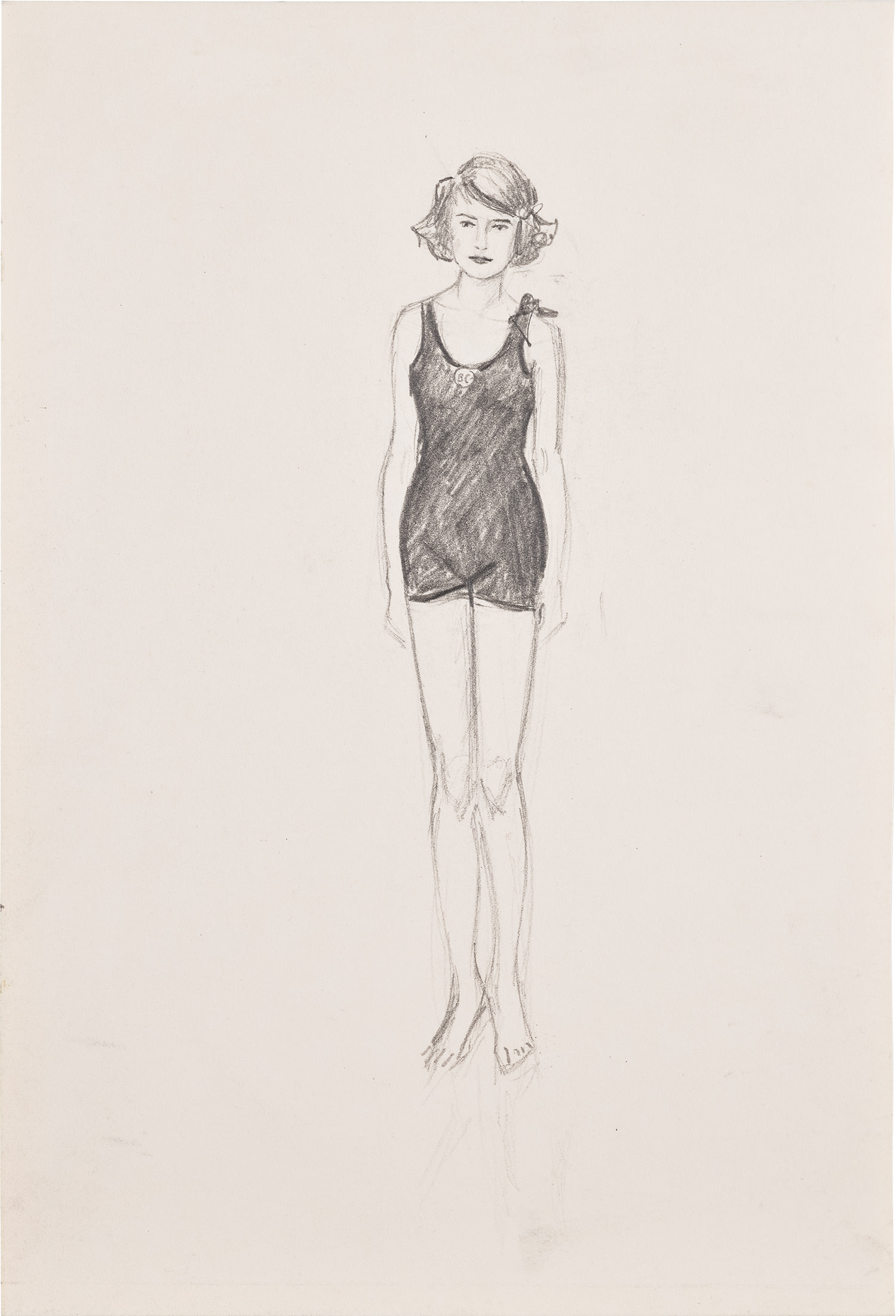
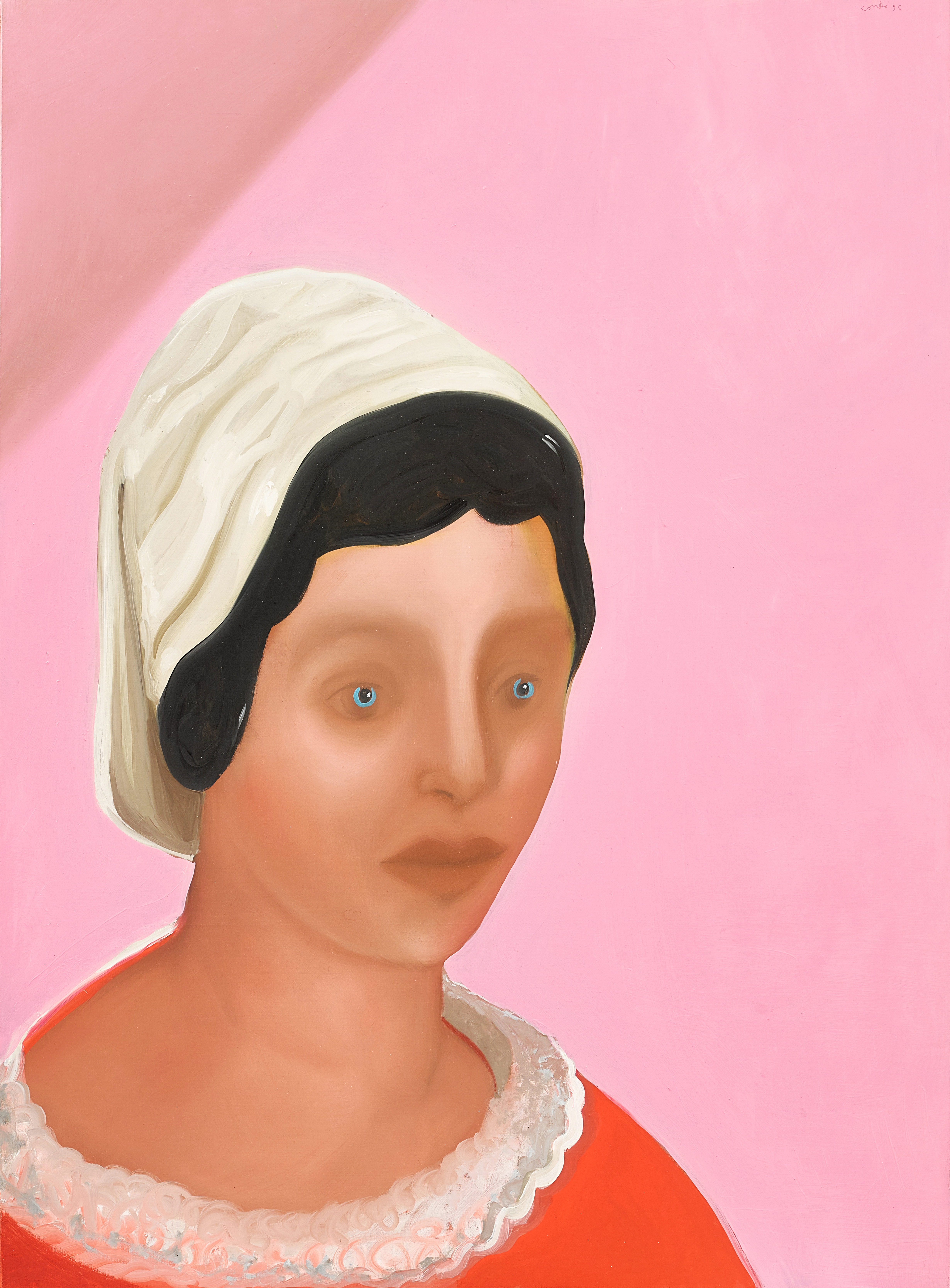
George Condo
Figure with Pearls, 1992
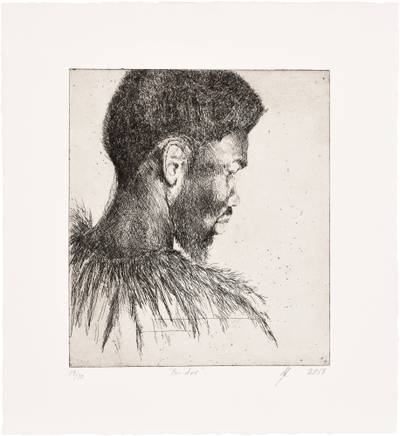
Lynette Yiadom Boakye approaches the same territory from a different angle entirely, painting imaginary Black figures with the confidence and painterly freedom of a nineteenth century master while insisting on their autonomy and interiority. Both artists are represented on The Collection, and their presence there reflects something real about where figure painting's center of gravity now sits. George Condo, also well represented on The Collection, has staked out a different kind of critical territory, one in which the figure is simultaneously present and destabilized, familiar and grotesque. His invented characters draw on portraiture conventions while subjecting them to a kind of psychological pressure that feels very much of our particular moment.
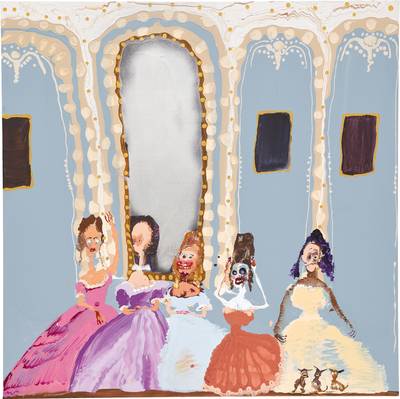
Genieve Figgis brings a similarly anarchic energy to her figures, with paint that seems barely contained, forms that threaten to dissolve even as they coalesce. Ernie Barnes, whose work carries a specific warmth and social dignity, reminds us that figure painting is always also a statement about whose experience is worth rendering with care and skill. The figure painting that matters most right now refuses the comfortable binary between tradition and transgression. It takes seriously the full weight of art history while refusing to be imprisoned by it.
The works on The Collection spanning this subject, from nineteenth century intimism to contemporary critical portraiture, make a compelling case that this is not a genre in decline but one in the midst of an extended and generative argument with itself. The body keeps returning to painting because painting keeps finding new reasons to need it.