Fashion Illustration
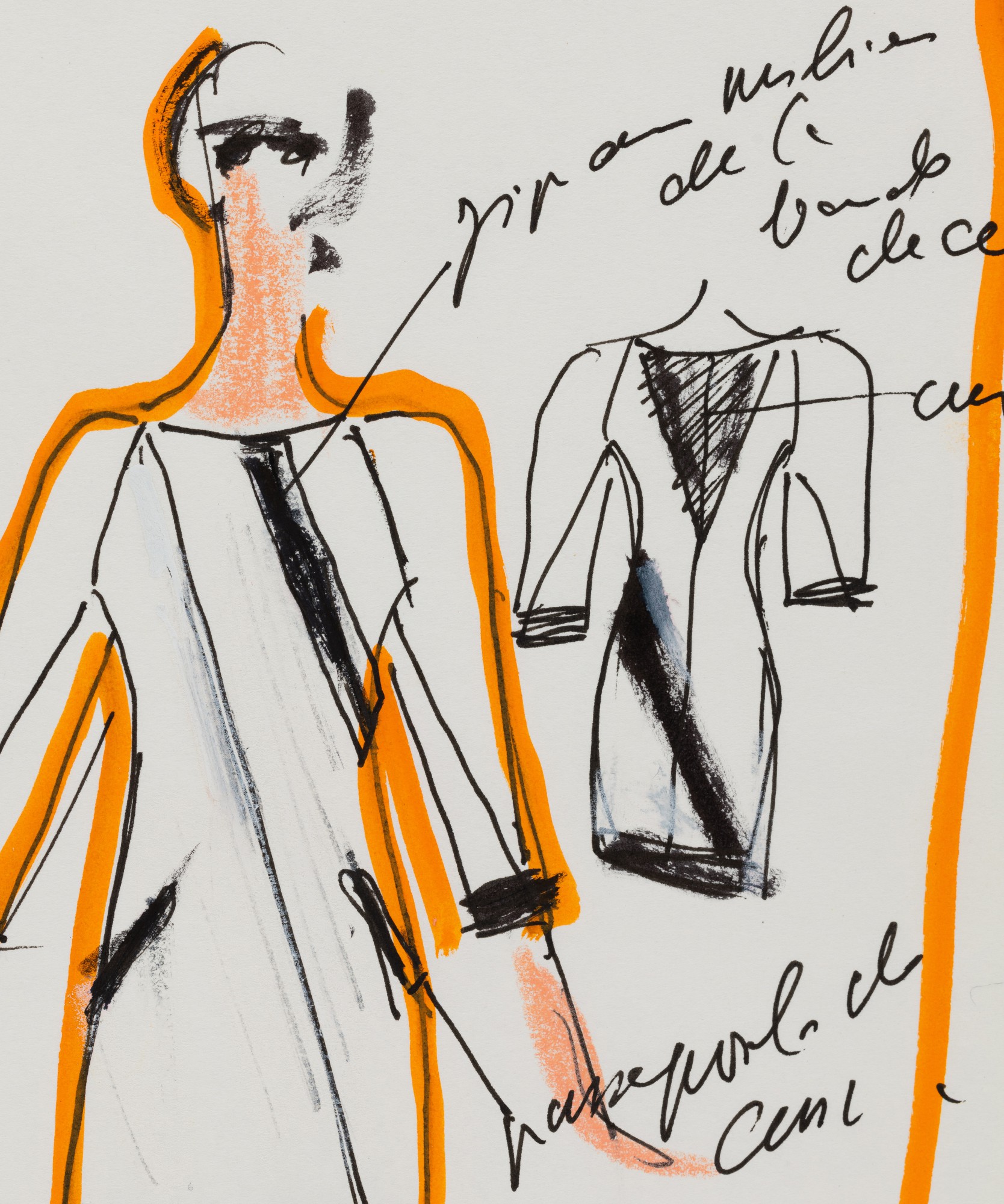
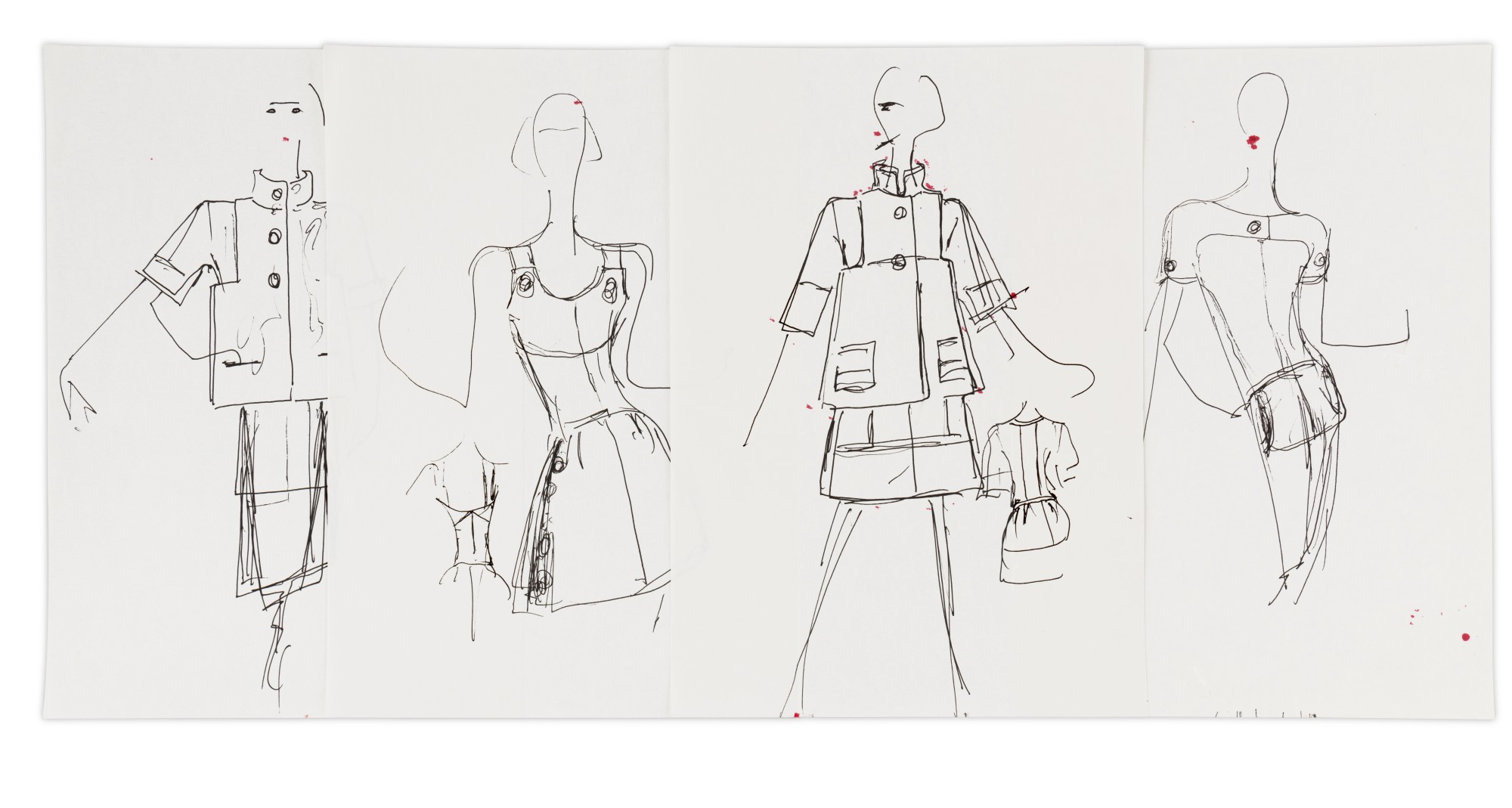
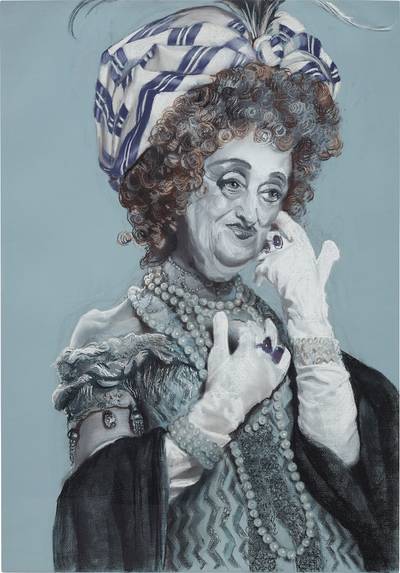
Karl Lagerfeld
Croquis de mode original, 2013

.jpg/400px-James_Tissot_Self_Portrait_(1865).jpg)
When Fashion Learned to Dream on Paper
There is a particular kind of fantasy that only a drawn line can conjure. Not a photograph, not a painting in the traditional sense, but something in between: a figure that suggests movement without being frozen in it, a garment that exists as pure idea before it becomes fabric and seam. Fashion illustration occupies this singular territory, and its story is one of the most underexamined chapters in the broader history of twentieth century art. To look seriously at this body of work is to understand that the best of it was never merely commercial.
It was visionary. The origins of fashion illustration as a distinct practice reach back to the sixteenth century, when tailors and dressmakers began commissioning woodcuts and engravings to communicate silhouette and ornament across distances. But the form found its true ambition in the late nineteenth century, when Paris consolidated its position as the global capital of dress. Publications like La Gazette du Bon Ton, founded in 1912, commissioned artists rather than artisans, and the results were transformative.
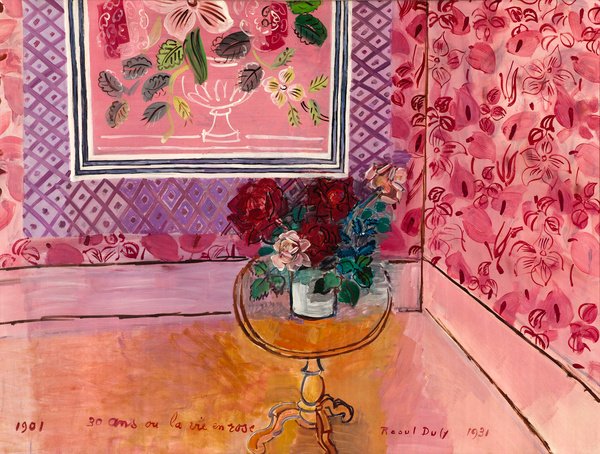
Raoul Dufy
30 ans ou la vie en rose, 1931
Illustrators working in that era understood that they were not documenting clothes so much as projecting a world: a mood, a social aspiration, a vision of modernity itself. Raoul Dufy, better known today for his luminous canvases of regattas and concert halls, contributed designs and textile patterns to the couturier Paul Poiret during this period, and his involvement points to how permeable the boundary between fine art and fashion illustration actually was. The golden age of the form ran roughly from the 1910s through the 1950s, when the major fashion magazines depended entirely on illustration before photography overtook them. Vogue and Harper's Bazaar were essentially art galleries in print, publishing work by figures of genuine artistic ambition.
Erté, the Russian born designer and illustrator who became synonymous with Art Deco extravagance, created hundreds of covers for Harper's Bazaar between 1915 and 1936, each one a miniature theater of geometry and glamour. His figures were not women so much as architectural propositions: elongated, abstracted, existing in a visual language that owed as much to Aubrey Beardsley and the Ballets Russes as it did to any couture house. Works by Erté on The Collection offer collectors a direct entry point into this extraordinary moment. James Tissot, working a generation earlier, approached the subject from a different angle entirely.
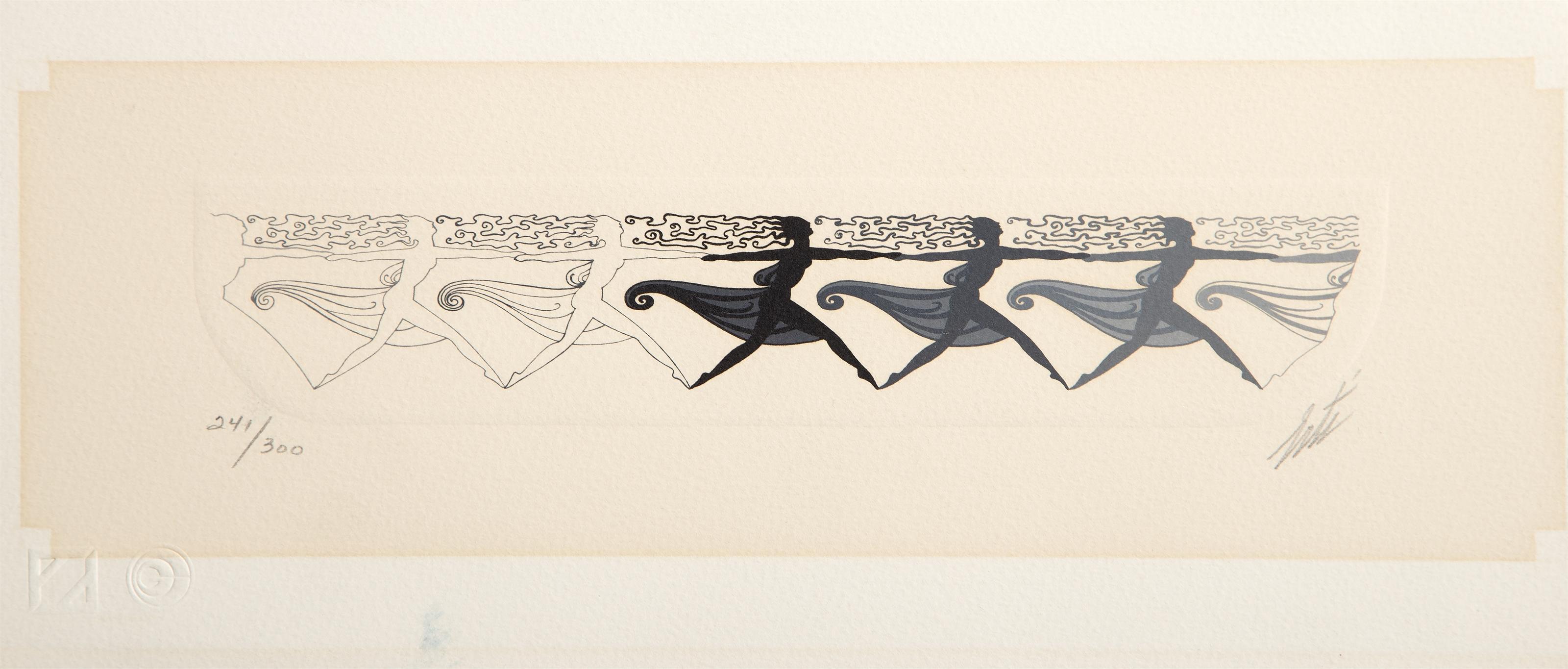
Erté
Ballet Line Dancers
His meticulously observed paintings of fashionable Victorian women occupy the border between social portraiture and an almost anthropological record of dress. Tissot was fascinated by fabric, by the way silk catches light and wool resists it, and his canvases functioned as documents of aspiration as much as accurate description. He belongs in any serious conversation about fashion and the visual arts because he understood that what people wear is inseparable from who they wish to be seen as. The postwar decades brought a different energy to illustration.
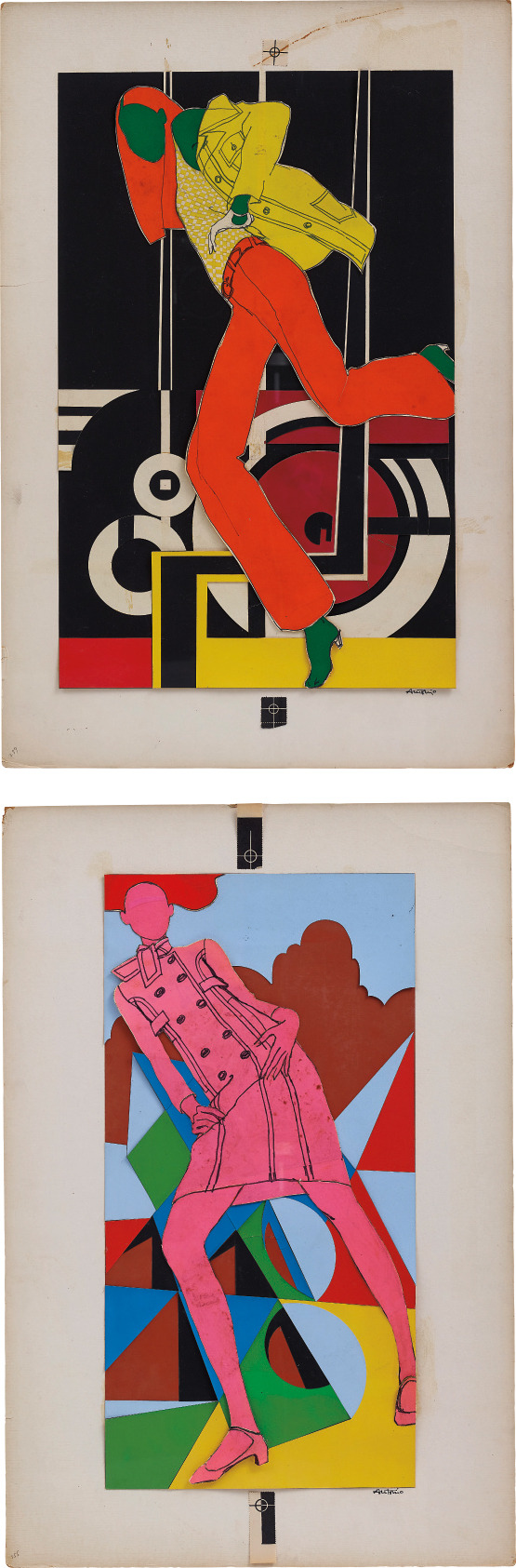
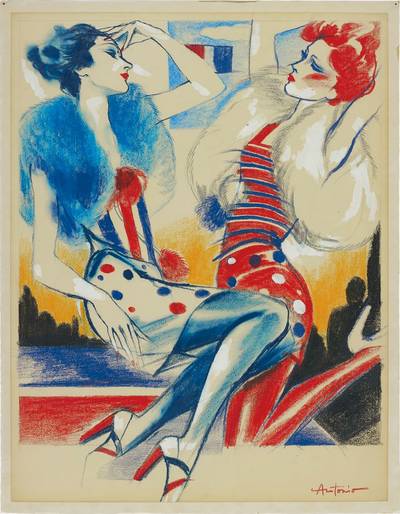
Antonio Lopez, working from the late 1960s onward, essentially reinvented the idiom for an era of sexual liberation and countercultural energy. His drawings for publications like Interview and Elle were charged, dynamic, and racially inclusive in ways that mainstream fashion imagery had almost entirely failed to be. Lopez drew from life but also from the street, from disco and downtown New York, from a world that the established fashion system was only beginning to acknowledge. His line had an improvisational quality that felt genuinely alive, and his influence on subsequent generations of illustrators and photographers is difficult to overstate.
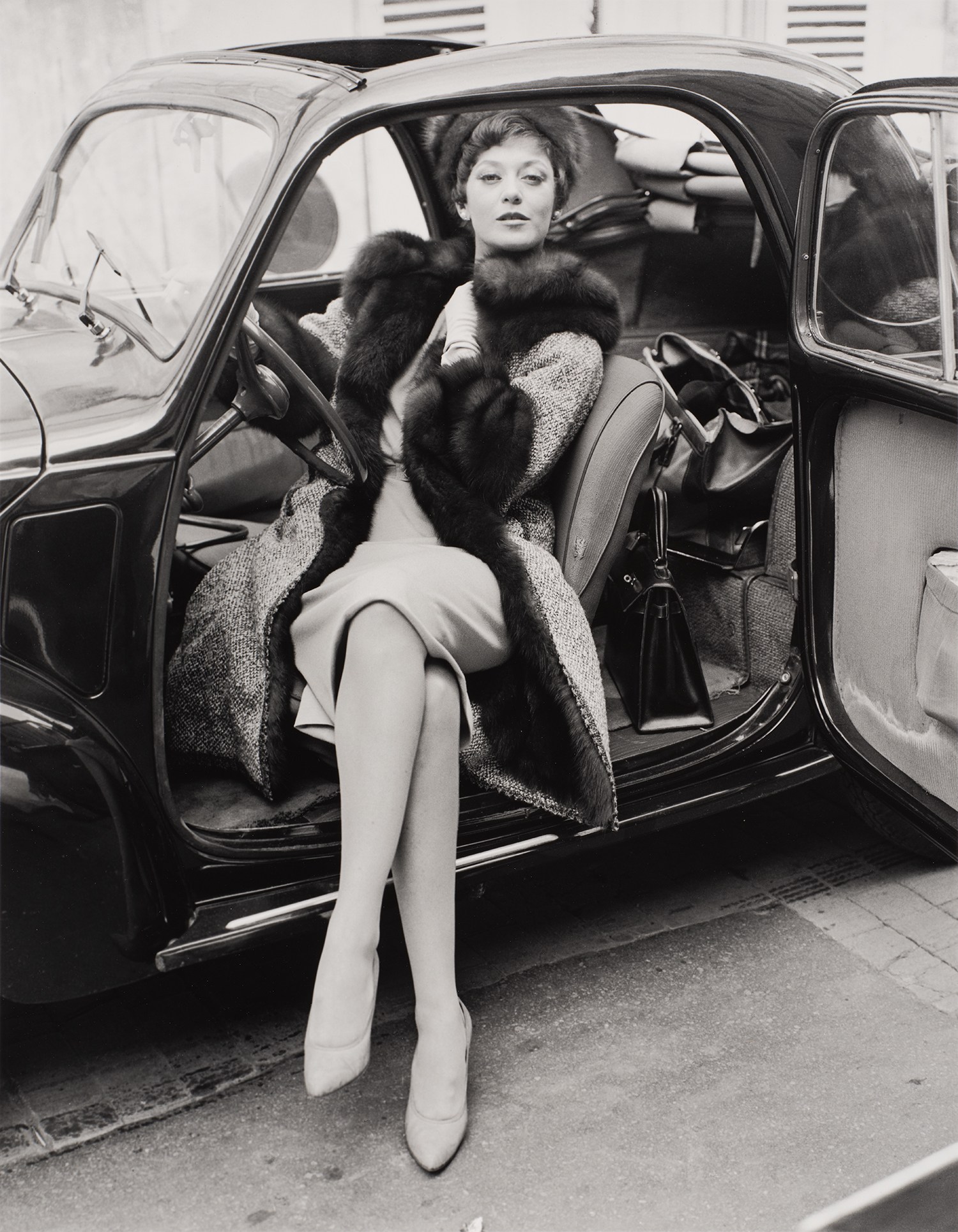
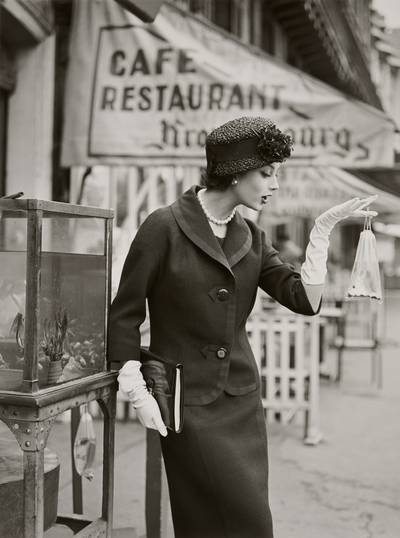
Georges Dambier
Barbara Mullen, Elle 1
The works by Lopez represented on The Collection reward close looking: they are documents of a cultural moment as much as they are exercises in draftsmanship. Georges Dambier represents yet another facet of this history. A French photographer and visual artist closely associated with the sophisticated postwar Paris scene, Dambier worked alongside figures like Brigitte Bardot and contributed to the visual culture of Elle magazine during its most influential years in the 1950s. His sensibility bridges illustration and photography, that productive tension between the drawn and the captured image that runs through the entire history of fashion as a visual art.
Karl Lagerfeld complicates any simple narrative about fashion illustration because he was, simultaneously, one of the most powerful figures in the fashion industry and a genuinely dedicated draftsman. His sketches were not preliminary notes toward a finished garment: they were finished works in their own right, executed with a confidence and wit that reflect decades of looking at art seriously. Lagerfeld drew from a deep well of art historical reference, and his illustrations carry that weight lightly. That he is well represented on The Collection speaks to the seriousness with which collectors have begun to regard his output beyond the runway.
Karl Lagerfeld
Croquis de mode original, 2013
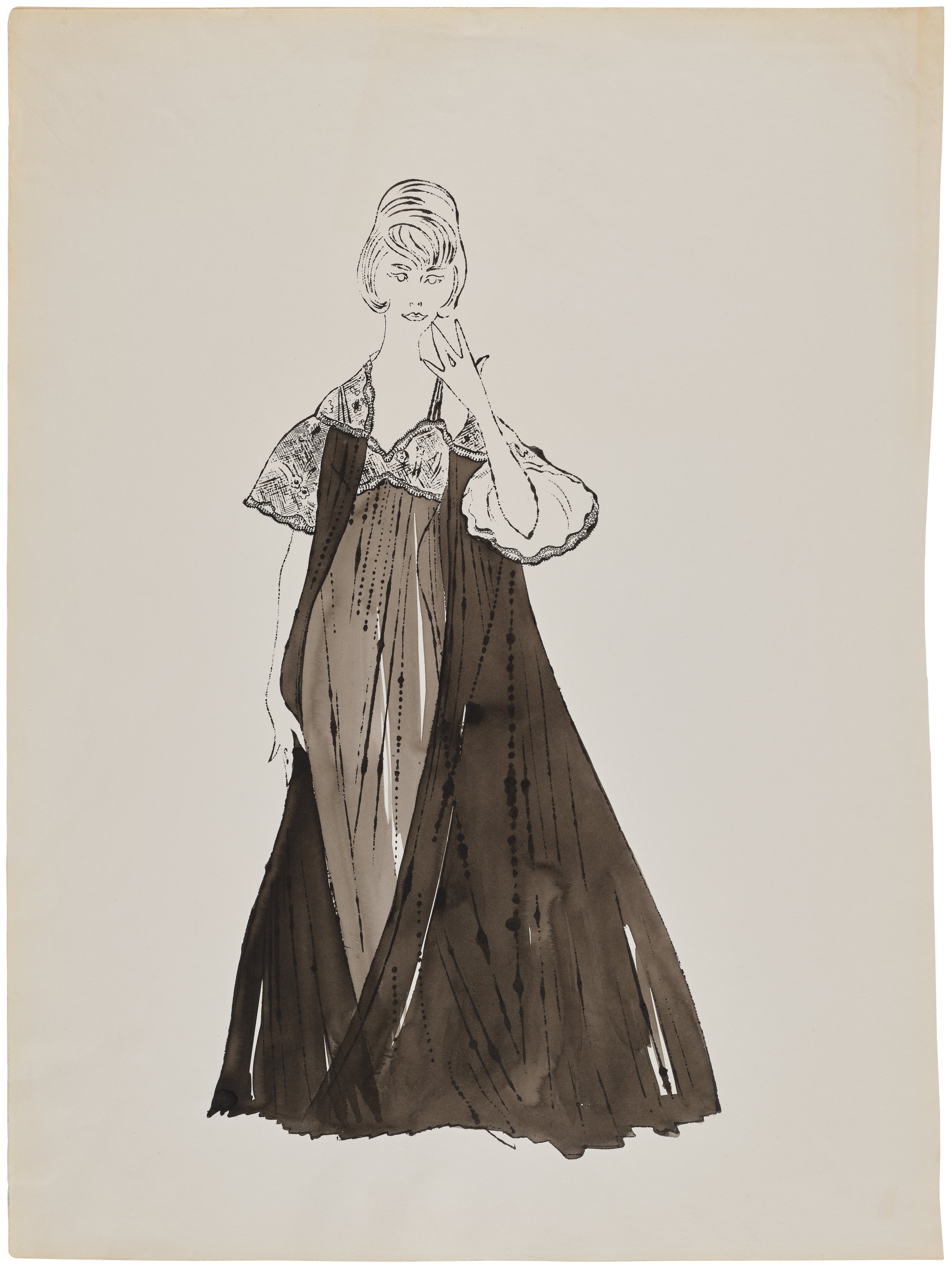
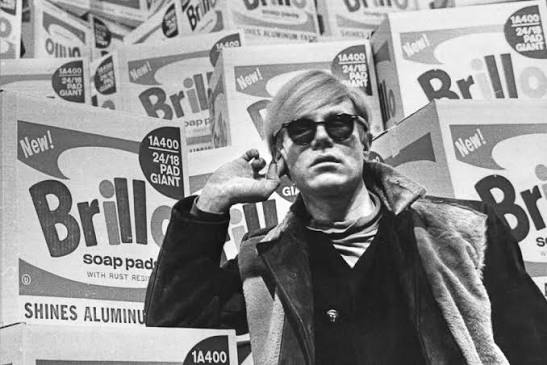
Andy Warhol's relationship to fashion illustration is both obvious and slightly surprising. Before he became the defining figure of American Pop Art, Warhol worked as a commercial illustrator in New York through the 1950s, producing delicate, blotted line drawings of shoes and accessories for I. Miller and other clients. This early work is essential to understanding his later practice: the flat surfaces, the repetition, the deliberate evacuation of expressive gesture all have roots in the commercial illustration studio.
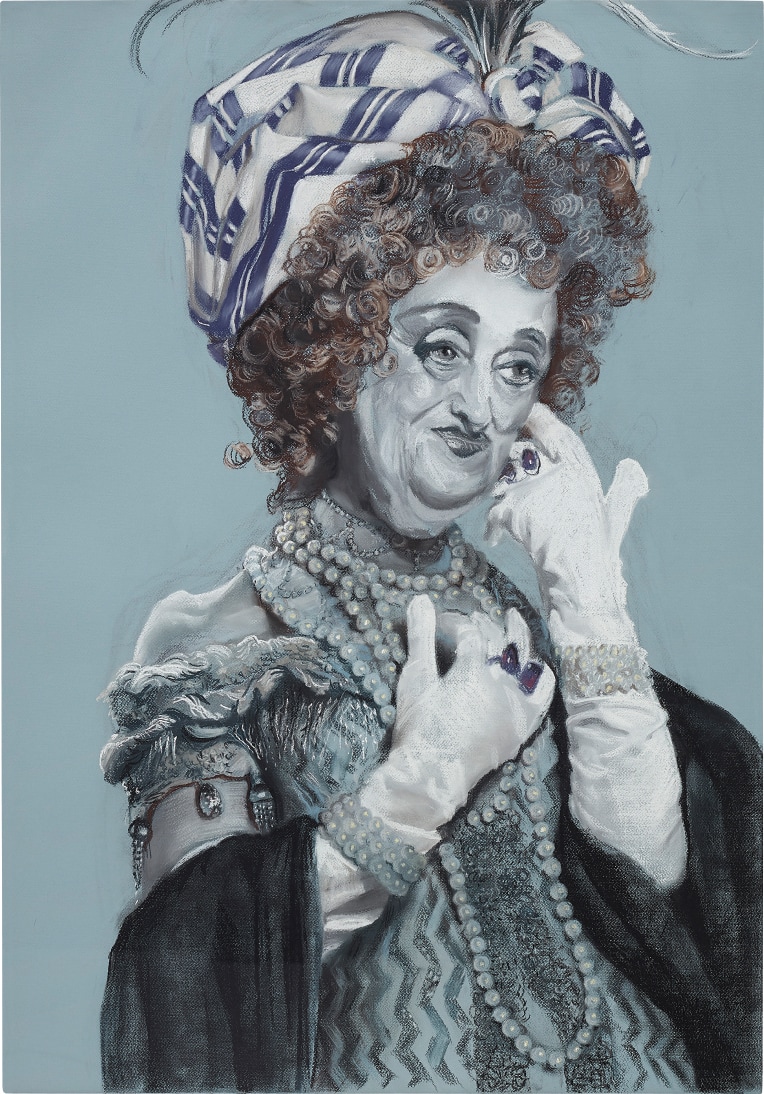
His presence in any survey of fashion illustration is not incidental but foundational. Rachel Feinstein brings the conversation into contemporary territory. Her work draws on decorative tradition, on the baroque and the rococo, on fashion plates and fairy tales, creating images that are simultaneously knowing and sincere. She engages with the iconography of femininity and adornment without either celebrating it uncritically or dismissing it, which is precisely the kind of nuanced position that the best fashion illustration has always occupied.
What endures about fashion illustration as a category is its refusal to stay in its assigned lane. At its most ambitious, it has always been a form of world building: proposing not just clothes but the kind of person who might wear them, the room they might stand in, the light that might fall across them. The drawn line, unlike the photographic lens, cannot record what is already there. It can only project what might be.