Early Twentieth Century
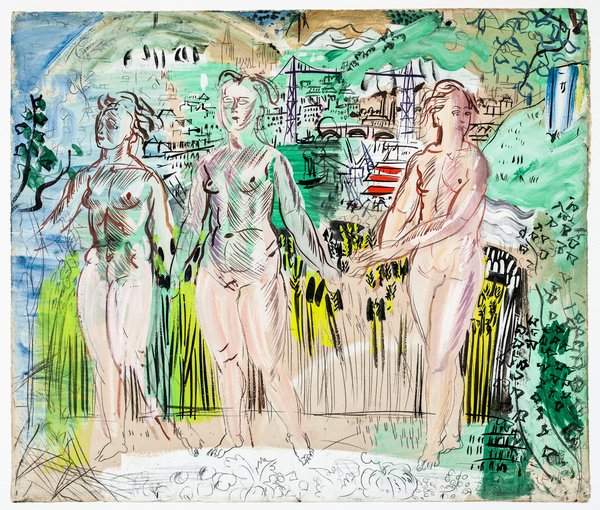
Raoul Dufy
La Seine, l'Oise et la Marne, 1938





The Century That Broke Everything Open
Last November, a George Bellows canvas from his Ashcan period sold at Christie's New York for nearly four times its low estimate, sending a clear signal through the room: early twentieth century American modernism is not a settled market. It is a live one. The result surprised even seasoned bidders, and the conversation that followed in the hallways touched on something larger than a single lot. Collectors are returning to this era not out of nostalgia but out of genuine intellectual appetite, drawn to a moment when art was reinventing its own terms in real time.
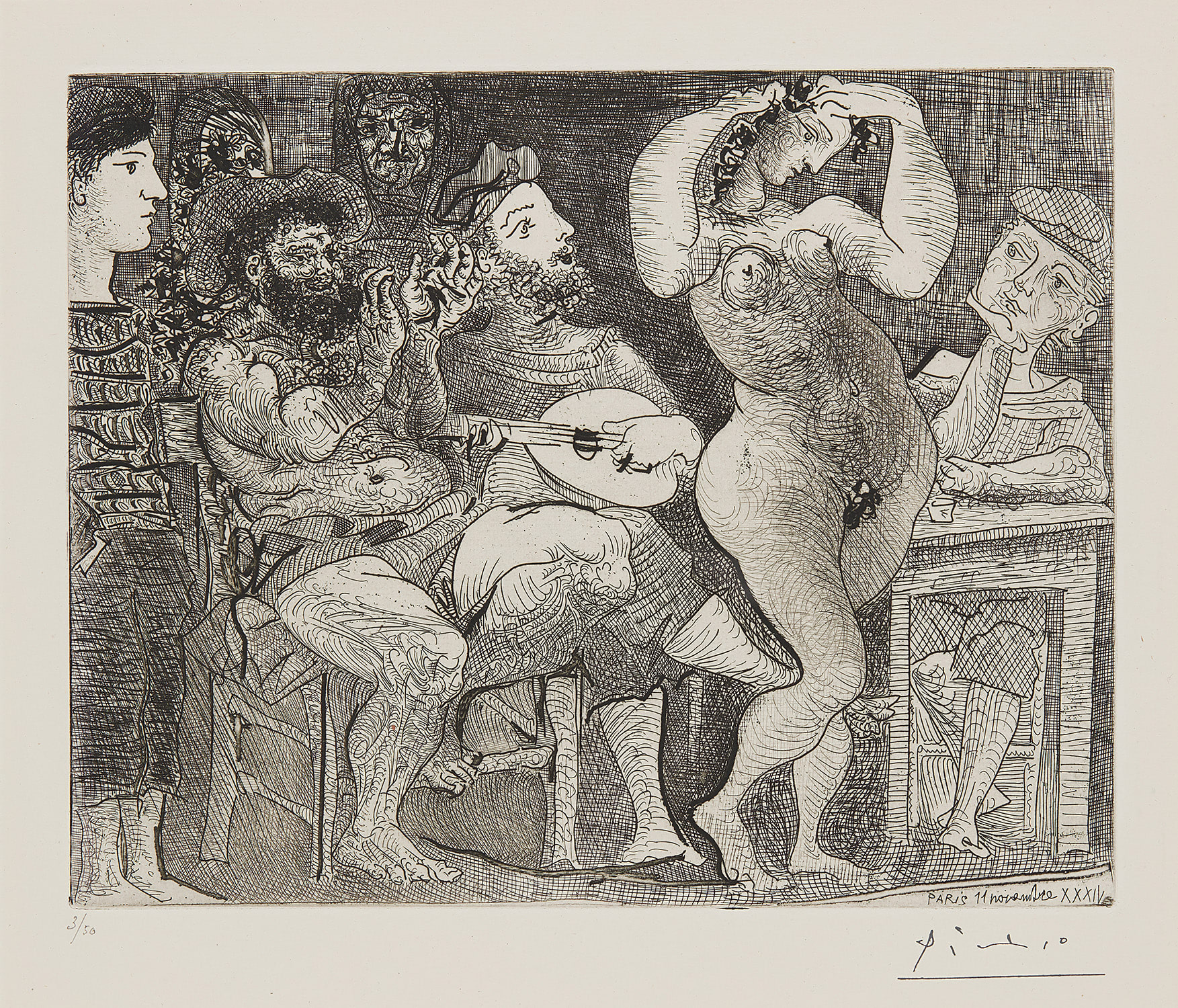
The early twentieth century spans a territory so dense with transformation that no single exhibition has ever contained it cleanly. But some recent shows have come remarkably close. The Museum of Modern Art's ongoing commitment to contextualizing its founding collection, including its periodic reinstallations that bring together Pablo Picasso and Georges Braque in dialogue with lesser known contemporaries, continues to reshape how visitors understand Cubism not as a movement with tidy edges but as a conversation across studios and continents. The Art Institute of Chicago mounted a deeply researched exhibition on Henri Matisse's paper works a few years back that drew record attendance, and what struck many observers was how younger visitors responded.
Pablo Picasso
Au cabaret (At the Cabaret)
They were not reverent. They were curious, and that is a different thing entirely. Photography's role in this period deserves particular attention right now, and the market is finally catching up to what critics have argued for decades. Alfred Stieglitz, whose Camera Notes and Camera Work publications positioned photography as fine art at the turn of the century, now commands prices at auction that would have been unthinkable twenty years ago.
Clarence H. White, a quieter figure whose soft focus pictorialism feels almost painterly, has seen sustained institutional interest that translates into steady collector demand. Eugene Atget, the great documentarian of vanishing Paris, remains a cornerstone of any serious photography collection, and his prints continue to perform reliably at the major houses. What is striking about the photography market within this period is how it rewards connoisseurship.
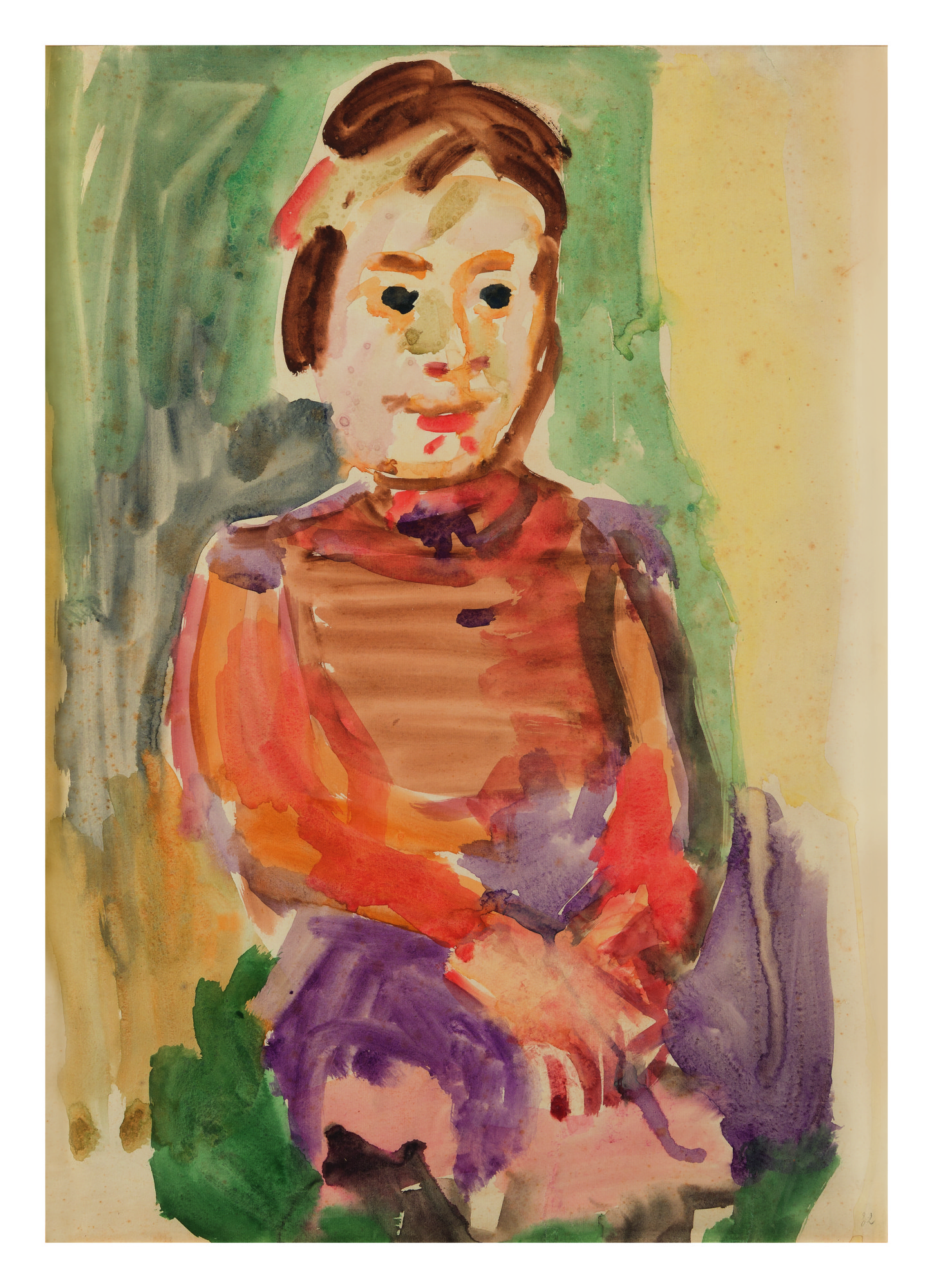
Léonard-Tsuguharu Foujita
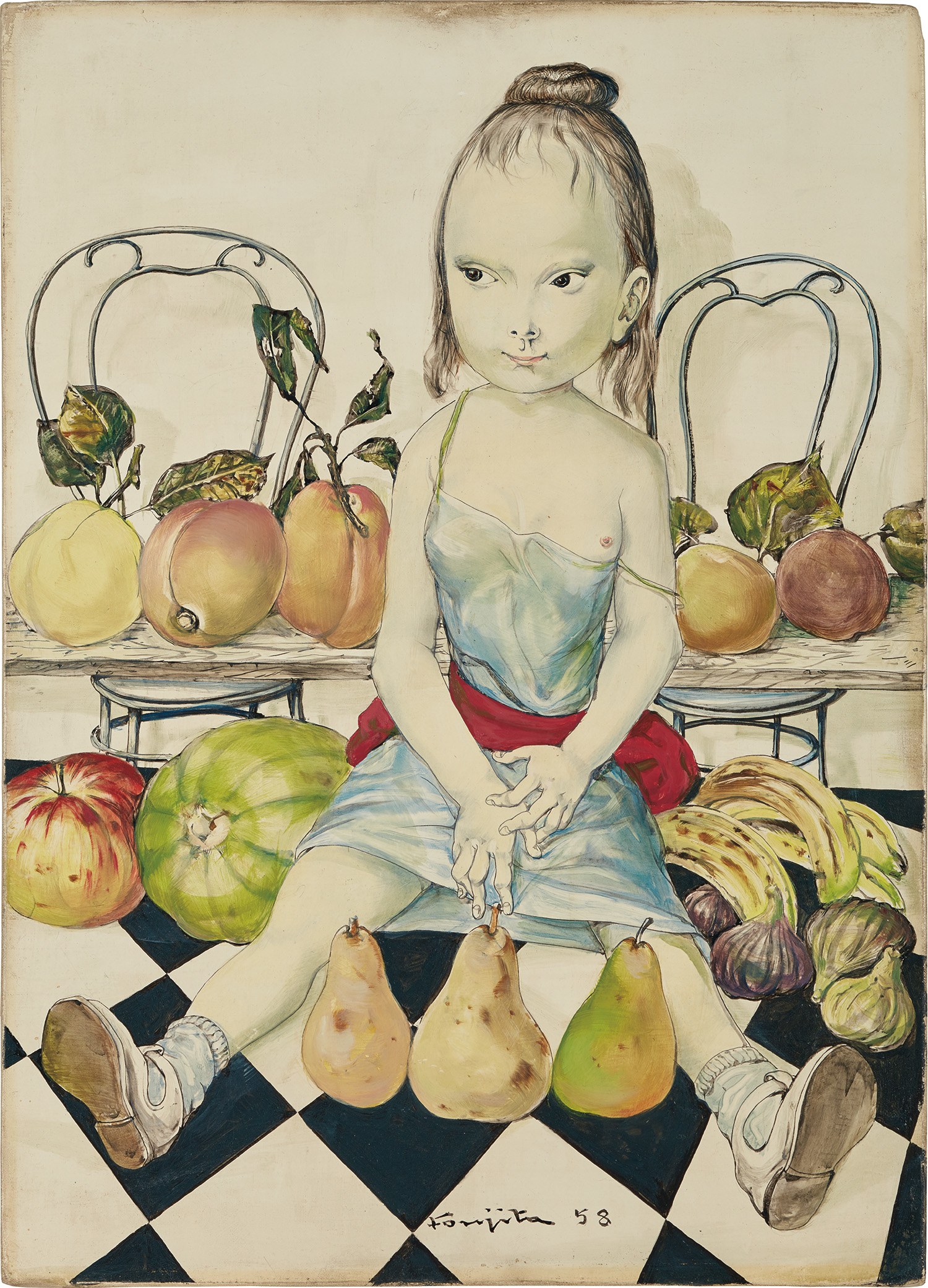
Fillette aux fruits et au damier, 1958
Condition, provenance, and the specific printing moment all matter enormously, and informed buyers have a real advantage. The documentary tradition within early twentieth century photography represents one of the most ethically charged areas in the entire market. Lewis Wickes Hine spent years photographing child laborers for the National Child Labor Committee, producing images that eventually contributed to real legislative change. His work sits at an intersection of social history and formal brilliance that few photographers have occupied since.
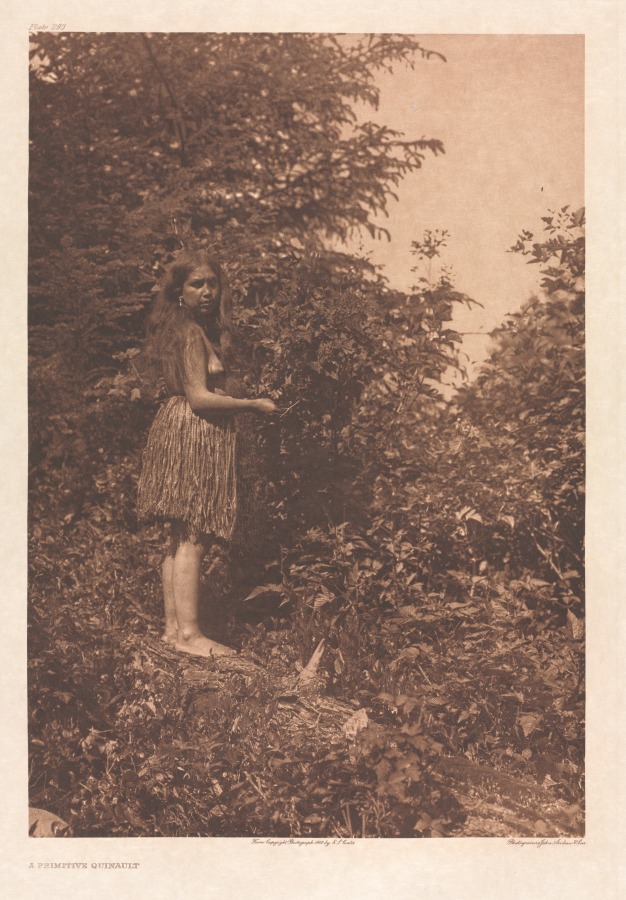
The presence of both Hine and Edward S. Curtis in serious collections reflects how the period is being reassessed: not simply as a formal revolution but as a record of American life at a pivotal and often painful juncture. Curtis's monumental project documenting Native American communities, whatever the complex questions surrounding his methodology, remains one of the most ambitious photographic undertakings in American history, and institutions from the Smithsonian to the Getty continue to wrestle productively with how to contextualize his archive. On the European side, the critical conversation has shifted perceptibly in recent years away from the canonical triumvirate of Picasso, Matisse, and Braque toward artists who were fully present in the same rooms but have spent decades in the footnotes.
Marie Laurencin
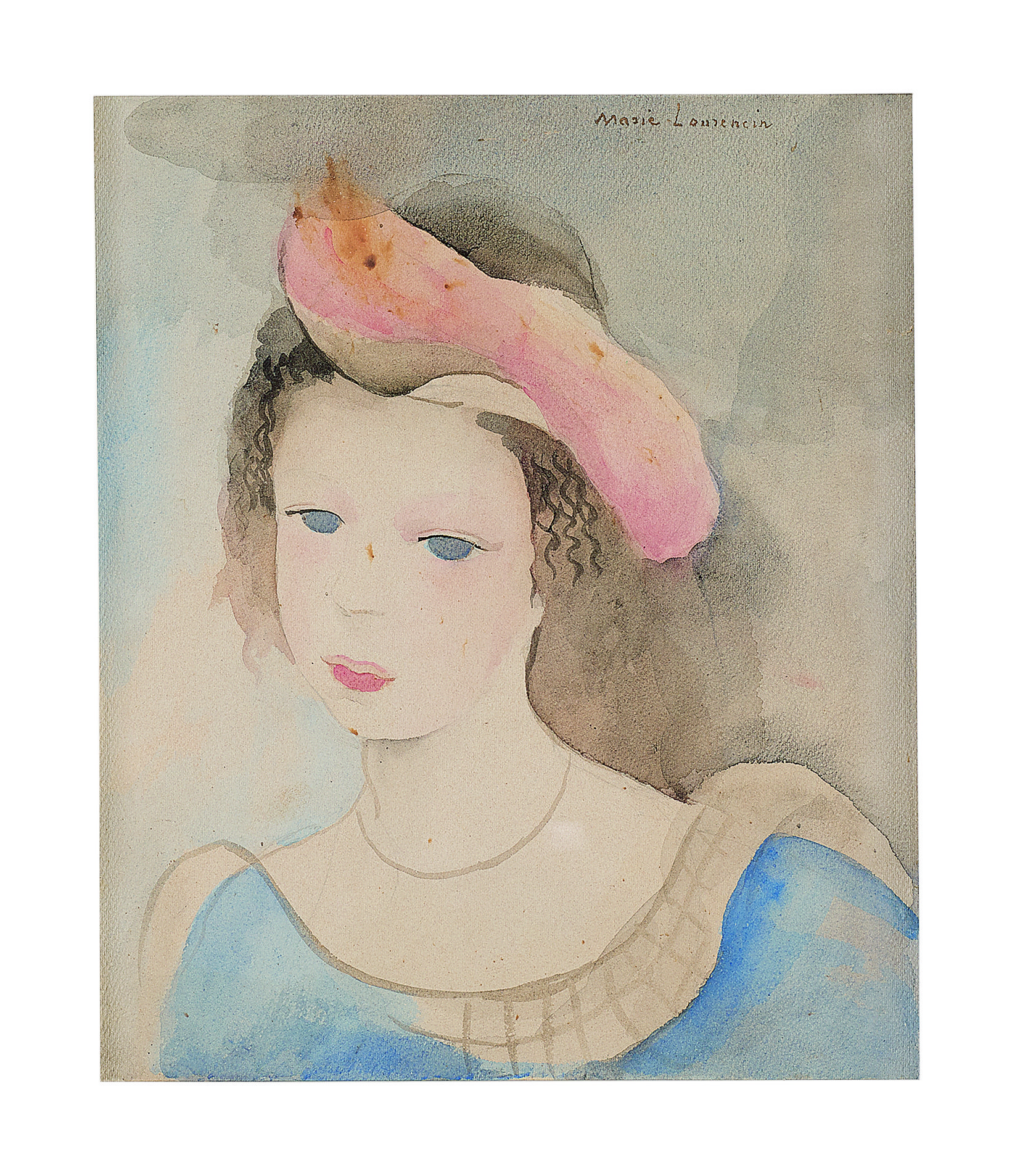
Jeune Fille Au Chapeau Bicolore, 1930
Marie Laurencin, who was romantically and intellectually entangled with the Paris avant garde, is receiving long overdue scholarly attention, with researchers examining how gender shaped her critical reception during her lifetime and afterward. Marc Chagall, sometimes treated as a charming outlier to Cubism and Surrealism, is being reconsidered as a figure whose synthesis of Eastern European Jewish folk tradition and Parisian modernism represents something genuinely distinct rather than merely decorative. Egon Schiele's market has remained intense for years, with major works rarely appearing at auction without fierce competition, a reflection of how few significant pieces remain in private hands. The institutions shaping collecting in this space are doing so with increasing methodological self awareness.
The Getty Museum, the Metropolitan, and the Philadelphia Museum of Art have all deepened their commitments to early twentieth century photography and prints in ways that signal long term scholarly investment rather than trend chasing. The Barnes Foundation in Philadelphia, with its idiosyncratic permanent hang that places Matisse and Renoir alongside African sculpture and American ironwork, continues to offer the most radical curatorial argument for thinking about this period relationally rather than in isolated national schools. When major museums deaccession or acquire strategically in this category, the ripple effects are felt immediately in the secondary market. The writers and curators currently doing the most interesting work around this period tend to share a skepticism of the old avant garde mythology, the story in which a handful of heroic geniuses in Paris broke through bourgeois convention to create modern art.
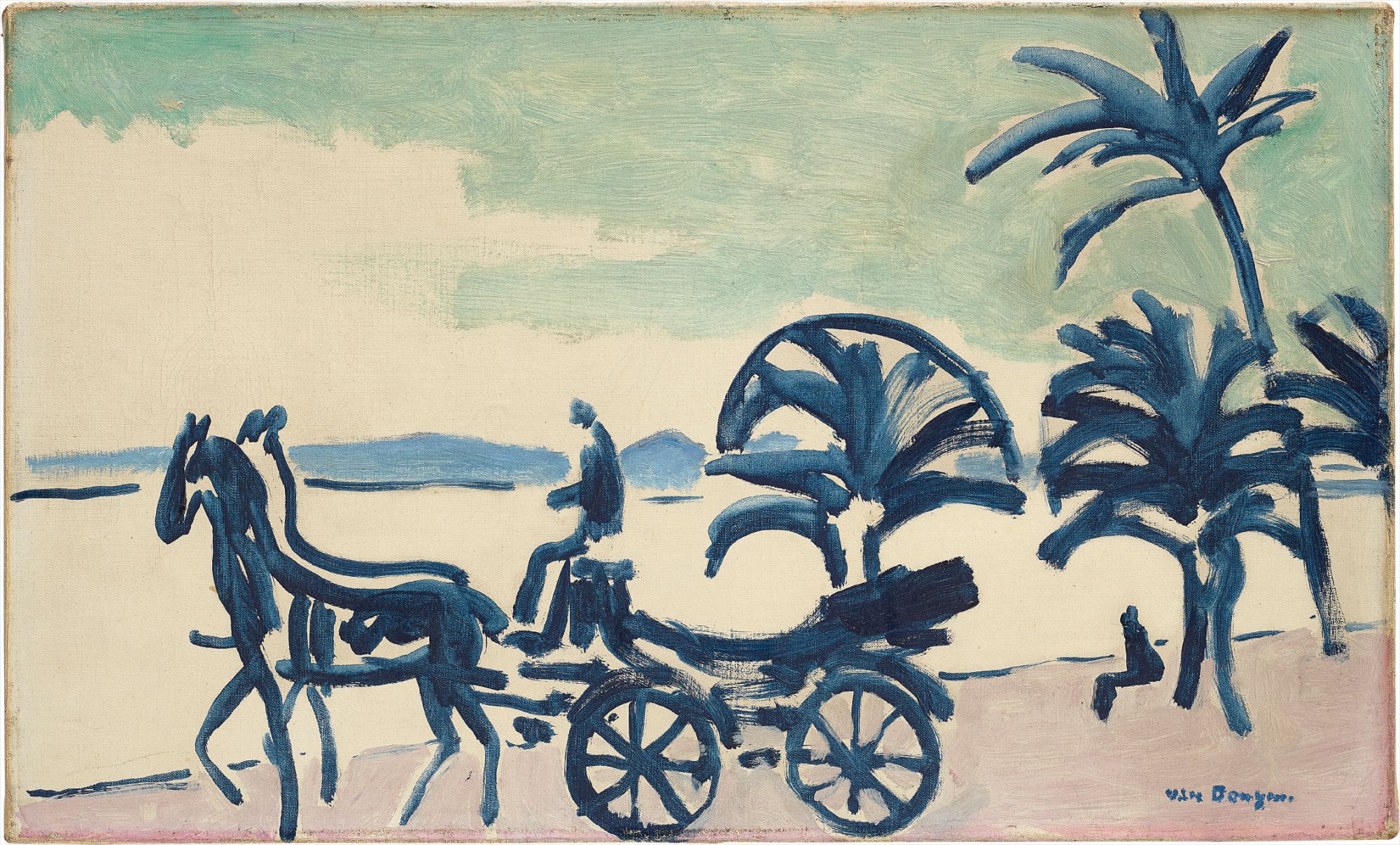
Raoul Dufy
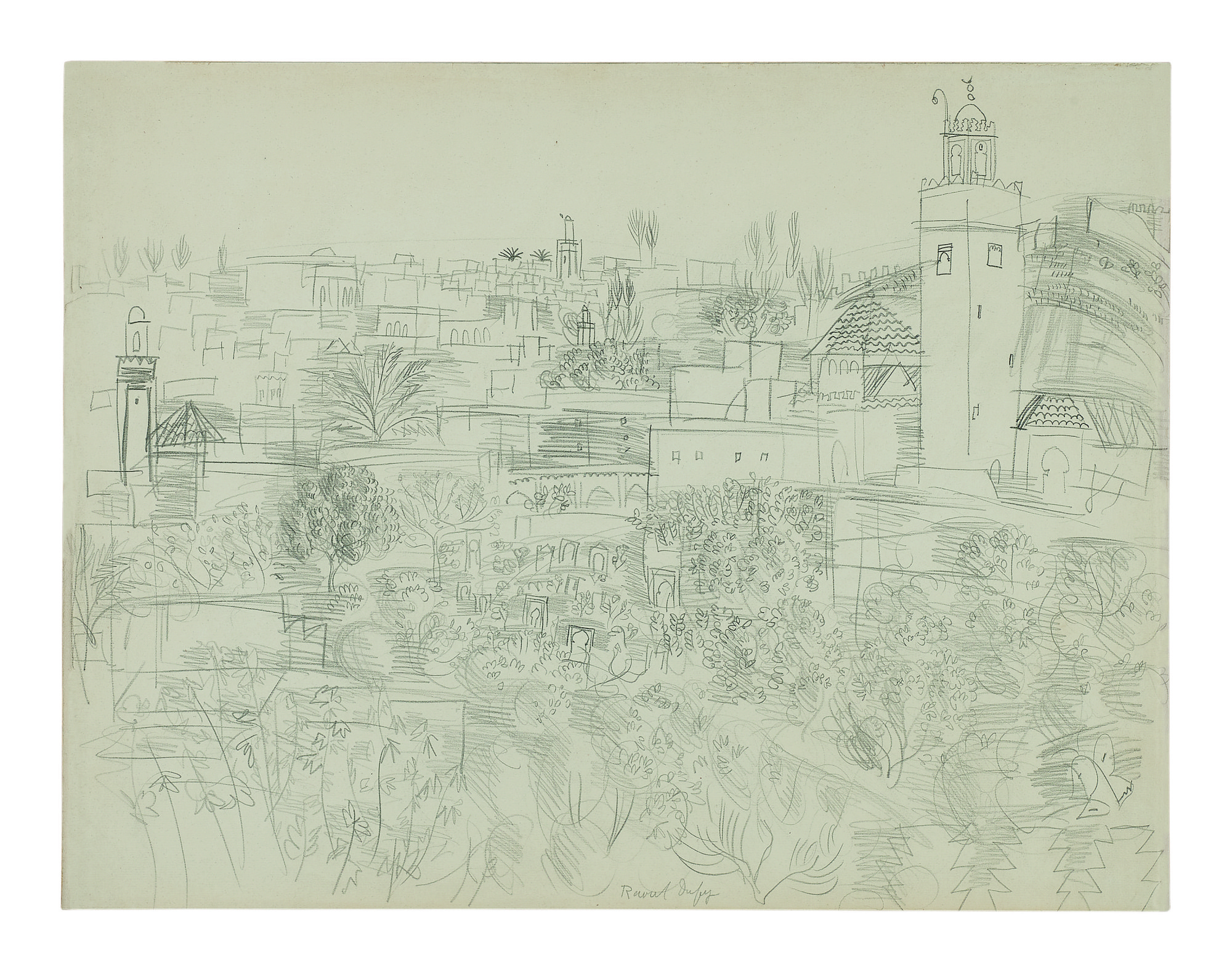
Raoul Dufy (1877 - 1953) Fes (maroc), 1926
T.J. Clark's decades long project of situating modernism within the social and economic conditions of its production remains foundational, but younger scholars are pushing further, examining the global circuits of influence that connected Lyonel Feininger's Bauhaus work to Japanese woodblock prints, or tracing how Raoul Dufy's decorative commissions complicated the high art versus applied art distinction that modernism was supposedly enforcing. Publications like Burlington Magazine and October continue to anchor the scholarly conversation, while platforms aimed at collectors are increasingly commissioning the kind of contextual writing that helps buyers understand what they are actually looking at.
Where is the energy heading? The short answer is toward complexity. The tidy modernist story, which marginated photography, dismissed decorative work, and centered a small geographic and demographic slice of artistic production, is giving way to something messier and more interesting. Works by figures like Pierre Bonnard and Edouard Vuillard, long undervalued because Intimism never had the polemical swagger of Cubism, are finding buyers who recognize the formal rigor underneath the domestic warmth.
Man Ray's objects continue to command serious attention as the boundaries between Dada, Surrealism, and commercial photography are examined with fresh eyes. For collectors with patience and genuine curiosity, this is an era that keeps revealing new rooms. The door is still open.