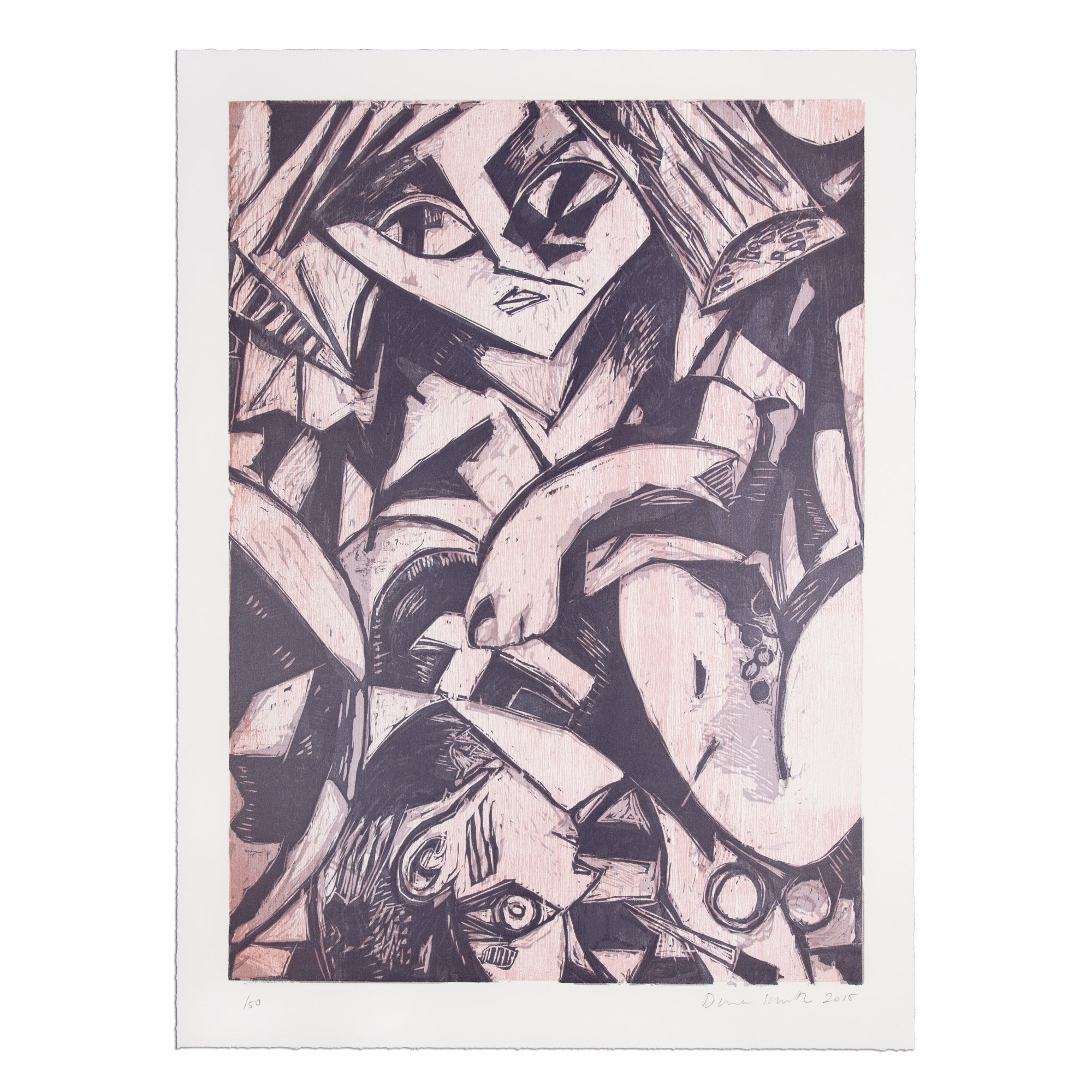
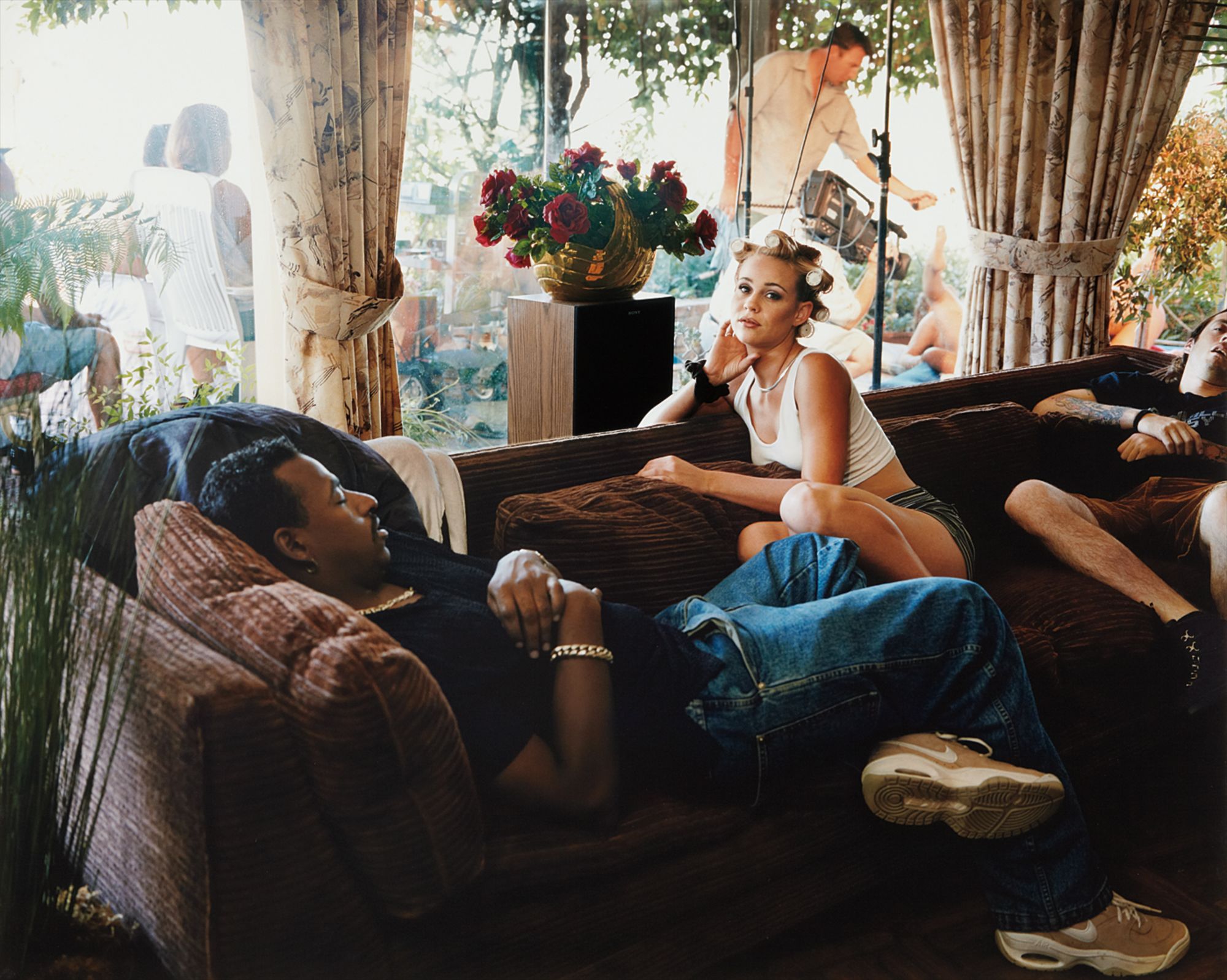
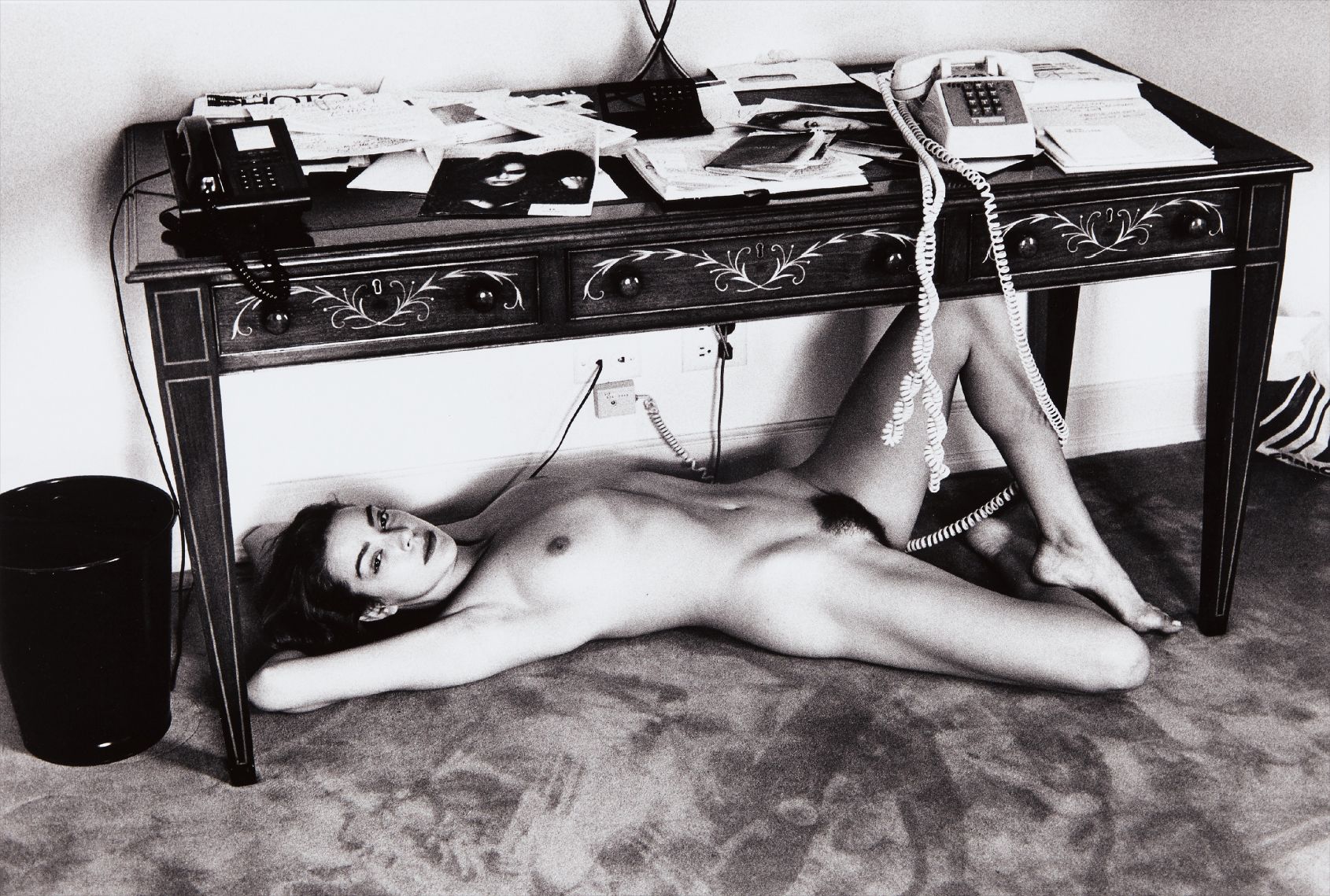
Domestic Interior
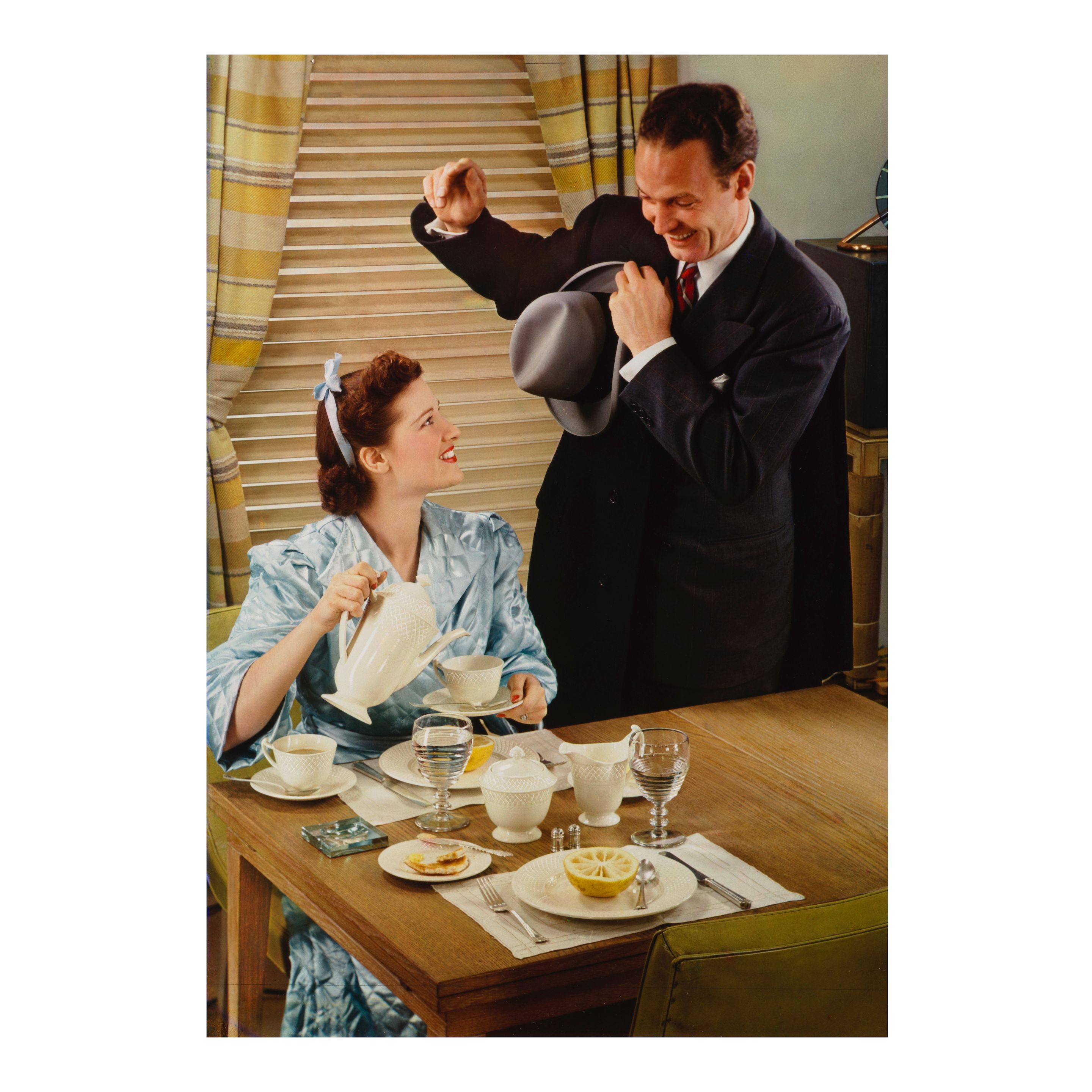
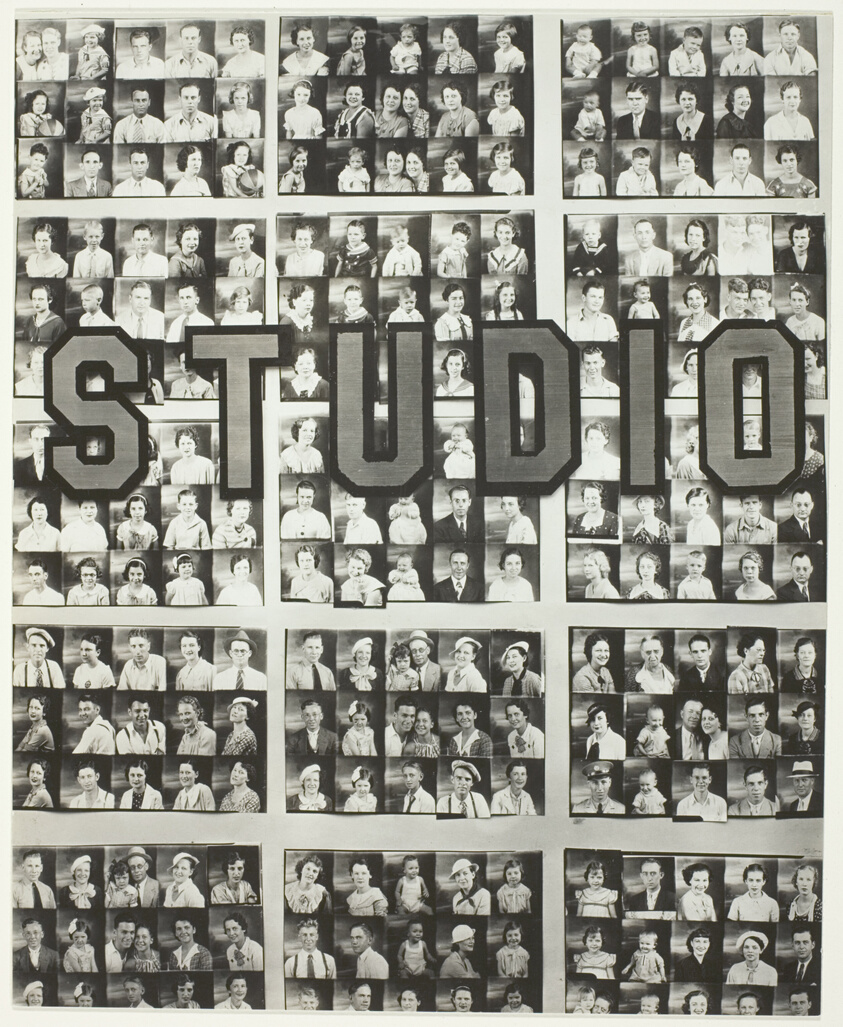
Paul Outerbridge, Jr.
Untitled (A&P Coffee Advertisement)




The Rooms We Return To, Again
There is something almost confessional about collecting domestic interiors. Unlike landscapes or portraiture, a work set inside a home carries an intimacy that follows you off the gallery wall and into your own life. Collectors who are drawn to this genre often describe a feeling of recognition, the sense that the painting or photograph is already somehow theirs before they own it. That pull is not sentimentality.
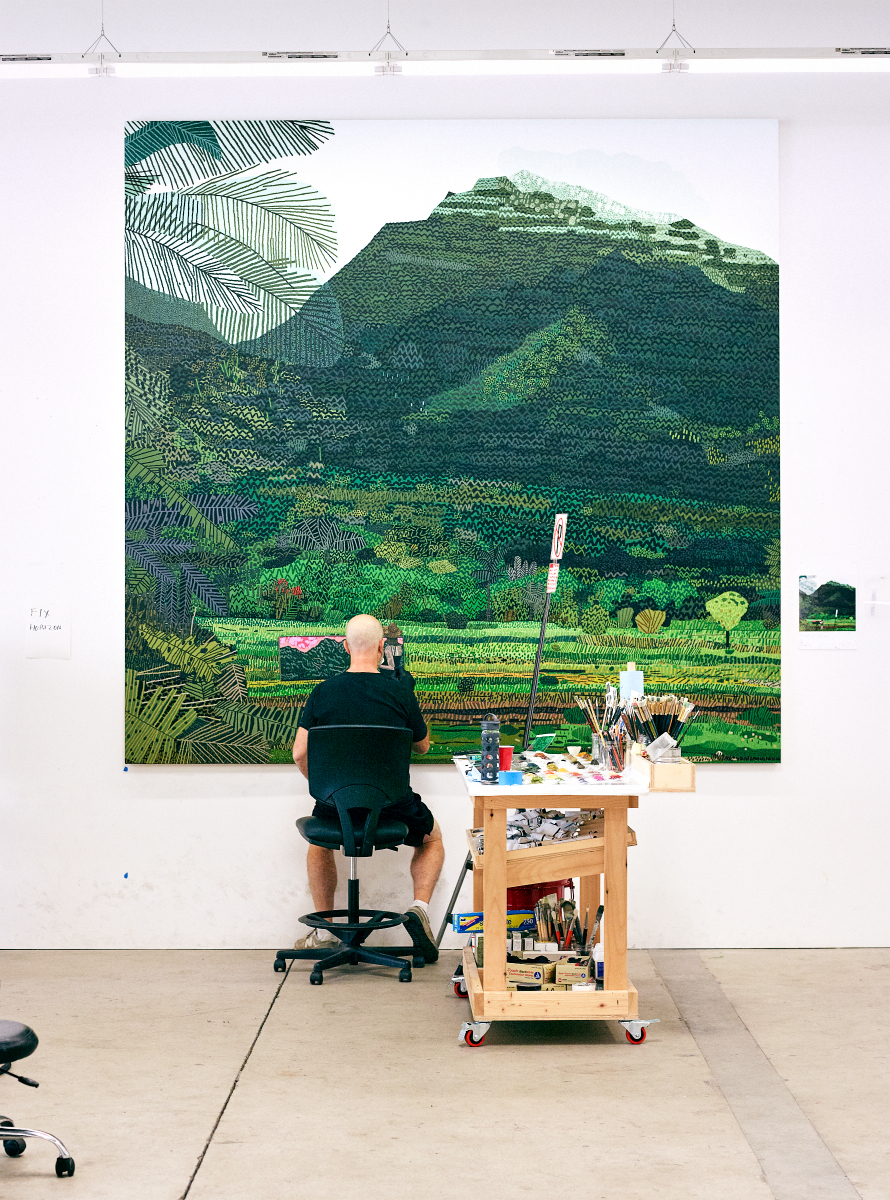
It is the recognition that the domestic interior, perhaps more than any other subject in art, is where the formal and the psychological are impossible to separate. Living with a work of this kind is a particular experience. The painting changes depending on the time of day, the season, whether you are alone or have a house full of people. A Jonas Wood interior, with its flat planes of pattern compressed into the picture plane, reads differently at noon than it does at dusk.
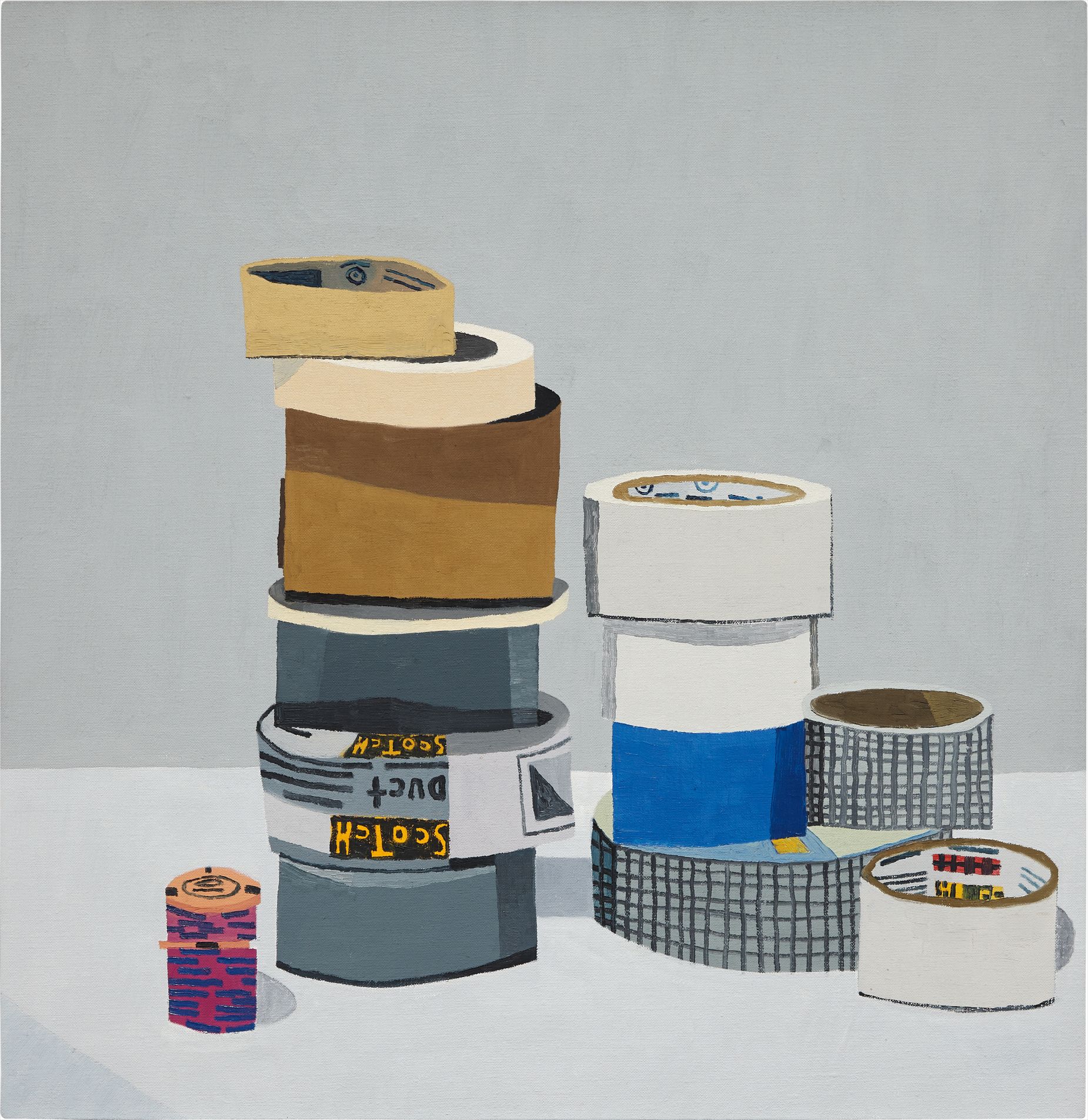
Jonas Wood
Tape Still Life
Pierre Bonnard's interiors, suffused with that chromatic heat he spent decades refining, seem to breathe in low evening light. Collectors frequently say that works in this genre feel like companions rather than objects, and that quality is worth taking seriously when you are building a collection meant to be inhabited rather than stored. What separates a good interior from a great one is often the tension the artist manages to hold between the ordinary and the charged. A great domestic interior does not simply document a room.
It makes you feel the pressure of what has happened there, or what is about to. Look at Édouard Vuillard's small scale panels from the 1890s, where pattern and figure dissolve into one another until the room itself seems to be a psychological state. The same principle applies across media. In photography, Nan Goldin's images from The Ballad of Sexual Dependency place the viewer inside relationships rather than merely inside rooms.
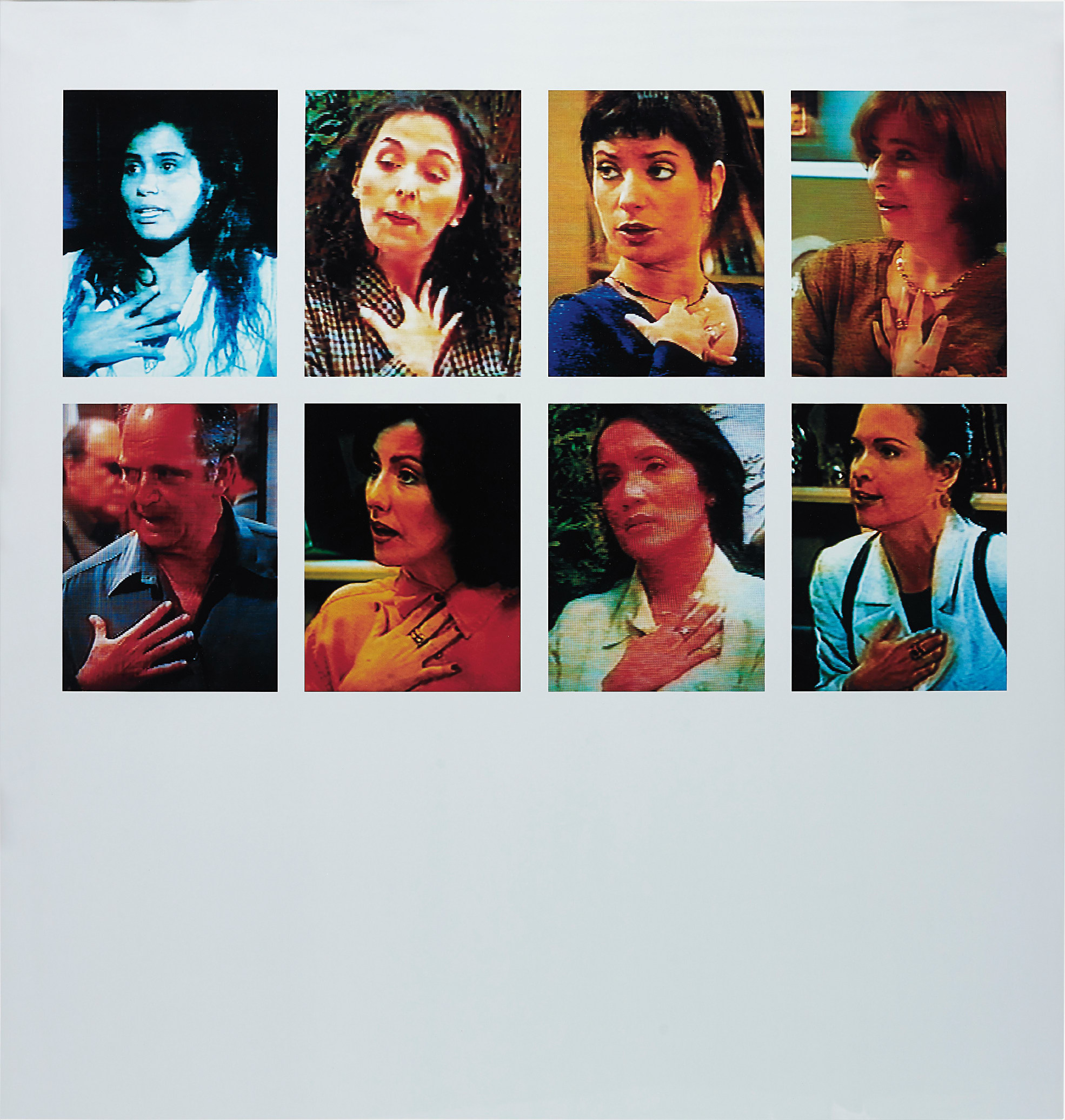
Nan Goldin
Self Portrait in Kimono with Brian, NYC, 1983
The best works in this category use the domestic setting as a kind of container under pressure, and the collector's task is to distinguish works where that pressure is genuinely felt from those where it is only implied. When it comes to specific artists and where value concentrates, a few names on The Collection deserve close attention. Jonas Wood has become one of the defining painters of his generation, and his interiors command serious prices at auction, with major works appearing regularly at Christie's and Sotheby's. His market has matured significantly since his early shows at Blum and Poe, and there is a reason institutions have been acquiring him steadily.
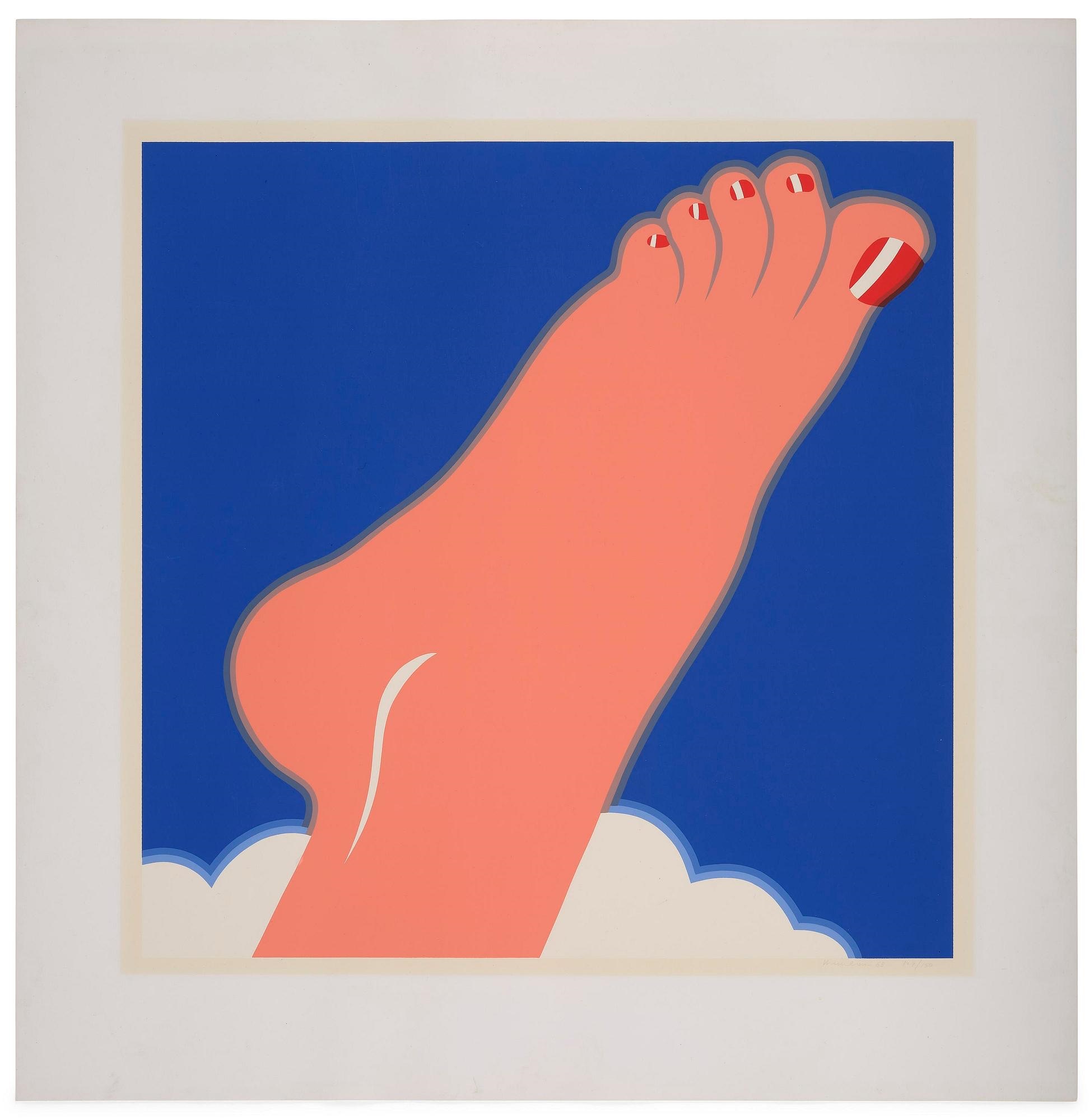
Tom Wesselmann, whose Great American Nude series brought the domestic interior into direct dialogue with consumer culture, represents a different kind of value proposition. Works from his Interior series of the 1960s and 1970s have held remarkably well, and the critical reassessment of his contribution to Pop art has been ongoing. For photography collectors, Walker Evans and William Eggleston represent opposite poles of documentary precision and saturated subjectivity, and both have deep institutional backing that underpins their secondary market strength. Larry Sultan's Pictures from Home, which he worked on throughout the 1980s, is increasingly understood as one of the great photographic projects of the late twentieth century, and prices have moved accordingly.
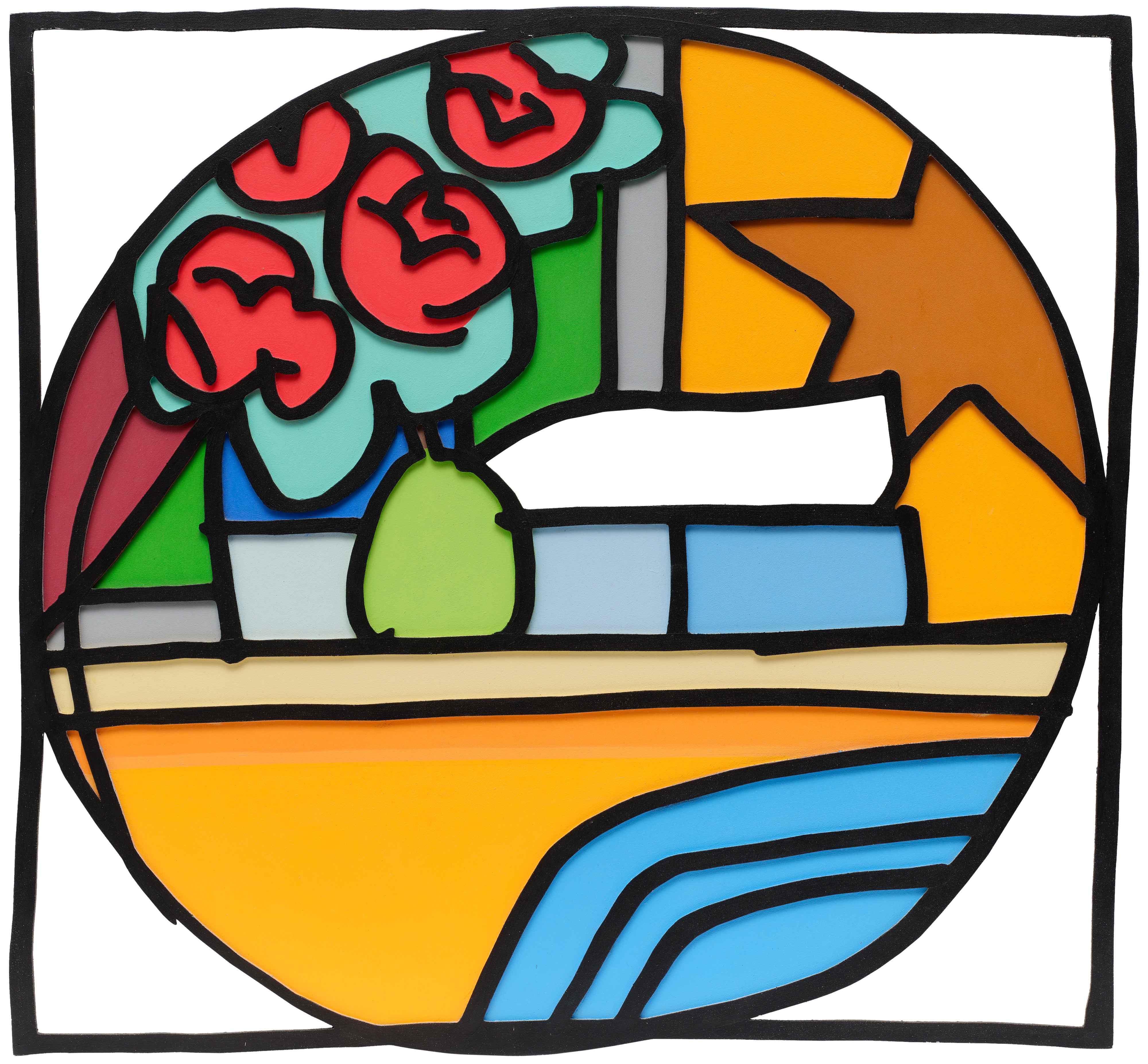
Tom Wesselmann
Still Life with Four Roses and Pear (Blue Pillow), 1968
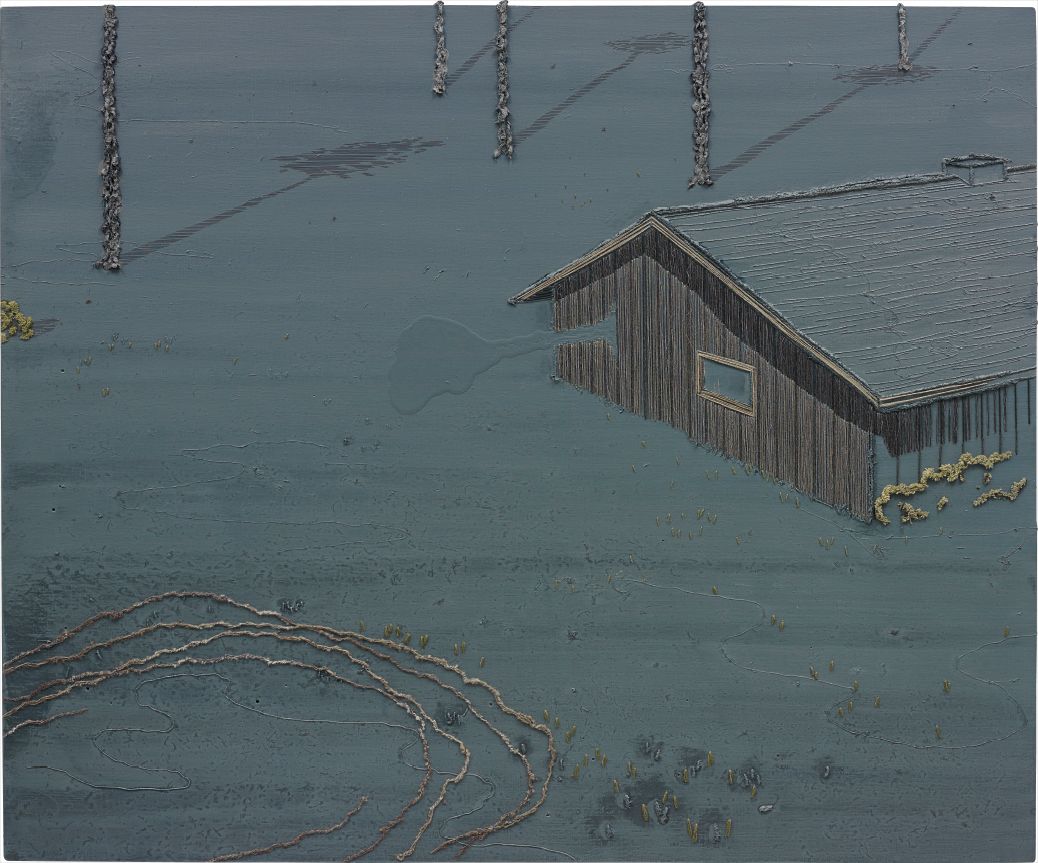
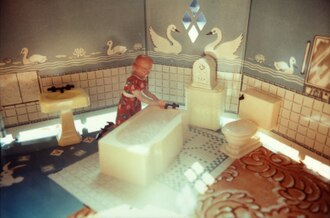
For collectors interested in emerging or underrecognized figures, several artists working in this space are worth watching carefully. Caroline Walker, whose large scale paintings of women in domestic and semi public interiors have attracted strong gallery representation and growing institutional interest, feels significantly undervalued relative to her male peers working in similar territory. Michael Raedecker, who came to prominence after his Turner Prize nomination in 2000, makes paintings of domestic spaces using embroidery and stitched thread alongside paint, producing works with an uncanny stillness that rewards long looking. Laurie Simmons, whose staged photographic scenarios involving dollhouses and domestic props anticipated many conversations that are now central to contemporary art, remains a genuinely important figure whose market has not fully caught up with her influence.
These are artists whose work already appears in serious collections, and whose critical standing is likely to rise further. At auction, domestic interiors perform with considerable consistency, particularly when the work has clear provenance and exhibition history. Collectors should be aware that the category spans an enormous price range, from five figure photographs to eight figure paintings, and that the secondary market rewards works with strong institutional exhibition records. A Bonnard interior that has appeared in a major museum retrospective will behave very differently at auction than an equally beautiful painting with a thin paper trail.
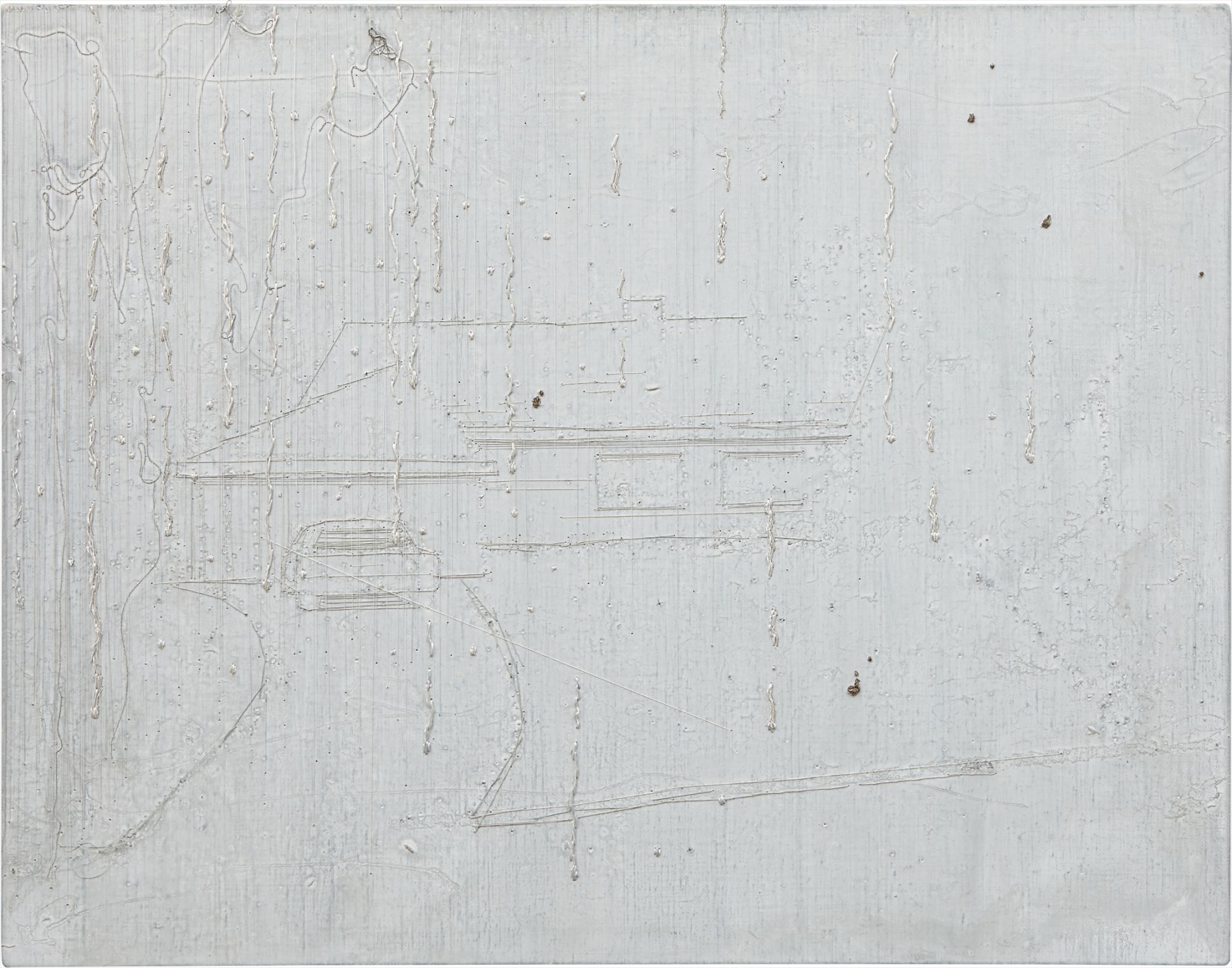
Michael Raedecker
Close
This is a category where research pays. Understanding where a work has been shown, and what has been written about it, is not merely academic. It directly affects resale value. From a practical standpoint, condition is everything in works on paper and photography.
Ask a gallery explicitly about fading, foxing, and restoration history before committing to any significant acquisition. For paintings, UV protective glazing can make a significant difference when displaying works that incorporate sensitive pigments. In the case of photographs, understanding the edition structure matters enormously. A print from an open edition occupies a very different market position than a vintage print made by the artist or under their direct supervision.
With artists like Nan Goldin or Wolfgang Tillmans, the distinction between different print runs and the circumstances of their production is something any serious collector should understand before buying. Ask galleries to be specific about when a print was made, by whom, and how many exist. The domestic interior endures as a collecting category not because it is safe or decorative, though it can be both, but because it is inexhaustible. The subject accommodates painting and photography and works that sit uneasily between the two.
It holds Matisse's cut out simplicity and Hopper's loaded silences with equal ease. Collectors who commit to building a serious body of work in this area often find that what they are really assembling is a kind of extended meditation on private life, and that living with those works over time reveals things about both the art and themselves that no other subject quite manages.