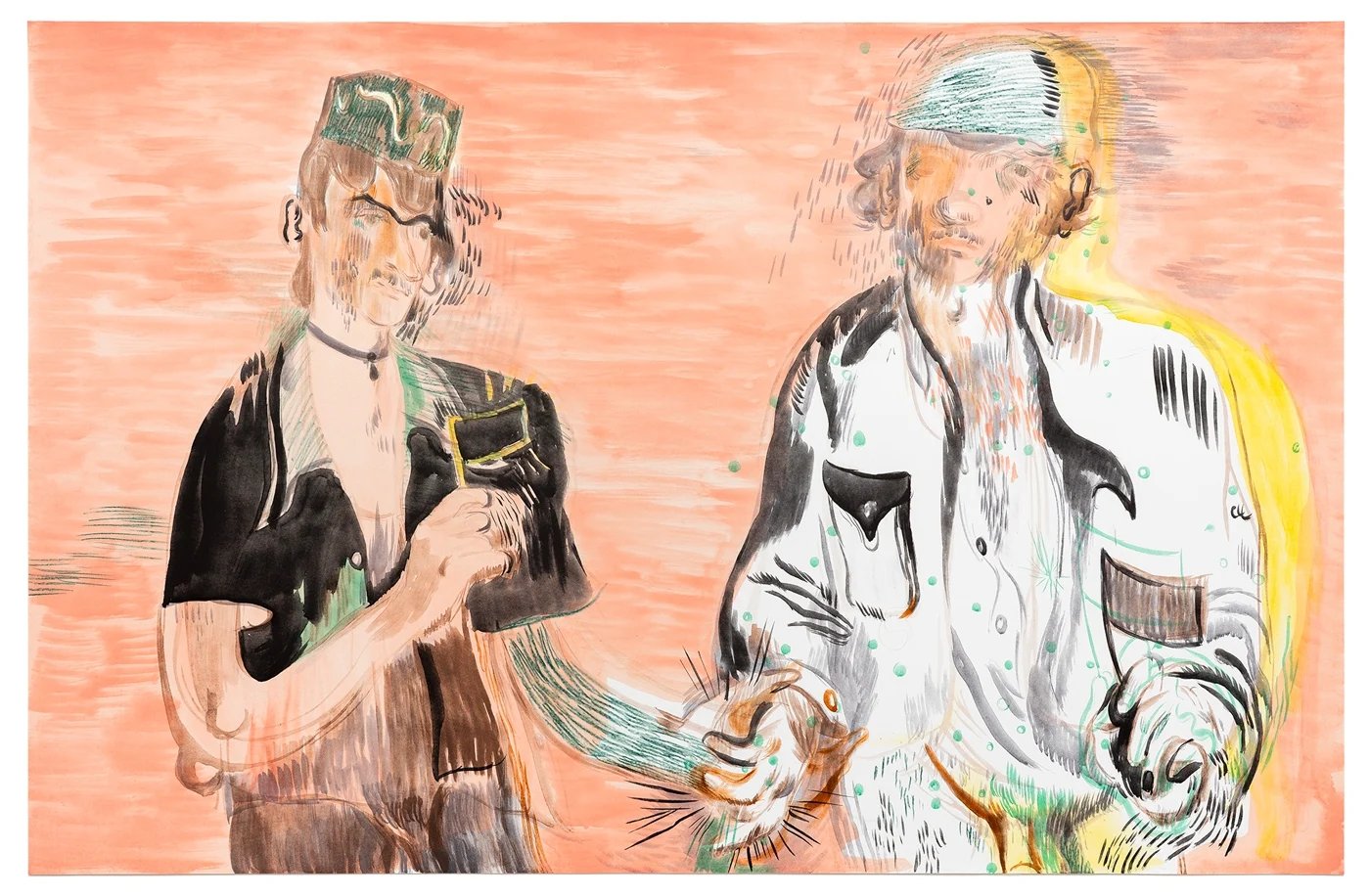
Collectible Art
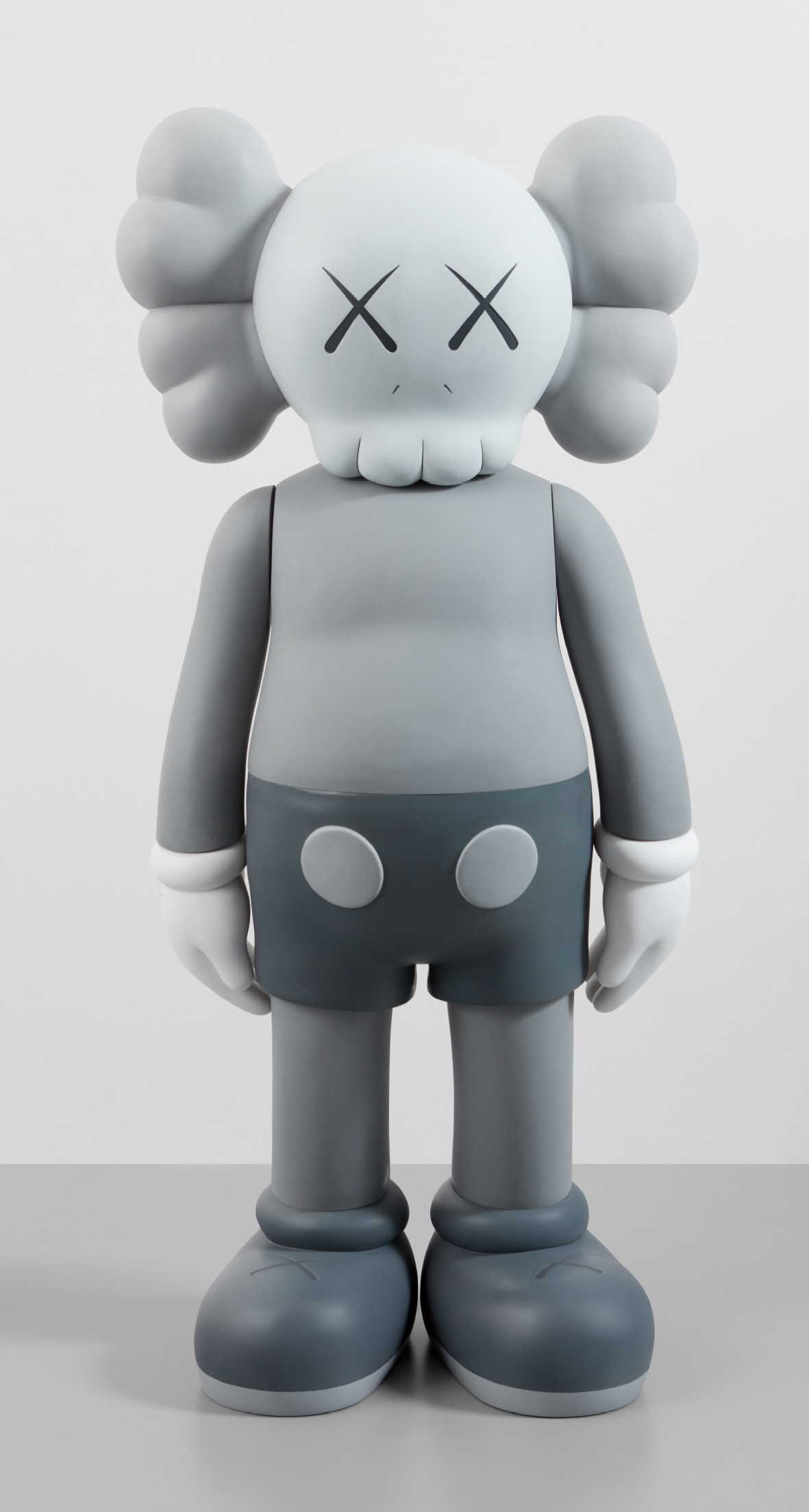
KAWS
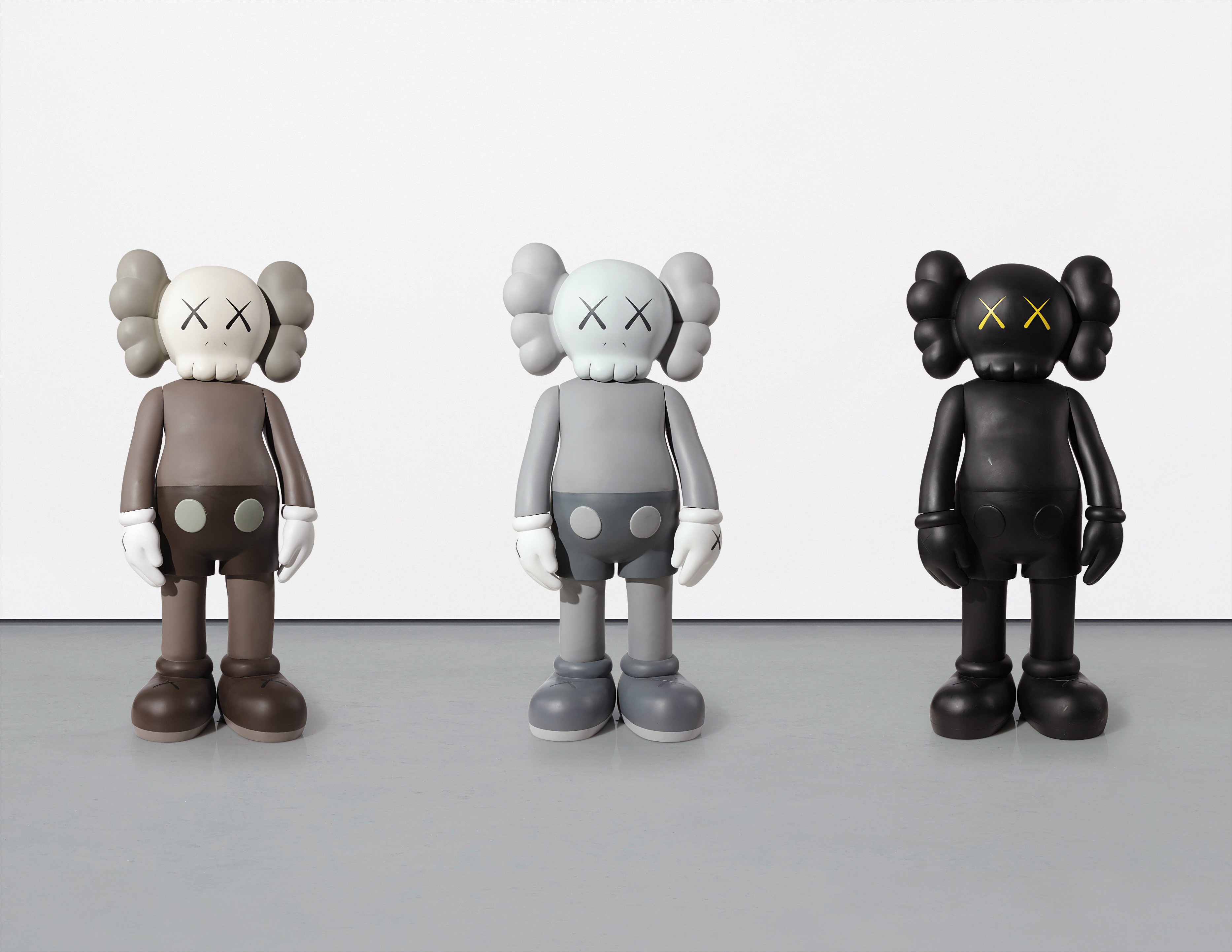
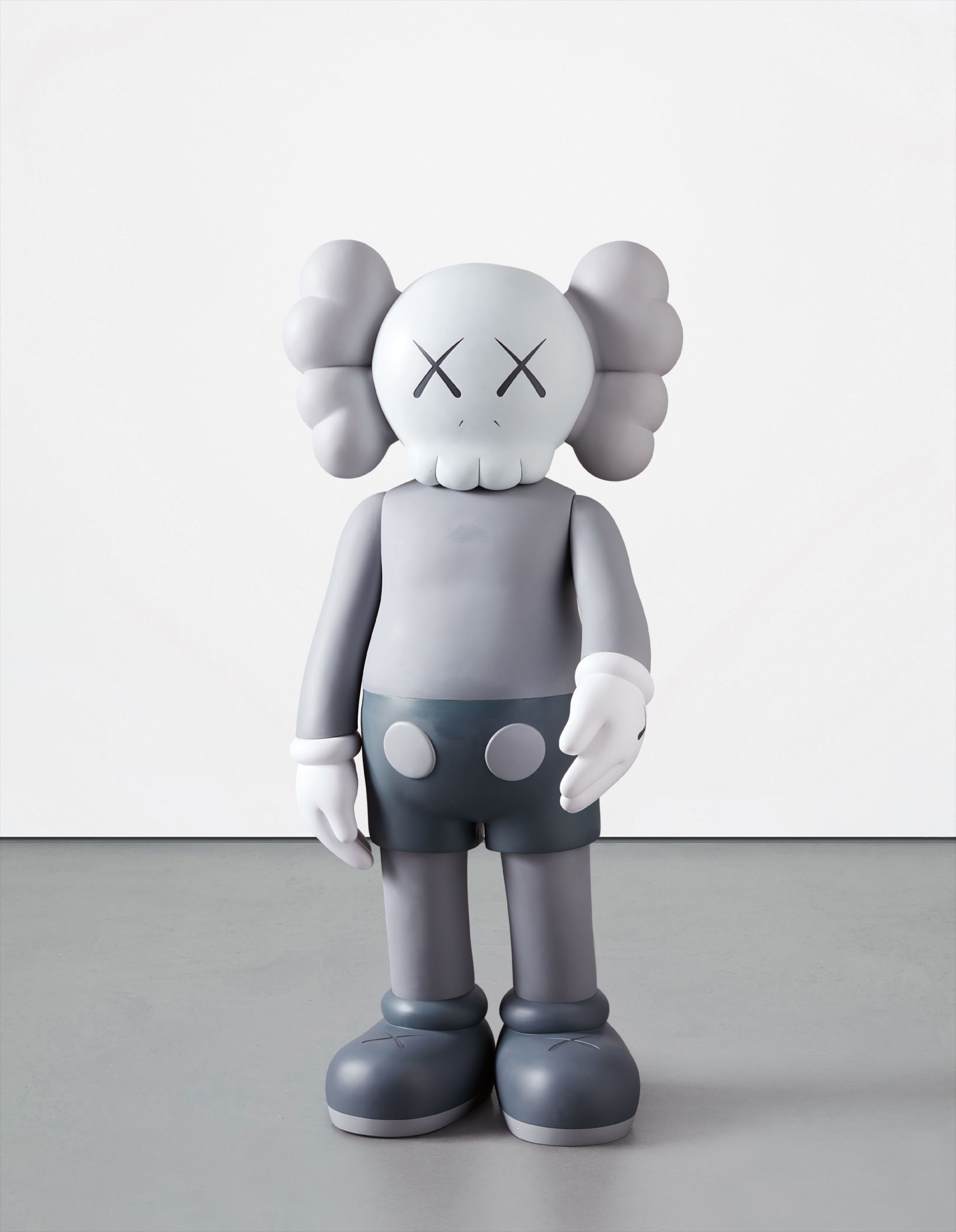
Four Foot Companion (Grey), 2007




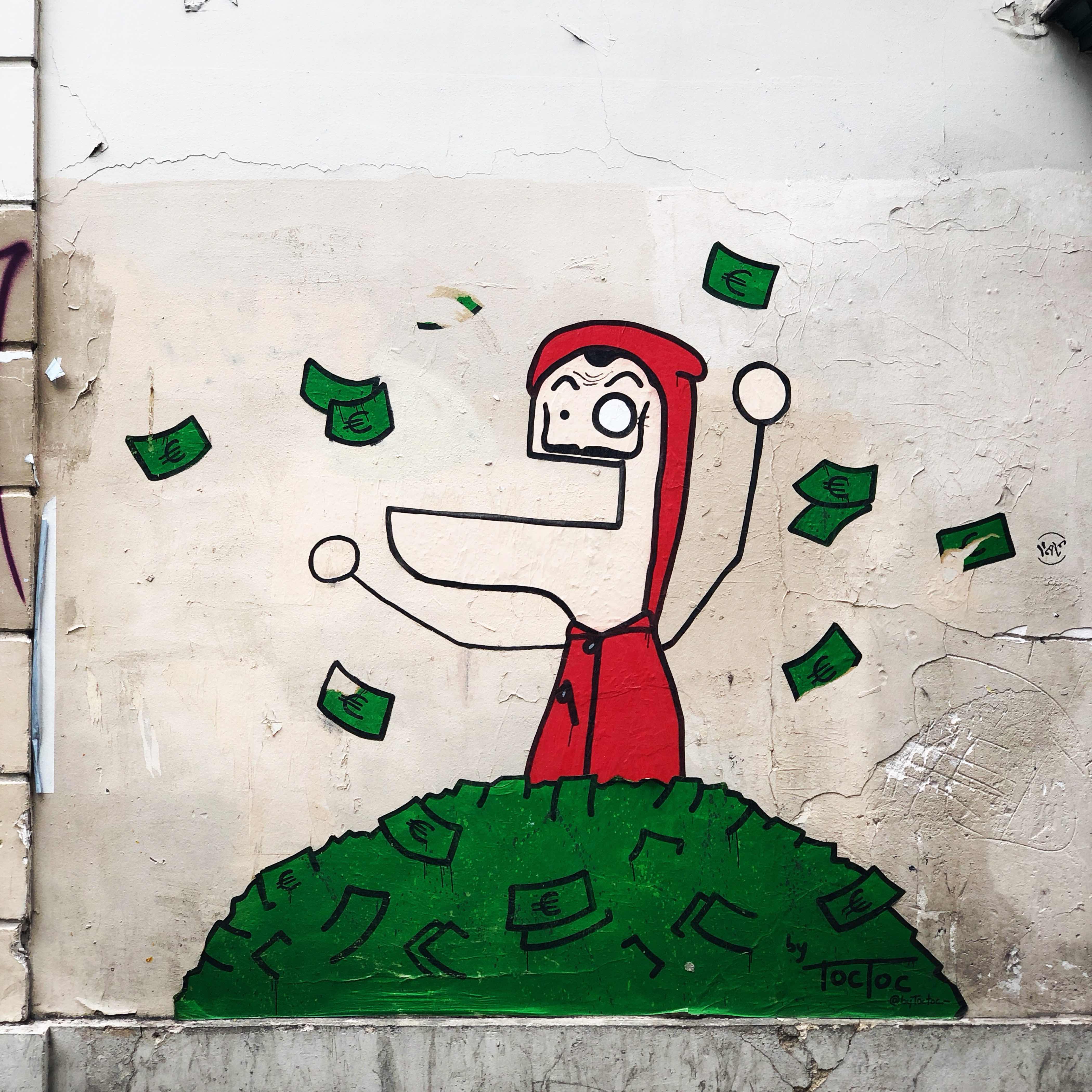
The Art Everyone Wants to Own
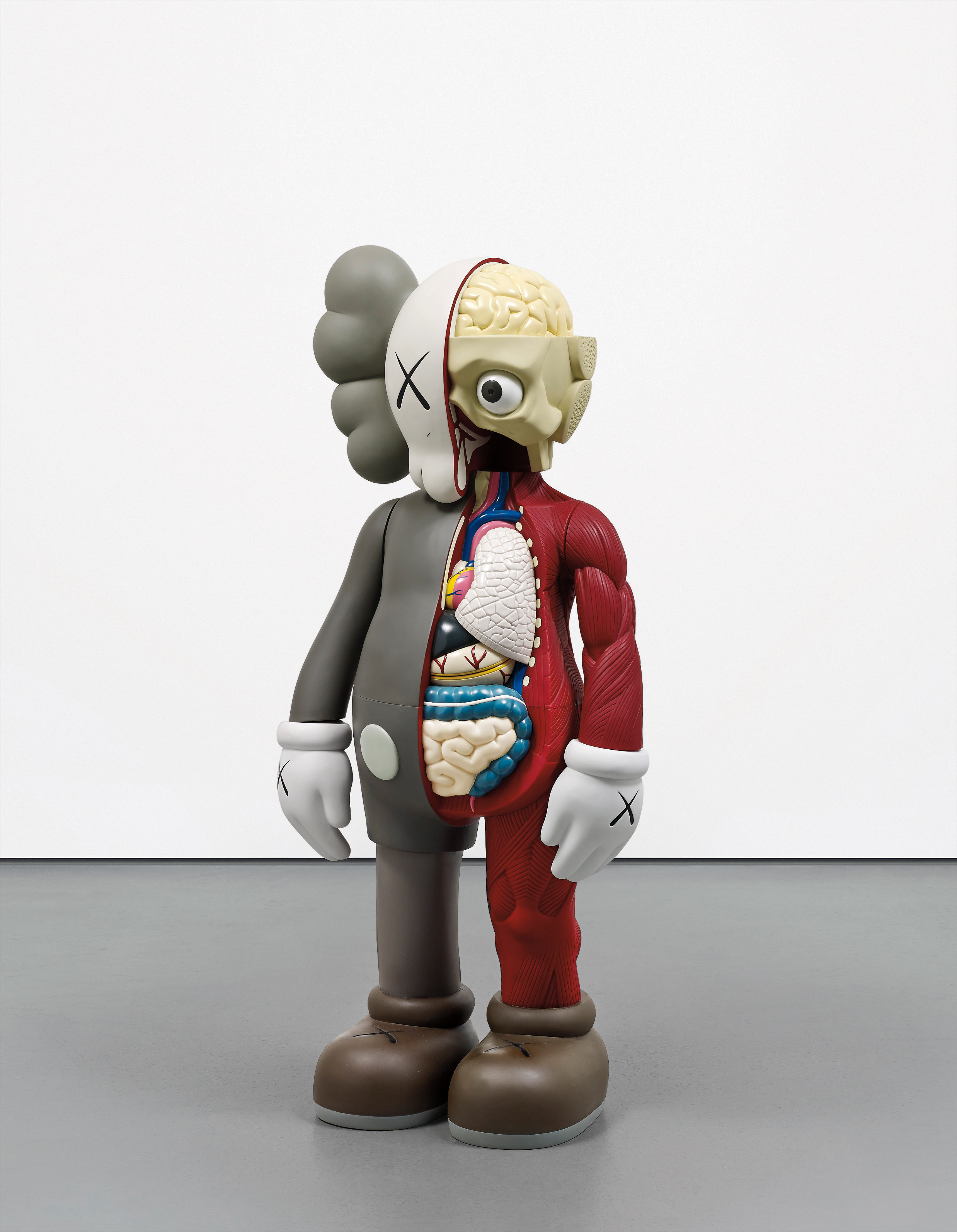
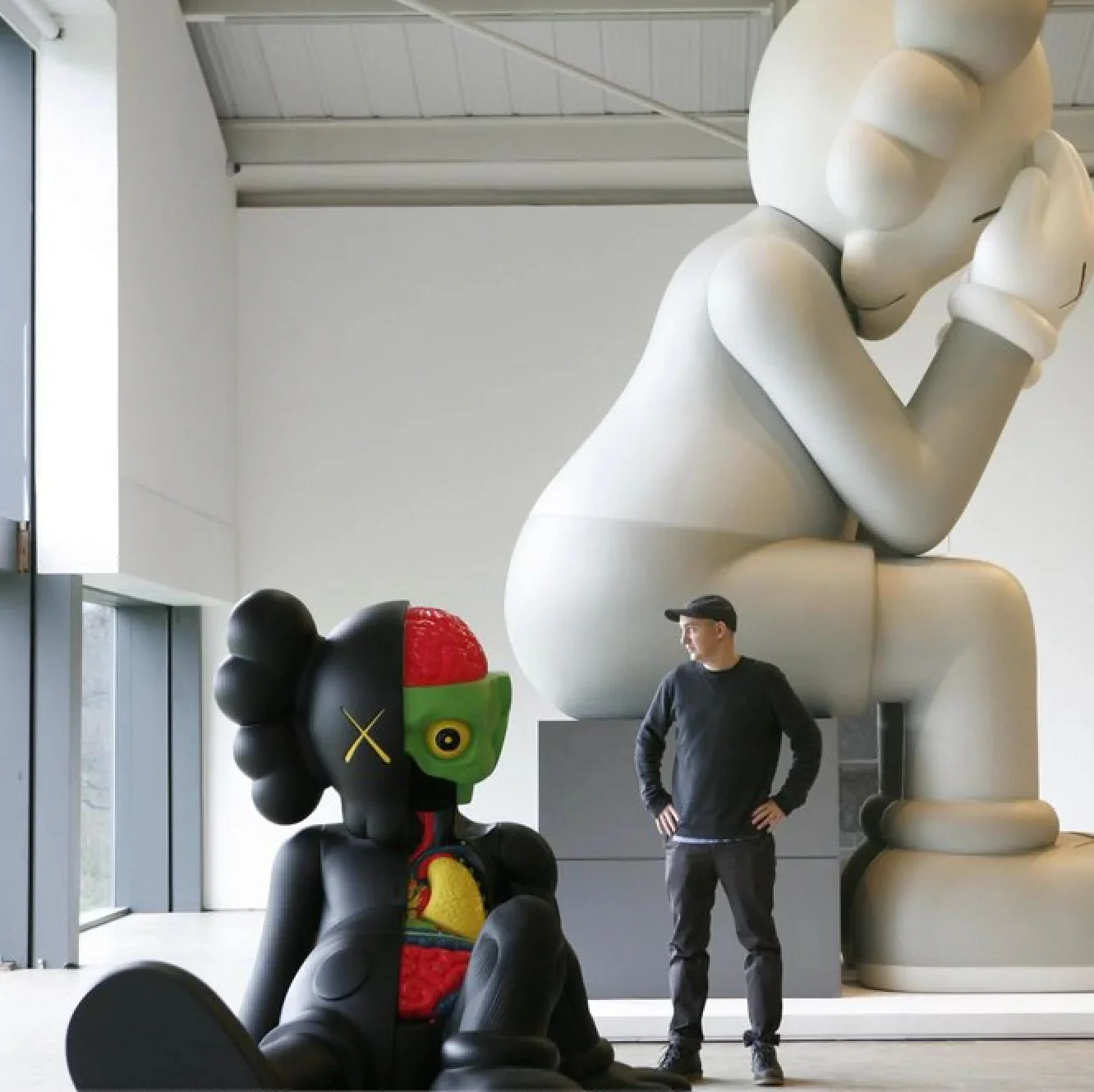
When a KAWS companion sculpture sold at Sotheby's Hong Kong for over $14 million in 2019, stunning even the most seasoned secondary market observers, it announced something that had been quietly building for years. Collectible art had crossed a threshold. The category once dismissed by purists as merchandise with aspirations had become the site of genuine critical and commercial excitement, attracting not just streetwear enthusiasts and pop culture devotees but serious institutional collectors and museum curators who understood that something culturally significant was happening in plain sight. The phrase collectible art can feel slippery, almost deliberately so.
It tends to describe work that sits at the intersection of fine art, limited edition production, and popular visual culture, often drawing from animation, graphic design, toy culture, and the vernacular imagery of consumer society. But the artists who define this space, figures like KAWS and Takashi Murakami, resist easy categorization. They are not merely designers who wandered into galleries. They are rigorous image makers with sustained practices, theoretical frameworks, and genuine art historical ambitions.
KAWS
Four Foot Companion (Grey), 2007
KAWS has spoken at length about the influence of Claes Oldenburg and Roy Lichtenstein. Murakami's Superflat theory, which he articulated formally in 2000, proposed a coherent way of reading Japanese postwar visual culture that reshaped how curators and scholars approached the entire field. The exhibition record in this space has been remarkable. Murakami's retrospective at the Museum of Contemporary Art Los Angeles in 2007 and its subsequent travel to the Brooklyn Museum and Guggenheim Bilbao brought his cosmology of flowers, skulls, and otaku iconography to audiences who might never have encountered his work through commercial channels.
That show signaled institutional endorsement at the highest level. More recently, KAWS mounted KAWS: HOLIDAY, a touring public installation series that placed his inflatable figures across landmarks in Hong Kong, Seoul, and Taipei, collapsing the distance between public art spectacle and collectible object in ways that felt genuinely new. Works from KAWS are well represented on The Collection, and it is easy to understand why. Each piece carries that particular charge of an image that has traveled widely and arrived somewhere essential.
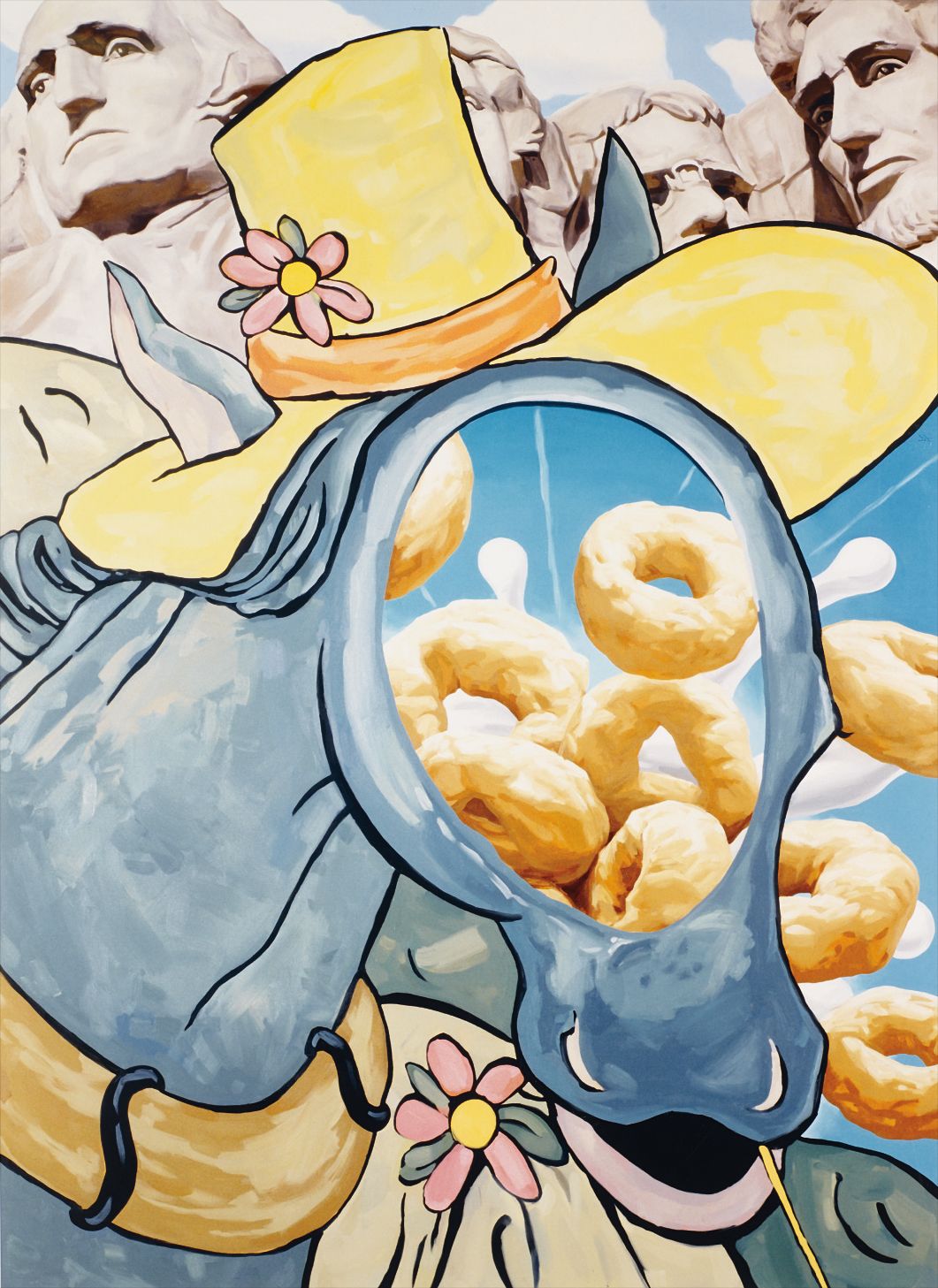
Jeff Koons
Cut Out
At auction, the conversation around these artists is inseparable from broader questions about where value lives and who gets to decide. Jeff Koons has long occupied a complicated position in this regard. His Rabbit from 1986 sold at Christie's in 2019 for just over $91 million, making it at the time the most expensive work by a living artist ever sold at auction. That result provoked the usual arguments about spectacle versus substance, but it also confirmed what collectors had understood for decades: Koons works on multiple registers simultaneously.
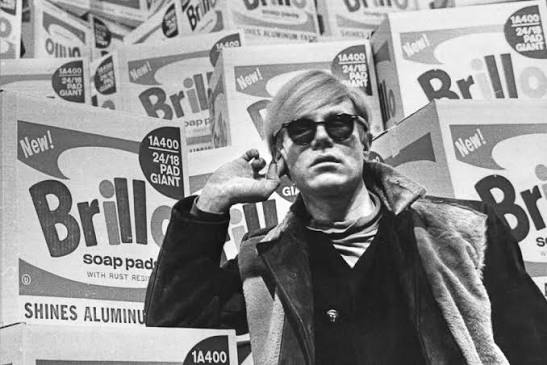
He is both a fine art phenomenon and the originator of a certain relationship between sculpture and popular desire that younger artists in the collectible space have drawn from extensively. The two Koons works available on The Collection represent that duality well. Salvador Dalí and Andy Warhol occupy a different position in this lineage, as foundational figures who normalized the idea that fine art and commercial appeal need not be in opposition. Dalí embraced reproduction and spectacle with a glee that the art world found alternately scandalous and irresistible.
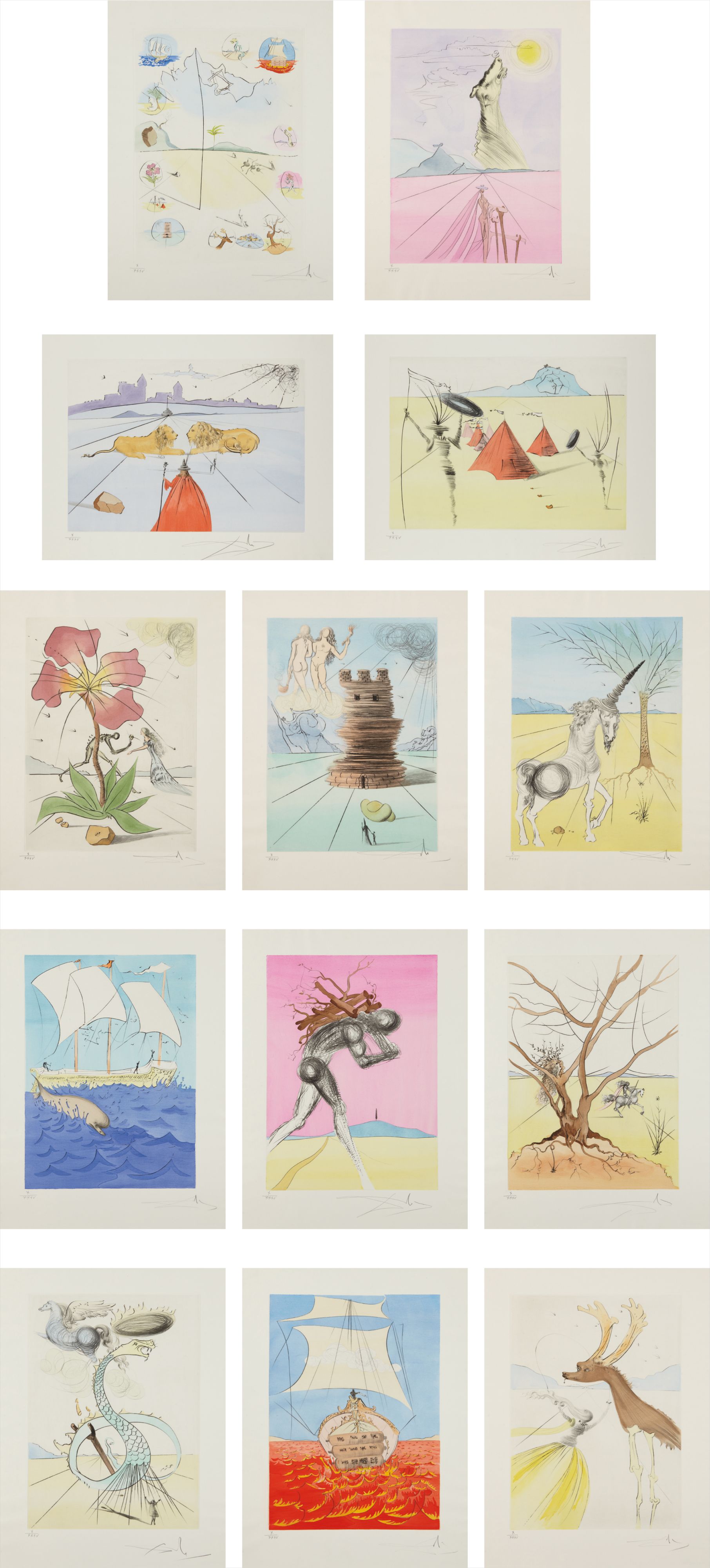
Salvador Dalí
The Twelve Tribes of Israel (Deluxe)
Warhol made the factory logic of production central to his practice, understanding that the edition was not a compromise of the original but its own valid form. When you look at what Murakami or KAWS do with print editions and sculpture multiples, the debt to Warhol in particular is structural and philosophical, not merely stylistic. Having works by both Warhol and Dalí on The Collection alongside their contemporary heirs gives you a way to read that lineage in real time. Institutionally, the signals are worth paying attention to.
The Broad in Los Angeles and the Museum of Modern Art have both made significant acquisitions in this territory over the past decade. In Asia, institutions from the National Art Center in Tokyo to private museums in Shanghai have been active and deliberate in collecting work that bridges fine art and popular visual culture. This is not trend chasing. It reflects a growing consensus among curators that the strict boundary between high art and mass culture was always more ideological than perceptual, and that artists like Murakami and KAWS were among the most sophisticated critics of that boundary from within.
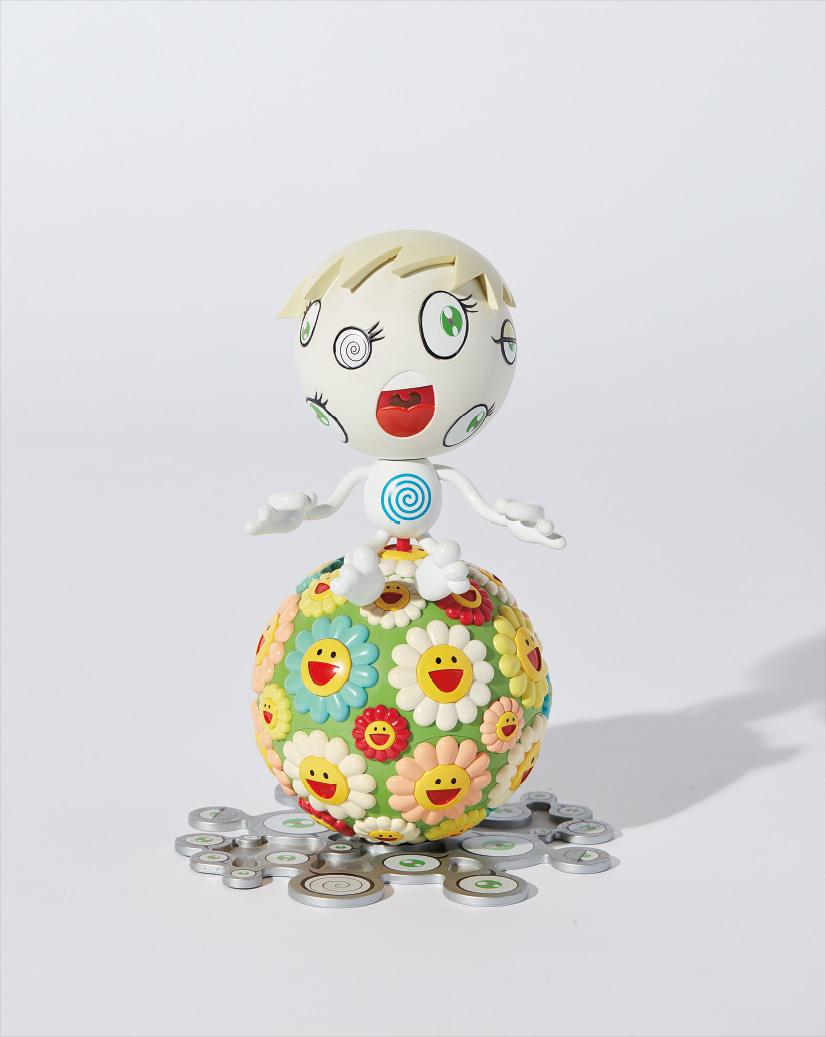
Takashi Murakami
Oval (Peter Norton Christmas Project)
The critical conversation is sharpening. Writers like Glenn Adamson have pushed the field to think more carefully about craft, production, and the politics of making objects that are both singular and multiple. Publications including Artforum, Frieze, and Art in America have run extended features interrogating the relationship between streetwear culture, brand collaborations, and artistic seriousness. The KAWS x Dior collaboration of 2019 and Murakami's long partnership with Louis Vuitton are often cited as either evidence of commodification or proof that these artists understand something essential about how images circulate and accrue meaning in contemporary life.
Both readings have merit, which is part of what makes this space intellectually alive. Pablo Picasso is not typically grouped with collectible art, but his presence on The Collection alongside figures like KAWS and Murakami tells its own story. Picasso understood the edition, the print, the ceramic multiple, and the democratized art object as legitimate creative territories. His late printmaking was prolific and intentional.
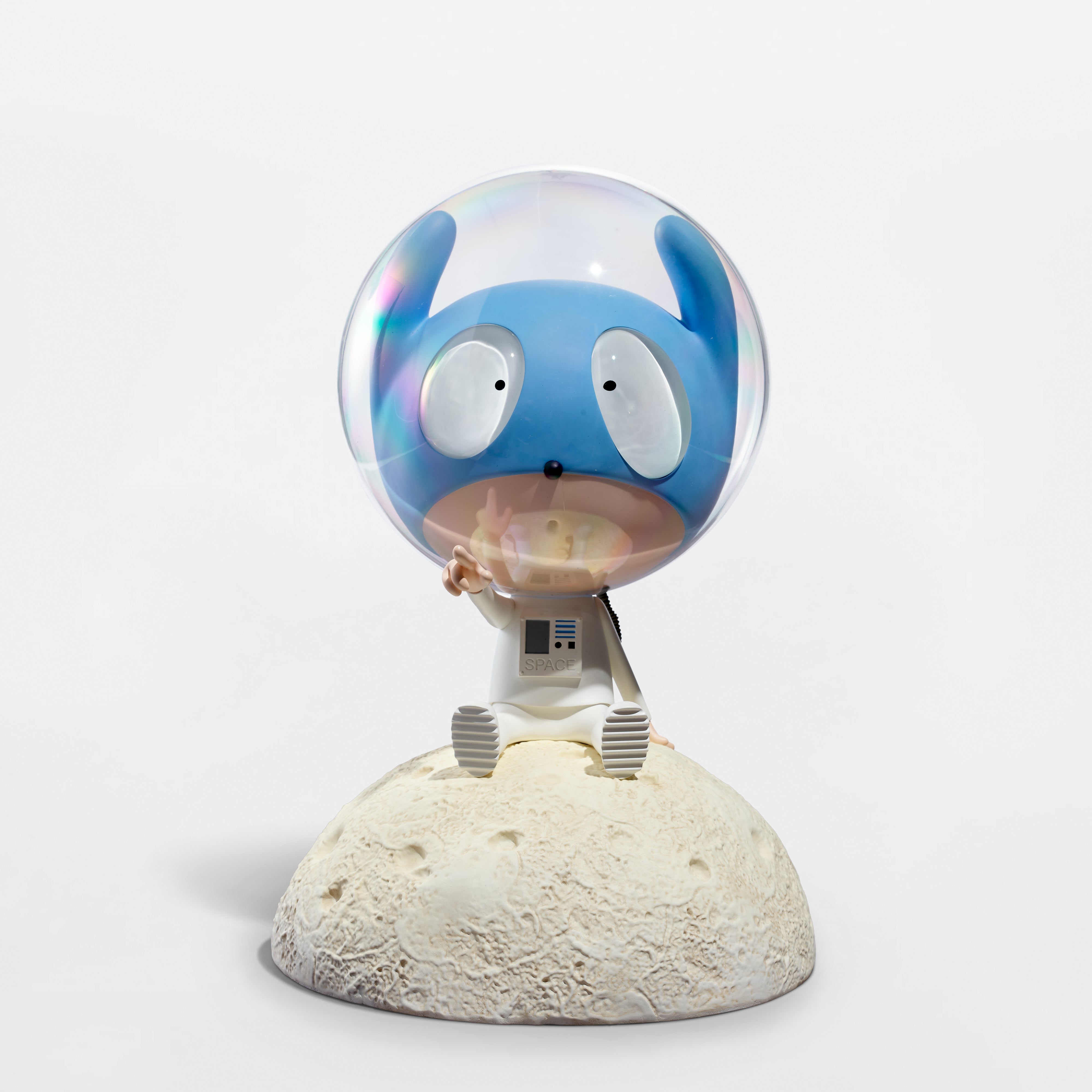
There is a line from Picasso's embrace of reproduction to the logic that governs how the most sophisticated collectible artists think about their own output today. Where is the energy heading? Younger artists working in sculptural and digital multiples are expanding the category in directions that would have been unimaginable even five years ago. The emergence of Edgar Plans, whose work carries a tender, melancholic wit, points toward a more intimate scale within the collectible tradition.
Collectors are increasingly drawn to work that feels personal rather than monumental, that rewards close looking rather than spectacle. The auction houses are watching, the institutions are watching, and the most interesting collectors are already three steps ahead, trusting their eye over the market noise. That is, as it has always been, exactly where you want to be.