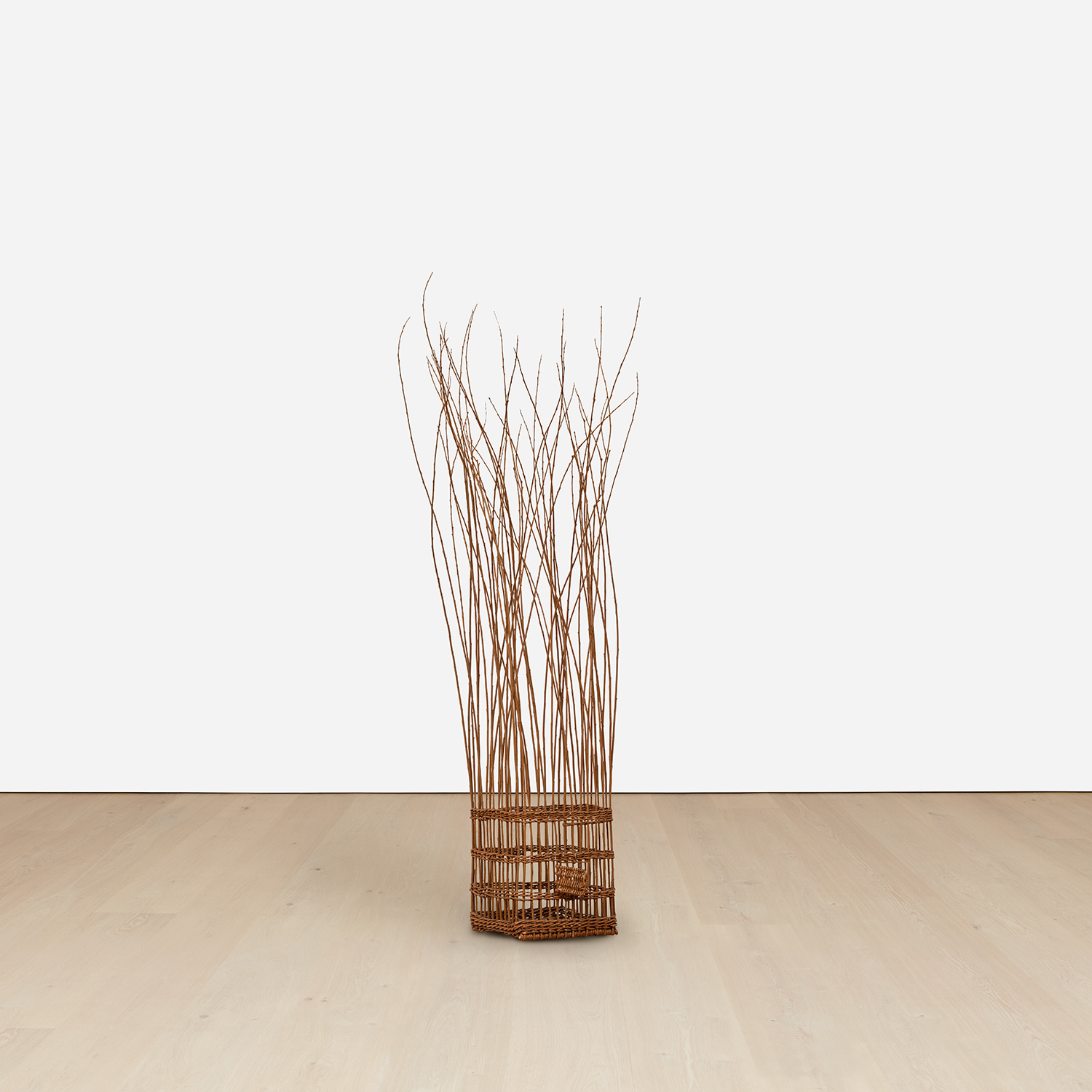
Charcoal On Paper
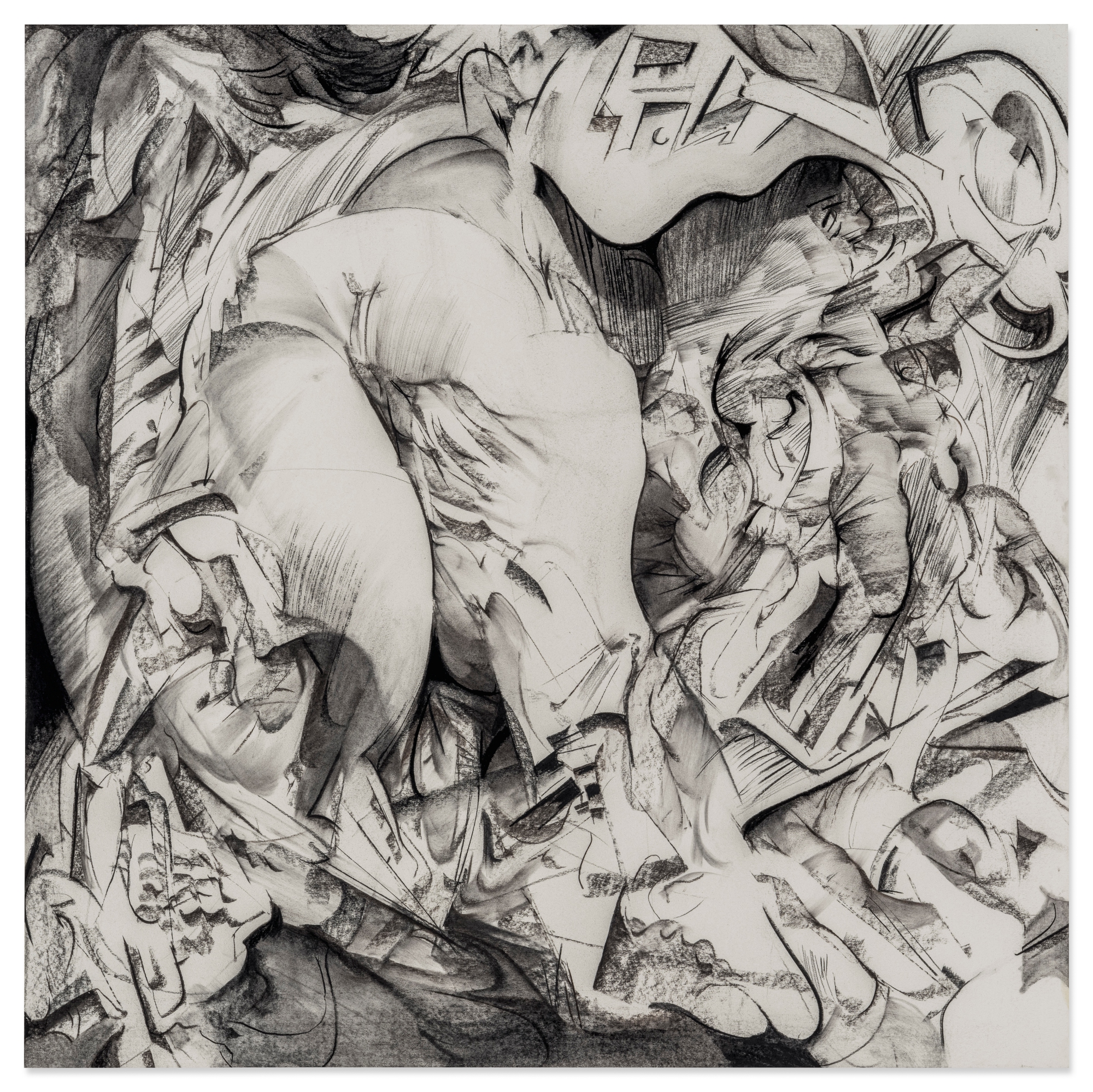
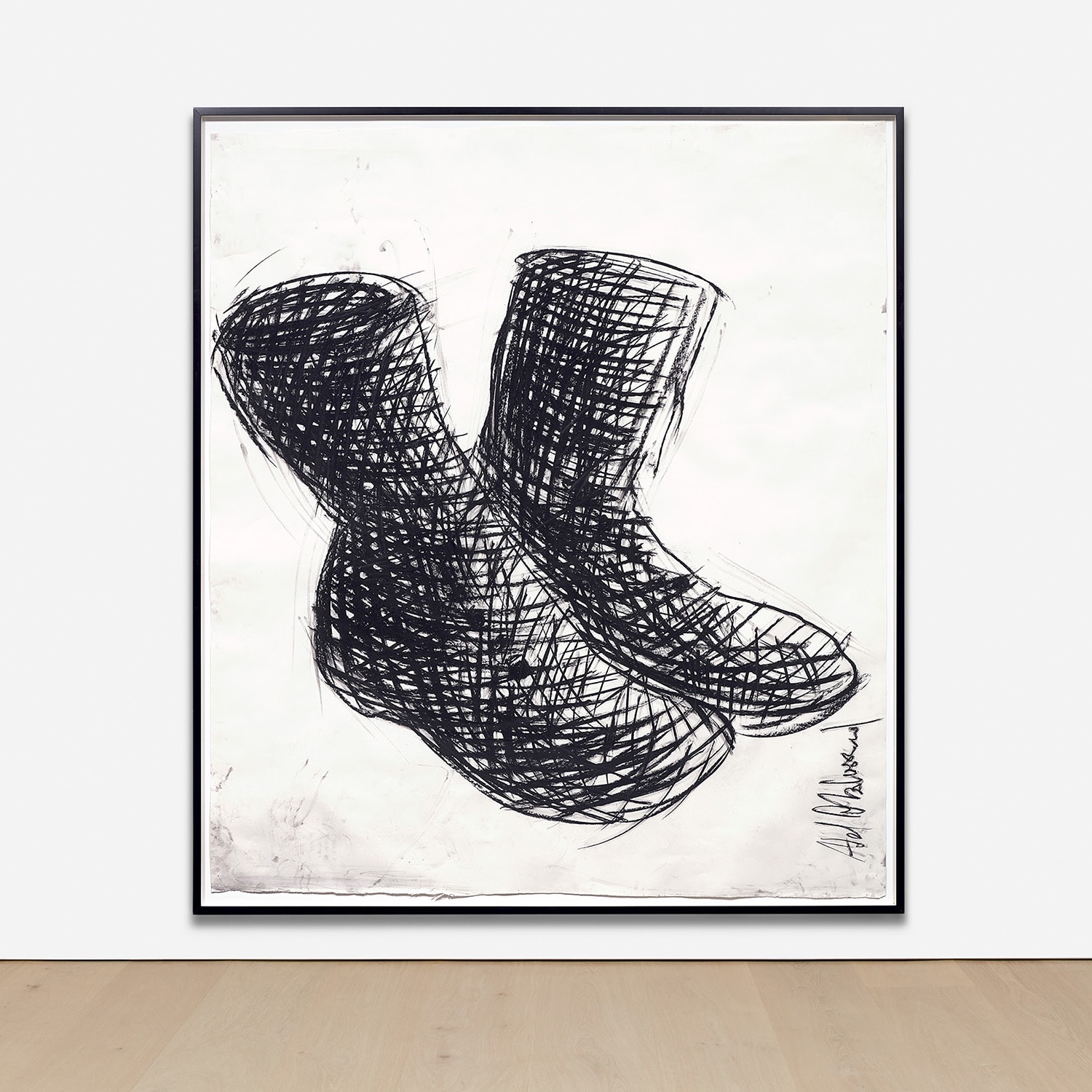
Anna Park
Ready Set, 2020





The Smudge That Holds Everything Together
There is something almost confessional about a great charcoal drawing. The medium resists pretense. You cannot hide behind technical gloss or the seductive shimmer of oil paint. What you get is the direct record of a hand moving through space, the pressure of a decision, the ghosted trace of something reconsidered.
Collectors who fall for charcoal often describe the experience of living with it as unusually intimate, like having access to an artist's thinking in real time rather than its polished conclusion. The appeal is also sensory in a way that photographs of works on paper rarely convey. Charcoal is physically present in a room. The velvety blacks can be so dense they seem to absorb light, while the softer passages catch it in ways that shift depending on where you stand.

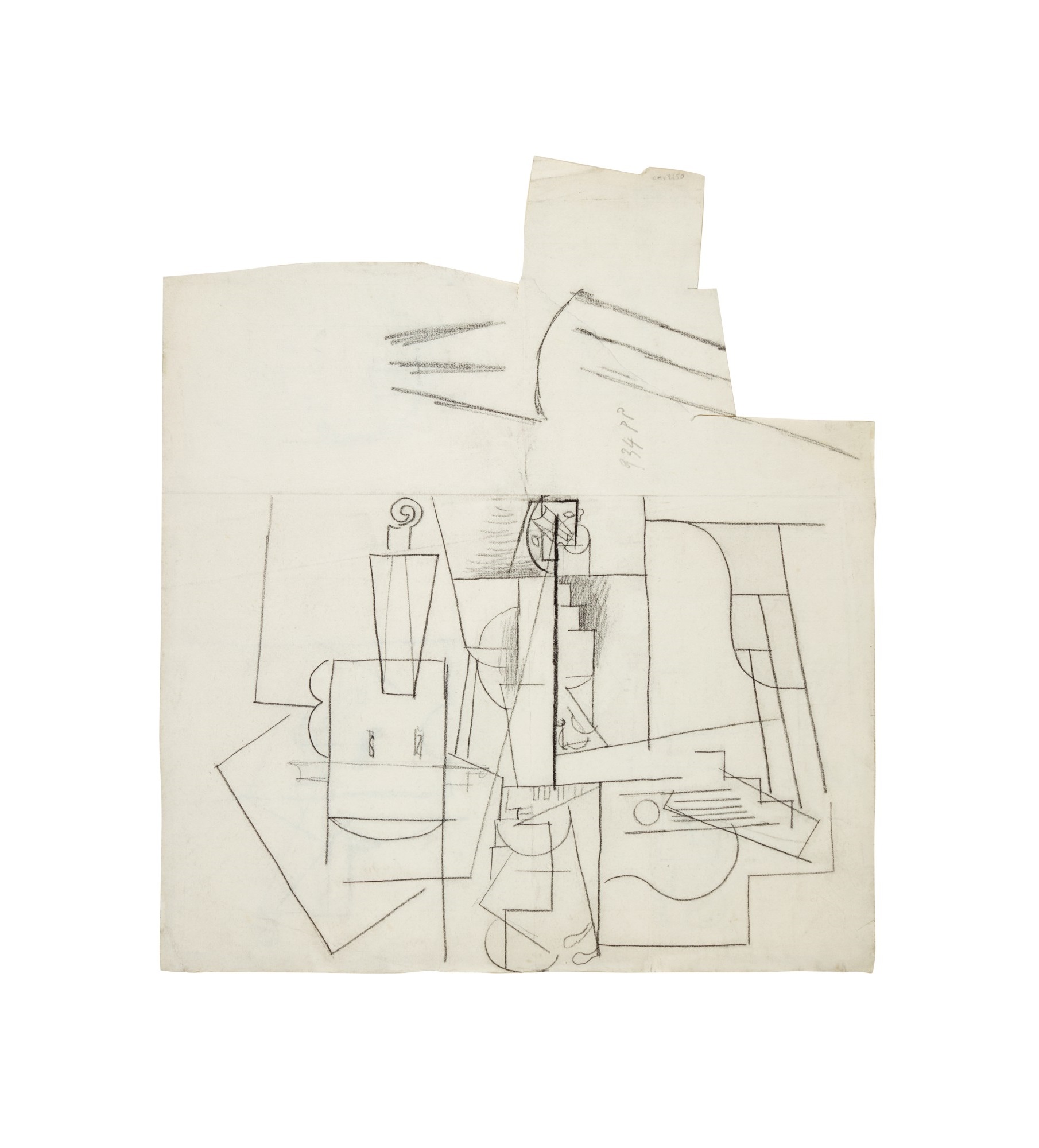
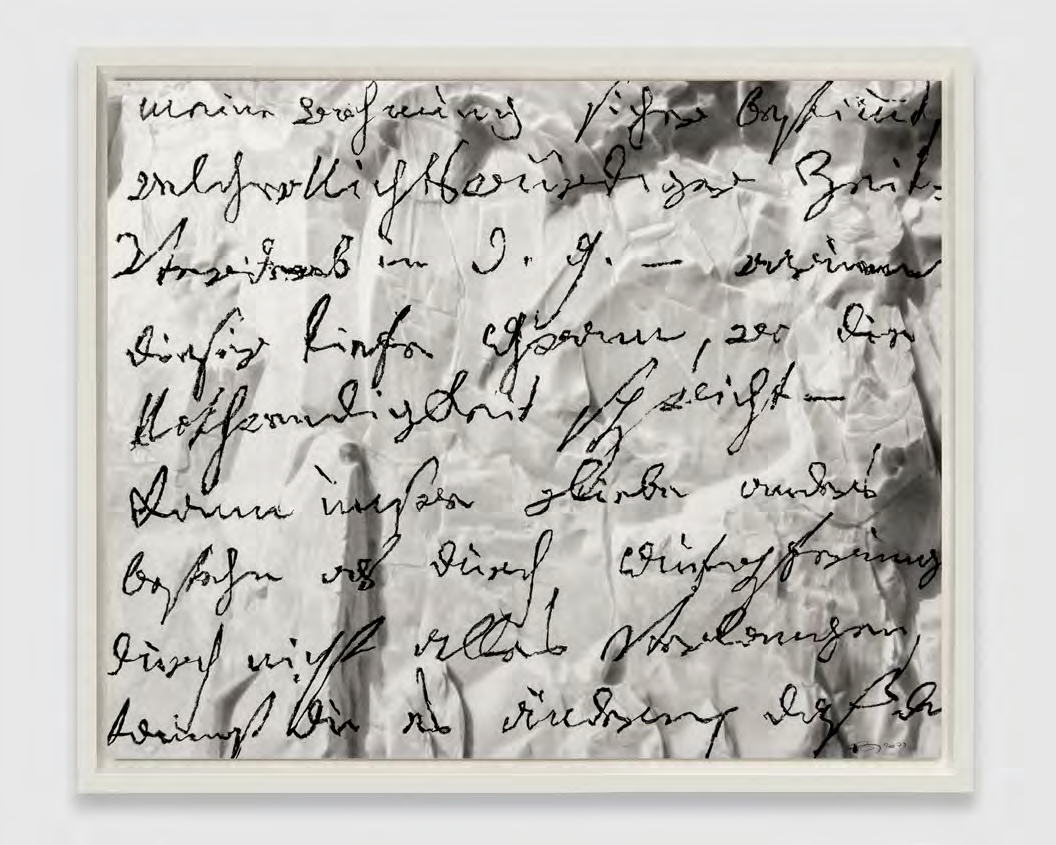
William Kentridge
Drawing for Other Faces, 2011
Works by William Kentridge, who has built much of his practice around charcoal and its capacity to hold erasure as visible process, demonstrate how the medium can carry an entire philosophical argument within a single surface. His large studio drawings, many of which entered major collections through Marian Goodman Gallery in the 1990s and 2000s, show charcoal not as a preliminary step toward something else but as the destination itself. Separating a good charcoal work from a truly great one comes down to a cluster of qualities that take some looking to develop. The first is intentionality in mark making.
Charcoal is forgiving enough that it tempts artists toward vagueness, a kind of atmospheric smudging that suggests emotion without committing to it. The strongest works have specificity even within their looseness. You should be able to sense that every erasure and every restatement was a choice, not an accident. Scale also matters enormously in this medium.
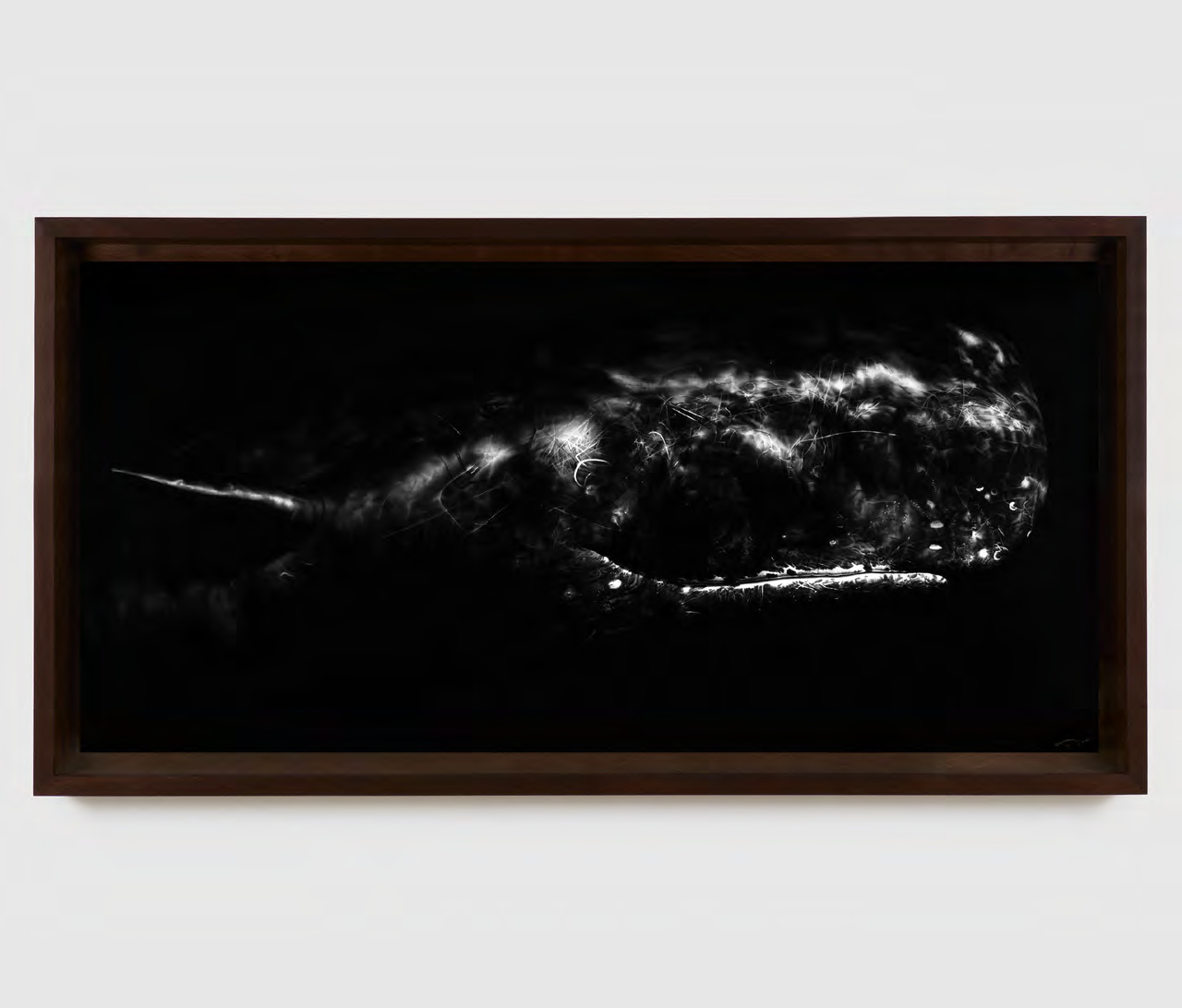
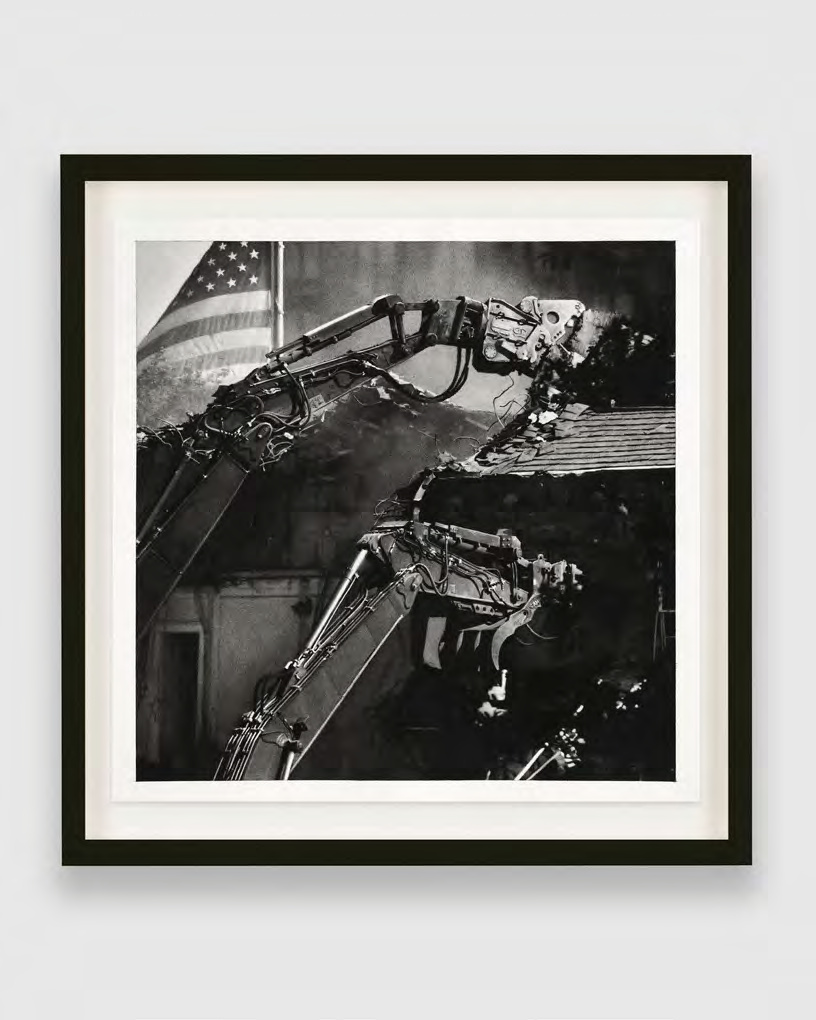
Robert Longo
Untitled (Scarred Leviathan), 2024
A charcoal work that commands a large sheet of paper asks something different of a collector and delivers something different in return: a kind of physical authority that smaller works simply cannot replicate. Subject matter and the artist's engagement with the body are particularly revealing. Käthe Kollwitz, whose drawings remain among the most emotionally demanding works on paper produced in the twentieth century, used charcoal to translate grief and political urgency into form with a directness that still feels unmediated. Her work on the secondary market has seen sustained institutional and private demand, and rightly so.
Similarly, Lotte Laserstein, whose reputation has been substantially rehabilitated over the past two decades largely thanks to exhibitions at institutions including the Städel Museum in Frankfurt, produced charcoal figure studies that reward close attention. Her works have the quality of held breath, a tension between the observed world and the painter's desire to understand it. For collectors thinking about value and market trajectory, the range available in charcoal is genuinely exciting. Works by artists like Willem de Kooning and Elaine de Kooning, both of whom used drawing as a generative practice rather than a subsidiary one, represent different points of entry.
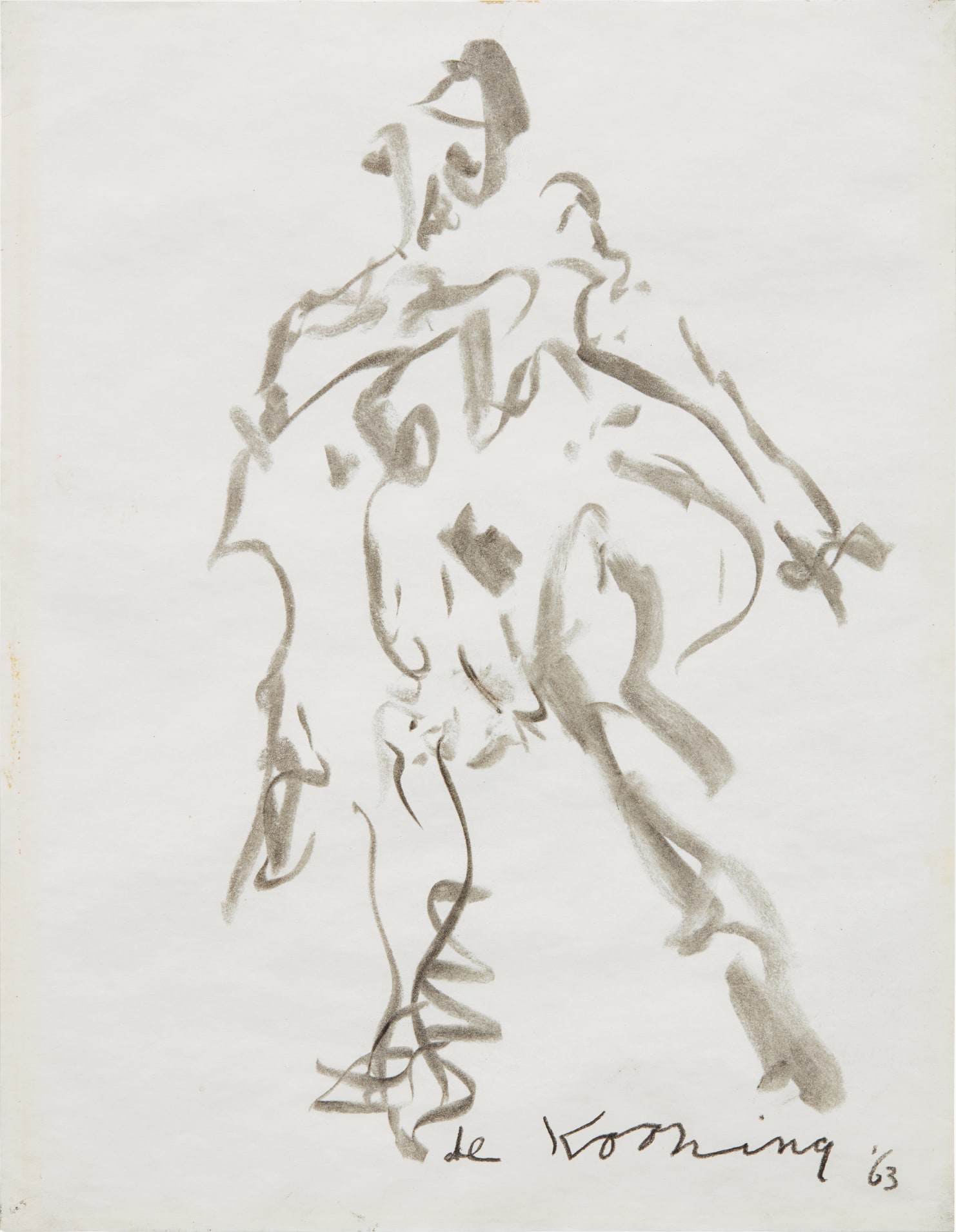
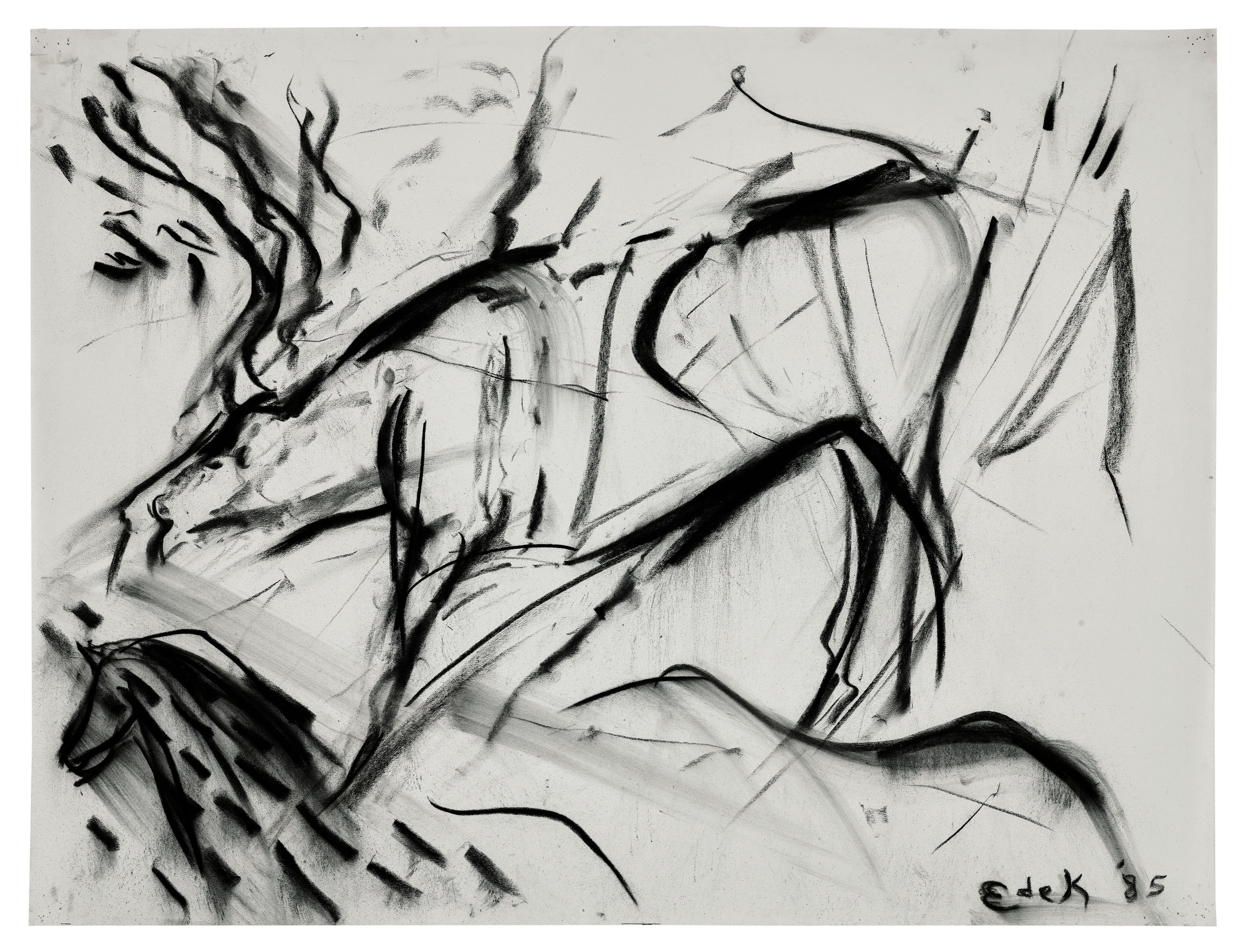
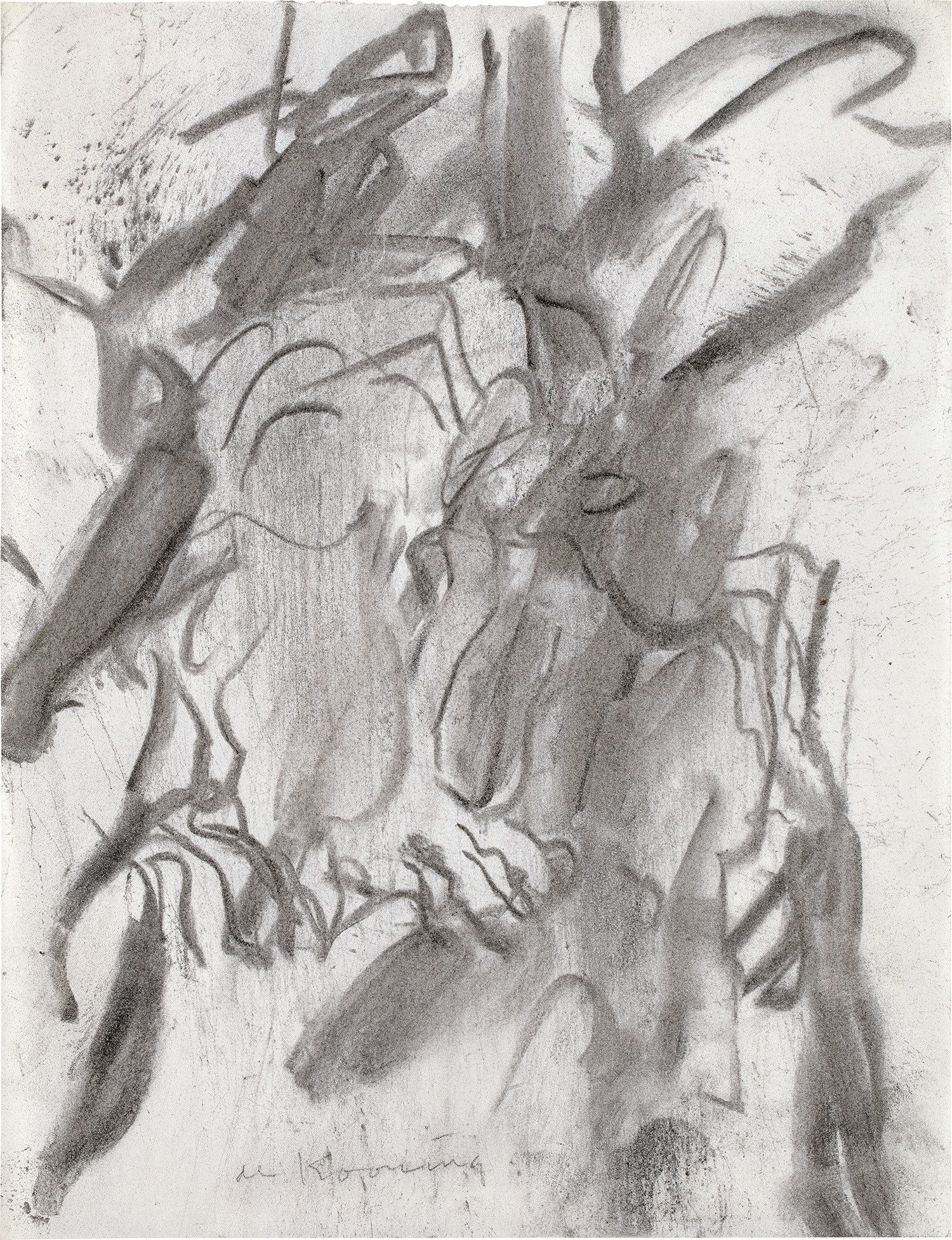
Willem de Kooning
Woman, 1963
A charcoal drawing by Willem de Kooning from his mature period commands prices that place it firmly in serious collection territory, while Elaine de Kooning's drawings, still undervalued relative to her importance in the New York School, represent a compelling opportunity. Her charcoal portraits in particular have the authority of someone who understood what the medium could do under pressure. Georg Baselitz and Arnulf Rainer, both represented on The Collection, have produced bodies of work on paper that hold up well across auction cycles, with Rainer's overworked drawings attracting consistent interest from European collectors. The emerging end of the market is where the conversation gets especially lively.
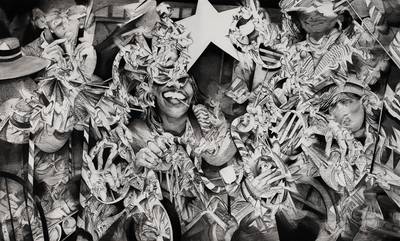
Anna Park, whose large scale charcoal and graphite works arrived with considerable momentum following her exhibitions with Kohn Gallery, brings a restless energy to crowd scenes and interiors that feels genuinely original. Her work has been acquired by collectors who came to drawing through painting and found that Park's surfaces offered something paintings could not. The density of incident in her compositions rewards the kind of sustained looking that living with art makes possible. Dana Schutz is another figure worth tracking in this context, an artist whose drawings operate as both autonomous works and as evidence of a restless pictorial intelligence.
Anna Park
Ready Set, 2020
At auction, charcoal works occupy an interesting position. They are generally more accessible at entry level than paintings by the same artist, which makes them attractive to collectors building strategically. However, the highest quality charcoal works by major names can perform with genuine strength: a significant Kentridge drawing has regularly exceeded estimate at Sotheby's and Christie's, and the market for serious works on paper has matured considerably since the early 2000s when such works were often treated as footnotes to painting. The key variable is condition, and this is where collectors need to pay closest attention.
Charcoal is inherently fragile. Unfixed works are vulnerable to abrasion, and even properly fixed surfaces can be compromised by humidity fluctuations and UV exposure over decades. Practical advice for anyone considering a purchase in this area begins with provenance and exhibition history. A work that has been properly stored and handled across its life will show it.
Ask the gallery or auction house directly about fixing: whether the work has been treated with a fixative, and if so which one, since some fixatives applied in earlier decades have yellowed or altered surface quality in ways that are difficult to reverse. Framing matters more than many collectors realize. Acid free mats, UV filtering glass, and a frame that allows the work to breathe rather than trapping moisture against the surface are all non negotiable for long term preservation. Display the work away from direct sunlight and away from exterior walls where temperature variation is greatest.
Above all, trust what the charcoal tells you when you stand in front of it. The medium has a way of being honest about whether the artist was truly present or simply going through the motions. The works on The Collection that hold attention across repeated viewings are those where the hand and the mind were working together, where the smudge and the erasure and the dark insistent line are all in conversation with each other. That conversation is what you are buying, and it is worth buying well.